bahsegel

Türkiye’de adını duyuran bahsegel güvenilir yapısıyla fark yaratıyor.

bahsegel giriş

Canlı krupiyeli oyunların iade oranı (RTP) ortalama %98,3’tür; bu, slot oyunlarından yaklaşık %2 daha yüksektir ve paribahis giriş’te oyuncular bu avantajdan yararlanır.

bahsegel giriş bahsegel bahsegel giriş bettilt bahsegel-official.link bettilt bettilt bettilt bettilt bahsegel giriş bahsegel bahsegel bettilt bahsegel bahsegel bahsegel giriş

Bahis endüstrisinde ortalama RTP oranı %96’dır; bettilt giriş slot oyunlarında bu oranı %98’e kadar çıkarıyor.

bahsegel giriş bahsegel giriş bahsegel giriş

Kumarhane keyfini yaşamak isteyenler için bettilt kategorisi oldukça ilgi çekici.

paribahis paribahis paribahis bettilt bettilt bahsegel-lein.vip casinomhub güncel giriş casinomhub giriş

Kilimanjaro Success Rate by Route: Best Summit Chances

Maximize Your Summit Success

Climb with the right strategy and experienced local support.

Plan for a Successful Kilimanjaro Summit

Reaching the summit depends on preparation, route choice, and pacing.

OUR CATEGORIES

Kilimanjaro Success Rate by Route: Which Route Gives the Best Summit Chance?

Most climbers planning Mount Kilimanjaro ask one important question: which route gives the best chance of reaching Uhuru Peak?

The answer depends mostly on acclimatization time. Kilimanjaro is not a technical climb, but the summit reaches 5,895 meters / 19,341 feet, where altitude becomes the main challenge. Routes with more days on the mountain usually give the body better time to adjust, while shorter routes often make the climb harder because the ascent is faster.

This guide compares Kilimanjaro routes by summit success profile, route length, acclimatization, difficulty, and best fit. The goal is to help you choose a route that matches your fitness, schedule, and altitude concerns instead of choosing only the cheapest or shortest option.

Before deciding, compare all route options in Kilimanjaro Routes Comparison: Which Route Is Best? and read How to Acclimatize on Kilimanjaro to understand why route length matters.

Quick Answer: Which Kilimanjaro Route Has the Best Summit Chance?

The Northern Circuit Route usually gives climbers the strongest summit chance because it is the longest route and allows more time for acclimatization. The Lemosho Route is often the best overall choice because it balances scenery, acclimatization, route experience, and summit preparation time.
 
The Machame Route can also give a strong summit profile when done over 7 days. Shorter routes such as 5-day Marangu or steep routes such as Umbwe are usually harder because the body has less time to adjust to altitude.
 
For most climbers, the best route is not the fastest route. It is the route that gives your body enough time to adapt before summit night.
Route Recommended Days Summit Success Profile Why It Matters
Northern Circuit Route 8–9+ days Very strong Longest route with the most time for altitude adjustment.
Lemosho Route 7–8 days Very strong Gradual western approach with strong acclimatization time.
Machame Route 7 days preferred Strong when properly paced Good climb-high-sleep-low profile when not rushed.
Rongai Route 6–7 days Moderate to strong Quieter northern approach with a more gradual start.
Marangu Route 6 days preferred Lower when rushed Shorter itineraries give less time for acclimatization.
Umbwe Route 6+ days Lower for most climbers Steep, direct route with faster altitude gain.
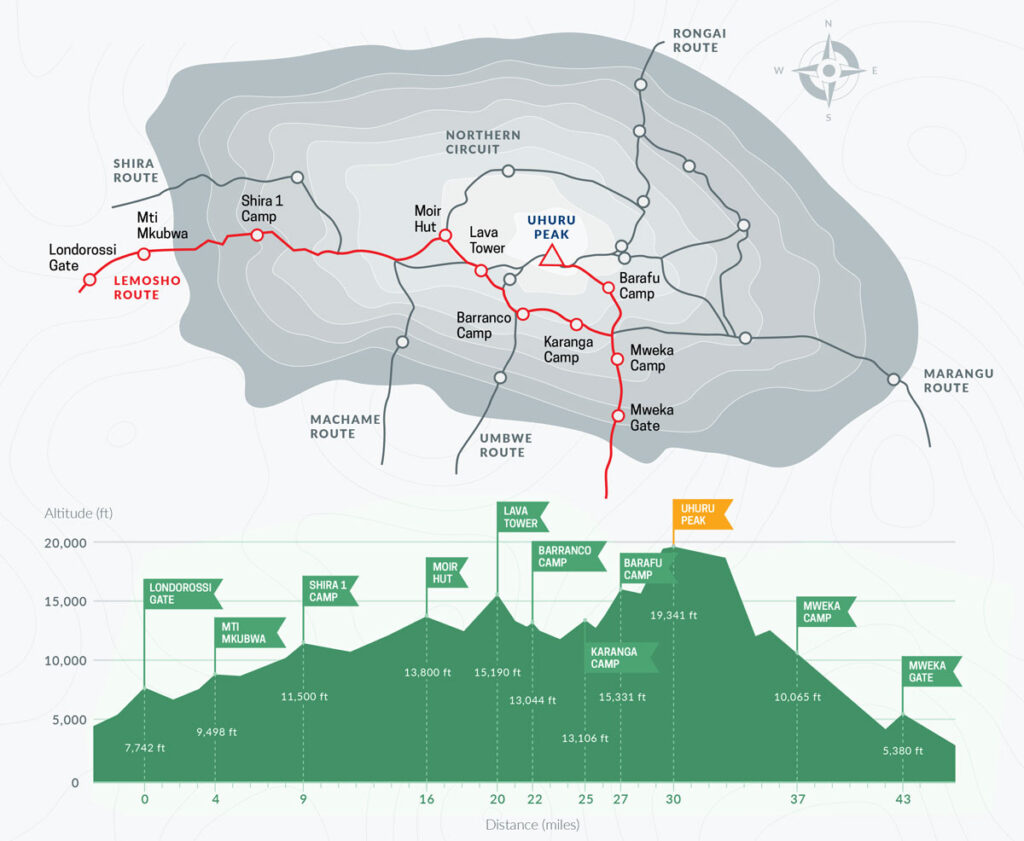
Lemosho Route map on Mount Kilimanjaro with full trail, elevation profile, and camp locations to Uhuru Peak
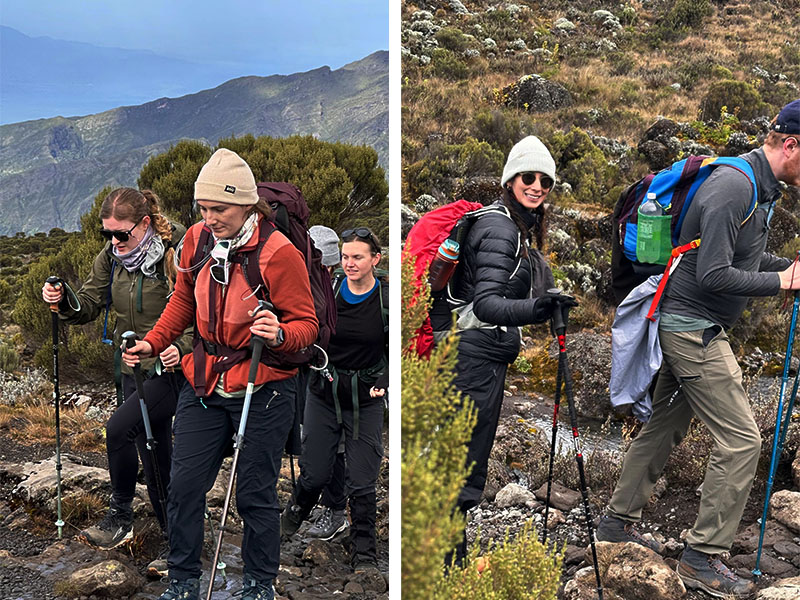
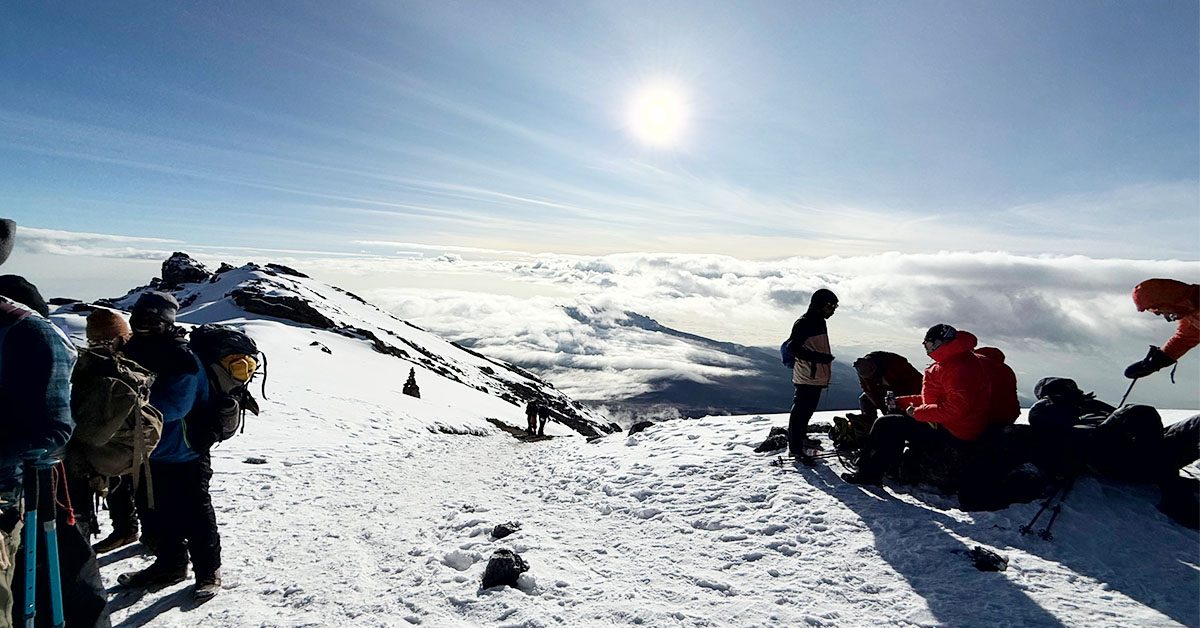
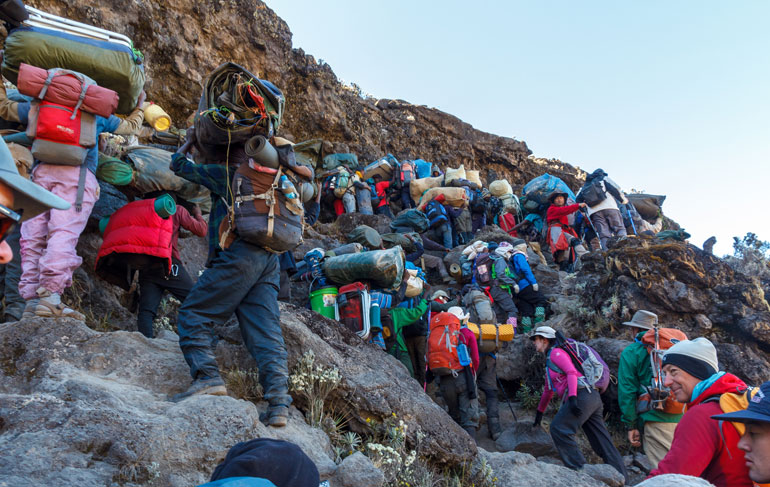
Trekkers climb Mount Kilimanjaro on a longer route with better acclimatization and higher summit success rates.

Table of Contents

What Affects Kilimanjaro Summit Success?

Kilimanjaro summit success depends on several factors, but acclimatization is usually the most important. The mountain does not require technical climbing, but the high altitude makes the final days physically and mentally demanding.
 
The main factors that affect summit success include:
  • Route length
  • Acclimatization profile
  • Walking pace
  • Fitness and endurance
  • Hydration and nutrition
  • Guide experience
  • Weather conditions
  • How early symptoms are reported
  • Mental strength on summit night
Shorter routes often make the climb harder because the body has less time to adjust to altitude. Longer routes usually give climbers better preparation before summit night because they allow more gradual acclimatization.
 
To understand the altitude side more deeply, read How to Acclimatize on Kilimanjaro and Altitude Sickness on Kilimanjaro.

Kilimanjaro Success Rate by Route

Each Kilimanjaro route has a different summit profile because each route has a different length, altitude gain, terrain style, and acclimatization pattern. The longer and more gradual routes usually give climbers a better chance of reaching Uhuru Peak.
Route Days Success Rate Difficulty Best For
Northern Circuit 8–9 90–95% Moderate Highest success rate
Lemosho 7–8 85–90% Moderate Best overall balance
Machame 6–7 70–80% Moderate Popular route
Marangu 5–6 50–60% Moderate Budget option
Umbwe 5–6 50–60% Hard Experienced climbers

Route-by-Route Summit Success Profile

Northern Circuit Route

The Northern Circuit usually gives climbers one of the strongest summit profiles on Kilimanjaro because it is the longest route. The extra days allow more time for altitude adjustment before summit night.
 
This route is a strong choice for climbers who want better acclimatization, fewer crowds, and a more gradual approach to the summit. It usually costs more because it takes more days, but the extra time can make a major difference.

Lemosho Route

The Lemosho Route is one of the best overall choices for summit preparation. It starts on the western side of Kilimanjaro and gives climbers a more gradual approach than shorter routes.
 
Lemosho is especially strong for first-time climbers who want scenery, good pacing, and better acclimatization time. The 8-day version is stronger than the 7-day version for climbers who want more time to adjust.

Machame Route

The Machame Route can have a strong summit profile when done over 7 days. It offers good scenery, varied terrain, and a useful climb-high-sleep-low pattern that helps the body adjust.
 
The 6-day Machame itinerary is more demanding because it gives less time for acclimatization. For most climbers, 7 days is the smarter choice.

Rongai Route

The Rongai Route approaches Kilimanjaro from the northern side and is usually quieter than the southern routes. It can be a good choice for climbers who want fewer crowds and a more gradual early approach.
 
Its summit profile is strongest when done over enough days. Rongai is also often considered during wetter months because the northern side is usually drier.

Marangu Route

The Marangu Route is the only main Kilimanjaro route with hut accommodation. That makes it attractive to climbers who prefer not to sleep in tents.
 
However, Marangu is often underestimated. The shorter 5-day itinerary gives limited time for acclimatization, which can reduce summit chances. If choosing Marangu, a 6-day itinerary is usually the smarter option.

Umbwe Route

The Umbwe Route is steep, direct, and physically demanding. It gains altitude quickly, which gives the body less time to adjust.
 
For most first-time climbers, Umbwe is not the best route for summit success. It is better suited to experienced trekkers who understand altitude risk and want a more aggressive climb.

Why Longer Kilimanjaro Routes Usually Have Better Summit Chances

Longer Kilimanjaro routes usually give better summit chances because they allow more time for acclimatization. Your body needs time to adjust as oxygen levels drop, and that adjustment cannot be rushed.
A route with more days helps climbers:
  • Gain altitude more gradually
  • Recover better between trekking days
  • Sleep at altitude before moving higher
  • Arrive at summit night less exhausted
  • Recognize and manage symptoms earlier
  • Follow a steadier mountain pace
Shorter routes may look attractive because they cost less and take fewer days, but they often come with a harder altitude profile. On Kilimanjaro, saving one or two days can make the climb more difficult.
 
For most climbers, the safest decision is to choose the route that gives enough time for acclimatization, not just the route that fits the shortest schedule.

Best Kilimanjaro Route by Climber Type

Climber Type Best Route Why It Fits
Best overall summit chance Northern Circuit Route Longest route with the most time for acclimatization.
Best balance for most climbers Lemosho Route Strong balance of scenery, pacing, acclimatization, and route experience.
Best popular route 7-day Machame Route Good scenery and climb-high-sleep-low profile when not rushed.
Best hut route 6-day Marangu Route Only main route with huts, but extra acclimatization time is important.
Best quiet route Rongai Route or Northern Circuit Fewer crowds and a more peaceful mountain experience.
Most demanding option Umbwe Route Steep, direct, and not ideal for most first-time climbers.
Mount Kilimanjaro rising above the African savanna with snow on the summit
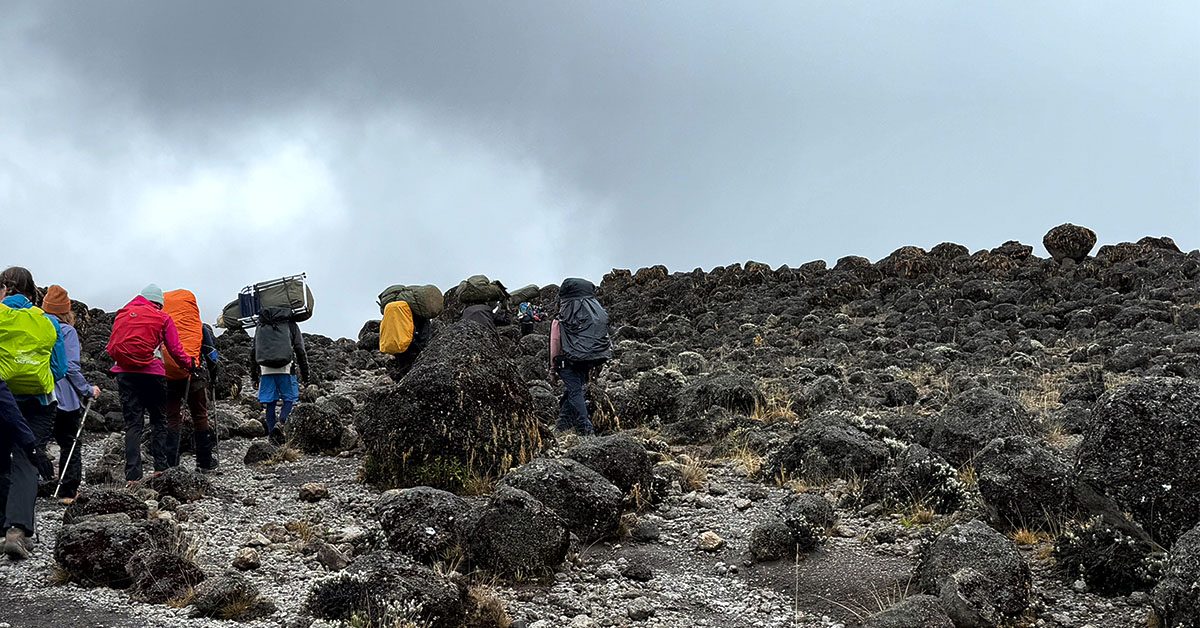
Trekkers follow a longer Kilimanjaro route where gradual ascent improves acclimatization and summit success.

How to Improve Your Kilimanjaro Summit Chances

You cannot guarantee the summit, but you can make smarter decisions that improve your chances. The strongest climbers are not always the fastest. On Kilimanjaro, patience, pacing, and acclimatization matter more than ego.

Choose a Longer Route

A longer route gives your body more time to adjust to altitude. For most climbers, 7 to 9 days is better than a rushed 5 or 6-day climb.

Walk Slowly From Day One

Do not wait until summit night to slow down. A steady “pole pole” pace from the beginning helps your body adapt gradually.

Train Before Your Climb

Training helps your legs, lungs, and mind handle long trekking days. Focus on hiking, uphill walking, stairs, cardio, and leg strength. Read Kilimanjaro Training Plan before your climb.

Hydrate and Eat Properly

At altitude, your body works harder. Drinking water regularly and eating enough food helps maintain energy and supports recovery.

Listen to Your Guides

Experienced guides monitor your pace, symptoms, oxygen levels, appetite, and overall condition. Report symptoms early and follow their advice.

Prepare Mentally for Summit Night

Summit night is long, cold, slow, and demanding. Mental patience is important because the final push often tests discipline more than speed.
 
For a deeper preparation guide, read How Hard Is Kilimanjaro?

Common Mistakes That Reduce Kilimanjaro Summit Chances

Many climbers reduce their own summit chances before they even arrive by choosing the wrong route or underestimating altitude.
Avoid these mistakes:
  • Choosing the shortest route only to save money
  • Booking a 5-day itinerary without understanding altitude risk
  • Walking too fast in the first few days
  • Ignoring headaches, nausea, dizziness, or unusual fatigue
  • Skipping meals when appetite drops
  • Drinking too little water
  • Arriving without enough training
  • Choosing Umbwe without enough experience
  • Thinking fitness alone protects you from altitude
The mountain should not be treated like a race. The best decision is to choose enough days, walk slowly, report symptoms early, and follow your guide’s pace.

Frequently Asked Questions About Kilimanjaro Success Rates

Which Kilimanjaro route gives the best summit chance?

The Northern Circuit usually gives climbers the strongest summit chance because it is the longest main route and allows the most time for acclimatization. Lemosho is also one of the strongest choices because it offers a good balance of scenery, pacing, and altitude adjustment time.

Is Lemosho or Northern Circuit better for summit success?

Northern Circuit is usually stronger for acclimatization because it takes more days. Lemosho is often the better overall choice for climbers who want excellent scenery, strong acclimatization, and a slightly shorter itinerary than Northern Circuit.

Does a longer Kilimanjaro climb improve summit chances?

Yes, longer climbs usually improve summit chances because the body has more time to adjust to altitude. A 7, 8, or 9-day climb usually gives better acclimatization than a rushed 5 or 6-day itinerary.

Which Kilimanjaro route has the lowest summit chance?

Umbwe is usually one of the hardest routes for summit success because it is steep and gains altitude quickly. Short 5-day Marangu itineraries can also be difficult because they give limited acclimatization time.

Can beginners reach the summit of Kilimanjaro?

Yes, many beginners reach Uhuru Peak with the right route, enough preparation, slow pacing, and experienced guides. For beginners, Lemosho, 7-day Machame, or Northern Circuit are usually stronger choices than short or steep routes.

Does fitness guarantee summit success on Kilimanjaro?

No. Fitness helps, but it does not guarantee success because altitude affects everyone differently. A fit climber can still struggle if they ascend too quickly, ignore symptoms, or choose a rushed route.

Choose the Kilimanjaro Route That Gives You the Best Chance

Choosing the right route is one of the most important decisions you will make before climbing Kilimanjaro. The best route is not always the cheapest, shortest, or most famous. It is the route that gives your body enough time to adjust while matching your fitness, budget, and travel schedule.
 
At Kili Quests, we help climbers choose realistic itineraries based on route profile, acclimatization time, fitness level, and summit goals. Our local guides focus on steady pacing, daily health checks, strong mountain meals, and safe summit preparation.
 
If reaching Uhuru Peak is your goal, start with the route that gives you the best chance to climb safely and confidently.

Related Articles
Is Climbing Kilimanjaro Dangerous? Safety Guide

Plan Your Kilimanjaro Climb

Climb safely with the right preparation and expert support.

Climb Kilimanjaro the Safe Way

The right preparation and support make all the difference.

OUR CATEGORIES

Is Climbing Mount Kilimanjaro Dangerous?

For many people planning to climb Mount Kilimanjaro, the excitement is quickly followed by a serious question:“Is this dangerous?”.It’s a fair concern.
 
Kilimanjaro stands at 5,895 meters , high enough to affect your body in ways most people have never experienced. You’re walking for days, sleeping at altitude, and pushing yourself toward the highest point in Africa.
 
But here’s the reality:
 
Kilimanjaro is not a dangerous mountain in the traditional sense , but it is a serious one.There are no technical climbs, no ropes, no vertical rock faces. Yet every year, some climbers struggle , not because of the terrain, but because of how their bodies react to altitude and fatigue.Understanding the real risks , and how to manage them , is what turns Kilimanjaro from something intimidating into something achievable.
 
Before deciding whether Kilimanjaro is right for you, it helps to understand how hard it is to climb Kilimanjaro and what your body goes through at high altitude.

Quick Answer: Is Climbing Kilimanjaro Dangerous?

Climbing Kilimanjaro is not usually dangerous when you choose the right route, climb slowly, follow experienced guides, and take altitude symptoms seriously. It is a non-technical trek, so the main routes do not require ropes, ice axes, or mountaineering skills.
 
However, Kilimanjaro is still a serious high-altitude climb. The main risks are altitude sickness, cold weather, dehydration, exhaustion, poor preparation, and ignoring warning signs. The safest climbers are those who allow enough time for acclimatization and listen to their guide.

Kilimanjaro Safety Overview

Safety Question Short Answer
Is Kilimanjaro technical? No. It is a high-altitude trek, not a technical mountaineering climb on the main routes.
Main risk Altitude sickness from gaining elevation too quickly.
Other risks Cold, dehydration, fatigue, stomach issues, slips, and poor preparation.
Best safety choice Choose a longer route with better acclimatization and climb with experienced guides.
Beginner-friendly? Yes, if you train, choose the right route, and follow guide instructions.
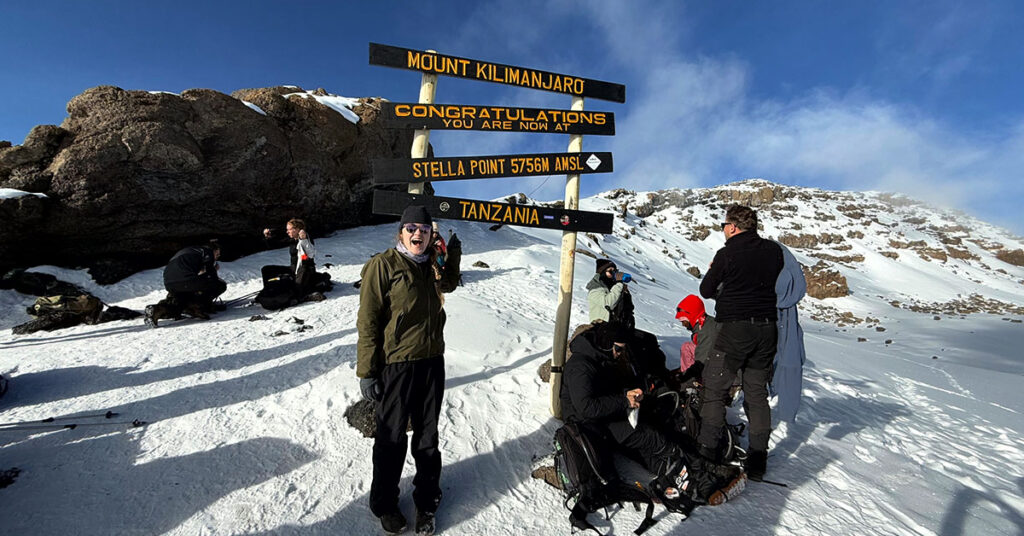
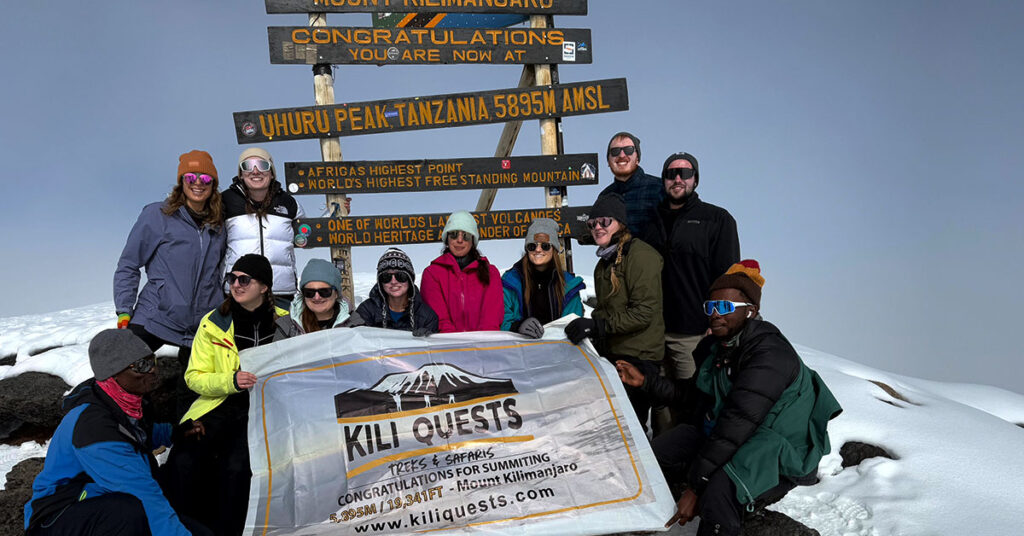
Trekkers and mountain crew standing together at Stella Point on Kilimanjaro

Table of Contents

How Dangerous Is Kilimanjaro Compared to Other Mountains?

Kilimanjaro is safer than technical mountains that require ropes, ice axes, glacier travel, or advanced mountaineering skills. On the main Kilimanjaro routes, climbers walk to the summit rather than climb vertical rock or ice.

But that does not mean Kilimanjaro is easy or risk-free. At 5,895 meters / 19,341 feet, altitude is the real danger. The mountain becomes risky when climbers rush, ignore symptoms, choose routes that are too short, or climb with poor support.
 
So the honest answer is simple: Kilimanjaro is not technically dangerous, but it is physically and medically serious.

The Biggest Risk: Altitude Sickness

Altitude sickness is the biggest safety concern on Kilimanjaro. As you climb higher, oxygen levels decrease and your body needs time to adjust. This adjustment process is called acclimatization.
 
Common altitude symptoms include:
  1. headache
  2. nausea
  3. dizziness
  4. loss of appetite
  5. unusual fatigue
  6. poor sleep
Mild symptoms are common at altitude, but they should never be ignored. If symptoms become worse, your guide may recommend rest, closer monitoring, or descent.
 
The safest Kilimanjaro climbers go slowly, drink regularly, eat enough, report symptoms early, and choose routes that allow better acclimatization.

Other Risks on Kilimanjaro

Altitude is the main risk, but it is not the only challenge. Kilimanjaro also exposes climbers to cold weather, fatigue, dehydration, stomach problems, and changing trail conditions.

Cold and Weather Changes

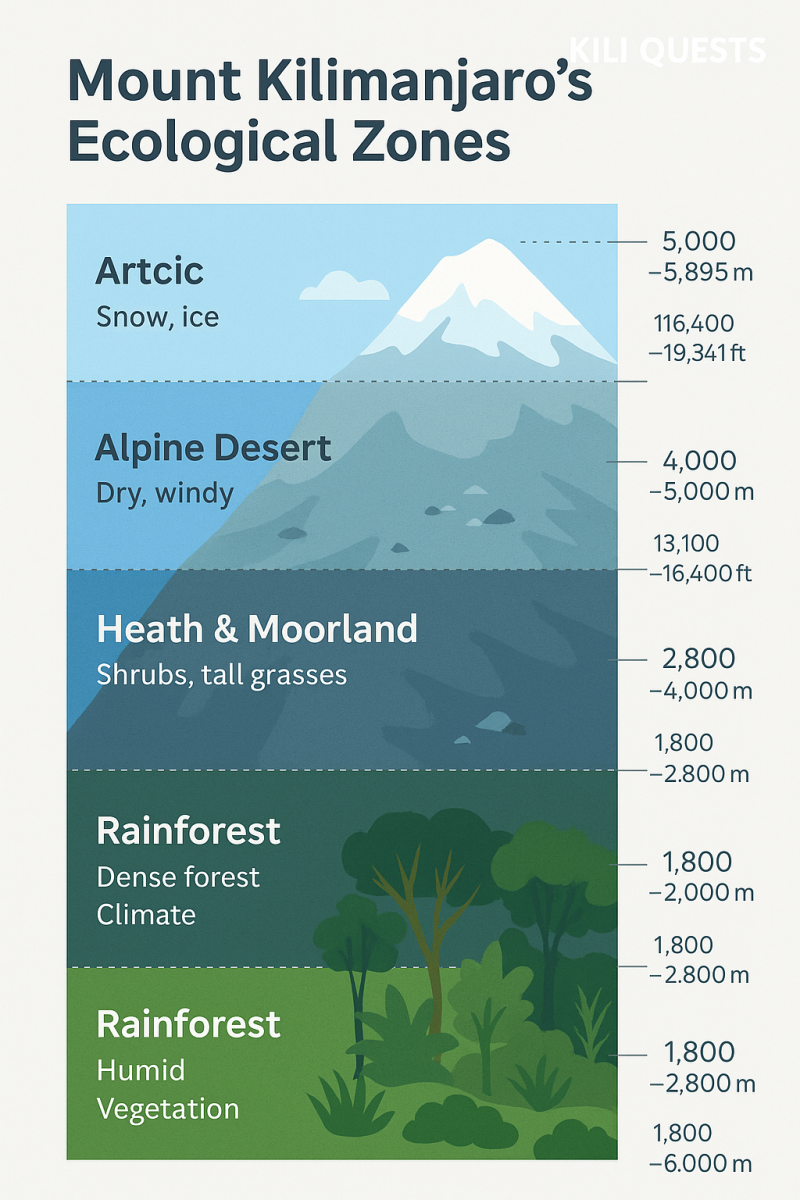
Kilimanjaro passes through several climate zones. You may start in warm rainforest and later face freezing temperatures near the summit. Without proper layers, gloves, waterproof gear, and a warm sleeping system, cold conditions can become dangerous.
 
For seasonal planning, read our best time to climb Kilimanjaro guide.

Physical Exhaustion

Climbing Kilimanjaro usually means walking for several days, sleeping in tents or huts, and hiking while your body is adjusting to altitude. Fatigue can make symptoms feel worse and reduce your ability to recover.

Dehydration

At altitude, many climbers lose fluids faster but feel less thirsty. Dehydration can make headaches, fatigue, and altitude symptoms worse. Drink regularly and follow your guide’s advice.

Poor Decision-Making

Altitude and exhaustion can affect judgment. This is why experienced guides matter. A good guide makes safety decisions based on your condition, not your summit emotions.
 

Why Most Climbers Stay Safe on Kilimanjaro

Most climbers stay safe on Kilimanjaro because the climb is guided, regulated, and supported by experienced mountain teams. Safety depends on preparation, route choice, daily monitoring, and quick action when symptoms appear.
 
Professional guides help by:
  1. monitoring altitude symptoms
  2. checking oxygen levels when needed
  3. controlling the pace
  4. encouraging hydration and food intake
  5. deciding when rest or descent is necessary
Choosing the right team matters. Read our guide on how to choose a Kilimanjaro tour company before booking your climb.
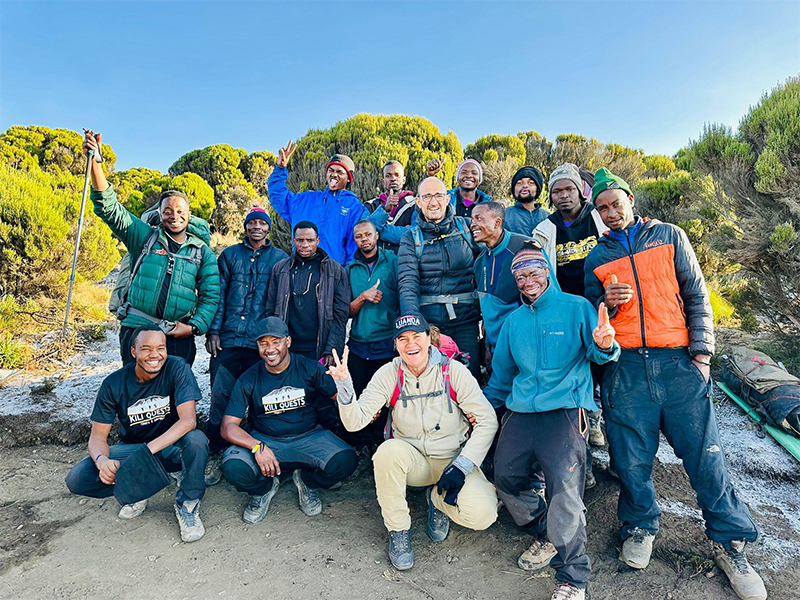
Kilimanjaro trekkers and porters smiling together at the end of a successful hike
Experienced guides monitor climbers daily and ensure safety throughout the Kilimanjaro trek.

Emergency Support on Kilimanjaro

If a climber becomes seriously unwell, the first safety response is usually to stop climbing and descend to a lower altitude. Descent is the most important emergency action for serious altitude problems.

Depending on the situation, guides may use oxygen, contact park rescue support, or arrange evacuation. This is why climbers should have travel insurance that covers high-altitude trekking and emergency evacuation.
 
Before your trip, read our guide on medical insurance for Kilimanjaro so you understand what type of coverage to arrange.

How to Climb Kilimanjaro More Safely

You cannot remove every risk from Kilimanjaro, but you can reduce the biggest dangers with smart preparation.

Choose a Route with Enough Days

Longer routes such as Lemosho, Northern Circuit, and 7-day Machame usually give better acclimatization than shorter routes. More days on the mountain give your body more time to adjust.
 
Compare your options in our Kilimanjaro routes comparison guide.

Go Slowly (Pole Pole)

The most important rule on Kilimanjaro is pole pole, which means slowly. Fast climbing increases altitude stress and makes the trek harder.

Report Symptoms Early

Do not hide headaches, nausea, dizziness, vomiting, unusual fatigue, or breathing problems. Your guide can only help if you are honest.

Train Before the Climb

You do not need to be an athlete, but you should prepare your legs, lungs, and endurance. Read our Kilimanjaro training guide before your climb.

Who Is Most at Risk on Kilimanjaro?

Altitude can affect anyone, including fit climbers. Being strong does not guarantee good acclimatization.
 
Higher-risk climbers often include people who:
  1. choose very short routes
  2. rush the pace
  3. ignore symptoms
  4. arrive poorly trained
  5. do not eat or drink enough
  6. hide how they feel from guides
  7. have medical conditions they did not discuss before travel

Fitness helps, but altitude respect matters more. The safest climbers are patient, honest, and willing to follow guide decisions.

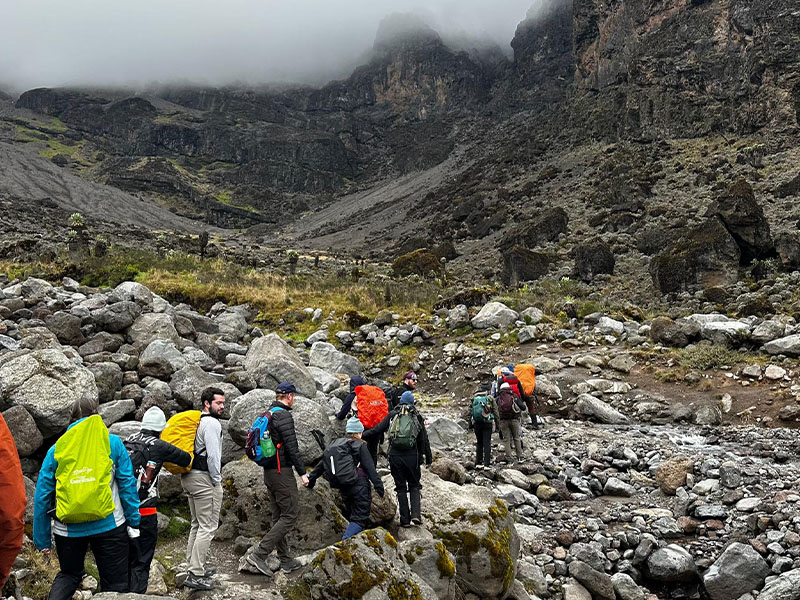
Tourists trekking on Mount Kilimanjaro at high altitude with guides | Kili Quests
Step by step — staying hydrated, steady, and supported helps you adapt as altitude increases.

Is Kilimanjaro Safe for Beginners?

Yes, Kilimanjaro can be safe for beginners if they prepare properly, choose a suitable route, and climb with experienced guides.

You do not need technical climbing skills or mountaineering experience for the main routes. But you do need fitness, patience, proper gear, and enough time for acclimatization.

For most first-time climbers, longer routes are usually safer than short, rushed itineraries.

Common Questions About Kilimanjaro Safety

Is climbing Kilimanjaro dangerous?

Climbing Kilimanjaro is not usually dangerous when done with proper preparation, experienced guides, good pacing, and enough acclimatization time. The main risk is altitude sickness, not technical climbing.

What is the biggest danger on Kilimanjaro?

The biggest danger on Kilimanjaro is altitude sickness. It can affect anyone, including fit climbers, especially when the climb is too fast or symptoms are ignored.

Is Kilimanjaro safe for beginners?

Yes, Kilimanjaro can be safe for beginners if they train, choose the right route, use proper gear, and follow guide instructions. Longer routes are usually better for first-time climbers because they allow more acclimatization time.

What is the safest Kilimanjaro route?

Longer routes such as Lemosho, Northern Circuit, and 7-day Machame are usually safer choices because they give the body more time to adapt to altitude. Shorter routes can be harder because they reduce acclimatization time.

Do I need travel insurance for Kilimanjaro?

Yes. You should have travel insurance that covers high-altitude trekking and emergency evacuation. Kilimanjaro is a remote high-altitude climb, so proper insurance is an important part of safety planning.

Climb Kilimanjaro Safely with Kili Quests

Kilimanjaro is achievable, but it should never be treated casually. The safest climbs are built around good route choice, slow pacing, proper acclimatization, daily health monitoring, and experienced guide support.

At Kili Quests, we help climbers prepare honestly, choose suitable routes, and climb with local mountain teams who understand Kilimanjaro’s risks and conditions.

Contact us today to plan a safer Kilimanjaro climb with experienced local guides.

Related Articles

Kilimanjaro Deaths Explained: Statistics, Causes & Real Risk

Plan Your Kilimanjaro Climb

Climb with the right preparation, support, and safety strategy.

Climb Kilimanjaro the Safe Way

The right decisions make your climb safer and more successful.

OUR CATEGORIES

Kilimanjaro Deaths Explained: How Safe Is Africa’s Highest Mountain?

For many people planning to climb Mount Kilimanjaro, the excitement of reaching the highest point in Africa is often mixed with a more serious question: “How dangerous is it, really?”
 
It’s not something everyone asks out loud, but it’s always there in the background.
Kilimanjaro rises to 5,895 meters , a height where the human body is pushed far beyond its comfort zone. You’re not just hiking; you’re moving through thin air, changing climates, and multiple days of physical effort.And yes , people do die on Kilimanjaro.
 
But the reality is often misunderstood.The numbers are low. The causes are specific. And most importantly, the risks are largely preventable when the mountain is approached correctly.This article explains the full picture ,honestly, clearly, and without exaggeration ,so you understand what’s real, what’s avoidable, and what it actually takes to stay safe.
 
Before focusing on death statistics, it’s important to understand how dangerous Kilimanjaro really is and what risks climbers actually face.
Ice
High altitude conditions on Kilimanjaro can be challenging — proper pacing and preparation are essential for safety.

Table of Contents

How Many People Die on Kilimanjaro Each Year?

Kilimanjaro receives a large number of climbers every year.
  • Around 30,000 to 50,000 people attempt the climb annually
  • Approximately 3 to 10 deaths occur each year
When you compare these numbers, the overall risk is very low.To put it into perspective. The vast majority of climbers complete Kilimanjaro safely.However, these numbers don’t mean the mountain is easy , they mean it is well-managed and predictable when approached correctly.
 
Most climbers complete the trek successfully , especially when they follow proper acclimatization and route planning strategies.

Why Do People Die on Kilimanjaro? (Real Causes)

Most people assume deaths are caused by falls or accidents.That’s not the case.The real causes are almost always related to how the body reacts to altitude and stress.

Severe Altitude Sickness (Primary Cause)

This is the leading cause of serious incidents on Kilimanjaro.At high altitude:
  • Oxygen levels drop significantly
  • The body struggles to adapt
  • Vital functions become less efficient
 
If the body does not acclimatized properly, symptoms can escalate.Early signs include:
  • Headaches
  • Nausea
  • Dizziness
  • Fatigue
In severe cases, it can develop into life-threatening conditions. The key point: Altitude sickness is manageable , but only if recognized and respected early.
 
Understanding altitude sickness on Kilimanjaro helps you recognize early warning signs before they become dangerous.

Ignoring Warning Signs

One of the most dangerous behaviors on Kilimanjaro is ignoring symptoms.
Some climbers:
  • Push through discomfort
  • Hide symptoms to continue
  • Refuse to descend
This is where risk increases dramatically.
On Kilimanjaro, success is not reaching the summit — it’s coming down safely.

Poor Route Choice (Too Fast Ascent)

Shorter routes may look attractive because:
  • They are cheaper
  • They take less time
But they come with a major downside:
  • Less time to acclimatize
This significantly increases the risk of altitude-related problems.
 
Your route is one of the biggest safety factors , compare all Kilimanjaro routes to choose a safer itinerary

Lack of Preparation

Climbers who arrive unprepared often struggle with:
  • Fatigue
  • Dehydration
  • Slow recovery
While fitness alone does not prevent altitude sickness, poor preparation makes the climb much harder and increases overall risk.

Pre-Existing Medical Conditions

Conditions such as:
  • Heart problems
  • Lung issues
  • High blood pressure
can become more serious at altitude.This is why medical awareness before the climb is important.
Happy tourist walking along a high-altitude trail on Kilimanjaro with a smile and trekking gear | Kili Quests
Most climbers complete Kilimanjaro safely with proper guidance and structured itineraries.

Why Kilimanjaro Is Still Considered a Safe Mountain

Despite these risks, Kilimanjaro is widely regarded as one of the safest high-altitude climbs in the world.

Non-Technical Terrain

There are:
  • No vertical climbs
  • No ropes required
  • No technical sections
You are walking on established trails, not climbing dangerous terrain.

Mandatory Guides and Regulations

All climbers must:
  • Use licensed operators
  • Be accompanied by trained guides
This creates a structured and controlled environment.
 
These regulations are part of what makes Kilimanjaro safe , understand the official trekking rules on Kilimanjaro before your climb.

Continuous Monitoring

Guides:
  • Check your health daily
  • Monitor oxygen levels
  • Watch for altitude symptoms

This allows problems to be detected early.

Immediate Descent Is Always Possible

Unlike more remote mountains, Kilimanjaro allows:
  • Fast descent when needed
This is one of the biggest safety advantages.
 
Emergency evacuation is also available, but requires proper coverage , choose the best medical insurance for Kilimanjaro before your trek.

The Real Danger: Underestimating the Mountain

Kilimanjaro becomes dangerous when people treat it as “just a hike.”Common mistakes include:
  • Choosing short routes
  • Rushing the climb
  • Ignoring guidance
  • Not preparing
The mountain rewards patience  and punishes shortcuts.
 

How to Reduce Risk on Kilimanjaro Safety is largely in your control.

Choose the Right Route

  • Improve acclimatization
  • Reduce altitude stress
  • Increase success rates

Go Slowly (Pole Pole)

The most important rule on Kilimanjaro:
  • Slow = Safe
Fast climbing is the biggest cause of problems.

Stay Hydrated and Eat Properly

Even when you don’t feel like it, your body needs:
  • Water
  • Energy
  • Nutrition

Follow Your Guide’s Advice

Guides are trained to make safety decisions.Ignoring them increases risk significantly.

Prepare Before the Climb

Preparation improves:
  • Endurance
  • Recovery
  • Overall experience

Is Kilimanjaro Safe for Beginners?

Yes — and this is one of its unique qualities.You do not need:
  • Technical skills
  • Mountaineering experience
But beginners must:
  • Prepare properly
  • Choose the right route
  • Respect altitude
Most climbers who reach the summit are first-timers.

The Truth About Kilimanjaro Deaths

Kilimanjaro deaths are rare, but they are not random.They are usually the result of:
  • Poor decisions
  • Rushed climbs
  • Ignored symptoms
The mountain itself is not unpredictable , the risk comes from how it is approached.
With the right preparation and guidance, reaching Uhuru Peak is a safe and achievable goal.

How Safe Is Kilimanjaro?

Kilimanjaro is a low-risk but high-altitude mountain.
  • The death rate is very low
  • The main risk (altitude) is manageable
  • Most climbers complete the trek safely
 With the right preparation, Kilimanjaro is a safe and achievable adventure , even for beginners.

Common Questions About Kilimanjaro Deaths

What is the death rate on Kilimanjaro?

The death rate is very low compared to the number of climbers each year. With tens of thousands attempting the climb and only a few fatalities annually, Kilimanjaro is considered relatively safe for a high-altitude mountain.

Can altitude sickness be fatal?

Yes, in severe cases. However, most cases are mild and manageable. Serious outcomes are rare when symptoms are recognized early and proper action is taken.
 

Is Kilimanjaro dangerous for beginners?

No, not if approached correctly. Beginners can climb safely by choosing longer routes, going slowly, and following professional guidance.

What is the safest way to climb Kilimanjaro?

The safest approach is to choose a longer route, allow proper acclimatization, stay hydrated, and listen to your guide throughout the climb.

Should I be worried about climbing Kilimanjaro?

You should respect the mountain, not fear it. With the right preparation and mindset, Kilimanjaro is a safe and rewarding experience.

Climb Kilimanjaro Safely with Kili Quests

Climbing Kilimanjaro  safely is about making the right choices from the start.At Kili Quests, we focus on:
  • Experienced professional guides
  • Strong safety protocols
  • Proper acclimatization strategies
  • High summit success rates
If you’re planning your climb, do it with a team that understands how to manage both the risks and the journey.

Related Articles

Mount Kilimanjaro Difficulty: How Hard Is the Climb?

Plan Your Kilimanjaro Climb

The right route, timing, and preparation make all the difference.
At Kili Quests, we help you plan based on:

You Can Reach the Summit

 Preparation is what gets you there.

OUR CATEGORIES

How Hard Is Kilimanjaro? Difficulty, Fitness & Altitude

Climbing Mount Kilimanjaro is challenging, but it is achievable for many prepared trekkers. You do not need ropes, technical climbing skills, or mountaineering experience to reach Uhuru Peak. The real difficulty comes from altitude, long hiking days, cold summit conditions, and the mental pressure of summit night.
 
This is why Kilimanjaro is often misunderstood. The trail itself is not highly technical, but the mountain becomes harder as oxygen levels drop and fatigue builds over several days. A fit beginner can reach the summit with the right route, steady pacing, good preparation, and experienced guides. A strong athlete can also struggle if they climb too fast, choose a short itinerary, or ignore altitude symptoms.
 
Before deciding if Kilimanjaro is right for you, it helps to understand what actually makes the climb difficult. Route choice also matters because the number of days, ascent profile, and acclimatization schedule can make a major difference.
 

Quick Answer: How Hard Is Kilimanjaro?

Mount Kilimanjaro is moderately to very challenging, mainly because of altitude rather than technical climbing. Most trekkers can walk the trail, but reaching the summit requires endurance, patience, proper acclimatization, and mental strength, especially during summit night.
 
The climb is not technical, so you do not need ropes, ice axes, or climbing experience on the standard routes. However, if you are asking how hard it is to climb Mount Kilimanjaro, the honest answer is that the walking itself is manageable for prepared trekkers, but the altitude, cold summit-night conditions, and multiple days of hiking make it a serious challenge.
 
You should be comfortable hiking for several hours a day, walking uphill, sleeping at altitude, and following a slow pace for multiple days. A longer route, good pacing, and proper acclimatization can make the climb safer and more manageable.
Difficulty Factor How It Affects the Climb
Altitude The biggest challenge because oxygen levels drop as you climb higher.
Fitness You need endurance, leg strength, and the ability to hike for several days in a row.
Summit Night The hardest section because it is long, cold, dark, steep, and mentally demanding.
Route Choice Longer routes usually give your body more time to acclimatize.
Weather Cold, wind, rain, and changing climate zones can make the trek harder.

How Hard Is It to Climb Mount Kilimanjaro?

Mount Kilimanjaro is moderately to very challenging for most climbers, mainly because of high altitude, long trekking days, cold summit-night conditions, and the mental effort required near the top. It is not a technical climb, so you do not need ropes, ice axes, or rock-climbing experience on the standard routes.
 
The real difficulty is that you are walking for several days while your body adapts to thinner air. For most climbers, the hardest part is not the trail itself but how the body responds to altitude, especially during summit night.
Difficulty Factor How Hard It Feels Why It Matters
Altitude Very challenging Lower oxygen levels make even steady walking feel harder at higher elevations.
Summit night Very challenging You climb for several hours in darkness, cold, fatigue, and high altitude.
Daily trekking Moderate to challenging You walk for multiple days on varied terrain while carrying a daypack.
Technical climbing Low Standard Kilimanjaro routes do not require ropes, ice axes, or rock-climbing skills.
Mental endurance Challenging You need patience, slow pacing, and determination when tired or uncomfortable.
Trekking
Climbing Kilimanjaro is physically and mentally challenging — especially on summit night — but with the right pace and preparation, reaching Uhuru Peak is achievable for most trekkers.

Table of Contents

Is Kilimanjaro a Technical Climb?

No, Kilimanjaro is not a technical climb. You do not need ropes, harnesses, ice axes, or mountaineering experience on the standard trekking routes. Most of the climb is a high-altitude hike on established trails.
 
But this does not mean Kilimanjaro is easy. The mountain is difficult because of altitude, long trekking days, changing weather, and the final summit push. Many people underestimate Kilimanjaro because it is “walkable,” but altitude can affect anyone, including strong and fit hikers.
 
If this is your first high-altitude trek, preparation matters. Read Kilimanjaro Training Plan to understand how to build endurance, leg strength, and hiking fitness before your climb.

What Makes Climbing Kilimanjaro Difficult?

Kilimanjaro is difficult because several challenges happen at the same time. You are hiking for multiple days, sleeping higher each night, dealing with colder conditions, and pushing your body into thinner air. The trail may not require climbing skills, but the altitude and accumulated fatigue make the mountain serious.

High Altitude – The Real Challenge

Above 3,000 meters, your body begins to feel the effects of reduced oxygen. By the time you approach the summit, oxygen levels are nearly half of what they are at sea level.
You may experience:
  • Headaches
  • Nausea
  • Fatigue
  • Slower pace
This is why proper acclimatization is critical ,learn how to acclimatize on Kilimanjaro and avoid altitude sickness.You can also read more about symptoms and safety in our guide to altitude sickness on Kilimanjaro.
 

Long Hiking Days That Build Fatigue

Most days involve 5–7 hours of hiking, but the real challenge is doing this for multiple days in a row while sleeping at altitude.
 
Understanding how many days you should spend on the mountain can make a big difference , see how long it takes to climb Kilimanjaro.

Summit Night -The Toughest Part

Summit night is the hardest part of the climb.You start around midnight and hike for 10–14 hours in cold, thin air.
 
Proper preparation is key , see what to expect and how to prepare in our Kilimanjaro summit day guide.

Cold Temperatures and Changing Climate Zones

Kilimanjaro takes you through five climate zones , from rainforest to arctic conditions.
Summit temperatures can drop to -10°C to -20°C.
 
 Make sure you’re prepared for extreme cold by checking our Kilimanjaro night temperature guide. And don’t forget essential gear , see the full Kilimanjaro packing list.
Stella point -1
The biggest challenge on Kilimanjaro isn’t the terrain — it’s the altitude. As you climb higher, oxygen levels drop, making every step feel harder.

Do You Need Climbing Experience for Kilimanjaro?

No technical experience is required.However, preparation is key.
 
 If you’re new to trekking, start with our beginner’s guide to climbing Kilimanjaro.

How Fit Do You Need to Be to Climb Kilimanjaro?

You don’t need to be an athlete, but you need endurance.You should be comfortable:
  • Walking 6–8 hours per day
  • Hiking uphill
  • Carrying a daypack
Follow our step-by-step Kilimanjaro training plan to prepare your body before the climb.

Kilimanjaro vs Everest Base Camp – Which Is Harder?

At first glance, Everest Base Camp may seem harder because it takes longer and covers more distance. But Kilimanjaro presents a different kind of challenge.
Kilimanjaro:
  • Higher altitude (5,895m summit)
  • Faster ascent → less time to acclimatize
  • Intense summit night (10–14 hours in extreme cold)
  • Shorter duration (5–9 days)
Everest Base Camp:
  • Lower altitude (5,364m at base camp)
  • Longer trek (12–14 days)
  • More gradual acclimatization
  • No single summit push
On Everest Base Camp, your body has more time to adjust. The challenge is consistency over many days.On Kilimanjaro, the challenge is more concentrated  especially during summit night.

Which Kilimanjaro Route Is Easier or Harder?

Route choice has a major impact on how difficult Kilimanjaro feels. Shorter routes are usually harder because your body has less time to adjust to altitude. Longer routes often feel more manageable because they allow better acclimatization.
Route Difficulty Profile Best For
Marangu Route Can be harder on short itineraries because acclimatization time is limited. Climbers who prefer hut accommodation but still want enough days to acclimatize.
Machame Route Moderate to challenging, especially on the 6-day version. Better on 7 days. Trekkers who want a scenic, popular route with strong variety.
Lemosho Route More gradual and better for acclimatization when done in 7 or 8 days. Climbers who want scenery, better pacing, and a strong acclimatization profile.
Northern Circuit One of the best options for acclimatization because it is longer and more gradual. Trekkers who want a quieter, longer route with excellent altitude adjustment time.
Umbwe Route One of the hardest routes because it gains altitude quickly. Experienced trekkers who want a steep, direct, demanding approach.
If you are unsure which route matches your fitness, time, and altitude concerns, compare the full options in Kilimanjaro Routes Comparison: Which Route Is Best? You can also compare two popular scenic routes in Machame vs Lemosho Route.

How to Make Kilimanjaro Easier (From a Guide’s Perspective)

Climbing Kilimanjaro doesn’t get easier because the mountain changes  it gets easier when you approach it the right way. The decisions you make before and during your climb will have a direct impact on how your body handles altitude, fatigue, and summit day.

Choose a Longer Route

One of the most important decisions you will make is how many days you spend on the mountain. Many climbers are tempted to choose shorter routes to save time or money, but this often makes the climb much harder.Longer routes allow your body to adjust gradually to altitude. This reduces the risk of altitude sickness and gives you a better chance of reaching the summit feeling strong instead of exhausted.
 
If you’re unsure which route fits your level, compare all Kilimanjaro routes to understand the differences in duration, difficulty, and success rate.

Walk Slowly (“Pole Pole”)

On Kilimanjaro, speed is not an advantage  it’s a mistake.You will hear guides repeat “pole pole” (slowly, slowly) from the very first day. This is because walking too fast early in the climb puts stress on your body and makes it harder to adapt to altitude later.The climbers who succeed are not the fastest  they are the most consistent. A steady, controlled pace helps conserve energy, reduces fatigue, and allows your body to adjust naturally as you gain elevation.

Stay Hydrated and Eat Properly

At high altitude, your body works harder even when the pace feels slow. Breathing rate increases, energy use goes up, and dehydration can happen quickly without you noticing.
Drinking enough water and eating regularly is essential for maintaining strength and helping your body adapt to altitude. Many climbers lose appetite as they go higher, but continuing to eat is key to keeping your energy levels stable  especially before summit night.

Follow Your Guide’s Advice

Your guide is one of the most important factors in your success.Experienced Kilimanjaro guides are trained to monitor your pace, check your condition, and recognize early signs of altitude sickness. Small adjustments  like slowing down, resting, or changing your routine  can make a big difference over several days on the mountain.
 
If you want to understand how safety is managed on the mountain, read our full guide on whether Kilimanjaro is dangerous.
 

Mistakes That Make Kilimanjaro Harder

Many climbers make Kilimanjaro harder than it needs to be because they choose the wrong route, rush the ascent, or arrive underprepared. The mountain is already challenging, so small mistakes can become serious at altitude.
Common mistakes include:
  • Choosing the cheapest short route without enough acclimatization time
  • Walking too fast during the first few days
  • Ignoring headaches, nausea, or unusual fatigue
  • Training only in the gym and not doing enough long walks or hikes
  • Packing the wrong clothing for cold summit conditions
  • Eating too little as altitude increases
  • Not listening to guide instructions
The smartest approach is simple: choose enough days, walk slowly, train before arrival, pack properly, and take altitude seriously. For preparation, read Kilimanjaro Training Plan and Kilimanjaro Packing List before booking your climb.

Is Climbing Kilimanjaro Worth the Challenge?

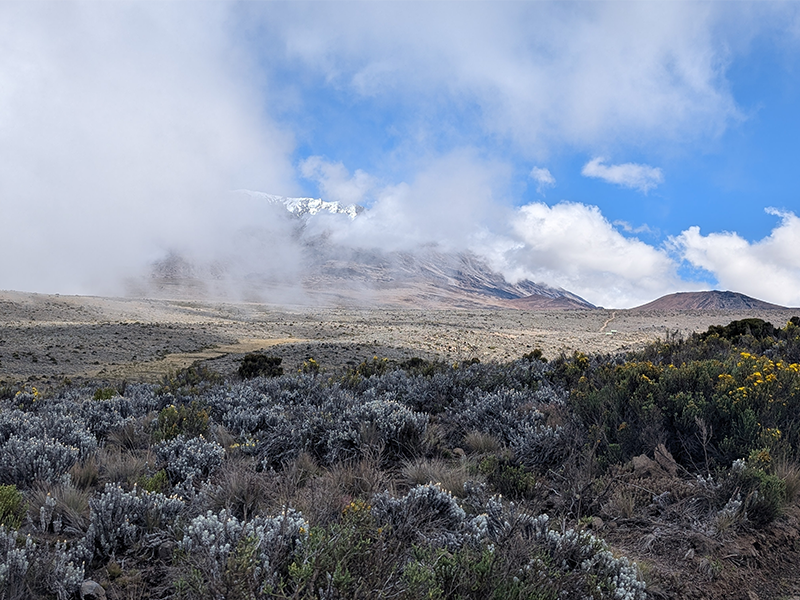
There are moments on Kilimanjaro when the climb feels tough  when the air is thin, your legs are heavy, and the summit still feels far away. But those moments are part of what makes the experience meaningful.As you move higher, the mountain changes around you. You pass through rainforest, open moorland, and dry alpine desert before reaching the cold, arctic summit zone. Each day feels different, and each step brings you closer to something bigger than just a destination.
 
Then comes summit morning. After hours of climbing in the dark, the first light appears over the horizon. Standing on Uhuru Peak, the highest point in Africa, you realize that the challenge was not just about reaching the top  it was about everything it took to get there.

Frequently Asked Questions

Can beginners climb Mount Kilimanjaro?

Yes, beginners can successfully climb Mount Kilimanjaro. Unlike many high mountains, Kilimanjaro does not require technical climbing skills, ropes, or prior mountaineering experience.However, being a beginner does not mean it will be easy. The biggest challenge is altitude, not terrain. With proper preparation, a good level of fitness, and the support of experienced guides, many first-time climbers reach the summit every year.

Choosing a longer route and following a proper acclimatization schedule will greatly improve your chances of success.

What is the hardest part of climbing Kilimanjaro?

Most climbers agree that summit night is the hardest part of the climb.This final ascent begins around midnight and can last 10 to 14 hours. You are hiking in darkness, in freezing temperatures, and at the highest altitude of the entire trek.By this point, your body is already tired from previous days, and the low oxygen levels make every step feel slower and more demanding.

Mental strength becomes just as important as physical fitness during this stage.

How long does it take to climb Kilimanjaro?

Most Kilimanjaro climbs take between 5 and 9 days, depending on the route you choose.Shorter routes (5–6 days) are more challenging because they allow less time for acclimatization. Longer routes (7–9 days) are generally recommended, as they give your body more time to adjust to altitude and significantly increase your chances of reaching the summit.Choosing the right number of days is one of the most important decisions when planning your climb.

Do you need oxygen to climb Kilimanjaro?

No, climbers do not need supplemental oxygen to climb Kilimanjaro.Unlike extremely high-altitude peaks such as Everest, Kilimanjaro can be climbed safely using proper acclimatization. This means ascending slowly, allowing your body time to adapt to lower oxygen levels.Professional guides also monitor climbers closely and carry emergency oxygen for safety purposes, but it is not used as part of a normal climb.

What is the best age to climb Mount Kilimanjaro?

Mount Kilimanjaro can be climbed by people of many different ages, as long as they are in good health and prepared for the trek. The minimum age allowed by Kilimanjaro National Park is 10 years old, while many climbers successfully reach the summit in their 50s, 60s, and even 70s.
The most important factors are fitness, proper acclimatization, and choosing the right route length. Slower routes with more days on the mountain give climbers of all ages a better chance to adjust to the altitude and reach the summit safely.With experienced guides and good preparation, climbers of many ages can successfully stand on Uhuru Peak, the highest point in Africa.

Ready to Climb Kilimanjaro With the Right Support?

Kilimanjaro is difficult, but the right support makes a major difference. Your route, pace, acclimatization schedule, meals, safety checks, and guide team all affect how your body handles the mountain.
 
At Kili Quests, we help climbers choose realistic itineraries based on fitness, time, and altitude concerns. Our local guides focus on steady pacing, proper acclimatization, daily health checks, good mountain meals, and safe summit preparation.
 
Whether you are a beginner or an experienced trekker, we help you approach Kilimanjaro with confidence instead of guesswork.
 
Contact Kili Quests today to plan a Kilimanjaro climb that matches your fitness, route preference, and travel dates.

Related Articles

Machame vs Marangu: Which Kilimanjaro Route Is Better?

Choose the Right Route for Your Climb

Compare routes and get expert advice for your Kilimanjaro adventure.

Kilimanjaro Planning Guides

Explore key guides before your climb:

OUR CATEGORIES

Machame vs Marangu: Which Kilimanjaro Route Is Better?

Choosing between the Machame Route and the Marangu Route is one of the most important decisions when planning your Kilimanjaro climb. These two routes are among the most popular on the mountain, but they offer very different experiences in comfort, scenery, accommodation, pacing, and acclimatization.

Many climbers consider Marangu because it is the only Kilimanjaro route with hut accommodation and has a reputation as the “easier” route. Others choose Machame because it offers more varied scenery, a stronger acclimatization profile, and a more adventurous camping experience.

The best route depends on your priorities: comfort, scenery, budget, route style, and how much time you want to give your body to adjust to altitude.

Still comparing routes? See our Kilimanjaro routes comparison guide or explore the full Machame Route guide and Marangu Route guide for detailed breakdowns.

Quick Answer: Is Machame or Marangu Better?

Machame is usually the better choice for climbers who want stronger acclimatization, more varied scenery, and a more complete Kilimanjaro trekking experience. It uses tents, includes more diverse landscapes, and gives the body more time to adjust when climbed over 6 or 7 days.
 
Marangu is better if you strongly prefer hut accommodation, want a more direct trail, and do not want to camp. However, its shorter itinerary can make altitude adjustment harder, especially on the 5-day version.
 
In simple terms: choose Machame for better scenery, stronger acclimatization, and a more rewarding trek. Choose Marangu if hut accommodation is your top priority.
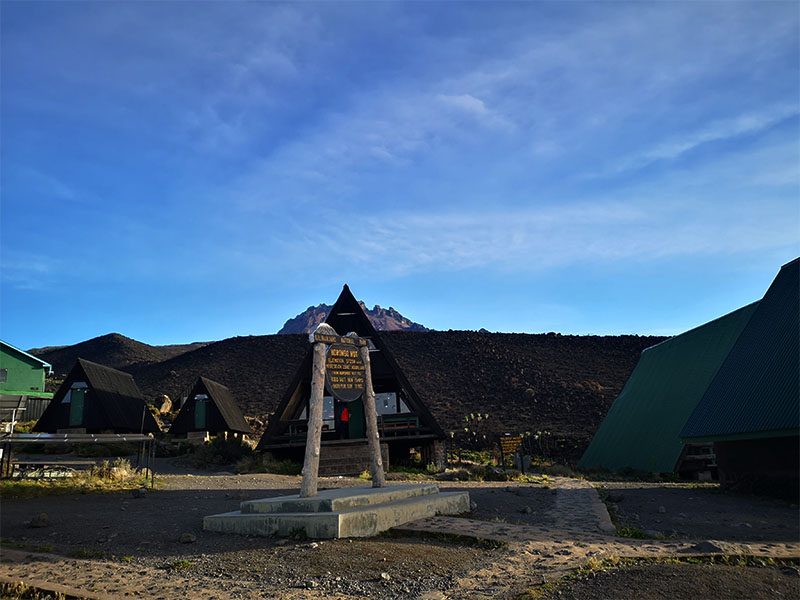
Horombo Huts on Mount Kilimanjaro’s Marangu Route with Mawenzi Peak in the background under a clear blue sky | Kili Quests
Machame uses mountain tents, while Marangu offers dormitory-style huts — a key difference in comfort and experience.

Table of Contents

Overview of Machame and Marangu Routes

Feature Machame Route Marangu Route
Nickname Whiskey Route Coca-Cola Route
Route style Scenic camping route with varied terrain Direct hut route using the same trail for ascent and descent
Accommodation Tents throughout the trek Shared mountain huts with basic facilities
Typical duration 6 or 7 days 5 or 6 days
Terrain and scenery Rainforest, moorland, alpine desert, Barranco Wall, and summit zone Gradual terrain with a more direct path up and down the mountain
Acclimatization Stronger when completed over 7 days More limited because the route is shorter and more direct
Best for Climbers who want scenery, camping, variety, and better acclimatization support Climbers who strongly prefer huts and a shorter, more direct route

What Is the Machame Route Like?

The Machame Route is one of the most popular Kilimanjaro routes and is often called the “Whiskey Route.” It is known for scenic landscapes, varied terrain, and a strong acclimatization profile when completed over 7 days.
 
Machame approaches Kilimanjaro from the south and passes through rainforest, moorland, alpine desert, and the high summit zone before reaching Uhuru Peak. It also includes famous sections such as the Barranco Wall, which adds challenge, drama, and excitement to the climb without requiring technical climbing skills.
 
Machame is a camping route, meaning you sleep in mountain tents throughout the trek. While this requires adjusting to outdoor conditions, it also gives the climb a more adventurous and immersive mountain feel.
 
For a full breakdown, see our detailed Machame Route Kilimanjaro guide.
 

What Is the Marangu Route Like?

The Marangu Route is the only Kilimanjaro route that uses hut accommodation instead of camping.
 
Because of this, it is often called the “Coca-Cola Route” and is popular with climbers who prefer sleeping in huts rather than tents.
 
Marangu follows a more direct trail and uses the same path for both ascent and descent. The terrain is generally gradual compared with some other Kilimanjaro routes, but the shorter itinerary means climbers have less time to adjust to altitude.
 
Marangu is usually completed in 5 or 6 days. The huts provide shared dormitory-style sleeping areas, dining spaces, and basic facilities, which can feel more comfortable for climbers who do not want to camp. However, the route can feel crowded during peak seasons because many climbers share the same huts and trail.
 
Learn more in our complete Marangu Route Kilimanjaro guide.

Key Differences Between Machame and Marangu

Category Machame Route Marangu Route
Accommodation Camping in tents set up by the mountain support team. Shared huts with basic dormitory-style rooms.
Acclimatization Stronger acclimatization support when climbed over 7 days. More limited because the route is shorter and more direct.
Difficulty More varied terrain, with steeper sections and the Barranco Wall. More gradual terrain, but altitude can feel harder because of the shorter itinerary.
Scenery More varied landscapes, including rainforest, moorland, alpine desert, Barranco Wall, and summit zone. Beautiful mountain scenery, but less varied because the route follows a more direct trail.
Crowd experience Popular, but camping can spread groups out more. Huts can feel crowded during peak climbing seasons.
Cost and value May cost more if climbed over 7 days, but offers stronger scenery and acclimatization value. Often cheaper because it is shorter, but gives less time for altitude adjustment.

Accommodation: Tents vs Huts

Accommodation is one of the biggest differences between Machame and Marangu.

On Machame, you sleep in mountain tents that are set up by your support team. This gives the climb a more adventurous feel and keeps you closer to the natural mountain environment. Camping also allows more flexibility because your group has its own tents and campsite setup.
 
On Marangu, you sleep in shared mountain huts with dormitory-style rooms and basic facilities. This can feel more comfortable for climbers who do not want to camp, especially in cold or wet conditions. However, the huts can feel crowded during peak seasons, and there is less privacy compared with camping.
 
Choose Machame if you want a more immersive camping experience. Choose Marangu if hut accommodation is your top priority.

Acclimatization: Which Route Gives You a Better Summit Profile?

Acclimatization is one of the biggest differences between Machame and Marangu.
 
Machame has the stronger acclimatization profile because it is usually climbed over 6 or 7 days and follows a better altitude pattern. The route includes sections where climbers gain elevation during the day and sleep lower at night, which helps the body adjust more gradually.
 
Marangu is shorter and more direct. The 5-day version gives climbers very little time to adapt to altitude, and even the 6-day version is still more compressed than a 7-day Machame itinerary. This is why Marangu can feel easier on the trail but harder on the body.
 
If acclimatization is your priority, Machame is usually the better choice, especially over 7 days. Marangu can still work for some climbers, but it should not be chosen only because it looks easier on paper.
 
For a deeper explanation of altitude risk and prevention, read our Altitude Sickness on Kilimanjaro guide and Kilimanjaro Acclimatization Tips.
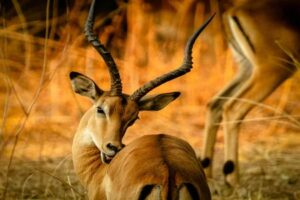
Difficulty Level: Is Machame or Marangu Harder?

Machame and Marangu are difficult in different ways.
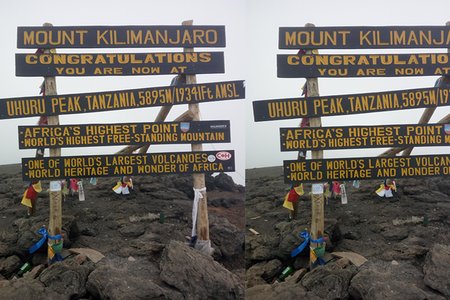
 
Machame has more varied terrain, steeper sections, and the Barranco Wall. It can feel more physically demanding because the trail changes often and requires more effort on certain days. However, the longer itinerary gives climbers more time to adjust to altitude, especially on the 7-day version.
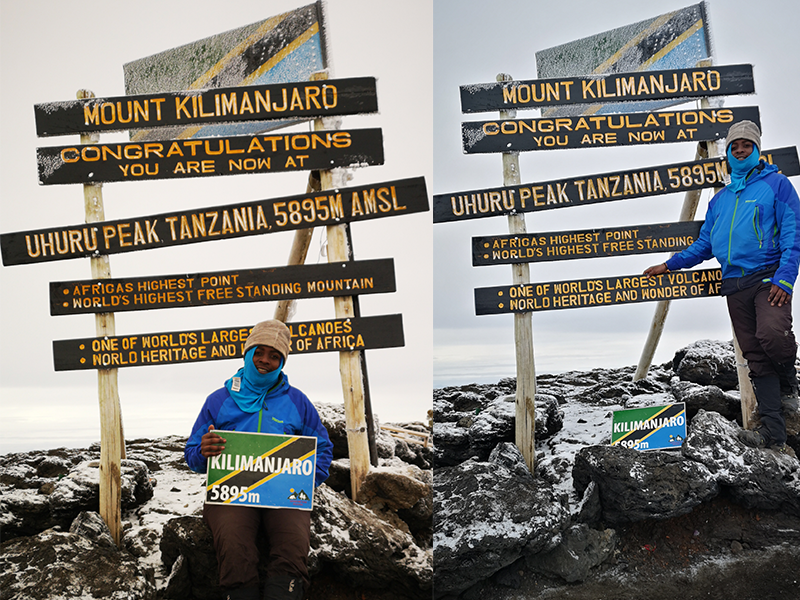
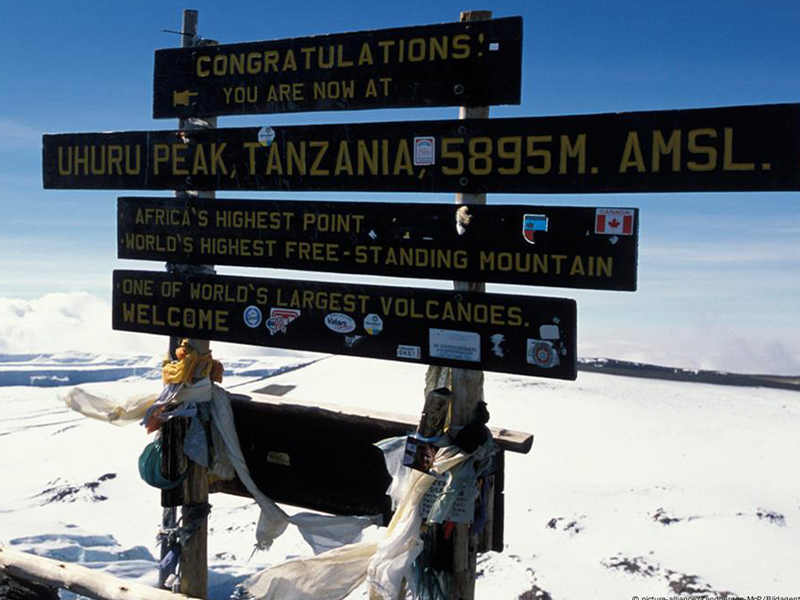
 
Marangu has more gradual terrain and uses huts instead of tents, so it can look easier at first. The problem is altitude. Because the route is shorter and more direct, climbers have less time to acclimatize before summit night. That can make Marangu harder than expected, especially on the 5-day itinerary.
 
Neither route requires technical climbing skills. The real challenge is endurance, altitude, pacing, and summit night. If you want better acclimatization support, Machame is usually the stronger option. If hut accommodation matters most, Marangu may still be the better personal fit.
 
Not sure what to expect? Read our full guide on how difficult Kilimanjaro really is.

Scenery and Overall Experience

Machame offers a more varied and dramatic Kilimanjaro experience than Marangu. The route passes through rainforest, moorland, alpine desert, and the high summit zone, with changing views throughout the climb. It also includes the Barranco Wall, one of the most memorable sections on Kilimanjaro.

Marangu is still beautiful, especially around the rainforest, Horombo area, and views toward Mawenzi. However, it follows a more direct trail and uses the same path for both ascent and descent. This makes the scenery feel less varied compared with Machame.
 
If you want the richer trekking experience with more landscape changes, Machame is the stronger choice. If your priority is a simpler route with hut accommodation, Marangu still offers a classic Kilimanjaro experience.

Crowd Levels: Which Route Feels Busier?

Both Machame and Marangu can be busy during peak climbing seasons, but the crowd experience feels different on each route.
 
Marangu can feel crowded because climbers sleep in shared huts and use the same trail for both ascent and descent. During busy periods, the huts can feel full, and there is less privacy because many climbers share the same sleeping and dining areas.
 
Machame is also popular, but the camping setup can make the route feel more spread out. Groups sleep in tents at campsites, which can give a bit more privacy than shared dormitory huts. However, popular camps such as Barranco, Karanga, and Barafu can still feel active during high season.
 
If you want hut accommodation, accept that Marangu may feel more crowded in shared spaces. If you prefer more space within your own group setup, Machame is usually better.

Cost and Value: Which Route Is More Affordable?

Marangu is often slightly cheaper than Machame because it is shorter and uses hut accommodation instead of a full camping setup. A 5 or 6-day Marangu climb usually requires fewer mountain days, which can reduce the overall cost.
 
Machame may cost more, especially on the 7-day itinerary, because it includes camping logistics, more crew support, and sometimes an extra day on the mountain. However, the higher cost can give climbers more scenery, more route variety, and stronger acclimatization support.
 
If your main priority is the lowest price, Marangu may look more attractive. But if you are comparing value, Machame often gives a stronger overall experience because it balances scenery, challenge, and acclimatization better.
 
For a full price breakdown, read our Kilimanjaro Climb Cost guide.
Trekker walking at high altitude toward Kilimanjaro’s summit | Kili Quests
Machame includes steeper, more adventurous sections, while Marangu provides a more gradual and direct path to the summit.

Machame vs Marangu: Which Route Should You Choose?

Choose Machame if your main priority is acclimatization, scenery, and a more complete trekking experience. The route gives you more landscape variety, a stronger altitude profile when climbed over 7 days, and a more adventurous camping route.

Choose Marangu if hut accommodation is your top priority and you prefer a shorter, more direct trail. Marangu is the only Kilimanjaro route with huts, which makes it attractive for climbers who do not want to sleep in tents.

Choose Machame If You Want Better Acclimatization Support

Machame is usually the stronger choice if you want more time for your body to adjust to altitude. The 7-day itinerary is especially better than choosing a short, rushed climb.

Choose Marangu If You Prefer Hut Accommodation

Marangu is the only Kilimanjaro route where climbers sleep in shared huts instead of tents. If camping is a serious concern for you, Marangu may be the more comfortable personal choice.

Choose Machame If You Want More Varied Scenery

Machame offers more changing landscapes, including rainforest, moorland, alpine desert, the Barranco Wall, and summit views. It feels more diverse than Marangu because you do not follow the same path up and down.

Choose Marangu If You Want a Shorter, More Direct Route

Marangu is simpler and more direct. It can suit climbers who prefer a shorter itinerary, but the shorter schedule also means less time for altitude adjustment.

How to Choose the Right Route for Your Kilimanjaro Climb

Choosing between Machame and Marangu comes down to your comfort preferences, altitude concerns, budget, and the kind of Kilimanjaro experience you want.
 
Machame is usually the better fit if you want stronger acclimatization support, more varied scenery, and a more adventurous camping route. Marangu is the better fit if you strongly prefer hut accommodation and want a shorter, more direct trail.
Your Priority Better Route Choice Why
Better acclimatization support Machame Route It gives better pacing when climbed over 7 days and supports gradual altitude adjustment.
Hut accommodation Marangu Route It is the only Kilimanjaro route with shared mountain huts instead of tents.
More varied scenery Machame Route It passes through more diverse landscapes and includes the Barranco Wall.
Shorter route Marangu Route It is usually completed in 5 or 6 days, but the shorter schedule gives less time to acclimatize.
Classic camping experience Machame Route It offers a more immersive mountain experience with tents and varied campsites.
Simpler trail style Marangu Route It follows a more direct route and uses the same trail for ascent and descent.
If you’re still unsure, compare all routes in our Kilimanjaro routes comparison guide to find the best fit for your experience level, timeline, and comfort preferences.

Machame vs Marangu Pros and Cons

Route Pros Cons
Machame Route
  • Strong acclimatization support when climbed over 7 days
  • More varied scenery and terrain
  • Includes the Barranco Wall
  • Classic Kilimanjaro camping experience
  • Good balance of challenge, scenery, and pacing
  • Requires sleeping in tents
  • Can feel physically demanding on steeper sections
  • Usually longer than the shortest Marangu itinerary
  • Popular camps can still feel busy in peak season
Marangu Route
  • Only Kilimanjaro route with hut accommodation
  • Shorter and more direct trail
  • Gradual terrain compared with some camping routes
  • Good option for climbers who strongly prefer not to camp
  • Less time for acclimatization, especially on the 5-day itinerary
  • Uses the same trail for ascent and descent
  • Less varied scenery than Machame
  • Shared huts can feel crowded during peak seasons
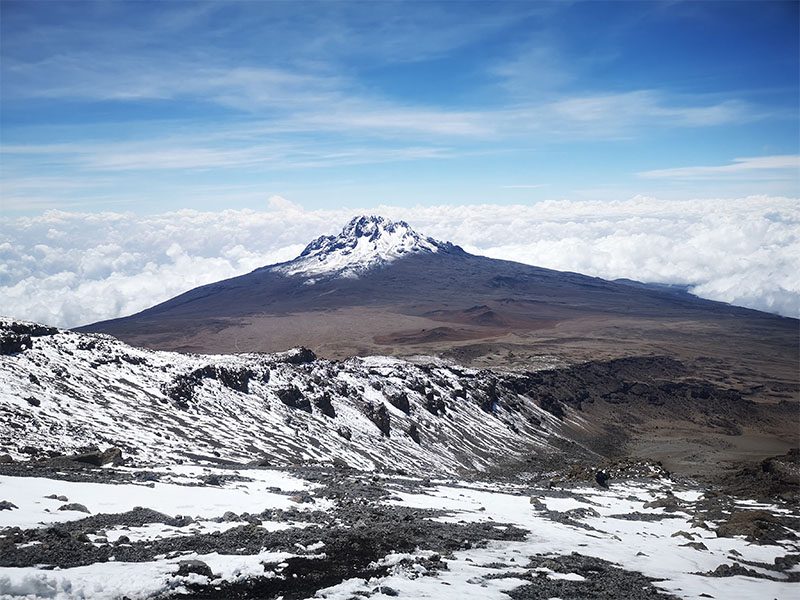
View of Mawenzi Peak from Stella Point on Mount Kilimanjaro
Machame vs Marangu: comparing Kilimanjaro’s scenic camping route with the hut-based Marangu trail.

Frequently Asked Questions About Machame vs Marangu

Is Machame better than Marangu for beginners?

For many beginners, Machame is the stronger choice because it gives better acclimatization support, especially on the 7-day itinerary. The trail is more varied and requires camping, but the extra time on the mountain can make the altitude profile more manageable.
 
Marangu can also work for beginners who strongly prefer hut accommodation. However, the shorter itinerary means climbers have less time to adjust to altitude, especially on the 5-day version.

Why is Marangu often considered easier?

Marangu is often called easier because it has hut accommodation, a more direct trail, and generally gradual terrain. That can make it look simpler than Machame.
The problem is altitude. A shorter route does not always mean an easier climb. Because Marangu gives less time for acclimatization, some climbers find summit night harder than expected.

Are the huts on the Marangu Route comfortable?

The huts on Marangu provide basic shelter, shared sleeping areas, dining spaces, and simple facilities. They can feel more comfortable than camping for climbers who do not want to sleep in tents.However, the huts are shared and can feel crowded during peak seasons. If you want more privacy within your own group setup, Machame’s tented camps may feel better.

Which route has better scenery, Machame or Marangu?

Machame usually offers more varied scenery than Marangu. It passes through rainforest, moorland, alpine desert, the Barranco Wall, and the summit zone, giving climbers more landscape changes during the trek.
 
Marangu is still beautiful, especially around the rainforest and Horombo area, with views toward Mawenzi. But because it uses the same trail for ascent and descent, the experience feels less varied than Machame.

Is Machame more difficult than Marangu?

Machame can feel more physically demanding because it has steeper and more varied terrain. It also requires camping, which may feel less comfortable for some climbers.
 
Marangu can feel easier on the trail, but altitude can make it harder than expected because the route is shorter and more direct. The real difficulty on Kilimanjaro is not technical climbing; it is endurance, pacing, and acclimatization.

Which route should I choose, Machame or Marangu?

Choose Machame if you want stronger acclimatization support, more varied scenery, and a classic camping route. Choose Marangu if hut accommodation is your top priority and you prefer a shorter, more direct trail.
 
For most climbers who are comfortable camping, Machame is usually the stronger overall choice.

Choose the Right Kilimanjaro Route with Local Experts

Choosing between Machame and Marangu is not only about tents versus huts. It is about your comfort level, altitude concerns, fitness, budget, and the kind of Kilimanjaro experience you want.

At Kili Quests, we help you choose the route and itinerary that match your goals, travel dates, and trekking style. Whether Machame or Marangu is the better fit, our local team will guide you toward a well-paced climb with the right support from start to summit.
 
Contact our team for expert Kilimanjaro trip advice and a custom climb plan.

Related Articles

Machame vs Lemosho: Which Route Is Better?-Kili Quests

Choose the Right Route for Your Climb

Compare routes and get expert advice before your climb.

Kilimanjaro Planning Guides

Prepare for your climb:

OUR CATEGORIES

Machame vs Lemosho: Which Kilimanjaro Route Is Better?

Choosing between the Machame Route and the Lemosho Route is one of the most common decisions climbers face when planning a Kilimanjaro trek. Both routes are among the most popular on the mountain, and both offer beautiful scenery, strong trekking experiences, and good summit potential when properly paced.

However, they are not the same. The differences between Machame and Lemosho can affect how well you acclimatize, how crowded the trail feels, how much time you need, how much the climb costs, and how comfortable the overall experience feels.

Lemosho is known for its longer itinerary, quieter western approach, and strong acclimatization profile. Machame is popular for its balance of scenery, challenge, accessibility, and cost.

Still comparing routes? See our Kilimanjaro routes comparison guide or explore the full Machame Route guide and Lemosho Route guide for detailed breakdowns.

Quick Answer: Is Machame or Lemosho Better?

Lemosho is usually the better choice if you want more time to acclimatize, a quieter start, and a more gradual overall experience. It is especially strong for climbers who want a longer itinerary and a better summit profile.
 
Machame is usually better if you want a shorter, more affordable, and well-established Kilimanjaro route with excellent scenery and a classic trail experience. The 7-day Machame itinerary is much stronger than the 6-day version because it gives your body more time to adjust to altitude.
 
In simple terms: choose Lemosho for better acclimatization and a quieter start. Choose Machame for strong scenery, lower cost, and a shorter classic route.
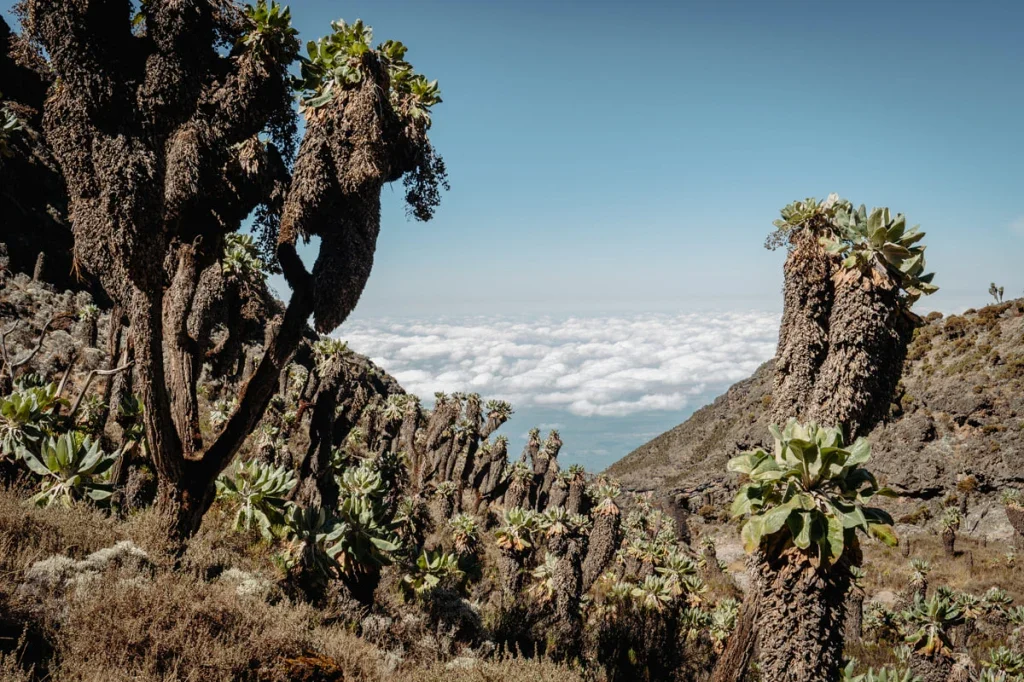
Giant groundsels in the alpine desert zone of Mount Kilimanjaro | Kili Quests
Machame vs Lemosho: comparing Kilimanjaro’s most scenic routes — a popular trail versus a quieter, more gradual approach.

Table of Contents

Overview of Machame and Lemosho Routes

Feature Machame Route Lemosho Route
Common nickname Whiskey Route No common nickname
Starting side Southern Kilimanjaro Western Kilimanjaro
Typical duration 6 or 7 days 7 or 8 days
Route experience Popular, scenic, active, and well-established Remote start, scenic landscapes, and a quieter first few days
Scenery Rainforest, moorland, alpine desert, Barranco Wall, and high summit zone Rainforest, Shira Plateau, moorland, alpine desert, Barranco Wall, and high summit zone
Crowd level Busier because it is one of the most popular Kilimanjaro routes Quieter at the beginning before joining the Machame trail later
Acclimatization Strong when completed over 7 days Stronger because of the longer 7 to 8-day itinerary
Best for Climbers who want a classic scenic route with a shorter itinerary and lower cost Climbers who want more acclimatization time, a quieter start, and a more gradual experience

What Is the Machame Route Like?

The Machame Route is one of the most popular Kilimanjaro routes and is often called the “Whiskey Route.” It is known for scenic trails, varied landscapes, and a strong acclimatization profile when completed over 7 days.
 
Machame approaches Kilimanjaro from the southern side and passes through rainforest, moorland, alpine desert, and the high summit zone. It also includes famous sections such as the Barranco Wall, which makes the route feel adventurous without requiring technical climbing skills.
 
Because Machame is well-established and widely offered, it can feel busier than Lemosho, especially during peak climbing seasons. However, it remains a strong choice for climbers who want a classic Kilimanjaro experience with excellent scenery, a shorter itinerary, and a more affordable price than longer routes.
 
For a full breakdown, see our Machame Route Kilimanjaro guide.

What Is the Lemosho Route Like?

The Lemosho Route starts on the western side of Kilimanjaro and is known for its quieter beginning, remote landscapes, and gradual approach. It is often chosen by climbers who want more time on the mountain and a stronger acclimatization profile.

The route begins in a less crowded area before crossing the Shira Plateau and later joining the same southern circuit used by Machame. This gives Lemosho a strong mix of remote scenery, open highland views, and classic Kilimanjaro trail sections.

Lemosho is usually completed over 7 or 8 days, with the 8-day itinerary offering the most comfortable pacing. Because the route gives climbers more time to adjust to altitude, it is often a better choice for those who want to improve their summit profile without rushing the climb.

Learn more in our detailed Lemosho Route Kilimanjaro guide.

Key Differences Between Machame and Lemosho

Category Machame Route Lemosho Route
Acclimatization Strong when completed over 7 days, but the 6-day version can feel more rushed. Stronger because the route is longer and more gradual, especially on the 8-day version.
Scenery Very scenic, with rainforest, moorland, alpine desert, Barranco Wall, and summit views. More varied early scenery, including a quieter western approach and the Shira Plateau.
Difficulty Physically demanding, especially on shorter itineraries because the altitude gain feels faster. Similar overall difficulty, but the longer itinerary spreads the effort over more days.
Crowds Busier because it is one of the most popular Kilimanjaro routes. Quieter at the start before joining the Machame trail later in the climb.
Cost Usually more affordable because it is shorter and starts from a more common access point. Usually costs more because it is longer and starts from the western side of the mountain.
Best choice for Climbers who want a classic scenic route, lower cost, and a shorter itinerary. Climbers who want more acclimatization time, quieter early days, and a more gradual route profile.

Acclimatization: Which Route Gives You a Better Summit Profile?

One of the biggest differences between Machame and Lemosho is how much time each route gives your body to adjust to altitude.
 
Lemosho has the advantage because it is usually climbed over 7 or 8 days. The longer itinerary creates a more gradual approach, especially during the early part of the climb. This gives climbers more time to adapt before reaching the higher camps and summit night.
 
Machame also has a strong acclimatization profile when completed over 7 days. The route follows a good “climb high, sleep low” pattern, especially around Lava Tower and Barranco Camp. However, the 6-day Machame itinerary can feel more rushed because there is less time for your body to adjust.
 
If acclimatization is your top priority, Lemosho has the stronger advantage. If you choose Machame, the 7-day itinerary is the smarter option because it gives you a better pace than the shorter 6-day version.
For a deeper explanation of altitude risk and prevention, read our Altitude Sickness on Kilimanjaro guide and Kilimanjaro Acclimatization Tips.

Scenery and Overall Experience

Both Machame and Lemosho are among the most scenic Kilimanjaro routes, but they deliver the experience differently.
 
Machame gives climbers a dramatic southern approach with rainforest, moorland, alpine desert, the Barranco Wall, and strong views toward Kibo. It feels active and energetic because it is a popular route with many climbers on the trail, especially during peak seasons.
 
Lemosho offers more variety in the early days. The route begins on the quieter western side of Kilimanjaro, crosses remote forest and heath zones, then opens onto the wide Shira Plateau before joining the southern circuit. This gives Lemosho a more gradual and spacious feel before it later shares some of the same dramatic sections as Machame.
 
If you want the most classic scenic route with a lively trail atmosphere, Machame is strong. If you want a quieter beginning, more landscape variety, and a more remote early experience, Lemosho has the edge.

Difficulty Level: Is Machame or Lemosho Harder?

Machame and Lemosho are similar in overall difficulty because both eventually follow the southern circuit and include challenging sections such as the Barranco Wall, high-altitude trekking days, and summit night.
 
Neither route requires technical climbing skills. You do not need ropes or mountaineering experience. The real challenge is endurance, altitude, and how well your body adapts as you climb higher.
 
Machame can feel harder if you choose the 6-day itinerary because the altitude gain is faster and the recovery time is shorter. The 7-day Machame itinerary gives a better pace and is usually the smarter option for most climbers.
 
Lemosho can feel more comfortable because the route spreads the effort over 7 or 8 days. The extra time does not make Kilimanjaro easy, but it gives your body more space to adjust and makes the climb feel less rushed.
 
If you are worried about difficulty, compare the 7-day Machame Route against the 8-day Lemosho Route. That is the fairest comparison for most climbers.
 
Not sure what to expect? Read our full guide on how difficult Kilimanjaro really is.

Crowd Levels: Which Route Is Quieter?

Machame is usually busier because it is one of the most popular Kilimanjaro routes. During peak climbing seasons, the camps and trail sections can feel active, especially around Machame Camp, Barranco Camp, Karanga Camp, and Barafu Camp.
 
Lemosho starts quieter because it begins on the western side of Kilimanjaro. The first few days often feel more remote and peaceful, especially before the route reaches the Shira Plateau and later joins the southern circuit.
 
However, Lemosho does not stay completely quiet for the whole climb. After it joins the trail system used by Machame, the route becomes busier, especially near Barranco, Karanga, Barafu, and summit night.
 
If you want a classic route with more energy and other climbers around, Machame is fine. If you want a quieter start and a more remote early experience, Lemosho is the better choice.

Cost and Value: Which Route Is More Affordable?

Machame is usually more affordable than Lemosho because it is shorter, easier to access, and more commonly offered by Kilimanjaro operators. A 6 or 7-day Machame climb normally costs less than a 7 or 8-day Lemosho climb.
 
Lemosho usually costs more because it takes more days, starts from the western side of the mountain, and requires more crew support, food, park fees, and logistics. The extra cost is not only about comfort. It also gives climbers more time to acclimatize and enjoy a less rushed route experience.
 
If your main priority is budget, Machame gives strong value. If your main priority is acclimatization, scenery, and a more gradual climb, Lemosho often gives better overall value despite the higher cost.
 
For a full price breakdown, read our Kilimanjaro Climb Cost guide.
View of Kibo Peak from Karanga Camp on the Shira Route with rocky alpine terrain in the foreground.
Lemosho offers a longer and more gradual ascent, while Machame can feel steeper depending on the itinerary.

Machame vs Lemosho: Which Route Should You Choose?

Choose Lemosho if your main priority is acclimatization, a quieter start, and a more gradual climb. The route gives you more time on the mountain, especially if you choose the 8-day itinerary, which helps create a stronger summit profile.
 
Choose Machame if you want a shorter, more affordable, and classic Kilimanjaro route with excellent scenery. The 7-day Machame itinerary is the better choice for most climbers because it gives more time to adjust than the 6-day version.

Choose Lemosho If You Want More Acclimatization Time

Lemosho is the stronger choice if you want a slower approach and more time for your body to adapt to altitude. This is especially important for first-time high-altitude trekkers or anyone worried about rushing the climb.

Choose Machame If You Want a Shorter Classic Route

Machame is a strong option if you want a well-established trail, dramatic scenery, and a shorter itinerary. It is especially good for climbers who want a classic Kilimanjaro experience without the extra time and cost of Lemosho.

Choose Lemosho If You Prefer a Quieter Start

Lemosho begins on the western side of Kilimanjaro, so the first few days are usually quieter and more remote. This makes the early part of the climb feel more peaceful before the route later joins the busier southern circuit.

Choose Machame If You Are Watching Your Budget

Machame is usually more budget-friendly because it is shorter and easier to access. If cost matters but you still want a strong scenic route, Machame is a practical choice, especially over 7 days.

Machame vs Lemosho Pros and Cons

Route Pros Cons
Machame Route
  • Classic and well-established Kilimanjaro route
  • Excellent scenery across several vegetation zones
  • Strong acclimatization profile when climbed over 7 days
  • Usually more affordable than Lemosho
  • Good option for climbers with limited time
  • Can feel crowded during peak climbing seasons
  • 6-day version can feel rushed
  • Faster altitude gain than Lemosho
  • Less remote at the beginning of the climb
Lemosho Route
  • Longer and more gradual route profile
  • Quieter western approach in the early days
  • Strong acclimatization support, especially over 8 days
  • Highly scenic route with the Shira Plateau
  • Good option for climbers who want a less rushed experience
  • Usually more expensive than Machame
  • Requires more days on the mountain
  • Later joins the busier southern circuit
  • Not ideal for climbers with a tight schedule

How to Choose the Right Route for Your Kilimanjaro Climb

Choosing between Machame and Lemosho depends on your time, budget, altitude concerns, and the kind of trail experience you want.
 
Machame is the better fit if you want a shorter, more affordable, and classic Kilimanjaro route with dramatic scenery. Lemosho is the better fit if you want more acclimatization time, a quieter start, and a more gradual approach to the mountain.
Your Priority Better Route Choice Why
Best acclimatization support Lemosho Route It gives you more time on the mountain, especially with the 8-day itinerary.
Lower overall cost Machame Route It is usually shorter and easier to access, so it normally costs less than Lemosho.
Quieter early trail experience Lemosho Route It starts on the western side of Kilimanjaro before joining the busier southern circuit later.
Classic Kilimanjaro trail Machame Route It is one of the most established and recognizable Kilimanjaro routes.
More gradual pacing Lemosho Route The longer itinerary spreads the effort over more days and feels less rushed.
Limited travel time Machame Route It can be completed in fewer days, though 7 days is better than 6 for acclimatization.
Still unsure? Compare all options in our Kilimanjaro routes comparison guide to see how Machame and Lemosho compare with Marangu, Rongai, Northern Circuit, and other routes.
Moorland vegetation on Mount Kilimanjaro with cloud-covered summit and scattered alpine shrubs under a blue sky.
Lemosho features remote landscapes like the Shira Plateau, while Machame offers dramatic scenery across multiple zones.

Frequently Asked Questions About Machame vs Lemosho

Which route is better, Machame or Lemosho?

Lemosho is usually better if you want more acclimatization time, a quieter start, and a more gradual route profile. Machame is better if you want a shorter, more affordable, and classic Kilimanjaro route with excellent scenery. The best choice depends on your budget, schedule, fitness level, and comfort with altitude.

Is Machame or Lemosho better for beginners?

Lemosho is often the better option for beginners because it gives climbers more time to adjust to altitude, especially on the 8-day itinerary. Machame can also work well for beginners if you choose the 7-day version instead of the faster 6-day itinerary.

Is the Lemosho Route worth the extra cost?

Yes, Lemosho is worth the extra cost for many climbers because it offers a quieter start, more time on the mountain, stronger acclimatization support, and excellent scenery. If your budget allows, it is often the more comfortable choice.

Which route is more scenic, Machame or Lemosho?

Both routes are scenic, but Lemosho has the edge for variety because it starts on the western side of Kilimanjaro and crosses the Shira Plateau before joining the southern circuit. Machame is also very beautiful, especially around the rainforest, Barranco Wall, Karanga Valley, and summit zone.

Is Machame harder than Lemosho?

Machame can feel harder if you choose the 6-day itinerary because the altitude gain feels faster and there is less recovery time. Lemosho usually feels more gradual because it is climbed over 7 or 8 days. However, both routes still require good fitness, preparation, and respect for altitude.

Do Machame and Lemosho use the same trail?

Not at the beginning. Machame starts from the southern side of Kilimanjaro, while Lemosho starts from the western side. Lemosho later joins the southern circuit, so both routes share some of the same trail sections later in the climb, including areas around Barranco, Karanga, Barafu, and the summit approach.

Choose the Right Kilimanjaro Route with Local Experts

Choosing between Machame and Lemosho is not only about scenery. It is about your fitness level, time, budget, altitude concerns, and the kind of trekking experience you want.

At Kili Quests, we help you choose the Kilimanjaro route that matches your goals, travel dates, and comfort level. Whether Machame or Lemosho is the better fit, our local team will guide you toward a route and itinerary that gives you a strong, well-paced climb.
 
Contact our team for expert Kilimanjaro trip advice and a custom climb plan.

Related Articles

Kilimanjaro Climb Cost: Full Price Breakdown | Kili Quests

Plan Your Kilimanjaro Climb Budget

Climbing Kilimanjaro is a major investment choosing the right route and support team makes all the difference.
At Kili Quests, we help you:

Explore More Kilimanjaro Planning Guides

Cost is just one part of planning your climb. Explore these guides to choose the right route and prepare properly.

OUR CATEGORIES

How Much Does It Cost to Climb Kilimanjaro? Full Price Breakdown

Climbing Mount Kilimanjaro is not a cheap trip, and travelers should understand the real cost before booking. For many international climbers, a properly organized Kilimanjaro climb often starts around $2,000 per person, while many standard climbs fall between $2,500 and $4,000. Higher-comfort or premium climbs can cost more depending on the route, number of days, group size, inclusions, and service level.
 
The price can be confusing because different companies advertise very different rates. But Kilimanjaro pricing is not random. The final cost is shaped by national park fees, route length, guide and porter support, safety equipment, meals, transport, accommodation, and how responsibly the climb is operated.
 
This guide explains the real cost of climbing Kilimanjaro, what is usually included, what is usually excluded, what extra expenses to budget for, and why the cheapest climb is not always the best value.
 
Choosing the right route affects both price and acclimatization. Before booking, compare your options in Kilimanjaro Routes Comparison: Which Route Is Best?

Quick Answer: How Much Does It Cost to Climb Kilimanjaro?

For many international climbers, a Kilimanjaro climb usually starts from around $2,000 per person for lower-budget climbs, while standard climbs often range from about $2,500 to $3,500. Higher-comfort or premium climbs can cost more, especially on longer routes such as Lemosho or the Northern Circuit.
 
The final price depends on route length, number of climbers, park fees, guide and porter support, food, safety equipment, transport, hotel arrangements, and service level.
 
A lower price is not always better. Very cheap Kilimanjaro climbs may use shorter itineraries, weaker equipment, less experienced support, poor porter treatment, or fewer safety systems. For most climbers, the best value is a climb that balances fair price, proper acclimatization, safety, and reliable support.
Climb Category Typical Price Range What It Usually Means
Budget climb From around $2,000–$2,500 per person Usually shorter itineraries, group departures, basic logistics, and fewer comfort features.
Standard climb Around $2,500–$4,000 per person A better balance of route length, guide support, safety, meals, equipment, and overall value.
Premium climb Usually $4,000+ per person Longer routes, upgraded comfort, stronger logistics, private support, and higher service level.
Group of trekkers celebrating together at Uhuru Peak, the summit of Mount Kilimanjaro
Kilimanjaro climbers at Uhuru Peak with their guide team after a successful summit.

Table of Contents

Average Cost to Climb Mount Kilimanjaro

The average cost to climb Kilimanjaro depends on the route, number of days, group size, and service level. Shorter routes usually cost less because they require fewer park-fee days, fewer meals, and fewer crew days. Longer routes cost more, but they often give your body more time to acclimatize.
 
Most climbers should not judge Kilimanjaro prices by the headline number alone. A cheaper climb may look attractive, but it can become poor value if it includes a rushed itinerary, weak equipment, limited safety support, or unclear exclusions.
 
The better question is not only “What is the cheapest Kilimanjaro climb?” The better question is: “What price gives me a safe, properly supported, and realistic climb?”
Cost Item Why It Affects the Price
Park fees Kilimanjaro National Park charges mandatory fees based on route type and number of days.
Route length Longer routes cost more because they require more park days, meals, crew wages, and logistics.
Guides and porters A proper climb needs licensed guides, assistant guides, porters, cooks, and support staff.
Food and water Meals, drinking water, cooking equipment, and camp support are part of mountain logistics.
Safety equipment Emergency oxygen, first aid supplies, communication tools, and guide monitoring add real cost.
Accommodation and transport Some packages include airport transfers and hotel nights before or after the climb.
Service level Private climbs, upgraded meals, better tents, private toilets, or premium support increase the price.

What Affects the Cost of Climbing Kilimanjaro?

The cost of climbing Kilimanjaro depends on several major factors. Once you understand these, the price differences between operators become easier to compare.

Route choice

Some routes are shorter and cheaper, while others are longer and more expensive. A route with more days on the mountain means higher park fees, more crew support, more meals, and more logistics.
 
For example, a shorter route like Marangu or a 6-day Machame itinerary may cost less than an 8-day Lemosho or 9-day Northern Circuit climb. But longer routes usually give your body more time to acclimatize, which can make the climb more manageable.
 
Before choosing by price alone, compare the options in Kilimanjaro Routes Comparison: Which Route Is Best?

Number of days on the mountain

This is why longer climbs cost more. But extra days can also provide better acclimatization, which is one of the most important factors on Kilimanjaro. For many climbers, paying for enough days is better value than rushing the mountain. Before choosing a shorter itinerary to save money, read How Many Days to Climb Kilimanjaro so you understand how route length affects cost, acclimatization, and summit preparation.

Group climb vs private climb

Joining a group climb usually costs less because transport, guides, crew, and logistics are shared among more climbers.
 
A private climb costs more because the itinerary and support system are arranged specifically for your group.
 
Private climbs may be worth the extra cost if you want more flexibility, a private schedule, or a more personalized experience.

Level of comfort and service

Not every Kilimanjaro climb offers the same comfort level. Some packages include basic camping equipment and simple meals, while others include upgraded tents, thicker mattresses, private toilet tents, better meals, and more personal support.
 
Higher comfort increases the price, but it can also improve your experience during a demanding multi-day trek.

Safety standards

A responsible Kilimanjaro operator invests in guide training, emergency planning, oxygen systems, first aid supplies, communication tools, and daily health monitoring. These systems cost money, but they are not extras to ignore.
 
If you are comparing companies, do not only ask what is cheap. Ask what safety support is included.

Ethical porter treatment

Porters are essential to every Kilimanjaro climb. A responsible company includes fair porter treatment, proper staffing levels, meals, equipment support, and reasonable loads in the cost of the trip.
 
Very low prices can sometimes mean the mountain crew is underpaid, overloaded, or poorly supported. That is not the kind of saving you want behind your climb.
Tourists enjoying meals together at a Kilimanjaro camp after a day of trekking.

Kilimanjaro National Park Fees Explained

A large part of the cost of climbing Kilimanjaro goes to mandatory national park fees. These fees are not optional, and every licensed operator must include them when organizing a legal Kilimanjaro climb.
Park-related costs usually include:

  • Conservation fees
  • Camping fees or hut fees
  • Rescue fees
  • Crew entry fees
  • VAT on applicable services
These fees increase with the number of days you spend on the mountain. That is one reason why longer routes such as Lemosho and Northern Circuit cost more than shorter itineraries like Marangu or 6-day Machame.

However, more days can also give your body better time to acclimatize. So the cheapest route is not always the best value if it gives you less time to adjust to altitude.

Before comparing packages, make sure the operator clearly states whether park fees are included in the price. A quote that looks cheap may become more expensive if important fees are excluded or unclear.

Guide, Porter, and Crew Costs

A Kilimanjaro climb requires a full mountain support team. This is one of the biggest differences between Kilimanjaro and a normal hiking trip. Climbers do not carry everything alone, and the mountain operation depends on guides, porters, cooks, and support staff working together.
Most Kilimanjaro climbs include:


  • Lead guide
  • Assistant guides
  • Porters
  • Cook
  • Camp support staff depending on group size and service level
Guides manage the route, pace, safety checks, and summit strategy. Porters carry tents, food, cooking equipment, safety gear, and expedition supplies. Cooks prepare meals at camp so climbers can recover and continue each day.


A responsible company must pay and support this team properly. If a climb is extremely cheap, ask how the crew is paid, how many staff are included, what equipment they use, and whether porter welfare is respected.


The crew is not a small detail. Guides, porters, and cooks are one of the main reasons climbers can attempt Kilimanjaro safely and with proper support. Before comparing very cheap prices, read Kilimanjaro Porter Roles so you understand what porters do, why they are essential, and how their work affects the climb.

What Is Usually Included in a Kilimanjaro Climb Package?

Most reputable Kilimanjaro climb packages include the main services needed for the mountain trek. Exact inclusions vary by company, so always check the package details before booking.
Typical inclusions may include:
  • Licensed mountain guides
  • Assistant guides
  • Porters and cooks
  • National park fees and permits
  • Camping equipment or hut accommodation, depending on the route
  • Meals on the mountain
  • Drinking water during the trek
  • Transport to and from the mountain gate
  • Basic safety equipment such as emergency oxygen and first aid supplies
Some packages may also include hotel accommodation before and after the climb, airport transfers, pre-climb briefing, gear checks, or luggage storage. Do not assume these are included unless the operator clearly lists them.
 
For a deeper breakdown of what a proper trekking package should cover, read Kilimanjaro Climb Package before comparing prices.
Kilimanjaro trekkers and porters smiling together at the end of a successful hike
Every Kilimanjaro climb is a team effort — guides, porters, and climbers sharing the journey to the summit.

What Is Usually Not Included?

Even when a Kilimanjaro package looks complete, there are usually extra costs that climbers must budget for separately. These costs can make a big difference in your total trip budget.
Common exclusions may include:
  • International flights
  • Tanzania visa
  • Travel insurance
  • Tips for guides, porters, and cooks
  • Personal trekking gear
  • Gear rental
  • Hotel upgrades
  • Extra snacks, drinks, and personal items
  • Optional safari, Zanzibar, or day tours before or after the climb
Always ask for a written list of inclusions and exclusions before paying a deposit. A package that looks cheaper at first can become more expensive if important costs are missing or unclear.

Extra Costs to Budget For

Your total Kilimanjaro budget should include more than the climbing package. These extra costs can add up quickly, especially for international travelers.

International Flights

Flights to Tanzania vary depending on your departure country, travel season, airline, and booking time. Most climbers fly into Kilimanjaro International Airport, but some also arrive through Arusha, Nairobi, Dar es Salaam, or Zanzibar depending on their wider travel plans.

Tanzania visa

Most foreign travelers need a visa to enter Tanzania. The cost depends on nationality, so check the current visa rules before traveling.requirements before traveling.

Travel insurance

Travel insurance is essential for Kilimanjaro. Your policy should cover high-altitude trekking and emergency evacuation. Do not buy a basic travel policy without checking the altitude limit.

Tips for the mountain crew

Tipping is standard on Kilimanjaro and should be planned before the climb. Guides, porters, and cooks work hard throughout the trek, and tips are an important part of the total trip budget.

Personal Gear or Gear Rental

If you do not own the required equipment, you may need to buy or rent items such as a sleeping bag, trekking poles, insulated jacket, waterproof layers, gloves, or summit gear.
 
Use Kilimanjaro Packing List to check what you need before deciding what to buy or rent.

Hotels Before and After the Climb

Many climbers stay at least one night before and one night after the trek. Some packages include these nights, while others do not.

Safari or Zanzibar Extension

Many travelers combine Kilimanjaro with a Tanzania safari or Zanzibar beach trip. These are separate costs from the climb unless your package clearly includes them.

Budget vs Standard vs Luxury Kilimanjaro Climbs

Not all Kilimanjaro climbs offer the same level of service, comfort, safety support, and itinerary quality. The price usually reflects the route length, group size, crew support, equipment quality, meals, safety systems, and overall service level.

Budget Kilimanjaro Climbs

Budget Kilimanjaro climbs usually sit near the lower end of the price range. They may work for travelers who want to control costs, especially on group departures or shorter itineraries.
 
However, climbers should be careful. A budget climb can become poor value if it uses a rushed route, weak equipment, limited safety support, poor meals, or unclear inclusions. If you choose a budget option, make sure park fees, crew support, safety equipment, food, and porter treatment are clearly explained.

Standard Kilimanjaro Climbs

Standard Kilimanjaro climbs usually offer the best balance for many travelers. They often include proper route planning, reliable equipment, experienced guides, good meals, fair crew support, and enough safety systems for a serious mountain trek.
 
For most climbers, this is the smartest category because it avoids the biggest risks of going too cheap while still keeping the trip realistic and affordable.

Premium Kilimanjaro Climbs

Premium Kilimanjaro climbs cost more because they usually include higher comfort, stronger logistics, private service, upgraded meals, better sleeping arrangements, private toilet tents, and longer itineraries with better acclimatization time.
 
A premium climb is not necessary for everyone, but it can be worth it for travelers who want more comfort, more support, and a less basic mountain experience.
 
The right choice depends on your budget, comfort expectations, route preference, and how much support you want during the climb.

Why Are Some Kilimanjaro Operators Much Cheaper Than Others?

Some Kilimanjaro operators advertise very low prices, and that can look attractive at first. But when a climb is much cheaper than the average, you need to ask what has been removed from the package.
 
A lower price may come from:
  • Shorter itineraries with less acclimatization time
  • Larger group sizes
  • Basic camping equipment
  • Simpler meals
  • Fewer comfort features
  • Limited hotel or transfer inclusions
  • Less experienced support teams
  • Lower crew wages or poor porter support
  • Weaker safety equipment or health monitoring
Not every lower-cost operator is bad, but a very cheap climb should always be checked carefully. Kilimanjaro is not the place to buy blindly based on the lowest number.
 
Before booking, ask what is included, what is excluded, how many days are on the mountain, what safety equipment is carried, how guides monitor altitude symptoms, and how porters are supported.

What Should You Never Cut From Your Kilimanjaro Budget?

There are some parts of a Kilimanjaro climb where saving money can create bigger problems. A cheap price is not worth it if it weakens safety, acclimatization, food, equipment, or crew support.
Do not cut corners on:
  • Enough days for acclimatization
  • Experienced mountain guides
  • Emergency oxygen and first aid support
  • Fair porter support
  • Proper meals on the mountain
  • Warm summit clothing
  • Good hiking boots
  • Travel insurance with high-altitude trekking cover
  • A realistic route for your fitness level
The goal is not to book the most expensive climb. The goal is to avoid a price that is too low to support a safe and properly organized mountain experience.
 
Before choosing a short route only to save money, read How Many Days to Climb Kilimanjaro and compare your options in Kilimanjaro Routes Comparison: Which Route Is Best?
Kilimanjaro porter walking along the mountain trail with gear balanced on head
Porters guiding climbers up the Barranco Wall on Mount Kilimanjaro — a true display of strength, teamwork, and support on the mountain.

Example Kilimanjaro Price Scenarios

The exact price depends on the operator, route, group size, and service level. These examples show how route choice and comfort level can affect the final cost.

Lower-cost example

A 5 or 6-day group climb on a shorter route may sit near the lower end of the price range. This can appeal to budget travelers, but it usually gives less time for acclimatization and may include fewer comfort features.

Standard-Value Example

A 7-day Machame climb often sits in the middle range. This can be a good balance for climbers who want a scenic route, better acclimatization than shorter itineraries, and a more realistic summit plan.

Higher-value example

An 8-day Lemosho climb usually costs more because it includes more days on the mountain, higher park-fee totals, more crew time, and more meals. Many climbers still consider it better value because of the stronger acclimatization profile and scenic route experience.

Premium example

A 9-day Northern Circuit climb with upgraded service is usually one of the more expensive options. It offers the longest itinerary, quieter trails, strong acclimatization time, and a higher level of comfort and support.
 
The best choice is not always the cheapest or most expensive option. The best choice is the route and service level that match your fitness, budget, comfort expectations, and summit goals.

Is Climbing Kilimanjaro Worth the Cost?

For many climbers, Kilimanjaro is worth the cost because it is not just a normal hiking trip. It is a fully supported high-altitude expedition on the highest mountain in Africa.
 
The price covers more than the trail. It supports park fees, licensed guides, porters, cooks, meals, safety equipment, transport, logistics, and the mountain support system that makes the climb possible.
 
The value depends on choosing the right route and the right operator. A properly planned climb gives you better pacing, stronger support, clearer safety systems, and a more realistic mountain experience.
 
Kilimanjaro is expensive, but a well-organized climb can be worth it if the price includes proper acclimatization time, fair crew support, good meals, safe equipment, and experienced local guides

Frequently Asked Questions About Kilimanjaro Costs

How much does it cost to climb Kilimanjaro?

For many international climbers, a Kilimanjaro climb usually starts from around $2,000 per person for lower-budget climbs. Standard climbs often range from about $2,500 to $4,000, while premium climbs can cost more depending on the route, number of days, group size, and service level.
 
The final price depends on what is included, how many days you spend on the mountain, and the quality of support provided by the operator.

Why is climbing Kilimanjaro expensive?

Climbing Kilimanjaro is expensive because the trip includes mandatory national park fees, licensed guides, porters, cooks, food, equipment, transport, safety support, and mountain logistics.
 
A proper Kilimanjaro climb is not just a guide fee. It is a full expedition with a support team and regulated park costs.

What is the cheapest way to climb Kilimanjaro?

The cheapest way is usually to join a group climb on a shorter route with a lower-cost operator. However, the cheapest option is not always the best value.
 
Very low prices may mean shorter acclimatization time, basic equipment, weaker safety systems, unclear exclusions, or poor crew support. Always check what is included before choosing by price alone.

Are Kilimanjaro park fees included in the climb price?

Many reputable operators include Kilimanjaro park fees in the package price, but you should always confirm this before booking. Park fees are a major part of the total cost, so a quote that excludes them can look cheaper than it really is.
 
Ask for a clear written list of inclusions and exclusions before paying a deposit.

Do I need to tip Kilimanjaro guides and porters?

Yes. Tipping is standard on Kilimanjaro and should be included in your total budget. Guides, porters, and cooks work hard throughout the trek, and tips are an important part of the mountain crew’s income.
 
Ask your operator for tipping guidance before the climb so you can prepare the right amount.

Are flights included in Kilimanjaro climb packages?

Usually not. Most Kilimanjaro climb packages cover the mountain trek and some ground logistics, but international flights are normally booked separately by the traveler.
 
Some packages may include airport transfers or hotel nights, but this depends on the operator.

Does a longer Kilimanjaro route cost more?

Yes. Longer Kilimanjaro routes usually cost more because they require more park-fee days, more crew time, more meals, and more logistics.
 
However, longer routes can also give your body more time to acclimatize. For many climbers, paying for enough days is better value than choosing a rushed itinerary only to save money.

Plan Your Kilimanjaro Climb With Clear Pricing

Climbing Kilimanjaro is a major investment, and the cheapest price is not always the best value. The right climb should include a realistic itinerary, proper acclimatization time, experienced local guides, fair porter support, good meals, safety equipment, and clear inclusions.
 
At Kili Quests, we help climbers choose a route and package that matches their budget, fitness, travel dates, and summit goals. Our team explains what is included, what is not included, and how different routes affect the final cost.
 
If you are comparing Kilimanjaro prices, we can help you understand the real value behind the number and avoid choosing a package based only on the cheapest headline price.
 
• Contact Kili Quests today to request a clear Kilimanjaro climb quote.

Related Articles

Best Time to Visit Tanzania for Safari by Season and Month

Choose the Best Safari Season

We help you pick the right time, parks, and itinerary for your Tanzania safari.

Plan Your Trip Better

OUR CATEGORIES

Best Time to Visit Tanzania for Safari: Month-by-Month Guide

Tanzania is one of the best safari destinations in Africa, but there is no single “perfect” month for every traveler. The best time to visit depends on what you want from the experience. Some people want dry-season game viewing with easy wildlife sightings. Others want to see the wildebeest calving season in the southern Serengeti, enjoy greener landscapes, or travel when prices and crowds are lower.
 
That is why choosing the right time for your safari matters. Season affects wildlife visibility, road conditions, scenery, migration activity, and even how busy the parks feel. Before choosing your travel dates, it also helps to understand your Tanzania safari cost, because season can affect accommodation rates and overall trip pricing.
 
In this guide, you will learn the best time to visit Tanzania for safari by season, month, park, and travel goal, so you can choose the right time based on wildlife, weather, crowds, and budget.

Is There a Best Time for Safari in Tanzania?

Yes, but it depends on what kind of safari you want.
 
Tanzania offers excellent safari opportunities throughout the year because its major parks support large resident wildlife populations. You can visit the Serengeti, Ngorongoro Crater, Tarangire, and Lake Manyara in different seasons and still have a rewarding experience. What changes is the style of safari you get.
 
During the dry season, wildlife is usually easier to spot because animals gather around rivers, waterholes, and permanent water sources. Vegetation is thinner, roads are generally easier to drive, and the weather is more predictable. This is why June to October is often considered the best overall safari period, especially for first-time visitors. If you are planning your first trip, our Tanzania safari tips for first-time visitors will help you understand what to expect before you go.
 
But the dry season is not the only good time to go. January and February are excellent for the wildebeest calving season in the southern Serengeti. March to May brings greener landscapes, fewer vehicles, and lower rates in some lodges. November and December can also be attractive for travelers who want a quieter safari with pleasant scenery and good birdlife.
 
So the real question is not just “When is the best time for safari in Tanzania?” It is: best for what?
Safari vehicle on a Tanzania safari package with wildlife on the open savannah.
Guests witnessing a wild lion up close during a Kili Quests safari adventure.

Table of Contents

Tanzania Safari Seasons at a Glance

 Tanzania’s safari year can be broken into four useful periods:
Safari Season Period What to Expect Best For
Dry Season June to October The most popular safari period, with easier wildlife viewing and classic game drives in the northern parks. First-time safari travelers, big wildlife viewing, and reliable game drives.
Short Rains November to December Lighter rains, greener scenery, and fewer crowds than peak season. Travelers who want good safari conditions with fewer people.
Calving Season January to February Wildebeest give birth in the southern Serengeti and Ndutu area, with predators staying close behind. Great Migration calving, predator action, and dramatic wildlife scenes.
Green Season / Long Rains March to May The wettest part of the year in many safari areas, with greener landscapes and quieter parks. Birdwatching, lush scenery, fewer crowds, and lower-season travel.

June to October – Dry Season

This is the most popular time for safari in Tanzania. Wildlife viewing is generally at its easiest, and many travelers choose this period for classic game drives in the northern parks.

November to December – Short Rains

These months often bring lighter rains, greener scenery, and fewer crowds than peak season. Safari is still very good in many areas.

January to February – Calving Season

This is one of the most exciting safari periods in the southern Serengeti and Ndutu area, where wildebeest give birth and predators remain close behind.

March to May – Green Season / Long Rains

This is the wettest part of the year in many safari areas. It is quieter, greener, and often better for birdwatching, though some routes and camps may be affected by heavy rain.If you are still deciding how long your trip should be, read how many days you need for a Tanzania safari before locking in your dates, because trip length can affect which season works best for you.

Best Time for Safari in Tanzania by Season

Dry Season (June to October)

For many travelers, this is the best time to visit Tanzania for safari.
 
The dry season makes wildlife easier to find because water becomes more limited and animals tend to gather in predictable areas. Grass is shorter, bush cover is thinner, and visibility across the landscape is better than during wetter months. These conditions make game drives more productive, especially for first-time safari travelers who want strong chances of seeing large mammals in a short period.
 
The weather is another reason this season is so popular. Days are generally dry and sunny, roads are more reliable, and dust is usually more manageable than mud. In the northern circuit, parks such as Serengeti National Park, Tarangire National Park, and Ngorongoro Crater perform especially well during this period.
 
Tarangire is one of the biggest dry-season winners because its river attracts large numbers of animals, especially elephants. Serengeti remains excellent, with strong general wildlife viewing and migration activity shifting through different parts of the ecosystem. Ngorongoro Crater is productive year-round, but the dry months often make sightings feel easier and more consistent.
 
This is also the best time for travelers who want a classic safari experience with reliable wildlife viewing, easier road conditions, and lower chances of weather disruption.

Short Rains and Shoulder Season (November to December)

These months are often overlooked, but that is a mistake.
 
The short rains usually do not shut down safari in northern Tanzania. Instead, they often refresh the landscape, reduce dust, and create greener scenery without fully disrupting game viewing. Crowds are lighter than in peak dry season, which means a calmer experience in popular parks and lodges.
 
This period can be especially appealing for travelers who want a balance between good wildlife sightings and a less crowded atmosphere. Many parks still offer strong safari conditions, and the changing scenery can make the experience feel more dramatic and photogenic.
 
Birdwatching also improves during greener months, as migratory species become more active in many areas. For travelers who care about scenery as much as wildlife density, this can be a very rewarding time to go. Parks with varied habitats, such as Lake Manyara, can be especially attractive during this period.
 
If you do not need peak-season dryness, November and December can offer excellent value and a more relaxed safari pace.

Calving Season (January to February)

If your dream is to see one of the most dramatic wildlife events in East Africa, this is one of the best times to go.
 
During January and February, the southern Serengeti and Ndutu plains become the center of the wildebeest calving season. Huge herds gather on the short-grass plains, and thousands of calves are born within a relatively short period. This concentration of vulnerable young animals also attracts predators, creating intense wildlife activity and extraordinary photography opportunities.
 
This is not the same as the famous river-crossing scenes many people associate with the Great Migration, but it is one of the most exciting phases of the migration cycle. The open plains, large herds, and active predator-prey interactions make this period especially rewarding for experienced safari travelers, photographers, and repeat visitors who want something different from the standard dry-season trip. Great Migration in Tanzania guide 
 
The weather is often favorable too, with warm temperatures and generally pleasant conditions before the heavier long rains arrive.
 
For travelers focused on migration timing, calving season is one of the strongest safari windows in Tanzania.

Green Season / Long Rains (March to May)

This is the least popular safari period, but that does not mean it has no value.
 
From March to May, many safari areas receive heavier rainfall. The landscape becomes lush and green, skies can be dramatic, and visitor numbers are usually much lower than during dry-season months. For some travelers, that quieter atmosphere is a major advantage.
 
This period can be especially attractive for birdwatchers and photographers who enjoy richer scenery and softer, moodier light. Some lodges may offer lower rates, and game drives can feel more private because there are fewer vehicles in the parks.
The tradeoff is that wildlife is often less concentrated around water sources, which can make sightings less predictable. Some roads may become muddy, and access to certain camps or remote areas can be affected depending on conditions.
 
Ngorongoro Crater remains one of the more reliable safari options even during wetter months because of its dense resident wildlife population. Other parks can still be rewarding, but expectations should be different. This season is less about chasing the easiest sightings and more about enjoying greener landscapes, fewer crowds, strong birdlife, and potentially lower lodge rates. For travelers who value scenery and a quieter atmosphere, the green season can still be an excellent time to visit.
 

Best Time to Visit Tanzania’s Top Safari Parks

Different parks perform differently throughout the year, so choosing the best time also depends on where you plan to go.

Serengeti National Park

Serengeti is a year-round safari destination, but what you see depends heavily on where the migration is at that time. From January to February, the southern Serengeti and Ndutu area are best for calving season. In the dry season, wildlife viewing remains excellent across large parts of the park, and different regions of the ecosystem host migration movement at different times.
 
This is why it helps to think beyond the idea that the Serengeti has only one “best” month. It has different strong periods depending on whether you want calving season, general game viewing, or migration-related movement. For a deeper breakdown, read our Serengeti National Park safari guide.

Ngorongoro Crater

 Ngorongoro Crater is one of the most reliable safari destinations in Tanzania throughout the year. Because wildlife is resident inside the crater, you can have strong game viewing in both dry and greener months. This makes it a smart choice for travelers who want a park with consistent wildlife regardless of season.
 
It is especially useful during wetter months, when some other areas may feel more seasonal. For more details, read our Ngorongoro Crater safari guide.

Tarangire National Park

Tarangire is strongest during the dry season, when wildlife gathers around the Tarangire River and large elephant herds become easier to see. In peak dry months, this park can deliver some of the most impressive elephant viewing in northern Tanzania.
 
Outside the dry season, Tarangire can still be scenic, but the concentration of animals is usually less dramatic than it is when water sources are limited. For more details, read our Tarangire National Park safari guide.

Lake Manyara National Park

Lake Manyara is often appreciated for its scenery, birdlife, groundwater forest, and varied habitats. It can work well in both drier and greener periods, especially for travelers combining it with other northern circuit parks.
 
It may not always be the main wildlife highlight of a trip, but it adds variety and can be especially attractive when the landscape is green. For more details, read our Lake Manyara National Park safari guide.
Inside the Kili Quests safari vehicle: every seat has a view, and every moment is worth a selfie.

Best Time for Safari in Tanzania by Travel Goal

Sometimes the easiest way to choose your safari timing is to start with your main goal.

Best Time for First-Time Safari Travelers

If this is your first safari, June to October is usually the safest choice. Wildlife is easier to see, the weather is drier, and game drives are more straightforward. This is the season that gives most first-time visitors the classic safari experience they usually imagine. Before booking, it also helps to understand what is included in a Tanzania safari package so you know exactly what services, park fees, and logistics are covered.

Best Time to See the Great Migration

The Great Migration moves through the Serengeti ecosystem across the year, so the best time depends on which phase you want to see. If you are focused on calving season, January and February are key. If you want to travel during the dry season when migration herds are active in other regions of the Serengeti, June to October is also important.
 
The mistake many travelers make is assuming the migration is a single event in one place. It is a moving wildlife cycle, not a one-time spectacle in a single month. For a fuller breakdown, read our guide to the best time to see the Great Migration in Tanzania.

Best Time for Calving Season

January to February is the prime period for wildebeest calving in the southern Serengeti and Ndutu plains. This is one of the most exciting wildlife periods of the year and a major reason many travelers choose these months. For more details, read our Ndutu calving season safari guide.

Best Time for Birdwatching

Birdwatching is often best from November through May, when migratory birds are present and landscapes are greener. This period can be especially rewarding for travelers who enjoy more than just big mammals.

Best Time for Fewer Crowds and Better Value

March to May, and sometimes November to December, can be appealing for travelers who want quieter parks and better rates in some lodges. The tradeoff is that weather and road conditions can be less predictable. If budget is a major factor, read our Tanzania safari cost guide.
 

So, When Should You Go on Safari in Tanzania?

If you want the easiest wildlife viewing and the most classic safari conditions, go in the dry season from June to October.If you want to witness the wildebeest calving season and dramatic predator action, January to February is one of the best safari windows in Tanzania.
 
If you prefer greener scenery, fewer crowds, birdwatching, and a more relaxed pace, consider November to December or even March to May, depending on your tolerance for rain and flexible road conditions.
 
The best time for safari in Tanzania is not the same for everyone. It depends on your priorities, your budget, the parks you want to visit, and whether you care more about dry-season visibility, migration timing, or a quieter travel experience.

Frequently Asked Questions About the Best Time to Visit Tanzania for Safari

What is the best time of year for a safari in Tanzania?

The best time for safari in Tanzania is generally from June to October during the dry season. Wildlife is easier to spot because animals gather around water sources and vegetation is thinner. This period is especially good for first-time safari travelers.

When can you see the Great Migration in Tanzania?

You can see parts of the Great Migration throughout the year in the Serengeti ecosystem, but the exact location of the herds changes by season. January and February are known for calving season in the southern Serengeti, while other migration phases happen in different regions at different times.

Is the rainy season a good time for safari in Tanzania?

Yes, it can be. The rainy season offers lush landscapes, fewer tourists, excellent birdwatching, and in some cases lower lodge rates. However, wildlife may be more scattered and some roads can be more difficult after heavy rain.

Which months are best for calving season in the Serengeti?

January and February are the best months for calving season in the southern Serengeti and Ndutu area. This is when wildebeest gather on the short-grass plains and thousands of calves are born.

Is Tanzania good for safari all year round?

Yes. Tanzania is a year-round safari destination. While dry-season months are usually best for easy wildlife viewing, other times of year can also be excellent depending on your goals, such as calving season, birdwatching, greener scenery, or fewer crowds.

Ready to Plan Your Tanzania Safari?

The best time for safari in Tanzania depends on what you want to see, which parks you want to visit, and whether you prefer easier wildlife viewing, migration timing, greener scenery, or fewer crowds.Whether you want dry-season game viewing, calving season in the southern Serengeti, or a quieter green-season safari, Kili Quests can help you choose the right itinerary.
 
Before contacting your safari operator, it also helps to read Tanzania safari tips for first-time visitors and compare your options in what is included in a Tanzania safari package so you can plan with more confidence.
 
Contact us today to plan your custom Tanzania safari.

Related Articles

What Is Uhuru Peak? Kilimanjaro Summit Meaning

Reach Uhuru Peak

Stand on the highest point in Africa with expert local guides.

Plan Your Climb

Prepare for your Kilimanjaro adventure:

OUR CATEGORIES

Uhuru Peak: The Story Behind Kilimanjaro’s Summit Name

Uhuru Peak is the highest point on Mount Kilimanjaro and the highest point in Africa, standing at 5,895 meters / 19,341 feet above sea level. For climbers, reaching Uhuru Peak is the final goal of the Kilimanjaro journey.
 
But Uhuru Peak is more than a summit sign. The word “Uhuru” means freedom in Swahili, and the name is closely connected to Tanzania’s independence and national identity.
 
This article explains what Uhuru Peak means, where it is located on Kilimanjaro, why the name matters, and how it became one of the most symbolic places in Tanzania.
 

Quick Answer: What Is Uhuru Peak?

Uhuru Peak is the true summit of Mount Kilimanjaro and the highest point in Africa. It stands at 5,895 meters / 19,341 feet on Kibo, the highest volcanic cone of Kilimanjaro.
 
The name Uhuru means freedom in Swahili. The summit name is strongly associated with Tanzania’s independence and represents national pride, freedom, and achievement.
 

Uhuru Peak Facts

Feature Details
Location Mount Kilimanjaro, Tanzania
Elevation 5,895 m / 19,341 ft
Mountain section Kibo crater rim
Meaning of Uhuru Freedom or independence in Swahili
Importance Highest point on Mount Kilimanjaro and highest point in Africa
Reached by All main Kilimanjaro climbing routes
Trekkers posing at the Uhuru Peak summit sign on Mount Kilimanjaro, marking Africa’s highest point at 5,895 meters.
Trekkers celebrate reaching Uhuru Peak, the highest point in Africa. The sign marks 5,895 meters above sea level — a powerful moment for every Kilimanjaro climber.

Table of Contents

What Does “Uhuru” Mean?

“Uhuru” is a Swahili word meaning freedom or independence. It is one of the most powerful words in Tanzania’s modern history because it is connected to the country’s independence and national identity.

When Tanganyika gained independence on December 9, 1961, the name Uhuru became a symbol of freedom, unity, and self-determination. Naming Kilimanjaro’s highest summit Uhuru Peak gave the mountain deeper meaning beyond geography.

Today, climbers from around the world reach Uhuru Peak not only as the top of Africa, but also as a place connected to Tanzania’s story of independence.

Uhuru Peak: A Symbol of National Pride

Renaming the summit wasn’t just symbolic. It made Kilimanjaro an emblem of a free and united Tanzania. Here’s why:
  • Kilimanjaro, already a towering natural landmark, became a national monument of independence.
  • The name Uhuru Peak reflects the collective spirit of Tanzanians rising above colonial history.
  • It serves as a message of hope and empowerment to both citizens and international climbers.
  • Climbing to Uhuru Peak is not only a physical achievement ,it’s a journey through history.Many climbers underestimate how demanding the journey can be.

Where Is Uhuru Peak on Mount Kilimanjaro?

Uhuru Peak is located on the crater rim of Kibo, the highest of Kilimanjaro’s three volcanic cones. The other two cones are Mawenzi and Shira.
 
Most climbers reach Kilimanjaro’s crater rim first at either Stella Point or Gillman’s Point, depending on the route. From there, they continue toward Uhuru Peak, the true highest point of the mountain.
 
All main Kilimanjaro routes eventually aim for Uhuru Peak, including Machame, Lemosho, Marangu, Rongai, Northern Circuit, and Umbwe. Before choosing a trail, compare the options in our Kilimanjaro routes comparison guide.

Uhuru Peak vs Stella Point

 Uhuru Peak and Stella Point are both important places on Mount Kilimanjaro, but they are not the same.
 
Stella Point is a point on Kilimanjaro’s crater rim. Many climbers reach Stella Point first during the summit push, especially on routes such as Machame, Lemosho, Umbwe, and the Northern Circuit.
 
Uhuru Peak is the true summit of Mount Kilimanjaro. It is higher than Stella Point and marks the official highest point in Africa.
 
Reaching Stella Point is a major achievement, but climbers usually continue along the crater rim to reach Uhuru Peak and complete the summit.

Did You Know?

Before it became widely known as Uhuru Peak, Kilimanjaro’s summit was associated with colonial-era naming. The name Uhuru Peak became important because it connected Africa’s highest point with Tanzania’s independence and freedom.

Tanzania’s Independence Day is celebrated on December 9, and the meaning of Uhuru makes the summit especially powerful for many Tanzanians and visitors who understand the history behind the name.

For climbers, reaching Uhuru Peak is not only a personal achievement. It is also a moment connected to Tanzania’s national story.
Uhuru Peak sign at the summit of Mount Kilimanjaro showing elevation and independence-related messages.
Since 1964, the summit of Kilimanjaro has been officially known as Uhuru Peak — a name symbolizing Tanzanian freedom. During colonial times, it was called Kaiser Wilhelm Spitze by Europeans, until it was renamed following Tanganyika’s independence in 1961.

More Than a Summit

Uhuru Peak is more than the highest point on Mount Kilimanjaro. It is a place where natural beauty, personal endurance, and Tanzanian history meet.

For climbers, standing at Uhuru Peak means completing one of the world’s most famous high-altitude treks. For Tanzania, the name carries a deeper message of freedom, pride, and independence.

That is why the summit sign is so powerful. It marks Africa’s highest point, but it also carries a name that belongs deeply to Tanzania’s identity.
Group of trekkers celebrating together at Uhuru Peak, the summit of Mount Kilimanjaro
Tourists celebrate their successful summit at Uhuru Peak alongside our expert KILI QUESTS guides, proudly raising the flag at Africa’s highest point.

Reaching Uhuru Peak on a Kilimanjaro Climb

Reaching Uhuru Peak requires proper preparation, steady pacing, and good acclimatization. Most climbers reach the summit after several days of trekking, depending on the route and itinerary.
 
The final summit push is usually the hardest part of the climb because of cold temperatures, thin air, and the long walking hours from base camp to the crater rim and then to Uhuru Peak.
 
If you are planning to climb Kilimanjaro, read our guides on how hard it is to climb Kilimanjaro, Kilimanjaro altitude sickness, and best Kilimanjaro routes before choosing your itinerary.

Frequently Asked Questions About Uhuru Peak

What is Uhuru Peak?

Uhuru Peak is the highest point on Mount Kilimanjaro and the highest point in Africa. It stands at 5,895 meters / 19,341 feet above sea level on Kibo, Kilimanjaro’s highest volcanic cone.

What does Uhuru Peak mean?

“Uhuru” means freedom or independence in Swahili. The name connects Kilimanjaro’s summit with Tanzania’s independence and national pride.

Is Uhuru Peak the same as Stella Point?

No. Stella Point is a point on Kilimanjaro’s crater rim, while Uhuru Peak is the true summit. Many climbers reach Stella Point first, then continue along the crater rim to Uhuru Peak.

Do all Kilimanjaro routes reach Uhuru Peak?

Yes. All main Kilimanjaro routes aim to reach Uhuru Peak, including Machame, Lemosho, Marangu, Rongai, Umbwe, Shira, and the Northern Circuit. The routes differ in scenery, difficulty, duration, and acclimatization profile.

Is reaching Uhuru Peak difficult?

Yes. Reaching Uhuru Peak is difficult mainly because of altitude, cold conditions, and the long summit-night climb. Kilimanjaro is not a technical climb, but summit day requires endurance, patience, and proper acclimatization.

How high is Uhuru Peak?

Uhuru Peak is 5,895 meters / 19,341 feet above sea level. This makes it the highest point in Africa.

Plan Your Kilimanjaro Climb to Uhuru Peak

Reaching Uhuru Peak is the goal of every Kilimanjaro climb, but the route you choose, the number of days you spend on the mountain, and your acclimatization plan all matter.
 
At Kili Quests, we help climbers choose the right Kilimanjaro route based on fitness, experience, travel dates, and safety. Our local mountain team supports you from the first day of planning to the final steps toward Uhuru Peak.
 
Contact us today to start planning your Kilimanjaro climb with experienced local guides.

Related Articles

Kilimanjaro Ecological Zones: Vegetation & Altitude Guide

Climb Through Five Kilimanjaro Zones

Kilimanjaro changes from rainforest to alpine desert and arctic summit. We help you choose the right route and prepare for each stage of the mountain.

Explore More Kilimanjaro Planning Guides

Your route, preparation, and strategy will shape your entire climb. Explore these essential guides:

OUR CATEGORIES

Kilimanjaro Ecological Zones: Vegetation & Altitude Guide

Mount Kilimanjaro is not just a climb to Africa’s highest summit. It is a journey through five completely different natural worlds stacked on one mountain.

As you ascend from the lower slopes to Uhuru Peak at 5,895 meters, the landscape changes from cultivated farmland to dense rainforest, open moorland, dry alpine desert, and finally the cold arctic summit zone. Few treks in the world offer such a dramatic environmental change in such a short time.

These ecological zones shape what climbers see, feel, and experience each day. The vegetation changes. The air becomes thinner. The terrain becomes more exposed. Wildlife becomes less common. Nights become colder. Even the mood of the mountain changes as you move higher.

This guide explains Kilimanjaro’s five ecological zones, including their altitude ranges, vegetation, wildlife, terrain, and what climbers should expect in each section of the mountain.

Before choosing your route, it also helps to compare Kilimanjaro routes because different trails pass through these zones in different ways.

Quick Answer: What Are Kilimanjaro’s Ecological Zones?

Mount Kilimanjaro has five main ecological zones: the cultivation zone, montane forest zone, heath and moorland zone, alpine desert zone, and arctic summit zone.
 
As climbers gain altitude, the mountain changes dramatically. The lower slopes are warmer, greener, and more humid. Higher up, the landscape becomes cooler, drier, rockier, and more exposed. Near the summit, vegetation almost disappears, and climbers enter a cold, arctic-like environment with ice, scree, and thin air.
 
These zones are one reason Kilimanjaro feels so unique. In one climb, you move from farms and rainforest to giant groundsels, volcanic desert, and the icy summit area near Uhuru Peak. Understanding these zones helps you prepare for the scenery, terrain, altitude, and changing conditions you will experience during the trek.

The Five Ecological Zones of Mount Kilimanjaro

Kilimanjaro’s ecological zones are created by altitude. As you climb higher, temperature drops, rainfall patterns change, vegetation becomes thinner, and the landscape becomes more exposed. This is why Kilimanjaro feels like several different treks in one journey.
Ecological Zone Altitude Range Landscape & Vegetation What Climbers Experience
Cultivation Zone 800–1,800 m
2,600–6,000 ft
Farms, coffee plantations, banana trees, villages, and fertile volcanic soil. Warm lower slopes and cultural scenery before reaching the main trailheads.
Montane Forest Zone 1,800–2,800 m
6,000–9,200 ft
Dense rainforest, moss-covered trees, ferns, vines, monkeys, and forest birds. Humid air, muddy trails, frequent mist, and rich biodiversity.
Heath & Moorland Zone 2,800–4,000 m
9,200–13,100 ft
Open hills, giant groundsels, lobelias, heathers, volcanic rock, and wide views. Cooler air, stronger sun, colder nights, and the first noticeable altitude effects.
Alpine Desert Zone 4,000–5,000 m
13,100–16,400 ft
Dry volcanic terrain, gravel, ash, sparse plants, open ridges, and exposed slopes. Stronger wind, colder nights, dry air, slower walking, and more serious altitude pressure.
Arctic Summit Zone 5,000–5,895 m
16,400–19,341 ft
Ice, glaciers, scree, volcanic rock, snowfields, and almost no vegetation. Freezing temperatures, thin air, strong winds, and the final push to Uhuru Peak.
For weather conditions like rain, wind, clouds, and muddy trails, use our Kilimanjaro Weather Conditions guide before your climb.
Infographic of Mount Kilimanjaro’s ecological zones showing rainforest, heath, moorland, alpine desert, and arctic summit with altitude labels in meters and feet.
Explore the five ecological zones of Mount Kilimanjaro , from lush rainforest to the icy arctic summit ,each with unique climate, vegetation, and wildlife.

Table of Contents

Cultivation Zone: Kilimanjaro’s Lower Slopes

The cultivation zone is the lowest ecological zone on Mount Kilimanjaro. It sits on the fertile lower slopes where volcanic soil, rainfall, and local farming communities shape the landscape.
 
Most climbers do not spend much trekking time in this zone, but they often pass through it on the way to the trailhead. It gives the first view of how closely Kilimanjaro is connected to local life.

Landscape and Vegetation

This zone is green, warm, and heavily used for farming. You may see banana trees, coffee farms, maize fields, small villages, and cultivated land around the base of the mountain.
 
The fertile soil comes from Kilimanjaro’s volcanic past, making the lower slopes highly productive for agriculture.

Wildlife and Local Life

The cultivation zone is more about people and farming than wild mountain scenery. It is home to local communities, especially the Chagga people, who have lived on the slopes of Kilimanjaro for generations.
 
This zone shows that Kilimanjaro is not only a trekking destination. It is also a living cultural landscape.

What Climbers Experience

For most trekkers, the cultivation zone is part of the approach to the climb rather than a full trekking stage. The air is warmer, the land is greener, and the mountain may appear above farms and villages before you enter the national park.
 
This lower zone helps set the scene before the trail moves into denser forest and higher mountain terrain.

Montane Forest Zone: Rainforest, Mist, and Wildlife

The montane forest zone is one of the richest and most atmospheric parts of Mount Kilimanjaro. After leaving the lower slopes, climbers enter a dense rainforest filled with tall trees, moss, ferns, vines, and mist.
 
This zone feels completely different from the open mountain terrain higher up. It is greener, wetter, more enclosed, and full of life.

Landscape and Vegetation

The forest zone is thick, humid, and often damp. Trees grow tall, the canopy blocks direct sunlight, and the trail may pass through moss-covered trunks, tangled roots, and muddy sections.
 
Common vegetation includes ferns, vines, mosses, and broadleaf forest plants. Because this zone receives more moisture than higher elevations, it supports some of the densest plant life on Kilimanjaro.

Wildlife in the Forest Zone

This is one of the best areas on Kilimanjaro for seeing wildlife. Climbers may spot blue monkeys, black-and-white colobus monkeys, forest birds, and other small animals.
 
Wildlife sightings are never guaranteed, but the forest zone gives climbers the best chance to experience Kilimanjaro as a living ecosystem, not just a mountain trail.

What Climbers Experience

The forest zone can be beautiful, but it can also be wet and slippery. Rain, mist, and mud are common, especially during wetter months or after recent rainfall.
 
Climbers should expect humid air, shaded trails, softer ground, and occasional muddy sections. Good waterproof boots and trekking poles can make this part of the climb more comfortable.
 
For more detail on rain, mud, clouds, and trail conditions, read our Kilimanjaro Weather Conditions guide.
Blue monkey sitting on a moss-covered rock in the rainforest of Mount Kilimanjaro
A blue monkey (Cercopithecus mitis) rests on a mossy rock in Kilimanjaro’s montane rainforest — a common sight in the lower forest zone of the mountain.

Heath and Moorland Zone: Giant Plants and Open Views

The heath and moorland zone is where Kilimanjaro starts to feel more open, wild, and high-altitude. The dense rainforest disappears, the trail becomes more exposed, and climbers begin to see wider views of the mountain landscape.
 
This zone is famous for its unusual high-altitude plants, especially giant groundsels and lobelias. These plants give the moorland a strange, almost prehistoric feeling that many climbers remember long after the trek.

Landscape and Vegetation

The landscape changes from thick forest to open hills, volcanic rock, shrubs, heathers, giant groundsels, and lobelias. The air is cooler, the sun can feel stronger, and the trail often feels more spacious than the forest below.
 
This is one of the most visually interesting zones on Kilimanjaro because the plants are adapted to harsh mountain conditions. They survive cold nights, strong sun, and changing moisture levels.

Wildlife and Plant Life

Wildlife becomes less common than in the forest, but the plant life becomes more unique. Giant groundsels, lobelias, heathers, and alpine shrubs dominate the scenery.
 
Birds may still be seen, and small animals may appear, but this zone is more known for its strange vegetation and open mountain views than for large wildlife.

What Climbers Experience

This is where many climbers first feel the altitude more clearly. Breathing may become slower, walking pace becomes more important, and nights begin to feel colder.
 
The heath and moorland zone is also where layering becomes more important. You may feel warm while walking in the sun, then cold quickly when clouds move in or when you stop for a break.
 
If you are preparing for the altitude changes that begin around this stage, read our Acclimatization Tips on Kilimanjaro guide before your climb.
Moorland vegetation on Mount Kilimanjaro with cloud-covered summit and scattered alpine shrubs under a blue sky.
The heath and moorland zone on Mount Kilimanjaro, located between 2,800 and 4,000 meters, is known for its scattered shrubs, giant heathers, and surreal alpine landscape.

Alpine Desert Zone: Dry, Exposed, and Almost Lifeless

The alpine desert zone is one of the harshest parts of Mount Kilimanjaro. By this stage, the mountain feels drier, colder, emptier, and more exposed. Vegetation becomes sparse, the ground turns rocky, and the landscape starts to feel more like another planet than a normal hiking trail.
 
This zone is important because it shows how quickly Kilimanjaro changes with altitude. The rainforest and giant plants are now behind you. Ahead, the mountain becomes more serious.

Landscape and Vegetation

The alpine desert zone has very little plant life. The terrain is mostly volcanic rock, gravel, ash, dust, and open slopes. A few hardy plants may survive in protected areas, but compared with the forest and moorland zones, this section feels almost empty.
 
The lack of vegetation makes the landscape feel wide and exposed. There is less shade, less shelter, and more direct contact with sun, wind, and cold.

Terrain and Mountain Conditions

This zone can feel dry during the day and very cold at night. The sun may be strong when skies are clear, but the air is thin and the temperature can drop quickly after sunset.
Climbers should expect:
  • Rocky and dusty trails
  • Stronger wind exposure
  • Dry air
  • Bigger temperature changes between day and night
  • Fewer plants and less natural shelter
  • More noticeable altitude effects
This is where hydration, pacing, and proper layering become even more important.

What Climbers Experience

The alpine desert zone often feels mentally different from the lower mountain. The scenery is dramatic, but the environment is less forgiving. Walking can feel slower, breathing may feel harder, and the body starts working more seriously against altitude.
 
This is also where many climbers begin to understand why Kilimanjaro is not just a simple hike. The trail may not be technical, but the altitude, dryness, wind, and exposure make this section demanding.
For cold nights and high-camp preparation, read our Kilimanjaro Night Temperature guide before your climb.
Kibo Hut signpost and view of Mount Kilimanjaro’s alpine desert zone with rocky terrain and sparse vegetation.
Kibo Hut, located at 4,720 meters, marks the start of the alpine desert zone on Mount Kilimanjaro — a dry, wind-swept region just below the summit.

Arctic Summit Zone: Ice, Scree, and Uhuru Peak

The arctic summit zone is the highest and most extreme ecological zone on Mount Kilimanjaro. Vegetation almost disappears, the air becomes very thin, and the landscape is dominated by volcanic scree, ice, snowfields, glaciers, and exposed rock.
 
This is the final environment climbers enter before reaching Stella Point, Gilman’s Point, or Uhuru Peak. It is beautiful, but it is also the most physically and mentally demanding part of the mountain.

Landscape and Vegetation

There is almost no vegetation in the arctic summit zone. The conditions are too cold, dry, windy, and oxygen-poor for most plant life to survive.
 
Instead, climbers see loose volcanic scree, frozen ground, ice formations, crater views, and the remaining glaciers near the summit. This zone feels completely different from the rainforest, moorland, and alpine desert below.

Terrain and Summit Conditions

The summit zone is harsh because several challenges come together at once:
  • Freezing temperatures
  • Strong wind exposure
  • Loose scree underfoot
  • Very low oxygen levels
  • Darkness during summit night
  • Slow movement because of altitude
  • Mental fatigue near the final push
Most summit attempts begin around midnight, so climbers often enter this zone in darkness and cold. The terrain is not technical climbing, but the combination of altitude, cold, and exhaustion makes it the hardest section of the trek.

What Climbers Experience

This is where Kilimanjaro becomes serious. Every step feels slower, breathing becomes more deliberate, and the climb demands patience.
 
The reward is also powerful. As sunrise begins near the crater rim, the views above the clouds can be unforgettable. Reaching Uhuru Peak means you have crossed every ecological zone on the mountain, from cultivated lower slopes to the arctic summit of Africa.
 
For a full breakdown of summit-night gear, use our Kilimanjaro Summit Day Gear Checklist before your climb.
Snow-covered ridges near Stella Point on Mount Kilimanjaro with a clear blue sky above the clouds.
The arctic summit zone of Kilimanjaro near Stella Point is often blanketed in snow, offering breathtaking views above the cloud layer.

Why Kilimanjaro’s Ecological Zones Matter for Climbers

Kilimanjaro’s ecological zones are not just interesting scenery. They affect how the climb feels, how your body responds, what gear you need, and how mentally prepared you feel each day.
 
A climber who understands the zones is less likely to be surprised when the trail changes from humid forest to cold moorland, dry alpine desert, and freezing summit terrain.

They Help You Understand the Journey

Kilimanjaro does not feel the same from bottom to top. Each zone has its own terrain, vegetation, weather feel, and physical challenge.
 
The forest may feel wet and enclosed. The moorland feels open and strange. The alpine desert feels dry and exposed. The summit zone feels cold, thin, and demanding.
 
Understanding this progression helps you see the climb as a full mountain journey, not just a race to Uhuru Peak.

They Help You Pack Smarter

Different zones require different gear decisions. The forest may demand waterproof boots and rain protection. The moorland may require sun protection and flexible layers. The alpine desert and summit zones demand warmer clothing and stronger cold protection.
 
This is why a Kilimanjaro packing list should prepare you for several environments, not one simple climate.
For a complete gear breakdown, use our Kilimanjaro Packing List before your climb.

They Help You Respect Altitude

As you climb through the zones, altitude becomes more important. The higher you go, the thinner the air becomes and the more carefully you need to manage pace, hydration, and rest.
 
The ecological zones make this change visible. Vegetation becomes smaller, the landscape becomes harsher, and your body starts to work harder.
 
If you are new to high-altitude trekking, read our Altitude Sickness on Kilimanjaro guide before your trip.

They Make the Climb More Meaningful

Kilimanjaro is not only about reaching the summit. The mountain is special because the journey changes so dramatically along the way.
 
When you understand the zones, you notice more: the farms on the lower slopes, the monkeys in the forest, the giant groundsels in the moorland, the silence of the alpine desert, and the icy summit landscape near Uhuru Peak.

Kilimanjaro Is a Journey Through Five Natural Worlds

Climbing Kilimanjaro is not only about reaching Uhuru Peak. The mountain is powerful because every stage feels different. You begin near farms and villages, enter dense rainforest, walk through strange giant plants, cross dry volcanic desert, and finish in an arctic summit environment.
 
That variety is what makes Kilimanjaro one of the most unique trekking mountains in the world. Few climbs allow you to move through so many ecosystems without technical climbing.

Why the Route You Choose Matters

Not every route gives the same ecological-zone experience. Some routes spend more time in scenic moorland. Some feel drier and more remote. Some offer better views of Kibo, Mawenzi, or the Shira Plateau.
 
This is why route choice matters if you care about scenery, photography, solitude, and acclimatization. Before choosing your itinerary, compare Kilimanjaro routes so you understand how each trail changes the mountain experience.

What Makes Kilimanjaro’s Zones Special

The zones make the climb feel like a natural story. The lower mountain shows local life and fertile land. The forest shows biodiversity. The moorland shows strange high-altitude plants. The alpine desert shows exposure and altitude. The summit zone shows the extreme final environment near the Roof of Africa.
 
When climbers understand this progression, they enjoy the journey more. They know what they are seeing, why the landscape changes, and why each stage demands different preparation.

The Summit Is Only One Part of the Experience

Reaching Uhuru Peak is the goal, but the zones are part of the reward. If you only focus on the summit, you miss much of what makes Kilimanjaro special.
 
The mountain gives you a full environmental transition in just a few days. That is why Kilimanjaro is not just a high-altitude trek. It is a complete journey from rainforest to arctic summit.

Frequently Asked Questions About Mount Kilimanjaro’s Ecological Zones

How many ecological zones are on Mount Kilimanjaro?

Mount Kilimanjaro has five main ecological zones: the cultivation zone, montane forest zone, heath and moorland zone, alpine desert zone, and arctic summit zone.
 
These zones change as altitude increases. The lower mountain is warmer, greener, and more humid, while the upper mountain becomes colder, drier, rockier, and more exposed.

What are the five ecological zones of Kilimanjaro?

The five ecological zones of Kilimanjaro are:
  • Cultivation zone
  • Montane forest zone
  • Heath and moorland zone
  • Alpine desert zone
  • Arctic summit zone
Each zone has different vegetation, terrain, wildlife, and climbing conditions. This is one reason Kilimanjaro feels like several different treks in one climb.

Which Kilimanjaro zone has the most wildlife?

The montane forest zone has the most wildlife. This lower forest section has dense vegetation, more moisture, and better habitat for animals and birds.
 
Climbers may see blue monkeys, black-and-white colobus monkeys, forest birds, and other small wildlife. Sightings are never guaranteed, but the rainforest zone gives the best chance of seeing animals on Kilimanjaro.

Which ecological zone has giant groundsels and lobelias?

Giant groundsels and lobelias are found mainly in the heath and moorland zone. This zone sits above the rainforest and has cooler air, open views, shrubs, heathers, and unusual high-altitude plants.
 
For many climbers, this is one of the most memorable parts of Kilimanjaro because the plants look strange, ancient, and very different from normal forest vegetation.

At what altitude does the alpine desert zone begin on Kilimanjaro?

The alpine desert zone begins around 4,000 meters and continues up to about 5,000 meters. This section is dry, rocky, windy, and exposed, with very little vegetation.
 
Climbers often feel the altitude more strongly in this zone. The air is thinner, the trail feels more demanding, and nights become much colder.

What is the coldest ecological zone on Kilimanjaro?

The coldest ecological zone is the arctic summit zone. This zone begins around 5,000 meters and continues to Uhuru Peak at 5,895 meters.
 
The summit zone has freezing temperatures, strong winds, very thin air, scree, ice, and almost no vegetation. Most climbers enter this zone during summit night, which is usually the hardest stage of the climb.

Why does Kilimanjaro have different ecological zones?

Kilimanjaro has different ecological zones because altitude changes the mountain environment. As elevation increases, temperatures drop, rainfall patterns change, oxygen becomes thinner, and vegetation becomes more limited.
 
This creates a dramatic transition from cultivated lower slopes and rainforest to moorland, alpine desert, and the arctic summit zone.

Experience Kilimanjaro’s Ecological Zones With Kili Quests

Kilimanjaro is not just a summit climb. It is a journey through farms, rainforest, giant plants, volcanic desert, and the icy summit zone near Uhuru Peak. Each stage has its own scenery, terrain, altitude challenge, and preparation needs.
 
At Kili Quests, our local mountain guides help you understand what to expect as the landscape changes each day. We guide your pace, help you prepare for each altitude zone, and make sure you experience the mountain as more than just a climb to the top.
 
We can help you plan:
  • The best route for scenery and ecological variety
  • What to expect in each Kilimanjaro zone
  • How to prepare for rainforest mud, moorland sun, alpine desert exposure, and summit cold
  • What gear to carry for changing terrain and altitude
  • How to pace your climb through each stage of the mountain
Contact Kili Quests today and tell us your preferred route, travel month, and trekking experience. We will help you plan a Kilimanjaro climb that lets you experience the full journey from rainforest to arctic summit.

Related Articles