Plan Your Kilimanjaro Climb

Climb safely with the right preparation and expert support.

Climb Kilimanjaro the Safe Way

The right preparation and support make all the difference.

OUR CATEGORIES

Is Climbing Mount Kilimanjaro Dangerous?

For many people planning to climb Mount Kilimanjaro, the excitement is quickly followed by a serious question:“Is this dangerous?”.It’s a fair concern.
 
Kilimanjaro stands at 5,895 meters , high enough to affect your body in ways most people have never experienced. You’re walking for days, sleeping at altitude, and pushing yourself toward the highest point in Africa.
 
But here’s the reality:
 
Kilimanjaro is not a dangerous mountain in the traditional sense , but it is a serious one.There are no technical climbs, no ropes, no vertical rock faces. Yet every year, some climbers struggle , not because of the terrain, but because of how their bodies react to altitude and fatigue.Understanding the real risks , and how to manage them , is what turns Kilimanjaro from something intimidating into something achievable.
 
Before deciding whether Kilimanjaro is right for you, it helps to understand how hard it is to climb Kilimanjaro and what your body goes through at high altitude.

Quick Answer: Is Climbing Kilimanjaro Dangerous?

Climbing Kilimanjaro is not usually dangerous when you choose the right route, climb slowly, follow experienced guides, and take altitude symptoms seriously. It is a non-technical trek, so the main routes do not require ropes, ice axes, or mountaineering skills.
 
However, Kilimanjaro is still a serious high-altitude climb. The main risks are altitude sickness, cold weather, dehydration, exhaustion, poor preparation, and ignoring warning signs. The safest climbers are those who allow enough time for acclimatization and listen to their guide.

Kilimanjaro Safety Overview

Safety Question Short Answer
Is Kilimanjaro technical? No. It is a high-altitude trek, not a technical mountaineering climb on the main routes.
Main risk Altitude sickness from gaining elevation too quickly.
Other risks Cold, dehydration, fatigue, stomach issues, slips, and poor preparation.
Best safety choice Choose a longer route with better acclimatization and climb with experienced guides.
Beginner-friendly? Yes, if you train, choose the right route, and follow guide instructions.
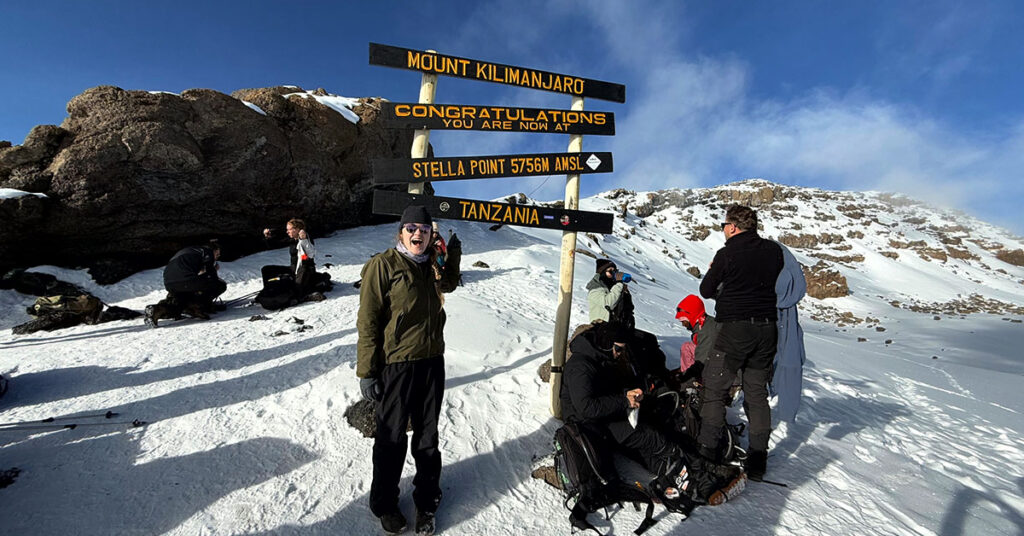
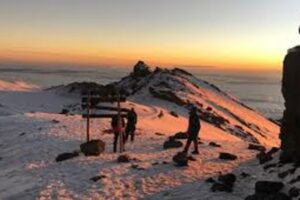
Trekkers and mountain crew standing together at Stella Point on Kilimanjaro

Table of Contents

How Dangerous Is Kilimanjaro Compared to Other Mountains?

Kilimanjaro is safer than technical mountains that require ropes, ice axes, glacier travel, or advanced mountaineering skills. On the main Kilimanjaro routes, climbers walk to the summit rather than climb vertical rock or ice.

But that does not mean Kilimanjaro is easy or risk-free. At 5,895 meters / 19,341 feet, altitude is the real danger. The mountain becomes risky when climbers rush, ignore symptoms, choose routes that are too short, or climb with poor support.
 
So the honest answer is simple: Kilimanjaro is not technically dangerous, but it is physically and medically serious.

The Biggest Risk: Altitude Sickness

Altitude sickness is the biggest safety concern on Kilimanjaro. As you climb higher, oxygen levels decrease and your body needs time to adjust. This adjustment process is called acclimatization.
 
Common altitude symptoms include:
  1. headache
  2. nausea
  3. dizziness
  4. loss of appetite
  5. unusual fatigue
  6. poor sleep
Mild symptoms are common at altitude, but they should never be ignored. If symptoms become worse, your guide may recommend rest, closer monitoring, or descent.
 
The safest Kilimanjaro climbers go slowly, drink regularly, eat enough, report symptoms early, and choose routes that allow better acclimatization.

Other Risks on Kilimanjaro

Altitude is the main risk, but it is not the only challenge. Kilimanjaro also exposes climbers to cold weather, fatigue, dehydration, stomach problems, and changing trail conditions.

Cold and Weather Changes

Kilimanjaro passes through several climate zones. You may start in warm rainforest and later face freezing temperatures near the summit. Without proper layers, gloves, waterproof gear, and a warm sleeping system, cold conditions can become dangerous.
 
For seasonal planning, read our best time to climb Kilimanjaro guide.

Physical Exhaustion

Climbing Kilimanjaro usually means walking for several days, sleeping in tents or huts, and hiking while your body is adjusting to altitude. Fatigue can make symptoms feel worse and reduce your ability to recover.

Dehydration

At altitude, many climbers lose fluids faster but feel less thirsty. Dehydration can make headaches, fatigue, and altitude symptoms worse. Drink regularly and follow your guide’s advice.

Poor Decision-Making

Altitude and exhaustion can affect judgment. This is why experienced guides matter. A good guide makes safety decisions based on your condition, not your summit emotions.
 

Why Most Climbers Stay Safe on Kilimanjaro

Most climbers stay safe on Kilimanjaro because the climb is guided, regulated, and supported by experienced mountain teams. Safety depends on preparation, route choice, daily monitoring, and quick action when symptoms appear.
 
Professional guides help by:
  1. monitoring altitude symptoms
  2. checking oxygen levels when needed
  3. controlling the pace
  4. encouraging hydration and food intake
  5. deciding when rest or descent is necessary
Choosing the right team matters. Read our guide on how to choose a Kilimanjaro tour company before booking your climb.
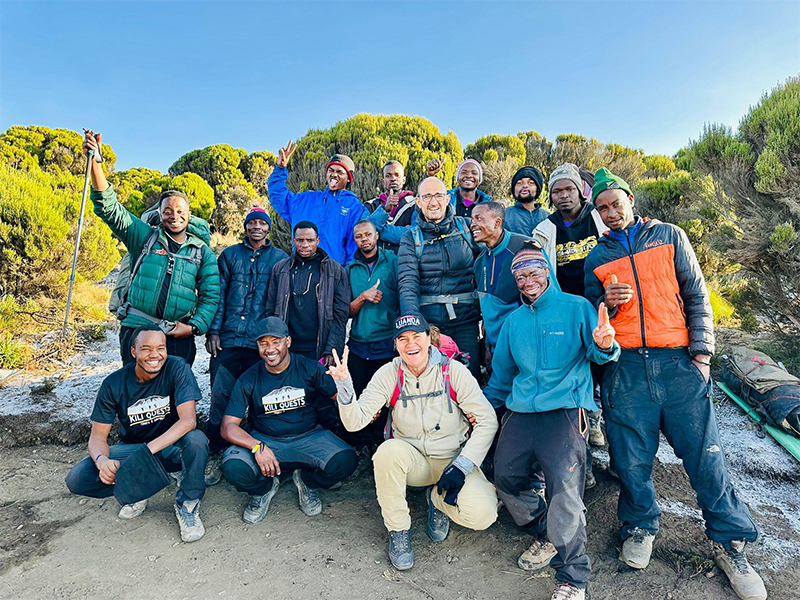
Kilimanjaro trekkers and porters smiling together at the end of a successful hike
Experienced guides monitor climbers daily and ensure safety throughout the Kilimanjaro trek.

Emergency Support on Kilimanjaro

If a climber becomes seriously unwell, the first safety response is usually to stop climbing and descend to a lower altitude. Descent is the most important emergency action for serious altitude problems.

Depending on the situation, guides may use oxygen, contact park rescue support, or arrange evacuation. This is why climbers should have travel insurance that covers high-altitude trekking and emergency evacuation.
 
Before your trip, read our guide on medical insurance for Kilimanjaro so you understand what type of coverage to arrange.

How to Climb Kilimanjaro More Safely

You cannot remove every risk from Kilimanjaro, but you can reduce the biggest dangers with smart preparation.

Choose a Route with Enough Days

Longer routes such as Lemosho, Northern Circuit, and 7-day Machame usually give better acclimatization than shorter routes. More days on the mountain give your body more time to adjust.
 
Compare your options in our Kilimanjaro routes comparison guide.

Go Slowly (Pole Pole)

The most important rule on Kilimanjaro is pole pole, which means slowly. Fast climbing increases altitude stress and makes the trek harder.

Report Symptoms Early

Do not hide headaches, nausea, dizziness, vomiting, unusual fatigue, or breathing problems. Your guide can only help if you are honest.

Train Before the Climb

You do not need to be an athlete, but you should prepare your legs, lungs, and endurance. Read our Kilimanjaro training guide before your climb.

Who Is Most at Risk on Kilimanjaro?

Altitude can affect anyone, including fit climbers. Being strong does not guarantee good acclimatization.
 
Higher-risk climbers often include people who:
  1. choose very short routes
  2. rush the pace
  3. ignore symptoms
  4. arrive poorly trained
  5. do not eat or drink enough
  6. hide how they feel from guides
  7. have medical conditions they did not discuss before travel

Fitness helps, but altitude respect matters more. The safest climbers are patient, honest, and willing to follow guide decisions.

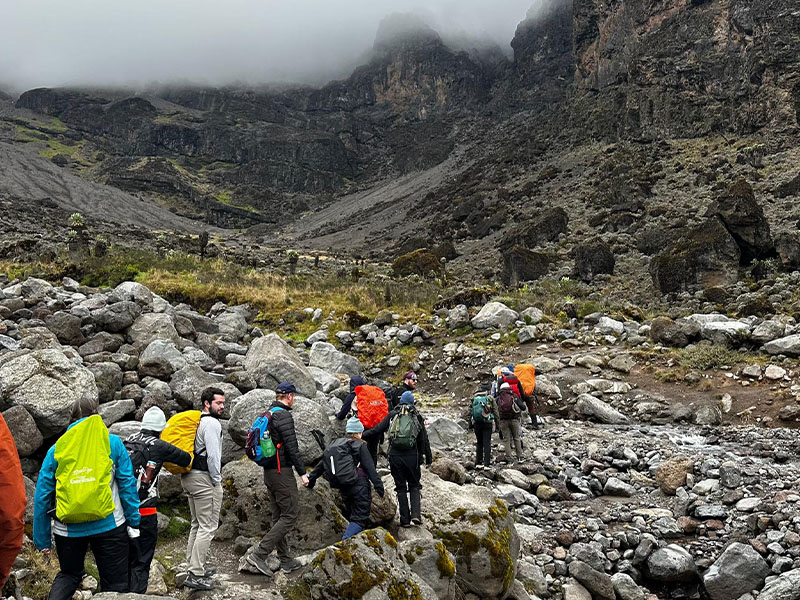
Tourists trekking on Mount Kilimanjaro at high altitude with guides | Kili Quests
Step by step — staying hydrated, steady, and supported helps you adapt as altitude increases.

Is Kilimanjaro Safe for Beginners?

Yes, Kilimanjaro can be safe for beginners if they prepare properly, choose a suitable route, and climb with experienced guides.

You do not need technical climbing skills or mountaineering experience for the main routes. But you do need fitness, patience, proper gear, and enough time for acclimatization.

For most first-time climbers, longer routes are usually safer than short, rushed itineraries.

Common Questions About Kilimanjaro Safety

Is climbing Kilimanjaro dangerous?

Climbing Kilimanjaro is not usually dangerous when done with proper preparation, experienced guides, good pacing, and enough acclimatization time. The main risk is altitude sickness, not technical climbing.

What is the biggest danger on Kilimanjaro?

The biggest danger on Kilimanjaro is altitude sickness. It can affect anyone, including fit climbers, especially when the climb is too fast or symptoms are ignored.

Is Kilimanjaro safe for beginners?

Yes, Kilimanjaro can be safe for beginners if they train, choose the right route, use proper gear, and follow guide instructions. Longer routes are usually better for first-time climbers because they allow more acclimatization time.

What is the safest Kilimanjaro route?

Longer routes such as Lemosho, Northern Circuit, and 7-day Machame are usually safer choices because they give the body more time to adapt to altitude. Shorter routes can be harder because they reduce acclimatization time.

Do I need travel insurance for Kilimanjaro?

Yes. You should have travel insurance that covers high-altitude trekking and emergency evacuation. Kilimanjaro is a remote high-altitude climb, so proper insurance is an important part of safety planning.

Climb Kilimanjaro Safely with Kili Quests

Kilimanjaro is achievable, but it should never be treated casually. The safest climbs are built around good route choice, slow pacing, proper acclimatization, daily health monitoring, and experienced guide support.

At Kili Quests, we help climbers prepare honestly, choose suitable routes, and climb with local mountain teams who understand Kilimanjaro’s risks and conditions.

Contact us today to plan a safer Kilimanjaro climb with experienced local guides.

Related Articles