

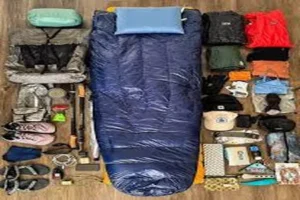
Kilimanjaro Packing List 2026: What to Bring for Your Climb
Pack Smart for Kilimanjaro Packing the wrong gear can make your climb harder than it needs to be especially on summit night.At Kili Quests, we
Türkiye’de adını duyuran bahsegel güvenilir yapısıyla fark yaratıyor.
bahsegel girişCanlı krupiyeli oyunların iade oranı (RTP) ortalama %98,3’tür; bu, slot oyunlarından yaklaşık %2 daha yüksektir ve paribahis giriş’te oyuncular bu avantajdan yararlanır.
bahsegel giriş bahsegel bahsegel giriş bettilt bahsegel-official.link bettilt bettilt bettilt bettilt bahsegel giriş bahsegel bahsegel bettilt bahsegel bahsegel bahsegel girişBahis endüstrisinde ortalama RTP oranı %96’dır; bettilt giriş slot oyunlarında bu oranı %98’e kadar çıkarıyor.
bahsegel giriş bahsegel giriş bahsegel girişKumarhane keyfini yaşamak isteyenler için bettilt kategorisi oldukça ilgi çekici.
paribahis paribahis paribahis bettilt bettilt bahsegel-lein.vip casinomhub güncel giriş casinomhub giriş| Month | Weather & Trail Conditions | Crowds | Best For | Recommendation |
|---|---|---|---|---|
| January | Generally good trekking weather with possible snow near the summit. | Moderate | Clear views, quieter trails, summit snow | Excellent |
| February | One of the better early-year months, with fairly stable weather. | Moderate | Good weather with fewer crowds than peak season | Excellent |
| March | Early March can be good, but rain becomes more likely later in the month. | Low to moderate | Flexible climbers avoiding peak crowds | Good early, less ideal later |
| April | Long rains often bring muddy trails, cloud cover, and wetter conditions. | Low | Experienced trekkers who accept wet conditions | Less ideal |
| May | Rain can continue, making trails slippery and views less reliable. | Low | Quiet trails and greener scenery | Less ideal |
| June | Weather improves as the dry season begins, with firmer trails. | Moderate | Start of dry-season climbing | Very good |
| July | Dryer trails, clearer skies, and reliable trekking conditions. | High | First-time climbers and clear views | Excellent |
| August | One of the most popular months, with strong weather reliability. | Very high | Reliable weather and classic Kilimanjaro views | Excellent but busy |
| September | Often one of the best months for dry trails and summit visibility. | High | Best balance of weather and summit views | Excellent |
| October | Still generally good, though rain chances may increase later in the month. | Moderate to high | Dry-season climbing with slightly fewer crowds | Very good |
| November | Short rains can bring wet lower trails and reduced visibility. | Low | Quiet trails and flexible trekkers | Possible but less reliable |
| December | Conditions often improve, but early December may still be affected by short rains. | Moderate to high | Holiday climbs and improving weather | Good, especially later in the month |
Pack Smart for Kilimanjaro Packing the wrong gear can make your climb harder than it needs to be especially on summit night.At Kili Quests, we
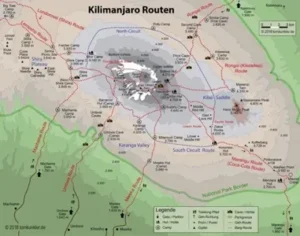
Plan Your Kilimanjaro Climb Climbing Kilimanjaro is a once-in-a-lifetime adventure choosing the right route and preparation makes all the difference. Choose the best route for
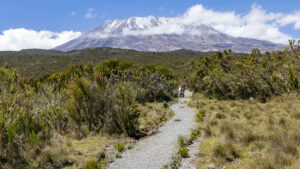
Plan Your Kilimanjaro Climb Safely Altitude is the biggest challenge on Kilimanjaro ,the right route and preparation can make the difference between turning back and