Plan Your Kilimanjaro Climb Budget

Climbing Kilimanjaro is a major investment choosing the right route and support team makes all the difference.
At Kili Quests, we help you:

Explore More Kilimanjaro Planning Guides

Cost is just one part of planning your climb. Explore these guides to choose the right route and prepare properly.

OUR CATEGORIES

How Much Does It Cost to Climb Kilimanjaro? Full Price Breakdown

Climbing Mount Kilimanjaro is not a cheap trip, and travelers should understand the real cost before booking. For many international climbers, a properly organized Kilimanjaro climb often starts around $2,000 per person, while many standard climbs fall between $2,500 and $4,000. Higher-comfort or premium climbs can cost more depending on the route, number of days, group size, inclusions, and service level.
 
The price can be confusing because different companies advertise very different rates. But Kilimanjaro pricing is not random. The final cost is shaped by national park fees, route length, guide and porter support, safety equipment, meals, transport, accommodation, and how responsibly the climb is operated.
 
This guide explains the real cost of climbing Kilimanjaro, what is usually included, what is usually excluded, what extra expenses to budget for, and why the cheapest climb is not always the best value.
 
Choosing the right route affects both price and acclimatization. Before booking, compare your options in Kilimanjaro Routes Comparison: Which Route Is Best?

Quick Answer: How Much Does It Cost to Climb Kilimanjaro?

For many international climbers, a Kilimanjaro climb usually starts from around $2,000 per person for lower-budget climbs, while standard climbs often range from about $2,500 to $3,500. Higher-comfort or premium climbs can cost more, especially on longer routes such as Lemosho or the Northern Circuit.
 
The final price depends on route length, number of climbers, park fees, guide and porter support, food, safety equipment, transport, hotel arrangements, and service level.
 
A lower price is not always better. Very cheap Kilimanjaro climbs may use shorter itineraries, weaker equipment, less experienced support, poor porter treatment, or fewer safety systems. For most climbers, the best value is a climb that balances fair price, proper acclimatization, safety, and reliable support.
Climb Category Typical Price Range What It Usually Means
Budget climb From around $2,000–$2,500 per person Usually shorter itineraries, group departures, basic logistics, and fewer comfort features.
Standard climb Around $2,500–$4,000 per person A better balance of route length, guide support, safety, meals, equipment, and overall value.
Premium climb Usually $4,000+ per person Longer routes, upgraded comfort, stronger logistics, private support, and higher service level.
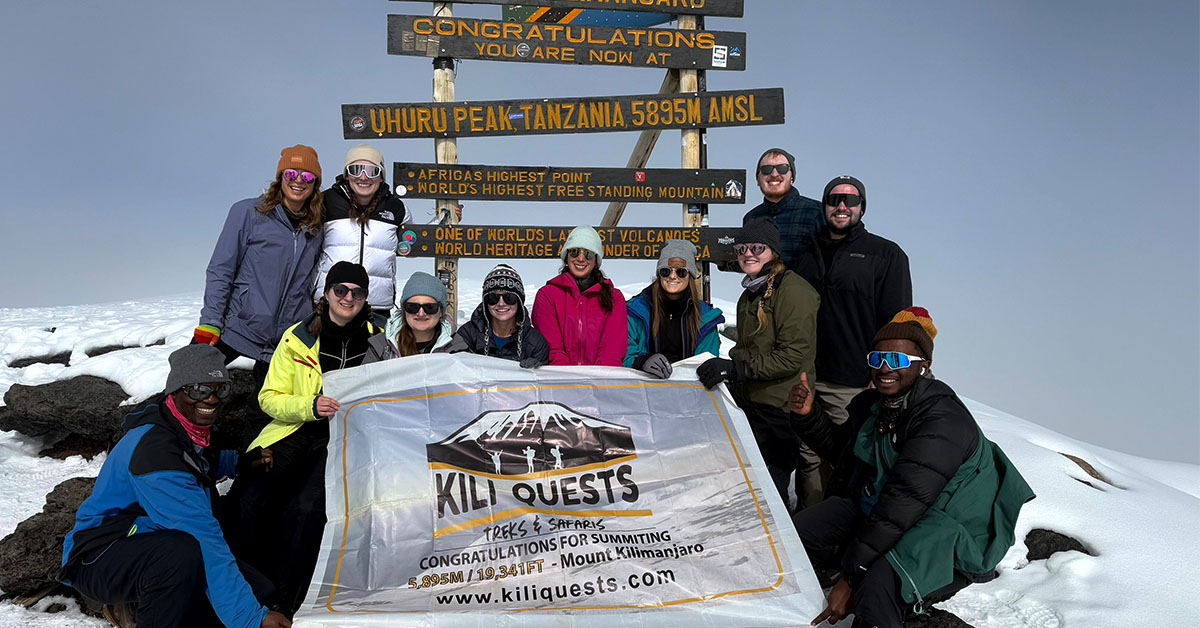
Group of trekkers celebrating together at Uhuru Peak, the summit of Mount Kilimanjaro
Kilimanjaro climbers at Uhuru Peak with their guide team after a successful summit.

Table of Contents

Average Cost to Climb Mount Kilimanjaro

The average cost to climb Kilimanjaro depends on the route, number of days, group size, and service level. Shorter routes usually cost less because they require fewer park-fee days, fewer meals, and fewer crew days. Longer routes cost more, but they often give your body more time to acclimatize.
 
Most climbers should not judge Kilimanjaro prices by the headline number alone. A cheaper climb may look attractive, but it can become poor value if it includes a rushed itinerary, weak equipment, limited safety support, or unclear exclusions.
 
The better question is not only “What is the cheapest Kilimanjaro climb?” The better question is: “What price gives me a safe, properly supported, and realistic climb?”
Cost Item Why It Affects the Price
Park fees Kilimanjaro National Park charges mandatory fees based on route type and number of days.
Route length Longer routes cost more because they require more park days, meals, crew wages, and logistics.
Guides and porters A proper climb needs licensed guides, assistant guides, porters, cooks, and support staff.
Food and water Meals, drinking water, cooking equipment, and camp support are part of mountain logistics.
Safety equipment Emergency oxygen, first aid supplies, communication tools, and guide monitoring add real cost.
Accommodation and transport Some packages include airport transfers and hotel nights before or after the climb.
Service level Private climbs, upgraded meals, better tents, private toilets, or premium support increase the price.

What Affects the Cost of Climbing Kilimanjaro?

The cost of climbing Kilimanjaro depends on several major factors. Once you understand these, the price differences between operators become easier to compare.

Route choice

Some routes are shorter and cheaper, while others are longer and more expensive. A route with more days on the mountain means higher park fees, more crew support, more meals, and more logistics.
 
For example, a shorter route like Marangu or a 6-day Machame itinerary may cost less than an 8-day Lemosho or 9-day Northern Circuit climb. But longer routes usually give your body more time to acclimatize, which can make the climb more manageable.
 
Before choosing by price alone, compare the options in Kilimanjaro Routes Comparison: Which Route Is Best?

Number of days on the mountain

This is why longer climbs cost more. But extra days can also provide better acclimatization, which is one of the most important factors on Kilimanjaro. For many climbers, paying for enough days is better value than rushing the mountain. Before choosing a shorter itinerary to save money, read How Many Days to Climb Kilimanjaro so you understand how route length affects cost, acclimatization, and summit preparation.

Group climb vs private climb

Joining a group climb usually costs less because transport, guides, crew, and logistics are shared among more climbers.
 
A private climb costs more because the itinerary and support system are arranged specifically for your group.
 
Private climbs may be worth the extra cost if you want more flexibility, a private schedule, or a more personalized experience.

Level of comfort and service

Not every Kilimanjaro climb offers the same comfort level. Some packages include basic camping equipment and simple meals, while others include upgraded tents, thicker mattresses, private toilet tents, better meals, and more personal support.
 
Higher comfort increases the price, but it can also improve your experience during a demanding multi-day trek.

Safety standards

A responsible Kilimanjaro operator invests in guide training, emergency planning, oxygen systems, first aid supplies, communication tools, and daily health monitoring. These systems cost money, but they are not extras to ignore.
 
If you are comparing companies, do not only ask what is cheap. Ask what safety support is included.

Ethical porter treatment

Porters are essential to every Kilimanjaro climb. A responsible company includes fair porter treatment, proper staffing levels, meals, equipment support, and reasonable loads in the cost of the trip.
 
Very low prices can sometimes mean the mountain crew is underpaid, overloaded, or poorly supported. That is not the kind of saving you want behind your climb.
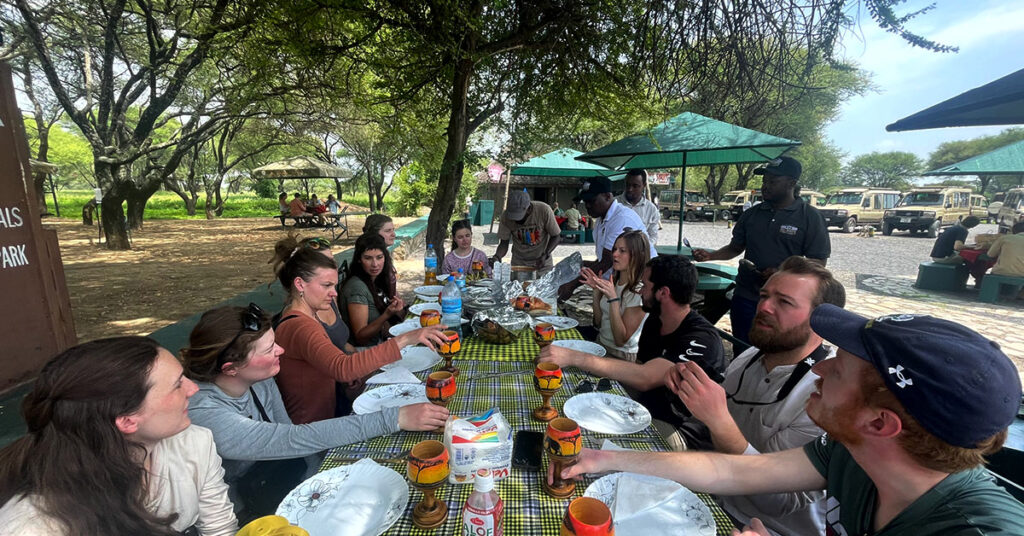
Tourists enjoying meals together at a Kilimanjaro camp after a day of trekking.

Kilimanjaro National Park Fees Explained

A large part of the cost of climbing Kilimanjaro goes to mandatory national park fees. These fees are not optional, and every licensed operator must include them when organizing a legal Kilimanjaro climb.
Park-related costs usually include:

  • Conservation fees
  • Camping fees or hut fees
  • Rescue fees
  • Crew entry fees
  • VAT on applicable services
These fees increase with the number of days you spend on the mountain. That is one reason why longer routes such as Lemosho and Northern Circuit cost more than shorter itineraries like Marangu or 6-day Machame.

However, more days can also give your body better time to acclimatize. So the cheapest route is not always the best value if it gives you less time to adjust to altitude.

Before comparing packages, make sure the operator clearly states whether park fees are included in the price. A quote that looks cheap may become more expensive if important fees are excluded or unclear.

Guide, Porter, and Crew Costs

A Kilimanjaro climb requires a full mountain support team. This is one of the biggest differences between Kilimanjaro and a normal hiking trip. Climbers do not carry everything alone, and the mountain operation depends on guides, porters, cooks, and support staff working together.
Most Kilimanjaro climbs include:


  • Lead guide
  • Assistant guides
  • Porters
  • Cook
  • Camp support staff depending on group size and service level
Guides manage the route, pace, safety checks, and summit strategy. Porters carry tents, food, cooking equipment, safety gear, and expedition supplies. Cooks prepare meals at camp so climbers can recover and continue each day.


A responsible company must pay and support this team properly. If a climb is extremely cheap, ask how the crew is paid, how many staff are included, what equipment they use, and whether porter welfare is respected.


The crew is not a small detail. Guides, porters, and cooks are one of the main reasons climbers can attempt Kilimanjaro safely and with proper support. Before comparing very cheap prices, read Kilimanjaro Porter Roles so you understand what porters do, why they are essential, and how their work affects the climb.

What Is Usually Included in a Kilimanjaro Climb Package?

Most reputable Kilimanjaro climb packages include the main services needed for the mountain trek. Exact inclusions vary by company, so always check the package details before booking.
Typical inclusions may include:
  • Licensed mountain guides
  • Assistant guides
  • Porters and cooks
  • National park fees and permits
  • Camping equipment or hut accommodation, depending on the route
  • Meals on the mountain
  • Drinking water during the trek
  • Transport to and from the mountain gate
  • Basic safety equipment such as emergency oxygen and first aid supplies
Some packages may also include hotel accommodation before and after the climb, airport transfers, pre-climb briefing, gear checks, or luggage storage. Do not assume these are included unless the operator clearly lists them.
 
For a deeper breakdown of what a proper trekking package should cover, read Kilimanjaro Climb Package before comparing prices.
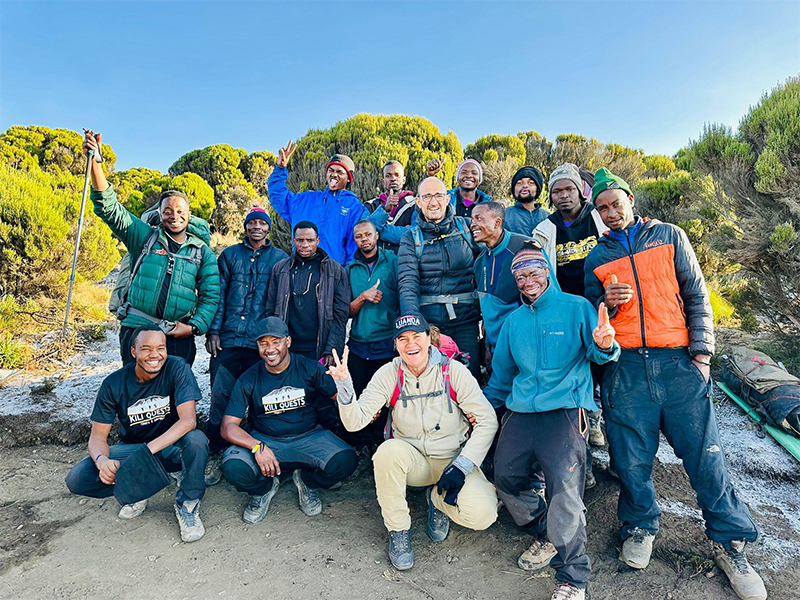
Kilimanjaro trekkers and porters smiling together at the end of a successful hike
Every Kilimanjaro climb is a team effort — guides, porters, and climbers sharing the journey to the summit.

What Is Usually Not Included?

Even when a Kilimanjaro package looks complete, there are usually extra costs that climbers must budget for separately. These costs can make a big difference in your total trip budget.
Common exclusions may include:
  • International flights
  • Tanzania visa
  • Travel insurance
  • Tips for guides, porters, and cooks
  • Personal trekking gear
  • Gear rental
  • Hotel upgrades
  • Extra snacks, drinks, and personal items
  • Optional safari, Zanzibar, or day tours before or after the climb
Always ask for a written list of inclusions and exclusions before paying a deposit. A package that looks cheaper at first can become more expensive if important costs are missing or unclear.

Extra Costs to Budget For

Your total Kilimanjaro budget should include more than the climbing package. These extra costs can add up quickly, especially for international travelers.

International Flights

Flights to Tanzania vary depending on your departure country, travel season, airline, and booking time. Most climbers fly into Kilimanjaro International Airport, but some also arrive through Arusha, Nairobi, Dar es Salaam, or Zanzibar depending on their wider travel plans.

Tanzania visa

Most foreign travelers need a visa to enter Tanzania. The cost depends on nationality, so check the current visa rules before traveling.requirements before traveling.

Travel insurance

Travel insurance is essential for Kilimanjaro. Your policy should cover high-altitude trekking and emergency evacuation. Do not buy a basic travel policy without checking the altitude limit.

Tips for the mountain crew

Tipping is standard on Kilimanjaro and should be planned before the climb. Guides, porters, and cooks work hard throughout the trek, and tips are an important part of the total trip budget.

Personal Gear or Gear Rental

If you do not own the required equipment, you may need to buy or rent items such as a sleeping bag, trekking poles, insulated jacket, waterproof layers, gloves, or summit gear.
 
Use Kilimanjaro Packing List to check what you need before deciding what to buy or rent.

Hotels Before and After the Climb

Many climbers stay at least one night before and one night after the trek. Some packages include these nights, while others do not.

Safari or Zanzibar Extension

Many travelers combine Kilimanjaro with a Tanzania safari or Zanzibar beach trip. These are separate costs from the climb unless your package clearly includes them.

Budget vs Standard vs Luxury Kilimanjaro Climbs

Not all Kilimanjaro climbs offer the same level of service, comfort, safety support, and itinerary quality. The price usually reflects the route length, group size, crew support, equipment quality, meals, safety systems, and overall service level.

Budget Kilimanjaro Climbs

Budget Kilimanjaro climbs usually sit near the lower end of the price range. They may work for travelers who want to control costs, especially on group departures or shorter itineraries.
 
However, climbers should be careful. A budget climb can become poor value if it uses a rushed route, weak equipment, limited safety support, poor meals, or unclear inclusions. If you choose a budget option, make sure park fees, crew support, safety equipment, food, and porter treatment are clearly explained.

Standard Kilimanjaro Climbs

Standard Kilimanjaro climbs usually offer the best balance for many travelers. They often include proper route planning, reliable equipment, experienced guides, good meals, fair crew support, and enough safety systems for a serious mountain trek.
 
For most climbers, this is the smartest category because it avoids the biggest risks of going too cheap while still keeping the trip realistic and affordable.

Premium Kilimanjaro Climbs

Premium Kilimanjaro climbs cost more because they usually include higher comfort, stronger logistics, private service, upgraded meals, better sleeping arrangements, private toilet tents, and longer itineraries with better acclimatization time.
 
A premium climb is not necessary for everyone, but it can be worth it for travelers who want more comfort, more support, and a less basic mountain experience.
 
The right choice depends on your budget, comfort expectations, route preference, and how much support you want during the climb.

Why Are Some Kilimanjaro Operators Much Cheaper Than Others?

Some Kilimanjaro operators advertise very low prices, and that can look attractive at first. But when a climb is much cheaper than the average, you need to ask what has been removed from the package.
 
A lower price may come from:
  • Shorter itineraries with less acclimatization time
  • Larger group sizes
  • Basic camping equipment
  • Simpler meals
  • Fewer comfort features
  • Limited hotel or transfer inclusions
  • Less experienced support teams
  • Lower crew wages or poor porter support
  • Weaker safety equipment or health monitoring
Not every lower-cost operator is bad, but a very cheap climb should always be checked carefully. Kilimanjaro is not the place to buy blindly based on the lowest number.
 
Before booking, ask what is included, what is excluded, how many days are on the mountain, what safety equipment is carried, how guides monitor altitude symptoms, and how porters are supported.

What Should You Never Cut From Your Kilimanjaro Budget?

There are some parts of a Kilimanjaro climb where saving money can create bigger problems. A cheap price is not worth it if it weakens safety, acclimatization, food, equipment, or crew support.
Do not cut corners on:
  • Enough days for acclimatization
  • Experienced mountain guides
  • Emergency oxygen and first aid support
  • Fair porter support
  • Proper meals on the mountain
  • Warm summit clothing
  • Good hiking boots
  • Travel insurance with high-altitude trekking cover
  • A realistic route for your fitness level
The goal is not to book the most expensive climb. The goal is to avoid a price that is too low to support a safe and properly organized mountain experience.
 
Before choosing a short route only to save money, read How Many Days to Climb Kilimanjaro and compare your options in Kilimanjaro Routes Comparison: Which Route Is Best?
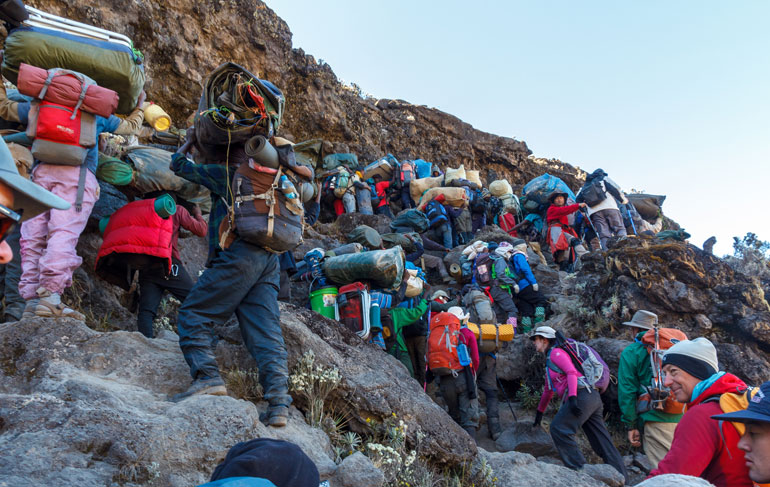
Kilimanjaro porter walking along the mountain trail with gear balanced on head
Porters guiding climbers up the Barranco Wall on Mount Kilimanjaro — a true display of strength, teamwork, and support on the mountain.

Example Kilimanjaro Price Scenarios

The exact price depends on the operator, route, group size, and service level. These examples show how route choice and comfort level can affect the final cost.

Lower-cost example

A 5 or 6-day group climb on a shorter route may sit near the lower end of the price range. This can appeal to budget travelers, but it usually gives less time for acclimatization and may include fewer comfort features.

Standard-Value Example

A 7-day Machame climb often sits in the middle range. This can be a good balance for climbers who want a scenic route, better acclimatization than shorter itineraries, and a more realistic summit plan.

Higher-value example

An 8-day Lemosho climb usually costs more because it includes more days on the mountain, higher park-fee totals, more crew time, and more meals. Many climbers still consider it better value because of the stronger acclimatization profile and scenic route experience.

Premium example

A 9-day Northern Circuit climb with upgraded service is usually one of the more expensive options. It offers the longest itinerary, quieter trails, strong acclimatization time, and a higher level of comfort and support.
 
The best choice is not always the cheapest or most expensive option. The best choice is the route and service level that match your fitness, budget, comfort expectations, and summit goals.

Is Climbing Kilimanjaro Worth the Cost?

For many climbers, Kilimanjaro is worth the cost because it is not just a normal hiking trip. It is a fully supported high-altitude expedition on the highest mountain in Africa.
 
The price covers more than the trail. It supports park fees, licensed guides, porters, cooks, meals, safety equipment, transport, logistics, and the mountain support system that makes the climb possible.
 
The value depends on choosing the right route and the right operator. A properly planned climb gives you better pacing, stronger support, clearer safety systems, and a more realistic mountain experience.
 
Kilimanjaro is expensive, but a well-organized climb can be worth it if the price includes proper acclimatization time, fair crew support, good meals, safe equipment, and experienced local guides

Frequently Asked Questions About Kilimanjaro Costs

How much does it cost to climb Kilimanjaro?

For many international climbers, a Kilimanjaro climb usually starts from around $2,000 per person for lower-budget climbs. Standard climbs often range from about $2,500 to $4,000, while premium climbs can cost more depending on the route, number of days, group size, and service level.
 
The final price depends on what is included, how many days you spend on the mountain, and the quality of support provided by the operator.

Why is climbing Kilimanjaro expensive?

Climbing Kilimanjaro is expensive because the trip includes mandatory national park fees, licensed guides, porters, cooks, food, equipment, transport, safety support, and mountain logistics.
 
A proper Kilimanjaro climb is not just a guide fee. It is a full expedition with a support team and regulated park costs.

What is the cheapest way to climb Kilimanjaro?

The cheapest way is usually to join a group climb on a shorter route with a lower-cost operator. However, the cheapest option is not always the best value.
 
Very low prices may mean shorter acclimatization time, basic equipment, weaker safety systems, unclear exclusions, or poor crew support. Always check what is included before choosing by price alone.

Are Kilimanjaro park fees included in the climb price?

Many reputable operators include Kilimanjaro park fees in the package price, but you should always confirm this before booking. Park fees are a major part of the total cost, so a quote that excludes them can look cheaper than it really is.
 
Ask for a clear written list of inclusions and exclusions before paying a deposit.

Do I need to tip Kilimanjaro guides and porters?

Yes. Tipping is standard on Kilimanjaro and should be included in your total budget. Guides, porters, and cooks work hard throughout the trek, and tips are an important part of the mountain crew’s income.
 
Ask your operator for tipping guidance before the climb so you can prepare the right amount.

Are flights included in Kilimanjaro climb packages?

Usually not. Most Kilimanjaro climb packages cover the mountain trek and some ground logistics, but international flights are normally booked separately by the traveler.
 
Some packages may include airport transfers or hotel nights, but this depends on the operator.

Does a longer Kilimanjaro route cost more?

Yes. Longer Kilimanjaro routes usually cost more because they require more park-fee days, more crew time, more meals, and more logistics.
 
However, longer routes can also give your body more time to acclimatize. For many climbers, paying for enough days is better value than choosing a rushed itinerary only to save money.

Plan Your Kilimanjaro Climb With Clear Pricing

Climbing Kilimanjaro is a major investment, and the cheapest price is not always the best value. The right climb should include a realistic itinerary, proper acclimatization time, experienced local guides, fair porter support, good meals, safety equipment, and clear inclusions.
 
At Kili Quests, we help climbers choose a route and package that matches their budget, fitness, travel dates, and summit goals. Our team explains what is included, what is not included, and how different routes affect the final cost.
 
If you are comparing Kilimanjaro prices, we can help you understand the real value behind the number and avoid choosing a package based only on the cheapest headline price.
 
• Contact Kili Quests today to request a clear Kilimanjaro climb quote.

Related Articles