Reach the Summit with Confidence

Your success depends on the right route, acclimatization, and expert guidance.
We plan every climb for a safe summit.

Plan Your Kilimanjaro Climb the Right Way

Kilimanjaro success depends on preparation and acclimatization.Explore these essential guides:

OUR CATEGORIES

Lemosho Route Kilimanjaro: 8-Day Itinerary, Difficulty & Cost

Why Choose the Lemosho Route?

The Lemosho Route is one of the best Kilimanjaro routes for climbers who want strong acclimatization, beautiful scenery, and a quieter start on the mountain. It begins on the remote western side of Mount Kilimanjaro, crosses the wide Shira Plateau, joins the southern circuit near Lava Tower, and reaches the summit from Barafu Camp.

This route is not the easiest way up Kilimanjaro, but it is one of the smartest choices for climbers who want enough time to adjust to altitude. The longer 8-day Lemosho itinerary gives your body more time to adapt, which can improve your summit chances compared with shorter, faster routes.

Lemosho is especially good for first-time Kilimanjaro climbers who want a scenic route without rushing the ascent. If you are still comparing routes, read our Kilimanjaro Routes Comparison: Which Route Is Best? to see how Lemosho compares with Machame, Marangu, Rongai, and the Northern Circuit.

Quick Answer: Is the Lemosho Route Worth It?

Yes, the Lemosho Route is worth it for most climbers who want a scenic, well-paced Kilimanjaro climb with better acclimatization. The 8-day version is the best choice for most travelers because it gives your body more time to adjust before summit night.
 
The route is especially strong for first-time climbers, photographers, and trekkers who want more than a rushed climb. It starts quietly on the western side of Kilimanjaro, crosses the Shira Plateau, passes Lava Tower and Barranco Wall, then joins the summit approach from Barafu Camp.
Best For Why Lemosho Works Well
First-time climbers The 8-day itinerary gives more time for altitude adjustment.
Scenery lovers The route crosses rainforest, Shira Plateau, Lava Tower, Barranco Wall, and alpine desert.
Climbers wanting fewer crowds early Lemosho starts on the quieter western side before joining the busier southern circuit.
Better acclimatization The route follows a gradual profile and includes the Lava Tower climb-high, sleep-low day.
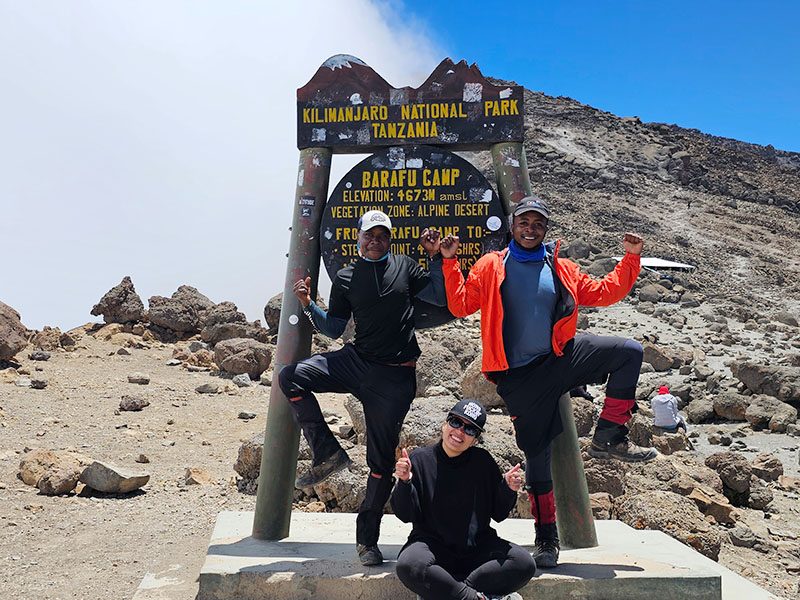
Climbers posing at Barafu Camp on the Lemosho Route before summit night on Mount Kilimanjaro
Climbers at Barafu Camp, the final staging point before summit night on the Lemosho Route.

Table of Contents

What Is the Lemosho Route on Kilimanjaro?

The Lemosho Route is a western approach route on Mount Kilimanjaro. It starts at Londorossi Gate, passes through rainforest, climbs onto the Shira Plateau, and then joins the southern circuit used by the Machame Route. From there, climbers continue toward Lava Tower, Barranco Camp, Karanga Camp, Barafu Camp, and finally Uhuru Peak.
 
The route is popular because it gives climbers a strong balance of scenery, acclimatization, and summit success. Compared with shorter routes, Lemosho gives your body more time to adapt to altitude, especially when done over 8 days.

Where Does the Lemosho Route Start?

The Lemosho Route begins at Londorossi Gate on the western side of Mount Kilimanjaro. After registration, climbers continue to the trailhead and begin walking through the rainforest toward Mti Mkubwa Camp. This western start is one reason Lemosho feels quieter and more remote during the first part of the climb.

How Long Is the Lemosho Route?

The Lemosho Route is usually completed in 7 or 8 days and covers about 70 kilometers / 43 miles. The 8-day version is strongly recommended for most climbers because it gives better acclimatization and reduces the pressure of gaining altitude too quickly.
 
If you are still deciding how many days you need, read our How Many Days to Climb Kilimanjaro guide before choosing your itinerary.

Lemosho Route Overview

Feature Details
Route Length 7 to 8 days
Distance ~70 km / 43 miles
Start Point Londorossi Gate, Western Kilimanjaro
Highest Point Uhuru Peak, 5,895 m / 19,341 ft
Difficulty Moderate to challenging
Best For Scenic views, high success rate, and fewer crowds
Success Rate ~98% on the 8-day itinerary

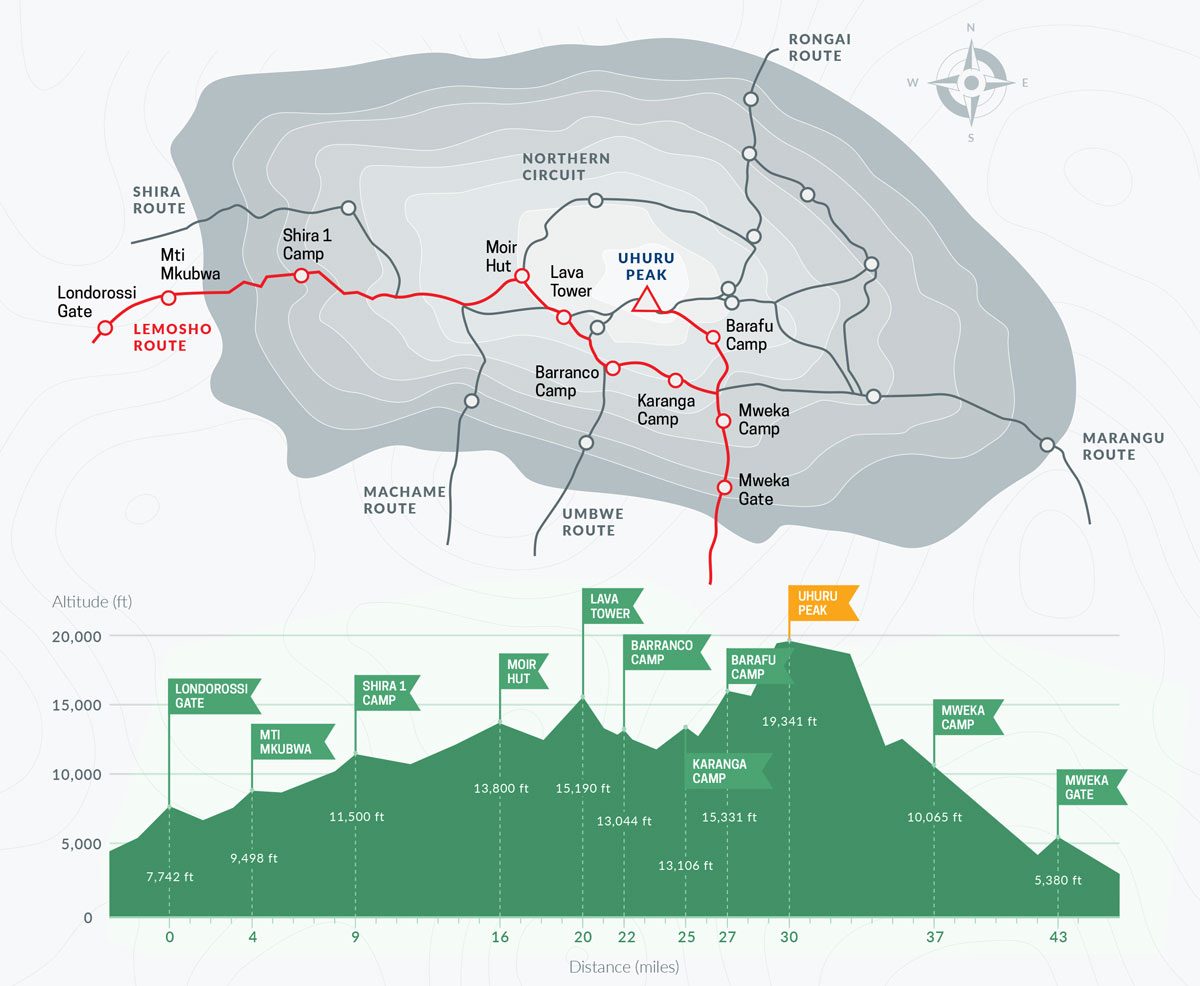
Lemosho Day Map and Elevation Profile

Lemosho Route map on Mount Kilimanjaro with full trail, elevation profile, and camp locations to Uhuru Peak
A scenic and well-acclimatized trail starting from Londorossi Gate and joining the Machame Route via Lava Tower.

8-Day Lemosho Route Itinerary

The 8-day Lemosho itinerary is the best version for most climbers because it gives more time for acclimatization before summit night. The route starts slowly, gains altitude gradually, and uses the important Lava Tower acclimatization day before sleeping lower at Barranco Camp.

Day 1 – Londorossi Gate to Mti Mkubwa Camp

The first day starts with registration at Londorossi Gate before entering the rainforest zone. The walk is usually short and gentle, which helps climbers begin slowly instead of rushing into altitude too fast.
  • Altitude: 2,100 m to 2,650 m
  • Hiking time: 3–4 hours
  • Zone: Rainforest
  • Camp: Mti Mkubwa Camp

Day 2: Mti Mkubwa Camp to Shira 1 Camp

Day 2 leaves the forest and climbs into the moorland zone. The trail becomes more open, and you begin to see the wide Shira Plateau. This is one of the first days where climbers start feeling the altitude, so pacing matters.
  • Altitude: 2,650 m to 3,610 m
  • Hiking time: 5–6 hours
  • Zone: Rainforest to moorland
  • Camp: Shira 1 Camp

Day 3: Shira 1 Camp to Shira 2 Camp

This is a gentler day across the Shira Plateau. The walk is not extremely steep, but it is important for acclimatization because you are now sleeping above 3,800 meters. Clear weather can give excellent views across the plateau.
  • Altitude: 3,610 m to 3,850 m
  • Hiking time: 4–5 hours
  • Zone: Moorland
  • Camp: Shira 2 Camp

Day 4: Shira 2 Camp to Barranco Camp via Lava Tower

This is one of the most important acclimatization days on the Lemosho Route. Climbers ascend to Lava Tower at about 4,640 meters, then descend to sleep at Barranco Camp. This follows the climb high, sleep-low principle, which helps the body adjust before going higher.
  • Altitude: 3,850 m to 4,640 m, then down to 3,960 m
  • Hiking time: 6–7 hours
  • Zone: Alpine desert
  • Camp: Barranco Camp
This is also the day when some climbers may start noticing altitude symptoms. Read our Altitude Sickness on Kilimanjaro guide so you understand what symptoms are normal and which signs should not be ignored.

Day 5: Barranco Camp to Karanga Camp

Day 5 begins with the Barranco Wall, one of the most famous parts of the Lemosho Route. It looks intimidating from camp, but most climbers find it manageable with slow movement and guide support. After the wall, the trail continues through valleys and ridges toward Karanga Camp.
  • Altitude: 3,960 m to 4,035 m
  • Hiking time: 4–5 hours
  • Highlight: Barranco Wall
  • Camp: Karanga Camp

Day 6: Karanga Camp to Barafu Camp

This is a shorter but important day because Barafu Camp is the base camp for summit night. Climbers arrive, rest, eat early, prepare summit gear, and try to sleep before the midnight summit push.
  • Altitude: 4,035 m to 4,673 m
  • Hiking time: 3–4 hours
  • Zone: Alpine desert
  • Camp: Barafu Camp

Day 7: Barafu Camp to Uhuru Peak, then down to Mweka Camp

Summit day is the hardest part of the Lemosho Route. The climb begins around midnight in cold, thin air. The trail climbs slowly toward Stella Point before continuing along the crater rim to Uhuru Peak, the highest point in Africa.
 
After reaching the summit, climbers descend back to Barafu Camp for a short rest, then continue down to Mweka Camp. This is a long day and requires mental strength, warm summit gear, and steady pacing.
  • Altitude: 4,673 m to 5,895 m, then down to 3,100 m
  • Hiking time: 12–14 hours total
  • Summit: Uhuru Peak
  • Camp: Mweka Camp
If you are worried about summit night, read our How Hard Is Mount Kilimanjaro? guide for a realistic look at the physical and mental challenge.

Day 8: Mweka Camp to Mweka Gate

The final day is a descent through the rainforest to Mweka Gate. After signing out, successful climbers receive their Kilimanjaro summit certificate before returning to Moshi or Arusha.
    • Altitude: 3,100 m to 1,640 m
    • Hiking time: 3–4 hours
    • Zone: Rainforest
    • Finish: Mweka Gate

7-Day vs 8-Day Lemosho Route: Which Is Better?

The Lemosho Route can be climbed in 7 or 8 days, but the 8-day itinerary is the better choice for most climbers. The extra day gives your body more time to adapt to altitude and makes the overall climb feel less rushed.
Option Best For Main Risk
7-Day Lemosho Fit climbers with some trekking experience Less time for acclimatization
8-Day Lemosho Most first-time climbers and travelers who want better acclimatization Higher cost because of the extra day
For most climbers, the extra day is worth it. Kilimanjaro is not a mountain where speed should be the goal. A slower itinerary gives you a better chance of reaching the summit safely and enjoying the climb.

Lemosho Route Difficulty and Acclimatization

How Difficult Is the Lemosho Route?

The Lemosho Route is moderately difficult. The trail is not technical, and you do not need climbing equipment, but the altitude, long trekking days, cold summit night, and mental fatigue make it a serious challenge.
 
The hardest part is usually summit night from Barafu Camp to Uhuru Peak. Climbers start in darkness, move slowly in freezing temperatures, and continue for several hours at high altitude. Good preparation, warm gear, and steady pacing are essential.

Why Lemosho Has Strong Acclimatization

Lemosho is one of the better Kilimanjaro routes for acclimatization because it gains altitude gradually and includes the important Lava Tower day. This gives the body exposure to higher altitude before descending to sleep lower at Barranco Camp.
 
The 8-day version is especially strong because it reduces the pressure of climbing too high too quickly. This is why Lemosho is often recommended for climbers who want a safer and more comfortable summit attempt.

Who Should Choose the Lemosho Route?

Choose the Lemosho Route if you are:
  • First-time Kilimanjaro climbers who want better acclimatization
  • Trekkers with average to good fitness
  • Travelers who want one of the most scenic Kilimanjaro routes
  • Climbers who prefer a quieter start before joining the busier southern circuit
  • People who want a strong balance between beauty, safety, and summit potential
Training still matters. Even with a good route, weak preparation can make the climb harder than it needs to be. Read our Kilimanjaro Training Plan before your trek so you know how to prepare your legs, lungs, and endurance.

How Much Does the Lemosho Route Cost?

The Lemosho Route usually costs more than shorter Kilimanjaro routes because it takes more days on the mountain. More days mean more park fees, guide and porter support, meals, camping equipment, and mountain logistics.
 
The 8-day Lemosho Route is not normally the cheapest Kilimanjaro option, but it gives better acclimatization and a more complete mountain experience. Choosing only by price is a mistake if it forces you into a rushed itinerary with less time to adjust to altitude.
 
Your final cost depends on the number of climbers, route length, service level, season, and what is included in the package. Before comparing prices, read our Kilimanjaro Climb Cost guide so you understand park fees, crew support, equipment, food, transport, and other important costs.
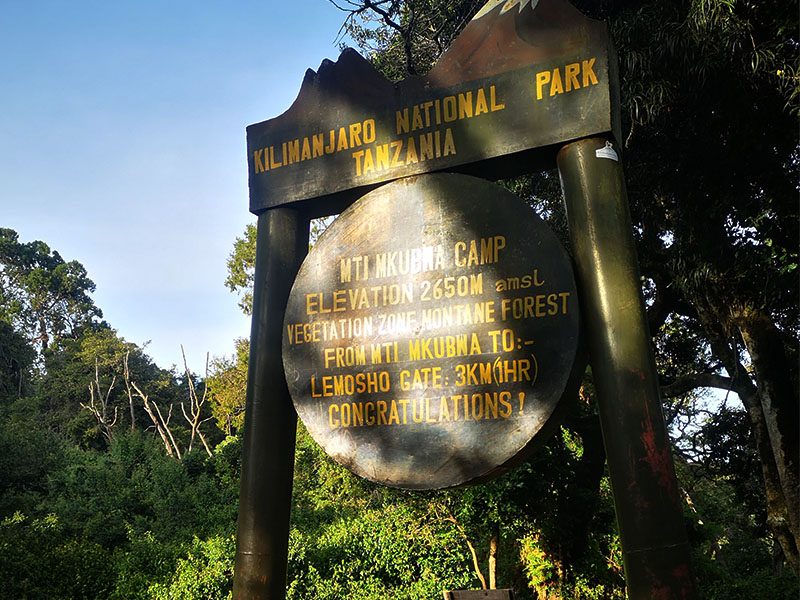
Mti Mkubwa Camp sign on Lemosho Route, Kilimanjaro National Park, showing elevation and distance to Lemosho Gate | Kili Quests
Mti Mkubwa Camp Sign (2,650m) – The first overnight stop on the Lemosho Route, located in the lush montane forest of Kilimanjaro.

Best Time to Climb the Lemosho Route

The best time to climb the Lemosho Route is during the drier months, especially from January to early March and from June to October. These months usually offer better trail conditions, clearer views, and more stable weather.
Season What to Expect Best For
January to early March Warmer conditions, good visibility, and fewer crowds than peak season Climbers who want a good balance of weather and quieter trails
June to October Drier weather, clear skies, colder nights, and busier trails Climbers who want the most reliable weather window
April to May Long rains, muddy trails, lower visibility, and wetter camps Usually not recommended
November Short rains and more unpredictable conditions Possible, but not ideal for most climbers
For a full month-by-month breakdown, read our Best Time to Climb Kilimanjaro guide before choosing your travel dates.

What Makes Lemosho Unique?

The Lemosho Route is unique because it combines a quieter western approach with some of Kilimanjaro’s most dramatic landscapes. The early days feel more remote than the busier southern routes, especially before Lemosho joins the main trail near Lava Tower and Barranco.

The route gives climbers a full mountain experience. You begin in rainforest, cross the Shira Plateau, pass through moorland and alpine desert, climb near Lava Tower, face the Barranco Wall, and finish with the summit push from Barafu Camp to Uhuru Peak.

Lemosho is not only scenic. Its real strength is pacing. The longer 8-day itinerary gives your body more time to adjust, which is why many climbers choose Lemosho when safety, acclimatization, and summit preparation matter more than speed.

Lemosho Route vs Machame Route

Lemosho and Machame are two of the most popular Kilimanjaro routes, and many climbers compare them before booking. Both routes use the southern circuit, both pass Lava Tower and Barranco Wall, and both usually summit from Barafu Camp. The main difference is the beginning of the route and the pacing.
Category Lemosho Route Machame Route
Starting Side Western Kilimanjaro Southern Kilimanjaro
Best Duration 8 days 7 days
Scenery Excellent, especially Shira Plateau and western approach Excellent, with varied landscapes and dramatic southern circuit views
Crowds Quieter at the start, busier after joining the southern circuit Busier from the beginning
Acclimatization Very strong on the 8-day itinerary Good on the 7-day itinerary
Best For Climbers who want scenery, better pacing, and a quieter start Climbers who want a popular, scenic, slightly shorter route
Choose Lemosho if you want more time, a quieter beginning, and one of the most scenic Kilimanjaro approaches. Choose Machame if you want a shorter scenic route and are comfortable with a busier trail. You can also read our Machame Route Kilimanjaro Guide for a deeper comparison.
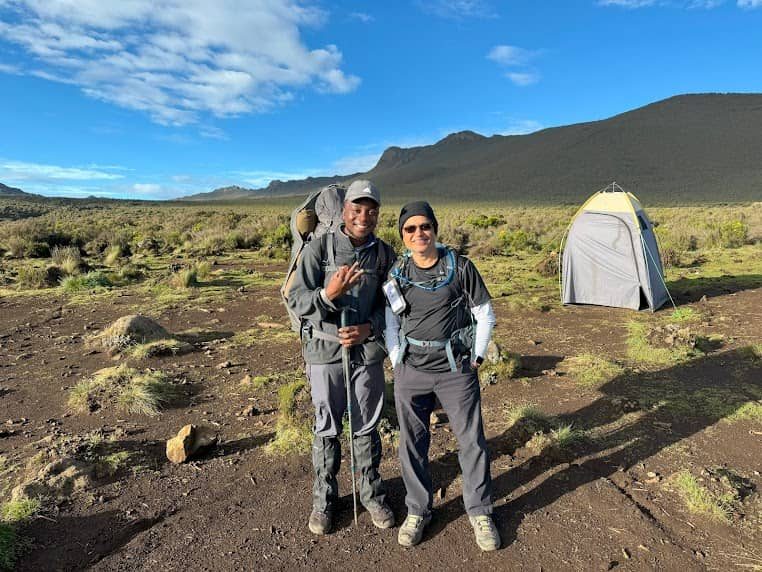
Two trekkers standing at Shira One Camp on the Lemosho Route, Kilimanjaro, with scenic moorland and tent in the background | Kili Quests
Shira One Camp (3,610m) – Trekkers enjoying a clear morning at Shira Plateau, the first high-altitude campsite on the Lemosho Route.

Is the Lemosho Route Right for You?

The Lemosho Route is right for you if you want a scenic Kilimanjaro climb with strong acclimatization and enough time to enjoy the mountain. It is especially good for climbers who do not want to rush the ascent and who understand that altitude, not technical climbing, is the biggest challenge on Kilimanjaro.

Choose Lemosho If You Want:

  • A scenic Kilimanjaro route with rainforest, Shira Plateau, Lava Tower, Barranco Wall, and summit views
  • A quieter start on the western side of the mountain
  • Better acclimatization on an 8-day itinerary
  • A strong route for first-time Kilimanjaro climbers
  • A route that balances scenery, pacing, and summit potential

Lemosho May Not Be Ideal If:

  • You only have 5 or 6 days for the climb
  • You are looking for the cheapest Kilimanjaro route
  • You prefer a shorter itinerary even if it gives less acclimatization time
  • You want the quietest route all the way to the summit, because Lemosho joins the southern circuit after Shira
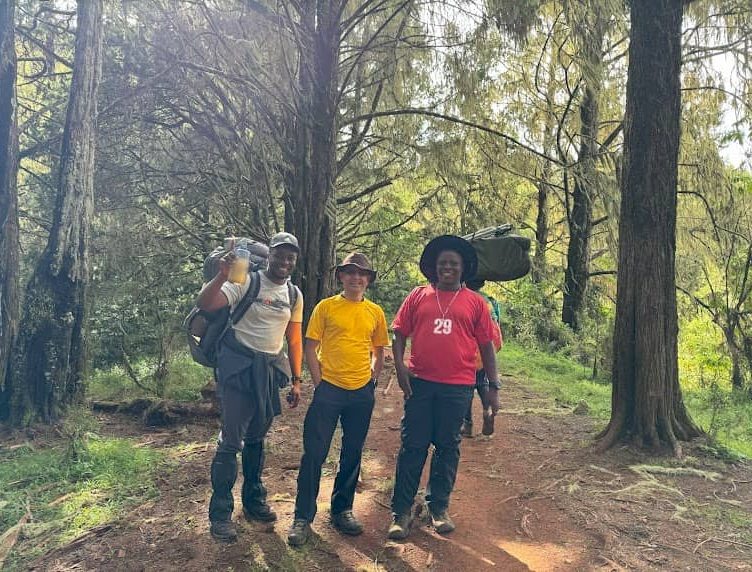
Trekkers and porters hiking through the forest into the moorland zone on the Lemosho Route, Mount Kilimanjaro | Kili Quests
Forest to Moorland Transition – Climbers and porters passing through the lush forest as they ascend toward the moorland zone on Day 2 of the Lemosho Route.

What to Pack for the Lemosho Route

The Lemosho Route crosses several climate zones, so you need to pack for rainforest, moorland, alpine desert, and freezing summit conditions. The most important items are warm layers, a waterproof jacket, strong hiking boots, gloves, a headlamp, a sleeping bag, and comfortable daypack essentials.
 
Do not underestimate summit night. Temperatures can feel extremely cold near Stella Point and Uhuru Peak, especially when wind and fatigue are added. Pack properly and test your gear before arrival.
 
Use our Kilimanjaro Packing List to prepare your clothing, boots, sleeping bag, summit gear, toiletries, and daypack items before your climb

Frequently Asked Questions About the Lemosho Route

How difficult is the Lemosho Route on Mount Kilimanjaro?

The Lemosho Route is moderately difficult. It is not technical, but the altitude, long trekking days, cold summit night, and mental fatigue make it challenging. The 8-day version is easier to manage than shorter routes because it gives more time for acclimatization.

How many days does the Lemosho Route take?

The Lemosho Route usually takes 7 or 8 days. The 8-day itinerary is better for most climbers because it provides more time to adjust to altitude before summit night.

Is the Lemosho Route good for beginners?

Yes, Lemosho is a strong choice for many first-time Kilimanjaro climbers. It gives better acclimatization than shorter routes and has a gradual profile, especially when climbed over 8 days. Beginners still need proper training and realistic preparation.

What is the success rate of the Lemosho Route?

The Lemosho Route has one of the stronger summit success profiles on Kilimanjaro, especially on the 8-day itinerary. Success depends on acclimatization, fitness, guide pacing, weather, health, and how well the climb is managed.

Is Lemosho better than Machame?

Lemosho is usually better if you want a quieter start, more scenery, and stronger acclimatization on an 8-day itinerary. Machame is also scenic and popular, but it is busier and usually done in fewer days.

How much does the Lemosho Route cost?

The Lemosho Route usually costs more than shorter routes because it includes more days on the mountain. More days mean more park fees, crew support, food, camping logistics, and guide services. The extra cost can be worth it if it improves acclimatization and summit preparation.

Climb Kilimanjaro via the Lemosho Route with Kili Quests

The Lemosho Route is one of the best choices if you want a scenic, well-paced Kilimanjaro climb with strong acclimatization. At Kili Quests, we plan Lemosho climbs with experienced local guides, proper pacing, safety checks, good mountain meals, fair porter care, and realistic summit preparation.

Our 8-day Lemosho itinerary is designed for climbers who want more than a rushed climb. You get time to adjust, time to enjoy the mountain, and a better chance of reaching Uhuru Peak safely.
 
Ready to climb Kilimanjaro on the Lemosho Route? Contact Kili Quests today and let our local team help you plan the right itinerary, dates, gear, and preparation for your climb.

Related Articles