Choose the Best Time to Climb Kilimanjaro

The right season can make the difference between reaching the summit or turning back early.
At Kili Quests, we help you plan your climb based on:

Explore More Kilimanjaro Guides

Planning your Kilimanjaro climb takes more than timing. Explore these essential guides:

OUR CATEGORIES

Best Time to Climb Kilimanjaro: Month-by-Month Weather Guide

Choosing the best time to climb Kilimanjaro is one of the most important decisions you will make before booking your trek. The month you choose affects trail conditions, visibility, rainfall, crowd levels, summit-night cold, and the overall difficulty of the climb.

Kilimanjaro can be climbed year-round, but not every month gives the same experience. Some months offer drier trails and clearer summit views, while others bring heavier rain, muddy paths, more cloud cover, and a tougher mental challenge.

For most climbers, the best times to climb Kilimanjaro are January to early March and June to October. These periods usually offer the most reliable trekking conditions, especially for first-time climbers who want better weather, firmer trails, and a smoother summit experience.

At Kili Quests, we guide climbers throughout the year and help match each trekker with the right route, season, and pace. This guide explains Kilimanjaro weather month by month, the best and worst climbing seasons, and how to choose the right time for your own trek.

Before choosing your dates, it also helps to compare Kilimanjaro routes because some routes perform better than others in wet or crowded seasons.

Quick Answer: When Is the Best Time to Climb Kilimanjaro?

The best time to climb Kilimanjaro is usually during the two main drier seasons: January to early March and June to October.
 
For most climbers, June to October is the most reliable period because trails are generally drier, skies are clearer, and summit conditions are more predictable. This is also the busiest season, especially from July to September.
 
January to early March is another excellent window, with good weather, fewer crowds than the mid-year peak season, and a higher chance of seeing snow near the summit.
 
The least ideal months are usually April and May, when the long rains can make trails muddy, slippery, and more demanding. November can also be wet because of the short rains, although conditions vary from year to year.
 
For first-time climbers, the safest choice is usually a dry-season climb on a route with strong acclimatization, such as Lemosho, Machame, or the Northern Circuit.
Month Weather & Trail Conditions Crowds Best For Recommendation
January Generally good trekking weather with possible snow near the summit. Moderate Clear views, quieter trails, summit snow Excellent
February One of the better early-year months, with fairly stable weather. Moderate Good weather with fewer crowds than peak season Excellent
March Early March can be good, but rain becomes more likely later in the month. Low to moderate Flexible climbers avoiding peak crowds Good early, less ideal later
April Long rains often bring muddy trails, cloud cover, and wetter conditions. Low Experienced trekkers who accept wet conditions Less ideal
May Rain can continue, making trails slippery and views less reliable. Low Quiet trails and greener scenery Less ideal
June Weather improves as the dry season begins, with firmer trails. Moderate Start of dry-season climbing Very good
July Dryer trails, clearer skies, and reliable trekking conditions. High First-time climbers and clear views Excellent
August One of the most popular months, with strong weather reliability. Very high Reliable weather and classic Kilimanjaro views Excellent but busy
September Often one of the best months for dry trails and summit visibility. High Best balance of weather and summit views Excellent
October Still generally good, though rain chances may increase later in the month. Moderate to high Dry-season climbing with slightly fewer crowds Very good
November Short rains can bring wet lower trails and reduced visibility. Low Quiet trails and flexible trekkers Possible but less reliable
December Conditions often improve, but early December may still be affected by short rains. Moderate to high Holiday climbs and improving weather Good, especially later in the month

Table of Contents

Best Seasons to Climb Kilimanjaro

 Mount Kilimanjaro can be climbed throughout the year, but the best climbing conditions usually fall into two main drier seasons: January to early March and June to October.
 
These months are popular because they often bring firmer trails, better visibility, lower rainfall, and more manageable trekking conditions. That does not mean the weather is perfect every day.
 
Kilimanjaro is a high mountain with fast-changing conditions, especially near the summit. But compared with the rainy months, these seasons usually give climbers a more comfortable and predictable experience.

January to Early March: Good Weather With Fewer Crowds

January to early March is one of the best periods to climb Kilimanjaro if you want a strong weather window without the heaviest mid-year crowds.
During this period, climbers often experience:
  • Mild trekking conditions on the lower slopes
  • Moderate traffic on popular routes
  • Better chances of clear views
  • Possible snow near the summit
  • A quieter mountain atmosphere than July to September
This season is a good choice for climbers who want a balance between reliable weather and a less crowded experience. It can also be a beautiful time for photography because the summit may still have snow, especially around the higher elevations.

June to October: The Most Reliable Climbing Season

June to October is the most popular Kilimanjaro climbing season, and for good reason. These months usually offer the driest trails, clearest skies, and most stable overall trekking conditions.
 
This period is especially suitable for:
  • First-time Kilimanjaro climbers
  • Trekkers who want clearer summit views
  • Climbers who prefer drier trails
  • Travelers with fixed vacation dates
  • Anyone who wants the most predictable weather window
The trade-off is that this is also the busiest time on the mountain, especially on popular routes like Machame and Lemosho. If you want the weather benefits of this season but prefer a quieter trail, consider choosing a longer or less crowded route.
 
Before choosing your route, compare Kilimanjaro routes to understand which trails offer the best balance of scenery, acclimatization, and crowd levels.
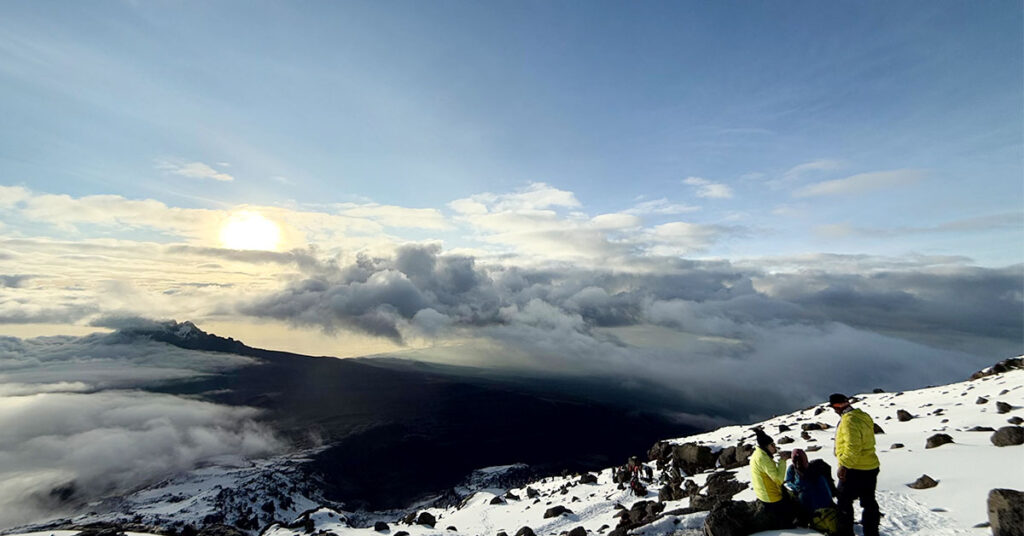
Resting along the trail to Uhuru — one step at a time to the summit.

Dry Season vs Rainy Season on Kilimanjaro

Dry season is usually the best time to climb Kilimanjaro because the mountain is easier to manage when trails are firmer, visibility is better, and gear stays drier.
 
Kilimanjaro is already physically demanding because of altitude, long trekking days, and cold summit-night conditions. When heavy rain is added, the climb can feel much harder. Wet boots, damp clothing, slippery trails, and poor visibility all increase fatigue and reduce comfort.
 
During the drier months, climbers usually benefit from:
  • Firmer trails with less mud
  • Better visibility across the mountain
  • More comfortable walking conditions
  • Easier gear management
  • Clearer views from camps and viewpoints
  • A more predictable summit push
Rainy season climbs are still possible, but they require better preparation and the right mindset. The mountain can be quieter and greener, but the trade-off is wetter trails, more cloud cover, and a higher chance of cold, damp conditions.
This is why dry-season climbs are especially recommended for first-time trekkers. You still need proper fitness, pacing, and acclimatization, but you are not fighting constant wet conditions on top of the normal mountain challenge.
 
Dry season does not guarantee perfect weather every day. Kilimanjaro can still bring clouds, wind, cold nights, and sudden changes. But compared with the long rainy months, the dry seasons usually give climbers a stronger overall trekking window.
 
For a deeper look at how altitude affects cold, wind, and summit-night conditions, read our Kilimanjaro Weather and Climate Guide.

High Season, Shoulder Season, and Rainy Season on Kilimanjaro

Kilimanjaro has three main timing categories climbers should understand before choosing a date: high season, shoulder season, and rainy season. Each one has advantages and trade-offs.

High Season on Kilimanjaro

High season usually falls during the drier months, especially July to September and parts of December to February. These months are popular because they often bring clearer skies, drier trails, and better summit visibility.
 
High season is best for climbers who want:
  • More reliable weather
  • Better trail conditions
  • Clearer mountain views
  • A more social trekking atmosphere
  • A stronger option for first-time climbs
The downside is crowd level. Popular routes such as Machame, Lemosho, and Marangu can feel busier during peak months. Campsites may be more active, and some trail sections may have more climbers than in quieter seasons.

Shoulder Season on Kilimanjaro

Shoulder season usually includes months such as early March, June, October, and early December, depending on yearly weather patterns. These periods can offer a good balance between decent trekking conditions and fewer crowds.
 
Shoulder season is a good option if you want:
  • Fewer people than peak season
  • Better availability for guides and routes
  • A quieter mountain experience
  • A chance of good weather without the busiest camps
The trade-off is that conditions can be less predictable. Rain may arrive earlier or later than expected, especially around March, October, and November.

Rainy Season on Kilimanjaro

The main rainy periods are usually March to May for the long rains and November for the short rains. Kilimanjaro can still be climbed during these months, but the experience is more demanding.
 
Rainy season can bring:
  • Muddy and slippery trails
  • Wet boots and clothing
  • Reduced visibility
  • Cloudier views
  • Colder-feeling conditions when rain combines with altitude
  • More mental fatigue during long trekking days
The main advantage is solitude. Trails are quieter, the lower slopes are greener, and some climbers enjoy the more peaceful mountain atmosphere. But for most first-time climbers, the rainy season is not the best choice unless they are flexible, well-prepared, and comfortable trekking in wet conditions.

Which Season Should You Choose?

For most climbers, the best choice is a dry-season or shoulder-season climb. These periods usually give a better balance of weather, visibility, trail conditions, and overall comfort.
 
  1. Choose high season if you want the most reliable weather and do not mind more climbers.
  2. Choose shoulder season if you want a quieter experience with still reasonable weather potential.
  3. Choose rainy season only if you are prepared for wet trails, lower visibility, and a more physically demanding climb.
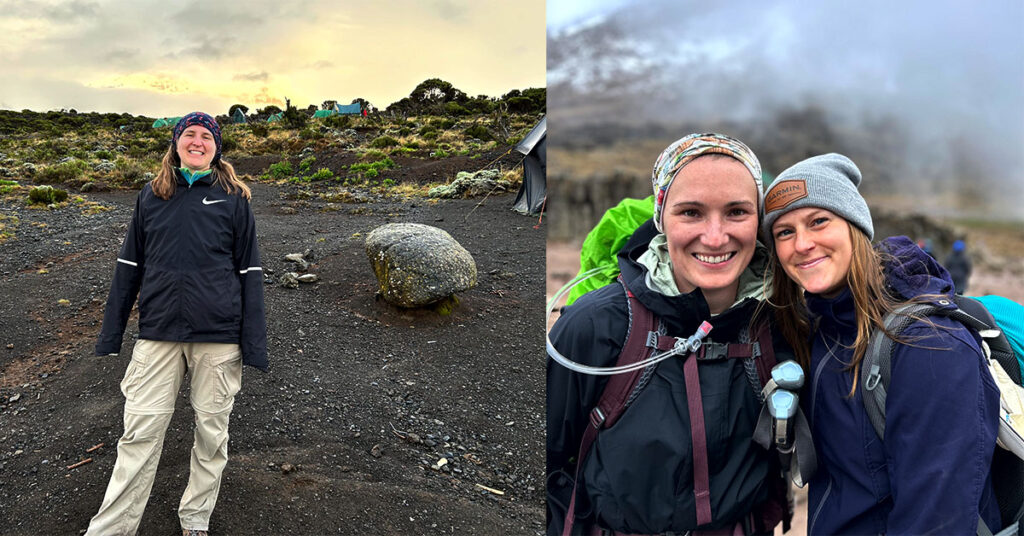
One of those moments where the mountain says it all

How to Choose the Best Time for Your Kilimanjaro Climb

The best time to climb Kilimanjaro is not the same for every traveler. The right month depends on your fitness level, route choice, comfort with crowds, budget, travel flexibility, and how much risk you are willing to accept with weather.
 
A first-time climber may prefer the most stable dry-season conditions, while an experienced trekker may accept wetter months for quieter trails. The goal is not just to choose the “best month” on paper. The goal is to choose the best month for your body, expectations, and itinerary.

Choose Based on Your Experience Level

If this is your first high-altitude trek, choose a drier month if possible. Dry trails are easier to walk on, gear stays more comfortable, and the daily trekking routine feels more manageable.
 
Rainy-season climbs can still be successful, but they require stronger preparation. Wet boots, slippery paths, and cold damp clothing can make the climb feel harder than expected.
 
If you are still building fitness, use our Kilimanjaro Training Guide before choosing your final climb date.

Choose Based on Crowds

If you want the best weather, you must accept that peak months are busier. July, August, September, and parts of December are popular for a reason: the conditions are usually more reliable.
 
If you prefer fewer people on the trail, look at January to early March, June, October, or early December. These months can offer a better balance between good conditions and quieter camps.
 
For the quietest experience, rainy-season months usually have fewer climbers, but the trade-off is wetter trails and less reliable visibility.

Choose Based on Your Route

Route choice matters because not every Kilimanjaro route performs the same in every season.
 
During wetter months, Rongai Route can be a better option because it approaches Kilimanjaro from the drier northern side. Marangu Route may also appeal to some climbers because it uses hut accommodation instead of tents.
 
During drier months, scenic camping routes such as Lemosho Route, Machame Route, and the Northern Circuit Route are excellent choices because visibility is often better and the landscapes are easier to enjoy.
 
Before booking, compare Kilimanjaro routes so your route and season work together instead of against each other.

Choose Based on Budget and Availability

Peak season can bring higher demand for guides, accommodation, and preferred route dates, especially in July, August, September, and holiday periods. Shoulder months may offer more flexibility, but do not choose a rainy month only because it looks cheaper. A lower price is not useful if wet trails, poor visibility, and uncomfortable conditions make the climb harder.

For a full breakdown of park fees, route length, crew support, tips, gear, insurance, and other expenses, read our Kilimanjaro Climb Cost guide.

Choose Based on the Experience You Want

Ask yourself what matters most.
  1. If you want clearer summit views and drier trails, choose the dry season.
  2. If you want fewer climbers and greener scenery, consider a shoulder month or a quieter route.
  3. If you want a better chance of seeing snow near the summit, January to early March can be a good option.
  4. If you want the most predictable conditions for a first Kilimanjaro climb, June to October is usually the safest planning window.

Best Kilimanjaro Routes by Season

The best time to climb Kilimanjaro also depends on the route you choose. Some routes are better for dry-season views, while others can be more practical during wetter months.

Best Routes During the Dry Season

During the drier months, especially January to early March and June to October, scenic camping routes become especially rewarding because visibility is often better and trails are easier to manage.
 
Good dry-season route choices include:
Dry-season conditions make it easier to enjoy viewpoints, camps, ridgelines, and summit scenery. This is one reason many first-time climbers choose these months.

Best Routes During the Rainy Season

Rainy-season climbs require more careful route selection. Trails can become muddy, visibility may be limited, and camping can feel less comfortable when conditions stay wet.
 
During wetter periods, two routes are often worth considering:
  • Rongai Route because it approaches Kilimanjaro from the drier northern side
  • Marangu Route because it uses hut accommodation instead of tents
This does not mean rainy-season climbs are easy. It means route choice becomes more important. If you climb during wetter months, you need proper rain gear, flexible expectations, and a guide team that understands how weather affects pace, safety, and daily planning.

Route Choice Matters as Much as the Month

Choosing a good month but the wrong route can still create problems. For example, a popular route during peak season may feel crowded, while a scenic camping route during heavy rain may feel harder than expected.
 
Before booking, compare Kilimanjaro routes carefully so your route, season, fitness level, and comfort expectations all work together.

Best Time to Climb Kilimanjaro by Climber Type

There is no single perfect month for every Kilimanjaro climber. The best time depends on your experience level, preferred route, comfort with crowds, and how much weather risk you are willing to accept.

Best Time for First-Time Climbers

For first-time climbers, the best time to climb Kilimanjaro is usually June to October or January to early March.
 
These months usually offer better trail conditions, clearer views, and more predictable weather. That matters because first-time climbers already have enough to manage with altitude, pacing, cold nights, and several days of trekking.
 
If this is your first major high-altitude trek, avoid choosing the wettest months only to save money or avoid crowds. Bad weather can make the climb feel much harder than expected.

Best Time for Fewer Crowds

If you want fewer climbers on the trail, consider January to early March, June, October, or early December.
 
These periods can offer a better balance between decent weather and a quieter mountain experience. You may still meet other climbers, especially on popular routes, but the trails and camps can feel less busy than July, August, and September.
 
For even quieter routes, consider Rongai Route, Northern Circuit Route, or carefully timed Lemosho departures.

Best Time for Clear Views and Photography

For clearer mountain views, the drier months are usually better. July, August, September, and early October are often strong choices for visibility, especially for climbers who want classic Kilimanjaro landscapes, sunrise views, and summit photos.
 
January to early March can also be beautiful, especially when there is snow near the summit. This period can give photographers a strong mix of clear views, dramatic cloud movement, and snow-capped scenery.

Best Time for Snow Near the Summit

If seeing snow near the summit is important to you, January to early March can be a good period to consider. Snow is never guaranteed, but the upper mountain may look more dramatic during this time compared with the driest parts of the year.
 
Remember that snow near the summit may look beautiful, but it can also mean colder conditions. Proper summit-night layers are still essential.

Best Time for Budget Flexibility

If budget and availability are important, shoulder months may give you more flexibility than the busiest peak months.
 
However, do not choose the rainy season only because it appears cheaper. A climb that costs less but gives you wet gear, muddy trails, poor visibility, and harder walking conditions may not be a good decision.
 
For a full breakdown of park fees, route length, crew support, tips, gear, insurance, and other expenses, read our Kilimanjaro Climb Cost guide.

Frequently Asked Questions About the Best Time to Climb Kilimanjaro

What is the best time of year to climb Mount Kilimanjaro?

The best time to climb Mount Kilimanjaro is usually during the two main drier seasons: January to early March and June to October.
 
These months usually offer better trail conditions, lower rainfall, clearer views, and a more comfortable trekking experience. For most first-time climbers, June to October is the most reliable planning window, while January to early March is a strong choice for good weather with fewer crowds than the busiest mid-year months.

What is the worst time to climb Kilimanjaro?

The least ideal months are usually April and May, during the long rains. Trails can become muddy and slippery, visibility may be reduced, and wet gear can make the climb feel colder and more tiring.
 
November can also be less reliable because of the short rains, although conditions vary from year to year. Kilimanjaro can still be climbed during these months, but they are not the best choice for most first-time trekkers.

Can you climb Kilimanjaro during the rainy season?

Yes, Kilimanjaro can be climbed during the rainy season, but it is more demanding. The main rainy periods are usually March to May and November.
 
Rainy-season climbs can offer quieter trails and greener scenery, but the trade-off is wet clothing, muddy paths, cloud cover, reduced visibility, and more mental fatigue. If you choose this period, proper rain gear and route choice become much more important.

Which month has the best weather for climbing Kilimanjaro?

July, August, and September are often among the most reliable months for Kilimanjaro weather because they fall in the main dry season. Trails are usually firmer, skies are often clearer, and summit visibility is generally better.
 
However, these are also busy months. If you want good weather with fewer crowds, consider January, February, June, or October.

Is Kilimanjaro crowded during peak climbing season?

Yes, Kilimanjaro can feel busy during peak months, especially from July to September and around holiday periods. Popular routes such as Machame, Lemosho, and Marangu usually see more climbers during these windows.
 
If you want fewer crowds, consider a shoulder month or a quieter route. Rongai and Northern Circuit can feel less crowded than the busiest classic routes, depending on the season and departure date.

Is it harder to climb Kilimanjaro during the rainy season?

Yes, rainy-season climbs usually feel harder because wet conditions add extra physical and mental stress. Muddy trails slow your pace, damp gear reduces comfort, and cloud cover can make long trekking days feel more tiring.
 
The altitude challenge is still the main difficulty, but bad weather can make everything feel heavier. That is why most first-time climbers are better off choosing a drier month and a route with good acclimatization.

Does the season affect how difficult Kilimanjaro feels?

Yes. Season can affect how difficult the climb feels because weather influences trail conditions, comfort, visibility, and fatigue.
 
A dry-season climb usually feels more manageable because trails are firmer and gear stays drier. A rainy-season climb can feel harder because you may deal with mud, wet clothing, colder-feeling conditions, and reduced views.
But season is only one factor. Route choice, pacing, acclimatization, training, and guide support are just as important.

Choose the Best Month for Your Kilimanjaro Climb

The best Kilimanjaro climb date is not always the most popular month. The right choice depends on your route, fitness level, travel dates, weather expectations, and how comfortable you are with crowds or rain.
 
If you are unsure whether to climb in January, February, July, September, October, or another month, do not guess. A good climb plan should match the season with the right route and enough time for acclimatization.
 
At Kili Quests, our local mountain team helps you choose a climb date that fits your goals, not just the calendar. We look at your preferred travel window, route options, experience level, and the kind of mountain experience you want.
 
We can help you decide:
  • Which month gives you the best balance of weather and crowds
  • Which route fits your chosen season
  • Whether your travel dates are better for Lemosho, Machame, Marangu, Rongai, or Northern Circuit
  • What weather and trail conditions to expect
  • How to prepare for summit-night cold and changing mountain conditions
Tell us your planned travel month, fitness level, and preferred route. We will help you choose the best Kilimanjaro itinerary for your climb.
 
If this is your first high-altitude trek, our Beginner’s Guide to Climbing Kilimanjaro can help you understand route choice, preparation, pacing, and what to expect on the mountain.
Tell us your planned travel month, fitness level, and preferred route. Contact Kili Quests today, and we will help you choose the best Kilimanjaro itinerary for your climb.

Related Articles