Climb Kilimanjaro Safely

Altitude is the biggest challenge on Kilimanjaro — but with the right preparation and expert guidance, you can reach the summit safely and confidently.

Choose Your Route

OUR CATEGORIES

Altitude Sickness on Kilimanjaro: What You Need to Know

Mount Kilimanjaro rises to 5,895 meters (19,341 ft), where oxygen levels are nearly 50% lower than at sea level. While the climb does not require technical skills, altitude sickness is the biggest challenge most climbers face on the mountain.

Altitude sickness can affect anyone, regardless of fitness or experience. As you ascend higher, your body must adapt to lower oxygen levels, and if it fails to adjust properly, symptoms can develop quickly and force you to stop your climb.

In this guide, we explain altitude sickness on Kilimanjaro, including what causes it, the symptoms to watch for, and when it becomes dangerous during your trek.
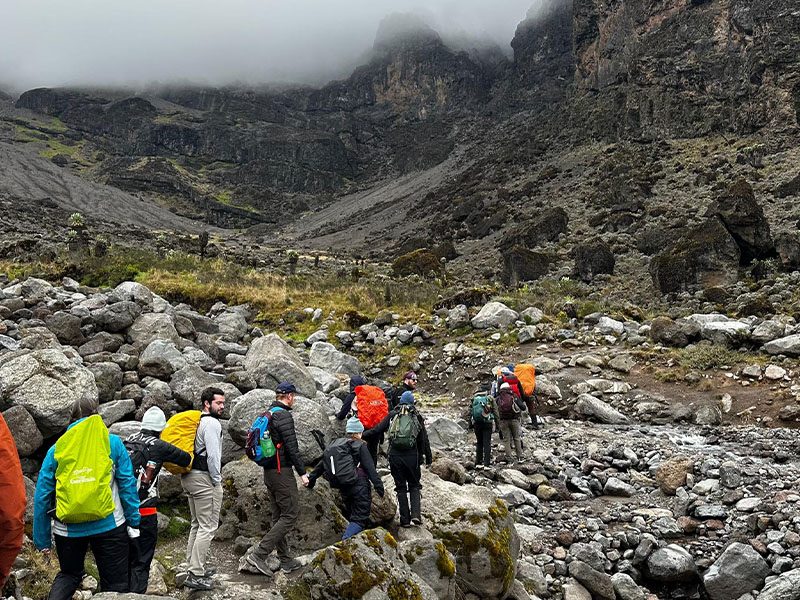
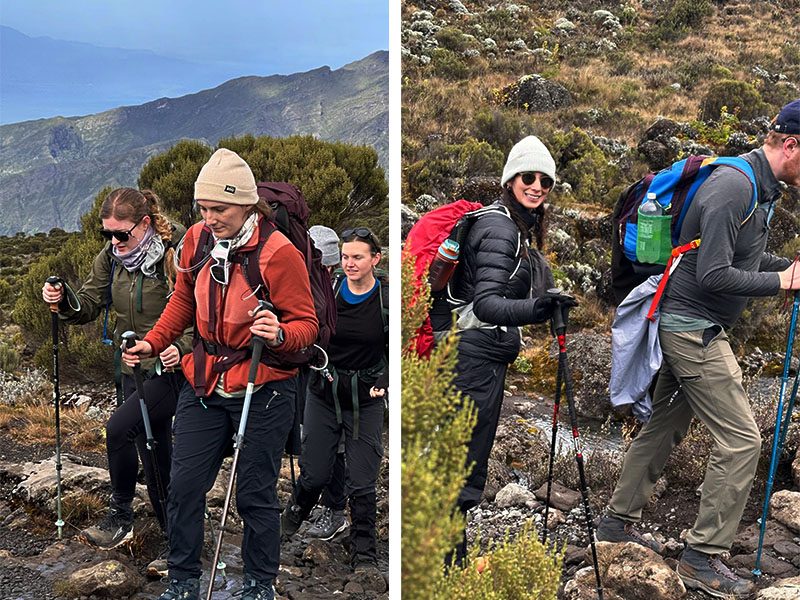
Tourists trekking on Mount Kilimanjaro at high altitude with guides | Kili Quests
Step by step — staying hydrated, steady, and supported helps you adapt as altitude increases.

Table of Contents

What Is Altitude Sickness?

Altitude sickness, also known as Acute Mountain Sickness (AMS), is the body’s natural response to reduced oxygen levels at high elevation. As you climb higher on Mount Kilimanjaro, the air becomes thinner, meaning your body receives less oxygen with each breath.This change can affect anyone  regardless of age, fitness level, or previous hiking experience. Even strong, athletic climbers can experience altitude sickness if they ascend too quickly or do not acclimatize properly.Altitude sickness exists in three main forms, each with increasing severity:
 
Proper acclimatization is the key to prevention, and you can learn more in our detailed guide on Kilimanjaro acclimatization strategies.

Types of Altitude Sickness on Kilimanjaro

Type of Altitude Sickness Severity Common Symptoms What It Means
Acute Mountain Sickness (AMS) Mild to moderate Headache, nausea, fatigue, dizziness, loss of appetite, and difficulty sleeping. The most common form of altitude sickness and an early warning sign that the body needs more time to adjust.
High Altitude Pulmonary Edema (HAPE) Serious Shortness of breath at rest, persistent cough, chest tightness, and extreme fatigue. A dangerous condition caused by fluid buildup in the lungs. Immediate descent and medical attention are required.
High Altitude Cerebral Edema (HACE) Medical emergency Severe headache, confusion, difficulty walking straight, slurred speech, and loss of coordination. The most severe form of altitude sickness, involving brain swelling due to lack of oxygen. Immediate descent is critical.

Acute Mountain Sickness (AMS)

This is the most common and mildest form of altitude sickness. Many climbers experience some level of AMS during their trek.
Typical symptoms include:
  • Headache
  • Nausea or vomiting
  • Fatigue or weakness
  • Dizziness
  • Loss of appetite
  • Difficulty sleeping
While AMS is usually manageable, it should never be ignored. Early symptoms are your body’s warning signs that you need to slow down and allow more time to adjust.
 

High Altitude Pulmonary Edema (HAPE)

HAPE is a serious and potentially life-threatening condition caused by fluid buildup in the lungs. It can develop if altitude sickness is not properly managed.
Symptoms may include:
  • Shortness of breath, even at rest
  • Persistent cough (sometimes with fluid)
  • Tightness in the chest
  • Extreme fatigue
HAPE requires immediate descent and medical attention. It is one of the most dangerous altitude-related conditions on the mountain.

High Altitude Cerebral Edema (HACE)

HACE is the most severe form of altitude sickness and involves swelling of the brain due to lack of oxygen.
Symptoms may include:
  • Severe headache
  • Confusion or disorientation
  • Difficulty walking in a straight line (ataxia)
  • Slurred speech
  • Loss of coordination
HACE is a medical emergency. Immediate descent is critical, and delays can be life-threatening.

Why Does Altitude Sickness Happen on Kilimanjaro?

One of the main reasons altitude sickness is common on Kilimanjaro is the speed of the ascent.Within just a few days, climbers go from below 2,000 meters to nearly 6,000 meters. This rapid gain in elevation does not give the body enough time to adapt naturally to lower oxygen levels.At high altitude, your body must work harder to function. Your breathing rate increases, your heart works harder, and your body begins adjusting its oxygen use. Without enough time to adapt, symptoms of altitude sickness can develop.
Several factors can increase your risk:
  • Climbing too quickly without proper acclimatization
  • Not drinking enough water
  • Skipping rest or acclimatization days
  • Ignoring early warning signs
  • Poor pacing during the climb

Understanding these factors helps you make better decisions and reduce your risk.

Choosing the right itinerary plays a major role, as explained in our Kilimanjaro routes comparison guide, where different routes offer different acclimatization profiles.

Common Symptoms to Watch For

Recognizing symptoms early is one of the most important parts of staying safe on Kilimanjaro.

Early Symptoms of AMS

Early symptoms are usually mild but should be taken seriously. These include:
  • Headache
  • Nausea or vomiting
  • Loss of appetite
  • Dizziness
  • Fatigue or unusual weakness
  • Poor or disturbed sleep
These symptoms often appear as you gain altitude and may improve with rest, hydration, and proper pacing.

Severe Symptoms (HAPE and HACE)

More serious symptoms indicate a dangerous level of altitude sickness and require immediate action.
These may include:
  • Shortness of breath even while resting
  • Persistent cough or chest tightness
  • Difficulty walking in a straight line (ataxia)
  • Confusion or unusual behavior
  • Slurred speech
If these symptoms appear or worsen, the only safe and effective treatment is immediate descent to a lower altitude.

How Common Is Altitude Sickness on Kilimanjaro

  • most climbers get mild symptoms
  • severe cases are rare but dangerous
  • depends on route  and  pace

When to Descend on Kilimanjaro (Critical)

  •  Severe headache that doesn’t improve
  • Confusion or loss of coordination
  • Difficulty breathing at rest
  • Worsening symptoms despite rest
Immediate descent is the only effective treatment for severe altitude sickness.

Who Is Most at Risk of Altitude Sickness?

Altitude sickness does not discriminate. It can affect anyone, including experienced hikers and physically fit individuals.However, certain factors can increase your risk:
  • Having no previous experience above 3,000 meters
  • Ascending too quickly without enough acclimatization
  • Poor hydration during the climb
  • Ignoring early symptoms and continuing to ascend
It is important to understand that fitness alone does not protect you from altitude sickness. The key to prevention is proper pacing, acclimatization, and listening to your body.

What to Do If You Experience Altitude Sickness Symptoms

Even with good preparation, some climbers may experience mild symptoms of altitude sickness. The key is to respond quickly and appropriately.

If Symptoms Are Mild

Mild symptoms may include headaches, slight dizziness, or fatigue. These are common and do not necessarily mean you need to stop your climb.
In this situation, you should:
  • Inform your guide immediately
  • Rest and allow your body to recover
  • Drink more water
  • Take medication if recommended
  • Adjust your pace or shorten the next day’s hike

Early communication with your guide is critical, as they can monitor your condition and decide the best course of action.
If Symptoms Become Severe

If symptoms worsen  such as intense headaches, nausea, confusion, or difficulty breathing  immediate action is required.The only effective treatment for serious altitude sickness is descent.Descending to a lower altitude allows your body to recover and prevents the condition from becoming life-threatening. This is why experienced guides closely monitor climbers and make safety decisions when necessary.
Happy tourist walking along a high-altitude trail on Kilimanjaro with a smile and trekking gear | Kili Quests
High spirits at high altitude — staying positive, prepared, and well-guided makes all the difference.

The Role of Professional Guides in Altitude Safety

Climbing Kilimanjaro with experienced guides is one of the most important safety factors on the mountain.At Kili Quests, your safety is always the top priority. Our guides are trained in high-altitude safety and emergency response, including Wilderness First Responder (WFR) certification.Throughout the climb, guides conduct regular health checks, monitoring your oxygen levels and overall condition.
 
They are trained to recognize early signs of altitude sickness and take action before the situation becomes serious.This may include adjusting your pace, recommending rest, or organizing a descent if necessary. Having a knowledgeable and experienced team around you makes a significant difference in both safety and success.
 
Choosing a professional operator is just as important as preparation, which is why many climbers explore our Kilimanjaro climbing packages for a complete guided experience.
If altitude is your main concern, choosing the right route can make a huge difference.
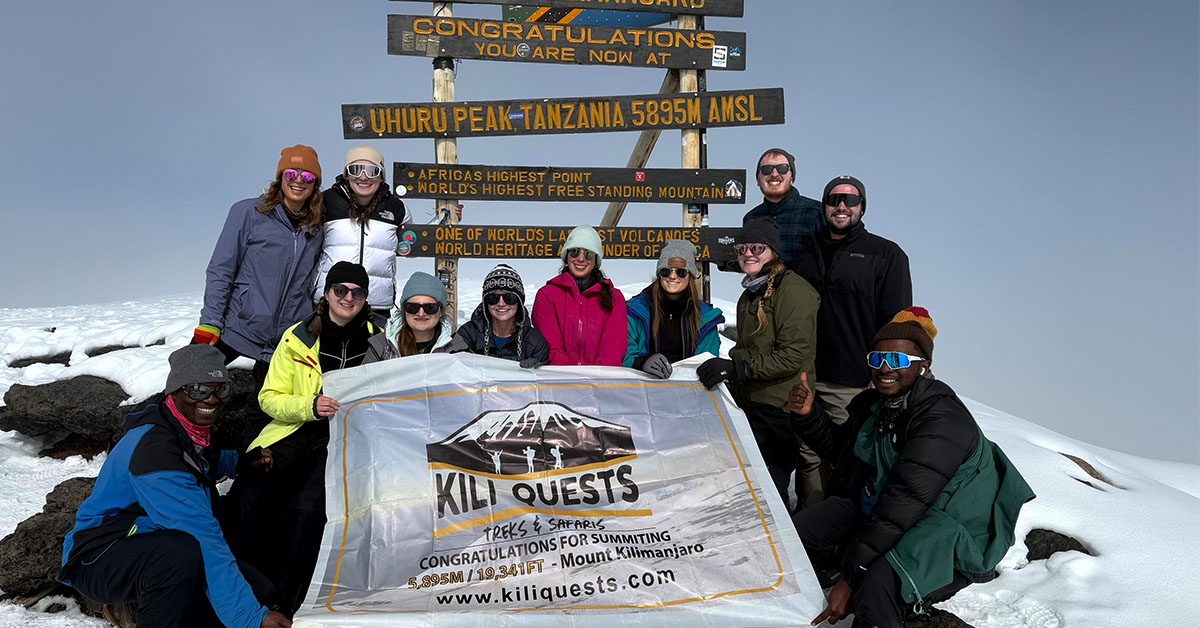
Group of trekkers celebrating together at Uhuru Peak, the summit of Mount Kilimanjaro
With the right pace and preparation, reaching the summit is not just possible — it’s unforgettable.

How to Prevent Altitude Sickness on Kilimanjaro

Preventing altitude sickness depends on proper acclimatization, pacing, and route choice.
 
To learn the full strategy, read How to  Acclimatize on Mount Kilimanjaro.

Frequently Asked Questions About Altitude Sickness on Kilimanjaro

How common is altitude sickness on Mount Kilimanjaro?

Altitude sickness is one of the most common challenges climbers face on Mount Kilimanjaro, mainly because of the mountain’s high elevation and relatively fast ascent. The summit stands at 5,895 meters, which is high enough to affect almost everyone to some degree.Many climbers experience mild symptoms such as headaches, fatigue, or slight nausea as they gain altitude. These symptoms are part of the body adjusting to lower oxygen levels and are usually manageable with proper pacing, hydration, and rest.However, more serious forms of altitude sickness are less common and are usually preventable with the right approach. Choosing a longer route, climbing slowly, and listening to your guide significantly reduces the risk. The key is not whether symptoms appear, but how early they are recognized and managed.
 

Can physically fit people still get altitude sickness?

Yes, physical fitness does not protect you from altitude sickness. This is one of the most misunderstood aspects of climbing Kilimanjaro.Altitude sickness is caused by reduced oxygen levels at high elevation, not by a lack of strength or endurance. Even highly trained athletes can develop symptoms if they ascend too quickly or do not acclimatize properly.In some cases, very fit individuals are actually at higher risk because they may walk faster than recommended, pushing their bodies too quickly to higher altitudes. On Kilimanjaro, success is not about speed  it is about pacing, patience, and allowing your body time to adjust.

How can you effectively prevent altitude sickness on Kilimanjaro?

Preventing altitude sickness requires a combination of preparation, smart decision-making, and discipline during the climb.The most effective strategies include choosing a longer route that allows for proper acclimatization, walking slowly at a steady pace, and staying well hydrated throughout the trek. Drinking enough water helps your body function efficiently at altitude and reduces the severity of symptoms.It is also important to eat regularly, even when your appetite decreases, as your body needs energy to adapt. Listening to your guide is equally critical, as experienced guides monitor your condition and can adjust your pace or schedule when needed.Preventing altitude sickness is not about one single action  it is about consistently following the right habits throughout the entire climb.

Which Kilimanjaro routes are best for avoiding altitude sickness?

Routes that allow more time for acclimatization are the best options for reducing the risk of altitude sickness.The Lemosho Route and Northern Circuit are widely considered the most effective because they include more days on the mountain and a gradual ascent profile. This gives your body the time it needs to adjust to decreasing oxygen levels.The Machame Route, when done over 7 days, is also a strong option, offering a good balance between duration and acclimatization.Shorter routes, such as the 5-day Marangu itinerary, are generally less effective because they involve a faster ascent and provide less time for the body to adapt.

What should you do if altitude sickness symptoms get worse?

If altitude sickness symptoms begin to worsen, it is essential to act quickly and take the situation seriously. Ignoring symptoms or continuing to climb can lead to more severe and potentially dangerous conditions.The most important step is to inform your guide immediately. Guides are trained to assess your condition and determine the best course of action. This may include resting, adjusting your pace, or stopping further ascent.If symptoms become severe  such as difficulty breathing, confusion, or loss of coordination  immediate descent to a lower altitude is necessary. Descent is the only effective treatment for serious altitude sickness and can quickly improve your condition.Taking early action is the key to staying safe on the mountain.

Climb Kilimanjaro Safely with Expert Support

Altitude is the biggest challenge on Kilimanjaro  but with the right route, proper acclimatization, and experienced guides, it becomes manageable and safe.At Kili Quests, we design every climb to maximize your safety and summit success. Our team monitors your condition daily, adjusts pace when needed, and ensures you are fully supported from start to summit.If you’re planning your climb, understanding the best route for acclimatization and the right time to climb Kilimanjaro can significantly improve your chances of success.
 
 Get Your Custom Kilimanjaro Plan today and climb with confidence

Related Articles