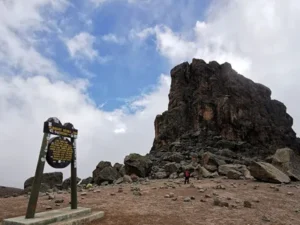

Best Kilimanjaro Routes: How to Choose the Right One

Plan Your Kilimanjaro Climb

Choose the right route with expert guidance.

Prepare for Your Climb

Choosing a route is just the first step. Explore these essential guides:

OUR CATEGORIES

How to Choose the Best Kilimanjaro Route for Your Climb

Choosing the right route on Mount Kilimanjaro is one of the most important decisions you will make when planning your climb. It’s not just about picking a path to the summit  your route will directly affect how your body adapts to altitude,Understanding how altitude affects your body is essential before choosing a route, especially when planning how to acclimatize properly on the mountain.how comfortable you feel during the trek, and ultimately whether you reach Uhuru Peak or not.Many climbers focus too much on price or duration, but experienced local guides know that the route you choose can make the difference between success and disappointment. Some routes offer better acclimatization, while others are shorter but more challenging. Some are quiet and scenic, while others are popular and busy.
 
Understanding these differences will help you make a smart decision and give yourself the best possible chance of reaching the summit.
 
Tourists trekking on Mount Kilimanjaro at high altitude with guides | Kili Quests
Mount Kilimanjaro offers multiple routes to the summit, each with different scenery, difficulty levels, and acclimatization profiles.

Table of Contents

Why Choosing the Right Route Matters

Kilimanjaro is not a technical mountain, but it is still a serious high-altitude climb. The biggest challenge is not the terrain  it’s the altitude.As you climb higher, oxygen levels drop, and your body needs time to adjust.If you’re not familiar with how altitude impacts climbers, it’s important to understand the risks and symptoms before your trek.If you ascend too quickly, you increase your risk of altitude sickness, which is the main reason climbers fail to reach the summit.
 
This is why route selection is so important. Routes that allow more time for acclimatization give you a much higher success rate and a safer, more enjoyable experience. On the other hand, shorter routes may save time and money, but they often reduce your chances of success.

Key Factors to Consider Before Choosing a Route

Acclimatization and Success Rate

The most important factor when choosing a Kilimanjaro route is how well it allows your body to adjust to altitude.Longer routes give your body more time to adapt, which significantly increases your chances of reaching Uhuru Peak. Climbers who choose routes of seven days or more tend to have much higher success rates compared to those on shorter itineraries.If your main goal is to reach the summit, prioritizing acclimatization over speed is essential.

Route Difficulty

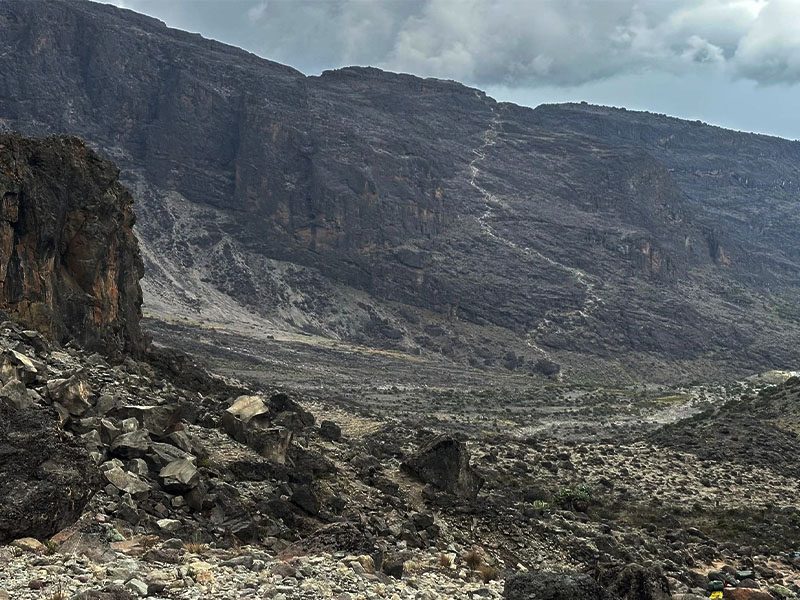
Not all Kilimanjaro routes feel the same. While none require technical climbing skills, some routes are steeper and more physically demanding than others.Certain sections, like the Barranco Wall on the Machame and Lemosho routes, involve light scrambling but are manageable for most people. The key difference is how your body handles the altitude and the number of days you spend on the mountain.Choosing a route that matches your fitness level will make your experience more enjoyable and less stressful.

Longer itineraries not only improve safety but also play a major role in how difficult the climb feels overall.

Scenery and Overall Experience

Kilimanjaro offers incredibly diverse landscapes, and your route determines what you will see along the way.Some routes begin in dense rainforest, gradually opening into moorland, alpine desert, and eventually the icy summit zone. Others provide wide panoramic views and quieter trails.If scenery is important to you, choosing a route known for its variety and beauty can make the journey just as rewarding as reaching the summit.

These changing environments are part of Kilimanjaro’s unique ecological zones, which transform as you gain altitude.

Crowd Levels

Kilimanjaro is one of the most popular trekking destinations in the world, and some routes can feel crowded, especially during peak seasons.Popular routes like Machame and Marangu often have more climbers on the trail, which can affect your overall experience. If you prefer a quieter and more remote climb, there are routes that offer more solitude.

Accommodation Style

Your comfort during the climb is also influenced by your route.Most routes are camping routes, where you sleep in tents set up by your support team. However, the Marangu Route is different, offering hut accommodation with shared sleeping areas.
While huts may sound more comfortable, they can also be busier and less flexible compared to camping.

Overview of the Main Kilimanjaro Routes

Before diving into each route, you can explore a full comparison of all Kilimanjaro routes to see how they differ in detail.

Lemosho Route

The Lemosho Route is widely considered the best overall route on Kilimanjaro, especially for those who want a balance between scenery, acclimatization, and success rate.It starts on the western side of the mountain and offers a gradual ascent profile, giving your body time to adjust to altitude. The route also passes through some of the most beautiful landscapes on Kilimanjaro, from rainforest to open plains and high-altitude desert.Because of its longer duration and excellent acclimatization, Lemosho has one of the highest success rates among all routes.
 
This makes it a top choice for climbers focused on maximizing their chances of reaching the summit.

Machame Route

The Machame Route is the most popular route on Kilimanjaro, often referred to as the “Whiskey Route.”It is known for its scenic beauty and varied landscapes, but it is also slightly steeper than some other routes. Despite this, it offers good acclimatization when done over six or seven days.Because of its popularity, it can be busier than other routes, but it remains a strong choice for climbers who want a well-balanced experience.
 
It’s a popular option for those looking for a scenic but slightly more challenging climb.

Marangu Route

The Marangu Route is unique because it is the only route that offers hut accommodation instead of camping.It is often considered one of the easier routes due to its gradual slopes. However, it is usually completed in fewer days, which means less time for acclimatization. This can result in a lower success rate compared to longer routes.For climbers who prefer sleeping in huts and want a more structured environment, Marangu can still be a suitable option.
 
However, understanding its shorter acclimatization profile is key before choosing this route.

Rongai Route

The Rongai Route approaches Kilimanjaro from the north, near the Kenyan border.This route is quieter and less crowded, making it ideal for those looking for a more peaceful experience. It also tends to be drier than other routes, which can be beneficial during certain seasons.This makes it a great alternative during wetter months on the southern side of the mountain.While it offers a steady ascent, it is slightly less scenic compared to routes like Lemosho or Machame.

Northern Circuit

The Northern Circuit is the longest route on Kilimanjaro and offers the best acclimatization profile.Because it takes more days to complete, climbers have more time to adjust to altitude, resulting in the highest success rates among all routes. It also circles around the quieter northern side of the mountain, providing a remote and less crowded experience.This route is ideal for those who have more time and want to maximize their chances of reaching the summit.
Its longer duration gives climbers one of the best acclimatization profiles on the mountain.
Climbers walking through Kilimanjaro’s rainforest trail with excitement | Kili Quests
Kilimanjaro ecological zones rainforest moorland alpine desert summit glacier

Which Kilimanjaro Route Is Best for You?

Best Route for Beginners

The Lemosho and Machame routes are excellent choices for beginners. They provide a good balance between acclimatization and manageable difficulty, making them suitable for first-time climbers.
 
Choosing the right route is just one part of planning , understanding the total cost is equally important.

Best Route for Highest Success Rate

The Northern Circuit offers the highest success rate due to its longer duration and gradual ascent. It is the best choice if your main goal is to reach Uhuru Peak.

Best Route for Comfort

The Marangu Route is the only option with hut accommodation, making it a good choice for those who prefer not to camp.

Best Route for Scenic Views

The Lemosho Route is widely regarded as the most scenic route, offering diverse landscapes and stunning views throughout the climb.

Best Route for Avoiding Crowds

The Rongai Route and Northern Circuit are ideal for climbers who want a quieter and less crowded experience.
 

Choose a Route That Sets You Up for Success

Choosing the best Kilimanjaro route is not about finding the shortest or cheapest option , it’s about giving yourself the best possible chance to succeed.Routes that allow proper acclimatization, offer a comfortable pace, and match your preferences will make your climb safer, more enjoyable, and more rewarding.If you want the best overall experience with a high success rate, the Lemosho Route remains one of the strongest recommendations.

Trekkers and porters standing together at Stella Point sign on Mount Kilimanjaro
Reaching Uhuru Peak at sunrise is the ultimate reward after days of trekking and proper acclimatization.

Frequently Asked Questions About Kilimanjaro Routes

What is the best Kilimanjaro route for first-time climbers?

The best route for first-time climbers is typically the Lemosho Route or the Machame Route. These routes provide enough time for acclimatization while maintaining a manageable level of difficulty. They also offer a well-balanced experience with scenic views and a steady ascent profile, which helps beginners adjust both physically and mentally to the climb.
 

Which Kilimanjaro route has the highest success rate?

The Northern Circuit has the highest success rate because it allows the most time for acclimatization. Climbers spend more days on the mountain, giving their bodies a better chance to adapt to the altitude. This significantly reduces the risk of altitude sickness and increases the likelihood of reaching the summit.

Is the Marangu Route really the easiest option?

The Marangu Route is often described as the easiest because of its gradual slope and hut accommodation. However, it is usually completed in fewer days, which limits acclimatization. This can make it more difficult to reach the summit successfully compared to longer routes that allow a slower ascent.

How important is acclimatization when choosing a route?

Acclimatization is the most important factor in determining whether you reach the summit. Routes that allow more time for your body to adjust to altitude greatly improve your chances of success. Choosing a longer route is one of the best decisions you can make when planning your climb.

Can I choose a shorter route to save money?

While shorter routes may cost less, they often come with a lower success rate due to limited acclimatization time. In many cases, choosing a slightly longer route provides better value because it increases your chances of reaching Uhuru Peak and completing your climb successfully.

Plan Your Kilimanjaro Climb with Local Experts

Climbing Kilimanjaro with Trusted Local Experts .Choosing the right route is the foundation of a successful Kilimanjaro climb.At Kili Quests, we help you select the best route based on your experience, fitness level, and goals  ,giving you the highest chance of reaching Uhuru Peak safely and confidently.

Start Planning Your Kilimanjaro Adventure

Related Articles

Machame vs Marangu: Which Kilimanjaro Route Is Better?

Choose the Right Route for Your Climb

Compare routes and get expert advice for your Kilimanjaro adventure.

Kilimanjaro Planning Guides

Explore key guides before your climb:

OUR CATEGORIES

Machame vs Marangu: Which Kilimanjaro Route Is Better?

Choosing between the Machame Route and the Marangu Route is one of the most important decisions when planning your Kilimanjaro climb. These two routes are among the most popular on the mountain, but they offer very different experiences in terms of comfort, acclimatization, scenery, and success rates.
Many climbers consider Marangu because of its hut accommodation and reputation as the “easier” route, while others choose Machame for its scenic landscapes and higher summit success rates.The best route depends on your priorities  comfort, experience, or maximizing your chances of reaching Uhuru Peak.
Still comparing routes? See our Kilimanjaro routes comparison guide or explore the full Machame Route guide and Marangu Route guide for detailed breakdowns.
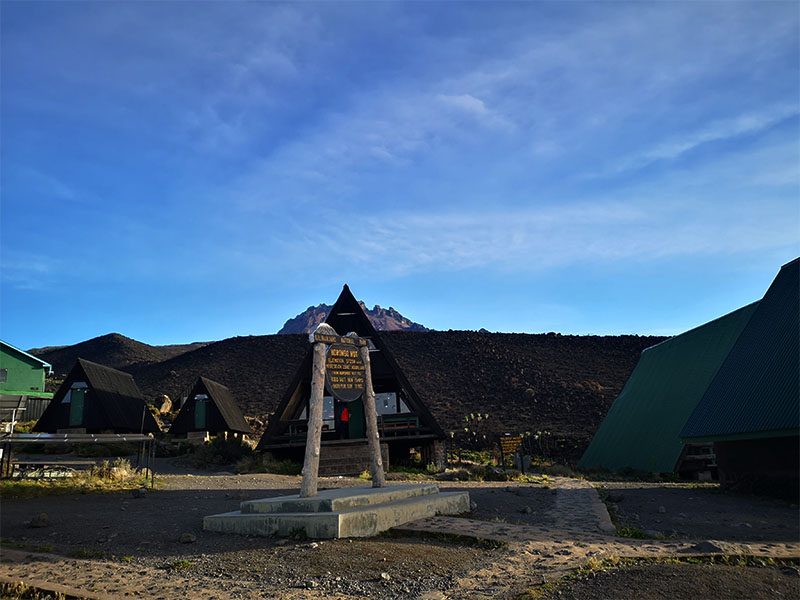
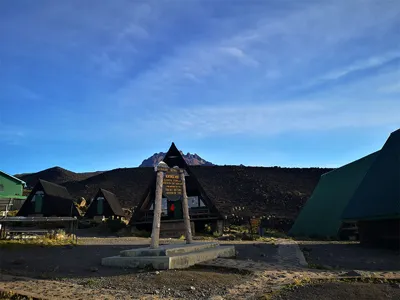
Horombo Huts on Mount Kilimanjaro’s Marangu Route with Mawenzi Peak in the background under a clear blue sky | Kili Quests
Machame uses mountain tents, while Marangu offers dormitory-style huts — a key difference in comfort and experience.

Table of Contents

Overview of Machame and Marangu Routes

What Is the Machame Route Like?

The Machame Route is the most popular route on Kilimanjaro and is often called the “Whiskey Route.” It is known for its scenic landscapes, varied terrain, and strong acclimatization profile when completed over 6 or 7 days.This route approaches the mountain from the south and takes you through rainforest, moorland, and alpine desert before reaching the summit. It also includes famous sections like the Barranco Wall, which adds both challenge and excitement to the climb.Machame is a camping route, meaning you sleep in tents throughout the trek. While this requires adjusting to outdoor conditions, it also allows for more flexibility and a closer connection to the mountain environment.
 
For a full breakdown, see our detailed Machame Route Kilimanjaro guide.
 

What Is the Marangu Route Like?

The Marangu Route is the only route on Kilimanjaro that offers hut accommodation instead of camping. Because of this, it is often referred to as the “Coca-Cola Route” and is considered more comfortable by many climbers.The trail follows the same path for both ascent and descent, making it more direct compared to other routes. The terrain is generally gradual, and the huts provide shared sleeping areas, dining spaces, and basic facilities.Marangu is usually completed in 5 or 6 days, which makes it one of the shortest routes on the mountain.
 
Learn more in our complete Marangu Route Kilimanjaro guide.

Key Differences Between Machame and Marangu

Accommodation — Tents vs Huts

The most obvious difference between these two routes is how you sleep.On Machame, you camp in tents that are set up by your support team. While this requires adjusting to outdoor conditions, it offers more space, privacy, and a more immersive mountain experience.On Marangu, you stay in huts with shared dormitory-style rooms. This can feel more comfortable, especially for climbers who are not used to camping. However, huts can be crowded, especially during peak seasons, and offer less flexibility.Your choice here depends on whether you prioritize comfort or experience.

Acclimatization and Success Rate

This is one of the most important differences between the two routes.Machame follows a “climb high, sleep low” profile, which allows your body to adjust more effectively to altitude. When done over 6 or 7 days, it offers a strong chance of reaching the summit.Marangu, on the other hand, is shorter and follows a more direct ascent. Because of this, it provides less time for acclimatization, which can reduce success rates.Many climbers are surprised to learn that the “easier” Marangu Route often has a lower success rate than Machame.
 
Learn more about Kilimanjaro success rates and why longer routes improve your chances of reaching the summit.

Difficulty Level

Marangu is often described as easier because of its gradual slopes and hut accommodation. However, the shorter duration can make it more challenging in terms of altitude adaptation.Machame includes steeper sections and more varied terrain, which can feel physically demanding. However, the longer itinerary helps balance this by giving your body more time to adjust.In reality, both routes are achievable, but Machame often provides a better overall balance between effort and acclimatization.
 
Not sure what to expect? Read our full guide on how difficult Kilimanjaro really is.

Scenery and Experience

Machame is widely considered one of the most scenic routes on Kilimanjaro. It passes through diverse landscapes, including rainforest, moorland, and alpine desert, offering constantly changing views.Marangu is less varied in terms of scenery because it follows a more direct path up and down the mountain. While still beautiful, it does not offer the same diversity of landscapes as Machame.For climbers who value the journey as much as the summit, Machame provides a richer experience.

Crowd Levels

Both routes can be busy, but the experience is different.Marangu huts can become crowded, especially during peak seasons, as all climbers share the same facilities. This can reduce privacy and comfort.Machame is also popular, but camping spreads climbers out more, creating a less crowded feeling overall.

Cost and Value

Marangu is often slightly cheaper because it is shorter and uses existing hut infrastructure.Machame may cost more, especially when done over 7 days, but it often provides better value due to higher success rates and a more rewarding experience.When choosing between the two, it is important to consider not just the price, but what you are getting in return.
 
For a full breakdown, see our guide on Kilimanjaro climb cost.
Trekker walking at high altitude toward Kilimanjaro’s summit | Kili Quests
Machame includes steeper, more adventurous sections, while Marangu provides a more gradual and direct path to the summit.

Machame vs Marangu — Which One Should You Choose?

Choose Machame If You Want a Higher Chance of Success

Machame’s longer itinerary and better acclimatization profile make it a strong choice for climbers who want to maximize their chances of reaching Uhuru Peak.

Choose Marangu If You Prefer Hut Accommodation

If you are not comfortable with camping and prefer sleeping in huts, Marangu is the only option that offers this experience.

Choose Machame If You Want Better Scenery

Machame offers more diverse landscapes and a more visually rewarding journey, making it ideal for those who value the overall trekking experience.

Choose Marangu If You Want a Simpler, Shorter Route

Marangu’s direct path and shorter duration make it appealing for those who want a more straightforward climb.

How to Choose the Right Route for Your Kilimanjaro Climb

Choosing between Machame and Marangu comes down to your priorities.If your main goal is maximizing your chances of reaching the summit with better acclimatization and scenery, Machame is usually the stronger choice.If you prefer hut accommodation and a shorter, more straightforward climb, Marangu may suit you better.
 
If you’re still unsure, compare all routes in our Kilimanjaro routes comparison guide to find the best fit for your experience level.

Machame vs Marangu Pros and Cons

Machame Pros

  • Better acclimatization profile
  • Higher success rate
  • More scenic and varied
  • Strong overall experience

Machame Cons

  • Requires camping
  • Slightly longer duration
  • Can be physically demanding

Marangu Pros

  • Hut accommodation
  • Simpler and more direct route
  • Shorter duration

Marangu Cons

  • Lower success rate
  • Limited acclimatization
  • Less scenic
  • Can feel crowded
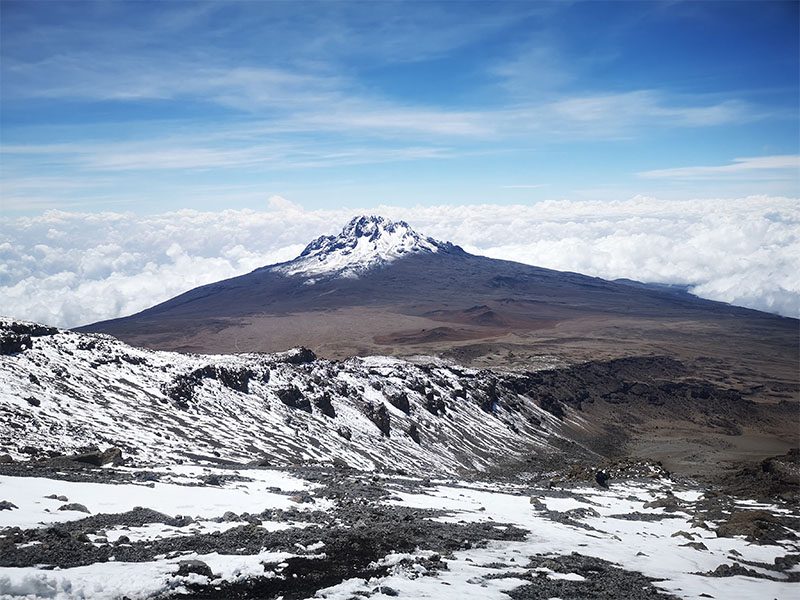
View of Mawenzi Peak from Stella Point on Mount Kilimanjaro, with snow-covered terrain and clouds below — typical scenery on the Rongai Route | Kili Quests
Machame vs Marangu: comparing Kilimanjaro’s scenic camping route with the hut-based Marangu trail.

Frequently Asked Questions About Machame vs Marangu

Is Machame better than Marangu for beginners?

For most beginners, the Machame Route is actually the better choice, even though it involves camping and slightly more varied terrain. The main reason is acclimatization. Machame is usually completed over 6 or 7 days and follows a “climb high, sleep low” profile, which helps the body adjust gradually to altitude.Marangu, on the other hand, is often completed in 5 or 6 days. While the trail itself is more gradual, the shorter duration means less time for acclimatization. This increases the likelihood of altitude sickness, which is the main reason many climbers fail to reach the summit.For first-time climbers, success is not about choosing the easiest-looking route ,it’s about choosing the route that gives your body the best chance to adapt. In that sense, Machame is usually the stronger option for beginners who want to reach Uhuru Peak.

Why does the Marangu Route have a lower summit success rate?

The lower success rate on the Marangu Route is mainly due to its shorter itinerary and direct ascent profile. Climbers gain altitude relatively quickly without enough time for their bodies to properly adjust to the reduced oxygen levels.Unlike Machame, which includes strategic acclimatization days and elevation changes, Marangu follows a more straightforward path up the mountain. While this may seem simpler, it can actually make the climb more difficult from a physiological perspective.As altitude increases, the body needs time to adapt. Without this adjustment period, climbers are more likely to experience symptoms of altitude sickness such as headaches, nausea, and fatigue. In more serious cases, they may need to descend for safety reasons.This is why many experienced guides recommend longer routes like Machame, which prioritize acclimatization and improve overall success rates.

Are the huts on the Marangu Route comfortable enough?

The huts on the Marangu Route provide basic shelter and are often seen as a more comfortable alternative to camping. They include shared sleeping areas, dining spaces, and simple facilities that protect climbers from wind and cold.However, comfort on Marangu is relative. During busy seasons, huts can become crowded, with multiple climbers sharing the same room. This can reduce privacy and sometimes affect sleep quality.In contrast, camping routes like Machame offer more personal space, as tents are set up specifically for your group. While camping requires adjusting to outdoor conditions, many climbers find it more peaceful and less crowded.Ultimately, whether huts are “more comfortable” depends on your personal preference. Some climbers prefer the structure of huts, while others enjoy the flexibility and space of camping.
 

Which route offers a better overall experience, Machame or Marangu?

For most climbers, the Machame Route offers a more complete and rewarding Kilimanjaro experience. It provides a wider variety of landscapes, including rainforest, moorland, and alpine desert, and includes iconic sections like the Barranco Wall.The longer duration also allows for better acclimatization, which not only improves your chances of reaching the summit but also makes the journey feel more manageable and enjoyable.Marangu, while still a valid option, is more straightforward and less varied. The scenery is more limited, and the out-and-back trail means you experience the same path on both ascent and descent.If your goal is to fully experience the diversity of Kilimanjaro while maximizing your chances of success, Machame is generally the better choice.

Is Machame more difficult than Marangu in reality?

Machame is often perceived as more difficult because it includes steeper sections and requires camping. However, when you look at the overall climb, the difference is not as simple as it seems.While Machame may feel more physically demanding on certain days, its longer itinerary gives your body more time to adjust to altitude. This can actually make the climb feel more manageable overall, especially during summit night.Marangu, despite being less steep, can feel more challenging due to the faster altitude gain. Climbers may struggle more with fatigue and altitude-related symptoms because their bodies have not had enough time to adapt.In reality, Machame often provides a better balance between physical effort and acclimatization, making it a more reliable choice for many climbers.

Choose the Right Route with Expert Guidance

Climbing Kilimanjaro with Trusted Local Experts .Selecting the right route can make the difference between an average climb and a successful, unforgettable experience.At Kili Quests, we help you choose the route that fits your goals, comfort level, and timeline  giving you the best chance of reaching Uhuru Peak.
Contact our team for expert trip advice

Related Articles

Why Is It Called Gilman’s Point? Kilimanjaro History

Reach the Summit

Climb to Gilman’s Point and continue to Uhuru Peak with expert local guides.

Plan Your Climb

Prepare for your Kilimanjaro adventure:

OUR CATEGORIES

Why Is It Called Gilman’s Point? The Story Behind the Name | Kili Quests

Climbers taking the Marangu or Rongai Route  to the top of Mount Kilimanjaro.The final goal for climbers is reaching Uhuru Peak ,the highest point in Africa.will first reach a significant milestone before Uhuru Peak: Gilman’s Point, located at 5,681 meters (18,638 feet) on the rim of Kibo crater.But what exactly is Gilman’s Point, and who was Gilman? In this article, Kili Quests reveals the historical origins behind this lesser-known but important summit marker.
 
Learn how the mountain was formed in this guide to Kilimanjaro’s volcanic cones (Kibo, Mawenzi, and Shira).
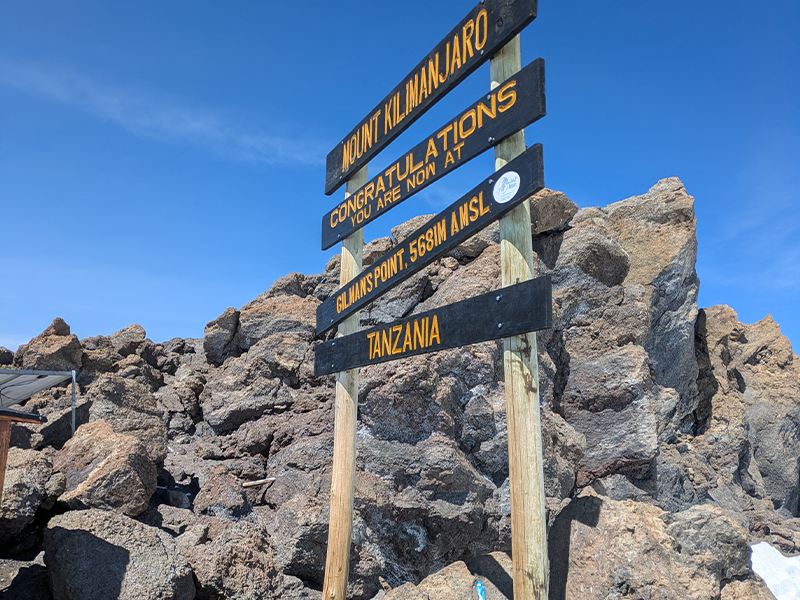
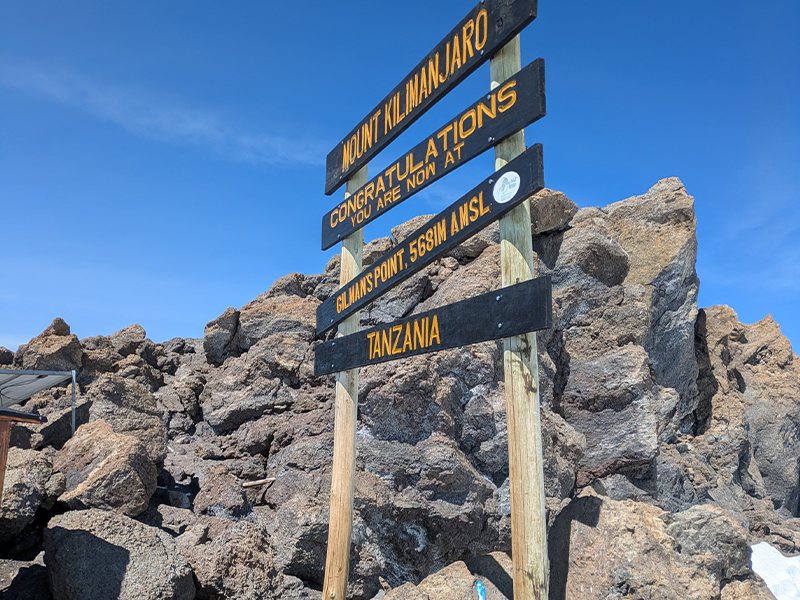
Gilman’s Point summit sign on Mount Kilimanjaro, located at 5,681 meters above sea level, with rocky terrain and clear blue sky.
Gilman’s Point, located at 5,681 meters on the crater rim of Mount Kilimanjaro, marks one of the recognized summit points along the Marangu Route.

Table of Contents

Where Is Gilman’s Point on Kilimanjaro?

Gilman’s Point lies on the eastern rim of Kilimanjaro’s Kibo crater and is the first major summit marker reached by climbers ascending via the Marangu or Rongai Route.These routes approach the summit differently , compare all Kilimanjaro routes to choose the best one.
 
Reaching this point is a huge accomplishment , it marks the beginning of the crater rim and earns climbers an official “Kilimanjaro Summit Certificate.” From here, it takes roughly 1.5–2 hours to continue on foot to Uhuru Peak, the true summit of Africa.This final stretch is part of summit night , the most demanding stage of the climb.
 

Who Was Gilman?

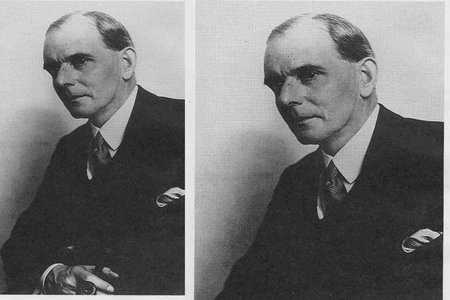
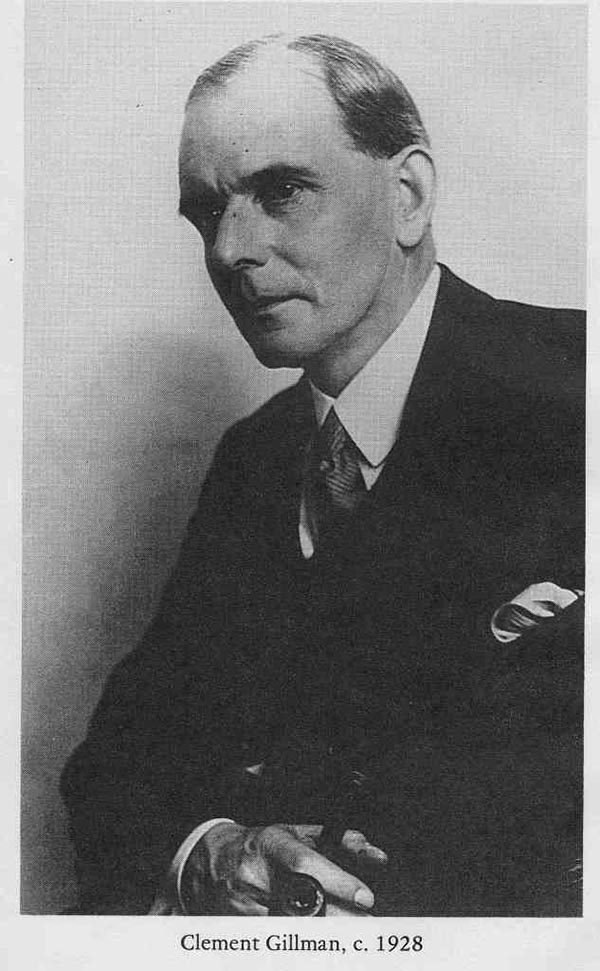
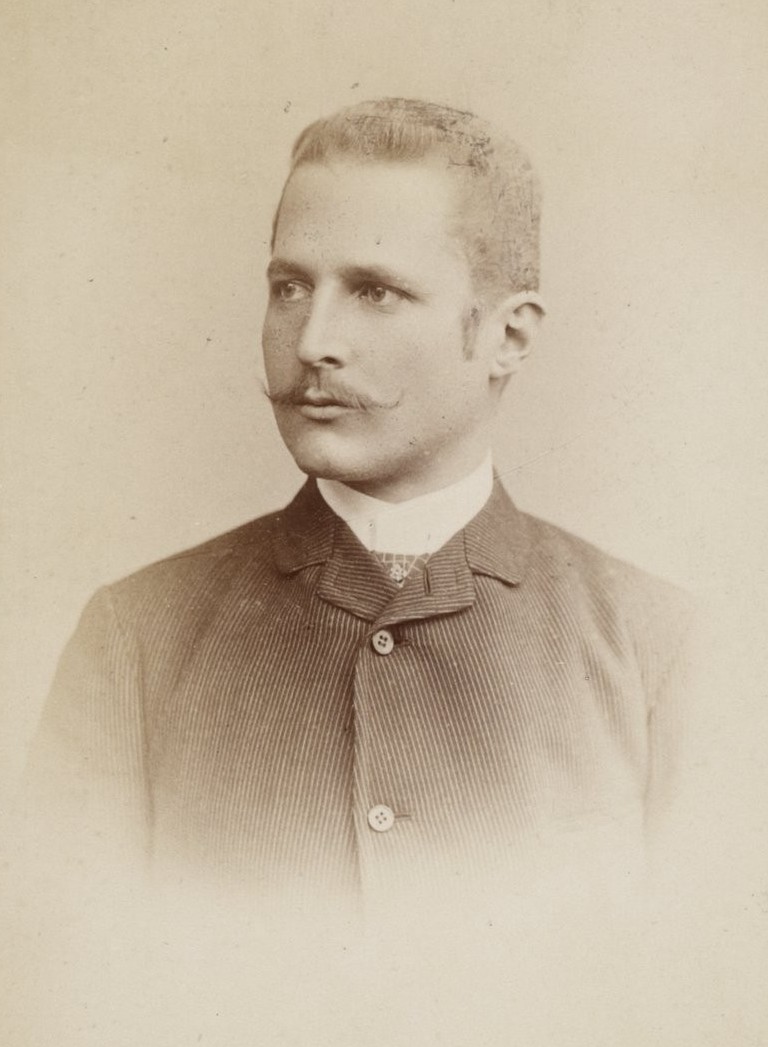
Black and white portrait of Clement Gillman, British surveyor and geographer, circa 1928.
Clement Gillman was a British geographer and colonial surveyor whose name was given to Gilman’s Point on Mount Kilimanjaro’s crater rim.
Gilman’s Point is named after Clement Gillman, a British geographer, civil engineer, and explorer who conducted important mapping and survey work in East Africa during the early 20th century.
  • He helped document Kilimanjaro’s physical geography and elevation
  • His surveys contributed to modern cartography in Tanzania
  • The point was named to honor his contributions to Kilimanjaro’s exploration.
Although he wasn’t the first to climb Kilimanjaro, Clement Gillman’s legacy is closely tied to understanding the mountain’s terrain,geology, and routes.
Kilimanjaro’s geography is shaped by its volcanic structure and high-altitude environment.
Note: The name is sometimes misspelled as “Gillman’s Point,” but the correct version is “Gilman’s Point.”
 

Why Does Gilman’s Point Matter?

For many climbers, Gilman’s Point represents:

Gilman’s Point vs. Uhuru Peak

Feature Gilman’s Point  And  Uhuru Peak
Elevation: 5,681 m / 18,638 ft     vs   5,895 m / 19,341 ft
Location : Eastern crater rim     vs   Western crater rim
Routes Reached:  Marangu, Rongai  vs    All main routes
Certificate Official: “summit” certificate    vs   Full summit certificate
Time to Uhuru :1.5hr     vs      2 hours more
 
Stella Point is another key landmark along the crater rim.
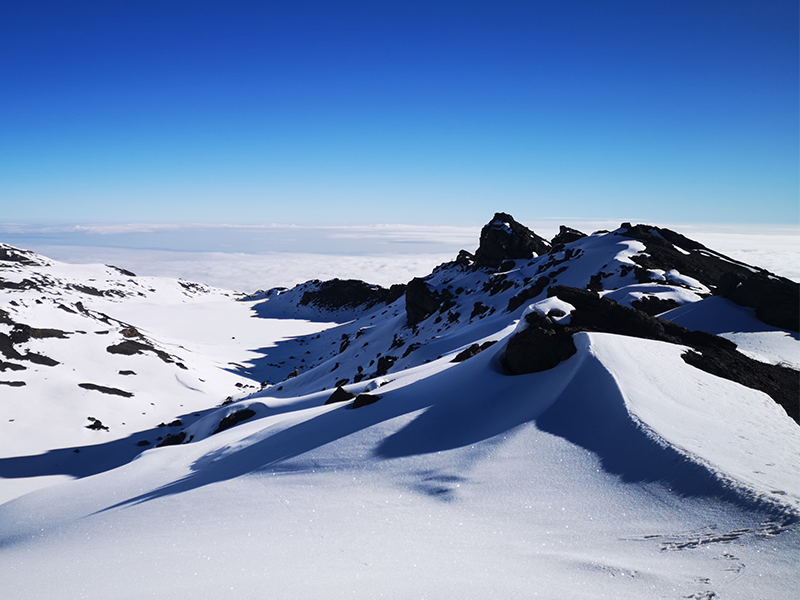
Snow-covered view of Mount Kilimanjaro’s crater rim as seen from Gilman’s Point at sunrise.
After arriving at Gilman’s Point (5,681 m), climbers are rewarded with breathtaking views across the snow-covered crater rim — a dramatic landscape near the summit of Kilimanjaro.

Did You Know?

The final push to Gilman’s Point is often done at nightSummit attempts usually begin around midnight and require proper gear and preparation.and is one of the toughest sections of the Marangu Route.Sunrise from Gilman’s Point offers stunning views over the clouds and down toward Kenya.Gilman’s Point is one of three named summit markers on Kilimanjaro, along with Stella Point and Uhuru Peak.

Frequently Asked Questions About Gilman’s Point

What is Gilman’s Point on Mount Kilimanjaro?

Gilman’s Point is one of the main summit markers on Mount Kilimanjaro, located on the eastern rim of the Kibo crater at about 5,681 meters (18,638 feet). Climbers reaching this point have reached the crater rim and are close to the final summit.

Is Gilman’s Point the summit of Mount Kilimanjaro?

No, Gilman’s Point is not the highest point of Mount Kilimanjaro. The true summit is Uhuru Peak, which is about 214 meters higher. From Gilman’s Point, it usually takes 1.5 to 2 hours to reach the summit.
 

Which Kilimanjaro routes reach Gilman’s Point?

Climbers using the Marangu Route and Rongai Route typically reach Gilman’s Point first on summit night before continuing along the crater rim toward Uhuru Peak.
 

How difficult is the climb to Gilman’s Point?

The final ascent to Gilman’s Point is considered one of the toughest sections of the climb. Trekkers hike through loose volcanic scree in cold temperatures and thin air during the nighttime summit push.
 

Do you get a summit certificate at Gilman’s Point?

Yes. Climbers who reach Gilman’s Point usually receive a Kilimanjaro summit certificate, although the full summit certificate is awarded to those who continue to Uhuru Peak.

What is the difference between Gilman’s Point and Stella Point?

Both Gilman’s Point and Stella Point lie on the crater rim of Kibo. However, Stella Point is located closer to Uhuru Peak and is commonly reached by climbers using routes such as Machame, Lemosho, and Umbwe.

Reaching Gilman’s Point: What It Means for Your Summit

Gilman’s Point may not be the highest point on Kilimanjaro, but it’s packed with historical and emotional significance. Named after a key explorer who helped map the region, it marks a transition point between struggle and summit, where climbers often reflect on how far they’ve come.Whether you stop here or continue to Uhuru Peak, standing at Gilman’s Point is a true achievement, worthy of celebration.
 

Plan Your Journey with Kili Quests

If you’re planning to climb via the Marangu or Rongai Route, you’ll pass through Gilman’s Point  one of Kilimanjaro’s historic landmarks.With Kili Quests, you’ll be guided by experienced professionals who know every twist of the trail and the story behind every name on the mountain.
 

Related Articles

Kilimanjaro First Ascent: Lauwo and the Chagga Guide

Climb with Local Experts

Follow in Lauwo’s footsteps with experienced Tanzanian guides.

Plan Your Climb

Start preparing for your Kilimanjaro adventure: 

OUR CATEGORIES

Who Was Lauwo? Tanzania’s First Kilimanjaro Guide | Kili Quests

When talking about the first successful ascent of Mount Kilimanjaro,Read the full story of Hans Meyer and the first Kilimanjaro ascent in 1889 to understand how this historic climb unfolded. most people mention the German explorer Hans Meyer. But behind that achievement was a local Chagga man named Lauwo  a name that deserves far more recognition.In this article, Kili Quests shares the story of Yohani Kinyala Lauwo, the first Tanzanian guide to summit Kilimanjaro.Reaching the summit , Uhuru Peak — is still the goal for climbers today.His contribution is a powerful reminder that the mountain’s history is not just written by explorers , but also by the people of the mountain.
 
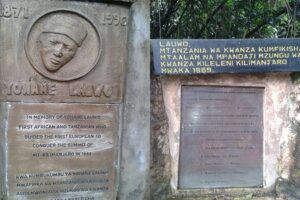
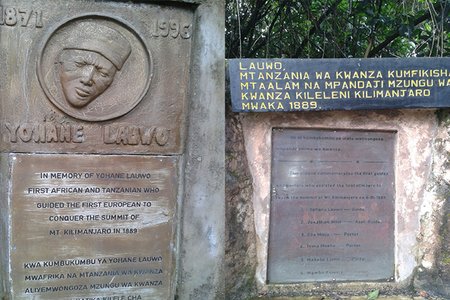
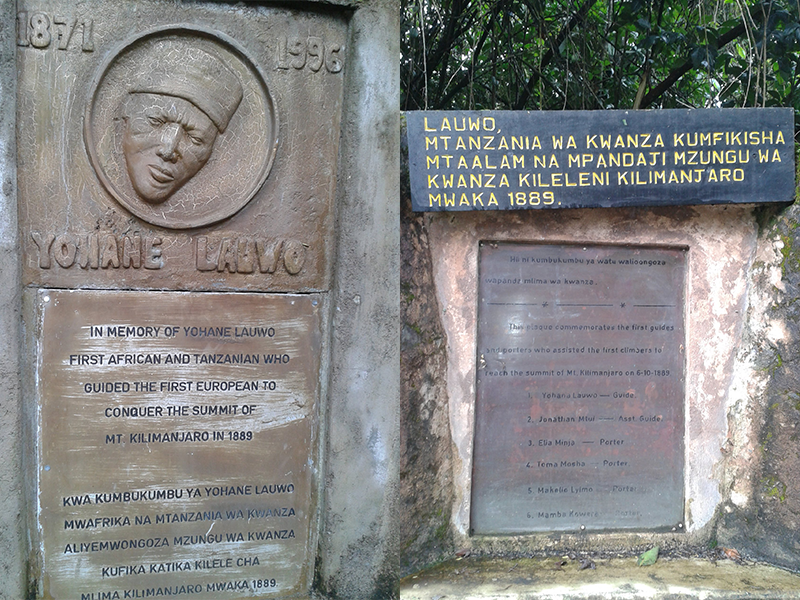
Memorial plaques honoring Yohane Lauwo, the first Tanzanian to guide a European to Kilimanjaro’s summit in 1889.
Yohane Lauwo is remembered as the first African and Tanzanian guide to summit Mount Kilimanjaro, assisting Hans Meyer in the historic 1889 expedition.

Table of Contents

Who Was Lauwo?

Yohani Kinyala Lauwo was a Chagga tribesman from Marangu,Marangu is still one of the main starting points for climbers today , especially via the Marangu Route. a village on the southeastern slopes of Mount Kilimanjaro.At just 18 years old, Lauwo was recruited to join Hans Meyer’s 1889 expedition , and successfully helped guide the team to the summit of Kibo, the highest of Kilimanjaro’s volcanic cones.Kilimanjaro is made up of three volcanic cones , learn more about Kibo, Mawenzi, and Shira.
 
He was not just a porter or helper. Lauwo’s local knowledge, strength, and courage were essential to the team’s success in navigating unknown terrain, severe weather, and dangerous altitude.Altitude remains the biggest challenge on the mountain , here’s how to avoid altitude sickness on Kilimanjaro.
 
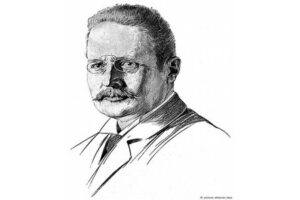
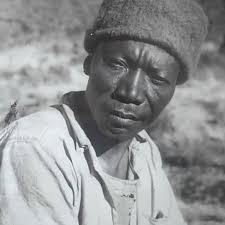
Portrait of Yohani Kinyala Lauwo, the first local Kilimanjaro guide and early Tanzanian mountain pioneer
Yohani Kinyala Lauwo – The legendary Chagga guide who led Hans Meyer to the summit of Kilimanjaro in 1889.
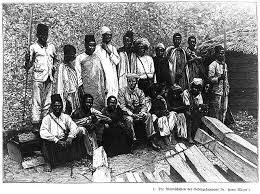
Historic 1889 Kilimanjaro expedition team with Hans Meyer and local guides including Yohani Kinyala Lauwo
1889 Kilimanjaro Expedition Team – Hans Meyer with Chagga porters and guides, including Yohani Lauwo, before the first summit of Uhuru Peak.
Portrait of Ludwig Purtscheller, Austrian climber who summited Mount Kilimanjaro in 1889 with Hans Meyer | Kili Quests
Ludwig Purtscheller, an experienced Austrian mountaineer, reached the summit of Kilimanjaro with Hans Meyer and local guide Lauwo in 1889.
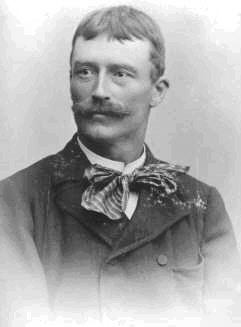
Portrait of Hans Meyer, German geographer and first European to summit Mount Kilimanjaro in 1889 | Kili Quests
Hans Meyer led the first successful recorded expedition to the summit of Mount Kilimanjaro in 1889, marking a historic moment in mountaineering.

What Role Did Lauwo Play?

Lauwo:
  • Helped scout and clear a viable route toward the summit Kilimanjaro.Today, climbers follow established trails , compare all Kilimanjaro routes to choose the best one.
  • Supported both Meyer and Austrian alpinist Ludwig Purtscheller during the climb.
  • Became the first known African to stand on Kilimanjaro’s summit.
His involvement was never just physical , his deep understanding of the mountain’s behavior, weather, and routes made him an invaluable guide.
 
Ever wondered why it’s called Gilman’s Point? Discover the story behind this historic summit landmark.

Why Is Lauwo’s Story Often Overlooked?

For many decades, Lauwo’s role in the historic 1889 ascent was understated or ignored in international records. Hans Meyer and Purtscheller were widely credited as the “first to reach the summit,” while Lauwo remained unnamed.However, Tanzanian historians and local mountaineering communities have worked hard to reclaim his story , and today, Lauwo is increasingly recognized as the first Tanzanian and the first African to summit Mount Kilimanjaro(Uhuru peak).Uhuru Peak is the highest point in Africa , learn more about its history and meaning.

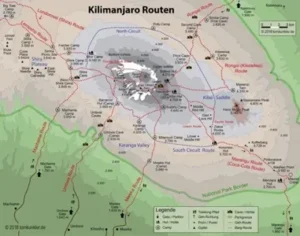
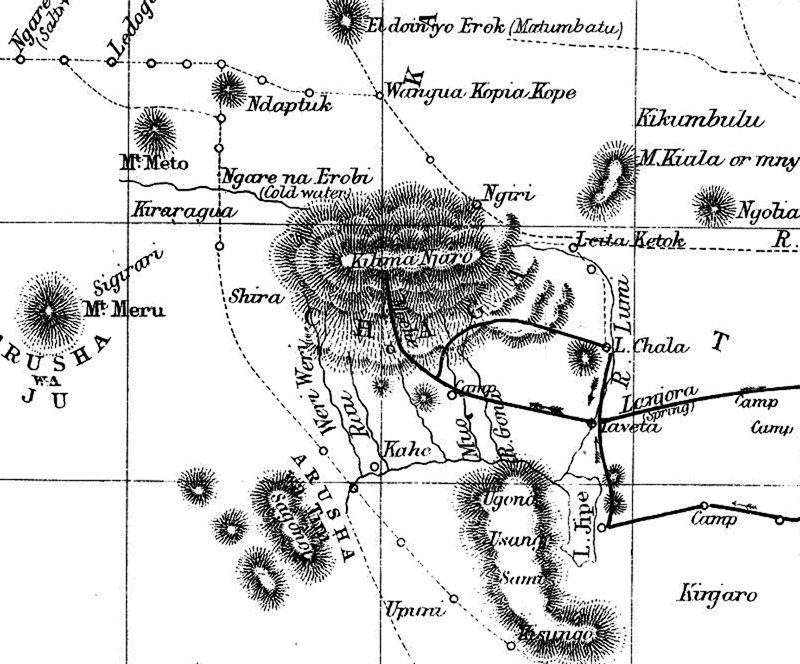
Vintage map of Mount Kilimanjaro showing routes, landmarks, and geography as seen in the 1990s | Kili Quests
A look back in time — this 1990s Kilimanjaro map reflects how the mountain was explored, traveled, and understood decades ago.

Lauwo’s Legacy

 He continued to guide climbs into his later years , even into his 70s
  • According to local records, he lived to be over 120 years old, passing away in the early 1990s
  • His descendants still live in Marangu, and the Lauwo family is a respected name in Tanzanian guiding history
  • Many guides today see him as the original role model for Tanzanian mountain professionals

Final Thoughts

Lauwo was not just a footnote in Hans Meyer’s expedition  he was a hero in his own right. As the first Tanzanian to summit Kilimanjaro, he represents the strength, wisdom, and endurance of local mountain people who have supported climbers for over a century.When you climb Kilimanjaro today,Before your climb, it’s important to understand how difficult Kilimanjaro really is and how to prepare.you’re walking in the footsteps of Lauwo , the guide who led the way long before modern gear or recognition.

Choosing the right route and acclimatization strategy can make the difference between success and failure.

Frequently Asked Questions About Lauwo and Kilimanjaro’s First Guides

 Who was Yohani Kinyala Lauwo?

Yohani Kinyala Lauwo was a Chagga guide from Marangu who helped lead the first successful recorded ascent of Mount Kilimanjaro in 1889. At just 18 years old, he joined Hans Meyer’s expedition and played a key role in navigating the mountain.
 

Was Lauwo the first African to climb Mount Kilimanjaro?

Yes. Many historians recognize Yohani Kinyala Lauwo as the first African to reach the summit of Mount Kilimanjaro during the historic 1889 expedition.

Who climbed Mount Kilimanjaro with Lauwo?

During the 1889 expedition, Lauwo climbed alongside German explorer Hans Meyer and Austrian mountaineer Ludwig Purtscheller, along with several porters and support crew.
 

Why is Lauwo important in Kilimanjaro history?

Lauwo’s local knowledge of the mountain’s terrain, weather, and routes was essential for the success of the first recorded ascent of Mount Kilimanjaro. Today he is recognized as a pioneer of Tanzanian mountain guiding.

Where was Lauwo from?

Yohani Kinyala Lauwo was from Marangu, a village located on the southeastern slopes of Mount Kilimanjaro, which remains one of the main starting points for Kilimanjaro climbs today.

How old was Lauwo during the first Kilimanjaro ascent?

Historical accounts suggest that Lauwo was about 18 years old when he joined the 1889 expedition that successfully reached the summit of Mount Kilimanjaro.
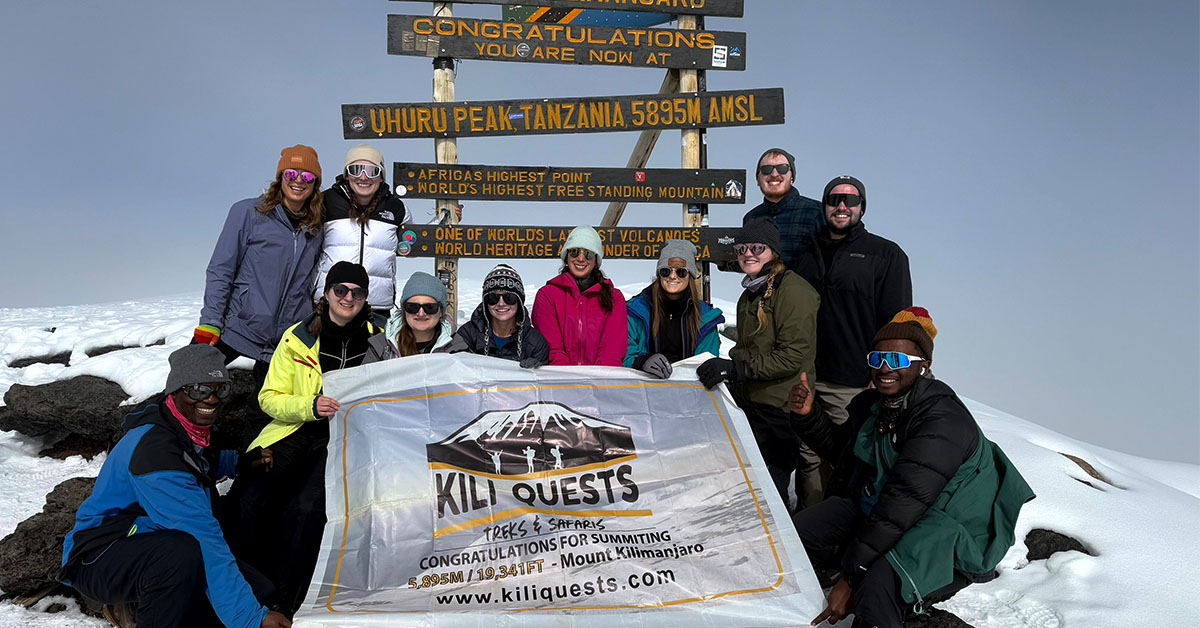
Group of trekkers celebrating together at Uhuru Peak, the summit of Mount Kilimanjaro
Tourists celebrate their successful summit at Uhuru Peak alongside our expert KILI QUESTS guides, proudly raising the flag at Africa’s highest point.

Climb Kilimanjaro with Local Experts

At Kili Quests, our guides continue the legacy of Lauwo , born on the mountain, trained by experience, and driven by passion. Whether you climb the Marangu, Machame, or Lemosho Route, we’ll guide you with the same commitment that Lauwo showed more than a century ago.
 

Related Articles

Marangu Route Kilimanjaro: Hut-Based Trek Guide

Plan Your Marangu Route the Right Way

Preparation, acclimatization, and route choice make the difference.Explore these essential guides:

Climb Kilimanjaro with Comfort

Marangu offers hut comfort, but pacing and acclimatization still matter.
We plan every trek for a safe summit.

OUR CATEGORIES

Marangu Route on Kilimanjaro: Hut-Based Kilimanjaro Trek

Why Choose the Marangu Route?

The Marangu Route is one of the oldest and most established paths on Mount Kilimanjaro, known for its hut accommodation and straightforward trail. Often called the “Coca-Cola Route,” it is the only route where climbers sleep in permanent huts instead of tents.
 
While it is considered one of the more accessible routes in terms of terrain, the shorter itinerary means faster altitude gain. This makes proper acclimatization essential and is one of the reasons summit success rates are lower compared to longer routes.If you’re comparing routes, understanding how Marangu differs from Machame and Lemosho is key to choosing the right climb.
 
Start by comparing all options in our Kilimanjaro Routes Comparison: Which Route Is Best? to see how Marangu compares to other routes.
Alt Text: Gilman’s Point summit sign at 5,681 meters on Mount Kilimanjaro via the Marangu Route, with rocky terrain and blue sky | Kili Quests
Gilman’s Point (5,681m) marks the crater rim for trekkers ascending via the Marangu Route — a major achievement before reaching Uhuru Peak.

Table of Contents

What Is the Marangu Route on Kilimanjaro?

Where Does the Marangu Route Start?

The Marangu Route begins at Marangu Gate on the southeastern side of Mount Kilimanjaro. The trail passes through rainforest before opening into moorland and alpine desert zones.

How Long Is the Marangu Route?

The route typically takes 5 or 6 days to complete, covering approximately 72 kilometers (45 miles). The 6-day itinerary is strongly recommended to improve acclimatization and increase summit success.

Marangu Route Overview

Feature Details
Route Length                 –      5 or 6 days
Distance                          –      ~72 km (45 miles)
Start Point                      –       Marangu Gate (southeast Kilimanjaro)
Highest Point                 –       Uhuru Peak (5,895 m / 19,341 ft)
Accommodation            –       Huts with beds and dining areas
Difficulty                          –       Moderate, but fast elevation gain
Success Rate                    –      ~80% on the 6-day version
 
Because shorter routes allow less time for acclimatization, it’s important to understand how route choice affects summit success.


Read our article about, Kilimanjaro Success Rate

Marangu Route Days and Elevation Profile

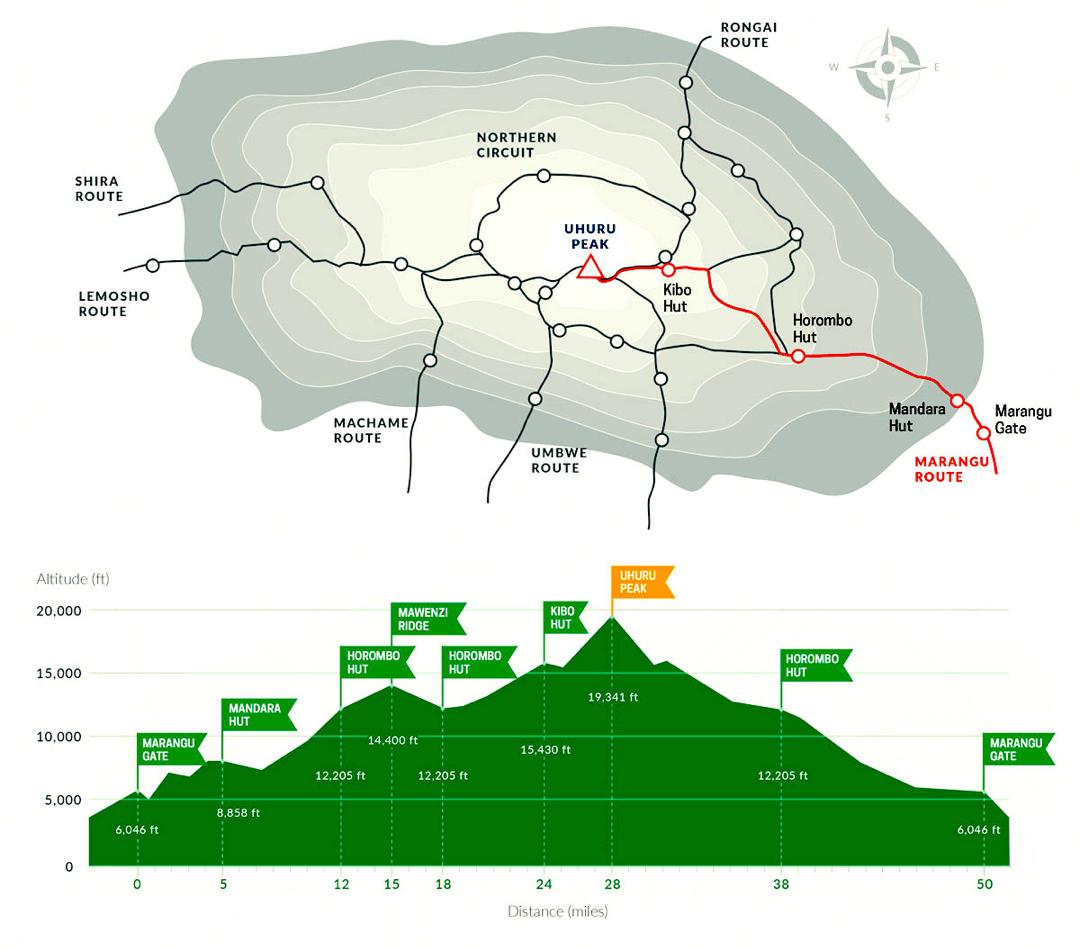
Marangu Route map on Mount Kilimanjaro showing elevation, trail path, and major camps to Uhuru Peak
Marangu Route Map – The only Kilimanjaro route with huts, following the same trail up and down via Horombo and Kibo Huts.

 H2: Marangu Route Itinerary (6-Day Version)

Day 1: Marangu Gate to Mandara Hut

  • Altitude: 1,870 m to 2,700 m
  • Time: 4–5 hours
  • Lush rainforest with waterfalls and monkeys

Day 2: Mandara Hut to Horombo Hut

  • Altitude: 2,700 m to 3,720 m
  • Time: 6–7 hours
  • Enter moorland with clear views of Mawenzi Peak

Day 3 – Acclimatization Day at Horombo Hut

This extra day is critical for improving your chances of reaching the summit, as it allows your body to adjust before moving to higher altitude.
  • Optional hike to Zebra Rocks (4,000 m)
  • Essential for reducing altitude sickness
Read our article About, Altitude Sickness Guide

Day 4: Horombo Hut to Kibo Hut

  • Altitude: 3,720 m to 4,700 m
  • Time: 5–6 hours
  • Trek through alpine desert toward summit base camp

Day 5: Kibo Hut to Uhuru Peak, down to Horombo Hut

 Summit night is physically demanding due to altitude, cold temperatures, and long trekking hours in thin air.
  • Altitude: 4,700 m to 5,895 m (summit), descend to 3,720 m
  • Time: 12–14 hours
  • Summit at sunrise, then long descent

Read our article about,How Hard Is Kilimanjaro.

Day 6: Horombo Hut to Marangu Gate

  • Altitude: 3,720 m to 1,870 m
  • Time: 5–6 hours
  • Return to the gate through rainforest and celebrate your success!

Marangu Route Difficulty and Acclimatization

Is the Marangu Route Easy?

Although often described as easier due to its gradual trail, the Marangu Route is not necessarily easier overall. The shorter itinerary means faster altitude gain, which increases the risk of altitude sickness.

Why Success Rates Are Lower

Compared to routes like Lemosho and Machame, Marangu has lower summit success rates because climbers have less time to acclimatize.

Who Should Choose This Route?

  • Climbers who prefer hut accommodation
  • Budget-conscious trekkers
  • Those comfortable with a faster ascent

Best Time to Climb the Marangu Route

Dry Seasons (Best Conditions)

January–March and June–October offer the best weather conditions.

  • January to early March: Mild and clear
  • June to October: Popular dry season
  • Huts make it a good choice even in rainy months
Read our article about, Best Time to Climb Kilimanjaro

What Makes the Marangu Route Unique?

Same Route Up and Down

Structured and Predictable Trek

Popular Budget-Friendly Option

Horombo Huts on Mount Kilimanjaro’s Marangu Route with Mawenzi Peak in the background under a clear blue sky | Kili Quests
Horombo Huts (3,720m) on Kilimanjaro’s Marangu Route offer trekkers scenic views of Mawenzi Peak and a vital rest stop before Heading to Kibo Hut | Kili Quests.

Is the Marangu Route Right for You?

Choose Marangu If You:

  • Prefer sleeping in huts instead of tents
  • Want a simpler, structured route
  • Are looking for a more budget-friendly option
Kilimanjaro Packing List (Essential Gear Guide)

When Marangu May Not Be Ideal

  • If you want the highest success rate
  • If you prefer varied scenery
  • If you want a slower acclimatization profile

Read our article about, Lemosho Route article

 
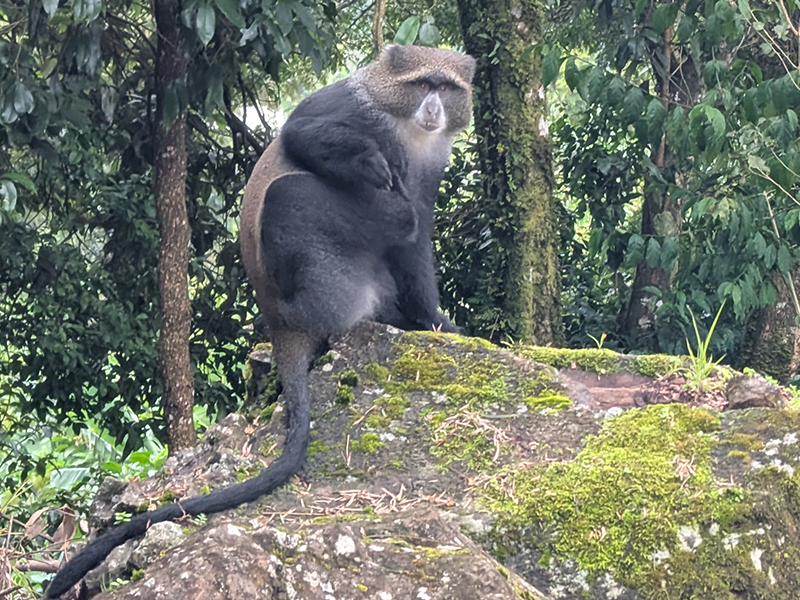
A Blue Monkey perched on a mossy rock in the rainforest zone of Mount Kilimanjaro, surrounded by dense green vegetation | Kili Quests
The Blue Monkey is one of the most commonly spotted primates in Kilimanjaro’s rainforest zone. Often seen near the lower trail sections like Marangu and Machame.

Frequently Asked Questions About the Marangu Route

Why is the Marangu Route called the “Coca-Cola Route”?

The Marangu Route is nicknamed the “Coca-Cola Route” because it is considered one of the easier and more comfortable routes on Mount Kilimanjaro. It also has hut accommodation and historically offered bottled drinks at the camps.

Is the Marangu Route good for beginners?

Yes, many first-time climbers choose the Marangu Route because it has a clear trail and hut accommodation. However, the shorter itinerary means less time for acclimatization, so the 6-day version is strongly recommended.

How many days does the Marangu Route take?

The Marangu Route usually takes 5 or 6 days. The 6-day itinerary includes an acclimatization day at Horombo Hut, which improves the chances of reaching the summit.

Does the Marangu Route have huts?

Yes. The Marangu Route is the only Kilimanjaro route with permanent huts, including Mandara Hut, Horombo Hut, and Kibo Hut.

What summit point do climbers reach from the Marangu Route?

Climbers on the Marangu Route usually reach the crater rim at Gilman’s Point before continuing along the rim to Uhuru Peak, the highest point in Africa.

What wildlife can be seen on the Marangu Route?

The lower rainforest section of Mount Kilimanjaro often includes sightings of animals such as the Blue Monkey, colobus monkeys, and various bird species.

Climb Kilimanjaro via Marangu with Kili Quests

At Kili Quests, we guide climbers on the Marangu Route with a focus on safety, pacing, and proper acclimatization  even on shorter itineraries.Our 6-day Marangu climbs are designed to balance comfort and success while giving you the best possible experience on Kilimanjaro.
What’s Included in a Kilimanjaro Climb Package
Contact us today to plan your hut-based climb on the Marangu Route.

Related Articles