Climb with Local Experts

Follow in Lauwo’s footsteps with experienced Tanzanian guides.

Plan Your Climb

Start preparing for your Kilimanjaro adventure: 

OUR CATEGORIES

Who Was Yohani Kinyala Lauwo? Kilimanjaro’s Local Guide

When people talk about the first recorded ascent of Mount Kilimanjaro, they often mention Hans Meyer and Ludwig Purtscheller. But the story is not complete without Yohani Kinyala Lauwo, the local Chagga guide from Marangu who is remembered for his connection to the 1889 expedition.
 
Lauwo’s story matters because Kilimanjaro history is not only about European explorers. It is also about the local guides, porters, and mountain communities whose knowledge made early expeditions possible.
 
In this article, Kili Quests shares who Lauwo was, what role he played in Kilimanjaro’s first recorded ascent story, why his contribution was overlooked, and how his legacy continues through Tanzanian mountain guides today.
 
For the European expedition side of the story, read our guide to Hans Meyer and the first Kilimanjaro ascent in 1889.

Quick Answer: Who Was Yohani Kinyala Lauwo?

Yohani Kinyala Lauwo was a Chagga guide from the Marangu area of Mount Kilimanjaro. He is remembered for his connection to the first recorded successful ascent of Kilimanjaro in 1889, when Hans Meyer and Ludwig Purtscheller reached the summit with support from local guides, porters, and expedition crew.
 
Lauwo’s story highlights the local knowledge behind Kilimanjaro’s early climbing history. While European expedition leaders received most of the written recognition, local guides helped make mountain travel possible through route knowledge, strength, endurance, and familiarity with the land

A Note on Lauwo’s Historical Record

Lauwo is widely remembered in Kilimanjaro guiding history, but some details about his exact role, age, and participation are not recorded as clearly as the European expedition accounts.
 
A later centenary review of Kilimanjaro’s first ascent connected Yohani Kinyala Lauwo with Meyer and Purtscheller’s 1889 expedition, but the historical record also shows that some details were uncertain. That uncertainty is important to mention because local guides and porters were often under-recorded in colonial-era expedition history.
 
This does not make Lauwo’s story less important. It makes it more important to tell carefully, honestly, and with respect for the local people who helped shape Kilimanjaro guiding history.
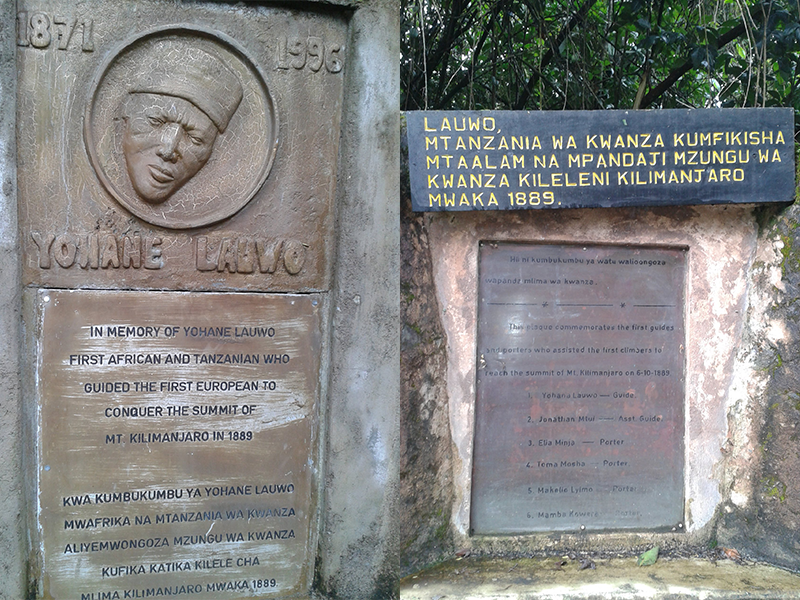
Memorial plaques honoring Yohane Lauwo, the first Tanzanian to guide a European to Kilimanjaro’s summit in 1889.
Yohane Lauwo is remembered as the first African and Tanzanian guide to summit Mount Kilimanjaro, assisting Hans Meyer in the historic 1889 expedition.

Table of Contents

Who Was Yohani Kinyala Lauwo?

Yohani Kinyala Lauwo was a local guide from Marangu, one of the historic gateway areas on the southeastern slopes of Mount Kilimanjaro.
 
He is commonly remembered as a Chagga guide connected to the 1889 first recorded ascent of Kilimanjaro. That expedition involved Hans Meyer, a German geographer, and Ludwig Purtscheller, an Austrian mountaineer, along with local guides, porters, and support crew.
 
Lauwo’s importance goes beyond one expedition. His story represents the local mountain knowledge, endurance, and guiding tradition that existed around Kilimanjaro long before the mountain became a global trekking destination.
 
Marangu remains one of Kilimanjaro’s most historic gateways, and today the Marangu Route is still one of the main trails to the summit.
 
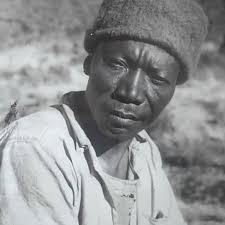
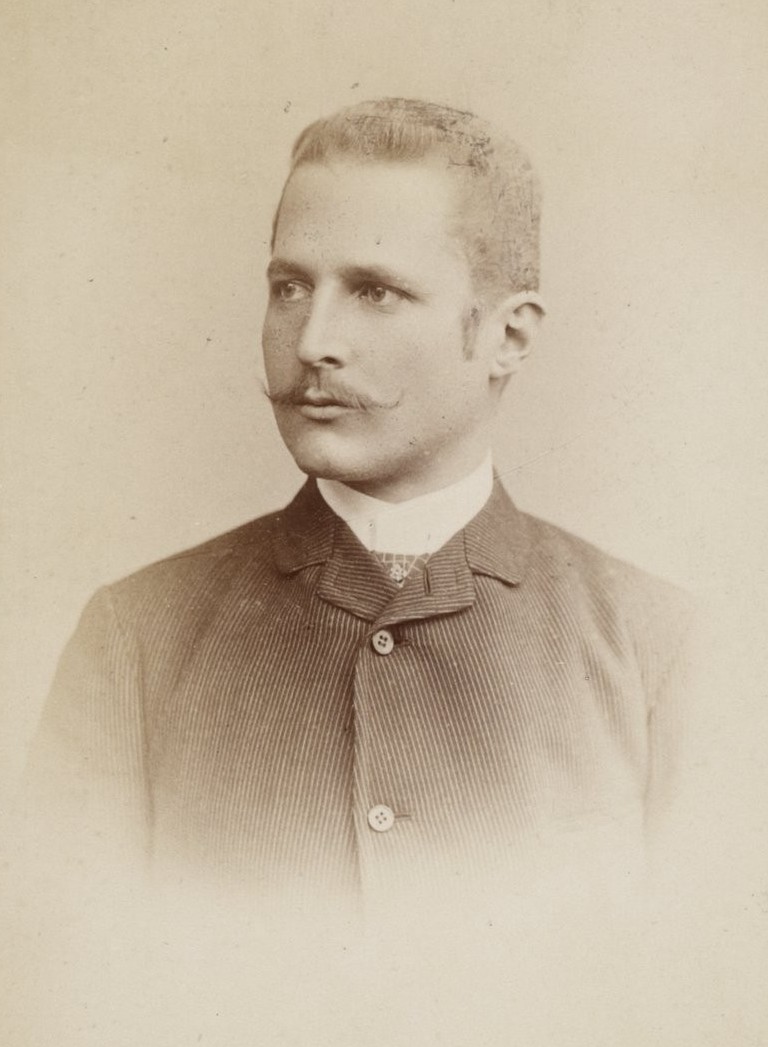
Portrait of Yohani Kinyala Lauwo, the first local Kilimanjaro guide and early Tanzanian mountain pioneer
Yohani Kinyala Lauwo – The legendary Chagga guide who led Hans Meyer to the summit of Kilimanjaro in 1889.
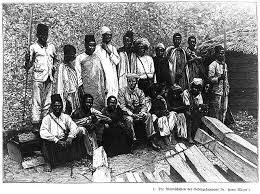
Historic 1889 Kilimanjaro expedition team with Hans Meyer and local guides including Yohani Kinyala Lauwo
1889 Kilimanjaro Expedition Team – Hans Meyer with Chagga porters and guides, including Yohani Lauwo, before the first summit of Uhuru Peak.
Portrait of Ludwig Purtscheller Austrian mountaineer Kilimanjaro 1889 ascent
Ludwig Purtscheller, an experienced Austrian mountaineer, reached the summit of Kilimanjaro with Hans Meyer and local guide Lauwo in 1889.
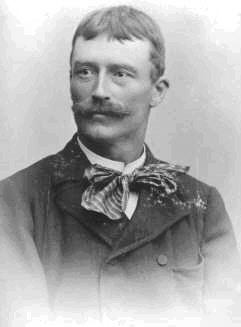
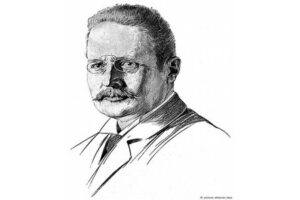
Portrait of Hans Meyer German geographer linked to Kilimanjaro first ascent
Hans Meyer led the first successful recorded expedition to the summit of Mount Kilimanjaro in 1889, marking a historic moment in mountaineering.

What Role Did Lauwo Play in the 1889 Ascent Story?

Lauwo is remembered for his connection to the expedition that reached Kilimanjaro’s summit in 1889. That climb is most commonly associated with Hans Meyer and Ludwig Purtscheller, but it also depended on local support.
 
Local guides and porters helped with:
  • Route knowledge through the lower mountain zones
  • Carrying supplies and expedition equipment
  • Moving through unfamiliar terrain
  • Supporting camp logistics
  • Helping the expedition continue in difficult mountain conditions
This is why Lauwo matters. The first recorded ascent was not only the achievement of European explorers. It was also made possible by local people who knew the mountain environment and supported the climb.
 
For the full European expedition story, read Hans Meyer and the first ascent of Kilimanjaro.
Person or Group Role in the 1889 Ascent Story Why It Matters
Yohani Kinyala Lauwo Local Chagga guide remembered for his connection to the expedition Represents local mountain knowledge and Tanzania’s guiding legacy.
Hans Meyer German geographer linked to the first recorded ascent Helped bring Kilimanjaro into written mountaineering history.
Ludwig Purtscheller Austrian mountaineer who climbed with Meyer Brought mountaineering experience to the expedition.
Local porters and support crew Carried supplies and supported mountain logistics Shows that the climb depended on more than the named expedition leaders.

Why Was Lauwo’s Story Often Overlooked?

For many years, Kilimanjaro’s first ascent story was told mainly through European expedition records. Hans Meyer and Ludwig Purtscheller became the most widely known names because they were the figures most clearly documented in written accounts.
 
Local guides and porters were often treated as background support, even when their work was essential. Lauwo’s story helps correct that imbalance by showing that Kilimanjaro’s climbing history also belongs to the people who lived near the mountain and understood its slopes, forests, weather, and routes.
 
This does not mean the Hans Meyer story should be erased. It means Kilimanjaro history should be told more completely.
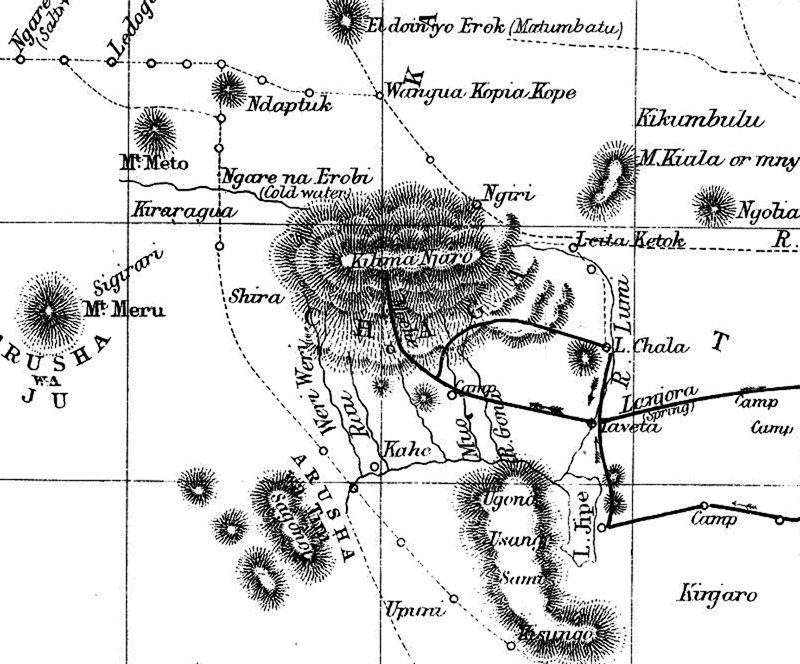
Hans Meyer 1889 map of Mount Kilimanjaro summit area
A look back in time — this 1990s Kilimanjaro map reflects how the mountain was explored, traveled, and understood decades ago.

Lauwo’s Legacy on Kilimanjaro

Lauwo’s legacy lives in Tanzania’s mountain guiding tradition. Today, Kilimanjaro guides continue a local profession built on endurance, responsibility, route knowledge, safety awareness, and respect for the mountain.
 
His story also reminds climbers that Kilimanjaro is not just a summit. It is a living landscape connected to local communities, culture, history, and generations of mountain workers.
 
For a deeper look at the wider cultural background around the mountain, read our guide to Chagga culture and history around Kilimanjaro.

Why Lauwo’s Story Still Matters Today

Lauwo’s story matters because it brings local people back into Kilimanjaro’s climbing history. The mountain was not simply conquered by outsiders. It was guided, supported, understood, and lived around by local communities long before international climbers arrived.

When climbers stand on Uhuru Peak today, they are following a mountain history shaped by many people: explorers, guides, porters, cooks, route builders, local communities, and generations of Tanzanian mountain workers.

Lauwo represents that local legacy. His story reminds us that Kilimanjaro guiding is not just a job; it is part of the mountain’s living history.

Frequently Asked Questions About Yohani Kinyala Lauwo

Who was Yohani Kinyala Lauwo?

Yohani Kinyala Lauwo was a local Chagga guide from Marangu, remembered for his connection to Kilimanjaro’s 1889 first recorded ascent and Tanzania’s early mountain guiding history.

Did Lauwo climb with Hans Meyer?

Lauwo is commonly connected with the 1889 expedition involving Hans Meyer and Ludwig Purtscheller. The expedition also relied on local guides, porters, and support crew from the Kilimanjaro region.

Why is Lauwo important in Kilimanjaro history?

Lauwo is important because his story highlights the local knowledge behind Kilimanjaro’s early climbing history. It reminds climbers that the mountain’s history includes Tanzanian guides and communities, not only European expedition leaders.

Where was Lauwo from?

Yohani Kinyala Lauwo was from the Marangu area on the slopes of Mount Kilimanjaro. Marangu remains one of the mountain’s historic gateway communities and is closely connected with Kilimanjaro guiding history.

Why was Lauwo overlooked in early Kilimanjaro history?

Lauwo was overlooked because colonial-era expedition accounts focused mainly on European explorers such as Hans Meyer and Ludwig Purtscheller. Local guides, porters, and support crews were often under-recorded, even though their work was essential.
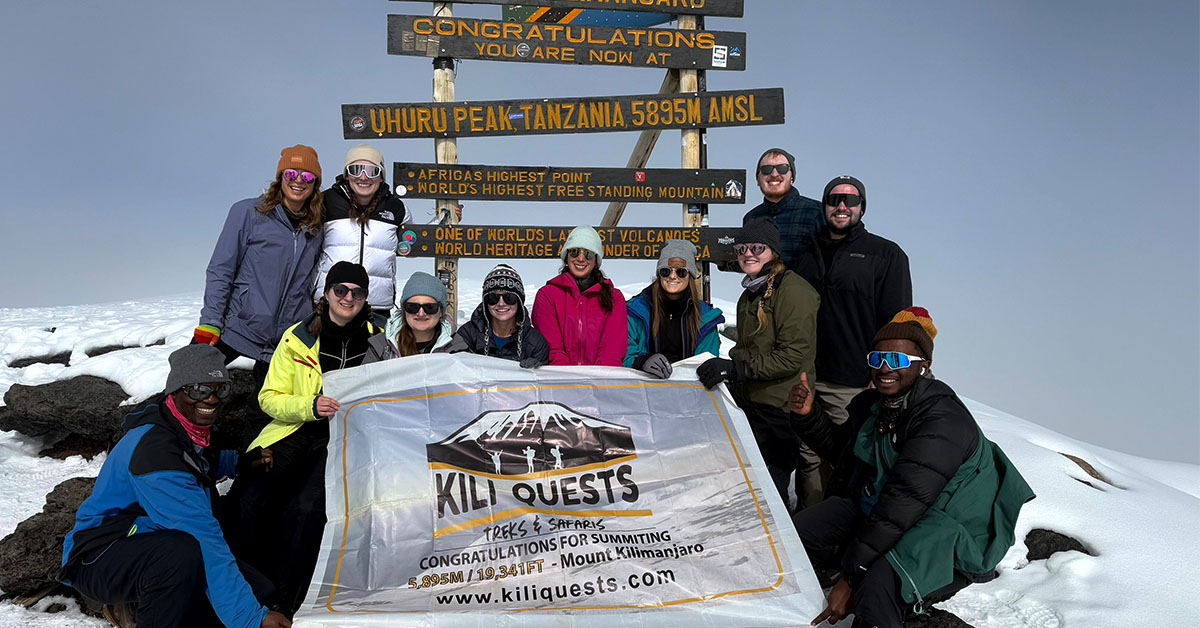
Group of trekkers celebrating together at Uhuru Peak, the summit of Mount Kilimanjaro
Tourists celebrate their successful summit at Uhuru Peak alongside our expert KILI QUESTS guides, proudly raising the flag at Africa’s highest point.

Climb Kilimanjaro with Local Mountain Experts

Lauwo’s story reminds us that Kilimanjaro guiding has deep local roots. Long before the mountain became a global trekking destination, local people understood its slopes, forests, weather, and routes.
 
At Kili Quests, we continue that tradition with experienced Tanzanian guides, careful route planning, strong safety support, and respect for the people and history behind the mountain.
 
Plan your Kilimanjaro climb with Kili Quests today.

Related Articles