Get Ready for Kilimanjaro

The right preparation makes the climb safer, easier, and more achievable.

Prepare the Right Way

Build a smarter climb plan before you book.

OUR CATEGORIES

How Fit Do You Need to Be to Climb Kilimanjaro?

For many people dreaming of climbing Mount Kilimanjaro, one question comes up again and again: “Am I fit enough to do this?”

The honest answer is simple: you do not need to be an athlete, marathon runner, or experienced mountaineer to climb Kilimanjaro. But you do need a reasonable level of fitness, especially walking endurance, leg strength, and the ability to stay active for several days in a row.

Kilimanjaro is not a technical climb. You do not need ropes, ice axes, or climbing skills. The real physical challenge is trekking slowly for several hours each day while your body adapts to high altitude.

Many successful climbers are ordinary travelers who prepare consistently, choose a suitable route, listen to their guides, and pace themselves properly. Understanding what “fit enough” really means is the first step toward preparing for a safer and more enjoyable climb.

Quick Answer: How Fit Do You Need to Be to Climb Kilimanjaro?

You need moderate fitness to climb Kilimanjaro. You should be able to walk for several hours, handle uphill sections, stay active for multiple days, and recover well enough to continue the next morning.
 
You do not need extreme strength, running ability, or technical climbing experience. Kilimanjaro rewards steady endurance more than speed or athletic power.
 
A good fitness goal is to be comfortable walking for 5–7 hours in a day, especially on hills or uneven ground. Summit night can be much longer and harder, but your guides will control the pace and help you move slowly.
 
Fitness helps, but it does not guarantee summit success. Acclimatization, route choice, pacing, hydration, and guide support are just as important.
Climbing Kilimanjaro requires steady endurance more than extreme athletic ability.

Table of Contents

What Type of Fitness Does Kilimanjaro Require?

Kilimanjaro tests a specific kind of fitness. It is not about sprinting, lifting heavy weights, or moving fast. The mountain rewards slow, steady endurance over several days.

Walking Endurance

This is the most important type of fitness for Kilimanjaro. On most trekking days, you may walk for 5–8 hours depending on the route, terrain, and pace. The goal is not to move quickly. The goal is to keep going steadily without burning too much energy.
 
If you can already handle long walks, weekend hikes, or several hours on your feet, you have a good starting point.

Cardiovascular Fitness

Good cardio helps your heart and lungs work efficiently during long trekking days. You do not need to be a runner, but you should be comfortable with activities such as brisk walking, hiking, cycling, swimming, or stair climbing.
 
Cardio fitness helps you manage effort, recover better, and feel less exhausted during uphill sections.

Leg Strength

Your legs will work hard on Kilimanjaro, especially during long climbs and descents. Strong thighs, calves, glutes, and knees help reduce fatigue and improve stability on uneven terrain.
 
Simple exercises such as squats, lunges, step-ups, and hill walking are useful because they prepare your body for real trekking movement.

Mental Strength

Kilimanjaro is also a mental challenge. There will be moments when you feel tired, cold, uncomfortable, or doubtful, especially near the summit. Climbers who stay patient, follow the pace, and keep moving slowly often perform better than people who start too fast.

Do You Need to Be Extremely Fit to Climb Kilimanjaro?

No, you do not need to be extremely fit to climb Kilimanjaro. Many successful climbers are not athletes. They are regular people who prepared well, walked consistently, chose a suitable route, and followed a slow pace.
 
The biggest mistake is thinking Kilimanjaro is only for highly trained hikers. The climb is demanding, but it is not a race. In fact, very fit people sometimes struggle because they move too fast and ignore the altitude.
 
Age alone does not decide whether someone can climb Kilimanjaro, but anyone with heart, lung, knee, back, or major health concerns should speak with a medical professional before training or booking a climb.
 
Average-fit climbers often do well when they:
  1. Train consistently before the climb
  2. Walk slowly on the mountain
  3. Listen to their guides
  4. Choose a route with enough acclimatization time
  5. Stay hydrated and eat properly
  6. Manage their energy instead of rushing
So the goal is not to become superhuman. The goal is to become prepared.

Who Actually Succeeds?

Many very fit people fail because they go too fast.Many average-fit people succeed because they:
  •  go slowly (pole pole)
  •  listen to their guides
  •  manage their energy
They also tend to do better when they choose longer routes that allow better acclimatization. That is one reason routes like Lemosho and the Northern Circuit are often recommended for first-time climbers.

Fitness Levels Explained

Fitness Level Can You Climb Kilimanjaro? What It Means
Low fitness Possible, but not ideal You should train before booking or allow more preparation time. Long walks, hills, and basic cardio are important.
Moderate fitness Yes This is enough for many climbers if combined with good pacing, proper acclimatization, and consistent preparation.
Good fitness Yes, with more comfort You may handle daily trekking better, but altitude can still affect you. Fitness does not guarantee summit success.
Very high fitness Yes, but still be careful Athletic climbers still need to walk slowly. Going too fast can increase altitude problems.
No matter your starting fitness level, your route, pace, and acclimatization plan still play a major role in whether you reach Uhuru Peak.

How Much Training Do You Need Before Kilimanjaro?

Most climbers should train for at least 6–8 weeks before climbing Kilimanjaro, especially if they are not already active. If you already hike, walk long distances, or exercise regularly, you may need less time. If you are starting from low fitness, give yourself more time.
 
The best preparation is simple and consistent:
  • Walk regularly
  • Add hills or stairs
  • Build up to longer hikes
  • Strengthen your legs and core
  • Practice carrying a light daypack
  • Train on consecutive days when possible
You do not need a complicated gym program. The goal is to prepare your body for several days of slow trekking, not short bursts of intense exercise.
 
For a full week-by-week plan, read our Kilimanjaro training guide.
 

How Long Should You Train?

A 4 to 6 week preparation period is enough for most people.If you already have a good fitness base, even less may be needed.The exact amount of training you need depends on your starting fitness level, age, hiking experience, and the route you choose. Someone taking a longer route such as Lemosho or Northern Circuit may cope better with the climb than someone choosing a shorter itinerary with less acclimatization time.
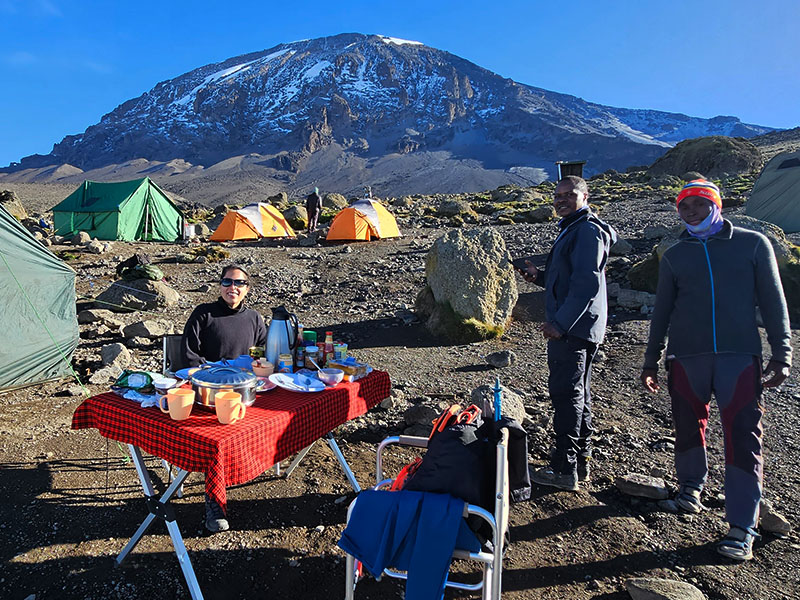
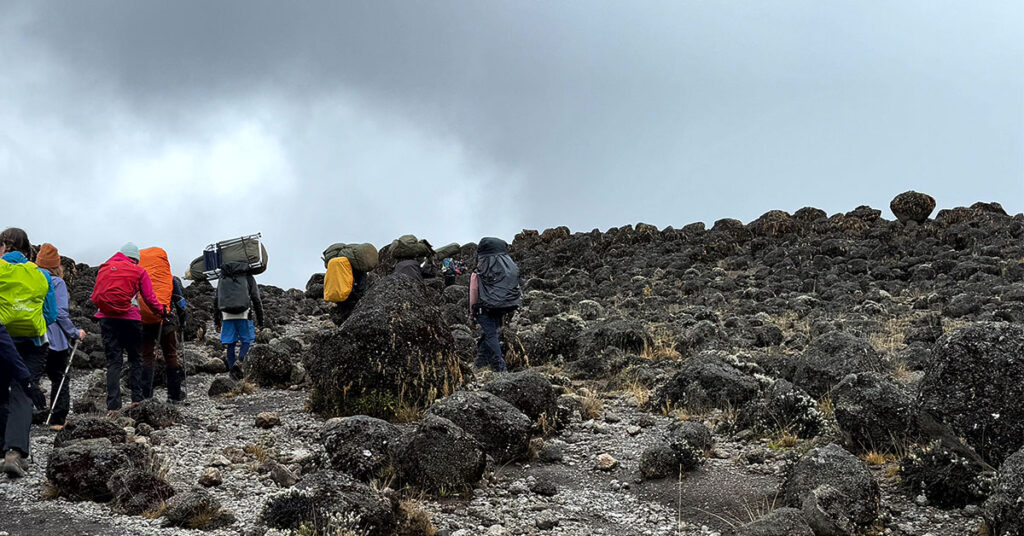
View of Kibo Peak from Karanga Camp on the Shira Route with rocky alpine terrain in the foreground.
Regular pacing, short breaks, and proper guidance help climbers manage Kilimanjaro’s physical demands.

Common Fitness Mistakes Before Climbing Kilimanjaro

Many climbers prepare the wrong way for Kilimanjaro. The goal is not to train like an athlete. The goal is to prepare for long, slow, repeated trekking days.

Focusing Too Much on Strength

Strength helps, but Kilimanjaro is not mainly a strength challenge. Spending all your time lifting weights while ignoring long walks is a mistake. Endurance should come first.

Training Too Hard Too Late

Crash training a few weeks before the climb can lead to fatigue, soreness, or injury. Consistent moderate training is better than sudden intense workouts.

Ignoring Hills and Uneven Ground

Flat treadmill walking is helpful, but it does not fully prepare you for mountain terrain. Include hills, stairs, trails, or outdoor hikes whenever possible.

Not Practicing With a Daypack

You will carry a small daypack during the climb. Training with a light pack helps your shoulders, back, posture, and balance adjust before the mountain.

Forgetting Recovery

Kilimanjaro is not one hard day. It is several days of activity in a row. Your body needs to recover overnight and keep going the next morning.

Fitness vs Altitude: What Matters More?

Fitness helps you manage the physical effort of Kilimanjaro, but altitude is usually the bigger challenge. Kilimanjaro reaches 5,895 meters, where lower oxygen levels affect everyone differently.
 
A very fit climber can still struggle with altitude. An average-fit climber can sometimes do better by walking slowly, choosing a longer route, and giving the body more time to adjust.
 
That is why the best approach is not fitness alone. It is the combination of:
  • Moderate fitness
  • Proper acclimatization
  • Slow pacing
  • Good hydration
  • Experienced guide support
For more detail, read our guides on altitude sickness on Kilimanjaro and Kilimanjaro acclimatization.

Simple Fitness Test Before Climbing Kilimanjaro

You may be physically ready for Kilimanjaro if you can:
  1. Walk for 5–7 hours at a steady pace
  2. Handle uphill walking or stairs without extreme exhaustion
  3. Stay active for several days in a row
  4. Carry a light daypack comfortably
  5. Recover overnight and continue the next day
  6. Manage long walks without serious knee, hip, or back pain
This does not mean the mountain will be easy. It simply means your body has a reasonable base for the physical side of the climb.
 
If you cannot do these things yet, the answer is not to panic. It means you should train longer, start with regular walking, add hills gradually, and choose a route that gives your body more time to acclimatize.

Final Advice: Build Endurance, Not Ego

You do not need to be extremely fit to climb Kilimanjaro, but you do need to be prepared. The best climbers are not always the strongest. They are the ones who pace themselves, conserve energy, listen to their guides, and respect the altitude.
 
Focus on endurance over strength, consistency over intensity, and patience over speed. Kilimanjaro is not won by rushing. It is climbed step by step.
 
With the right preparation, route choice, and support, many ordinary travelers can reach Uhuru Peak safely and confidently.

Related Kilimanjaro Fitness Guides

This article focuses on the fitness level needed to climb Kilimanjaro. If you want to understand the overall difficulty of the mountain, read our guide on how hard it is to climb Kilimanjaro.
 
If your main question is whether you need ropes, ice axes, or technical climbing skills, read our guide on whether Kilimanjaro requires technical climbing experience.
 
If you already know you want to climb and need a step-by-step preparation plan, use our full Kilimanjaro training guide.

Common Questions About Kilimanjaro Fitness

Can a beginner climb Kilimanjaro?

Yes, a beginner can climb Kilimanjaro if they prepare properly. You do not need technical climbing experience, but you should build walking endurance, leg strength, and confidence on long hikes before the climb.
 
The most important thing is to train consistently and choose a route with enough time for acclimatization. Beginners should avoid rushing the mountain on very short itineraries.

Do you need to be an athlete to climb Kilimanjaro?

No, you do not need to be an athlete to climb Kilimanjaro. Many successful climbers are ordinary travelers with moderate fitness.
 
Kilimanjaro is a long trek, not a technical mountaineering expedition. Endurance, patience, pacing, and acclimatization matter more than speed or athletic performance.

How long should you train before Kilimanjaro?

Most climbers should train for 6–8 weeks before Kilimanjaro. If you are already active, you may need less time. If you are starting from low fitness, give yourself more time.
 
Your training should focus on walking, hiking, stairs, leg strength, and carrying a light daypack.

Is fitness or altitude more important on Kilimanjaro?

Altitude is usually more important than fitness. Fitness helps you handle the walking, but altitude affects oxygen levels and can impact even very fit climbers.
 
The best approach is to combine moderate fitness with a slow pace, proper acclimatization, hydration, and experienced guide support.

How do I know if I am fit enough for Kilimanjaro?

You are probably fit enough to start a Kilimanjaro climb if you can walk for 5–7 hours, handle hills or stairs, carry a light daypack, and recover well enough to continue the next day.
 
If that feels difficult now, you may still be able to climb, but you should train longer and choose a route with better acclimatization.

Climb Kilimanjaro With the Right Preparation

Climbing Kilimanjaro is achievable for many people, but preparation matters. You do not need to be an athlete, but you do need the right route, the right pace, and a team that understands how to manage altitude safely.
 
At Kili Quests, we help you choose a suitable Kilimanjaro route, prepare for the physical demands of the trek, and climb with experienced local guides who focus on safety, pacing, and acclimatization.
 
If you are unsure whether your fitness level is enough, contact our team for honest guidance before choosing your climb.

Related Articles