Choose the Right Kilimanjaro Itinerary
The number of days you choose can affect your acclimatization, comfort, and summit success.
- Better route planning
- More time to acclimatize
- Higher summit success chances
Plan Your Kilimanjaro Climb
OUR CATEGORIES
How Many Days Does It Take to Climb Mount Kilimanjaro?
Quick Answer: How Many Days Does It Take to Climb Mount Kilimanjaro?
How Long Does It Take to Climb Kilimanjaro?
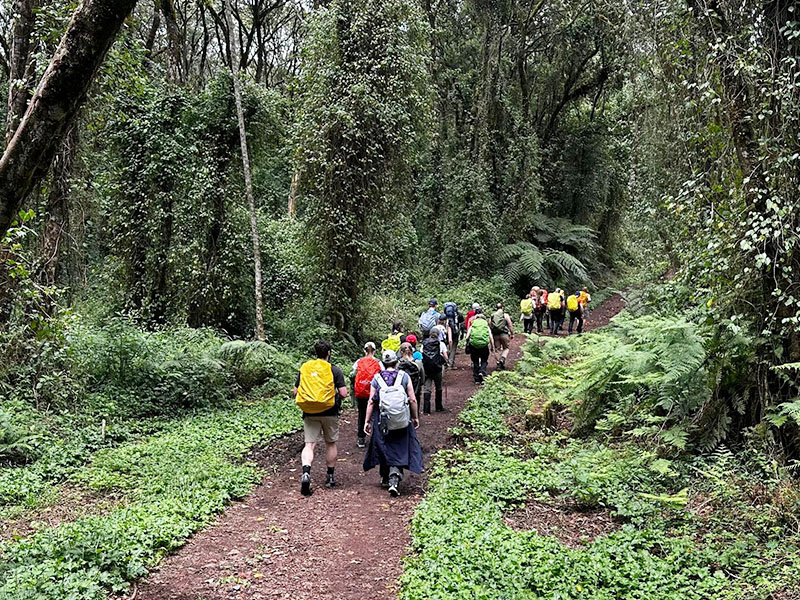
Table of Contents
Typical Kilimanjaro Climb Duration
Most Kilimanjaro climbs take between 5 and 9 days, depending on the route and itinerary you choose.These days are not just about hiking from one point to another. A proper Kilimanjaro itinerary includes gradual altitude gain, time for your body to acclimatize, and a carefully planned summit attempt.During your climb, you will:
- Trek for several hours each day at a steady pace
- Sleep at different altitude camps
- Take time to rest and recover
- Attempt the summit during a long overnight climb
- Descend back to lower altitude after reaching the peak
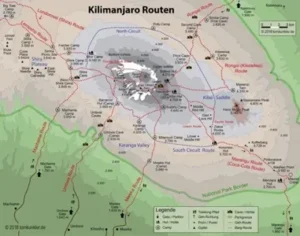
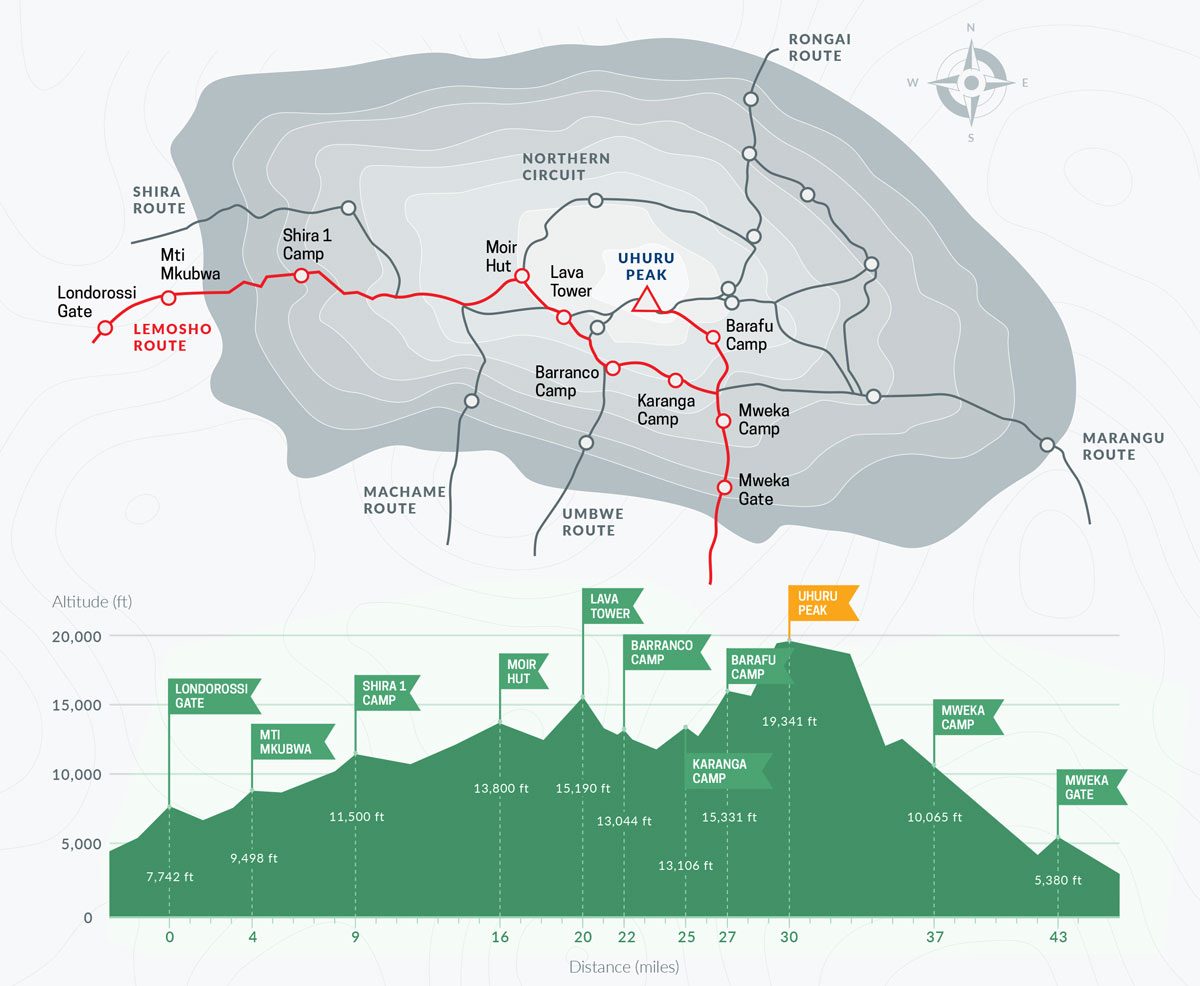
Kilimanjaro Climb Duration by Route
| Kilimanjaro Route | Typical Duration | Best For |
|---|---|---|
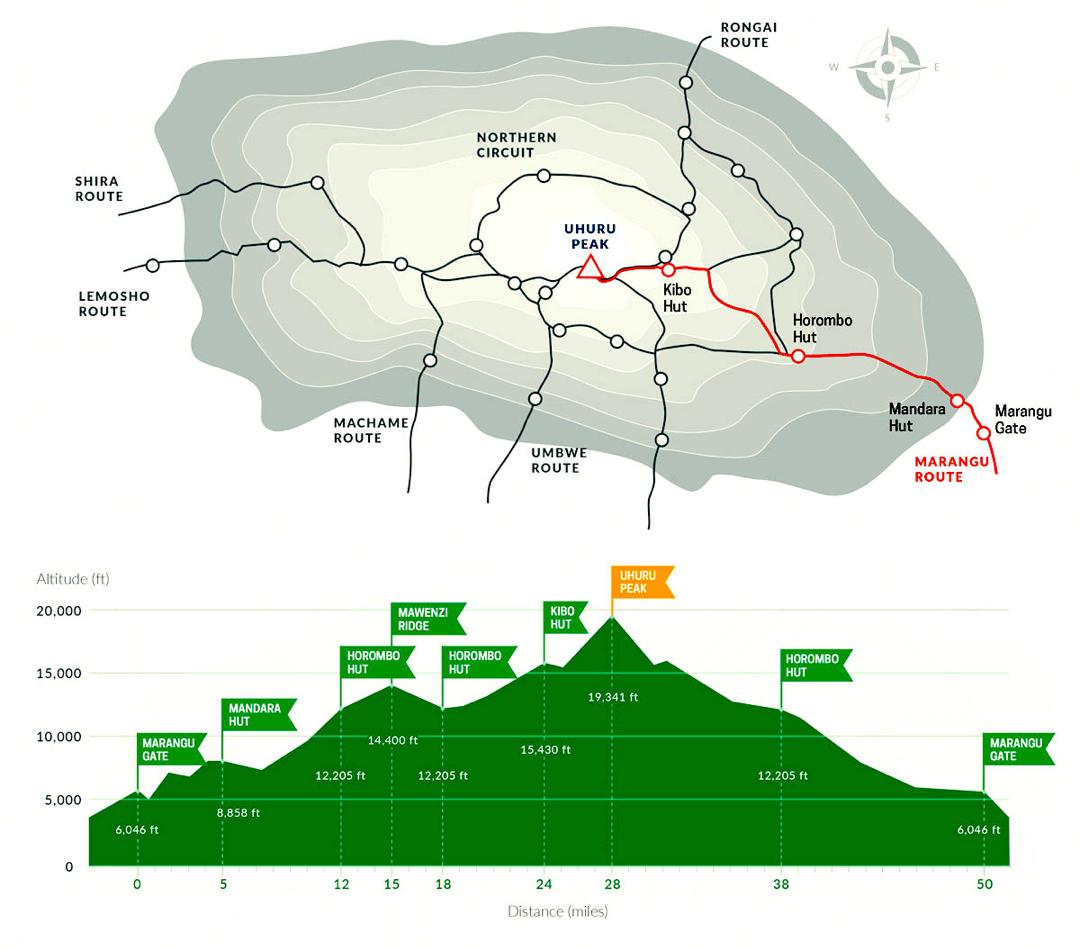
| Marangu Route | 5–6 days | Climbers who prefer hut accommodation and a shorter itinerary |
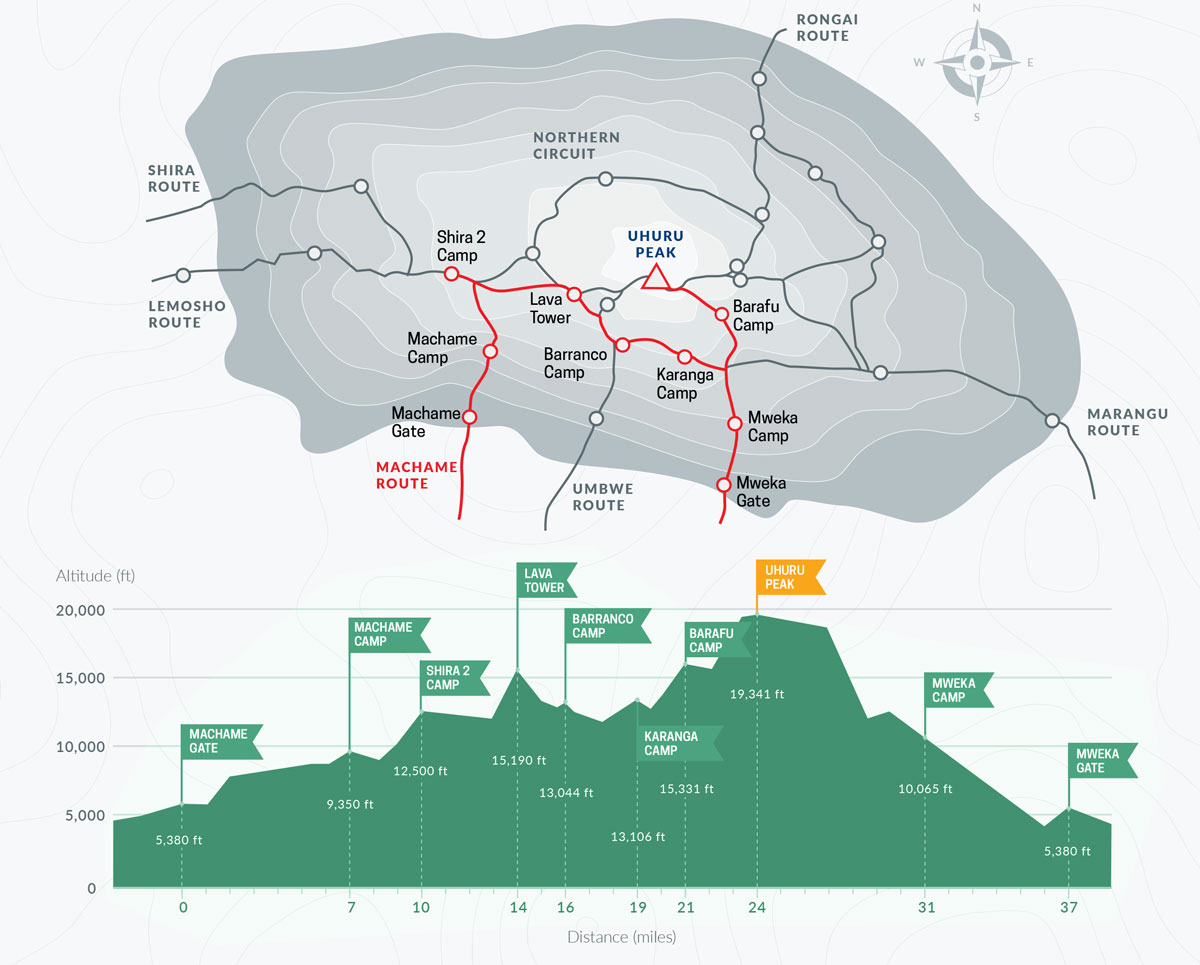
| Machame Route | 6–7 days | Fit climbers who want a scenic and popular route |
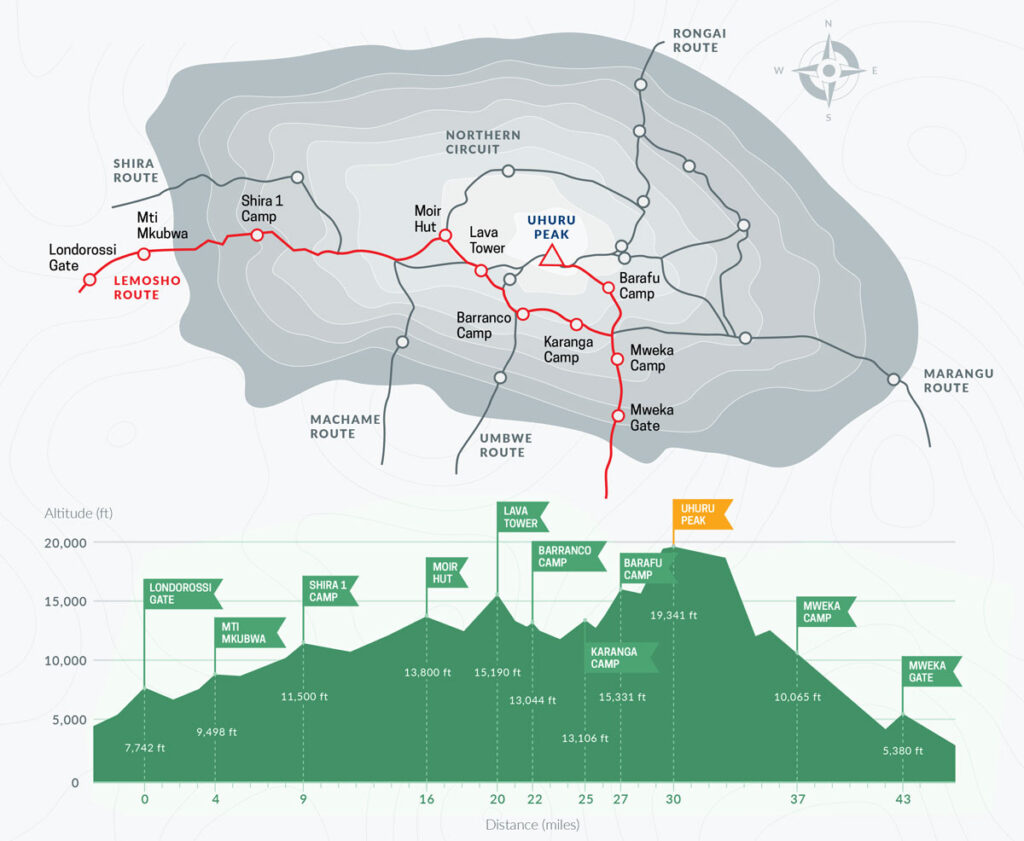
| Lemosho Route | 7–8 days | Climbers who want better acclimatization, scenery, and pacing |
| Northern Circuit Route | 8–9 days | Climbers who want the best acclimatization profile and quieter trails |
| Rongai Route | 6–7 days | Climbers who want a quieter northern approach |
| Umbwe Route | 5–6 days | Very fit trekkers who want a steep and direct route |
Best Kilimanjaro Climb Duration by Climber Type
| Climber Type | Recommended Duration | Why |
|---|---|---|
| First-time high-altitude climber | 7–8 days | Gives your body more time to adjust before summit night |
| Fit hiker with trekking experience | 6–7 days | Can work well if the route has a good acclimatization profile |
| Beginner who wants better comfort | 8 days | Allows a slower pace and better adjustment to altitude |
| Climber on a tight budget | 6 days minimum | Shorter climbs cost less, but going too short can hurt acclimatization |
Why More Days Increase Summit Success
- Gain altitude gradually
- Rest at strategic camps
- Follow the “climb high, sleep low” principle
- Maintain better energy levels throughout the climb
What Happens During a Typical Kilimanjaro Climb
A Kilimanjaro expedition usually follows a structured daily schedule.
Early Days – Gradual Ascent Through Changing Landscapes
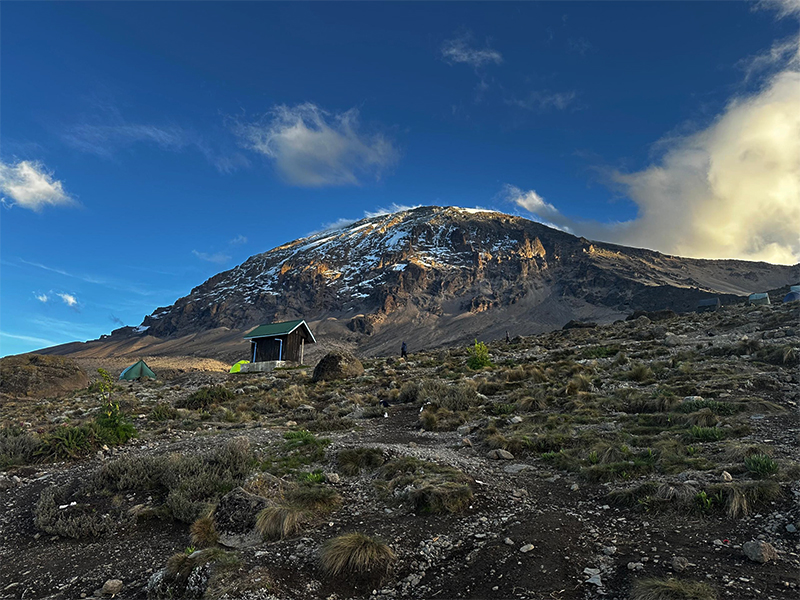
The first few days take you through rainforest and moorland zones. These stages are generally more comfortable, and your body is still adjusting to the altitude.You hike for several hours each day and arrive at camp in the afternoon, where you rest and prepare for the next day.As you move higher, you also pass through several distinct ecological zones of Mount Kilimanjaro, which is one of the reasons the climb feels so varied from day to day.
Middle Days – Acclimatization Becomes Important
As you climb higher, the environment becomes drier and more exposed. The air feels thinner, and your body starts to notice the effects of altitude.This is where proper pacing and acclimatization become critical.Some days include hikes to higher altitude followed by descent to sleep, helping your body adjust more effectively. This “climb high, sleep low” approach is one of the most important parts of Kilimanjaro acclimatization.
Summit Night – The Most Challenging Stage
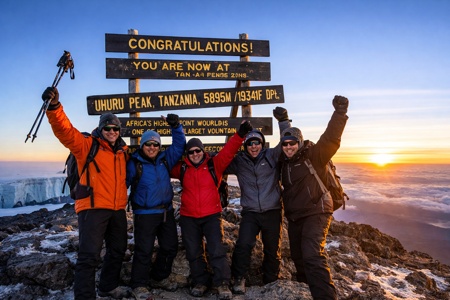
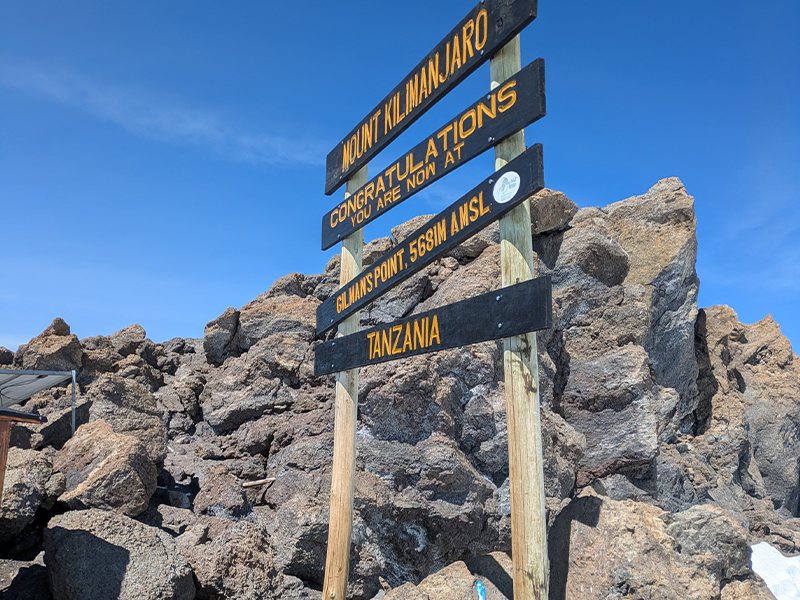
Summit night is the most demanding part of the climb.You begin around midnight and hike slowly in the dark for several hours toward the summit. The combination of cold temperatures, altitude, and fatigue makes this stage physically and mentally challenging.However, reaching Uhuru Peak at sunrise is one of the most rewarding moments of the entire journey.Proper clothing and pacing matter most here, so it is worth reviewing a full Kilimanjaro summit day gear guide before your trek.
Temperatures can drop well below freezing, especially near the crater rim, so climbers should also understand Kilimanjaro night temperatures before summit night.
Descent – Returning to Lower Altitude
How to Choose the Right Number of Days for Your Climb
Choose Longer Itineraries for Better Success
If your goal is to reach the summit, choosing a longer itinerary is the best strategy. More days mean better acclimatization and a higher chance of success.Routes such as Lemosho Route and Northern Circuit are often recommended because they give climbers more time to acclimatize.
Avoid Rushing the Climb
Consider Your Fitness Level
Climbers with limited trekking experience may benefit from longer itineraries with gradual ascents.Proper preparation also helps improve endurance, and many climbers follow a structured Kilimanjaro training plan before their trek.
Listen to Your Guides
Professional mountain guides monitor climbers carefully and adjust the pace to ensure safety and comfort.A good guide team also plays a major role in safety, pacing, and early detection of altitude problems. Read more about Kilimanjaro safety and risks before your climb.
How to Prepare for a Successful Kilimanjaro Climb
- Building endurance through hiking and cardio training
- Staying consistent with physical activity before your trip
- Choosing the right route and itinerary length
- Packing properly for changing temperatures
- Understanding summit night conditions
- Following your guide’s pace on the mountain
Kilimanjaro is not about speed. It is about consistency, patience, preparation, and giving your body enough time to adjust.
Mistakes to Avoid When Choosing Your Kilimanjaro Climb Duration
- Choosing the shortest route only because it is cheaper
- Ignoring acclimatization when comparing itineraries
- Assuming fitness can replace enough days on the mountain
- Booking a 5-day climb without understanding the altitude risk
- Choosing a route before comparing scenery, difficulty, and pacing
Frequently Asked Questions About Kilimanjaro Duration
What is the shortest time to climb Kilimanjaro?
What is the best number of days to climb Kilimanjaro?
Does a longer climb increase summit success rates?
Do beginners need more days to climb Kilimanjaro?
How long does summit night take on Kilimanjaro?
How long does it take to climb Kilimanjaro?
Choose the Right Kilimanjaro Climb Duration
Related Articles
Kilimanjaro Success Rate by Route: Best Summit Chances
Maximize Your Summit Success Climb with the right strategy and experienced local support. Choose the highest success-rate routes Follow a proven acclimatization plan Guided by

Machame vs Lemosho: Which Route Is Better?-Kili Quests
Choose the Right Route for Your Climb Compare routes and get expert advice before your climb. Route comparison support Local expert guidance Full support from
Lemosho Route Kilimanjaro: 8-Day Itinerary, Difficulty & Cost
Reach the Summit with Confidence Your success depends on the right route, acclimatization, and expert guidance.We plan every climb for a safe summit. High success