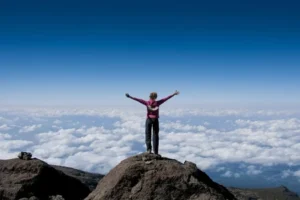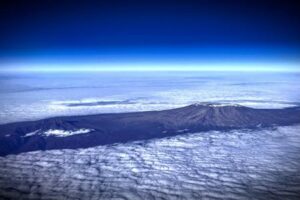
Mount Kilimanjaro Difficulty: How Hard Is the Climb?

Plan Your Kilimanjaro Climb

The right route, timing, and preparation make all the difference.
At Kili Quests, we help you plan based on:

You Can Reach the Summit

 Preparation is what gets you there.

OUR CATEGORIES

How Hard Is Kilimanjaro? Difficulty, Fitness & Altitude

Climbing Mount Kilimanjaro is challenging, but it is achievable for many prepared trekkers. You do not need ropes, technical climbing skills, or mountaineering experience to reach Uhuru Peak. The real difficulty comes from altitude, long hiking days, cold summit conditions, and the mental pressure of summit night.
 
This is why Kilimanjaro is often misunderstood. The trail itself is not highly technical, but the mountain becomes harder as oxygen levels drop and fatigue builds over several days. A fit beginner can reach the summit with the right route, steady pacing, good preparation, and experienced guides. A strong athlete can also struggle if they climb too fast, choose a short itinerary, or ignore altitude symptoms.
 
Before deciding if Kilimanjaro is right for you, it helps to understand what actually makes the climb difficult. Route choice also matters because the number of days, ascent profile, and acclimatization schedule can make a major difference.
 

Quick Answer: How Hard Is Kilimanjaro?

Mount Kilimanjaro is moderately to very challenging, mainly because of altitude rather than technical climbing. Most trekkers can walk the trail, but reaching the summit requires endurance, patience, proper acclimatization, and mental strength, especially during summit night.
 
The climb is not technical, so you do not need ropes, ice axes, or climbing experience on the standard routes. However, if you are asking how hard it is to climb Mount Kilimanjaro, the honest answer is that the walking itself is manageable for prepared trekkers, but the altitude, cold summit-night conditions, and multiple days of hiking make it a serious challenge.
 
You should be comfortable hiking for several hours a day, walking uphill, sleeping at altitude, and following a slow pace for multiple days. A longer route, good pacing, and proper acclimatization can make the climb safer and more manageable.
Difficulty Factor How It Affects the Climb
Altitude The biggest challenge because oxygen levels drop as you climb higher.
Fitness You need endurance, leg strength, and the ability to hike for several days in a row.
Summit Night The hardest section because it is long, cold, dark, steep, and mentally demanding.
Route Choice Longer routes usually give your body more time to acclimatize.
Weather Cold, wind, rain, and changing climate zones can make the trek harder.

How Hard Is It to Climb Mount Kilimanjaro?

Mount Kilimanjaro is moderately to very challenging for most climbers, mainly because of high altitude, long trekking days, cold summit-night conditions, and the mental effort required near the top. It is not a technical climb, so you do not need ropes, ice axes, or rock-climbing experience on the standard routes.
 
The real difficulty is that you are walking for several days while your body adapts to thinner air. For most climbers, the hardest part is not the trail itself but how the body responds to altitude, especially during summit night.
Difficulty Factor How Hard It Feels Why It Matters
Altitude Very challenging Lower oxygen levels make even steady walking feel harder at higher elevations.
Summit night Very challenging You climb for several hours in darkness, cold, fatigue, and high altitude.
Daily trekking Moderate to challenging You walk for multiple days on varied terrain while carrying a daypack.
Technical climbing Low Standard Kilimanjaro routes do not require ropes, ice axes, or rock-climbing skills.
Mental endurance Challenging You need patience, slow pacing, and determination when tired or uncomfortable.
Trekking
Climbing Kilimanjaro is physically and mentally challenging — especially on summit night — but with the right pace and preparation, reaching Uhuru Peak is achievable for most trekkers.

Table of Contents

Is Kilimanjaro a Technical Climb?

No, Kilimanjaro is not a technical climb. You do not need ropes, harnesses, ice axes, or mountaineering experience on the standard trekking routes. Most of the climb is a high-altitude hike on established trails.
 
But this does not mean Kilimanjaro is easy. The mountain is difficult because of altitude, long trekking days, changing weather, and the final summit push. Many people underestimate Kilimanjaro because it is “walkable,” but altitude can affect anyone, including strong and fit hikers.
 
If this is your first high-altitude trek, preparation matters. Read Kilimanjaro Training Plan to understand how to build endurance, leg strength, and hiking fitness before your climb.

What Makes Climbing Kilimanjaro Difficult?

Kilimanjaro is difficult because several challenges happen at the same time. You are hiking for multiple days, sleeping higher each night, dealing with colder conditions, and pushing your body into thinner air. The trail may not require climbing skills, but the altitude and accumulated fatigue make the mountain serious.

High Altitude – The Real Challenge

Above 3,000 meters, your body begins to feel the effects of reduced oxygen. By the time you approach the summit, oxygen levels are nearly half of what they are at sea level.
You may experience:
  • Headaches
  • Nausea
  • Fatigue
  • Slower pace
This is why proper acclimatization is critical ,learn how to acclimatize on Kilimanjaro and avoid altitude sickness.You can also read more about symptoms and safety in our guide to altitude sickness on Kilimanjaro.
 

Long Hiking Days That Build Fatigue

Most days involve 5–7 hours of hiking, but the real challenge is doing this for multiple days in a row while sleeping at altitude.
 
Understanding how many days you should spend on the mountain can make a big difference , see how long it takes to climb Kilimanjaro.

Summit Night -The Toughest Part

Summit night is the hardest part of the climb.You start around midnight and hike for 10–14 hours in cold, thin air.
 
Proper preparation is key , see what to expect and how to prepare in our Kilimanjaro summit day guide.

Cold Temperatures and Changing Climate Zones

Kilimanjaro takes you through five climate zones , from rainforest to arctic conditions.
Summit temperatures can drop to -10°C to -20°C.
 
 Make sure you’re prepared for extreme cold by checking our Kilimanjaro night temperature guide. And don’t forget essential gear , see the full Kilimanjaro packing list.
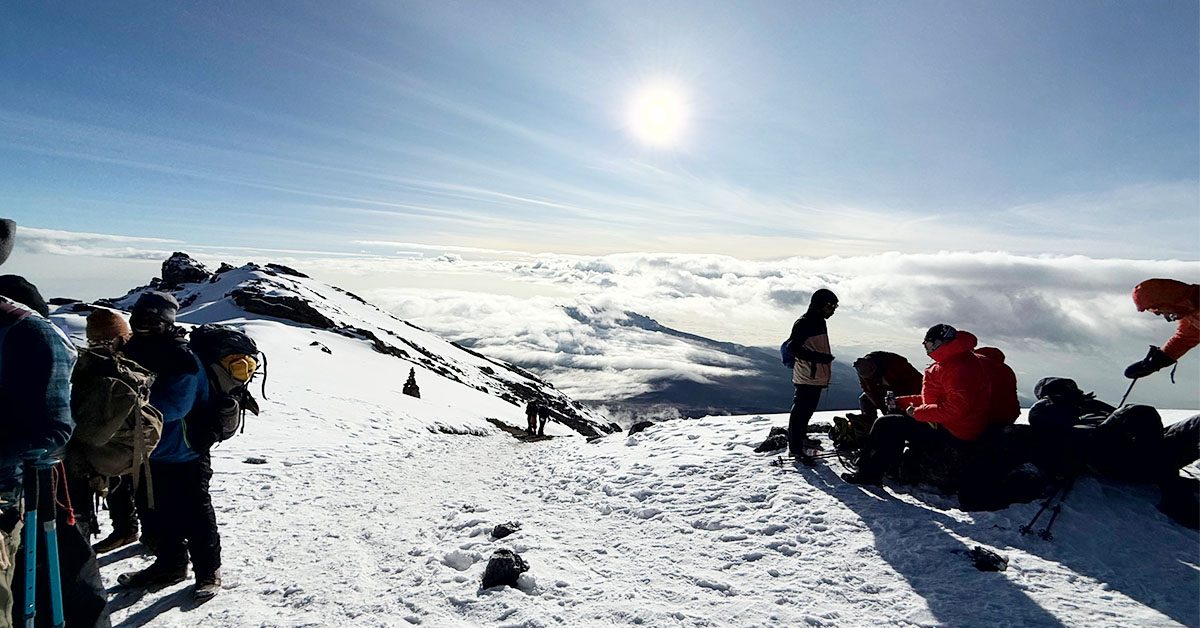
Stella point -1
The biggest challenge on Kilimanjaro isn’t the terrain — it’s the altitude. As you climb higher, oxygen levels drop, making every step feel harder.

Do You Need Climbing Experience for Kilimanjaro?

No technical experience is required.However, preparation is key.
 
 If you’re new to trekking, start with our beginner’s guide to climbing Kilimanjaro.

How Fit Do You Need to Be to Climb Kilimanjaro?

You don’t need to be an athlete, but you need endurance.You should be comfortable:
  • Walking 6–8 hours per day
  • Hiking uphill
  • Carrying a daypack
Follow our step-by-step Kilimanjaro training plan to prepare your body before the climb.

Kilimanjaro vs Everest Base Camp – Which Is Harder?

At first glance, Everest Base Camp may seem harder because it takes longer and covers more distance. But Kilimanjaro presents a different kind of challenge.
Kilimanjaro:
  • Higher altitude (5,895m summit)
  • Faster ascent → less time to acclimatize
  • Intense summit night (10–14 hours in extreme cold)
  • Shorter duration (5–9 days)
Everest Base Camp:
  • Lower altitude (5,364m at base camp)
  • Longer trek (12–14 days)
  • More gradual acclimatization
  • No single summit push
On Everest Base Camp, your body has more time to adjust. The challenge is consistency over many days.On Kilimanjaro, the challenge is more concentrated  especially during summit night.

Which Kilimanjaro Route Is Easier or Harder?

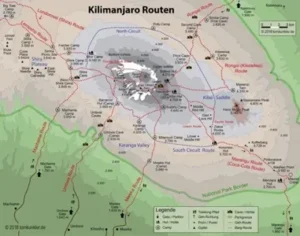
Route choice has a major impact on how difficult Kilimanjaro feels. Shorter routes are usually harder because your body has less time to adjust to altitude. Longer routes often feel more manageable because they allow better acclimatization.
Route Difficulty Profile Best For
Marangu Route Can be harder on short itineraries because acclimatization time is limited. Climbers who prefer hut accommodation but still want enough days to acclimatize.
Machame Route Moderate to challenging, especially on the 6-day version. Better on 7 days. Trekkers who want a scenic, popular route with strong variety.
Lemosho Route More gradual and better for acclimatization when done in 7 or 8 days. Climbers who want scenery, better pacing, and a strong acclimatization profile.
Northern Circuit One of the best options for acclimatization because it is longer and more gradual. Trekkers who want a quieter, longer route with excellent altitude adjustment time.
Umbwe Route One of the hardest routes because it gains altitude quickly. Experienced trekkers who want a steep, direct, demanding approach.
If you are unsure which route matches your fitness, time, and altitude concerns, compare the full options in Kilimanjaro Routes Comparison: Which Route Is Best? You can also compare two popular scenic routes in Machame vs Lemosho Route.

How to Make Kilimanjaro Easier (From a Guide’s Perspective)

Climbing Kilimanjaro doesn’t get easier because the mountain changes  it gets easier when you approach it the right way. The decisions you make before and during your climb will have a direct impact on how your body handles altitude, fatigue, and summit day.

Choose a Longer Route

One of the most important decisions you will make is how many days you spend on the mountain. Many climbers are tempted to choose shorter routes to save time or money, but this often makes the climb much harder.Longer routes allow your body to adjust gradually to altitude. This reduces the risk of altitude sickness and gives you a better chance of reaching the summit feeling strong instead of exhausted.
 
If you’re unsure which route fits your level, compare all Kilimanjaro routes to understand the differences in duration, difficulty, and success rate.

Walk Slowly (“Pole Pole”)

On Kilimanjaro, speed is not an advantage  it’s a mistake.You will hear guides repeat “pole pole” (slowly, slowly) from the very first day. This is because walking too fast early in the climb puts stress on your body and makes it harder to adapt to altitude later.The climbers who succeed are not the fastest  they are the most consistent. A steady, controlled pace helps conserve energy, reduces fatigue, and allows your body to adjust naturally as you gain elevation.

Stay Hydrated and Eat Properly

At high altitude, your body works harder even when the pace feels slow. Breathing rate increases, energy use goes up, and dehydration can happen quickly without you noticing.
Drinking enough water and eating regularly is essential for maintaining strength and helping your body adapt to altitude. Many climbers lose appetite as they go higher, but continuing to eat is key to keeping your energy levels stable  especially before summit night.

Follow Your Guide’s Advice

Your guide is one of the most important factors in your success.Experienced Kilimanjaro guides are trained to monitor your pace, check your condition, and recognize early signs of altitude sickness. Small adjustments  like slowing down, resting, or changing your routine  can make a big difference over several days on the mountain.
 
If you want to understand how safety is managed on the mountain, read our full guide on whether Kilimanjaro is dangerous.
 

Mistakes That Make Kilimanjaro Harder

Many climbers make Kilimanjaro harder than it needs to be because they choose the wrong route, rush the ascent, or arrive underprepared. The mountain is already challenging, so small mistakes can become serious at altitude.
Common mistakes include:
  • Choosing the cheapest short route without enough acclimatization time
  • Walking too fast during the first few days
  • Ignoring headaches, nausea, or unusual fatigue
  • Training only in the gym and not doing enough long walks or hikes
  • Packing the wrong clothing for cold summit conditions
  • Eating too little as altitude increases
  • Not listening to guide instructions
The smartest approach is simple: choose enough days, walk slowly, train before arrival, pack properly, and take altitude seriously. For preparation, read Kilimanjaro Training Plan and Kilimanjaro Packing List before booking your climb.

Is Climbing Kilimanjaro Worth the Challenge?

There are moments on Kilimanjaro when the climb feels tough  when the air is thin, your legs are heavy, and the summit still feels far away. But those moments are part of what makes the experience meaningful.As you move higher, the mountain changes around you. You pass through rainforest, open moorland, and dry alpine desert before reaching the cold, arctic summit zone. Each day feels different, and each step brings you closer to something bigger than just a destination.
 
Then comes summit morning. After hours of climbing in the dark, the first light appears over the horizon. Standing on Uhuru Peak, the highest point in Africa, you realize that the challenge was not just about reaching the top  it was about everything it took to get there.

Frequently Asked Questions

Can beginners climb Mount Kilimanjaro?

Yes, beginners can successfully climb Mount Kilimanjaro. Unlike many high mountains, Kilimanjaro does not require technical climbing skills, ropes, or prior mountaineering experience.However, being a beginner does not mean it will be easy. The biggest challenge is altitude, not terrain. With proper preparation, a good level of fitness, and the support of experienced guides, many first-time climbers reach the summit every year.

Choosing a longer route and following a proper acclimatization schedule will greatly improve your chances of success.

What is the hardest part of climbing Kilimanjaro?

Most climbers agree that summit night is the hardest part of the climb.This final ascent begins around midnight and can last 10 to 14 hours. You are hiking in darkness, in freezing temperatures, and at the highest altitude of the entire trek.By this point, your body is already tired from previous days, and the low oxygen levels make every step feel slower and more demanding.

Mental strength becomes just as important as physical fitness during this stage.

How long does it take to climb Kilimanjaro?

Most Kilimanjaro climbs take between 5 and 9 days, depending on the route you choose.Shorter routes (5–6 days) are more challenging because they allow less time for acclimatization. Longer routes (7–9 days) are generally recommended, as they give your body more time to adjust to altitude and significantly increase your chances of reaching the summit.Choosing the right number of days is one of the most important decisions when planning your climb.

Do you need oxygen to climb Kilimanjaro?

No, climbers do not need supplemental oxygen to climb Kilimanjaro.Unlike extremely high-altitude peaks such as Everest, Kilimanjaro can be climbed safely using proper acclimatization. This means ascending slowly, allowing your body time to adapt to lower oxygen levels.Professional guides also monitor climbers closely and carry emergency oxygen for safety purposes, but it is not used as part of a normal climb.

What is the best age to climb Mount Kilimanjaro?

Mount Kilimanjaro can be climbed by people of many different ages, as long as they are in good health and prepared for the trek. The minimum age allowed by Kilimanjaro National Park is 10 years old, while many climbers successfully reach the summit in their 50s, 60s, and even 70s.
The most important factors are fitness, proper acclimatization, and choosing the right route length. Slower routes with more days on the mountain give climbers of all ages a better chance to adjust to the altitude and reach the summit safely.With experienced guides and good preparation, climbers of many ages can successfully stand on Uhuru Peak, the highest point in Africa.

Ready to Climb Kilimanjaro With the Right Support?

Kilimanjaro is difficult, but the right support makes a major difference. Your route, pace, acclimatization schedule, meals, safety checks, and guide team all affect how your body handles the mountain.
 
At Kili Quests, we help climbers choose realistic itineraries based on fitness, time, and altitude concerns. Our local guides focus on steady pacing, proper acclimatization, daily health checks, good mountain meals, and safe summit preparation.
 
Whether you are a beginner or an experienced trekker, we help you approach Kilimanjaro with confidence instead of guesswork.
 
Contact Kili Quests today to plan a Kilimanjaro climb that matches your fitness, route preference, and travel dates.

Related Articles

Machame vs Marangu: Which Kilimanjaro Route Is Better?

Choose the Right Route for Your Climb

Compare routes and get expert advice for your Kilimanjaro adventure.

Kilimanjaro Planning Guides

Explore key guides before your climb:

OUR CATEGORIES

Machame vs Marangu: Which Kilimanjaro Route Is Better?

Choosing between the Machame Route and the Marangu Route is one of the most important decisions when planning your Kilimanjaro climb. These two routes are among the most popular on the mountain, but they offer very different experiences in comfort, scenery, accommodation, pacing, and acclimatization.

Many climbers consider Marangu because it is the only Kilimanjaro route with hut accommodation and has a reputation as the “easier” route. Others choose Machame because it offers more varied scenery, a stronger acclimatization profile, and a more adventurous camping experience.

The best route depends on your priorities: comfort, scenery, budget, route style, and how much time you want to give your body to adjust to altitude.

Still comparing routes? See our Kilimanjaro routes comparison guide or explore the full Machame Route guide and Marangu Route guide for detailed breakdowns.

Quick Answer: Is Machame or Marangu Better?

Machame is usually the better choice for climbers who want stronger acclimatization, more varied scenery, and a more complete Kilimanjaro trekking experience. It uses tents, includes more diverse landscapes, and gives the body more time to adjust when climbed over 6 or 7 days.
 
Marangu is better if you strongly prefer hut accommodation, want a more direct trail, and do not want to camp. However, its shorter itinerary can make altitude adjustment harder, especially on the 5-day version.
 
In simple terms: choose Machame for better scenery, stronger acclimatization, and a more rewarding trek. Choose Marangu if hut accommodation is your top priority.
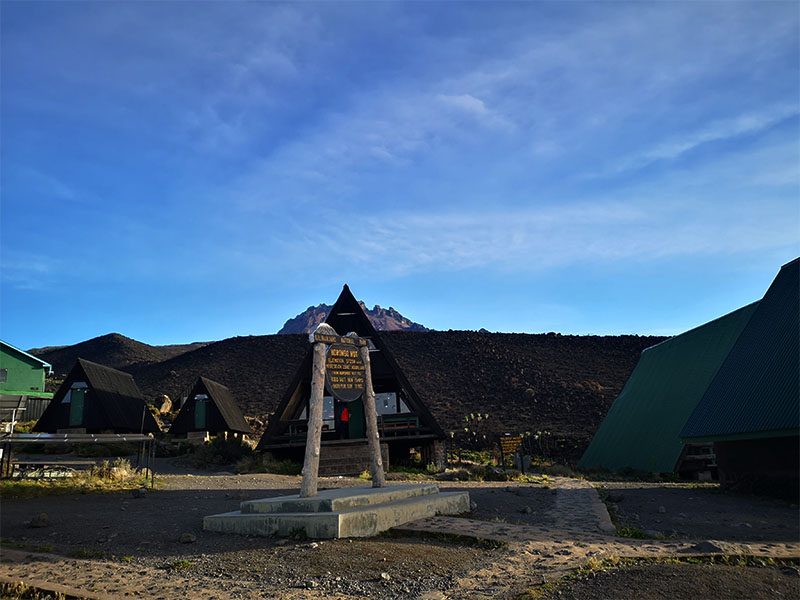
Horombo Huts on Mount Kilimanjaro’s Marangu Route with Mawenzi Peak in the background under a clear blue sky | Kili Quests
Machame uses mountain tents, while Marangu offers dormitory-style huts — a key difference in comfort and experience.

Table of Contents

Overview of Machame and Marangu Routes

Feature Machame Route Marangu Route
Nickname Whiskey Route Coca-Cola Route
Route style Scenic camping route with varied terrain Direct hut route using the same trail for ascent and descent
Accommodation Tents throughout the trek Shared mountain huts with basic facilities
Typical duration 6 or 7 days 5 or 6 days
Terrain and scenery Rainforest, moorland, alpine desert, Barranco Wall, and summit zone Gradual terrain with a more direct path up and down the mountain
Acclimatization Stronger when completed over 7 days More limited because the route is shorter and more direct
Best for Climbers who want scenery, camping, variety, and better acclimatization support Climbers who strongly prefer huts and a shorter, more direct route

What Is the Machame Route Like?

The Machame Route is one of the most popular Kilimanjaro routes and is often called the “Whiskey Route.” It is known for scenic landscapes, varied terrain, and a strong acclimatization profile when completed over 7 days.
 
Machame approaches Kilimanjaro from the south and passes through rainforest, moorland, alpine desert, and the high summit zone before reaching Uhuru Peak. It also includes famous sections such as the Barranco Wall, which adds challenge, drama, and excitement to the climb without requiring technical climbing skills.
 
Machame is a camping route, meaning you sleep in mountain tents throughout the trek. While this requires adjusting to outdoor conditions, it also gives the climb a more adventurous and immersive mountain feel.
 
For a full breakdown, see our detailed Machame Route Kilimanjaro guide.
 

What Is the Marangu Route Like?

The Marangu Route is the only Kilimanjaro route that uses hut accommodation instead of camping.
 
Because of this, it is often called the “Coca-Cola Route” and is popular with climbers who prefer sleeping in huts rather than tents.
 
Marangu follows a more direct trail and uses the same path for both ascent and descent. The terrain is generally gradual compared with some other Kilimanjaro routes, but the shorter itinerary means climbers have less time to adjust to altitude.
 
Marangu is usually completed in 5 or 6 days. The huts provide shared dormitory-style sleeping areas, dining spaces, and basic facilities, which can feel more comfortable for climbers who do not want to camp. However, the route can feel crowded during peak seasons because many climbers share the same huts and trail.
 
Learn more in our complete Marangu Route Kilimanjaro guide.

Key Differences Between Machame and Marangu

Category Machame Route Marangu Route
Accommodation Camping in tents set up by the mountain support team. Shared huts with basic dormitory-style rooms.
Acclimatization Stronger acclimatization support when climbed over 7 days. More limited because the route is shorter and more direct.
Difficulty More varied terrain, with steeper sections and the Barranco Wall. More gradual terrain, but altitude can feel harder because of the shorter itinerary.
Scenery More varied landscapes, including rainforest, moorland, alpine desert, Barranco Wall, and summit zone. Beautiful mountain scenery, but less varied because the route follows a more direct trail.
Crowd experience Popular, but camping can spread groups out more. Huts can feel crowded during peak climbing seasons.
Cost and value May cost more if climbed over 7 days, but offers stronger scenery and acclimatization value. Often cheaper because it is shorter, but gives less time for altitude adjustment.

Accommodation: Tents vs Huts

Accommodation is one of the biggest differences between Machame and Marangu.

On Machame, you sleep in mountain tents that are set up by your support team. This gives the climb a more adventurous feel and keeps you closer to the natural mountain environment. Camping also allows more flexibility because your group has its own tents and campsite setup.
 
On Marangu, you sleep in shared mountain huts with dormitory-style rooms and basic facilities. This can feel more comfortable for climbers who do not want to camp, especially in cold or wet conditions. However, the huts can feel crowded during peak seasons, and there is less privacy compared with camping.
 
Choose Machame if you want a more immersive camping experience. Choose Marangu if hut accommodation is your top priority.

Acclimatization: Which Route Gives You a Better Summit Profile?

Acclimatization is one of the biggest differences between Machame and Marangu.
 
Machame has the stronger acclimatization profile because it is usually climbed over 6 or 7 days and follows a better altitude pattern. The route includes sections where climbers gain elevation during the day and sleep lower at night, which helps the body adjust more gradually.
 
Marangu is shorter and more direct. The 5-day version gives climbers very little time to adapt to altitude, and even the 6-day version is still more compressed than a 7-day Machame itinerary. This is why Marangu can feel easier on the trail but harder on the body.
 
If acclimatization is your priority, Machame is usually the better choice, especially over 7 days. Marangu can still work for some climbers, but it should not be chosen only because it looks easier on paper.
 
For a deeper explanation of altitude risk and prevention, read our Altitude Sickness on Kilimanjaro guide and Kilimanjaro Acclimatization Tips.

Difficulty Level: Is Machame or Marangu Harder?

Machame and Marangu are difficult in different ways.
 
Machame has more varied terrain, steeper sections, and the Barranco Wall. It can feel more physically demanding because the trail changes often and requires more effort on certain days. However, the longer itinerary gives climbers more time to adjust to altitude, especially on the 7-day version.
 
Marangu has more gradual terrain and uses huts instead of tents, so it can look easier at first. The problem is altitude. Because the route is shorter and more direct, climbers have less time to acclimatize before summit night. That can make Marangu harder than expected, especially on the 5-day itinerary.
 
Neither route requires technical climbing skills. The real challenge is endurance, altitude, pacing, and summit night. If you want better acclimatization support, Machame is usually the stronger option. If hut accommodation matters most, Marangu may still be the better personal fit.
 
Not sure what to expect? Read our full guide on how difficult Kilimanjaro really is.

Scenery and Overall Experience

Machame offers a more varied and dramatic Kilimanjaro experience than Marangu. The route passes through rainforest, moorland, alpine desert, and the high summit zone, with changing views throughout the climb. It also includes the Barranco Wall, one of the most memorable sections on Kilimanjaro.

Marangu is still beautiful, especially around the rainforest, Horombo area, and views toward Mawenzi. However, it follows a more direct trail and uses the same path for both ascent and descent. This makes the scenery feel less varied compared with Machame.
 
If you want the richer trekking experience with more landscape changes, Machame is the stronger choice. If your priority is a simpler route with hut accommodation, Marangu still offers a classic Kilimanjaro experience.

Crowd Levels: Which Route Feels Busier?

Both Machame and Marangu can be busy during peak climbing seasons, but the crowd experience feels different on each route.
 
Marangu can feel crowded because climbers sleep in shared huts and use the same trail for both ascent and descent. During busy periods, the huts can feel full, and there is less privacy because many climbers share the same sleeping and dining areas.
 
Machame is also popular, but the camping setup can make the route feel more spread out. Groups sleep in tents at campsites, which can give a bit more privacy than shared dormitory huts. However, popular camps such as Barranco, Karanga, and Barafu can still feel active during high season.
 
If you want hut accommodation, accept that Marangu may feel more crowded in shared spaces. If you prefer more space within your own group setup, Machame is usually better.

Cost and Value: Which Route Is More Affordable?

Marangu is often slightly cheaper than Machame because it is shorter and uses hut accommodation instead of a full camping setup. A 5 or 6-day Marangu climb usually requires fewer mountain days, which can reduce the overall cost.
 
Machame may cost more, especially on the 7-day itinerary, because it includes camping logistics, more crew support, and sometimes an extra day on the mountain. However, the higher cost can give climbers more scenery, more route variety, and stronger acclimatization support.
 
If your main priority is the lowest price, Marangu may look more attractive. But if you are comparing value, Machame often gives a stronger overall experience because it balances scenery, challenge, and acclimatization better.
 
For a full price breakdown, read our Kilimanjaro Climb Cost guide.
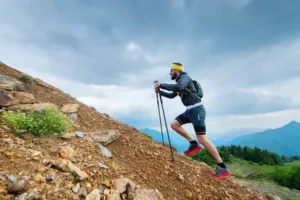
Trekker walking at high altitude toward Kilimanjaro’s summit | Kili Quests
Machame includes steeper, more adventurous sections, while Marangu provides a more gradual and direct path to the summit.

Machame vs Marangu: Which Route Should You Choose?

Choose Machame if your main priority is acclimatization, scenery, and a more complete trekking experience. The route gives you more landscape variety, a stronger altitude profile when climbed over 7 days, and a more adventurous camping route.

Choose Marangu if hut accommodation is your top priority and you prefer a shorter, more direct trail. Marangu is the only Kilimanjaro route with huts, which makes it attractive for climbers who do not want to sleep in tents.

Choose Machame If You Want Better Acclimatization Support

Machame is usually the stronger choice if you want more time for your body to adjust to altitude. The 7-day itinerary is especially better than choosing a short, rushed climb.

Choose Marangu If You Prefer Hut Accommodation

Marangu is the only Kilimanjaro route where climbers sleep in shared huts instead of tents. If camping is a serious concern for you, Marangu may be the more comfortable personal choice.

Choose Machame If You Want More Varied Scenery

Machame offers more changing landscapes, including rainforest, moorland, alpine desert, the Barranco Wall, and summit views. It feels more diverse than Marangu because you do not follow the same path up and down.

Choose Marangu If You Want a Shorter, More Direct Route

Marangu is simpler and more direct. It can suit climbers who prefer a shorter itinerary, but the shorter schedule also means less time for altitude adjustment.

How to Choose the Right Route for Your Kilimanjaro Climb

Choosing between Machame and Marangu comes down to your comfort preferences, altitude concerns, budget, and the kind of Kilimanjaro experience you want.
 
Machame is usually the better fit if you want stronger acclimatization support, more varied scenery, and a more adventurous camping route. Marangu is the better fit if you strongly prefer hut accommodation and want a shorter, more direct trail.
Your Priority Better Route Choice Why
Better acclimatization support Machame Route It gives better pacing when climbed over 7 days and supports gradual altitude adjustment.
Hut accommodation Marangu Route It is the only Kilimanjaro route with shared mountain huts instead of tents.
More varied scenery Machame Route It passes through more diverse landscapes and includes the Barranco Wall.
Shorter route Marangu Route It is usually completed in 5 or 6 days, but the shorter schedule gives less time to acclimatize.
Classic camping experience Machame Route It offers a more immersive mountain experience with tents and varied campsites.
Simpler trail style Marangu Route It follows a more direct route and uses the same trail for ascent and descent.
If you’re still unsure, compare all routes in our Kilimanjaro routes comparison guide to find the best fit for your experience level, timeline, and comfort preferences.

Machame vs Marangu Pros and Cons

Route Pros Cons
Machame Route
  • Strong acclimatization support when climbed over 7 days
  • More varied scenery and terrain
  • Includes the Barranco Wall
  • Classic Kilimanjaro camping experience
  • Good balance of challenge, scenery, and pacing
  • Requires sleeping in tents
  • Can feel physically demanding on steeper sections
  • Usually longer than the shortest Marangu itinerary
  • Popular camps can still feel busy in peak season
Marangu Route
  • Only Kilimanjaro route with hut accommodation
  • Shorter and more direct trail
  • Gradual terrain compared with some camping routes
  • Good option for climbers who strongly prefer not to camp
  • Less time for acclimatization, especially on the 5-day itinerary
  • Uses the same trail for ascent and descent
  • Less varied scenery than Machame
  • Shared huts can feel crowded during peak seasons
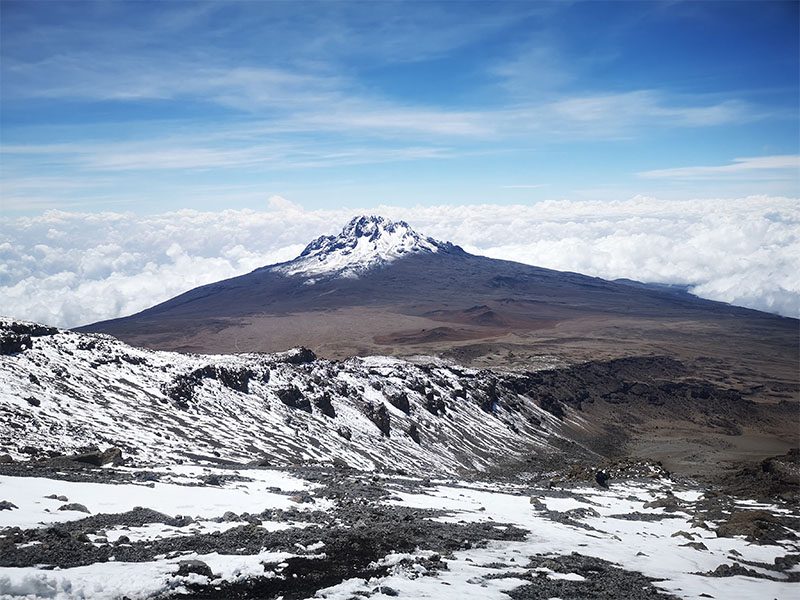
View of Mawenzi Peak from Stella Point on Mount Kilimanjaro
Machame vs Marangu: comparing Kilimanjaro’s scenic camping route with the hut-based Marangu trail.

Frequently Asked Questions About Machame vs Marangu

Is Machame better than Marangu for beginners?

For many beginners, Machame is the stronger choice because it gives better acclimatization support, especially on the 7-day itinerary. The trail is more varied and requires camping, but the extra time on the mountain can make the altitude profile more manageable.
 
Marangu can also work for beginners who strongly prefer hut accommodation. However, the shorter itinerary means climbers have less time to adjust to altitude, especially on the 5-day version.

Why is Marangu often considered easier?

Marangu is often called easier because it has hut accommodation, a more direct trail, and generally gradual terrain. That can make it look simpler than Machame.
The problem is altitude. A shorter route does not always mean an easier climb. Because Marangu gives less time for acclimatization, some climbers find summit night harder than expected.

Are the huts on the Marangu Route comfortable?

The huts on Marangu provide basic shelter, shared sleeping areas, dining spaces, and simple facilities. They can feel more comfortable than camping for climbers who do not want to sleep in tents.However, the huts are shared and can feel crowded during peak seasons. If you want more privacy within your own group setup, Machame’s tented camps may feel better.

Which route has better scenery, Machame or Marangu?

Machame usually offers more varied scenery than Marangu. It passes through rainforest, moorland, alpine desert, the Barranco Wall, and the summit zone, giving climbers more landscape changes during the trek.
 
Marangu is still beautiful, especially around the rainforest and Horombo area, with views toward Mawenzi. But because it uses the same trail for ascent and descent, the experience feels less varied than Machame.

Is Machame more difficult than Marangu?

Machame can feel more physically demanding because it has steeper and more varied terrain. It also requires camping, which may feel less comfortable for some climbers.
 
Marangu can feel easier on the trail, but altitude can make it harder than expected because the route is shorter and more direct. The real difficulty on Kilimanjaro is not technical climbing; it is endurance, pacing, and acclimatization.

Which route should I choose, Machame or Marangu?

Choose Machame if you want stronger acclimatization support, more varied scenery, and a classic camping route. Choose Marangu if hut accommodation is your top priority and you prefer a shorter, more direct trail.
 
For most climbers who are comfortable camping, Machame is usually the stronger overall choice.

Choose the Right Kilimanjaro Route with Local Experts

Choosing between Machame and Marangu is not only about tents versus huts. It is about your comfort level, altitude concerns, fitness, budget, and the kind of Kilimanjaro experience you want.

At Kili Quests, we help you choose the route and itinerary that match your goals, travel dates, and trekking style. Whether Machame or Marangu is the better fit, our local team will guide you toward a well-paced climb with the right support from start to summit.
 
Contact our team for expert Kilimanjaro trip advice and a custom climb plan.

Related Articles

Machame vs Lemosho: Which Route Is Better?-Kili Quests

Choose the Right Route for Your Climb

Compare routes and get expert advice before your climb.

Kilimanjaro Planning Guides

Prepare for your climb:

OUR CATEGORIES

Machame vs Lemosho: Which Kilimanjaro Route Is Better?

Choosing between the Machame Route and the Lemosho Route is one of the most common decisions climbers face when planning a Kilimanjaro trek. Both routes are among the most popular on the mountain, and both offer beautiful scenery, strong trekking experiences, and good summit potential when properly paced.

However, they are not the same. The differences between Machame and Lemosho can affect how well you acclimatize, how crowded the trail feels, how much time you need, how much the climb costs, and how comfortable the overall experience feels.

Lemosho is known for its longer itinerary, quieter western approach, and strong acclimatization profile. Machame is popular for its balance of scenery, challenge, accessibility, and cost.

Still comparing routes? See our Kilimanjaro routes comparison guide or explore the full Machame Route guide and Lemosho Route guide for detailed breakdowns.

Quick Answer: Is Machame or Lemosho Better?

Lemosho is usually the better choice if you want more time to acclimatize, a quieter start, and a more gradual overall experience. It is especially strong for climbers who want a longer itinerary and a better summit profile.
 
Machame is usually better if you want a shorter, more affordable, and well-established Kilimanjaro route with excellent scenery and a classic trail experience. The 7-day Machame itinerary is much stronger than the 6-day version because it gives your body more time to adjust to altitude.
 
In simple terms: choose Lemosho for better acclimatization and a quieter start. Choose Machame for strong scenery, lower cost, and a shorter classic route.
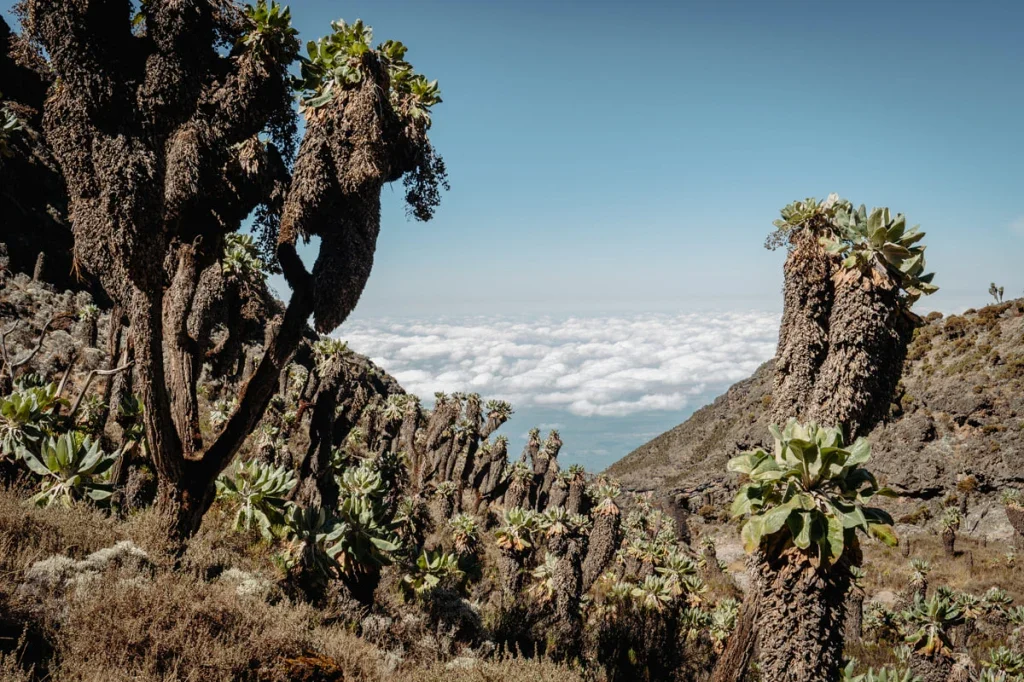
Giant groundsels in the alpine desert zone of Mount Kilimanjaro | Kili Quests
Machame vs Lemosho: comparing Kilimanjaro’s most scenic routes — a popular trail versus a quieter, more gradual approach.

Table of Contents

Overview of Machame and Lemosho Routes

Feature Machame Route Lemosho Route
Common nickname Whiskey Route No common nickname
Starting side Southern Kilimanjaro Western Kilimanjaro
Typical duration 6 or 7 days 7 or 8 days
Route experience Popular, scenic, active, and well-established Remote start, scenic landscapes, and a quieter first few days
Scenery Rainforest, moorland, alpine desert, Barranco Wall, and high summit zone Rainforest, Shira Plateau, moorland, alpine desert, Barranco Wall, and high summit zone
Crowd level Busier because it is one of the most popular Kilimanjaro routes Quieter at the beginning before joining the Machame trail later
Acclimatization Strong when completed over 7 days Stronger because of the longer 7 to 8-day itinerary
Best for Climbers who want a classic scenic route with a shorter itinerary and lower cost Climbers who want more acclimatization time, a quieter start, and a more gradual experience

What Is the Machame Route Like?

The Machame Route is one of the most popular Kilimanjaro routes and is often called the “Whiskey Route.” It is known for scenic trails, varied landscapes, and a strong acclimatization profile when completed over 7 days.
 
Machame approaches Kilimanjaro from the southern side and passes through rainforest, moorland, alpine desert, and the high summit zone. It also includes famous sections such as the Barranco Wall, which makes the route feel adventurous without requiring technical climbing skills.
 
Because Machame is well-established and widely offered, it can feel busier than Lemosho, especially during peak climbing seasons. However, it remains a strong choice for climbers who want a classic Kilimanjaro experience with excellent scenery, a shorter itinerary, and a more affordable price than longer routes.
 
For a full breakdown, see our Machame Route Kilimanjaro guide.

What Is the Lemosho Route Like?

The Lemosho Route starts on the western side of Kilimanjaro and is known for its quieter beginning, remote landscapes, and gradual approach. It is often chosen by climbers who want more time on the mountain and a stronger acclimatization profile.

The route begins in a less crowded area before crossing the Shira Plateau and later joining the same southern circuit used by Machame. This gives Lemosho a strong mix of remote scenery, open highland views, and classic Kilimanjaro trail sections.

Lemosho is usually completed over 7 or 8 days, with the 8-day itinerary offering the most comfortable pacing. Because the route gives climbers more time to adjust to altitude, it is often a better choice for those who want to improve their summit profile without rushing the climb.

Learn more in our detailed Lemosho Route Kilimanjaro guide.

Key Differences Between Machame and Lemosho

Category Machame Route Lemosho Route
Acclimatization Strong when completed over 7 days, but the 6-day version can feel more rushed. Stronger because the route is longer and more gradual, especially on the 8-day version.
Scenery Very scenic, with rainforest, moorland, alpine desert, Barranco Wall, and summit views. More varied early scenery, including a quieter western approach and the Shira Plateau.
Difficulty Physically demanding, especially on shorter itineraries because the altitude gain feels faster. Similar overall difficulty, but the longer itinerary spreads the effort over more days.
Crowds Busier because it is one of the most popular Kilimanjaro routes. Quieter at the start before joining the Machame trail later in the climb.
Cost Usually more affordable because it is shorter and starts from a more common access point. Usually costs more because it is longer and starts from the western side of the mountain.
Best choice for Climbers who want a classic scenic route, lower cost, and a shorter itinerary. Climbers who want more acclimatization time, quieter early days, and a more gradual route profile.

Acclimatization: Which Route Gives You a Better Summit Profile?

One of the biggest differences between Machame and Lemosho is how much time each route gives your body to adjust to altitude.
 
Lemosho has the advantage because it is usually climbed over 7 or 8 days. The longer itinerary creates a more gradual approach, especially during the early part of the climb. This gives climbers more time to adapt before reaching the higher camps and summit night.
 
Machame also has a strong acclimatization profile when completed over 7 days. The route follows a good “climb high, sleep low” pattern, especially around Lava Tower and Barranco Camp. However, the 6-day Machame itinerary can feel more rushed because there is less time for your body to adjust.
 
If acclimatization is your top priority, Lemosho has the stronger advantage. If you choose Machame, the 7-day itinerary is the smarter option because it gives you a better pace than the shorter 6-day version.
For a deeper explanation of altitude risk and prevention, read our Altitude Sickness on Kilimanjaro guide and Kilimanjaro Acclimatization Tips.

Scenery and Overall Experience

Both Machame and Lemosho are among the most scenic Kilimanjaro routes, but they deliver the experience differently.
 
Machame gives climbers a dramatic southern approach with rainforest, moorland, alpine desert, the Barranco Wall, and strong views toward Kibo. It feels active and energetic because it is a popular route with many climbers on the trail, especially during peak seasons.
 
Lemosho offers more variety in the early days. The route begins on the quieter western side of Kilimanjaro, crosses remote forest and heath zones, then opens onto the wide Shira Plateau before joining the southern circuit. This gives Lemosho a more gradual and spacious feel before it later shares some of the same dramatic sections as Machame.
 
If you want the most classic scenic route with a lively trail atmosphere, Machame is strong. If you want a quieter beginning, more landscape variety, and a more remote early experience, Lemosho has the edge.

Difficulty Level: Is Machame or Lemosho Harder?

Machame and Lemosho are similar in overall difficulty because both eventually follow the southern circuit and include challenging sections such as the Barranco Wall, high-altitude trekking days, and summit night.
 
Neither route requires technical climbing skills. You do not need ropes or mountaineering experience. The real challenge is endurance, altitude, and how well your body adapts as you climb higher.
 
Machame can feel harder if you choose the 6-day itinerary because the altitude gain is faster and the recovery time is shorter. The 7-day Machame itinerary gives a better pace and is usually the smarter option for most climbers.
 
Lemosho can feel more comfortable because the route spreads the effort over 7 or 8 days. The extra time does not make Kilimanjaro easy, but it gives your body more space to adjust and makes the climb feel less rushed.
 
If you are worried about difficulty, compare the 7-day Machame Route against the 8-day Lemosho Route. That is the fairest comparison for most climbers.
 
Not sure what to expect? Read our full guide on how difficult Kilimanjaro really is.

Crowd Levels: Which Route Is Quieter?

Machame is usually busier because it is one of the most popular Kilimanjaro routes. During peak climbing seasons, the camps and trail sections can feel active, especially around Machame Camp, Barranco Camp, Karanga Camp, and Barafu Camp.
 
Lemosho starts quieter because it begins on the western side of Kilimanjaro. The first few days often feel more remote and peaceful, especially before the route reaches the Shira Plateau and later joins the southern circuit.
 
However, Lemosho does not stay completely quiet for the whole climb. After it joins the trail system used by Machame, the route becomes busier, especially near Barranco, Karanga, Barafu, and summit night.
 
If you want a classic route with more energy and other climbers around, Machame is fine. If you want a quieter start and a more remote early experience, Lemosho is the better choice.

Cost and Value: Which Route Is More Affordable?

Machame is usually more affordable than Lemosho because it is shorter, easier to access, and more commonly offered by Kilimanjaro operators. A 6 or 7-day Machame climb normally costs less than a 7 or 8-day Lemosho climb.
 
Lemosho usually costs more because it takes more days, starts from the western side of the mountain, and requires more crew support, food, park fees, and logistics. The extra cost is not only about comfort. It also gives climbers more time to acclimatize and enjoy a less rushed route experience.
 
If your main priority is budget, Machame gives strong value. If your main priority is acclimatization, scenery, and a more gradual climb, Lemosho often gives better overall value despite the higher cost.
 
For a full price breakdown, read our Kilimanjaro Climb Cost guide.
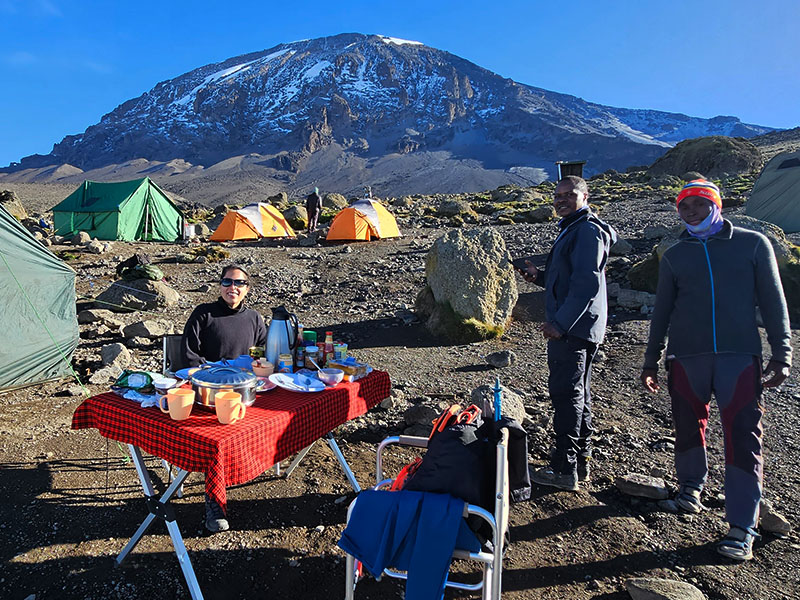
View of Kibo Peak from Karanga Camp on the Shira Route with rocky alpine terrain in the foreground.
Lemosho offers a longer and more gradual ascent, while Machame can feel steeper depending on the itinerary.

Machame vs Lemosho: Which Route Should You Choose?

Choose Lemosho if your main priority is acclimatization, a quieter start, and a more gradual climb. The route gives you more time on the mountain, especially if you choose the 8-day itinerary, which helps create a stronger summit profile.
 
Choose Machame if you want a shorter, more affordable, and classic Kilimanjaro route with excellent scenery. The 7-day Machame itinerary is the better choice for most climbers because it gives more time to adjust than the 6-day version.

Choose Lemosho If You Want More Acclimatization Time

Lemosho is the stronger choice if you want a slower approach and more time for your body to adapt to altitude. This is especially important for first-time high-altitude trekkers or anyone worried about rushing the climb.

Choose Machame If You Want a Shorter Classic Route

Machame is a strong option if you want a well-established trail, dramatic scenery, and a shorter itinerary. It is especially good for climbers who want a classic Kilimanjaro experience without the extra time and cost of Lemosho.

Choose Lemosho If You Prefer a Quieter Start

Lemosho begins on the western side of Kilimanjaro, so the first few days are usually quieter and more remote. This makes the early part of the climb feel more peaceful before the route later joins the busier southern circuit.

Choose Machame If You Are Watching Your Budget

Machame is usually more budget-friendly because it is shorter and easier to access. If cost matters but you still want a strong scenic route, Machame is a practical choice, especially over 7 days.

Machame vs Lemosho Pros and Cons

Route Pros Cons
Machame Route
  • Classic and well-established Kilimanjaro route
  • Excellent scenery across several vegetation zones
  • Strong acclimatization profile when climbed over 7 days
  • Usually more affordable than Lemosho
  • Good option for climbers with limited time
  • Can feel crowded during peak climbing seasons
  • 6-day version can feel rushed
  • Faster altitude gain than Lemosho
  • Less remote at the beginning of the climb
Lemosho Route
  • Longer and more gradual route profile
  • Quieter western approach in the early days
  • Strong acclimatization support, especially over 8 days
  • Highly scenic route with the Shira Plateau
  • Good option for climbers who want a less rushed experience
  • Usually more expensive than Machame
  • Requires more days on the mountain
  • Later joins the busier southern circuit
  • Not ideal for climbers with a tight schedule

How to Choose the Right Route for Your Kilimanjaro Climb

Choosing between Machame and Lemosho depends on your time, budget, altitude concerns, and the kind of trail experience you want.
 
Machame is the better fit if you want a shorter, more affordable, and classic Kilimanjaro route with dramatic scenery. Lemosho is the better fit if you want more acclimatization time, a quieter start, and a more gradual approach to the mountain.
Your Priority Better Route Choice Why
Best acclimatization support Lemosho Route It gives you more time on the mountain, especially with the 8-day itinerary.
Lower overall cost Machame Route It is usually shorter and easier to access, so it normally costs less than Lemosho.
Quieter early trail experience Lemosho Route It starts on the western side of Kilimanjaro before joining the busier southern circuit later.
Classic Kilimanjaro trail Machame Route It is one of the most established and recognizable Kilimanjaro routes.
More gradual pacing Lemosho Route The longer itinerary spreads the effort over more days and feels less rushed.
Limited travel time Machame Route It can be completed in fewer days, though 7 days is better than 6 for acclimatization.
Still unsure? Compare all options in our Kilimanjaro routes comparison guide to see how Machame and Lemosho compare with Marangu, Rongai, Northern Circuit, and other routes.
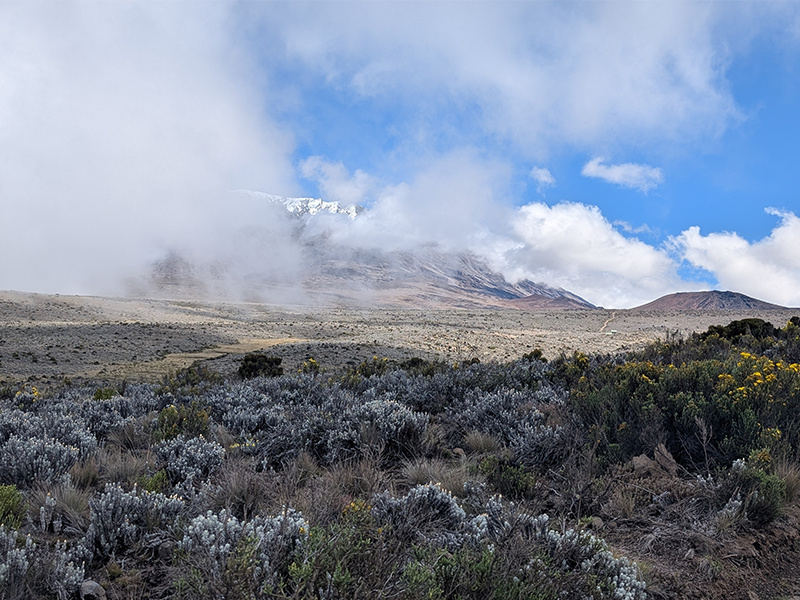
Moorland vegetation on Mount Kilimanjaro with cloud-covered summit and scattered alpine shrubs under a blue sky.
Lemosho features remote landscapes like the Shira Plateau, while Machame offers dramatic scenery across multiple zones.

Frequently Asked Questions About Machame vs Lemosho

Which route is better, Machame or Lemosho?

Lemosho is usually better if you want more acclimatization time, a quieter start, and a more gradual route profile. Machame is better if you want a shorter, more affordable, and classic Kilimanjaro route with excellent scenery. The best choice depends on your budget, schedule, fitness level, and comfort with altitude.

Is Machame or Lemosho better for beginners?

Lemosho is often the better option for beginners because it gives climbers more time to adjust to altitude, especially on the 8-day itinerary. Machame can also work well for beginners if you choose the 7-day version instead of the faster 6-day itinerary.

Is the Lemosho Route worth the extra cost?

Yes, Lemosho is worth the extra cost for many climbers because it offers a quieter start, more time on the mountain, stronger acclimatization support, and excellent scenery. If your budget allows, it is often the more comfortable choice.

Which route is more scenic, Machame or Lemosho?

Both routes are scenic, but Lemosho has the edge for variety because it starts on the western side of Kilimanjaro and crosses the Shira Plateau before joining the southern circuit. Machame is also very beautiful, especially around the rainforest, Barranco Wall, Karanga Valley, and summit zone.

Is Machame harder than Lemosho?

Machame can feel harder if you choose the 6-day itinerary because the altitude gain feels faster and there is less recovery time. Lemosho usually feels more gradual because it is climbed over 7 or 8 days. However, both routes still require good fitness, preparation, and respect for altitude.

Do Machame and Lemosho use the same trail?

Not at the beginning. Machame starts from the southern side of Kilimanjaro, while Lemosho starts from the western side. Lemosho later joins the southern circuit, so both routes share some of the same trail sections later in the climb, including areas around Barranco, Karanga, Barafu, and the summit approach.

Choose the Right Kilimanjaro Route with Local Experts

Choosing between Machame and Lemosho is not only about scenery. It is about your fitness level, time, budget, altitude concerns, and the kind of trekking experience you want.

At Kili Quests, we help you choose the Kilimanjaro route that matches your goals, travel dates, and comfort level. Whether Machame or Lemosho is the better fit, our local team will guide you toward a route and itinerary that gives you a strong, well-paced climb.
 
Contact our team for expert Kilimanjaro trip advice and a custom climb plan.

Related Articles

Kilimanjaro Climb Cost: Full Price Breakdown | Kili Quests

Plan Your Kilimanjaro Climb Budget

Climbing Kilimanjaro is a major investment choosing the right route and support team makes all the difference.
At Kili Quests, we help you:

Explore More Kilimanjaro Planning Guides

Cost is just one part of planning your climb. Explore these guides to choose the right route and prepare properly.

OUR CATEGORIES

How Much Does It Cost to Climb Kilimanjaro? Full Price Breakdown

Climbing Mount Kilimanjaro is not a cheap trip, and travelers should understand the real cost before booking. For many international climbers, a properly organized Kilimanjaro climb often starts around $2,000 per person, while many standard climbs fall between $2,500 and $4,000. Higher-comfort or premium climbs can cost more depending on the route, number of days, group size, inclusions, and service level.
 
The price can be confusing because different companies advertise very different rates. But Kilimanjaro pricing is not random. The final cost is shaped by national park fees, route length, guide and porter support, safety equipment, meals, transport, accommodation, and how responsibly the climb is operated.
 
This guide explains the real cost of climbing Kilimanjaro, what is usually included, what is usually excluded, what extra expenses to budget for, and why the cheapest climb is not always the best value.
 
Choosing the right route affects both price and acclimatization. Before booking, compare your options in Kilimanjaro Routes Comparison: Which Route Is Best?

Quick Answer: How Much Does It Cost to Climb Kilimanjaro?

For many international climbers, a Kilimanjaro climb usually starts from around $2,000 per person for lower-budget climbs, while standard climbs often range from about $2,500 to $3,500. Higher-comfort or premium climbs can cost more, especially on longer routes such as Lemosho or the Northern Circuit.
 
The final price depends on route length, number of climbers, park fees, guide and porter support, food, safety equipment, transport, hotel arrangements, and service level.
 
A lower price is not always better. Very cheap Kilimanjaro climbs may use shorter itineraries, weaker equipment, less experienced support, poor porter treatment, or fewer safety systems. For most climbers, the best value is a climb that balances fair price, proper acclimatization, safety, and reliable support.
Climb Category Typical Price Range What It Usually Means
Budget climb From around $2,000–$2,500 per person Usually shorter itineraries, group departures, basic logistics, and fewer comfort features.
Standard climb Around $2,500–$4,000 per person A better balance of route length, guide support, safety, meals, equipment, and overall value.
Premium climb Usually $4,000+ per person Longer routes, upgraded comfort, stronger logistics, private support, and higher service level.
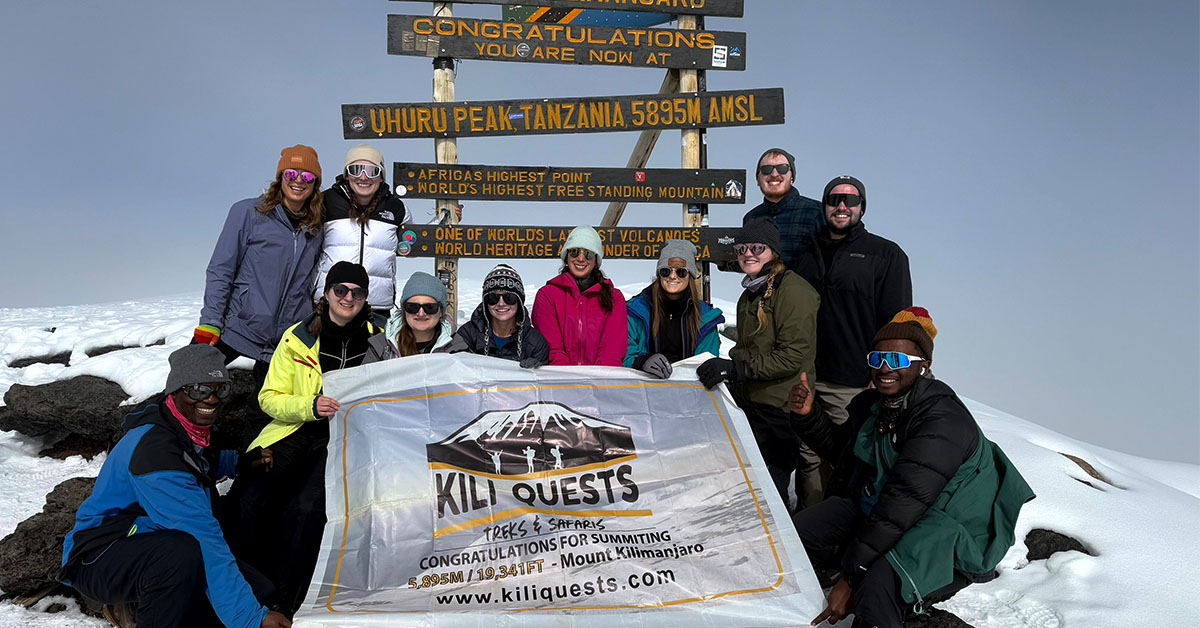
Group of trekkers celebrating together at Uhuru Peak, the summit of Mount Kilimanjaro
Kilimanjaro climbers at Uhuru Peak with their guide team after a successful summit.

Table of Contents

Average Cost to Climb Mount Kilimanjaro

The average cost to climb Kilimanjaro depends on the route, number of days, group size, and service level. Shorter routes usually cost less because they require fewer park-fee days, fewer meals, and fewer crew days. Longer routes cost more, but they often give your body more time to acclimatize.
 
Most climbers should not judge Kilimanjaro prices by the headline number alone. A cheaper climb may look attractive, but it can become poor value if it includes a rushed itinerary, weak equipment, limited safety support, or unclear exclusions.
 
The better question is not only “What is the cheapest Kilimanjaro climb?” The better question is: “What price gives me a safe, properly supported, and realistic climb?”
Cost Item Why It Affects the Price
Park fees Kilimanjaro National Park charges mandatory fees based on route type and number of days.
Route length Longer routes cost more because they require more park days, meals, crew wages, and logistics.
Guides and porters A proper climb needs licensed guides, assistant guides, porters, cooks, and support staff.
Food and water Meals, drinking water, cooking equipment, and camp support are part of mountain logistics.
Safety equipment Emergency oxygen, first aid supplies, communication tools, and guide monitoring add real cost.
Accommodation and transport Some packages include airport transfers and hotel nights before or after the climb.
Service level Private climbs, upgraded meals, better tents, private toilets, or premium support increase the price.

What Affects the Cost of Climbing Kilimanjaro?

The cost of climbing Kilimanjaro depends on several major factors. Once you understand these, the price differences between operators become easier to compare.

Route choice

Some routes are shorter and cheaper, while others are longer and more expensive. A route with more days on the mountain means higher park fees, more crew support, more meals, and more logistics.
 
For example, a shorter route like Marangu or a 6-day Machame itinerary may cost less than an 8-day Lemosho or 9-day Northern Circuit climb. But longer routes usually give your body more time to acclimatize, which can make the climb more manageable.
 
Before choosing by price alone, compare the options in Kilimanjaro Routes Comparison: Which Route Is Best?

Number of days on the mountain

This is why longer climbs cost more. But extra days can also provide better acclimatization, which is one of the most important factors on Kilimanjaro. For many climbers, paying for enough days is better value than rushing the mountain. Before choosing a shorter itinerary to save money, read How Many Days to Climb Kilimanjaro so you understand how route length affects cost, acclimatization, and summit preparation.

Group climb vs private climb

Joining a group climb usually costs less because transport, guides, crew, and logistics are shared among more climbers.
 
A private climb costs more because the itinerary and support system are arranged specifically for your group.
 
Private climbs may be worth the extra cost if you want more flexibility, a private schedule, or a more personalized experience.

Level of comfort and service

Not every Kilimanjaro climb offers the same comfort level. Some packages include basic camping equipment and simple meals, while others include upgraded tents, thicker mattresses, private toilet tents, better meals, and more personal support.
 
Higher comfort increases the price, but it can also improve your experience during a demanding multi-day trek.

Safety standards

A responsible Kilimanjaro operator invests in guide training, emergency planning, oxygen systems, first aid supplies, communication tools, and daily health monitoring. These systems cost money, but they are not extras to ignore.
 
If you are comparing companies, do not only ask what is cheap. Ask what safety support is included.

Ethical porter treatment

Porters are essential to every Kilimanjaro climb. A responsible company includes fair porter treatment, proper staffing levels, meals, equipment support, and reasonable loads in the cost of the trip.
 
Very low prices can sometimes mean the mountain crew is underpaid, overloaded, or poorly supported. That is not the kind of saving you want behind your climb.
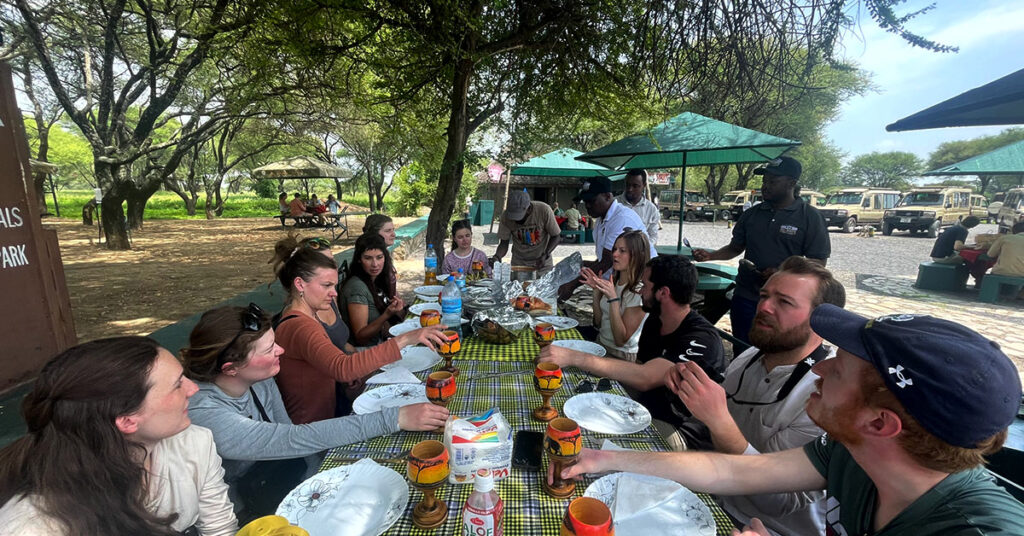
Tourists enjoying meals together at a Kilimanjaro camp after a day of trekking.

Kilimanjaro National Park Fees Explained

A large part of the cost of climbing Kilimanjaro goes to mandatory national park fees. These fees are not optional, and every licensed operator must include them when organizing a legal Kilimanjaro climb.
Park-related costs usually include:

  • Conservation fees
  • Camping fees or hut fees
  • Rescue fees
  • Crew entry fees
  • VAT on applicable services
These fees increase with the number of days you spend on the mountain. That is one reason why longer routes such as Lemosho and Northern Circuit cost more than shorter itineraries like Marangu or 6-day Machame.

However, more days can also give your body better time to acclimatize. So the cheapest route is not always the best value if it gives you less time to adjust to altitude.

Before comparing packages, make sure the operator clearly states whether park fees are included in the price. A quote that looks cheap may become more expensive if important fees are excluded or unclear.

Guide, Porter, and Crew Costs

A Kilimanjaro climb requires a full mountain support team. This is one of the biggest differences between Kilimanjaro and a normal hiking trip. Climbers do not carry everything alone, and the mountain operation depends on guides, porters, cooks, and support staff working together.
Most Kilimanjaro climbs include:


  • Lead guide
  • Assistant guides
  • Porters
  • Cook
  • Camp support staff depending on group size and service level
Guides manage the route, pace, safety checks, and summit strategy. Porters carry tents, food, cooking equipment, safety gear, and expedition supplies. Cooks prepare meals at camp so climbers can recover and continue each day.


A responsible company must pay and support this team properly. If a climb is extremely cheap, ask how the crew is paid, how many staff are included, what equipment they use, and whether porter welfare is respected.


The crew is not a small detail. Guides, porters, and cooks are one of the main reasons climbers can attempt Kilimanjaro safely and with proper support. Before comparing very cheap prices, read Kilimanjaro Porter Roles so you understand what porters do, why they are essential, and how their work affects the climb.

What Is Usually Included in a Kilimanjaro Climb Package?

Most reputable Kilimanjaro climb packages include the main services needed for the mountain trek. Exact inclusions vary by company, so always check the package details before booking.
Typical inclusions may include:
  • Licensed mountain guides
  • Assistant guides
  • Porters and cooks
  • National park fees and permits
  • Camping equipment or hut accommodation, depending on the route
  • Meals on the mountain
  • Drinking water during the trek
  • Transport to and from the mountain gate
  • Basic safety equipment such as emergency oxygen and first aid supplies
Some packages may also include hotel accommodation before and after the climb, airport transfers, pre-climb briefing, gear checks, or luggage storage. Do not assume these are included unless the operator clearly lists them.
 
For a deeper breakdown of what a proper trekking package should cover, read Kilimanjaro Climb Package before comparing prices.
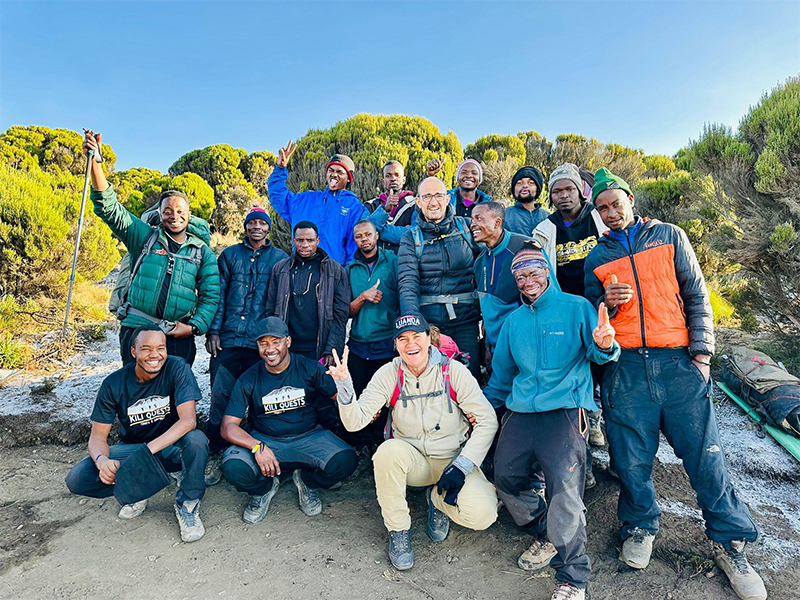
Kilimanjaro trekkers and porters smiling together at the end of a successful hike
Every Kilimanjaro climb is a team effort — guides, porters, and climbers sharing the journey to the summit.

What Is Usually Not Included?

Even when a Kilimanjaro package looks complete, there are usually extra costs that climbers must budget for separately. These costs can make a big difference in your total trip budget.
Common exclusions may include:
  • International flights
  • Tanzania visa
  • Travel insurance
  • Tips for guides, porters, and cooks
  • Personal trekking gear
  • Gear rental
  • Hotel upgrades
  • Extra snacks, drinks, and personal items
  • Optional safari, Zanzibar, or day tours before or after the climb
Always ask for a written list of inclusions and exclusions before paying a deposit. A package that looks cheaper at first can become more expensive if important costs are missing or unclear.

Extra Costs to Budget For

Your total Kilimanjaro budget should include more than the climbing package. These extra costs can add up quickly, especially for international travelers.

International Flights

Flights to Tanzania vary depending on your departure country, travel season, airline, and booking time. Most climbers fly into Kilimanjaro International Airport, but some also arrive through Arusha, Nairobi, Dar es Salaam, or Zanzibar depending on their wider travel plans.

Tanzania visa

Most foreign travelers need a visa to enter Tanzania. The cost depends on nationality, so check the current visa rules before traveling.requirements before traveling.

Travel insurance

Travel insurance is essential for Kilimanjaro. Your policy should cover high-altitude trekking and emergency evacuation. Do not buy a basic travel policy without checking the altitude limit.

Tips for the mountain crew

Tipping is standard on Kilimanjaro and should be planned before the climb. Guides, porters, and cooks work hard throughout the trek, and tips are an important part of the total trip budget.

Personal Gear or Gear Rental

If you do not own the required equipment, you may need to buy or rent items such as a sleeping bag, trekking poles, insulated jacket, waterproof layers, gloves, or summit gear.
 
Use Kilimanjaro Packing List to check what you need before deciding what to buy or rent.

Hotels Before and After the Climb

Many climbers stay at least one night before and one night after the trek. Some packages include these nights, while others do not.

Safari or Zanzibar Extension

Many travelers combine Kilimanjaro with a Tanzania safari or Zanzibar beach trip. These are separate costs from the climb unless your package clearly includes them.

Budget vs Standard vs Luxury Kilimanjaro Climbs

Not all Kilimanjaro climbs offer the same level of service, comfort, safety support, and itinerary quality. The price usually reflects the route length, group size, crew support, equipment quality, meals, safety systems, and overall service level.

Budget Kilimanjaro Climbs

Budget Kilimanjaro climbs usually sit near the lower end of the price range. They may work for travelers who want to control costs, especially on group departures or shorter itineraries.
 
However, climbers should be careful. A budget climb can become poor value if it uses a rushed route, weak equipment, limited safety support, poor meals, or unclear inclusions. If you choose a budget option, make sure park fees, crew support, safety equipment, food, and porter treatment are clearly explained.

Standard Kilimanjaro Climbs

Standard Kilimanjaro climbs usually offer the best balance for many travelers. They often include proper route planning, reliable equipment, experienced guides, good meals, fair crew support, and enough safety systems for a serious mountain trek.
 
For most climbers, this is the smartest category because it avoids the biggest risks of going too cheap while still keeping the trip realistic and affordable.

Premium Kilimanjaro Climbs

Premium Kilimanjaro climbs cost more because they usually include higher comfort, stronger logistics, private service, upgraded meals, better sleeping arrangements, private toilet tents, and longer itineraries with better acclimatization time.
 
A premium climb is not necessary for everyone, but it can be worth it for travelers who want more comfort, more support, and a less basic mountain experience.
 
The right choice depends on your budget, comfort expectations, route preference, and how much support you want during the climb.

Why Are Some Kilimanjaro Operators Much Cheaper Than Others?

Some Kilimanjaro operators advertise very low prices, and that can look attractive at first. But when a climb is much cheaper than the average, you need to ask what has been removed from the package.
 
A lower price may come from:
  • Shorter itineraries with less acclimatization time
  • Larger group sizes
  • Basic camping equipment
  • Simpler meals
  • Fewer comfort features
  • Limited hotel or transfer inclusions
  • Less experienced support teams
  • Lower crew wages or poor porter support
  • Weaker safety equipment or health monitoring
Not every lower-cost operator is bad, but a very cheap climb should always be checked carefully. Kilimanjaro is not the place to buy blindly based on the lowest number.
 
Before booking, ask what is included, what is excluded, how many days are on the mountain, what safety equipment is carried, how guides monitor altitude symptoms, and how porters are supported.

What Should You Never Cut From Your Kilimanjaro Budget?

There are some parts of a Kilimanjaro climb where saving money can create bigger problems. A cheap price is not worth it if it weakens safety, acclimatization, food, equipment, or crew support.
Do not cut corners on:
  • Enough days for acclimatization
  • Experienced mountain guides
  • Emergency oxygen and first aid support
  • Fair porter support
  • Proper meals on the mountain
  • Warm summit clothing
  • Good hiking boots
  • Travel insurance with high-altitude trekking cover
  • A realistic route for your fitness level
The goal is not to book the most expensive climb. The goal is to avoid a price that is too low to support a safe and properly organized mountain experience.
 
Before choosing a short route only to save money, read How Many Days to Climb Kilimanjaro and compare your options in Kilimanjaro Routes Comparison: Which Route Is Best?
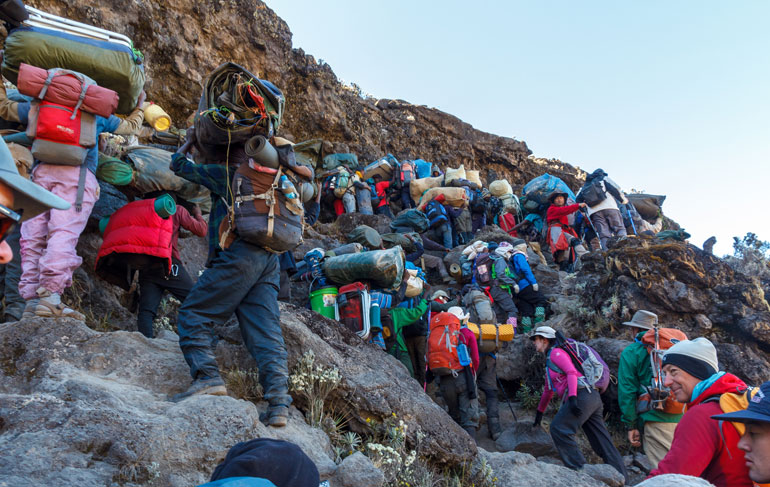
Kilimanjaro porter walking along the mountain trail with gear balanced on head
Porters guiding climbers up the Barranco Wall on Mount Kilimanjaro — a true display of strength, teamwork, and support on the mountain.

Example Kilimanjaro Price Scenarios

The exact price depends on the operator, route, group size, and service level. These examples show how route choice and comfort level can affect the final cost.

Lower-cost example

A 5 or 6-day group climb on a shorter route may sit near the lower end of the price range. This can appeal to budget travelers, but it usually gives less time for acclimatization and may include fewer comfort features.

Standard-Value Example

A 7-day Machame climb often sits in the middle range. This can be a good balance for climbers who want a scenic route, better acclimatization than shorter itineraries, and a more realistic summit plan.

Higher-value example

An 8-day Lemosho climb usually costs more because it includes more days on the mountain, higher park-fee totals, more crew time, and more meals. Many climbers still consider it better value because of the stronger acclimatization profile and scenic route experience.

Premium example

A 9-day Northern Circuit climb with upgraded service is usually one of the more expensive options. It offers the longest itinerary, quieter trails, strong acclimatization time, and a higher level of comfort and support.
 
The best choice is not always the cheapest or most expensive option. The best choice is the route and service level that match your fitness, budget, comfort expectations, and summit goals.

Is Climbing Kilimanjaro Worth the Cost?

For many climbers, Kilimanjaro is worth the cost because it is not just a normal hiking trip. It is a fully supported high-altitude expedition on the highest mountain in Africa.
 
The price covers more than the trail. It supports park fees, licensed guides, porters, cooks, meals, safety equipment, transport, logistics, and the mountain support system that makes the climb possible.
 
The value depends on choosing the right route and the right operator. A properly planned climb gives you better pacing, stronger support, clearer safety systems, and a more realistic mountain experience.
 
Kilimanjaro is expensive, but a well-organized climb can be worth it if the price includes proper acclimatization time, fair crew support, good meals, safe equipment, and experienced local guides

Frequently Asked Questions About Kilimanjaro Costs

How much does it cost to climb Kilimanjaro?

For many international climbers, a Kilimanjaro climb usually starts from around $2,000 per person for lower-budget climbs. Standard climbs often range from about $2,500 to $4,000, while premium climbs can cost more depending on the route, number of days, group size, and service level.
 
The final price depends on what is included, how many days you spend on the mountain, and the quality of support provided by the operator.

Why is climbing Kilimanjaro expensive?

Climbing Kilimanjaro is expensive because the trip includes mandatory national park fees, licensed guides, porters, cooks, food, equipment, transport, safety support, and mountain logistics.
 
A proper Kilimanjaro climb is not just a guide fee. It is a full expedition with a support team and regulated park costs.

What is the cheapest way to climb Kilimanjaro?

The cheapest way is usually to join a group climb on a shorter route with a lower-cost operator. However, the cheapest option is not always the best value.
 
Very low prices may mean shorter acclimatization time, basic equipment, weaker safety systems, unclear exclusions, or poor crew support. Always check what is included before choosing by price alone.

Are Kilimanjaro park fees included in the climb price?

Many reputable operators include Kilimanjaro park fees in the package price, but you should always confirm this before booking. Park fees are a major part of the total cost, so a quote that excludes them can look cheaper than it really is.
 
Ask for a clear written list of inclusions and exclusions before paying a deposit.

Do I need to tip Kilimanjaro guides and porters?

Yes. Tipping is standard on Kilimanjaro and should be included in your total budget. Guides, porters, and cooks work hard throughout the trek, and tips are an important part of the mountain crew’s income.
 
Ask your operator for tipping guidance before the climb so you can prepare the right amount.

Are flights included in Kilimanjaro climb packages?

Usually not. Most Kilimanjaro climb packages cover the mountain trek and some ground logistics, but international flights are normally booked separately by the traveler.
 
Some packages may include airport transfers or hotel nights, but this depends on the operator.

Does a longer Kilimanjaro route cost more?

Yes. Longer Kilimanjaro routes usually cost more because they require more park-fee days, more crew time, more meals, and more logistics.
 
However, longer routes can also give your body more time to acclimatize. For many climbers, paying for enough days is better value than choosing a rushed itinerary only to save money.

Plan Your Kilimanjaro Climb With Clear Pricing

Climbing Kilimanjaro is a major investment, and the cheapest price is not always the best value. The right climb should include a realistic itinerary, proper acclimatization time, experienced local guides, fair porter support, good meals, safety equipment, and clear inclusions.
 
At Kili Quests, we help climbers choose a route and package that matches their budget, fitness, travel dates, and summit goals. Our team explains what is included, what is not included, and how different routes affect the final cost.
 
If you are comparing Kilimanjaro prices, we can help you understand the real value behind the number and avoid choosing a package based only on the cheapest headline price.
 
• Contact Kili Quests today to request a clear Kilimanjaro climb quote.

Related Articles