Choose the Right Route for Your Climb

Compare routes and get expert advice for your Kilimanjaro adventure.

Kilimanjaro Planning Guides

Explore key guides before your climb:

OUR CATEGORIES

Machame vs Marangu: Which Kilimanjaro Route Is Better?

Choosing between the Machame Route and the Marangu Route is one of the most important decisions when planning your Kilimanjaro climb. These two routes are among the most popular on the mountain, but they offer very different experiences in comfort, scenery, accommodation, pacing, and acclimatization.

Many climbers consider Marangu because it is the only Kilimanjaro route with hut accommodation and has a reputation as the “easier” route. Others choose Machame because it offers more varied scenery, a stronger acclimatization profile, and a more adventurous camping experience.

The best route depends on your priorities: comfort, scenery, budget, route style, and how much time you want to give your body to adjust to altitude.

Still comparing routes? See our Kilimanjaro routes comparison guide or explore the full Machame Route guide and Marangu Route guide for detailed breakdowns.

Quick Answer: Is Machame or Marangu Better?

Machame is usually the better choice for climbers who want stronger acclimatization, more varied scenery, and a more complete Kilimanjaro trekking experience. It uses tents, includes more diverse landscapes, and gives the body more time to adjust when climbed over 6 or 7 days.
 
Marangu is better if you strongly prefer hut accommodation, want a more direct trail, and do not want to camp. However, its shorter itinerary can make altitude adjustment harder, especially on the 5-day version.
 
In simple terms: choose Machame for better scenery, stronger acclimatization, and a more rewarding trek. Choose Marangu if hut accommodation is your top priority.
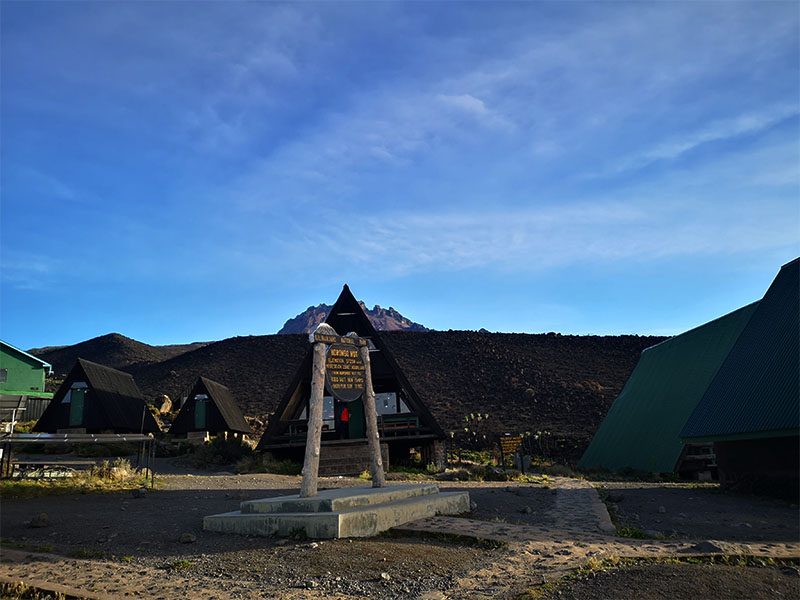
Horombo Huts on Mount Kilimanjaro’s Marangu Route with Mawenzi Peak in the background under a clear blue sky | Kili Quests
Machame uses mountain tents, while Marangu offers dormitory-style huts — a key difference in comfort and experience.

Table of Contents

Overview of Machame and Marangu Routes

Feature Machame Route Marangu Route
Nickname Whiskey Route Coca-Cola Route
Route style Scenic camping route with varied terrain Direct hut route using the same trail for ascent and descent
Accommodation Tents throughout the trek Shared mountain huts with basic facilities
Typical duration 6 or 7 days 5 or 6 days
Terrain and scenery Rainforest, moorland, alpine desert, Barranco Wall, and summit zone Gradual terrain with a more direct path up and down the mountain
Acclimatization Stronger when completed over 7 days More limited because the route is shorter and more direct
Best for Climbers who want scenery, camping, variety, and better acclimatization support Climbers who strongly prefer huts and a shorter, more direct route

What Is the Machame Route Like?

The Machame Route is one of the most popular Kilimanjaro routes and is often called the “Whiskey Route.” It is known for scenic landscapes, varied terrain, and a strong acclimatization profile when completed over 7 days.
 
Machame approaches Kilimanjaro from the south and passes through rainforest, moorland, alpine desert, and the high summit zone before reaching Uhuru Peak. It also includes famous sections such as the Barranco Wall, which adds challenge, drama, and excitement to the climb without requiring technical climbing skills.
 
Machame is a camping route, meaning you sleep in mountain tents throughout the trek. While this requires adjusting to outdoor conditions, it also gives the climb a more adventurous and immersive mountain feel.
 
For a full breakdown, see our detailed Machame Route Kilimanjaro guide.
 

What Is the Marangu Route Like?

The Marangu Route is the only Kilimanjaro route that uses hut accommodation instead of camping.
 
Because of this, it is often called the “Coca-Cola Route” and is popular with climbers who prefer sleeping in huts rather than tents.
 
Marangu follows a more direct trail and uses the same path for both ascent and descent. The terrain is generally gradual compared with some other Kilimanjaro routes, but the shorter itinerary means climbers have less time to adjust to altitude.
 
Marangu is usually completed in 5 or 6 days. The huts provide shared dormitory-style sleeping areas, dining spaces, and basic facilities, which can feel more comfortable for climbers who do not want to camp. However, the route can feel crowded during peak seasons because many climbers share the same huts and trail.
 
Learn more in our complete Marangu Route Kilimanjaro guide.

Key Differences Between Machame and Marangu

Category Machame Route Marangu Route
Accommodation Camping in tents set up by the mountain support team. Shared huts with basic dormitory-style rooms.
Acclimatization Stronger acclimatization support when climbed over 7 days. More limited because the route is shorter and more direct.
Difficulty More varied terrain, with steeper sections and the Barranco Wall. More gradual terrain, but altitude can feel harder because of the shorter itinerary.
Scenery More varied landscapes, including rainforest, moorland, alpine desert, Barranco Wall, and summit zone. Beautiful mountain scenery, but less varied because the route follows a more direct trail.
Crowd experience Popular, but camping can spread groups out more. Huts can feel crowded during peak climbing seasons.
Cost and value May cost more if climbed over 7 days, but offers stronger scenery and acclimatization value. Often cheaper because it is shorter, but gives less time for altitude adjustment.

Accommodation: Tents vs Huts

Accommodation is one of the biggest differences between Machame and Marangu.

On Machame, you sleep in mountain tents that are set up by your support team. This gives the climb a more adventurous feel and keeps you closer to the natural mountain environment. Camping also allows more flexibility because your group has its own tents and campsite setup.
 
On Marangu, you sleep in shared mountain huts with dormitory-style rooms and basic facilities. This can feel more comfortable for climbers who do not want to camp, especially in cold or wet conditions. However, the huts can feel crowded during peak seasons, and there is less privacy compared with camping.
 
Choose Machame if you want a more immersive camping experience. Choose Marangu if hut accommodation is your top priority.

Acclimatization: Which Route Gives You a Better Summit Profile?

Acclimatization is one of the biggest differences between Machame and Marangu.
 
Machame has the stronger acclimatization profile because it is usually climbed over 6 or 7 days and follows a better altitude pattern. The route includes sections where climbers gain elevation during the day and sleep lower at night, which helps the body adjust more gradually.
 
Marangu is shorter and more direct. The 5-day version gives climbers very little time to adapt to altitude, and even the 6-day version is still more compressed than a 7-day Machame itinerary. This is why Marangu can feel easier on the trail but harder on the body.
 
If acclimatization is your priority, Machame is usually the better choice, especially over 7 days. Marangu can still work for some climbers, but it should not be chosen only because it looks easier on paper.
 
For a deeper explanation of altitude risk and prevention, read our Altitude Sickness on Kilimanjaro guide and Kilimanjaro Acclimatization Tips.

Difficulty Level: Is Machame or Marangu Harder?

Machame and Marangu are difficult in different ways.
 
Machame has more varied terrain, steeper sections, and the Barranco Wall. It can feel more physically demanding because the trail changes often and requires more effort on certain days. However, the longer itinerary gives climbers more time to adjust to altitude, especially on the 7-day version.
 
Marangu has more gradual terrain and uses huts instead of tents, so it can look easier at first. The problem is altitude. Because the route is shorter and more direct, climbers have less time to acclimatize before summit night. That can make Marangu harder than expected, especially on the 5-day itinerary.
 
Neither route requires technical climbing skills. The real challenge is endurance, altitude, pacing, and summit night. If you want better acclimatization support, Machame is usually the stronger option. If hut accommodation matters most, Marangu may still be the better personal fit.
 
Not sure what to expect? Read our full guide on how difficult Kilimanjaro really is.

Scenery and Overall Experience

Machame offers a more varied and dramatic Kilimanjaro experience than Marangu. The route passes through rainforest, moorland, alpine desert, and the high summit zone, with changing views throughout the climb. It also includes the Barranco Wall, one of the most memorable sections on Kilimanjaro.
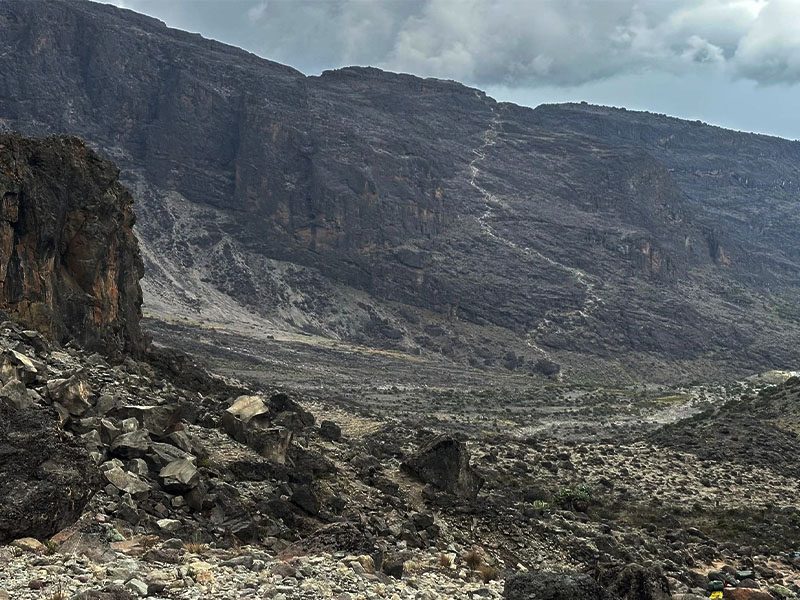
Marangu is still beautiful, especially around the rainforest, Horombo area, and views toward Mawenzi. However, it follows a more direct trail and uses the same path for both ascent and descent. This makes the scenery feel less varied compared with Machame.
 
If you want the richer trekking experience with more landscape changes, Machame is the stronger choice. If your priority is a simpler route with hut accommodation, Marangu still offers a classic Kilimanjaro experience.

Crowd Levels: Which Route Feels Busier?

Both Machame and Marangu can be busy during peak climbing seasons, but the crowd experience feels different on each route.
 
Marangu can feel crowded because climbers sleep in shared huts and use the same trail for both ascent and descent. During busy periods, the huts can feel full, and there is less privacy because many climbers share the same sleeping and dining areas.
 
Machame is also popular, but the camping setup can make the route feel more spread out. Groups sleep in tents at campsites, which can give a bit more privacy than shared dormitory huts. However, popular camps such as Barranco, Karanga, and Barafu can still feel active during high season.
 
If you want hut accommodation, accept that Marangu may feel more crowded in shared spaces. If you prefer more space within your own group setup, Machame is usually better.

Cost and Value: Which Route Is More Affordable?

Marangu is often slightly cheaper than Machame because it is shorter and uses hut accommodation instead of a full camping setup. A 5 or 6-day Marangu climb usually requires fewer mountain days, which can reduce the overall cost.
 
Machame may cost more, especially on the 7-day itinerary, because it includes camping logistics, more crew support, and sometimes an extra day on the mountain. However, the higher cost can give climbers more scenery, more route variety, and stronger acclimatization support.
 
If your main priority is the lowest price, Marangu may look more attractive. But if you are comparing value, Machame often gives a stronger overall experience because it balances scenery, challenge, and acclimatization better.
 
For a full price breakdown, read our Kilimanjaro Climb Cost guide.
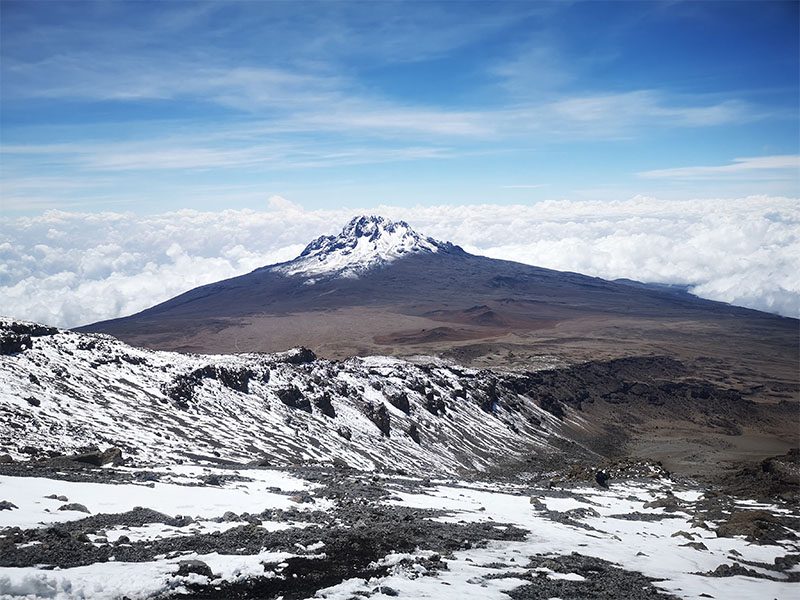
Trekker walking at high altitude toward Kilimanjaro’s summit | Kili Quests
Machame includes steeper, more adventurous sections, while Marangu provides a more gradual and direct path to the summit.

Machame vs Marangu: Which Route Should You Choose?

Choose Machame if your main priority is acclimatization, scenery, and a more complete trekking experience. The route gives you more landscape variety, a stronger altitude profile when climbed over 7 days, and a more adventurous camping route.

Choose Marangu if hut accommodation is your top priority and you prefer a shorter, more direct trail. Marangu is the only Kilimanjaro route with huts, which makes it attractive for climbers who do not want to sleep in tents.

Choose Machame If You Want Better Acclimatization Support

Machame is usually the stronger choice if you want more time for your body to adjust to altitude. The 7-day itinerary is especially better than choosing a short, rushed climb.

Choose Marangu If You Prefer Hut Accommodation

Marangu is the only Kilimanjaro route where climbers sleep in shared huts instead of tents. If camping is a serious concern for you, Marangu may be the more comfortable personal choice.

Choose Machame If You Want More Varied Scenery

Machame offers more changing landscapes, including rainforest, moorland, alpine desert, the Barranco Wall, and summit views. It feels more diverse than Marangu because you do not follow the same path up and down.

Choose Marangu If You Want a Shorter, More Direct Route

Marangu is simpler and more direct. It can suit climbers who prefer a shorter itinerary, but the shorter schedule also means less time for altitude adjustment.

How to Choose the Right Route for Your Kilimanjaro Climb

Choosing between Machame and Marangu comes down to your comfort preferences, altitude concerns, budget, and the kind of Kilimanjaro experience you want.
 
Machame is usually the better fit if you want stronger acclimatization support, more varied scenery, and a more adventurous camping route. Marangu is the better fit if you strongly prefer hut accommodation and want a shorter, more direct trail.
Your Priority Better Route Choice Why
Better acclimatization support Machame Route It gives better pacing when climbed over 7 days and supports gradual altitude adjustment.
Hut accommodation Marangu Route It is the only Kilimanjaro route with shared mountain huts instead of tents.
More varied scenery Machame Route It passes through more diverse landscapes and includes the Barranco Wall.
Shorter route Marangu Route It is usually completed in 5 or 6 days, but the shorter schedule gives less time to acclimatize.
Classic camping experience Machame Route It offers a more immersive mountain experience with tents and varied campsites.
Simpler trail style Marangu Route It follows a more direct route and uses the same trail for ascent and descent.
If you’re still unsure, compare all routes in our Kilimanjaro routes comparison guide to find the best fit for your experience level, timeline, and comfort preferences.

Machame vs Marangu Pros and Cons

Route Pros Cons
Machame Route
  • Strong acclimatization support when climbed over 7 days
  • More varied scenery and terrain
  • Includes the Barranco Wall
  • Classic Kilimanjaro camping experience
  • Good balance of challenge, scenery, and pacing
  • Requires sleeping in tents
  • Can feel physically demanding on steeper sections
  • Usually longer than the shortest Marangu itinerary
  • Popular camps can still feel busy in peak season
Marangu Route
  • Only Kilimanjaro route with hut accommodation
  • Shorter and more direct trail
  • Gradual terrain compared with some camping routes
  • Good option for climbers who strongly prefer not to camp
  • Less time for acclimatization, especially on the 5-day itinerary
  • Uses the same trail for ascent and descent
  • Less varied scenery than Machame
  • Shared huts can feel crowded during peak seasons
View of Mawenzi Peak from Stella Point on Mount Kilimanjaro
Machame vs Marangu: comparing Kilimanjaro’s scenic camping route with the hut-based Marangu trail.

Frequently Asked Questions About Machame vs Marangu

Is Machame better than Marangu for beginners?

For many beginners, Machame is the stronger choice because it gives better acclimatization support, especially on the 7-day itinerary. The trail is more varied and requires camping, but the extra time on the mountain can make the altitude profile more manageable.
 
Marangu can also work for beginners who strongly prefer hut accommodation. However, the shorter itinerary means climbers have less time to adjust to altitude, especially on the 5-day version.

Why is Marangu often considered easier?

Marangu is often called easier because it has hut accommodation, a more direct trail, and generally gradual terrain. That can make it look simpler than Machame.
The problem is altitude. A shorter route does not always mean an easier climb. Because Marangu gives less time for acclimatization, some climbers find summit night harder than expected.

Are the huts on the Marangu Route comfortable?

The huts on Marangu provide basic shelter, shared sleeping areas, dining spaces, and simple facilities. They can feel more comfortable than camping for climbers who do not want to sleep in tents.However, the huts are shared and can feel crowded during peak seasons. If you want more privacy within your own group setup, Machame’s tented camps may feel better.

Which route has better scenery, Machame or Marangu?

Machame usually offers more varied scenery than Marangu. It passes through rainforest, moorland, alpine desert, the Barranco Wall, and the summit zone, giving climbers more landscape changes during the trek.
 
Marangu is still beautiful, especially around the rainforest and Horombo area, with views toward Mawenzi. But because it uses the same trail for ascent and descent, the experience feels less varied than Machame.

Is Machame more difficult than Marangu?

Machame can feel more physically demanding because it has steeper and more varied terrain. It also requires camping, which may feel less comfortable for some climbers.
 
Marangu can feel easier on the trail, but altitude can make it harder than expected because the route is shorter and more direct. The real difficulty on Kilimanjaro is not technical climbing; it is endurance, pacing, and acclimatization.

Which route should I choose, Machame or Marangu?

Choose Machame if you want stronger acclimatization support, more varied scenery, and a classic camping route. Choose Marangu if hut accommodation is your top priority and you prefer a shorter, more direct trail.
 
For most climbers who are comfortable camping, Machame is usually the stronger overall choice.

Choose the Right Kilimanjaro Route with Local Experts

Choosing between Machame and Marangu is not only about tents versus huts. It is about your comfort level, altitude concerns, fitness, budget, and the kind of Kilimanjaro experience you want.

At Kili Quests, we help you choose the route and itinerary that match your goals, travel dates, and trekking style. Whether Machame or Marangu is the better fit, our local team will guide you toward a well-paced climb with the right support from start to summit.
 
Contact our team for expert Kilimanjaro trip advice and a custom climb plan.

Related Articles