7-Day Tanzania Safari Itinerary: Best Northern Circuit Route

Plan Your 7-Day Tanzania Safari

A 7-day safari gives you enough time to enjoy Tanzania’s best northern circuit parks without rushing every day.At Kili Quests, we help you choose the best route for your season,Spend enough time in Serengeti,Match your safari to your budget and comfort level

Plan Your Trip Better

OUR CATEGORIES

7-Day Tanzania Safari Itinerary: Best Northern Circuit Route

A 7-day Tanzania safari is one of the best itinerary lengths for travelers who want a serious wildlife experience without rushing from park to park every day. It gives you enough time to visit the main northern circuit destinations, enjoy proper game drives, and experience different landscapes instead of seeing Tanzania through the window of a moving vehicle.
 
This itinerary is ideal for first-time safari travelers because it covers the classic highlights: Tarangire National Park, Lake Manyara National Park, Serengeti National Park, and Ngorongoro Crater. Each place offers something different. Tarangire is famous for elephants and baobab trees. Lake Manyara gives you forests, birdlife, and a scenic introduction to safari. Serengeti offers wide plains, predators, and the chance to see the Great Migration depending on the season. Ngorongoro Crater gives you one of the best compact wildlife viewing experiences in Africa.
 
At Kili Quests, we recommend this 7-day route for travelers who want a well-balanced Tanzania safari with enough time in Serengeti, not just a quick one-night stop. If you are still comparing safari lengths, read our : How Many Days Do You Need for a Tanzania Safari? before choosing your final itinerary.
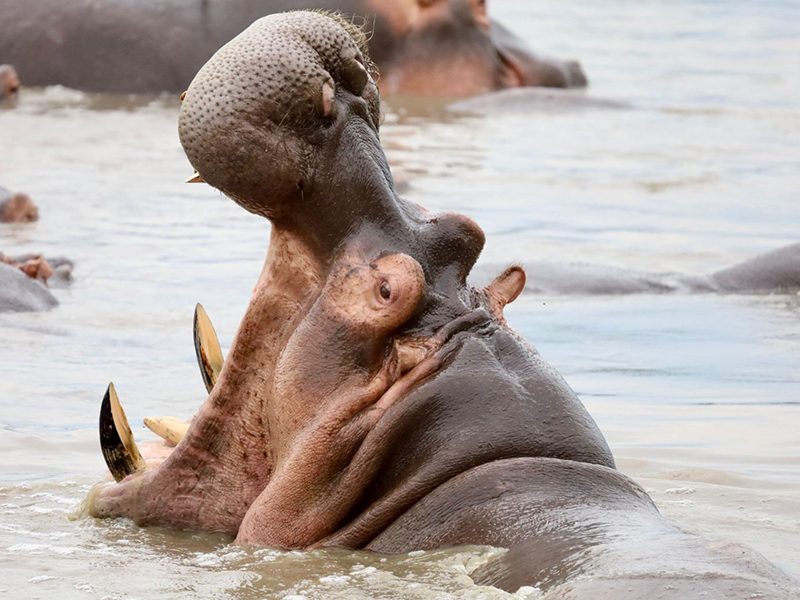
Hippos resting in water during a Tanzania safari
Hippos resting in the water during a Tanzania safari, one of the memorable wildlife sightings first-time visitors can enjoy in parks and wetlands.

Table of Contents

Why Choose a 7-Day Tanzania Safari?

A 7-day Tanzania safari gives you a stronger experience than a short 3-day or 5-day safari because it allows better pacing. The problem with many short itineraries is that they look good on paper but feel rushed in real life. You spend too much time transferring between parks and not enough time actually watching wildlife.With seven days, you can build a route that makes sense. You can start with Tarangire or Lake Manyara, continue into Serengeti, spend enough time inside the park, then finish with Ngorongoro Crater before returning to Arusha.
 
This is not just about adding more days. It is about improving the quality of the safari.

A 7-Day Safari Gives You More Time in Serengeti

Serengeti is the biggest reason many travelers come to Tanzania. A weak itinerary gives you only one night there, which is not enough. Serengeti is huge, and wildlife sightings depend on movement, timing, location, and patience.A good 7-day Tanzania safari gives you at least two nights in Serengeti, sometimes three depending on your travel style. That extra time matters because it increases your chances of seeing lions, cheetahs, leopards, elephants, hyenas, large herbivore herds, and, during certain months, Great Migration activity.
 
For a deeper park breakdown, read our : Serengeti National Park Safari Guide.

It Balances Wildlife, Scenery, and Comfort

A strong safari is not only about chasing animals. The best experience also includes changing landscapes, comfortable pacing, and enough rest between long game drives.
This 7-day itinerary gives you variety. You move from baobab country in Tarangire to groundwater forest near Lake Manyara, then to the endless plains of Serengeti and finally into the volcanic bowl of Ngorongoro Crater. That variety makes the safari feel complete instead of repetitive.

It Works Well for First-Time Safari Travelers

If this is your first safari, seven days is a smart choice. It gives you enough time to understand how safari works, settle into the rhythm of early mornings and game drives, and enjoy the parks without feeling like every day is a transfer day.If you are planning your first trip, also read our : Best Safari for First-Time Visitors to Tanzania.

Best 7-Day Tanzania Safari Itinerary Overview

This itinerary follows the northern circuit, which is the most popular safari route in Tanzania. It starts and ends in Arusha, the main safari hub for northern Tanzania.This route is strong because it builds naturally. You do not jump randomly between parks. Each day adds something useful to the safari experience.

Day 1: Arrival in Arusha

Your 7-day Tanzania safari usually begins in Arusha. Most travelers arrive through Kilimanjaro International Airport or Arusha Airport, depending on their flight route. After arrival, you are transferred to your hotel or lodge in Arusha for rest and a safari briefing.
 
This first day is simple but important. Do not underestimate it. Long international flights can be tiring, and starting a safari immediately after arrival is a bad idea unless your schedule gives you no other option.

What Happens on Arrival Day?

On arrival day, you settle in, meet your safari team or company representative, confirm your itinerary, and ask any final questions about packing, timing, park rules, accommodation, and daily schedules.
 
This is also the right time to check your camera batteries, safari clothing, travel documents, and any personal medication.
 
For packing help, read our : Tanzania Safari Packing List.

Where to Stay in Arusha

Arusha has many accommodation options, from budget guesthouses to mid-range hotels and luxury lodges. Your choice depends on your safari budget and comfort level.
 
For most travelers, a clean and comfortable mid-range hotel is enough for arrival night. You do not need to overspend on the first night unless you want a luxury start to the trip.

Day 2: Arusha to Tarangire National Park

After breakfast, you leave Arusha and drive to Tarangire National Park. The drive usually takes around two to three hours, depending on your hotel location, road conditions, and stops along the way.Tarangire is one of the best parks to begin a Tanzania safari because it gives you strong wildlife viewing without immediately jumping into the long journey to Serengeti.

Why Tarangire Is Worth Visiting

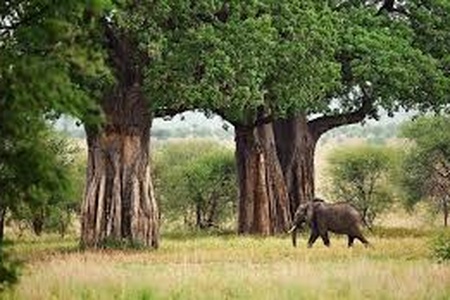
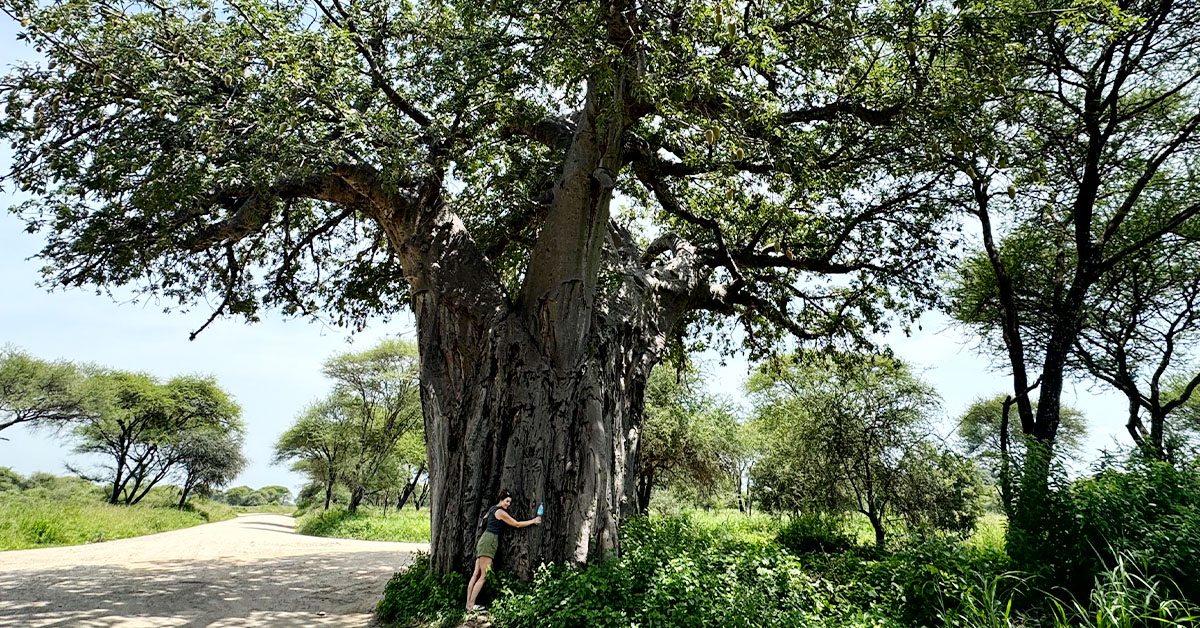
Tarangire is famous for large elephant herds, ancient baobab trees, seasonal swamps, and the Tarangire River. During the dry season, many animals gather near the river because water becomes limited in surrounding areas.
 
This makes Tarangire especially rewarding from June to October. You may see elephants, giraffes, zebras, wildebeest, buffalo, impalas, warthogs, lions, and many bird species.
 
For more detail, read our: Tarangire National Park Safari Guide.

What to Expect on the Game Drive

Your game drive begins after entering the park. The landscape is open in some areas and more wooded in others, so sightings can feel different from Serengeti or Ngorongoro.
 
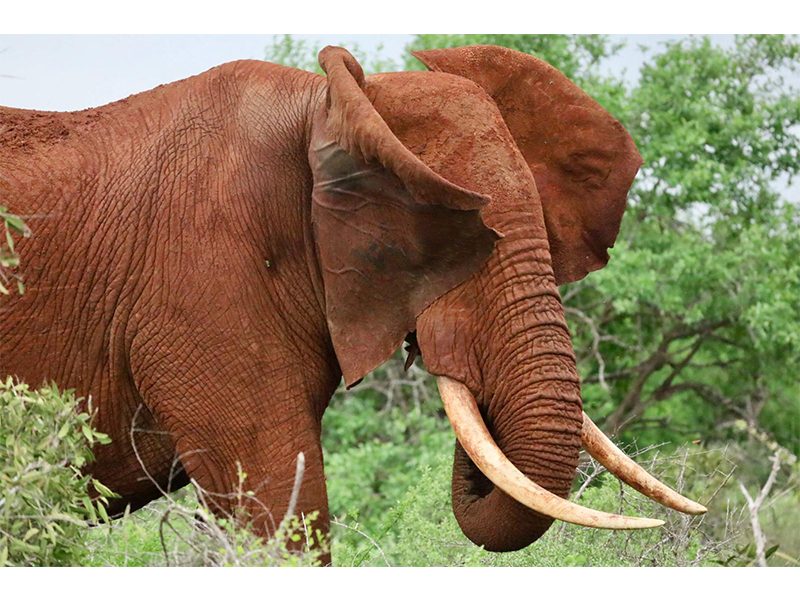
Elephants are usually the main highlight. Tarangire is one of the best places in northern Tanzania to watch elephant families moving, feeding, bathing, and interacting.
 
This is also a good park for slower observation. Do not rush. A weak safari driver races from one sighting to another. A good guide reads animal behavior, tracks movement, and gives you time to enjoy the scene properly.

Overnight Near Tarangire or Karatu

Depending on your itinerary style, you may sleep near Tarangire, in the Lake Manyara area, or in Karatu. Karatu is a useful base between Lake Manyara, Ngorongoro, and the road toward Serengeti.
 
Your accommodation can be budget, mid-range, or luxury. The right choice depends on how much comfort you want and how much you want to spend.
 
For budget planning, read our : Tanzania Safari Cost: Full Price Breakdown.

Day 3: Lake Manyara National Park

On day three, you visit Lake Manyara National Park. This park is smaller than Serengeti and Tarangire, but it adds useful variety to a northern circuit itinerary.
 
Lake Manyara is known for its groundwater forest, lake views, birdlife, monkeys, baboons, hippos, and scenic escarpment backdrop. It is not usually the strongest park for big predator sightings, so do not sell it to yourself as another Serengeti. That would be dishonest. Its value is different.

Why Lake Manyara Fits This Itinerary

Lake Manyara works well in a 7-day Tanzania safari because it sits along the route between Tarangire, Karatu, and Ngorongoro. It gives you a different ecosystem before you continue toward Serengeti.
 
If you expect huge open plains, Lake Manyara will disappoint you. If you understand it as a scenic, forest-and-lake safari stop, it makes sense.
 
For a full park breakdown, read our : Lake Manyara National Park Safari Guide.

Wildlife in Lake Manyara

Lake Manyara can offer sightings of elephants, giraffes, zebras, wildebeest, buffalo, hippos, baboons, monkeys, and many bird species. Flamingos may be seen around the lake depending on water levels and season, but sightings are not guaranteed.
 
The park is also famous for tree-climbing lions, but you need to be careful with this expectation. Some travelers hear “tree-climbing lions” and think they are guaranteed to see them. They are not. Wildlife is wild, not staged for your camera.

Overnight in Karatu

After the game drive, you usually continue to Karatu for overnight. Karatu is a practical and comfortable base before driving toward Serengeti the next day.
 
It also gives you a better position for the next part of the itinerary instead of wasting time returning backward.

Day 4: Drive to Serengeti National Park

Day four is one of the biggest days of the safari. After breakfast, you leave Karatu and drive toward Serengeti National Park, usually passing through the Ngorongoro Conservation Area.
 
The journey is long, but it is also part of the experience. You move from cultivated highlands into more open landscapes, then toward the plains that make Serengeti famous.

Entering the Serengeti

Once you reach Serengeti, the safari feeling changes. The landscape opens, and the sense of space becomes much bigger. Depending on your route and timing, you may have a game drive on the way to your lodge or camp.
 
This is where patience becomes important. Serengeti wildlife viewing is not only about one dramatic sighting. It is about reading the plains: vultures circling, gazelles alert, hyenas moving, lions resting, and herds spreading across the grassland.

Afternoon Game Drive in Serengeti

If time allows, you enjoy an afternoon game drive before heading to your accommodation. Afternoon light can be beautiful for photography, and predators may become more active as temperatures cool.
 
Common sightings may include lions, elephants, giraffes, zebras, wildebeest, buffalo, hippos, hyenas, jackals, topis, hartebeest, and many birds. Cheetahs and leopards are possible, but never guaranteed.

Overnight in Serengeti

You spend the night inside or near Serengeti National Park. Staying inside the park gives you better access to early morning and late afternoon game drives. This can improve your safari experience because you avoid long access drives from outside the park.
 
Accommodation options include tented camps, lodges, mobile camps, and luxury safari properties.
 
For package details, read our: What Is Included in a Tanzania Safari Package?.

Day 5: Full-Day Game Drive in Serengeti

Day five is one of the most important days of the itinerary because it gives you a full day inside Serengeti. This is where a 7-day safari becomes much stronger than a short safari.
 
You are not rushing to enter and leave the park in one day. You have time to explore, wait, watch, and move with better strategy.

Why a Full Day in Serengeti Matters

Wildlife sightings change throughout the day. Early morning is often best for predator activity because temperatures are cooler. Midday can be slower, with many animals resting. Late afternoon often becomes active again.
 
A full day gives your guide more flexibility. If there is a strong lion sighting in one area, you can spend time there. If the plains are quiet, your guide can move to another zone. If you are traveling during migration season, your route may be adjusted based on herd location.
 
This flexibility is exactly why short, rushed itineraries are weaker.

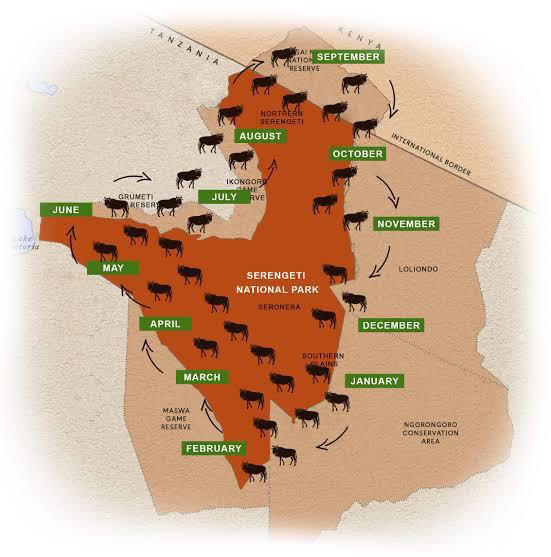
Can You See the Great Migration on a 7-Day Safari?

Yes, a 7-day Tanzania safari can include the Great Migration if the timing and routing are right. But here is the truth: the migration is seasonal and mobile. It does not stay in one place all year.
 
The best Serengeti area depends on the month. Southern Serengeti and Ndutu are important during calving season. Central Serengeti can be strong for resident wildlife year-round. Western and northern Serengeti are important during certain migration movements.
 
For a full explanation, read our : Great Migration Guide and : Calving Season in Ndutu.

Picnic Lunch or Return to Camp?

Depending on the plan, you may take a picnic lunch and spend the whole day exploring, or return to camp for lunch and rest before an afternoon game drive.
 
A picnic lunch gives more time in the park. Returning to camp gives more comfort. Neither is automatically better. The right choice depends on your energy, the weather, wildlife movement, and how far you are from camp.

Day 6: Serengeti to Ngorongoro Conservation Area

On day six, you usually enjoy a final morning game drive in Serengeti before driving toward the Ngorongoro Conservation Area. This day connects the open plains of Serengeti with the crater highlands.
 
It is another long travel day, but it still includes game viewing, especially in the morning before leaving Serengeti.

Morning Game Drive in Serengeti

Morning is a valuable time in Serengeti. Predators may still be active, and the light is usually better for photography. Your guide may search for lions, cheetahs, leopards, hyenas, and other wildlife before starting the drive toward Ngorongoro.
 
This is also your final chance to enjoy Serengeti before leaving the park.

Optional Olduvai Gorge Stop

Depending on your interests and timing, you may stop at Olduvai Gorge, one of the most important archaeological sites in East Africa. This can add cultural and historical depth to the safari.
 
However, do not overload the day. If the schedule is already tight, trying to add too many stops can make the itinerary tiring.

Overnight Near Ngorongoro Crater

You usually spend the night near the Ngorongoro Crater rim or in the Karatu area. Staying near the crater gives better access for an early descent the next morning, while Karatu can be more affordable and still practical.
 
For a deeper destination guide, read our : Ngorongoro Crater Safari Guide.

Day 7: Ngorongoro Crater Game Drive and Return to Arusha

Day seven begins early. After breakfast, you descend into Ngorongoro Crater for a game drive. This is one of the most unique safari experiences in Tanzania because the crater creates a natural wildlife-rich area within a dramatic volcanic landscape.
 
Ngorongoro is often one of the best places to see a high concentration of wildlife in a shorter period.

What Makes Ngorongoro Crater Special?

Ngorongoro Crater is not like Serengeti. Serengeti is vast and open. Ngorongoro is compact and enclosed. That makes the wildlife viewing feel different.
 
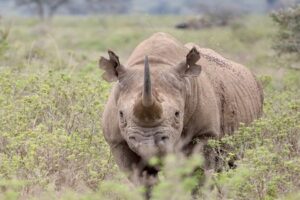
Inside the crater, you may see lions, elephants, buffalo, zebras, wildebeest, hippos, hyenas, jackals, flamingos, and many other animals. Black rhinos are also present, although sightings depend on distance, visibility, and luck.

Is Ngorongoro Good for Big Five Sightings?

Ngorongoro is one of the better places in northern Tanzania for Big Five possibilities, especially because of the presence of black rhino. But again, do not treat any safari as a guaranteed checklist. Wildlife does not work on command.
 
A good guide improves your chances by understanding the landscape, animal movement, and timing. But honesty matters: no serious operator should promise every animal sighting.

Return to Arusha

After the crater game drive, you ascend and drive back to Arusha. Depending on your schedule, you may stay overnight in Arusha or connect to an evening flight.
 
If your international flight leaves late at night, this can work, but you need to plan carefully. Rushing from Ngorongoro to the airport with no buffer is risky and stressful

Best Time for a 7-Day Tanzania Safari

A 7-day Tanzania safari can work year-round, but the best time depends on what you want to see.
 
The dry season from June to October is excellent for general wildlife viewing because animals gather around water sources and vegetation is thinner. This makes sightings easier in places like Tarangire, Serengeti, and Ngorongoro.
 
The green season from November to May brings beautiful scenery, fewer crowds in some periods, and excellent birdlife. From January to March, the Ndutu area can be especially strong for calving season and predator activity.
 
For a full seasonal breakdown, read our : Best Time to Visit Tanzania for Safari.

Dry Season: June to October

This is one of the most popular safari periods. Wildlife is easier to spot, especially in Tarangire, where animals gather near the river. The weather is generally dry, and road conditions are usually better.
The downside is that popular parks can be busier, and accommodation prices may be higher.

Green Season: November to May

The green season brings fresh landscapes, dramatic skies, and fewer vehicles in some areas. It can be a great time for photography and birding.
 
Rain is possible, especially during the long rains around March, April, and May. Some travelers avoid this period, but it can still work if planned properly.

Migration Season Depends on Location

The Great Migration does not happen in one place all year. That is where many travelers get confused. They ask, “When is the migration?” but the smarter question is, “Where is the migration during my travel month?”
 
Your itinerary should match the season. Otherwise, you may visit the wrong part of Serengeti and miss the experience you expected.

Is a 7-Day Tanzania Safari Enough?

Yes, a 7-day Tanzania safari is enough for a strong northern circuit safari if the itinerary is planned correctly. It gives you time to see several major parks without making the trip feel too rushed.
 
But let’s be honest: seven days is not enough to see everything in Tanzania. It is enough for the classic northern circuit, not the whole country.
 
If you want to add Zanzibar, southern Tanzania, western Tanzania, or a Kilimanjaro climb, you need more time.

7 Days vs 5 Days

A 5-day safari can work, but it usually forces tougher choices. You may have less time in Serengeti or skip one park. It is better than a rushed 3-day safari, but still more limited than seven days.
 
For comparison, read our : 5-Day Tanzania Safari Itinerary.

7 Days vs 10 Days

A 10-day safari gives more flexibility. You can add more time in Serengeti, include Ndutu during calving season, travel more slowly, or add cultural experiences.
 
But not every traveler needs 10 days. If your budget or schedule is limited, seven days is a strong and realistic choice.

Who Should Choose a 7-Day Safari?

A 7-day safari is best for travelers who want the main northern Tanzania highlights, at least two nights in Serengeti, a balanced pace, and a good chance of strong wildlife viewing.
 
It is especially good for first-time safari travelers, couples, families, photographers, and travelers who want a proper safari without making the trip too long.

7-Day Tanzania Safari Cost

The cost of a 7-day Tanzania safari depends on accommodation level, season, group size, vehicle type, park fees, and whether the safari is private or shared.
 
A private safari costs more than a group safari, but it gives you more control over timing, pace, stops, and accommodation choices. For many travelers, that flexibility is worth it.

Budget Safari

A budget 7-day safari usually uses basic lodges, campsites, or simpler accommodation. It can reduce costs, but you need to check carefully what is included. Cheap safaris often become expensive when important items are excluded.
 
Do not choose the cheapest option blindly. That is how travelers end up with weak vehicles, rushed routing, poor guiding, or surprise costs.

Mid-Range Safari

A mid-range safari is usually the best value for many travelers. You get comfortable lodges or tented camps, private transport, professional guiding, and a better balance between cost and experience.
 
For most first-time travelers, this is the smartest category.

Luxury Safari

A luxury 7-day safari includes higher-end lodges, premium tented camps, better locations, stronger comfort, and more refined service. It is ideal if you want the safari to feel more exclusive and comfortable.
 
Luxury does not automatically mean better wildlife, but it can improve comfort, location, food, service, and overall experience.
 
For a full cost guide, read our : Tanzania Safari Cost: Full Price Breakdown.

Private or Group Safari for 7 Days?

A 7-day Tanzania safari can be done as a private safari or a group safari. The better option depends on your budget, travel style, and expectations.

Private Safari

A private safari gives you your own vehicle and guide. This means more flexibility with timing, photography stops, lunch breaks, and pace.
 
For a 7-day itinerary, private safari is often the better choice because the route is long and the experience depends heavily on flexibility.
 
If you are traveling as a couple, family, or small group, private safari can be excellent value.

Group Safari

A group safari can reduce costs because you share the vehicle with other travelers. This can work well for solo travelers or budget-conscious visitors.
 
The downside is less control. You follow the group schedule, and different travelers may have different interests, energy levels, and expectations.
 
For a deeper comparison, read our : Private vs Group Safari in Tanzania.

What to Pack for a 7-Day Tanzania Safari

Packing well makes your safari more comfortable. You do not need to overpack, but you need the right items.
 
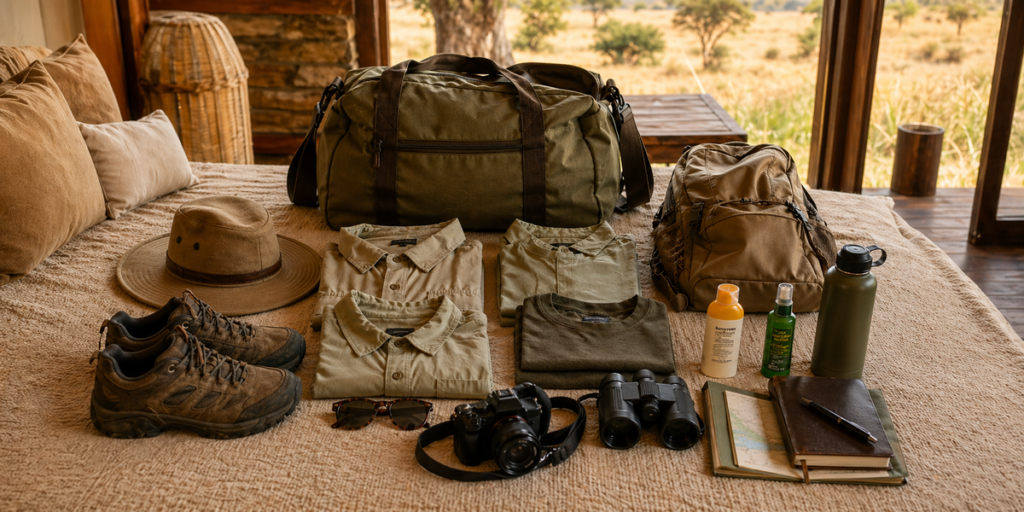
Bring neutral-colored clothing, comfortable shoes, sunglasses, sunscreen, insect repellent, a hat, camera gear, binoculars if available, personal medication, and a light jacket for cool mornings and evenings.
 
Avoid bright colors, heavy luggage, unnecessary formal clothing, and anything that makes daily movement harder.

Clothing

Choose lightweight, breathable clothes in neutral colors such as khaki, beige, olive, or brown. Mornings can be cold, afternoons can be warm, and evenings can cool down again.
Layering is better than packing one heavy item.

Camera and Binoculars

A good camera improves your safari memories, but binoculars are just as important. Many great sightings happen at a distance. Without binoculars, you may miss details like leopard movement, birds, or distant predators.

Documents and Essentials

Carry your passport, travel insurance details, visa documents if needed, flight details, emergency contacts, and any medication you use regularly.
 
For a full list, read our : Tanzania Safari Packing List.

7-Day Tanzania Safari with Family

A 7-day safari can work very well for families if the itinerary is planned carefully. The key is pacing. Children may enjoy wildlife, but long drives and early mornings can become tiring if the route is too aggressive.
 
Family safaris should include comfortable accommodation, reasonable driving times, flexible breaks, and a guide who understands how to work with children.

Is This Itinerary Good for Children?

Yes, but it depends on the child’s age, patience, and travel experience. Some children love game drives. Others get tired quickly. Parents need to be realistic.
 
A private safari is usually better for families because you can stop when needed and adjust the pace.

Best Parks for Families

Tarangire and Ngorongoro are often excellent for families because wildlife sightings can be strong without needing extremely long game drives. Serengeti is amazing, but the travel distances are longer, so the itinerary must be planned well.
 
For more detail, read our : Tanzania Safari for Families.

Where to Stay on a 7-Day Tanzania Safari

Accommodation can change the feel of your safari. The main choices are lodges, tented camps, campsites, and luxury safari camps.
 
Your accommodation should match your budget, comfort level, and route. Location matters. A cheaper lodge far outside the park may save money but cost you time.

Lodges

Lodges offer solid comfort, private rooms, bathrooms, meals, and reliable service. They are a good choice for travelers who want comfort without going full luxury.

Tented Camps

Tented camps are one of the best safari experiences. They allow you to feel closer to nature while still having comfort. Many tented camps include proper beds, bathrooms, dining areas, and excellent service.

Budget Camping

Budget camping can reduce costs, but it is not for everyone. You need to be comfortable with simpler facilities and less privacy.
 
Budget camping is not bad, but choosing it only because it is cheap can be a mistake if you expect lodge-level comfort.
A 7-day Tanzania safari gives travelers time to explore several northern circuit parks with excellent wildlife viewing and varied landscapes.

Common Mistakes to Avoid on a 7-Day Tanzania Safari

A 7-day safari is strong, but it can still be ruined by bad planning. The biggest mistakes usually come from trying to do too much, choosing the wrong season for your expectations, or booking based only on price.

Mistake 1: Spending Too Little Time in Serengeti

One night in Serengeti is weak for a 7-day safari. If your itinerary gives you only one night there, question it. Serengeti deserves more time.
 
A proper 7-day northern circuit safari should usually include at least two nights in Serengeti.

Mistake 2: Choosing the Cheapest  Safari Without Checking Inclusions

Cheap does not always mean good value. Some low-cost safaris exclude important services or cut corners on vehicle quality, accommodation, guiding, or park time.
 
Before booking, check what is included and excluded carefully. Read our : What Is Included in a Tanzania Safari Package?.

Mistake 3: Expecting Guaranteed Wildlife Sightings

This is wildlife, not a zoo. A good itinerary and guide improve your chances, but no honest company can guarantee every animal.
 
The right mindset makes the safari better. Enjoy the process, not only the checklist.

Mistake 4: Ignoring Travel Time

Distances in Tanzania can be long. A route may look simple on a map but feel different on the road. Bad itineraries hide this. Good itineraries plan around it.

Mistake 5: Packing Too Much

Overpacking makes travel harder. Safari vehicles have limited space, and moving between lodges is easier with soft, manageable luggage.

Sample 7-Day Tanzania Safari Route Summary

Here is a clean route summary for this itinerary:
Day Destination Safari Summary
Day 1 Arrival in Arusha Arrive in Tanzania, transfer to your hotel, rest, and prepare for the safari.
Day 2 Tarangire National Park Drive to Tarangire for elephants, baobabs, and a strong first game drive.
Day 3 Lake Manyara National Park Explore Lake Manyara’s forest, lake scenery, birds, monkeys, and possible elephants.
Day 4 Serengeti National Park Drive through the Ngorongoro Conservation Area toward Serengeti and enjoy an afternoon game drive.
Day 5 Full Day in Serengeti Spend a full day searching for predators, plains wildlife, and possible migration activity depending on the season.
Day 6 Serengeti to Ngorongoro Enjoy a final Serengeti game drive before continuing toward Ngorongoro.
Day 7 Ngorongoro Crater and Return to Arusha Descend into the crater for a final game drive, then return to Arusha.

Is This the Best 7-Day Tanzania Safari Itinerary?

For most first-time travelers, yes. This is one of the best 7-day Tanzania safari itineraries because it covers the strongest northern circuit parks without becoming completely rushed.
 
It includes Tarangire, Lake Manyara, Serengeti, and Ngorongoro Crater. That gives you elephants, baobabs, forests, lake scenery, open plains, predators, and one of Africa’s most famous crater landscapes.
The only adjustment depends on your travel month. If you are traveling during calving season, you may want to include Ndutu. If you are focused on the river crossings, you may need a northern Serengeti plan and possibly more days or flights. If you prefer fewer transfers, you may skip Lake Manyara and add more time in Serengeti.
 
That is why a safari should not be copied blindly. The best itinerary is the one that matches your season, budget, comfort level, and wildlife goals.

Final Thoughts on a 7-Day Tanzania Safari

A 7-day Tanzania safari is one of the strongest choices for travelers who want a complete northern circuit experience. It gives you enough time to visit Tarangire, Lake Manyara, Serengeti, and Ngorongoro Crater without reducing the trip to a rushed checklist.
 
The most important part is planning the route properly. Serengeti needs enough time. Ngorongoro should be done early and carefully. Tarangire should not be treated as a small extra because it can deliver some of the best elephant sightings of the trip. Lake Manyara should be understood for what it is: scenic, varied, and useful when placed correctly in the route.
 
At Kili Quests, we help travelers build Tanzania safari itineraries based on season, budget, comfort level, and wildlife priorities. If you want a safari that feels organized instead of rushed, a 7-day northern circuit route is a strong place to start.

Frequently Asked Questions About 7-Day Tanzania Safari Itinerary

Is 7 days enough for a Tanzania safari?

Yes, seven days is enough for a strong northern Tanzania safari. It allows you to visit Tarangire, Lake Manyara, Serengeti, and Ngorongoro Crater with better pacing than a short safari. It is especially good for first-time visitors who want a complete but realistic itinerary.

What parks can I visit on a 7-day Tanzania safari?

A classic 7-day Tanzania safari usually includes Tarangire National Park, Lake Manyara National Park, Serengeti National Park, and Ngorongoro Crater. Depending on the season, the route can also be adjusted to include Ndutu or more time in Serengeti.

How many nights should I spend in Serengeti on a 7-day safari?

You should spend at least two nights in Serengeti on a 7-day safari. One night is usually too rushed because Serengeti is very large and wildlife viewing depends on time, location, and movement.

What is the best time for a 7-day Tanzania safari?

The dry season from June to October is excellent for general wildlife viewing. The green season from November to May offers beautiful landscapes, birdlife, and calving season in the Ndutu area from around January to March. The best time depends on what you want to see.

Is a private 7-day Tanzania safari better than a group safari?

A private safari is usually better if you want flexibility, comfort, and control over the pace. A group safari can be cheaper, but you share the schedule with other travelers. For families, couples, and photographers, a private safari is often the stronger choice.

Plan Your Safari

A 7-day Tanzania safari gives you enough time to experience Tarangire, Lake Manyara, Serengeti, and Ngorongoro Crater without turning your trip into a rushed checklist.

Contact us , we help you plan a safari that matches your travel dates, budget, comfort level, and wildlife goals. Whether you want a private safari, a family-friendly itinerary, or the best route for migration season, our local team can help you build the right plan.

Related Articles

Kenya Safari vs Tanzania Safari: Which Is Better? | Kili Quests

Plan the Right Tanzania Safari

Choosing between Kenya and Tanzania can be confusing, especially if this is your first safari. Kenya is excellent, but Tanzania is stronger if you want Serengeti, Ngorongoro Crater, Tarangire, Lake Manyara, and a complete northern circuit safari.

Plan Your Trip Better

OUR CATEGORIES

Kenya Safari vs Tanzania Safari: Which Is Better for Your Trip?

Choosing between a Kenya safari and a Tanzania safari is one of the biggest decisions for travelers planning an East African adventure. Both countries offer incredible wildlife, famous national parks, experienced safari guides, and unforgettable landscapes. Both can give you lions, elephants, giraffes, zebras, leopards, cheetahs, wildebeest, and beautiful African sunsets.
 
But they are not the same safari experience.
 
Kenya is famous for the Masai Mara, Amboseli, Laikipia, and its long history as a classic safari destination. Tanzania is known for Serengeti National Park, Ngorongoro Crater, Tarangire National Park, Lake Manyara, and some of the most complete wildlife circuits in Africa.
 
The mistake many travelers make is thinking the two countries are almost identical. They are not. Kenya and Tanzania share some wildlife ecosystems, but the style, route planning, crowds, park combinations, migration experience, and overall safari feel can be very different.
 
If you are trying to decide between a Kenya safari and a Tanzania safari, this guide breaks down the real differences so you can choose the destination that fits your time, budget, expectations, and travel style. Before choosing one country over the other, it also helps to understand the best time to visit Tanzania for safari, because season, wildlife movement, and weather can completely change the safari experience.
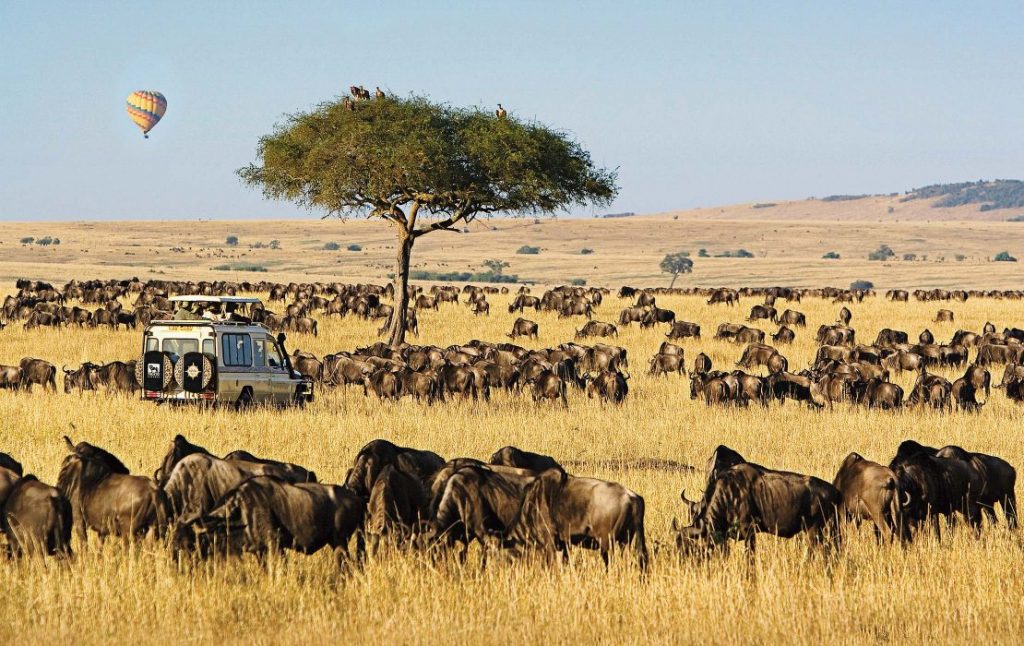
A wide Maasai Mara landscape with animals such as zebras, wildebeest in the open plains.

Table of Contents

Kenya Safari vs Tanzania Safari: Quick Comparison

CategoryKenya SafariTanzania Safari
Most famous parkMasai MaraSerengeti National Park
Best-known wildlife eventGreat Migration river crossingsGreat Migration calving and long migration routes
Strongest safari circuitMasai Mara, Amboseli, Samburu, Lake NakuruSerengeti, Ngorongoro, Tarangire, Lake Manyara
Best for first-time safariVery goodExcellent
Landscape varietySavanna, lakes, mountains, semi-arid regionsVast plains, crater, baobab country, lakes, highlands
Crowd levelsCan be busy in popular areasCan be busy, but more space in larger parks
Typical safari styleClassic safari with strong lodge networkBroad wilderness safari with strong private safari options
Best extensionBeach, culture, other Kenya parksZanzibar, Kilimanjaro, more Tanzania parks
Best overall choiceGreat for shorter Kenya-focused safarisStronger for a complete northern circuit safari
Kenya is not a bad choice. That would be nonsense. Kenya is one of Africa’s great safari destinations.

But if you are looking for a complete northern safari circuit with Serengeti, Ngorongoro Crater, Tarangire, Lake Manyara, and the option to add Zanzibar or Mount Kilimanjaro, Tanzania is the stronger choice for many travelers.

Wildlife Experience: Which Country Offers Better Game Viewing?

Both Kenya and Tanzania offer excellent wildlife viewing. You can see lions, elephants, buffalo, giraffes, zebras, antelopes, hippos, crocodiles, hyenas, cheetahs, and many bird species in both countries.
 
The real difference is not simply “which country has animals.” Both do.
 
The better question is: what kind of wildlife experience do you want?
 
Kenya often offers strong wildlife viewing in compact areas, especially in the Masai Mara. This can be excellent for travelers who want high chances of seeing big cats and dramatic open savanna scenes. Amboseli is also famous for elephants with Mount Kilimanjaro in the background, although Kilimanjaro itself is in Tanzania.
 
Tanzania gives you a broader safari circuit. Serengeti offers vast plains, predator action, and migration movement. Ngorongoro Crater offers concentrated wildlife in a dramatic volcanic setting. Tarangire is excellent for elephants, baobab trees, and dry-season wildlife. Lake Manyara adds forest, lake scenery, birdlife, monkeys, elephants, and a completely different ecosystem from the open plains.
 
For travelers who want variety across several parks, Tanzania has the advantage. If this is your first safari and you are still unsure what kind of route fits you, start with our guide to the best Tanzania safari for first-time visitors before choosing parks or travel dates.

Serengeti vs Masai Mara: The Big Comparison

The Serengeti and Masai Mara are part of the same wider ecosystem, but they are not the same destination.
 
Masai Mara is smaller and extremely famous. It offers excellent wildlife viewing, especially during migration season when wildebeest and zebras move through the Mara side of the ecosystem. Because the area is more compact, wildlife sightings can feel frequent and intense.
 
Serengeti National Park is much larger. The scale is one of its biggest strengths. The plains feel endless, the wildlife movement is spread across different regions, and the safari experience can feel wilder and more expansive.
 
If you want a shorter safari with a strong chance of dramatic wildlife sightings in a compact area, the Masai Mara is excellent.
If you want a deeper, more spacious safari with different Serengeti regions, longer migration routes, predator-rich plains, and a stronger connection to Tanzania’s northern circuit, Serengeti is the better fit.
 
This is where Tanzania becomes powerful: Serengeti is not standing alone. It connects naturally with Ngorongoro Crater, Tarangire, Lake Manyara, and other Tanzania safari areas. For a deeper look at the Tanzania side of this ecosystem, read our Serengeti National Park safari guide.

Great Migration: Kenya or Tanzania?

Many travelers compare Kenya and Tanzania because of the Great Migration. This is one of the greatest wildlife movements on earth, involving huge numbers of wildebeest, zebras, and gazelles moving through the Serengeti-Mara ecosystem in search of fresh grazing.
But here is the important truth: the Great Migration is not only a Kenya event.
 
That is a lazy misunderstanding.
The migration spends much of its cycle in Tanzania. The Serengeti side is where many travelers can experience different migration stages, including calving season in the southern Serengeti and Ndutu area, movement through central and western Serengeti, and dramatic northern Serengeti crossings depending on the season.
 
Kenya’s Masai Mara is famous for migration river crossings, especially when the herds move into the Mara. That experience can be spectacular, but it is also seasonal and often attracts many vehicles.
Tanzania gives you more migration variety across the year. Depending on when you travel, you may focus on calving season, predator action, large herds on the plains, or northern Serengeti movement. If the Great Migration is one of your main reasons for traveling, our full Great Migration guide explains how the movement changes by season and location.
 
So, which is better for the Great Migration?
 
Kenya is excellent for Masai Mara migration viewing during the right season. Tanzania is stronger if you want more migration stages and a wider Serengeti-based safari experience. For travelers interested in newborn wildebeest, predator action, and the southern Serengeti ecosystem, read our guide to calving season in Ndutu.
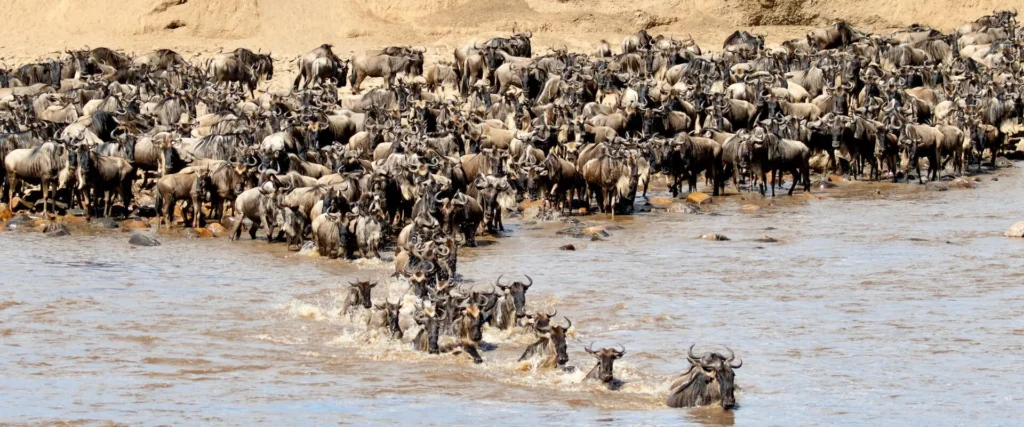
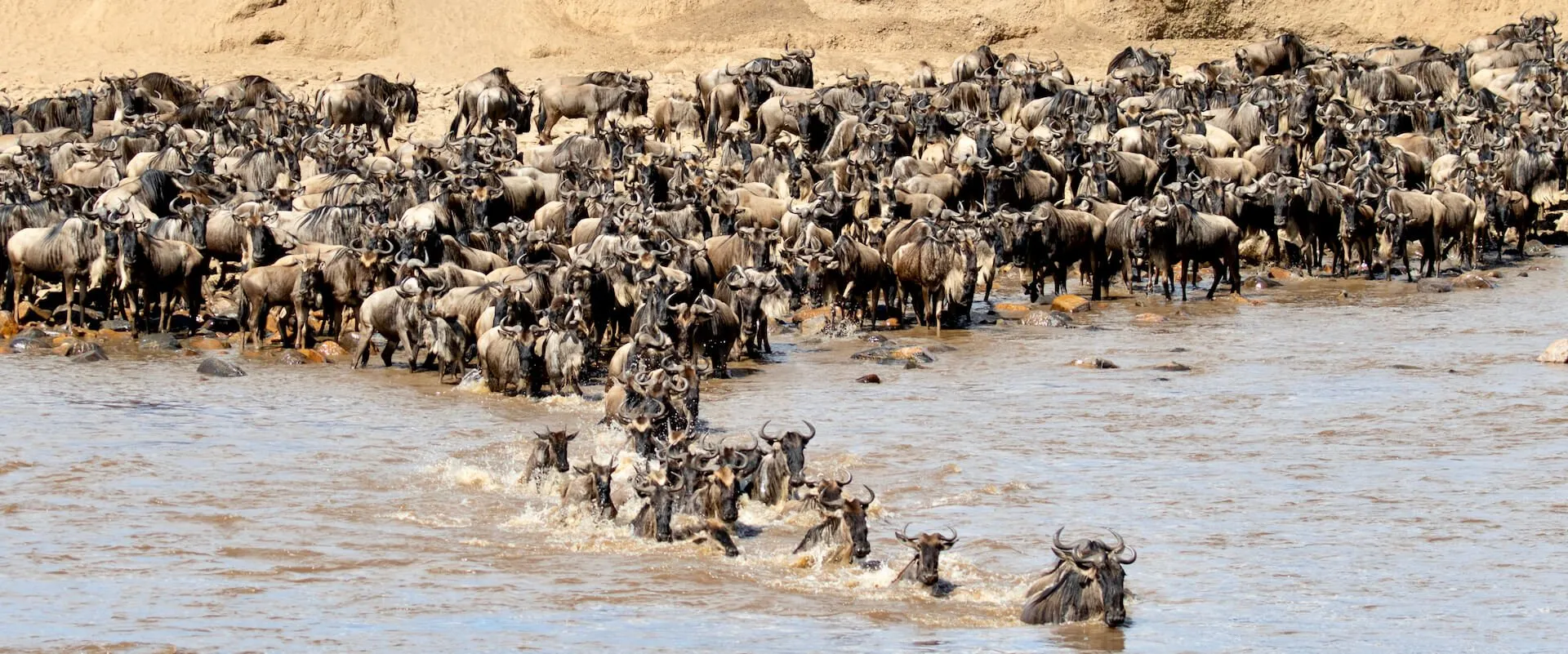
Wildebeest and zebra herds crossing the Serengeti plains during the Great Migration in Tanzania
Wildebeest herds move from the Serengeti into the Maasai Mara during the Great Migration, following seasonal rains and fresh grazing across East Africa.

Safari Parks and Landscapes

A safari is not only about ticking animals off a list. The landscape matters. The feeling of the place matters. The way the parks connect matters.
 
This is where Tanzania has a serious advantage for travelers building a complete safari.

Tanzania Safari Highlights

Tanzania’s northern circuit is one of the strongest safari routes in Africa. It allows travelers to combine several major parks without wasting too much time on complicated logistics.
 
Serengeti National Park is the most famous safari destination in Tanzania. It is known for endless plains, predators, migration movement, big cats, and classic safari scenery. A Serengeti safari can feel wide, wild, and powerful because the park is so large and the wildlife experience changes by region and season.
 
Ngorongoro Crater is one of the most unique wildlife settings in Africa, with animals living inside a collapsed volcanic caldera. The crater offers a very different experience from Serengeti because wildlife is concentrated in a smaller area, and the scenery is dramatic from the moment you descend into the crater floor. You can learn more in our full Ngorongoro Crater safari guide.
 
Tarangire National Park is famous for elephants, baobab trees, dry-season wildlife concentration, and a quieter safari atmosphere than the most famous parks. It is often underrated by first-time travelers, but leaving it out can be a mistake, especially during the dry season. For elephant herds, baobab scenery, and dry-season wildlife, read our Tarangire National Park safari guide.
 
Lake Manyara National Park adds forest, lake views, birdlife, monkeys, elephants, and a different landscape from the open plains. It is not the same type of safari as Serengeti or Ngorongoro, and that is exactly why it can fit well into a balanced northern circuit itinerary. To understand how this park fits into a northern circuit itinerary, see our Lake Manyara National Park safari guide.
 
This combination gives Tanzania real depth. You are not repeating the same type of safari every day. You move from elephants and baobabs to crater wildlife, open plains, migration routes, lake scenery, forest, and highland views.

Kenya Safari Highlights

Kenya also has excellent safari destinations. Masai Mara is the most famous, especially for big cats and migration viewing. Amboseli is known for elephants and views of Mount Kilimanjaro. Samburu offers a drier northern landscape with unique wildlife species. Lake Nakuru is known for rhinos and birdlife.
 
Kenya works well for travelers who want a classic safari route, especially if they are focused on the Masai Mara or combining different Kenyan parks.But for many first-time travelers choosing one country only, Tanzania’s northern circuit gives a stronger all-around safari structure.

Crowds and Safari Experience

Both Kenya and Tanzania can get crowded in popular areas during peak season. Anyone pretending otherwise is selling fantasy.
 
Masai Mara can become busy, especially during migration season. Popular river crossing points may attract many vehicles. This does not mean the safari is bad, but it does mean the experience can feel less private at certain times.
 
Tanzania also has busy areas, especially central Serengeti, Ngorongoro Crater, and popular routes during high season. However, Serengeti is much larger, and with good planning, you can create a better flow by choosing the right region, timing, and route.
 
The quality of the safari depends heavily on planning. A weak itinerary can make even a great destination feel rushed and crowded. A smart itinerary can avoid some pressure points and give you better time in the right places.
 
This is why choosing the right number of days matters. Trying to squeeze Serengeti, Ngorongoro, Tarangire, and Lake Manyara into too few days creates a rushed safari. That is not smart planning. It is box-checking. Before confirming your route, read how many days you need for a Tanzania safari so you avoid building an itinerary that looks good on paper but feels rushed in real life.

Safari Cost: Is Kenya or Tanzania More Expensive?

Kenya is often seen as slightly more flexible for budget safaris, especially because it has many safari operators, accommodation levels, and shorter route options. A Masai Mara-focused safari can sometimes be easier to package into fewer days.
 
Tanzania can feel more expensive, especially when including Serengeti and Ngorongoro Crater, because park fees, distances, logistics, vehicle use, and accommodation choices affect the final price. But Tanzania also gives strong value when the itinerary is planned properly.
The problem is that many travelers compare safari prices badly.
 
A cheap safari is not automatically better. If the route is rushed, the accommodation is poor, the vehicle is unreliable, or the guide is inexperienced, you did not save money. You bought stress.
A proper comparison should look at:
  • Number of safari days
  • Which parks are included
  • Private or group safari style
  • Accommodation level
  • Park fees and conservation fees
  • Guide and vehicle quality
  • Meals and drinking water
  • Airport transfers
  • Distance and logistics
  • Season of travel
For Tanzania, Serengeti and Ngorongoro usually increase the cost, but they also carry some of the strongest wildlife value. If those are your dream destinations, choosing Tanzania makes sense. To compare realistic pricing, park fees, accommodation levels, and what affects the final budget, read our full guide to Tanzania safari cost.
 
A safari price only makes sense when you know what is actually included. Before comparing quotes, check what is included in a Tanzania safari package so you do not choose a cheaper option that leaves out important services.

Best for First-Time Safari Travelers

For first-time safari travelers, Tanzania is extremely strong because the northern circuit is easy to understand and easy to build into a logical route.
 
A well-planned first-time Tanzania safari can include Tarangire for elephants and baobabs, Serengeti for big cats and plains, Ngorongoro Crater for concentrated wildlife, and Lake Manyara for scenery, birdlife, and forest.
 
That is a strong first safari. It gives variety without making the route feel random.
Kenya is also good for first-time visitors, especially if the Masai Mara is the main goal. A Kenya safari can be simpler if you want a shorter trip focused on one or two major areas.
 
But if a traveler asks, “Which destination gives me the strongest first safari experience with multiple world-class parks?” Tanzania wins.
 
The reason is simple: Tanzania gives first-time travelers a complete safari arc. You do not only get open savanna. You get crater wildlife, elephants, baobabs, lake scenery, forests, plains, predators, and migration possibilities depending on the season.

Best for Families, Couples, and Photographers

Different travelers need different safari styles. A family does not plan the same way as a honeymoon couple. A wildlife photographer does not need the same itinerary as a first-time traveler who mainly wants comfort and reliable sightings.
 
This is another area where your choice should be practical, not emotional.

Best for Families

Tanzania is excellent for families because the northern circuit can be customized around comfort, drive times, lodge style, and wildlife interests. Families often enjoy Tarangire because of elephants and open scenery, Ngorongoro because of high wildlife concentration, and Serengeti because of the classic safari feeling.
 
Kenya can also work well for families, especially with shorter itineraries and lodge-based safaris. But Tanzania gives more room to build a balanced family safari with different environments. If you are planning with children or mixed-age travelers, our Tanzania safari for families guide will help you understand comfort, pacing, lodge choice, and route planning.

Best for Couples and Honeymoon Travelers

Both Kenya and Tanzania can work beautifully for couples. Kenya has romantic camps, private conservancies, and strong Masai Mara options. Tanzania has Serengeti camps, crater-view lodges, luxury tented camps, and easy combinations with Zanzibar.
 
For couples who want safari plus beach, Tanzania has a clean advantage because Zanzibar is a natural extension after the northern circuit.
 
A Tanzania honeymoon safari can move from game drives in Serengeti or Ngorongoro to relaxing beach days in Zanzibar. That combination is hard to beat if you want wildlife, comfort, and a romantic ending to the trip.

Best for Photographers

Photographers can do very well in both countries.
 
Kenya’s Masai Mara offers open plains, big cats, and dramatic migration scenes. Tanzania’s Serengeti offers huge landscapes, predator action, migration movement, and a more expansive wilderness feeling.
 
For photographers who want variety, Tanzania is stronger because you can combine Serengeti plains, Ngorongoro Crater, Tarangire baobabs, elephants, and lake scenery in one trip.

Best Time to Visit Kenya and Tanzania for Safari

The best time depends on what you want to see.
 
For general wildlife viewing, the dry season is usually excellent because animals gather near water sources and vegetation is thinner. This makes wildlife easier to spot.For the Great Migration, timing matters more. Kenya’s Masai Mara is famous during the months when herds are in the Mara ecosystem. Tanzania offers different migration stages across the year, including calving season in the southern Serengeti and Ndutu area, central Serengeti movement, western corridor movement, and northern Serengeti crossings.
 
For green scenery, fewer crowds, and birdlife, the green season can also be rewarding. It may include rain, but it can offer beautiful landscapes and good photographic conditions.
 
Do not choose your safari month blindly. The “best time” depends on whether your priority is migration, big cats, elephants, fewer crowds, lower prices, photography, or family comfort. For a full seasonal breakdown, read our guide to the best time to visit Tanzania for safari.

Can You Combine Kenya and Tanzania in One Safari?

Yes, you can combine Kenya and Tanzania in one safari, but it must be planned carefully.
 
A combined Kenya-Tanzania safari can include Masai Mara and Serengeti, or other park combinations depending on your time and budget. This can be excellent for travelers who want a larger East Africa safari experience.
 
But here is the honest part: combining both countries is not always necessary.
If you only have a short time, trying to force both Kenya and Tanzania into one itinerary can create too much travel and not enough safari. You may spend more time moving between places than actually enjoying wildlife.A combined safari works best when you have enough days, a realistic budget, and a clear reason for including both countries.
 
If your main dream is Serengeti, Ngorongoro, Tarangire, and possibly Zanzibar, choose Tanzania and do it properly. Do not dilute the trip just to say you visited two countries. A stronger Tanzania-only safari usually starts by choosing the right route length, so read how many days you need for a Tanzania safari before adding extra borders and transfers.

Private vs Group Safari: Which Works Better?

Both Kenya and Tanzania offer private and group safari options.
 
A private safari gives you more control over your route, timing, pace, accommodation, and daily schedule. This is especially useful in Tanzania because the northern circuit works very well as a customized private safari.
 
A group safari can reduce cost, but it also means less flexibility. You may have fixed departure dates, fixed accommodation, and less control over how long you spend at sightings.
 
For travelers coming to Tanzania for a serious safari experience, a private safari is usually the better choice if the budget allows. It gives you a cleaner route and a more personal experience. If you are comparing flexibility, price, privacy, and itinerary control, read our full guide to private vs group safari in Tanzania.
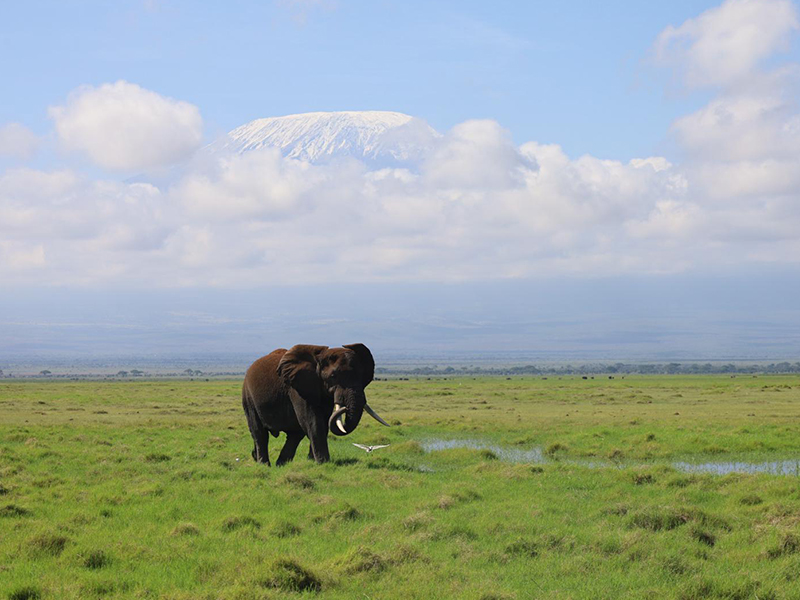
Elephant in Amboseli National Park with Mount Kilimanjaro in the background
An elephant walks across Amboseli with Mount Kilimanjaro rising in the background, creating one of the most iconic safari views in East Africa.

Luxury, Mid-Range, or Budget Safari: Which Country Is Better?

Kenya and Tanzania both offer budget, mid-range, and luxury safari options.
Kenya has a wide range of safari accommodation and can sometimes feel easier for budget-conscious travelers, especially for shorter trips.
 
Tanzania has excellent mid-range and luxury safari options, especially around Serengeti, Ngorongoro, Tarangire, and Lake Manyara. Budget options exist, but once you include major parks like Serengeti and Ngorongoro, the total cost can rise quickly.
 
The smartest choice is not to chase the cheapest package. Choose the safari level that fits your expectations.
 
Budget safari means basic comfort, lower cost, and simple accommodation.
Mid-range safari usually gives better comfort, reliable lodges or tented camps, and strong value.
 
Luxury safari gives premium camps, top locations, high comfort, and a more exclusive experience.
 
If your goal is a once-in-a-lifetime safari, mid-range is often the best balance. Going too cheap can damage the experience. Going luxury is excellent if comfort, location, and service matter more than saving money. To choose the right comfort level for your budget, compare luxury, mid-range, and budget safari options in Tanzania before booking.

Kenya Safari vs Tanzania Safari: Which One Should You Choose?

Choose Kenya If You Want Choose Tanzania If You Want
A Masai Mara-focused safari experience. Serengeti National Park and a wider northern circuit safari.
A shorter classic safari with strong big cat viewing in a compact area. Ngorongoro Crater, Tarangire, Lake Manyara, and Serengeti in one itinerary.
Amboseli elephants with Mount Kilimanjaro views. Tarangire elephants, baobab landscapes, and excellent dry-season wildlife viewing.
A Kenya-based travel route starting from Nairobi or the Kenyan coast. More Great Migration stages across the Serengeti ecosystem.
A compact safari route with less travel time between key areas. A more complete safari circuit with stronger park variety and landscape diversity.

Is Kenya or Tanzania Better for Safari?

Kenya and Tanzania are both excellent safari destinations. If someone says one is amazing and the other is bad, they are talking nonsense.
 
The real answer depends on your trip style.
 
Kenya is excellent for travelers focused on the Masai Mara, classic safari routes, and shorter Kenya-based itineraries.
 
Tanzania is better for travelers who want Serengeti, Ngorongoro Crater, Tarangire, Lake Manyara, the Great Migration from the Serengeti side, and a complete northern safari circuit with strong variety.If this is your first major safari and you want the most complete Tanzania experience, choose Tanzania.
 
Build the route properly, give yourself enough days, and do not rush the parks like a checklist.A good safari is not about visiting the most places. It is about choosing the right places, at the right time, with the right guide and enough time to enjoy them.

Frequently Asked Questions About Kenya Safari vs Tanzania Safari

Is Kenya or Tanzania better for safari?

Both are excellent, but Tanzania is often better for travelers who want a complete northern circuit safari with Serengeti, Ngorongoro Crater, Tarangire, and Lake Manyara. Kenya is excellent for Masai Mara-focused safaris and classic shorter safari routes.

Is Serengeti better than Masai Mara?

Serengeti is much larger and offers a more expansive wilderness experience. Masai Mara is smaller and can offer excellent concentrated wildlife viewing. Serengeti is better for travelers who want a deeper Tanzania safari with more regions and migration stages.

Which is better for the Great Migration, Kenya or Tanzania?

Kenya is famous for Masai Mara migration viewing, especially river crossings during the right season. Tanzania offers more migration stages across the Serengeti ecosystem, including calving season, central Serengeti movement, western corridor movement, and northern Serengeti crossings.

Is Tanzania safari more expensive than Kenya?

Tanzania can be more expensive, especially when including Serengeti and Ngorongoro Crater. However, the value can be very strong because the safari experience includes several world-class parks in one route. Cost depends on the number of days, accommodation level, season, and safari style.

Can I combine Kenya and Tanzania in one safari?

Yes, you can combine Kenya and Tanzania, but it works best when you have enough time and budget. If your time is short, it is usually better to focus on one country and do the safari properly instead of rushing between two destinations.

Plan Your Tanzania Safari with Kili Quests

Kenya and Tanzania both offer unforgettable safari experiences, but if your dream is to explore Serengeti, Ngorongoro Crater, Tarangire, Lake Manyara, and the Great Migration from the Tanzania side, you need a safari plan that matches your time, budget, and travel style.
 
At Kili Quests, we help you build a private Tanzania safari with experienced local guides, comfortable accommodation options, reliable transport, and a route designed around the best wildlife experience for your travel dates.
 
Whether you are planning your first safari, comparing Kenya and Tanzania, or deciding between Serengeti, Ngorongoro Crater, Tarangire, and Lake Manyara, we can help you choose the right parks and avoid a rushed itinerary.
 
Contact us  to plan your safari that fits your budget, timing, and travel goals.

Related Articles
5-Day Tanzania Safari Itinerary: Best Northern Circuit Route

Plan a Better 5-Day Safari

Five days gives you room to build a serious safari, but the route still needs to be sharp.At Kili Quests, we help you choose the best parks for your safari length,Match your travel style with the right itinerary,Build a realistic safari based on season and wildlife value

Plan Your Trip Better

OUR CATEGORIES

Best 5-Day Tanzania Safari Itinerary in Northern Tanzania

A 5-day Tanzania safari itinerary is where a safari starts to become properly rewarding instead of rushed. Three days can work. Four days can be solid. But five days gives you something better: enough time to combine major northern circuit parks, enjoy longer game drives, reduce the pressure of constant movement, and build a safari that actually feels complete.
 
That is why a 5-day safari is one of the smartest choices for travelers visiting Tanzania for wildlife. It is long enough to include some of the country’s strongest safari destinations, but still short enough to fit into a realistic holiday schedule. For first-time visitors, couples, families, and travelers combining safari with Zanzibar or Kilimanjaro, five days often hits the sweet spot between value, variety, and comfort.
 
Still, not every 5-day itinerary is good. Some are poorly built, overloaded with too much driving, or stuffed with famous park names without real logic. That is weak planning. A strong safari is not about bragging that you touched many parks. It is about building the route in the right order, matching the season, and making sure the traveler actually spends time watching wildlife instead of just moving between gates and lodges.
 
In this guide, you will see what makes a strong 5-day Tanzania safari itinerary, which parks fit best, what a realistic day-by-day plan looks like, and how to avoid wasting your trip on a bad route.

Quick Answer: Best 5-Day Tanzania Safari Itinerary

The best 5-day Tanzania safari itinerary usually follows the northern circuit route: Tarangire National Park, Serengeti National Park, Ngorongoro Crater, and sometimes Lake Manyara. For most travelers, the strongest option is:
 
  • Day 1: Arusha to Tarangire National Park
  • Day 2: Tarangire or Karatu to Serengeti National Park
  • Day 3: Full day in Serengeti National Park
  • Day 4: Serengeti to Ngorongoro or Karatu area
  • Day 5: Ngorongoro Crater game drive and return to Arusha
 
This route works because it combines elephants and baobab landscapes in Tarangire, big cats and open plains in Serengeti, and concentrated wildlife inside Ngorongoro Crater. It is long enough to feel like a real safari, but short enough to combine with Zanzibar, Kilimanjaro, or a wider Tanzania holiday.
Day Route Main Safari Experience
Day 1 Arusha to Tarangire National Park Elephants, baobab trees, and your first northern Tanzania game drive.
Day 2 Tarangire or Karatu to Serengeti National Park Scenic transfer through the highlands with game viewing as you enter the Serengeti plains.
Day 3 Full day in Serengeti National Park Big cats, open savannah, resident wildlife, and full-day game viewing.
Day 4 Serengeti to Ngorongoro or Karatu area Morning Serengeti game drive followed by transfer toward Ngorongoro.
Day 5 Ngorongoro Crater to Arusha Crater game drive with dense wildlife viewing before returning to Arusha.
Lion resting in the savannah during a 5-day Tanzania safari in northern Tanzania
A lion rests in the African savannah during a 5-day Tanzania safari, one of the classic wildlife experiences in the northern circuit.

Table of Contents

Is 5 Days Enough for a Tanzania Safari?

Yes. For many travelers, 5 days is one of the best safari lengths in Tanzania.
 
That does not mean it is enough to see every important park in the country. It is not. But it is enough to build a high-quality northern circuit safari that includes serious wildlife viewing, excellent scenery, and a stronger overall rhythm than shorter trips. Five days gives you room to do more than just rush through Tarangire and Ngorongoro. It lets you add Serengeti properly or spend more time where it actually matters.
 
A 5-day safari is especially strong because it gives you:
  • enough time for multiple major parks
  • a better chance of seeing a wider range of wildlife
  • a more relaxed pace than 3-day or 4-day itineraries
  • stronger value for travelers who want a real safari, not just a sample
If you are still comparing trip lengths, How Many Days for Tanzania Safari? should be one of the first supporting pages you review, because length affects everything from park choice to budget to travel comfort.

Who Should Choose a 5-Day Safari?

A 5-day safari is one of the most flexible safari lengths in Tanzania, which is why it suits several types of travelers.

First-Time Safari Travelers

This is one of the best safari lengths for first-time visitors because it gives enough time to experience more than one kind of landscape and wildlife area. You are not just testing safari. You are actually doing it properly.

Travelers Who Want Serengeti Included 

If Serengeti matters to you, 5 days is much more realistic than trying to squeeze it into a badly rushed 3-day trip. It still requires good route planning, but now Serengeti becomes possible without making the whole itinerary collapse.

Couples and Honeymoon Travelers

 A 5-day safari works well for couples because it allows a better balance between wildlife, comfort, and pace. It does not feel as compressed as a short safari.

Families

Families often need a trip with a little more breathing room. Five days gives better structure for children, parents, and anyone who does not want the entire experience to feel like a nonstop road transfer.

Travelers Combining Safari with Zanzibar or Kilimanjaro

For many people, 5 days is the perfect safari add-on. It is long enough to feel worthwhile and short enough to combine with another major Tanzania experience.
 
To compare travel styles, Best Safari for First-Time Visitors and Private vs Group Safari Tanzania are both important supporting articles.

Best Parks for a 5-Day Tanzania Safari Itinerary

A good 5-day itinerary usually focuses on the northern circuit. That is where the park network, logistics, and wildlife value come together best for this trip length.

Tarangire National Park

Tarangire is one of the best opening parks for a northern circuit safari. It is known for elephant herds, baobab trees, and strong dry-season wildlife. It also fits well logistically from Arusha, which makes it a smart starting point.
 

Serengeti National Park

Serengeti is the biggest name in Tanzania safari for a reason. It offers huge plains, abundant wildlife, predators, and migration movement depending on the season. A 5-day safari gives you a much better chance to include Serengeti without destroying the trip pace.
 

Ngorongoro Crater

Ngorongoro Crater is one of the strongest one-day safari destinations in Africa. Wildlife is concentrated, scenery is dramatic, and it works extremely well in a 5-day itinerary as either a final highlight or a major core day.
 

Lake Manyara National Park

Lake Manyara can add variety in scenery and wildlife style, especially in itineraries that want a lighter first or last day. It is not always essential, but in some 5-day plans it fits well.
 

Best 5-Day Tanzania Safari Itinerary Option

For most travelers, the strongest 5-day Tanzania safari itinerary looks like this-
Day Route Main Experience
Day 1 Arusha to Tarangire National Park Elephants, baobab trees, and your first northern Tanzania game drive.
Day 2 Tarangire / Karatu area to Serengeti National Park Scenic transfer with game viewing en route as you enter the Serengeti plains.
Day 3 Full day in Serengeti National Park Big cats, open savannah, resident wildlife, and full-day game viewing.
Day 4 Serengeti to Ngorongoro area Morning game drive in Serengeti followed by transfer toward Ngorongoro.
Day 5 Ngorongoro Crater to Arusha Crater game drive with a strong chance of seeing dense wildlife before returning to Arusha.
This route works because it combines three of the northern circuit’s strongest safari areas without turning the trip into total chaos. It gives you elephants and baobabs in Tarangire, wide plains and predators in Serengeti, and dense wildlife in Ngorongoro.That is a real safari structure. Not random park collecting.

Day 1 – Arusha to Tarangire National Park

A strong 5-day safari usually starts with Tarangire. You leave Arusha in the morning and drive to the park, where your first game drive begins.
 
Tarangire is a smart first park because it gives excellent wildlife and iconic scenery without demanding an exhausting first day. The park is especially famous for:
  • large elephant herds
  • giant baobab trees
  • giraffes, zebras, buffalo, and wildebeest
  • beautiful landscapes along the Tarangire River
  • seasonal predator sightings

This first day matters because it sets the tone for the entire safari. If Day 1 is weak, the whole trip feels off balance. Tarangire usually avoids that problem because it delivers a proper introduction to Tanzania wildlife.

After the game drive, you continue to your lodge or tented camp for overnight.

Day 2 – Tarangire to Serengeti

Day 2 is the transition into bigger safari country. Depending on the route, you travel toward Serengeti, often passing through the Ngorongoro highlands and entering Serengeti with game-viewing opportunities along the way.
 
This is not just a transfer day if it is handled properly. The route itself can be part of the experience, with changing scenery and early wildlife encounters as you approach the plains. A good guide does not waste this day. A weak operator does.By the time you reach Serengeti, the landscape opens up, and the trip starts to feel bigger. This is where Tanzania safari shifts from strong to legendary.

Day 3 – Full Day in Serengeti National Park

This is usually the core safari day of the itinerary.
 
A full day in Serengeti gives you time to go beyond a rushed drive-through and actually experience what makes the park so famous. Depending on the season and area, you may see:
Wildlife What You May See
Lions Often seen resting, hunting, or moving across the open plains.
Cheetahs Usually spotted in open grasslands where they hunt at high speed.
Leopards Often found resting in trees or hidden near riverine areas.
Elephants Seen moving through woodlands, river areas, and open savannah.
Giraffes Commonly seen browsing on acacia trees and walking across the plains.
Buffalo Often seen in herds near grasslands, water sources, and woodland areas.
Hyenas Frequently seen around predator activity, open plains, and den sites.
Hippos Usually found in rivers, pools, and permanent water areas.
Wildebeest and Zebra Herds Large herds move across the plains, especially during migration periods.
Birdlife A wide variety of birds can be seen across the plains, wetlands, rivers, and woodland areas.
Serengeti is massive, and that matters. You are not visiting a small enclosed wildlife zone. You are moving through a huge ecosystem where the sightings change with season, rainfall, and migration patterns. That is why timing matters so much.
 
For travelers interested in seasonal movement, Great Migration Guide and Best Time to Visit Tanzania for Safari are critical supporting pages. Without that understanding, many people choose dates badly and then blame the safari when the real problem was their planning.

Alternative 4-Serengeti to Ngorongoro Area

Day 4 – On Day 4, you leave Serengeti and head toward the Ngorongoro area. This day still offers game-viewing value because wildlife sightings continue during the drive, especially if the route is timed well.Some travelers think moving days are wasted days. That is not always true. A well-built itinerary uses movement intelligently. You are not just changing beds. You are repositioning for one of the strongest final safari days possible.
 
By the end of the day, you usually overnight near Ngorongoro or Karatu, placing you in a strong position for an early crater descent the next morning.

Day 5 – Ngorongoro Crater and Return to Arusha

Ngorongoro Crater is the perfect final day for a 5-day safari because it delivers concentrated wildlife in a dramatic setting. You descend into the crater early and spend the morning or much of the day on game drive before returning to Arusha.
Wildlife in the crater may include:
Wildlife What You May See
Lions Often seen resting, hunting, or moving across the crater floor.
Hyenas Common around open plains, predator activity, and scavenging sites.
Buffalo Frequently seen grazing in grassland areas and near water sources.
Zebras Commonly seen in herds across the crater floor.
Wildebeest Often found grazing across the open grasslands inside the crater.
Hippos Usually found in pools, wetlands, and permanent water areas.
Elephant Bulls Large males are often seen moving through woodland and open areas.
Flamingos May be seen around Lake Magadi when water and feeding conditions are suitable.
Black Rhinos Possible sightings, though they are less predictable and usually seen from a distance.
The crater works so well in a 5-day safari because it gives travelers a different safari feel from Serengeti. Serengeti is vast and open. Ngorongoro is compact and intense. Together, they make the trip stronger.
 
After the crater game drive, you return to Arusha and usually end the safari later that day.

Alternative 5-Day Tanzania Safari Itinerary

Not every traveler wants the exact same route. That is fine. But the alternative still has to make sense.
A second good option is:
Day Route Main Experience
Day 1 Arusha to Lake Manyara National Park Forest wildlife, lake views, birds, monkeys, elephants, and your first game drive.
Day 2 Lake Manyara to Serengeti National Park Scenic transfer through the highlands with game viewing as you enter the Serengeti plains.
Day 3 Full day in Serengeti National Park Big cats, open savannah, resident wildlife, and full-day game viewing.
Day 4 Serengeti to Ngorongoro area Morning Serengeti game drive followed by transfer toward the Ngorongoro highlands.
Day 5 Ngorongoro Crater and return to Arusha Crater game drive with dense wildlife viewing before returning to Arusha.
This version works for travelers who want Lake Manyara included, but it often gives less value than starting with Tarangire. Tarangire is usually the stronger first park. Lake Manyara is more of a supporting option, not the main heavyweight.
 
Another variation may reduce Serengeti and add more Tarangire or Manyara, but that depends on wildlife priorities and budget. The route should be built around what actually matters to the traveler, not just on copying a generic safari package.

Is 5 Days Enough for Serengeti?

Yes, if Serengeti is part of a focused 5-day northern circuit itinerary.No, if you are trying to include too many other parks and still expect Serengeti to feel complete.
 
This is where many travelers overload their own safari. They want Tarangire, Lake Manyara, Ngorongoro, Serengeti, and every famous park name they have heard, all inside one short trip. That is not a stronger safari. It is an overloaded itinerary that usually creates more driving and less quality wildlife viewing.
 
Five days is enough for Serengeti when the itinerary is disciplined. It is not enough for every possible safari plan.A good 5-day itinerary usually includes Serengeti plus two strong supporting parks. That is the sane version.

What Wildlife Can You Expect on a 5-Day Safari?

A well-planned 5-day Tanzania safari can produce an excellent range of wildlife sightings. Depending on the parks and season, you may see:
Wildlife What You May See
Elephants Often seen in Tarangire, Lake Manyara, Serengeti, and around woodland or water areas.
Lions Commonly seen resting, hunting, or moving across open plains and crater grasslands.
Cheetahs Usually spotted in open grasslands, especially in Serengeti areas with good visibility.
Leopards Possible in tree-lined areas, river systems, and woodland habitats, though sightings are less predictable.
Hyenas Often found around predator activity, open plains, and scavenging areas.
Buffalo Frequently seen grazing in grasslands, woodlands, and near water sources.
Giraffes Often seen browsing acacia trees and walking through savannah or woodland areas.
Zebras Common in open plains and often seen in herds with wildebeest.
Wildebeest Seen in grassland areas, with larger herds depending on migration movement and season.
Hippos Usually found in rivers, pools, wetlands, and permanent water areas.
Warthogs Often seen grazing in open areas or moving through short grass with tails raised.
Baboons Common near forest edges, park roads, and woodland areas, especially in Lake Manyara and Tarangire.
Gazelles and Antelope Species Frequently seen across plains, grasslands, and woodland edges.
Bird Species Many species can be seen around plains, wetlands, lakes, rivers, and woodland habitats.
You may also encounter migration herds if your timing matches the season. But no honest operator should promise wildlife like a machine. Safari is still nature. What matters is increasing your chances through the right parks, the right season, and the right guide.
Giraffe eating from an acacia tree during a Tanzania safari
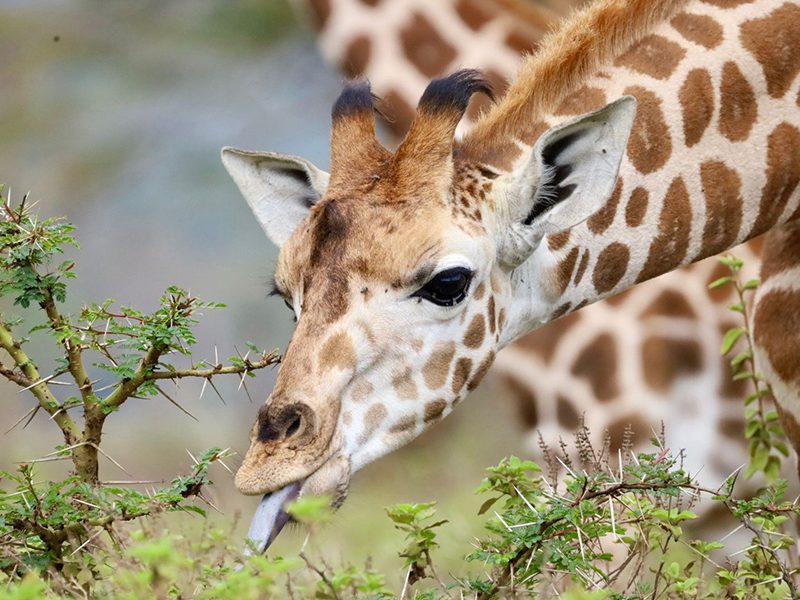
Giraffe feeding from an acacia tree during a Tanzania safari.

Best Time for a 5-Day Tanzania Safari

A 5-day Tanzania safari can work in most months of the year, but the best experience depends on what you want to see.
 
The dry season from June to October is excellent for classic wildlife viewing because animals are easier to spot around water sources and vegetation is thinner. This is a strong time for Tarangire, Serengeti, and Ngorongoro Crater.
 
The green season from November to March offers greener landscapes, good birdlife, fewer crowds in some areas, and excellent photographic conditions. Depending on the month, it can also connect well with migration movement in the southern Serengeti and Ndutu area.
 
April and May are wetter months, but they can still work for travelers who want quieter parks and better value. Road conditions and lodge choices matter more during this period, so the itinerary needs to be planned carefully.
 
For a full seasonal breakdown, read Best Time to Visit Tanzania for Safari before choosing your travel dates.

How Much Does a 5-Day Tanzania Safari Cost?

The cost of a 5-day Tanzania safari depends on:
  • whether the safari is private or group
  • the accommodation level
  • which parks are included
  • the number of travelers
  • the season
  • park fees and logistics
  • whether special extras are included
Five days obviously costs more than three, but it often gives much better value because you are not spending money just to touch a couple of parks and leave. You are building a more complete experience.The real mistake is comparing only the cheapest numbers. Cheap safari offers often hide weak vehicles, poor lodge choices, weak guide quality, or badly built itineraries. That is how people pay less and get more disappointment.
 

Where Do You Stay on a 5-Day Safari?

Accommodation on a 5-day safari is usually a mix of lodges or tented camps in areas such as Tarangire, central Serengeti, and Karatu or Ngorongoro.
Where you stay matters for two reasons:
  1. comfort
  2. location
Too many travelers focus only on the room and ignore the driving logic. That is a mistake, because accommodation location can affect how much time you actually spend inside the parks. On safari, a lodge in the wrong place can damage the whole itinerary. A smartly positioned mid-range camp often gives more overall value than a fancier place that wastes hours in transit.
 
The right accommodation depends on your budget, comfort expectations, and whether you want a private or shared safari feel.

What Should You Pack for a 5-Day Safari?

A 5-day safari needs practical packing, not random holiday packing.
Important items include:
  • comfortable neutral clothing
  • light layers for morning and evening
  • hat and sunglasses
  • sunscreen
  • camera or phone with charging support
  • binoculars if available
  • personal medication
  • comfortable walking shoes
  • a small day bag
  • rain layer in wetter months
Packing badly does not make you adventurous. It makes you uncomfortable and unprepared. For the full checklist, read Tanzania Safari Packing List.

Is a 5-Day Safari Better as Private or Group?

That depends on your budget and expectations.
A private safari is better if you want:
  • more flexibility
  • personalized pacing
  • privacy for couples or families
  • more control over stops and daily rhythm
A group safari is better if you want:
  • lower cost
  • shared travel expenses
  • a more budget-oriented safari option
Neither is automatically superior. What matters is matching the safari style to the traveler, not blindly choosing the cheaper label and pretending it is the same experience.
 
For a full comparison, read Private vs Group Safari Tanzania.

Why 5 Days Is One of the Best Safari Lengths

Five days works so well because it gives balance.
It is long enough to:
  • include Serengeti realistically
  • avoid the worst rushed-safari problems
  • create variety in scenery and wildlife
  • give the traveler time to settle into the safari rhythm
It is short enough to:
  • fit many international travel plans
  • combine with Zanzibar or Kilimanjaro
  • stay more affordable than a week-long safari
That balance is why 5 days is often one of the strongest itinerary lengths for northern Tanzania. It is not too short to feel superficial, and not so long that it becomes hard to fit into a broader holiday plan.

Is a 5-Day Tanzania Safari Worth It?

A 5-day Tanzania safari is worth it for travelers who want a strong northern circuit experience without committing to a longer safari. It gives you enough time to combine Tarangire, Serengeti, and Ngorongoro Crater in a route that feels rewarding instead of rushed.

The best 5-day safari is not the itinerary with the most park names. It is the itinerary with the best structure. That means smart driving distances, well-positioned accommodation, enough time inside the parks, and a route that matches your season, budget, and wildlife goals.

Done well, a 5-day safari can be one of the best ways to experience Tanzania’s wildlife. Done badly, it becomes a rushed list of transfers. The difference is planning.

Frequently Asked Questions About a 5-Day Tanzania Safari

Is 5 days enough for a Tanzania safari?

Yes, 5 days is enough for a strong Tanzania safari, especially in the northern circuit. It gives you enough time to visit major parks such as Tarangire, Serengeti, and Ngorongoro Crater without making the whole trip feel too rushed.

What is the best 5-day Tanzania safari itinerary?

The best 5-day Tanzania safari itinerary usually includes Tarangire National Park, Serengeti National Park, and Ngorongoro Crater. Lake Manyara can also be included, but for many travelers Tarangire offers stronger wildlife value as the first park.

Can I visit Serengeti on a 5-day safari?

Yes, Serengeti fits well into a focused 5-day northern circuit safari. The key is to avoid adding too many parks, because Serengeti needs enough time to feel worthwhile.

How much does a 5-day Tanzania safari cost?

The cost depends on whether the safari is private or group, the accommodation level, travel season, park fees, and the number of travelers. A 5-day safari costs more than a shorter trip, but it often gives better value because the experience is more complete.

Is a 5-day safari better than a 3-day safari?

Yes, for most travelers, a 5-day safari is better than a 3-day safari because it gives more time for Serengeti, better route pacing, and more wildlife variety. A 3-day safari can work, but it is usually more limited.

Is a 5-day Tanzania safari good for first-time visitors?

Yes, a 5-day safari is one of the best choices for first-time visitors. It gives a balanced introduction to Tanzania’s wildlife, landscapes, and northern circuit parks without requiring a long travel schedule

Plan Your 5-Day Tanzania Safari

A 5-day safari gives you enough time to experience Tanzania properly, but only if the route is built with smart timing, realistic driving distances, and the right park combination.
 
At Kili Quests, we help travelers plan private and well-paced Tanzania safaris based on their budget, travel dates, wildlife interests, and comfort level.
 
Contact us to plan a 5-day Tanzania safari through Tarangire, Serengeti, Ngorongoro Crater, and the best northern circuit parks for your trip.

Related Articles

3-Day Tanzania Safari Itinerary: Best Short Safari Route

Build a Strong 3-Day Safari

A short safari only works when the itinerary is built properly.At Kili Quests, we help you choose the best parks for a short safari,Match your budget with the right safari style,Build a realistic itinerary with strong wildlife value

Plan Your Trip Better

OUR CATEGORIES

Best 3-Day Tanzania Safari Itinerary from Arusha

A 3-day Tanzania safari itinerary is one of the most popular choices for travelers who want a real safari experience without spending a full week on the road. It is short enough to fit into a tight travel schedule, but long enough to visit strong northern circuit parks, enjoy proper game drives, and experience why Tanzania is one of Africa’s best safari destinations.

That said, a 3-day safari only works well when it is planned properly. If the route is weak, the timing is poor, or the parks are chosen badly, the whole trip can feel rushed and disappointing. Short safaris do not have room for wasted driving or confused planning. Every day has to count.

For most travelers, the best 3-day Tanzania safari starts from Arusha and focuses on realistic northern circuit parks such as Tarangire National Park, Lake Manyara National Park, and Ngorongoro Crater. This kind of itinerary works especially well for first-time safari travelers, couples, families, and climbers who want to add a short safari after Kilimanjaro.

The mistake is trying to force every famous park into only three days. Serengeti is possible in some 3-day safari plans, especially with fly-in options or a very focused route, but for many travelers it becomes too rushed by road. A strong short safari is not about collecting park names. It is about choosing the right parks, reducing wasted transfer time, and giving yourself enough quality time for wildlife viewing.

In this guide, you will see the best 3-day Tanzania safari itinerary from Arusha, which parks fit best, what you can expect each day, whether Serengeti makes sense in three days, and how to make a short safari feel rewarding instead of rushed.

Quick Answer: Best 3-Day Tanzania Safari Itinerary

The best 3-day Tanzania safari itinerary usually starts from Arusha and focuses on realistic northern circuit parks such as Tarangire National Park, Lake Manyara National Park, and Ngorongoro Crater. For many travelers, the strongest short safari route is:
 
  • Day 1: Arusha to Tarangire National Park
  • Day 2: Lake Manyara or Karatu/Ngorongoro area
  • Day 3: Ngorongoro Crater game drive and return to Arusha
This route works because it avoids wasting too much time on long transfers. It gives you elephants and baobab scenery in Tarangire, varied landscapes around Lake Manyara or Karatu, and concentrated wildlife viewing inside Ngorongoro Crater.
 
A 3-day safari is enough for a strong short safari, but it is not enough to see everything in Tanzania. If Serengeti is your main dream, a longer safari is usually the better choice.
Day Route Main Safari Experience
Day 1 Arusha to Tarangire National Park Elephants, baobab trees, open savannah, and your first northern Tanzania game drive.
Day 2 Lake Manyara or Karatu/Ngorongoro area Scenic variety, forest wildlife, lake views, or a well-paced transfer toward Ngorongoro.
Day 3 Ngorongoro Crater to Arusha Crater game drive with dense wildlife viewing before returning to Arusha.
Elephants walking in Tarangire National Park during a Tanzania safari
Elephants walk through Tarangire National Park, where large herds and ancient baobab trees make the park one of Tanzania’s best safari destinations.

Table of Contents

Is a 3-Day Tanzania Safari Worth It?

Yes, a 3-day Tanzania safari can absolutely be worth it if your expectations are realistic and your route is built well.
 
Many travelers assume a safari must be long to be good. That is wrong. A short safari can still deliver excellent wildlife viewing, beautiful landscapes, and a strong overall experience. The key is not length alone. The key is choosing the right parks and avoiding an itinerary that burns too much time on driving.
 
A 3-day safari is best for travelers who:
  • have limited time in Tanzania
  • want a first safari experience without committing to a longer trip
  • are combining safari with Zanzibar or Kilimanjaro
  • want a moderate budget compared to longer safaris
It is not the best choice for travelers who want to see everything. Three days is enough for a focused northern circuit safari, not for chasing every famous park in Tanzania. That is why How Many Days for Tanzania Safari? is one of the most important pages to compare before booking.

Who Should Choose a 3-Day Safari?

A 3-day safari works best for specific types of travelers.

First-Time Safari Travelers

If this is your first safari, 3 days can be a strong introduction. You get real game drives, major wildlife areas, and a clear sense of what Tanzania safari travel feels like without taking too much time.

Kilimanjaro Climbers Adding Safari

Many travelers climb Kilimanjaro and then want a short safari before flying home. A 3-day itinerary is often one of the smartest add-ons because it gives a rewarding wildlife experience without exhausting the full travel plan.

Travelers on a Tighter Budget

A 3-day safari can be a good choice for travelers who want a real Tanzania safari experience without the higher cost of a longer trip. It still includes park fees, guide service, vehicle use, fuel, accommodation, and meals, but the shorter length helps keep the total budget more manageable.
 
The important thing is not to choose the cheapest option blindly. A low-cost safari can become poor value if the route is badly planned, the vehicle is weak, or the accommodation location creates too much extra driving.

Travelers with Limited Vacation Time

Some people simply do not have a week available. A short safari gives them a chance to experience Tanzania wildlife without skipping the country completely.
For travelers still deciding whether a short safari matches their goals, Best Safari for First-Time Visitors and Private vs Group Safari Tanzania are important supporting pages to compare.

Best Parks for a 3-Day Tanzania Safari Itinerary

Not every park belongs in a short itinerary. Trying to force too much into 3 days is weak planning. You need parks that are close enough to work logistically and strong enough to justify the limited time.
The best park combination for a 3-day safari usually comes from the northern circuit.

Tarangire National Park

Tarangire is one of the strongest parks for a short safari. It is relatively accessible from Arusha and offers excellent wildlife, especially elephants, baobab trees, and classic savanna scenery. It works very well as a first safari day because it gives strong wildlife without requiring an overly long setup.
 

Ngorongoro Crater

Ngorongoro Crater is one of the most rewarding safari destinations in Tanzania for short itineraries. Wildlife is concentrated in a relatively compact area, which makes it ideal when time matters. It is also one of the best places to see a wide range of animals in a single day.
 

Lake Manyara National Park

Lake Manyara can work well in a 3-day itinerary, especially if you want variety in scenery and a park that fits the northern circuit flow. It is not always the star compared with Tarangire or Ngorongoro, but as part of a short route it can still add value.

Serengeti

Serengeti is world famous, but for a 3-day safari it is often a harder fit unless the whole trip is built around flying in or accepting longer road time. For many travelers, forcing Serengeti into only 3 days creates too much transit pressure and weakens the overall experience.
 

Best 3-Day Tanzania Safari Itinerary Option

For most travelers, the strongest 3-day itinerary is:
Day Route Main Experience
Day 1 Arusha to Tarangire National Park Elephants, baobab trees, open savannah, and your first northern Tanzania game drive.
Day 2 Ngorongoro area or Lake Manyara National Park Highland scenery, optional Lake Manyara wildlife viewing, or a relaxed transfer toward Ngorongoro.
Day 3 Ngorongoro Crater and return to Arusha Crater game drive with dense wildlife viewing before returning to Arusha.
This route works because it keeps travel within the northern circuit, combines strong wildlife areas, and avoids trying to do too much.

Day 1 – Arusha to Tarangire National Park

Your safari usually begins with an early morning departure from Arusha. The drive to Tarangire is manageable, which makes it a smart first park for a short itinerary. Once inside the park, the game drive begins immediately, and Tarangire often delivers quickly.
This park is especially famous for:
  • large elephant herds
  • ancient baobab trees
  • giraffes, zebras, wildebeest, and buffalo
  • seasonal predator sightings
  • beautiful open landscapes along the Tarangire River
On a well-timed safari, Tarangire gives an excellent opening day because it feels wild, active, and photogenic. Instead of wasting the day mostly in transit, you are already in a serious game-viewing area.
 
After the game drive, you continue to your lodge or tented camp in the Karatu or Ngorongoro area for dinner and overnight.

Day 2 – Lake Manyara or More Northern Circuit Wildlife

Day 2 depends on how the itinerary is structured. One common option is Lake Manyara National Park. Another option is a second park-area experience combined with positioning for Ngorongoro the next day.
 
If you visit Lake Manyara, expect a park with a different atmosphere from Tarangire. The scenery changes, the vegetation is denser in parts, and the landscape includes forest, lake views, and escarpment backdrops. It is a good contrast park in a short itinerary.
Wildlife in Lake Manyara may include:
  • elephants
  • baboons
  • hippos
  • giraffes
  • flamingos and other birdlife depending on conditions
  • tree-climbing lions in rare but famous cases
Lake Manyara is not always the most dramatic park in northern Tanzania, but in a 3-day itinerary it can work well because of location and variety. It helps create a safari that does not feel repetitive.
 
For a deeper park breakdown, read Lake Manyara Safari Guide.

Day 3 – Ngorongoro Crater and Return to Arusha

Ngorongoro Crater is often the strongest final day of a 3-day safari. You descend early into the crater for a half-day or full game drive depending on the plan and timing. This is where short safaris often finish with serious impact.
The crater is one of the best places in Tanzania for:
  • dense wildlife viewing
  • lions and hyenas
  • buffalo and zebra
  • hippos
  • elephant bulls
  • possible rhino sightings
  • dramatic scenery in a unique volcanic caldera
Because wildlife is concentrated in the crater, it fits perfectly into a shorter safari plan. You are not spending hours searching through a huge ecosystem with lower density. You are entering one of the most productive safari areas in the country.After the crater game drive, you return to Arusha, usually arriving later in the day.

Alternative 3-Day Tanzania Safari Itinerary

There is no single perfect safari for everyone. Some travelers may want a different 3-day structure depending on budget, wildlife priorities, or accommodation style.
A common alternative is:
Day Route Main Experience
Day 1 Lake Manyara National Park Forest wildlife, lake views, birds, monkeys, elephants, and a shorter first-day game drive.
Day 2 Serengeti transit and game drive Long scenic transfer with game viewing as you enter the Serengeti plains.
Day 3 Ngorongoro Crater Crater game drive with dense wildlife viewing before the safari ends.
This can work, but it is more rushed and usually better only if the traveler is determined to touch Serengeti even in a short trip. In many cases, the classic Tarangire plus Ngorongoro route is stronger because it reduces wasted time and improves the overall pace.
 
Another option for some travelers is a fly-in short safari, but that changes the price significantly. If budget matters, you need to compare carefully with Tanzania Safari Cost and Luxury vs Mid-Range vs Budget Safari Tanzania.

What Wildlife Can You Expect on a 3-Day Safari?

A well-planned 3-day Tanzania safari can still produce excellent wildlife viewing. You may see:
Wildlife What You May See
Elephants Often seen in Tarangire, Lake Manyara, and around woodland or water areas.
Lions Possible in Tarangire and Ngorongoro, often resting or moving across open areas.
Zebras Commonly seen in herds across plains and crater grasslands.
Giraffes Often seen browsing acacia trees in woodland and savannah areas.
Buffalo Frequently seen grazing near grasslands, woodland edges, and water sources.
Wildebeest Often found grazing in open grasslands, especially around Ngorongoro and Tarangire areas.
Hippos Usually found in pools, wetlands, and permanent water areas.
Hyenas Often seen around open plains, predator activity, and scavenging areas.
Warthogs Commonly seen grazing in open areas or moving through short grass.
Baboons Frequently seen near forest edges, roadsides, and woodland areas.
Antelope Species Gazelles, impalas, and other antelope species may be seen across plains and woodland edges.
Birdlife A wide variety of birds can be seen around lakes, wetlands, savannah, and woodland habitats.
You may also have a chance at more elusive animals depending on the parks and luck. But that is the point: safari is never a zoo. No operator can honestly promise every animal on demand. What a strong operator does is build the route intelligently so your chances are as good as possible.
 
That is why What’s Included in a Tanzania Safari Package matters. A safari is not just the parks. It is also the guide quality, vehicle setup, timing, accommodation location, and how the trip is managed overall.

Is 3 Days Enough for Serengeti?

Usually, no. Not if you want to do Serengeti properly by road and still keep the trip comfortable.
 
This is where a lot of travelers sabotage their own itinerary. They hear the Serengeti name, panic, and try to force it into every safari, even when the schedule does not support it. That often leads to too much driving and not enough actual safari value.
 
If your main dream is Serengeti, you are usually better off extending the safari rather than squeezing it into 3 days. For many travelers, Tarangire plus Ngorongoro gives a better experience than a badly rushed Serengeti attempt.
 
For migration-focused planning, compare Great Migration Guide and Best Time to Visit Tanzania for Safari before deciding.

Where Do You Stay on a 3-Day Safari?

Accommodation depends on the style and budget of your safari. Most 3-day itineraries use lodges or tented camps in the Karatu, Manyara, or Ngorongoro area.

The biggest mistake here is thinking accommodation is only about comfort. It is also about location. A cheaper place in the wrong position can waste valuable time on the road. In a 3-day safari, bad accommodation positioning damages the whole trip.

Safari stays may fall into:

  • budget
  • mid-range
  • luxury
The right choice depends on your expectations, not just your wallet. A short safari can still feel excellent in mid-range accommodation if the itinerary is well built.
 

Best Time for a 3-Day Tanzania Safari

A 3-day Tanzania safari can work in most months of the year, but the best time depends on your route and wildlife expectations.
 
The dry season from June to October is excellent for classic wildlife viewing because animals are easier to spot around water sources and the vegetation is thinner. This is a strong period for Tarangire and Ngorongoro Crater.
 
The green season from November to March can also be rewarding, especially for travelers who enjoy greener landscapes, birdlife, and fewer crowds in some areas. Short safaris during this period can still work well when the route is planned carefully.
 
April and May are wetter months, so road conditions, lodge location, and park choice matter more. A 3-day safari can still be possible, but the itinerary should avoid unnecessary driving and focus on parks that make logistical sense from Arusha.
 
For a full seasonal breakdown, read Best Time to Visit Tanzania for Safari before choosing your travel dates.

How Much Does a 3-Day Tanzania Safari Cost?

The cost of a 3-day Tanzania safari depends on:
  • whether it is private or group
  • park combination
  • accommodation level
  • number of travelers
  • time of year
  • whether flights or extra transfers are included
A private safari gives more flexibility and comfort, but it usually costs more. A group safari can reduce the cost, but it gives you less control over pace and trip style.
 
The real mistake is shopping by price alone. Cheap safaris often cut value in the areas that matter most: guide quality, vehicle condition, accommodation choice, and route logic. That is how travelers save a little money and end up with a weaker trip.
 
For a full breakdown, read Tanzania Safari Cost.
Baobab tree in Tarangire National Park Tanzania safari landscape
A baobab tree stands across the Tarangire landscape, one of the park’s most iconic sights during a Tanzania safari.

What Should You Pack for a 3-Day Safari?

Even a short safari needs proper packing. Do not make the amateur mistake of thinking 3 days means no planning is needed.
Important items include:
  • neutral, comfortable clothing
  • a light jacket for early mornings
  • sun protection
  • hat and sunglasses
  • camera or phone with power support
  • binoculars if you have them
  • personal medication
  • comfortable shoes
  • small day bag
Weather, dust, and road conditions matter even on short trips. For a full checklist, read Tanzania Safari Packing List.

Is a 3-Day Safari Better as Private or Group?

That depends on what matters most to you.
 
A private safari is better if you want:
  • flexibility
  • more comfort
  • personalized pacing
  • better privacy for couples or families
  • stronger control over the experience
A group safari is better if you want:
  • lower cost
  • shared travel with other travelers
  • a more budget-friendly entry into safari
Neither is automatically better for everyone. The right choice depends on your budget, expectations, and travel style.
 
Read Private vs Group Safari Tanzania for a full comparison.

How to Make a 3-Day Safari Actually Good

A good 3-day safari is not about trying to do everything. It is about doing the right things in the right order.
To make it strong:
  • choose realistic parks
  • start early
  • avoid overloading the route
  • use accommodation in smart locations
  • travel with a knowledgeable guide
  • match the trip to the season
That last point matters more than most people realize. Tanzania changes throughout the year. A safari that is excellent in one month may be weaker in another if your expectations do not match the wildlife pattern.
 
That is why Best Time to Visit Tanzania for Safari should always be part of the planning process.

Is a 3-Day Tanzania Safari Worth It?

A 3-day Tanzania safari is worth it for travelers who want a short, focused wildlife experience without spending a full week on safari. It is not long enough to cover every major park, but it can still deliver excellent wildlife viewing when the route is planned properly.
 
For most travelers, the strongest 3-day safari focuses on realistic northern circuit parks such as Tarangire, Lake Manyara, and Ngorongoro Crater. This keeps driving manageable while still offering strong wildlife, varied landscapes, and a rewarding safari rhythm.
 
The truth is simple: a short safari only works when the planning is sharp. If you build it properly, 3 days can be enough for a memorable Tanzania safari. If you overload the route, the experience becomes rushed and less rewarding.

Frequently Asked Questions About 3 day Safari

Is 3 days enough for a Tanzania safari?

Yes, 3 days is enough for a good Tanzania safari if the itinerary focuses on realistic northern circuit parks. It is not enough to see every major park in Tanzania, but it can be enough for Tarangire, Lake Manyara, and Ngorongoro Crater.

What is the best 3-day Tanzania safari itinerary?

The best 3-day Tanzania safari itinerary usually starts from Arusha and includes Tarangire National Park, Lake Manyara or the Karatu area, and Ngorongoro Crater. This route keeps driving manageable while still giving strong wildlife viewing.

Can I visit Serengeti on a 3-day safari?

 You can visit Serengeti on a 3-day safari, but by road it is usually rushed. If Serengeti is your main priority, a longer safari or a fly-in safari is usually a better option.

Which parks are best for a short Tanzania safari?

Tarangire National Park and Ngorongoro Crater are usually the strongest choices for a short Tanzania safari. Lake Manyara can also work well because it fits the route and adds scenic variety.

How much does a 3-day Tanzania safari cost?

The cost depends on whether the safari is private or group, which parks are included, the accommodation level, the season, and the number of travelers. A 3-day safari usually costs less than longer itineraries, but quality still depends heavily on the guide, vehicle, lodge location, and route planning.

Is a 3-day safari good after climbing Kilimanjaro?

Yes, a 3-day safari is a good option after climbing Kilimanjaro because it gives travelers a rewarding wildlife experience without adding too many extra travel days. Many climbers choose a short northern circuit safari after their trek

Plan Your 3-Day Tanzania Safari

A short safari should not feel weak or rushed. With the right route, a 3-day Tanzania safari can still deliver strong wildlife viewing, beautiful landscapes, and a rewarding northern circuit experience.
 
At Kili Quests, we help travelers build realistic 3-day safari itineraries based on travel dates, budget, comfort level, and wildlife priorities.
 
Contact us to plan a 3-day Tanzania safari from Arusha with the right parks, pace, and route for your trip.

Related Articles

Ndutu Calving Season Safari Guide | Kili Quests

Plan Your Ndutu Safari the Right Way

Ndutu calving season can be one of the best safari experiences in Tanzania, but only if your timing and itinerary are built properly.

Plan Your Trip Better

OUR CATEGORIES

Calving Season in Ndutu

Ndutu calving season is one of the most dramatic wildlife events in Tanzania. Every year, the southern Serengeti and Ndutu plains become the stage for one of nature’s most intense and beautiful cycles, as hundreds of thousands of wildebeest gather to give birth. For safari travelers, this is not just another game-viewing period. It is one of the best times to see the Great Migration in a completely different form: not river crossings, not endless movement, but concentration, new life, and the predators that follow it.
 
For many first-time safari travelers, the Great Migration is often imagined as a single event. That is a mistake. The migration changes character throughout the year, and Ndutu calving season shows one of its most important phases. This is when the herds spread across the short-grass plains to feed, rest, and deliver their young. The landscape fills with wildebeest, zebra, gazelles, and predators moving through the area in search of opportunity.
 
If you want a Tanzania safari that combines huge numbers of animals, baby wildebeest, excellent predator action, and open plains that make wildlife easy to spot, Ndutu during calving season deserves serious attention. It is one of the strongest safari experiences in the country and one of the best reasons to travel in the green season.

Quick Answer: When Is Ndutu Calving Season?

Ndutu calving season usually happens from late January to March, with February often considered the peak month. During this period, large wildebeest herds gather around the Ndutu and southern Serengeti plains to give birth.
 
This is one of the best times for a Tanzania safari if you want to see newborn wildebeest calves, zebra herds, predator activity, green-season scenery, and the Great Migration in a more concentrated form.

Ndutu Calving Season Overview

Safari Question Quick Answer
Best months Late January to March
Peak month Usually February
Main location Ndutu and the southern Serengeti plains
Main wildlife Wildebeest, zebra, gazelles, lions, cheetahs, hyenas, jackals, and birds
Best for Calving, predator action, open-plains photography, and Great Migration viewing
Suggested stay 2 to 3 nights in Ndutu, or longer as part of a northern Tanzania safari
Wildebeest calf with its mother during calving season in Ndutu Tanzania
A wildebeest gives birth on the Ndutu plains during calving season, one of the most dramatic moments of the Great Migration in Tanzania.

Table of Contents

What Is Ndutu Calving Season?

Ndutu calving season is the period when wildebeest gather in the Ndutu area and southern Serengeti to give birth. This usually happens between late January and March, with February often being the peak month. During this period, the herds settle on the nutrient-rich short-grass plains, which provide the right conditions for feeding and for raising newborn calves during their first vulnerable weeks.
 
The scale of this event is what makes it so powerful. Hundreds of thousands of wildebeest arrive in the area, and over a relatively short period, thousands of calves are born every day. It is a survival strategy built on numbers. So many calves are born at once that predators cannot catch them all, even though lions, cheetahs, hyenas, and leopards are highly active in the region.
 
This is why Ndutu calving season is not just about cute baby animals. It is about the full wildlife system in motion. You are seeing birth, movement, feeding, hunting, and survival all happening in the same landscape.

Where Is Ndutu?

Ndutu lies in the Ngorongoro Conservation Area, close to the southern edge of Serengeti National Park. It is part of the wider migration ecosystem and is especially important during the calving months. The area includes open plains, seasonal lakes, scattered woodland, and excellent habitats for both grazing herds and predators.
 
One reason Ndutu stands out is that it gives travelers access to a migration experience outside the better-known river crossing scenes of the northern Serengeti. Instead of focusing on dramatic water crossings, Ndutu offers concentration. The animals are spread widely across the plains, but the density is still extraordinary, and the open terrain makes wildlife viewing rewarding.
 
For travelers planning a northern circuit safari, Ndutu can be combined well with Ngorongoro Crater Safari Guide, Serengeti National Park Safari Guide, and Tarangire National Park Safari Guide to build a more complete Tanzania itinerary.

Why Do Wildebeest Calve in Ndutu?

The answer is simple: grass and timing.
 
The southern plains around Ndutu receive seasonal rains that trigger the growth of short, nutrient-rich grasses. These grasses are ideal for wildebeest, especially pregnant females that need strong feeding grounds before giving birth and while nursing calves. The open plains also give the herds better visibility, which helps them detect predators earlier.
 
This area supports the migration at exactly the moment when food quality matters most. Calving is not random. It happens where survival chances are strongest. The herds follow rainfall and grass conditions, and Ndutu becomes the right place at the right time.
 
That is also why safari travelers who want to understand the migration properly should not treat it like one single spectacle. The Great Migration is a year-round movement shaped by rainfall, grazing, breeding, and predator pressure.
 
For the full migration cycle, read our Great Migration safari guide.

When Is the Best Time to Visit Ndutu for Calving Season

The best time to visit Ndutu for calving season is usually from late January through March. February is often the strongest month if your main goal is to see newborn wildebeest and the herds at their highest concentration. That said, timing matters.

Late January

This is often when the herds are already well established in the area, and early calving activity may begin. Wildlife numbers are excellent, and the landscape is green after the rains.

February

This is usually the peak calving period. Massive numbers of wildebeest are present, and newborn calves can be seen across the plains. Predator activity is often intense because so many vulnerable animals are available.

March

Calving may still be happening, but by this time some herds begin preparing to move as conditions change. The safari is still excellent, and predator sightings can remain strong.Travelers trying to choose the right timing for their overall trip should also compare this with Best Time to Visit Tanzania for Safari because Ndutu is one seasonal safari experience, not the only safari window in Tanzania.

What Wildlife Can You See During Ndutu Calving Season?

Ndutu calving season is best known for wildebeest, but the area offers much more than that.

Wildebeest Herds

This is the main attraction. Huge numbers cover the plains, and the sight of newborn calves standing and running shortly after birth is unforgettable.

Zebras and Gazelles

The migration is not only wildebeest. Zebra and gazelles also move through the ecosystem and add to the scale of the wildlife viewing.

Lions

Lions are among the top reasons Ndutu is so rewarding during calving season. With so much prey in the area, lion sightings can be excellent.

Cheetahs

Ndutu is one of the best areas to see cheetahs in action, especially on the open plains where they use speed to hunt young or weak animals.

Hyenas

Hyenas are highly active during calving season and are often seen around the herds.

Leopards

Leopard sightings are less predictable than lions or cheetahs, but they are present in the area, especially around woodland and denser cover.

Birdlife

The Ndutu region also offers strong birdwatching, especially during the green season, when many species are active around lakes and open grassland.This mix of prey and predators is exactly what makes Ndutu so powerful. You are not only seeing animals. You are seeing ecological pressure, competition, and survival in real time.

Why Ndutu Calving Season Is

Different from River Crossing Season
 
A lot of travelers hear “Great Migration” and immediately think about dramatic crossings in the north. That phase is famous for a reason, but Ndutu is different and should not be judged by the same standard.
 
River crossing season is about movement, tension, and chance. Ndutu calving season is about concentration, reproduction, and predator response. The emotional experience is different too. In Ndutu, you may spend a game drive watching newborn calves take their first steps, then see predators nearby, then follow massive herds stretching across the plains.
 
This makes Ndutu one of the best safari choices for travelers who want full-day wildlife density rather than waiting for one crossing moment. It is especially strong for photographers, wildlife enthusiasts, and repeat safari travelers who want to see a different side of the migration.

Is Ndutu Good for First-Time Safari Travelers?

Yes, and in many cases it is an excellent choice.
 
First-time safari travelers often want three things: lots of animals, easy wildlife viewing, and a trip that feels memorable from the first game drive. Ndutu delivers all three during calving season. The open plains make it easier to spot wildlife, predator action can be strong, and the sheer number of animals creates immediate impact.
 
That said, Ndutu is best for travelers who care about seasonal timing. If your trip dates do not match the calving window, then another itinerary may be stronger. Safari planning should never be based on a famous name alone. It should be based on what happens in that place at that time.
 
That is why travelers comparing trip styles should also read Best Safari for First-Time Visitors and How Many Days for Tanzania Safari? before deciding how Ndutu fits into a wider itinerary.

How Many Days Do You Need for a Ndutu Safari?

Ndutu can be visited as part of a longer northern circuit safari, but if calving season is one of your main priorities, rushing it is a weak move. You need enough time to actually benefit from the wildlife concentration and changing activity.
 
For most travelers, 2 to 3 nights in the Ndutu area works well. This allows enough time for multiple game drives, different predator opportunities, and a better chance of seeing both herd movement and calving activity. A longer itinerary that combines Ndutu with central Serengeti or Ngorongoro can be even stronger.
 
A short itinerary may still work, but if you only give Ndutu one rushed day, you are reducing one of Tanzania’s best safari experiences into a checklist stop. That is poor planning.
 
Because trip length, camp location, vehicle logistics, and season affect pricing, it also helps to review our Tanzania safari cost guide before choosing your final itinerary.

What Are the Road and Weather Conditions Like?

Ndutu calving season usually falls during the green season, which means the landscape is lush and beautiful, but conditions can be mixed. Roads may be dusty in some stretches and muddy in others, depending on the rains. This does not ruin the safari, but it does mean travelers should prepare properly.
 
The green season has real advantages. The scenery is fresh, photography can be excellent, and the sense of life in the ecosystem is stronger than during drier months. The tradeoff is that rain is possible, and flexible expectations matter.
 
This is where proper preparation becomes important. Travelers should review our Tanzania safari packing list so they bring the right clothing for dust, rain, changing temperatures, and game drives.
Wildebeest and zebras gather in the open Ndutu plains during calving season, when fresh grass attracts large herds across the southern Serengeti ecosystem.

Where Do You Stay in Ndutu During Calving Season?

Accommodation in Ndutu ranges from tented camps to more comfortable safari lodges, depending on the area and travel style. During calving season, many travelers choose camps that place them close to the herds and predator action. Staying near the action reduces driving time and improves your game-viewing opportunities.
 
The right camp depends on budget, comfort expectations, and how mobile you want your safari to feel. Some travelers want a classic tented safari atmosphere, while others prefer more comfort and lodge-style facilities. There is no single correct answer, but there is a wrong one: choosing based only on price without understanding location.
 
That is why it helps to compare your safari style ,Before choosing a camp, compare luxury, mid-range, and budget safari options and understand what is included in a Tanzania safari package.

When Should You Book a Ndutu Calving Season Safari?

If you want to visit Ndutu during peak calving season, it is better to book early. February is one of the most popular months for migration-focused safaris in the southern Serengeti ecosystem, and well-located camps can fill up quickly.
 
Booking early gives you better options for camp location, guide planning, vehicle availability, and itinerary design.

Is Ndutu Worth It?

Yes, if you travel at the right time and understand what you are going there for.
 
Ndutu is worth it for travelers who want to see one of the most important phases of the Great Migration, experience outstanding predator-prey interaction, and enjoy wildlife density that few safari destinations can match. It is not just about watching animals stand in a field. It is about seeing the migration at its most vulnerable and most alive.
 
It may not be the best fit for every traveler in every month. But during calving season, Ndutu becomes one of the most rewarding safari areas in Tanzania. If your dates line up with late January, February, or March, ignoring Ndutu would be a mistake.

Is Ndutu Good for Photography?

Yes. Ndutu is excellent for wildlife photography during calving season because the plains are open, the herds are concentrated, and predator activity can be strong. The green-season landscape also gives photos a fresh, colorful background compared to the drier months.
 
This is especially useful for travelers who want images of wildebeest calves, cheetahs, lions, zebra herds, and wide-open migration scenes.

How Ndutu Fits Into a Tanzania Safari Itinerary

Ndutu works best as part of a well-structured northern Tanzania safari. It pairs naturally with nearby destinations and adds a strong seasonal focus to the trip. A well-built itinerary might include Tarangire for elephants and baobabs, Ngorongoro for crater wildlife density, and Ndutu or Serengeti depending on the migration phase.
 
This is why safari planning should not be random. You do not build a strong safari by collecting famous names. You build it by matching destinations to season, wildlife patterns, trip length, and travel style.
 
For travelers who want help choosing the right safari structure, Private vs Group Safari Tanzania, What’s Included in a Tanzania Safari Package, and Tanzania Safari for Families can help narrow the right direction depending on budget and expectations.

Final Thoughts on Ndutu Calving Season

Ndutu calving season is one of the best wildlife experiences in Tanzania and one of the strongest reasons to travel during the green season. The combination of massive wildebeest herds, newborn calves, predator action, and open plains creates a safari that feels intense, alive, and unforgettable.
 
For travelers who want more than generic safari marketing, Ndutu offers something real. It shows the Great Migration at one of its most important stages and gives you a deeper understanding of how the ecosystem works. If your travel dates match the calving period, Ndutu should be near the top of your safari planning list.

Frequently Asked Questions About Ndutu

When is calving season in Ndutu?

Calving season in Ndutu usually happens from late January to March, with February often considered the peak month. Timing can vary slightly depending on rainfall and herd movement, but this is the main period when large wildebeest herds gather on the southern plains and newborn calves appear.

Why is Ndutu famous during calving season?

Ndutu is famous during calving season because it becomes one of the main areas where wildebeest give birth during the Great Migration. The combination of huge herds, newborn calves, and strong predator activity makes it one of the most exciting safari experiences in Tanzania.

Is February the best month to visit Ndutu?

February is often considered the best month to visit Ndutu for calving season because it usually has the highest concentration of newborn wildebeest. However, late January and March can also be excellent depending on rainfall and herd movement.

What animals can I see in Ndutu during calving season?

During calving season, visitors can see wildebeest, zebras, gazelles, lions, cheetahs, hyenas, and sometimes leopards. The area is especially rewarding because predator activity increases when so many young animals are present.

How many days should I spend in Ndutu?

Most travelers should spend 2 to 3 nights in Ndutu to enjoy the area properly. That gives enough time for multiple game drives, better predator sightings, and a stronger chance of seeing both calving activity and the wider migration herds.

Plan Your Ndutu Calving Season Safari

Ndutu calving season is one of Tanzania’s strongest seasonal safari experiences, but timing matters. The best safari is not built by guessing. It is built around herd movement, rainfall, wildlife patterns, travel dates, and the right camp location.
 
At Kili Quests, we help you plan a Tanzania safari around what is actually happening on the ground, from Ndutu calving season to Serengeti migration routes, Ngorongoro Crater, Tarangire, and beyond.
 
Contact us today to plan a safari that matches your travel dates, budget, and wildlife goals.

Related Articles

Tanzania Wildebeest Migration Safari Guide

Plan the Right Migration Safari

The Great Migration is not one single event.
Choosing the right month, the right Serengeti area, and the right safari length makes the difference between a strong trip and a wasted one.

Plan Your Trip Better

OUR CATEGORIES

Tanzania Wildebeest Migration Safari Guide

The Great Migration is one of the most powerful wildlife spectacles in Africa, but it is often misunderstood. It is not one single event, one simple river crossing, or one guaranteed moment that happens on command. It is a year-round movement of wildebeest, zebras, gazelles, and other grazing animals through the Serengeti-Mara ecosystem, driven mainly by rainfall, fresh grass, and seasonal water.

Tanzania’s Serengeti is the heart of this movement for much of the year. The herds move from the southern plains and Ndutu during calving season, through the central and western Serengeti, toward the northern Serengeti and Mara River area, before returning south again with the rains.

A strong Great Migration safari is not just about seeing large numbers of animals. It is about choosing the right month, the right Serengeti region, and the right expectation. Some travelers want calving season and predator action. Others want dramatic river crossings. Others prefer big herd movement with fewer peak-season crowds.

Those are different safari goals, so they need different timing and itinerary planning. Before choosing your travel dates, read our Best Time to Visit Tanzania for Safari guide so you understand how season, rainfall, and herd movement affect the experience.

Quick Answer: When Is the Wildebeest Migration in Tanzania?

The wildebeest migration can be seen in Tanzania during much of the year, but the best location changes by season. From January to March, the herds are usually around Ndutu and the southern Serengeti for calving season. From June to July, many herds move through the western Serengeti and Grumeti area. From July to October, the northern Serengeti is best known for Mara River crossing opportunities.
 
There is no single best month for every traveler. Choose January to March for calving and predator activity, June to July for western movement, and July to October for northern Serengeti river crossings.

Tanzania Wildebeest Migration Month-by-Month

Months Best Tanzania Area What to Expect
January to March Ndutu and Southern Serengeti Calving season, newborn wildebeest, large herds, green plains, and strong predator activity.
April to May Central Serengeti and moving herds Green-season scenery, fewer crowds, and herds moving as rainfall and grass conditions change.
June to July Western Corridor and Grumeti area Northwest movement, long herd columns, and possible Grumeti River crossing activity.
July to October Northern Serengeti Mara River crossing season, large herds, crocodile-filled rivers, and dramatic migration scenes.
November to December Central to Southern Serengeti Herds often begin moving south again as short rains bring fresh grazing.
wildebeest migration map
Wildebeest migration map showing seasonal herd movement across the Serengeti and Mara ecosystem.
Wildebeest and zebra herds crossing the Serengeti plains during the Great Migration in Tanzania
Wildebeest move across the Serengeti plains during the Great Migration, one of Tanzania’s most famous safari experiences.

Table of Contents

What Is the Great Migration?

The Great Migration is the circular annual movement of massive herds of wildebeest, zebra, and gazelles across northern Tanzania and into Kenya’s Maasai Mara ecosystem. The movement follows fresh grazing and water, which means the exact timing shifts with rainfall. That part matters. Anyone promising exact dates for exact migration moments is selling lazy nonsense. The general pattern repeats each year, but nature does not work on your perfect calendar.
 
Most of the migration happens in Tanzania, not Kenya. That is one of the biggest things first-time travelers get wrong. Kenya gets huge attention because of the Mara River drama and the Maasai Mara brand, but Tanzania hosts the migration for most of the year, including the southern calving season, the central Serengeti movements, the western corridor, and the northern Serengeti crossing build-up.

Where Does the Great Migration Happen?

The migration moves through different parts of the Serengeti ecosystem, and where you stay matters just as much as when you travel.

Southern Serengeti and Ndutu

The southern Serengeti and Ndutu plains are the key areas for the migration during the green season and calving period. From around January to March, large wildebeest herds gather here because seasonal rains create fresh, nutrient-rich short grass.

This is one of the best periods for travelers who want newborn wildebeest calves, strong predator activity, open plains, and dramatic wildlife density. Instead of waiting for river crossings, you see the migration in a different form: concentrated herds, new life, and predators following closely behind.

For a deeper seasonal breakdown, read our Ndutu calving season safari guide.

Central Serengeti

The Central Serengeti is important during the transition months when the migration herds move between the southern plains, western corridor, and northern Serengeti.

It is not always the most concentrated migration area, but it offers strong resident wildlife throughout the year, including lions, leopards, cheetahs, elephants, giraffes, and many plains animals.

Central Serengeti can be a smart choice for travelers who want flexibility. If the herds shift earlier or later than expected, this region still gives you reliable game viewing instead of depending only on one narrow migration moment.

Western Corridor

As the herds move northwest through the Serengeti, the Western Corridor becomes an important migration area, especially from around May to July, depending on rainfall and herd movement.

This region is associated with long lines of wildebeest and zebra moving through the plains, as well as possible Grumeti River crossing activity. The Grumeti crossings are generally less famous than the Mara River crossings, but they can still be dramatic and rewarding when the timing is right.

The Western Corridor can be a good choice for travelers who want migration movement, wide landscapes, and fewer crowds than the most famous northern crossing areas.

Northern Serengeti

Northern Serengeti is where the migration becomes most famous for river-crossing drama. This is the region people usually mean when they say they want to see “the Great Migration.” What they really mean is they want to see wildebeest bunching at the riverbanks, hesitating, then exploding into a crossing while crocodiles wait below. That does happen here, but it is not a scheduled performance. Herds can gather, stall, cross, turn back, or cross again. Africa Geographic notes that crossings in this zone peak around August and can taper through September into mid-October, with animals sometimes crossing back and forth more than once.

Great Migration by Month

January to March

This is one of the best periods for travelers who want huge herd numbers in the south, calving season, and predator action. The wildebeest gather on the southern plains and around Ndutu, and February to March is especially famous for newborns. Africa Geographic reports that calving in the southern Serengeti brings an enormous concentration of births during this period, making it one of the richest wildlife-viewing windows of the year.

April to May

These are greener months, often with rain, and movement begins northward. Access can be more difficult in some areas, but the landscapes are dramatic and visitor pressure is lower. This period is underrated by people who only care about dry-season marketing. Africa Geographic describes April to May as lush, scenic months with fewer visitors, though rain may affect access.

June to July

This is when the migration usually pushes farther north and west through the Serengeti system. The western corridor becomes important, and by July many herds are moving toward the northern Serengeti and Mara River zones. This is a strong period for travelers who want migration movement without relying only on the most famous peak crossings.

August to October

This is the classic river-crossing period in northern Serengeti and the wider Mara ecosystem. It is also the period many travelers obsess over, which means it can come with heavier vehicle pressure and higher costs. The crossings are spectacular, but they are not guaranteed on demand. Animals may gather for hours and do nothing. They may cross suddenly. They may cross back again later. Africa Geographic notes that July to October is the main dry-season window for Mara River crossings, with August and September often the strongest period.

November to December

As southern rains begin again, the herds start returning south through central areas toward the southern plains. This can be a strong period for travelers who want migration movement with fewer crowds and softer green-season conditions. It is weaker for people obsessed with river drama, but better for travelers who want broader safari value rather than one single headline moment.

Best Time to See the Great Migration

There is no single best time to see the Great Migration in Tanzania. The best month depends on what you want to experience and which Serengeti region you visit.
 
If you want river crossings, the northern Serengeti is usually the best area from July to October, with August to October often being the strongest window.
 
If you want calving season, newborn wildebeest, and predator action, choose Ndutu and the southern Serengeti from January to March, with February often considered the peak month.
 
If you want a broader migration experience with fewer peak-season crowds, transitional months such as June, July, November, and December can also be rewarding, depending on rainfall and herd movement.
 
The mistake is giving every traveler the same answer. The right time depends on your safari goal, trip length, budget, and tolerance for unpredictability.
 
For wider seasonal planning, read our Best Time to Visit Tanzania for Safari guide. If you are unsure how long your trip should be, see How Many Days for Tanzania Safari?

Is the Great Migration Guaranteed?

No. The Great Migration follows a general seasonal pattern, but exact wildlife movement is never guaranteed. Rainfall, fresh grass, water, and herd behavior all affect where the animals move and when they arrive.

You can be in the right Serengeti region and still wait hours for a river crossing. You can also travel during a less famous period and still see excellent herd movement, predator activity, or open-plains wildlife.

River crossings are especially unpredictable because wildebeest may gather near the river, hesitate, split into groups, cross suddenly, or move away. A good safari operator should explain realistic chances by season and region instead of promising exact migration moments.

River Crossings vs Calving Season

When travelers say they want to see the Great Migration, they often mean different things. Some want the famous river crossings, while others would actually enjoy calving season more once they understand the difference.

River crossings are dramatic and unpredictable. They usually happen in the northern Serengeti and Mara River area during the dry season. This is the famous scene where wildebeest gather at the riverbanks, hesitate, and sometimes cross through crocodile-filled water. It can be spectacular, but it also requires patience because crossings are never guaranteed.

Calving season is different. It usually happens around Ndutu and the southern Serengeti from late January to March, with February often being the peak month. Instead of waiting for one crossing moment, travelers see huge herd concentrations, newborn wildebeest calves, active predators, and open green plains.

For many first-time safari travelers, calving season can be the smarter choice because the wildlife density is strong, the scenery is beautiful, and the experience is not built around one unpredictable river event. River crossings are powerful, but Ndutu calving season shows the Great Migration at one of its most active and meaningful stages.

How Many Days Do You Need for a Great Migration Safari?

For most travelers, a strong Great Migration safari needs at least 5 to 7 safari days if the focus is one main migration region. If your itinerary combines Serengeti with Ngorongoro Crater, Tarangire, or other northern circuit parks, you may need more days to avoid rushing the experience.

A migration safari is not just about reaching Serengeti. It is about giving yourself enough time in the right region, based on the month, herd movement, travel distance, and your main safari goal.

If you are unsure how long your trip should be, read our How Many Days for Tanzania Safari? guide before choosing your itinerary.
Zebras stand in the open Serengeti plains, where wide grasslands create excellent wildlife viewing during a Tanzania safari.

Which Parks Fit Best With a Great Migration Safari?

A Great Migration safari usually centers on Serengeti National Park, because this is where the herds spend much of the year in Tanzania. The exact Serengeti region depends on the season: southern Serengeti and Ndutu for calving, central Serengeti for transition periods, western Serengeti for Grumeti movement, and northern Serengeti for Mara River crossings.
 
Ngorongoro Crater fits well before or after Serengeti because it adds a different kind of wildlife experience. Instead of following moving herds, you get a compact crater ecosystem with strong chances of seeing lions, buffalo, elephants, hippos, and other resident wildlife.
 
Tarangire National Park is a strong addition if you want elephants, baobab landscapes, and a different safari atmosphere before or after Serengeti. It works especially well when you have enough days for a fuller northern Tanzania circuit.
 
Lake Manyara can also fit into some itineraries, especially for travelers who want a shorter stop between parks, birdlife, lake scenery, and a softer introduction to safari.
 
The key is not to add parks just to make the itinerary look bigger. A strong migration safari should match your travel month, herd location, trip length, budget, and wildlife goals.

How to Choose the Right Great Migration Safari

Pick based on these four things:

Your Main Goal

Do you want crossings, calving, huge herd views, predator action, photography, or fewer crowds? If you cannot answer that, your safari plan is not ready.

Your Travel Month

Month decides region. Region decides camp strategy. Camp strategy decides whether your itinerary works or collapses.

Your Budget

Migration safaris, especially around peak crossing periods, can be expensive. Flights, premium camps, and high-demand months push prices up fast.Before setting your budget, review our Tanzania safari cost guide.

Your Tolerance for Unpredictability

If you will be angry without a dramatic crossing, then be honest with yourself. You may prefer a more flexible safari expectation or a calving-season trip instead. Nature is not here to entertain your impatience.

Common Mistakes Travelers Make

One of the biggest mistakes is believing the Great Migration is one short event. It is not. Another mistake is booking the wrong Serengeti area for the month. Another is focusing only on river crossings and ignoring how strong the southern plains can be during calving season. Another is choosing a cheap safari without checking whether the itinerary actually places you in the correct region. That is how people waste money and then blame Tanzania for their own bad planning.
 
A better migration safari starts with honest expectations, proper seasonal timing, and the right camp location.

So, Is the Great Migration Worth It?

Is the Great Migration Worth It?

Yes, the Great Migration is worth it when your safari is planned around the right season, region, and expectations.

The experience is not only about seeing large numbers of animals. It is about movement, survival, predator pressure, open landscapes, and one of Africa’s most important wildlife cycles unfolding across the Serengeti ecosystem.

Tanzania is one of the best places to experience the migration because the herds spend much of the year in the Serengeti, from the southern calving plains to the western corridor and northern river-crossing areas.

If you choose the right month and the right Serengeti region, the Great Migration can be one of the strongest safari experiences in Tanzania. If you book without understanding timing and herd movement, you may end up in the wrong place for the experience you wanted.

Frequently Asked Questions About the Tanzania Wildebeest Migration

What month is best for the wildebeest migration in Tanzania?

The best month depends on what you want to see. January to March is best for calving season in Ndutu and the southern Serengeti, while July to October is best for Mara River crossing opportunities in the northern Serengeti.

Where is the best place to see the wildebeest migration in Tanzania?

The best place changes by season. Ndutu and southern Serengeti are best for calving season, the western corridor is important during the northward movement, and northern Serengeti is best known for river crossings.

Are river crossings guaranteed in Tanzania?

No. River crossings are never guaranteed. The herds follow rainfall, grazing, and natural behavior, so they may gather near the river, wait, cross suddenly, or move away.

Is calving season better than river crossing season?

Calving season is better for travelers who want newborn wildebeest, large herd concentrations, predator activity, and green-season scenery. River crossing season is better for travelers who specifically want dramatic crossing scenes, but those moments are less predictable.

How many days do you need for a Great Migration safari?

For most travelers, 5 to 7 safari days is a strong starting point. This gives you enough time to reach the right Serengeti region, allow for wildlife movement, and combine nearby areas such as Ngorongoro Crater or Tarangire if they fit your itinerary.

Build Your Tanzania Wildebeest Migration Safari with Kili Quests

The wildebeest migration is not one fixed event, so your safari should match the right season, region, budget, and travel style. The best itinerary depends on whether you want calving season, river crossings, predator action, photography, or a broader Serengeti experience.
 
At Kili Quests, we help you choose the right Serengeti region and safari route based on real seasonal movement, not guesswork.
 
Contact us today for honest advice and a Tanzania safari built around your travel dates, comfort level, and wildlife goals.

Related Articles

Is Tanzania Safe for Safari Tourists? | Kili Quests

Plan a Safe Tanzania Safari

A safe safari starts with the right planning, the right parks, and the right guide team.At Kili Quests, we help you choose an itinerary that fits your travel style, comfort level, and safety expectations.

Plan Your Trip Better

OUR CATEGORIES

Is Tanzania Safe for Safari Tourists?

Tanzania is generally considered a safe safari destination for tourists, especially when the trip is well organized and run by a professional operator. Most safari visitors spend their time in northern circuit parks such as Serengeti, Ngorongoro, Tarangire, and Lake Manyara, where tourism is well established and the main risks are usually practical ones like road travel, petty theft in towns, wildlife behavior, and basic health precautions rather than direct threats inside the parks themselves. Official travel advisories do advise extra caution in Tanzania overall, and some governments now rate the country more cautiously than before, but those warnings also make clear that risk levels vary by region and activity. For most safari travelers following a structured itinerary, Tanzania remains a realistic and widely traveled destination.
 
For first-time visitors, the better question is not whether Tanzania is perfectly safe. No destination is. The real question is whether Tanzania can be safely traveled for safari with smart planning, the right guide team, and normal precautions. The honest answer is yes. A well-run safari in the main northern parks is typically very manageable for travelers, including couples, families, and first-time Africa visitors. Reading Best Safari for First-Time Visitors and Tanzania Safari for Families alongside this guide helps put safety into a practical planning context.
safety in safari

Table of Contents

The Short Answer

Yes, Tanzania is generally safe for safari tourists, but only if you do not behave carelessly.
 
That means:
  • book with a licensed, experienced safari operator
  • follow your guide’s instructions at all times
  • respect wildlife rules inside the parks
  • take normal precautions in cities, airports, and hotel areas
  • prepare properly for health, insurance, and road travel

The biggest mistake travelers make is thinking “safe” means “nothing can go wrong.” That is lazy thinking. Tanzania safari safety is strong when the trip is managed properly. It becomes weak when tourists ignore wildlife rules, carry themselves foolishly in urban areas, or book the cheapest operator they can find without checking standards.

Why Tanzania Is Considered Safe for Safari

Tanzania has one of Africa’s strongest safari reputations for a reason. The country has long-established wildlife destinations, a mature safari industry, clear park rules, licensed guiding systems, and protected areas that are built around tourism. In places like Ngorongoro, crater visitors must be accompanied by a licensed or official guide, and in authorized walking safaris additional ranger requirements apply. Tanzania National Parks and Ngorongoro authorities also publish visitor rules that are designed to reduce avoidable danger around wildlife and park movement.
 
That does not mean every operator is equal. A strong safari company reduces risk through vehicle condition, driver-guide experience, communication, route planning, wildlife discipline, and honest briefings. A weak operator cuts corners. That is where problems start. If you want to understand how your trip structure affects safety and comfort, What Is Included in a Tanzania Safari Package is one of the most important pages to compare before booking.

The Real Safety Risks Safari Tourists Should Understand

Petty Crime in Cities and Transit Areas

For many safari tourists, the higher everyday risk is not in the national parks. It is in city areas before or after the safari, especially in places like Dar es Salaam, busy transport points, beach zones, or crowded public areas. Official advisories from the UK, Canada, and Australia all warn about crime risks, including theft and armed robbery in some locations, and advise travelers to pay attention to surroundings and personal security.
That is why sensible safari planning matters:
  • avoid flashing cash, jewelry, or expensive devices
  • use trusted transfers instead of random taxis
  • do not walk around unfamiliar urban areas at night without a reason
  • keep passports, cards, and phones secure
  • use lodge or hotel safes where appropriate

Most safari itineraries reduce this exposure because travelers are quickly moved from airport pickup to lodge or park route. But pretending city risk does not exist is stupid. It exists. Manage it.

Wildlife Safety Inside the Parks

This is where many tourists get the wrong idea. They see calm-looking lions, elephants, or buffalo and assume the environment is controlled. It is not. These are wild animals, not a zoo display. Tanzania park authorities and conservation rules repeatedly stress staying in vehicles except in designated areas, following guide instructions, and keeping proper wildlife distance. Ngorongoro’s visitor procedures also state that visitors must remain in their vehicles except in designated places.
That means:
  • do not stand up for a better photo unless your guide says it is safe
  • do not ask the driver to push too close to animals
  • do not leave the vehicle in unauthorized areas
  • do not feed, call, or provoke wildlife
  • do not treat camps or picnic sites as if animals cannot enter the area
This is one reason park-specific planning matters. Read Serengeti National Park Safari Guide, Ngorongoro Crater Safari Guide, Tarangire National Park Safari Guide, and Lake Manyara Safari Guide so visitors understand the environment before they arrive.

Road Safety and Long Driving Days

One of the most underestimated safari risks is road travel. Safaris often involve long drives between parks, lodges, and airstrips. Canadian travel advice notes that road conditions can worsen in rainy periods and that defensive travel awareness matters. Even when your safari itself is excellent, a badly maintained vehicle or reckless driver turns a good itinerary into trash.
A professional safari operator should already be handling this by:
  • using proper 4×4 safari vehicles
  • keeping vehicles maintained
  • planning realistic drive times
  • avoiding unnecessary night travel
  • carrying communication tools and emergency contacts
This is why booking purely on the lowest price is weak thinking. Cheap safari quotes often hide compromises somewhere: vehicle quality, guide quality, accommodation standards, or pace.

Health Risks, Especially Malaria and Travel Preparation

Health risk does not mean Tanzania is unsafe. It means adults should prepare like adults. CDC guidance says travelers to certain areas of Tanzania should take malaria prevention medicine, with transmission risk in areas below 1,800 meters. CDC also recommends bite prevention measures such as long sleeves, insect repellent, and mosquito protection. Tanzania’s tourism guidance also advises anti-malaria precautions, travel insurance, and yellow fever documentation for travelers arriving from or through countries where yellow fever is endemic.
Practical health preparation includes:
  • speaking to a travel clinic before departure
  • asking about malaria medication
  • packing insect repellent
  • carrying personal medications in original packaging
  • having comprehensive travel insurance
  • understanding any yellow fever certificate requirements based on your route
For practical trip prep, Tanzania Safari Packing List should be part of every traveler’s planning.

Regional and Political Risk

This part needs honesty, not drama. Some foreign governments currently advise higher caution for Tanzania overall, and some regions carry stronger warnings than the main safari circuit. Official guidance specifically highlights elevated risk in parts of Mtwara near the Mozambique border, while broader advisories also mention civil unrest, demonstrations, terrorism concerns, and crime in certain contexts. Those regional warnings are real, but they do not automatically mean the northern safari circuit is off-limits or that a standard Serengeti–Ngorongoro–Tarangire itinerary is inherently unsafe. They mean travelers should understand that “Tanzania” is not one single flat risk zone.
 
A normal northern safari itinerary is very different from wandering independently into unrelated regions without planning. Good operators know that difference and build around it.

Is Tanzania Safe for First-Time Safari Visitors?

Yes, Tanzania can be an excellent destination for first-time safari visitors because the classic northern circuit is well established, the wildlife viewing is strong, and the tourism flow is mature. But first-time visitors should not try to improvise everything themselves just to save a little money. That is where confusion, bad transfers, weak lodge choices, and unnecessary stress show up.
First-time travelers usually do best when they:
  • book a private or well-managed small-group safari
  • use airport pickup and drop-off
  • stay in reputable lodges or camps
  • travel with a clear park sequence
  • ask in advance about safety procedures, guide credentials, and vehicle setup
That is also why Best Safari for First-Time Visitors matters as a planning page. First-timers do not need randomness. They need structure.

Is Tanzania Safe for Families on Safari?

Yes, for most families Tanzania is a safe safari destination when the itinerary matches the age of the children and the pace is realistic. The real problem is not the country itself. The real problem is bad trip design. Families get into trouble when they overload the itinerary, use very long drive days, choose camps that do not suit children, or fail to brief kids about behavior around wildlife and camps.
Family-friendly safari safety usually means:
  • shorter transfer days where possible
  • child-suitable lodges or tented camps
  • constant adult supervision
  • clear rules about staying close in unfenced areas
  • listening to camp and guide briefings
A badly designed family safari is exhausting. An age-appropriate one is far safer and far more enjoyable. Tanzania Safari for Families should connect directly to this topic because family safety is mostly about smart structure.
Safari -Vehicle
Staying inside the safari vehicle during game drives is one of the key safety rules on a Tanzania safari.

How to Stay Safe on Safari in Tanzania

Choose the Right Operator

This is the foundation. If the operator is weak, the whole trip is weak. Ask:
  • is the company licensed?
  • how experienced are the guides?
  • what vehicle type is used?
  • what happens in an emergency?
  • are airport transfers included?
  • what lodges or camps are being used?
Do not let a polished website fool you. Ask direct questions.

Follow Guide Instructions Without Arguing

Your guide is not there for decoration. If they tell you to sit down, stay inside, move back, or keep quiet, do it. Wildlife situations can change fast, and stupidity around animals gets punished brutally.

Use Common Sense in Towns and Transit

Keep valuables hidden, avoid unnecessary wandering, use arranged transport, and do not advertise yourself as an easy target.

Prepare for Health Before You Arrive

Handle malaria prevention, travel insurance, medication, hydration, and vaccination advice before departure, not after you land and start improvising.

Respect the Environment

Parks are safer when tourists respect the rules. Stay on designated routes, avoid littering, do not harass wildlife, and do not pressure drivers to break regulations for photos. Official park and conservation rules exist for a reason.

When Tourists Feel Unsafe in Tanzania

Most negative safari experiences usually come from one of these failures:
  • poor communication from the operator
  • bad airport or hotel coordination
  • unrealistic expectations
  • weak guide quality
  • carelessness with valuables
  • ignoring wildlife rules
  • poor health preparation
Notice what is missing from that list: “going on safari in Tanzania itself.” The destination is not the main problem. Bad planning is.

So, Is Tanzania Safe for Safari Tourists?

Yes, Tanzania is generally safe for safari tourists, especially in the main northern safari circuit, but only when the trip is organized properly and travelers use common sense. The serious answer is not fantasy and not fear. Tanzania is not a no-risk destination, but it is a proven safari destination where most visitors travel successfully every year by staying with reputable operators, following park rules, and preparing well. Official advisories do call for increased caution in Tanzania overall and warn about particular regional and urban risks, so the correct mindset is awareness, not panic.
 
For most safari travelers, the best move is simple: book well, listen to your guide, respect wildlife, and prepare properly. Do that, and Tanzania remains one of the strongest safari destinations in Africa for both first-time and returning visitors

Frequently Asked Questions About Tanzania safety

Is Serengeti safe for tourists?

Yes, Serengeti is generally safe for tourists on organized safari, but visitors must follow wildlife rules, remain in the vehicle unless allowed otherwise, and listen to their guide at all times. Serengeti National Park Safari Guide should support this question.
 

Is Ngorongoro Crater safe for safari visitors?

Yes, Ngorongoro is generally safe for safari visitors on guided trips. Official visitor procedures require crater visitors to be accompanied by a licensed or official guide, which adds another layer of control and structure.

Is Tanzania safe for solo safari travelers?

Yes, Tanzania can be safe for solo safari travelers, especially on a private or professionally organized safari. Solo travelers should take extra care with airport transfers, hotel arrivals, valuables, and city movement before and after the safari.

What is the biggest danger on safari in Tanzania?

The most immediate safari-specific danger is careless behavior around wildlife. In broader travel terms, everyday risks such as road travel, petty crime in towns, and poor preparation are usually more realistic than dramatic worst-case fears.

Do families need to worry about safety on safari in Tanzania?

Families do not need to panic, but they do need a suitable itinerary, the right lodges, child supervision, and clear camp behavior rules. Tanzania Safari for Families

Plan Your Safari with Confidence

A safe safari starts long before the first game drive. It starts with choosing the right route, the right parks, the right pace, and the right operator.
 
Contact us  for honest advice and a safari plan built around your budget, travel style,comfort level, and expectations.

Related Articles

Best Tanzania Safari for Families | Kili Quests

Plan the Right Family Safari

A family safari should be exciting, comfortable, and built around real travel needs, not rushed choices. At Kili Quests, we help families choose the right parks, trip length, and safari style for a smooth Tanzania safari experience.

Plan Your Trip Better

OUR CATEGORIES

Best Tanzania Safari for Families

A Tanzania family safari can be one of the most rewarding trips you ever take, but only if it is planned properly. This is where many people go wrong. They assume a family safari is just a normal safari with children added into the vehicle. That is weak thinking. Family travel changes the whole structure of the trip. The pace matters more. The choice of parks matters more. The accommodation matters more. The distance between stops matters more. And if you ignore that, the safari becomes harder than it needs to be.
 
The good news is that Tanzania can be an excellent safari destination for families. It offers famous wildlife parks, experienced guides, a range of accommodation styles, and safari routes that can be adapted for parents traveling with children. But not every itinerary works well for families, and not every safari operator plans family trips intelligently.
 
The best Tanzania safari for families is usually the one that balances wildlife, comfort, travel time, and flexibility. You want your children excited, not exhausted. You want game drives that feel memorable, not endless. You want lodges or camps that support family travel, not properties that only work well for adults.
 
In this guide, you will learn how to choose the best Tanzania safari for families, which parks are best for traveling with children, how many days to plan, and what to think about before booking. If you are still building the basics of your trip, How Many Days for Tanzania Safari?, Best Time to Visit Tanzania for Safari, and What Is Included in a Tanzania Safari Package? should also be part of your planning.

Quick Answer: What Is the Best Tanzania Safari for Families?

For most families, the best Tanzania safari is a 4 to 6 day private northern circuit safari that includes parks such as Tarangire National Park, Ngorongoro Crater, and Serengeti National Park.
 
This type of family safari in Tanzania works well because it balances wildlife viewing, comfort, travel time, and flexibility. A private safari is usually better for families because parents can adjust the pace, stop when needed, and avoid being tied to the schedule of other travelers.
 
If you are planning a Tanzania safari with children, focus on realistic driving times, family-friendly accommodation, and parks that offer strong wildlife viewing without making the itinerary too rushed.
Family Safari Option Best For Why It Works for Families
4-Day Family Safari Families with limited time Keeps the trip shorter while still offering strong wildlife viewing in northern Tanzania
5-Day Family Safari Most families visiting Tanzania for safari Best balance of parks, comfort, travel pace, and wildlife viewing
6-Day Family Safari Families who want a slower pace Allows more time in key parks and reduces the feeling of rushing between destinations
Private Family Safari Families with children of any age Gives parents more control over timing, stops, meals, rest breaks, and daily pace
A family enjoys a safe and comfortable Tanzania safari while watching wildlife from a guided safari vehicle.

Table of Contents

Is Tanzania Good for a Family Safari?

Yes, Tanzania can be an excellent destination for a family safari, but only when the trip is designed with family travel in mind. That means realistic driving times, family-friendly accommodation, the right park combination, and enough flexibility to keep the experience enjoyable for both adults and children.
 
Tanzania works well for families because it offers strong wildlife viewing, beautiful landscapes, and a safari circuit that can be adjusted to fit different ages and travel styles. Parents do not have to choose between a serious safari and a family holiday. With the right planning, Tanzania can deliver both.

Tanzania Offers Real Wildlife Experiences

For many families, the appeal of Tanzania is obvious. Children get to see elephants, giraffes, zebras, lions, hippos, and other animals in the wild instead of through a screen or behind zoo barriers. That creates a much stronger memory than most ordinary vacations.

Tanzania Has Flexible Safari Options

A family safari does not need to look the same for everyone. Some families want a short private safari with comfortable lodges. Others want a longer trip with a mix of safari and beach time. Others want a mid-range safari that gives strong value without unnecessary extras. Tanzania allows for that flexibility.

Tanzania’s Northern Circuit Is Easy to Structure for Families

For most families, the northern circuit is the strongest starting point. It offers some of the country’s best-known parks with practical travel flow, which makes it easier to build a smoother itinerary without too much wasted time.

What Makes a Safari Family-Friendly?

A family-friendly safari is not just about whether children are allowed. That is the bare minimum. A safari is truly family-friendly when the full trip works well for parents and children in real conditions.

Reasonable Driving Times

One of the fastest ways to ruin a family safari is to build an itinerary with too many long transfers and too little time to rest. Children do not care that the park name sounds impressive if they are spending too much time stuck in the vehicle.

Flexible Daily Pace

Families usually need more flexibility than adult-only travelers. That may mean shorter game drives, a better lunch stop, more relaxed mornings, or lodges where children can rest comfortably between activities.

Family-Friendly Accommodation

The right accommodation matters a lot. Families need enough space, practical room setup, good service, and a place where children can feel comfortable. Some lodges handle this well. Others are clearly designed more for couples or adult travelers.

The Right Mix of Parks

Some parks work better for families than others. A good family itinerary should avoid unnecessary complexity and focus on parks that offer rewarding wildlife viewing without making the trip feel like a long endurance test.

Best Parks for a Tanzania Family Safari

For most families, the best Tanzania safari parks are in the northern circuit. This is where you can build the strongest family itinerary with the best balance of wildlife, scenery, and manageable travel flow.

Tarangire National Park

Tarangire is one of the best parks for a family safari. It is known for large elephant herds, giant baobab trees, and strong dry-season wildlife viewing. For children, elephants are often one of the most exciting animals to see, and Tarangire gives families a strong chance of memorable sightings.Tarangire also works well as an early safari stop because it introduces families to wildlife viewing without immediately throwing them into the longest and most demanding part of the itinerary.
 

Ngorongoro Crater

Ngorongoro Crater is another strong choice for families because the wildlife viewing can be rewarding within a relatively compact area. That matters. Families often benefit from destinations where the game drive still feels productive without requiring endless hours of searching.The setting also feels dramatic and memorable, which helps make the safari feel special for both adults and children.
 
For more detail, read Ngorongoro Crater Safari Guide.

Serengeti National Park

Serengeti is one of the most iconic safari destinations in Africa, and many families will want it included. It offers the classic safari atmosphere people imagine when planning a trip to Tanzania. Wide plains, major wildlife viewing, and the chance to see predators all make Serengeti a powerful part of a family safari.That said, Serengeti works best for families when enough time is given to the itinerary. Trying to squeeze it into a rushed plan with young children can weaken the experience. It is a great park, but it needs proper structure.
 

Lake Manyara National Park

Lake Manyara can work as a supporting park for families, especially if you want another stop close to Arusha or want to ease into the safari gently. It is usually not the main highlight of a family safari, but it can still fit well depending on the length and style of the itinerary.
 

Best Tanzania Safari Itinerary for Families

The best itinerary depends on the age of your children, your budget, and how much time you have. But for most families, the strongest option is a 4 to 6 day private northern circuit safari.
That gives enough time to include Tanzania’s top parks without turning the holiday into a constant road trip.

4-Day Family Safari

A 4-day safari can work well for families who want a shorter and more manageable trip. It is often a good choice for younger children or for parents who want safari to be one part of a larger Tanzania holiday.
 
A 4-day trip usually works best when it focuses on a clean route with parks like Tarangire, Ngorongoro, and possibly Lake Manyara, or a tighter version that includes Serengeti if the family is comfortable with longer travel.

5-Day Family Safari

A 5-day safari is often the best overall choice for families. It gives more flexibility, more breathing room, and a better balance between wildlife viewing and travel time. This is especially strong if Serengeti is part of the itinerary.For many families, five days is the sweet spot. It is long enough to feel like a real safari, but short enough to avoid unnecessary fatigue.

6-Day Family Safari

A 6-day safari is excellent for families who want a slower pace, more comfort, and more time in Serengeti. This works especially well when Tanzania safari is the main reason for the trip rather than just one short section of a bigger journey.
 
If you are still deciding how long the trip should be, read How Many Days for Tanzania Safari?.

Private vs Group Safari for Families

For most families, private safari is the better choice. This is not even close.

Why Private Safari Is Better for Families

A private safari gives you control over the pace of the trip. You can start game drives when it makes sense for your children. You can stop when needed. You can spend longer at sightings if your family is enjoying them, or move on faster if energy is dropping. That flexibility matters a lot on a family trip.Private safari also means you are not forced to match the schedule, patience, or interests of strangers. For families traveling with children, that is a major advantage.

When Group Safari Can Be More Difficult

A group safari can sometimes save money, but it comes with compromises that are often not worth it for families. Shared timing, less flexibility, different expectations, and less control can make the experience harder than it should be. For parents with younger children, that can become frustrating quickly.
 
For a full comparison, read Private vs Group Safari Tanzania.

Best Family Safari Style by Budget

Family safari planning has to be honest about budget. But choosing only by price is how people end up booking the wrong trip.

Budget Family Safari

A budget family safari can work, but the itinerary needs to be designed carefully. If you cut cost too aggressively, the trip can become uncomfortable, too rushed, or less suitable for children.

Mid-Range Family Safari

For many families, mid-range safari is the smartest option. It usually gives the best balance between comfort, service, lodge quality, and overall value. This is often the strongest category for parents who want a smooth trip without pushing into luxury pricing.

Luxury Family Safari

Luxury safari is the best option for families who want more space, higher-end lodges, stronger service, and the smoothest overall experience. It is not necessary for a great trip, but it can make travel easier and more comfortable, especially with younger children.
 

Best Age for Children on a Tanzania Safari

There is no single perfect age, because every child is different. Some younger children handle travel and wildlife viewing very well. Some older children struggle more than expected. Parents need to be honest about their child’s attention span, patience, sleep needs, and comfort with long drives.
 
In general, safari becomes easier as children get older because they can handle longer game drives, understand more of what they are seeing, and enjoy the experience more actively. But a family safari with younger children can still work if the itinerary is adapted properly.

Traveling With Younger Children

For younger children, shorter safari durations, private vehicles, and more comfortable lodges become even more important. Parents should avoid trying to force an adult-style safari onto very young children.

Traveling With Older Children and Teenagers

Older children and teenagers often enjoy safari much more deeply because they can stay engaged with wildlife tracking, park landscapes, and longer game drives. They are also usually better at handling the rhythm of travel.
Buffalo bath
Buffaloes rest in the mud during a Tanzania safari, using the cool ground to escape heat and protect their skin from insects.

Tips for Planning a Successful Tanzania Family Safari

A good family safari is not built by luck. It comes from making the right decisions early.

Choose the Right Number of Days

Do not make the trip too short, but do not overload it either. Families usually do better with a safari length that feels rewarding without becoming exhausting.

Build Around the Right Parks

Start with the parks that deliver best for families. In most cases, that means focusing on the northern circuit rather than trying to create a scattered itinerary.

Prioritize Accommodation Quality

Do not treat accommodation like a secondary detail. On a family safari, where you sleep, rest, eat, and reset matters a lot.

Travel in the Right Season

The season affects road conditions, weather, wildlife patterns, and overall comfort. Timing matters more than many families realize.
Before choosing your dates, read Best Time to Visit Tanzania for Safari.

Understand What the Package Includes

Families should be very clear on what is covered in the safari package and what is not. That includes park fees, transport, meals, accommodation, guiding, and any extras that could affect cost.
Before booking, read What Is Included in a Tanzania Safari Package?.

Common Mistakes Families Make When Booking a Safari

Some family safaris go wrong because of avoidable mistakes.

Trying to See Too Much

Parents sometimes try to fit too many parks into one trip because they want to maximize value. That often backfires. Too much movement usually makes the trip feel harder, not better.

Choosing Based Only on Price

The cheapest family safari is not always the smartest one. Lower price can mean weaker accommodation, poor pacing, or an itinerary that is simply not family-friendly.

Ignoring the Children’s Real Needs

This is the big one. Parents sometimes build the safari around what looks impressive on paper instead of what their children can realistically enjoy. That is how good-looking itineraries turn into bad trips.

Final Thoughts

A Tanzania family safari can be one of the best travel experiences you ever give your children, but only if the trip is planned properly. The best safari for families is usually not the longest or the most complicated. It is the one that balances wildlife, comfort, flexibility, and realistic travel flow.
 
For most families, a 4 to 6 day private northern circuit safari is the strongest option. Parks like Tarangire, Ngorongoro, and Serengeti give the best mix of wildlife, scenery, and overall safari experience. The key is choosing a route and pace that fit your family instead of forcing a plan that only looks good on paper.
 
If you are still shaping the trip, the next pages to read are How Many Days for Tanzania Safari?, Best Time to Visit Tanzania for Safari, What Is Included in a Tanzania Safari Package?, Private vs Group Safari Tanzania, and Best Safari for First-Time Visitors. Together, these pages help you make smarter decisions before booking.

Frequently Asked Questions About Tanzania Safari for Families

Is Tanzania good for a family safari?

Yes. Tanzania is a strong destination for a family safari because it offers excellent wildlife viewing, experienced guides, flexible safari routes, and family-friendly accommodation options. The best results come when the itinerary is planned around realistic driving times, children’s ages, and the family’s comfort level.

Which Tanzania parks are best for families?

For most families, Tarangire National Park, Ngorongoro Crater, and Serengeti National Park are the strongest choices. Tarangire is excellent for elephants and baobabs, Ngorongoro offers rewarding wildlife viewing in a compact area, and Serengeti delivers the classic Tanzania safari experience.

Is private or group safari better for families?

A private safari is usually better for families because it gives more flexibility, better pacing, and more control over the daily schedule. Families can stop when needed, adjust game-drive times, and avoid matching the pace of other travelers.

How many days do families need for a Tanzania safari?

Most families do well with 4 to 6 days. A 4-day safari can work for a shorter trip, while 5 to 6 days gives better pacing, more park time, and a more comfortable experience for children.

Can young children go on safari in Tanzania?

Yes, young children can go on safari in Tanzania, but the itinerary needs to be planned carefully. Shorter driving days, private vehicles, comfortable lodges, and flexible pacing are especially important when traveling with younger children.

What is the best Tanzania safari with children?

The best Tanzania safari with children is usually a private northern circuit safari that includes family-friendly parks, realistic travel distances, and enough time to rest between game drives. For many families, a 5-day safari offers the best balance.

Plan a Family Safari in Tanzania with Kili Quests

A Tanzania family safari should be exciting, comfortable, and realistic. The best itinerary is not the one that tries to include everything. It is the one that matches your children’s ages, your budget, your travel dates, and the pace your family can actually enjoy.
 
At Kili Quests, we help families plan private Tanzania safaris with the right parks, comfortable accommodation, flexible pacing, and experienced local guides. Whether you want a short family safari, a balanced 5-day northern circuit trip, or a longer Serengeti-focused itinerary, our team can help you build the right plan.
 
Before booking, you may also want to read our guides on Tanzania Safari Packages, How Many Days for Tanzania Safari, and Best Time to Visit Tanzania for Safari so you can compare your options clearly.
 
Contact Kili Quests today and let our local team help you plan a safe, comfortable, and well-paced Tanzania family safari.

Related Articles

Best Tanzania Safari for First-Time Visitors | Kili Quests

Plan Your First Tanzania Safari Right

Your first safari should be built properly, not rushed or filled with weak choices. At Kili Quests, we help first-time visitors choose the right parks, safari length, and travel style for a smooth and rewarding Tanzania safari experience.
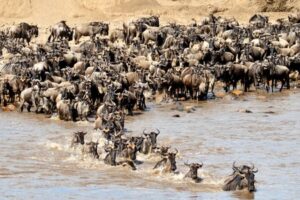
Plan Your Trip Better

OUR CATEGORIES

Best Tanzania Safari for First-Time Visitors

Planning your first safari in Tanzania can feel exciting at first, then confusing very quickly. Most first-time visitors begin with the same questions: Which parks should I visit? How many days do I need? Should I choose a private safari or a group safari? Is Serengeti enough, or should I combine it with other parks?
 
These questions matter because a first safari should not be built carelessly. A weak safari usually comes from weak planning. Too many parks, too little time, the wrong season, or a poor match between budget and travel style can turn what should be a great trip into a rushed and frustrating one.
 
For most travelers, the best Tanzania safari for first-time visitors is a 5-day northern circuit safari including Serengeti National Park, Ngorongoro Crater, and Tarangire National Park. This gives you strong wildlife viewing, varied landscapes, smooth travel flow, and enough time to enjoy the experience properly.
 
Tanzania is one of the best safari countries in Africa for beginners because it combines famous wildlife areas, experienced local guides, good safari infrastructure, and safari styles ranging from budget to luxury. But that does not mean every itinerary is strong. Some safari plans are clearly better than others.
 
In this guide, you will learn which safari is best for first-time visitors, which parks matter most, how many days you should plan for, and what safari style gives the strongest first experience.
 
If you are still building your trip, it also helps to read our How Many Days for Tanzania Safari, Best Time to Visit Tanzania for Safari, and What Is Included in a Tanzania Safari Package guides before choosing your final itinerary.

Quick Answer: What Is the Best Tanzania Safari for First-Time Visitors?

For most first-time visitors, the best Tanzania safari is a 5-day northern circuit safari that includes Serengeti National Park, Ngorongoro Crater, and Tarangire National Park.
 
This route works well because Serengeti gives you the classic safari experience, Ngorongoro offers dense wildlife viewing in a dramatic crater setting, and Tarangire adds elephants, baobab trees, and a different landscape. Together, they create a balanced first safari without making the trip too rushed.
 
A 4-day safari can work if time is limited. A 6-day safari is even better if you want a slower pace and more time in Serengeti. For most first-time travelers, 5 days is the strongest balance between wildlife viewing, cost, and travel flow.
Safari Option Best For Why It Works for First-Time Visitors
4-Day Northern Circuit Safari Travelers with limited time Gives a strong introduction if the route stays focused and realistic
5-Day Northern Circuit Safari Most first-time visitors Best balance of Serengeti, Ngorongoro, Tarangire, wildlife viewing, and travel flow
6-Day Northern Circuit Safari Travelers who want better pacing Allows more time in key parks and makes the trip feel less rushed
7+ Day Safari Photography, Great Migration, or luxury travel Gives more flexibility, deeper Serengeti time, and a slower safari pace
Safari vehicle on a Tanzania safari package with wildlife on the open savannah.
A guided Tanzania safari is one of the best choices for first-time visitors because it combines wildlife, scenery, comfort, and expert local guiding.

Table of Contents

Why Tanzania Is One of the Best Places for a First Safari

Tanzania works especially well for first-time safari travelers because it offers a complete safari experience. You are not coming for one isolated park and hoping the rest of the trip somehow works. You are coming to a destination that already has a proven safari route, a strong wildlife reputation, and enough variety to make a first safari feel memorable.

Tanzania Has World-Famous Safari Parks

Tanzania is home to some of the best-known wildlife destinations in Africa, including Serengeti National Park and Ngorongoro Crater. These are not average parks with oversized marketing. They are places that consistently deliver serious safari experiences.

Tanzania Offers Strong Wildlife Variety

A first safari should feel rewarding. You want to see large animals, varied landscapes, and enough action to understand why safari in East Africa is so famous. Tanzania delivers lions, elephants, buffalo, giraffes, zebras, wildebeest, antelope, hippos, hyenas, and rich birdlife. In the right places and seasons, it also gives excellent chances for cheetahs, leopards, and rhinos.

Tanzania Gives First-Time Visitors a Clear Safari Route

This matters more than many people realize. One reason Tanzania is good for beginners is that the northern circuit gives a clear and proven path for building a strong safari. That makes planning easier and reduces the risk of choosing a scattered, weak itinerary.

What Makes a Safari Good for First-Time Visitors?

Not every safari suits a beginner. Some are too rushed. Some include too many long transfers. Some try to fit too much into too few days. A strong first safari needs balance.

It Should Include the Right Parks

A first safari should focus on parks that give strong wildlife viewing, rewarding scenery, and a real sense of Tanzania safari. That is why park choice matters so much.

It Should Have Enough Time

A safari that is too short often leaves travelers feeling like they spent more time moving than enjoying the experience. A first safari should have enough days to feel complete, not like a preview.

It Should Match Your Travel Style

A good safari is not only about where you go. It is also about how the trip feels. The best itinerary for one traveler may be wrong for another if the comfort level, pace, or budget does not fit

The Best Safari Circuit for First-Time Visitors

For most travelers, the best choice is the northern circuit safari. This is the strongest option because it combines Tanzania’s most rewarding and accessible safari destinations into one connected route.
 
The northern circuit usually includes Serengeti National Park, Ngorongoro Crater, Tarangire National Park, and sometimes Lake Manyara National Park. This mix works well because each park brings something different to the trip. Together, they create a first safari experience that feels complete rather than repetitive.That is why the northern circuit is usually the smartest answer for beginners. It is not random. It works.

Best First-Time Tanzania Safari at a Glance

Planning Factor Best Choice for First-Time Visitors
Best safari region Northern Tanzania circuit
Best safari length 5 days for the best balance
Best core parks Serengeti, Ngorongoro Crater, and Tarangire
Best safari style Private mid-range safari for comfort, flexibility, and value
Best upgrade Add more Serengeti time or choose better-located lodges

Best Parks for First-Time Safari Visitors

Serengeti National Park

Serengeti is one of the best safari parks in Africa, and for many first-time visitors, it is the main reason they want to come to Tanzania. It gives you the classic safari image people imagine before they arrive: wide plains, big skies, predators, herds, and dramatic game drives.For first-time visitors, Serengeti matters because it feels like the real safari experience. If a beginner comes to Tanzania and skips Serengeti without a good reason, that decision needs serious justification.
 
For a full guide to this park, read Serengeti National Park Safari Guide.

Ngorongoro Crater

Ngorongoro Crater is one of the best additions to a first safari because it offers dense wildlife viewing in a spectacular landscape. The crater floor supports a large concentration of animals, and the experience feels very different from Serengeti.For first-time visitors, this is valuable because it adds a different style of game viewing and strengthens the overall safari.
 
For more detail, read Ngorongoro Crater Safari Guide.

Tarangire National Park

Tarangire is often underestimated by first-time travelers, which is a mistake. It may not be as globally famous as Serengeti, but it is one of the best supporting parks in a northern circuit itinerary. It is known for elephant herds, giant baobab trees, and strong dry-season wildlife viewing.For many first-time visitors, Tarangire adds depth and variety to the trip instead of making it feel like the same park repeated again.
 

Lake Manyara National Park

Lake Manyara can still fit into a first safari, especially as a supporting stop in a shorter or customized itinerary. But for most first-time visitors, Serengeti, Ngorongoro, and Tarangire are usually the stronger priorities.

Best Safari Itinerary for First-Time Visitors

For most first-time travelers, the best safari is usually a 4 to 6 day northern circuit safari, with 5 days being the strongest overall balance.A shorter safari can work, but it becomes easier to make mistakes. A longer safari can be better, but not everyone has the time or budget. That is why 5 days is often the cleanest recommendation.

4-Day Safari for First-Time Visitors

A 4-day safari can work well if time is limited and the itinerary is planned properly. It can include Tarangire, Serengeti, and Ngorongoro, but the pace will be tighter. This works for travelers who want a good introduction without extending the trip too much.

5-Day Safari for First-Time Visitors

A 5-day safari is usually the best choice for first-time visitors. It gives more breathing room, better game-drive timing, and a more enjoyable pace. You can include Serengeti properly while still making room for Ngorongoro and Tarangire.
 
For many travelers, this is the sweet spot. It is long enough to feel complete, but still practical for a broader Tanzania trip.

6-Day Safari for First-Time Visitors

A 6-day safari is even stronger for travelers who want a deeper experience and less rushing. If Tanzania safari is the main purpose of the trip, this is a very strong option.
 
If you are deciding between trip lengths, read How Many Days for Tanzania Safari?.

The Best First Safari for Most Travelers

For most first-time visitors, the strongest recommendation is simple:

A 5-Day Northern Circuit Safari  Including Serengeti, Ngorongoro, and Tarangire

This works so well because it gives you:
  • one of Africa’s most iconic safari parks in Serengeti
  • one of Tanzania’s most rewarding wildlife areas in Ngorongoro
  • a quieter but high-value park in Tarangire
  • enough time to enjoy the experience without turning the trip into a rushed checklist
This is the kind of itinerary that gives first-time visitors a real understanding of why Tanzania safari is so powerful.

Private vs Group Safari for First-Time Visitors

This decision matters more than many beginners think. The wrong safari style can weaken the trip even if the parks themselves are good.

Why Private Safari Is Usually Better for First-Time Visitors

A private safari usually gives the stronger experience because it offers flexibility, privacy, and better pacing. You are not tied to the interests, timing, or energy of other travelers. You can spend more time where the wildlife is active and move in a way that fits your trip.
 
For couples, families, photographers, or travelers who care about comfort, private safari is often the better option.

When Group Safari Can Still Work

A group safari can still work for travelers who want to keep costs lower and do not mind sharing the vehicle and schedule. The trade-off is less flexibility and less control over the experience.
 
For a deeper comparison, read Private vs Group Safari Tanzania.

Best Safari Style for First-Time Visitors by Budget

Budget matters, but it should not be the only thing guiding the decision. Choosing based only on price is where many first-time visitors make bad decisions.

Budget Safari

A budget safari can still be worthwhile if the itinerary is built properly and expectations are realistic. But some cheap safaris cut cost in the wrong areas, and that can damage the experience.

Mid-Range Safari

For many first-time visitors, mid-range safari is the smartest choice. It gives a better balance between comfort, service, lodge quality, and cost. This is often the strongest value category for beginners.

Luxury Safari

Luxury safari is ideal for travelers who want high-end lodges, more exclusivity, and a more polished overall trip. It is not necessary for a great first safari, but it can improve comfort and service significantly if the budget allows.
 
To compare all three in detail, read Luxury vs Mid-Range vs Budget Safari Tanzania.
Hippos resting in water during a Tanzania safari
Hippos resting in the water during a Tanzania safari, one of the memorable wildlife sightings first-time visitors can enjoy in parks and wetlands.

Common Mistakes First-Time Safari Visitors Make

A lot of first safaris get weaker because of avoidable mistakes.

Trying to Visit Too Many Parks

More is not always better. Trying to squeeze too many destinations into one safari often creates more driving and less quality time in the parks.

Booking Too Few Days

A safari that is too short can feel incomplete. First-time visitors usually enjoy the experience much more when the trip has enough time to breathe.

Choosing Only by Price

The cheapest safari is not always the smartest safari. Low prices can hide rushed itineraries, weak accommodation, or less rewarding park time.

Ignoring the Season

The time of year affects wildlife movement, scenery, travel conditions, and the overall safari feel. That is why timing matters.
Before choosing your dates, read Best Time to Visit Tanzania for Safari.

Not Understanding What Is Included

Many first-time travelers assume everything is covered, then get surprised later by extra costs or missing services.
Before booking, read What Is Included in a Tanzania Safari Package?.

How to Choose the Right First Safari for You

The best safari for a first-time visitor still depends on your own priorities.

If You Want the Classic Tanzania Safari Experience

Choose a northern circuit safari with Serengeti and Ngorongoro at the core. Add Tarangire to make the itinerary stronger and more complete.

If You Have Limited Time

A 4-day safari can still work, but it needs to be structured properly. Do not try to force too much into it.

If You Want More Comfort and Flexibility

Choose a private mid-range or luxury safari. That usually gives the smoothest first experience.

If Budget Is Your Main Concern

A budget safari can still work, but protect the quality of the itinerary. Cutting cost too hard is where beginner safaris start falling apart.

Final Thoughts

For most travelers, the best Tanzania safari for first-time visitors is a 5-day northern circuit safari built around Serengeti, Ngorongoro Crater, and Tarangire National Park.That combination works because it gives you iconic wildlife viewing, varied scenery, and a practical travel flow. Serengeti delivers the classic safari image. Ngorongoro adds dense wildlife viewing in a dramatic crater setting. Tarangire adds elephants, baobabs, and a different atmosphere that strengthens the trip.
 
A first safari should feel exciting, rewarding, and well paced. It should not feel rushed, confusing, or poorly planned. When the itinerary is built properly, Tanzania is one of the best places in Africa to experience safari for the first time.

Frequently Asked Questions About the Best Tanzania Safari for First-Time Visitors

What is the best safari for first-time visitors in Tanzania?

For most first-time visitors, the best Tanzania safari is a 5-day northern circuit safari that includes Serengeti National Park, Ngorongoro Crater, and Tarangire National Park. This combination gives strong wildlife viewing, varied scenery, and a practical route without making the trip feel too rushed.

Is Serengeti good for first-time safari travelers?

 Yes. Serengeti National Park is one of the best parks for first-time safari travelers because it delivers the classic Tanzania safari experience: open plains, predators, large herds, dramatic landscapes, and excellent game drives. If your time and budget allow, Serengeti should usually be part of a first Tanzania safari.

How many days do first-time visitors need for a Tanzania safari?

Most first-time visitors should plan 4 to 6 days for a Tanzania safari. A 4-day safari can work if time is limited, a 5-day safari is often the best balance, and a 6-day safari gives better pacing and more time in the main parks.

Should first-time safari visitors choose a private or group safari?

A private safari is usually better for first-time visitors if the budget allows. It gives more flexibility, better pacing, and a more personal experience. A group safari can still work for travelers who want to reduce cost, but it gives less control over timing, stops, and daily flow.

Is Ngorongoro Crater worth including on a first safari?

Yes. Ngorongoro Crater is one of the most rewarding parks for first-time safari travelers because it offers dense wildlife viewing in a unique volcanic crater landscape. It combines well with Serengeti and Tarangire in a northern circuit itinerary.

Is a budget safari good for first-time visitors?

A budget safari can work for first-time visitors if the itinerary is realistic and expectations are clear. However, choosing only by the cheapest price is risky. A very cheap safari may involve rushed routing, weaker accommodation, or unclear inclusions. For many first-time visitors, a mid-range safari gives a better balance of comfort, value, and reliability.

Plan Your First Tanzania Safari with Confidence

Planning your first Tanzania safari should not feel confusing. The right itinerary depends on your travel dates, budget, preferred parks, comfort level, and how much time you want to spend on safari.
 
At Kili Quests, we help first-time safari travelers choose realistic itineraries that match their goals instead of forcing them into generic packages. Whether you want a 4-day introduction, a balanced 5-day northern circuit safari, or a longer Serengeti-focused trip, our local team can help you plan the right route.
 
Before booking, you may also want to read our guides on How Many Days for Tanzania Safari, Tanzania Safari Cost, and Best Time to Visit Tanzania for Safari so you can compare your options more clearly.
 
Contact Kili Quests today and let our local team help you plan your first Tanzania safari.

Related Articles

Tanzania Safari Packing List: What to Bring for Safari

Plan Your Tanzania Safari the Smart Way

Packing the right gear makes your safari more comfortable, but choosing the right parks, trip length, and travel style matters even more.

Plan Your Trip Better

OUR CATEGORIES

Tanzania Safari Packing List: What to Bring for a Comfortable and Well-Prepared Trip

Packing for a Tanzania safari sounds simple until you start thinking about the details. Many travelers know they need clothes, shoes, and travel documents, but they are less sure about how much to bring, what kind of clothing works best, which items are truly essential, and which things will only waste space. A safari is not like a city break, a beach holiday, or a normal road trip. You will spend long hours in a vehicle, move between parks and lodges, wake up early for game drives, deal with dust, sun, changing temperatures, and limited luggage space, and rely on practical items more than fashionable ones.
 
That is why a proper Tanzania safari packing list matters. Packing well helps you stay comfortable during long game drives, protects you from the sun and dust, makes your mornings and evenings easier, and reduces the risk of arriving with the wrong clothes or missing something important. It also helps you avoid overpacking, which is one of the most common mistakes first-time safari travelers make.
 
A Tanzania safari usually includes warm afternoons, cooler early mornings, dusty roads, and a mix of casual lodge life and outdoor wildlife viewing. Depending on your itinerary, you may stay in tented camps, lodges, or a mix of both. You may combine major northern circuit parks such as Serengeti National Park Safari Guide, Ngorongoro Crater Safari Guide, Tarangire National Park Safari Guide, and Lake Manyara Safari Guide in one trip, which means your days can include everything from crater drives to open plains to forested park areas. Packing for this kind of trip requires balance: enough clothing and gear to stay comfortable, but not so much that your bag becomes a burden.
 
In this guide, we break down exactly what to pack for a Tanzania safari, including clothing, footwear, essential accessories, travel documents, health items, electronics, and what you should leave at home.
Tanzania safari packing list with clothes, binoculars, hat, camera, and travel essentials arranged for safari travel
Safari clothing and travel essentials laid out before a Tanzania safari adventure.

Table of Contents

Why Packing Properly for a Tanzania Safari Matters

A safari is one of those trips where bad packing becomes obvious very quickly. If you bring heavy clothes that are too hot, bright colors that attract attention, shoes that are uncomfortable, or bags that are too bulky, you will feel it every day. On the other hand, if you pack lightweight layers, practical safari clothing, and a few key essentials, the experience becomes much smoother.
 
Safari days often start early, sometimes before sunrise, when the air can feel surprisingly cool. By midday, especially in open landscapes, the heat can rise sharply. During game drives, roads can be dusty, and during stops or lodge time, the sun can feel strong. This means your clothing needs to work across different conditions rather than for just one moment of the day.
 
Good safari packing is also about mobility and simplicity. Many safari travelers move between different camps or lodges during the trip. That is one reason luggage choice matters so much. Soft-sided bags are often easier to handle than large hard-shell suitcases, especially on trips with multiple stops or smaller transfer vehicles. If you are still comparing trip styles and comfort levels, Luxury vs Mid-Range vs Budget Safari Tanzania can help you understand how accommodation type may affect what you need to bring.

What Kind of Bag to Bring on Safari

Your main luggage should be practical, easy to carry, and not oversized. In most safari situations, a medium-sized soft duffel bag or a soft suitcase works better than a very large hard case. It is easier to load into safari vehicles and easier to manage when moving between properties.
You should also bring a small daypack or backpack for daily essentials. This is useful for carrying things such as your camera, sunscreen, sunglasses, water bottle, personal medication, tissues, and a light jacket during game drives.

Best luggage choices for safari

A good safari bag setup usually includes:
  • one medium soft travel bag or duffel
  • one small backpack or daypack
  • optional small pouch for travel documents, chargers, and valuables

Bags to avoid

Try to avoid:
  • very large suitcases
  • overly heavy luggage
  • bags with too many unnecessary items
  • anything difficult to move quickly between vehicle and lodge
If you are still in the planning stage, How Many Days for Tanzania Safari? is worth reviewing because trip length affects how much clothing you actually need.
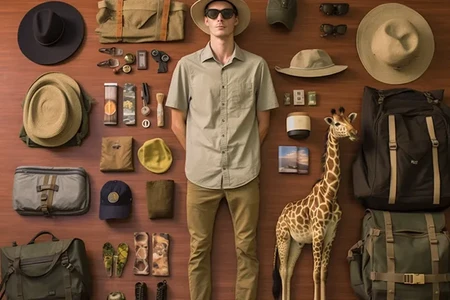
Best Clothes to Pack for a Tanzania Safari

The best safari clothing is comfortable, breathable, lightweight, and easy to layer. Neutral colors usually work best because they blend naturally into the environment and handle dust better than very light fabrics. Shades like khaki, olive, beige, brown, and muted grey are common practical choices.You do not need specialized luxury safari fashion. That is unnecessary nonsense for most travelers. What you need is comfortable outdoor clothing that works in warm weather, cool mornings, and dusty conditions.

Essential safari clothing

A solid Tanzania safari packing list should include:
Clothing Item Recommended Quantity Why You Need It
Lightweight T-shirts or breathable tops 3 to 5 Useful for warm daytime temperatures, game drives, and travel days.
Long-sleeved shirts 2 to 3 Helps protect your skin from sun, dust, insects, and cooler morning air.
Comfortable trousers or safari pants 2 to 3 pairs Good for sitting in the safari vehicle, walking around camp, and changing weather.
Shorts 1 to 2 pairs Useful for lodge time, warmer afternoons, or relaxing after game drives.
Fleece, sweater, or warm layer 1 Important for early morning game drives, cool evenings, and highland areas such as Ngorongoro.
Lightweight waterproof jacket or windbreaker 1 Useful for wind, light rain, cooler mornings, and unexpected weather changes.
Underwear and socks Enough for the trip Pack enough comfortable pairs, especially if laundry service is limited during the safari.
Sleepwear 1 set Comfortable clothing for sleeping at lodges, tented camps, or campsites.
Casual evening clothes 1 to 2 sets Useful for lodge dining and relaxing in the evening after game drives.
Hat with sun protection 1 Protects your face and head from strong sun during game drives and outdoor stops.
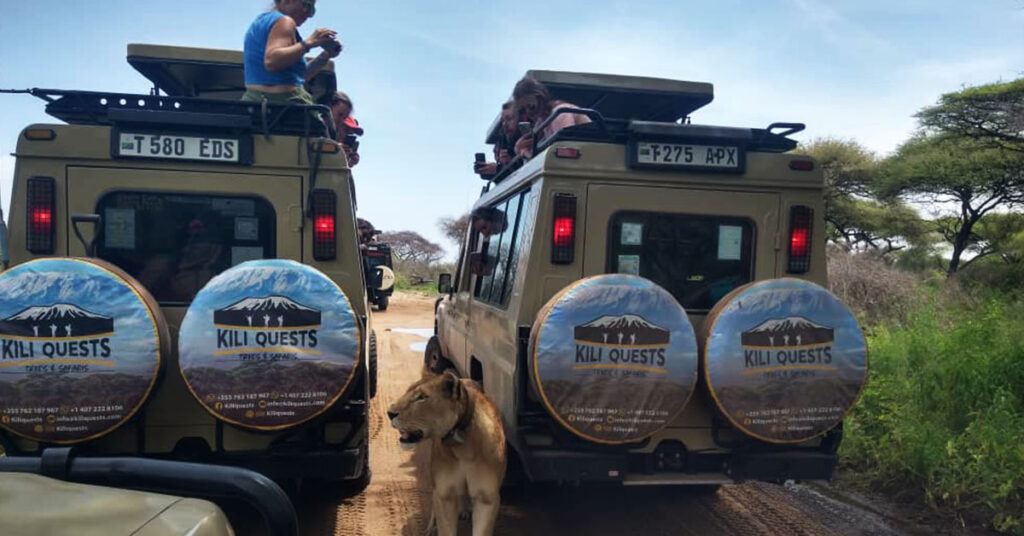
Why layers matter

Layers are better than packing one thick jacket or only hot-weather clothing. On safari, mornings can start cool, especially when driving in open vehicles or descending into places like the crater. Later in the day, you may want lighter clothing again. A simple layering system is the most practical approach.

Clothes colors to choose

The safest choices are:
  • khaki
  • olive
  • tan
  • beige
  • muted brown
  • soft grey
These colors work well in safari settings and help your clothes stay cleaner-looking for longer in dusty conditions.

Clothes to avoid

Avoid packing too many:
  • bright neon colors
  • heavy denim
  • thick winter clothing
  • delicate fashion items
  • uncomfortable or tight clothes
You are going on safari, not a runway. Pack for function first.

Best Shoes for a Tanzania Safari

You do not need mountaineering boots for a normal safari. That would be overkill unless your trip also includes trekking. What you need are comfortable, practical shoes suitable for getting in and out of vehicles, short walks around lodges or camps, and general travel.

Recommended footwear

Bring:
  • one pair of comfortable walking shoes or lightweight hiking shoes
  • one pair of sandals or casual shoes for lodge use
  • good socks for full-day wear

When hiking boots make sense

Heavy hiking boots only make sense if your trip includes longer walking activities or if you are combining safari with trekking. For travelers combining wildlife and mountain travel, Kilimanjaro vs Safari Tanzania can be a useful comparison page to help set expectations for gear and trip style.

Essential Accessories for Safari

Small items make a big difference on safari. These are the things many travelers forget, then regret.

Must-have safari accessories

Pack:
  • sunglasses
  • sun hat or cap
  • sunscreen
  • lip balm
  • insect repellent
  • reusable water bottle
  • binoculars
  • tissues or wet wipes
  • hand sanitizer
  • camera or smartphone for photos
  • power bank
  • basic personal toiletries

Why binoculars matter

A lot of wildlife can be seen clearly from the vehicle, but binoculars make a major difference for birdlife, distant predators, and animals across open plains. They improve the experience far more than many people expect. This matters even more in wide landscapes such as Serengeti National Park Safari Guide, where animals may sometimes be spread out across long distances.

Why sun protection matters

Even when temperatures feel comfortable, the African sun can be strong, especially during long hours outdoors. A hat, sunscreen, and sunglasses are not optional extras. They are basic protection.

Travel Documents and Important Items

Your documents should be organized before the trip, not thrown together at the last minute. Keep them easy to access and protected in a travel wallet or document pouch.

Important documents to pack

Bring:
  • passport
  • visa documents if needed
  • travel insurance details
  • flight information
  • safari confirmation details
  • emergency contact information
  • payment cards
  • some cash in useful denominations

Why insurance matters

A safari is a major trip, and travel insurance is part of smart planning. Delays, cancellations, medical issues, or lost luggage can quickly become expensive problems without it. If you are still shaping your budget, Tanzania Safari Cost is an important supporting article because packing decisions also affect spending, shopping, and last-minute travel purchases.

Health and Personal Care Items to Bring

Your health kit does not need to be huge, but it does need to cover the basics. Some travelers make the mistake of packing nothing beyond a toothbrush and then scrambling for simple items during the trip.

Basic health kit

Pack:
  • prescription medication
  • pain relief tablets
  • motion sickness tablets if needed
  • antihistamines if useful for you
  • plasters or blister care
  • insect bite cream
  • hand sanitizer
  • tissues
  • personal hygiene items

Why this matters on safari

Game drives can be long, roads may be rough in places, and lodge shops do not always carry exactly what you use at home. Bring what you personally rely on rather than assuming you will buy it later.

Electronics to Pack for a Tanzania Safari

Most travelers want to capture their safari well, and that means thinking beyond just clothing. Electronics should be useful, protected, and not excessive.

Useful electronics

Bring:
  • phone
  • camera
  • charger cables
  • power bank
  • travel adapter
  • extra camera batteries
  • extra memory cards

Protect electronics from dust

Dust is common on safari roads, especially in dry conditions. Keep electronics in a bag, pouch, or protective case when they are not in use. This is one of those simple steps that prevents stupid damage.

What to Pack for Lodge Safari vs Camping Safari

Not every safari is the same. A lodge-based trip usually requires less specialized packing because accommodation provides more comfort and more facilities. A camping safari can require a more practical approach, especially around layers, torches, and personal organization.

For lodge safaris

You can usually keep things simpler:
  • casual but neat evening clothes
  • comfortable shoes
  • normal toiletries
  • light layers for mornings and evenings

For camping safaris

You may want:
  • extra warm layer for evenings
  • torch or headlamp
  • slightly more structured personal kit
  • stronger focus on practical clothing and comfort
If you are not sure which travel style suits you best, Private vs Group Safari Tanzania and Luxury vs Mid-Range vs Budget Safari Tanzania because comfort level, privacy, and accommodation type can change what you pack.
packing list for safari
Safari camera and binoculars ready for wildlife viewing in Tanzania.

What Not to Pack for a Tanzania Safari

A lot of safari packing mistakes come from bringing too much or bringing the wrong things.

Leave these at home

Avoid packing:
  • too many clothes
  • expensive jewelry
  • high heels or formal shoes
  • bulky hard luggage
  • heavy jackets not suited to the climate
  • bright fashion outfits you will never actually wear
  • unnecessary gadgets
Overpacking is dead weight. It makes moving around harder and usually adds no real value to the trip.

Sample Tanzania Safari Packing Checklist

Here is a practical safari checklist you can actually use.

Clothing

Clothing Item Why You Need It
Lightweight tops Useful for warm daytime temperatures during game drives and travel days.
Long-sleeved shirts Helps protect your skin from sun, dust, and insects.
Safari trousers Comfortable for sitting in the vehicle, walking around camp, and changing weather.
Shorts Good for relaxing at the lodge or wearing in warmer lowland areas.
Fleece or sweater Important for cool mornings, evenings, and highland areas such as Ngorongoro.
Light jacket Useful for wind, light rain, and cooler early-morning game drives.
Socks Pack enough comfortable pairs for travel days, lodge time, and safari activities.
Underwear Bring enough for your full safari, especially if laundry service is limited.
Sleepwear Comfortable clothing for sleeping at lodges, tented camps, or campsites.
Hat Protects your face and head from strong sun during game drives and outdoor stops.

Footwear

Footwear Item Why You Need It
Walking shoes Useful for airport travel, lodge areas, short walks, and general comfort during the safari.
Sandals or camp shoes Good for relaxing at the lodge or camp after game drives.

Essentials

Essential Item Why You Need It
Passport Needed for international travel, hotel check-in, and park or travel verification when required.
Travel documents Keep flight details, booking confirmations, visas, and itinerary information easy to access.
Insurance details Important in case of medical issues, travel delays, lost luggage, or emergency support.
Cards and cash Useful for tips, personal expenses, souvenirs, and places where card payments may not be available.
Phone Useful for communication, photos, maps, confirmations, and emergency contact.
Camera Helpful for capturing wildlife, landscapes, lodges, and special safari moments.
Chargers Needed to keep your phone, camera, and other devices powered during the safari.
Power bank Useful during long game drives when charging access may be limited.
Adapter Needed to charge devices if your plugs do not match Tanzania’s power sockets.
Binoculars Helps you see distant wildlife, birds, predators, and animal behavior more clearly.
Sunglasses Protects your eyes from bright sun, dust, and glare during game drives.
Sunscreen Protects your skin from strong equatorial sun during outdoor activities and game drives.
Insect repellent Helps protect against mosquitoes and other insects, especially in the evening or near water areas.
Reusable water bottle Helps you stay hydrated during game drives, transfers, and warm safari days.
Toiletries Bring personal hygiene items you use daily, especially if staying in remote areas.
Medication Bring personal medicine and basic travel medication, especially if you need specific prescriptions.
Tissues or wipes Useful during long drives, bathroom stops, dusty conditions, and quick cleanups.

Final Thoughts on Packing for a Tanzania Safari

A good Tanzania safari packing list is not about packing more. It is about packing smarter. The best safari gear choices are simple, practical, comfortable, and suited to long days outdoors. Lightweight layers, comfortable shoes, sun protection, essential health items, and a few smart accessories will do far more for your trip than stuffing your bag with unnecessary extras.
 
The goal is to arrive ready for the real safari experience: early morning game drives, long wildlife days, changing temperatures, dusty roads, memorable lodge evenings, and the freedom to enjoy the journey without realizing you packed badly. Done properly, your safari packing list becomes part of the reason the trip feels easy instead of stressful.
 
If you are still planning the bigger picture of your trip, it is worth reading Best Time to Visit Tanzania for Safari, How Many Days for Tanzania Safari?, and What Is Included in a Tanzania Safari Package so your itinerary, budget, and packing choices all work together.

Frequently Asked Questions About a Tanzania Safari Packing List

What colors should I wear on safari in Tanzania?

Neutral colors such as khaki, olive, tan, beige, and muted grey are the safest and most practical choices. They are comfortable for safari settings and handle dust better than very light or bright colors.

Do I need hiking boots for a Tanzania safari?

Usually no. Comfortable walking shoes or lightweight hiking shoes are enough for most safari trips. Heavy boots are only necessary if your trip includes more demanding walking or trekking.

Should I bring a jacket on safari?

Yes. Early morning game drives can feel cool, especially in open vehicles or higher-altitude areas. A light jacket, fleece, or sweater is usually enough.

Are binoculars necessary for safari?

They are not absolutely required, but they are highly recommended. Binoculars improve wildlife viewing, especially for birds, distant animals, and open landscapes.

How much luggage should I bring on safari?

Keep it moderate and practical. A medium soft bag plus a small daypack is usually enough for most travelers. Oversized or rigid luggage is often less convenient on safari.

Planning a Tanzania safari

Planning a Tanzania safari and want help choosing the right parks, trip length, and travel style?
 
Contact us  for honest advice and a safari plan built around your budget, travel style,comfort level, and expectations.

Related Articles