
Plan the Right Migration Safari

The Great Migration is not one single event.
Choosing the right month, the right Serengeti area, and the right safari length makes the difference between a strong trip and a wasted one.

Plan Your Trip Better

OUR CATEGORIES

Tanzania Great Migration Guide

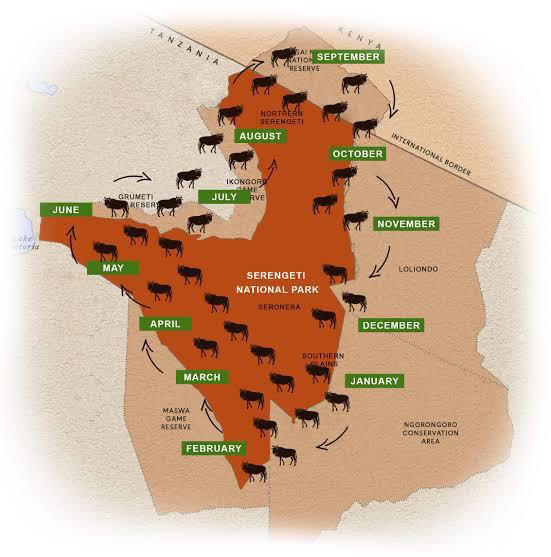
The Great Migration is one of the most powerful wildlife spectacles on Earth, but too many travelers misunderstand what it actually is. It is not one single event, not one simple crossing, and not one guaranteed moment that appears on command for tourists. It is a year-round movement of wildebeest, zebra, and other herbivores through the Serengeti-Mara ecosystem, driven mainly by rainfall and fresh grazing. That is why smart safari planning matters. If you chase a fantasy version of the migration, you may waste money and still miss the experience you actually wanted. Tanzania’s Serengeti is the heart of this movement for most of the year, with the herds moving north from the southern plains, through the western and central Serengeti, toward the Mara River area before returning south again with the rains.
 
A good Great Migration safari is not just about seeing a huge number of animals. It is about matching the right month, the right region, and the right expectations. Some travelers want calving season and predator action. Others want dramatic river crossings. Others simply want to be surrounded by herds without peak-season chaos. Those are different safari goals, and they should not be sold as the same thing. Before choosing dates, it also helps to read Best Time to Visit Tanzania for Safari because migration timing is shaped by season, rainfall, and regional movement rather than tourist wishful thinking.
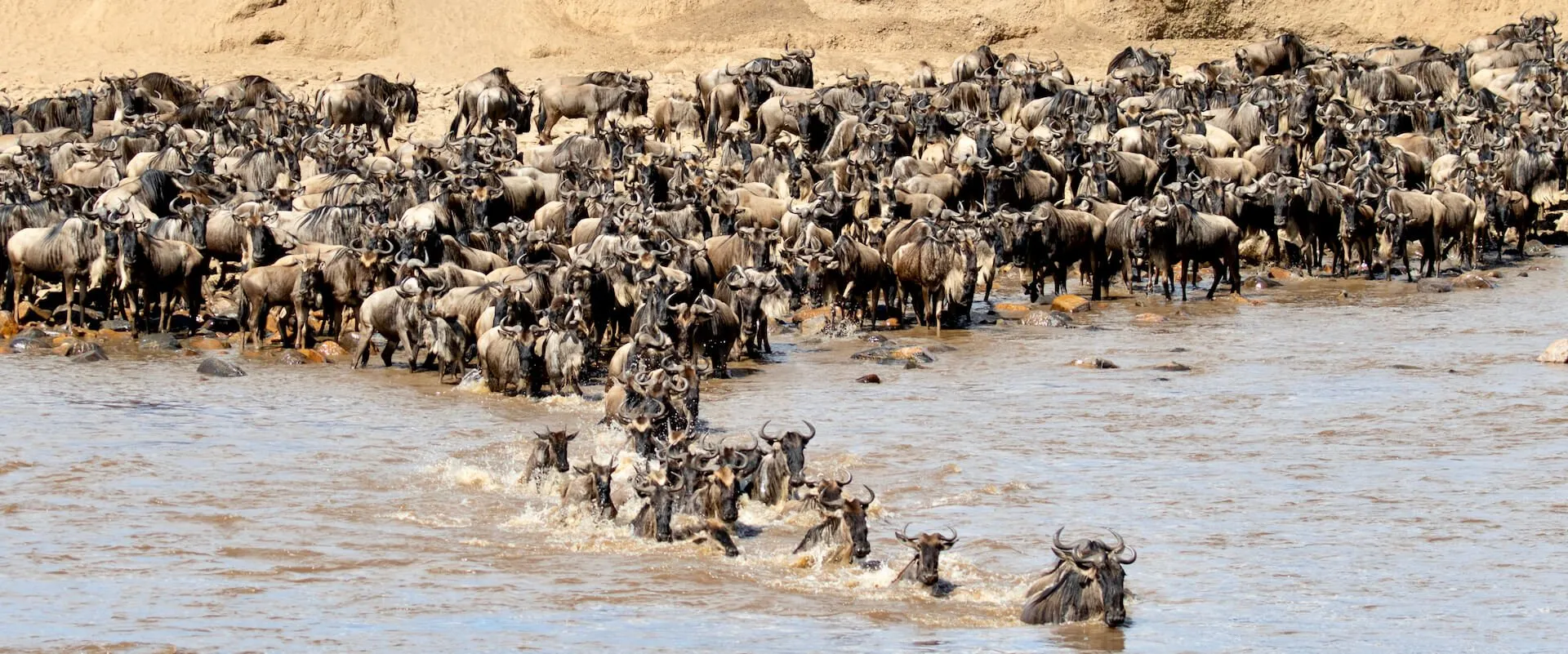
Wildebeest and zebra herds crossing the Serengeti plains during the Great Migration in Tanzania
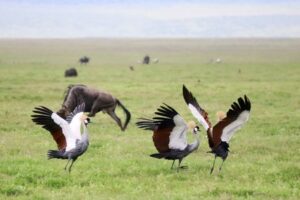
Wildebeest move across the Serengeti plains during the Great Migration, one of Tanzania’s most famous safari experiences.

Table of Contents

What Is the Great Migration?

The Great Migration is the circular annual movement of massive herds of wildebeest, zebra, and gazelles across northern Tanzania and into Kenya’s Maasai Mara ecosystem. The movement follows fresh grazing and water, which means the exact timing shifts with rainfall. That part matters. Anyone promising exact dates for exact migration moments is selling lazy nonsense. The general pattern repeats each year, but nature does not work on your perfect calendar.
 
Most of the migration happens in Tanzania, not Kenya. That is one of the biggest things first-time travelers get wrong. Kenya gets huge attention because of the Mara River drama and the Maasai Mara brand, but Tanzania hosts the migration for most of the year, including the southern calving season, the central Serengeti movements, the western corridor, and the northern Serengeti crossing build-up.

Where Does the Great Migration Happen?

The migration moves through different parts of the Serengeti ecosystem, and where you stay matters just as much as when you travel.

Southern Serengeti and Ndutu

This is where the herds gather during the green season and calving period. The southern plains are rich in short, mineral-heavy grasses, which attract huge concentrations of wildebeest. This is one of the best times for travelers who want dramatic wildlife density, newborn animals, and predator action rather than river crossings. Africa Geographic notes that January to March is the key calving period in the south, and the Tanzania Tourism Board also highlights the green season in Serengeti early in the year as a strong travel period for scenery and photography.

Central Serengeti

Central Serengeti is important because the herds often pass through this region during transition months. It is not always the most concentrated migration area, but it can be a smart base when travelers want a more flexible safari that still offers strong resident wildlife even if herd positioning shifts. That makes it useful for travelers who do not want to gamble everything on one narrow migration moment.

Western Corridor

As the herds move northwest, the western corridor becomes important, especially around late spring to early summer. This area is associated with the Grumeti River crossings and long columns of moving animals. It usually gets less attention from casual travelers than the Mara River, but that is often because people only know the postcard version of the migration. The western corridor can be a stronger choice for travelers who want movement and fewer crowds than the most famous crossing zones. Tanzania’s official Serengeti page notes the herds crossing the Grumeti River in the western corridor as they move north.

Northern Serengeti

Northern Serengeti is where the migration becomes most famous for river-crossing drama. This is the region people usually mean when they say they want to see “the Great Migration.” What they really mean is they want to see wildebeest bunching at the riverbanks, hesitating, then exploding into a crossing while crocodiles wait below. That does happen here, but it is not a scheduled performance. Herds can gather, stall, cross, turn back, or cross again. Africa Geographic notes that crossings in this zone peak around August and can taper through September into mid-October, with animals sometimes crossing back and forth more than once.

Great Migration by Month

January to March

This is one of the best periods for travelers who want huge herd numbers in the south, calving season, and predator action. The wildebeest gather on the southern plains and around Ndutu, and February to March is especially famous for newborns. Africa Geographic reports that calving in the southern Serengeti brings an enormous concentration of births during this period, making it one of the richest wildlife-viewing windows of the year.

April to May

These are greener months, often with rain, and movement begins northward. Access can be more difficult in some areas, but the landscapes are dramatic and visitor pressure is lower. This period is underrated by people who only care about dry-season marketing. Africa Geographic describes April to May as lush, scenic months with fewer visitors, though rain may affect access.

June to July

This is when the migration usually pushes farther north and west through the Serengeti system. The western corridor becomes important, and by July many herds are moving toward the northern Serengeti and Mara River zones. This is a strong period for travelers who want migration movement without relying only on the most famous peak crossings.

August to October

This is the classic river-crossing period in northern Serengeti and the wider Mara ecosystem. It is also the period many travelers obsess over, which means it can come with heavier vehicle pressure and higher costs. The crossings are spectacular, but they are not guaranteed on demand. Animals may gather for hours and do nothing. They may cross suddenly. They may cross back again later. Africa Geographic notes that July to October is the main dry-season window for Mara River crossings, with August and September often the strongest period.

November to December

As southern rains begin again, the herds start returning south through central areas toward the southern plains. This can be a strong period for travelers who want migration movement with fewer crowds and softer green-season conditions. It is weaker for people obsessed with river drama, but better for travelers who want broader safari value rather than one single headline moment.

Best Time to See the Great Migration

There is no single best time unless you define what you actually want.
 
If you want river crossings, target northern Serengeti in the August to October window. If you want calving season and predator action, target southern Serengeti and Ndutu between January and March. If you want a broader migration experience with fewer peak-season crowds, then transitional periods such as June to July or November can be stronger than the average tourist realizes. The mistake is using one answer for every traveler. That is trash planning. The right time depends on the experience you actually want.
 
That is why this page should connect directly to Best Time to Visit Tanzania for Safari and How Many Days for Tanzania Safari? because migration timing means nothing if the trip length and season choice are wrong.

Is the Great Migration Guaranteed?

No. The migration is predictable in pattern, but not guaranteed in exact detail. Rainfall drives movement, and the herds do not care about your booking confirmation. You can be in the right region and still wait for hours without a crossing. You can also be there on a “less famous” date and see extraordinary action. River crossings are the least controllable part of the migration experience because the animals often hesitate, split, regroup, or reverse direction.That is why good safari operators never sell the migration like a circus schedule. They explain probabilities, regions, and season patterns honestly.

River Crossings vs Calving Season

This is where travelers need to stop being vague.
 
If you say you want the Great Migration, you need to know whether you mean river crossings or calving season.
 
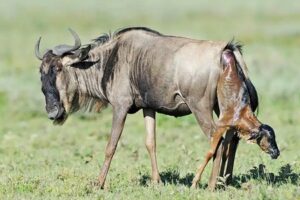
River crossings are dramatic, chaotic, and famous. They are also unpredictable, expensive, and often busier.Calving season is different. It gives you massive herd concentrations, thousands of newborn animals, and intense predator behavior on the southern plains. It is less about one adrenaline-charged crossing and more about the wider ecosystem at full pressure. Africa Geographic notes that roughly half a million births occur during the late calving season in the southern Serengeti, making this one of the strongest periods for predator-prey drama.
 
For many first-time safari travelers, calving season is actually the smarter choice. They just do not know it yet because social media trained them to worship crossings.

How Many Days Do You Need for a Great Migration Safari?

A short safari can still work, but trying to “do the migration” in too few days is weak planning. The migration is regional and mobile. A rushed itinerary leaves no flexibility and no margin for weather, herd movement, or travel delays.
 
For most travelers, a stronger migration safari usually means at least 5 to 7 safari days if the focus is one migration zone, and more if the itinerary combines multiple parks. That is one reason How Many Days for Tanzania Safari? should be internally linked from this page. A migration safari is not just about arriving in Serengeti. It is about giving yourself enough time in the correct region.
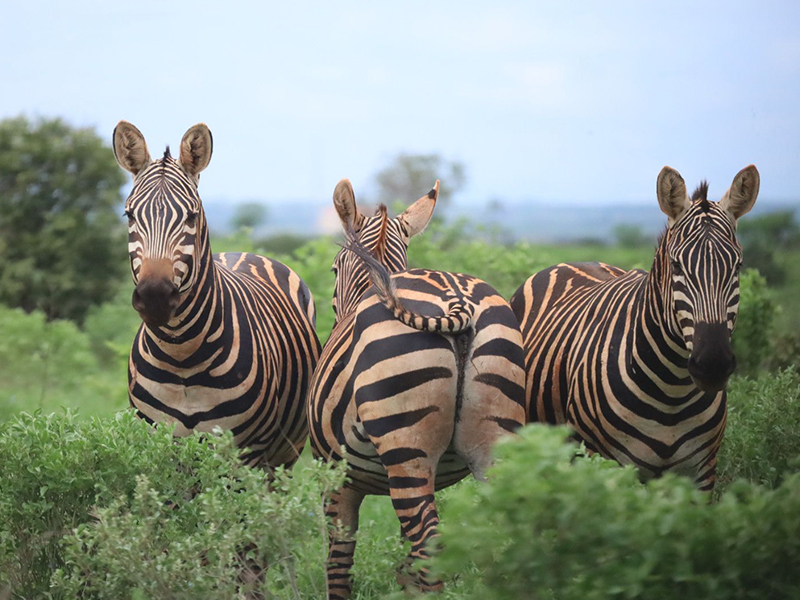
Zebras stand in the open Serengeti plains, where wide grasslands create excellent wildlife viewing during a Tanzania safari.

Which Parks Fit Best With a Great Migration Safari?

A migration-focused itinerary usually centers on Serengeti, but it becomes much stronger when paired properly.
 
Serengeti National Park Safari Guide is the main supporting page because Serengeti is the core migration destination.
 
Ngorongoro Crater Safari Guide fits well because many itineraries begin or end through the Ngorongoro area, and the wider southern ecosystem connects naturally to migration travel planning.
 
Tarangire National Park Safari Guide and Lake Manyara Safari Guide can also fit into northern circuit itineraries, especially for travelers who want a fuller Tanzania safari beyond just one Serengeti zone.
 
The key is not stuffing parks together just to make the trip look bigger. The key is building a route that matches your migration month.

How to Choose the Right Great Migration Safari

Pick based on these four things:

Your Main Goal

Do you want crossings, calving, huge herd views, predator action, photography, or fewer crowds? If you cannot answer that, your safari plan is not ready.

Your Travel Month

Month decides region. Region decides camp strategy. Camp strategy decides whether your itinerary works or collapses.

Your Budget

Migration safaris, especially around peak crossing periods, can be expensive. Flights, premium camps, and high-demand months push prices up fast. This page should connect to Tanzania Safari Cost so readers understand that “migration safari” is not one flat price category.

Your Tolerance for Unpredictability

If you will be angry without a dramatic crossing, then be honest with yourself. You may prefer a more flexible safari expectation or a calving-season trip instead. Nature is not here to entertain your impatience.

Common Mistakes Travelers Make

One of the biggest mistakes is believing the Great Migration is one short event. It is not. Another mistake is booking the wrong Serengeti area for the month. Another is focusing only on river crossings and ignoring how strong the southern plains can be during calving season. Another is choosing a cheap safari without checking whether the itinerary actually places you in the correct region. That is how people waste money and then blame Tanzania for their own bad planning.
 
A better migration safari starts with honest expectations, proper seasonal timing, and the right camp location.

So, Is the Great Migration Worth It?

Yes, absolutely, but only when you book it intelligently.
 
The Great Migration is worth it because it is not just about numbers. It is about movement, tension, survival, predator pressure, open landscapes, and the scale of East Africa still working as a living ecosystem. Tanzania remains the core stage for that experience through most of the year, especially in the Serengeti system. Tanzania’s official tourism materials continue to position Serengeti as the home of the Great Migration and one of the country’s defining safari experiences.
 
If you choose the right month, the right region, and the right expectations, the Great Migration can be one of the best safaris you will ever do. If you book blindly and expect guarantees, you are setting yourself up for disappointment.

Frequently Asked Questions About Tanzania safety

What month is best for the Great Migration?

It depends on what you want. January to March is best for calving season in the south. August to October is best for the famous Mara River crossing period in northern Serengeti.

Where is the best place to see the Great Migration in Tanzania?

That depends on the season. Southern Serengeti and Ndutu are best for calving season, the western corridor is important during the northward push, and northern Serengeti is best known for river-crossing drama.

Are river crossings guaranteed?

No. The migration follows a general annual pattern, but exact crossing timing depends on rainfall, herd behavior, and natural conditions.

Is calving season better than river crossings?

Not better for everyone, but often smarter for travelers who want huge herd numbers, newborn wildlife, and predator action without building the whole safari around one unpredictable crossing event.

How long should a Great Migration safari be?

For most travelers, at least 5 to 7 safari days is a stronger starting point, especially when regional positioning and travel time are considered.

Plan Your Great Migration Safari

 
Contact us  for honest advice and a safari plan built around your budget, travel style,comfort level, and expectations.

Related Articles