Plan Your Tarangire Safari the Right Way

Tarangire is far better when it is part of a well-planned safari, not a random park stop. We help you build a Tanzania safari itinerary that matches your time, budget, and travel goals.

Plan Your Trip Better

OUR CATEGORIES

Tarangire National Park Safari Guide

Tarangire National Park is one of the most rewarding safari destinations in northern Tanzania, yet many first-time travelers overlook it. When most people plan a Tanzania safari, they focus first on Serengeti and Ngorongoro Crater. Those parks deserve the attention, but ignoring Tarangire is a mistake. This park offers something different and something valuable: huge elephant herds, giant baobab trees, excellent dry-season wildlife viewing, and a quieter safari experience than some of the more famous parks.
For travelers who want more than a rushed checklist of big names, Tarangire deserves real attention. It is not just an extra stop between better-known parks. In the right season, Tarangire can deliver some of the most memorable game viewing in Tanzania, especially for travelers who love elephants, birdlife, and dramatic scenery. It is also an important part of the northern safari circuit, making it easy to combine with Serengeti National Park Safari Guide, Ngorongoro Crater Safari Guide, and Lake Manyara National Park Safari Guide in one well-planned itinerary.
 
At Kili Quests, we see Tarangire as one of the parks that gives a safari more depth. Serengeti gives you scale. Ngorongoro gives you concentration. Tarangire gives you atmosphere. The baobab-dotted landscape, red earth, seasonal river system, and slow-moving elephant families create a safari experience that feels distinct within the northern circuit.
 
In this guide, you will learn what makes Tarangire National Park special, what animals you can expect to see, the best time to visit, how many days you need, and how to fit Tarangire into your Tanzania safari plan. If you are still building your wider trip, it also helps to read What Is Included in a Tanzania Safari Package? so you understand how transport, accommodation, park fees, meals, and guiding come together.
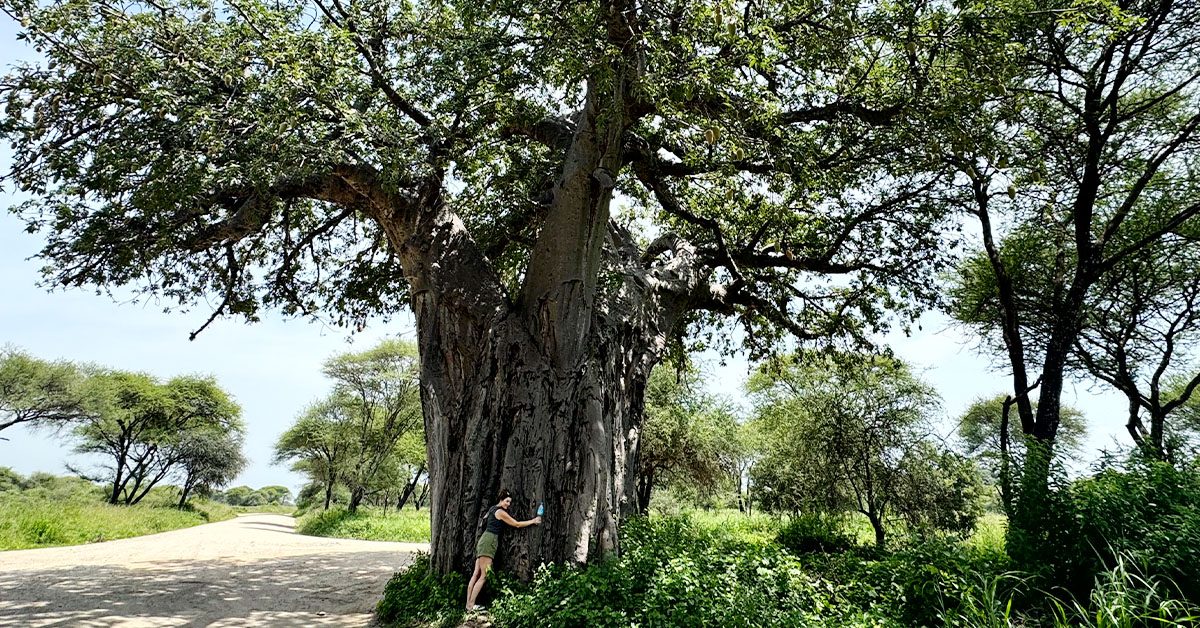
Bao bab
Tarangire is best known for its large elephant herds, iconic baobab trees, and strong dry-season wildlife viewing.

Table of Contents

Where Is Tarangire National Park?

Tarangire National Park is located in northern Tanzania, southwest of Arusha, and forms part of the country’s famous northern safari circuit. It is commonly included in itineraries that also visit Lake Manyara, Ngorongoro Crater, and Serengeti National Park. Because of its location, Tarangire is usually one of the easiest parks to include at the beginning or end of a safari.
 
For many travelers, the drive from Arusha to Tarangire takes around 2 to 3 hours, depending on traffic, road conditions, and the location of the lodge or camp. That makes it accessible without a domestic flight, which helps keep logistics simpler and can make it easier to control costs. If budget planning matters to you, this article pairs naturally with Tanzania Safari Cost.
 
Its location matters for another reason too. Tarangire sits in an ecosystem shaped by seasonal water movement. During the dry season, animals concentrate around the Tarangire River, which becomes a critical water source. That seasonal pattern is one of the biggest reasons the park becomes so productive for game viewing during certain months.

What Makes Tarangire National Park Special?

Tarangire is best known for elephants, baobab trees, and dry-season wildlife concentration. But reducing it to only those points misses why the park stands out.

Huge Elephant Herds

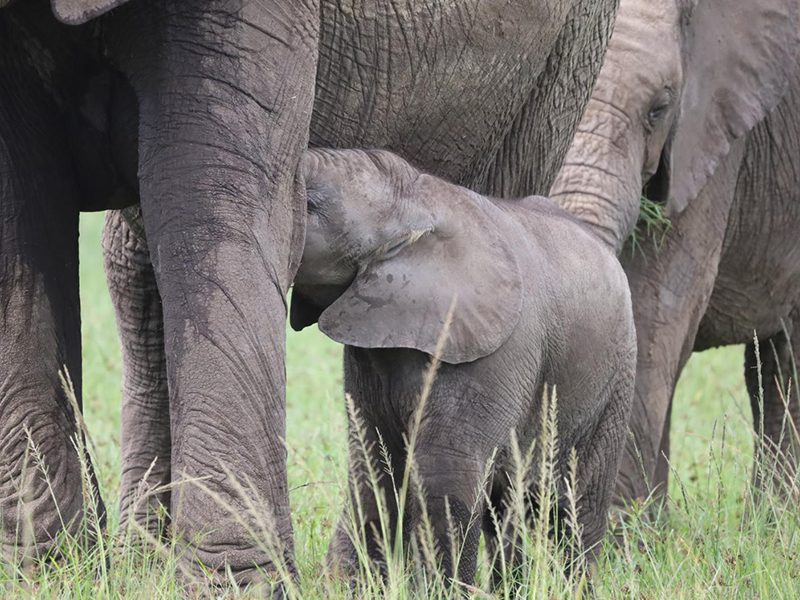
Tarangire is one of the best places in Tanzania to see large elephant herds. It is common to see family groups moving across the landscape, feeding near the river, or gathering in numbers that make the whole park feel alive. For many visitors, Tarangire becomes their favorite elephant-viewing park of the safari.

Iconic Baobab Landscapes

The scenery is one of Tarangire’s strongest assets. Massive baobab trees rise above the grasslands and woodlands, creating a look that is instantly recognizable and very different from the open plains of the Serengeti. These trees give the park a visual identity that makes game drives here feel distinct.

Strong Dry-Season Wildlife Viewing

When the dry season tightens and water becomes scarce elsewhere, animals move toward reliable water sources like the Tarangire River. That concentration improves game viewing and makes wildlife easier to spot. This is why Tarangire is especially strong from roughly June to October. If you are comparing wildlife seasons across the country, read Best Time to Visit Tanzania for Safari.

Fewer Vehicles Than Some Other Parks

Tarangire often feels less crowded than Serengeti and Ngorongoro Crater. That matters more than many travelers realize. A safari is not only about how many animals you see. It is also about the quality of the experience. Watching elephants in a quieter setting without a cluster of vehicles can feel far more natural and rewarding.

What Animals Can You See in Tarangire?

Tarangire supports a wide range of wildlife. Every game drive is different, but the park is especially rewarding for large mammals and birdlife.

Elephants

This is the headline species. Tarangire is one of the best places in northern Tanzania to see elephants in large numbers. You may see small family groups, lone bulls, or huge herds crossing the road in front of your vehicle.

Lions, Leopards, and Other Predators

Lions are present in Tarangire, and while predator sightings are never guaranteed, they are a real possibility. Leopards also live in the park, though they are harder to spot. Hyenas and jackals may also appear depending on the area and time of day.

Giraffes, Zebras, Wildebeest, and Buffalo

Tarangire has strong populations of classic safari animals, including giraffes, zebras, wildebeest, buffalo, impalas, warthogs, and waterbucks. During the dry season, many of these animals gather in greater numbers near water.

Rare and Interesting Species

Tarangire also offers species that are less commonly highlighted in other northern parks, such as fringe-eared oryx and gerenuk in some areas. That gives the park extra value for travelers who want variety, not just the standard safari checklist.
 

Birds

Bird lovers should not ignore Tarangire. The park has rich birdlife, especially in the wetter months. From large ground birds to colorful smaller species, Tarangire can be a strong park for both wildlife lovers and bird photographers.

Best Time to Visit Tarangire National Park

There is no single perfect month for everyone. The best time depends on what kind of safari experience you want.

Dry Season: Best for Wildlife Viewing

The dry season, usually from June to October, is the strongest time for classic game viewing in Tarangire. As water sources shrink, animals gather around the Tarangire River and nearby areas. Vegetation is also thinner, which makes sightings easier. If your main priority is seeing lots of animals with a higher chance of productive game drives, this is the strongest season.

Green Season: Best for Scenery, Birds, and Fewer Crowds

The green season, generally from November to May, transforms the landscape. The park becomes greener, the light can be excellent for photography, and birdlife is strong. The downside is that wildlife can spread out more, which can make sightings less concentrated than in the dry season. Still, for travelers who prefer lush scenery, fewer vehicles, and a quieter atmosphere, this season has real value.
For a broader month-by-month planning view, read Best Time to Visit Tanzania for Safari so you can compare Tarangire with Serengeti, Ngorongoro, and the rest of the northern circuit.

How Many Days Do You Need in Tarangire?

For most travelers, one full day in Tarangire is enough to experience the park properly if it is part of a longer northern circuit safari. But enough is not the same as ideal.A single day works well for travelers who are also visiting Serengeti and Ngorongoro and want Tarangire included without stretching the itinerary too much. However, if you specifically love elephants, photography, quieter parks, or slower-paced safaris, spending 2 days in Tarangire gives you a much better experience.
 
That extra time allows you to explore more areas, enjoy both morning and afternoon game drives, and reduce the pressure that comes with trying to see everything in one rushed visit. Too many itineraries fail because they try to squeeze too much into too little time. If you are still unsure how long your full safari should be, read How Many Days for Tanzania Safari?

Tarangire vs Serengeti vs Ngorongoro

Each park offers a different safari experience, and understanding those differences helps you build a stronger itinerary.

Tarangire vs Serengeti

Serengeti is bigger, more famous, and stronger for predator action and the Great Migration in the right season. Tarangire is smaller, quieter, and especially strong for elephants and dry-season wildlife concentration around the river. If Serengeti is about scale, Tarangire is about atmosphere. Travelers comparing the two should also read Serengeti National Park Safari Guide.

Tarangire vs Ngorongoro Crater

Ngorongoro Crater offers dense wildlife in a compact area and is often one of the easiest places to see many species in a single day. Tarangire feels more open and less crowded in comparison. Ngorongoro is about dramatic concentration. Tarangire is about rhythm, space, and landscape. To compare them properly, read Ngorongoro Crater Safari Guide.

Why Tarangire Still Matters

Some travelers treat Tarangire like a secondary park because it gets less attention internationally. That is a mistake. A strong itinerary is not built only around the loudest names. Tarangire adds contrast, diversity, and breathing room to a northern circuit safari.

Can You See the Big Five in Tarangire?

You may see some of the Big Five in Tarangire, including elephants, lions, and buffalo. Leopard sightings are possible but less predictable. Rhinos are not what Tarangire is known for, so travelers whose main goal is to check off all Big Five species should not rely on Tarangire alone.
That said, a safari should not be judged only by whether it covers a checklist. Tarangire is valuable because of its elephant herds, scenery, and strong dry-season ecosystem, not because it tries to imitate other parks.

Where to Stay for a Tarangire Safari

Accommodation around Tarangire ranges from budget camps to mid-range lodges and more exclusive safari properties. The right choice depends on your route, budget, comfort expectations, and how many parks are included in your trip.

Budget Options

Budget camps and simpler lodges can work well for travelers who want to keep costs under control. They are usually more basic, but they can still provide a solid base for game drives.

Mid-Range Safari Lodges

Mid-range options are often the best balance for many travelers. They provide comfort, good food, proper beds, and a smoother safari experience without pushing the price too high.

Luxury Camps and Lodges

Luxury properties offer more privacy, upgraded service, better views, and a more exclusive feel. They are a better fit for travelers who want a premium safari experience or are planning a special trip.
If you are comparing accommodation styles, read Luxury vs Mid-Range vs Budget Safari Tanzania.
An elephant with its calf is one of the most memorable wildlife sights on a Tanzania safari.

Is Tarangire Good for Families?

Yes, Tarangire can be a very good park for families, especially because it is accessible from Arusha and works well in shorter itineraries. Elephant sightings are often exciting for children, and the scenery is visually memorable.
That said, family safari planning should never be sloppy. The right itinerary depends on the children’s ages, how well they handle drives, the lodge setup, and how many days you want on the road. A bad family safari is usually not caused by the park. It is caused by poor itinerary planning.

How Tarangire Fits Into a Tanzania Safari Itinerary

Tarangire is commonly included in a northern circuit itinerary. A strong safari flow often looks like this:
  • Tarangire
  • Lake Manyara or direct transfer onward
  • Ngorongoro Crater
  • Serengeti
It can also work in reverse depending on flights and lodge availability. The real issue is not the order alone. The real issue is building a route that makes sense for your time, budget, wildlife priorities, and travel comfort.
 
For travelers with limited time, Tarangire can be part of a 2- to 4-day safari from Arusha. For longer safaris, it adds variety before or after the more famous parks. That flexibility is one of the reasons Tarangire deserves a place in well-designed safari packages. To understand the structure of a complete trip, read What Is Included in a Tanzania Safari Package? and How Many Days for Tanzania Safari?
Tarangire also connects naturally with neighboring parks. If you are planning to continue beyond Tarangire, the next pages to read are Lake Manyara National Park Safari Guide, Ngorongoro Crater Safari Guide, and Serengeti National Park Safari Guide.

Tarangire Safari Tips for First-Time Visitors

Prioritize the Dry Season for Peak Wildlife

If wildlife density is your top goal, plan around the dry months when animals gather near water. This matters even more if you are still comparing seasons across northern Tanzania, so also read Best Time to Visit Tanzania for Safari.

Do Not Treat Tarangire Like a Throwaway Stop

A rushed half-day visit weakens the experience. Give the park enough time to show its value.

Pair It With the Right Parks

Tarangire works best when combined with other northern circuit parks. It strengthens a safari when it is part of a balanced itinerary, not when it is thrown into a messy plan. For smart park comparisons, read Serengeti National Park Safari Guide, Ngorongoro Crater Safari Guide, and Lake Manyara National Park Safari Guide.

Bring Good Binoculars and a Camera

The landscapes, elephants, birds, and baobab trees make Tarangire a strong park for photography and observation.

Choose the Right Safari Operator

The operator matters. A good guide improves sighting quality, pacing, route choices, and your overall understanding of what you are seeing. A weak operator can ruin even a great park.

Why Tarangire National Park Is Worth Visiting

Tarangire National Park is worth visiting because it offers a side of Tanzania safari that many travelers do not fully understand until they experience it. It combines wildlife, scenery, and atmosphere in a way that feels distinct from the rest of the northern circuit. The elephant herds are a major draw, but they are not the whole story. The baobab-dotted landscape, seasonal wildlife concentration, and quieter game drives make Tarangire one of the most rewarding parks for travelers who want a fuller safari experience.
 
If you are planning a Tanzania safari and want more than a generic itinerary, Tarangire deserves a place on your list. And if you are still comparing where it fits in the bigger picture, move next into What Is Included in a Tanzania Safari Package?, Tanzania Safari Cost, and How Many Days for Tanzania Safari?

Frequently Asked Questions About Tarangire National Park Safari

Is Tarangire National Park worth visiting?

 Yes. Tarangire is one of the best parks in northern Tanzania for elephant sightings, dry-season wildlife viewing, and scenic baobab landscapes. It adds real value to a safari itinerary.

What is Tarangire National Park famous for?

Tarangire is most famous for its large elephant herds, giant baobab trees, and strong wildlife viewing during the dry season.

How many days do you need in Tarangire?

One full day is enough for many travelers, but 2 days gives a more relaxed and rewarding experience, especially for photography and slower safari pacing.

What animals can you see in Tarangire?

You may see elephants, lions, giraffes, zebras, wildebeest, buffalo, impalas, warthogs, hyenas, and many bird species. Leopard sightings are possible but less predictable.

When is the best time to visit Tarangire?

The dry season, usually from June to October, is best for concentrated wildlife viewing. The green season offers lush scenery, birdlife, and fewer crowds.

Plan Your Tarangire Safari With Kili Quests

Tarangire works best when it is part of a safari designed with logic, not randomly stitched together. At Kili Quests, we help travelers build Tanzania safari itineraries that match their time, budget, and travel goals. Whether you want Tarangire as part of a short northern circuit safari or a longer custom wildlife trip, we can help you choose the right route.
 
If you are still deciding between parks, safari length, or travel season, explore Best Time to Visit Tanzania for Safari, What Is Included in a Tanzania Safari Package?, and How Many Days for Tanzania Safari? before requesting your itinerary.
 
Contact us today to plan your Tarangire safari.

Related Articles