
Plan a Safe Tanzania Safari

A safe safari starts with the right planning, the right parks, and the right guide team.At Kili Quests, we help you choose an itinerary that fits your travel style, comfort level, and safety expectations.

Plan Your Trip Better

OUR CATEGORIES

Is Tanzania Safe for Safari Tourists?

Tanzania is generally considered a safe safari destination for tourists, especially when the trip is well organized and run by a professional operator. Most safari visitors spend their time in northern circuit parks such as Serengeti, Ngorongoro, Tarangire, and Lake Manyara, where tourism is well established and the main risks are usually practical ones like road travel, petty theft in towns, wildlife behavior, and basic health precautions rather than direct threats inside the parks themselves. Official travel advisories do advise extra caution in Tanzania overall, and some governments now rate the country more cautiously than before, but those warnings also make clear that risk levels vary by region and activity. For most safari travelers following a structured itinerary, Tanzania remains a realistic and widely traveled destination.
 
For first-time visitors, the better question is not whether Tanzania is perfectly safe. No destination is. The real question is whether Tanzania can be safely traveled for safari with smart planning, the right guide team, and normal precautions. The honest answer is yes. A well-run safari in the main northern parks is typically very manageable for travelers, including couples, families, and first-time Africa visitors. Reading Best Safari for First-Time Visitors and Tanzania Safari for Families alongside this guide helps put safety into a practical planning context.
safety in safari

The Short Answer

Yes, Tanzania is generally safe for safari tourists, but only if you do not behave carelessly.
 
That means:
  • book with a licensed, experienced safari operator
  • follow your guide’s instructions at all times
  • respect wildlife rules inside the parks
  • take normal precautions in cities, airports, and hotel areas
  • prepare properly for health, insurance, and road travel

The biggest mistake travelers make is thinking “safe” means “nothing can go wrong.” That is lazy thinking. Tanzania safari safety is strong when the trip is managed properly. It becomes weak when tourists ignore wildlife rules, carry themselves foolishly in urban areas, or book the cheapest operator they can find without checking standards.

Why Tanzania Is Considered Safe for Safari

Tanzania has one of Africa’s strongest safari reputations for a reason. The country has long-established wildlife destinations, a mature safari industry, clear park rules, licensed guiding systems, and protected areas that are built around tourism. In places like Ngorongoro, crater visitors must be accompanied by a licensed or official guide, and in authorized walking safaris additional ranger requirements apply. Tanzania National Parks and Ngorongoro authorities also publish visitor rules that are designed to reduce avoidable danger around wildlife and park movement.
 
That does not mean every operator is equal. A strong safari company reduces risk through vehicle condition, driver-guide experience, communication, route planning, wildlife discipline, and honest briefings. A weak operator cuts corners. That is where problems start. If you want to understand how your trip structure affects safety and comfort, What Is Included in a Tanzania Safari Package is one of the most important pages to compare before booking.

The Real Safety Risks Safari Tourists Should Understand

Petty Crime in Cities and Transit Areas

For many safari tourists, the higher everyday risk is not in the national parks. It is in city areas before or after the safari, especially in places like Dar es Salaam, busy transport points, beach zones, or crowded public areas. Official advisories from the UK, Canada, and Australia all warn about crime risks, including theft and armed robbery in some locations, and advise travelers to pay attention to surroundings and personal security.
That is why sensible safari planning matters:
  • avoid flashing cash, jewelry, or expensive devices
  • use trusted transfers instead of random taxis
  • do not walk around unfamiliar urban areas at night without a reason
  • keep passports, cards, and phones secure
  • use lodge or hotel safes where appropriate

Most safari itineraries reduce this exposure because travelers are quickly moved from airport pickup to lodge or park route. But pretending city risk does not exist is stupid. It exists. Manage it.
Wildlife Safety Inside the Parks

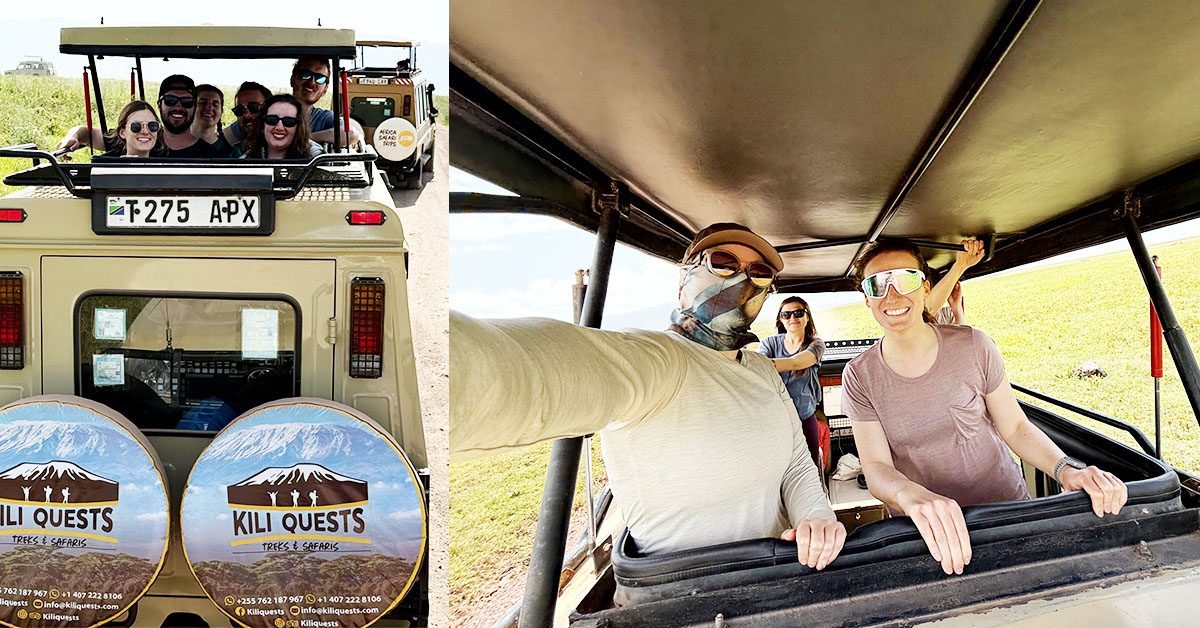
This is where many tourists get the wrong idea. They see calm-looking lions, elephants, or buffalo and assume the environment is controlled. It is not. These are wild animals, not a zoo display. Tanzania park authorities and conservation rules repeatedly stress staying in vehicles except in designated areas, following guide instructions, and keeping proper wildlife distance. Ngorongoro’s visitor procedures also state that visitors must remain in their vehicles except in designated places.
That means:
  • do not stand up for a better photo unless your guide says it is safe
  • do not ask the driver to push too close to animals
  • do not leave the vehicle in unauthorized areas
  • do not feed, call, or provoke wildlife
  • do not treat camps or picnic sites as if animals cannot enter the area
This is one reason park-specific planning matters. Read Serengeti National Park Safari Guide, Ngorongoro Crater Safari Guide, Tarangire National Park Safari Guide, and Lake Manyara Safari Guide so visitors understand the environment before they arrive.

Road Safety and Long Driving Days

One of the most underestimated safari risks is road travel. Safaris often involve long drives between parks, lodges, and airstrips. Canadian travel advice notes that road conditions can worsen in rainy periods and that defensive travel awareness matters. Even when your safari itself is excellent, a badly maintained vehicle or reckless driver turns a good itinerary into trash.
A professional safari operator should already be handling this by:
  • using proper 4×4 safari vehicles
  • keeping vehicles maintained
  • planning realistic drive times
  • avoiding unnecessary night travel
  • carrying communication tools and emergency contacts
This is why booking purely on the lowest price is weak thinking. Cheap safari quotes often hide compromises somewhere: vehicle quality, guide quality, accommodation standards, or pace.

Health Risks, Especially Malaria and Travel Preparation

Health risk does not mean Tanzania is unsafe. It means adults should prepare like adults. CDC guidance says travelers to certain areas of Tanzania should take malaria prevention medicine, with transmission risk in areas below 1,800 meters. CDC also recommends bite prevention measures such as long sleeves, insect repellent, and mosquito protection. Tanzania’s tourism guidance also advises anti-malaria precautions, travel insurance, and yellow fever documentation for travelers arriving from or through countries where yellow fever is endemic.
Practical health preparation includes:
  • speaking to a travel clinic before departure
  • asking about malaria medication
  • packing insect repellent
  • carrying personal medications in original packaging
  • having comprehensive travel insurance
  • understanding any yellow fever certificate requirements based on your route
 
For practical trip prep, Tanzania Safari Packing List should be part of every traveler’s planning.

Regional and Political Risk

This part needs honesty, not drama. Some foreign governments currently advise higher caution for Tanzania overall, and some regions carry stronger warnings than the main safari circuit. Official guidance specifically highlights elevated risk in parts of Mtwara near the Mozambique border, while broader advisories also mention civil unrest, demonstrations, terrorism concerns, and crime in certain contexts. Those regional warnings are real, but they do not automatically mean the northern safari circuit is off-limits or that a standard Serengeti–Ngorongoro–Tarangire itinerary is inherently unsafe. They mean travelers should understand that “Tanzania” is not one single flat risk zone.
 
A normal northern safari itinerary is very different from wandering independently into unrelated regions without planning. Good operators know that difference and build around it.

Is Tanzania Safe for First-Time Safari Visitors?

Yes, Tanzania can be an excellent destination for first-time safari visitors because the classic northern circuit is well established, the wildlife viewing is strong, and the tourism flow is mature. But first-time visitors should not try to improvise everything themselves just to save a little money. That is where confusion, bad transfers, weak lodge choices, and unnecessary stress show up.
First-time travelers usually do best when they:
  • book a private or well-managed small-group safari
  • use airport pickup and drop-off
  • stay in reputable lodges or camps
  • travel with a clear park sequence
  • ask in advance about safety procedures, guide credentials, and vehicle setup
That is also why Best Safari for First-Time Visitors matters as a planning page. First-timers do not need randomness. They need structure.

Is Tanzania Safe for Families on Safari?

Yes, for most families Tanzania is a safe safari destination when the itinerary matches the age of the children and the pace is realistic. The real problem is not the country itself. The real problem is bad trip design. Families get into trouble when they overload the itinerary, use very long drive days, choose camps that do not suit children, or fail to brief kids about behavior around wildlife and camps.
Family-friendly safari safety usually means:
  • shorter transfer days where possible
  • child-suitable lodges or tented camps
  • constant adult supervision
  • clear rules about staying close in unfenced areas
  • listening to camp and guide briefings
A badly designed family safari is exhausting. An age-appropriate one is far safer and far more enjoyable. Tanzania Safari for Families should connect directly to this topic because family safety is mostly about smart structure.
Safari -Vehicle
Staying inside the safari vehicle during game drives is one of the key safety rules on a Tanzania safari.

How to Stay Safe on Safari in Tanzania

Choose the Right Operator

This is the foundation. If the operator is weak, the whole trip is weak. Ask:
  • is the company licensed?
  • how experienced are the guides?
  • what vehicle type is used?
  • what happens in an emergency?
  • are airport transfers included?
  • what lodges or camps are being used?
Do not let a polished website fool you. Ask direct questions.

Follow Guide Instructions Without Arguing

Your guide is not there for decoration. If they tell you to sit down, stay inside, move back, or keep quiet, do it. Wildlife situations can change fast, and stupidity around animals gets punished brutally.

Use Common Sense in Towns and Transit

Keep valuables hidden, avoid unnecessary wandering, use arranged transport, and do not advertise yourself as an easy target.

Prepare for Health Before You Arrive

Handle malaria prevention, travel insurance, medication, hydration, and vaccination advice before departure, not after you land and start improvising.

Respect the Environment

Parks are safer when tourists respect the rules. Stay on designated routes, avoid littering, do not harass wildlife, and do not pressure drivers to break regulations for photos. Official park and conservation rules exist for a reason.

When Tourists Feel Unsafe in Tanzania

Most negative safari experiences usually come from one of these failures:
  • poor communication from the operator
  • bad airport or hotel coordination
  • unrealistic expectations
  • weak guide quality
  • carelessness with valuables
  • ignoring wildlife rules
  • poor health preparation
Notice what is missing from that list: “going on safari in Tanzania itself.” The destination is not the main problem. Bad planning is.

So, Is Tanzania Safe for Safari Tourists?

Yes, Tanzania is generally safe for safari tourists, especially in the main northern safari circuit, but only when the trip is organized properly and travelers use common sense. The serious answer is not fantasy and not fear. Tanzania is not a no-risk destination, but it is a proven safari destination where most visitors travel successfully every year by staying with reputable operators, following park rules, and preparing well. Official advisories do call for increased caution in Tanzania overall and warn about particular regional and urban risks, so the correct mindset is awareness, not panic.
 
For most safari travelers, the best move is simple: book well, listen to your guide, respect wildlife, and prepare properly. Do that, and Tanzania remains one of the strongest safari destinations in Africa for both first-time and returning visitors

Frequently Asked Questions About Tanzania safety

Is Serengeti safe for tourists?

Yes, Serengeti is generally safe for tourists on organized safari, but visitors must follow wildlife rules, remain in the vehicle unless allowed otherwise, and listen to their guide at all times. Serengeti National Park Safari Guide should support this question.
 

Is Ngorongoro Crater safe for safari visitors?

Yes, Ngorongoro is generally safe for safari visitors on guided trips. Official visitor procedures require crater visitors to be accompanied by a licensed or official guide, which adds another layer of control and structure.

Is Tanzania safe for solo safari travelers?

Yes, Tanzania can be safe for solo safari travelers, especially on a private or professionally organized safari. Solo travelers should take extra care with airport transfers, hotel arrivals, valuables, and city movement before and after the safari.

What is the biggest danger on safari in Tanzania?

The most immediate safari-specific danger is careless behavior around wildlife. In broader travel terms, everyday risks such as road travel, petty crime in towns, and poor preparation are usually more realistic than dramatic worst-case fears.

Do families need to worry about safety on safari in Tanzania?

Families do not need to panic, but they do need a suitable itinerary, the right lodges, child supervision, and clear camp behavior rules. Tanzania Safari for Families should be internally linked here.

Plan Your Safari with Confidence

A safe safari starts long before the first game drive. It starts with choosing the right route, the right parks, the right pace, and the right operator.
 
Contact us  for honest advice and a safari plan built around your budget, travel style,comfort level, and expectations.

Related Articles