Luxury vs Mid-Range vs Budget Safari Tanzania | Kili Quests
Choose the Right Safari Style

The best safari is not the cheapest one or the most expensive one.It is the one that matches your comfort level, budget, and travel style.

Plan Your Trip Better

OUR CATEGORIES

Luxury vs Mid-Range vs Budget Safari Tanzania

Choosing between a luxury, mid-range, or budget safari in Tanzania is not just about picking a price. That is the lazy way to look at it. The real issue is understanding what changes when the budget changes. Accommodation changes. Vehicle quality can change. Service level changes. Privacy can change. Flexibility can change. And most importantly, the overall feel of the safari changes.
A lot of travelers make the mistake of chasing the lowest number without understanding what they are giving up. Others overspend on luxury without being clear whether they actually need that level of comfort. Both mistakes come from weak planning. A safari is too expensive and too important to book blindly.
 
Tanzania offers all three levels of safari travel. You can do a more affordable trip with basic but decent comfort. You can choose a solid mid-range safari that balances comfort and price. Or you can go for a high-end luxury safari with premium lodges, stronger service, and a more exclusive overall experience.
 
None of these levels is automatically right or wrong. What matters is whether the safari style matches the traveler’s expectations, priorities, and budget. In this guide, we break down the real differences between luxury, mid-range, and budget safari Tanzania options so you can choose properly instead of guessing.
 
Before deciding, it also helps to compare Tanzania Safari Cost, Private vs Group Safari Tanzania, and What’s Included in a Tanzania Safari Package because safari style, safari structure, and safari budget all connect.
The difference between budget, mid-range, and luxury safari usually comes down to accommodation, service level, vehicle type, and trip pace.

Table of Contents

What Defines a Budget Safari in Tanzania?

A budget safari in Tanzania is designed for travelers who want to experience the country’s wildlife and national parks while keeping overall costs lower. That usually means accepting tradeoffs in comfort, privacy, flexibility, or accommodation style.

Budget safari does not automatically mean poor quality. That idea is lazy. A budget safari can still be enjoyable, organized, and worthwhile. But it does mean a simpler experience. Accommodation is usually more basic. Service is often more practical than polished. The safari may involve shared transport or a more fixed itinerary. In some cases, travelers may stay in simpler lodges, tented camps, or public campsites depending on the route and setup.

For some travelers, that works perfectly well. If the main goal is to get into the parks, enjoy game drives, and keep the safari affordable, a budget setup can make sense. It can work especially well for practical travelers, solo travelers, younger travelers, or travelers who care more about being on safari than about higher comfort levels around it.

The mistake is expecting a premium safari feel at a budget price. That expectation is garbage. Budget safari has value, but only when the traveler understands clearly what is included and what is not. That is one reason What’s Included in a Tanzania Safari Package matters before booking, because many travelers compare prices without comparing what those prices actually cover.

What Defines a Mid-Range Safari in Tanzania?

A mid-range safari sits between budget and luxury and is often the most balanced option for many travelers. It offers a noticeable step up in comfort, accommodation quality, and service while staying below top-end luxury pricing.
 
For many people, mid-range is the smartest level because it gives enough comfort to make the safari feel rewarding without forcing the budget too far. Mid-range safaris often include comfortable lodges or tented camps, stronger meal quality, smoother logistics, and a more enjoyable overall travel rhythm. The safari feels less basic than budget travel, but it does not carry the premium cost of a luxury setup.
 
This level works especially well for first-time safari travelers, couples, families, and travelers who want a comfortable trip without paying for the very highest end of the market. Many travelers feel this is where they get the best value for money because the experience feels solid and memorable without becoming unnecessarily expensive.
 
Mid-range is also often where safari planning becomes easier. You usually have more comfortable accommodation choices, stronger service standards, and a better chance of building a safari that feels smooth and well-paced. That matters because a safari is not just about the animals you see. It is also about how the whole journey feels from one day to the next.
 
If you are still deciding how many days to spend in the parks, How Many Days for Tanzania Safari? is an important page to compare because trip length can strongly affect whether budget, mid-range, or luxury feels like the right fit.

What Defines a Luxury Safari in Tanzania?

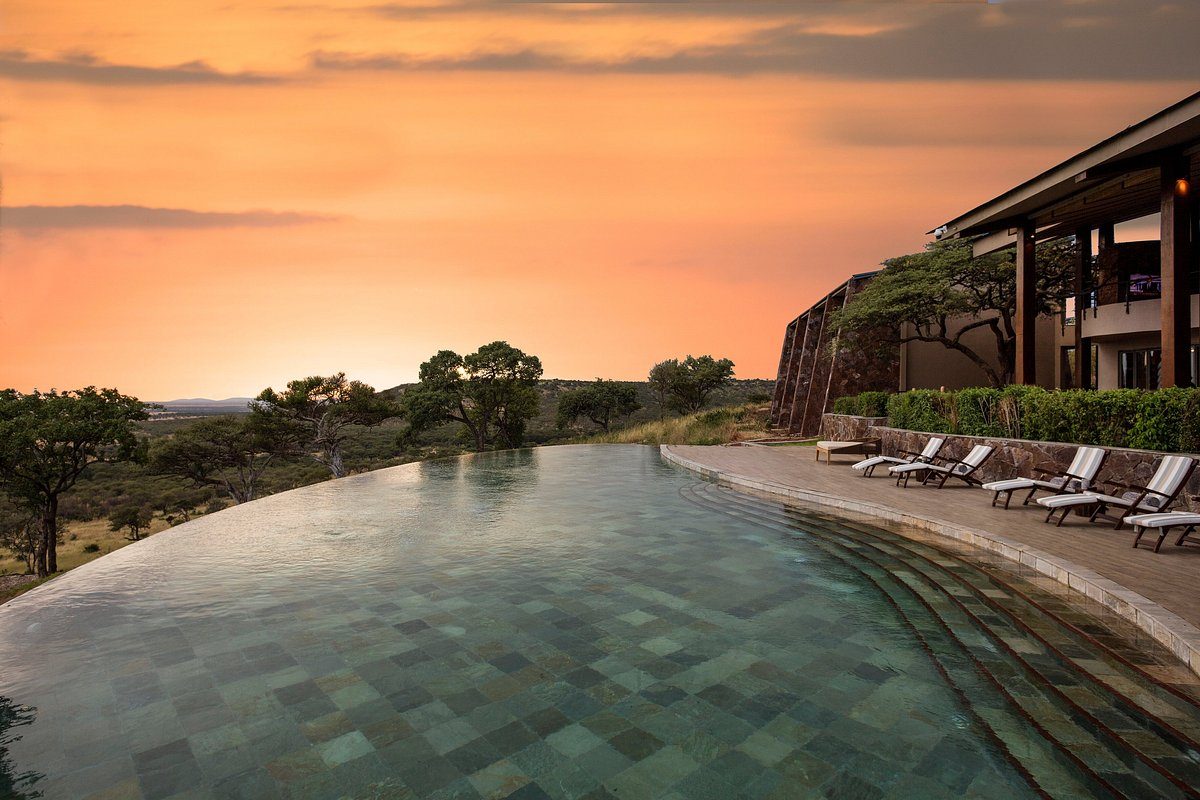
A luxury safari is built for travelers who want a more exclusive, comfortable, and refined travel experience. This usually includes premium lodges or luxury tented camps, stronger service, more privacy, better dining, smoother logistics, and an overall safari that feels more polished from start to finish.
 
Luxury safari does not just mean a better room. It usually means a better overall environment around the safari. After game drives, you return to a lodge or camp that offers more comfort, more atmosphere, more privacy, and stronger hospitality. The trip often feels calmer, smoother, and more personalized.
 
This can matter a lot for honeymooners, high-end couples, families wanting privacy and comfort, older travelers, or anyone who values ease and exclusivity during travel. A luxury safari can turn the whole trip into more than just wildlife viewing. It becomes a premium travel experience built around the safari itself.
 
Still, luxury is not automatically the right answer for everyone. Spending more only makes sense if the traveler actually values what luxury improves. If someone is focused almost entirely on wildlife viewing and does not care much about high-end lodging or exclusivity, then luxury may not be necessary. That is why honest planning matters more than chasing status.
 
For travelers planning a more exclusive trip, Private vs Group Safari Tanzania is also highly relevant, because luxury safari and private safari often fit together naturally.

The Main Difference Between Budget, Mid-Range, and Luxury Safari Tanzania

The biggest difference between these safari levels is not the wildlife. The animals do not change because your budget changes. Lions, elephants, giraffes, and zebras are still the same animals in the same parks. What changes is the experience built around the wildlife.

Accommodation

Budget accommodation is usually simpler and more functional. Mid-range accommodation offers stronger comfort and better overall quality. Luxury accommodation is usually more spacious, more refined, more private, and more scenic.

Privacy

Budget safaris are more likely to involve shared arrangements or more basic logistics. Mid-range safaris can be private or semi-private depending on the setup. Luxury safaris are usually more private and personalized.

Service

Budget safari service is often practical and straightforward. Mid-range safari service is usually smoother and more comfortable. Luxury safari service is generally more refined, more attentive, and more personalized.

Flexibility

Budget safaris often follow more fixed structures. Mid-range safaris usually give a better balance between structure and flexibility. Luxury safaris often allow the highest level of customization and smoothest logistics.

Overall Atmosphere

A budget safari often feels practical and adventure-focused. A mid-range safari usually feels balanced and comfortable. A luxury safari usually feels exclusive, polished, and more relaxed overall.This is why price alone is a terrible way to judge safari value. You are not just paying for park entry and game drives. You are paying for the full shape of the trip.

Budget Safari Tanzania Pros and Cons

Budget safari has real strengths, but it also has clear limitations. It is a good fit for some travelers and the wrong fit for others.

Pros of a Budget Safari

The biggest advantage is lower cost. That alone can make Tanzania safari possible for travelers who would otherwise struggle to afford it.
 
Budget safari can also work well for travelers who care more about getting into the parks than about higher-end comfort. If the priority is game drives, landscapes, and wildlife rather than premium accommodation, budget safari can still deliver a satisfying experience.It can also be a practical option for travelers who are flexible, realistic, and comfortable with a simpler setup.

Cons of a Budget Safari

The tradeoffs usually show up in comfort, privacy, flexibility, and service. Accommodation is often more basic. Shared arrangements may reduce personal space. The itinerary may be more fixed. Service may feel more practical than polished. For travelers who care about comfort, quiet, or smoother travel flow, these tradeoffs can become frustrating.
 
That is why comparing Tanzania Safari Cost without also comparing comfort level is a mistake. A low price means very little if the safari style does not match the traveler.

Mid-Range Safari Tanzania Pros and Cons

Mid-range safari is often the strongest value option because it avoids the harshest tradeoffs of budget travel while staying below luxury pricing.

Pros of a Mid-Range Safari

Mid-range safaris usually provide a very good balance between comfort and cost. Accommodation is more comfortable, service is smoother, and the safari often feels more relaxed and enjoyable overall.

This level works especially well for first-time safari travelers, couples, and families who want the trip to feel comfortable and rewarding without paying top-end luxury prices.Mid-range also tends to give travelers a stronger sense of value. The step up from budget can be noticeable in room quality, food, service, and trip flow, but the price still stays within a more realistic range for many travelers.

Cons of a Mid-Range Safari

The main downside is that it is not the cheapest option and not the most exclusive option. Travelers with a very tight budget may still find it expensive, while travelers who want the highest-end safari atmosphere may still want more.


But for many people, that is not really a weakness. It is exactly why mid-range works so well. It sits in the middle without feeling too basic or too extravagant.

Luxury Safari Tanzania Pros and Cons

Luxury safari offers clear advantages, but it only makes sense when those advantages matter to the traveler.

Pros of a Luxury Safari

Luxury safari usually offers the highest level of comfort, premium accommodation, stronger privacy, more refined service, and a more polished overall travel experience. For many travelers, that transforms the quality of the whole safari.


Luxury is especially attractive for honeymooners, couples wanting a romantic safari, families wanting privacy and easier logistics, and travelers who value exclusive service and higher comfort.A luxury safari can also feel less stressful because the trip often runs more smoothly and the accommodation offers a stronger sense of rest and comfort between game drives.

Cons of a Luxury Safari

The obvious downside is price. Luxury safari can cost significantly more, and if the traveler does not care much about premium lodges, exclusivity, or high-end service, then the extra spending may not feel worthwhile.

Luxury is worth it when the traveler genuinely values the improvements it brings. Without that, the higher cost can be unnecessary.This is another reason Tanzania Safari Cost matters in the planning process. Travelers need to understand not just the number, but what that number is actually buying.

Accommodation Differences by Safari Level

Accommodation is one of the clearest areas where budget, mid-range, and luxury safari separate.

Budget Accommodation

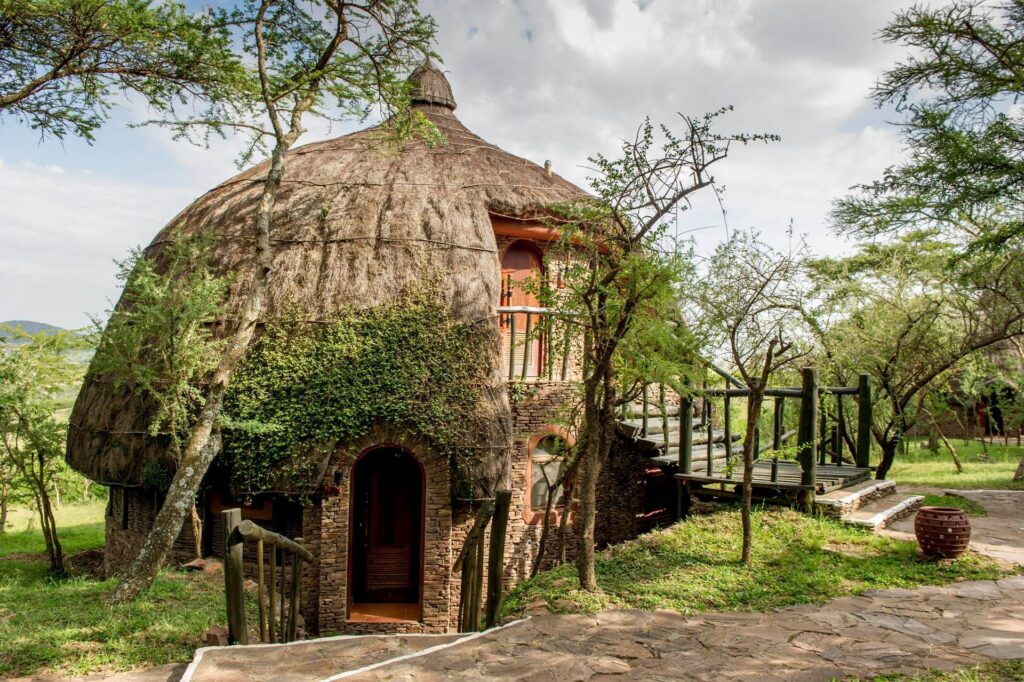
Budget accommodation is usually simple, practical, and functional. Depending on the itinerary, this may include basic lodges, simpler tented camps, or public campsites. Comfort is lower, room style is simpler, and extra amenities are usually limited.

Mid-Range Accommodation

Mid-range accommodation usually offers stronger comfort, better room quality, more appealing dining, and a more enjoyable overall setting. For many travelers, this level feels comfortable enough without becoming excessive.

Luxury Accommodation

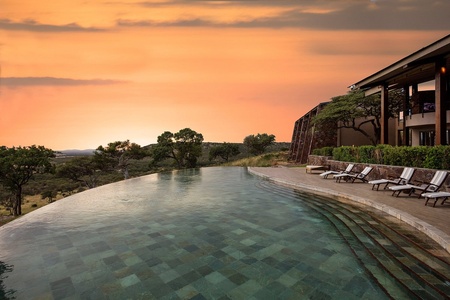
Luxury accommodation is usually more spacious, more stylish, more private, and more scenic. It often includes premium lodges or high-end tented camps with stronger hospitality, better views, better service, and a setting that feels special beyond just being a place to sleep.
Accommodation matters because it shapes the tone of the safari. After long game drives, the quality of where you return matters more than many first-time travelers realize.

Which Safari Level Is Best for First-Time Travelers?

For many first-time safari travelers, mid-range is often the strongest choice. It offers a good balance of comfort, value, and smoother overall logistics.
 
First-time travelers usually want the safari to feel organized, rewarding, and comfortable. Mid-range often gives enough comfort and service to deliver that without pushing the trip into premium pricing.Budget safari can still work for first-time travelers who are flexible and cost-conscious. Luxury safari can be excellent for first-time travelers who care deeply about privacy and comfort. But for many travelers, mid-range is the safest and most balanced entry point.
 
This decision also becomes easier when travelers compare What’s Included in a Tanzania Safari Package and Best Time to Visit Tanzania for Safari, because inclusions and travel timing can change how each safari level feels on the ground.

Which Safari Level Is Best for Couples?

Most couples usually fit best into either mid-range or luxury safari.
 
Mid-range works well for couples who want a comfortable and enjoyable trip with a good level of service and atmosphere without going to the highest end of the market. Luxury works best for couples who want stronger privacy, more exclusivity, and a more romantic overall experience.
 
Budget safari can still work for couples, but only if both travelers are comfortable with a simpler setup. If one person wants comfort and atmosphere while the other only wants the lowest price possible, that mismatch can weaken the trip quickly.
 
For couples also deciding on safari structure, Private vs Group Safari Tanzania is  because private safari usually pairs better with romantic or higher-comfort travel.

Which Safari Level Is Best for Families?

For many families, mid-range is often the smartest choice, while luxury can also work very well for families who want the highest comfort and smoothest logistics.
 
Families usually benefit from better accommodation, more privacy, stronger service, and a pace that works well for both adults and children. Budget safari can be harder for families because lower comfort, tighter schedules, and shared arrangements can create more stress.
 
When children are involved, comfort and flexibility matter more. Families often do better when the trip feels organized, well-paced, and less cramped. That is one reason Private vs Group Safari Tanzania is important for family safari planning, because safari level and safari structure should be chosen together, not separately.

Which Safari Level Is Best for Budget Travelers?

Budget safari is the obvious fit for travelers whose main priority is keeping costs lower. That is exactly what it is built for.
 
But smart budget travel is not just about paying less. It is about getting acceptable value while understanding what you are giving up. A lower price with poor comfort, bad pacing, or frustrating logistics is not automatically a good deal.
 
That is why budget travelers should compare Tanzania Safari Cost, What’s Included in a Tanzania Safari Package, and How Many Days for Tanzania Safari? before deciding. A shorter, well-structured safari can sometimes be better value than a longer, cheaper trip that feels badly built.

Which Safari Level Is Best for Honeymooners?
Luxury is often the strongest fit for honeymooners, with mid-range as the second-best option.
 
A honeymoon usually benefits from privacy, stronger accommodation, better service, and a more romantic atmosphere. Luxury safari fits that naturally. Mid-range can also work very well for honeymooners who want comfort and a memorable experience without going to the very highest end of the market.Budget safari is usually the weakest fit for a honeymoon unless both travelers are fully aligned on keeping the trip simple and practical.
 
For honeymooners, Private vs Group Safari Tanzania is another strong  because privacy matters far more in that kind of trip.
The difference between budget, mid-range, and luxury safari usually comes down to accommodation, service level, vehicle type, and trip pace.

Does a More Expensive Safari Mean Better Wildlife Viewing?

Not automatically. This is one of the biggest mistakes travelers make in safari planning.
 
A more expensive safari usually improves the experience around the game drives. It improves accommodation, service, privacy, comfort, and overall atmosphere. But it does not guarantee better wildlife sightings. The animals are still in the same parks, and sightings always depend on timing, season, guide skill, route planning, and luck.What a better safari budget can sometimes improve is trip flow. Stronger lodge locations, better pacing, and more private arrangements can support a better overall experience, but they still do not control wildlife.
 
That is why Best Time to Visit Tanzania for Safari is one of the most important pages to compare. Timing often affects wildlife viewing more than whether the safari is budget, mid-range, or luxury

How to Choose Between Luxury, Mid-Range, and Budget Safari Tanzania

The right choice depends on your priorities, not on fantasy.

Choose Budget Safari If

  • your main goal is keeping costs lower
  • you are comfortable with simpler accommodation
  • you accept less privacy and less flexibility
  • you care more about being in the parks than about higher comfort
  • you are realistic about tradeoffs

Choose Mid-Range Safari If

  • you want good comfort without luxury pricing
  • you want strong value for money
  • you want the trip to feel smooth and enjoyable
  • you are a first-time traveler, couple, or family looking for balance
  • you want comfort without overspending

Choose Luxury Safari If

  • comfort and privacy matter a lot to you
  • you want premium accommodation and stronger service
  • you value exclusivity and smoother logistics
  • you are planning a honeymoon or high-end safari
  • you are willing to pay more for a more refined experience
Choosing well also means thinking about park selection. If you are still shaping the wider itinerary, Serengeti National Park Safari Guide, Ngorongoro Crater Safari Guide, Tarangire National Park Safari Guide, and Lake Manyara National Park Safari Guide are useful next pages because safari style makes more sense when matched with the right parks and trip structure.

Is Mid-Range the Best Value?

For many travelers, yes. Mid-range is often the best value because it offers a clear step up from budget travel without reaching luxury pricing.
 
That balance is why mid-range safari is often the strongest choice for first-time safari travelers, couples, and families. It usually delivers enough comfort, service, and enjoyment to make the trip feel rewarding without pushing the budget too hard.
 
That does not mean it is perfect for everyone. It means it often provides the strongest balance between cost and overall safari experience.

Luxury vs Mid-Range vs Budget Safari Tanzania

The best safari level is not the cheapest one, and it is not automatically the most expensive one. It is the one that matches the traveler honestly.
 
Budget safari Tanzania works best for travelers who care most about affordability and can accept tradeoffs in comfort and flexibility. Mid-range safari Tanzania works best for travelers who want a strong balance of comfort, service, and cost. Luxury safari Tanzania works best for travelers who value privacy, exclusivity, premium accommodation, and a more polished overall experience.
 
The biggest mistake is booking with vague expectations. That is where people waste money, choose the wrong safari level, and end up disappointed for reasons that should have been obvious from the start.
 
At Kili Quests, we help travelers choose the safari level that fits their budget, comfort level, and travel style. If you are planning a Tanzania safari and want honest advice on the right option for your trip, contact Kili Quests and let us help you build it properly.

FAQs About Luxury vs Mid-Range vs Budget Safari Tanzania

What is the difference between budget and luxury safari in Tanzania?

The main difference is the level of comfort, accommodation quality, privacy, service, and overall exclusivity. Budget safari focuses on lower cost, while luxury safari focuses on a more premium experience.

Is mid-range safari the best option in Tanzania?

For many travelers, yes. Mid-range safari often offers the best balance between comfort, service, and price.

Is a luxury safari in Tanzania worth it?

It can be, especially for travelers who value comfort, privacy, exclusivity, and premium accommodation. It is most worth it when those upgrades genuinely matter to the traveler.

Can you still enjoy Tanzania on a budget safari?

Yes. A budget safari can still be enjoyable, especially for travelers who are flexible and realistic about simpler comfort and lower customization.

Which safari level is best for families or couples?

Mid-range and luxury are usually the best fit for families and couples because they offer more comfort, privacy, and a smoother overall experience.

Planning a Tanzania safari

Not sure whether budget, mid-range, or luxury safari Tanzania fits your trip?
 
Contact us  for honest advice and a safari plan built around your budget, travel style,comfort level, and expectations.

Related Articles

Private vs Group Safari in Tanzania: Which Is Better for You?

Choose the Right Safari Style

A private safari gives you more flexibility, privacy, and control.A group safari can reduce cost, but it comes with less freedom.
Plan Your Trip Better

OUR CATEGORIES

Private vs Group Safari Tanzania

Choosing between a private safari and a group safari in Tanzania is one of the most important decisions in the planning process. Get this wrong, and the whole trip can feel off. Get it right, and your safari fits your budget, travel style, expectations, and pace from the start.

Many travelers make the mistake of thinking this decision is only about money. Cost matters, but it is not the only factor. The real difference between private and group safari travel comes down to control, flexibility, privacy, comfort, pace, and the type of experience you want once you are inside the parks.

Some travelers want a custom trip where the schedule, accommodation style, and daily rhythm are shaped around them. Others are happy to share the vehicle, reduce costs, and accept a more fixed structure. Neither option is automatically better. What matters is whether the safari style matches the traveler.

In this guide, we break down the real difference between private and group safari options in Tanzania, who each style is best for, and how to choose without wasting money on the wrong setup.

Quick Answer: Private vs Group Safari in Tanzania

A private safari is usually better if you want flexibility, privacy, comfort, and a more personalized experience. It is the stronger choice for families, couples, honeymooners, photographers, older travelers, and anyone who wants more control over the itinerary and pace.
 
A group safari is usually better if your main goal is reducing cost. It can work well for solo travelers, budget-conscious visitors, and people who are comfortable sharing the vehicle, guide, schedule, and travel rhythm with other travelers.
 
The best choice is not simply the cheapest option. The best choice is the safari style that matches your budget, expectations, comfort level, and travel personality.
Category Private Safari Group Safari
Best for Families, couples, honeymooners, photographers, private groups, comfort-focused travelers Solo travelers, budget travelers, flexible and social travelers
Cost Usually higher because the vehicle and guide are dedicated to your party Usually lower because vehicle and guide costs are shared
Flexibility High flexibility with dates, pace, route, and accommodation choices Limited flexibility because the itinerary is usually fixed
Privacy More private and personal Shared with other travelers
Pace Can match your group’s rhythm and interests Depends on the full group’s timing and preferences
Experience feel More tailored, comfortable, and controlled More social, shared, and budget-focused
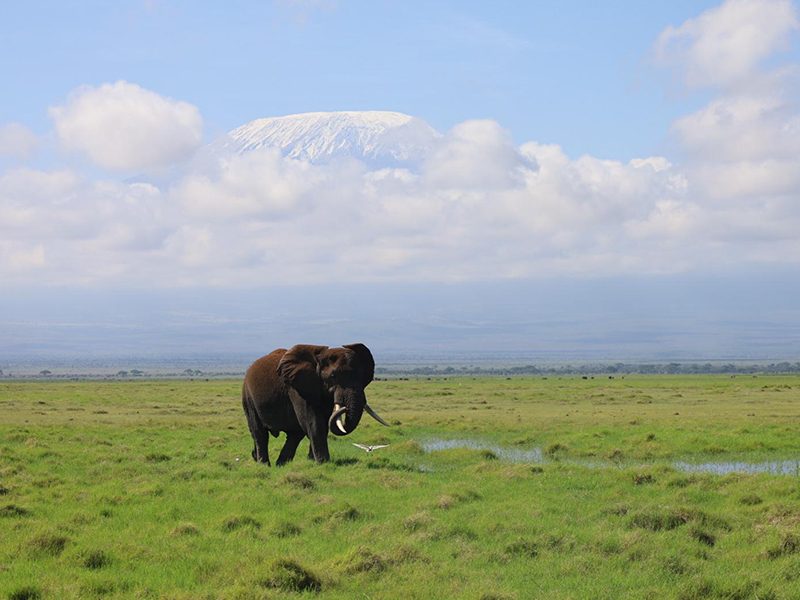
Elephant in Amboseli National Park with Mount Kilimanjaro in the background
Elephants crossing the open plains in Tanzania, one of the classic wildlife moments travelers hope to experience on safari.

Table of Contents

What Is a Private Safari in Tanzania?

A private safari is a safari arranged exclusively for you and your travel party. That means the vehicle, guide, and itinerary are not shared with unrelated travelers. If you are traveling as a couple, family, group of friends, or even solo, the safari is organized around your booking alone.
 
This gives you more control over the experience. Your departure dates are based on your schedule. Your route can usually be customized. Your daily pace can be adjusted more easily. You are also not forced to match the preferences, energy, or timing of strangers.
 
For many travelers, this is the strongest option because a safari is not a bus ride. It is an expensive, once-in-a-lifetime trip. If the whole thing feels rigid, rushed, or awkward because you are sharing it with people who travel differently from you, that becomes a problem fast.
 
A private safari often works especially well for couples, honeymooners, families with children, photographers, older travelers, and anyone who values comfort, flexibility, or privacy.

What Is a Group Safari in Tanzania?

A group safari means you share the safari with other travelers who are not part of your own party. This usually means sharing the vehicle, guide, and fixed itinerary. In many cases, group safaris follow scheduled departure dates and a more structured route.
 
The main attraction is obvious: lower cost. Because the transport and guide costs are shared across multiple travelers, the price per person is usually lower than on a private safari.
 
That makes group safari travel attractive for budget-conscious travelers, solo travelers who want to reduce costs, and people who are comfortable with a less personalized experience.But let’s be honest: lower price does not automatically mean better value. If the group is slow, disorganized, noisy, or constantly misaligned on timing, the safari can become frustrating. Shared travel works well when expectations are realistic. It becomes a bad decision when people expect a private-level experience at a group-level price.
 
Before choosing based only on price, read our full guide to Tanzania Safari Cost so you understand what affects the final safari price.

The Main Difference Between Private and Group Safari Tanzania

The biggest difference is simple: a private safari is built around you, while a group safari requires you to fit into a shared structure.
That single difference affects almost everything else.

Flexibility

Private safaris are far more flexible. You can often adjust departure dates, park order, accommodation style, pace, and even how long you spend at sightings. Group safaris usually follow a set schedule that everyone must accept.

Privacy

Private safaris offer a more personal experience because you are only with your own party. Group safaris mean sharing the vehicle and the daily experience with other travelers.

Cost

Group safaris usually cost less per person because transport and guiding are shared. Private safaris usually cost more, especially for solo travelers or couples, because the fixed costs are spread across fewer people.

Comfort and Pace

Private safaris usually feel smoother because the pace matches your group. In group safaris, the pace depends on the whole vehicle, which can either work fine or become annoying fast.

Personalization

Private safaris allow much more customization. Group safaris are usually more fixed and less adaptable.
This is why treating the decision like a simple budget question is weak planning. You are not just choosing a price point. You are choosing how the safari will actually feel.

Benefits of a Private Safari in Tanzania

A private safari gives travelers more control, more comfort, and a more tailored experience from start to finish.

More Flexible Itinerary

One of the biggest advantages of a private safari is flexibility. If you want to focus more on certain parks, move at a different pace, or shape the route around your priorities, private travel makes that much easier.
 
For example, some travelers may want more time in Serengeti, while others want to balance the trip with Tarangire, Ngorongoro, and Lake Manyara. A private setup makes those decisions easier to manage.
 
Safari style also depends on trip length, so review our guide on How Many Days for Tanzania Safari before deciding whether private flexibility is worth it for your route.

Better for Families and Couples

Private safaris are often the best fit for families with children, couples, honeymooners, and close friends traveling together. You avoid the awkwardness of mixing your trip with strangers and you can move at a pace that works for your own group.
 
This matters more than people realize. Families may need more breaks. Couples may want a quieter, more intimate trip. Older travelers may prefer less rushing. Group travel does not always handle those differences well.

Better Wildlife Experience for Some Travelers

A private safari can improve the wildlife experience because your guide is focused on your party alone. You are not constantly balancing multiple people’s interests, attention spans, or time pressure.If you love photography, birding, or simply prefer not to feel rushed at sightings, private travel usually gives you a stronger experience.

Easier Accommodation Choices

Private safaris make it easier to choose accommodation that fits your comfort level and style. You can usually align the safari more clearly with budget, mid-range, or luxury preferences.That matters because accommodation can shape the whole feeling of the trip. If you have not already done it,Your safari style should also match your accommodation expectations, so compare Luxury vs Mid-Range vs Budget Safari in Tanzania before choosing between private and group travel.

Benefits of a Group Safari in Tanzania

Group safaris have real advantages too, especially for travelers who care more about affordability than personalization.

Lower Cost Per Person

This is the biggest advantage and the reason most travelers consider group safari travel in the first place. Sharing the safari vehicle and guide reduces individual costs, which can make Tanzania more accessible for people with tighter budgets.
 
For many travelers, that matters. Tanzania is not the cheapest safari destination in Africa, so cost-sharing can make the difference between taking the trip and not taking it at all.

Good Option for Solo Travelers

For solo travelers, a private safari can become expensive quickly. A group safari offers a more affordable way to visit major parks without paying all the fixed transport costs alone.
 
That does not mean every solo traveler should jump into a group safari blindly. It means they should understand the tradeoff clearly. Lower cost often comes with less flexibility and less privacy.

Social Experience

Some travelers enjoy meeting other people during the safari. If you are outgoing and like shared travel experiences, a group safari can feel lively and fun.But do not romanticize this too much. Sometimes the group is great. Sometimes it is a mess. Shared travel depends heavily on the people, and that part is never fully in your control.

Downsides of a Private Safari in Tanzania

Private safaris are strong, but they are not perfect.

Higher Price

The biggest downside is cost. Because the vehicle and guide are dedicated to your party, the price per person is usually higher than on a shared safari.This is especially noticeable for solo travelers and couples. Larger private groups often get better value per person because the fixed costs are spread across more people.

Less Social Interaction

If part of your motivation is meeting other travelers, a private safari naturally offers less of that shared social environment.That is not a downside for everyone, but for some solo travelers it can matter.

Downsides of a Group Safari in Tanzania

Group safaris save money, but they come with tradeoffs that should not be ignored.

Less Flexibility

You usually have less control over the route, pace, departure date, and how long you spend on activities or sightings. The safari follows the group structure, not your personal preference.

Shared Space and Different Travel Styles

This is where group safari problems usually show up. You may be early and efficient, while someone else is always late. You may want long wildlife viewing, while someone else loses interest quickly. You may want a quiet experience, while someone else talks nonstop.
That mismatch can wear people down over several days.

Less Personal Experience

Because the guide is managing the whole group, the experience is usually less personalized than on a private safari. That does not mean it is bad. It means it is shared, and shared experiences are rarely as tailored.

Which Is Better for First-Time Safari Travelers?

There is no universal answer, but for many first-time travelers, a private safari is often the better choice if the budget allows it.
 
Why? Because first-time safari travelers usually benefit from a smoother, more flexible, less stressful experience. They may have more questions, stronger excitement around wildlife sightings, and less interest in compromising the trip around strangers.That said, a group safari can still work well for first-time travelers who are budget-focused, easygoing, and comfortable with shared travel conditions.
 
This is where honesty matters. If someone hates waiting on others, values privacy, or wants more control, pretending group travel will feel the same as private is nonsense. It will not.

Which Is Better for Families?

Private safari wins for most families. It is not even close.
 
Families often need a safari pace that matches children, rest needs, meal timing, and comfort preferences. Group safari structure usually does not handle that as well because the whole vehicle must move together.
 
Parents also usually prefer more privacy and less unpredictability when traveling with children. That makes private safari planning the smarter move in most cases.If family logistics, comfort, and trip structure matter,To avoid comparing prices blindly, check What’s Included in a Tanzania Safari Package so you know what is actually covered before booking.

Which Is Better for Couples or Honeymooners?

Private safari is usually the better option for couples and honeymooners because privacy, pace, and atmosphere matter more in that type of trip.
 
A honeymoon or romantic safari loses something if every day is shared with unrelated travelers on a fixed schedule. That does not mean group travel is impossible for couples. It means it usually is not the best fit if the budget allows better choices.
 
A private safari gives couples more space, more intimacy, and a trip that feels more personal overall.
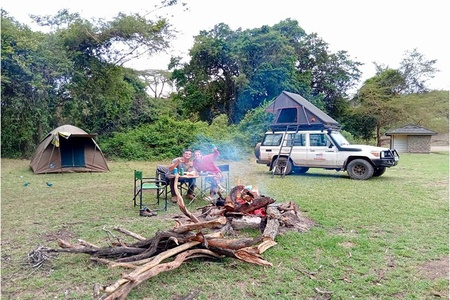
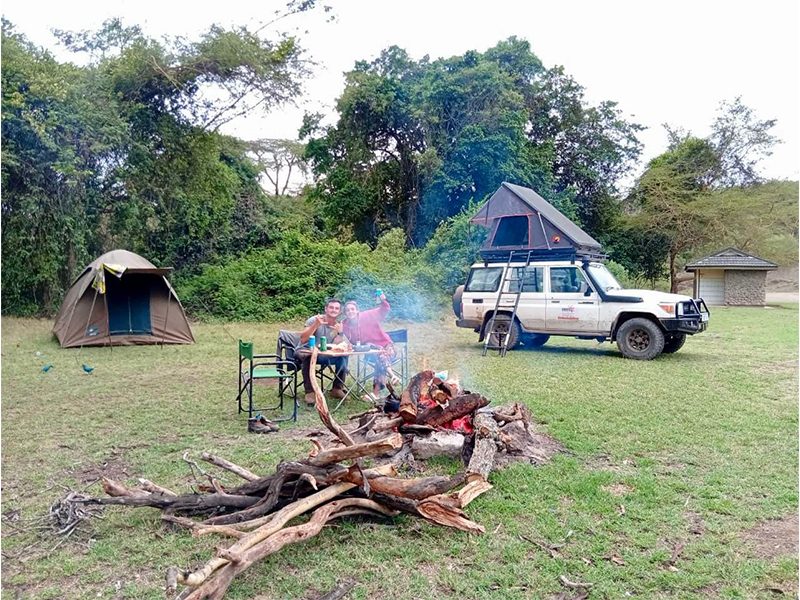
A camping safari brings travelers closer to nature and adds a more adventurous side to the Tanzania safari experience.

Which Is Better for Budget Travelers?

Group safari is usually the better fit for budget travelers, especially solo travelers or travelers who are comfortable sharing transport and working within a fixed schedule.
 
But budget travelers still need to think clearly. Cheap is not the same as smart. A low-cost safari that feels rushed, uncomfortable, and poorly organized is not value. It is just a cheaper disappointment.The right move is to compare price against experience, not price alone. That is why Tanzania Safari Cost and What’s Included in a Tanzania Safari Package should both be part of the decision.

Which Is Better for Luxury Travelers?

Private safari is the clear winner for luxury travelers. Luxury and shared group structure usually do not belong in the same sentence unless the traveler specifically wants that.
 
Luxury safari travelers usually care about comfort, exclusivity, service, accommodation quality, and a smoother rhythm throughout the trip. Private safari aligns much better with those expectations.Your safari style should also match your accommodation expectations, so compare Luxury vs Mid-Range vs Budget Safari in Tanzania before choosing between private and group travel.

How to Choose Between Private and Group Safari Tanzania

The right choice depends on five things: budget, travel style, group size, comfort expectations, and how much control you want.

Choose a Private Safari If

  • you want flexibility in dates and itinerary
  • you value privacy and personal space
  • you are traveling as a couple, family, or private group
  • you care about comfort and pace
  • you want a more personalized safari experience

Choose a Group Safari If

  • your main goal is reducing cost
  • you are comfortable sharing with other travelers
  • you are flexible and easygoing about pace
  • you do not mind a more fixed itinerary
  • you are a solo traveler looking for a lower-cost safari option
If someone expects a private-level experience on a group-level budget, the expectation is unrealistic. It is better to understand the tradeoff before booking than to feel disappointed during the trip.

Is a Private Safari Worth the Extra Cost?

For many travelers, yes. A private safari is often worth the extra cost because the experience feels more comfortable, more efficient, and more aligned with personal priorities.
 
That does not mean everyone should spend more. It means the extra money often buys something real: flexibility, privacy, comfort, and better overall flow.The mistake is thinking private safari is just a luxury upgrade with no practical benefit. That is false. For families, couples, photographers, older travelers, and anyone who values pace and personalization, the benefit is very real.

Who Should Choose a Private Safari or Group Safari?

Choose a private safari if you want more control, privacy, comfort, and flexibility. It is usually the better option for families, couples, honeymooners, photographers, older travelers, and anyone who wants the safari to move at their own pace.
 
Choose a group safari if your main goal is to reduce cost and you are comfortable sharing the vehicle, guide, schedule, and travel experience with other people. It can work well for solo travelers and budget-conscious visitors, but only if expectations are clear from the beginning.
 
The wrong choice usually happens when travelers focus only on price and ignore how the safari will actually feel day by day.

Should You Choose a Private or Group Safari?

The best safari choice is not the cheapest one or the most expensive one. It is the one that matches the traveler.
 
Private safari Tanzania is usually better for travelers who want privacy, flexibility, comfort, and a more personalized experience. Group safari Tanzania is usually better for travelers who want to reduce cost and are comfortable sharing the experience with others.
 
Neither option is automatically right for everyone. What matters is choosing with clear expectations instead of lazy assumptions.A Tanzania safari is too important and too expensive to plan badly. If the style of safari does not match the traveler, the whole trip suffers.
 
At Kili Quests, we help travelers choose the safari structure that actually fits their budget, expectations, and travel style. If you are deciding between a private safari and a group safari in Tanzania, contact us and we will help you build the right trip from the start.

Frequently Asked Questions About Private vs Group Safari Tanzania

Is a private safari better than a group safari in Tanzania?

A private safari is usually better if you want flexibility, privacy, comfort, and a more personalized experience. You have more control over the itinerary, pace, accommodation style, and how long you spend at wildlife sightings. A group safari is better if your main priority is reducing cost and you are comfortable sharing the vehicle and schedule with other travelers.

Is a group safari cheaper than a private safari in Tanzania?

Yes, a group safari is usually cheaper per person because the vehicle, guide, and transport costs are shared among several travelers. This can make it a good option for solo travelers or visitors with a tighter budget. However, the lower price usually comes with less flexibility, less privacy, and a fixed itinerary.

Is a private safari worth the extra cost?

For many travelers, yes. A private safari is often worth the extra cost because it gives you a smoother, more comfortable, and more controlled experience. This matters especially for families, couples, honeymooners, photographers, older travelers, and anyone who does not want to adjust their trip around strangers.

Which safari is better for families or couples?

A private safari is usually better for families, couples, and honeymooners because it gives more privacy, comfort, and control over the daily pace. Families can manage rest stops and children’s needs more easily, while couples can enjoy a quieter and more personal experience. A group safari can still work for budget-focused travelers, but it is usually less flexible.

How do I choose between a private and group safari in Tanzania?

Choose a private safari if you want privacy, flexibility, comfort, and a trip shaped around your own pace. Choose a group safari if your main goal is lowering cost and you are comfortable with a fixed schedule and shared travel experience. The right choice depends on your budget, travel style, group size, and how much control you want during the safari.

Plan the Right Tanzania Safari for Your Travel Style

Not sure whether a private or group safari fits your trip?
 
At Kili Quests, we help you choose the safari style that matches your budget, comfort level, travel pace, and expectations. Whether you want a private family safari, a romantic couple’s safari, or a more budget-conscious shared option, we can help you plan it properly from the start.
 
Contact us today and we will help you build a Tanzania safari that fits the way you actually want to travel.

Related Articles

Lake Manyara National Park Safari Guide | Kili Quests

Plan Your Lake Manyara Safari

Lake Manyara adds scenery, birdlife, elephants, and a different rhythm to your northern circuit safari.

Plan Your Trip Better

OUR CATEGORIES

Lake Manyara National Park Safari Guide

Lake Manyara National Park is one of the most underrated safari destinations in northern Tanzania. It may not have the fame of Serengeti or the scale of Ngorongoro Crater, but writing it off would be lazy thinking. This park offers something different: lush groundwater forest, open grassy plains, acacia woodland, hot springs, escarpment views, and the shallow alkaline lake itself, which attracts rich birdlife and gives the whole landscape a unique character.

For many travelers, Lake Manyara works best as part of a northern circuit safari. It is often combined with Serengeti, Ngorongoro, and Tarangire, but it should not be treated like a filler stop. That is weak itinerary planning. The park has real value of its own. It is scenic, accessible, rich in birdlife, and capable of delivering a rewarding game drive in a relatively compact area. For first-time safari travelers, that makes it practical. For repeat travelers, it adds variety. For photographers, it offers a very different visual mood from the wide open plains found elsewhere in northern Tanzania.

If you are comparing destinations for your itinerary, Lake Manyara is not about competing directly with Serengeti. That is the wrong frame. It is about adding depth and variety to your safari. This is where you come for forest, water, birds, changing habitats, and a softer but still valuable wildlife experience.
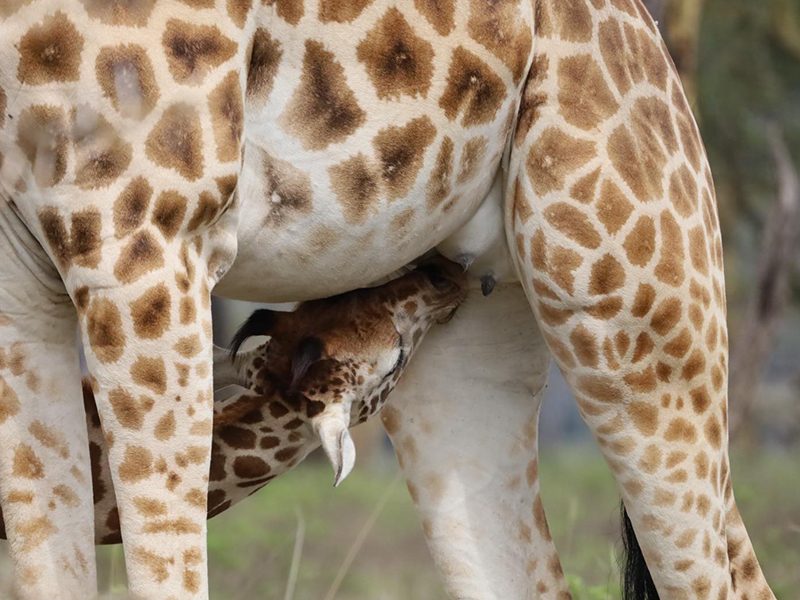
A giraffe sighting adds to the classic wildlife experience of a Tanzania safari.

Table of Contents

Where Lake Manyara National Park Is Located

Lake Manyara National Park lies in northern Tanzania, between Arusha and the Ngorongoro Highlands. It sits at the base of the Great Rift Valley escarpment, which gives the park one of the most dramatic settings in the northern safari circuit. The escarpment rises steeply on one side, while the lake spreads across much of the park on the other.
 
This location makes Lake Manyara easy to include in a safari itinerary. It is commonly visited on the way to or from Ngorongoro and Serengeti, and it is also close enough to Arusha for shorter safari plans. That convenience is part of its value, but it is not the whole reason to visit. The real strength of Lake Manyara is contrast. After dry savannah and open plains in other parks, Lake Manyara feels greener, denser, and more layered.
 
For travelers planning a full northern circuit route, How Many Days for Tanzania Safari? helps explain how parks like Lake Manyara fit into a balanced itinerary without turning the trip into rushed nonsense.

What Makes Lake Manyara Special

Lake Manyara stands out because of its habitat diversity. In a relatively small area, the park includes groundwater forest, floodplains, woodland, lakeshore, and hot spring zones. That creates a safari experience that feels very different from parks dominated by open grassland.
This variety supports a wide range of wildlife and birdlife, but it also changes the rhythm of the safari itself. One moment you are driving through thick green forest where monkeys move through the trees and elephants can emerge from the shade. The next, you are looking across open areas toward the lake with birds gathering along the shoreline.
 
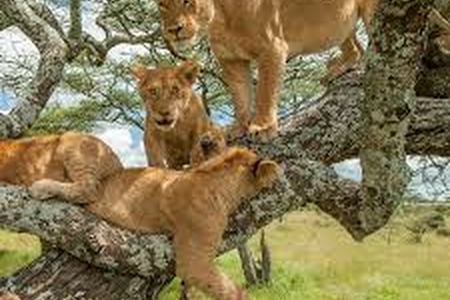
Lake Manyara is also famous for tree-climbing lions, but this is where weak sales talk ruins trust. Yes, they are part of the park’s reputation. No, they are not guaranteed. Any operator who sells that like a certainty is feeding people garbage expectations. The smart way to present Lake Manyara is to focus on what the park consistently does well: scenery, birdlife, varied habitats, elephants, and a distinctive atmosphere.

Wildlife in Lake Manyara National Park

Lake Manyara offers solid wildlife viewing, especially for a park that is often visited in a single day or half day. Elephants are one of the major highlights. The park is well known for its elephant population, and sightings can be excellent, especially in the forested and woodland areas. Watching elephants move quietly through the trees in Lake Manyara feels very different from seeing them in more open parks.
 
Other animals commonly seen include giraffes, zebras, wildebeest, warthogs, impalas, baboons, blue monkeys, hippos, and buffalo. Lions are present, though predator sightings are generally less reliable than in Serengeti or Ngorongoro. Leopards also live in the park, but like everywhere else, they remain elusive.
 
One of the most noticeable things in Lake Manyara is the number of baboons. In some parts of the park, they are everywhere. That becomes one of the most memorable parts of the drive for many visitors, especially early in the day when the forest feels alive.
 
If your safari priority is the biggest concentration of predators and the classic large-scale wildlife spectacle, Serengeti National Park Safari Guide and Ngorongoro Crater Safari Guide are the pages you should compare next. But that does not make Lake Manyara weak. It makes it different, and that difference matters..

Birdlife at Lake Manyara

Lake Manyara is one of the best birding parks in northern Tanzania. Even travelers who are not dedicated birdwatchers usually notice how rich the birdlife is here. The lake and surrounding habitats attract a wide variety of species, and seasonal conditions can make the experience even stronger.
 
Flamingos are among the birds many travelers hope to see, along with pelicans, storks, herons, cormorants, hornbills, kingfishers, and many other waterbirds and woodland species. The exact numbers and visibility vary with water levels and season, so again, honesty matters. The point is not to promise a staged wildlife performance. The point is that Lake Manyara consistently offers strong birding potential and a more vibrant ecological feel than many first-time safari travelers expect.
 
For photographers and nature-focused travelers, this is one of the park’s biggest strengths. A safari is not only about chasing lions. That narrow mindset produces weak itineraries. Lake Manyara rewards travelers who care about landscapes, birdlife, and the wider ecological richness of northern Tanzania

Best Time to Visit Lake Manyara

Lake Manyara can be visited throughout the year, but the safari experience changes with the seasons.

Dry Season

The dry season, generally from June to October, is often the easiest time for wildlife viewing. Vegetation is thinner, animals are easier to spot, and road conditions are usually better. For first-time safari travelers who want easier game viewing and more predictable travel conditions, this is often the safest choice.

Green Season

The green season, including roughly November to May with varying rainfall patterns, brings a more lush and dramatic landscape. The park can look especially beautiful at this time, and birdlife is often excellent. For travelers who care about scenery, photography, and a greener atmosphere, this season can be very rewarding. The tradeoff is that rain can affect road conditions, and thicker vegetation can make some wildlife harder to spot.
 
The right season depends on what matters most to you. If you want easier wildlife viewing, dry season is usually stronger. If you want green landscapes, dramatic skies, and strong birdlife, the wetter months can be excellent.For a wider seasonal breakdown across the country, Best Time to Visit Tanzania for Safari should shape your final travel timing.

How Lake Manyara Fits Into a Northern Circuit Safari

Lake Manyara is rarely the only destination in a Tanzania safari, and that is exactly how it should be used. It works best as part of a broader northern circuit itinerary. In most safari plans, it complements other parks rather than replacing them.
 
A common route includes Tarangire, Lake Manyara, Ngorongoro, and Serengeti. In that sequence, each park brings a different strength. Tarangire offers giant baobabs and large elephant herds. Lake Manyara adds forest, lake scenery, and birdlife. Ngorongoro delivers dense wildlife viewing in the crater. Serengeti brings scale, open plains, and major predator action.
That is what a smart safari itinerary looks like. A safari should not feel repetitive. Each park should add a different layer to the trip instead of showing the same landscape again and again.
 
If you are comparing park roles within the northern circuit, Tarangire National Park Safari Guide is the most useful page to compare alongside Lake Manyara because the two parks are close in geography but very different in feel and strengths.
Lion resting in the savannah during a 5-day Tanzania safari in northern Tanzania
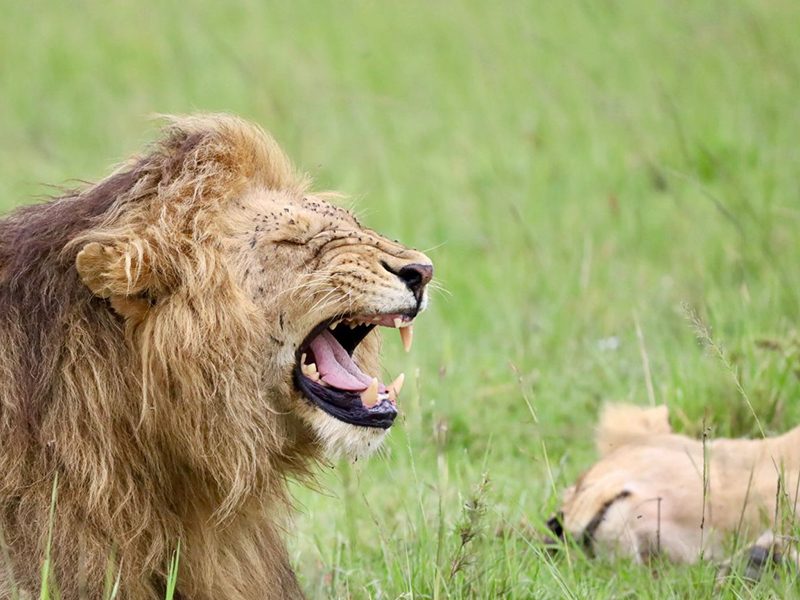
A lion sighting in Lake Manyara adds to the park’s rich wildlife experience and makes every game drive more rewarding.

How Much Time You Need in Lake Manyara

Most travelers visit Lake Manyara as part of a multi-day safari, and for many itineraries a full-day game drive is enough to experience the main habitats and enjoy the park properly.
 
That said, whether one day is enough depends on the structure of the whole safari. If your trip is short and packed, Lake Manyara can work well as a scenic and worthwhile stop. If you have more days, it fits naturally into a better-paced route. What you should not do is cram too many parks into too few days. That is not efficiency. That is trash planning that leaves people exhausted and cuts the quality of the whole trip.
 
A properly planned safari balances travel time, wildlife time, rest, and variety. That is why How Many Days for Tanzania Safari? matters before you finalize your itinerary.

Activities in Lake Manyara National Park

The main activity in Lake Manyara is the game drive, and that is the reason most travelers visit. The park’s compact size and changing habitats make game drives enjoyable because the scenery shifts quickly.

Game Drives

Game drives in Lake Manyara often move through forest, open areas, lakeshore zones, and wildlife-rich sections in a relatively short distance. That gives the park a varied feel even within a single day.

Birdwatching

Because of the lake and surrounding habitats, birdwatching is one of the biggest strengths of the park. Even travelers who are not serious birders usually appreciate the richness of the birdlife here.

Scenic Safari Experience

Lake Manyara also stands out for its scenery. The Rift Valley escarpment, the groundwater forest, and the lake itself create a very different visual experience from the better-known open savannah parks.What matters most is expectation. Lake Manyara is not the park you use as your only major destination if you want the full classic Tanzania safari spectacle. It is a supporting park with real value, and when used correctly it makes the whole itinerary stronger.

Accommodation Options Near Lake Manyara

There are different accommodation styles available around the Lake Manyara area, from budget options to comfortable mid-range lodges and higher-end safari properties. Some travelers stay near the park before continuing toward Ngorongoro or Serengeti, while others include it within a lodge-to-lodge safari itinerary.
 
The right accommodation depends on your budget, desired comfort level, and how Lake Manyara fits into the wider route. Some travelers just need a practical overnight stop. Others want a scenic lodge stay with more comfort and views. Neither choice is automatically better. The right choice is the one that matches the rest of your trip and what you are actually paying for.
 
If you are comparing safari comfort levels across the full trip, Luxury vs Mid-Range vs Budget Safari Tanzania is the page that should help guide that decision.

Is Lake Manyara Worth Visiting?

Yes, Lake Manyara is worth visiting, but only if you understand what it is and what it is not.
 
It is not Tanzania’s biggest wildlife destination. It is not the most famous predator park. It is not the place to build your entire safari around if your only goal is nonstop big-cat action.But that is exactly where bad safari planning goes wrong. Too many people judge parks only by hype. That is amateur thinking.
 
Lake Manyara is worth visiting because it adds diversity. It brings a greener atmosphere, strong birdlife, forest wildlife, escarpment scenery, and a different rhythm to the northern circuit. It helps break up the safari visually and ecologically. For many travelers, that makes the whole journey stronger.A good Tanzania safari is not built by stuffing famous names into one rushed route. It is built by combining parks that complement each other. Lake Manyara plays that role well.

Who Lake Manyara Is Best For

Lake Manyara is especially suitable for different types of safari travelers.

First-Time Safari Travelers

It is accessible, scenic, and easy to combine with other major parks in the northern circuit.

Travelers Who Enjoy Birdlife and Landscapes

This is one of the best northern circuit parks for birding and environmental variety.

Travelers Building a Balanced Northern Circuit Itinerary

It fits naturally between larger and more famous parks because it changes the mood and scenery of the journey.

Travelers With Limited Time

Because of its location, Lake Manyara can fit into shorter itineraries more easily than more distant safari destinations.

Lake Manyara National Park

Lake Manyara National Park may not dominate safari marketing the way Serengeti and Ngorongoro do, but that does not make it minor. It makes it misunderstood.
 
This is a park of variety, scenery, birdlife, forest wildlife, and quiet value. It is not always the headline act of a Tanzania safari, but it is often one of the pieces that makes the overall trip feel complete. When added to a well-planned northern circuit, Lake Manyara gives travelers something different from the more famous parks and helps create a richer safari experience from start to finish.
 
If you are planning your route, budget, and travel style, it also makes sense to compare Tanzania Safari Cost, What’s Included in a Tanzania Safari Package, and Private vs Group Safari Tanzania before finalizing the trip.
 
At Kili Quests, we help travelers build Tanzania safari itineraries that are not rushed, not generic, and not padded with empty promises. If you want a safari plan that fits your time, budget, and travel style, contact Kili Quests and let us help you build it properly.

Frequently Asked Questions About Lake Manyara National Park

Is Lake Manyara good for a safari?

 Yes. Lake Manyara is a worthwhile safari park, especially for travelers who want varied scenery, birdlife, elephants, and a park that fits easily into the northern circuit.

What animals can you see in Lake Manyara?

Common sightings include elephants, giraffes, zebras, buffalo, baboons, hippos, impalas, and sometimes lions. The park is also known for excellent birdlife.

Is Lake Manyara famous for tree-climbing lions?

Yes, Lake Manyara is known for tree-climbing lions, but sightings are not guaranteed. They are part of the park’s reputation, not a promise any honest operator should make.

How long should I spend in Lake Manyara National Park?

For many itineraries, one full-day game drive is enough. Lake Manyara is usually visited as part of a broader northern circuit safari rather than as a standalone destination.

When is the best time to visit Lake Manyara?

The dry season is generally best for easier wildlife viewing, while the green season offers lush scenery and strong birdlife. The best time depends on your priorities.

Planning a Tanzania safari that

 includes Lake Manyara? Contact Kili Quests for a custom itinerary built around your dates, budget, and the right mix of parks

Contact us today to start you safari todaya

Related Articles

Tarangire National Park Safari Guide | Kili Quests

Plan Your Tarangire Safari the Right Way

Tarangire is far better when it is part of a well-planned safari, not a random park stop. We help you build a Tanzania safari itinerary that matches your time, budget, and travel goals.

Plan Your Trip Better

OUR CATEGORIES

Tarangire National Park Safari Guide

Tarangire National Park is one of the most rewarding safari destinations in northern Tanzania, yet many first-time travelers overlook it. When most people plan a Tanzania safari, they focus first on Serengeti and Ngorongoro Crater. Those parks deserve the attention, but ignoring Tarangire is a mistake. This park offers something different and something valuable: huge elephant herds, giant baobab trees, excellent dry-season wildlife viewing, and a quieter safari experience than some of the more famous parks.
For travelers who want more than a rushed checklist of big names, Tarangire deserves real attention. It is not just an extra stop between better-known parks. In the right season, Tarangire can deliver some of the most memorable game viewing in Tanzania, especially for travelers who love elephants, birdlife, and dramatic scenery. It is also an important part of the northern safari circuit, making it easy to combine with Serengeti National Park Safari Guide, Ngorongoro Crater Safari Guide, and Lake Manyara National Park Safari Guide in one well-planned itinerary.
 
At Kili Quests, we see Tarangire as one of the parks that gives a safari more depth. Serengeti gives you scale. Ngorongoro gives you concentration. Tarangire gives you atmosphere. The baobab-dotted landscape, red earth, seasonal river system, and slow-moving elephant families create a safari experience that feels distinct within the northern circuit.
 
In this guide, you will learn what makes Tarangire National Park special, what animals you can expect to see, the best time to visit, how many days you need, and how to fit Tarangire into your Tanzania safari plan. If you are still building your wider trip, it also helps to read What Is Included in a Tanzania Safari Package? so you understand how transport, accommodation, park fees, meals, and guiding come together.
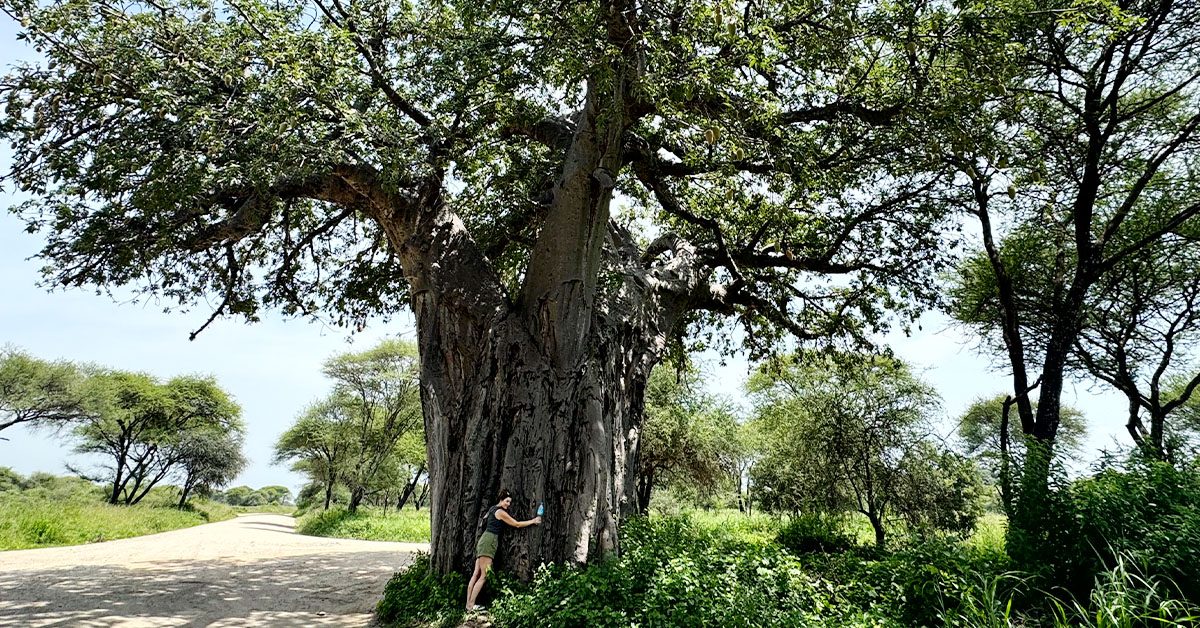
Baobab tree in Tarangire National Park Tanzania safari landscape
Tarangire is best known for its large elephant herds, iconic baobab trees, and strong dry-season wildlife viewing.

Table of Contents

Where Is Tarangire National Park?

Tarangire National Park is located in northern Tanzania, southwest of Arusha, and forms part of the country’s famous northern safari circuit. It is commonly included in itineraries that also visit Lake Manyara, Ngorongoro Crater, and Serengeti National Park. Because of its location, Tarangire is usually one of the easiest parks to include at the beginning or end of a safari.
 
For many travelers, the drive from Arusha to Tarangire takes around 2 to 3 hours, depending on traffic, road conditions, and the location of the lodge or camp. That makes it accessible without a domestic flight, which helps keep logistics simpler and can make it easier to control costs. If budget planning matters to you, this article pairs naturally with Tanzania Safari Cost.
 
Its location matters for another reason too. Tarangire sits in an ecosystem shaped by seasonal water movement. During the dry season, animals concentrate around the Tarangire River, which becomes a critical water source. That seasonal pattern is one of the biggest reasons the park becomes so productive for game viewing during certain months.

What Makes Tarangire National Park Special?

Tarangire is best known for elephants, baobab trees, and dry-season wildlife concentration. But reducing it to only those points misses why the park stands out.

Huge Elephant Herds

Tarangire is one of the best places in Tanzania to see large elephant herds. It is common to see family groups moving across the landscape, feeding near the river, or gathering in numbers that make the whole park feel alive. For many visitors, Tarangire becomes their favorite elephant-viewing park of the safari.

Iconic Baobab Landscapes

The scenery is one of Tarangire’s strongest assets. Massive baobab trees rise above the grasslands and woodlands, creating a look that is instantly recognizable and very different from the open plains of the Serengeti. These trees give the park a visual identity that makes game drives here feel distinct.

Strong Dry-Season Wildlife Viewing

When the dry season tightens and water becomes scarce elsewhere, animals move toward reliable water sources like the Tarangire River. That concentration improves game viewing and makes wildlife easier to spot. This is why Tarangire is especially strong from roughly June to October. If you are comparing wildlife seasons across the country, read Best Time to Visit Tanzania for Safari.

Fewer Vehicles Than Some Other Parks

Tarangire often feels less crowded than Serengeti and Ngorongoro Crater. That matters more than many travelers realize. A safari is not only about how many animals you see. It is also about the quality of the experience. Watching elephants in a quieter setting without a cluster of vehicles can feel far more natural and rewarding.

What Animals Can You See in Tarangire?

Tarangire supports a wide range of wildlife. Every game drive is different, but the park is especially rewarding for large mammals and birdlife.

Elephants

This is the headline species. Tarangire is one of the best places in northern Tanzania to see elephants in large numbers. You may see small family groups, lone bulls, or huge herds crossing the road in front of your vehicle.

Lions, Leopards, and Other Predators

Lions are present in Tarangire, and while predator sightings are never guaranteed, they are a real possibility. Leopards also live in the park, though they are harder to spot. Hyenas and jackals may also appear depending on the area and time of day.

Giraffes, Zebras, Wildebeest, and Buffalo

Tarangire has strong populations of classic safari animals, including giraffes, zebras, wildebeest, buffalo, impalas, warthogs, and waterbucks. During the dry season, many of these animals gather in greater numbers near water.

Rare and Interesting Species

Tarangire also offers species that are less commonly highlighted in other northern parks, such as fringe-eared oryx and gerenuk in some areas. That gives the park extra value for travelers who want variety, not just the standard safari checklist.
 

Birds

Bird lovers should not ignore Tarangire. The park has rich birdlife, especially in the wetter months. From large ground birds to colorful smaller species, Tarangire can be a strong park for both wildlife lovers and bird photographers.

Best Time to Visit Tarangire National Park

There is no single perfect month for everyone. The best time depends on what kind of safari experience you want.

Dry Season: Best for Wildlife Viewing

The dry season, usually from June to October, is the strongest time for classic game viewing in Tarangire. As water sources shrink, animals gather around the Tarangire River and nearby areas. Vegetation is also thinner, which makes sightings easier. If your main priority is seeing lots of animals with a higher chance of productive game drives, this is the strongest season.

Green Season: Best for Scenery, Birds, and Fewer Crowds

The green season, generally from November to May, transforms the landscape. The park becomes greener, the light can be excellent for photography, and birdlife is strong. The downside is that wildlife can spread out more, which can make sightings less concentrated than in the dry season. Still, for travelers who prefer lush scenery, fewer vehicles, and a quieter atmosphere, this season has real value.
 
For a broader month-by-month planning view, read Best Time to Visit Tanzania for Safari so you can compare Tarangire with Serengeti, Ngorongoro, and the rest of the northern circuit.

How Many Days Do You Need in Tarangire?

For most travelers, one full day in Tarangire is enough to experience the park properly if it is part of a longer northern circuit safari. But enough is not the same as ideal.A single day works well for travelers who are also visiting Serengeti and Ngorongoro and want Tarangire included without stretching the itinerary too much. However, if you specifically love elephants, photography, quieter parks, or slower-paced safaris, spending 2 days in Tarangire gives you a much better experience.
 
That extra time allows you to explore more areas, enjoy both morning and afternoon game drives, and reduce the pressure that comes with trying to see everything in one rushed visit. Too many itineraries fail because they try to squeeze too much into too little time. If you are still unsure how long your full safari should be, read How Many Days for Tanzania Safari?

Tarangire vs Serengeti vs Ngorongoro

Each park offers a different safari experience, and understanding those differences helps you build a stronger itinerary.

Tarangire vs Serengeti

Serengeti is bigger, more famous, and stronger for predator action and the Great Migration in the right season. Tarangire is smaller, quieter, and especially strong for elephants and dry-season wildlife concentration around the river. If Serengeti is about scale, Tarangire is about atmosphere. Travelers comparing the two should also read Serengeti National Park Safari Guide.

Tarangire vs Ngorongoro Crater

Ngorongoro Crater offers dense wildlife in a compact area and is often one of the easiest places to see many species in a single day. Tarangire feels more open and less crowded in comparison. Ngorongoro is about dramatic concentration. Tarangire is about rhythm, space, and landscape. To compare them properly, read Ngorongoro Crater Safari Guide.

Why Tarangire Still Matters

Some travelers treat Tarangire like a secondary park because it gets less attention internationally. That is a mistake. A strong itinerary is not built only around the loudest names. Tarangire adds contrast, diversity, and breathing room to a northern circuit safari.

Can You See the Big Five in Tarangire?

You may see some of the Big Five in Tarangire, including elephants, lions, and buffalo. Leopard sightings are possible but less predictable. Rhinos are not what Tarangire is known for, so travelers whose main goal is to check off all Big Five species should not rely on Tarangire alone.
That said, a safari should not be judged only by whether it covers a checklist. Tarangire is valuable because of its elephant herds, scenery, and strong dry-season ecosystem, not because it tries to imitate other parks.

Where to Stay for a Tarangire Safari

Accommodation around Tarangire ranges from budget camps to mid-range lodges and more exclusive safari properties. The right choice depends on your route, budget, comfort expectations, and how many parks are included in your trip.

Budget Options

Budget camps and simpler lodges can work well for travelers who want to keep costs under control. They are usually more basic, but they can still provide a solid base for game drives.

Mid-Range Safari Lodges

Mid-range options are often the best balance for many travelers. They provide comfort, good food, proper beds, and a smoother safari experience without pushing the price too high.

Luxury Camps and Lodges

Luxury properties offer more privacy, upgraded service, better views, and a more exclusive feel. They are a better fit for travelers who want a premium safari experience or are planning a special trip.
 
If you are comparing accommodation styles, read Luxury vs Mid-Range vs Budget Safari Tanzania.
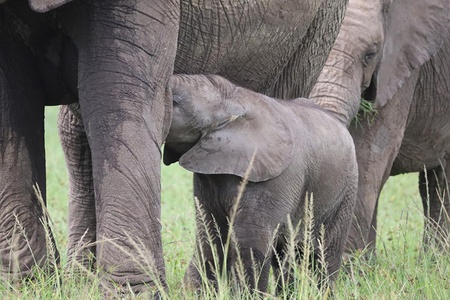
An elephant with its calf is one of the most memorable wildlife sights on a Tanzania safari.

Is Tarangire Good for Families?

Yes, Tarangire can be a very good park for families, especially because it is accessible from Arusha and works well in shorter itineraries. Elephant sightings are often exciting for children, and the scenery is visually memorable.
 
That said, family safari planning should never be sloppy. The right itinerary depends on the children’s ages, how well they handle drives, the lodge setup, and how many days you want on the road. A bad family safari is usually not caused by the park. It is caused by poor itinerary planning.

How Tarangire Fits Into a Tanzania Safari Itinerary

Tarangire is commonly included in a northern circuit itinerary. A strong safari flow often looks like this:
  • Tarangire
  • Lake Manyara or direct transfer onward
  • Ngorongoro Crater
  • Serengeti
It can also work in reverse depending on flights and lodge availability. The real issue is not the order alone. The real issue is building a route that makes sense for your time, budget, wildlife priorities, and travel comfort.
 
For travelers with limited time, Tarangire can be part of a 2- to 4-day safari from Arusha. For longer safaris, it adds variety before or after the more famous parks. That flexibility is one of the reasons Tarangire deserves a place in well-designed safari packages. To understand the structure of a complete trip, read What Is Included in a Tanzania Safari Package? and How Many Days for Tanzania Safari?
Tarangire also connects naturally with neighboring parks. If you are planning to continue beyond Tarangire, the next pages to read are Lake Manyara National Park Safari Guide, Ngorongoro Crater Safari Guide, and Serengeti National Park Safari Guide.

Tarangire Safari Tips for First-Time Visitors

Prioritize the Dry Season for Peak Wildlife

If wildlife density is your top goal, plan around the dry months when animals gather near water. This matters even more if you are still comparing seasons across northern Tanzania, so also read Best Time to Visit Tanzania for Safari.

Do Not Treat Tarangire Like a Throwaway Stop

A rushed half-day visit weakens the experience. Give the park enough time to show its value.

Pair It With the Right Parks

Tarangire works best when combined with other northern circuit parks. It strengthens a safari when it is part of a balanced itinerary, not when it is thrown into a messy plan. For smart park comparisons, read Serengeti National Park Safari Guide, Ngorongoro Crater Safari Guide, and Lake Manyara National Park Safari Guide.

Bring Good Binoculars and a Camera

The landscapes, elephants, birds, and baobab trees make Tarangire a strong park for photography and observation.

Choose the Right Safari Operator

The operator matters. A good guide improves sighting quality, pacing, route choices, and your overall understanding of what you are seeing. A weak operator can ruin even a great park.

Why Tarangire National Park Is Worth Visiting

Tarangire National Park is worth visiting because it offers a side of Tanzania safari that many travelers do not fully understand until they experience it. It combines wildlife, scenery, and atmosphere in a way that feels distinct from the rest of the northern circuit. The elephant herds are a major draw, but they are not the whole story. The baobab-dotted landscape, seasonal wildlife concentration, and quieter game drives make Tarangire one of the most rewarding parks for travelers who want a fuller safari experience.
 
If you are planning a Tanzania safari and want more than a generic itinerary, Tarangire deserves a place on your list. And if you are still comparing where it fits in the bigger picture, move next into What Is Included in a Tanzania Safari Package?, Tanzania Safari Cost, and How Many Days for Tanzania Safari?

Frequently Asked Questions About Tarangire National Park Safari

Is Tarangire National Park worth visiting?

 Yes. Tarangire is one of the best parks in northern Tanzania for elephant sightings, dry-season wildlife viewing, and scenic baobab landscapes. It adds real value to a safari itinerary.

What is Tarangire National Park famous for?

Tarangire is most famous for its large elephant herds, giant baobab trees, and strong wildlife viewing during the dry season.

How many days do you need in Tarangire?

One full day is enough for many travelers, but 2 days gives a more relaxed and rewarding experience, especially for photography and slower safari pacing.

What animals can you see in Tarangire?

You may see elephants, lions, giraffes, zebras, wildebeest, buffalo, impalas, warthogs, hyenas, and many bird species. Leopard sightings are possible but less predictable.

When is the best time to visit Tarangire?

The dry season, usually from June to October, is best for concentrated wildlife viewing. The green season offers lush scenery, birdlife, and fewer crowds.

Plan Your Tarangire Safari With Kili Quests

Tarangire works best when it is part of a safari designed with logic, not randomly stitched together. At Kili Quests, we help travelers build Tanzania safari itineraries that match their time, budget, and travel goals. Whether you want Tarangire as part of a short northern circuit safari or a longer custom wildlife trip, we can help you choose the right route.
 
If you are still deciding between parks, safari length, or travel season, explore Best Time to Visit Tanzania for Safari, What Is Included in a Tanzania Safari Package?, and How Many Days for Tanzania Safari? before requesting your itinerary.
 
Contact us today to plan your Tarangire safari.

Related Articles

Serengeti National Park Safari Guide | Kili Quests

Plan Your Serengeti Safari

We help you choose the right season, trip length, and safari style for the best Serengeti experience.

Plan Your Trip Better

OUR CATEGORIES

Serengeti National Park Safari Guide

Serengeti National Park is the most famous safari destination in Tanzania and one of the greatest wildlife areas in the world. For many travelers, it is the park they picture first when they imagine an African safari: open plains, golden grasslands, acacia trees, lion sightings, cheetahs scanning the horizon, and massive herds moving across the landscape.
 
But Serengeti is not important just because it is famous. It is important because it delivers. The scale is enormous, the wildlife density is exceptional, and the safari experience feels wild in a way that many destinations cannot match. This is also the heart of the Great Migration ecosystem, which makes Serengeti one of the most dynamic safari areas in Africa throughout the year.
 
For first-time travelers, Serengeti often becomes the emotional center of the trip. For repeat safari visitors, it remains one of the few places that still feels bigger than expectations. But planning it properly matters. Serengeti is not a park you should reduce into vague brochure language or squeeze carelessly into a weak itinerary.
 
In this guide, you will learn what makes Serengeti National Park special, what wildlife you can expect to see, the best time to visit, how many days to spend, where it fits into a northern Tanzania safari, and how to plan your trip more intelligently. If you are still comparing timing, our guide to the best time to visit Tanzania for safari will help you understand how season affects the Serengeti experience.
Serengeti is famous for its vast plains, abundant wildlife, and classic Tanzania safari scenery.

Table of Contents

Where Is Serengeti National Park?

Serengeti National Park is located in northern Tanzania and forms part of the larger Serengeti ecosystem, which extends toward Kenya’s Maasai Mara. It is one of the key parks in Tanzania’s northern safari circuit and is often combined with Ngorongoro Crater, Tarangire National Park, and sometimes Lake Manyara National Park.
 
The park covers a vast area of plains, woodland, riverine zones, rocky kopjes, and seasonal wildlife corridors. That size is part of what makes Serengeti so important. It is not a small fenced reserve where wildlife stays in one predictable pocket. It is a huge living ecosystem where animal movement, migration timing, and habitat differences shape the safari experience.
 
For travelers planning a northern circuit safari, Serengeti is usually the park that requires the most thought. It is farther than parks like Tarangire and Ngorongoro, and it deserves enough time to justify the distance.

Why Is Serengeti National Park So Famous?

Serengeti is famous because it combines three things at an extraordinary level: scale, wildlife, and movement.First, the landscape feels immense. The open plains create a classic safari setting that looks and feels like wild Africa. Second, the wildlife is exceptional. Serengeti supports large populations of lions, leopards, cheetahs, elephants, buffalo, giraffes, hyenas, hippos, crocodiles, and countless antelope species. Third, it is the central stage of the Great Migration, one of the most dramatic wildlife cycles on earth.
 
That combination is why Serengeti remains such a powerful destination. It is not just about seeing animals. It is about seeing them in a landscape that feels vast, alive, and constantly shifting.Serengeti also works for different types of travelers. First-time safari visitors come for the iconic experience. Wildlife photographers come for predator action and dramatic open-country sightings. Repeat travelers come because no single visit fully covers what Serengeti can offer.

What Wildlife Can You See in Serengeti?

Serengeti is one of the best safari parks in Africa for wildlife viewing.

Big Cats

Serengeti is especially famous for predators. Lions are one of the park’s greatest highlights, and sightings are common in many regions. Cheetahs are also a major draw, especially in open plains where they use visibility to hunt. Leopards are more elusive, but Serengeti is still one of the strongest places in Tanzania to see them with a skilled guide.
 
For many travelers, this predator strength is what separates Serengeti from an average safari park. The ecosystem supports real hunting pressure, real movement, and real drama.

Elephants, Giraffes, and Buffalo

Serengeti also supports large mammals beyond the predator story. Elephants, giraffes, buffalo, zebras, and different antelope species are all part of the daily safari experience. In some areas, buffalo herds can be especially impressive, while giraffes add constant visual character to the landscape.

Wildebeest and Zebra

Wildebeest and zebra are a defining part of Serengeti. Even outside the peak migration moments that dominate photos and documentaries, these animals shape the life of the ecosystem. Depending on the season and region, you may see scattered herds, massive concentrations, or active movement across the plains.

Birdlife and Smaller Species

Serengeti is not only about big mammals. It is also rewarding for birdlife, smaller predators, reptiles, and the countless supporting species that make the ecosystem function. But for most travelers, the main attraction remains the combination of predators, plains game, and migration-related wildlife movement.

The Great Migration in Serengeti

No Serengeti guide is complete without the Great Migration.
 
This is one of the most famous wildlife events in the world, but many travelers misunderstand it. The Great Migration is not a single event that happens in one place on one date. It is a moving annual cycle of wildebeest, zebras, and other grazers shifting through the Serengeti ecosystem in search of grazing and survival.
 
That matters because travelers often ask, “When is the best month to see the migration?” as if it is a one-week performance on a fixed stage. That is the wrong mindset. The migration moves, and what you see depends on where in the ecosystem the herds are at that time.
Different periods offer different experiences:
  • large herd concentrations on the southern plains
  • calving season activity
  • predator pressure around vulnerable young animals
  • longer northward movement
  • river-crossing drama in certain phases of the cycle
This is exactly why timing matters so much in Serengeti planning. If migration is your top priority, your itinerary should be built around the right region and season, not vague assumptions.

Best Time to Visit Serengeti National Park

Serengeti is a year-round safari destination, but the best time depends on what kind of experience you want.

June to October

This is often one of the most popular periods because the weather is drier, wildlife viewing is easier, and many travelers want classic dry-season safari conditions. In general, visibility improves as vegetation becomes thinner, and game drives feel more straightforward.

January to February

This period is especially important for travelers interested in the southern Serengeti and calving season. The short-grass plains become a major wildlife stage, with large herd concentrations and increased predator activity.

November to December

These months can still offer strong safari experiences with greener scenery, fewer crowds than the busiest peak period, and attractive conditions for travelers who want a quieter feel.

March to May

This is generally the green season and wettest part of the year in many safari areas. It can still be rewarding, especially for travelers who want dramatic landscapes, fewer vehicles, and a different style of safari, but expectations should be different from peak dry-season travel.
 
If you want the full timing breakdown, read our guide to the best time to visit Tanzania for safari, since Serengeti works differently depending on season and migration movement.

How Many Days Do You Need in Serengeti?

One day in Serengeti is better than nothing, but it is not enough if the park is a major priority.
 
For most travelers, 2 to 3 nights in or around Serengeti is a far better starting point. That gives you enough time to settle into the rhythm of the park, cover more ground, and improve your chances of stronger wildlife sightings.
 
If Serengeti is one of the central reasons for your trip, you should avoid treating it like a quick stop between longer transfer days. That is how people end up spending too much time reaching the park and not enough time enjoying it.
 
This is why our guide on how many days for a Tanzania safari matters so much. If Serengeti is part of the plan, your itinerary should give it the time it deserves.

Which Part of Serengeti Should You Visit?

Serengeti is not one simple uniform landscape. Different regions can deliver different safari experiences depending on the season.

Southern Serengeti

This region is especially important during calving season, when large herds gather on the plains and predator activity can be intense.

Central Serengeti

Central Serengeti is often a reliable choice for general game viewing and works well for many classic safari itineraries. It is one of the most practical regions for travelers who want strong year-round wildlife potential.

Western and Northern Areas

These areas become more important depending on migration movement and travel goals. Travelers focused on specific migration phases often need a more targeted regional plan rather than a generic “Serengeti safari” label.That is why serious Serengeti planning should not stop at naming the park. The region inside the ecosystem matters.

Serengeti Safari Experience: What to Expect

A Serengeti safari usually means early starts, long game drives, changing landscapes, and the constant possibility that the next sighting may be better than the last.
 
Some game drives bring immediate action. Others build slowly. That is normal. Safari is not a zoo, and that is exactly why Serengeti is worth doing properly. The unpredictability is part of the value.
You should expect:
  • long wildlife-viewing days
  • major landscape variation
  • chances for predator sightings
  • herd movement depending on season
  • rougher roads in some areas
  • a stronger sense of scale and remoteness than in smaller parks
For many travelers, this is also where a strong guide matters most. Serengeti is too large and too dynamic to experience well with weak guiding.

Is Serengeti Good for First-Time Safari Travelers?

Yes. In fact, Serengeti is one of the best safari destinations in Tanzania for first-time travelers, as long as the itinerary is realistic.It delivers the kind of wildlife and landscape experience most people are hoping for when they book a safari for the first time. But first-time travelers still need to plan it properly. If the itinerary is too rushed, Serengeti can become exhausting instead of exciting.
 
That is why first-time visitors should think carefully about trip length, season, and park combinations. It also helps to read our Tanzania safari tips for first-time visitors before booking so you know what daily safari rhythm actually feels like.

Is Serengeti Worth the Cost?

For most travelers, yes.
Serengeti is one of the more important cost drivers in a northern Tanzania safari because of distance, logistics, accommodation choices, and the overall structure needed to include it properly. But it is also one of the strongest reasons people choose Tanzania in the first place.
Trying to cut Serengeti out of a safari just to save money can make sense in some shorter or tighter-budget itineraries. But if what you really want is the classic big-game East African safari experience, Serengeti is often worth prioritizing.
 
The smarter question is not just whether Serengeti costs more. The smarter question is whether your itinerary uses Serengeti well enough to justify including it. Our Tanzania safari cost guide will help you understand that tradeoff more clearly.
Large zebra herds are a common and iconic sight across the Serengeti plains.

Serengeti vs Other Northern Tanzania Parks

Serengeti is not the only great park in northern Tanzania, but it plays a different role than the others.
 
Ngorongoro Crater is more compact and often feels more immediately concentrated for wildlife sightings. Tarangire National Park is especially strong in dry season and famous for elephants. Lake Manyara National Park adds scenery, birdlife, and habitat variety.But Serengeti is the park that gives the biggest sense of scale, the broadest safari feeling, and the strongest connection to migration movement. That is why it often becomes the centerpiece of the trip rather than just another stop on the route.

How Serengeti Fits Into a Tanzania Safari Itinerary

Serengeti is usually included as part of a broader northern circuit safari. It is commonly paired with:
A good itinerary does not just list these parks. It uses them properly.
For example, Tarangire may provide a strong elephant and dry-season contrast. Ngorongoro may deliver concentrated crater wildlife. Lake Manyara may add scenic diversity. Serengeti then becomes the deeper open-country wildlife experience that gives the safari its iconic scale.
 
This is also why trip length matters. You cannot combine these parks properly in a weak rushed schedule and still expect the trip to feel premium.

Where to Stay in Serengeti

Serengeti offers different accommodation levels, from more basic camps to comfortable mid-range lodges and high-end luxury tented camps.
Where you stay affects:
  • comfort
  • access to wildlife areas
  • driving time to key game-viewing zones
  • atmosphere
  • total safari cost
A lower-cost stay may still work well if the itinerary is realistic. A luxury camp may offer a much stronger overall experience, especially in the right region at the right season. This is why accommodation choices should always be considered together with route design, not in isolation.
 
If you are still comparing comfort levels, our guide to luxury vs mid-range vs budget safari in Tanzania will help you understand the differences more clearly.

How to Plan Serengeti Properly

The biggest mistake travelers make is treating Serengeti like a generic checkbox.
Good Serengeti planning means asking the right questions:
  • what season are you traveling?
  • is migration the priority?
  • how many nights can you spend?
  • which region suits your dates?
  • what level of accommodation fits your budget?
  • is this a broader northern circuit trip or a Serengeti-focused safari?
These questions matter because Serengeti is too important and too large for lazy planning. A badly designed Serengeti itinerary wastes time. A well-designed one can become the highlight of the entire Tanzania trip.

Frequently Asked Questions About Serengeti National Park

What is Serengeti National Park famous for?

Serengeti National Park is famous for its vast plains, exceptional wildlife, big cat sightings, and the Great Migration. It is one of the most iconic safari destinations in Africa.

Is Serengeti worth visiting?

Yes. For many travelers, Serengeti is one of the most rewarding safari parks in Tanzania and often becomes the highlight of the trip.

How many days do you need in Serengeti?

For most travelers, at least 2 to 3 nights is a much better starting point than a rushed one-day visit, especially if Serengeti is a major priority in the itinerary.

What animals can you see in Serengeti?

You can see lions, leopards, cheetahs, elephants, buffalo, giraffes, wildebeest, zebras, hyenas, hippos, crocodiles, and many other species depending on the area and season.

When is the best time to visit Serengeti?

Serengeti can be visited throughout the year, but the best time depends on whether you want dry-season game viewing, calving season, migration-focused travel, or a quieter green-season experience.

Ready to Plan Your Serengeti Safari?

Serengeti National Park is one of the greatest safari destinations in Africa, but it rewards travelers who plan it properly. The right season, the right number of days, the right region, and the right itinerary structure all matter.
 
At Kili Quests, we help travelers build Serengeti safaris that match real goals, whether that means first-time game viewing, migration-focused travel, or a broader northern Tanzania itinerary.
 
Before booking, it also helps to read our guides on best time to visit Tanzania for safari, how many days for a Tanzania safari, Tanzania safari cost, and what is included in a Tanzania safari package so you can compare your options more clearly.
 
Contact us today to plan your Serengeti safari.

Related Articles

Ngorongoro Crater Safari Guide | Kili Quests

Plan Your Ngorongoro Safari

We help you choose the right safari route, trip length, and season for the best Ngorongoro experience.

Plan Your Trip Better

OUR CATEGORIES

Ngorongoro Crater Safari Guide

Ngorongoro Crater is one of the most iconic safari destinations in Tanzania and one of the most remarkable wildlife areas in Africa. Unlike the endless open plains of Serengeti, Ngorongoro offers a more compact and concentrated safari experience inside a vast volcanic caldera, where wildlife lives within a dramatic enclosed landscape of grasslands, swamps, forest, and soda lake.
 
For many travelers, Ngorongoro Crater is one of the easiest places in Tanzania to enjoy strong wildlife viewing in a relatively short amount of time. The crater floor supports a dense resident animal population, which means game drives can be highly productive even when the safari itself is not very long. That is one reason Ngorongoro appears in so many northern Tanzania itineraries.
 
But the crater is not just convenient. It is genuinely special. The scenery is dramatic, the wildlife density is impressive, and the feeling of descending from the rim into the crater floor gives the safari a very different character from other parks in the northern circuit.
 
In this guide, you will learn what makes Ngorongoro Crater special, what wildlife you can expect to see, the best time to visit, how many days you need, how it fits into a Tanzania safari itinerary, and what to know before planning your trip. If you are still comparing safari timing, our guide to the best time to visit Tanzania for safari will help you understand how season affects the overall experience.
Ngorongoro Crater offers dense wildlife viewing and one of the best chances in Tanzania to spot the rare black rhino.

Table of Contents

Where Is Ngorongoro Crater?

Ngorongoro Crater is located in northern Tanzania within the Ngorongoro Conservation Area, between Lake Manyara National Park and Serengeti National Park. It is one of the key highlights of the northern safari circuit and is commonly combined with Tarangire National Park, Lake Manyara National Park, and Serengeti National Park in multi-day itineraries.
 
The crater itself is a massive collapsed volcanic caldera, with steep walls surrounding a wildlife-rich floor below. That enclosed setting is one of the main reasons Ngorongoro feels so different from other safari destinations in Tanzania. Instead of covering huge open distances in search of wildlife, game viewing here often feels more concentrated and immediate.

Why Is Ngorongoro Crater So Famous?

Ngorongoro Crater is famous because it combines dramatic scenery with unusually strong wildlife density.
 
The crater floor supports a large resident population of animals year-round, which makes it one of the most reliable safari areas in Tanzania for game viewing. It is also one of the few places where travelers have a real chance of seeing the Big Five within a relatively short safari window, especially with a skilled guide and a well-timed game drive.But Ngorongoro’s fame is not only about wildlife numbers. The setting matters just as much. Descending into a massive crater for safari creates a striking sense of place. The experience feels self-contained, visually dramatic, and different from the broader open-country feeling you get in Serengeti National Park.
 
For many travelers, Ngorongoro works as the perfect contrast in a northern Tanzania itinerary. Serengeti gives scale and movement. Ngorongoro gives concentration and structure.

What Wildlife Can You See in Ngorongoro Crater?

Ngorongoro Crater is one of the best places in Tanzania for reliable wildlife viewing.

Lions, Hyenas, and Other Predators

The crater supports a healthy population of predators, including lions and hyenas, and these are among the most commonly discussed highlights of a Ngorongoro safari. Predator sightings can be especially rewarding because the crater floor allows strong visibility across open grassland areas.

Buffalo, Zebra, Wildebeest, and Antelope

Large herbivores are a major part of the crater ecosystem. Buffalo, zebra, wildebeest, gazelles, and other antelope species are commonly seen during game drives. These animals form part of the dense wildlife base that makes Ngorongoro such a productive safari destination.

Elephants and Hippos

Ngorongoro also offers chances to see elephants and hippos, along with other large mammals depending on the area and time of day. Hippos are often seen in wetland or pool areas, while elephants are sometimes spotted in more wooded sections or moving through the crater floor.

Birdlife

Birdlife adds another layer to the experience, especially around the lake and wetland zones. While most travelers come to Ngorongoro for the larger mammals, the birdlife helps make the safari feel richer and more complete.

Can You See the Big Five in Ngorongoro Crater?

Yes, Ngorongoro Crater is one of the strongest places in Tanzania to aim for Big Five sightings.
That does not mean sightings are guaranteed, because safari never works like that. But the crater’s wildlife density and compact structure give travelers a strong chance of seeing several major species in a relatively short time. This is one reason Ngorongoro is especially attractive for first-time safari visitors who want productive game viewing without needing a very long trip.
For many travelers, the crater feels rewarding because it gives a higher sense of concentration. Even one well-planned day here can produce a lot.

Best Time to Visit Ngorongoro Crater

Ngorongoro Crater can be visited throughout the year, which is one of its biggest strengths.

Dry Season

During the drier months, wildlife viewing is often easier because the weather is more predictable and road conditions are generally better. This is a strong time for travelers who want classic safari conditions and smoother logistics.

Green Season

Ngorongoro can still be excellent during greener months because the crater holds resident wildlife and does not depend on migration timing in the same way Serengeti does. Landscapes can look greener and more dramatic, and there are often fewer vehicles than in peak safari periods.

Why Ngorongoro Works Year-Round

This is one of the major advantages of the crater. Because wildlife is present year-round, Ngorongoro is often a smart choice even when other safari areas feel more seasonal. If you are still comparing timing, read our guide to the best time to visit Tanzania for safari for the wider seasonal picture.

How Many Days Do You Need for Ngorongoro Crater?

Ngorongoro Crater is one of the few major safari destinations in Tanzania that can be rewarding even in a relatively short visit.
 
For many itineraries, one crater day is enough to make Ngorongoro a major highlight. That is because wildlife is concentrated and the safari experience is often highly productive in a shorter time frame.That said, Ngorongoro is usually not treated as a stand-alone multi-day safari in the same way Serengeti National Park often is. It works best as part of a wider northern circuit route, where it adds strong wildlife viewing and variety to the overall trip.
 
If you are still planning your route, our guide on how many days for a Tanzania safari will help you choose the right trip length.

What Makes Ngorongoro Different From Serengeti?

This matters because many travelers hear both names early in the planning stage but do not understand the difference.
 
Serengeti National Park is larger, more open, more dynamic, and more closely tied to migration movement. It is the park for scale, open plains, and longer safari immersion.
 
Ngorongoro Crater is more compact, more concentrated, and often more immediately productive for wildlife sightings in a shorter time. It is about density, dramatic scenery, and a strong chance of seeing a lot in one descent.Neither replaces the other. They do different jobs in a safari itinerary. That is why many of the strongest northern Tanzania trips include both.

What to Expect on a Ngorongoro Crater Safari

A Ngorongoro safari usually starts early, because most itineraries aim to descend into the crater in the morning for the best use of the day.
You should expect:
  • a steep descent from the crater rim to the floor
  • strong wildlife-viewing potential in a relatively compact area
  • major scenery shifts between forest, grassland, lake, and wetland zones
  • a full-day or near full-day safari rhythm
  • a more concentrated safari experience than in larger parks
Because the crater is so popular, the quality of the experience depends not only on wildlife but also on timing, pacing, and how well the overall itinerary is designed.

Is Ngorongoro Crater Worth It?

Yes. For most travelers, absolutely.
 
Ngorongoro Crater is one of the most rewarding safari destinations in Tanzania because it offers dramatic scenery and strong wildlife sightings in a relatively efficient format. If a traveler only has a few safari days, Ngorongoro is often one of the smartest parks to include.
 
It is also one of the strongest choices for travelers who want a high chance of productive game drives without needing a long stay in one area. That makes it valuable both for first-time safari travelers and for shorter itineraries.
 
The only mistake is treating it like a cheap add-on without understanding the cost structure. Ngorongoro is a premium safari destination, and its fees are part of what drives total Tanzania safari cost higher in many itineraries.
A lion resting near the road is one of the unforgettable close-range sightings that make a Tanzania safari so exciting.

Ngorongoro Crater Fees and Why They Matter

Ngorongoro is one of the parks where pricing matters more than many travelers realize.
 
That is because visiting the crater often involves not only conservation-related access costs but also specific crater-related fees that make this destination more expensive than some other parks. That does not make it a bad value. In fact, many travelers still consider it one of the best-value wildlife days in Tanzania because of how productive the crater can be.
 
But it does mean that safari quotes should be compared carefully. A weak quote may look attractive until you realize certain fees are excluded. That is why it helps to understand what is included in a Tanzania safari package and compare it with the full Tanzania safari cost before booking.

How Ngorongoro Fits Into a Tanzania Safari Itinerary

Ngorongoro Crater is usually included as part of a broader northern Tanzania safari. It fits especially well with:
Its role in the itinerary is clear: it adds a highly productive crater-floor game drive that balances the broader landscapes and longer drives of other parks. In shorter safaris, Ngorongoro often carries a lot of the wildlife weight. In longer safaris, it adds contrast and depth.
 
That is why itinerary design matters. Ngorongoro is not just another stop. It is one of the key anchors of a well-built northern circuit safari.

Where to Stay for a Ngorongoro Safari

Travelers visiting Ngorongoro usually stay either near the crater rim or in surrounding areas depending on budget, route, and the structure of the itinerary.
Staying closer to the crater can improve timing and reduce early-morning transfer pressure, but it may also cost more. More budget-conscious travelers may stay farther away, especially if Ngorongoro is just one part of a broader route.
Accommodation choice matters because it affects:
  • comfort
  • safari timing
  • access to the crater
  • overall trip pace
  • total cost
If you are still comparing comfort levels, our guide to luxury vs mid-range vs budget safari in Tanzania will help you understand the differences more clearly.

Is Ngorongoro Good for First-Time Safari Travelers?

Yes. In many ways, it is one of the best safari destinations in Tanzania for first-time visitors.
The crater offers strong chances of seeing a lot of wildlife in a relatively short time, and that makes it especially satisfying for travelers who do not want to gamble everything on a longer, more spread-out safari. It also works very well when paired with parks like Tarangire National Park and Serengeti National Park.
 
If this is your first safari, it also helps to read our Tanzania safari tips for first-time visitors so you know what to expect from daily game drives and safari logistics.

How to Plan Ngorongoro Crater Properly

The biggest mistake is assuming Ngorongoro needs no planning because it is “easy.”
Yes, the crater is more concentrated than Serengeti. But planning still matters. You still need to think about:
  • season
  • route order
  • where to stay
  • how many total safari days you have
  • whether the safari is private or shared
  • what level of comfort you want
That is why it helps to compare private vs group safari in Tanzania, especially if flexibility and pacing matter to you. A better plan does not just get you into the crater. It makes the entire safari feel smoother.

Frequently Asked Questions About Ngorongoro Crater

What is Ngorongoro Crater famous for?

Ngorongoro Crater is famous for its dramatic volcanic landscape, dense resident wildlife, and strong chances of productive safari sightings in a relatively compact area.

Is Ngorongoro Crater worth visiting?

Yes. For most travelers, Ngorongoro Crater is one of the most rewarding safari destinations in Tanzania and often becomes a major trip highlight.

How many days do you need for Ngorongoro Crater?

For many safari itineraries, one crater day is enough to make Ngorongoro a major highlight. It usually works best as part of a wider northern circuit safari.

Can you see the Big Five in Ngorongoro Crater?

Yes, Ngorongoro is one of the best places in Tanzania to aim for Big Five sightings, although safari sightings are never guaranteed.

When is the best time to visit Ngorongoro Crater?

Ngorongoro Crater can be visited year-round. Dry-season months offer easier logistics, while greener months can still be excellent because the crater has strong resident wildlife.

Ready to Plan Your Ngorongoro Safari?

Ngorongoro Crater is one of the most iconic and rewarding safari destinations in Tanzania. It offers a rare mix of dramatic scenery, strong wildlife viewing, and year-round safari value in a compact, unforgettable setting.
 
At Kili Quests, we help travelers build Ngorongoro safari itineraries that match real travel goals, whether that means a shorter northern circuit safari, a first-time wildlife trip, or a broader route that includes Serengeti National Park and other key parks.
 
Before booking, it also helps to read our guides on best time to visit Tanzania for safari, how many days for a Tanzania safari, Tanzania safari cost, and what is included in a Tanzania safari package so you can compare your options more clearly.
 
Contact us today to plan your Ngorongoro safari.

Related Articles

How Many Days Do You Need for a Tanzania Safari?

Choose the Right Safari Length

We help you plan the best Tanzania safari based on your time, budget, and the parks you want to visit.

Plan Your Trip Better

OUR CATEGORIES

How Many Days for a Tanzania Safari?

One of the most common questions travelers ask when planning a safari is simple: how many days do you actually need for a Tanzania safari?
 
It is a smart question because trip length affects almost everything else. It shapes your route, the parks you can include, the pace of your game drives, how much wildlife you are likely to see, how rushed or relaxed the experience feels, and of course the total cost of the safari.
 
Some travelers assume a safari can be done properly in two days. Others think longer is always better. The truth sits in the middle. Tanzania can deliver an excellent safari in a shorter itinerary if the route is planned well, but if you try to squeeze too much into too little time, the trip quickly turns into rushed driving instead of a real wildlife experience.
 
In this guide, you will learn how many days you need for a Tanzania safari based on your goals, budget, and the parks you want to visit. We will break down the pros and limits of shorter and longer itineraries, explain what works best for first-time visitors, and help you choose a safari length that matches the experience you actually want.
 
Before fixing your dates, it also helps to read our Best Time to Visit Tanzania for Safari guide, since season can influence both the pace and value of your trip.

Quick Answer: How Many Days Do You Need for a Tanzania Safari?

For most first-time visitors, 4 to 6 days is the best length for a Tanzania safari. This gives you enough time to visit major northern Tanzania parks, enjoy proper game drives, and avoid turning the trip into constant road transfers.
 
A 3-day safari can work if you have limited time and want to focus on parks such as Tarangire National Park, Ngorongoro Crater, or Lake Manyara. A 5-day safari is often a strong choice if you want to include Serengeti and Ngorongoro without rushing. A 6-day or longer safari gives you better pacing, more wildlife time, and a stronger overall experience.
 
If your main goal is the Great Migration, photography, a relaxed luxury safari, or deeper Serengeti time, you may want 7 days or more.
Safari Length Best For Typical Parks
2-Day Safari Very short add-ons with limited time Tarangire or Ngorongoro-focused trips
3-Day Safari Travelers with limited time or a tighter budget Tarangire, Ngorongoro Crater, Lake Manyara
4-Day Safari First-time visitors who want a balanced short safari Tarangire, Ngorongoro, Lake Manyara, or a focused northern circuit route
5-Day Safari Travelers who want Serengeti and Ngorongoro without rushing too much Serengeti, Ngorongoro, Tarangire, Lake Manyara
6–7 Day Safari Travelers who want better pacing and more wildlife time Serengeti, Ngorongoro, Tarangire, Lake Manyara, extra Serengeti time
8+ Day Safari Great Migration, photography, luxury, or slower custom travel Serengeti focus, northern circuit, Ndutu, or custom extensions
Zebra
The ideal number of safari days depends on how many parks you want to visit and how much time you want in each one.

Table of Contents

How Many Days Do You Need for a Tanzania Safari?

For most travelers, 4 to 6 days is the best range for a Tanzania safari.
That is usually long enough to visit several major parks in northern Tanzania, enjoy proper game drives, and experience the trip without feeling like you are constantly packing, driving, and checking in and out of lodges. It gives you enough time to see strong wildlife areas such as Tarangire National Park, Ngorongoro Crater, Serengeti National Park, and sometimes Lake Manyara National Park, depending on how the route is designed.
 
A shorter safari can still work, especially if you are limited on time or combining safari with another trip such as Kilimanjaro or Zanzibar. But shorter does not always mean smarter. If the itinerary is too compressed, you spend more time in transit than actually enjoying the parks.
 
Longer safaris offer more flexibility, more wildlife time, and a less rushed experience, but they also raise the total cost. That is why choosing safari length is never just about time. It is also about value, pacing, and priorities. If budget is a major concern, our Tanzania safari cost guide will help you understand how trip length affects total price.

What Affects the Ideal Safari Length?

 There is no single perfect number of days for every traveler. The right safari length depends on several important factors.

Which Parks You Want to Visit

If your trip is focused on nearby parks such as Tarangire National Park and Ngorongoro Crater, you can do a shorter safari and still have a rewarding experience. But if you want to include Serengeti National Park properly, you usually need more time because the distances are longer and the park deserves more than a rushed visit.
 
Trying to force Serengeti into a very short itinerary is one of the most common planning mistakes. On paper it sounds exciting. In reality it can turn into too much driving and too little game viewing. That is why it helps to understand each destination better before choosing your route, especially if you are comparing the pace of Serengeti National Park, Ngorongoro Crater, Tarangire National Park, and Lake Manyara National Park.

Your Budget

More safari days usually mean more accommodation nights, more park fees, more vehicle use, and more operating costs. That makes trip length one of the biggest pricing factors. A well-designed 4-day safari may give better value than a poorly stretched 6-day itinerary that pushes your budget without improving the experience much.
 
It also helps to understand the difference between luxury, mid-range, and budget safari in Tanzania, because your ideal trip length depends heavily on how much comfort and exclusivity you want.

Your Travel Style

Some travelers are happy with an active, faster-paced trip. Others want a more relaxed safari with time to enjoy each park properly. Neither is wrong, but the safari length should match your expectations. If you want quiet mornings, longer game drives, scenic lodge time, and less pressure, you need enough days to make that possible.
 
This is also where the choice between a private safari and a shared group trip matters. A private vs group safari in Tanzania can affect how flexible your itinerary feels and how much control you have over your day-to-day pace.

Whether It Is Your First Safari

First-time safari travelers usually enjoy the experience more when the trip has enough time to breathe. A rushed safari can feel like a checklist. A better-paced safari gives you time to settle into the rhythm, learn how game drives work, and appreciate the different landscapes and wildlife areas.
 
If this is your first safari, it is also worth reading what is included in a Tanzania safari package so you understand exactly what services, park fees, guiding, and logistics are covered before deciding how many days to book.

What Else You Are Combining With the Safari

Some travelers combine safari with Kilimanjaro, Zanzibar, or other parts of Tanzania. In that case, a shorter safari may make sense if it fits into a larger trip. But even then, it is still better to do a realistic short safari than to force too many parks into too few days.

Is 2 Days Enough for a Tanzania Safari?

Technically, yes. But for most international travelers, 2 days is too short to be the ideal Tanzania safari.
 
A 2-day safari can work as a quick add-on if your time is very limited, especially to nearby parks such as Tarangire National Park or Ngorongoro Crater. You may still see excellent wildlife. But this kind of safari is more of a short sample than a full experience.The problem with 2-day itineraries is that there is very little room for flexibility.
 
Travel time takes a bigger share of the trip, and you do not have enough days to combine parks properly without making the safari feel rushed. If this is your first and possibly only safari in Tanzania, two days is usually not enough to do it justice.

Is 3 Days Enough for a Tanzania Safari?

A 3-day Tanzania safari can be a good short option if the itinerary is focused and realistic.
This length is often enough for a northern circuit safari that includes parks such as Tarangire National Park, Ngorongoro Crater, or Lake Manyara National Park. It gives you more breathing room than a 2-day safari and can work well for travelers who have limited time but still want a meaningful wildlife experience.
 
That said, 3 days still has limits. It is usually too short for a proper Serengeti National Park safari unless you are flying in and out, and even then it will feel compressed. A 3-day safari is best for travelers who understand that the goal is not to “do everything,” but to enjoy a short, well-planned safari with realistic expectations.

Is 4 Days Enough for a Tanzania Safari?

Yes. For many travelers, 4 days is the minimum length where a Tanzania safari starts to feel properly balanced.
 
A 4-day itinerary gives you enough time to combine key northern parks without making every day feel rushed. You can build a much stronger experience with a route such as Tarangire National Park, Ngorongoro Crater, and either Lake Manyara National Park or a carefully planned extension depending on the structure.This is often one of the smartest safari lengths for travelers who want a real experience but cannot commit to a longer trip. It is also a strong choice for couples, families, or first-time safari travelers who want good wildlife viewing without stretching the trip too far.
 
For many travelers, this is also where budget and value meet best. If you are trying to avoid overspending while still getting a proper experience, compare this against your expected Tanzania safari cost before choosing a shorter or longer option.

Is 5 Days Enough for a Tanzania Safari?

A 5-day safari is one of the best options in Tanzania.
 
This length gives you far more flexibility than 3 or 4 days. It allows you to include stronger combinations of parks, spend more time on game drives, and enjoy the trip at a better pace. For many travelers, 5 days hits the sweet spot between cost and experience.
 
It is long enough to create a safari that feels fuller and more rewarding, especially if Serengeti National Park is part of the route. Instead of rushing in and out, you have more time to actually experience the landscapes, wildlife patterns, and atmosphere of each area.If someone wants a safari that feels serious but not excessive, 5 days is often the right answer.

Is 6 Days or More Better?

In many cases, yes.
 
A 6-day or longer safari allows for deeper exploration, better pacing, and stronger park combinations. This is especially useful for travelers who want to include Serengeti National Park properly, spend enough time in Ngorongoro Crater, and still enjoy parks such as Tarangire National Park or Lake Manyara National Park without feeling like the trip is one long road transfer.
 
Longer safaris are particularly good for travelers who care about photography, want more chances for wildlife sightings, or simply prefer a less rushed pace. They also work well for families or repeat safari travelers who want more than the standard highlights.
 
The downside is obvious: more days usually means higher cost. That is why longer is not automatically better for everyone. A safari only becomes better with more days if those extra days are used well and fit your budget honestly.

Best Safari Length by Traveler Type

Different travelers need different safari lengths. A short safari can work well for some people, while others need more days to get the experience they are actually hoping for.
Traveler Type Recommended Safari Length Why
First-time safari traveler 4–6 days Enough time for major parks, proper game drives, and a balanced pace
Traveler with limited time 3–4 days Works well if the itinerary stays focused and does not try to include too much
Serengeti-focused traveler 5–7 days Gives enough time for Serengeti and Ngorongoro without making the route too rushed
Family safari 5–7 days Allows a smoother pace, fewer rushed transfers, and more flexibility with children
Photography or Great Migration trip 7+ days More time improves wildlife opportunities, patience, and location flexibility

Best Tanzania Safari Length by Travel Goal

Sometimes the easiest way to choose the right safari length is to start with your main goal.

Best for First-Time Safari Travelers

For first-time visitors, 4 to 6 days is usually the best range.
 
This gives enough time to experience multiple parks, settle into the rhythm of safari, and enjoy strong game viewing without making the trip overly long or expensive. It is the most balanced choice for travelers who want a classic Tanzania safari experience. It also matches well with what most people imagine after reading guides like best time to visit Tanzania for safari and what is included in a Tanzania safari package.

Best for a Short Safari Add-On

If you are combining safari with Zanzibar, Kilimanjaro, or a tighter East Africa trip, 3 to 4 days can work well.
This allows for a meaningful safari without taking over the whole trip. The key is keeping the route focused rather than trying to cram in too many parks.

Best for Serengeti

If Serengeti National Park is a major priority, 5 to 6 days or more is much better than trying to force it into a rushed short itinerary.
 
Serengeti deserves time. It is too important a destination to reduce into a fast in-and-out schedule unless you are using internal flights and understand the tradeoff.

Best for Travelers on a Tighter Budget

For travelers who want to control cost without shrinking the safari into something forgettable, 4 days is often the smartest balance.
 
It usually gives enough time for a real safari experience while keeping total price more manageable than a longer trip. If you are trying to match route and length to your spending level, compare your options in luxury vs mid-range vs budget safari in Tanzania before locking in the itinerary.

Best for a More Relaxed Safari

If you want a safari with less pressure, more lodge time, better pacing, and stronger overall comfort, go for 5 to 7 days.
That gives the itinerary more breathing space and makes the experience feel less transactional.
Safari close up
A close elephant encounter is one of the most unforgettable moments on a Tanzania safari.

Best Tanzania Safari Length by Park Combination

The number of days you need also depends on how many parks you want to include and how far apart they are.

Tarangire + Ngorongoro

This combination can work well in 3 to 4 days.
These parks are among the most practical choices for a shorter northern circuit safari. They offer strong wildlife potential and can create a rewarding trip without requiring too much time. For a better sense of what each park adds, read our guides to Tarangire National Park and Ngorongoro Crater.

Tarangire + Ngorongoro + Lake Manyara

This usually works best in 4 days.
It gives enough time to experience variety without turning the itinerary into constant rushing. This combination is often a good fit for travelers who want a compact northern circuit route with different landscapes and wildlife settings.

Serengeti + Ngorongoro

This combination is much better in 5 days or more.
Trying to do it too quickly weakens the trip. Serengeti National Park needs time, and Ngorongoro Crater should not be reduced to a quick stop just because the schedule is overloaded.

Serengeti + Ngorongoro + Tarangire

This works best in 5 to 6 days, and often even better with more time if your budget allows.
This is one of the classic northern circuit combinations, but it needs enough days to be enjoyable. If you rush it, the itinerary looks good on paper but feels thin in reality.

Why Shorter Is Not Always Cheaper in a Smart Way

Many travelers try to reduce safari cost by cutting days. Sometimes that works. Sometimes it just weakens the trip.
 
A shorter safari lowers total cost, yes. But it can also reduce value if the result is too much time on the road and too little time in the parks. Saving money by cutting a safari from 5 days to 3 may look smart on paper, but if the experience becomes rushed and shallow, the “saving” may not be worth it.The goal is not to make the safari as short as possible. The goal is to make it as efficient as possible without ruining the experience.
 
That is a big difference. This is also why travelers should compare not only trip length, but also what is included in a Tanzania safari package, because a shorter trip with poor inclusions can still be a bad deal.

How to Choose the Right Safari Length for Your Budget

Trip length and budget are tied together, but the smartest choice is not always the longest safari you can afford.
 
If your budget is limited, a well-planned 4-day safari can be far better than a weak 6-day safari with poor accommodation or a rushed route. If your budget is stronger, then adding more days can improve both comfort and wildlife time.
A good operator should help you match:
  • your available days
  • your total budget
  • your preferred parks
  • your comfort level
  • your travel style
That is how you build a safari properly. Not by guessing. It also helps to compare whether a private vs group safari in Tanzania makes more sense for your budget and expectations, since that can affect both price and flexibility.

So, What Is the Best Number of Days for a Tanzania Safari?

For most travelers, the best answer is 4 to 6 days.
That range gives enough time for a proper northern Tanzania safari, strong wildlife viewing, and a much better pace than a rushed 2- or 3-day trip. It also gives you flexibility to shape the experience around your goals, whether that means a first safari, a Serengeti National Park trip, or a shorter add-on to a larger Tanzania holiday.
 
A shorter safari can still work if your time is limited. A longer safari can be even better if you want more depth and have the budget for it. But for the majority of travelers, 4 to 6 days is the most balanced and practical range.

Frequently Asked Questions About Tanzania Safari Length

How many days are enough for a Tanzania safari?

For most travelers, 4 to 6 days is enough for a Tanzania safari. This range gives enough time to enjoy key northern parks without making the trip feel rushed.

Is 3 days enough for safari in Tanzania?

Yes, a 3-day safari can work well for a short northern circuit trip, especially to parks like Tarangire National Park and Ngorongoro Crater. However, it is still a shorter experience and not ideal if you want to include Serengeti National Park properly.

How many days do you need for Serengeti safari?

If Serengeti National Park is a major priority, 5 to 6 days or more is usually better. The park deserves enough time, and shorter itineraries often feel rushed.

Is 4 days enough for Tanzania safari?

Yes. For many travelers, 4 days is the minimum safari length that feels properly balanced. It works especially well for northern circuit combinations like Tarangire National Park, Ngorongoro Crater, and Lake Manyara National Park.

Is a longer safari always better?

Not always. A longer safari is only better if it fits your budget and is planned well. A strong 4-day safari can deliver better value than a poorly designed longer trip.

Ready to Plan the Right Tanzania Safari Length?

The best Tanzania safari length depends on your priorities, budget, travel dates, preferred parks, and how relaxed or fast-paced you want the trip to feel.
 
At Kili Quests, we help travelers build safari itineraries that match real goals, not generic packages. Whether you want a short northern circuit safari, a balanced 5-day trip, or a longer Serengeti National Park itinerary, we can help you choose the right plan.
 
Before you book, you may also want to read our guides on Tanzania Safari Cost, What Is Included in a Tanzania Safari Package, and Best Time to Visit Tanzania for Safari so you can compare your options more clearly.
 
Contact Kili Quests today and let our local team help you choose the best Tanzania safari length for your trip.

Related Articles

Tanzania Safari Cost: Full Price Breakdown | Kili Quests

Plan Your Tanzania Safari Budget

We help you choose the right safari style, trip length, and parks based on your budget and travel goals.

Plan Your Trip Better

OUR CATEGORIES

Tanzania Safari Cost: Full Price Breakdown

Planning a safari in Tanzania is exciting, but one of the first questions most travelers ask is also one of the most important: how much does a Tanzania safari actually cost?
 
The answer is not simple because safari prices vary widely. Your final cost depends on the number of days, the parks you visit, the standard of accommodation, the travel season, whether you choose a private or group safari, and how many people are sharing the vehicle and trip costs.
 
A short mid-range safari in the northern circuit will cost far less than a longer private luxury safari that includes high-end lodges in Serengeti and Ngorongoro. This is exactly why many travelers get confused when comparing safari quotes.
 
One company may advertise a low price that excludes important costs, while another may include park fees, accommodation, meals, transport, guide services, and game drives in one package. If you do not understand what is included, it is easy to compare the wrong numbers and make a bad decision.
 
In this guide, we break down the real Tanzania safari cost by budget level, trip length, accommodation style, season, and key price factors, so you can understand what you are paying for and plan your trip with confidence.
 
If you are still deciding when to travel, read our Best Time to Visit Tanzania for Safari guide to understand how season affects both price and experience.

Quick Answer: How Much Does a Tanzania Safari Cost?

A Tanzania safari usually costs from around $250 to $1,500+ per person per day, depending on the safari style, accommodation level, parks visited, travel season, group size, and whether the safari is private or shared.
 
Budget safaris are usually the cheapest option, mid-range safaris offer the best balance for most travelers, and luxury safaris cost more because of premium lodges, exclusive locations, privacy, and higher service standards.
Safari Type Estimated Cost Per Person Per Day Best For
Budget Safari Around $250–$450 Travelers who want lower costs and simpler accommodation
Mid-Range Safari Around $450–$900 Most first-time visitors who want comfort and strong value
Luxury Safari Around $900–$1,500+ Travelers who want premium lodges, privacy, and high-end service
Safari vehicle on a Tanzania safari package with wildlife on the open savannah.
Safari cost depends on trip length, park choice, accommodation style, and whether the safari is private or shared.

Table of Contents

How Much Does a Tanzania Safari Cost?

A Tanzania safari can cost anywhere from around $250 to $1,500+ per person per day, depending on the type of safari you choose.
 
That is a wide range, but there is a reason for it. Tanzania safaris are not priced like simple hotel stays or city tours. The total cost includes multiple moving parts: park entry fees, crater fees in places like Ngorongoro, concession or transit fees in some areas, safari vehicle and fuel, guide services, accommodation, meals, drinking water, and operational support. Once you move into higher-end lodges or private tailor-made itineraries, the cost rises quickly.For most travelers, safari prices usually fall into three broad levels:

Budget Safari

Usually around $250 to $450 per person per day
This level often includes simpler lodges, budget tented camps, or public campsites depending on the style of safari. It can be a good option for travelers who want the wildlife experience without paying for luxury comfort, but budget safari does not mean “cheap” in the way people sometimes imagine. Tanzania’s conservation fees alone already make safari a serious travel investment.

Mid-Range Safari

Usually around $450 to $900 per person per day
This is the range many international travelers choose. It usually includes comfortable lodges or tented camps, private or semi-private game drives, solid service, good meals, and a smoother overall experience. For many people, this is the best balance between comfort, value, and safari quality.

Luxury Safari

Usually around $900 to $1,500+ per person per day
Luxury safaris include premium lodges or exclusive tented camps, higher service standards, better locations, more privacy, and a more polished overall experience. At the top end, safari prices can go much higher, especially in peak season or in ultra-exclusive properties.So when someone asks, “How much does a safari in Tanzania cost?” the real answer is: it depends on the style of safari you want.

Average Tanzania Safari Cost by Budget Level

The easiest way to understand safari pricing is to look at typical trip ranges rather than just daily estimates.
Budget Level Typical Total Cost Per Person What It Usually Includes
Budget Safari Around $1,000–$1,800+ for a short safari Simple lodges, budget camps, public campsites, shared costs, and basic comfort
Mid-Range Safari Around $1,800–$3,500+ for a 4–6 day safari Comfortable lodges or tented camps, good meals, private or semi-private game drives, and better pacing
Luxury Safari Around $3,500+ per person and higher Premium lodges, exclusive camps, better locations, privacy, and high service standards

Budget Tanzania Safari Cost

A budget safari in Tanzania often starts from around $1,000 to $1,800 per person for a short safari of about 3 to 4 days, depending on the parks, number of travelers, and accommodation style.This usually works best for travelers who want to keep costs controlled by using simpler accommodation, shorter itineraries, and routes focused on the northern circuit. It may still include excellent wildlife viewing, but the comfort level and exclusivity will be lower than on more expensive safaris.

Mid-Range Tanzania Safari Cost

A mid-range safari usually falls around $1,800 to $3,500 per person for a 4 to 6 day safari, though it can go higher depending on park choice and season.
 
This is often the most practical option for travelers who want comfortable lodges, strong service, well-planned logistics, and a safari that feels smooth without jumping into luxury pricing. If you are unsure what level suits you best, our guide to luxury vs mid-range vs budget safari in Tanzania will help you compare the experience more clearly.

Luxury Tanzania Safari Cost

A luxury safari often starts around $3,500 per person and goes upward fast, especially for longer itineraries, prime-season dates, or exclusive camps in Serengeti.
 
At this level, the safari is not just about wildlife viewing. You are also paying for privacy, premium comfort, location, design, service, and a much more refined travel experience.

What Affects the Cost of a Tanzania Safari?

Many travelers think safari pricing is mostly about accommodation, but that is only one part of it. Several major factors shape the final cost.

Number of Safari Days

This is one of the biggest cost drivers.
A 3-day safari will obviously cost less than a 6-day safari because you are paying for more nights of accommodation, more park days, more meals, more guide time, and more vehicle use. Longer safaris can deliver a richer experience, but they also raise the total price quickly. Before choosing your dates, it helps to read how many days you need for a Tanzania safari so you match your budget with the right itinerary length.

Parks Included in the Itinerary

Not all parks cost the same.
Some parks involve higher entry fees or extra charges. Ngorongoro Crater, for example, is one of the most iconic safari destinations in Tanzania, but it also includes a crater service fee in addition to standard conservation costs. Serengeti can also be more expensive depending on where you stay and how long you remain inside the ecosystem.
 
A trip focused on Tarangire and Lake Manyara may cost less than one built around Serengeti and Ngorongoro. That is why park selection matters so much when pricing a safari.

Accommodation Standard

This is one of the most visible price differences.
 
Budget lodges, simple camps, comfortable mid-range tented camps, and luxury safari lodges all offer very different experiences. The room quality, food, service, setting, privacy, and overall atmosphere can change dramatically from one level to another.Two safaris may visit the same parks but have very different prices simply because one uses basic accommodation and the other uses premium lodges.

Private vs Group Safari

A private safari usually costs more than a group safari because the vehicle, guide, fuel, and trip logistics are dedicated to your party only.
 
That said, private safaris offer more flexibility, more comfort, and a better pace. You do not have to adjust your game drive timing, stops, or daily flow around strangers. For many travelers, that added control is worth the higher cost. Our guide to private vs group safari in Tanzania explains this difference in more detail.

Travel Season

Season has a major impact on price.
Peak dry-season months often come with higher accommodation rates, stronger demand, and less room for discounts. Greener or shoulder-season months may offer better rates at some lodges and camps, though this depends on the area and exact travel dates. If you are flexible, season can make a real difference to your final cost.

Number of Travelers

Safari cost per person often becomes more efficient when more people share the vehicle and fixed transport costs.
 
For example, two travelers on a private safari usually pay much more per person than four or six travelers sharing the same vehicle. The total trip price is higher for a larger group, but the per-person price can become more favorable.

Lodge Location and Exclusivity

A lodge outside a park gate may cost less than a high-end camp deep inside the safari area. Likewise, a classic safari lodge may be far less expensive than a luxury tented camp in a prime wildlife zone.This is not just about comfort. You are often paying for better positioning, easier access to game areas, better scenery, and a more immersive safari atmosphere.

Tanzania Safari Cost by Trip Length

Trip length is one of the easiest ways to estimate total safari budget.
Safari Length Typical Cost Range Per Person Best For
3-Day Safari Around $1,000–$1,400+ for budget options; higher for mid-range or luxury Short trips focused on Tarangire, Ngorongoro, or Lake Manyara
4-Day Safari Around $1,200–$2,500+ depending on comfort level and season Travelers who want a better balance between cost and experience
5–6 Day Safari Around $2,000–$4,500+ for many mid-range and luxury trips First-time visitors who want Serengeti, Ngorongoro, Tarangire, and possibly Lake Manyara
7+ Day Safari Higher total cost, but better pacing and flexibility Travelers who want a complete northern circuit safari or Great Migration focus

3-Day Tanzania Safari Cost

A 3-day safari is usually the entry point for many travelers who want a shorter experience, often focused on parks like Tarangire, Ngorongoro, or Lake Manyara. A budget version may start from around $1,000 to $1,400 per person, while mid-range and luxury versions can climb much higher.
This option works best for travelers with limited time, but it is still important to choose the right parks and route carefully.

4-Day Tanzania Safari Cost

A 4-day safari often provides a better balance between cost and experience. It gives more room to combine major northern parks without making the trip feel rushed. Typical costs may range from around $1,200 to $2,500+ per person, depending on standard and season.

5 to 6-Day Tanzania Safari Cost

This is a strong range for travelers who want a fuller Tanzania safari experience. It allows more flexibility for Serengeti, Ngorongoro, Tarangire, and possibly Lake Manyara. Costs often range from around $2,000 to $4,500+ per person in mid-range and luxury categories, with premium safaris going much higher.
 
Longer itineraries often provide better pacing, which can improve the overall experience even though the price is higher.

Why Tanzania Safaris Are Expensive

Some travelers are surprised by safari prices, especially if they are comparing Tanzania with general beach holidays or city breaks. But safari is a completely different type of travel product.
Tanzania safaris are expensive because they rely on a combination of conservation fees, remote logistics, specialized transport, trained guides, protected wildlife areas, and accommodation built in or near national parks. Even before operator margin is added, the base operating cost is already significant.
 
You are not only paying for a room and a driver. You are paying for access to world-class wildlife areas, professional guiding, a safari vehicle, fuel across long distances, organized logistics, conservation infrastructure, and the overall system that makes protected safari tourism possible.
This is also why very low quotes should be treated with caution. Sometimes a cheap price means key items are missing, the lodge quality is weaker than it appears, or the safari has been stripped down in ways that reduce the experience.
lunch
Lunch on safari is part of the experience, not just a break between wildlife sightings.

What Is Usually Included in Tanzania Safari Cost?

Most Tanzania safari packages include the core services needed for the trip, but not every operator structures the package the same way. This is one of the biggest reasons travelers compare safari quotes badly.

Before booking, always check exactly what is included and what is not.
Usually Included Usually Not Included
Park entry fees International flights
Accommodation during the safari Tanzania visa fees
Safari vehicle and game drives Travel insurance
Professional driver-guide Tips for guide and lodge staff
Meals during the safari Optional activities such as balloon safaris
Drinking water in the vehicle Personal shopping, souvenirs, laundry, and extra drinks
Some packages may also include airport transfers, domestic flights, cultural activities, or extra services, while others charge separately. This is why you should never compare safari quotes using price alone.

For a deeper breakdown, read our What Is Included in a Tanzania Safari Package guide before comparing different offers.

Is a Cheap Tanzania Safari Worth It?

Sometimes yes, but not always.
A lower-cost safari can still be good if the itinerary is realistic, the operator is organized, the guide is competent, and the accommodation matches the promise. But travelers need to stop believing that the lowest quote is automatically the smartest choice. That thinking is how people end up with weak logistics, rushed itineraries, poor lodge choices, or stripped-down inclusions.
 
A safari is not the kind of trip where you should buy blindly based on price alone. Value matters more than the cheapest number. A well-structured mid-range safari can easily be a better decision than a badly designed “cheap” safari that wastes time and reduces the quality of the experience.

How to Compare Tanzania Safari Quotes Properly

This is where many travelers get it wrong.
Do not compare safari quotes using only the final price. Compare them using these questions:

What parks are included?

A cheaper quote may exclude key parks or reduce time in important areas.

How many days are included?

A shorter trip may look cheaper simply because it cuts part of the experience.

What accommodation standard is being used?

A safari with weak lodge quality may not deliver the comfort or location you expect.

Is the safari private or shared?

This alone can change the price significantly.

Are all park fees included?

Never assume they are.

Are transfers, meals, and drinking water included?

Small exclusions add up fast.

What is not included?

This is often where the real cost hides.
A safari quote only makes sense when you understand the full structure behind it.

How to Choose the Right Safari Budget for Your Trip

The right safari budget depends on what kind of experience you want.If your priority is simply getting into the parks and seeing wildlife with controlled spending, a budget safari may work.
If you want a smoother, more comfortable, and better-paced experience without moving into top-end pricing, mid-range is often the smartest choice.If privacy, lodge quality, location, exclusivity, and overall comfort matter most, then luxury is the better fit.
 
The mistake is trying to force a safari into the wrong budget category. That usually leads to disappointment. It is better to match expectations honestly from the start than to pretend you want luxury on a budget-level spend.

So, How Much Should You Budget for a Tanzania Safari?

A realistic starting point for many travelers is this:
  • Budget safari: around $1,000 to $1,800+ per person
  • Mid-range safari: around $1,800 to $3,500+ per person
  • Luxury safari: around $3,500+ per person

These are broad planning ranges, not fixed rules. Your final cost will depend on travel season, number of days, parks, accommodation, and whether the safari is private or shared.

The important thing is not chasing the lowest number. The important thing is understanding what the quote includes, how the itinerary is structured, and whether the safari actually matches the experience you want.

Frequently Asked Questions About Tanzania Safari Cost

How much does a Tanzania safari cost per person?

A Tanzania safari usually costs between $250 and $1,500+ per person per day, depending on whether you choose a budget, mid-range, or luxury safari. Total cost depends on trip length, parks, season, accommodation, and whether the safari is private or shared.

What is the average cost of a 5-day Tanzania safari?

A 5-day Tanzania safari often costs around $2,000 to $4,500+ per person, depending on comfort level and itinerary design. Budget trips may be lower, while luxury safaris can be much higher.
 

Why is Tanzania safari so expensive?

Tanzania safari is expensive because it includes conservation fees, park entry fees, safari vehicle costs, guide services, fuel, remote logistics, and accommodation in protected wildlife areas. Even before operator profit, the operating cost is already substantial.

Is Tanzania safari cheaper in the rainy season?

It can be. Some lodges and camps offer better rates in the green or rainy season, especially outside peak travel periods. However, savings vary by lodge, area, and travel dates.

Is a private Tanzania safari worth the extra cost?

For many travelers, yes. A private safari gives you more flexibility, privacy, and control over the pace of the trip. It usually costs more than a group safari, but the experience is often far better.

Ready to Plan Your Tanzania Safari Budget?

The cost of a Tanzania safari depends on the kind of trip you want, how long you want to travel, which parks you want to visit, and how much comfort and flexibility matter to you.
 
At Kili Quests, we help travelers choose safari itineraries that match their goals, travel dates, comfort level, and budget. Whether you want a shorter mid-range safari, a private family trip, or a more exclusive luxury experience, we can help you build the right plan with clear pricing from the start.
 
Before you book, you may also want to read our guides on How Many Days You Need for a Tanzania Safari, What Is Included in a Tanzania Safari Package, and Best Time to Visit Tanzania for Safari so you can compare your options more clearly.
 
Request a custom Tanzania safari quote today and let our local team help you plan the right safari for your budget.
Related Articles

Kilimanjaro Summit Tips: How to Reach Uhuru Peak

Reach Uhuru Peak with the Right Strategy

Summit success on Kilimanjaro depends on pacing, preparation, and experienced local support.

Prepare for Summit Night the Right Way

The best summit tips start long before midnight at high camp.

OUR CATEGORIES

Top Kilimanjaro Summit Tips from Local Guides: How to Reach Uhuru Peak

Reaching Uhuru Peak (5,895 meters) , the highest point in Africa , is the ultimate goal for anyone climbing Mount Kilimanjaro. It’s the moment you’ve trained for, planned for, and dreamed about.But here’s the truth many first-time climbers don’t fully understand:
 
 Summit night is the hardest part of the entire Kilimanjaro climb.Before summit night, it also helps to understand how many days it takes to climb Kilimanjaro and how hard it is to climb Kilimanjaro overall.It’s cold, dark, physically exhausting, and mentally demanding. Every year, some climbers turn back just a few hundred meters from the summit , not because they’re unfit, but because they weren’t prepared for what summit night really feels like.At Kili Quests, our experienced local guides have helped hundreds of climbers successfully reach Uhuru Peak. In this guide, we share real, practical Kilimanjaro summit tips that can make the difference between success and disappointment.
A climber stands on snow-covered terrain near Stella Point on Mount Kilimanjaro, holding a cup and trekking pole while overlooking the crater rim.
Reaching Uhuru Peak is the final reward after Kilimanjaro’s toughest ascent.

Table of Contents

What Makes Kilimanjaro Summit Night So Difficult?

Summit night usually begins around midnight from high camp (Barafu Camp or Kibo Hut). From there, climbers trek uphill for 6–8 hours in darkness before reaching the crater rim, then continue to Uhuru Peak.
The challenge comes from several factors combined:
  • High altitude (extremely low oxygen levels)
  • Freezing temperatures (as low as -20°C with wind chill)
  • Steep, slow ascent on loose volcanic terrain
  • Physical fatigue after multiple days of trekking
  • Mental exhaustion and lack of sleep
If you’re concerned about the risks involved, read our guide on whether climbing Mount Kilimanjaro is dangerous.Understanding these challenges is the first step toward preparing properly.
 
Much of this difficulty comes from altitude, which is why Kilimanjaro acclimatization matters so much before summit night

Go Slow — “Pole Pole” Is the Golden Rule

The most important advice from every Kilimanjaro guide is simple:
“Pole pole” — slowly, slowly.Climbing too fast is the number one reason climbers fail to reach the summit.
Why slow pacing works:
  • Allows your body to acclimatize to altitude
  • Reduces the risk of altitude sickness
  • Conserves energy for summit night
Even if you feel strong early on, resist the urge to go faster. Kilimanjaro is not a race  it’s an endurance challenge.
 
Going slowly is one of the best ways to prevent altitude sickness on Kilimanjaro and improve your overall summit chances.

Control Your Breathing at High Altitude

At nearly 6,000 meters, oxygen is limited. This is why many climbers learn about how to acclimatize on Mount Kilimanjaro before their trek.. You will feel short of breath  this is normal.To manage this, use a steady breathing rhythm:
  • Step → inhale
  • Step → exhale
This technique helps:
  • Maintain a consistent pace
  • Prevent dizziness
  • Improve oxygen efficiency

Dress Properly — Layering Is Critical

Summit night is extremely cold, and staying warm is essential for both comfort and safety.
Recommended clothing system:
  • Thermal base layers (top and bottom)
  • Insulating mid-layer (fleece or down)
  • Heavy down jacket
  • Waterproof outer shell
  • Warm gloves (inner + outer)
  • Thick wool socks
  • Hat or balaclava
For a full checklist of summit layers and equipment, see our Kilimanjaro summit day gear guide.It also helps to know the typical Kilimanjaro night temperatures before packing.

Eat and Hydrate — Even If You Don’t Feel Like It

At high altitude, your appetite often disappears — but your body still needs fuel.
Summit night nutrition tips:
  • Drink small sips of water regularly
  • Carry a thermos with hot tea
  • Eat quick-energy snacks (chocolate, nuts, energy bars)
Dehydration and lack of calories are hidden reasons why many climbers struggle near the summit.
 
Good nutrition before and during summit night matters more than many trekkers expect. Learn what food to expect on Mount Kilimanjaro before your climb.

Prepare Mentally — The Real Challenge Is in Your Mind

Summit night is as much a mental challenge as it is physical.
You may feel:
  • Extremely tired
  • Cold and uncomfortable
  • Slow and discouraged
This is completely normal.
Mental strategies used by successful climbers:
  • Focus on one step at a time
  • Avoid thinking about how far is left
  • Trust your guide’s pace
  • Stay positive and patient
Most people who reach Uhuru Peak are not the strongest  they are the most determined.

Listen to Your Guide — Your Success Depends on It

Your guide is your biggest advantage on Kilimanjaro.
At Kili Quests, guides:
  • Monitor your oxygen levels
  • Check for signs of altitude sickness
  • Adjust your pace
  • Make critical safety decisions
If your guide tells you to slow down, drink more water, or rest , follow their advice.
A strong guide team matters because Kilimanjaro success is not only about fitness , it is also about pacing, health checks, and decision-making on the mountain. Read more about Kilimanjaro safety and risks.

Choose the Right Route for Higher Summit Success

Your route plays a major role in your success rate.
Best routes for acclimatization:
  • Lemosho Route
  • Machame Route
  • Northern Circuit
These routes are longer, allowing your body more time to adjust to altitude.
Shorter routes may seem cheaper, but they significantly reduce your chances of reaching Uhuru Peak.
 Explore routes:

Your Summit Success Starts Days Before

Many climbers think summit night is everything — but success actually begins earlier.
Key preparation factors:
  • Proper acclimatization
  • Enough rest before summit push
  • Consistent hydration
  • Good nutrition
  • Arriving at high camp in good condition makes a huge difference.


Summit success is usually built over the full itinerary, not just on the final push. That is why route length and acclimatization days matter so much in our guide to Kilimanjaro success rates by route.
A small group stopping on the upper slope in cold-weather gear before continuing upward.

Use the Right Gear — Small Mistakes Matter

The right gear can make or break your summit attempt.
Essential items:
  • Headlamp with spare batteries
  • Trekking poles
  • Insulated water bottles
  • Hand warmers
A simple issue like a weak headlamp or frozen water bottle can become a serious problem on summit night.
 
Many first-time climbers underestimate how much the right clothing and equipment affect comfort and performance. Review a full Kilimanjaro packing list before your trek.

Believe in Yourself — Confidence Is Key

Thousands of people from all backgrounds reach Uhuru Peak every year — including beginners.
What they share:
  • Determination
  • Patience
  • The right support team
If you trust the process and stay committed, you can reach the summit too.Confidence comes from preparation, which is why many climbers follow a Kilimanjaro training plan before arriving in Tanzania.

What Happens After You Reach Uhuru Peak?

Reaching Uhuru Peak is an emotional and unforgettable moment.
But keep in mind:
  • You’ll stay only 10–20 minutes due to extreme cold
  • Photos are quick
  • The descent begins immediately

Reaching Uhuru Peak Is About Strategy, Not Strength

Climbing Kilimanjaro is not about being the fittest person  it’s about being the most prepared.
With the right pacing, proper acclimatization, strong mindset, and experienced local guides, your chances of success are very high.

Frequently Asked Questions About Kilimanjaro Summit Tips

How difficult is summit night on Mount Kilimanjaro?

Summit night is the most physically and mentally demanding part of climbing Mount Kilimanjaro. By this stage, you have already spent several days trekking at increasing altitude, and your body is dealing with fatigue, lower oxygen levels, and limited rest.The difficulty comes from a combination of factors including the steep uphill climb, freezing temperatures that can drop below -10°C, and trekking for several hours in darkness. In addition, the lack of oxygen at high altitude makes even slow walking feel exhausting.However, it’s important to understand that Kilimanjaro is a non-technical mountain, meaning you don’t need climbing experience or special equipment like ropes. With proper acclimatization, a slow pace, and support from experienced local guides, most climbers can successfully complete summit night and reach Uhuru Peak.

What time does the Kilimanjaro summit climb start and why?

The summit push on Kilimanjaro typically begins between midnight and 1:00 AM from high camp, such as Barafu Camp or Kibo Hut. This early start is carefully planned to maximize both safety and the overall experience.Climbing at night allows trekkers to reach the summit at sunrise, which is one of the most rewarding moments of the entire journey. Watching the sun rise above the clouds from Uhuru Peak is unforgettable and gives climbers a strong mental boost near the end of the ascent.Another reason for the midnight start is that the ground is more stable in colder temperatures, reducing slipping on loose volcanic scree. It also ensures that climbers can descend safely in daylight after reaching the summit, which is important because the descent can be long and tiring.

How long does it take to reach Uhuru Peak and return?

From high camp, it usually takes between 6 to 8 hours to reach Uhuru Peak, depending on your pace and how well you are acclimatized. The first major milestone is Stella Point, which sits on the crater rim and is reached after about 4 to 6 hours of climbing.From Stella Point, it takes an additional 1 to 2 hours to walk along the crater rim to Uhuru Peak. This final stretch is less steep but still challenging due to altitude and fatigue.After reaching the summit, climbers typically spend only 10 to 20 minutes taking photos before starting the descent. The full summit day, including the climb up and descent back to a lower camp, can take anywhere from 10 to 14 hours, making it the longest and most demanding day of the entire trek.

What are the most important tips to successfully reach Uhuru Peak?

Successfully reaching Uhuru Peak depends more on strategy and preparation than physical strength. The most important tip is to climb slowly, often referred to as “pole pole,” which allows your body to adjust to the altitude and reduces the risk of altitude sickness.Staying hydrated is equally important, as dehydration can worsen altitude symptoms and reduce energy levels. Climbers should aim to drink at least 3 liters of water per day, even when they don’t feel thirsty.Proper layering of clothing is essential to handle extreme cold during summit night, and eating small, energy-rich snacks helps maintain strength during the long climb. Finally, listening to your guide is critical, as they are trained to monitor your condition and make decisions that increase your chances of success.

Can beginners climb Kilimanjaro and reach the summit?

Yes, beginners can successfully climb Mount Kilimanjaro and reach Uhuru Peak, and many do every year. One of the reasons Kilimanjaro is so popular is that it does not require technical climbing skills, making it accessible to people with no mountaineering experience.However, beginners should not underestimate the challenge. Proper preparation is key, including physical training such as hiking, cardio workouts, and endurance exercises in the weeks leading up to the climb.Choosing the right route is also very important. Longer routes, such as Lemosho or Machame, give your body more time to acclimatize and significantly increase your chances of reaching the summit. With the right preparation, mindset, and support from experienced guides, even first-time climbers can achieve this incredible goal.

Climb Kilimanjaro Safely with Kili Quests

Climbing Kilimanjaro with Trusted Local Experts .At Kili Quests, our experienced local guides, carefully designed itineraries, and strong focus on safety give you the best possible chance of reaching Uhuru Peak.

Related Articles

How Fit Do You Need to Be to Climb Kilimanjaro?

Get Ready for Kilimanjaro

The right preparation makes the climb safer, easier, and more achievable.

Prepare the Right Way

Build a smarter climb plan before you book.

OUR CATEGORIES

How Fit Do You Need to Be to Climb Kilimanjaro?

For many people dreaming of climbing Mount Kilimanjaro, one question comes up again and again: “Am I fit enough to do this?”

The honest answer is simple: you do not need to be an athlete, marathon runner, or experienced mountaineer to climb Kilimanjaro. But you do need a reasonable level of fitness, especially walking endurance, leg strength, and the ability to stay active for several days in a row.

Kilimanjaro is not a technical climb. You do not need ropes, ice axes, or climbing skills. The real physical challenge is trekking slowly for several hours each day while your body adapts to high altitude.

Many successful climbers are ordinary travelers who prepare consistently, choose a suitable route, listen to their guides, and pace themselves properly. Understanding what “fit enough” really means is the first step toward preparing for a safer and more enjoyable climb.

Quick Answer: How Fit Do You Need to Be to Climb Kilimanjaro?

You need moderate fitness to climb Kilimanjaro. You should be able to walk for several hours, handle uphill sections, stay active for multiple days, and recover well enough to continue the next morning.
 
You do not need extreme strength, running ability, or technical climbing experience. Kilimanjaro rewards steady endurance more than speed or athletic power.
 
A good fitness goal is to be comfortable walking for 5–7 hours in a day, especially on hills or uneven ground. Summit night can be much longer and harder, but your guides will control the pace and help you move slowly.
 
Fitness helps, but it does not guarantee summit success. Acclimatization, route choice, pacing, hydration, and guide support are just as important.
Climbing Kilimanjaro requires steady endurance more than extreme athletic ability.

Table of Contents

What Type of Fitness Does Kilimanjaro Require?

Kilimanjaro tests a specific kind of fitness. It is not about sprinting, lifting heavy weights, or moving fast. The mountain rewards slow, steady endurance over several days.

Walking Endurance

This is the most important type of fitness for Kilimanjaro. On most trekking days, you may walk for 5–8 hours depending on the route, terrain, and pace. The goal is not to move quickly. The goal is to keep going steadily without burning too much energy.
 
If you can already handle long walks, weekend hikes, or several hours on your feet, you have a good starting point.

Cardiovascular Fitness

Good cardio helps your heart and lungs work efficiently during long trekking days. You do not need to be a runner, but you should be comfortable with activities such as brisk walking, hiking, cycling, swimming, or stair climbing.
 
Cardio fitness helps you manage effort, recover better, and feel less exhausted during uphill sections.

Leg Strength

Your legs will work hard on Kilimanjaro, especially during long climbs and descents. Strong thighs, calves, glutes, and knees help reduce fatigue and improve stability on uneven terrain.
 
Simple exercises such as squats, lunges, step-ups, and hill walking are useful because they prepare your body for real trekking movement.

Mental Strength

Kilimanjaro is also a mental challenge. There will be moments when you feel tired, cold, uncomfortable, or doubtful, especially near the summit. Climbers who stay patient, follow the pace, and keep moving slowly often perform better than people who start too fast.

Do You Need to Be Extremely Fit to Climb Kilimanjaro?

No, you do not need to be extremely fit to climb Kilimanjaro. Many successful climbers are not athletes. They are regular people who prepared well, walked consistently, chose a suitable route, and followed a slow pace.
 
The biggest mistake is thinking Kilimanjaro is only for highly trained hikers. The climb is demanding, but it is not a race. In fact, very fit people sometimes struggle because they move too fast and ignore the altitude.
 
Age alone does not decide whether someone can climb Kilimanjaro, but anyone with heart, lung, knee, back, or major health concerns should speak with a medical professional before training or booking a climb.
 
Average-fit climbers often do well when they:
  1. Train consistently before the climb
  2. Walk slowly on the mountain
  3. Listen to their guides
  4. Choose a route with enough acclimatization time
  5. Stay hydrated and eat properly
  6. Manage their energy instead of rushing
So the goal is not to become superhuman. The goal is to become prepared.

Who Actually Succeeds?

Many very fit people fail because they go too fast.Many average-fit people succeed because they:
  •  go slowly (pole pole)
  •  listen to their guides
  •  manage their energy
They also tend to do better when they choose longer routes that allow better acclimatization. That is one reason routes like Lemosho and the Northern Circuit are often recommended for first-time climbers.

Fitness Levels Explained

Fitness Level Can You Climb Kilimanjaro? What It Means
Low fitness Possible, but not ideal You should train before booking or allow more preparation time. Long walks, hills, and basic cardio are important.
Moderate fitness Yes This is enough for many climbers if combined with good pacing, proper acclimatization, and consistent preparation.
Good fitness Yes, with more comfort You may handle daily trekking better, but altitude can still affect you. Fitness does not guarantee summit success.
Very high fitness Yes, but still be careful Athletic climbers still need to walk slowly. Going too fast can increase altitude problems.
No matter your starting fitness level, your route, pace, and acclimatization plan still play a major role in whether you reach Uhuru Peak.

How Much Training Do You Need Before Kilimanjaro?

Most climbers should train for at least 6–8 weeks before climbing Kilimanjaro, especially if they are not already active. If you already hike, walk long distances, or exercise regularly, you may need less time. If you are starting from low fitness, give yourself more time.
 
The best preparation is simple and consistent:
  • Walk regularly
  • Add hills or stairs
  • Build up to longer hikes
  • Strengthen your legs and core
  • Practice carrying a light daypack
  • Train on consecutive days when possible
You do not need a complicated gym program. The goal is to prepare your body for several days of slow trekking, not short bursts of intense exercise.
 
For a full week-by-week plan, read our Kilimanjaro training guide.
 

How Long Should You Train?

A 4 to 6 week preparation period is enough for most people.If you already have a good fitness base, even less may be needed.The exact amount of training you need depends on your starting fitness level, age, hiking experience, and the route you choose. Someone taking a longer route such as Lemosho or Northern Circuit may cope better with the climb than someone choosing a shorter itinerary with less acclimatization time.

View of Kibo Peak from Karanga Camp on the Shira Route with rocky alpine terrain in the foreground.
Regular pacing, short breaks, and proper guidance help climbers manage Kilimanjaro’s physical demands.

Common Fitness Mistakes Before Climbing Kilimanjaro

Many climbers prepare the wrong way for Kilimanjaro. The goal is not to train like an athlete. The goal is to prepare for long, slow, repeated trekking days.

Focusing Too Much on Strength

Strength helps, but Kilimanjaro is not mainly a strength challenge. Spending all your time lifting weights while ignoring long walks is a mistake. Endurance should come first.

Training Too Hard Too Late

Crash training a few weeks before the climb can lead to fatigue, soreness, or injury. Consistent moderate training is better than sudden intense workouts.

Ignoring Hills and Uneven Ground

Flat treadmill walking is helpful, but it does not fully prepare you for mountain terrain. Include hills, stairs, trails, or outdoor hikes whenever possible.

Not Practicing With a Daypack

You will carry a small daypack during the climb. Training with a light pack helps your shoulders, back, posture, and balance adjust before the mountain.

Forgetting Recovery

Kilimanjaro is not one hard day. It is several days of activity in a row. Your body needs to recover overnight and keep going the next morning.

Fitness vs Altitude: What Matters More?

Fitness helps you manage the physical effort of Kilimanjaro, but altitude is usually the bigger challenge. Kilimanjaro reaches 5,895 meters, where lower oxygen levels affect everyone differently.
 
A very fit climber can still struggle with altitude. An average-fit climber can sometimes do better by walking slowly, choosing a longer route, and giving the body more time to adjust.
 
That is why the best approach is not fitness alone. It is the combination of:
  • Moderate fitness
  • Proper acclimatization
  • Slow pacing
  • Good hydration
  • Experienced guide support
For more detail, read our guides on altitude sickness on Kilimanjaro and Kilimanjaro acclimatization.

Simple Fitness Test Before Climbing Kilimanjaro

You may be physically ready for Kilimanjaro if you can:
  1. Walk for 5–7 hours at a steady pace
  2. Handle uphill walking or stairs without extreme exhaustion
  3. Stay active for several days in a row
  4. Carry a light daypack comfortably
  5. Recover overnight and continue the next day
  6. Manage long walks without serious knee, hip, or back pain
This does not mean the mountain will be easy. It simply means your body has a reasonable base for the physical side of the climb.
 
If you cannot do these things yet, the answer is not to panic. It means you should train longer, start with regular walking, add hills gradually, and choose a route that gives your body more time to acclimatize.

Final Advice: Build Endurance, Not Ego

You do not need to be extremely fit to climb Kilimanjaro, but you do need to be prepared. The best climbers are not always the strongest. They are the ones who pace themselves, conserve energy, listen to their guides, and respect the altitude.
 
Focus on endurance over strength, consistency over intensity, and patience over speed. Kilimanjaro is not won by rushing. It is climbed step by step.
 
With the right preparation, route choice, and support, many ordinary travelers can reach Uhuru Peak safely and confidently.

Related Kilimanjaro Fitness Guides

This article focuses on the fitness level needed to climb Kilimanjaro. If you want to understand the overall difficulty of the mountain, read our guide on how hard it is to climb Kilimanjaro.
 
If your main question is whether you need ropes, ice axes, or technical climbing skills, read our guide on whether Kilimanjaro requires technical climbing experience.
 
If you already know you want to climb and need a step-by-step preparation plan, use our full Kilimanjaro training guide.

Common Questions About Kilimanjaro Fitness

Can a beginner climb Kilimanjaro?

Yes, a beginner can climb Kilimanjaro if they prepare properly. You do not need technical climbing experience, but you should build walking endurance, leg strength, and confidence on long hikes before the climb.
 
The most important thing is to train consistently and choose a route with enough time for acclimatization. Beginners should avoid rushing the mountain on very short itineraries.

Do you need to be an athlete to climb Kilimanjaro?

No, you do not need to be an athlete to climb Kilimanjaro. Many successful climbers are ordinary travelers with moderate fitness.
 
Kilimanjaro is a long trek, not a technical mountaineering expedition. Endurance, patience, pacing, and acclimatization matter more than speed or athletic performance.

How long should you train before Kilimanjaro?

Most climbers should train for 6–8 weeks before Kilimanjaro. If you are already active, you may need less time. If you are starting from low fitness, give yourself more time.
 
Your training should focus on walking, hiking, stairs, leg strength, and carrying a light daypack.

Is fitness or altitude more important on Kilimanjaro?

Altitude is usually more important than fitness. Fitness helps you handle the walking, but altitude affects oxygen levels and can impact even very fit climbers.
 
The best approach is to combine moderate fitness with a slow pace, proper acclimatization, hydration, and experienced guide support.

How do I know if I am fit enough for Kilimanjaro?

You are probably fit enough to start a Kilimanjaro climb if you can walk for 5–7 hours, handle hills or stairs, carry a light daypack, and recover well enough to continue the next day.
 
If that feels difficult now, you may still be able to climb, but you should train longer and choose a route with better acclimatization.

Climb Kilimanjaro With the Right Preparation

Climbing Kilimanjaro is achievable for many people, but preparation matters. You do not need to be an athlete, but you do need the right route, the right pace, and a team that understands how to manage altitude safely.
 
At Kili Quests, we help you choose a suitable Kilimanjaro route, prepare for the physical demands of the trek, and climb with experienced local guides who focus on safety, pacing, and acclimatization.
 
If you are unsure whether your fitness level is enough, contact our team for honest guidance before choosing your climb.

Related Articles