Plan Your Serengeti Safari
We help you choose the right season, trip length, and safari style for the best Serengeti experience.
Plan Your Trip Better
OUR CATEGORIES
Serengeti National Park Safari Guide
Serengeti National Park is the most famous safari destination in Tanzania and one of the greatest wildlife areas in the world. For many travelers, it is the park they picture first when they imagine an African safari: open plains, golden grasslands, acacia trees, lion sightings, cheetahs scanning the horizon, and massive herds moving across the landscape.
But Serengeti is not important just because it is famous. It is important because it delivers. The scale is enormous, the wildlife density is exceptional, and the safari experience feels wild in a way that many destinations cannot match. This is also the heart of the Great Migration ecosystem, which makes Serengeti one of the most dynamic safari areas in Africa throughout the year.
For first-time travelers, Serengeti often becomes the emotional center of the trip. For repeat safari visitors, it remains one of the few places that still feels bigger than expectations. But planning it properly matters. Serengeti is not a park you should reduce into vague brochure language or squeeze carelessly into a weak itinerary.
In this guide, you will learn what makes Serengeti National Park special, what wildlife you can expect to see, the best time to visit, how many days to spend, where it fits into a northern Tanzania safari, and how to plan your trip more intelligently. If you are still comparing timing, our guide to the best time to visit Tanzania for safari will help you understand how season affects the Serengeti experience.
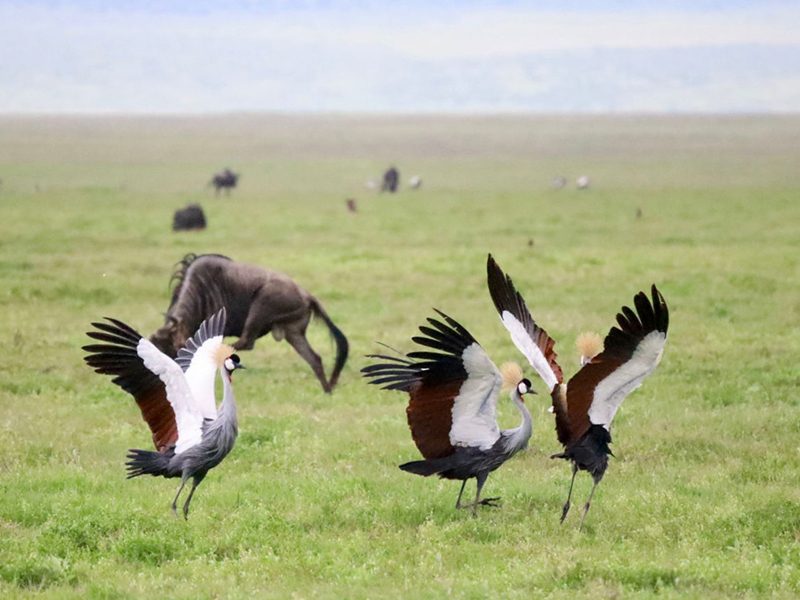
Table of Contents
Where Is Serengeti National Park?
Serengeti National Park is located in northern Tanzania and forms part of the larger Serengeti ecosystem, which extends toward Kenya’s Maasai Mara. It is one of the key parks in Tanzania’s northern safari circuit and is often combined with Ngorongoro Crater, Tarangire National Park, and sometimes Lake Manyara National Park.
The park covers a vast area of plains, woodland, riverine zones, rocky kopjes, and seasonal wildlife corridors. That size is part of what makes Serengeti so important. It is not a small fenced reserve where wildlife stays in one predictable pocket. It is a huge living ecosystem where animal movement, migration timing, and habitat differences shape the safari experience.
For travelers planning a northern circuit safari, Serengeti is usually the park that requires the most thought. It is farther than parks like Tarangire and Ngorongoro, and it deserves enough time to justify the distance.
Why Is Serengeti National Park So Famous?
Serengeti is famous because it combines three things at an extraordinary level: scale, wildlife, and movement.First, the landscape feels immense. The open plains create a classic safari setting that looks and feels like wild Africa. Second, the wildlife is exceptional. Serengeti supports large populations of lions, leopards, cheetahs, elephants, buffalo, giraffes, hyenas, hippos, crocodiles, and countless antelope species. Third, it is the central stage of the Great Migration, one of the most dramatic wildlife cycles on earth.
That combination is why Serengeti remains such a powerful destination. It is not just about seeing animals. It is about seeing them in a landscape that feels vast, alive, and constantly shifting.Serengeti also works for different types of travelers. First-time safari visitors come for the iconic experience. Wildlife photographers come for predator action and dramatic open-country sightings. Repeat travelers come because no single visit fully covers what Serengeti can offer.
What Wildlife Can You See in Serengeti?
Serengeti is one of the best safari parks in Africa for wildlife viewing.
Big Cats
Serengeti is especially famous for predators. Lions are one of the park’s greatest highlights, and sightings are common in many regions. Cheetahs are also a major draw, especially in open plains where they use visibility to hunt. Leopards are more elusive, but Serengeti is still one of the strongest places in Tanzania to see them with a skilled guide.
For many travelers, this predator strength is what separates Serengeti from an average safari park. The ecosystem supports real hunting pressure, real movement, and real drama.
Elephants, Giraffes, and Buffalo
Serengeti also supports large mammals beyond the predator story. Elephants, giraffes, buffalo, zebras, and different antelope species are all part of the daily safari experience. In some areas, buffalo herds can be especially impressive, while giraffes add constant visual character to the landscape.
Wildebeest and Zebra
Wildebeest and zebra are a defining part of Serengeti. Even outside the peak migration moments that dominate photos and documentaries, these animals shape the life of the ecosystem. Depending on the season and region, you may see scattered herds, massive concentrations, or active movement across the plains.
Birdlife and Smaller Species
Serengeti is not only about big mammals. It is also rewarding for birdlife, smaller predators, reptiles, and the countless supporting species that make the ecosystem function. But for most travelers, the main attraction remains the combination of predators, plains game, and migration-related wildlife movement.
The Great Migration in Serengeti
No Serengeti guide is complete without the Great Migration.
This is one of the most famous wildlife events in the world, but many travelers misunderstand it. The Great Migration is not a single event that happens in one place on one date. It is a moving annual cycle of wildebeest, zebras, and other grazers shifting through the Serengeti ecosystem in search of grazing and survival.
That matters because travelers often ask, “When is the best month to see the migration?” as if it is a one-week performance on a fixed stage. That is the wrong mindset. The migration moves, and what you see depends on where in the ecosystem the herds are at that time.
Different periods offer different experiences:
- large herd concentrations on the southern plains
- calving season activity
- predator pressure around vulnerable young animals
- longer northward movement
- river-crossing drama in certain phases of the cycle
This is exactly why timing matters so much in Serengeti planning. If migration is your top priority, your itinerary should be built around the right region and season, not vague assumptions.
Best Time to Visit Serengeti National Park
Serengeti is a year-round safari destination, but the best time depends on what kind of experience you want.
June to October
This is often one of the most popular periods because the weather is drier, wildlife viewing is easier, and many travelers want classic dry-season safari conditions. In general, visibility improves as vegetation becomes thinner, and game drives feel more straightforward.
January to February
This period is especially important for travelers interested in the southern Serengeti and calving season. The short-grass plains become a major wildlife stage, with large herd concentrations and increased predator activity.
November to December
These months can still offer strong safari experiences with greener scenery, fewer crowds than the busiest peak period, and attractive conditions for travelers who want a quieter feel.
March to May
This is generally the green season and wettest part of the year in many safari areas. It can still be rewarding, especially for travelers who want dramatic landscapes, fewer vehicles, and a different style of safari, but expectations should be different from peak dry-season travel.
If you want the full timing breakdown, read our guide to the best time to visit Tanzania for safari, since Serengeti works differently depending on season and migration movement.
How Many Days Do You Need in Serengeti?
One day in Serengeti is better than nothing, but it is not enough if the park is a major priority.
For most travelers, 2 to 3 nights in or around Serengeti is a far better starting point. That gives you enough time to settle into the rhythm of the park, cover more ground, and improve your chances of stronger wildlife sightings.
If Serengeti is one of the central reasons for your trip, you should avoid treating it like a quick stop between longer transfer days. That is how people end up spending too much time reaching the park and not enough time enjoying it.
This is why our guide on how many days for a Tanzania safari matters so much. If Serengeti is part of the plan, your itinerary should give it the time it deserves.
Which Part of Serengeti Should You Visit?
Serengeti is not one simple uniform landscape. Different regions can deliver different safari experiences depending on the season.
Southern Serengeti
This region is especially important during calving season, when large herds gather on the plains and predator activity can be intense.
Central Serengeti
Central Serengeti is often a reliable choice for general game viewing and works well for many classic safari itineraries. It is one of the most practical regions for travelers who want strong year-round wildlife potential.
Western and Northern Areas
These areas become more important depending on migration movement and travel goals. Travelers focused on specific migration phases often need a more targeted regional plan rather than a generic “Serengeti safari” label.That is why serious Serengeti planning should not stop at naming the park. The region inside the ecosystem matters.
Serengeti Safari Experience: What to Expect
A Serengeti safari usually means early starts, long game drives, changing landscapes, and the constant possibility that the next sighting may be better than the last.
Some game drives bring immediate action. Others build slowly. That is normal. Safari is not a zoo, and that is exactly why Serengeti is worth doing properly. The unpredictability is part of the value.
You should expect:
- long wildlife-viewing days
- major landscape variation
- chances for predator sightings
- herd movement depending on season
- rougher roads in some areas
- a stronger sense of scale and remoteness than in smaller parks
For many travelers, this is also where a strong guide matters most. Serengeti is too large and too dynamic to experience well with weak guiding.
Is Serengeti Good for First-Time Safari Travelers?
Yes. In fact, Serengeti is one of the best safari destinations in Tanzania for first-time travelers, as long as the itinerary is realistic.It delivers the kind of wildlife and landscape experience most people are hoping for when they book a safari for the first time. But first-time travelers still need to plan it properly. If the itinerary is too rushed, Serengeti can become exhausting instead of exciting.
That is why first-time visitors should think carefully about trip length, season, and park combinations. It also helps to read our Tanzania safari tips for first-time visitors before booking so you know what daily safari rhythm actually feels like.
Is Serengeti Worth the Cost?
For most travelers, yes.
Serengeti is one of the more important cost drivers in a northern Tanzania safari because of distance, logistics, accommodation choices, and the overall structure needed to include it properly. But it is also one of the strongest reasons people choose Tanzania in the first place.
Trying to cut Serengeti out of a safari just to save money can make sense in some shorter or tighter-budget itineraries. But if what you really want is the classic big-game East African safari experience, Serengeti is often worth prioritizing.
The smarter question is not just whether Serengeti costs more. The smarter question is whether your itinerary uses Serengeti well enough to justify including it. Our Tanzania safari cost guide will help you understand that tradeoff more clearly.
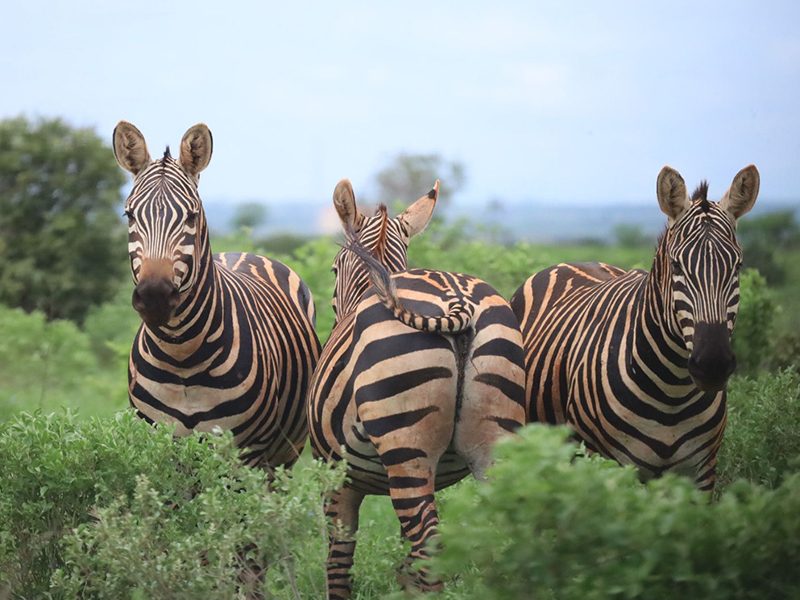
Serengeti vs Other Northern Tanzania Parks
Serengeti is not the only great park in northern Tanzania, but it plays a different role than the others.
Ngorongoro Crater is more compact and often feels more immediately concentrated for wildlife sightings. Tarangire National Park is especially strong in dry season and famous for elephants. Lake Manyara National Park adds scenery, birdlife, and habitat variety.But Serengeti is the park that gives the biggest sense of scale, the broadest safari feeling, and the strongest connection to migration movement. That is why it often becomes the centerpiece of the trip rather than just another stop on the route.
How Serengeti Fits Into a Tanzania Safari Itinerary
Serengeti is usually included as part of a broader northern circuit safari. It is commonly paired with:
A good itinerary does not just list these parks. It uses them properly.
For example, Tarangire may provide a strong elephant and dry-season contrast. Ngorongoro may deliver concentrated crater wildlife. Lake Manyara may add scenic diversity. Serengeti then becomes the deeper open-country wildlife experience that gives the safari its iconic scale.
This is also why trip length matters. You cannot combine these parks properly in a weak rushed schedule and still expect the trip to feel premium.
Where to Stay in Serengeti
Serengeti offers different accommodation levels, from more basic camps to comfortable mid-range lodges and high-end luxury tented camps.
Where you stay affects:
- comfort
- access to wildlife areas
- driving time to key game-viewing zones
- atmosphere
- total safari cost
A lower-cost stay may still work well if the itinerary is realistic. A luxury camp may offer a much stronger overall experience, especially in the right region at the right season. This is why accommodation choices should always be considered together with route design, not in isolation.
If you are still comparing comfort levels, our guide to luxury vs mid-range vs budget safari in Tanzania will help you understand the differences more clearly.
How to Plan Serengeti Properly
The biggest mistake travelers make is treating Serengeti like a generic checkbox.
Good Serengeti planning means asking the right questions:
- what season are you traveling?
- is migration the priority?
- how many nights can you spend?
- which region suits your dates?
- what level of accommodation fits your budget?
- is this a broader northern circuit trip or a Serengeti-focused safari?
These questions matter because Serengeti is too important and too large for lazy planning. A badly designed Serengeti itinerary wastes time. A well-designed one can become the highlight of the entire Tanzania trip.
Frequently Asked Questions About Serengeti National Park
What is Serengeti National Park famous for?
Serengeti National Park is famous for its vast plains, exceptional wildlife, big cat sightings, and the Great Migration. It is one of the most iconic safari destinations in Africa.
Is Serengeti worth visiting?
Yes. For many travelers, Serengeti is one of the most rewarding safari parks in Tanzania and often becomes the highlight of the trip.
How many days do you need in Serengeti?
For most travelers, at least 2 to 3 nights is a much better starting point than a rushed one-day visit, especially if Serengeti is a major priority in the itinerary.
What animals can you see in Serengeti?
You can see lions, leopards, cheetahs, elephants, buffalo, giraffes, wildebeest, zebras, hyenas, hippos, crocodiles, and many other species depending on the area and season.
When is the best time to visit Serengeti?
Serengeti can be visited throughout the year, but the best time depends on whether you want dry-season game viewing, calving season, migration-focused travel, or a quieter green-season experience.
Ready to Plan Your Serengeti Safari?
Serengeti National Park is one of the greatest safari destinations in Africa, but it rewards travelers who plan it properly. The right season, the right number of days, the right region, and the right itinerary structure all matter.
At Kili Quests, we help travelers build Serengeti safaris that match real goals, whether that means first-time game viewing, migration-focused travel, or a broader northern Tanzania itinerary.
Before booking, it also helps to read our guides on best time to visit Tanzania for safari, how many days for a Tanzania safari, Tanzania safari cost, and what is included in a Tanzania safari package so you can compare your options more clearly.
Contact us today to plan your Serengeti safari.
Related Articles
Ngorongoro Crater Safari Guide | Kili Quests
April 21, 2026
No Comments
Plan Your Ngorongoro Safari We help you choose the right safari route, trip length, and season for the best Ngorongoro experience. Request a Quote Plan
How Many Days Do You Need for a Tanzania Safari?
April 19, 2026
No Comments
Choose the Right Safari Length We help you plan the best Tanzania safari based on your time, budget, and the parks you want to visit.

Best Time to Visit Tanzania for Safari by Season and Month
April 15, 2025
No Comments
Choose the Best Safari Season We help you pick the right time, parks, and itinerary for your Tanzania safari. Request a Quote Plan Your Trip