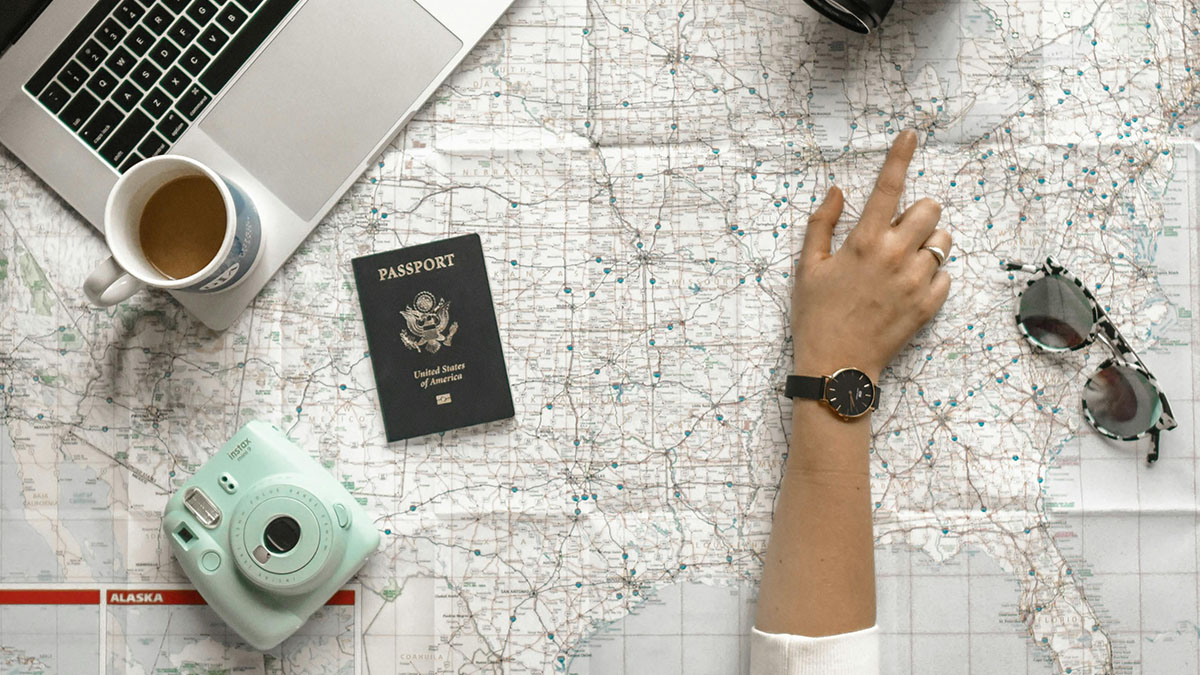
Tanzania Visa: eVisa vs Visa on Arrival (Which Is Better?)

Plan Your Tanzania Trip Smoothly

Get help preparing your Kilimanjaro climb or safari with clear travel guidance before you arrive.

Helpful Tanzania Travel Guides

OUR CATEGORIES

Tanzania eVisa vs Visa on Arrival: Which Is Better?

Planning a trip to Tanzania means more than choosing your safari route, Kilimanjaro climb, or Zanzibar hotel. You also need to understand your visa options before you travel.

Most international travelers visiting Tanzania for tourism need a visa. This may include travelers coming for a Kilimanjaro climb, Tanzania safari, Zanzibar holiday, or combined itinerary. The two most common options are applying online for a Tanzania eVisa before travel or requesting a visa on arrival at an approved entry point.

For most travelers, the eVisa is the better option because it reduces uncertainty before departure and can make arrival smoother. Visa on arrival may still be available for many travelers, but it can involve longer queues, payment delays, and extra stress after a long flight.

This guide explains the difference between Tanzania eVisa and visa on arrival, what documents you may need, which option is better, and common mistakes to avoid.

Quick Answer: Is Tanzania eVisa or Visa on Arrival Better?
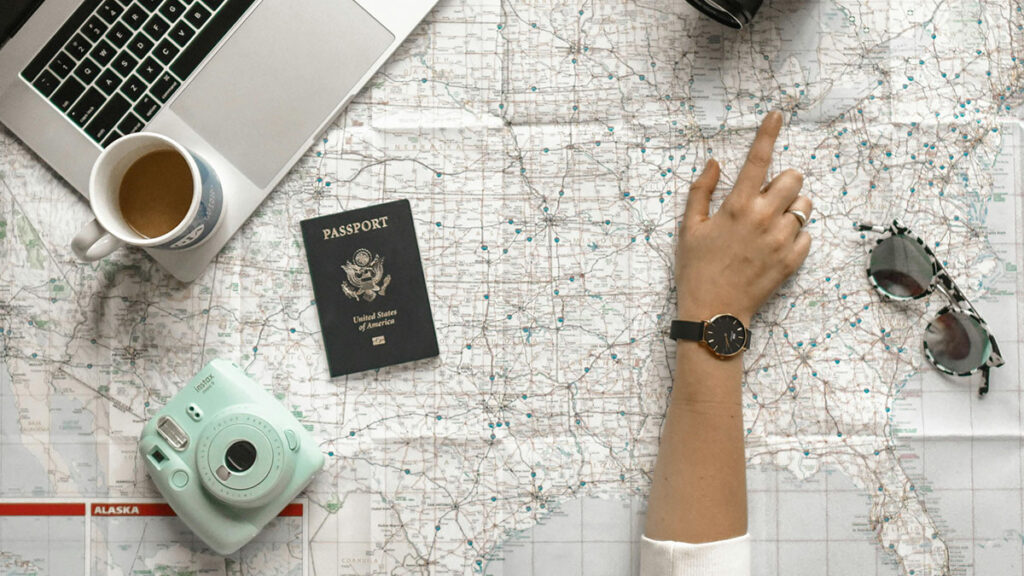
For most travelers, the Tanzania eVisa is the better option because you can apply online before departure and arrive with your visa already processed. This helps reduce airport stress, especially if you are arriving for a Kilimanjaro climb, safari, or Zanzibar holiday with a fixed itinerary.
 
Visa on arrival may be useful for some last-minute travelers, but it can mean waiting in immigration queues, filling forms after landing, and dealing with payment or document issues at the airport.
 
Always check the official Tanzania Immigration website before applying because visa rules, fees, and eligibility can change.

What Is a Tanzania Tourist Visa?

A Tanzania tourist visa allows eligible foreign travelers to enter the United Republic of Tanzania for tourism, holidays, leisure travel, safari, Kilimanjaro trekking, Zanzibar visits, and other permitted short-term activities.

For most tourism trips, travelers apply for an Ordinary Visa. According to Tanzania Immigration, the Ordinary Visa is issued for a single entry and allows a stay not exceeding three months. Requirements normally include a valid passport with at least six months validity, visa fee, passport-size photo, and return ticket.

Important: having a visa does not automatically guarantee entry. Final permission to enter Tanzania is decided by immigration officials at the point of entry.

Option 1: Tanzania eVisa

The Tanzania eVisa is an online visa application system that allows travelers to apply before arriving in Tanzania. Instead of completing the full process at the airport, you submit your application through the official Tanzania Immigration eVisa portal before you travel.
 
The official eVisa system allows applicants to complete the form, make payment, and submit the application online for internal review and processing.

How to Apply for a Tanzania eVisa

  1. Visit the official Tanzania eVisa portal (https://visa.immigration.go.tz/
  2. Complete the online application form
  3. Upload the required documents
  4. Pay the visa fee online
  5. Wait for processing and approval
  6. Print or save your visa confirmation before travel
Typical documents may include:
  1. Passport valid for at least six months
  2. Passport-size photo
  3. Return ticket
  4. Travel or accommodation details
  5. Visa fee payment
  6. Additional documents depending on nationality or visa type
The eVisa is usually the best choice if you want to complete the visa process before departure and avoid extra uncertainty on arrival.

Who Should Choose the Tanzania eVisa?

The Tanzania eVisa is usually better if:
  • You want your visa arranged before departure
  • You are traveling for a Kilimanjaro climb or safari with fixed dates
  • You want to reduce airport delays
  • You prefer online application and payment
  • You are traveling during busy seasons
  • You want more peace of mind before flying
Option 2: Tanzania Visa on Arrival

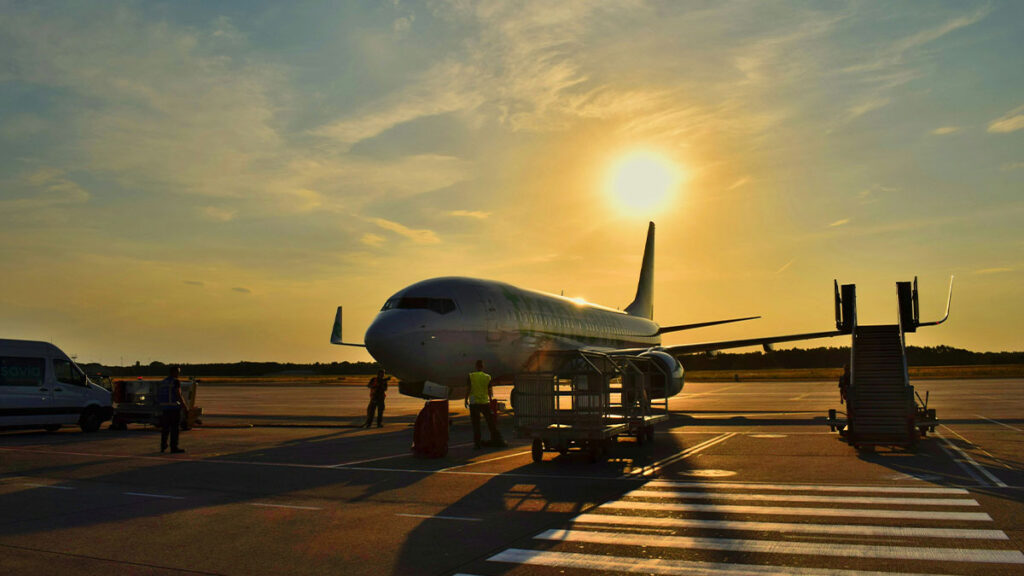
Visa on arrival means you request your visa after landing in Tanzania or entering through an approved border point. This option may be available for many travelers, but it is less predictable than applying online before departure.
 
At the airport, you may need to complete forms, show your passport and travel documents, pay the visa fee, and wait for immigration processing. During busy travel periods, this can take extra time.
 
Visa on arrival may suit some last-minute travelers, but it is not the best option if you want a smoother arrival after a long international flight.
 
You should still confirm your eligibility before travel. Do not assume every nationality can get a visa on arrival.

Comparison table

Visa Option How It Works Best For Main Downside
Tanzania eVisa Apply online before travel through the official Tanzania Immigration portal. Most travelers who want a smoother arrival and less uncertainty. You must apply early and wait for processing before travel.
Visa on arrival Apply at an approved entry point after arriving in Tanzania. Some last-minute travelers who are eligible and prepared with documents. Queues, payment issues, document checks, and arrival delays are possible.

Tanzania Visa Fees

Tanzania visa fees depend on visa type and nationality. The official Tanzania Immigration visa fee page lists the Ordinary Visa at USD 50. U.S. citizens traveling for tourism are required to apply for a Multiple Entry Visa, which is listed at USD 100.
 
Always check the official Tanzania Immigration website before applying because fees and requirements can change. Be careful with unofficial visa websites or agents that charge more than the official fee.

Who Might Use Visa on Arrival?

Visa on arrival may be useful if:

  • Your trip is last-minute
  • You are eligible for visa on arrival
  • You have all required documents ready
  • You are comfortable waiting at immigration
  • You have confirmed the current rules before travel
Still, for most travelers, the eVisa is the cleaner choice.

Frequently Asked Questions About Tanzania eVisa and Visa on Arrival

Is Tanzania eVisa better than visa on arrival?

For most travelers, yes. The Tanzania eVisa is usually better because you can apply before departure and reduce uncertainty when you arrive. Visa on arrival may still be available for some travelers, but it can involve queues, paperwork, and payment delays at the airport.

How long does a Tanzania eVisa take?

Processing time can vary, so travelers should apply early and avoid waiting until the last few days before departure. Many travelers apply at least one to two weeks before travel to allow time for review, payment confirmation, and any extra document checks.

Can I get a Tanzania visa on arrival?

Visa on arrival may be available for many travelers at approved entry points, but you should confirm your eligibility before travel. Do not assume every nationality can use visa on arrival, because entry and visa requirements can change.

What documents do I need for a Tanzania tourist visa?

For an Ordinary Visa, Tanzania Immigration lists requirements including a valid passport with at least six months validity, the required visa fee, one passport-size photo, and a return ticket. Depending on your nationality or trip details, you may also need accommodation or tour information.

Does a Tanzania visa guarantee entry?

No. A visa does not automatically guarantee entry into Tanzania. Final entry permission is decided by immigration officials at the point of entry, so travelers should carry the correct documents and follow immigration requirements.

Prepare Your Tanzania Trip with Confidence

Getting your visa sorted early helps your Kilimanjaro climb, safari, or Zanzibar holiday start smoothly. For most travelers, applying for the Tanzania eVisa before departure is the safer and more organized choice.
 
If you are booking your Tanzania adventure with Kili Quests, we can guide you on the travel details you may need for your visa application, including your itinerary, tour confirmation, and arrival planning.
 
Contact us today to plan your Kilimanjaro climb or Tanzania safari with confidence.

Related Articles

Contact Kili Quests | Tanzania Tours, Safaris & Kilimanjaro Treks

Contact Kili Quests for Your Tanzania Tour

Planning a trip to Tanzania? Whether you want to climb Mount Kilimanjaro, book a wildlife safari, or add Zanzibar to your itinerary, the Kili Quests team is ready to help you plan with clear advice and local support.
You can contact us by WhatsApp, email, phone call, Zoom meeting, or the contact form on our website. Choose the method that works best for your question, travel dates, and booking stage.

For the fastest response, WhatsApp is usually the best option. For detailed itinerary requests, custom quotes, or formal booking information, email or the contact form may be better.

Quick Answer: What Is the Best Way to Contact Kili Quests?

The fastest way to contact Kili Quests is by WhatsApp, especially if you have quick questions about Kilimanjaro climbs, safari availability, trip dates, payments, or last-minute travel details.

For detailed trip planning, custom itineraries, group bookings, or written confirmation, email or the website contact form is better. If you prefer to discuss your plans face-to-face, you can request a Zoom meeting with our team.
From the Roof of Africa to a well-earned rest — welcome to Millennium Camp

WhatsApp: Fastest for Quick Questions

WhatsApp is the quickest way to reach the Kili Quests team. It is best when you need a fast response, want to ask a simple question, or need help while planning your trip.
Use WhatsApp for:
  • Kilimanjaro route questions
  • Safari availability
  • Travel date checks
  • Payment confirmation
  • Sending flight details
  • Last-minute updates
  • Quick booking questions
 
Message us on WhatsApp:
  1. +255 762 187 967
  2. +255 654 639 963
 
What’s in Our Safari Package – “Learn more about what’s included before you reach out to book.”

Zoom: Best for Personalized Trip Planning

A Zoom meeting is useful if you want to discuss your Tanzania trip in detail before booking. This works well for travelers who have several questions, need help choosing between options, or are planning a group trip.
 
Zoom is best for:
  • Kilimanjaro route planning
  • Safari itinerary discussions
  • Group bookings
  • Honeymoon or family travel planning
  • Custom Tanzania trips
  • Detailed pre-booking questions
To schedule a Zoom meeting, contact us by WhatsApp or email and suggest a suitable time.

Email: Best for Detailed Trip Requests

Email is best when you want to send a detailed request, receive a written reply, or discuss a custom itinerary. It is also useful for booking confirmations, attachments, group travel details, and formal communication.
 
Use email for:
  • Custom Kilimanjaro climb quotes
  • Safari itinerary requests
  • Group or family travel planning
  • Booking confirmations
  • Sending documents or attachments
  • Detailed questions about your trip
Email us at:
  • info@kiliquests.com
We usually reply within 24 hours.
 
Visa Guide , Not sure what paperwork you need? We can assist with the visa process too.
contact us for your Next adventure

Contact Form: Simple and Direct

The website contact form is a simple way to send your trip details if you are not sure which contact method to use. It helps us understand what you are looking for before we reply.

Use the contact form for:
  • General inquiries
  • Custom trip requests
  • Special accommodation needs
  • Safari and Kilimanjaro planning
  • Feedback or concerns
You can use the contact form on the Kili Quests website to share your name, travel dates, number of travelers, and the type of trip you want to plan.

What to Include When You Contact Us

To help us reply faster and more accurately, include a few important details in your message:
  1. Your preferred travel dates
  2. Number of travelers
  3. Type of trip: Kilimanjaro, safari, Zanzibar, or combined itinerary
  4. Preferred Kilimanjaro route or safari destination, if known
  5. Your budget range, if you already have one
  6. Fitness level or hiking experience for Kilimanjaro climbs
  7. Any special requests, medical concerns, or dietary needs
  8. Your arrival airport and flight details, if already booked
The more details you share, the easier it is for us to recommend the right trip plan.

Phone Call: Best for Urgent Support

A phone call is best when you need direct, real-time support. This is useful for urgent questions, last-minute changes, or travelers already in Tanzania.


Call us for:
  • Urgent booking questions
  • Arrival updates
  • Last-minute trip changes
  • Meeting point clarification
  • Immediate travel support


Call Kili Quests:
  1. +255 654 639 963
  2. +255 762 187 967
Learn more about our routes and success rates: Climb Kilimanjaro with Experts.
At 5,756 meters, the world looks different.

Start Your Tanzanian Adventure Today

From Kilimanjaro’s snowy summit to the plains of Serengeti, your journey starts with a simple message.
Contact us today via:
  • WhatsApp for quick support
  • Zoom for in-depth planning
  • Email for formal requests
  • Phone for personal attention
We’re here to make your experience smooth, safe, and unforgettable.

Frequently Asked Questions

What is the fastest way to contact Kili Quests?

The fastest way to contact Kili Quests is usually by WhatsApp. It is best for quick questions about Kilimanjaro climbs, safari availability, travel dates, payments, or last-minute updates.

Can I schedule a Zoom meeting before booking?

Yes. You can request a Zoom meeting if you want to discuss your Kilimanjaro climb, Tanzania safari, Zanzibar extension, or custom itinerary in more detail before booking.

What information should I send when requesting a quote?

Send your travel dates, number of travelers, preferred trip type, route or safari destination if known, budget range, and any special requests. This helps the team prepare a better and faster response.

Can Kili Quests help with both Kilimanjaro and safari planning?

Yes. Kili Quests can help plan Kilimanjaro climbs, Tanzania safaris, Zanzibar extensions, and combined itineraries depending on your travel dates and preferences.

How long does it take to receive a reply?

WhatsApp messages often receive the fastest response, depending on the time of day. Email and contact form inquiries are usually answered within 24 hours.

Start Planning Your Tanzania Adventure

Your Tanzania trip starts with a simple message. Whether you are ready to book or still comparing options, the Kili Quests team can help you choose the right Kilimanjaro route, safari itinerary, travel timing, and support plan.
 
Contact us by WhatsApp for quick answers, email for detailed planning, Zoom for a personal discussion, or the website contact form for general inquiries.
 
Contact us today and let’s start planning your Kilimanjaro climb, Tanzania safari, or Zanzibar adventure.

Related Articles

Kilimanjaro Weather Conditions: Rain, Wind, Clouds & Trails

Prepare for Mountain Weather

Kilimanjaro weather can change fast. We help you understand what to expect and how to prepare for rain, wind, cold, sun, and trail conditions.

Plan Your Kilimanjaro Climb the Right Way

Weather is only one part of your success , your route, acclimatization, and preparation matter just as much.

OUR CATEGORIES

Kilimanjaro Weather Conditions: Rain, Wind, Clouds & Trails

Mount Kilimanjaro weather can change quickly during a climb. One moment the trail may be clear and dry, and later the same day you may face rain, mist, wind, cloud cover, or slippery ground.
This guide focuses on the weather conditions that affect your trek directly: rain, wind, clouds, visibility, muddy trails, and how those conditions change the way the climb feels. It is not only about choosing the best month. It is about understanding what the mountain can do while you are already on the trail.
Weather matters because it affects comfort, pace, safety, photography, gear choices, and mental strength. Dry conditions can make trekking smoother, while rain and wind can make the same route feel much harder.
If you want to choose the best month for your trek, read our Best Time to Climb Kilimanjaro guide. If you want to understand how cold Kilimanjaro gets at night, read our Mount Kilimanjaro Night Temperature guide. This article explains the weather challenges you may face during the climb and how to prepare for them.

Quick Answer: What Weather Should You Expect on Kilimanjaro?

Kilimanjaro weather can change quickly during a climb. The most common conditions trekkers face are rain, wind, clouds, mist, muddy trails, cold nights, and changing visibility.

Rain is more common on the lower slopes, especially in the rainforest section. Wind and cold become stronger higher on the mountain, especially near high camps and during summit night. Clouds and mist can appear at any time, reducing views and making the trail feel more demanding.
 
The best preparation is to pack for changing conditions, not just one type of weather. Even during drier months, climbers should bring waterproof gear, warm layers, trekking poles, sun protection, and proper footwear.
 
For choosing the best climbing month, read our Best Time to Climb Kilimanjaro guide. 
Weather Condition Where It Affects Climbers Most How It Changes the Climb How to Prepare
Rain Lower slopes, forest sections, and wetter months Creates muddy trails, wet clothing, slippery ground, and colder-feeling conditions. Bring a waterproof jacket, rain pants, pack cover, gaiters, and waterproof boots.
Wind Open moorland, alpine desert, high camps, and summit areas Makes temperatures feel colder, increases fatigue, and makes rest stops less comfortable. Use a windproof outer shell, warm gloves, hat, neck gaiter, and proper layering.
Clouds and Mist Forest, moorland, and mid-altitude sections Reduces views, photography conditions, and sometimes morale during long trekking days. Expect changing visibility and keep warm layers accessible during breaks.
Muddy Trails Rainforest sections, steep paths, and descent routes after rain Slows your pace, increases effort, and makes downhill sections harder on the knees. Use trekking poles, waterproof boots, gaiters, and walk slowly on slippery sections.
Strong Sun Moorland, alpine desert, and exposed high-altitude areas Increases sunburn risk, dehydration, and eye strain even when the air feels cool. Bring sunglasses, sunscreen, lip balm, a sun hat, and drink water regularly.
Cold Nights Higher camps and summit night Affects sleep, recovery, comfort, and summit-night energy. Use thermal layers, a down jacket, warm socks, gloves, and a cold-rated sleeping bag.
Happiness is found between a smile and the next adventure

Table of Contents

Main Weather Conditions Climbers Face on Kilimanjaro

Kilimanjaro weather is not just about dry season or rainy season. During the climb, the conditions that affect trekkers most are rain, wind, clouds, visibility, trail surface, and sudden weather changes.
 
These conditions can change how hard the trek feels, even on the same route. A dry trail may feel steady and manageable, while the same trail can become slippery, slow, and mentally tiring after rain.

Rain on Kilimanjaro

Rain is most common on the lower slopes, especially in the rainforest zone and during wetter months. When rain is light, it may only affect comfort. When it continues for hours, it can make trails muddy, clothing damp, and camps feel colder.
 
Rain affects climbers by:
  • Making trails slippery
  • Increasing mud on forest sections
  • Making boots and clothing wet
  • Reducing comfort at camp
  • Making the climb feel colder than expected
This is why waterproof gear is important even if you climb during a drier month.

Wind on Kilimanjaro

Wind becomes more noticeable as you climb higher and the landscape becomes more open. Exposed areas near high camps and the summit can feel much colder when wind is strong.
 
Wind affects climbers by:
  • Increasing cold exposure
  • Making rest stops uncomfortable
  • Drying out the skin and lips
  • Making summit night feel harder
  • Reducing body heat when you are already tired
Strong wind is one reason summit night can feel colder than the actual temperature. For a deeper cold-weather breakdown, read our Mount Kilimanjaro Night Temperature guide.

Clouds and Mist on Kilimanjaro

Clouds and mist are common on Kilimanjaro, especially in the forest and moorland sections. Some days may begin clear and become cloudy later, while other days may start misty and open up as you climb.
Cloud cover affects:
  • Mountain views
  • Photography
  • Trail visibility
  • Morale during long trekking days
  • The feeling of distance and progress
Clouds do not always mean bad weather, but they can reduce the views many climbers expect from Kilimanjaro.

Muddy and Slippery Trails

Trail conditions change quickly after rain. Forest trails can become muddy, rocks can become slippery, and downhill sections may require extra care.
 
Muddy trails affect climbers by:
  • Slowing walking pace
  • Increasing effort on steep sections
  • Making descents harder on the knees
  • Increasing the importance of trekking poles
  • Making waterproof boots more important
This is one reason weather preparation matters as much as fitness. A climber who is fit but poorly equipped can still struggle when conditions turn wet.

Visibility and Summit Views

Visibility is one of the biggest differences between a smooth scenic climb and a frustrating weather experience. Clear weather gives better views of Mawenzi, Kibo, the crater rim, and the surrounding plains. Cloudy weather can hide the landscape for hours or even full sections of the trek.
 
Better visibility usually improves:
  • Photography
  • Route enjoyment
  • Morale
  • Summit views
  • The overall feeling of progress
For help choosing months with stronger visibility and drier trails, read our Best Time to Climb Kilimanjaro guide.

How Kilimanjaro Weather Changes as You Climb

Kilimanjaro weather changes with altitude, exposure, and terrain. Lower sections are usually warmer and wetter, while higher sections become colder, windier, drier, and more exposed.
 
This does not mean we should treat this article as a full ecological zone guide. The main point here is simple: the weather you feel on Kilimanjaro changes as your body moves higher up the mountain.

Lower Slopes: Wetter and More Humid

The lower slopes are usually warmer, greener, and more humid. Rain, mud, mist, and slippery ground are more common here, especially in forest sections and during wetter months.
 
Climbers should expect:
  • More moisture in the air
  • Higher chance of rain
  • Muddy trail sections
  • Mist and cloud cover
  • Warmer but damp conditions
This is where waterproof boots, rain gear, and pack protection matter most.

Middle Elevations: Cooler Air and Changing Clouds

As you climb higher, the air becomes cooler and the landscape becomes more open. Clouds may move quickly across the trail, and weather can shift between sunshine, mist, and wind within the same day.
 
Climbers should expect:
  • Cooler trekking conditions
  • Stronger sun when skies are clear
  • More noticeable wind
  • Cold evenings
  • Changing visibility
This is where layering becomes important. You may start the day cold, warm up while walking, then need extra layers again during rest stops.

Higher Mountain: Wind, Cold, and Exposure

Higher on Kilimanjaro, the weather becomes more exposed. Wind can make the cold feel stronger, and the lack of shelter makes rest stops less comfortable.
 
Climbers should expect:
  • Stronger wind
  • Colder nights
  • Drier air
  • More intense sun during clear days
  • Greater exposure near high camps and summit areas
At this stage, weather affects both comfort and performance. Cold and wind can increase fatigue, while dry air and strong sun can make hydration more important.

Summit Area: Fast-Changing and Harsh Conditions

Near the summit, conditions can feel severe even when the sky is clear. Summit night often combines cold, wind, darkness, fatigue, and low oxygen.
 
Climbers should expect:
  • Freezing conditions
  • Strong wind exposure
  • Possible snow or ice
  • Very cold rest stops
  • Rapid changes in visibility
This is why summit preparation should never be casual. For detailed cold-weather guidance, use our Mount Kilimanjaro Night Temperature guide and Kilimanjaro Summit Day Gear Checklist.
Long strides, cool air, and endless views — moorland magic on the trail.

How Weather Affects Your Kilimanjaro Climb

Weather can change how Kilimanjaro feels from one day to the next. The same route may feel manageable in dry conditions but much harder when rain, mud, wind, or cloud cover appear.
 
Weather does not replace the altitude challenge, but it can add extra stress to your body and mind. This is why climbers should prepare for changing conditions even during the drier months.

Weather Affects Your Walking Pace

Rain, mud, wet rocks, and slippery descents can slow your pace. When the trail becomes unstable, climbers need to walk more carefully, especially on steep or uneven sections.
 
A slower pace is not always bad on Kilimanjaro because steady movement helps with acclimatization. But difficult trail conditions can make each trekking day feel longer and more tiring.

Weather Affects Comfort and Morale

Wet clothing, damp boots, cold wind, and limited views can reduce morale. Many climbers underestimate this part. Kilimanjaro is not only a physical challenge; it is also a mental one.
 
Good weather can make the trek feel exciting and scenic. Poor weather can make the same day feel heavier, colder, and more repetitive.

Weather Affects Rest and Recovery

Cold, wet, or windy conditions can make camp life less comfortable. If your gear gets wet or you struggle to stay warm at night, recovery becomes harder.
 
This matters because each day on Kilimanjaro builds on the previous one. Poor sleep, cold nights, and damp gear can increase fatigue before summit night.

Weather Affects Safety Decisions

Experienced guides watch the weather closely because conditions can affect pace, visibility, trail safety, and summit timing.
 
Strong wind, heavy rain, or poor visibility may require adjustments to the daily plan.
 
This does not mean every weather change is dangerous. It means the guide team must stay alert and flexible.

Weather Affects What You Pack

Kilimanjaro packing should prepare you for changing mountain weather, not just sunny trekking days. Even if you climb in a drier month, you still need rain protection, warm layers, sun protection, and reliable footwear.
 
For a complete gear breakdown, use our Kilimanjaro Packing List before your trek

How to Prepare for Kilimanjaro’s Changing Weather

Preparing for Kilimanjaro weather is not about packing for one forecast. It is about preparing for a mountain that can feel warm, wet, windy, dusty, sunny, and freezing at different points of the same trek.
 
A common mistake is thinking, “I am climbing in the dry season, so I do not need serious rain gear.” That is weak preparation. Kilimanjaro can still bring rain, mist, wind, and cold even during better trekking months. The goal is not to pack heavily for every possible problem. The goal is to pack smart so weather does not control your climb.
Weather Challenge How It Affects Your Climb What to Prepare
Rain Makes trails muddy, clothing damp, and camp life colder. Waterproof jacket, rain pants, pack cover, dry bags, gaiters, and waterproof boots.
Wind Makes high camps and summit night feel much colder than the actual temperature. Windproof shell, warm hat, gloves, neck gaiter, and proper layering.
Cold nights Affects sleep, recovery, energy, and summit-night comfort. Thermal base layers, down jacket, warm socks, gloves, and a cold-rated sleeping bag.
Mud and slippery trails Slows your pace and makes descents harder on knees and balance. Broken-in waterproof boots, trekking poles, gaiters, and careful foot placement.
Strong sun Increases sunburn, dehydration, eye strain, and cracked lips at altitude. Sunglasses, sunscreen, SPF lip balm, sun hat, long sleeves, and enough water.
Clouds and mist Reduces visibility, hides views, and can make long trekking days feel mentally harder. Keep warm layers accessible, follow your guide’s pace, and prepare mentally for changing views.

Keep Essential Weather Gear Easy to Reach

Do not bury your rain jacket, warm layer, gloves, or sun protection deep in your duffel bag. Kilimanjaro weather can change during the day, so key items should be easy to access from your daypack.
 
Your guide team can help advise what to carry each morning, but the basic rule is simple: rain gear close, warm layer close, sun protection close, and water close.
 
For the full equipment breakdown, use our Kilimanjaro Packing List before your trek. For cold nights and summit conditions, read our Mount Kilimanjaro Night Temperature guide.

How Kili Quests Helps You Handle Kilimanjaro Weather

Weather preparation does not stop when you finish packing. On Kilimanjaro, conditions can change during the climb, so your guide team must know how to adjust pace, clothing advice, rest stops, and daily planning based on what is happening on the mountain.
 
At Kili Quests, we help climbers prepare before the trek and stay ready during the climb.

Pre-Climb Weather and Gear Briefing

Before your trek begins, our team reviews what weather conditions you may face based on your route, season, and itinerary. We also help you check whether your gear is suitable for rain, wind, cold, sun, and summit-night conditions.
 
This matters because many climbers bring good-looking gear that is not practical enough for Kilimanjaro. A jacket may be warm but not waterproof. Boots may be comfortable but not supportive enough for wet trails. Gloves may work at lower camps but fail on summit night.

Daily Guidance on What to Carry

Each trekking day is different. Some mornings may require rain gear close by, while other days may require sun protection, wind layers, or extra warmth during breaks.
 
Your guide team helps you decide what should stay in your daypack and what can go in your duffel. This helps you avoid carrying unnecessary weight while still keeping important weather gear accessible.

Pacing Adjustments When Weather Changes

Bad weather can slow the group down. Rain, mud, wind, or poor visibility may require a steadier pace and more careful foot placement.
 
Our guides focus on controlled pacing, especially when trails become slippery or when cold and wind increase fatigue. On Kilimanjaro, rushing through bad weather is not strength. It is poor decision-making.

Safety Awareness in Poor Visibility or Strong Wind

Cloud cover, mist, and wind can affect visibility and comfort, especially at higher elevations. Experienced guides monitor how the group is responding and make practical decisions about rest stops, clothing layers, and movement.
 
Weather does not always make a climb unsafe, but it does demand attention. The right guide team helps climbers stay calm, prepared, and steady when conditions change.

Support From Base to Summit

Kilimanjaro weather can test your patience, energy, and mindset. Our role is to help you stay prepared for each stage of the climb, from damp forest trails to windy high camps and cold summit conditions.
 
With Kili Quests, you climb with a local team that understands how mountain weather affects real trekking days, not just weather forecasts.

When Kilimanjaro Weather Becomes a Real Problem

Most weather changes on Kilimanjaro are manageable if you have the right gear, guide team, and mindset. A cloudy day, light rain, or cold wind does not automatically mean your climb is in trouble.
 
Weather becomes a bigger problem when several conditions happen together. For example, rain plus cold wind can make climbers lose warmth faster. Mud plus steep descents can slow the group and increase knee strain. Poor visibility plus fatigue can make summit night feel more mentally difficult.

Weather Problems Climbers Should Take Seriously

Pay attention when weather causes:
  • Wet clothing that does not dry
  • Cold hands, feet, or face that do not warm up
  • Slippery trails that slow the group too much
  • Poor visibility on exposed sections
  • Strong wind during summit night
  • Fatigue that becomes worse because of cold or damp conditions
These situations do not always mean the climb must stop, but they require smarter pacing, better layering, and close communication with your guide.

Why Guide Experience Matters in Bad Weather

A strong guide team does more than lead the trail. They watch how weather affects the group. If conditions become wet, cold, windy, or unclear, they help adjust clothing, pace, rest stops, and movement.
 
This is where local mountain experience matters. Kilimanjaro weather is not something to ignore, but it is also not something to fear if you are properly prepared and guided.

The Smart Rule for Kilimanjaro Weather

Do not prepare only for the weather you hope for. Prepare for the weather Kilimanjaro may give you.
 
That means keeping rain gear accessible, using proper layers, protecting your hands and face, staying hydrated, and listening to your guide when conditions change. A well-prepared climber can handle difficult weather far better than a climber who only packed for sunshine.

Frequently Asked Questions About Kilimanjaro Weather Conditions

What weather should I expect when climbing Kilimanjaro?

You should expect changing weather on Kilimanjaro. During the climb, trekkers may experience sun, rain, wind, clouds, mist, muddy trails, cold nights, and changing visibility.
 
The lower slopes are usually warmer and wetter, while higher sections become colder, windier, drier, and more exposed. This is why climbers need both rain protection and warm layers, even when climbing during a drier month.

Does it rain on Kilimanjaro during the dry season?

Yes, rain can still happen on Kilimanjaro during the dry season, especially in the lower forest sections. The dry season usually means less rain overall, not zero rain.
 
This is why waterproof gear is still important. A climber who ignores rain gear because they booked a dry-season trek is making a weak decision. Kilimanjaro weather can change quickly, and wet clothing can make the climb colder and more uncomfortable.

How does wind affect a Kilimanjaro climb?

Wind can make Kilimanjaro feel much colder, especially at high camps and during summit night. Even when the actual temperature is not extreme, wind can remove body heat quickly and make rest stops uncomfortable.
 
Wind also affects morale. A tired climber facing cold wind near the summit may feel the climb is much harder than expected. Proper layering, gloves, a warm hat, and a windproof shell are important.

Do clouds and mist ruin the views on Kilimanjaro?

Clouds and mist can reduce views, but they do not always ruin the whole climb. Kilimanjaro weather can shift during the day, so a cloudy morning may open into clear views later.
 
However, cloudy conditions can affect photography, visibility, and morale. If clear views are very important to you, choose your climbing month carefully and read our Best Time to Climb Kilimanjaro guide before booking.

Are Kilimanjaro trails muddy?

Kilimanjaro trails can become muddy, especially in the lower forest sections and during or after rain. Mud is more common in wetter months, but short rain showers can affect trails even outside the main rainy season.
 
Waterproof boots, gaiters, and trekking poles help a lot. Muddy trails slow your pace and make descents harder, so climbers should not treat footwear as a small detail.

What should I pack for Kilimanjaro weather?

You should pack for changing mountain weather, not one perfect forecast.
Important weather gear includes a waterproof jacket, rain pants, warm layers, windproof shell, gloves, hat, sun protection, waterproof boots, gaiters, and trekking poles.
 
For the complete gear list, use our Kilimanjaro Packing List before your trek.

Can bad weather stop a Kilimanjaro climb?

Most weather changes do not automatically stop a Kilimanjaro climb, but heavy rain, strong wind, poor visibility, or severe cold can affect pace, comfort, and safety decisions.
 
This is why experienced guides matter. A good guide team watches the group, checks the conditions, adjusts pacing, and helps climbers make smart decisions instead of pushing blindly through bad weather.

Prepare for Kilimanjaro Weather With Kili Quests

Kilimanjaro weather can change quickly, but it should not catch you unprepared. Rain, wind, clouds, muddy trails, strong sun, and cold nights are all part of the mountain experience. The goal is not to fear the weather. The goal is to prepare properly before it affects your comfort, pace, or confidence.
 
At Kili Quests, we help climbers understand what to expect before the trek begins. Our local guide team helps you prepare for changing mountain conditions, choose the right gear, and adjust during the climb when weather shifts.
 
Whether you are worried about rain, summit-night cold, slippery trails, or what to carry in your daypack, we can help you plan with confidence.
 
Contact Kili Quests today and tell us your route, travel month, and trekking experience. We will help you prepare for Kilimanjaro weather from the first trail day to the summit.

Related Articles

How to Charge Devices on Mount Kilimanjaro (Power & Solar Tips)

Stay Powered and Prepared on Kilimanjaro

The right gear setup makes your climb easier, safer, and more enjoyable.

Plan Your Kilimanjaro Gear the Right Way

Charging is just one part of preparation , your gear, route, and conditions all matter.

OUR CATEGORIES

How to Charge Your Devices on Mount Kilimanjaro: Power Tips for Trekkers | Kili Quests

 If you’re heading to Mount Kilimanjaro, one of the most common questions is:
How will I charge my phone or camera on the mountain?”
 
Since there’s no standard electricity on Kilimanjaro, staying powered up requires preparation. Whether it’s capturing summit moments, navigating offline maps, or staying in touch, here’s how to keep your devices charged during your trek with Kili Quests.
 
Internet Access , Staying online depends on both your power supply and coverage , learn how to manage both.
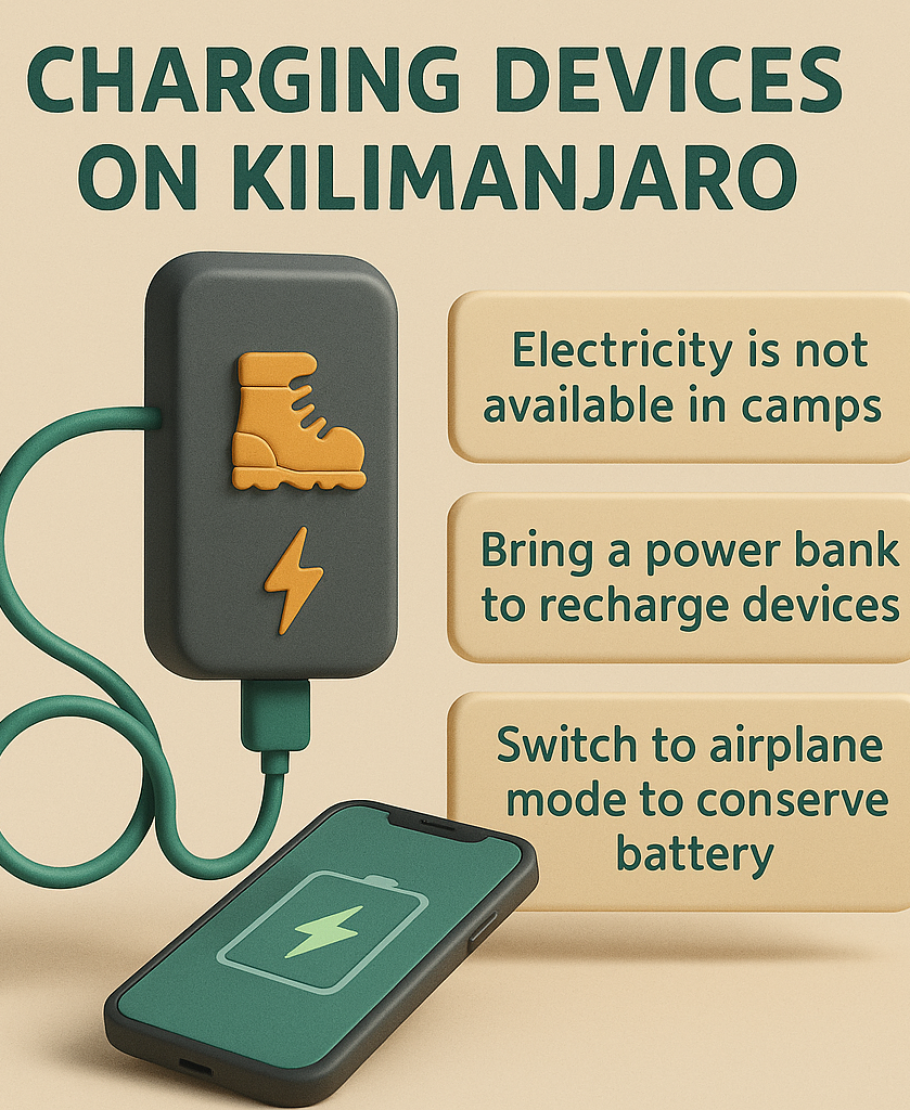
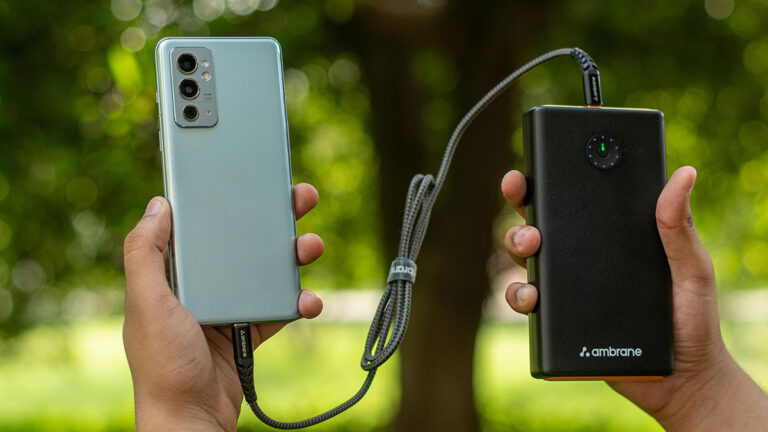
3D-style infographic showing power bank, smartphone, and battery-saving tips for Kilimanjaro.
No charging stations on the mountain — bring a power bank and use airplane mode.

Table of Contents

Is There Electricity on Mount Kilimanjaro?

There is no public electricity or grid on the mountain. Camps are remote and lack outlets , but that doesn’t mean you’ll be without power completely.
Here’s what’s available:

Charging Services at Camps (Limited)

  • Some high camps (e.g., Barafu Camp) may offer charging via solar or generator
  • Usually available for a fee
  • Devices may need to be left for a few hours

Solar-Powered Lights

  • A few camps have solar lightin
  • Charging small items may be possible (not guaranteed)
  • Ask Kili Quests about your specific route for updated info
  •  

Best Ways to Charge Your Devices on the Mountain

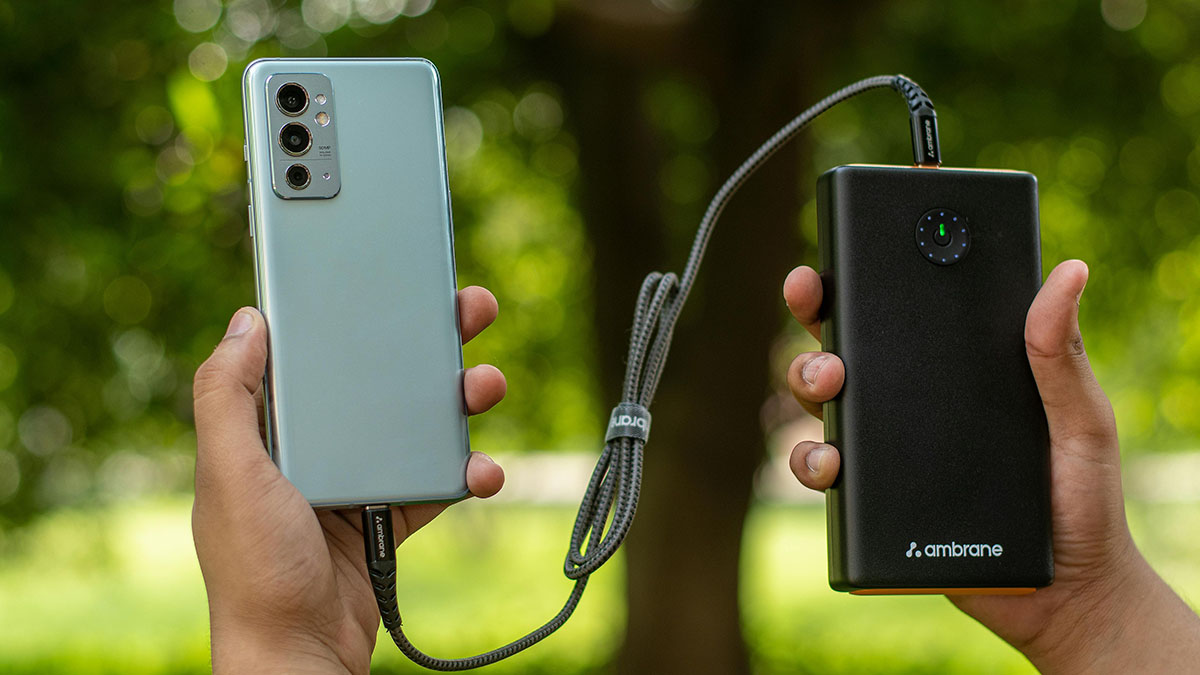
Power Banks (Portable Chargers)

The most reliable option.
  • Recommended Capacity: At least 20,000mAh (more for multi-device use)
  • How Many? Bring 1–2 depending on device usage
  • Tip: Charge fully before departure; store in warm layers to protect battery life

Solar Chargers

Optional backup if you prefer to recharge on the go.
  • Works Best: During clear sunny days while hiking
  • Limitations: Less effective at high altitude or in cloudy weather
  • Tip:Mount panels on your backpack to collect sunlight while walking
 

Charge During Rest Stops (If Available)

Some camps have shared solar systems or small generators.
  • You may be able to charge during meals or long stops
  • Charging speed is slow
  • Availability is not guaranteed on all routes
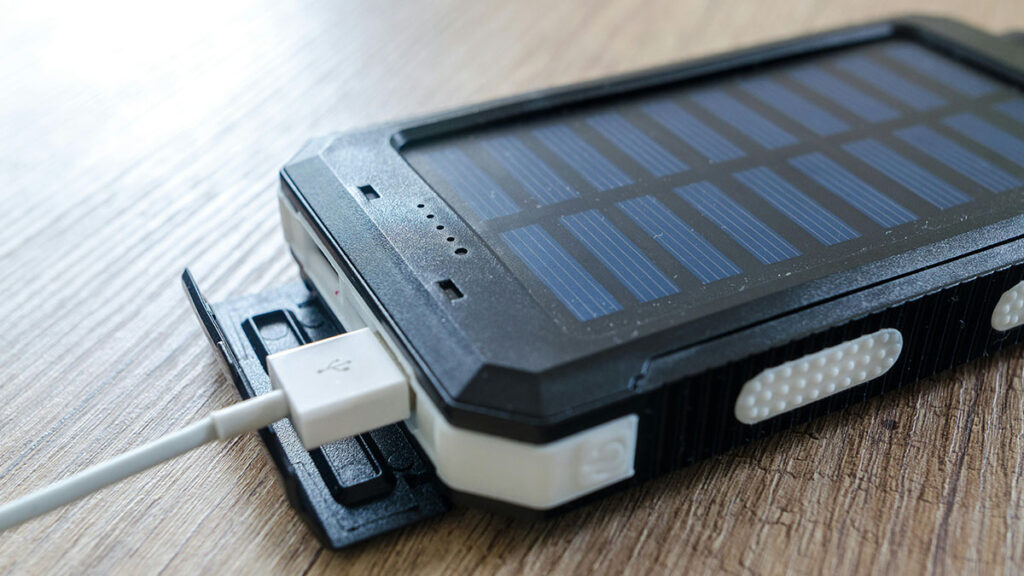
Recharged Solar Power Bank
Power Bank

Smart Battery Management Tips

 Even with backup power, conserving energy is critical. Use these tips to extend your battery life:
  •  Turn off: Wi-Fi, Bluetooth, GPS, and background apps
  •  Lower brightness: Especially during summit night
  •  Use Airplane Mode: Your signal won’t work anyway at high altitudes
  •  Limit usage: Use only when needed to preserve charge
  •  Keep warm: Cold reduces battery performance — store devices inside warm clothing at night
Gear Rentals Guide – Need a power bank or solar charger? See what you can rent locally.

Alternative Power-Free Solutions

Don’t want to worry about charging at all? Here are a few reliable offline solutions:
  • Digital Camera + Extra Batteries: Great for photography without draining phone power
  • Offline Maps: Use apps like Maps.me or download Google Maps offline
  • Pen & Journal: Record your adventure the old-school way
  • Spare Phone: Carry a basic feature phone as a backup communication device
Summit Day Gear Checklist – Know what gear is essential for the coldest and longest day of your trek.

Stay Connected the Smart Way

While Mount Kilimanjaro doesn’t offer traditional charging stations, it is still possible to keep your devices powered up with smart planning. Bring power banks, use solar as backup, and manage battery life wisely.
 
Night Temperatures Guide – Extreme cold affects battery life , be prepared with the right setup.

Frequently Asked Questions

Can you charge your phone on Mount Kilimanjaro?

Charging options on Mount Kilimanjaro are limited because there is no regular electricity on the mountain. Some camps may offer solar or generator charging for a small fee, but the most reliable way to keep devices powered is by bringing a fully charged power bank.

What is the best way to charge devices during a Kilimanjaro trek?

The best solution is to bring high-capacity power banks (around 20,000mAh or more). Many trekkers carry one or two power banks to charge phones, cameras, and headlamps throughout the trek.

Do Kilimanjaro camps have charging stations?

Most camps on Kilimanjaro do not have public charging stations. Occasionally, some high camps may provide limited charging through solar panels or generators, but availability is not guaranteed and charging can take several hours.

Can solar chargers work on Mount Kilimanjaro?

Solar chargers can work on clear sunny days and are sometimes attached to backpacks while hiking. However, they should be used as a backup option because weather conditions and altitude can reduce charging efficiency.

How can cold temperatures affect phone batteries on Kilimanjaro?

Cold temperatures at high altitude can drain batteries quickly. To protect battery life, keep your devices and power banks inside warm clothing or sleeping bags at night.

How can trekkers save battery power during the climb?

Trekkers can extend battery life by using airplane mode, lowering screen brightness, turning off Wi-Fi and Bluetooth, and limiting phone use. Downloading maps, documents, and music before the trek also helps reduce power consumption.

Ready to Climb with Power?

 Book your Kilimanjaro trek with Kili Quests today and get expert advice on gear, packing, and device charging.
 Contact us for personalized route guidance and power tips for your adventure.

Related Articles

Internet on Mount Kilimanjaro: WiFi, SIM Cards & Coverage

Plan Your Kilimanjaro Climb

The right preparation makes your climb safer and more successful.

Plan Your Climb the Right Way

Your route, preparation, and timing matter more than staying connected.

OUR CATEGORIES

Internet Access on Kilimanjaro: What to Know | Kili Quests

Wondering if you can stay connected during your Mount Kilimanjaro trek?
Whether it’s messaging loved ones, posting photos, or accessing offline maps, internet access can be useful on the mountain. But Kilimanjaro is remote , so knowing where and how you can connect is essential.This guide breaks down everything you need to know about Wi-Fi, mobile coverage, and how Kili Quests helps you stay connected while climbing Africa’s tallest peak.
 
If you’re planning your trek, it’s also important to understand how to charge your devices on Kilimanjaro so you don’t lose power when you need it most.
Celebrating the climb at Stella Point. One last push to Uhuru!

Table of Contents

Is There Internet on Mount Kilimanjaro?

Kilimanjaro has no consistent or reliable internet , especially at high altitudes.
However, there are options at:
  • Lower altitudes (e.g. Moshi, Arusha)
  • Certain campsites with mobile network zones
  • Selected locations where Kili Quests provides hotspot access
Before focusing on internet access, it’s important to understand how to acclimatize on Kilimanjaro, since altitude affects both your energy and device performance.

Internet Access Before the Climb

 Before your trek, you’ll have strong internet access in the towns at the base of the mountain:
Moshi & Arusha
  • Mobile data: Local SIM cards (Vodacom, Airtel, Tigo) offer good 4G/5G coverage
  • Wi-Fi: Most hotels, restaurants, and cafes have free or paid Wi-Fi

Weather conditions can affect both your experience and signal availability — learn the best time to climb Kilimanjaro to plan your trek properly.

Buy a Local SIM Card

We recommend purchasing a local SIM card before your trek  Or e-Sim option:

  • Provides mobile data coverage on the mountain’s lower slopes
  • Affordable and easy to find in Moshi or Arusha

Internet Access at Camps (Higher Altitudes)

As you ascend, mobile network coverage becomes limited. But it’s not gone entirely.
 Where Can You Connect?
  • Popular routes like Machame, Lemosho, and Marangu often have camps with designated signal spots
  • Signal strength varies with altitude and location
  • Wi-Fi is not guaranteed, but limited mobile data is sometimes possible
Many climbers focus on staying connected, but the real challenge is the climb itself , understand how hard Kilimanjaro is before you go.

 Kili Quests Guide Assistance

Our guides will:
  • Show you exact camp spots where mobile signals are strongest
  • Advise on network availability at each altitude
  • Provide Hotspot access when available

Tips to Stay Connected on Kilimanjaro

Here’s how to maximize your connectivity:
 1. Purchase a SIM Card Before the Trek
  • Use Vodacom, Airtel, or Tigo
  • Enable mobile data for lower camps
2. Download Essentials in Advance
  • Maps (use Maps.me or Google offline maps)
  • Music, books, or documents
  • Offline backup of itinerary and contacts

Staying connected depends on preparation , see the full Kilimanjaro packing list to make sure you bring the right gear and power solutions.

Disconnect to Reconnect

While it’s helpful to stay connected, don’t underestimate the value of switching off.
Embrace the Journey
  • Focus on your climb and the scenery
  • Share real moments with fellow trekkers
  • Reflect without digital noise

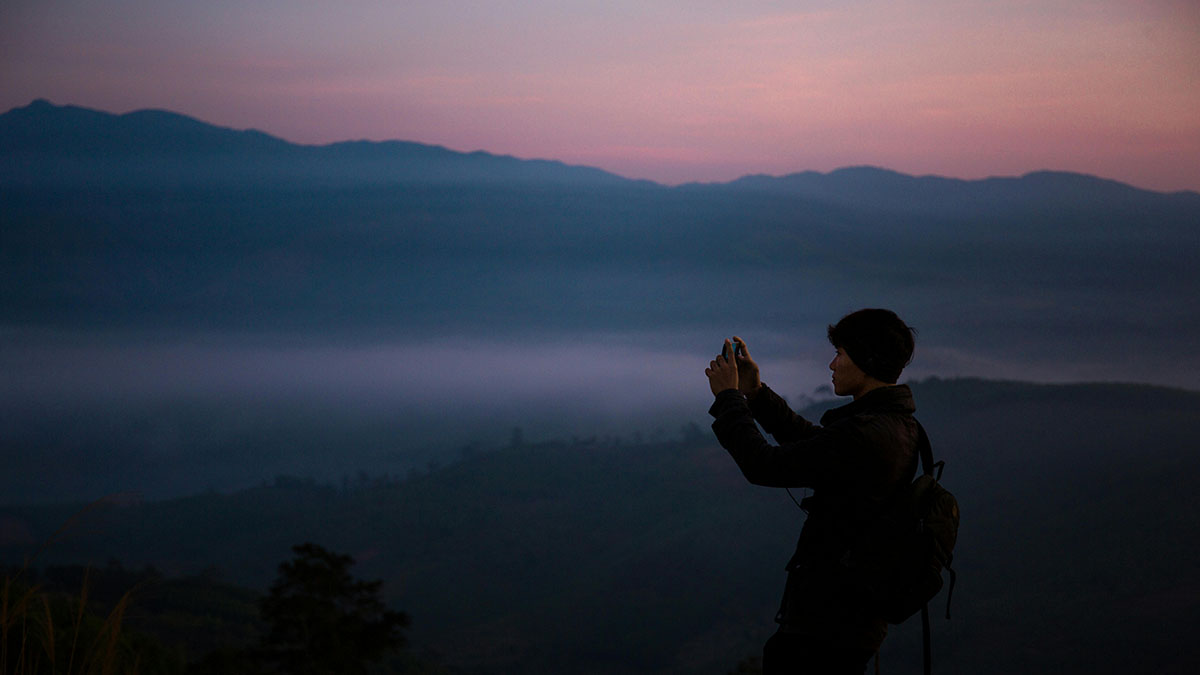
 Capture Memories — Then Post Later

  • Use offline camera modes or bring a digital camera
  • Save battery life and enjoy the trail

You’ll have plenty of time to share your summit photo afterward.

Smile, breathe, and enjoy every step of the journey.

How Kili Quests Helps You Stay Connected

 At Kili Quests, we understand that some climbers value occasional access to the outside world. That’s why we provide:
  • Hotspot service at selected camps
  • Route-specific guidance on mobile coverage
  • Local SIM recommendations before the climb
  • Tech support for staying connected responsibly

Connection with Balance

While internet access on Kilimanjaro is limited, it is possible to stay connected at lower altitudes and certain camps. But the best part of the journey? You’ll discover a deeper connection — not just to your phone, but to the experience.

Frequently Asked Questions

Is there internet access on Mount Kilimanjaro?

Internet access on Mount Kilimanjaro is limited. While there is no consistent Wi-Fi across the mountain, some lower camps and areas may have mobile network coverage, allowing climbers to access basic internet services using mobile data.

Can I use mobile data on Mount Kilimanjaro?

Yes, mobile data may work in certain areas of the mountain, especially at lower elevations. Local networks such as Vodacom, Airtel, and Tigo sometimes provide signal coverage along popular trekking routes, although the connection can be weak or intermittent at higher altitudes.

Where can I get reliable internet before climbing Kilimanjaro?

Before starting your trek, you can access strong internet connections in towns near the mountain such as Moshi and Arusha. Most hotels, cafes, and lodges in these towns offer Wi-Fi or mobile network coverage.

Should I buy a local SIM card before climbing Kilimanjaro?

Yes. Purchasing a local SIM card before the trek can help you access mobile data at lower camps and communicate when signal is available. SIM cards from Tanzanian providers are affordable and easy to find in Moshi or Arusha.

Are there Wi-Fi hotspots on Kilimanjaro?

Wi-Fi is generally not available on the mountain itself. However, some trekking companies may provide limited hotspot access at certain camps when conditions allow, though this should not be relied upon as a primary internet source.

How can I prepare to stay connected during a Kilimanjaro trek?

To stay connected, download important information such as offline maps, travel documents, and contacts before starting your climb. This allows you to access essential information even when internet service is unavailable on the mountain.

Book with Kili Quests

Book your Kilimanjaro trek with Kili Quests today and get expert advice on how to stay connected , and when it’s best to unplug.
 

Related Articles

Mount Kilimanjaro Guide: Facts & Overview

Plan Your Kilimanjaro Climb

Not sure where to start? We help you choose the right route, season, itinerary length, and preparation plan for your Kilimanjaro climb.

Essential Kilimanjaro Guides

Use these guides to plan your climb step by step.

OUR CATEGORIES

Mount Kilimanjaro Guide: Location, Height, Facts & Trek Overview

Mount Kilimanjaro is Africa’s highest mountain and one of the most famous trekking destinations in the world. Rising to 5,895 meters / 19,341 feet, it stands in northern Tanzania near the border with Kenya and attracts climbers from around the world.
 
What makes Kilimanjaro special is not only its height. It is the world’s tallest free-standing mountain, a dormant volcano, a UNESCO World Heritage Site, and a non-technical trek that takes climbers through changing landscapes from forest to alpine terrain and the arctic summit.
 
For many travelers, Kilimanjaro is their first major high-altitude adventure. You do not need ropes or advanced mountaineering skills, but you do need proper preparation, the right route, good pacing, and experienced guides.
 
This guide gives you a clear overview of Mount Kilimanjaro, including its location, height, volcanic features, history, trekking routes, challenges, preparation, safety, and why it remains one of Africa’s most iconic climbs.
For a deeper planning decision, you can also compare Kilimanjaro routes before choosing your itinerary.

Quick Answer: What Is Mount Kilimanjaro?

Mount Kilimanjaro is the highest mountain in Africa, standing at 5,895 meters / 19,341 feet above sea level. It is located in northern Tanzania, near the border with Kenya, and its highest point is Uhuru Peak.
 
Kilimanjaro is a dormant volcano made up of three volcanic cones: Kibo, Mawenzi, and Shira. Kibo is the highest cone and contains Uhuru Peak, while Mawenzi and Shira are older volcanic formations.
 
The mountain is famous because it is the tallest free-standing mountain in the world and one of the most accessible major high-altitude treks. Climbers do not need technical mountaineering skills, but they do need fitness, acclimatization, proper gear, and experienced guides.
 
For most trekkers, Kilimanjaro is not just a summit climb. It is a journey through changing landscapes, local culture, volcanic terrain, altitude challenges, and the final push to the Roof of Africa.
Mount Kilimanjaro—Africa’s tallest and most iconic peak

Table of Contents

Geography and Volcanic Features of Mount Kilimanjaro

Mount Kilimanjaro is located in northern Tanzania, close to the Kenya border and near the town of Moshi. Unlike mountains that form part of a long range, Kilimanjaro rises alone from the surrounding plains, which is one reason it looks so dramatic from a distance.
 
Kilimanjaro is a dormant volcano made up of three main volcanic cones: Kibo, Mawenzi, and Shira. Kibo is the highest cone and contains Uhuru Peak, the summit of Kilimanjaro. Mawenzi is rugged and jagged, while Shira is the oldest cone and now forms a wide plateau.
 
This volcanic structure shaped much of the mountain’s terrain, including its crater area, ridges, scree slopes, lava formations, and high-altitude landscapes.
 
For a deeper explanation of how the mountain formed and how Kibo, Mawenzi, and Shira developed, read our Kilimanjaro Formation and Volcanic Cones guide.

Why Kilimanjaro’s Geography Matters for Climbers

Kilimanjaro’s volcanic structure affects the trekking experience. Climbers pass through changing terrain, from forest trails and open moorland to volcanic rock, scree, and summit ridges.
 
The mountain’s height also creates major altitude changes, which is why route choice and acclimatization matter. Before booking, it helps to compare Kilimanjaro routes so you choose an itinerary that fits your fitness, scenery preferences, and acclimatization needs.

History and Cultural Significance of Mount Kilimanjaro

Mount Kilimanjaro has deep cultural and historical importance, especially for communities living around its lower slopes. For the Chagga people and other nearby communities, the mountain is part of local identity, farming life, stories, and heritage.

Kilimanjaro also became internationally famous through early exploration, recorded summit attempts, and its status as Africa’s highest mountain. Today, it is both a natural landmark and a symbol of adventure for climbers from around the world.

This guide gives only a brief overview. For deeper background, read our Kilimanjaro History and Chagga Culture guide and our Kilimanjaro First Ascent article.
The final push—climbing toward the Roof of Africa

Trekking Routes to the Summit

Mount Kilimanjaro has several official trekking routes to Uhuru Peak, including Machame, Marangu, Lemosho, Rongai, Northern Circuit, Shira, and Umbwe.
 
Each route gives climbers a different experience. Some are more scenic, some are quieter, some allow more time for acclimatization, and some are shorter but more demanding. Route choice affects your daily walking rhythm, camp experience, crowd level, and how your body adjusts to altitude.
 
This overview guide will not explain every route in detail because each route deserves its own full breakdown. Before choosing, read our Kilimanjaro Routes Comparison guide to compare scenery, difficulty, route length, acclimatization profile, and who each route is best for.
 
Heading toward greatness—Mount Kilimanjaro awaits.

Challenges of Climbing Mount Kilimanjaro

Mount Kilimanjaro is a non-technical trek, but that does not mean it is easy. The main challenges are altitude, long trekking days, cold summit conditions, fatigue, and the need to keep a slow, steady pace for several days.

Most climbers do not struggle because the trail requires climbing skills. They struggle because the mountain is high, the air gets thinner, and the summit push is physically and mentally demanding.

The biggest challenges include:

  • High altitude above 5,000 meters
  • Cold temperatures near the summit
  • Long walking days
  • Summit night fatigue
  • Changing trail and weather conditions
  • Poor acclimatization on short itineraries
For a deeper breakdown of altitude risks, read our Altitude Sickness on Kilimanjaro guide. If you want to understand what makes the climb difficult overall, read our How Hard Is It to Climb Kilimanjaro? guide.

How to Prepare for a Kilimanjaro Climb

Preparing for Kilimanjaro means getting your body, gear, route choice, and mindset ready before you arrive in Tanzania. You do not need technical climbing skills, but you do need enough fitness for multi-day trekking, patience for altitude, and the right equipment for changing mountain conditions.

The most important preparation areas are:

  • Building hiking fitness and leg endurance
  • Choosing a route with enough acclimatization time
  • Packing proper layers for rain, wind, sun, and summit cold
  • Understanding altitude sickness symptoms
  • Breaking in your hiking boots before the trip
  • Preparing mentally for slow pacing and summit night

Do not treat Kilimanjaro like a normal day hike. The climb takes several days, and your body needs time to adjust as you gain altitude.

For detailed preparation, use our Kilimanjaro Training Guide, Kilimanjaro Packing List, and Acclimatization Tips on Kilimanjaro before your trek.

 
Morning views from Millennium Camp—Kilimanjaro standing proud.

Wildlife and Ecosystems on Mount Kilimanjaro

Mount Kilimanjaro is famous for its changing landscapes. As climbers move higher, the mountain shifts from cultivated lower slopes and rainforest to moorland, alpine desert, and the arctic summit zone.
 
The lower forest areas are the best places to see wildlife. Climbers may spot blue monkeys, black-and-white colobus monkeys, forest birds, and other small animals, although sightings are never guaranteed.
 
Higher on the mountain, wildlife becomes less common, but the landscape becomes more dramatic. Giant groundsels, open moorland, volcanic rock, dry alpine terrain, and icy summit views are all part of Kilimanjaro’s natural journey.
 
For a deeper breakdown of the mountain’s vegetation, altitude ranges, wildlife, and landscapes, read our Kilimanjaro Ecological Zones guide.

Safety and Support on Mount Kilimanjaro

Safety on Kilimanjaro depends on preparation, pacing, altitude awareness, guide experience, and the ability to respond quickly when conditions change.
 
Kilimanjaro is not a technical climb, but it is still a serious high-altitude trek. Climbers may face altitude symptoms, cold summit conditions, fatigue, dehydration, changing weather, and long trekking days. This is why choosing an experienced guide team matters.
 
At Kili Quests, safety support includes:


  • Experienced local mountain guides
  • Daily health checks during the climb
  • Pulse oximeter monitoring
  • Emergency oxygen support
  • Careful pacing for acclimatization
  • Clear communication with climbers
  • Emergency response planning when needed

Why Guide Experience Matters

A strong guide team does more than lead the trail. Guides monitor pace, watch for altitude symptoms, help climbers manage energy, and make practical decisions when weather, fatigue, or health concerns appear.

On Kilimanjaro, pushing too fast is not strength. Smart pacing, honest communication, and proper acclimatization are what protect the climb.

Travel Insurance for Kilimanjaro

Travel insurance is also important for Kilimanjaro because the climb takes place in a remote, high-altitude environment.
 
Climbers should choose insurance that covers high-altitude trekking, emergency evacuation, medical treatment, trip interruption, and lost or delayed baggage.
 
Do not buy a cheap policy without checking the altitude limit. Some policies exclude trekking above certain elevations, which can make them useless for Kilimanjaro.
 
For more detail, read our Kilimanjaro Travel Insurance guide before booking your climb
 
For altitude-specific safety, read our Altitude Sickness on Kilimanjaro guide and Acclimatization Tips on Kilimanjaro before your trek.

Why Climb Kilimanjaro With Kili Quests?

Choosing the right Kilimanjaro company matters because the climb is not just about reaching the trailhead. It is about route planning, acclimatization, safety, pacing, crew support, gear advice, and honest preparation before the trek begins.
 
At Kili Quests, we are a local Tanzania mountain team that helps climbers prepare properly and move steadily from the first trail day to the summit.
 
We support climbers with:
  • Local Kilimanjaro route advice
  • Private and small-group climb planning
  • Experienced mountain guides
  • Daily health checks during the trek
  • Emergency oxygen and pulse oximeter monitoring
  • Porter and crew support
  • Pre-climb preparation guidance
  • Clear communication before and during the climb

Local Knowledge From the Mountain

Kilimanjaro is our home mountain. Our guides understand how the routes feel, how weather changes, where climbers usually struggle, and why pacing matters from the first day.
 
That local knowledge helps climbers make better decisions before and during the trek.

Support Before You Arrive in Tanzania

 Good Kilimanjaro preparation starts before the climb. We help you understand route choice, packing, training, insurance, weather, and what to expect on the mountain.
 
This matters because many problems on Kilimanjaro begin before the trek starts: wrong route choice, poor gear, weak pacing expectations, or underestimating altitude.

A Climb Plan Built Around You

Every climber is different. Some need more time for acclimatization. Some want the most scenic route. Some want fewer crowds. Some are climbing for the first time and need more guidance.
 
Tell us your travel dates, fitness level, experience, and preferred route. We will help you choose a Kilimanjaro climb plan that fits your goals instead of forcing you into a one-size-fits-all itinerary.
 

Frequently Asked Questions About Mount Kilimanjaro

Where is Mount Kilimanjaro located?

Mount Kilimanjaro is located in northern Tanzania, near the border with Kenya. The mountain is close to the town of Moshi and is one of the most famous landmarks in East Africa.

How high is Mount Kilimanjaro?

Mount Kilimanjaro is 5,895 meters / 19,341 feet high. Its highest point is Uhuru Peak, located on the Kibo volcanic cone.

Is Mount Kilimanjaro a volcano?

Yes. Mount Kilimanjaro is a dormant volcano made up of three main cones: Kibo, Mawenzi, and Shira. Kibo is the highest cone and contains the summit, Uhuru Peak.
 
For a deeper explanation of the mountain’s volcanic history, read our Kilimanjaro Formation and Volcanic Cones guide.

Can beginners climb Mount Kilimanjaro?

Yes, beginners can climb Mount Kilimanjaro because it is a non-technical trek. You do not need ropes, ice axes, or advanced mountaineering skills.

But beginners should not underestimate the climb. Kilimanjaro still requires fitness, proper gear, slow pacing, acclimatization, and experienced guides.

For a full first-timer breakdown, read our Beginner’s Guide to Climbing Kilimanjaro.

How long does it take to climb Kilimanjaro?

Most Kilimanjaro climbs take 5 to 9 days, depending on the route and itinerary. Shorter climbs may look easier, but they give your body less time to adjust to altitude.

For most climbers, choosing the right number of days is a serious planning decision, not just a schedule choice.

For a full breakdown by route and itinerary length, read our How Many Days Does It Take to Climb Kilimanjaro? guide.

What is the best time to climb Mount Kilimanjaro?

The best time to climb Kilimanjaro is usually during the drier months from January to early March and June to October. These periods often offer better trail conditions and clearer views.
 
For a full month-by-month breakdown, read our Best Time to Climb Kilimanjaro guide.

Is Kilimanjaro dangerous?

Kilimanjaro is not a technical climb, but it is still a serious high-altitude trek. The main risks are altitude sickness, fatigue, dehydration, cold summit conditions, and changing weather.

Most risks can be reduced with good preparation, slow pacing, proper acclimatization, experienced guides, and honest communication during the climb.

For a full safety breakdown, read our Is Climbing Kilimanjaro Dangerous? guide.

Start Planning Your Kilimanjaro Climb With Kili Quests

Mount Kilimanjaro is more than Africa’s highest mountain. It is a journey through volcanic landscapes, changing ecosystems, local culture, altitude challenges, and the final push to Uhuru Peak.
 
The best climb starts with the right plan. Before you book, you need to understand your route options, how many days you need, what season fits your travel dates, what gear to bring, and how to prepare for altitude.
 
At Kili Quests, our local mountain team helps you plan your Kilimanjaro climb with clear advice, experienced guides, and honest preparation from the beginning.
We can help you:
  • Choose the right Kilimanjaro route
  • Decide how many days you need for your climb
  • Prepare for altitude and summit night
  • Understand weather, gear, and safety
  • Build a climb plan that fits your fitness, dates, and goals
Contact Kili Quests today and tell us your preferred travel month, fitness level, and route interest. We will help you plan a Kilimanjaro climb that is safe, realistic, and built around your goals.

Related Articles