Tanzania Visa: eVisa vs Visa on Arrival (Which Is Better?)

Plan Your Tanzania Trip Smoothly

Get help preparing your Kilimanjaro climb or safari with clear travel guidance before you arrive.

Helpful Tanzania Travel Guides

OUR CATEGORIES

Tanzania eVisa vs Visa on Arrival: Which Is Better?

Planning a trip to Tanzania means more than choosing your safari route, Kilimanjaro climb, or Zanzibar hotel. You also need to understand your visa options before you travel.

Most international travelers visiting Tanzania for tourism need a visa. This may include travelers coming for a Kilimanjaro climb, Tanzania safari, Zanzibar holiday, or combined itinerary. The two most common options are applying online for a Tanzania eVisa before travel or requesting a visa on arrival at an approved entry point.

For most travelers, the eVisa is the better option because it reduces uncertainty before departure and can make arrival smoother. Visa on arrival may still be available for many travelers, but it can involve longer queues, payment delays, and extra stress after a long flight.

This guide explains the difference between Tanzania eVisa and visa on arrival, what documents you may need, which option is better, and common mistakes to avoid.

Quick Answer: Is Tanzania eVisa or Visa on Arrival Better?
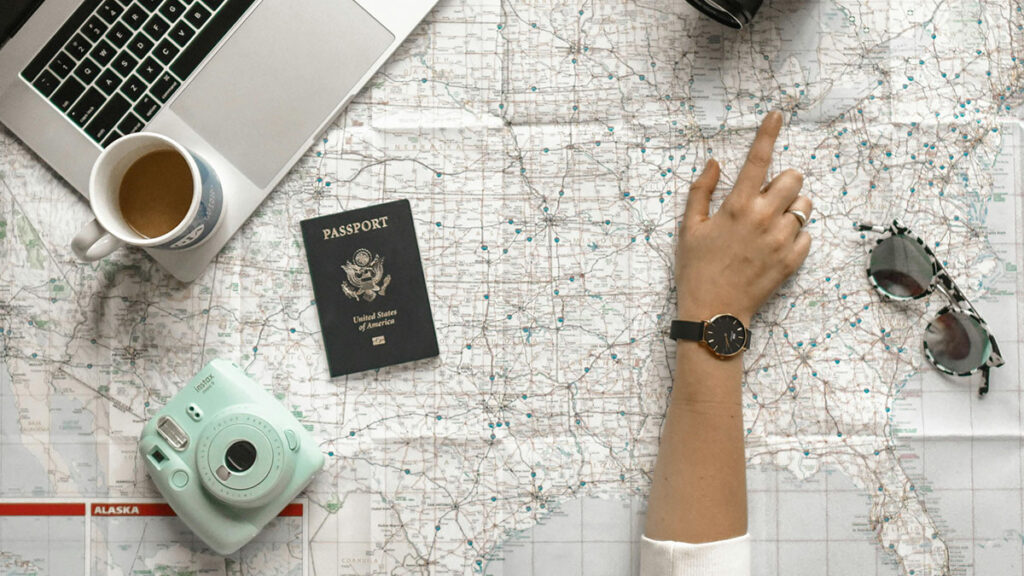
For most travelers, the Tanzania eVisa is the better option because you can apply online before departure and arrive with your visa already processed. This helps reduce airport stress, especially if you are arriving for a Kilimanjaro climb, safari, or Zanzibar holiday with a fixed itinerary.
 
Visa on arrival may be useful for some last-minute travelers, but it can mean waiting in immigration queues, filling forms after landing, and dealing with payment or document issues at the airport.
 
Always check the official Tanzania Immigration website before applying because visa rules, fees, and eligibility can change.

What Is a Tanzania Tourist Visa?

A Tanzania tourist visa allows eligible foreign travelers to enter the United Republic of Tanzania for tourism, holidays, leisure travel, safari, Kilimanjaro trekking, Zanzibar visits, and other permitted short-term activities.

For most tourism trips, travelers apply for an Ordinary Visa. According to Tanzania Immigration, the Ordinary Visa is issued for a single entry and allows a stay not exceeding three months. Requirements normally include a valid passport with at least six months validity, visa fee, passport-size photo, and return ticket.

Important: having a visa does not automatically guarantee entry. Final permission to enter Tanzania is decided by immigration officials at the point of entry.

Option 1: Tanzania eVisa

The Tanzania eVisa is an online visa application system that allows travelers to apply before arriving in Tanzania. Instead of completing the full process at the airport, you submit your application through the official Tanzania Immigration eVisa portal before you travel.
 
The official eVisa system allows applicants to complete the form, make payment, and submit the application online for internal review and processing.

How to Apply for a Tanzania eVisa

  1. Visit the official Tanzania eVisa portal (https://visa.immigration.go.tz/
  2. Complete the online application form
  3. Upload the required documents
  4. Pay the visa fee online
  5. Wait for processing and approval
  6. Print or save your visa confirmation before travel
Typical documents may include:
  1. Passport valid for at least six months
  2. Passport-size photo
  3. Return ticket
  4. Travel or accommodation details
  5. Visa fee payment
  6. Additional documents depending on nationality or visa type
The eVisa is usually the best choice if you want to complete the visa process before departure and avoid extra uncertainty on arrival.

Who Should Choose the Tanzania eVisa?

The Tanzania eVisa is usually better if:
  • You want your visa arranged before departure
  • You are traveling for a Kilimanjaro climb or safari with fixed dates
  • You want to reduce airport delays
  • You prefer online application and payment
  • You are traveling during busy seasons
  • You want more peace of mind before flying
Option 2: Tanzania Visa on Arrival

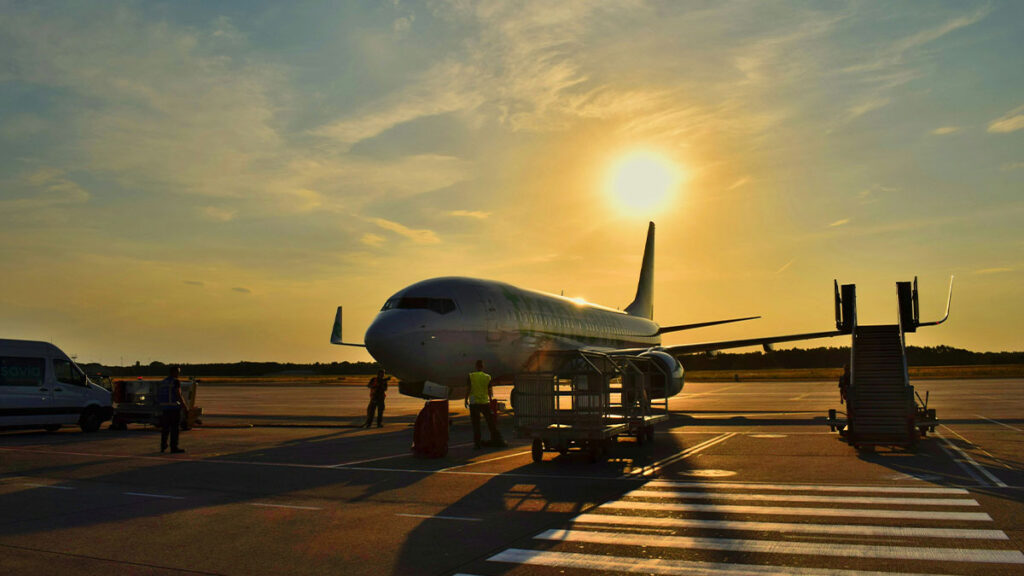
Visa on arrival means you request your visa after landing in Tanzania or entering through an approved border point. This option may be available for many travelers, but it is less predictable than applying online before departure.
 
At the airport, you may need to complete forms, show your passport and travel documents, pay the visa fee, and wait for immigration processing. During busy travel periods, this can take extra time.
 
Visa on arrival may suit some last-minute travelers, but it is not the best option if you want a smoother arrival after a long international flight.
 
You should still confirm your eligibility before travel. Do not assume every nationality can get a visa on arrival.

Comparison table

Visa Option How It Works Best For Main Downside
Tanzania eVisa Apply online before travel through the official Tanzania Immigration portal. Most travelers who want a smoother arrival and less uncertainty. You must apply early and wait for processing before travel.
Visa on arrival Apply at an approved entry point after arriving in Tanzania. Some last-minute travelers who are eligible and prepared with documents. Queues, payment issues, document checks, and arrival delays are possible.

Tanzania Visa Fees

Tanzania visa fees depend on visa type and nationality. The official Tanzania Immigration visa fee page lists the Ordinary Visa at USD 50. U.S. citizens traveling for tourism are required to apply for a Multiple Entry Visa, which is listed at USD 100.
 
Always check the official Tanzania Immigration website before applying because fees and requirements can change. Be careful with unofficial visa websites or agents that charge more than the official fee.

Who Might Use Visa on Arrival?

Visa on arrival may be useful if:

  • Your trip is last-minute
  • You are eligible for visa on arrival
  • You have all required documents ready
  • You are comfortable waiting at immigration
  • You have confirmed the current rules before travel
Still, for most travelers, the eVisa is the cleaner choice.

Frequently Asked Questions About Tanzania eVisa and Visa on Arrival

Is Tanzania eVisa better than visa on arrival?

For most travelers, yes. The Tanzania eVisa is usually better because you can apply before departure and reduce uncertainty when you arrive. Visa on arrival may still be available for some travelers, but it can involve queues, paperwork, and payment delays at the airport.

How long does a Tanzania eVisa take?

Processing time can vary, so travelers should apply early and avoid waiting until the last few days before departure. Many travelers apply at least one to two weeks before travel to allow time for review, payment confirmation, and any extra document checks.

Can I get a Tanzania visa on arrival?

Visa on arrival may be available for many travelers at approved entry points, but you should confirm your eligibility before travel. Do not assume every nationality can use visa on arrival, because entry and visa requirements can change.

What documents do I need for a Tanzania tourist visa?

For an Ordinary Visa, Tanzania Immigration lists requirements including a valid passport with at least six months validity, the required visa fee, one passport-size photo, and a return ticket. Depending on your nationality or trip details, you may also need accommodation or tour information.

Does a Tanzania visa guarantee entry?

No. A visa does not automatically guarantee entry into Tanzania. Final entry permission is decided by immigration officials at the point of entry, so travelers should carry the correct documents and follow immigration requirements.

Prepare Your Tanzania Trip with Confidence

Getting your visa sorted early helps your Kilimanjaro climb, safari, or Zanzibar holiday start smoothly. For most travelers, applying for the Tanzania eVisa before departure is the safer and more organized choice.
 
If you are booking your Tanzania adventure with Kili Quests, we can guide you on the travel details you may need for your visa application, including your itinerary, tour confirmation, and arrival planning.
 
Contact us today to plan your Kilimanjaro climb or Tanzania safari with confidence.

Related Articles

Contact Kili Quests | Tanzania Tours, Safaris & Kilimanjaro Treks

Contact Kili Quests for Your Tanzania Tour

Planning a trip to Tanzania? Whether you want to climb Mount Kilimanjaro, book a wildlife safari, or add Zanzibar to your itinerary, the Kili Quests team is ready to help you plan with clear advice and local support.

You can contact us by WhatsApp, email, phone call, Zoom meeting, or the contact form on our website. Choose the method that works best for your question, travel dates, and booking stage.

For the fastest response, WhatsApp is usually the best option. For detailed itinerary requests, custom quotes, or formal booking information, email or the contact form may be better.

Quick Answer: What Is the Best Way to Contact Kili Quests?

The fastest way to contact Kili Quests is by WhatsApp, especially if you have quick questions about Kilimanjaro climbs, safari availability, trip dates, payments, or last-minute travel details.

For detailed trip planning, custom itineraries, group bookings, or written confirmation, email or the website contact form is better. If you prefer to discuss your plans face-to-face, you can request a Zoom meeting with our team.
From the Roof of Africa to a well-earned rest — welcome to Millennium Camp

WhatsApp: Fastest for Quick Questions

WhatsApp is the quickest way to reach the Kili Quests team. It is best when you need a fast response, want to ask a simple question, or need help while planning your trip.
Use WhatsApp for:
  • Kilimanjaro route questions
  • Safari availability
  • Travel date checks
  • Payment confirmation
  • Sending flight details
  • Last-minute updates
  • Quick booking questions
 
Message us on WhatsApp:
  1. +255 762 187 967
  2. +255 654 639 963
 
What’s in Our Safari Package – “Learn more about what’s included before you reach out to book.”

Zoom: Best for Personalized Trip Planning

A Zoom meeting is useful if you want to discuss your Tanzania trip in detail before booking. This works well for travelers who have several questions, need help choosing between options, or are planning a group trip.
 
Zoom is best for:
  • Kilimanjaro route planning
  • Safari itinerary discussions
  • Group bookings
  • Honeymoon or family travel planning
  • Custom Tanzania trips
  • Detailed pre-booking questions
To schedule a Zoom meeting, contact us by WhatsApp or email and suggest a suitable time.

Email: Best for Detailed Trip Requests

Email is best when you want to send a detailed request, receive a written reply, or discuss a custom itinerary. It is also useful for booking confirmations, attachments, group travel details, and formal communication.
 
Use email for:
  • Custom Kilimanjaro climb quotes
  • Safari itinerary requests
  • Group or family travel planning
  • Booking confirmations
  • Sending documents or attachments
  • Detailed questions about your trip
Email us at:
  • info@kiliquests.com
We usually reply within 24 hours.
 
Visa Guide , Not sure what paperwork you need? We can assist with the visa process too.
contact us for your Next adventure

Contact Form: Simple and Direct

The website contact form is a simple way to send your trip details if you are not sure which contact method to use. It helps us understand what you are looking for before we reply.

Use the contact form for:
  • General inquiries
  • Custom trip requests
  • Special accommodation needs
  • Safari and Kilimanjaro planning
  • Feedback or concerns
You can use the contact form on the Kili Quests website to share your name, travel dates, number of travelers, and the type of trip you want to plan.

What to Include When You Contact Us

To help us reply faster and more accurately, include a few important details in your message:
  1. Your preferred travel dates
  2. Number of travelers
  3. Type of trip: Kilimanjaro, safari, Zanzibar, or combined itinerary
  4. Preferred Kilimanjaro route or safari destination, if known
  5. Your budget range, if you already have one
  6. Fitness level or hiking experience for Kilimanjaro climbs
  7. Any special requests, medical concerns, or dietary needs
  8. Your arrival airport and flight details, if already booked
The more details you share, the easier it is for us to recommend the right trip plan.

Phone Call: Best for Urgent Support

A phone call is best when you need direct, real-time support. This is useful for urgent questions, last-minute changes, or travelers already in Tanzania.


Call us for:
  • Urgent booking questions
  • Arrival updates
  • Last-minute trip changes
  • Meeting point clarification
  • Immediate travel support


Call Kili Quests:
  1. +255 654 639 963
  2. +255 762 187 967
Learn more about our routes and success rates: Climb Kilimanjaro with Experts.
At 5,756 meters, the world looks different.

Start Your Tanzanian Adventure Today

From Kilimanjaro’s snowy summit to the plains of Serengeti, your journey starts with a simple message.
Contact us today via:
  • WhatsApp for quick support
  • Zoom for in-depth planning
  • Email for formal requests
  • Phone for personal attention
We’re here to make your experience smooth, safe, and unforgettable.

Frequently Asked Questions

What is the fastest way to contact Kili Quests?

The fastest way to contact Kili Quests is usually by WhatsApp. It is best for quick questions about Kilimanjaro climbs, safari availability, travel dates, payments, or last-minute updates.

Can I schedule a Zoom meeting before booking?

Yes. You can request a Zoom meeting if you want to discuss your Kilimanjaro climb, Tanzania safari, Zanzibar extension, or custom itinerary in more detail before booking.

What information should I send when requesting a quote?

Send your travel dates, number of travelers, preferred trip type, route or safari destination if known, budget range, and any special requests. This helps the team prepare a better and faster response.

Can Kili Quests help with both Kilimanjaro and safari planning?

Yes. Kili Quests can help plan Kilimanjaro climbs, Tanzania safaris, Zanzibar extensions, and combined itineraries depending on your travel dates and preferences.

How long does it take to receive a reply?

WhatsApp messages often receive the fastest response, depending on the time of day. Email and contact form inquiries are usually answered within 24 hours.

Start Planning Your Tanzania Adventure

Your Tanzania trip starts with a simple message. Whether you are ready to book or still comparing options, the Kili Quests team can help you choose the right Kilimanjaro route, safari itinerary, travel timing, and support plan.
 
Contact us by WhatsApp for quick answers, email for detailed planning, Zoom for a personal discussion, or the website contact form for general inquiries.
 
Contact us today and let’s start planning your Kilimanjaro climb, Tanzania safari, or Zanzibar adventure.

Related Articles

Mount Kilimanjaro Guide: Facts & Overview

Plan Your Kilimanjaro Climb

Not sure where to start? We help you choose the right route, season, itinerary length, and preparation plan for your Kilimanjaro climb.

Essential Kilimanjaro Guides

Use these guides to plan your climb step by step.

OUR CATEGORIES

Mount Kilimanjaro Guide: Location, Height, Facts & Trek Overview

Mount Kilimanjaro is Africa’s highest mountain and one of the most famous trekking destinations in the world. Rising to 5,895 meters / 19,341 feet, it stands in northern Tanzania near the border with Kenya and attracts climbers from around the world.
 
What makes Kilimanjaro special is not only its height. It is the world’s tallest free-standing mountain, a dormant volcano, a UNESCO World Heritage Site, and a non-technical trek that takes climbers through changing landscapes from forest to alpine terrain and the arctic summit.
 
For many travelers, Kilimanjaro is their first major high-altitude adventure. You do not need ropes or advanced mountaineering skills, but you do need proper preparation, the right route, good pacing, and experienced guides.
 
This guide gives you a clear overview of Mount Kilimanjaro, including its location, height, volcanic features, history, trekking routes, challenges, preparation, safety, and why it remains one of Africa’s most iconic climbs.
For a deeper planning decision, you can also compare Kilimanjaro routes before choosing your itinerary.

Quick Answer: What Is Mount Kilimanjaro?

Mount Kilimanjaro is the highest mountain in Africa, standing at 5,895 meters / 19,341 feet above sea level. It is located in northern Tanzania, near the border with Kenya, and its highest point is Uhuru Peak.
 
Kilimanjaro is a dormant volcano made up of three volcanic cones: Kibo, Mawenzi, and Shira. Kibo is the highest cone and contains Uhuru Peak, while Mawenzi and Shira are older volcanic formations.
 
The mountain is famous because it is the tallest free-standing mountain in the world and one of the most accessible major high-altitude treks. Climbers do not need technical mountaineering skills, but they do need fitness, acclimatization, proper gear, and experienced guides.
 
For most trekkers, Kilimanjaro is not just a summit climb. It is a journey through changing landscapes, local culture, volcanic terrain, altitude challenges, and the final push to the Roof of Africa.
Mount Kilimanjaro—Africa’s tallest and most iconic peak

Table of Contents

Geography and Volcanic Features of Mount Kilimanjaro

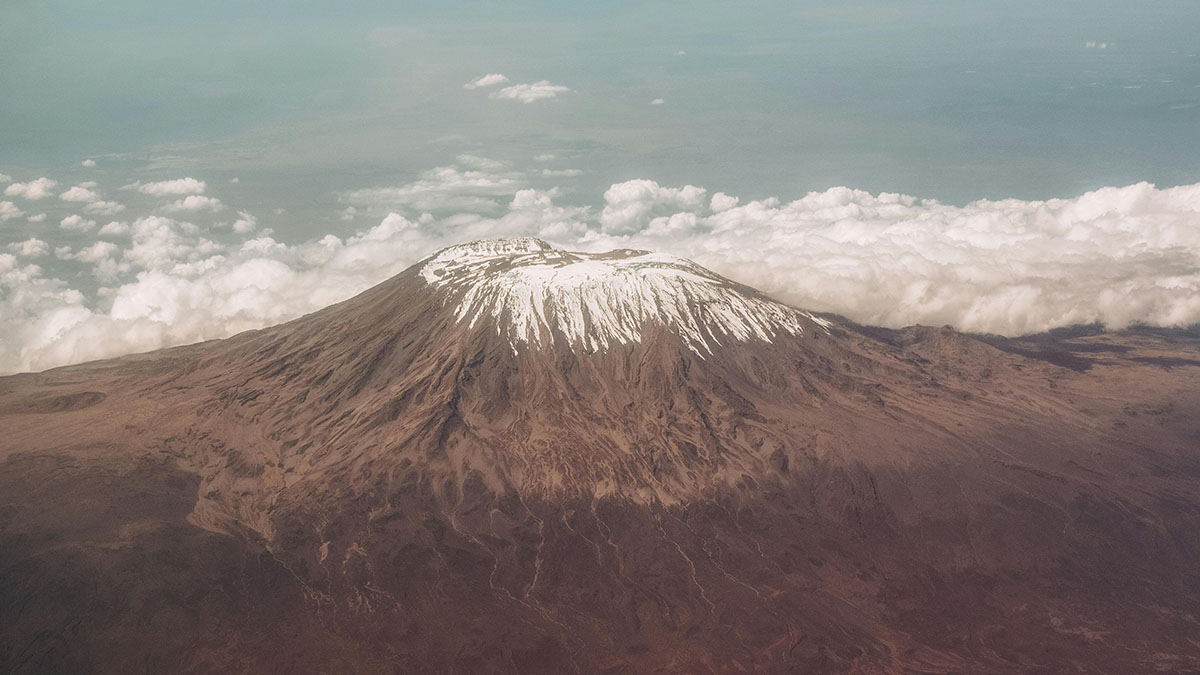
Mount Kilimanjaro is located in northern Tanzania, close to the Kenya border and near the town of Moshi. Unlike mountains that form part of a long range, Kilimanjaro rises alone from the surrounding plains, which is one reason it looks so dramatic from a distance.
 
Kilimanjaro is a dormant volcano made up of three main volcanic cones: Kibo, Mawenzi, and Shira. Kibo is the highest cone and contains Uhuru Peak, the summit of Kilimanjaro. Mawenzi is rugged and jagged, while Shira is the oldest cone and now forms a wide plateau.
 
This volcanic structure shaped much of the mountain’s terrain, including its crater area, ridges, scree slopes, lava formations, and high-altitude landscapes.
 
For a deeper explanation of how the mountain formed and how Kibo, Mawenzi, and Shira developed, read our Kilimanjaro Formation and Volcanic Cones guide.

Why Kilimanjaro’s Geography Matters for Climbers

Kilimanjaro’s volcanic structure affects the trekking experience. Climbers pass through changing terrain, from forest trails and open moorland to volcanic rock, scree, and summit ridges.
 
The mountain’s height also creates major altitude changes, which is why route choice and acclimatization matter. Before booking, it helps to compare Kilimanjaro routes so you choose an itinerary that fits your fitness, scenery preferences, and acclimatization needs.

History and Cultural Significance of Mount Kilimanjaro

Mount Kilimanjaro has deep cultural and historical importance, especially for communities living around its lower slopes. For the Chagga people and other nearby communities, the mountain is part of local identity, farming life, stories, and heritage.

Kilimanjaro also became internationally famous through early exploration, recorded summit attempts, and its status as Africa’s highest mountain. Today, it is both a natural landmark and a symbol of adventure for climbers from around the world.

This guide gives only a brief overview. For deeper background, read our Kilimanjaro History and Chagga Culture guide and our Kilimanjaro First Ascent article.
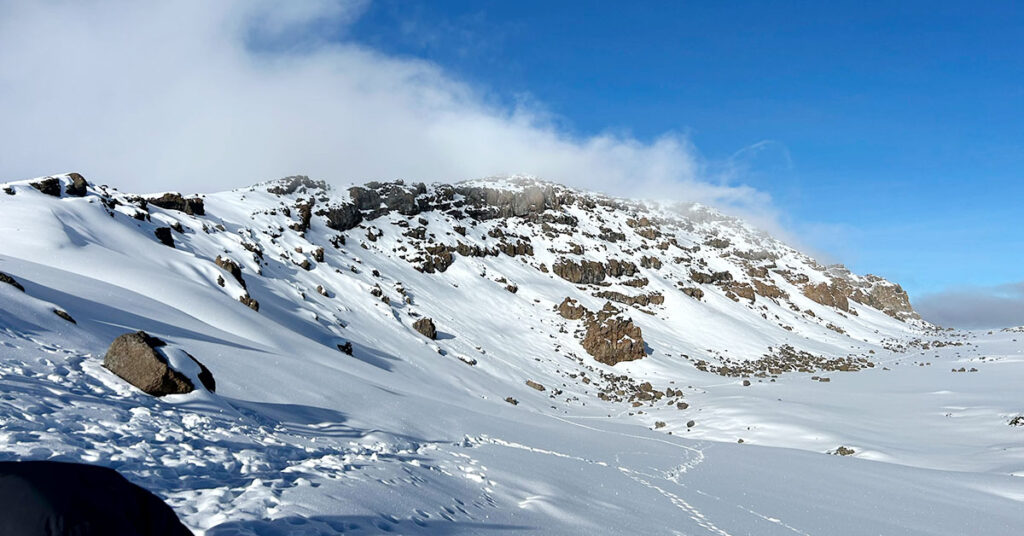
The final push—climbing toward the Roof of Africa

Trekking Routes to the Summit

Mount Kilimanjaro has several official trekking routes to Uhuru Peak, including Machame, Marangu, Lemosho, Rongai, Northern Circuit, Shira, and Umbwe.
 
Each route gives climbers a different experience. Some are more scenic, some are quieter, some allow more time for acclimatization, and some are shorter but more demanding. Route choice affects your daily walking rhythm, camp experience, crowd level, and how your body adjusts to altitude.
 
This overview guide will not explain every route in detail because each route deserves its own full breakdown. Before choosing, read our Kilimanjaro Routes Comparison guide to compare scenery, difficulty, route length, acclimatization profile, and who each route is best for.
 
Heading toward greatness—Mount Kilimanjaro awaits.

Challenges of Climbing Mount Kilimanjaro

Mount Kilimanjaro is a non-technical trek, but that does not mean it is easy. The main challenges are altitude, long trekking days, cold summit conditions, fatigue, and the need to keep a slow, steady pace for several days.

Most climbers do not struggle because the trail requires climbing skills. They struggle because the mountain is high, the air gets thinner, and the summit push is physically and mentally demanding.

The biggest challenges include:

  • High altitude above 5,000 meters
  • Cold temperatures near the summit
  • Long walking days
  • Summit night fatigue
  • Changing trail and weather conditions
  • Poor acclimatization on short itineraries
For a deeper breakdown of altitude risks, read our Altitude Sickness on Kilimanjaro guide. If you want to understand what makes the climb difficult overall, read our How Hard Is It to Climb Kilimanjaro? guide.

How to Prepare for a Kilimanjaro Climb

Preparing for Kilimanjaro means getting your body, gear, route choice, and mindset ready before you arrive in Tanzania. You do not need technical climbing skills, but you do need enough fitness for multi-day trekking, patience for altitude, and the right equipment for changing mountain conditions.

The most important preparation areas are:

  • Building hiking fitness and leg endurance
  • Choosing a route with enough acclimatization time
  • Packing proper layers for rain, wind, sun, and summit cold
  • Understanding altitude sickness symptoms
  • Breaking in your hiking boots before the trip
  • Preparing mentally for slow pacing and summit night

Do not treat Kilimanjaro like a normal day hike. The climb takes several days, and your body needs time to adjust as you gain altitude.

For detailed preparation, use our Kilimanjaro Training Guide, Kilimanjaro Packing List, and Acclimatization Tips on Kilimanjaro before your trek.

 
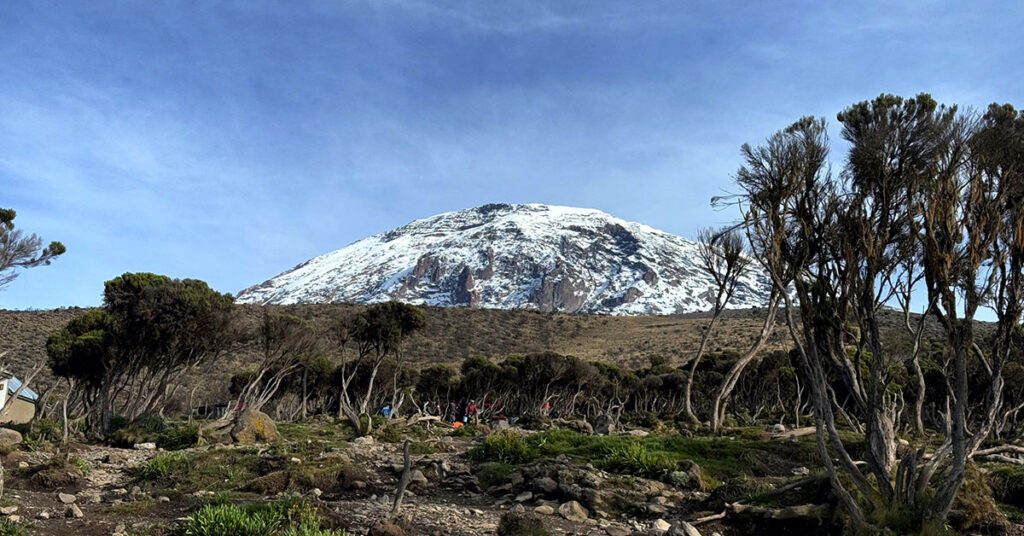
Morning views from Millennium Camp—Kilimanjaro standing proud.

Wildlife and Ecosystems on Mount Kilimanjaro

Mount Kilimanjaro is famous for its changing landscapes. As climbers move higher, the mountain shifts from cultivated lower slopes and rainforest to moorland, alpine desert, and the arctic summit zone.
 
The lower forest areas are the best places to see wildlife. Climbers may spot blue monkeys, black-and-white colobus monkeys, forest birds, and other small animals, although sightings are never guaranteed.
 
Higher on the mountain, wildlife becomes less common, but the landscape becomes more dramatic. Giant groundsels, open moorland, volcanic rock, dry alpine terrain, and icy summit views are all part of Kilimanjaro’s natural journey.
 
For a deeper breakdown of the mountain’s vegetation, altitude ranges, wildlife, and landscapes, read our Kilimanjaro Ecological Zones guide.

Safety and Support on Mount Kilimanjaro

Safety on Kilimanjaro depends on preparation, pacing, altitude awareness, guide experience, and the ability to respond quickly when conditions change.
 
Kilimanjaro is not a technical climb, but it is still a serious high-altitude trek. Climbers may face altitude symptoms, cold summit conditions, fatigue, dehydration, changing weather, and long trekking days. This is why choosing an experienced guide team matters.
 
At Kili Quests, safety support includes:


  • Experienced local mountain guides
  • Daily health checks during the climb
  • Pulse oximeter monitoring
  • Emergency oxygen support
  • Careful pacing for acclimatization
  • Clear communication with climbers
  • Emergency response planning when needed

Why Guide Experience Matters

A strong guide team does more than lead the trail. Guides monitor pace, watch for altitude symptoms, help climbers manage energy, and make practical decisions when weather, fatigue, or health concerns appear.

On Kilimanjaro, pushing too fast is not strength. Smart pacing, honest communication, and proper acclimatization are what protect the climb.

Travel Insurance for Kilimanjaro

Travel insurance is also important for Kilimanjaro because the climb takes place in a remote, high-altitude environment.
 
Climbers should choose insurance that covers high-altitude trekking, emergency evacuation, medical treatment, trip interruption, and lost or delayed baggage.
 
Do not buy a cheap policy without checking the altitude limit. Some policies exclude trekking above certain elevations, which can make them useless for Kilimanjaro.
 
For more detail, read our Kilimanjaro Travel Insurance guide before booking your climb
 
For altitude-specific safety, read our Altitude Sickness on Kilimanjaro guide and Acclimatization Tips on Kilimanjaro before your trek.

Why Climb Kilimanjaro With Kili Quests?

Choosing the right Kilimanjaro company matters because the climb is not just about reaching the trailhead. It is about route planning, acclimatization, safety, pacing, crew support, gear advice, and honest preparation before the trek begins.
 
At Kili Quests, we are a local Tanzania mountain team that helps climbers prepare properly and move steadily from the first trail day to the summit.
 
We support climbers with:
  • Local Kilimanjaro route advice
  • Private and small-group climb planning
  • Experienced mountain guides
  • Daily health checks during the trek
  • Emergency oxygen and pulse oximeter monitoring
  • Porter and crew support
  • Pre-climb preparation guidance
  • Clear communication before and during the climb

Local Knowledge From the Mountain

Kilimanjaro is our home mountain. Our guides understand how the routes feel, how weather changes, where climbers usually struggle, and why pacing matters from the first day.
 
That local knowledge helps climbers make better decisions before and during the trek.

Support Before You Arrive in Tanzania

 Good Kilimanjaro preparation starts before the climb. We help you understand route choice, packing, training, insurance, weather, and what to expect on the mountain.
 
This matters because many problems on Kilimanjaro begin before the trek starts: wrong route choice, poor gear, weak pacing expectations, or underestimating altitude.

A Climb Plan Built Around You

Every climber is different. Some need more time for acclimatization. Some want the most scenic route. Some want fewer crowds. Some are climbing for the first time and need more guidance.
 
Tell us your travel dates, fitness level, experience, and preferred route. We will help you choose a Kilimanjaro climb plan that fits your goals instead of forcing you into a one-size-fits-all itinerary.
 

Frequently Asked Questions About Mount Kilimanjaro

Where is Mount Kilimanjaro located?

Mount Kilimanjaro is located in northern Tanzania, near the border with Kenya. The mountain is close to the town of Moshi and is one of the most famous landmarks in East Africa.

How high is Mount Kilimanjaro?

Mount Kilimanjaro is 5,895 meters / 19,341 feet high. Its highest point is Uhuru Peak, located on the Kibo volcanic cone.

Is Mount Kilimanjaro a volcano?

Yes. Mount Kilimanjaro is a dormant volcano made up of three main cones: Kibo, Mawenzi, and Shira. Kibo is the highest cone and contains the summit, Uhuru Peak.
 
For a deeper explanation of the mountain’s volcanic history, read our Kilimanjaro Formation and Volcanic Cones guide.

Can beginners climb Mount Kilimanjaro?

Yes, beginners can climb Mount Kilimanjaro because it is a non-technical trek. You do not need ropes, ice axes, or advanced mountaineering skills.

But beginners should not underestimate the climb. Kilimanjaro still requires fitness, proper gear, slow pacing, acclimatization, and experienced guides.

For a full first-timer breakdown, read our Beginner’s Guide to Climbing Kilimanjaro.

How long does it take to climb Kilimanjaro?

Most Kilimanjaro climbs take 5 to 9 days, depending on the route and itinerary. Shorter climbs may look easier, but they give your body less time to adjust to altitude.

For most climbers, choosing the right number of days is a serious planning decision, not just a schedule choice.

For a full breakdown by route and itinerary length, read our How Many Days Does It Take to Climb Kilimanjaro? guide.

What is the best time to climb Mount Kilimanjaro?

The best time to climb Kilimanjaro is usually during the drier months from January to early March and June to October. These periods often offer better trail conditions and clearer views.
 
For a full month-by-month breakdown, read our Best Time to Climb Kilimanjaro guide.

Is Kilimanjaro dangerous?

Kilimanjaro is not a technical climb, but it is still a serious high-altitude trek. The main risks are altitude sickness, fatigue, dehydration, cold summit conditions, and changing weather.

Most risks can be reduced with good preparation, slow pacing, proper acclimatization, experienced guides, and honest communication during the climb.

For a full safety breakdown, read our Is Climbing Kilimanjaro Dangerous? guide.

Start Planning Your Kilimanjaro Climb With Kili Quests

Mount Kilimanjaro is more than Africa’s highest mountain. It is a journey through volcanic landscapes, changing ecosystems, local culture, altitude challenges, and the final push to Uhuru Peak.
 
The best climb starts with the right plan. Before you book, you need to understand your route options, how many days you need, what season fits your travel dates, what gear to bring, and how to prepare for altitude.
 
At Kili Quests, our local mountain team helps you plan your Kilimanjaro climb with clear advice, experienced guides, and honest preparation from the beginning.
We can help you:
  • Choose the right Kilimanjaro route
  • Decide how many days you need for your climb
  • Prepare for altitude and summit night
  • Understand weather, gear, and safety
  • Build a climb plan that fits your fitness, dates, and goals
Contact Kili Quests today and tell us your preferred travel month, fitness level, and route interest. We will help you plan a Kilimanjaro climb that is safe, realistic, and built around your goals.

Related Articles