Tanzania Visa: eVisa vs Visa on Arrival (Which Is Better?)

Table of Contents

Tanzania Visa: eVisa vs. On-Arrival Guide | Kili Quests

Planning a trip to Tanzania? Whether you’re climbing Mount Kilimanjaro, exploring Serengeti National Park, or relaxing on Zanzibar’s beaches, securing the right visa is one of the first — and most important — steps.
 
At Kili Quests, we’ve helped hundreds of trekkers and safari-goers through the visa process. In this guide, we break down the two main visa types available to travelers:
  •  Tanzania e-Visa (electronic application)
  • On-Arrival Visa (apply at the airport)
Let’s explore the pros, steps, and important details for each.
 
Trekking Rules Tourists Must Know – Be aware of Kilimanjaro and safari regulations before applying for your visa.

What Is a Tanzania Visa?

A Tanzania visa grants foreign travelers entry for tourism, business, or transit purposes. This applies to:
  • Kilimanjaro trekkers
  • Safari travelers
  • Visitors to Zanzibar or other national parks
Most nationalities need a visa — and there are two ways to get one.
 
Beginner’s Guide to Climbing Kilimanjaro – First-timer? Make sure your travel documents are in order before your trek.

Option 1: Tanzania e-Visa (Electronic Visa)

The eVisa is a modern, convenient way to get your Tanzania visa before traveling — all done online, without embassy visits.
 

How to Apply for an e-Visa:

1.Visit the Official Portal:

2.Complete the Form:
  • Provide travel dates, passport info, and contact details
3.Upload Documents:
  • Passport scan
  • Passport photo
  • Proof of travel or accommodation (recommended)
4.Pay Online:
  • Fees vary by nationality; payment is made via credit/debit card
5.Wait for Approval:
  • Takes around 7–10 business days
6.Print the e-Visa:
  • Bring a printed copy to show immigration on arrival
  •  
Top Safari Adventures – Don’t forget visa timing when planning your safari circuit.

Benefits of the eVisa:

  •  No waiting in airport queues
  • Apply from home
  • Peace of mind before flying

Option 2: Tanzania Visa on Arrival

If you didn’t apply for an e-Visa, you can still get a visa upon arrival at the airport.

 Where You Can Apply

  • Julius Nyerere International Airport (Dar es Salaam)
  • Kilimanjaro International Airport (JRO)
  • Zanzibar Airport 

Required Documents

  • Valid passport (6 months minimum)
  • Return flight confirmation
  • Proof of hotel or tour booking
  • USD cash for visa fee (rates vary by country)

What to Expect

  •  Wait in immigration line
  • Fill out visa forms manually
  • Pay in person and receive your visa on-site
Trip Payments Article – Check how long it takes for your booking deposit to reflect — it may affect your visa timing.

Downsides of the On-Arrival Visa

While convenient in theory, this option has some drawbacks:

  • Long Waits: Expect queues, especially during peak travel seasons
  • Uncertainty: Requirements may vary; missing documents could delay processing
  • Stressful After Long Flights: Not ideal after hours of travel

Which Visa Should You Choose?

Here’s a quick comparison of the Tanzania eVisa vs. On-Arrival Visa:
 
 1.e-Visa
  • Apply in advance from home
  • Minimal airport wait time
  • Fast, online application process
  • Best choice for most travelers
2.On-Arrival Visa
  • No advance application — apply at the airport
  • Long lines possible upon arrival
  • Manual paperwork at immigration desk
  • Best for last-minute or emergency travel only
Our Recommendation:
Choose the eVisa to save time, reduce airport stress, and avoid any surprises during immigration.

Frequently Asked Questions

Do I need a visa to travel to Tanzania?

Yes. Most international travelers need a visa to enter Tanzania for tourism, including those visiting for safaris, beach holidays in Zanzibar, or trekking Mount Kilimanjaro. The visa can be obtained online before travel or upon arrival at certain airports.

What is the difference between a Tanzania e-Visa and a visa on arrival?

A Tanzania e-Visa is applied for online before travel and approved electronically, allowing travelers to arrive with their visa already issued. A visa on arrival is obtained at the airport after landing, where travelers must complete paperwork and pay the visa fee at immigration.

How long does it take to get a Tanzania e-Visa?

A Tanzania e-Visa usually takes about 7–10 business days to be processed after submitting the application and payment through the official immigration portal.

Where can travelers get a visa on arrival in Tanzania?

Travelers can apply for a visa on arrival at major international entry points such as Kilimanjaro International Airport, Julius Nyerere International Airport, and Abeid Amani Karume International Airport.

What documents are required for a Tanzania tourist visa?

Travelers typically need a passport valid for at least six months, a passport photo, travel details such as flight information, and sometimes proof of accommodation or a tour booking.

Which visa option is better for visiting Tanzania?

For most travelers, the Tanzania e-Visa is the better option because it allows you to complete the process before traveling and helps avoid long immigration lines at the airport.

Ready for Your Tanzania Adventure?

Whether you’re trekking with us on Mount Kilimanjaro or planning a multi-day safari, getting your visa in order early is key to starting your trip right.
At Kili Quests, we’re here to help — from booking your tour to guiding you through the visa application process.

 Contact Kili Quests Today

  • Need help applying for your visa?
  • Have questions about the required documents?
  • Want to book your Tanzania adventure?

Related Articles

Mount Kilimanjaro Weather Guide: Climate & Trekking Tips

Plan Your Climb Around the Right Weather

 The right season and preparation can make your climb safer, easier, and more successful.

Plan Your Kilimanjaro Climb the Right Way

Weather is only one part of your success , your route, acclimatization, and preparation matter just as much.

OUR CATEGORIES

What You Need to Know About Tanzania: Mountain Weather and Climate | Kili Quests

Tanzania’s mountains offer one of the most unique trekking environments in the world , where you can walk through humid rainforest in the morning and reach freezing, arctic conditions just days later.If you’re planning to climb Mount Kilimanjaro or trek Mount Meru, understanding how weather changes with altitude is essential. Conditions on the mountain are not controlled by season alone. Elevation plays an even bigger role, with temperatures dropping rapidly as you climb higher.

Many climbers underestimate how extreme these changes can be. Warm temperatures at the base can quickly turn into freezing winds near the summit, and this shift is one of the reasons many trekkers research how hard Kilimanjaro really is before planning their climb.

Before choosing your dates, it’s important to understand the best time to climb Kilimanjaro, so you can match your trek with the most stable and favorable weather conditions.
Happiness is found between a smile and the next adventure

Tanzania’s Mountain Weather: Seasonal Overview

Tanzania has two main seasons, but mountain weather behaves differently due to altitude and terrain.

Dry Season (June – October)

This is the most popular period for trekking. Trails are generally dry, skies are clearer, and summit conditions are more stable.These months offer the best visibility and more predictable weather, which is why they are considered the best time for climbing , especially for first-time trekkers.

Short Rains (November – December)

Rainfall during this period is lighter and less consistent. Trekking is still possible, and trails are quieter, but lower elevations may be wet and humid.

Long Rains (March – May)

This is the least favorable time for trekking. Heavy rainfall makes trails muddy, slippery, and more physically demanding.Some routes are affected more than others during this season, which is why it’s important to compare Kilimanjaro routes before planning your climb.

Weather by Altitude on Kilimanjaro

Weather on Kilimanjaro changes dramatically as you ascend. Each zone has its own climate, and understanding these differences helps you prepare properly.

Tropical Zone (1,000m – 2,000m)

Temperatures range from 20°C to 30°C, with warm and humid conditions.This zone includes rainforest and farmland, where rain is more common  especially during wet seasons.

Temperate Zone (2,000m – 4,000m)

Temperatures range between 10°C and 20°C during the day, with cooler nights.
This is where most trekking takes place, and conditions are generally comfortable, especially on popular routes like Machame.

Alpine Zone (4,000m – 5,500m)

Conditions become harsher as temperatures drop between -5°C and 10°C. Days can feel hot due to strong sun, while nights become freezing.This is also where altitude begins to affect most climbers, making it important to understand altitude sickness on Kilimanjaro before your trek.

Arctic Zone (Above 5,500m)

This is the summit zone, where temperatures often fall below -10°C.
Strong winds, ice, and low oxygen levels make this the most challenging part of the climb. Proper layering and preparation are essential.Many climbers prepare for this stage by reviewing Kilimanjaro night temperatures, especially for summit night conditions.
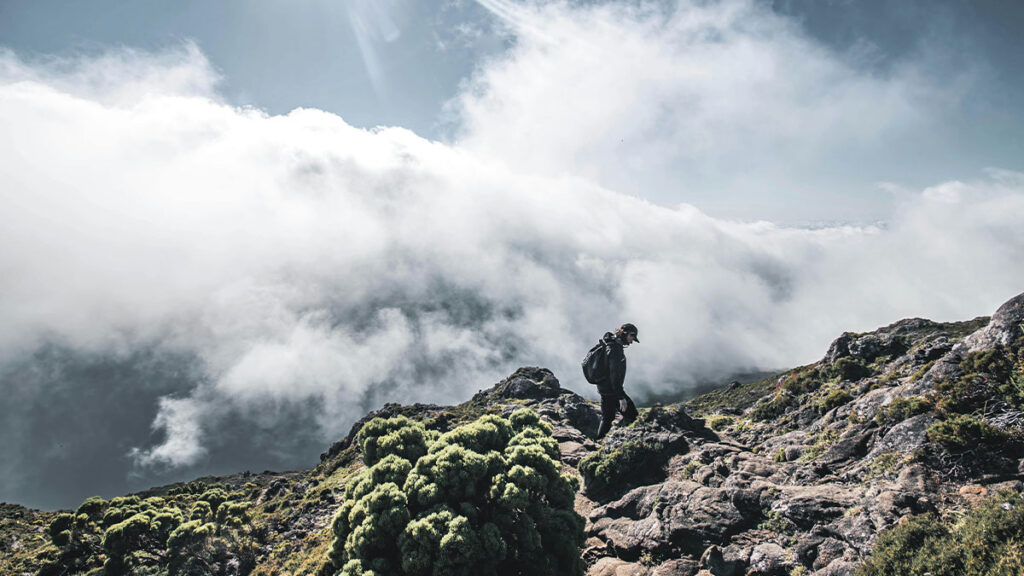
Long strides, cool air, and endless views — moorland magic on the trail.

How Weather Affects Climbing Conditions

Weather plays a major role in how your climb feels and how successful it is.

Trail Conditions

Dry weather creates stable, easy-to-walk trails. Rain makes trails slippery and increases physical effort.

Visibility and Experience

Clear skies offer better views and a more enjoyable trekking experience, while clouds and rain can limit visibility.

Physical Difficulty

Cold, wind, and rain all increase fatigue and make trekking more challenging.
Weather is one of the biggest factors affecting performance, and many climbers underestimate how much it contributes to overall difficulty when thinking about how hard Kilimanjaro really is.

How to Prepare for Mountain Weather in Tanzania

Preparation is essential to handle Kilimanjaro’s changing climate.

Dress in Layers

Layering allows you to adjust to temperature changes throughout the day:
  • Moisture-wicking base layer
  • Insulating mid-layer
  • Waterproof outer layer

Prepare for Summit Cold

Summit night is the coldest part of the trek. You will need:
  • Thermal gloves
  • Insulated socks
  • Down jacket
  • Face protection

Choose the Right Gear

Your gear must handle both rain and freezing temperatures.
 
Using a complete Kilimanjaro packing list helps ensure you are fully prepared for every condition you will face on the mountain.

Protect Against Sun Exposure

At high altitude, UV exposure is stronger. Sunglasses, sunscreen, and a hat are essential.

What Kili Quests Provides for Weather Preparation

 At Kili Quests, we prepare you for all mountain conditions before and during your climb.
  • Wilderness First Responder-trained guides
  • Pre-trek briefings based on real-time weather
  • Flexible itineraries when conditions change
This level of preparation improves safety and increases your chances of reaching the summit successfully.

Frequently Asked Questions

How does weather affect trekking in Tanzania?

Weather in Tanzania can change quickly, especially in mountainous areas. Trekkers may experience warm temperatures at lower elevations and freezing conditions near the summit. Understanding seasonal weather and altitude changes helps climbers prepare properly for their adventure.

How cold does it get on Mount Kilimanjaro?

Temperatures near the summit can drop to −10°C (14°F) or lower, especially during summit night. While lower slopes may feel warm and humid, the upper zones are extremely cold due to high altitude and strong winds.

What is the best season for mountain trekking in Tanzania?

The dry season from June to October is generally considered the best time for trekking because trails are drier and visibility is clearer. Another good period is January to March, when conditions are relatively stable and the skies are often clear.

Why does temperature change so much on Kilimanjaro?

Temperature changes mainly because of altitude differences. As climbers ascend higher on the mountain, the air becomes thinner and colder, causing temperatures to drop significantly between the rainforest base and the arctic summit zone.

What clothing should you bring for mountain weather in Tanzania?

Trekkers should pack layered clothing, including moisture-wicking base layers, warm insulating jackets, and waterproof outer shells. Gloves, thermal socks, and a down jacket are especially important for colder high-altitude conditions.

Can weather change quickly on Mount Kilimanjaro?

Yes. Weather conditions on Kilimanjaro can shift rapidly within a single day. Climbers may experience sunshine, rain, wind, or even snow at higher elevations, which is why proper gear and preparation are essential for a safe trek.

Be Weather-Ready, Be Adventure-Ready

Tanzania’s mountains offer spectacular views, rich ecosystems, and unforgettable summit moments , but only if you’re prepared for the weather.

 Contact us for route advice, weather planning, and expert guidance Come prepared, and summit with confidence

Related Articles

Mount Kilimanjaro Guide: Facts, Location & Overview

What Is Mount Kilimanjaro? The Ultimate Guide | Kili Quests

Mount Kilimanjaro—Africa’s tallest and most iconic peak
Mount Kilimanjaro is Africa’s tallest and most iconic peak — and a dream destination for trekkers worldwide. Standing at 5,895 meters (19,341 feet), it is not only the highest mountain in Africa but also the tallest free-standing mountain in the world.

At Kili Quests, we help adventurers like you climb to the top — safely, confidently, and with unforgettable memories.

This guide covers everything you need to know about Kilimanjaro, from its volcanic geography and trekking routes to history, ecosystems, and how to prepare for your climb.
 
 
10 Must-Know Facts About Kilimanjaro – Discover quick facts that every trekker should know before climbing.

Table of Contents

Geography & Volcanic Features of Mount Kilimanjaro

Located in northeastern Tanzania, near the Kenya border, Kilimanjaro is a massive dormant volcano made up of three cones:
  • Kibo: The tallest and home to Uhuru Peak
  • Mawenzi: Rugged and rarely climbed
  • Shira: The oldest and eroded cone
As you ascend, you’ll pass through five unique ecological zones, from lush rainforest to arctic summit — each with different views, temperatures, and wildlife.
 
UNESCO World Wonder Article – Explore Kilimanjaro’s global recognition and cultural importance.

History & Cultural Significance

Kilimanjaro has deep meaning for the Chagga people, who live around its base. The mountain is considered sacred, with myths of spirits and ancestral guardians.
  • First summit: Hans Meyer (Germany), 1889
  • Current spiritual value: Chagga and Pare tribes still perform rituals in sacred areas
  • Global importance: Kilimanjaro is a UNESCO World Heritage Site

Why Kilimanjaro Is Called ‘Kilimanjaro’ – Uncover the origin and meaning behind the mountain’s mysterious name.

The final push—climbing toward the Roof of Africa

Trekking Routes to the Summit

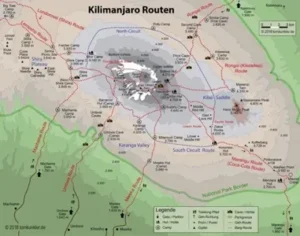
There are 7 main routes to Uhuru Peak — each with its own difficulty, scenery, and success rate. Kili Quests offers guided treks on all routes.
 
Popular Routes We Offer:
  • Machame Route: “Whiskey route” — scenic and popular
  • Marangu Route: “Coca-Cola route” — huts instead of tents
  • Lemosho Route: Gradual, quiet, and great for acclimatization
  • Rongai Route: Drier, remote trail from the north
  • Northern Circuit: Longest and best for acclimatization
  • Shira Route: High starting point, scenic but challenging
  • Umbwe Route: Steepest, for experienced trekkers only
Heading toward greatness—Mount Kilimanjaro awaits.

Challenges of Climbing Mount Kilimanjaro

While Kilimanjaro isn’t technical (no ropes or climbing gear), it’s still a tough trek — mainly due to altitude and temperature shifts.
 
Common Challenges:
  • Altitude sickness – risk starts above 3,000m
  • Summit night cold – temperatures drop to -10°C or lower
  • Fatigue – long trekking days require stamina
Understand how to adapt: Altitude Sickness on Kilimanjaro

How to Prepare for a Kilimanjaro Climb

 Preparation is key — here’s how to get ready:
 
Fitness & Training
  • Walk or hike regularly
  • Practice with a daypack on uneven terrain
  • Train at higher elevations if possible

Gear & Clothing
  • Layered clothing system
  • Waterproof hiking boots
  • Daypack, headlamp, thermal wear
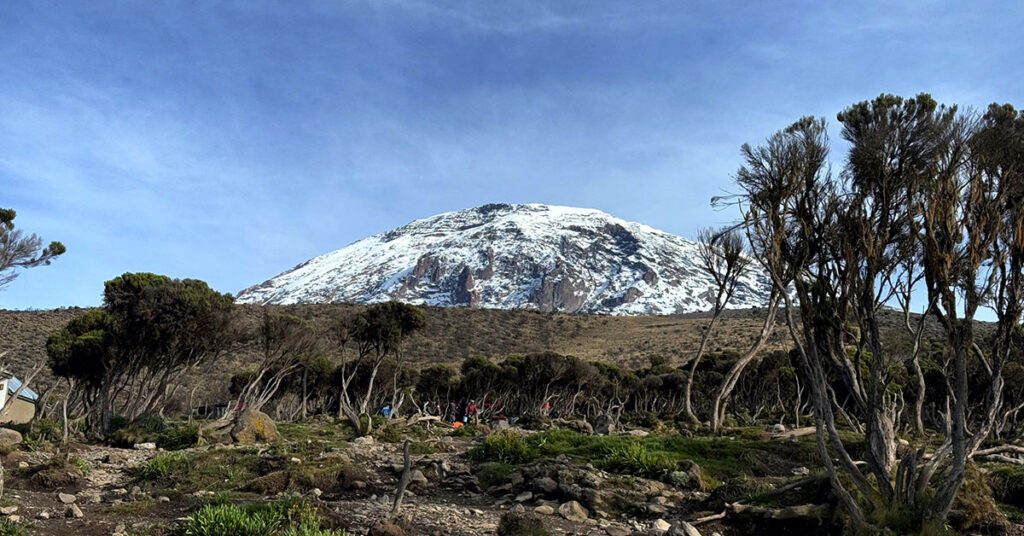
Morning views from Millennium Camp—Kilimanjaro standing proud.

 Wildlife & Ecosystems

Kilimanjaro’s five zones are home to diverse plant and animal life:
  • Rainforest zone: Blue monkeys, colobus monkeys, bushbucks
  • Moorland: Giant groundsels, lobelias
  • Alpine desert: Hardy shrubs and unique high-altitude flowers
  • Birds: White-necked ravens, eagles, sunbirds

Ecological Zones – Learn how Kilimanjaro’s unique climates change from rainforest to arctic summit.

Safety & Support

At Kili Quests, your safety is our top priority.
Our Safety Measures:
  • WFR-certified guides
  • Pulse oximeters & oxygen available
  • Emergency evacuation protocols
  • Porter support for carrying gear
  • Route flexibility in case of illness or weather

 Why Climb with Kili Quests?

We’re not just guides — we’re locals, mountain professionals, and passionate adventurers. When you climb with Kili Quests, you get:
  • Expert route advice
  • Small group or private trek options
  • Full preparation support
  • Transparent pricing and ethics
  • Cultural insights and Chagga heritage storytelling

Frequently Asked Questions

Where is Mount Kilimanjaro located?

Mount Kilimanjaro is located in northeastern Tanzania, near the border with Kenya. The mountain rises dramatically from the surrounding plains and is visible from many parts of northern Tanzania.

How high is Mount Kilimanjaro?

Mount Kilimanjaro stands at 5,895 meters (19,341 feet) above sea level. Its highest point is Uhuru Peak, located on the Kibo volcanic cone, making it the tallest mountain in Africa.

Is Mount Kilimanjaro a volcano?

Yes. Mount Kilimanjaro is a dormant stratovolcano made up of three volcanic cones: Kibo, Mawenzi, and Shira. Kibo is the highest and still considered dormant, while Mawenzi and Shira are extinct.

How long does it take to climb Mount Kilimanjaro?

Most Kilimanjaro treks take between 5 and 9 days, depending on the route chosen. Longer routes allow better acclimatization to altitude, which improves the chances of reaching the summit successfully.

What is the best time to climb Mount Kilimanjaro?

The best time to climb Kilimanjaro is during the dry seasons from January to March and June to October. These months usually offer clearer skies, more stable weather, and better trekking conditions.

Do you need technical climbing skills to climb Mount Kilimanjaro?

No. Kilimanjaro is considered a non-technical trek, meaning climbers do not need ropes or advanced mountaineering skills. However, good physical fitness, proper preparation, and experienced guides are important for a safe and successful climb.
 

Ready to Conquer Kilimanjaro?

Join the many climbers who have reached the Roof of Africa with Kili Quests.
From planning and packing to celebrating your summit — we’re with you every step of the way.


Related Articles