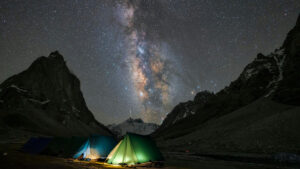
Prepare for Mountain Weather

Kilimanjaro weather can change fast. We help you understand what to expect and how to prepare for rain, wind, cold, sun, and trail conditions.

Plan Your Kilimanjaro Climb the Right Way

Weather is only one part of your success , your route, acclimatization, and preparation matter just as much.

OUR CATEGORIES

Kilimanjaro Weather Conditions: Rain, Wind, Clouds & Trails

Mount Kilimanjaro weather can change quickly during a climb. One moment the trail may be clear and dry, and later the same day you may face rain, mist, wind, cloud cover, or slippery ground.
This guide focuses on the weather conditions that affect your trek directly: rain, wind, clouds, visibility, muddy trails, and how those conditions change the way the climb feels. It is not only about choosing the best month. It is about understanding what the mountain can do while you are already on the trail.
Weather matters because it affects comfort, pace, safety, photography, gear choices, and mental strength. Dry conditions can make trekking smoother, while rain and wind can make the same route feel much harder.
If you want to choose the best month for your trek, read our Best Time to Climb Kilimanjaro guide. If you want to understand how cold Kilimanjaro gets at night, read our Mount Kilimanjaro Night Temperature guide. This article explains the weather challenges you may face during the climb and how to prepare for them.

Quick Answer: What Weather Should You Expect on Kilimanjaro?

Kilimanjaro weather can change quickly during a climb. The most common conditions trekkers face are rain, wind, clouds, mist, muddy trails, cold nights, and changing visibility.

Rain is more common on the lower slopes, especially in the rainforest section. Wind and cold become stronger higher on the mountain, especially near high camps and during summit night. Clouds and mist can appear at any time, reducing views and making the trail feel more demanding.
 
The best preparation is to pack for changing conditions, not just one type of weather. Even during drier months, climbers should bring waterproof gear, warm layers, trekking poles, sun protection, and proper footwear.
 
For choosing the best climbing month, read our Best Time to Climb Kilimanjaro guide. 
Weather Condition Where It Affects Climbers Most How It Changes the Climb How to Prepare
Rain Lower slopes, forest sections, and wetter months Creates muddy trails, wet clothing, slippery ground, and colder-feeling conditions. Bring a waterproof jacket, rain pants, pack cover, gaiters, and waterproof boots.
Wind Open moorland, alpine desert, high camps, and summit areas Makes temperatures feel colder, increases fatigue, and makes rest stops less comfortable. Use a windproof outer shell, warm gloves, hat, neck gaiter, and proper layering.
Clouds and Mist Forest, moorland, and mid-altitude sections Reduces views, photography conditions, and sometimes morale during long trekking days. Expect changing visibility and keep warm layers accessible during breaks.
Muddy Trails Rainforest sections, steep paths, and descent routes after rain Slows your pace, increases effort, and makes downhill sections harder on the knees. Use trekking poles, waterproof boots, gaiters, and walk slowly on slippery sections.
Strong Sun Moorland, alpine desert, and exposed high-altitude areas Increases sunburn risk, dehydration, and eye strain even when the air feels cool. Bring sunglasses, sunscreen, lip balm, a sun hat, and drink water regularly.
Cold Nights Higher camps and summit night Affects sleep, recovery, comfort, and summit-night energy. Use thermal layers, a down jacket, warm socks, gloves, and a cold-rated sleeping bag.
Happiness is found between a smile and the next adventure

Table of Contents

Main Weather Conditions Climbers Face on Kilimanjaro

Kilimanjaro weather is not just about dry season or rainy season. During the climb, the conditions that affect trekkers most are rain, wind, clouds, visibility, trail surface, and sudden weather changes.
 
These conditions can change how hard the trek feels, even on the same route. A dry trail may feel steady and manageable, while the same trail can become slippery, slow, and mentally tiring after rain.

Rain on Kilimanjaro

Rain is most common on the lower slopes, especially in the rainforest zone and during wetter months. When rain is light, it may only affect comfort. When it continues for hours, it can make trails muddy, clothing damp, and camps feel colder.
 
Rain affects climbers by:
  • Making trails slippery
  • Increasing mud on forest sections
  • Making boots and clothing wet
  • Reducing comfort at camp
  • Making the climb feel colder than expected
This is why waterproof gear is important even if you climb during a drier month.

Wind on Kilimanjaro

Wind becomes more noticeable as you climb higher and the landscape becomes more open. Exposed areas near high camps and the summit can feel much colder when wind is strong.
 
Wind affects climbers by:
  • Increasing cold exposure
  • Making rest stops uncomfortable
  • Drying out the skin and lips
  • Making summit night feel harder
  • Reducing body heat when you are already tired
Strong wind is one reason summit night can feel colder than the actual temperature. For a deeper cold-weather breakdown, read our Mount Kilimanjaro Night Temperature guide.

Clouds and Mist on Kilimanjaro

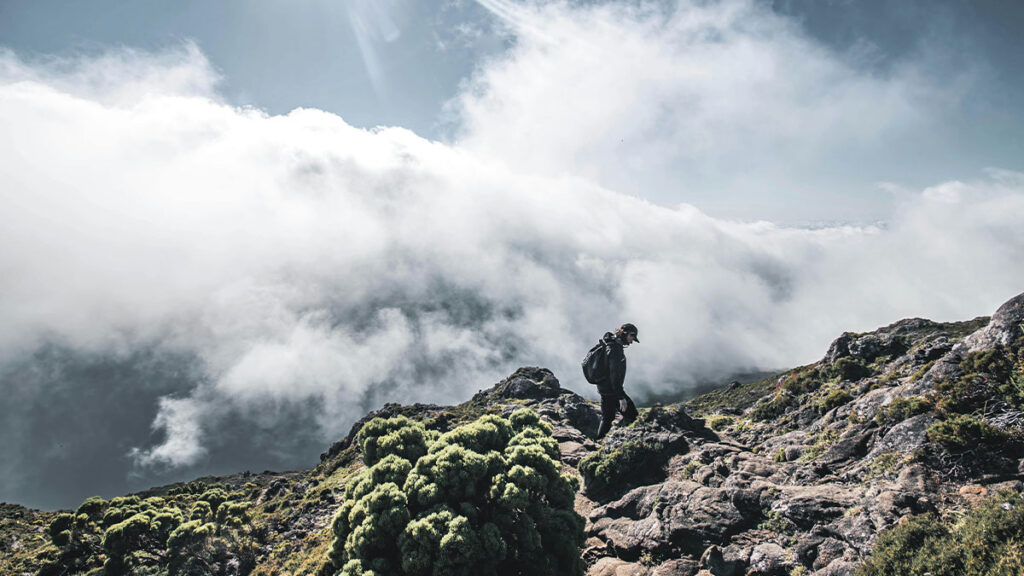
Clouds and mist are common on Kilimanjaro, especially in the forest and moorland sections. Some days may begin clear and become cloudy later, while other days may start misty and open up as you climb.
Cloud cover affects:
  • Mountain views
  • Photography
  • Trail visibility
  • Morale during long trekking days
  • The feeling of distance and progress
Clouds do not always mean bad weather, but they can reduce the views many climbers expect from Kilimanjaro.

Muddy and Slippery Trails

Trail conditions change quickly after rain. Forest trails can become muddy, rocks can become slippery, and downhill sections may require extra care.
 
Muddy trails affect climbers by:
  • Slowing walking pace
  • Increasing effort on steep sections
  • Making descents harder on the knees
  • Increasing the importance of trekking poles
  • Making waterproof boots more important
This is one reason weather preparation matters as much as fitness. A climber who is fit but poorly equipped can still struggle when conditions turn wet.

Visibility and Summit Views

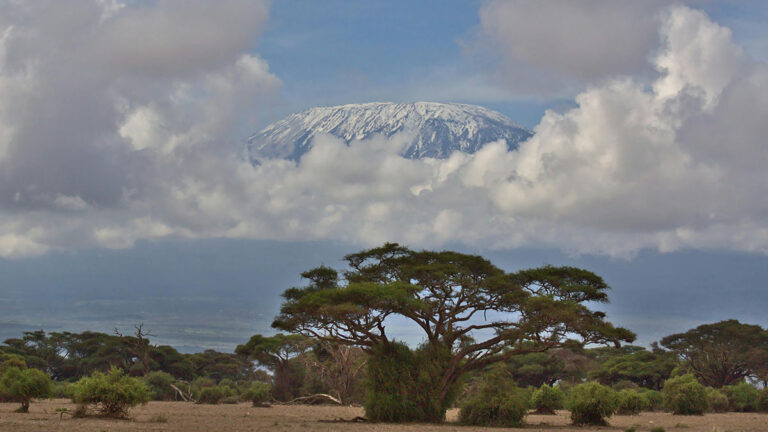
Visibility is one of the biggest differences between a smooth scenic climb and a frustrating weather experience. Clear weather gives better views of Mawenzi, Kibo, the crater rim, and the surrounding plains. Cloudy weather can hide the landscape for hours or even full sections of the trek.
 
Better visibility usually improves:
  • Photography
  • Route enjoyment
  • Morale
  • Summit views
  • The overall feeling of progress
For help choosing months with stronger visibility and drier trails, read our Best Time to Climb Kilimanjaro guide.

How Kilimanjaro Weather Changes as You Climb

Kilimanjaro weather changes with altitude, exposure, and terrain. Lower sections are usually warmer and wetter, while higher sections become colder, windier, drier, and more exposed.
 
This does not mean we should treat this article as a full ecological zone guide. The main point here is simple: the weather you feel on Kilimanjaro changes as your body moves higher up the mountain.

Lower Slopes: Wetter and More Humid

The lower slopes are usually warmer, greener, and more humid. Rain, mud, mist, and slippery ground are more common here, especially in forest sections and during wetter months.
 
Climbers should expect:
  • More moisture in the air
  • Higher chance of rain
  • Muddy trail sections
  • Mist and cloud cover
  • Warmer but damp conditions
This is where waterproof boots, rain gear, and pack protection matter most.

Middle Elevations: Cooler Air and Changing Clouds

As you climb higher, the air becomes cooler and the landscape becomes more open. Clouds may move quickly across the trail, and weather can shift between sunshine, mist, and wind within the same day.
 
Climbers should expect:
  • Cooler trekking conditions
  • Stronger sun when skies are clear
  • More noticeable wind
  • Cold evenings
  • Changing visibility
This is where layering becomes important. You may start the day cold, warm up while walking, then need extra layers again during rest stops.

Higher Mountain: Wind, Cold, and Exposure

Higher on Kilimanjaro, the weather becomes more exposed. Wind can make the cold feel stronger, and the lack of shelter makes rest stops less comfortable.
 
Climbers should expect:
  • Stronger wind
  • Colder nights
  • Drier air
  • More intense sun during clear days
  • Greater exposure near high camps and summit areas
At this stage, weather affects both comfort and performance. Cold and wind can increase fatigue, while dry air and strong sun can make hydration more important.

Summit Area: Fast-Changing and Harsh Conditions

Near the summit, conditions can feel severe even when the sky is clear. Summit night often combines cold, wind, darkness, fatigue, and low oxygen.
 
Climbers should expect:
  • Freezing conditions
  • Strong wind exposure
  • Possible snow or ice
  • Very cold rest stops
  • Rapid changes in visibility
This is why summit preparation should never be casual. For detailed cold-weather guidance, use our Mount Kilimanjaro Night Temperature guide and Kilimanjaro Summit Day Gear Checklist.
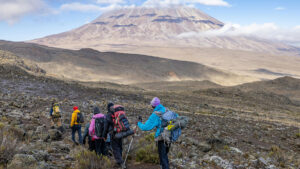
Long strides, cool air, and endless views — moorland magic on the trail.

How Weather Affects Your Kilimanjaro Climb

Weather can change how Kilimanjaro feels from one day to the next. The same route may feel manageable in dry conditions but much harder when rain, mud, wind, or cloud cover appear.
 
Weather does not replace the altitude challenge, but it can add extra stress to your body and mind. This is why climbers should prepare for changing conditions even during the drier months.

Weather Affects Your Walking Pace

Rain, mud, wet rocks, and slippery descents can slow your pace. When the trail becomes unstable, climbers need to walk more carefully, especially on steep or uneven sections.
 
A slower pace is not always bad on Kilimanjaro because steady movement helps with acclimatization. But difficult trail conditions can make each trekking day feel longer and more tiring.

Weather Affects Comfort and Morale

Wet clothing, damp boots, cold wind, and limited views can reduce morale. Many climbers underestimate this part. Kilimanjaro is not only a physical challenge; it is also a mental one.
 
Good weather can make the trek feel exciting and scenic. Poor weather can make the same day feel heavier, colder, and more repetitive.

Weather Affects Rest and Recovery

Cold, wet, or windy conditions can make camp life less comfortable. If your gear gets wet or you struggle to stay warm at night, recovery becomes harder.
 
This matters because each day on Kilimanjaro builds on the previous one. Poor sleep, cold nights, and damp gear can increase fatigue before summit night.

Weather Affects Safety Decisions

Experienced guides watch the weather closely because conditions can affect pace, visibility, trail safety, and summit timing.
 
Strong wind, heavy rain, or poor visibility may require adjustments to the daily plan.
 
This does not mean every weather change is dangerous. It means the guide team must stay alert and flexible.

Weather Affects What You Pack

Kilimanjaro packing should prepare you for changing mountain weather, not just sunny trekking days. Even if you climb in a drier month, you still need rain protection, warm layers, sun protection, and reliable footwear.
 
For a complete gear breakdown, use our Kilimanjaro Packing List before your trek

How to Prepare for Kilimanjaro’s Changing Weather

Preparing for Kilimanjaro weather is not about packing for one forecast. It is about preparing for a mountain that can feel warm, wet, windy, dusty, sunny, and freezing at different points of the same trek.
 
A common mistake is thinking, “I am climbing in the dry season, so I do not need serious rain gear.” That is weak preparation. Kilimanjaro can still bring rain, mist, wind, and cold even during better trekking months. The goal is not to pack heavily for every possible problem. The goal is to pack smart so weather does not control your climb.
Weather Challenge How It Affects Your Climb What to Prepare
Rain Makes trails muddy, clothing damp, and camp life colder. Waterproof jacket, rain pants, pack cover, dry bags, gaiters, and waterproof boots.
Wind Makes high camps and summit night feel much colder than the actual temperature. Windproof shell, warm hat, gloves, neck gaiter, and proper layering.
Cold nights Affects sleep, recovery, energy, and summit-night comfort. Thermal base layers, down jacket, warm socks, gloves, and a cold-rated sleeping bag.
Mud and slippery trails Slows your pace and makes descents harder on knees and balance. Broken-in waterproof boots, trekking poles, gaiters, and careful foot placement.
Strong sun Increases sunburn, dehydration, eye strain, and cracked lips at altitude. Sunglasses, sunscreen, SPF lip balm, sun hat, long sleeves, and enough water.
Clouds and mist Reduces visibility, hides views, and can make long trekking days feel mentally harder. Keep warm layers accessible, follow your guide’s pace, and prepare mentally for changing views.

Keep Essential Weather Gear Easy to Reach

Do not bury your rain jacket, warm layer, gloves, or sun protection deep in your duffel bag. Kilimanjaro weather can change during the day, so key items should be easy to access from your daypack.
 
Your guide team can help advise what to carry each morning, but the basic rule is simple: rain gear close, warm layer close, sun protection close, and water close.
 
For the full equipment breakdown, use our Kilimanjaro Packing List before your trek. For cold nights and summit conditions, read our Mount Kilimanjaro Night Temperature guide.

How Kili Quests Helps You Handle Kilimanjaro Weather

Weather preparation does not stop when you finish packing. On Kilimanjaro, conditions can change during the climb, so your guide team must know how to adjust pace, clothing advice, rest stops, and daily planning based on what is happening on the mountain.
 
At Kili Quests, we help climbers prepare before the trek and stay ready during the climb.

Pre-Climb Weather and Gear Briefing

Before your trek begins, our team reviews what weather conditions you may face based on your route, season, and itinerary. We also help you check whether your gear is suitable for rain, wind, cold, sun, and summit-night conditions.
 
This matters because many climbers bring good-looking gear that is not practical enough for Kilimanjaro. A jacket may be warm but not waterproof. Boots may be comfortable but not supportive enough for wet trails. Gloves may work at lower camps but fail on summit night.

Daily Guidance on What to Carry

Each trekking day is different. Some mornings may require rain gear close by, while other days may require sun protection, wind layers, or extra warmth during breaks.
 
Your guide team helps you decide what should stay in your daypack and what can go in your duffel. This helps you avoid carrying unnecessary weight while still keeping important weather gear accessible.

Pacing Adjustments When Weather Changes

Bad weather can slow the group down. Rain, mud, wind, or poor visibility may require a steadier pace and more careful foot placement.
 
Our guides focus on controlled pacing, especially when trails become slippery or when cold and wind increase fatigue. On Kilimanjaro, rushing through bad weather is not strength. It is poor decision-making.

Safety Awareness in Poor Visibility or Strong Wind

Cloud cover, mist, and wind can affect visibility and comfort, especially at higher elevations. Experienced guides monitor how the group is responding and make practical decisions about rest stops, clothing layers, and movement.
 
Weather does not always make a climb unsafe, but it does demand attention. The right guide team helps climbers stay calm, prepared, and steady when conditions change.

Support From Base to Summit

Kilimanjaro weather can test your patience, energy, and mindset. Our role is to help you stay prepared for each stage of the climb, from damp forest trails to windy high camps and cold summit conditions.
 
With Kili Quests, you climb with a local team that understands how mountain weather affects real trekking days, not just weather forecasts.

When Kilimanjaro Weather Becomes a Real Problem

Most weather changes on Kilimanjaro are manageable if you have the right gear, guide team, and mindset. A cloudy day, light rain, or cold wind does not automatically mean your climb is in trouble.
 
Weather becomes a bigger problem when several conditions happen together. For example, rain plus cold wind can make climbers lose warmth faster. Mud plus steep descents can slow the group and increase knee strain. Poor visibility plus fatigue can make summit night feel more mentally difficult.

Weather Problems Climbers Should Take Seriously

Pay attention when weather causes:
  • Wet clothing that does not dry
  • Cold hands, feet, or face that do not warm up
  • Slippery trails that slow the group too much
  • Poor visibility on exposed sections
  • Strong wind during summit night
  • Fatigue that becomes worse because of cold or damp conditions
These situations do not always mean the climb must stop, but they require smarter pacing, better layering, and close communication with your guide.

Why Guide Experience Matters in Bad Weather

A strong guide team does more than lead the trail. They watch how weather affects the group. If conditions become wet, cold, windy, or unclear, they help adjust clothing, pace, rest stops, and movement.
 
This is where local mountain experience matters. Kilimanjaro weather is not something to ignore, but it is also not something to fear if you are properly prepared and guided.

The Smart Rule for Kilimanjaro Weather

Do not prepare only for the weather you hope for. Prepare for the weather Kilimanjaro may give you.
 
That means keeping rain gear accessible, using proper layers, protecting your hands and face, staying hydrated, and listening to your guide when conditions change. A well-prepared climber can handle difficult weather far better than a climber who only packed for sunshine.

Frequently Asked Questions About Kilimanjaro Weather Conditions

What weather should I expect when climbing Kilimanjaro?

You should expect changing weather on Kilimanjaro. During the climb, trekkers may experience sun, rain, wind, clouds, mist, muddy trails, cold nights, and changing visibility.
 
The lower slopes are usually warmer and wetter, while higher sections become colder, windier, drier, and more exposed. This is why climbers need both rain protection and warm layers, even when climbing during a drier month.

Does it rain on Kilimanjaro during the dry season?

Yes, rain can still happen on Kilimanjaro during the dry season, especially in the lower forest sections. The dry season usually means less rain overall, not zero rain.
 
This is why waterproof gear is still important. A climber who ignores rain gear because they booked a dry-season trek is making a weak decision. Kilimanjaro weather can change quickly, and wet clothing can make the climb colder and more uncomfortable.

How does wind affect a Kilimanjaro climb?

Wind can make Kilimanjaro feel much colder, especially at high camps and during summit night. Even when the actual temperature is not extreme, wind can remove body heat quickly and make rest stops uncomfortable.
 
Wind also affects morale. A tired climber facing cold wind near the summit may feel the climb is much harder than expected. Proper layering, gloves, a warm hat, and a windproof shell are important.

Do clouds and mist ruin the views on Kilimanjaro?

Clouds and mist can reduce views, but they do not always ruin the whole climb. Kilimanjaro weather can shift during the day, so a cloudy morning may open into clear views later.
 
However, cloudy conditions can affect photography, visibility, and morale. If clear views are very important to you, choose your climbing month carefully and read our Best Time to Climb Kilimanjaro guide before booking.

Are Kilimanjaro trails muddy?

Kilimanjaro trails can become muddy, especially in the lower forest sections and during or after rain. Mud is more common in wetter months, but short rain showers can affect trails even outside the main rainy season.
 
Waterproof boots, gaiters, and trekking poles help a lot. Muddy trails slow your pace and make descents harder, so climbers should not treat footwear as a small detail.

What should I pack for Kilimanjaro weather?

You should pack for changing mountain weather, not one perfect forecast.
Important weather gear includes a waterproof jacket, rain pants, warm layers, windproof shell, gloves, hat, sun protection, waterproof boots, gaiters, and trekking poles.
 
For the complete gear list, use our Kilimanjaro Packing List before your trek.

Can bad weather stop a Kilimanjaro climb?

Most weather changes do not automatically stop a Kilimanjaro climb, but heavy rain, strong wind, poor visibility, or severe cold can affect pace, comfort, and safety decisions.
 
This is why experienced guides matter. A good guide team watches the group, checks the conditions, adjusts pacing, and helps climbers make smart decisions instead of pushing blindly through bad weather.

Prepare for Kilimanjaro Weather With Kili Quests

Kilimanjaro weather can change quickly, but it should not catch you unprepared. Rain, wind, clouds, muddy trails, strong sun, and cold nights are all part of the mountain experience. The goal is not to fear the weather. The goal is to prepare properly before it affects your comfort, pace, or confidence.
 
At Kili Quests, we help climbers understand what to expect before the trek begins. Our local guide team helps you prepare for changing mountain conditions, choose the right gear, and adjust during the climb when weather shifts.
 
Whether you are worried about rain, summit-night cold, slippery trails, or what to carry in your daypack, we can help you plan with confidence.
 
Contact Kili Quests today and tell us your route, travel month, and trekking experience. We will help you prepare for Kilimanjaro weather from the first trail day to the summit.

Related Articles