Plan Your Kilimanjaro Climb

Climb safely, legally, and with the right support team.

Plan Your Climb the Right Way

 The right preparation ensures a safe and successful Kilimanjaro experience.

OUR CATEGORIES

Kilimanjaro Trekking Rules Every Tourist Must Know | Kili Quests

Know Before You Climb: Kilimanjaro’s Official Trekking Rules

Planning to climb Mount Kilimanjaro? It’s not just about physical preparation , it’s also important to understand the government rules and regulations that apply to every climber. Tanzania’s Kilimanjaro National Park Authority (KINAPA) enforces strict guidelines to protect trekkers, porters, and the environment.Here’s what every tourist must know before beginning the journey to the Roof of Africa.
 
Before planning your trek, it’s important to understand how difficult Kilimanjaro really is and what to expect physically
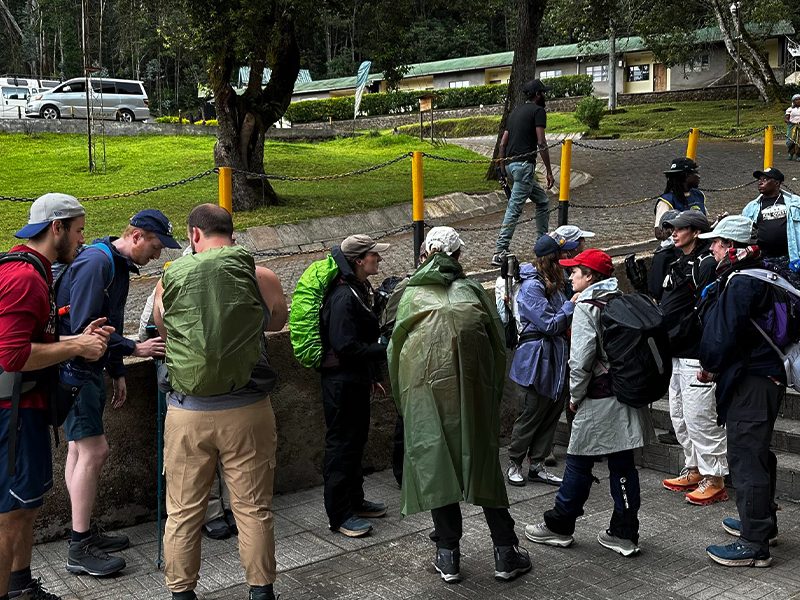
Trekkers registering at Kilimanjaro National Park gate before the climb
All climbers must register with a licensed tour operator before entering Kilimanjaro

Table of Contents

 You Must Climb with a Licensed Tour Operator

Independent trekking is not allowed on Mount Kilimanjaro. All climbers must book their trek through a registered tour operator licensed to operate inside Kilimanjaro National Park.

At Kili Quests, we operate legally under national park guidelines and organize climbs with licensed guides, proper crew support, safety equipment, meals, transport, and mountain logistics.

Choosing the right company matters because a proper Kilimanjaro package is more than just a guide fee. Before comparing prices, read Kilimanjaro Climb Cost to understand what a legal, properly supported climb should include.

A Certified Mountain Guide Is Mandatory

You cannot climb Kilimanjaro without a certified Tanzanian mountain guide. KINAPA requires each group to have at least one registered guide per group and often more depending on group size.All of our guides at Kili Quests are WFR-certified (Wilderness First Responder) and highly experienced in managing altitude and emergencies.
 
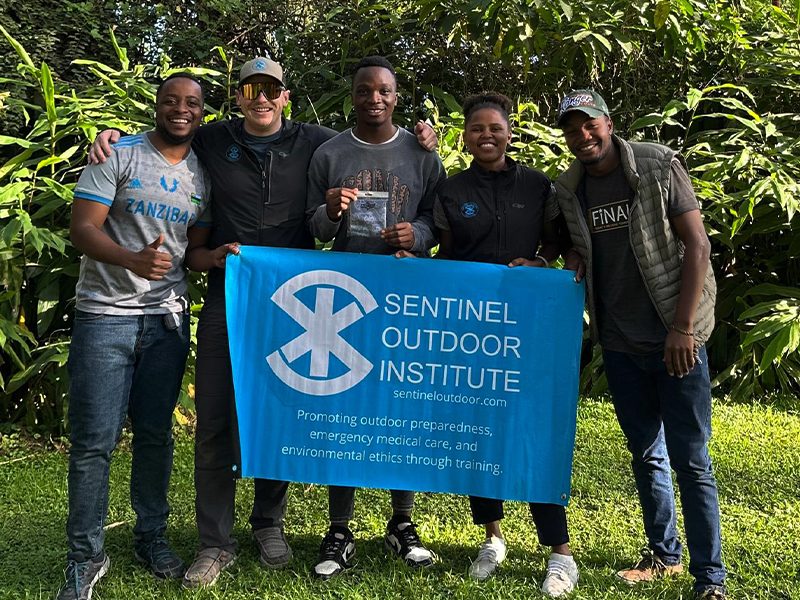
Kili Quests mountain guide attending Wilderness First Responder (WFR) certification course
Our Kilimanjaro guides are WFR-certified and trained to handle altitude-related emergencies

Camping and Hut Use Are Regulated

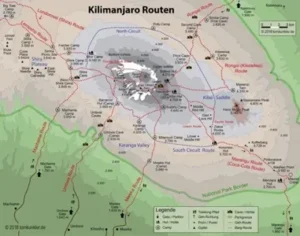
Each route has designated campsites or huts, and wild camping is strictly prohibited. For example:Marangu Route uses designated huts only Lemosho, Machame, Northern Circuit, and others use designated campsitesKINAPA rangers check park entry permits at each checkpoint to ensure all trekkers are on legal routes.
 
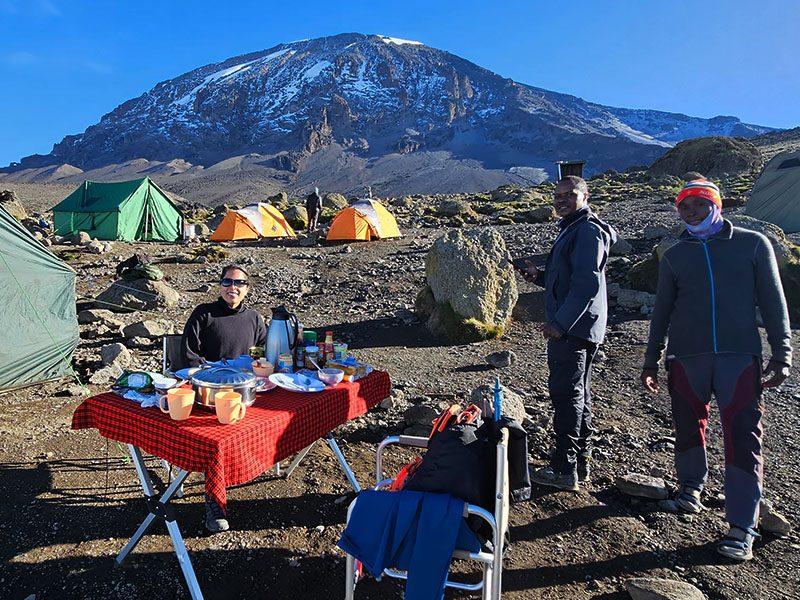
Trekkers enjoying breakfast at Karanga Camp on the Shira Route of Mount Kilimanjaro, with colorful tents and Kibo Peak in the background | Kili Quests
Karanga Camp (3,963m) offers a peaceful stop on the Shira Route, with hot breakfast, scenic campsites, and stunning views of Kibo’s icy slopes.

 Porter Weight Limits and Welfare Are Protected

Kilimanjaro’s porters are vital — and protected. KINAPA and KPAP (Kilimanjaro Porters Assistance Project) enforce the following rules:
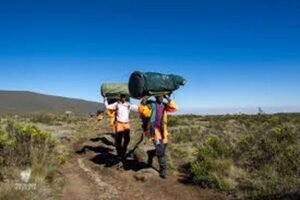
  • Porters can carry a maximum of 20 kg of client gear
  • Each trek must include enough porters for fair load distribution
  • Porters must receive proper meals, shelter, and fair wages

You Must Pay Kilimanjaro Park Fees Before Entry

Kilimanjaro park fees are paid before entering the national park and are normally included in your climb package through your licensed tour operator. These fees are required by Kilimanjaro National Park and are part of the legal cost of climbing the mountain.
Park fees may include:
  • Conservation fees charged per day
  • Camping or hut fees depending on the route
  • Rescue fees
  • Guide and crew park access
  • Value Added Tax (VAT)
Your entry is checked through official park registration and permit systems at the gate. This is one reason it is important to book with a licensed operator that handles park payments correctly and transparently.
 
Park fees vary depending on the route and number of days on the mountain. Before comparing packages, read Kilimanjaro Climb Cost to understand how park fees, route length, crew support, and VAT affect your total budget.

 Leave No Trace – Strict Environmental Rules

Tanzania is serious about protecting Kilimanjaro’s fragile ecosystem. Regulations include:
  • No littering — All waste must be packed out
  • No removing plants, rocks, or wildlife
  • Toilet use is regulated
Tour companies must carry out client and staff trash and follow “leave no trace” principles.
 

 Kilimanjaro Rescue Services Are Monitored

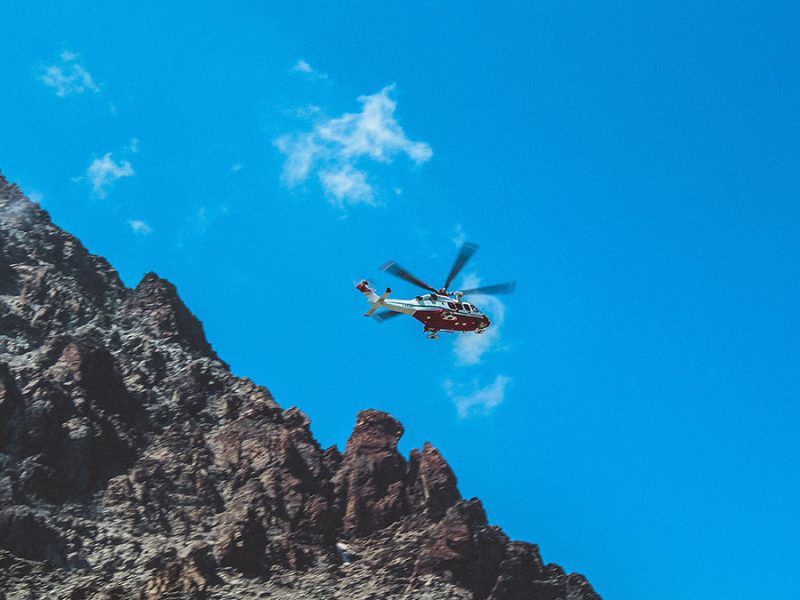
The park operates a dedicated rescue team, and Kilimanjaro SAR (Search and Rescue) provides helicopter evacuation in serious cases. However:
  • Evacuations require valid insurance
  • All emergencies must be reported through your guide
  • Rangers coordinate and monitor all rescue operations
At Kili Quests, we carry pulse oximeters, oxygen, and WFR-trained staff on every trek.
 
 
Rescue on Kilimanjaro is only possible with proper coverage, so it’s essential to have the right policy,learn how to choose the best medical insurance for Kilimanjaro before your trek.
Helicopter flying over Mount Kilimanjaro during an emergency evacuation
Kilimanjaro helicopter rescue for trekkers in emergency situations — valid insurance is required

Offenders Face Fines or Expulsion

Breaking the rules can lead to:
  • Fines
  • Expulsion from the mountain
  • Blacklisting for future permits
  • In serious cases, legal action


What You Need to Know

  •   You must use a licensed tour operator
  •  A certified guide is mandatory
  •  You must stay at official camps/huts
  •  Porters are protected and regulated
  •  Park fees must be paid in advance
  •  Littering and damage to the environment is strictly forbidden
  •  Rescue is available — but must be handled properly
  •  Breaking rules results in fines or expulsion

Frequently Asked Questions About Kilimanjaro Trekking Rules

Do you need a permit to climb Mount Kilimanjaro?

Yes. Every climber must obtain a permit issued by Kilimanjaro National Park Authority before entering Mount Kilimanjaro. These permits are arranged through licensed tour operators and include park entry, conservation fees, rescue coverage, and campsite or hut access. Without an official permit, trekkers cannot legally begin the climb.

Can tourists climb Mount Kilimanjaro without a guide?

No. Independent trekking is not allowed on Mount Kilimanjaro. Tanzanian park regulations require all climbers to be accompanied by a certified local mountain guide from a licensed tour company. This rule helps ensure climber safety, proper route management, and protection of the mountain environment.

Why are climbers required to use a licensed tour operator?

Licensed operators ensure that trekking groups follow national park rules, provide certified guides, and treat porters fairly. Authorities require tour companies to organize permits, pay park fees, and coordinate logistics so that all treks comply with safety and environmental regulations.

Are there rules protecting porters on Kilimanjaro?

Yes. Organizations such as the Kilimanjaro Porters Assistance Project work with park authorities to protect porter welfare. Porters are limited to carrying about 20 kg of gear and must receive proper meals, fair wages, and adequate shelter during the trek.

Is camping anywhere allowed on Mount Kilimanjaro?

No. Trekkers must stay only at designated campsites or huts depending on the route. For example, the Marangu Route uses mountain huts, while routes like Machame Route and Lemosho Route use official campsites. Wild camping outside these areas is strictly prohibited.

What happens if someone breaks Kilimanjaro trekking rules?

Violating park regulations can lead to fines, removal from the mountain, or cancellation of trekking permits. In serious cases, climbers or tour companies may be banned from future expeditions. These rules help protect both trekkers and the fragile ecosystem of Kilimanjaro National Park

Ready to Trek Responsibly?

At Kili Quests, we follow every regulation set by KINAPA and KPAP to ensure safe, legal, and ethical trekking. You’ll be guided by a professional team that respects the mountain, the people, and you.Choosing the right company is part of the rules , here’s how to find a licensed and ethical operat

Related Articles