What Does Kilimanjaro Mean? Name Origin & History
Climb Kilimanjaro with Local Guides Experience the mountain behind the name with local guides who understand its routes, history, culture, and summit challenge. Africa’s highest
| Chagga Culture Element | What It Means |
|---|---|
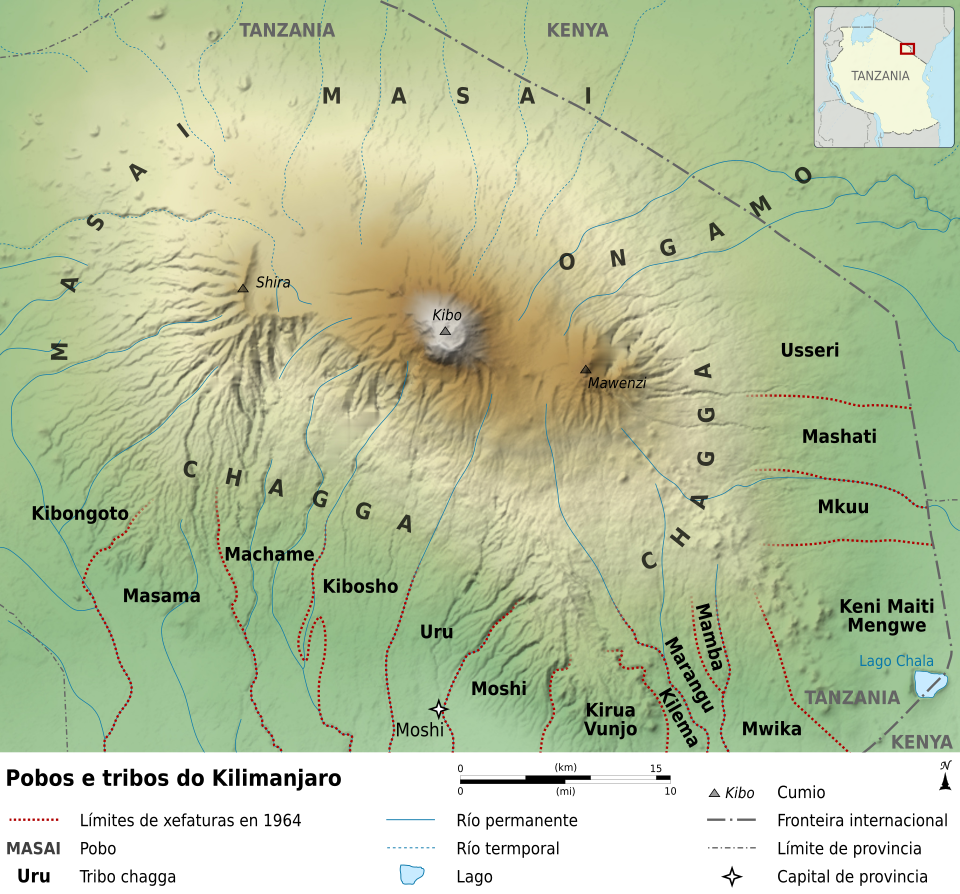
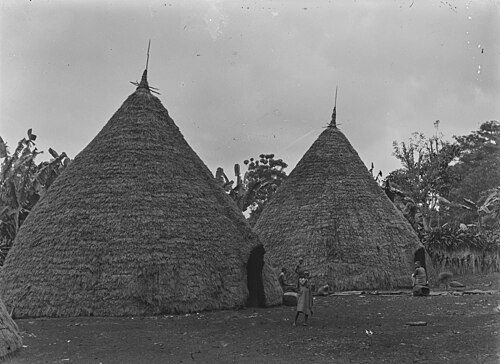
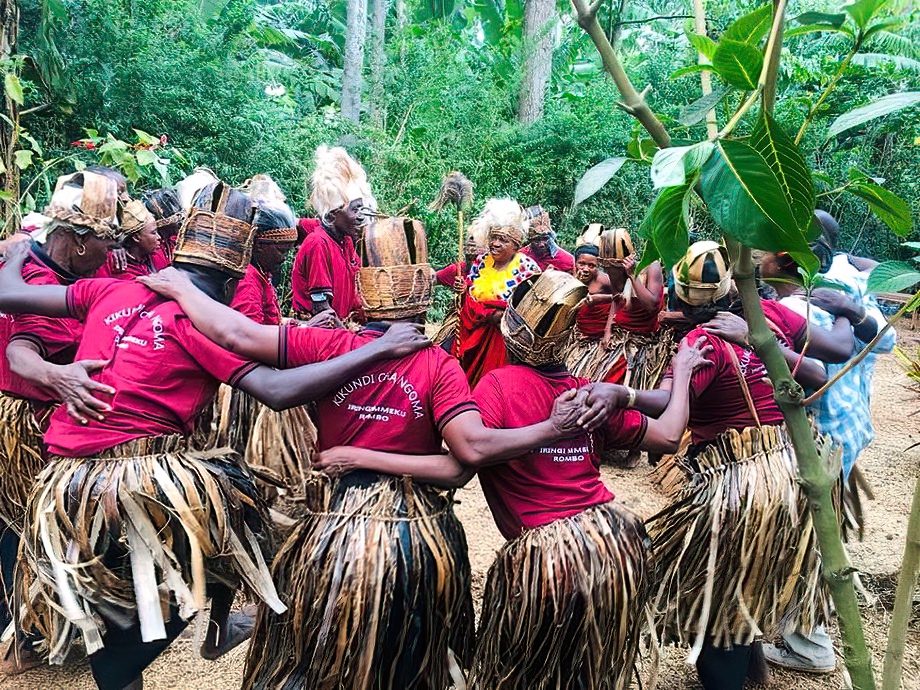
| Location | Chagga communities live around Mount Kilimanjaro’s slopes and foothills, especially near Moshi, Marangu, Machame, Rombo, Hai, and Siha. |
| Language | The traditional language is Kichagga, with different dialects depending on the area. Swahili is also widely spoken. |
| Farming | Bananas, coffee, beans, maize, yams, and vegetables are important crops grown on Kilimanjaro’s fertile slopes. |
| Food | Traditional foods include machalari, kiburu, and mbege, the well-known Chagga banana beer. |
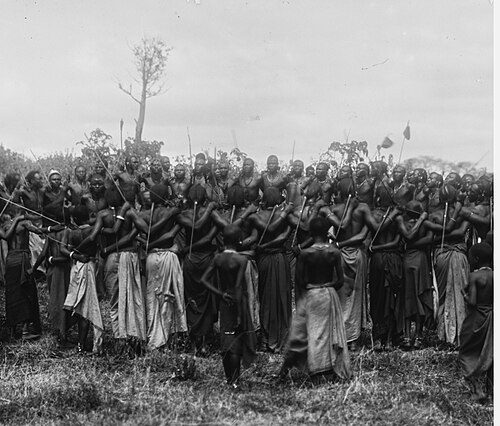
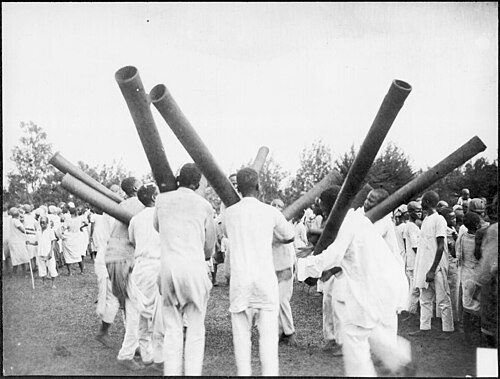
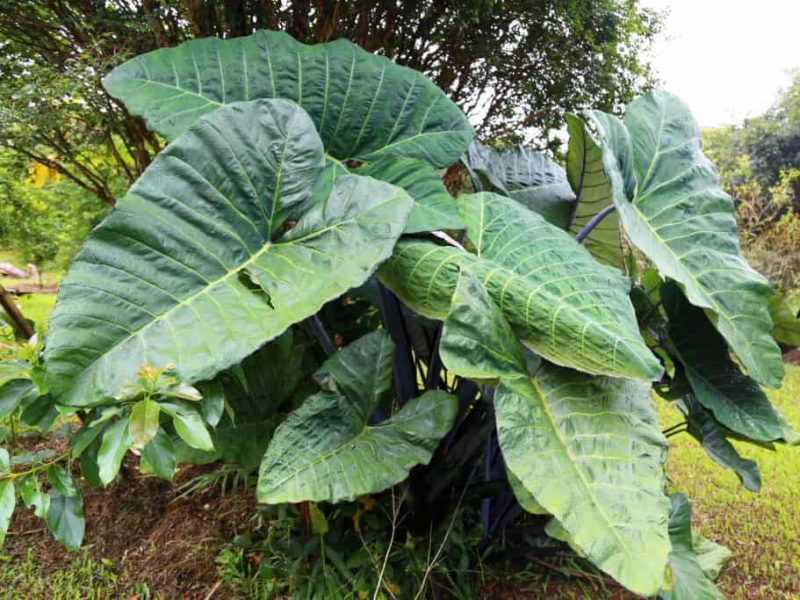
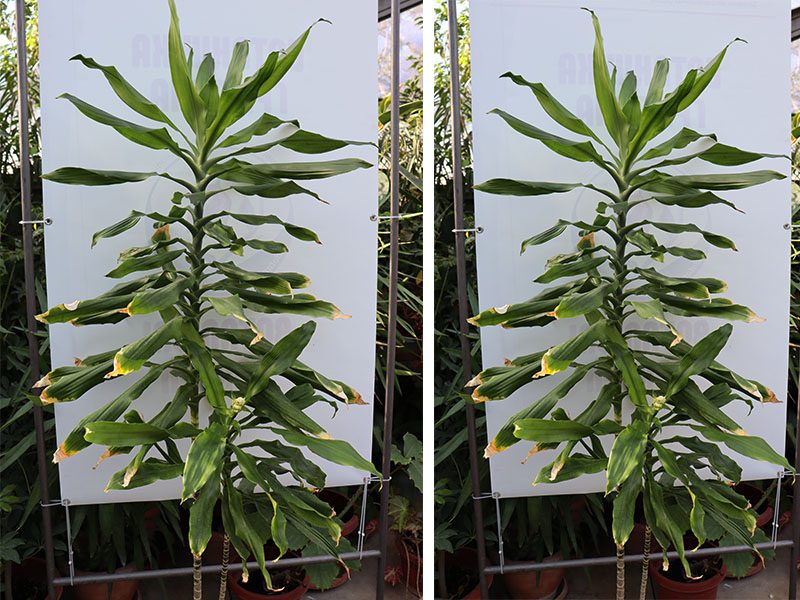
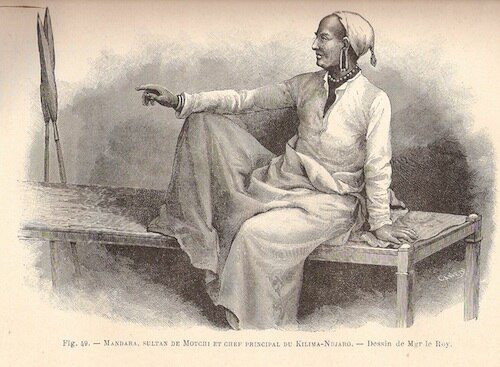
| Traditions | Family unity, land respect, ancestral roots, ceremonies, Masale plant symbolism, and local leadership are important cultural elements. |
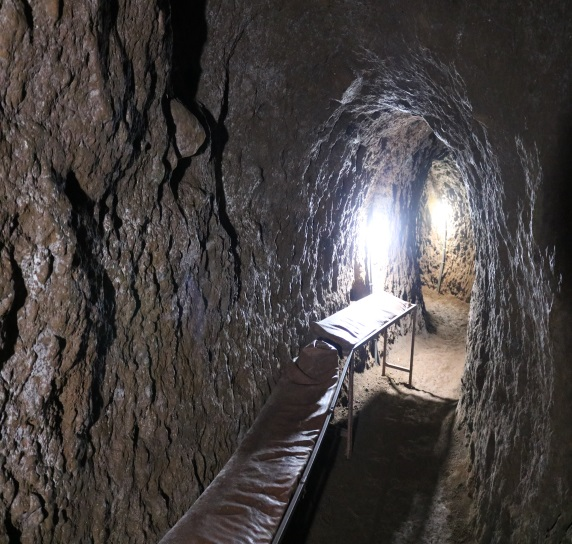
| Tourism | Visitors can experience Chagga culture through coffee tours, waterfalls, cave visits, local food, banana beer, and village walks. |
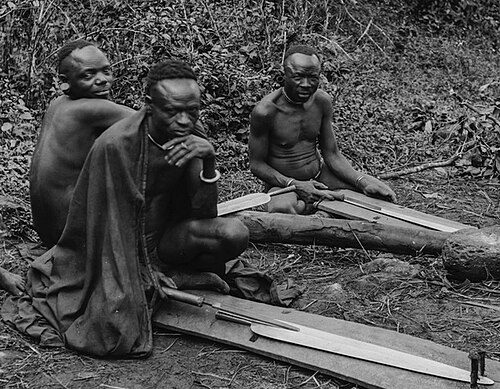
Farming is one of the foundations of Chagga culture. The fertile volcanic slopes of Mount Kilimanjaro support bananas, coffee, maize, beans, yams, vegetables, and other crops.
Many visitors add a Chagga cultural experience to their Kilimanjaro adventure. This can include:
Climb Kilimanjaro with Local Guides Experience the mountain behind the name with local guides who understand its routes, history, culture, and summit challenge. Africa’s highest

Stay Strong on the Mountain Fuel and preparation play a key role in your success on Kilimanjaro. Proper nutrition for every stage Safe meals at
Understand Your Kilimanjaro Team A successful climb depends on the people behind it. Fair porter support Experienced local guides Well-organized camps and logistics Plan Your