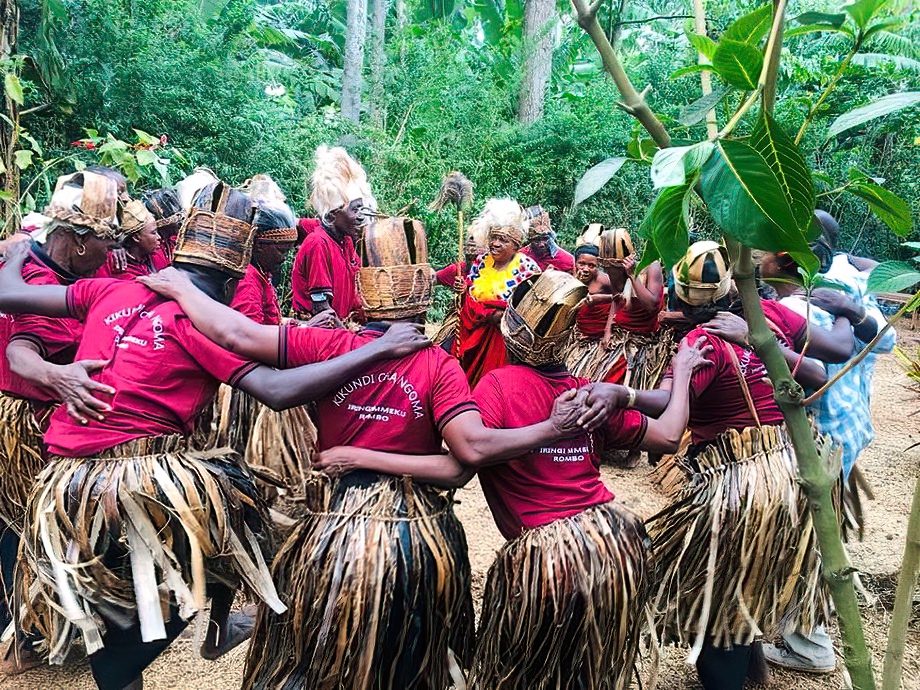
Chagga Culture: History & Traditions of Kilimanjaro

Experience Kilimanjaro Beyond the Summit

Experience the culture behind Kilimanjaro with local guides, village visits, coffee tours, waterfalls, caves, and Chagga stories that bring the mountain to life.

Related Kilimanjaro Culture Guides

OUR CATEGORIES

Chagga Culture: History & Traditions of Kilimanjaro

Mount Kilimanjaro is more than Africa’s highest mountain. It is also the homeland of the Chagga people, one of Tanzania’s best-known ethnic groups.
 
For generations, Chagga communities have lived around Kilimanjaro’s fertile southern and eastern slopes, especially near Moshi, Marangu, Machame, Rombo, Hai, and surrounding villages. Their culture is closely connected to farming, family land, banana and coffee cultivation, local language, traditional ceremonies, caves, food, and mountain life.
 
If you are climbing Kilimanjaro or visiting the Moshi area, learning about Chagga culture gives you a deeper understanding of the people, history, and local life around the mountain.
 
For the famous local guide story, read about Yohani Kinyala Lauwo and Kilimanjaro’s first recorded ascent.

Quick Answer: Who Are the Chagga People?

The Chagga people are a Bantu-speaking ethnic group from the Kilimanjaro Region of northern Tanzania. They live mainly around the slopes and foothills of Mount Kilimanjaro, especially near Moshi, Marangu, Machame, Rombo, Hai, and nearby villages.
 
Chagga culture is known for banana and coffee farming, Kichagga language, traditional food, banana beer, family land, local ceremonies, caves, strong community identity, and a deep connection to Mount Kilimanjaro.

Where Do the Chagga People Live?

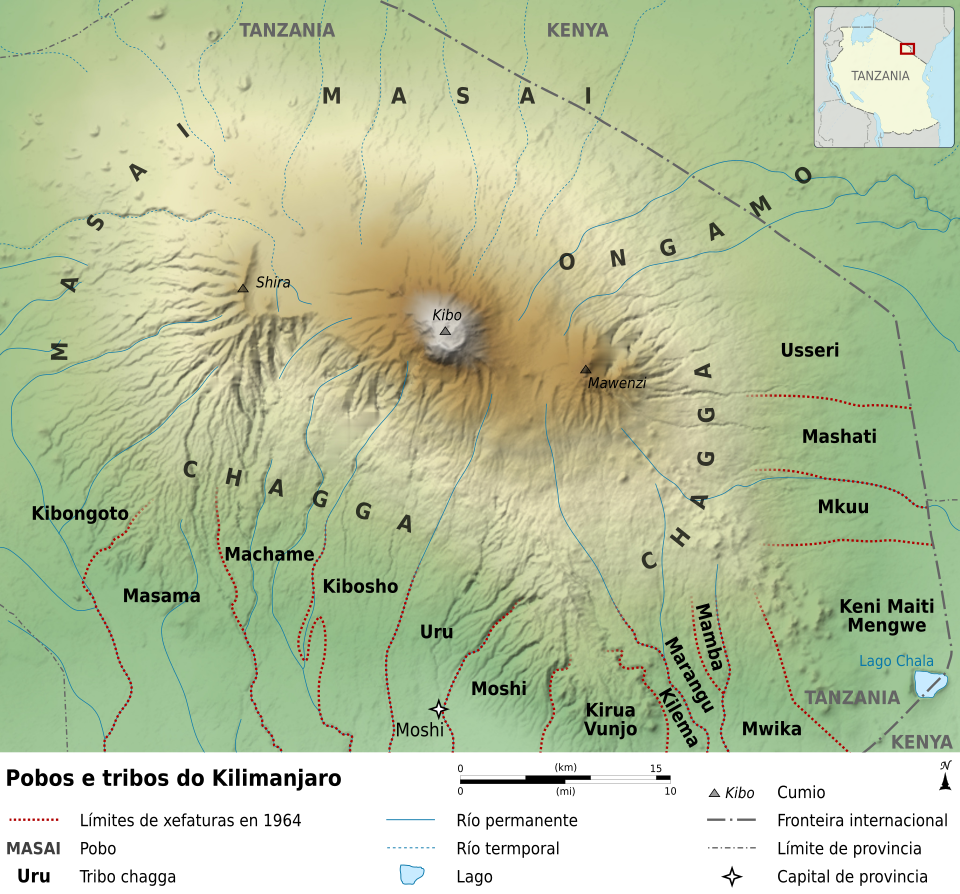
The Chagga people live mainly around the slopes and foothills of Mount Kilimanjaro in northern Tanzania. Important Chagga areas include Moshi, Marangu, Machame, Rombo, Hai, Siha, Old Moshi, and nearby villages.
 
These communities are closely connected to Kilimanjaro’s fertile volcanic soil, water sources, banana farms, coffee farms, and mountain tourism.
Chagga Culture Element What It Means
Location Chagga communities live around Mount Kilimanjaro’s slopes and foothills, especially near Moshi, Marangu, Machame, Rombo, Hai, and Siha.
Language The traditional language is Kichagga, with different dialects depending on the area. Swahili is also widely spoken.
Farming Bananas, coffee, beans, maize, yams, and vegetables are important crops grown on Kilimanjaro’s fertile slopes.
Food Traditional foods include machalari, kiburu, and mbege, the well-known Chagga banana beer.
Traditions Family unity, land respect, ancestral roots, ceremonies, Masale plant symbolism, and local leadership are important cultural elements.
Tourism Visitors can experience Chagga culture through coffee tours, waterfalls, cave visits, local food, banana beer, and village walks.

Table of Contents

Map of Mount Kilimanjaro highlighting areas inhabited by the Chagga people, including villages on southern and eastern slopes | Kili Quests
The Chagga people have lived on the fertile slopes of Kilimanjaro for generations, forming vibrant communities across the mountain’s southern and eastern sides.

Who Are the Chagga People?

The Chagga people are a Bantu-speaking ethnic group native to the Kilimanjaro Region of northern Tanzania. They are strongly connected to Mount Kilimanjaro’s southern and eastern slopes, where many Chagga families have lived, farmed, and built communities for generations.
 
Chagga people traditionally speak Kichagga, although the language has different dialects depending on the area, such as Marangu, Machame, Rombo, and other parts of Kilimanjaro. Today, most Chagga people also speak Swahili, and many people involved in tourism speak English.
 
Chagga identity is closely tied to land, farming, family, education, business, hospitality, and the mountain itself. Their history helps explain why Kilimanjaro is not only a climbing destination, but also a living cultural landscape.

Chagga Language and Identity

The traditional language of the Chagga people is Kichagga, but it is not exactly the same everywhere. Different areas around Kilimanjaro have their own dialects, including Marangu, Machame, Rombo, and other local variations.
 
Today, Swahili is the main everyday language across Tanzania, and many Chagga people also speak English, especially those working in tourism, education, and business.
 
Even with modern changes, Kichagga remains important for family identity, local stories, greetings, songs, place names, and cultural memory.
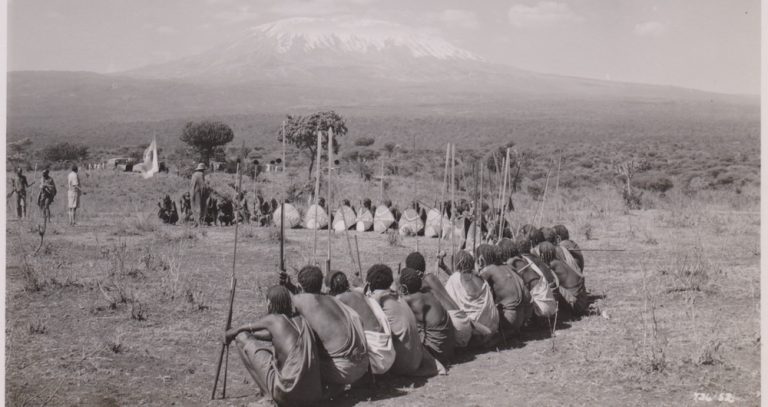
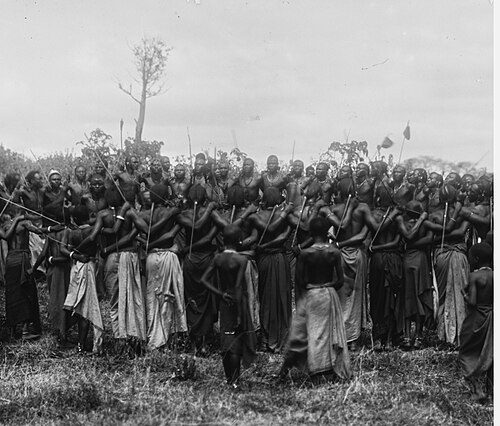
Chagga people performing a traditional dance during the 1990s in Kilimanjaro region | Kili Quests
Cultural pride in motion — this 1990s Chagga dance reflects deep-rooted heritage passed through generations.
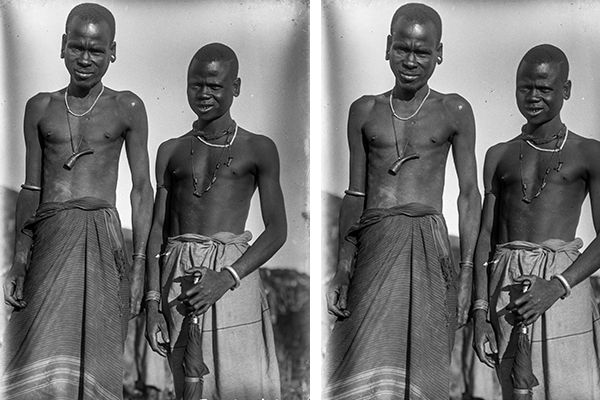
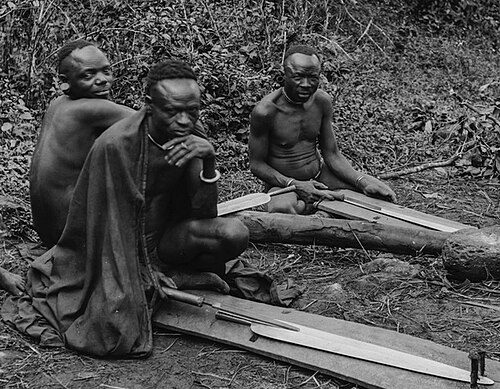
Members of the Chagga tribe near Mount Kilimanjaro in traditional attire
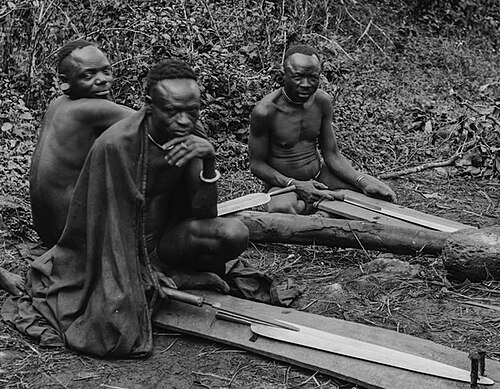
Skill passed through generations — Chagga spear makers keep ancestral craftsmanship alive with precision and pride

Traditional Life on the Slopes of Kilimanjaro

Traditional Chagga life has always been closely connected to the land. Many families lived in homesteads surrounded by banana groves, coffee trees, small gardens, and livestock areas.
 
The mountain’s volcanic soil and reliable water sources helped support productive farming systems. Families used the land carefully for food, shade, animal keeping, and household needs.
 
Important parts of traditional Chagga life include:
  • Banana farming for food and local drinks
  • Coffee farming as an important cash crop
  • Livestock keeping, especially cows and goats
  • Family land and inheritance
  • Local ceremonies and clan relationships
  • Respect for elders and ancestral roots
This connection between land, family, and farming remains one of the strongest parts of Chagga identity.

Chagga Farming: Bananas, Coffee, and Mountain Soil

Farming is one of the foundations of Chagga culture. The fertile volcanic slopes of Mount Kilimanjaro support bananas, coffee, maize, beans, yams, vegetables, and other crops.

Bananas are especially important. They are used for daily meals, traditional dishes, livestock feed, and local drinks. Around many Chagga homes, banana plants are more than crops; they are part of the household landscape.
 
Coffee also became a major part of Chagga life, especially during and after the colonial period. It helped many families earn income and became one of the most important crops around Kilimanjaro.
 
This farming system shows how closely Chagga culture is connected to the mountain environment. Kilimanjaro provides fertile soil, water, and a highland climate that has shaped local life for generations.
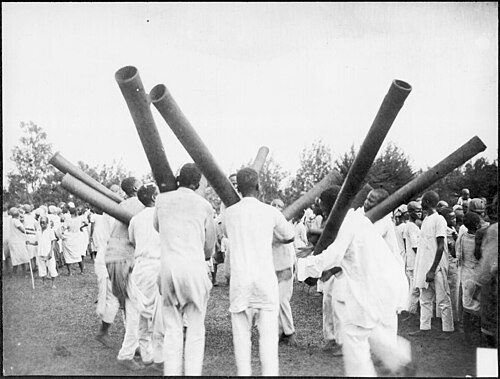
Chagga people performing a traditional dance during a harvest ceremony in the Kilimanjaro region | Kili Quests
A dance of gratitude — Chagga communities celebrate the harvest with rhythm, song, and ancestral joy.
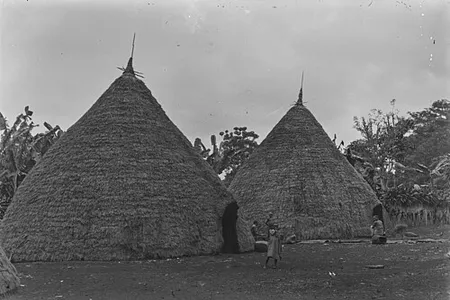
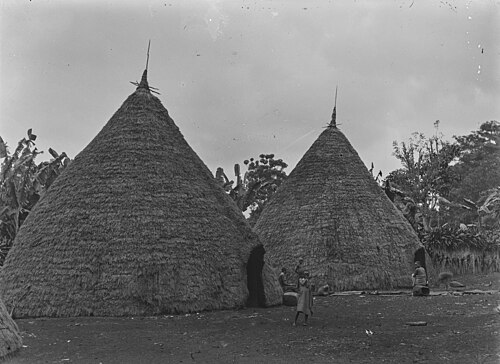
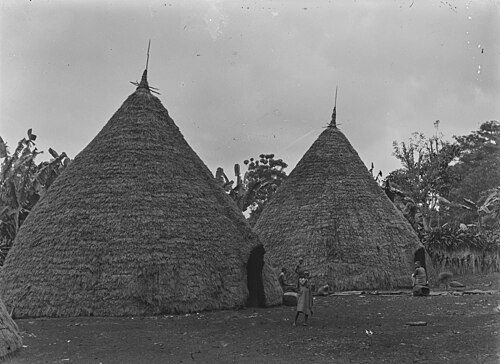
Historic Chagga house at Mangi Meli’s boma site in Old Moshi, Kilimanjaro region | Kili Quests
Mangi Meli’s boma — a cultural landmark honoring Chagga leadership and tradition.

Chagga Food and Banana Beer

Food is an important part of Chagga culture. Many traditional dishes are based on bananas, beans, yams, meat, milk, and local vegetables.
 
Common Chagga foods and drinks include:
  • Machalari , a banana and beef stew often served during family meals or special occasions
  • Kiburu , a traditional dish made with bananas, yam roots, soda ash, salt, and cooking oil
  • Mbege , traditional banana beer made from fermented bananas and millet
Mbege is one of the best-known traditional Chagga drinks. It is often connected to ceremonies, community gatherings, and cultural celebrations.
 
Visitors who join a Chagga village or cultural tour may have the chance to taste traditional food, learn how banana beer is made, or visit local farms where the ingredients are grown.
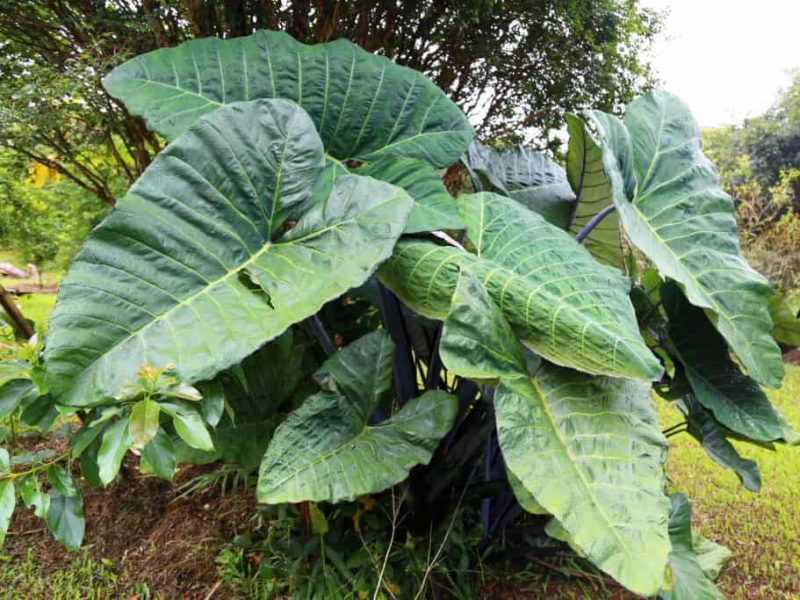
Large Colocasia yam plant with broad green leaves, grown near Mount Kilimanjaro. Known for its edible yam roots and similarity to taro plants.
This is a Colocasia plant, commonly grown by the Chagga people for its yam roots, which are used in traditional dishes like Kiburu. It belongs to the same plant family as taro, and they look very similar. However, the key difference is that taro plants often show a faded purple color in the leaf veins and produce taro roots, not yams.

Chagga Beliefs, Traditions, and the Masale Plant

Chagga culture includes deep respect for family, elders, land, ancestors, and community harmony. While many Chagga people today are Christian, traditional beliefs and ceremonies still carry meaning in some families, especially during weddings, funerals, reconciliation, harvest gatherings, and family rituals.
 
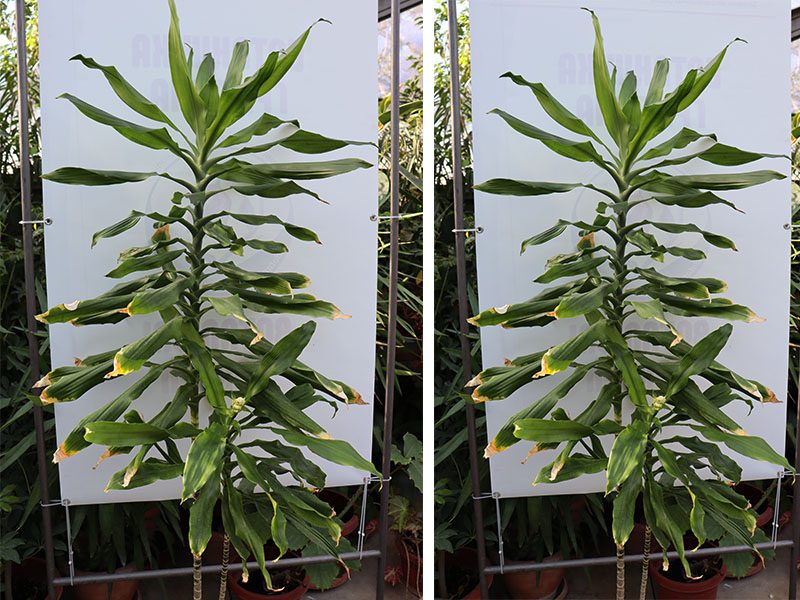
One important plant in Chagga tradition is Masale, known botanically as Dracaena fragrans. This plant has been used as a traditional land boundary marker and is respected as a symbol of peace, protection, and ancestral connection.
 
In some traditions, Masale is used during rituals together with items such as:
  • Mbege, traditional banana beer
  • Milk
  • Meat
  • Animal blood
  • Other symbolic offerings
Masale can also be used in reconciliation. A folded Masale leaf may be carried by someone seeking forgiveness, or by an elder speaking on their behalf. This act shows humility, respect, and the desire to restore peace.
 
These traditions show how Chagga culture values family unity, land respect, spiritual balance, and community harmony.

Chagga Caves and Local History

Chagga caves are an important part of local history around Kilimanjaro. In some areas, caves and underground spaces were used for protection during conflict, cattle raids, and periods of insecurity.

These caves could protect families, livestock, and food during dangerous times. Today, they are part of cultural tourism around Kilimanjaro, especially near places such as Marangu and Old Moshi.

Visiting Chagga caves with a local guide helps travelers understand that Kilimanjaro’s history is not only about climbing. It is also about survival, community defense, family history, and life on the mountain’s slopes.
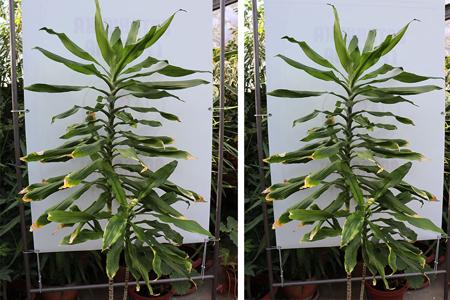
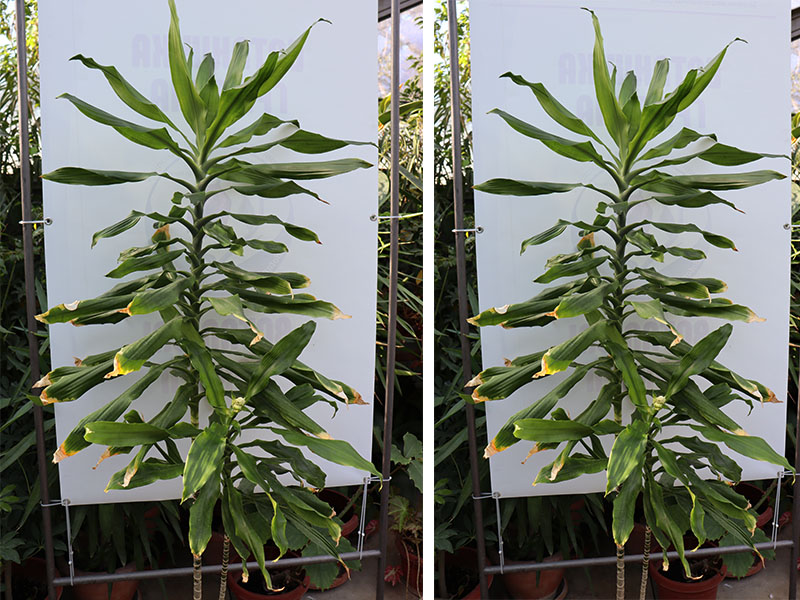
Masale plant (Dracaena fragrans) used in Chagga rituals and traditional land boundary marking in Kilimanjaro region | Kili Quests
Masale, or Dracaena fragrans, plays a sacred role in Chagga traditions — symbolizing peace, boundaries, and ancestral respect.

Traditional Chagga ceremonies serve

 important social and spiritual purposes:
  • Restoring Family Unity – Ceremonies cannot be held if family members are in conflict. Disputes must be resolved first, promoting peace and togetherness.
  • Encouraging Mutual Support – Ritual gatherings provide a space for relatives to share problems, offer solutions, and strengthen community bonds.
  • Spiritual Diagnosis and Guidance – Through ritual practice, the community seeks to identify ancestral displeasure or spiritual imbalance, and correct it through offerings and realignment.
  • Preventing Land Conflicts – By planting Masale as boundary markers, disputes are avoided, and land ownership is respected.
  • Promoting Unity Across Clans – These shared rituals reinforce the identity and cohesion of the Chagga people across different families and clan lineages.
 
At Kili Quests, we proudly carry these traditions forward, sharing authentic stories of Chagga life with those who visit Mount Kilimanjaro. Our heritage is not just something we remember — it’s something we live and honor through every journey we guide.

Chagga Leadership and Local History

Chagga history includes local leaders known as mangi, who played important roles in community leadership, land, conflict, trade, and relationships with neighboring groups.

Figures such as Mangi Meli and Mangi Mandara are remembered in Kilimanjaro’s local history. Their stories connect Chagga culture with leadership, resistance, diplomacy, and community identity around the mountain.
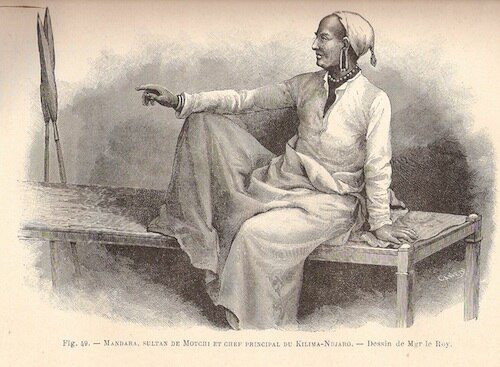
Historical portrait or representation of Mangi Mandara, the Chagga chief from Moshi known as the Sultan of the Chagga | Kili Quests
Mangi Mandara of Moshi — a respected Chagga leader remembered for diplomacy, leadership, and cultural unity.
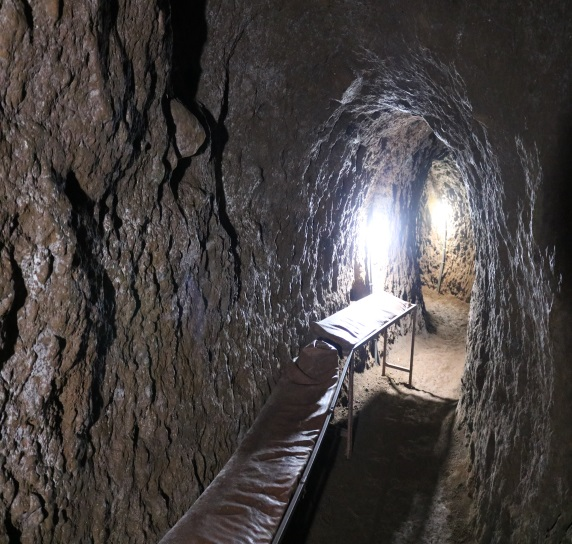
Entrance to an old Chagga cave used historically for protection and family shelter in the Kilimanjaro region | Kili Quests
Chagga caves, carved into the hillsides of Kilimanjaro, were used for protection during clan conflicts and colonial times — today they remain sacred sites of cultural memory and heritage.

Chagga Culture and Kilimanjaro Tourism

Chagga culture is closely connected to Kilimanjaro tourism. Many guides, porters, cooks, hotel workers, farmers, drivers, and local business owners around Kilimanjaro come from Chagga communities.

For travelers, cultural tourism offers a deeper experience beyond the summit. Around Moshi, Marangu, Materuni, Old Moshi, and nearby villages, visitors can experience:

  • Coffee farm tours
  • Waterfall visits
  • Chagga cave tours
  • Traditional food experiences
  • Banana beer demonstrations
  • Village walks
  • Local dance and music performances
These experiences help visitors see Kilimanjaro as more than a mountain. It is also a home, a farming landscape, a cultural landmark, and a source of livelihood for local communities.
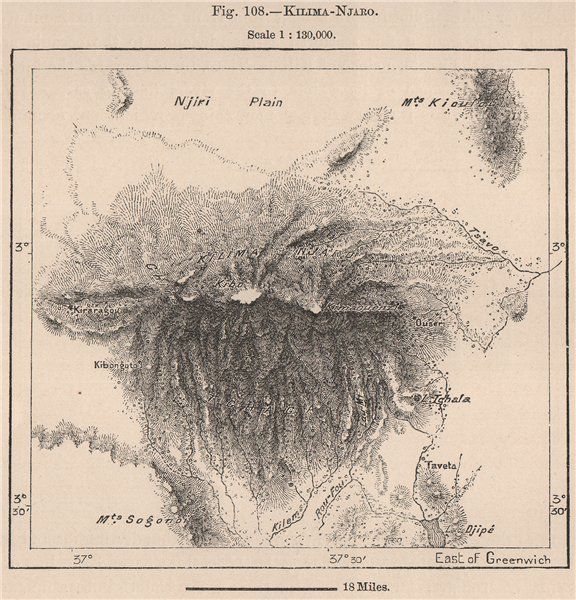
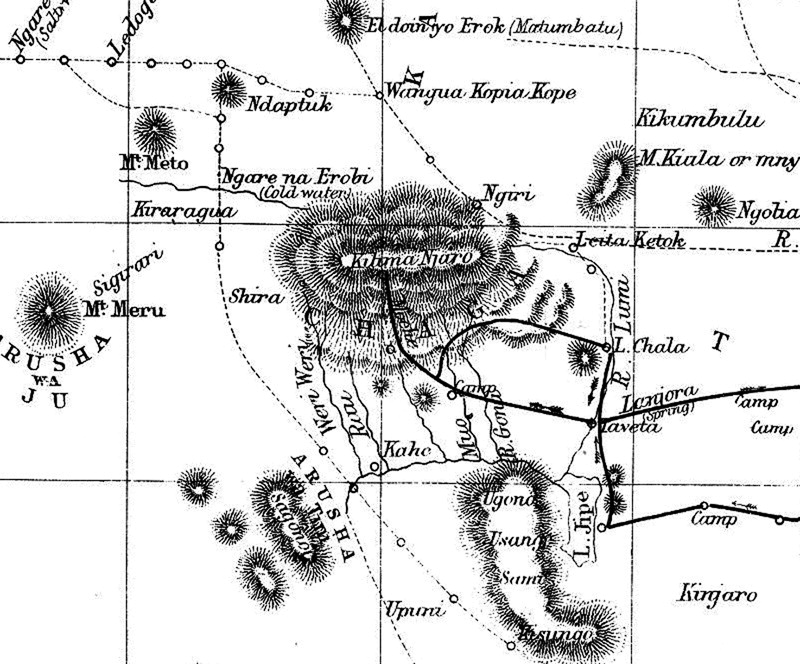
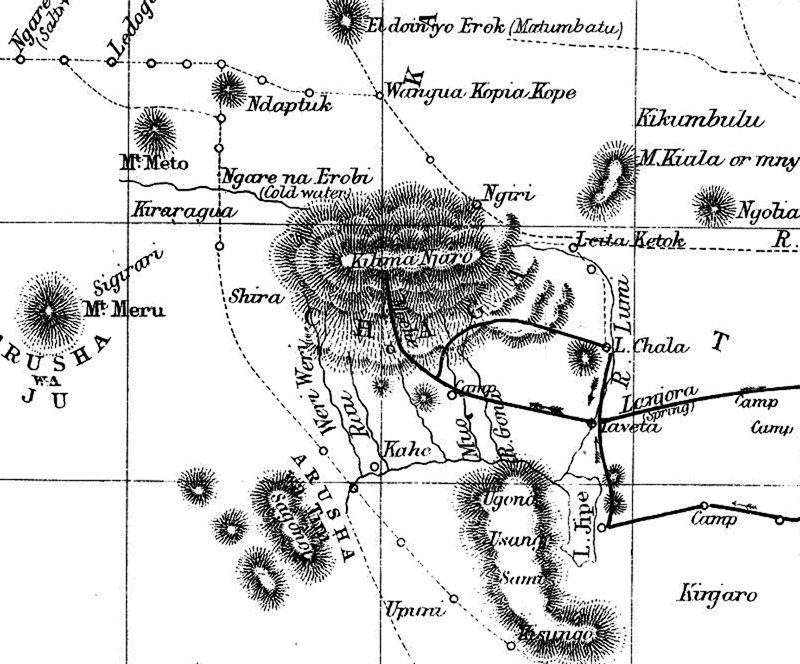
Hans Meyer 1889 map of Mount Kilimanjaro summit area
A look back in time — this 1990s Kilimanjaro map reflects how the mountain was explored, traveled, and understood decades ago.

Cultural Tourism & Village Tours

Many visitors add a Chagga cultural experience to their Kilimanjaro adventure. This can include:

  • Visiting traditional Chagga homes or caves once used during tribal wars
  • Learning the banana beer brewing process
  • Exploring Materuni ,Marangu Village (with waterfalls and coffee tours)
  • Enjoying local meals and dance performances
These tours are respectful, immersive, and often led by community members themselves.
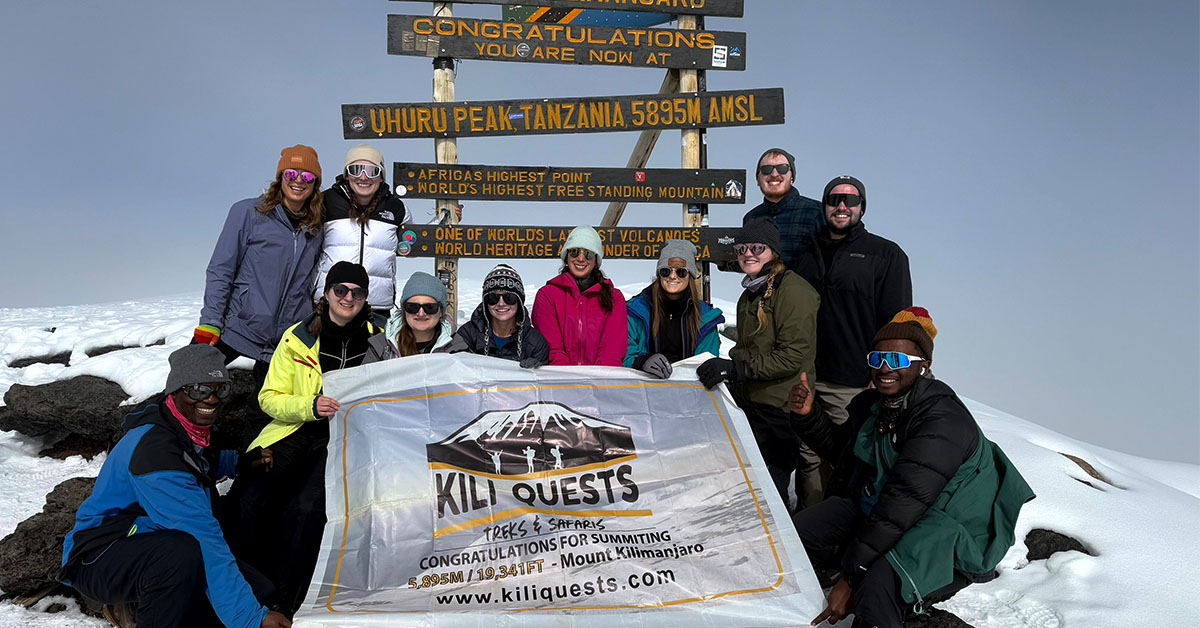
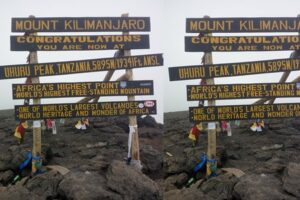
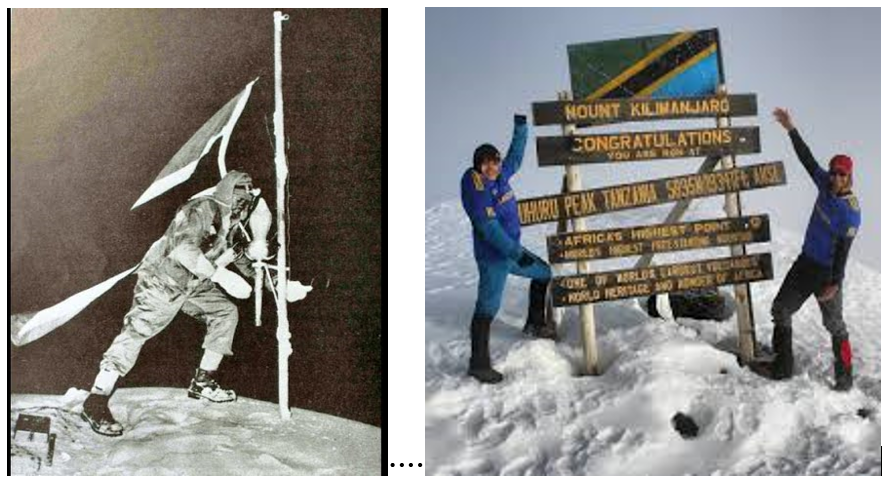
Split image showing the first Tanzanian man raising the national flag on Mount Kilimanjaro and a modern tourist at Uhuru Peak Kili Quests
On the left, the first Tanzanian to raise our national flag on Mount Kilimanjaro after independence. On the right, a modern tourist stands at Uhuru Peak — both moments united by pride, legacy, and the spirit of the mountain.
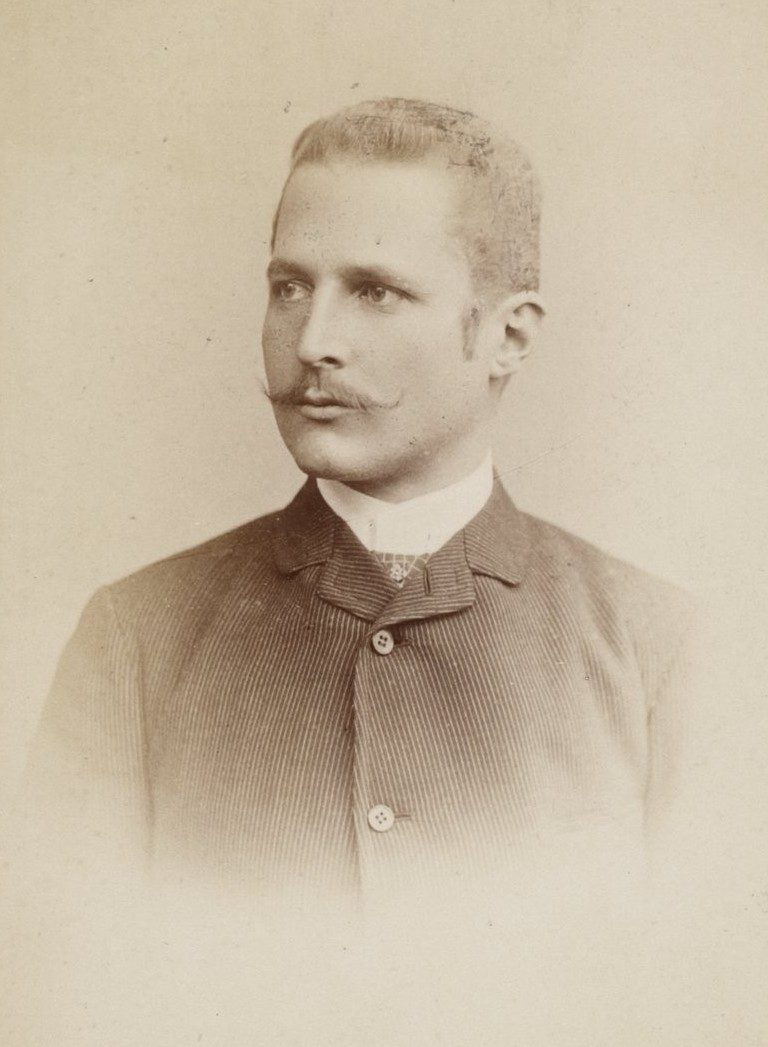
Portrait of Hans Meyer German geographer linked to Kilimanjaro first ascent
Hans Meyer led the first successful recorded expedition to the summit of Mount Kilimanjaro in 1889, marking a historic moment in mountaineering.

Preserving Chagga Culture Today

Chagga culture continues to change as education, tourism, business, religion, and modern life shape the Kilimanjaro Region. Many young Chagga people now live in towns, cities, and other countries, but family land, local language, food, ceremonies, and mountain identity still remain important.
 
Cultural tourism can help preserve traditions when it is done respectfully. It creates income for local families, supports farmers and guides, encourages young people to value their roots, and gives visitors a better understanding of the communities around Kilimanjaro.
 
At Kili Quests, we are connected to this heritage through our roots in the Kilimanjaro region. We believe travelers should experience the mountain with respect for both the summit and the people who call it home.
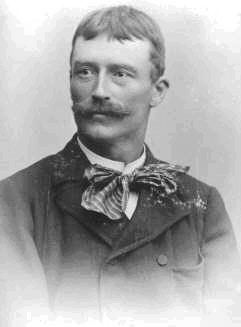
Portrait of Ludwig Purtscheller Austrian mountaineer Kilimanjaro 1889 ascent
Ludwig Purtscheller, an experienced Austrian mountaineer, reached the summit of Kilimanjaro with Hans Meyer and local guide Lauwo in 1889.
: Chagga performers dancing in traditional attire for visiting tourists in the Kilimanjaro region | Kili Quests
A living tradition — Chagga dances offer visitors a vibrant glimpse into Kilimanjaro’s cultural soul.

Frequently Asked Questions About Chagga Culture

 Who are the Chagga people?

The Chagga people are a Bantu-speaking ethnic group from the Kilimanjaro Region of northern Tanzania. They live mainly around the slopes and foothills of Mount Kilimanjaro, especially near Moshi, Marangu, Machame, Rombo, Hai, and nearby areas.

What is Chagga culture known for?

Chagga culture is known for banana and coffee farming, Kichagga language, traditional food, banana beer, family land, local ceremonies, Chagga caves, and a strong connection to Mount Kilimanjaro.

What language do the Chagga people speak?

The Chagga people traditionally speak Kichagga, although it has different dialects depending on the area. Most Chagga people also speak Swahili, and many people working in tourism also speak English.

What food is traditional for the Chagga people?

Traditional Chagga food includes dishes such as machalari, a banana and beef stew, and kiburu, a dish made with bananas, yam roots, soda ash, salt, and cooking oil. Mbege, a traditional banana beer, is also an important cultural drink.

Can visitors experience Chagga culture near Kilimanjaro?

Yes. Visitors can experience Chagga culture through coffee tours, waterfall visits, village walks, Chagga cave tours, traditional food experiences, banana beer demonstrations, and cultural performances around Moshi, Marangu, Materuni, and nearby villages.

Experience Kilimanjaro Beyond the Summit

A Kilimanjaro climb is unforgettable, but the culture around the mountain gives the journey deeper meaning. By learning about the Chagga people, you understand the farms, food, traditions, stories, and local communities that make Kilimanjaro more than just a summit.
 
At Kili Quests, we help travelers experience Kilimanjaro with respect for both the mountain and the people who call it home.
 
Contact us today to plan your Kilimanjaro climb or cultural experience.

Related Articles

Mount Kilimanjaro Myths: Chagga, Maasai & Pare Beliefs

Experience Kilimanjaro Beyond the Trail

Explore the myths, sacred places, local stories, and cultural beliefs that make Kilimanjaro more than just a mountain.

Related Culture & History Guides

OUR CATEGORIES

Mount Kilimanjaro Myths: Chagga, Maasai & Pare Beliefs

Mount Kilimanjaro is not only Africa’s highest mountain. For many communities around northern Tanzania, it has also been a place of mystery, respect, spiritual meaning, and traditional stories.
 
The Chagga, Maasai, and Pare communities each have their own ways of understanding mountains, forests, rain, ancestors, sacred places, and natural signs. Some traditions connect Kilimanjaro with protection, punishment, rainmaking, healing, and respect for the unseen world.
This article explores Kilimanjaro myths, spiritual beliefs, and cultural traditions connected to these communities. These stories should be understood with respect, not as simple tourist entertainment, because they are part of living cultural memory.
 
For the wider cultural background, read our guide to Chagga Culture Around Mount Kilimanjaro.

Quick Answer: What Myths Are Connected to Mount Kilimanjaro?

Mount Kilimanjaro is connected to many traditional stories and spiritual beliefs among communities around the mountain. In Chagga traditions, parts of the mountain are linked with ancestral spirits, rain rituals, sacred plants, and warnings about disrespecting the land. Pare traditions also include natural omens, ancestral guidance, and sacred mountain landscapes. Maasai beliefs place strong spiritual meaning on mountains, sacred trees, livestock offerings, and the presence of Engai, although Oldoinyo Lengai is more central to Maasai cosmology than Kilimanjaro.
 
These beliefs vary by family, location, elder, and community. They are best understood as cultural traditions and oral histories rather than one fixed version of Kilimanjaro mythology.

A Note on Oral Traditions and Local Beliefs

Kilimanjaro myths and spiritual beliefs are mostly passed down through oral tradition. That means stories can vary between families, villages, elders, and communities.
 
Some people still respect these beliefs deeply, while others understand them more as cultural history. Many people around Kilimanjaro today are Christian, Muslim, or follow modern lifestyles, but traditional stories still remain part of local memory.

Table of Contents

Map of Mount Kilimanjaro highlighting areas inhabited by the Chagga people, including villages on southern and eastern slopes | Kili Quests
The Chagga people have lived on the fertile slopes of Kilimanjaro for generations, forming vibrant communities across the mountain’s southern and eastern sides.

Chagga Myths and Sacred Places on Kilimanjaro

The Chagga people live around the southern and eastern slopes of Mount Kilimanjaro, and many local stories connect the mountain with ancestral presence, rain, warnings, and spiritual respect.
 
In traditional Chagga belief, the mountain was not just a physical place. Forests, hills, caves, plants, and highland areas could carry spiritual meaning. Some elders taught that disrespecting sacred places, ignoring family rituals, or acting with uncontrolled anger could bring misfortune.
 
Stories about people getting lost in familiar forests, sudden lightning, strange accidents, or unusual natural signs were sometimes understood as warnings that the relationship between people, ancestors, and land had been disturbed.
 
These beliefs do not mean every Chagga person understands Kilimanjaro the same way today. Many Chagga people are Christian or live modern urban lives. But the older stories still help explain why the mountain is treated with respect.
 
For a wider cultural background, read Chagga Culture Around Mount Kilimanjaro.
Chagga people performing a traditional dance during the 1990s in Kilimanjaro region | Kili Quests
Cultural pride in motion — this 1990s Chagga dance reflects deep-rooted heritage passed through generations.
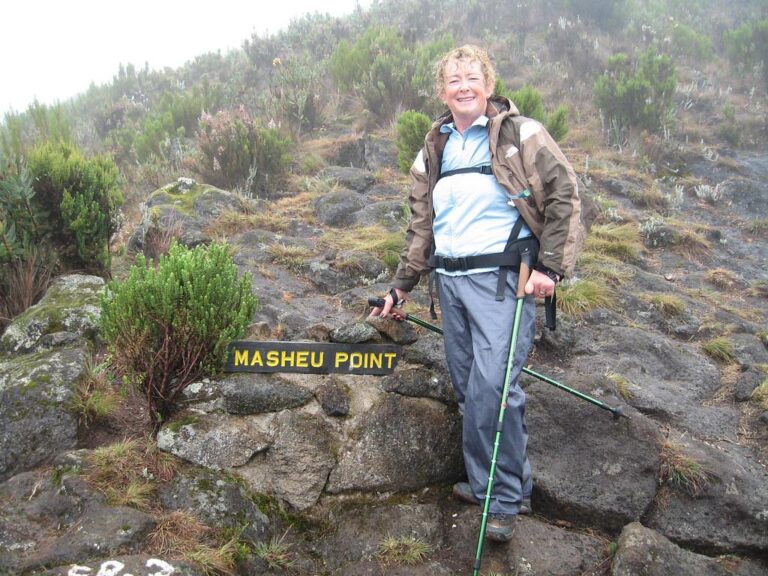
A woman standing quietly at Masheu Point near Whona on Mount Kilimanjaro, a sacred place where Chagga ancestors performed rain rituals
Masheu Point, seen from the moorland zone near Whona, is a sacred site where Chagga elders once offered meat and blood to call for rain — a powerful link to ancestral rituals
Masale plant (Dracaena fragrans) used in Chagga rituals and traditional land boundary marking in Kilimanjaro region | Kili Quests
Masale, or Dracaena fragrans, plays a sacred role in Chagga traditions — symbolizing peace, boundaries, and ancestral respect.
Historic Chagga house at Mangi Meli’s boma site in Old Moshi, Kilimanjaro region | Kili Quests
Mangi Meli’s boma — a cultural landmark honoring Chagga leadership and tradition.

Masheu Point and Rain Ritual Stories


One sacred place in Chagga oral tradition is Masheu Point on the Marangu side of Kilimanjaro, near the moorland zone. Local stories describe it as a place where elders once went during times of drought to ask for rain and blessings.

According to these traditions, elders carried offerings such as meat or animal blood and performed rituals connected to rain, ancestors, and protection. Some stories say rain would begin before the elders returned home, showing that their prayers had been accepted.

Whether understood spiritually, culturally, or historically, Masheu Point shows how deeply the Chagga relationship with Kilimanjaro was connected to survival. Rain meant crops, food, livestock, and life. That is why sacred places on the mountain carried serious meaning.

Masale Plant and Ancestral Respect

The Masale plant, known botanically as Dracaena fragrans, has special meaning in some Chagga traditions. It is associated with peace, land boundaries, forgiveness, and ancestral respect.

In some rituals, folded Masale leaves may be used when asking for forgiveness or restoring harmony after conflict. The plant may also be connected with land boundaries, where it symbolizes respect for family land and community order.

Masale traditions show that Chagga spiritual life was not only about the mountain itself. It was also about family unity, land respect, reconciliation, and the relationship between the living and the ancestors.

Pare Beliefs, Omens, and Sacred Landscapes

The Pare people live southeast of Mount Kilimanjaro, especially around Same and Mwanga districts and the Pare Mountains. While they are not based directly on Kilimanjaro’s slopes like the Chagga, the mountain and surrounding highlands remain part of the wider spiritual landscape of northeastern Tanzania.
 
Pare traditions include respect for ancestors, sacred places, natural signs, and rituals connected to protection, fertility, rain, healing, and family life. In some local stories, unusual natural events may be interpreted as warnings or signs that spiritual balance has been disturbed.
 
Examples of natural signs in local belief may include unusual behavior of bees, changes in plants, or unexplained misfortunes. In such cases, elders or ritual specialists may be consulted to interpret the event and advise the family.
 
Pare traditions also include important life-stage ceremonies, burial customs, and teachings passed from elders to younger generations. These practices remind people that culture is not only about the past; it guides how communities understand family, responsibility, respect, and the unseen world.
Members of the Pare tribe from the southeastern Kilimanjaro region, dressed in traditional clothing
The Pare people, known for their rituals and herbal knowledge, view Kilimanjaro as a sacred force and conduct spiritual ceremonies in its presence
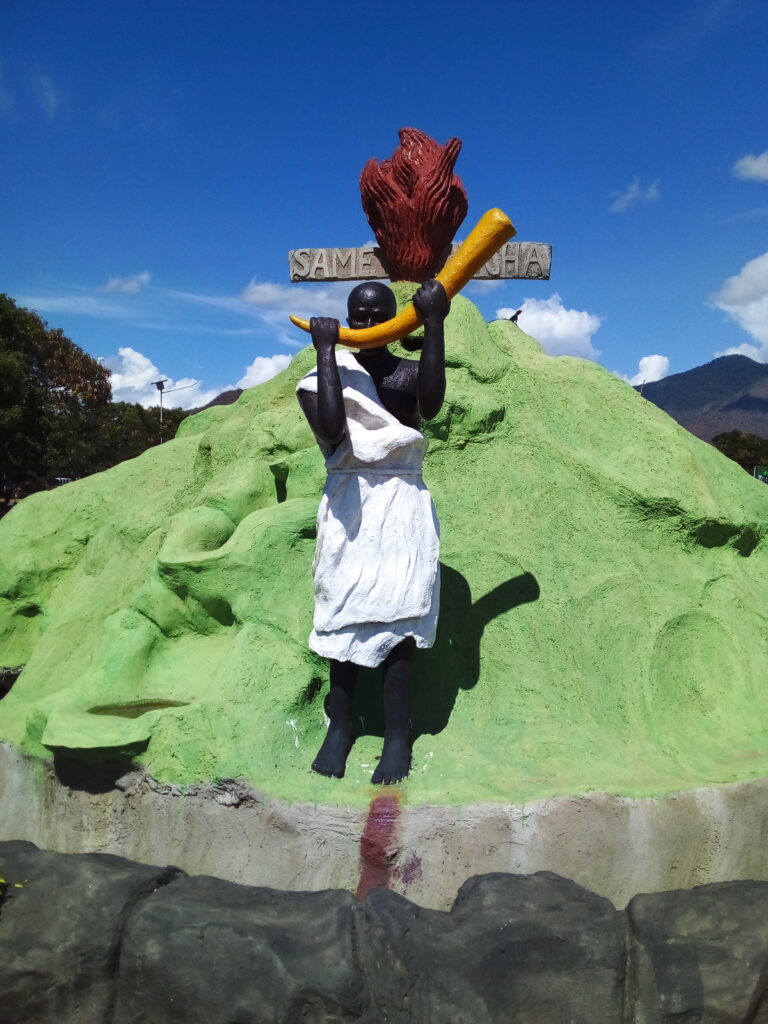
Same -Traditional statue or spiritual marker in the Pare Mountains of Tanzania, symbolizing ancestral presence and tribal rituals
In the Pare region southeast of Kilimanjaro, sacred symbols and natural markers are used in rituals to seek ancestral guidance, protect land, and teach spiritual laws

Maasai Spiritual Traditions and Sacred Mountains

The Maasai are pastoralist communities found across northern Tanzania and southern Kenya. Their spiritual traditions are closely connected to cattle, land, rain, sacred trees, mountains, and Engai, the Maasai name for God.
 
Kilimanjaro is respected by many Maasai communities because of its size, beauty, and presence above the surrounding plains. However, the most sacred mountain in Maasai cosmology is usually Oldoinyo Lengai, an active volcano whose name means “Mountain of God” in the Maa language.
 
In traditional Maasai ceremonies, offerings such as milk, meat, or livestock may be connected with prayer, blessing, rain, healing, or community protection. Sacred trees and natural places can also serve as spiritual sites where elders pray or perform rituals.
 
This is important because it keeps the article accurate. Kilimanjaro matters in the Maasai landscape, but Oldoinyo Lengai holds a deeper central role in Maasai spiritual tradition.
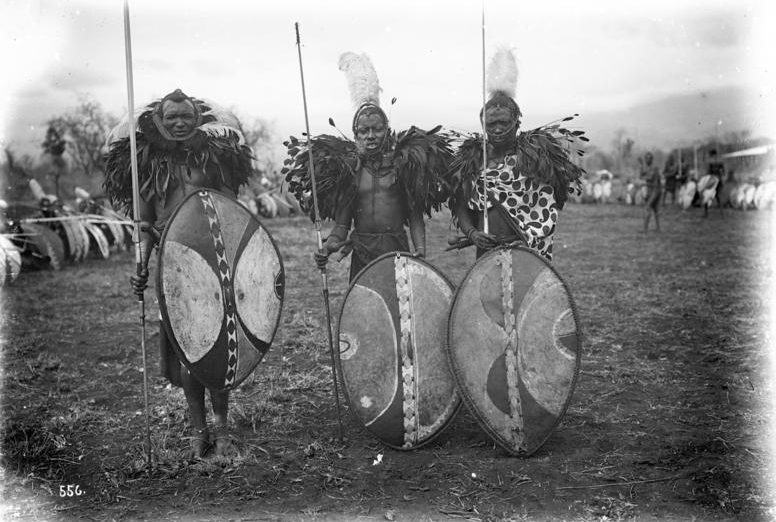
Maasai warrior standing with a traditional shield and spear, dressed in ceremonial attire
The Maasai use traditional shields in rituals and ceremonies that reflect bravery, ancestral respect, and protection of sacred traditions
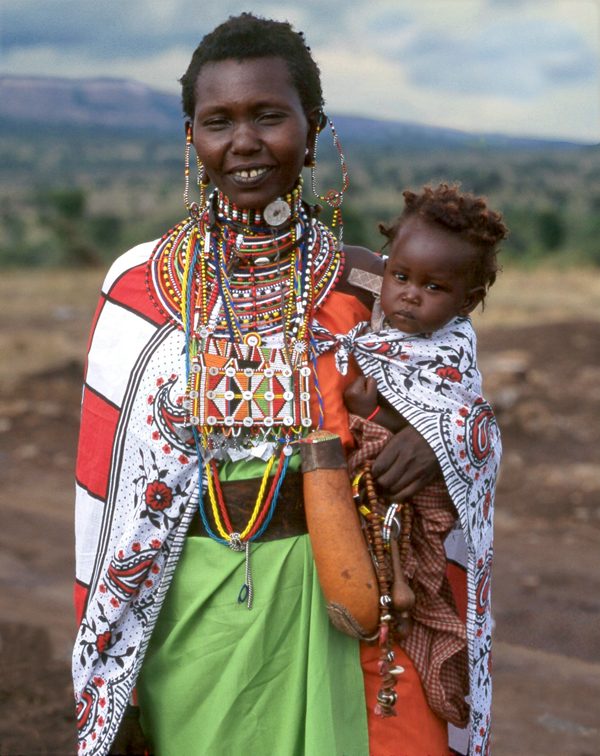
Maasai woman in traditional dress carrying a child on her back, wrapped in colorful fabric
Maasai women play a central role in passing down traditions, stories, and spiritual beliefs to future generations
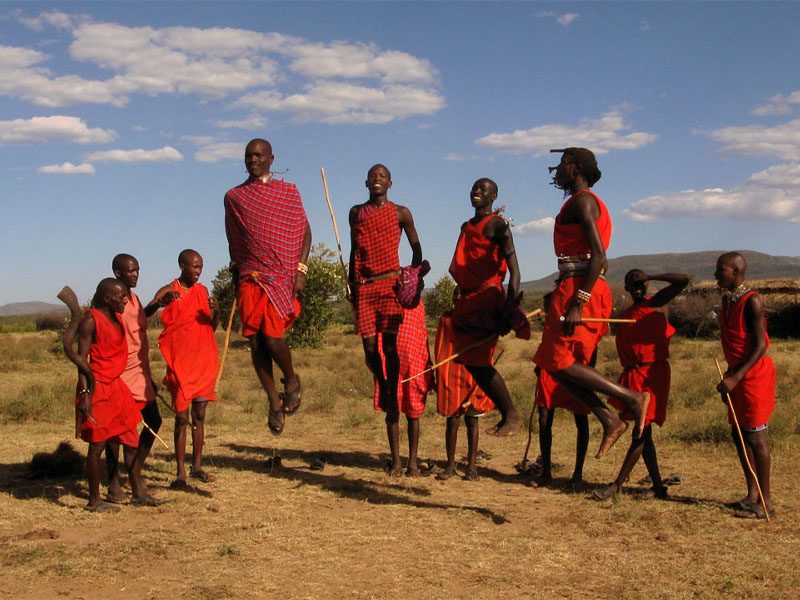
Maasai men performing the traditional Adumu jumping dance in ceremonial attire
The iconic jumping dance, or Adumu, is a vital ritual among Maasai warriors — celebrating strength, unity, and spiritual readiness
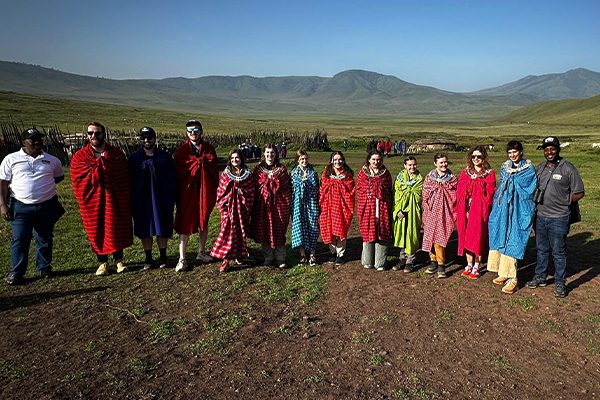
Kili Quests staff visiting a Maasai boma during a cultural experience in northern Tanzania
At Kili Quests, we partner with Maasai communities to offer authentic, respectful cultural experiences that support local traditions and livelihoods

Why These Traditions Still Matter Today

While modern life and tourism have changed how people interact with Kilimanjaro, many of these beliefs remain embedded in local culture. Guides may still offer quiet respect to the peak before summit day. Elders may still tell children stories about spirits that protect or punish, reminding the next generation of their heritage.
 
At Kili Quests, we are proud to be a Chagga-owned business that honors these traditions while welcoming trekkers from around the world. We believe understanding the spiritual and cultural layers of Kilimanjaro deepens the journey — making every climb more meaningful.
 

What These Traditions Teach Visitors

Kilimanjaro myths and spiritual beliefs teach visitors that the mountain is more than a trekking route. It is part of a cultural landscape shaped by local communities, oral history, sacred places, rain, farming, livestock, ancestors, and respect for nature.

If you visit cultural sites around Kilimanjaro, remember:

  • Listen respectfully to local guides and elders
  • Do not treat rituals or sacred places as entertainment
  • Ask before taking photos
  • Avoid mocking beliefs you do not personally follow
  • Support community-led cultural tourism
  • Understand that stories may vary between villages and families
A respectful traveler does not only climb the mountain. They also learn from the people who have lived around it for generations.
Local Chagga farmer working in the fields with Mount Kilimanjaro in the background
Kilimanjaro is not just a landmark — it’s a source of life, culture, and pride for the communities around it

Kilimanjaro: A Mountain with a Soul

Mount Kilimanjaro is more than just a geological wonder. It is a living symbol of stories, spirits, and identity for the Chagga, Maasai, and Pare people. By learning these traditions, trekkers can gain not only altitude — but also a deeper appreciation for the soul of the mountain.See why Kilimanjaro is considered a natural wonder and what makes it globally significant

Frequently Asked Questions About Kilimanjaro Myths and Beliefs

What myths are connected to Mount Kilimanjaro?

Mount Kilimanjaro is connected to many local myths and traditional beliefs, including stories about ancestral spirits, sacred places, rain rituals, natural signs, punishment for disrespect, and the mountain as a place of mystery and protection.

Do local communities believe Kilimanjaro has spirits?

In some traditional beliefs, especially among elders and oral traditions, Kilimanjaro is connected with ancestral spirits and unseen forces. These beliefs vary by community, family, and generation, and not everyone understands them in the same way today.

Why is Kilimanjaro considered sacred by some communities?

Kilimanjaro is considered sacred by some communities because it is linked with rain, farming, ancestors, forests, water, protection, and spiritual power. Sacred places on or near the mountain were sometimes used for rituals, prayers, and offerings.

What is Masheu Point on Kilimanjaro?

Masheu Point is remembered in Chagga oral tradition as a sacred place on the Marangu side of Kilimanjaro. Local stories connect it with rain rituals, offerings, and prayers during times of drought.

How can visitors learn about Kilimanjaro’s cultural beliefs respectfully?

Visitors can learn respectfully by joining community-led cultural tours, listening to local guides, asking before taking photos, avoiding mockery of traditional beliefs, and understanding that oral stories may vary between families and villages.

Experience Kilimanjaro with Cultural Respect

Mount Kilimanjaro is more than a summit. It is a mountain of stories, sacred places, local memory, and cultural meaning for the communities around it.
 
At Kili Quests, we help travelers experience Kilimanjaro with respect for both the mountain and the people who call the region home. Whether you climb to the summit or explore nearby villages, waterfalls, coffee farms, and cultural sites, our local guides help you understand the deeper story behind the landscape.
 
Contact us today to plan a Kilimanjaro climb or cultural experience with local insight.

Related Articles

Is Mount Kilimanjaro One of the 7 Wonders?

See Kilimanjaro for Yourself

Climb one of Africa’s greatest natural wonders with local guides who know the routes, altitude, and mountain conditions.
 

Helpful Kilimanjaro Guides

OUR CATEGORIES

Is Mount Kilimanjaro One of the 7 Wonders?

Mount Kilimanjaro is Africa’s highest mountain and one of the most famous natural landmarks in the world. Rising to 5,895 meters / 19,341 feet, it stands alone above the plains of northern Tanzania and attracts climbers, photographers, nature lovers, and adventure travelers from around the world.
 
At the top stands Uhuru Peak, whose name carries a powerful connection to Tanzania’s independence and freedom.
 
But many travelers ask one simple question:
 
Is Mount Kilimanjaro one of the Seven Wonders of the World?
 
The answer depends on which “wonders” list you mean. Kilimanjaro is not one of the ancient Seven Wonders of the World, and it is not one of the New 7 Wonders of Nature winners. However, it is widely recognized as one of the Seven Natural Wonders of Africa and is protected within Kilimanjaro National Park, a UNESCO World Heritage Site.

Quick Answer: Is Mount Kilimanjaro One of the 7 Wonders?

Mount Kilimanjaro is not one of the ancient Seven Wonders of the World. That list included ancient human-made monuments, not natural landscapes.
 
Kilimanjaro is also not one of the New 7 Wonders of Nature winners. However, it is widely recognized as one of the Seven Natural Wonders of Africa because of its height, free-standing volcanic formation, snow-capped summit, ecosystems, and dramatic rise above the surrounding plains.
 
Kilimanjaro National Park is also a UNESCO World Heritage Site, officially recognized for protecting Africa’s highest mountain and one of the world’s most impressive free-standing volcanic landscapes.
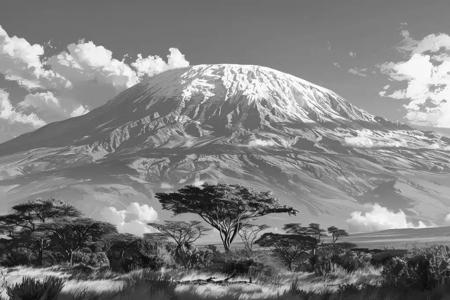
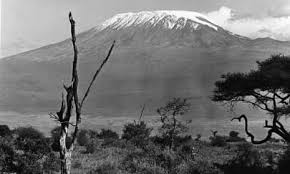
Mount Kilimanjaro rising above the African savanna with snow on the summit
Kilimanjaro is considered one of the world’s greatest natural wonders and is a UNESCO World Heritage Site

Table of Contents

Which “Wonders” List Includes Kilimanjaro?

The phrase “Seven Wonders” can be confusing because there are different lists.
The ancient Seven Wonders of the World focused on human-made monuments from the ancient world. Kilimanjaro is not part of that list because it is a natural mountain.
The New 7 Wonders of Nature was a global campaign that selected seven natural sites. Kilimanjaro was part of the wider campaign, but it was not one of the final winners.
 
The list where Kilimanjaro fits best is the Seven Natural Wonders of Africa, where it is commonly listed alongside major African landmarks such as the Serengeti Migration, Ngorongoro Crater, the Nile River, the Sahara Desert, the Okavango Delta, and the Red Sea Reef.
 
So the correct answer is simple: Kilimanjaro is not one of the ancient Seven Wonders of the World, but it is one of Africa’s greatest natural wonders.
Wonder or Heritage List Is Kilimanjaro Included? Correct Explanation
Ancient Seven Wonders of the World No That list included ancient human-made monuments, not natural mountains.
New 7 Wonders of Nature No Kilimanjaro was part of the wider campaign, but it was not one of the final winners.
Seven Natural Wonders of Africa Yes Kilimanjaro is widely recognized as one of Africa’s greatest natural landmarks.
UNESCO World Heritage Site Yes Kilimanjaro National Park is protected for its outstanding natural value and mountain landscape.

Is Kilimanjaro a UNESCO World Heritage Site?

Yes. Kilimanjaro National Park is a UNESCO World Heritage Site. It was inscribed in 1987 and protects the upper part of Mount Kilimanjaro, including Africa’s highest peak.
 
UNESCO status is different from being a “Seven Wonder.” A UNESCO World Heritage Site is officially recognized for outstanding universal value and protected through conservation standards. A “wonder” list is usually a recognition or ranking list, depending on the organization that created it.
 
This means Kilimanjaro is not just famous because travelers admire it. It is globally recognized as a protected natural landscape with exceptional importance.

Tanzania’s Other UNESCO World Heritage Sites

Kilimanjaro is part of Tanzania’s wider UNESCO heritage network, which also includes famous natural and cultural sites such as Serengeti National Park, Ngorongoro Conservation Area, Stone Town of Zanzibar, Kondoa Rock-Art Sites, Kilwa Kisiwani and Songo Mnara, and Nyerere National Park.
 
This shows why Tanzania is one of Africa’s most important destinations for nature, wildlife, culture, and history. But for this article, the key point is simple: Kilimanjaro is not only famous; it is globally protected.

Why Kilimanjaro Is Still a Natural Wonder

Even though Kilimanjaro is not one of the ancient Seven Wonders of the World, it deserves its reputation as one of Africa’s greatest natural wonders.
 
Kilimanjaro is special because it is:
  • Africa’s highest mountain
  • One of the world’s most impressive free-standing volcanic mountains
  • A volcanic mountain formed by Kibo, Mawenzi, and Shira
  • A snow-capped summit near the equator
  • A mountain with several ecological zones, from rainforest to alpine desert
  • A powerful symbol of Tanzania, freedom, culture, and adventure
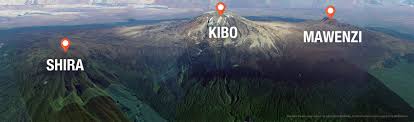
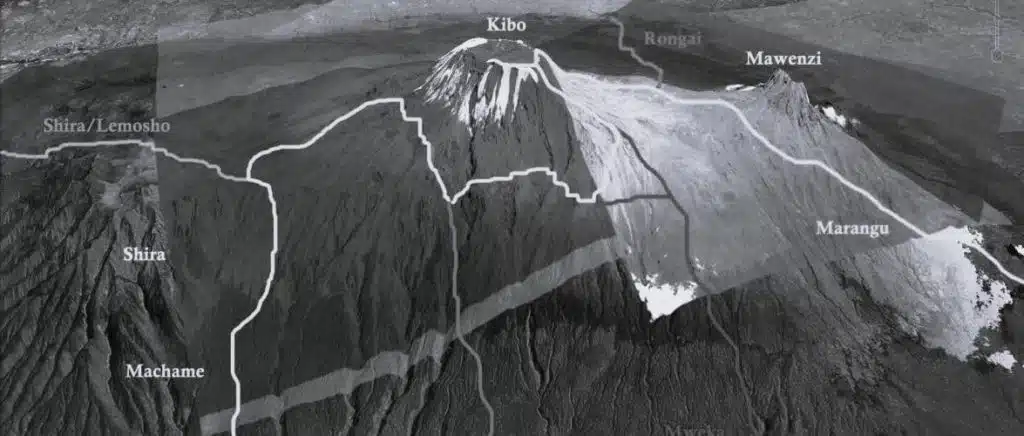
Kilimanjaro’s dramatic shape comes from three volcanic cones: Kibo, Mawenzi, and Shira. Learn more in our guide to Kibo, Mawenzi, and Shira.
 
Its natural beauty is not only about height. Climbers pass through rainforest, heath, moorland, alpine desert, and arctic summit conditions in one journey. Few mountains offer such dramatic environmental change in a single trek.
 
Kilimanjaro’s meaning is also cultural. To understand the communities living around the mountain, read our guide to Chagga Culture Around Mount Kilimanjaro.
 
This combination of height, isolation, volcanic history, glaciers, ecosystems, and cultural meaning is why Kilimanjaro stands among Africa’s most iconic natural landmarks.
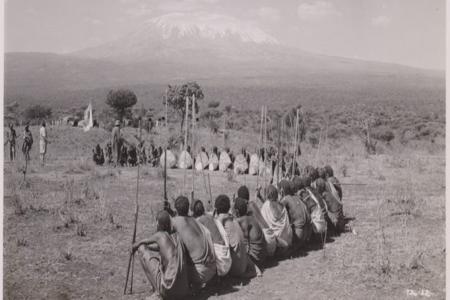
Local tribespeople near Kilimanjaro showing cultural connection to the mountain
Kilimanjaro’s cultural heritage is also part of its global recognition

What UNESCO Status Means for Kilimanjaro

UNESCO recognition helps protect Kilimanjaro’s natural value, but it does not mean the mountain is free from pressure. Like many famous natural sites, Kilimanjaro faces challenges from climate change, glacier loss, tourism pressure, land use, and conservation needs.
 
Responsible tourism matters because climbers, guides, operators, park authorities, and local communities all play a role in protecting the mountain.
 
When you climb with a responsible local operator, you support better mountain practices, local employment, conservation awareness, and more respectful tourism.
Aerial view of Mount Kilimanjaro showing Kibo, Mawenzi, and Shira volcanic cones
Kilimanjaro was formed by three volcanic cones — Kibo, Mawenzi, and Shira — each with a unique history
Mount Kilimanjaro’s three volcanic peaks — Kibo, Mawenzi, and Shira seen from above
3 Volcanic peaks of mount kilimanjaro

What UNESCO Status Means for Protection

Being a UNESCO site brings more than just fame. It means:
  • Conservation protections to prevent overuse or deforestation
  • International funding for park preservation
  • Support for local communities through regulated tourism
  • Scientific monitoring of glaciers, species, and climate impact
  • Cultural safeguarding of local traditions and stories
When you climb with responsible operators like Kili Quests, you directly support sustainable tourism and cultural preservation.
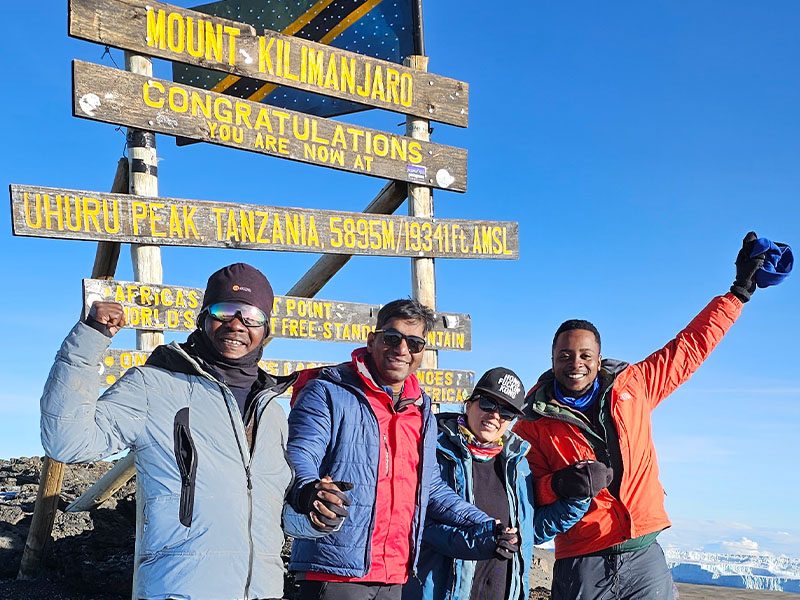
Climber standing at Uhuru Peak sign on the summit of Mount Kilimanjaro
The summit of Kilimanjaro is called Uhuru Peak — named after Tanzania’s independence in 1961

Frequently Asked Questions About Kilimanjaro as a World Wonder

Is Mount Kilimanjaro one of the Seven Wonders of the World?

No. Mount Kilimanjaro is not one of the ancient Seven Wonders of the World. That list focused on ancient human-made monuments, while Kilimanjaro is a natural mountain.

Is Kilimanjaro one of the New 7 Wonders of Nature?

No. Kilimanjaro was part of the wider New 7 Wonders of Nature campaign, but it was not one of the final winners.

Is Mount Kilimanjaro one of the Seven Natural Wonders of Africa?

Yes. Mount Kilimanjaro is widely recognized as one of the Seven Natural Wonders of Africa because it is Africa’s highest mountain, a major volcanic landmark, and one of the continent’s most iconic natural features.

Is Kilimanjaro a UNESCO World Heritage Site?

Yes. Kilimanjaro National Park is a UNESCO World Heritage Site. It was inscribed in 1987 and protects Africa’s highest mountain, volcanic landscapes, forests, wildlife, and important ecosystems.

Why is Kilimanjaro considered a natural wonder?

Kilimanjaro is considered a natural wonder because it rises dramatically above the plains, reaches 5,895 meters, has several ecological zones, includes glaciers near the equator, and is one of the world’s most impressive free-standing volcanic mountains.

Plan Your Kilimanjaro Adventure with Local Experts

Mount Kilimanjaro may not be one of the ancient Seven Wonders of the World, but it is one of Africa’s greatest natural landmarks. Its height, volcanic shape, glaciers, forests, wildlife, and cultural meaning make it one of the most unforgettable places to visit in Tanzania.
 
If you are ready to experience Kilimanjaro for yourself, Kili Quests can help you choose the right route, prepare properly, and climb with experienced local guides.
 
Before choosing your climb, compare the main trails in our Kilimanjaro Routes Guide so you understand route length, scenery, difficulty, and acclimatization.
 
Contact us today to start planning your Kilimanjaro climb.

Related Articles

What Does Kilimanjaro Mean? Name Origin & History

Climb Kilimanjaro with Local Guides

Experience the mountain behind the name with local guides who understand its routes, history, culture, and summit challenge.

Related Kilimanjaro Stories

OUR CATEGORIES

Why Kilimanjaro Is Called ‘Kilimanjaro’ | Kili Quests

Mount Kilimanjaro is the highest mountain in Africa, but the meaning of its name is still debated. Unlike some famous mountains with clear naming origins, “Kilimanjaro” has several possible explanations connected to Swahili, Chagga language roots, early explorer records, snow, difficulty, and local stories.
 
No single meaning has been proven. Some people interpret Kilimanjaro as a “shining mountain” or “mountain of whiteness,” while others connect it to Chagga phrases describing a difficult or impossible climb. The truth is likely more complicated because the name passed through local languages, traders, missionaries, explorers, maps, and colonial spellings.
 
This article explains the main theories behind the name Kilimanjaro and why the mystery still matters today.
 
To understand the mountain’s physical shape and volcanic history, read our guide to what Mount Kilimanjaro is and how it formed.

Quick Answer: What Does Kilimanjaro Mean?

The exact meaning of “Kilimanjaro” is uncertain. Several theories exist, but no single origin has been proven.
 
One common explanation connects the name to Swahili and Chagga language roots, often interpreted as “mountain of whiteness” or “shining mountain” because of the snow and glaciers on the summit. Another theory links the name to Chagga words suggesting something difficult, impossible, or defeating to climb.
 
Early European explorers and missionaries recorded different spellings and interpretations, which helped standardize the name internationally. So the honest answer is this: Kilimanjaro does not have one confirmed meaning, but its name is tied to language, snow, local stories, early exploration, and the mountain’s powerful presence in East Africa.
Mount Kilimanjaro with local tribal regions such as Chagga and Pare surrounding the base
The origin of the name “Kilimanjaro” remains debated — with influences from Chagga, Swahili, Maasai, and colonial languages

Table of Contents

Why the Meaning of Kilimanjaro Is Uncertain

The meaning of Kilimanjaro is uncertain because the name passed through different languages, communities, interpreters, explorers, maps, and colonial records.
 
Local communities around the mountain did not always use one single name for the whole mountain in the same way outsiders later recorded it. Some names referred to specific peaks, such as Kibo and Mawenzi, while the wider name “Kilimanjaro” became more common through outside records.

European Records vs. Local Language

European missionaries and explorers helped spread the name “Kilimanjaro” internationally during the 19th century, but they did not create the mountain itself or the local meanings around it.

Johannes Rebmann, a German missionary, is widely credited as the first European to report seeing Kilimanjaro’s snow-covered summit in 1848. Later explorers, mapmakers, and colonial writers recorded the name in different spellings and interpretations.

One popular explanation connects “Kilima” with a Swahili word often interpreted as mountain or hill, and “Njaro” with a Chagga-related word linked to shining or whiteness. But this explanation is debated because mlima is the common Swahili word for mountain, while kilima usually means hill or small mountain.

This is why Kilimanjaro’s name is not simple. It likely passed through local speech, Swahili usage, guides, interpreters, and European writing before becoming the internationally recognized name.
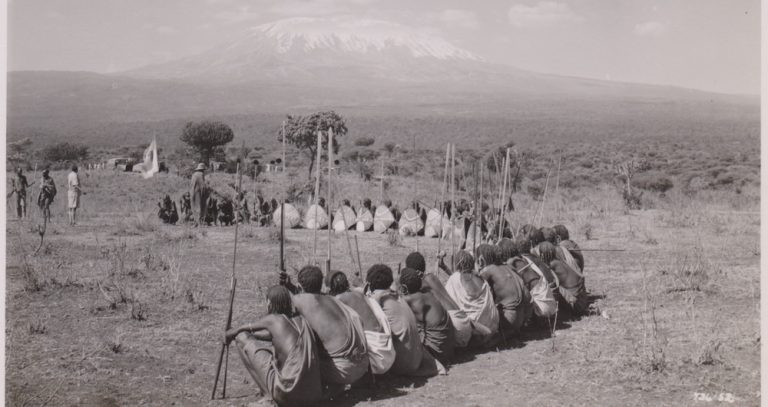
Historical photograph of Mount Kilimanjaro from early exploration or colonial era
Historical explorers and early local communities referred to the mountain by various names before “Kilimanjaro” became widely accepted
Portrait of Johannes Rebmann, the first European to report seeing Mount Kilimanjaro in 1848
In 1848, German missionary Johannes Rebmann was the first European to report Kilimanjaro’s snow-covered summit to the outside world

Local Language Theories Behind Kilimanjaro

Several local language theories try to explain the name Kilimanjaro.
 
One Chagga-related theory suggests that the name may have come from a phrase such as Kilelema Kyaro or a similar form, sometimes interpreted as “that which defeats the caravan” or “that which is difficult to climb.” This theory connects the name to the mountain’s difficulty and the challenge of reaching its high slopes.
 
Another theory links the name to snow, whiteness, or brightness. From far away, Kilimanjaro’s white summit would have been one of its most striking features, especially before the glaciers began shrinking.
 
There are also ideas connected to nearby languages, including Pare interpretations related to coldness or water. These should be treated as possible influences, not proven origins.
The strongest point is this: Kilimanjaro’s name likely developed from a mixture of local language, Swahili usage, outside interpretation, and later map records.
Members of the Chagga tribe near Mount Kilimanjaro in traditional attire
Members of the Pare tribe from the southeastern Kilimanjaro region, dressed in traditional clothing
The Pare people, known for their rituals and herbal knowledge, view Kilimanjaro as a sacred force and conduct spiritual ceremonies in its presence

Did Pare or Maasai Words Influence the Name?

Some local explanations connect the name Kilimanjaro with words from nearby communities, including Pare or Maasai interpretations. These ideas often relate to coldness, water, greatness, or spiritual respect for the mountain.
 
However, these theories are harder to prove. The Pare people live southeast of Kilimanjaro around the Pare Mountains, while Maasai communities have long lived across nearby plains in northern Tanzania and southern Kenya.
 
Kilimanjaro’s name may have passed through several language environments before being written down by outsiders. That makes it possible that nearby languages influenced how people understood the mountain, but no single Pare or Maasai origin has been proven.
 
For more about traditional stories and beliefs around the mountain, read Mount Kilimanjaro Myths: Chagga, Maasai & Pare Beliefs.

Colonial Influence on the Name Kilimanjaro

During the colonial period, German and British writers recorded place names based on what they heard from local guides, traders, missionaries, and interpreters. Because different languages and dialects were spoken around the mountain, names could be simplified, misheard, or reshaped in written records.
 
By the late 19th century, “Kilimanjaro” appeared more regularly on European maps and publications. Over time, this spelling became internationally accepted, even though the exact original meaning remained uncertain.
 
This does not mean the name is fake. It means the modern spelling of Kilimanjaro was shaped by contact between local languages, Swahili-speaking networks, European records, and colonial-era mapmaking.
Historical image of Mount Kilimanjaro with glacier-covered summit during early exploration era
Early photographs of Kilimanjaro show more extensive glaciers and fewer local people

Kilimanjaro: A Name with Many Meanings

Theory Meaning
Swahili: Kilima + Njaro Hill of shining whiteness
Chagga: Kilelema Kyaro That which defeats caravans
Pare dialect Possibly “cold place” or “water source”
European explorers Misheard combination of tribal names
These meanings are historical theories, not confirmed translations. The name Kilimanjaro remains debated because it passed through local languages, Swahili-speaking networks, explorer records, and colonial mapmaking.
Hans Meyer 1889 map of Mount Kilimanjaro summit area
A look back in time — this 1990s Kilimanjaro map reflects how the mountain was explored, traveled, and understood decades ago.

Cultural Meaning Beyond the Name

For communities around the mountain, Kilimanjaro is more than a word on a map. It is connected to farming, water, forests, rain, ancestors, sacred places, and local identity.
 
The Chagga people, especially communities around the southern and eastern slopes, have lived close to the mountain for generations. Nearby Pare and Maasai communities also have their own cultural relationships with the wider Kilimanjaro landscape.
 
These stories do not prove one exact translation of the name, but they show why the mountain has always carried meaning beyond its height.
 
To understand the communities around the mountain, read Chagga Culture Around Mount Kilimanjaro.

Why the Name Kilimanjaro Still Matters Today

The name Kilimanjaro matters because it carries mystery, language, history, and identity. Even though no single meaning is proven, the different theories show how many communities, explorers, and storytellers tried to explain the mountain’s power.
 
For travelers, understanding the name adds depth to the climb. You are not just walking toward a summit; you are entering a landscape shaped by local languages, oral traditions, colonial records, and Tanzania’s modern identity.
 
Today, Kilimanjaro is known around the world as Africa’s highest mountain and one of the most iconic natural landmarks on Earth.
 
At its highest point stands Uhuru Peak, a name connected to Tanzania’s independence and freedom.

Frequently Asked Questions About the Name Kilimanjaro

What does the name Kilimanjaro mean?

The exact meaning of Kilimanjaro is still debated. Common theories connect the name with whiteness, shining snow, difficulty, greatness, caravans, or local spiritual ideas. No single meaning has been proven.

Does Kilimanjaro mean mountain of whiteness?

It may, according to one popular theory. This explanation connects the name with the snow and glaciers on Kilimanjaro’s summit. However, it is only one theory, not a confirmed translation.

Is Kilimanjaro a Swahili word?

Kilimanjaro is often linked to Swahili and Chagga language roots, but its exact origin is debated. The common Swahili word for mountain is mlima, while kilima usually means hill or small mountain, which makes the simple “kilima equals mountain” explanation more complicated.

Did local people originally call the mountain Kilimanjaro?

Not exactly. Some local communities referred to specific parts of the mountain, especially Kibo and Mawenzi, rather than using one single confirmed name for the whole mountain. The name Kilimanjaro became widely known through outside records, maps, and later international use.

How did European explorers influence the name Kilimanjaro?

European missionaries, explorers, and mapmakers helped standardize the spelling “Kilimanjaro” in international records. They recorded the name based on what they heard from local guides, Swahili speakers, traders, and interpreters.

Climb the Mountain Behind the Name

The meaning of Kilimanjaro may never be explained by one simple translation, but that is part of its power. The name carries snow, mystery, language, history, and the stories of people who have lived around the mountain for generations.
 
If you are ready to experience Kilimanjaro for yourself, Kili Quests can help you choose the right route, prepare properly, and climb with experienced local guides.
 
Contact us today to start planning your Kilimanjaro climb.

Related Articles

How to Choose a Kilimanjaro Tour Company

Plan a Safer Kilimanjaro Climb

Choose your route, pace, and support team with help from experienced local guides.

Helpful Kilimanjaro Planning Guides

OUR CATEGORIES

How to Choose the Best Kilimanjaro Tour Company

Choosing the right Kilimanjaro tour company is one of the most important decisions you will make before your climb. Your operator affects your safety, acclimatization, comfort, crew support, emergency response, and overall summit experience.
 
Kilimanjaro is a non-technical trek, but it is still a serious high-altitude mountain. Weather changes quickly, altitude sickness can develop, and poor planning can turn a dream climb into a dangerous experience. That is why the cheapest company is not always the best choice.
 
A good Kilimanjaro company should provide experienced guides, proper safety equipment, fair porter treatment, transparent pricing, realistic route advice, and strong support before and during the climb.

Quick Answer: What Makes a Good Kilimanjaro Tour Company?

A good Kilimanjaro tour company should be licensed, experienced, safety-focused, transparent about pricing, and serious about porter welfare. The best operators use trained guides, carry oxygen and first-aid equipment, monitor climbers for altitude sickness, recommend routes with enough acclimatization time, and clearly explain what is included in the climb package.
 
Avoid companies that offer very cheap prices without explaining guide experience, park fees, safety equipment, crew treatment, or emergency procedures.
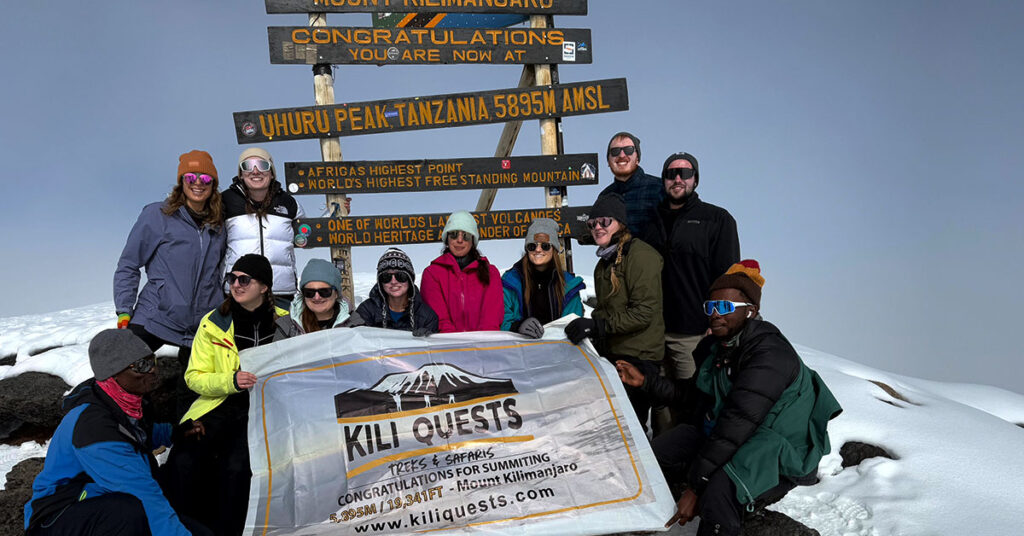
Carrying the spirit of Kili Quests to the top of Africa — a moment to remember at Uhuru Peak.

Expert Knowledge of Kilimanjaro Routes and Terrain

Not every Kilimanjaro route is right for every climber. A good tour company should not simply sell you the route that is easiest to market or cheapest to operate. It should help you choose a route based on your fitness, available time, budget, previous hiking experience, and how well your body may adjust to altitude.
 
Experienced Kilimanjaro guides understand the real differences between routes. For example, Lemosho and Northern Circuit usually give climbers more time to acclimatize, while Marangu is shorter and more direct. Machame is scenic and popular, but it still requires strong pacing and good preparation. Rongai is quieter and drier, but it approaches from the northern side and has a different trail experience.
 
A professional Kilimanjaro operator should help you understand:
  • Which route gives you the best acclimatization profile
  • Which route fits your fitness level and travel schedule
  • How many days you should spend on the mountain
  • What terrain and camp conditions to expect
  • Which routes are better during certain seasons
  • Why the cheapest or shortest route is not always the safest choice
This is where local experience matters. A strong company will explain the advantages and risks of each route honestly, instead of pushing every climber into the same itinerary.
 
For a full breakdown of route difficulty, scenery, acclimatization, and climbing style, read our Kilimanjaro Routes Comparison guide.

Understand What Is Included in the Price

A good Kilimanjaro tour company should clearly explain what is included and excluded before you book. Cheap prices can look attractive, but they may leave out important services such as proper meals, quality tents, experienced guides, private toilets, fair porter wages, airport transfers, or emergency support.
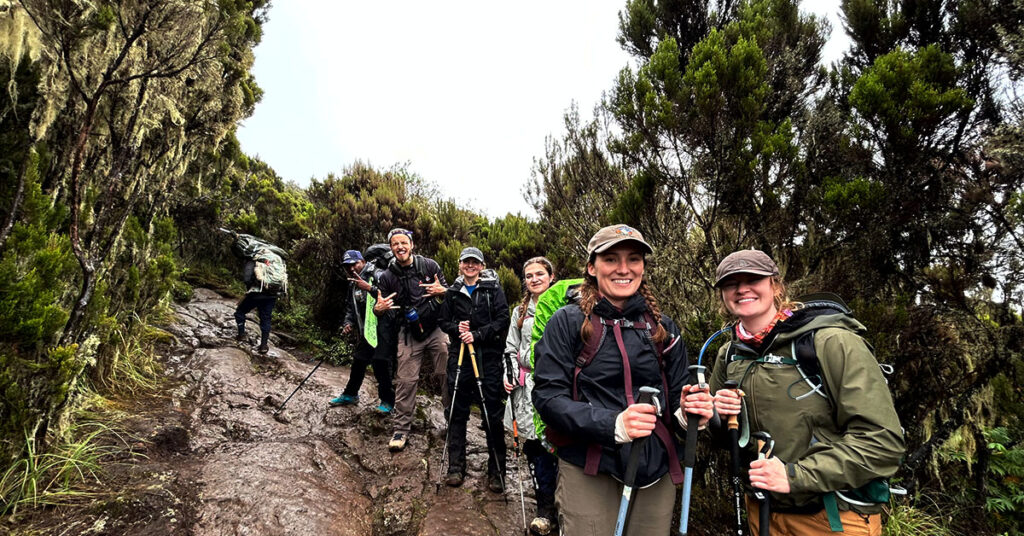
Before comparing prices, check whether the package includes park fees, guides, porters, cooks, meals, camping equipment, safety equipment, accommodation before or after the climb, and transfers.
 
For a deeper breakdown, read our full guide to Kilimanjaro Climb Cost.
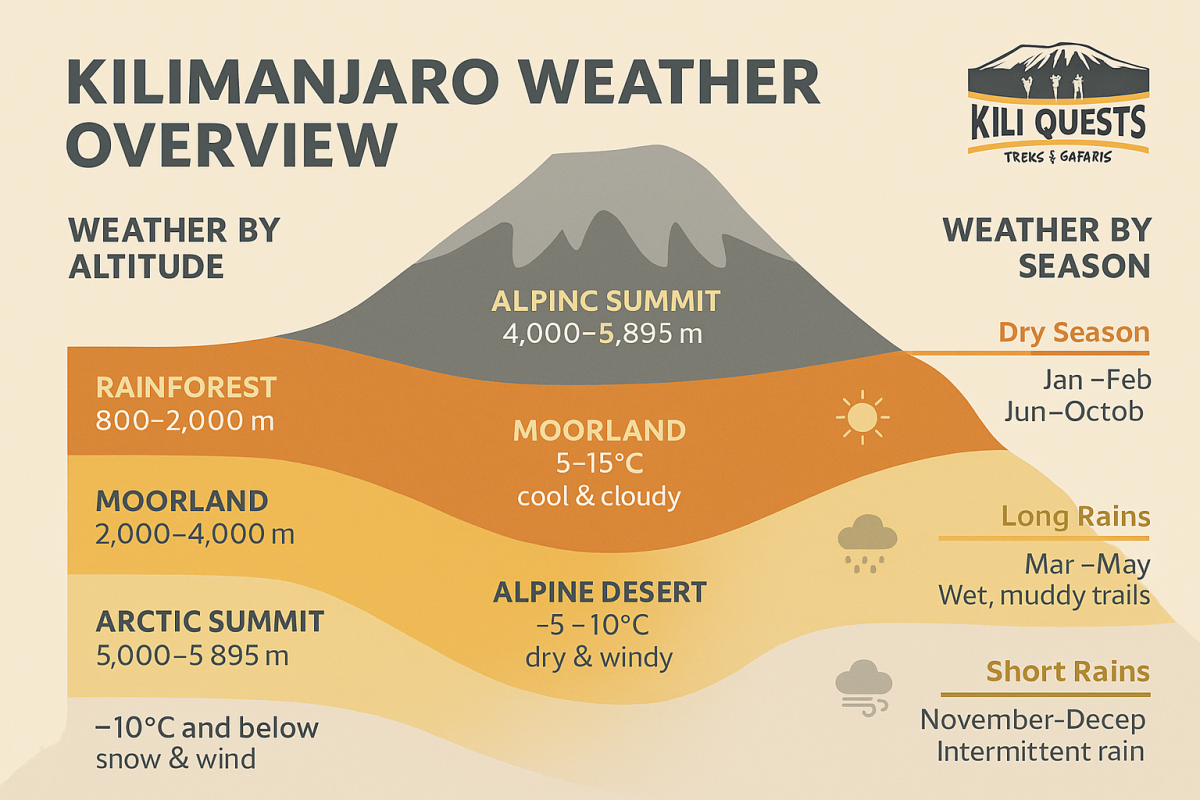
Kilimanjaro weather infographic showing climate conditions by altitude (rainforest, moorland, alpine desert, arctic summit) and season (dry season, long rains, short rains) with temperature and weather icons.
Kilimanjaro Weather by Altitude & Season – Understand the climate zones and seasonal changes as you prepare for your climb with Kili Quests.

Navigating Kilimanjaro Weather and Altitude Zones

Kilimanjaro weather changes quickly because the mountain rises through several ecological zones. A climb can begin in warm, humid rainforest and end in freezing summit conditions above 5,000 meters. This is why a good Kilimanjaro tour company should prepare you for more than just walking distance , it should prepare you for changing temperature, wind, rain, and altitude.
 
Experienced guides understand how weather affects the climb. Rain can make lower trails muddy, wind can make higher camps colder, and summit night can feel extremely harsh even during the dry season. Your team should help you pack correctly, pace yourself through each zone, and adjust the plan when conditions require it.
 
At Kili Quests, our guides help climbers prepare for Kilimanjaro’s changing conditions by:
  • Explaining the different climate zones before the climb
  • Advising what clothing and layers to bring
  • Monitoring trail and weather conditions during the trek
  • Adjusting pace when cold, wind, rain, or altitude affects the group
  • Helping climbers stay warm, dry, hydrated, and alert at higher elevations
This kind of experience matters because Kilimanjaro is not one single environment. It is a climb through rainforest, moorland, alpine desert, and arctic summit conditions, often within the same week.
 
For a deeper breakdown, read Kilimanjaro Weather by Altitude and Season to understand what conditions to expect and how to pack properly.

Acclimatization and Altitude Sickness Prevention

Altitude sickness is one of the biggest reasons climbers fail to reach Uhuru Peak. Kilimanjaro is not a technical climb, but the altitude makes it serious. Even strong and fit trekkers can struggle if they climb too fast, choose a short route, or ignore early symptoms.
 
A good Kilimanjaro tour company should build the climb around safe acclimatization, not just speed or price. This means choosing routes with enough days on the mountain, keeping a slow pace, including acclimatization hikes where needed, and monitoring each climber carefully throughout the trek.
 
At Kili Quests, our guides help reduce altitude risk by:
  • Following a slow, steady pace from the first day
  • Using the “climb high, sleep low” principle where the route allows it
  • Recommending longer routes such as Lemosho and Northern Circuit for better acclimatization
  • Watching for symptoms such as headache, nausea, dizziness, unusual fatigue, or loss of appetite
  • Making safety-first decisions if a climber’s condition gets worse
  • Carrying emergency oxygen and first-aid support on the mountain
No company can guarantee that altitude sickness will not happen. But an experienced team knows how to reduce the risk, recognize warning signs early, and respond before a small problem becomes dangerous.
 
For a deeper guide, read Altitude Sickness on Kilimanjaro to understand symptoms, prevention, and why acclimatization matters.

Proper Equipment and Trekking Support

The quality of your equipment and mountain support can affect your comfort, safety, and energy throughout the climb. Kilimanjaro is not a luxury trip, but your tour company should still provide reliable camping gear, safe food preparation, clean toilet arrangements, and proper emergency support.
 
A serious Kilimanjaro company should not leave climbers guessing about what is provided. Before booking, you should know whether the package includes tents, sleeping mats, meals, drinking water, safety equipment, toilets, and crew support.
 
At Kili Quests, our Kilimanjaro climbs include:
  • Four-season mountain tents suitable for changing weather
  • Sleeping support and camp setup by the mountain crew
  • Private portable toilets for better hygiene on the mountain
  • Hot, nutritious meals prepared daily by our cook team
  • Drinking water support throughout the trek
  • First-aid kits, emergency oxygen, and communication equipment
  • Guidance on what personal gear to bring or rent locally
Good equipment does not make Kilimanjaro easy, but poor equipment can make the climb harder than it needs to be. Reliable tents, warm layers, good meals, hygiene support, and safety equipment all help climbers stay stronger and more comfortable during the trek.
 
For personal items such as jackets, sleeping bags, poles, and duffel bags, read our Kilimanjaro Trek Rental Guide to understand what you can bring yourself and what you can rent locally.

How the Company Treats Porters

Porters are the backbone of every Kilimanjaro climb. A responsible tour company should treat them fairly, pay them properly, provide suitable food and gear, and follow safe load limits.
 
Avoid companies that offer extremely cheap climbs without explaining how their crew is paid and supported. If the price is too low, someone is usually paying the real cost , often the porters.
 
A good Kilimanjaro company should care about both the climber’s safety and the mountain crew’s welfare.

Emergency Procedures and Safety Protocols

Emergency preparation is one of the clearest signs of a serious Kilimanjaro tour company. No operator can promise that every climb will be problem-free, but a professional team should know exactly what to do if a climber develops altitude sickness, becomes injured, or needs to descend quickly.
 
A good Kilimanjaro company should have clear evacuation procedures, trained guides, communication equipment, and a safety-first attitude. The most dangerous companies are the ones that ignore symptoms, push climbers too hard, or treat summit success as more important than health.
 
At Kili Quests, our mountain team is prepared to respond quickly if a climber’s condition changes. Our safety support includes:
  • Daily health monitoring during the climb
  • First-aid kits and emergency oxygen on the mountain
  • Communication support between guides and the base team
  • Clear descent procedures if altitude symptoms become serious
  • Access to rescue coordination when needed
  • Helicopter evacuation support where available, with proper travel insurance
  • Guide decisions based on climber safety, not pressure to summit
If a climber’s health declines, the right decision may be to slow down, rest, descend, or end the climb. That is not failure , that is responsible mountain guiding.
 
Before booking, always ask your Kilimanjaro company what happens in an emergency, who makes the decision to descend, what equipment is carried, and whether your travel insurance covers high-altitude trekking and helicopter evacuation.
 
For more details, read Best Medical Insurance for Kilimanjaro Treks to understand why emergency evacuation coverage is important before your climb.
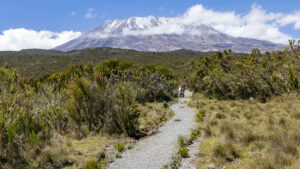
From dense forest to open moorland — Day 2 of the Machame Route brings changing landscapes and rising altitude.

Better Route Planning and Stronger Summit Support

A successful Kilimanjaro climb is not only about fitness. It depends heavily on route choice, pacing, acclimatization, guide decisions, food, hydration, rest, and mental support during the hardest parts of the trek.
 
At Kili Quests, we focus on longer, better-paced routes because they give climbers more time to adjust to altitude. Routes such as Lemosho and Northern Circuit are often preferred for climbers who want a stronger acclimatization profile, quieter trail sections, and a more gradual approach to the summit.
 
We do not believe in pushing every climber onto the shortest or cheapest itinerary. Instead, we help you choose a route that matches your fitness, travel dates, comfort level, and summit goals.
 
Our team supports climbers by:
  • Setting a slow, steady pace from the beginning
  • Encouraging proper hydration and eating at altitude
  • Monitoring energy levels and altitude symptoms
  • Keeping morale strong during long trekking days
  • Preparing climbers mentally for summit night
  • Making safety-first decisions when conditions change
The right tour company should be honest about Kilimanjaro. No company can guarantee the summit. But a well-planned route, experienced guides, proper acclimatization, and strong mountain support can give you a much better chance of reaching Uhuru Peak safely.
 
For a full route breakdown, read our Lemosho Route 8-Day Itinerary or compare it with the Northern Circuit Route before choosing your climb.
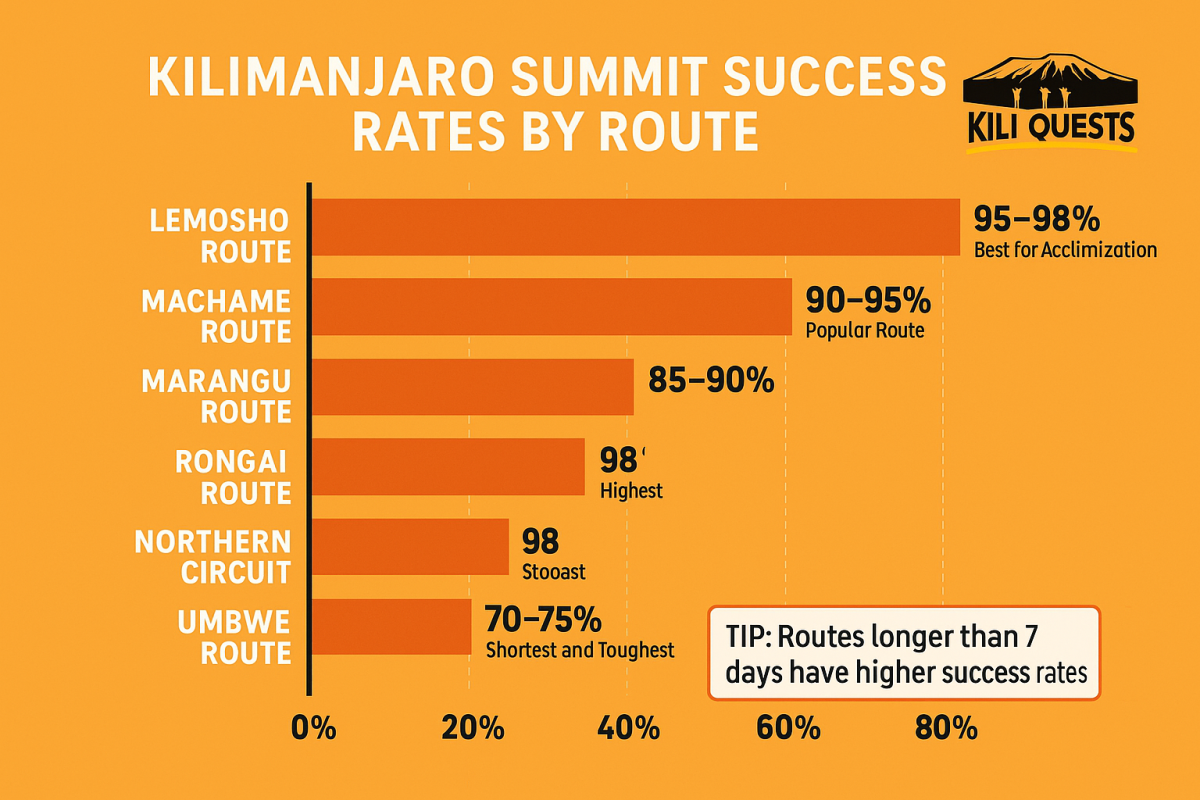
Infographic comparing Kilimanjaro summit success rates by route including Lemosho, Machame, Marangu, Rongai, and others, showing Lemosho and Northern Circuit as the most successful.
Kilimanjaro Summit Success Rates – Choose your route wisely: Longer routes like Northern Circuit and Lemosho offer the best acclimatization and summit success

Motivation & Morale

The mountain is both a physical and mental challenge. Our experienced team:
  • Offers encouragement and emotional support
  • Builds camaraderie among climbers
  • Helps you push through summit night , when it counts most

Why Choose Kili Quests for Your Kilimanjaro Climb?

At Kili Quests, we focus on safe, well-supported Kilimanjaro climbs led by experienced local mountain teams. Our goal is not just to get you to the summit, but to help you climb with proper pacing, good acclimatization, reliable camp support, and clear communication from start to finish.
 
We help climbers choose routes based on fitness, time, budget, comfort level, and acclimatization needs. We also explain what is included in the climb package so you understand exactly what you are paying for before you book.
 
Our Kilimanjaro climbs include experienced guides, mountain crew support, daily meals, camping equipment, safety planning, and route guidance designed around your pace and goals.
 
For a full breakdown, see What’s Included in Our Kilimanjaro Climb Package.

Red Flags to Avoid When Choosing a Kilimanjaro Company

Be careful if a Kilimanjaro company cannot clearly explain its safety procedures, guide experience, porter treatment, or what is included in the price. A low price may look attractive, but it can sometimes mean poor equipment, underpaid crew, weak food support, rushed itineraries, or limited emergency preparation.
 
Avoid operators that:
  • Push you toward the cheapest or shortest route without explaining altitude risks
  • Do not clearly mention oxygen, first-aid kits, or emergency procedures
  • Cannot explain porter welfare or crew treatment
  • Give vague answers about park fees, meals, tents, toilets, or transfers
  • Have poor communication before booking
  • Promise guaranteed summit success
  • Offer prices that seem too low compared with proper Kilimanjaro operating costs
A serious Kilimanjaro company should be honest about the challenge, not just eager to take your deposit.

Questions to Ask Before Booking a Kilimanjaro Tour Company

Before booking your climb, ask:
  1. Is the company licensed to operate Kilimanjaro climbs?
  2. How experienced are the guides?
  3. What safety equipment is carried on the mountain?
  4. How does the company handle altitude sickness?
  5. Which route do they recommend for your fitness and schedule?
  6. What is included and excluded in the price?
  7. How are porters treated and supported?
  8. What happens if a climber needs to descend?
  9. Are airport transfers and hotel stays included?
  10. Can they explain the full climb plan clearly before payment?
If a company avoids these questions, that is a warning sign.

Frequently Asked Questions About Choosing a Kilimanjaro Tour Company

Why is choosing the right Kilimanjaro tour company important?

Choosing the right Kilimanjaro tour company affects your safety, acclimatization, comfort, and summit chances. A professional company provides experienced guides, proper route planning, safety equipment, emergency support, good meals, reliable camp setup, and trained crew members who understand high-altitude trekking.

Can I climb Kilimanjaro without a tour company?

No. Independent climbing is not allowed on Mount Kilimanjaro. Climbers must use a licensed Kilimanjaro tour operator and enter through official park gates with registered guides and crew.

What safety equipment should a Kilimanjaro company provide?

A serious Kilimanjaro company should carry first-aid kits, emergency oxygen, communication equipment, and proper camping gear. Guides should also monitor climbers for altitude sickness symptoms and be prepared to slow the pace, adjust the plan, or descend when necessary.

Should I choose the cheapest Kilimanjaro company?

Not always. Very cheap Kilimanjaro climbs can mean rushed itineraries, poor equipment, weak food support, underpaid crew, or limited safety preparation. Price matters, but safety, guide experience, porter welfare, and clear inclusions matter more.

What should I ask before booking a Kilimanjaro climb?

Ask about guide experience, route recommendations, acclimatization days, safety equipment, emergency procedures, porter treatment, meals, tents, toilets, park fees, transfers, and what is included or excluded in the price. A reliable company should answer clearly before you pay.

Plan Your Kilimanjaro Climb with Confidence

Choosing the right Kilimanjaro company is not just about price. It is about safety, experience, honest advice, strong mountain support, and a team that knows how to guide climbers responsibly at altitude.
 
If you want help choosing the right route, understanding the cost, or planning a safe Kilimanjaro climb, Kili Quests can help you build a climb plan based on your fitness, schedule, and goals.
 
Contact us today to start planning your Kilimanjaro climb with a trusted local team.

Related Articles

Tanzania Tour Payment Guide: Transfers, Timing & Tips

Secure Your Tanzania Adventure

Plan your Kilimanjaro climb or safari with clear payment guidance and trusted local support.

Helpful Booking Guides

OUR CATEGORIES

Tanzania Tour Payment Guide: Transfers, Timing, and Tips

When planning your Tanzania trip, payment timing is an important part of confirming your booking. Whether you are climbing Mount Kilimanjaro, joining a safari, or adding Zanzibar to your itinerary, your payment should reach the tour company safely and early enough to secure your arrangements.
 
Many travelers ask how long it takes to transfer money for a Tanzania tour. The answer depends on the payment method, sending country, bank processing times, weekends, holidays, and verification checks.
 
This guide explains common payment methods, typical processing times, and simple tips to help you avoid delays before your Kilimanjaro climb or safari begins.
 
For details on what is covered after booking, see What’s Included in Our Climb Package or review your specific safari itinerary with the Kili Quests team.

Quick Answer: How Long Do Tanzania Tour Payments Take?

Most Tanzania tour payments take anywhere from a few minutes to five business days, depending on the method used. Online platforms such as Wetravel or PayPal may process quickly, while international bank transfers often take 2–5 business days because of bank checks, intermediary banks, weekends, and time zones.
 
For international travelers, it is best to start the payment process early and send bank transfers at least 7–10 days before arrival. If you use WeTravel, follow the official payment link shared by Kili Quests and send your payment confirmation after completion.
Money transfer

Table of Contents

Payment Methods Accepted by Kili Quests

Kili Quests accepts several payment methods depending on your location, booking type, and travel date. Before sending any payment, always confirm the correct payment instructions directly with our team.
 
Common payment options may include:
  • International bank transfer or wire transfer
  • WeTravel online payment
  • Cash payment on arrival for approved balances
  • Mobile money transfers for local or regional payments
WeTravel is a convenient option for many international travelers because it allows secure online payment and makes the booking process easier to track. Bank transfers may be better for some larger payments, while cash on arrival is only available when approved in advance.
 
The best payment method depends on how soon your trip begins, your country, transfer fees, exchange rates, payment amount, and the terms agreed for your booking.

WeTravel Online Payment

WeTravel is one of the online payment options available for Kili Quests bookings. It allows travelers to pay securely online and helps make the payment process easier to track.
 
Depending on your country, card provider, bank, and verification process, WeTravel payments may process quickly, but some payments can still take time to clear or confirm.
 
Before paying through WeTravel, check:
  • The payment amount
  • Any transaction fees
  • Exchange rate or currency conversion details
  • Card or bank limits
  • The email or booking link shared by Kili Quests
  • Confirmation receipt after payment
After completing the payment, send your confirmation to the Kili Quests team so your booking status can be updated.

Bank Transfer or Wire Transfer

Bank transfer is one of the most common payment methods for international Kilimanjaro and safari bookings. It is secure and suitable for larger payments, but it can take longer than online payment platforms.
 
Typical processing time:
  • Domestic transfers within Tanzania: usually 1 business day
  • International transfers: usually 2–5 business days
  • Delays may happen because of intermediary banks, weekends, holidays, or verification checks
If you are using a bank transfer, send payment early and allow extra time before your arrival date. For international transfers, we recommend starting the process at least 7–10 days before your trip.
 
Before sending payment, double-check the account name, bank details, currency, and reference information.

Cash Payment on Arrival

Some travelers may pay an approved remaining balance in cash after arriving in Tanzania. This should always be confirmed with Kili Quests before travel, especially if your trip requires advance reservations, park arrangements, accommodation, or crew planning.
 
Cash payment is usually instant, but it is not always suitable for every booking. Large balances, last-minute arrivals, or high-season trips may require earlier payment to secure services properly.
 
If you plan to pay cash on arrival, confirm:
  • The exact amount due
  • Accepted currency
  • Where and when payment will be made
  • Whether your booking requires an advance deposit
  • Whether your balance must be paid before the climb or safari begins

Online Payment Platforms

Online payment platforms can be faster and more convenient for international travelers. Depending on your country and payment method, platforms such as Wise or PayPal may process payments within minutes, a few hours, or the same business day.
 
These methods can be useful if your trip is approaching soon or if you prefer to pay by card or online transfer.
 
Before using an online platform, check:
  • Transaction fees
  • Exchange rates
  • Payment limits
  • Processing time
  • Whether the platform is available in your country
After completing payment, send the confirmation receipt to the Kili Quests team so your booking can be updated.

Mobile Money Transfers

Mobile money services such as M-Pesa or Airtel Money are common in East Africa and may be useful for local or regional payments. These transfers are usually fast and often process instantly.
 
This option is best for travelers already in Tanzania or for residents using local mobile money services. International travelers should confirm availability before relying on mobile money as their main payment method.

Deposit and Balance Payment Timing

Most Tanzania tour bookings require payment planning because services may need to be reserved in advance. For Kilimanjaro climbs, this may include park arrangements, guides, porters, cooks, equipment, hotels, and transfers. For safaris, it may include vehicle preparation, lodge bookings, park fees, and guide scheduling.
 
Your deposit helps secure the booking, while the remaining balance is usually completed before the trip begins or according to the agreed payment terms.
 
To avoid stress, do not wait until the last minute. If your trip is close, choose a faster payment method and confirm with the Kili Quests team before sending money.

What Can Delay a Tanzania Tour Payment?

Even when payment is sent correctly, processing time can vary. Common causes of delay include:
  • Weekends and public holidays
  • Time zone differences between banks
  • Intermediary banks for international transfers
  • Bank security checks or verification requests
  • Incorrect payment details
  • Currency conversion delays
  • Payment platform limits or account reviews

The best way to avoid delays is to start early, double-check all details, and send proof of payment as soon as the transfer is completed.

Tips to Avoid Payment Delays

To help your payment clear smoothly:
  • Confirm payment details directly with Kili Quests before sending money
  • Start the process early, especially for international bank transfers
  • Use faster options if your travel date is close
  • Double-check names, account numbers, currency, and reference details
  • Review bank fees and exchange rates before sending
  • Avoid sending payments right before weekends or holidays
  • Share your payment confirmation receipt with our team
  • Keep a copy of all transaction records
If you are also preparing travel documents, read our Tanzania Visa Guide while waiting for your payment to clear.

Payment Safety and Booking Confirmation

Before sending any payment, always make sure you are using the official payment details provided by Kili Quests. If you receive different bank details, a suspicious message, or an unexpected payment request, contact our team directly before sending money.
 
After payment is made, send us your receipt or transaction confirmation. Our team will check the payment status and confirm your booking once the funds are received or verified.
 
For safety, never rely on unofficial messages, unknown third-party accounts, or payment details that were not shared through trusted communication with Kili Quests.

Payment Safety and Booking Confirmation:

If you are paying through WeTravel, only use the official payment link sent by Kili Quests. Do not send payment through a random link, unknown account, or message that does not come from our confirmed communication channel. If anything looks unusual, contact us first before making payment.

Frequently Asked Questions About Tanzania Tour Payments

How long does it take to transfer money for a Tanzania tour?

Payment time depends on the method used. International bank transfers usually take 2–5 business days, while online platforms such as Wise or PayPal may process within minutes, a few hours, or the same business day. Local mobile money transfers are often instant.

Can I pay for my Kilimanjaro or safari trip through WeTravel?

Yes, Kili Quests may provide a WeTravel payment option for secure online booking payments. Always use the official payment link shared directly by Kili Quests and confirm your payment with our team after completing the transaction.

Can I pay the remaining balance when I arrive in Tanzania?

In some cases, yes. Some travelers may pay an approved remaining balance in cash after arriving in Moshi or Arusha. This must be confirmed in advance because some bookings require earlier payment for park arrangements, accommodation, crew planning, or safari reservations.

Why do international bank transfers take several days?

International transfers can take longer because of intermediary banks, time zones, weekends, public holidays, currency conversion, and security checks. Sending payment early helps avoid delays close to your travel date.

What should I do after sending payment?

After sending payment, share your receipt or transaction confirmation with Kili Quests. Keep a copy for your records and wait for confirmation from our team. If the payment is delayed, your receipt helps us track the transaction more easily.

Plan Your Payment with Confidence

A smooth payment process helps your Tanzania adventure start with less stress. Whether you are booking a Kilimanjaro climb, safari, or combined itinerary, the best approach is to choose the right payment method, send funds early, and confirm everything with the Kili Quests team.
 
If you are unsure which method is best for your booking, contact us before sending payment. We can help you understand timing, confirmation steps, and the best option based on your travel date.
 
Contact us today for secure payment guidance and trip confirmation support.

Related Articles

Tanzania Visa: eVisa vs Visa on Arrival (Which Is Better?)

Plan Your Tanzania Trip Smoothly

Get help preparing your Kilimanjaro climb or safari with clear travel guidance before you arrive.

Helpful Tanzania Travel Guides

OUR CATEGORIES

Tanzania eVisa vs Visa on Arrival: Which Is Better?

Planning a trip to Tanzania means more than choosing your safari route, Kilimanjaro climb, or Zanzibar hotel. You also need to understand your visa options before you travel.

Most international travelers visiting Tanzania for tourism need a visa. This may include travelers coming for a Kilimanjaro climb, Tanzania safari, Zanzibar holiday, or combined itinerary. The two most common options are applying online for a Tanzania eVisa before travel or requesting a visa on arrival at an approved entry point.

For most travelers, the eVisa is the better option because it reduces uncertainty before departure and can make arrival smoother. Visa on arrival may still be available for many travelers, but it can involve longer queues, payment delays, and extra stress after a long flight.

This guide explains the difference between Tanzania eVisa and visa on arrival, what documents you may need, which option is better, and common mistakes to avoid.
Quick Answer: Is Tanzania eVisa or Visa on Arrival Better?

For most travelers, the Tanzania eVisa is the better option because you can apply online before departure and arrive with your visa already processed. This helps reduce airport stress, especially if you are arriving for a Kilimanjaro climb, safari, or Zanzibar holiday with a fixed itinerary.
 
Visa on arrival may be useful for some last-minute travelers, but it can mean waiting in immigration queues, filling forms after landing, and dealing with payment or document issues at the airport.
 
Always check the official Tanzania Immigration website before applying because visa rules, fees, and eligibility can change.

What Is a Tanzania Tourist Visa?

A Tanzania tourist visa allows eligible foreign travelers to enter the United Republic of Tanzania for tourism, holidays, leisure travel, safari, Kilimanjaro trekking, Zanzibar visits, and other permitted short-term activities.

For most tourism trips, travelers apply for an Ordinary Visa. According to Tanzania Immigration, the Ordinary Visa is issued for a single entry and allows a stay not exceeding three months. Requirements normally include a valid passport with at least six months validity, visa fee, passport-size photo, and return ticket.

Important: having a visa does not automatically guarantee entry. Final permission to enter Tanzania is decided by immigration officials at the point of entry.

Option 1: Tanzania eVisa

The Tanzania eVisa is an online visa application system that allows travelers to apply before arriving in Tanzania. Instead of completing the full process at the airport, you submit your application through the official Tanzania Immigration eVisa portal before you travel.
 
The official eVisa system allows applicants to complete the form, make payment, and submit the application online for internal review and processing.

How to Apply for a Tanzania eVisa

  1. Visit the official Tanzania eVisa portal (https://visa.immigration.go.tz/
  2. Complete the online application form
  3. Upload the required documents
  4. Pay the visa fee online
  5. Wait for processing and approval
  6. Print or save your visa confirmation before travel
Typical documents may include:
  1. Passport valid for at least six months
  2. Passport-size photo
  3. Return ticket
  4. Travel or accommodation details
  5. Visa fee payment
  6. Additional documents depending on nationality or visa type
The eVisa is usually the best choice if you want to complete the visa process before departure and avoid extra uncertainty on arrival.

Who Should Choose the Tanzania eVisa?

The Tanzania eVisa is usually better if:
  • You want your visa arranged before departure
  • You are traveling for a Kilimanjaro climb or safari with fixed dates
  • You want to reduce airport delays
  • You prefer online application and payment
  • You are traveling during busy seasons
  • You want more peace of mind before flying

Option 2: Tanzania Visa on Arrival

Visa on arrival means you request your visa after landing in Tanzania or entering through an approved border point. This option may be available for many travelers, but it is less predictable than applying online before departure.
 
At the airport, you may need to complete forms, show your passport and travel documents, pay the visa fee, and wait for immigration processing. During busy travel periods, this can take extra time.
 
Visa on arrival may suit some last-minute travelers, but it is not the best option if you want a smoother arrival after a long international flight.
 
You should still confirm your eligibility before travel. Do not assume every nationality can get a visa on arrival.

Comparison table

Visa Option How It Works Best For Main Downside
Tanzania eVisa Apply online before travel through the official Tanzania Immigration portal. Most travelers who want a smoother arrival and less uncertainty. You must apply early and wait for processing before travel.
Visa on arrival Apply at an approved entry point after arriving in Tanzania. Some last-minute travelers who are eligible and prepared with documents. Queues, payment issues, document checks, and arrival delays are possible.

Tanzania Visa Fees

Tanzania visa fees depend on visa type and nationality. The official Tanzania Immigration visa fee page lists the Ordinary Visa at USD 50. U.S. citizens traveling for tourism are required to apply for a Multiple Entry Visa, which is listed at USD 100.
 
Always check the official Tanzania Immigration website before applying because fees and requirements can change. Be careful with unofficial visa websites or agents that charge more than the official fee.

Who Might Use Visa on Arrival?

Visa on arrival may be useful if:

  • Your trip is last-minute
  • You are eligible for visa on arrival
  • You have all required documents ready
  • You are comfortable waiting at immigration
  • You have confirmed the current rules before travel
Still, for most travelers, the eVisa is the cleaner choice.

Frequently Asked Questions About Tanzania eVisa and Visa on Arrival

Is Tanzania eVisa better than visa on arrival?

For most travelers, yes. The Tanzania eVisa is usually better because you can apply before departure and reduce uncertainty when you arrive. Visa on arrival may still be available for some travelers, but it can involve queues, paperwork, and payment delays at the airport.

How long does a Tanzania eVisa take?

Processing time can vary, so travelers should apply early and avoid waiting until the last few days before departure. Many travelers apply at least one to two weeks before travel to allow time for review, payment confirmation, and any extra document checks.

Can I get a Tanzania visa on arrival?

Visa on arrival may be available for many travelers at approved entry points, but you should confirm your eligibility before travel. Do not assume every nationality can use visa on arrival, because entry and visa requirements can change.

What documents do I need for a Tanzania tourist visa?

For an Ordinary Visa, Tanzania Immigration lists requirements including a valid passport with at least six months validity, the required visa fee, one passport-size photo, and a return ticket. Depending on your nationality or trip details, you may also need accommodation or tour information.

Does a Tanzania visa guarantee entry?

No. A visa does not automatically guarantee entry into Tanzania. Final entry permission is decided by immigration officials at the point of entry, so travelers should carry the correct documents and follow immigration requirements.

Prepare Your Tanzania Trip with Confidence

Getting your visa sorted early helps your Kilimanjaro climb, safari, or Zanzibar holiday start smoothly. For most travelers, applying for the Tanzania eVisa before departure is the safer and more organized choice.
 
If you are booking your Tanzania adventure with Kili Quests, we can guide you on the travel details you may need for your visa application, including your itinerary, tour confirmation, and arrival planning.
 
Contact us today to plan your Kilimanjaro climb or Tanzania safari with confidence.

Related Articles

Contact Kili Quests | Tanzania Tours, Safaris & Kilimanjaro Treks

Contact Kili Quests for Your Tanzania Tour

Planning a trip to Tanzania? Whether you want to climb Mount Kilimanjaro, book a wildlife safari, or add Zanzibar to your itinerary, the Kili Quests team is ready to help you plan with clear advice and local support.

You can contact us by WhatsApp, email, phone call, Zoom meeting, or the contact form on our website. Choose the method that works best for your question, travel dates, and booking stage.

For the fastest response, WhatsApp is usually the best option. For detailed itinerary requests, custom quotes, or formal booking information, email or the contact form may be better.

Quick Answer: What Is the Best Way to Contact Kili Quests?

The fastest way to contact Kili Quests is by WhatsApp, especially if you have quick questions about Kilimanjaro climbs, safari availability, trip dates, payments, or last-minute travel details.

For detailed trip planning, custom itineraries, group bookings, or written confirmation, email or the website contact form is better. If you prefer to discuss your plans face-to-face, you can request a Zoom meeting with our team.
From the Roof of Africa to a well-earned rest — welcome to Millennium Camp

WhatsApp: Fastest for Quick Questions

WhatsApp is the quickest way to reach the Kili Quests team. It is best when you need a fast response, want to ask a simple question, or need help while planning your trip.
Use WhatsApp for:
  • Kilimanjaro route questions
  • Safari availability
  • Travel date checks
  • Payment confirmation
  • Sending flight details
  • Last-minute updates
  • Quick booking questions
 
Message us on WhatsApp:
  1. +255 762 187 967
  2. +255 654 639 963
 
What’s in Our Safari Package – “Learn more about what’s included before you reach out to book.”

Zoom: Best for Personalized Trip Planning

A Zoom meeting is useful if you want to discuss your Tanzania trip in detail before booking. This works well for travelers who have several questions, need help choosing between options, or are planning a group trip.
 
Zoom is best for:
  • Kilimanjaro route planning
  • Safari itinerary discussions
  • Group bookings
  • Honeymoon or family travel planning
  • Custom Tanzania trips
  • Detailed pre-booking questions
To schedule a Zoom meeting, contact us by WhatsApp or email and suggest a suitable time.

Email: Best for Detailed Trip Requests

Email is best when you want to send a detailed request, receive a written reply, or discuss a custom itinerary. It is also useful for booking confirmations, attachments, group travel details, and formal communication.
 
Use email for:
  • Custom Kilimanjaro climb quotes
  • Safari itinerary requests
  • Group or family travel planning
  • Booking confirmations
  • Sending documents or attachments
  • Detailed questions about your trip
Email us at:
  • info@kiliquests.com
We usually reply within 24 hours.
 
Visa Guide , Not sure what paperwork you need? We can assist with the visa process too.
contact us for your Next adventure

Contact Form: Simple and Direct

The website contact form is a simple way to send your trip details if you are not sure which contact method to use. It helps us understand what you are looking for before we reply.

Use the contact form for:
  • General inquiries
  • Custom trip requests
  • Special accommodation needs
  • Safari and Kilimanjaro planning
  • Feedback or concerns
You can use the contact form on the Kili Quests website to share your name, travel dates, number of travelers, and the type of trip you want to plan.

What to Include When You Contact Us

To help us reply faster and more accurately, include a few important details in your message:
  1. Your preferred travel dates
  2. Number of travelers
  3. Type of trip: Kilimanjaro, safari, Zanzibar, or combined itinerary
  4. Preferred Kilimanjaro route or safari destination, if known
  5. Your budget range, if you already have one
  6. Fitness level or hiking experience for Kilimanjaro climbs
  7. Any special requests, medical concerns, or dietary needs
  8. Your arrival airport and flight details, if already booked
The more details you share, the easier it is for us to recommend the right trip plan.

Phone Call: Best for Urgent Support

A phone call is best when you need direct, real-time support. This is useful for urgent questions, last-minute changes, or travelers already in Tanzania.


Call us for:
  • Urgent booking questions
  • Arrival updates
  • Last-minute trip changes
  • Meeting point clarification
  • Immediate travel support


Call Kili Quests:
  1. +255 654 639 963
  2. +255 762 187 967
Learn more about our routes and success rates: Climb Kilimanjaro with Experts.
At 5,756 meters, the world looks different.

Start Your Tanzanian Adventure Today

From Kilimanjaro’s snowy summit to the plains of Serengeti, your journey starts with a simple message.
Contact us today via:
  • WhatsApp for quick support
  • Zoom for in-depth planning
  • Email for formal requests
  • Phone for personal attention
We’re here to make your experience smooth, safe, and unforgettable.

Frequently Asked Questions

What is the fastest way to contact Kili Quests?

The fastest way to contact Kili Quests is usually by WhatsApp. It is best for quick questions about Kilimanjaro climbs, safari availability, travel dates, payments, or last-minute updates.

Can I schedule a Zoom meeting before booking?

Yes. You can request a Zoom meeting if you want to discuss your Kilimanjaro climb, Tanzania safari, Zanzibar extension, or custom itinerary in more detail before booking.
What information should I send when requesting a quote?

Send your travel dates, number of travelers, preferred trip type, route or safari destination if known, budget range, and any special requests. This helps the team prepare a better and faster response.

Can Kili Quests help with both Kilimanjaro and safari planning?

Yes. Kili Quests can help plan Kilimanjaro climbs, Tanzania safaris, Zanzibar extensions, and combined itineraries depending on your travel dates and preferences.

How long does it take to receive a reply?

WhatsApp messages often receive the fastest response, depending on the time of day. Email and contact form inquiries are usually answered within 24 hours.

Start Planning Your Tanzania Adventure

Your Tanzania trip starts with a simple message. Whether you are ready to book or still comparing options, the Kili Quests team can help you choose the right Kilimanjaro route, safari itinerary, travel timing, and support plan.
 
Contact us by WhatsApp for quick answers, email for detailed planning, Zoom for a personal discussion, or the website contact form for general inquiries.
 
Contact us today and let’s start planning your Kilimanjaro climb, Tanzania safari, or Zanzibar adventure.

Related Articles

Mount Kilimanjaro Guide: Facts & Overview

Plan Your Kilimanjaro Climb

Not sure where to start? We help you choose the right route, season, itinerary length, and preparation plan for your Kilimanjaro climb.

Essential Kilimanjaro Guides

Use these guides to plan your climb step by step.

OUR CATEGORIES

Mount Kilimanjaro Guide: Location, Height, Facts & Trek Overview

Mount Kilimanjaro is Africa’s highest mountain and one of the most famous trekking destinations in the world. Rising to 5,895 meters / 19,341 feet, it stands in northern Tanzania near the border with Kenya and attracts climbers from around the world.
 
What makes Kilimanjaro special is not only its height. It is the world’s tallest free-standing mountain, a dormant volcano, a UNESCO World Heritage Site, and a non-technical trek that takes climbers through changing landscapes from forest to alpine terrain and the arctic summit.
 
For many travelers, Kilimanjaro is their first major high-altitude adventure. You do not need ropes or advanced mountaineering skills, but you do need proper preparation, the right route, good pacing, and experienced guides.
 
This guide gives you a clear overview of Mount Kilimanjaro, including its location, height, volcanic features, history, trekking routes, challenges, preparation, safety, and why it remains one of Africa’s most iconic climbs.
For a deeper planning decision, you can also compare Kilimanjaro routes before choosing your itinerary.

Quick Answer: What Is Mount Kilimanjaro?

Mount Kilimanjaro is the highest mountain in Africa, standing at 5,895 meters / 19,341 feet above sea level. It is located in northern Tanzania, near the border with Kenya, and its highest point is Uhuru Peak.
 
Kilimanjaro is a dormant volcano made up of three volcanic cones: Kibo, Mawenzi, and Shira. Kibo is the highest cone and contains Uhuru Peak, while Mawenzi and Shira are older volcanic formations.
 
The mountain is famous because it is the tallest free-standing mountain in the world and one of the most accessible major high-altitude treks. Climbers do not need technical mountaineering skills, but they do need fitness, acclimatization, proper gear, and experienced guides.
 
For most trekkers, Kilimanjaro is not just a summit climb. It is a journey through changing landscapes, local culture, volcanic terrain, altitude challenges, and the final push to the Roof of Africa.
Mount Kilimanjaro—Africa’s tallest and most iconic peak

Table of Contents

Geography and Volcanic Features of Mount Kilimanjaro

Mount Kilimanjaro is located in northern Tanzania, close to the Kenya border and near the town of Moshi. Unlike mountains that form part of a long range, Kilimanjaro rises alone from the surrounding plains, which is one reason it looks so dramatic from a distance.
 
Kilimanjaro is a dormant volcano made up of three main volcanic cones: Kibo, Mawenzi, and Shira. Kibo is the highest cone and contains Uhuru Peak, the summit of Kilimanjaro. Mawenzi is rugged and jagged, while Shira is the oldest cone and now forms a wide plateau.
 
This volcanic structure shaped much of the mountain’s terrain, including its crater area, ridges, scree slopes, lava formations, and high-altitude landscapes.
 
For a deeper explanation of how the mountain formed and how Kibo, Mawenzi, and Shira developed, read our Kilimanjaro Formation and Volcanic Cones guide.

Why Kilimanjaro’s Geography Matters for Climbers

Kilimanjaro’s volcanic structure affects the trekking experience. Climbers pass through changing terrain, from forest trails and open moorland to volcanic rock, scree, and summit ridges.
 
The mountain’s height also creates major altitude changes, which is why route choice and acclimatization matter. Before booking, it helps to compare Kilimanjaro routes so you choose an itinerary that fits your fitness, scenery preferences, and acclimatization needs.

History and Cultural Significance of Mount Kilimanjaro

Mount Kilimanjaro has deep cultural and historical importance, especially for communities living around its lower slopes. For the Chagga people and other nearby communities, the mountain is part of local identity, farming life, stories, and heritage.

Kilimanjaro also became internationally famous through early exploration, recorded summit attempts, and its status as Africa’s highest mountain. Today, it is both a natural landmark and a symbol of adventure for climbers from around the world.

This guide gives only a brief overview. For deeper background, read our Kilimanjaro History and Chagga Culture guide and our Kilimanjaro First Ascent article.
The final push—climbing toward the Roof of Africa

Trekking Routes to the Summit

Mount Kilimanjaro has several official trekking routes to Uhuru Peak, including Machame, Marangu, Lemosho, Rongai, Northern Circuit, Shira, and Umbwe.
 
Each route gives climbers a different experience. Some are more scenic, some are quieter, some allow more time for acclimatization, and some are shorter but more demanding. Route choice affects your daily walking rhythm, camp experience, crowd level, and how your body adjusts to altitude.
 
This overview guide will not explain every route in detail because each route deserves its own full breakdown. Before choosing, read our Kilimanjaro Routes Comparison guide to compare scenery, difficulty, route length, acclimatization profile, and who each route is best for.
 
Heading toward greatness—Mount Kilimanjaro awaits.

Challenges of Climbing Mount Kilimanjaro

Mount Kilimanjaro is a non-technical trek, but that does not mean it is easy. The main challenges are altitude, long trekking days, cold summit conditions, fatigue, and the need to keep a slow, steady pace for several days.

Most climbers do not struggle because the trail requires climbing skills. They struggle because the mountain is high, the air gets thinner, and the summit push is physically and mentally demanding.

The biggest challenges include:

  • High altitude above 5,000 meters
  • Cold temperatures near the summit
  • Long walking days
  • Summit night fatigue
  • Changing trail and weather conditions
  • Poor acclimatization on short itineraries
For a deeper breakdown of altitude risks, read our Altitude Sickness on Kilimanjaro guide. If you want to understand what makes the climb difficult overall, read our How Hard Is It to Climb Kilimanjaro? guide.

How to Prepare for a Kilimanjaro Climb

Preparing for Kilimanjaro means getting your body, gear, route choice, and mindset ready before you arrive in Tanzania. You do not need technical climbing skills, but you do need enough fitness for multi-day trekking, patience for altitude, and the right equipment for changing mountain conditions.

The most important preparation areas are:

  • Building hiking fitness and leg endurance
  • Choosing a route with enough acclimatization time
  • Packing proper layers for rain, wind, sun, and summit cold
  • Understanding altitude sickness symptoms
  • Breaking in your hiking boots before the trip
  • Preparing mentally for slow pacing and summit night

Do not treat Kilimanjaro like a normal day hike. The climb takes several days, and your body needs time to adjust as you gain altitude.

For detailed preparation, use our Kilimanjaro Training Guide, Kilimanjaro Packing List, and Acclimatization Tips on Kilimanjaro before your trek.

 
Morning views from Millennium Camp—Kilimanjaro standing proud.

Wildlife and Ecosystems on Mount Kilimanjaro

Mount Kilimanjaro is famous for its changing landscapes. As climbers move higher, the mountain shifts from cultivated lower slopes and rainforest to moorland, alpine desert, and the arctic summit zone.
 
The lower forest areas are the best places to see wildlife. Climbers may spot blue monkeys, black-and-white colobus monkeys, forest birds, and other small animals, although sightings are never guaranteed.
 
Higher on the mountain, wildlife becomes less common, but the landscape becomes more dramatic. Giant groundsels, open moorland, volcanic rock, dry alpine terrain, and icy summit views are all part of Kilimanjaro’s natural journey.
 
For a deeper breakdown of the mountain’s vegetation, altitude ranges, wildlife, and landscapes, read our Kilimanjaro Ecological Zones guide.

Safety and Support on Mount Kilimanjaro

Safety on Kilimanjaro depends on preparation, pacing, altitude awareness, guide experience, and the ability to respond quickly when conditions change.
 
Kilimanjaro is not a technical climb, but it is still a serious high-altitude trek. Climbers may face altitude symptoms, cold summit conditions, fatigue, dehydration, changing weather, and long trekking days. This is why choosing an experienced guide team matters.
 
At Kili Quests, safety support includes:


  • Experienced local mountain guides
  • Daily health checks during the climb
  • Pulse oximeter monitoring
  • Emergency oxygen support
  • Careful pacing for acclimatization
  • Clear communication with climbers
  • Emergency response planning when needed

Why Guide Experience Matters

A strong guide team does more than lead the trail. Guides monitor pace, watch for altitude symptoms, help climbers manage energy, and make practical decisions when weather, fatigue, or health concerns appear.

On Kilimanjaro, pushing too fast is not strength. Smart pacing, honest communication, and proper acclimatization are what protect the climb.

Travel Insurance for Kilimanjaro

Travel insurance is also important for Kilimanjaro because the climb takes place in a remote, high-altitude environment.
 
Climbers should choose insurance that covers high-altitude trekking, emergency evacuation, medical treatment, trip interruption, and lost or delayed baggage.
 
Do not buy a cheap policy without checking the altitude limit. Some policies exclude trekking above certain elevations, which can make them useless for Kilimanjaro.
 
For more detail, read our Kilimanjaro Travel Insurance guide before booking your climb
 
For altitude-specific safety, read our Altitude Sickness on Kilimanjaro guide and Acclimatization Tips on Kilimanjaro before your trek.

Why Climb Kilimanjaro With Kili Quests?

Choosing the right Kilimanjaro company matters because the climb is not just about reaching the trailhead. It is about route planning, acclimatization, safety, pacing, crew support, gear advice, and honest preparation before the trek begins.
 
At Kili Quests, we are a local Tanzania mountain team that helps climbers prepare properly and move steadily from the first trail day to the summit.
 
We support climbers with:
  • Local Kilimanjaro route advice
  • Private and small-group climb planning
  • Experienced mountain guides
  • Daily health checks during the trek
  • Emergency oxygen and pulse oximeter monitoring
  • Porter and crew support
  • Pre-climb preparation guidance
  • Clear communication before and during the climb

Local Knowledge From the Mountain

Kilimanjaro is our home mountain. Our guides understand how the routes feel, how weather changes, where climbers usually struggle, and why pacing matters from the first day.
 
That local knowledge helps climbers make better decisions before and during the trek.

Support Before You Arrive in Tanzania

 Good Kilimanjaro preparation starts before the climb. We help you understand route choice, packing, training, insurance, weather, and what to expect on the mountain.
 
This matters because many problems on Kilimanjaro begin before the trek starts: wrong route choice, poor gear, weak pacing expectations, or underestimating altitude.

A Climb Plan Built Around You

Every climber is different. Some need more time for acclimatization. Some want the most scenic route. Some want fewer crowds. Some are climbing for the first time and need more guidance.
 
Tell us your travel dates, fitness level, experience, and preferred route. We will help you choose a Kilimanjaro climb plan that fits your goals instead of forcing you into a one-size-fits-all itinerary.
 

Frequently Asked Questions About Mount Kilimanjaro

Where is Mount Kilimanjaro located?

Mount Kilimanjaro is located in northern Tanzania, near the border with Kenya. The mountain is close to the town of Moshi and is one of the most famous landmarks in East Africa.

How high is Mount Kilimanjaro?

Mount Kilimanjaro is 5,895 meters / 19,341 feet high. Its highest point is Uhuru Peak, located on the Kibo volcanic cone.

Is Mount Kilimanjaro a volcano?

Yes. Mount Kilimanjaro is a dormant volcano made up of three main cones: Kibo, Mawenzi, and Shira. Kibo is the highest cone and contains the summit, Uhuru Peak.
 
For a deeper explanation of the mountain’s volcanic history, read our Kilimanjaro Formation and Volcanic Cones guide.

Can beginners climb Mount Kilimanjaro?

Yes, beginners can climb Mount Kilimanjaro because it is a non-technical trek. You do not need ropes, ice axes, or advanced mountaineering skills.

But beginners should not underestimate the climb. Kilimanjaro still requires fitness, proper gear, slow pacing, acclimatization, and experienced guides.

For a full first-timer breakdown, read our Beginner’s Guide to Climbing Kilimanjaro.

How long does it take to climb Kilimanjaro?

Most Kilimanjaro climbs take 5 to 9 days, depending on the route and itinerary. Shorter climbs may look easier, but they give your body less time to adjust to altitude.

For most climbers, choosing the right number of days is a serious planning decision, not just a schedule choice.

For a full breakdown by route and itinerary length, read our How Many Days Does It Take to Climb Kilimanjaro? guide.

What is the best time to climb Mount Kilimanjaro?

The best time to climb Kilimanjaro is usually during the drier months from January to early March and June to October. These periods often offer better trail conditions and clearer views.
 
For a full month-by-month breakdown, read our Best Time to Climb Kilimanjaro guide.

Is Kilimanjaro dangerous?

Kilimanjaro is not a technical climb, but it is still a serious high-altitude trek. The main risks are altitude sickness, fatigue, dehydration, cold summit conditions, and changing weather.

Most risks can be reduced with good preparation, slow pacing, proper acclimatization, experienced guides, and honest communication during the climb.

For a full safety breakdown, read our Is Climbing Kilimanjaro Dangerous? guide.

Start Planning Your Kilimanjaro Climb With Kili Quests

Mount Kilimanjaro is more than Africa’s highest mountain. It is a journey through volcanic landscapes, changing ecosystems, local culture, altitude challenges, and the final push to Uhuru Peak.
 
The best climb starts with the right plan. Before you book, you need to understand your route options, how many days you need, what season fits your travel dates, what gear to bring, and how to prepare for altitude.
 
At Kili Quests, our local mountain team helps you plan your Kilimanjaro climb with clear advice, experienced guides, and honest preparation from the beginning.
We can help you:
  • Choose the right Kilimanjaro route
  • Decide how many days you need for your climb
  • Prepare for altitude and summit night
  • Understand weather, gear, and safety
  • Build a climb plan that fits your fitness, dates, and goals
Contact Kili Quests today and tell us your preferred travel month, fitness level, and route interest. We will help you plan a Kilimanjaro climb that is safe, realistic, and built around your goals.

Related Articles