What Is Uhuru Peak? Kilimanjaro Summit Meaning

Reach Uhuru Peak

Stand on the highest point in Africa with expert local guides.

Plan Your Climb

Prepare for your Kilimanjaro adventure:

OUR CATEGORIES

Uhuru Peak: The Story Behind Kilimanjaro’s Summit Name

Uhuru Peak is the highest point on Mount Kilimanjaro and the highest point in Africa, standing at 5,895 meters / 19,341 feet above sea level. For climbers, reaching Uhuru Peak is the final goal of the Kilimanjaro journey.
 
But Uhuru Peak is more than a summit sign. The word “Uhuru” means freedom in Swahili, and the name is closely connected to Tanzania’s independence and national identity.
 
This article explains what Uhuru Peak means, where it is located on Kilimanjaro, why the name matters, and how it became one of the most symbolic places in Tanzania.
 

Quick Answer: What Is Uhuru Peak?

Uhuru Peak is the true summit of Mount Kilimanjaro and the highest point in Africa. It stands at 5,895 meters / 19,341 feet on Kibo, the highest volcanic cone of Kilimanjaro.
 
The name Uhuru means freedom in Swahili. The summit name is strongly associated with Tanzania’s independence and represents national pride, freedom, and achievement.
 

Uhuru Peak Facts

Feature Details
Location Mount Kilimanjaro, Tanzania
Elevation 5,895 m / 19,341 ft
Mountain section Kibo crater rim
Meaning of Uhuru Freedom or independence in Swahili
Importance Highest point on Mount Kilimanjaro and highest point in Africa
Reached by All main Kilimanjaro climbing routes
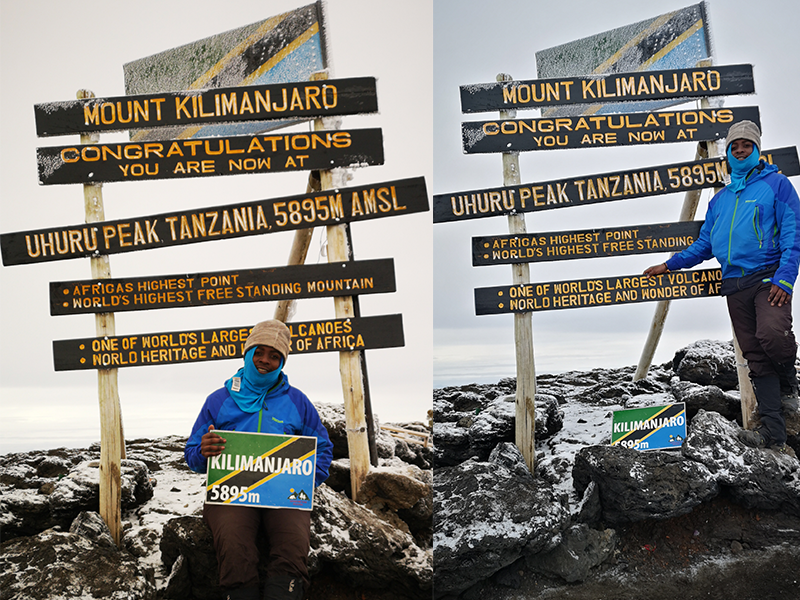
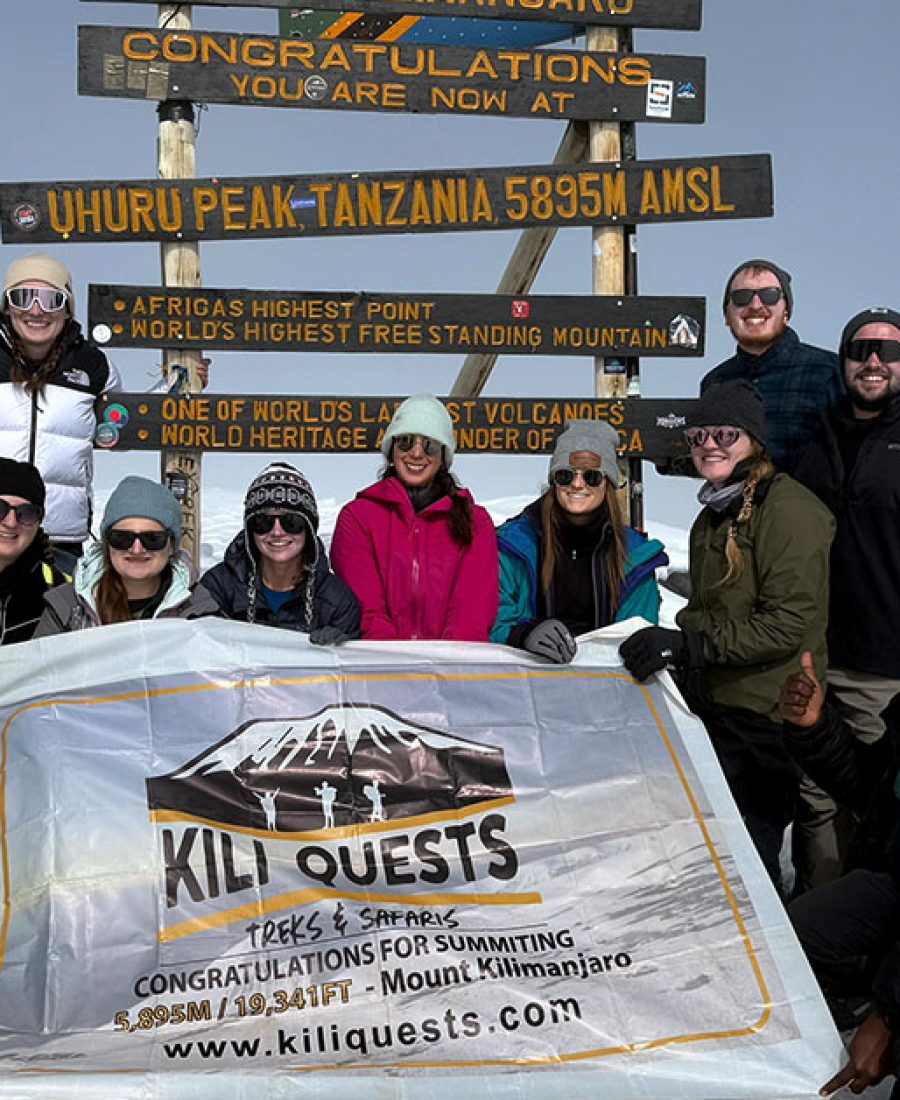
Trekkers posing at the Uhuru Peak summit sign on Mount Kilimanjaro, marking Africa’s highest point at 5,895 meters.
Trekkers celebrate reaching Uhuru Peak, the highest point in Africa. The sign marks 5,895 meters above sea level — a powerful moment for every Kilimanjaro climber.

Table of Contents

What Does “Uhuru” Mean?

Uhuru” is a Swahili word meaning freedom or independence. It is one of the most powerful words in Tanzania’s modern history because it is connected to the country’s independence and national identity.

When Tanganyika gained independence on December 9, 1961, the name Uhuru became a symbol of freedom, unity, and self-determination. Naming Kilimanjaro’s highest summit Uhuru Peak gave the mountain deeper meaning beyond geography.

Today, climbers from around the world reach Uhuru Peak not only as the top of Africa, but also as a place connected to Tanzania’s story of independence.

Uhuru Peak: A Symbol of National Pride

Renaming the summit wasn’t just symbolic. It made Kilimanjaro an emblem of a free and united Tanzania. Here’s why:
  • Kilimanjaro, already a towering natural landmark, became a national monument of independence.
  • The name Uhuru Peak reflects the collective spirit of Tanzanians rising above colonial history.
  • It serves as a message of hope and empowerment to both citizens and international climbers.
  • Climbing to Uhuru Peak is not only a physical achievement ,it’s a journey through history.Many climbers underestimate how demanding the journey can be.

Where Is Uhuru Peak on Mount Kilimanjaro?

Uhuru Peak is located on the crater rim of Kibo, the highest of Kilimanjaro’s three volcanic cones. The other two cones are Mawenzi and Shira.
 
Most climbers reach Kilimanjaro’s crater rim first at either Stella Point or Gillman’s Point, depending on the route. From there, they continue toward Uhuru Peak, the true highest point of the mountain.
 
All main Kilimanjaro routes eventually aim for Uhuru Peak, including Machame, Lemosho, Marangu, Rongai, Northern Circuit, and Umbwe. Before choosing a trail, compare the options in our Kilimanjaro routes comparison guide.

Uhuru Peak vs Stella Point

 Uhuru Peak and Stella Point are both important places on Mount Kilimanjaro, but they are not the same.
 
Stella Point is a point on Kilimanjaro’s crater rim. Many climbers reach Stella Point first during the summit push, especially on routes such as Machame, Lemosho, Umbwe, and the Northern Circuit.
 
Uhuru Peak is the true summit of Mount Kilimanjaro. It is higher than Stella Point and marks the official highest point in Africa.
 
Reaching Stella Point is a major achievement, but climbers usually continue along the crater rim to reach Uhuru Peak and complete the summit.

Did You Know?

Before it became widely known as Uhuru Peak, Kilimanjaro’s summit was associated with colonial-era naming. The name Uhuru Peak became important because it connected Africa’s highest point with Tanzania’s independence and freedom.

Tanzania’s Independence Day is celebrated on December 9, and the meaning of Uhuru makes the summit especially powerful for many Tanzanians and visitors who understand the history behind the name.

For climbers, reaching Uhuru Peak is not only a personal achievement. It is also a moment connected to Tanzania’s national story.
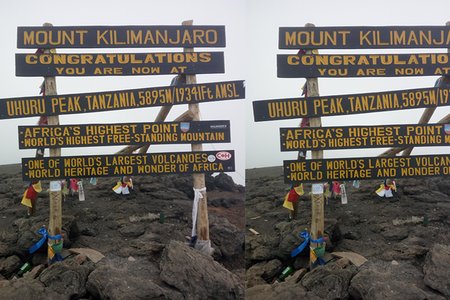
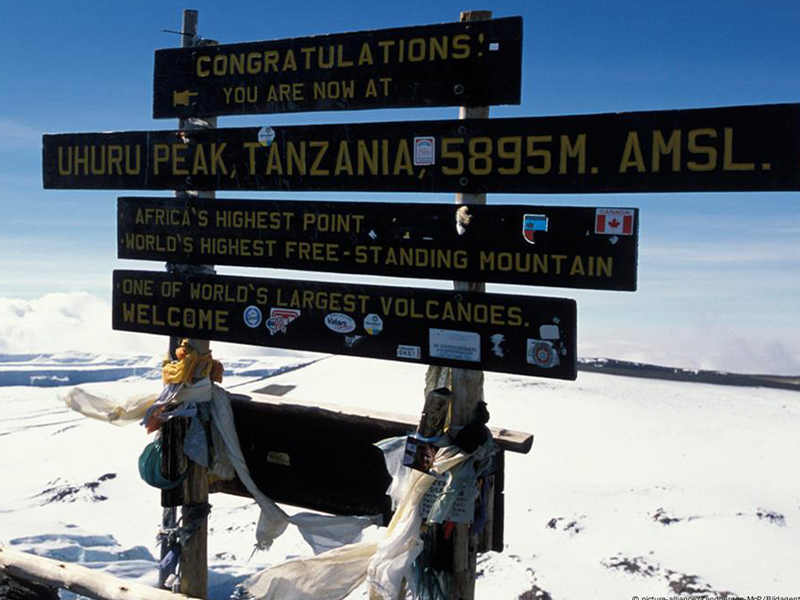
Uhuru Peak sign at the summit of Mount Kilimanjaro showing elevation and independence-related messages.
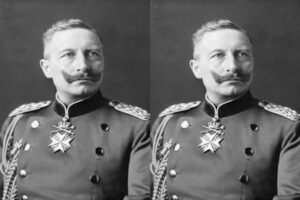
Since 1964, the summit of Kilimanjaro has been officially known as Uhuru Peak — a name symbolizing Tanzanian freedom. During colonial times, it was called Kaiser Wilhelm Spitze by Europeans, until it was renamed following Tanganyika’s independence in 1961.

More Than a Summit

Uhuru Peak is more than the highest point on Mount Kilimanjaro. It is a place where natural beauty, personal endurance, and Tanzanian history meet.

For climbers, standing at Uhuru Peak means completing one of the world’s most famous high-altitude treks. For Tanzania, the name carries a deeper message of freedom, pride, and independence.

That is why the summit sign is so powerful. It marks Africa’s highest point, but it also carries a name that belongs deeply to Tanzania’s identity.
Group of trekkers celebrating together at Uhuru Peak, the summit of Mount Kilimanjaro
Tourists celebrate their successful summit at Uhuru Peak alongside our expert KILI QUESTS guides, proudly raising the flag at Africa’s highest point.

Reaching Uhuru Peak on a Kilimanjaro Climb

Reaching Uhuru Peak requires proper preparation, steady pacing, and good acclimatization. Most climbers reach the summit after several days of trekking, depending on the route and itinerary.
 
The final summit push is usually the hardest part of the climb because of cold temperatures, thin air, and the long walking hours from base camp to the crater rim and then to Uhuru Peak.
 
If you are planning to climb Kilimanjaro, read our guides on how hard it is to climb Kilimanjaro, Kilimanjaro altitude sickness, and best Kilimanjaro routes before choosing your itinerary.

Frequently Asked Questions About Uhuru Peak

What is Uhuru Peak?

Uhuru Peak is the highest point on Mount Kilimanjaro and the highest point in Africa. It stands at 5,895 meters / 19,341 feet above sea level on Kibo, Kilimanjaro’s highest volcanic cone.

What does Uhuru Peak mean?

Uhuru” means freedom or independence in Swahili. The name connects Kilimanjaro’s summit with Tanzania’s independence and national pride.

Is Uhuru Peak the same as Stella Point?

No. Stella Point is a point on Kilimanjaro’s crater rim, while Uhuru Peak is the true summit. Many climbers reach Stella Point first, then continue along the crater rim to Uhuru Peak.

Do all Kilimanjaro routes reach Uhuru Peak?

Yes. All main Kilimanjaro routes aim to reach Uhuru Peak, including Machame, Lemosho, Marangu, Rongai, Umbwe, Shira, and the Northern Circuit. The routes differ in scenery, difficulty, duration, and acclimatization profile.

Is reaching Uhuru Peak difficult?

Yes. Reaching Uhuru Peak is difficult mainly because of altitude, cold conditions, and the long summit-night climb. Kilimanjaro is not a technical climb, but summit day requires endurance, patience, and proper acclimatization.

How high is Uhuru Peak?

Uhuru Peak is 5,895 meters / 19,341 feet above sea level. This makes it the highest point in Africa.

Plan Your Kilimanjaro Climb to Uhuru Peak

Reaching Uhuru Peak is the goal of every Kilimanjaro climb, but the route you choose, the number of days you spend on the mountain, and your acclimatization plan all matter.
 
At Kili Quests, we help climbers choose the right Kilimanjaro route based on fitness, experience, travel dates, and safety. Our local mountain team supports you from the first day of planning to the final steps toward Uhuru Peak.
 
Contact us today to start planning your Kilimanjaro climb with experienced local guides.

Related Articles

What Does Kilimanjaro Mean? Name Origin & History

Climb Kilimanjaro with Local Guides

Experience the mountain behind the name with local guides who understand its routes, history, culture, and summit challenge.

Related Kilimanjaro Stories

OUR CATEGORIES

Why Kilimanjaro Is Called ‘Kilimanjaro’ | Kili Quests

Mount Kilimanjaro is the highest mountain in Africa, but the meaning of its name is still debated. Unlike some famous mountains with clear naming origins, “Kilimanjaro” has several possible explanations connected to Swahili, Chagga language roots, early explorer records, snow, difficulty, and local stories.
 
No single meaning has been proven. Some people interpret Kilimanjaro as a “shining mountain” or “mountain of whiteness,” while others connect it to Chagga phrases describing a difficult or impossible climb. The truth is likely more complicated because the name passed through local languages, traders, missionaries, explorers, maps, and colonial spellings.
 
This article explains the main theories behind the name Kilimanjaro and why the mystery still matters today.
 
To understand the mountain’s physical shape and volcanic history, read our guide to what Mount Kilimanjaro is and how it formed.

Quick Answer: What Does Kilimanjaro Mean?

The exact meaning of “Kilimanjaro” is uncertain. Several theories exist, but no single origin has been proven.
 
One common explanation connects the name to Swahili and Chagga language roots, often interpreted as “mountain of whiteness” or “shining mountain” because of the snow and glaciers on the summit. Another theory links the name to Chagga words suggesting something difficult, impossible, or defeating to climb.
 
Early European explorers and missionaries recorded different spellings and interpretations, which helped standardize the name internationally. So the honest answer is this: Kilimanjaro does not have one confirmed meaning, but its name is tied to language, snow, local stories, early exploration, and the mountain’s powerful presence in East Africa.
Mount Kilimanjaro with local tribal regions such as Chagga and Pare surrounding the base
The origin of the name “Kilimanjaro” remains debated — with influences from Chagga, Swahili, Maasai, and colonial languages

Table of Contents

Why the Meaning of Kilimanjaro Is Uncertain

The meaning of Kilimanjaro is uncertain because the name passed through different languages, communities, interpreters, explorers, maps, and colonial records.
 
Local communities around the mountain did not always use one single name for the whole mountain in the same way outsiders later recorded it. Some names referred to specific peaks, such as Kibo and Mawenzi, while the wider name “Kilimanjaro” became more common through outside records.

European Records vs. Local Language

European missionaries and explorers helped spread the name “Kilimanjaro” internationally during the 19th century, but they did not create the mountain itself or the local meanings around it.

Johannes Rebmann, a German missionary, is widely credited as the first European to report seeing Kilimanjaro’s snow-covered summit in 1848. Later explorers, mapmakers, and colonial writers recorded the name in different spellings and interpretations.

One popular explanation connects “Kilima” with a Swahili word often interpreted as mountain or hill, and “Njaro” with a Chagga-related word linked to shining or whiteness. But this explanation is debated because mlima is the common Swahili word for mountain, while kilima usually means hill or small mountain.

This is why Kilimanjaro’s name is not simple. It likely passed through local speech, Swahili usage, guides, interpreters, and European writing before becoming the internationally recognized name.
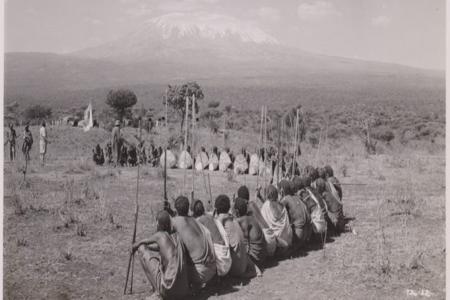
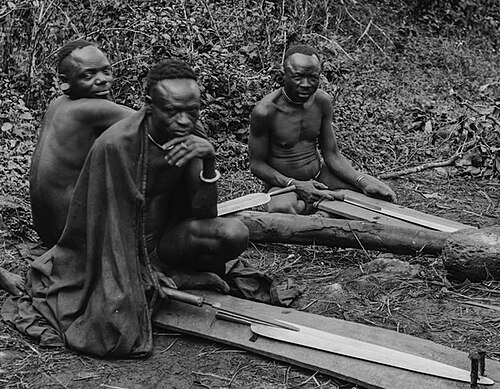
Historical photograph of Mount Kilimanjaro from early exploration or colonial era
Historical explorers and early local communities referred to the mountain by various names before “Kilimanjaro” became widely accepted
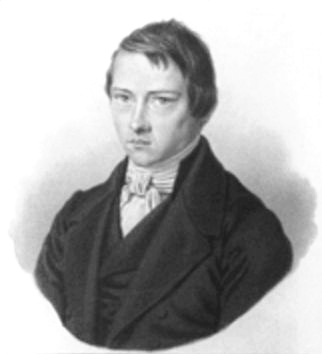
Portrait of Johannes Rebmann, the first European to report seeing Mount Kilimanjaro in 1848
In 1848, German missionary Johannes Rebmann was the first European to report Kilimanjaro’s snow-covered summit to the outside world

Local Language Theories Behind Kilimanjaro

Several local language theories try to explain the name Kilimanjaro.
 
One Chagga-related theory suggests that the name may have come from a phrase such as Kilelema Kyaro or a similar form, sometimes interpreted as “that which defeats the caravan” or “that which is difficult to climb.” This theory connects the name to the mountain’s difficulty and the challenge of reaching its high slopes.
 
Another theory links the name to snow, whiteness, or brightness. From far away, Kilimanjaro’s white summit would have been one of its most striking features, especially before the glaciers began shrinking.
 
There are also ideas connected to nearby languages, including Pare interpretations related to coldness or water. These should be treated as possible influences, not proven origins.
The strongest point is this: Kilimanjaro’s name likely developed from a mixture of local language, Swahili usage, outside interpretation, and later map records.
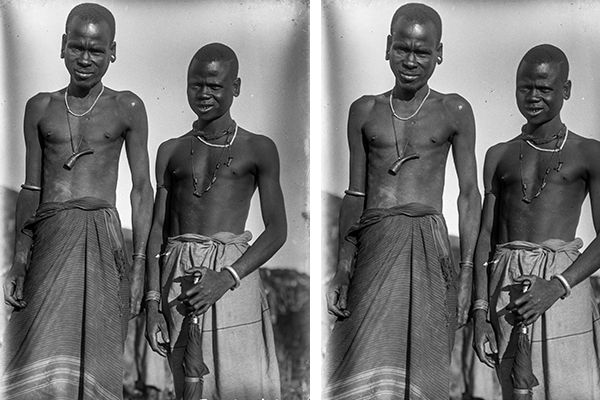
Members of the Chagga tribe near Mount Kilimanjaro in traditional attire
Members of the Pare tribe from the southeastern Kilimanjaro region, dressed in traditional clothing
The Pare people, known for their rituals and herbal knowledge, view Kilimanjaro as a sacred force and conduct spiritual ceremonies in its presence

Did Pare or Maasai Words Influence the Name?

Some local explanations connect the name Kilimanjaro with words from nearby communities, including Pare or Maasai interpretations. These ideas often relate to coldness, water, greatness, or spiritual respect for the mountain.
 
However, these theories are harder to prove. The Pare people live southeast of Kilimanjaro around the Pare Mountains, while Maasai communities have long lived across nearby plains in northern Tanzania and southern Kenya.
 
Kilimanjaro’s name may have passed through several language environments before being written down by outsiders. That makes it possible that nearby languages influenced how people understood the mountain, but no single Pare or Maasai origin has been proven.
 
For more about traditional stories and beliefs around the mountain, read Mount Kilimanjaro Myths: Chagga, Maasai & Pare Beliefs.

Colonial Influence on the Name Kilimanjaro

During the colonial period, German and British writers recorded place names based on what they heard from local guides, traders, missionaries, and interpreters. Because different languages and dialects were spoken around the mountain, names could be simplified, misheard, or reshaped in written records.
 
By the late 19th century, “Kilimanjaro” appeared more regularly on European maps and publications. Over time, this spelling became internationally accepted, even though the exact original meaning remained uncertain.
 
This does not mean the name is fake. It means the modern spelling of Kilimanjaro was shaped by contact between local languages, Swahili-speaking networks, European records, and colonial-era mapmaking.
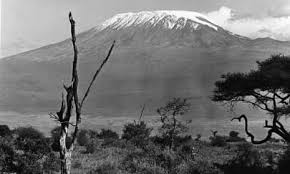
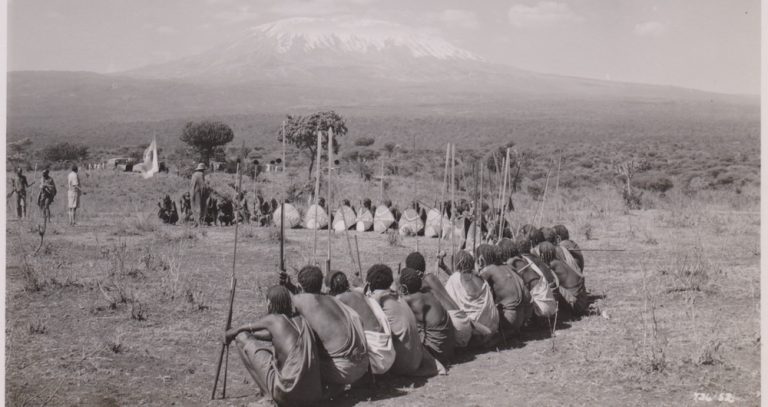
Historical image of Mount Kilimanjaro with glacier-covered summit during early exploration era
Early photographs of Kilimanjaro show more extensive glaciers and fewer local people

Kilimanjaro: A Name with Many Meanings

Theory Meaning
Swahili: Kilima + Njaro Hill of shining whiteness
Chagga: Kilelema Kyaro That which defeats caravans
Pare dialect Possibly “cold place” or “water source”
European explorers Misheard combination of tribal names
These meanings are historical theories, not confirmed translations. The name Kilimanjaro remains debated because it passed through local languages, Swahili-speaking networks, explorer records, and colonial mapmaking.
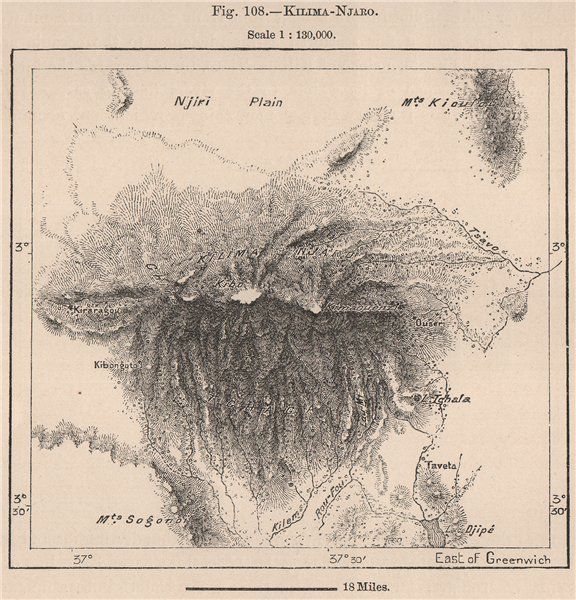
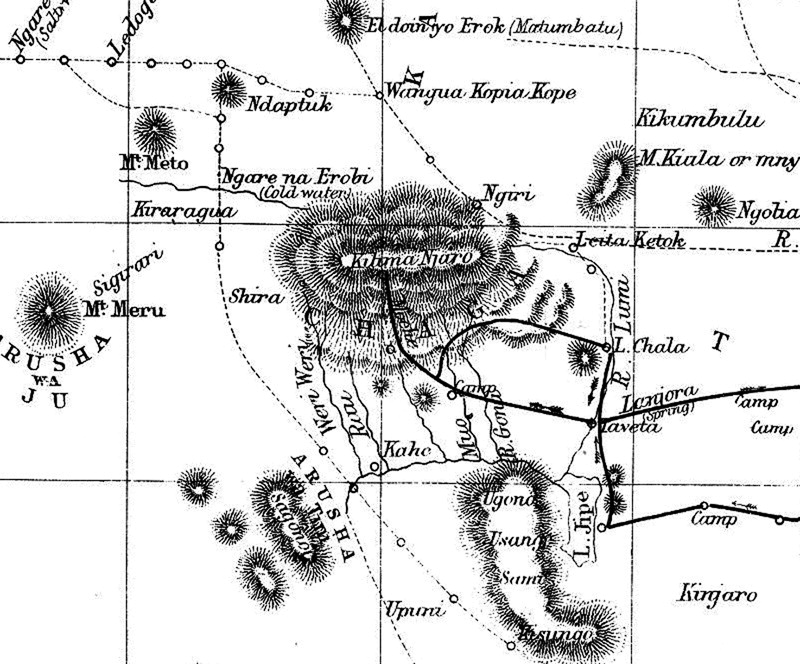
Hans Meyer 1889 map of Mount Kilimanjaro summit area
A look back in time — this 1990s Kilimanjaro map reflects how the mountain was explored, traveled, and understood decades ago.

Cultural Meaning Beyond the Name

For communities around the mountain, Kilimanjaro is more than a word on a map. It is connected to farming, water, forests, rain, ancestors, sacred places, and local identity.
 
The Chagga people, especially communities around the southern and eastern slopes, have lived close to the mountain for generations. Nearby Pare and Maasai communities also have their own cultural relationships with the wider Kilimanjaro landscape.
 
These stories do not prove one exact translation of the name, but they show why the mountain has always carried meaning beyond its height.
 
To understand the communities around the mountain, read Chagga Culture Around Mount Kilimanjaro.

Why the Name Kilimanjaro Still Matters Today

The name Kilimanjaro matters because it carries mystery, language, history, and identity. Even though no single meaning is proven, the different theories show how many communities, explorers, and storytellers tried to explain the mountain’s power.
 
For travelers, understanding the name adds depth to the climb. You are not just walking toward a summit; you are entering a landscape shaped by local languages, oral traditions, colonial records, and Tanzania’s modern identity.
 
Today, Kilimanjaro is known around the world as Africa’s highest mountain and one of the most iconic natural landmarks on Earth.
 
At its highest point stands Uhuru Peak, a name connected to Tanzania’s independence and freedom.

Frequently Asked Questions About the Name Kilimanjaro

What does the name Kilimanjaro mean?

The exact meaning of Kilimanjaro is still debated. Common theories connect the name with whiteness, shining snow, difficulty, greatness, caravans, or local spiritual ideas. No single meaning has been proven.

Does Kilimanjaro mean mountain of whiteness?

It may, according to one popular theory. This explanation connects the name with the snow and glaciers on Kilimanjaro’s summit. However, it is only one theory, not a confirmed translation.

Is Kilimanjaro a Swahili word?

Kilimanjaro is often linked to Swahili and Chagga language roots, but its exact origin is debated. The common Swahili word for mountain is mlima, while kilima usually means hill or small mountain, which makes the simple “kilima equals mountain” explanation more complicated.

Did local people originally call the mountain Kilimanjaro?

Not exactly. Some local communities referred to specific parts of the mountain, especially Kibo and Mawenzi, rather than using one single confirmed name for the whole mountain. The name Kilimanjaro became widely known through outside records, maps, and later international use.

How did European explorers influence the name Kilimanjaro?

European missionaries, explorers, and mapmakers helped standardize the spelling “Kilimanjaro” in international records. They recorded the name based on what they heard from local guides, Swahili speakers, traders, and interpreters.

Climb the Mountain Behind the Name

The meaning of Kilimanjaro may never be explained by one simple translation, but that is part of its power. The name carries snow, mystery, language, history, and the stories of people who have lived around the mountain for generations.
 
If you are ready to experience Kilimanjaro for yourself, Kili Quests can help you choose the right route, prepare properly, and climb with experienced local guides.
 
Contact us today to start planning your Kilimanjaro climb.

Related Articles

10 Must-Know Facts About Mount Kilimanjaro-Kili Quests

Start Planning Your Kilimanjaro Climb

Turning inspiration into a real climb starts with the right plan and expert guidance.

Plan Your Kilimanjaro Adventure the Right Way

Now that you know the mountain, the next step is understanding how to climb it successfully.

OUR CATEGORIES

10 Must-Know Facts About Mount Kilimanjaro

Mount Kilimanjaro is more than Africa’s highest mountain. It is a free-standing volcanic giant, a UNESCO World Heritage Site, a bucket-list trek, and one of the most recognizable natural landmarks in the world.

But the mountain is not only famous because of its height. Kilimanjaro has three volcanic cones, five ecological zones, shrinking glaciers, local cultural meaning, and trekking routes that attract climbers from around the world.

This article gives you 10 must-know facts about Mount Kilimanjaro before your climb. It is a quick facts guide, not a full planning guide. For the complete mountain overview, read our Mount Kilimanjaro Guide: Facts & Overview.

Quick Answer: What Makes Mount Kilimanjaro Special?

Mount Kilimanjaro is special because it is Africa’s highest mountain, the world’s tallest free-standing mountain, and one of the most famous non-technical treks on earth.
 
It rises to 5,895 meters / 19,341 feet at Uhuru Peak and is made up of three volcanic cones: Kibo, Mawenzi, and Shira. Climbers pass through several changing landscapes, from lower slopes and rainforest to moorland, alpine desert, and the arctic summit zone.
 
Kilimanjaro is also important because of its glaciers, cultural meaning, UNESCO World Heritage status, and the personal challenge of reaching the Roof of Africa.
Kili -3
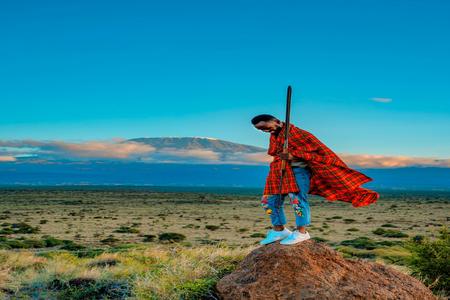
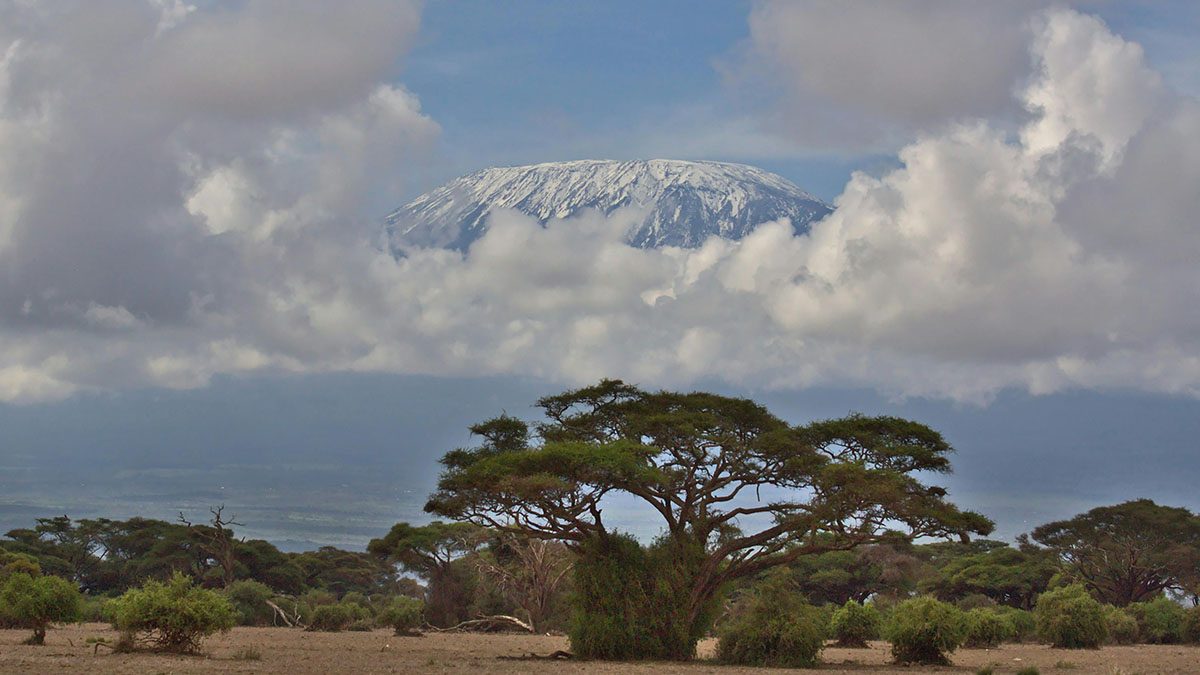
Standing tall at 5,895 meters—Kilimanjaro never fails to inspire

Table of Contents

Kilimanjaro Is the World’s Tallest Free-Standing Mountain

Mount Kilimanjaro is not part of a long mountain range. It rises alone from the plains of northern Tanzania, which makes it one of the most dramatic mountain profiles in the world.
 
At 5,895 meters / 19,341 feet, Kilimanjaro is the highest mountain in Africa and the tallest free-standing mountain on earth. This means its massive height rises independently from the surrounding landscape instead of being connected to a larger mountain chain.
 
That isolated shape is one reason Kilimanjaro looks so powerful from a distance and why it has become one of Africa’s most recognizable natural landmarks.

Kilimanjaro Has Three Volcanic Cones

Mount Kilimanjaro is a dormant volcano made up of three volcanic cones: Kibo, Mawenzi, and Shira.
 
Kibo is the highest cone and contains Uhuru Peak, the summit climbers aim to reach. Mawenzi is rugged and jagged, while Shira is the oldest cone and now forms a broad plateau.
 
This fact is important because Kilimanjaro’s volcanic past shaped the crater, scree slopes, lava formations, and dramatic high-altitude terrain seen during the climb.
 
For the deeper version, read our Kilimanjaro Formation and Volcanic Cones guide.

Kilimanjaro Is a Non-Technical Trek

Kilimanjaro is often called a non-technical climb because most routes do not require ropes, ice axes, or advanced mountaineering skills.But do not confuse non-technical with easy. That thinking is dangerous.
 
Kilimanjaro is still a serious high-altitude trek with long walking days, cold summit conditions, and altitude pressure above 5,000 meters.
 
The challenge is not rock climbing. The challenge is endurance, acclimatization, pacing, preparation, and mental strength.
For first-time climbers, read our Beginner’s Guide to Climbing Kilimanjaro before choosing your route.

Kilimanjaro Has Five Ecological Zones

One of the most unique facts about Mount Kilimanjaro is that climbers pass through several different environments in one trek.
 
As you gain altitude, the mountain changes from cultivated lower slopes to rainforest, heath and moorland, alpine desert, and finally the arctic summit zone. Each zone has different vegetation, terrain, wildlife, and climbing conditions.
 
This is why Kilimanjaro feels like more than one mountain. In a few days, climbers move from green forest trails to giant groundsels, volcanic desert, and icy summit terrain.
 
For the full breakdown, read our Kilimanjaro Ecological Zones guide.

Kilimanjaro’s First Recorded Summit Was in 1889

The first recorded summit of Mount Kilimanjaro was in 1889. The climb is often linked with Hans Meyer, but local knowledge and guide support were also part of Kilimanjaro’s early climbing history.
 
This matters because Kilimanjaro’s story is not only about foreign explorers. Local communities knew the mountain long before it became internationally famous, and local guides have always played an important role in its climbing history.
 
For more background, read our Kilimanjaro First Ascent .

Kilimanjaro Has Deep Local and Cultural Meaning

Mount Kilimanjaro is not just a trekking destination. For communities living around its slopes, especially the Chagga people, the mountain is part of local identity, farming life, stories, and heritage.
 
The lower slopes support villages, coffee farms, banana trees, and local life. This gives Kilimanjaro a cultural meaning that many climbers miss if they only think about the summit.
 
For a deeper look at the mountain’s local history and meaning, read our Kilimanjaro History and Chagga Culture guide.
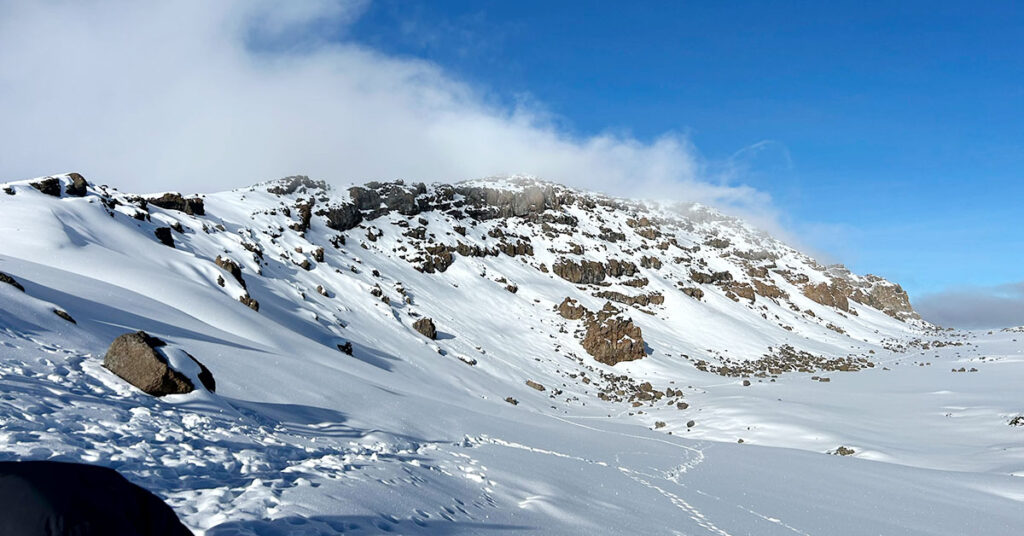
A magical moment at Stella—snow underfoot, views all around

Kilimanjaro Still Has Glaciers Near the Summit

Mount Kilimanjaro is famous for its ice and glaciers near the summit. These glaciers make the upper mountain look dramatic, especially around the crater and summit areas.
 
However, Kilimanjaro’s ice has been shrinking over time. This is one reason the mountain is often discussed in conversations about climate change, high-altitude environments, and Africa’s most iconic landscapes.
 
For climbers, the glaciers are not just a photo point. They are part of what makes the summit zone feel so different from the lower mountain.

The Name “Kilimanjaro” Has Multiple Possible Origins

The meaning of the name “Kilimanjaro” is still debated. Some explanations connect it to Swahili and Chagga language roots, while others suggest older regional influences.
 
This mystery is part of the mountain’s identity. The name has become known around the world, but its exact origin is not explained by one simple answer.
 
For a deeper explanation, read our Why Kilimanjaro Is Called Kilimanjaro guide.

The Best Climbing Months Are Usually the Drier Seasons

Kilimanjaro can be climbed year-round, but the most favorable trekking conditions are usually during the drier months: January to early March and June to October.
 
These periods often bring better trail conditions, clearer views, and a more comfortable trekking experience. April and May are usually less ideal because the long rains can make trails muddy and slippery.
 
For the full month-by-month breakdown, read our Best Time to Climb Kilimanjaro guide.
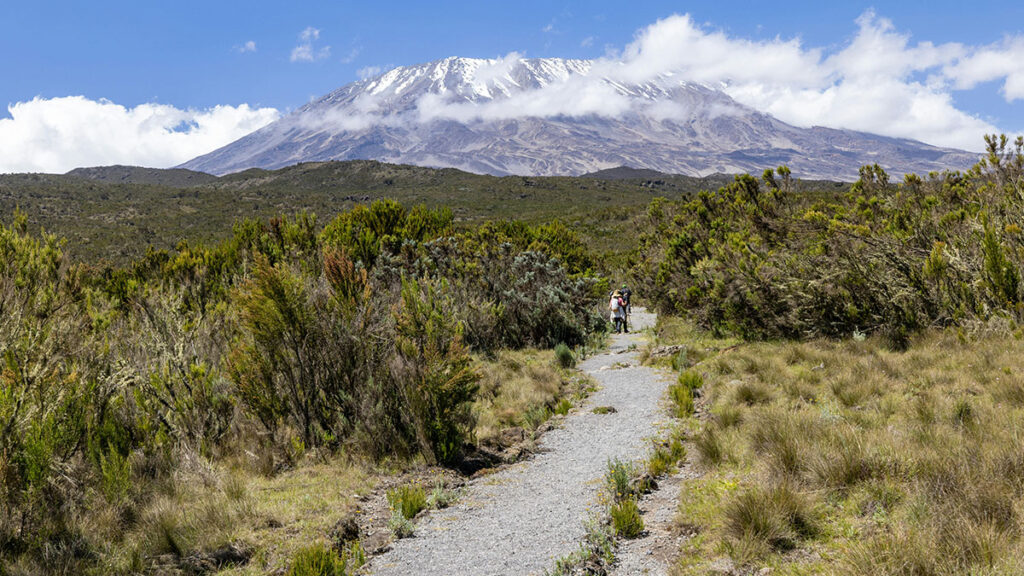
Following the path to Kilimanjaro’s towering peak.

Reaching the Summit Depends on Preparation, Not Luck

Many people attempt Kilimanjaro each year, but reaching the summit depends on more than motivation. The strongest climbers are usually the ones who choose a suitable route, walk slowly, acclimatize properly, pack well, and listen to their guides.
 
Do not treat Kilimanjaro like a casual hike. The mountain is non-technical, but altitude, cold, fatigue, and summit night make it a serious challenge.
 
For better preparation, use our Kilimanjaro Training Guide, Altitude Sickness on Kilimanjaro guide, and Kilimanjaro Packing List before your climb.

 Ready to Start Your Kilimanjaro Journey?

Mount Kilimanjaro is more than just a mountain , it’s an experience that combines nature, challenge, and personal triumph. Whether you’re an experienced hiker or a first-timer, Kili Quests is here to make your trek safe, successful, and unforgettable.
 

Frequently Asked Questions About Mount Kilimanjaro Facts

What is Mount Kilimanjaro best known for?

Mount Kilimanjaro is best known for being the highest mountain in Africa and the tallest free-standing mountain in the world. It rises to 5,895 meters / 19,341 feet and stands alone above the plains of northern Tanzania.
 
It is also famous for its volcanic cones, glaciers, changing ecological zones, and the challenge of reaching Uhuru Peak.

Is Mount Kilimanjaro a volcano?

Yes. Mount Kilimanjaro is a dormant volcano made up of three volcanic cones: Kibo, Mawenzi, and Shira.
 
Kibo is the highest cone and contains Uhuru Peak, the summit of Kilimanjaro. Mawenzi is rugged and jagged, while Shira is the oldest and most eroded cone.
 
For the full explanation, read our Kilimanjaro Formation and Volcanic Cones guide.

Why is Kilimanjaro called the Roof of Africa?

Kilimanjaro is called the Roof of Africa because it is the highest point on the African continent. Reaching Uhuru Peak means standing higher than anywhere else in Africa.
 
The nickname also reflects the mountain’s powerful image: a snow-capped summit rising above Tanzania’s plains.

Do you need technical climbing skills to climb Kilimanjaro?

No. Kilimanjaro is a non-technical trek, which means the main routes do not require ropes, ice axes, or advanced mountaineering skills.
 
But that does not make it easy. Climbers still need fitness, proper gear, slow pacing, acclimatization, and experienced guides because altitude is the real challenge.

What are Kilimanjaro’s five ecological zones?

Kilimanjaro’s five ecological zones are the cultivation zone, montane forest zone, heath and moorland zone, alpine desert zone, and arctic summit zone.
 
These zones make the climb unique because the landscape changes dramatically as you gain altitude, from green forest to volcanic desert and icy summit terrain.
 
For the full breakdown, read our Kilimanjaro Ecological Zones guide.

What is the best time to climb Mount Kilimanjaro?

The best time to climb Mount Kilimanjaro is usually during the drier months: January to early March and June to October.
 
These periods often bring better trail conditions, clearer views, and a more comfortable trekking experience. April and May are usually less ideal because of the long rains.
 
For a month-by-month guide, read our Best Time to Climb Kilimanjaro .

Why do people climb Mount Kilimanjaro?

People climb Kilimanjaro because it is one of the world’s greatest trekking challenges and a chance to stand on the highest point in Africa.
 
For many climbers, the experience is about more than the summit. It is about the changing landscapes, local guide support, mountain culture, personal endurance, and the feeling of reaching Uhuru Peak after several days of effort.

Turn Kilimanjaro Facts Into a Real Climb Plan

Reading facts about Kilimanjaro is a good start, but the mountain does not reward curiosity alone. It rewards preparation, patience, and the right decisions before you ever step on the trail.
 
Once you understand what makes Kilimanjaro unique , its height, volcanic cones, ecological zones, glaciers, culture, and summit challenge , the next step is choosing a climb plan that fits your body, schedule, and goals.
 
At Kili Quests, we help you move from interest to action with honest local guidance. We help you choose the right route, avoid rushed itineraries, prepare for altitude, understand summit night, and arrive in Tanzania with a realistic plan.
 
Whether you are still comparing routes or already thinking about travel dates, our team can help you build a climb that makes sense.
 
Tell us your preferred travel month, fitness level, and route interest. Contact Kili Quests today, and we will help you turn your Kilimanjaro goal into a clear, safe, and realistic trekking plan.

Related Articles