Start Planning Your Kilimanjaro Climb

Turning inspiration into a real climb starts with the right plan and expert guidance.

Plan Your Kilimanjaro Adventure the Right Way

Now that you know the mountain, the next step is understanding how to climb it successfully.

OUR CATEGORIES

10 Must-Know Facts About Mount Kilimanjaro

Mount Kilimanjaro is more than Africa’s highest mountain. It is a free-standing volcanic giant, a UNESCO World Heritage Site, a bucket-list trek, and one of the most recognizable natural landmarks in the world.

But the mountain is not only famous because of its height. Kilimanjaro has three volcanic cones, five ecological zones, shrinking glaciers, local cultural meaning, and trekking routes that attract climbers from around the world.

This article gives you 10 must-know facts about Mount Kilimanjaro before your climb. It is a quick facts guide, not a full planning guide. For the complete mountain overview, read our Mount Kilimanjaro Guide: Facts & Overview.

Quick Answer: What Makes Mount Kilimanjaro Special?

Mount Kilimanjaro is special because it is Africa’s highest mountain, the world’s tallest free-standing mountain, and one of the most famous non-technical treks on earth.
 
It rises to 5,895 meters / 19,341 feet at Uhuru Peak and is made up of three volcanic cones: Kibo, Mawenzi, and Shira. Climbers pass through several changing landscapes, from lower slopes and rainforest to moorland, alpine desert, and the arctic summit zone.
 
Kilimanjaro is also important because of its glaciers, cultural meaning, UNESCO World Heritage status, and the personal challenge of reaching the Roof of Africa.
Kili -3
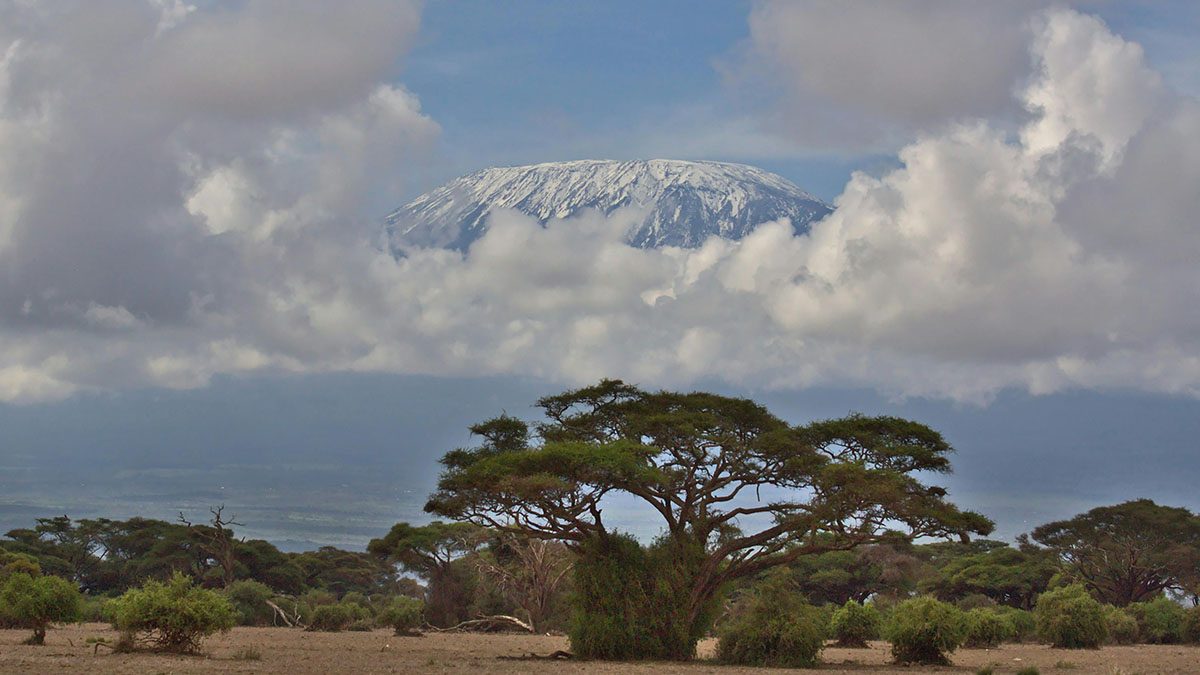
Standing tall at 5,895 meters—Kilimanjaro never fails to inspire

Table of Contents

Kilimanjaro Is the World’s Tallest Free-Standing Mountain

Mount Kilimanjaro is not part of a long mountain range. It rises alone from the plains of northern Tanzania, which makes it one of the most dramatic mountain profiles in the world.
 
At 5,895 meters / 19,341 feet, Kilimanjaro is the highest mountain in Africa and the tallest free-standing mountain on earth. This means its massive height rises independently from the surrounding landscape instead of being connected to a larger mountain chain.
 
That isolated shape is one reason Kilimanjaro looks so powerful from a distance and why it has become one of Africa’s most recognizable natural landmarks.

Kilimanjaro Has Three Volcanic Cones

Mount Kilimanjaro is a dormant volcano made up of three volcanic cones: Kibo, Mawenzi, and Shira.
 
Kibo is the highest cone and contains Uhuru Peak, the summit climbers aim to reach. Mawenzi is rugged and jagged, while Shira is the oldest cone and now forms a broad plateau.
 
This fact is important because Kilimanjaro’s volcanic past shaped the crater, scree slopes, lava formations, and dramatic high-altitude terrain seen during the climb.
 
For the deeper version, read our Kilimanjaro Formation and Volcanic Cones guide.

Kilimanjaro Is a Non-Technical Trek

Kilimanjaro is often called a non-technical climb because most routes do not require ropes, ice axes, or advanced mountaineering skills.But do not confuse non-technical with easy. That thinking is dangerous.
 
Kilimanjaro is still a serious high-altitude trek with long walking days, cold summit conditions, and altitude pressure above 5,000 meters.
 
The challenge is not rock climbing. The challenge is endurance, acclimatization, pacing, preparation, and mental strength.
For first-time climbers, read our Beginner’s Guide to Climbing Kilimanjaro before choosing your route.

Kilimanjaro Has Five Ecological Zones

One of the most unique facts about Mount Kilimanjaro is that climbers pass through several different environments in one trek.
 
As you gain altitude, the mountain changes from cultivated lower slopes to rainforest, heath and moorland, alpine desert, and finally the arctic summit zone. Each zone has different vegetation, terrain, wildlife, and climbing conditions.
 
This is why Kilimanjaro feels like more than one mountain. In a few days, climbers move from green forest trails to giant groundsels, volcanic desert, and icy summit terrain.
 
For the full breakdown, read our Kilimanjaro Ecological Zones guide.

Kilimanjaro’s First Recorded Summit Was in 1889

The first recorded summit of Mount Kilimanjaro was in 1889. The climb is often linked with Hans Meyer, but local knowledge and guide support were also part of Kilimanjaro’s early climbing history.
 
This matters because Kilimanjaro’s story is not only about foreign explorers. Local communities knew the mountain long before it became internationally famous, and local guides have always played an important role in its climbing history.
 
For more background, read our Kilimanjaro First Ascent .

Kilimanjaro Has Deep Local and Cultural Meaning

Mount Kilimanjaro is not just a trekking destination. For communities living around its slopes, especially the Chagga people, the mountain is part of local identity, farming life, stories, and heritage.
 
The lower slopes support villages, coffee farms, banana trees, and local life. This gives Kilimanjaro a cultural meaning that many climbers miss if they only think about the summit.
 
For a deeper look at the mountain’s local history and meaning, read our Kilimanjaro History and Chagga Culture guide.
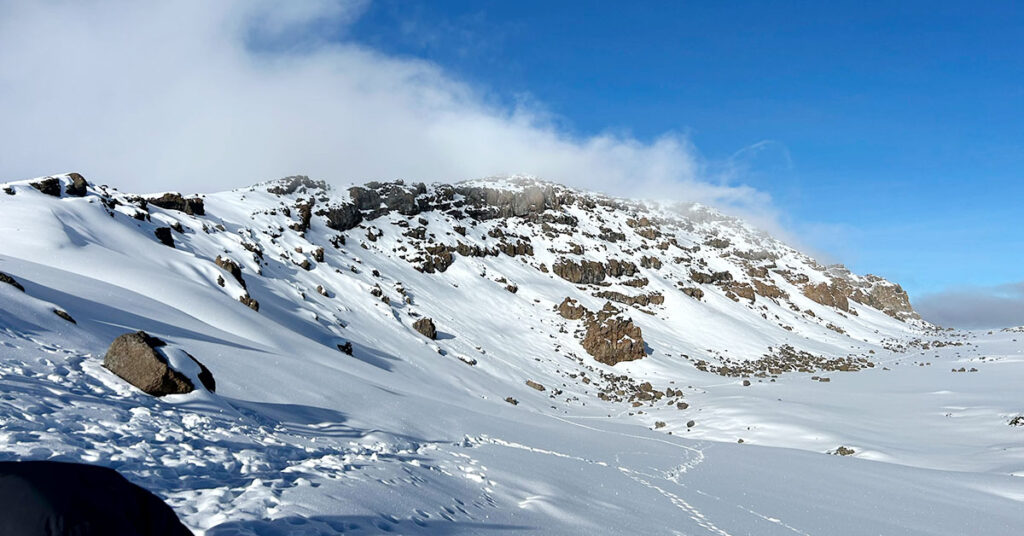
A magical moment at Stella—snow underfoot, views all around

Kilimanjaro Still Has Glaciers Near the Summit

Mount Kilimanjaro is famous for its ice and glaciers near the summit. These glaciers make the upper mountain look dramatic, especially around the crater and summit areas.
 
However, Kilimanjaro’s ice has been shrinking over time. This is one reason the mountain is often discussed in conversations about climate change, high-altitude environments, and Africa’s most iconic landscapes.
 
For climbers, the glaciers are not just a photo point. They are part of what makes the summit zone feel so different from the lower mountain.

The Name “Kilimanjaro” Has Multiple Possible Origins

The meaning of the name “Kilimanjaro” is still debated. Some explanations connect it to Swahili and Chagga language roots, while others suggest older regional influences.
 
This mystery is part of the mountain’s identity. The name has become known around the world, but its exact origin is not explained by one simple answer.
 
For a deeper explanation, read our Why Kilimanjaro Is Called Kilimanjaro guide.

The Best Climbing Months Are Usually the Drier Seasons

Kilimanjaro can be climbed year-round, but the most favorable trekking conditions are usually during the drier months: January to early March and June to October.
 
These periods often bring better trail conditions, clearer views, and a more comfortable trekking experience. April and May are usually less ideal because the long rains can make trails muddy and slippery.
 
For the full month-by-month breakdown, read our Best Time to Climb Kilimanjaro guide.
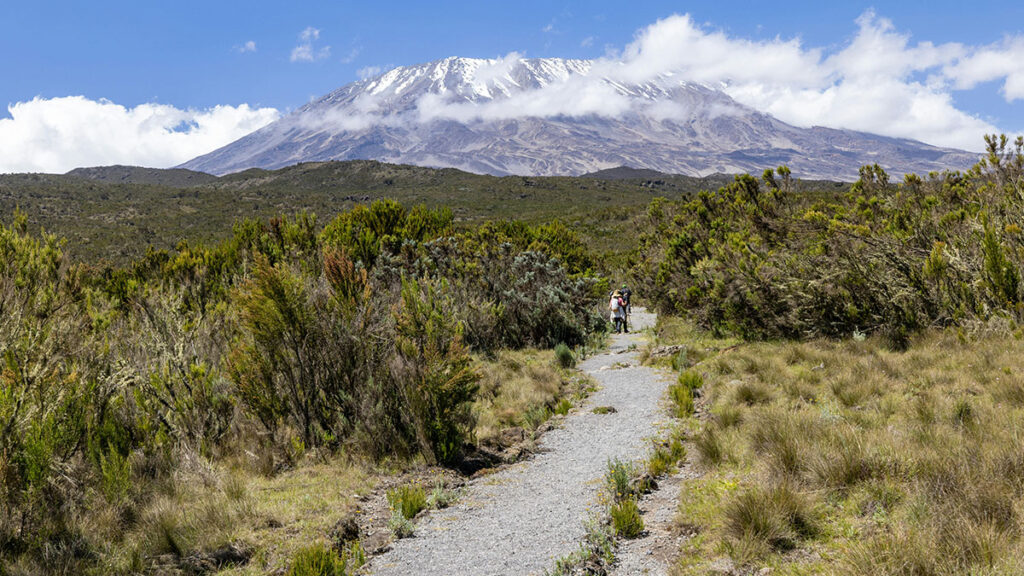
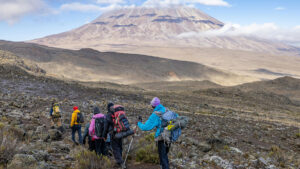
Following the path to Kilimanjaro’s towering peak.

Reaching the Summit Depends on Preparation, Not Luck

Many people attempt Kilimanjaro each year, but reaching the summit depends on more than motivation. The strongest climbers are usually the ones who choose a suitable route, walk slowly, acclimatize properly, pack well, and listen to their guides.
 
Do not treat Kilimanjaro like a casual hike. The mountain is non-technical, but altitude, cold, fatigue, and summit night make it a serious challenge.
 
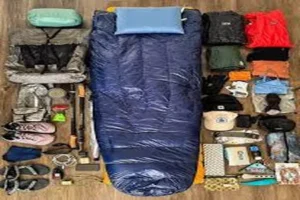
For better preparation, use our Kilimanjaro Training Guide, Altitude Sickness on Kilimanjaro guide, and Kilimanjaro Packing List before your climb.

 Ready to Start Your Kilimanjaro Journey?

Mount Kilimanjaro is more than just a mountain , it’s an experience that combines nature, challenge, and personal triumph. Whether you’re an experienced hiker or a first-timer, Kili Quests is here to make your trek safe, successful, and unforgettable.
 

Frequently Asked Questions About Mount Kilimanjaro Facts

What is Mount Kilimanjaro best known for?

Mount Kilimanjaro is best known for being the highest mountain in Africa and the tallest free-standing mountain in the world. It rises to 5,895 meters / 19,341 feet and stands alone above the plains of northern Tanzania.
 
It is also famous for its volcanic cones, glaciers, changing ecological zones, and the challenge of reaching Uhuru Peak.

Is Mount Kilimanjaro a volcano?

Yes. Mount Kilimanjaro is a dormant volcano made up of three volcanic cones: Kibo, Mawenzi, and Shira.
 
Kibo is the highest cone and contains Uhuru Peak, the summit of Kilimanjaro. Mawenzi is rugged and jagged, while Shira is the oldest and most eroded cone.
 
For the full explanation, read our Kilimanjaro Formation and Volcanic Cones guide.

Why is Kilimanjaro called the Roof of Africa?

Kilimanjaro is called the Roof of Africa because it is the highest point on the African continent. Reaching Uhuru Peak means standing higher than anywhere else in Africa.
 
The nickname also reflects the mountain’s powerful image: a snow-capped summit rising above Tanzania’s plains.

Do you need technical climbing skills to climb Kilimanjaro?

No. Kilimanjaro is a non-technical trek, which means the main routes do not require ropes, ice axes, or advanced mountaineering skills.
 
But that does not make it easy. Climbers still need fitness, proper gear, slow pacing, acclimatization, and experienced guides because altitude is the real challenge.

What are Kilimanjaro’s five ecological zones?

Kilimanjaro’s five ecological zones are the cultivation zone, montane forest zone, heath and moorland zone, alpine desert zone, and arctic summit zone.
 
These zones make the climb unique because the landscape changes dramatically as you gain altitude, from green forest to volcanic desert and icy summit terrain.
 
For the full breakdown, read our Kilimanjaro Ecological Zones guide.

What is the best time to climb Mount Kilimanjaro?

The best time to climb Mount Kilimanjaro is usually during the drier months: January to early March and June to October.
 
These periods often bring better trail conditions, clearer views, and a more comfortable trekking experience. April and May are usually less ideal because of the long rains.
 
For a month-by-month guide, read our Best Time to Climb Kilimanjaro .

Why do people climb Mount Kilimanjaro?

People climb Kilimanjaro because it is one of the world’s greatest trekking challenges and a chance to stand on the highest point in Africa.
 
For many climbers, the experience is about more than the summit. It is about the changing landscapes, local guide support, mountain culture, personal endurance, and the feeling of reaching Uhuru Peak after several days of effort.

Turn Kilimanjaro Facts Into a Real Climb Plan

Reading facts about Kilimanjaro is a good start, but the mountain does not reward curiosity alone. It rewards preparation, patience, and the right decisions before you ever step on the trail.
 
Once you understand what makes Kilimanjaro unique , its height, volcanic cones, ecological zones, glaciers, culture, and summit challenge , the next step is choosing a climb plan that fits your body, schedule, and goals.
 
At Kili Quests, we help you move from interest to action with honest local guidance. We help you choose the right route, avoid rushed itineraries, prepare for altitude, understand summit night, and arrive in Tanzania with a realistic plan.
 
Whether you are still comparing routes or already thinking about travel dates, our team can help you build a climb that makes sense.
 
Tell us your preferred travel month, fitness level, and route interest. Contact Kili Quests today, and we will help you turn your Kilimanjaro goal into a clear, safe, and realistic trekking plan.

Related Articles