Stella Point Kilimanjaro: Why It’s Named That & History

Plan Your Kilimanjaro Climb

Reach Stella Point , and go beyond to Uhuru Peak with expert local guides.

Prepare for Your Summit

Your success depends on preparation , explore these essential guides:

OUR CATEGORIES

Stella Point Kilimanjaro: Why It’s Named That and Why It Matters

On the final push to the summit of Mount Kilimanjaro, many climbers reach a wooden sign on the crater rim that marks Stella Point. For trekkers coming from routes such as Machame, Lemosho, Shira, and Umbwe, this is one of the most emotional moments of summit night.
 
Stella Point is not the true summit of Kilimanjaro, but it is a major milestone. It sits on the rim of Kibo crater, close to Uhuru Peak, and marks the point where climbers finally reach the crater edge after hours of steep night climbing.
 
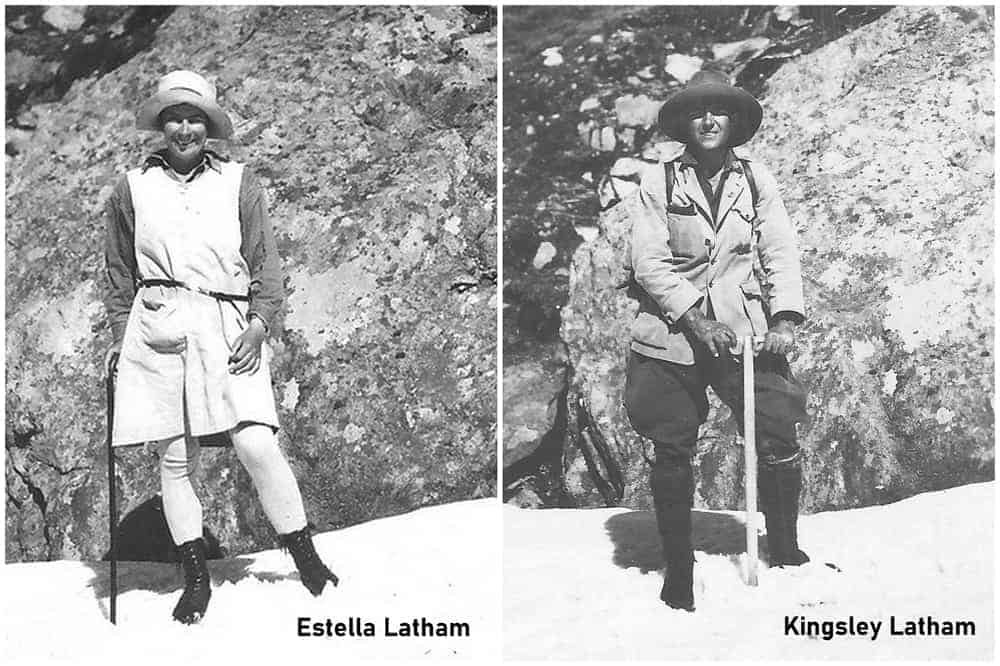
The name Stella Point is widely linked to Estella Latham, one of the early recorded women to reach this high point on Kilimanjaro in 1925. Because of that history, Stella Point is more than a checkpoint. It is part of Kilimanjaro’s climbing legacy.
 
In this guide, you will learn where Stella Point is, why it is called Stella Point, how it differs from Uhuru Peak, which routes pass through it, and why reaching this point matters on summit night.
 
Before your summit push, it also helps to understand how difficult Kilimanjaro really is and what makes summit night so demanding.

Quick Answer: Why Is It Called Stella Point?

Stella Point on Mount Kilimanjaro is named after Estella Latham, who is widely recognized as one of the early recorded women to reach this high point on Kilimanjaro in 1925.
 
Stella Point is located on the crater rim of Kibo, close to Uhuru Peak, the true summit of Mount Kilimanjaro. Climbers on routes such as Machame, Lemosho, Shira, and Umbwe often reach Stella Point first before continuing toward Uhuru Peak.
 
Although Stella Point is not the highest point on Kilimanjaro, it is an important summit milestone. Climbers who reach Stella Point may receive a Kilimanjaro summit certificate, and many continue for about 45–60 minutes to reach Uhuru Peak.
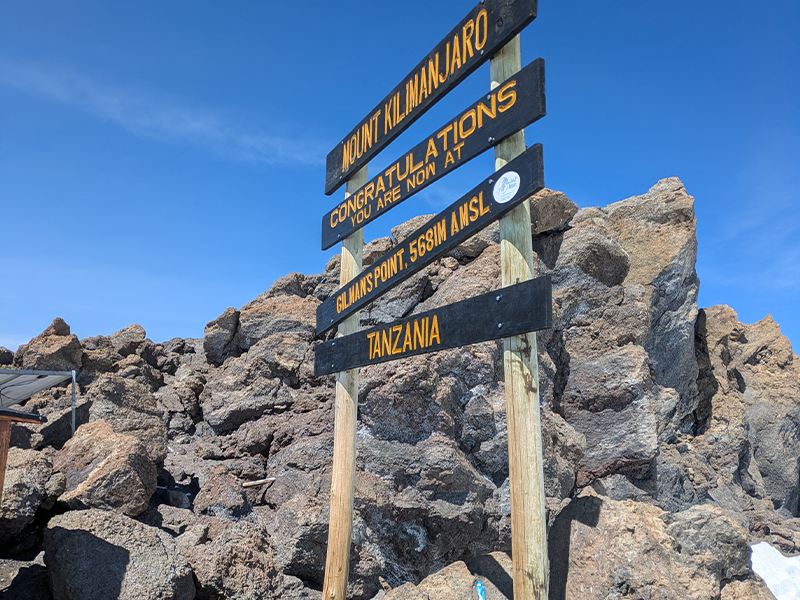
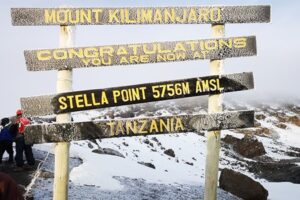
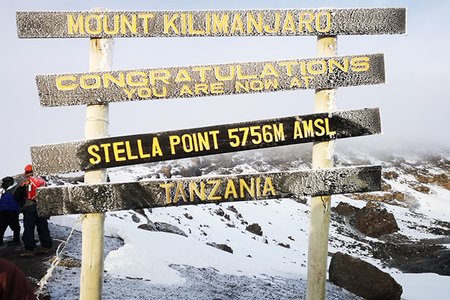
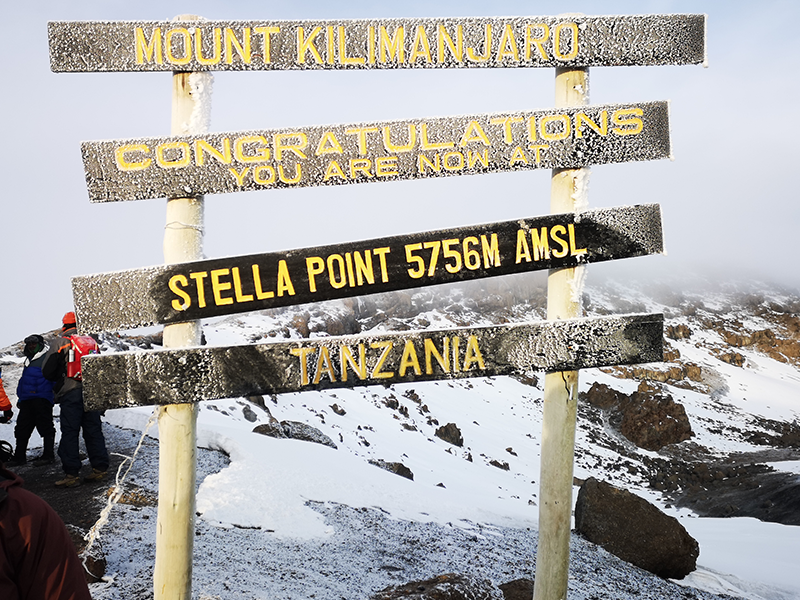
Stella Point signpost on Mount Kilimanjaro’s crater rim, frosted with snow and showing an elevation of 5,756 meters above sea level.
Stella Point, located at 5,756 meters on Mount Kilimanjaro’s crater rim, offers trekkers a dramatic first view into the summit zone. It was named after Estella Latham, one of the first recorded women to reach this altitude in 1925, making it a historic and emotional milestone on the Machame and Lemosho routes.

Table of Contents

Where Is Stella Point?

Stella Point sits on the crater rim of Kibo, one of Kilimanjaro’s three volcanic cones. It is a major landmark on the Machame, Lemosho, Shira, and Umbwe routes, located before the final walk toward Uhuru Peak.
 
Stella Point is commonly listed between 5,739 meters and 5,756 meters above sea level, depending on the source or sign reference used. The important point for climbers is that Stella Point sits on Kilimanjaro’s crater rim, below Uhuru Peak at 5,895 meters.
 
When trekkers reach Stella Point, they are usually less than an hour from Uhuru Peak. This final stretch is part of the most demanding stage of the climb, especially because it comes after hours of steep night hiking.
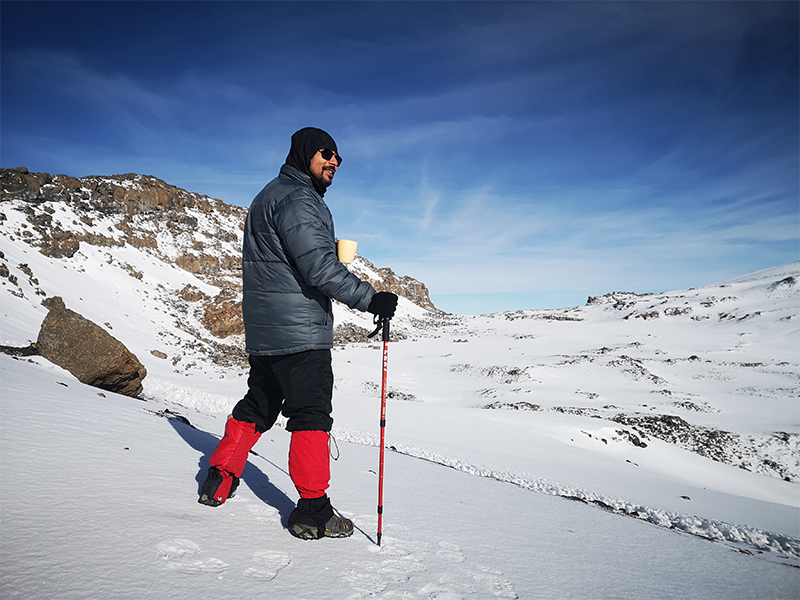
A climber stands on snow-covered terrain near Stella Point on Mount Kilimanjaro, holding a cup and trekking pole while overlooking the crater rim.
A trekker pauses to take in the spectacular view near Stella Point, where Kilimanjaro’s crater rim opens up into a vast, icy alpine landscape.

Who or What Is Stella Point Named After?

Stella Point is named in honor of Estella Latham,Her achievement came decades after the first successful ascent of the mountain , you can read the full story of who first climbed Mount Kilimanjaro.one of the earliest recorded women to reach this altitude on Mount Kilimanjaro in 1925. Unlike earlier assumptions linking the name to Hans Meyer’s family, historical accounts now attribute it to Latham’s notable achievement during a time when few women attempted such climbs. Hans Meyer, the first documented European to reach the summit in 1889, did name several features on the mountain  such as Gilman’s Point  but Stella Point was named later, reflecting a shift toward recognizing climbers beyond colonial figures or sponsors.

Curious who first reached the summit of Kilimanjaro? Read the full story of Hans Meyer, Yohani Kinyala Lauwo, and the first recorded Kilimanjaro summit in 1889.
Stella Point summit sign on Kilimanjaro at 5,756 meters, named after Estella Latham who reached this point in 1925.
Estella Latham became one of the first recorded women to reach Stella Point on Mount Kilimanjaro in 1925. The point was later named in her honor, marking a milestone in early female mountaineering history

What Happens at Stella Point Today?

Today, Stella Point is the first place where most climbers reach the rim of Kibo’s crater. When you arrive, you’ll see the iconic wooden sign, usually in the early morning cold, with views of the surrounding glaciers and crater floor.While it’s not the final summit, reaching Stella Point is a major achievement, especially due to the steep, exhausting climb just before it , often done at night in freezing conditions.Proper preparation is key , make sure you have the right equipment with this complete Kilimanjaro packing list.
 
Temperatures here can drop far below freezing ,especially at night ,so it’s important to understand Kilimanjaro night temperatures and how to prepare.
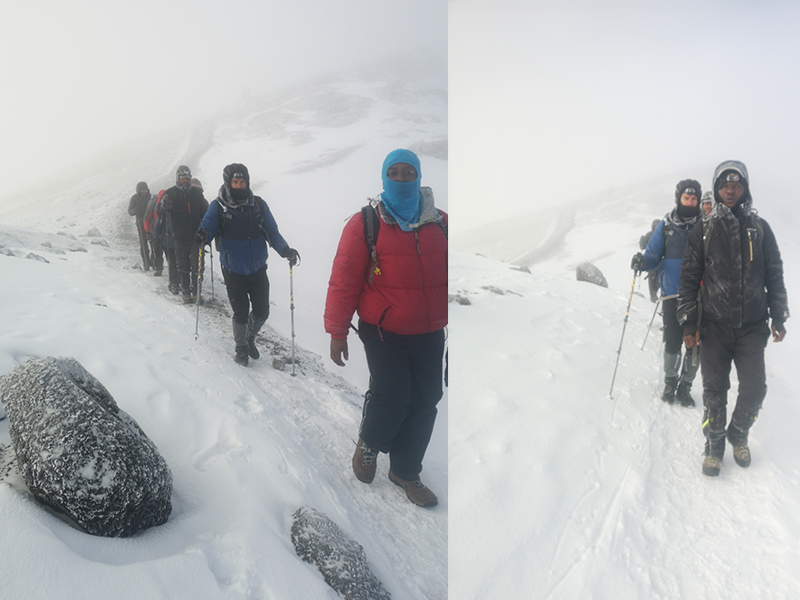
Trekkers and guides hiking through snow near Stella Point on Mount Kilimanjaro during the final summit approach.
Trekkers and KILI QUESTS guides push through snow and fog near Stella Point, one of the final checkpoints before reaching Kilimanjaro’s summit at Uhuru Peak.

Stella Point vs. Uhuru Peak: What's the Difference?

Feature Stella Point Uhuru Peak
Location Crater rim of Kibo Highest point on Mount Kilimanjaro
Altitude Commonly listed around 5,739–5,756 meters 5,895 meters
Summit status Major summit milestone and certificate point True summit of Kilimanjaro and highest point in Africa
Walking time between them Usually about 45–60 minutes to Uhuru Peak Final summit destination
Main meaning Emotional turning point after the steep summit-night climb Official goal for climbers aiming to stand on the roof of Africa
This final push depends heavily on acclimatization , learn how to avoid altitude sickness on Kilimanjaro.

Stella Point earns you aKilimanjaro Summit Certificate”, but if you want to stand at the true roof of Africa, you’ll need to continue to Uhuru Peak.

 
Not sure if reaching the summit is realistic for you? Here’s a detailed guide on how hard it is to climb Kilimanjaro.

Did You Know?

Climbers on the Machame, Lemosho, Shira, and Umbwe routes usually reach Stella Point first on summit night before continuing to Uhuru Peak. Climbers on the Marangu and Rongai routes usually reach Gilman’s Point first, then continue along the crater rim toward Stella Point and Uhuru Peak.
 
Each route approaches the summit differently, so it is important to compare Kilimanjaro routes before choosing your climb.
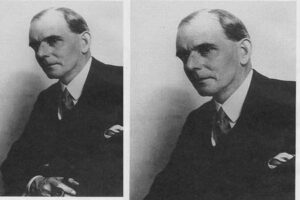
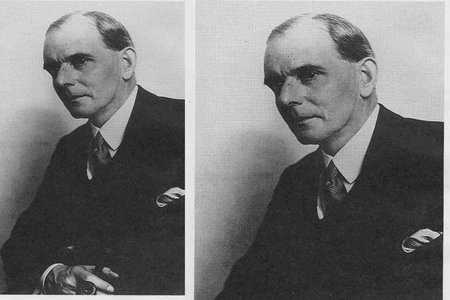
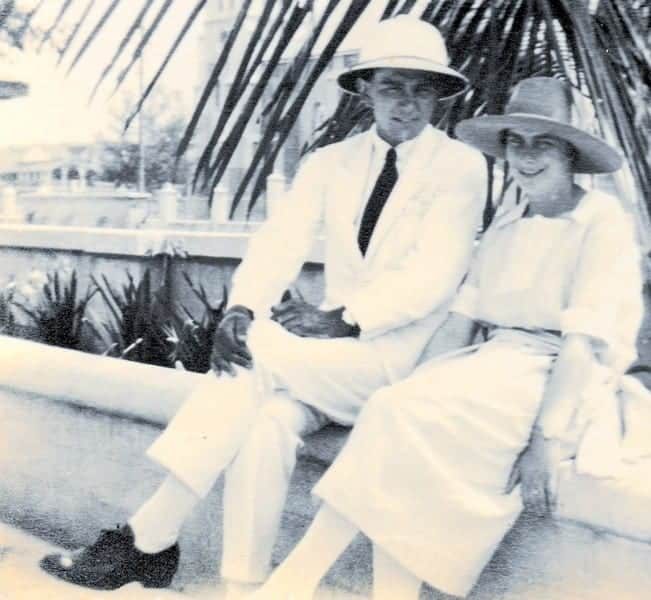
Historical photo of Estella Latham and Kingsley Latham during their 1925 Mount Kilimanjaro expedition.
Estella Latham (left) and Kingsley Latham (right) during their 1925 expedition on Mount Kilimanjaro. Estella became one of the first recorded women to reach 5,756 meters, and Stella Point was later named in her honor.

Frequently Asked Questions About Stella Point

What is Stella Point on Mount Kilimanjaro?

Stella Point is a famous landmark on the crater rim of Kibo, close to the summit of Mount Kilimanjaro. It is one of the final major checkpoints climbers reach before continuing toward Uhuru Peak.

Why is it called Stella Point?

Stella Point is widely linked to Estella Latham, one of the early recorded women to reach this high point on Mount Kilimanjaro in 1925. The name honors her connection to Kilimanjaro’s early climbing history.

Is Stella Point the summit of Kilimanjaro?

No, Stella Point is not the true summit of Kilimanjaro. The true summit is Uhuru Peak, which stands at 5,895 meters. Stella Point is a major crater-rim milestone before the final walk to Uhuru Peak.

How high is Stella Point?

Stella Point is commonly listed between about 5,739 meters and 5,756 meters above sea level, depending on the source or sign reference. It sits below Uhuru Peak on the crater rim of Kibo.

How long does it take to walk from Stella Point to Uhuru Peak?

The walk from Stella Point to Uhuru Peak usually takes about 45–60 minutes, depending on altitude conditions, weather, fatigue, and the climber’s pace.

Which Kilimanjaro routes pass through Stella Point?

Machame, Lemosho, Shira, and Umbwe usually reach Stella Point first on summit night. Marangu and Rongai usually reach Gilman’s Point first, then continue toward Stella Point and Uhuru Peak.

Do you get a certificate for reaching Stella Point?
Yes, climbers who reach Stella Point may receive a Kilimanjaro summit certificate. However, Uhuru Peak is the true summit and the main goal for climbers who want to reach the highest point in Africa.

Reaching Stella Point: The Turning Point of Your Summit

Stella Point is more than just a marker near the summit  it’s a landmark rooted in Kilimanjaro’s climbing history. Named in honor of Estella Latham, one of the first recorded women to reach this altitude in 1925, Stella Point represents both personal achievement and historical significance. Whether you pause here to witness the sunrise or continue your final push to Uhuru Peak, arriving at Stella Point is a powerful reminder of how far you’ve come  and how close you are to standing on the roof of Africa.
 
Not many people know that Kilimanjaro’s first recorded summit was not only a European achievement. Read the story of Yohani Kinyala Lauwo and the first ascent of Mount Kilimanjaro to understand the local history behind this climb.

Plan Your Kilimanjaro Summit Journey

Reaching Stella Point is one of the most powerful moments on Kilimanjaro. It means you have climbed through the hardest part of summit night and reached the crater rim, with Uhuru Peak now within reach.

At Kili Quests, our local mountain guides help climbers prepare for summit night with proper pacing, route advice, acclimatization support, and safe guidance from the lower slopes to Stella Point and Uhuru Peak.
Contact us to plan your Kilimanjaro climb with experienced local guides who understand the mountain, the routes, and the final push to the summit.

Related Articles

Gilman’s Point Kilimanjaro: Name, History & Location

Reach the Summit

Climb to Gilman’s Point and continue to Uhuru Peak with expert local guides.

Plan Your Climb

Prepare for your Kilimanjaro adventure:

OUR CATEGORIES

Why Is It Called Gilman’s Point? The Story Behind the Name | Kili Quests

Climbers taking the Marangu Route or Rongai Route to the top of Mount Kilimanjaro reach an important milestone before Uhuru Peak: Gilman’s Point. Located on the rim of Kibo crater, Gilman’s Point is one of Kilimanjaro’s recognized summit markers and a major achievement during the final summit push.
 
But why is it called Gilman’s Point, and who was Gilman?
 
In this article, Kili Quests explains the story behind the name, where Gilman’s Point is located, why it matters, and how it differs from Uhuru Peak and Stella Point.
 
To understand the mountain’s volcanic structure, read our guide to Kilimanjaro’s volcanic cones: Kibo, Mawenzi, and Shira.
 

Quick Answer: Why Is It Called Gilman’s Point?

Gilman’s Point is named after Clement Gillman, a British geographer, civil engineer, and surveyor connected with early mapping and geographic study in East Africa. The summit marker on Mount Kilimanjaro is widely spelled Gilman’s Point, although the historical surname is often written as Gillman with two “l” letters.
 
On Kilimanjaro, Gilman’s Point marks a recognized crater-rim summit point reached most commonly by climbers using the Marangu Route or Rongai Route. It is a major achievement, but it is not the highest point on the mountain. The true summit of Kilimanjaro is Uhuru Peak.
Gilman’s Point summit sign on Mount Kilimanjaro crater rim
Gilman’s Point marks one of Kilimanjaro’s recognized summit points on the rim of Kibo crater.

Table of Contents

Where Is Gilman’s Point on Kilimanjaro?

Gilman’s Point lies on the eastern rim of Kilimanjaro’s Kibo crater. It is the first major crater-rim marker reached by many climbers ascending via the Marangu Route or Rongai Route.
 
Reaching Gilman’s Point is a huge accomplishment because it means you have reached the crater rim after the steep overnight summit climb. From here, climbers who still have enough energy and safe conditions can continue toward Uhuru Peak, the highest point on Mount Kilimanjaro.
 
The walk from Gilman’s Point to Uhuru Peak usually takes around 1.5 to 2 hours, depending on pace, weather, trail conditions, and how well your body is handling the altitude.
 
These routes approach the summit differently, so if you are still choosing your trail, compare them in our Kilimanjaro Routes Guide.

Who Was Gilman?

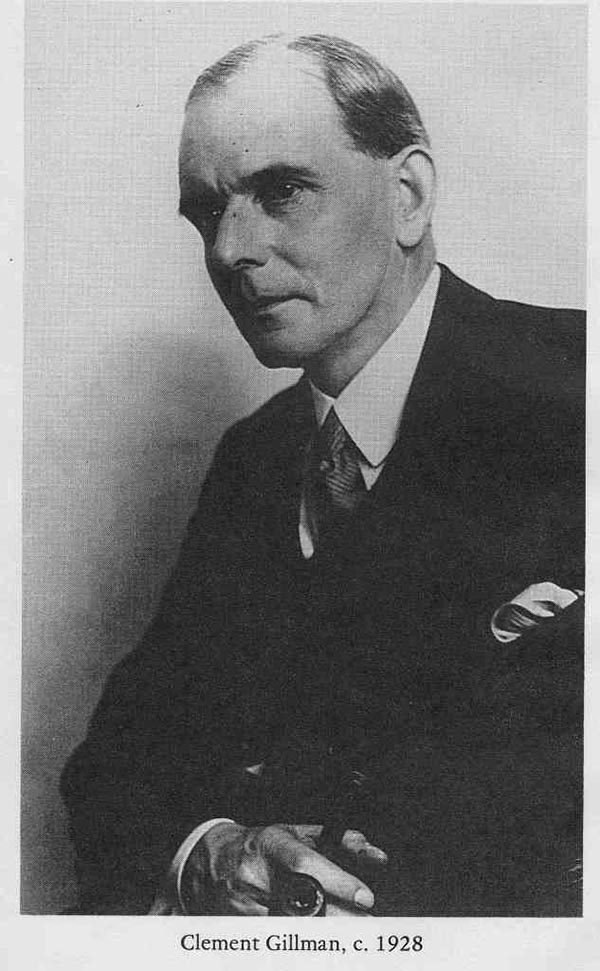
Gilman’s Point is named after Clement Gillman, a British geographer, civil engineer, and surveyor who carried out mapping and survey work in East Africa during the early 20th century.
 
His work helped document the physical geography, routes, and terrain of the region, including areas around Mount Kilimanjaro. Although he was not the first person to climb Kilimanjaro, his name became connected with one of the mountain’s important crater-rim landmarks.
 
One detail often confuses climbers: the place is commonly spelled Gilman’s Point, while the historical surname is often written Gillman. For the Kilimanjaro location, use Gilman’s Point.
 
For more Kilimanjaro history, read the story of Hans Meyer and the first Kilimanjaro ascent in 1889.
 
Historical names on Kilimanjaro can be confusing because many landmarks were recorded during the colonial mapping period, and spellings were not always used consistently across maps, guidebooks, and local references.
Portrait of Clement Gillman British geographer and surveyor
Clement Gillman was connected with early mapping and geographic study in East Africa.

Why Does Gilman’s Point Matter?

Gilman’s Point matters because it is one of Kilimanjaro’s recognized crater-rim summit points. For climbers on the Marangu or Rongai Route, reaching this point means they have completed the steepest and most exhausting part of summit night.
 
Gilman’s Point is not a separate mountain peak. It is a named point on the crater rim of Kibo, Kilimanjaro’s highest volcanic cone.
 
For many climbers, Gilman’s Point represents:
  • The first major crater-rim milestone before Uhuru Peak
  • A major psychological victory after hours of climbing in darkness
  • A recognized Kilimanjaro summit point
  • A place where climbers may receive a summit certificate
  • A decision point before continuing toward Uhuru Peak
This is also where guides carefully assess each climber’s condition. If someone is too exhausted, showing altitude symptoms, or moving too slowly, stopping at Gilman’s Point may be the safer decision.

Gilman’s Point vs. Uhuru Peak

Feature Gilman’s Point Uhuru Peak
Elevation 5,681 m / 18,638 ft 5,895 m / 19,341 ft
Location Eastern rim of Kibo crater Highest point on Kilimanjaro
Common routes Marangu Route and Rongai Route Final goal for most Kilimanjaro routes
Meaning Recognized crater-rim summit point True highest summit of Mount Kilimanjaro
Certificate Summit certificate usually awarded Full summit certificate awarded
Time from Gilman’s Point Starting point on the crater rim Usually 1.5 to 2 hours farther

Gilman’s Point vs Stella Point

Gilman’s Point and Stella Point are both important crater-rim landmarks on Mount Kilimanjaro, but they are reached from different summit approaches.
 
Gilman’s Point is most commonly reached by climbers using the Marangu Route or Rongai Route. Stella Point is more commonly reached by climbers coming from routes such as Machame, Lemosho, and Umbwe.
 
Both points are major achievements, but neither is the highest point on Kilimanjaro. Uhuru Peak remains the true summit of the mountain.
 
To understand the other major crater-rim landmark, read our guide to Stella Point on Kilimanjaro.
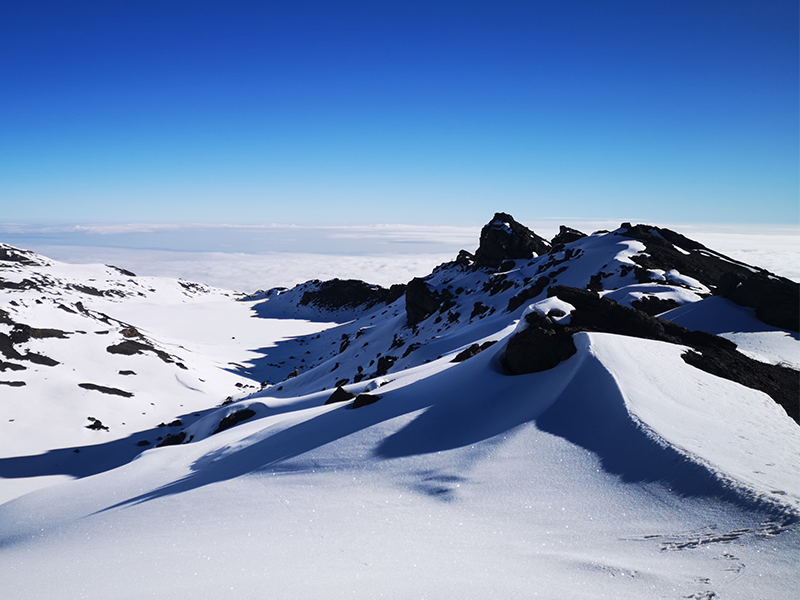
Snow-covered crater rim view from Gilman’s Point on Mount Kilimanjaro
From Gilman’s Point, climbers continue along Kilimanjaro’s crater rim toward Uhuru Peak.

Did You Know?

The final push to Gilman’s Point is often done at night. Summit attempts usually begin around midnight so climbers can reach the crater rim near sunrise.

This section is one of the toughest parts of the Marangu Route because climbers move slowly through cold temperatures, thin air, and loose volcanic scree.

At sunrise, Gilman’s Point can offer dramatic views across the crater rim, the clouds below, and the distant landscape toward Kenya. It is one of three famous summit markers on Kilimanjaro, along with Stella Point and Uhuru Peak.

If you want to understand why summit night feels so demanding, read How Hard Is Kilimanjaro?

Frequently Asked Questions About Gilman’s Point

What is Gilman’s Point on Mount Kilimanjaro?

Gilman’s Point is one of Mount Kilimanjaro’s recognized summit markers. It is located on the eastern rim of Kibo crater at about 5,681 meters, or 18,638 feet. Climbers who reach this point have reached the crater rim and are close to the final summit route toward Uhuru Peak.

Is Gilman’s Point the summit of Mount Kilimanjaro?

Gilman’s Point is a recognized crater-rim summit point, but it is not the highest point on Mount Kilimanjaro. The true summit is Uhuru Peak, which stands at 5,895 meters, or 19,341 feet. From Gilman’s Point, it usually takes 1.5 to 2 hours to reach Uhuru Peak.

Which Kilimanjaro routes reach Gilman’s Point?

Gilman’s Point is most commonly reached by climbers using the Marangu Route and Rongai Route. These routes approach the crater rim from the eastern side before climbers continue toward Uhuru Peak.

How difficult is the climb to Gilman’s Point?

The climb to Gilman’s Point is difficult because it usually happens during summit night in cold, dark, high-altitude conditions. Climbers ascend steep volcanic scree from Kibo Hut while dealing with fatigue, thin air, and freezing temperatures.

Do you get a summit certificate at Gilman’s Point?

Yes. Climbers who reach Gilman’s Point usually receive an official Kilimanjaro summit certificate. However, Uhuru Peak is the highest point on the mountain and is considered the main summit goal for most climbers.

Reaching Gilman’s Point: What It Means for Your Summit

Reaching Gilman’s PoGilman’s Point may not be the highest point on Kilimanjaro, but it is still a powerful achievement. After hours of climbing through darkness, cold, and thin air, reaching the crater rim is a major physical and emotional milestone.

For some climbers, Gilman’s Point is the safest stopping point. For others, it becomes the final push before continuing along the crater rim toward Uhuru Peak. Either way, standing at Gilman’s Point means you have reached one of Kilimanjaro’s most important historic summit landmarks.

To understand the meaning of Kilimanjaro’s highest summit, read how Uhuru Peak got its name after Tanzania’s independence.

Plan Your Kilimanjaro Climb with Kili Quests

If you are planning to climb via the Marangu Route or Rongai Route, Gilman’s Point will be one of the most important landmarks on your summit journey.
 
With Kili Quests, you climb with experienced local guides who understand the route, the altitude, the summit pace, and the stories behind Kilimanjaro’s famous landmarks.
 
Contact us today to start planning your Kilimanjaro climb.

Related Articles

First Ascent of Mount Kilimanjaro: Hans Meyer in 1889

Climb Kilimanjaro with Experts

Follow the path of the first explorers ,and reach the summit with a trusted local team.

Plan Your Climb

Prepare the right way before your Kilimanjaro adventure:

OUR CATEGORIES

Who Was Hans Meyer? The First Ascent of Kilimanjaro | Kili Quests

In 1889, German geographer Hans Meyer became one of the central figures in the first recorded successful ascent of Mount Kilimanjaro. Together with Austrian mountaineer Ludwig Purtscheller and support from local guides and porters, Meyer reached the summit of Kibo, the highest volcanic cone of Kilimanjaro.

Today, this summit is known as Uhuru Peak, the highest point in Africa at 5,895 meters / 19,341 feet.

This article explains who Hans Meyer was, how the 1889 ascent happened, why the climb became important in Kilimanjaro history, and why the story should also recognize the local support behind the expedition.

For the local guide story, read our full article about Yohani Kinyala Lauwo and Kilimanjaro’s first ascent.

Quick Answer: Who Was Hans Meyer?

Hans Meyer was a German geographer, explorer, and professor who became famous for his role in the first recorded successful ascent of Mount Kilimanjaro in 1889. He reached the summit with Austrian mountaineer Ludwig Purtscheller, supported by local guides, porters, and expedition crew.
 
His climb helped document Kilimanjaro’s geography, summit area, and volcanic structure for later explorers and climbers. However, the full story of the ascent should not ignore the local knowledge and support that made the expedition possible.
Year Event Why It Matters
1887 Hans Meyer made an earlier unsuccessful attempt on Kilimanjaro. This showed the difficulty of climbing Kibo before modern gear and support.
1889 Hans Meyer and Ludwig Purtscheller reached Kilimanjaro’s summit area. This became the first recorded successful ascent of Mount Kilimanjaro.
1961 The summit became associated with the name Uhuru Peak after Tanzania’s independence. The name reflects freedom and Tanzania’s national identity.
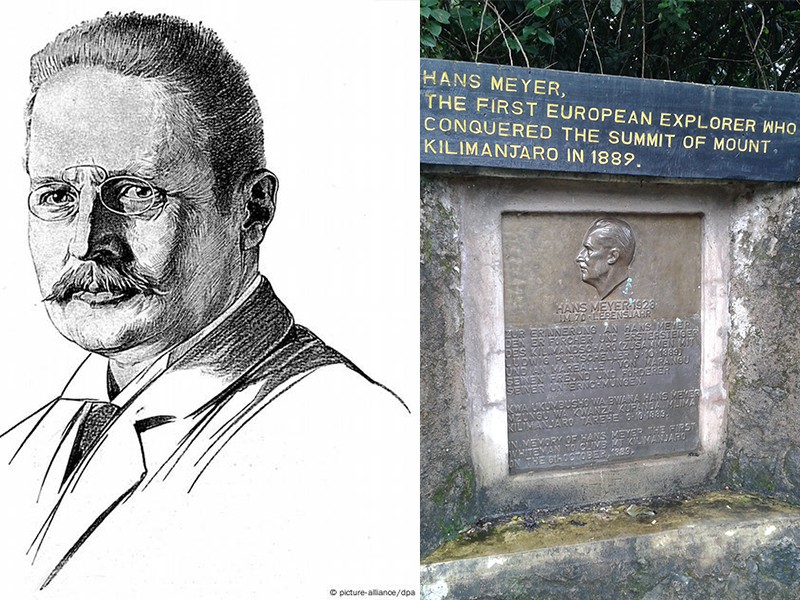
Hans Meyer Kilimanjaro first ascent plaque at Marangu Gate
Hans Meyer was the first European to reach the summit of Kilimanjaro in 1889. This historical plaque at the Marangu Gate Information Center honors his achievement and marks his contribution to the mountain’s climbing history.

Table of Contents

Who Was Hans Meyer?

Hans Meyer was a German geographer, mountaineer, and professor at the University of Leipzig. He became interested in Kilimanjaro during a period when European explorers were trying to study and document major mountains in East Africa.
 
Meyer made more than one attempt to climb Kilimanjaro before finally reaching the summit in October 1889. His success came through better planning, stronger expedition support, and help from Austrian mountaineer Ludwig Purtscheller and local mountain guides.
 
Meyer’s role is important because his expedition helped place Kilimanjaro into the written history of modern mountaineering. But Kilimanjaro was not “discovered” by Meyer. The mountain was already known, named, lived around, and understood by local communities long before European expeditions arrived.
 
To understand the mountain itself, read our guide to what Mount Kilimanjaro is and how it formed.
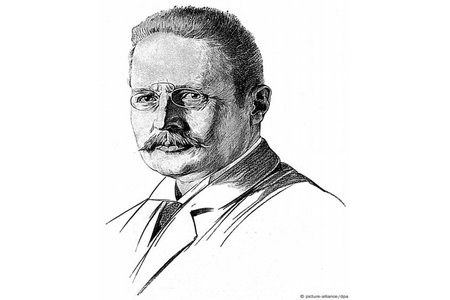
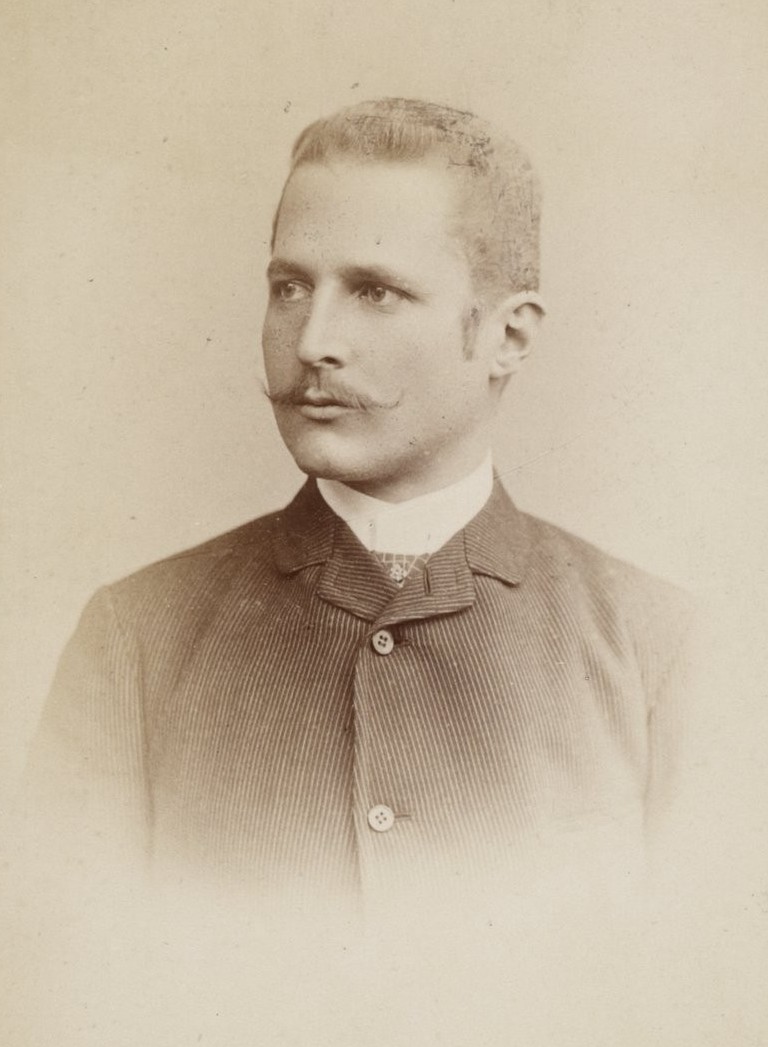
Portrait of Hans Meyer German geographer linked to Kilimanjaro first ascent
Hans Meyer, a German geographer, became the first documented person to reach Uhuru Peak on Mount Kilimanjaro in 1889, accompanied by Austrian climber Ludwig Purtscheller and a Chagga guide named Lauwo.
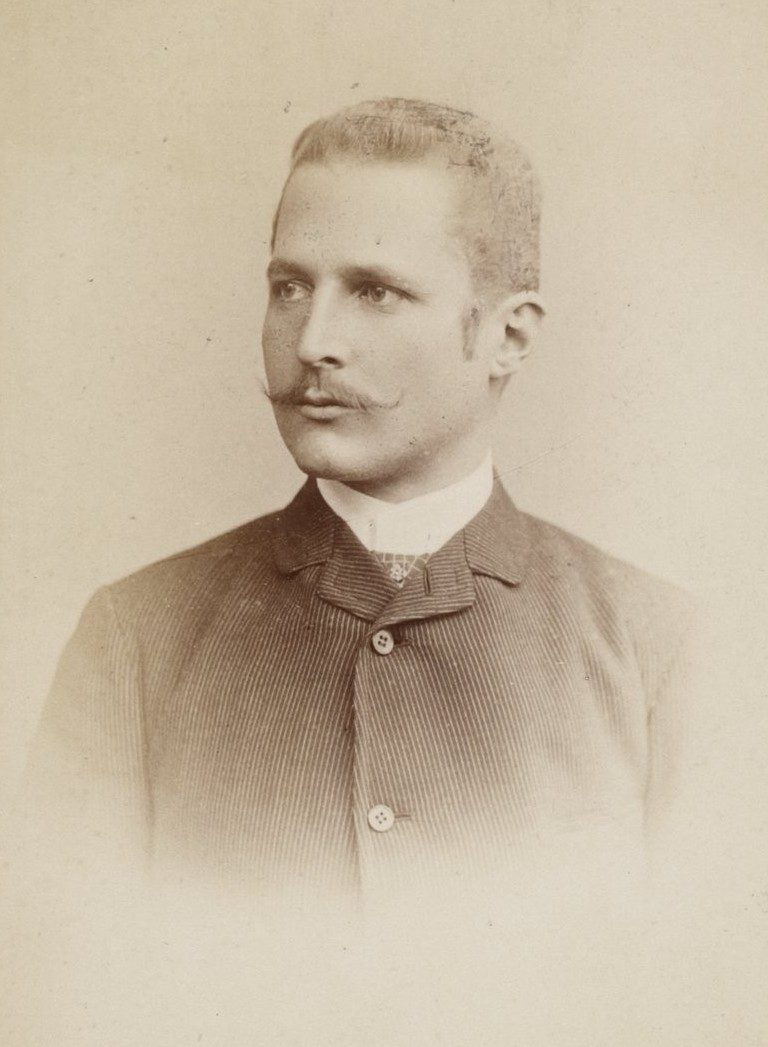
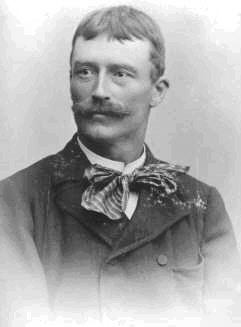
Portrait of Ludwig Purtscheller Austrian mountaineer Kilimanjaro 1889 ascent
Ludwig Purtscheller, an experienced Austrian mountaineer, reached the summit of Kilimanjaro with Hans Meyer and local guide Lauwo in 1889.

The First Successful Ascent of Kilimanjaro

Hans Meyer’s successful 1889 expedition included Austrian mountaineer Ludwig Purtscheller, local guides, porters, and support crew. Historical accounts commonly connect Yohani Kinyala Lauwo, a Chagga guide from the Kilimanjaro region, with the expedition’s local support.
 
On October 6, 1889, Meyer and Purtscheller reached the summit area of Kibo, Kilimanjaro’s highest volcanic cone. This became known as the first recorded successful ascent of Mount Kilimanjaro.
 
The climb was difficult because the team faced altitude, cold, ice, limited equipment, and the logistical challenge of moving supplies on a high mountain before modern trekking support existed.
 
For the full local guide story, read our dedicated article about Yohani Kinyala Lauwo and Kilimanjaro’s first ascent.
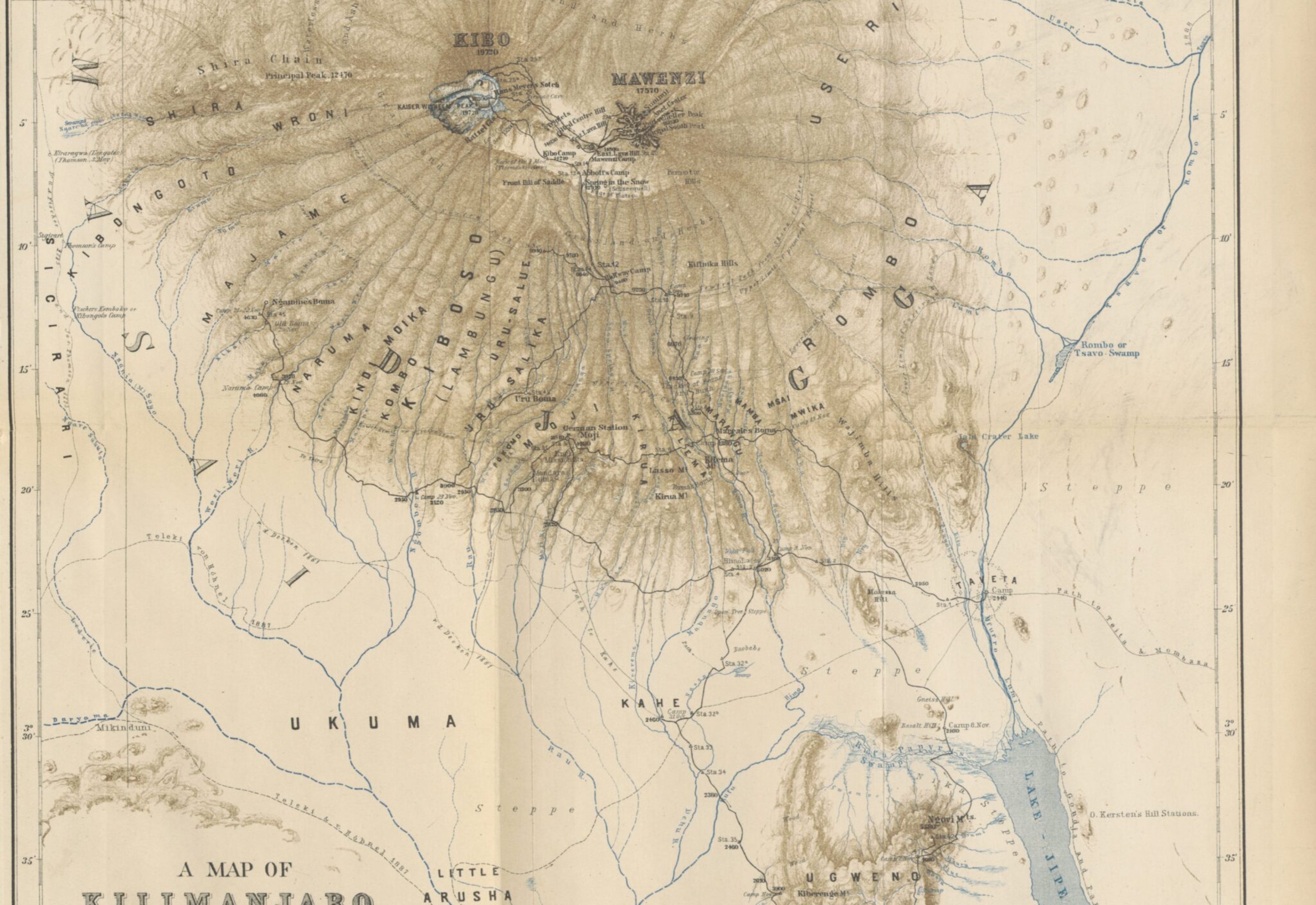
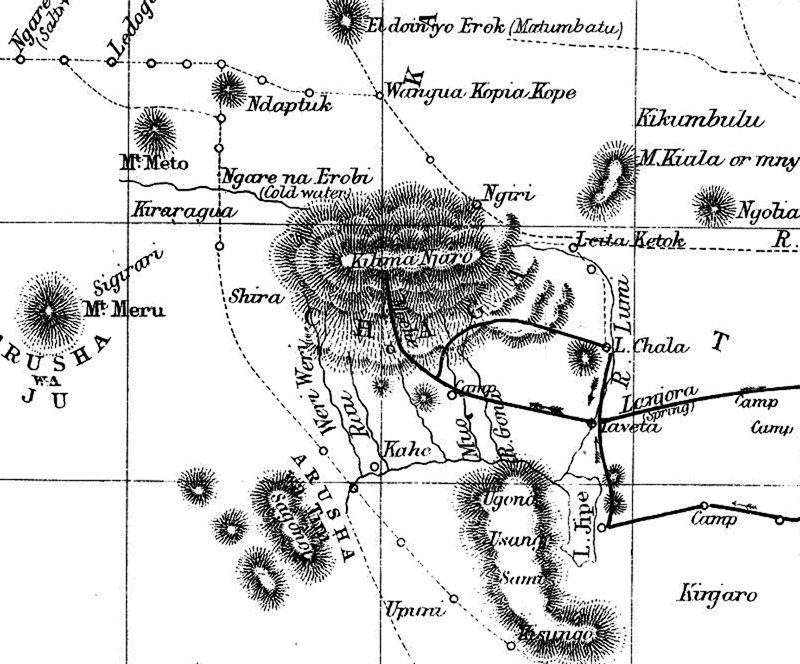
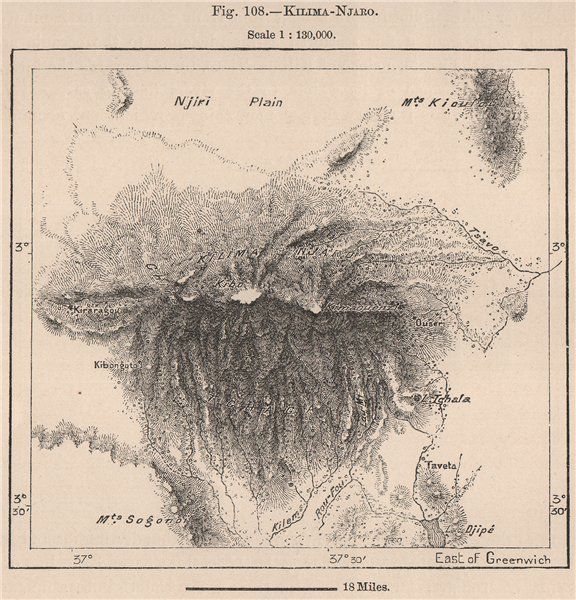
Hans Meyer 1889 map of Mount Kilimanjaro summit area
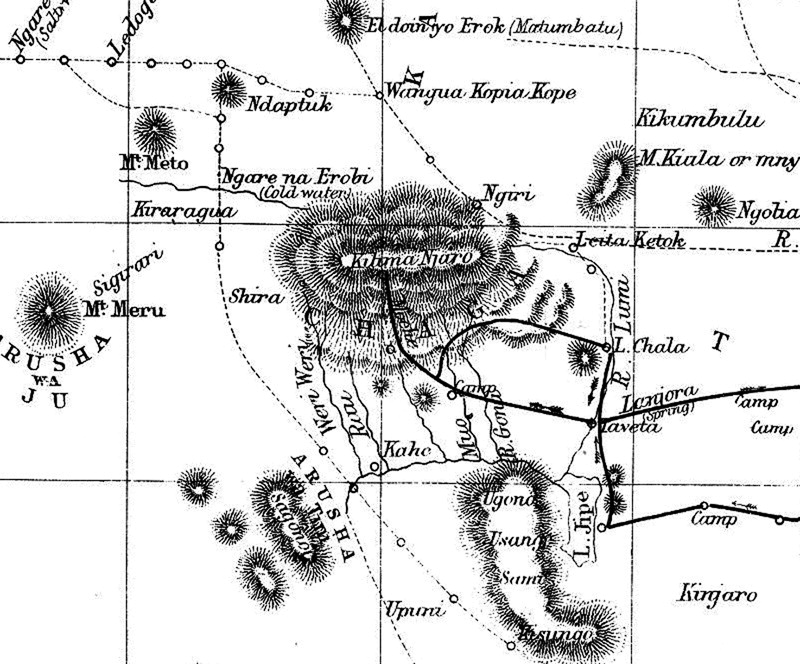
A look back in time — this 1990s Kilimanjaro map reflects how the mountain was explored, traveled, and understood decades ago.

What Made the Expedition Historic?

Meyer’s 1889 ascent was historic because it became the first recorded successful climb to Kilimanjaro’s highest summit. The expedition also helped document the mountain’s geography, crater area, ice, and summit landscape for later climbers and researchers.

The climb mattered because:
  • It confirmed a recorded route to Kilimanjaro’s highest summit
  • It helped document Kibo, the highest of Kilimanjaro’s volcanic cones
  • It showed the challenge of altitude, ice, and logistics on the mountain
  • It became a major event in East African exploration history
  • It helped shape Kilimanjaro’s later identity as a major climbing destination
Modern climbers have better equipment, trained guides, and safer logistics, but Kilimanjaro is still demanding. Read How Hard Is Kilimanjaro? to understand the challenge today.
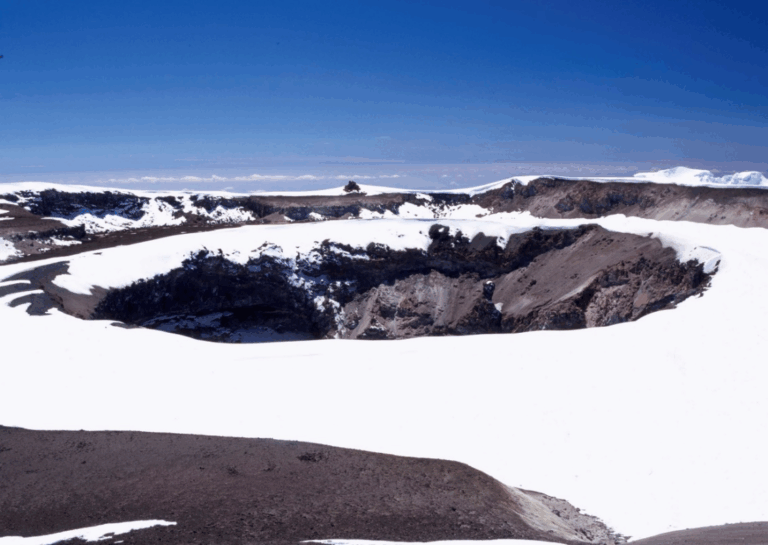
Glacial snow and ice covering the crater rim of Mount Kilimanjaro during dry season ascent | Kili Quests
Kilimanjaro’s crater rim wrapped in snow and ancient ice — a glimpse into the mountain’s glacial past.
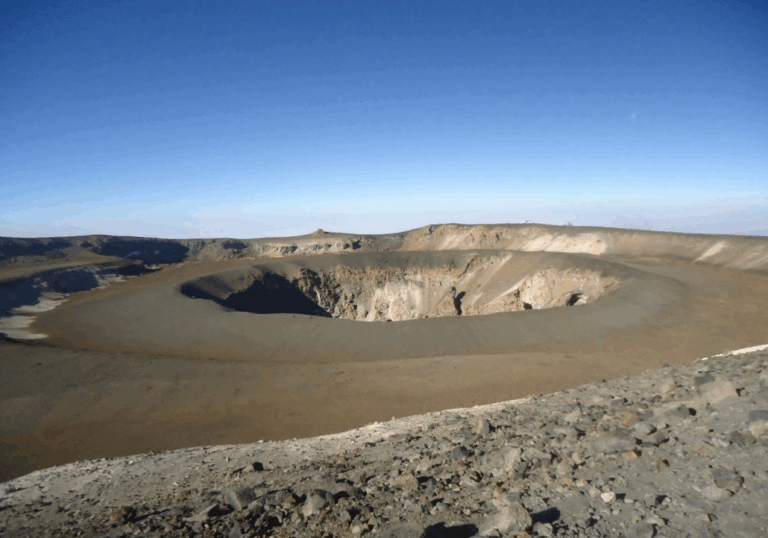
Dry, snowless crater rim of Mount Kilimanjaro showing volcanic rock and summit trail | Kili Quests
The exposed crater rim reveals Kilimanjaro’s raw volcanic structure — dramatic, vast, and wind-carved by time.

Naming the Summit Points

Kilimanjaro’s summit area has several famous names, including Gilman’s Point, Stella Point, and Uhuru Peak. These names reflect different periods of exploration, mapping, climbing history, and Tanzania’s national identity.
 
During the German colonial period, the highest summit was known as Kaiser-Wilhelm-Spitze. After Tanzania’s independence, the summit became known as Uhuru Peak, with “Uhuru” meaning freedom in Swahili.
 
Gilman’s Point is another historic crater-rim landmark, while Stella Point is one of the key summit markers reached by climbers from routes such as Machame, Lemosho, and Umbwe.
 
For more detail, read our guides to Gilman’s Point, Stella Point on Kilimanjaro, and Why Uhuru Peak Is Called Uhuru.

Meyer’s Legacy on Kilimanjaro

Hans Meyer’s legacy is tied to Kilimanjaro’s written climbing history, early geographic documentation, and the first recorded ascent of the mountain’s highest summit.

His expedition helped make Kilimanjaro known internationally as a major mountain objective. His maps, writings, and observations also contributed to how later climbers and researchers understood the mountain.

But Meyer’s legacy should be explained honestly. The 1889 ascent was not only the story of one European explorer. It also depended on Ludwig Purtscheller, local guides, porters, and mountain knowledge from the Kilimanjaro region.
1889 exploration map of Mount Kilimanjaro drawn by Hans Meyer, highlighting the early summit path and crater area | Kili Quests
A legacy etched in ink — Hans Meyer’s 1889 map captured Kilimanjaro’s summit long before modern routes existed.

Frequently Asked Questions About Hans Meyer and Kilimanjaro

Who was Hans Meyer?

Hans Meyer was a German geographer, mountaineer, and professor who became famous for his role in the first recorded successful ascent of Mount Kilimanjaro in 1889.

When was Mount Kilimanjaro first climbed?

The first recorded successful ascent of Mount Kilimanjaro took place in October 1889, when Hans Meyer and Ludwig Purtscheller reached the summit area of Kibo.

Did Hans Meyer climb Kilimanjaro alone?

No. Hans Meyer did not climb Kilimanjaro alone. He climbed with Austrian mountaineer Ludwig Purtscheller and relied on local guides, porters, and expedition support.

What was the original name of Uhuru Peak?

During the German colonial period, Kilimanjaro’s highest summit was known as Kaiser-Wilhelm-Spitze. Today, it is called Uhuru Peak, a name associated with Tanzania’s independence and freedom.

Why is Hans Meyer important in Kilimanjaro history?

Hans Meyer is important because his 1889 expedition became the first recorded successful ascent of Mount Kilimanjaro and helped document the mountain’s geography, summit area, and climbing history.

Who was the local guide in the first Kilimanjaro expedition?

The local guide who assisted Hans Meyer’s expedition was Yohani Kinyala Lauwo, a Chagga man from Marangu. His role in the climb is now widely recognized as an important part of Kilimanjaro’s history.
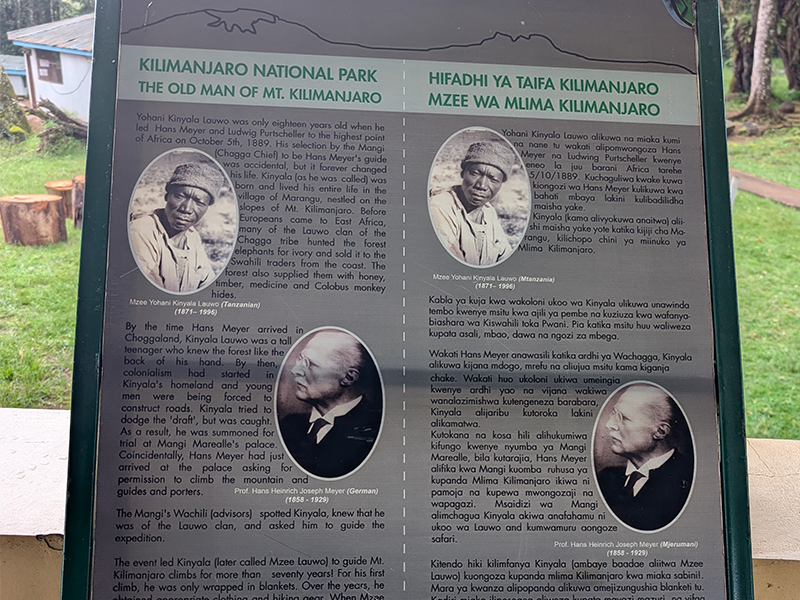
Interpretive sign at Kilimanjaro National Park showing historical profiles of Yohani Kinyala Lauwo, the first local guide of Mount Kilimanjaro, and Hans Meyer, the first recorded European to summit Kilimanjaro in 1889.
Informational sign at Kilimanjaro National Park honoring Yohani Kinyala Lauwo, the first local Kilimanjaro guide, and Hans Meyer, the first European summiteer in 1889. Their partnership marked the beginning of Kilimanjaro’s climbing history.

The Legacy of Kilimanjaro’s First Ascent

Hans Meyer’s first recorded successful climb of Mount Kilimanjaro was more than a mountaineering achievement. It became part of the mountain’s written history and helped shape how later generations understood Kibo, the crater rim, and the summit area.

But the story is stronger when it is told honestly. Meyer’s success depended not only on his ambition, but also on Ludwig Purtscheller, local guides, porters, and the mountain knowledge of people from the Kilimanjaro region.

Today, climbers follow safer routes with better equipment and experienced local guides, but the journey still carries the same sense of challenge, history, and achievement.

Plan Your Kilimanjaro Climb with Kili Quests

Kilimanjaro’s history gives the mountain deeper meaning, but reaching the summit today still requires preparation, pacing, acclimatization, and experienced support.
 
At Kili Quests, we guide climbers with local mountain knowledge, careful planning, and respect for the history behind Africa’s highest peak.
 
Contact us today to start planning your Kilimanjaro climb.

Related Articles

Yohani Kinyala Lauwo: Kilimanjaro’s First Local Guide

Climb with Local Experts

Follow in Lauwo’s footsteps with experienced Tanzanian guides.

Plan Your Climb

Start preparing for your Kilimanjaro adventure: 

OUR CATEGORIES

Who Was Yohani Kinyala Lauwo? Kilimanjaro’s Local Guide

When people talk about the first recorded ascent of Mount Kilimanjaro, they often mention Hans Meyer and Ludwig Purtscheller. But the story is not complete without Yohani Kinyala Lauwo, the local Chagga guide from Marangu who is remembered for his connection to the 1889 expedition.
 
Lauwo’s story matters because Kilimanjaro history is not only about European explorers. It is also about the local guides, porters, and mountain communities whose knowledge made early expeditions possible.
 
In this article, Kili Quests shares who Lauwo was, what role he played in Kilimanjaro’s first recorded ascent story, why his contribution was overlooked, and how his legacy continues through Tanzanian mountain guides today.
 
For the European expedition side of the story, read our guide to Hans Meyer and the first Kilimanjaro ascent in 1889.

Quick Answer: Who Was Yohani Kinyala Lauwo?

Yohani Kinyala Lauwo was a Chagga guide from the Marangu area of Mount Kilimanjaro. He is remembered for his connection to the first recorded successful ascent of Kilimanjaro in 1889, when Hans Meyer and Ludwig Purtscheller reached the summit with support from local guides, porters, and expedition crew.
 
Lauwo’s story highlights the local knowledge behind Kilimanjaro’s early climbing history. While European expedition leaders received most of the written recognition, local guides helped make mountain travel possible through route knowledge, strength, endurance, and familiarity with the land

A Note on Lauwo’s Historical Record

Lauwo is widely remembered in Kilimanjaro guiding history, but some details about his exact role, age, and participation are not recorded as clearly as the European expedition accounts.
 
A later centenary review of Kilimanjaro’s first ascent connected Yohani Kinyala Lauwo with Meyer and Purtscheller’s 1889 expedition, but the historical record also shows that some details were uncertain. That uncertainty is important to mention because local guides and porters were often under-recorded in colonial-era expedition history.
 
This does not make Lauwo’s story less important. It makes it more important to tell carefully, honestly, and with respect for the local people who helped shape Kilimanjaro guiding history.
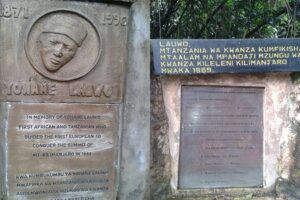
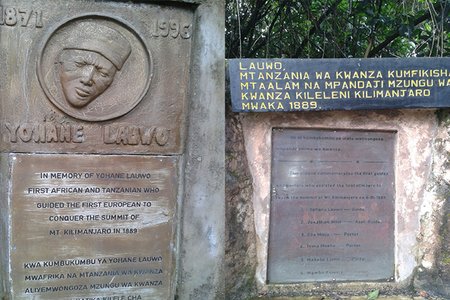
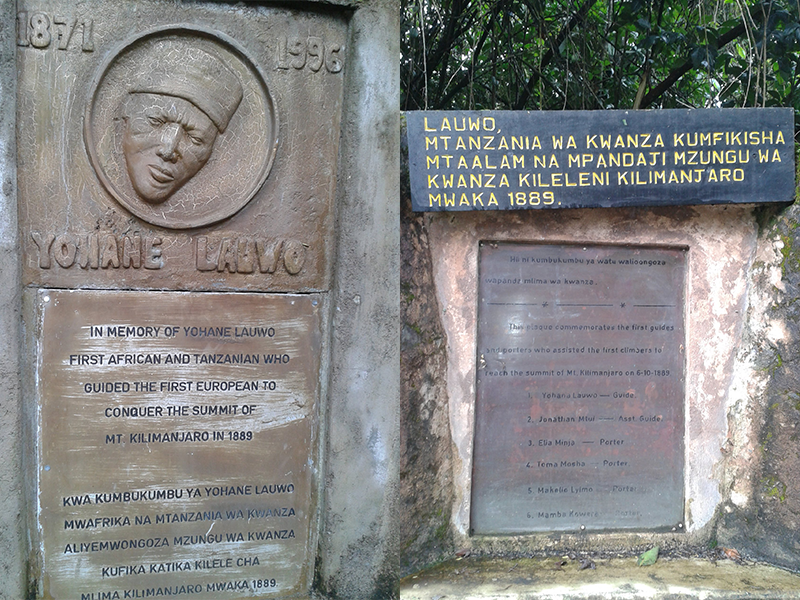
Memorial plaques honoring Yohane Lauwo, the first Tanzanian to guide a European to Kilimanjaro’s summit in 1889.
Yohane Lauwo is remembered as the first African and Tanzanian guide to summit Mount Kilimanjaro, assisting Hans Meyer in the historic 1889 expedition.

Table of Contents

Who Was Yohani Kinyala Lauwo?

Yohani Kinyala Lauwo was a local guide from Marangu, one of the historic gateway areas on the southeastern slopes of Mount Kilimanjaro.
 
He is commonly remembered as a Chagga guide connected to the 1889 first recorded ascent of Kilimanjaro. That expedition involved Hans Meyer, a German geographer, and Ludwig Purtscheller, an Austrian mountaineer, along with local guides, porters, and support crew.
 
Lauwo’s importance goes beyond one expedition. His story represents the local mountain knowledge, endurance, and guiding tradition that existed around Kilimanjaro long before the mountain became a global trekking destination.
 
Marangu remains one of Kilimanjaro’s most historic gateways, and today the Marangu Route is still one of the main trails to the summit.
 
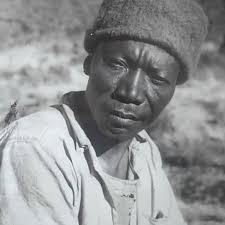
Portrait of Yohani Kinyala Lauwo, the first local Kilimanjaro guide and early Tanzanian mountain pioneer
Yohani Kinyala Lauwo – The legendary Chagga guide who led Hans Meyer to the summit of Kilimanjaro in 1889.
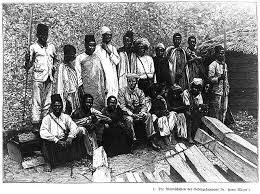
Historic 1889 Kilimanjaro expedition team with Hans Meyer and local guides including Yohani Kinyala Lauwo
1889 Kilimanjaro Expedition Team – Hans Meyer with Chagga porters and guides, including Yohani Lauwo, before the first summit of Uhuru Peak.
Portrait of Ludwig Purtscheller Austrian mountaineer Kilimanjaro 1889 ascent
Ludwig Purtscheller, an experienced Austrian mountaineer, reached the summit of Kilimanjaro with Hans Meyer and local guide Lauwo in 1889.
Portrait of Hans Meyer German geographer linked to Kilimanjaro first ascent
Hans Meyer led the first successful recorded expedition to the summit of Mount Kilimanjaro in 1889, marking a historic moment in mountaineering.

What Role Did Lauwo Play in the 1889 Ascent Story?

Lauwo is remembered for his connection to the expedition that reached Kilimanjaro’s summit in 1889. That climb is most commonly associated with Hans Meyer and Ludwig Purtscheller, but it also depended on local support.
 
Local guides and porters helped with:
  • Route knowledge through the lower mountain zones
  • Carrying supplies and expedition equipment
  • Moving through unfamiliar terrain
  • Supporting camp logistics
  • Helping the expedition continue in difficult mountain conditions
This is why Lauwo matters. The first recorded ascent was not only the achievement of European explorers. It was also made possible by local people who knew the mountain environment and supported the climb.
 
For the full European expedition story, read Hans Meyer and the first ascent of Kilimanjaro.
Person or Group Role in the 1889 Ascent Story Why It Matters
Yohani Kinyala Lauwo Local Chagga guide remembered for his connection to the expedition Represents local mountain knowledge and Tanzania’s guiding legacy.
Hans Meyer German geographer linked to the first recorded ascent Helped bring Kilimanjaro into written mountaineering history.
Ludwig Purtscheller Austrian mountaineer who climbed with Meyer Brought mountaineering experience to the expedition.
Local porters and support crew Carried supplies and supported mountain logistics Shows that the climb depended on more than the named expedition leaders.

Why Was Lauwo’s Story Often Overlooked?

For many years, Kilimanjaro’s first ascent story was told mainly through European expedition records. Hans Meyer and Ludwig Purtscheller became the most widely known names because they were the figures most clearly documented in written accounts.
 
Local guides and porters were often treated as background support, even when their work was essential. Lauwo’s story helps correct that imbalance by showing that Kilimanjaro’s climbing history also belongs to the people who lived near the mountain and understood its slopes, forests, weather, and routes.
 
This does not mean the Hans Meyer story should be erased. It means Kilimanjaro history should be told more completely.
Hans Meyer 1889 map of Mount Kilimanjaro summit area
A look back in time — this 1990s Kilimanjaro map reflects how the mountain was explored, traveled, and understood decades ago.

Lauwo’s Legacy on Kilimanjaro

Lauwo’s legacy lives in Tanzania’s mountain guiding tradition. Today, Kilimanjaro guides continue a local profession built on endurance, responsibility, route knowledge, safety awareness, and respect for the mountain.
 
His story also reminds climbers that Kilimanjaro is not just a summit. It is a living landscape connected to local communities, culture, history, and generations of mountain workers.
 
For a deeper look at the wider cultural background around the mountain, read our guide to Chagga culture and history around Kilimanjaro.

Why Lauwo’s Story Still Matters Today

Lauwo’s story matters because it brings local people back into Kilimanjaro’s climbing history. The mountain was not simply conquered by outsiders. It was guided, supported, understood, and lived around by local communities long before international climbers arrived.

When climbers stand on Uhuru Peak today, they are following a mountain history shaped by many people: explorers, guides, porters, cooks, route builders, local communities, and generations of Tanzanian mountain workers.

Lauwo represents that local legacy. His story reminds us that Kilimanjaro guiding is not just a job; it is part of the mountain’s living history.

Frequently Asked Questions About Yohani Kinyala Lauwo

Who was Yohani Kinyala Lauwo?

Yohani Kinyala Lauwo was a local Chagga guide from Marangu, remembered for his connection to Kilimanjaro’s 1889 first recorded ascent and Tanzania’s early mountain guiding history.

Did Lauwo climb with Hans Meyer?

Lauwo is commonly connected with the 1889 expedition involving Hans Meyer and Ludwig Purtscheller. The expedition also relied on local guides, porters, and support crew from the Kilimanjaro region.

Why is Lauwo important in Kilimanjaro history?

Lauwo is important because his story highlights the local knowledge behind Kilimanjaro’s early climbing history. It reminds climbers that the mountain’s history includes Tanzanian guides and communities, not only European expedition leaders.

Where was Lauwo from?

Yohani Kinyala Lauwo was from the Marangu area on the slopes of Mount Kilimanjaro. Marangu remains one of the mountain’s historic gateway communities and is closely connected with Kilimanjaro guiding history.

Why was Lauwo overlooked in early Kilimanjaro history?

Lauwo was overlooked because colonial-era expedition accounts focused mainly on European explorers such as Hans Meyer and Ludwig Purtscheller. Local guides, porters, and support crews were often under-recorded, even though their work was essential.
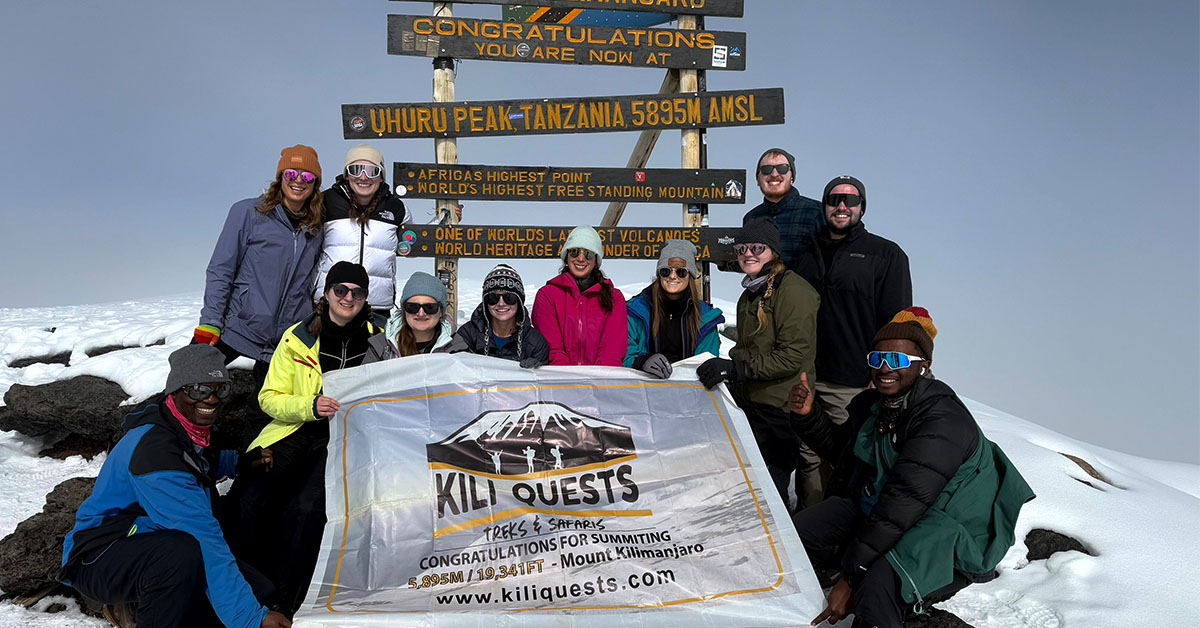
Group of trekkers celebrating together at Uhuru Peak, the summit of Mount Kilimanjaro
Tourists celebrate their successful summit at Uhuru Peak alongside our expert KILI QUESTS guides, proudly raising the flag at Africa’s highest point.

Climb Kilimanjaro with Local Mountain Experts

Lauwo’s story reminds us that Kilimanjaro guiding has deep local roots. Long before the mountain became a global trekking destination, local people understood its slopes, forests, weather, and routes.
 
At Kili Quests, we continue that tradition with experienced Tanzanian guides, careful route planning, strong safety support, and respect for the people and history behind the mountain.
 
Plan your Kilimanjaro climb with Kili Quests today.

Related Articles

Uhuru Peak Meaning: Kilimanjaro Summit & Independence

Reach Uhuru Peak

Stand on the highest point in Africa with expert local guides.

Plan Your Summit

Prepare the right way before your Kilimanjaro climb:

OUR CATEGORIES

From Kaiser Wilhelm Spitze to Uhuru Peak: Kilimanjaro and Tanzania’s Independence | Kili Quests

Mount Kilimanjaro’s summit is known today as Uhuru Peak ,Learn more about what Uhuru Peak is and why it’s the true summit of Africa,a symbol of freedom and pride for the people of Tanzania. But before independence, this same summit carried a very different name: Kaiser Wilhelm Spitze, a colonial-era label honoring the German emperor.
 
In this article, Kili Quests explores how Kilimanjaro’s highest point was renamed, what “Uhuru” truly means, and how the summit came to represent a new chapter in Tanzania’s history.Reaching this point is the goal of every climber , but it requires preparation and proper acclimatization.
 
Discover the full story behind Uhuru Peak and its historical meaning.
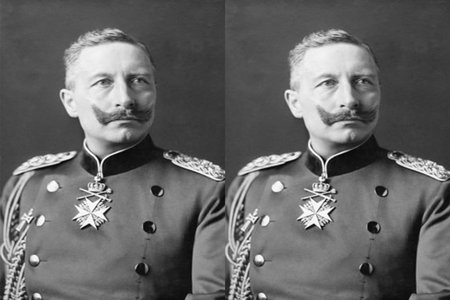
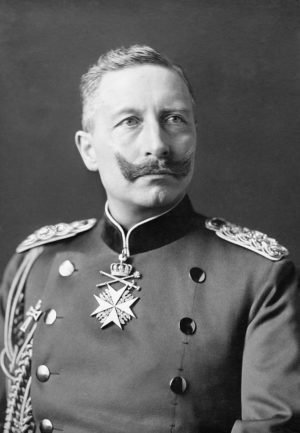
Portrait of Kaiser Wilhelm II, the German emperor after whom Kilimanjaro’s summit was named during colonial rule.
Kaiser Wilhelm II was the namesake of Kilimanjaro’s summit during the German colonial era — formerly called Kaiser Wilhelm Spitze until Tanzania gained independence.

Table of Contents

The Colonial Name: Kaiser Wilhelm Spitze

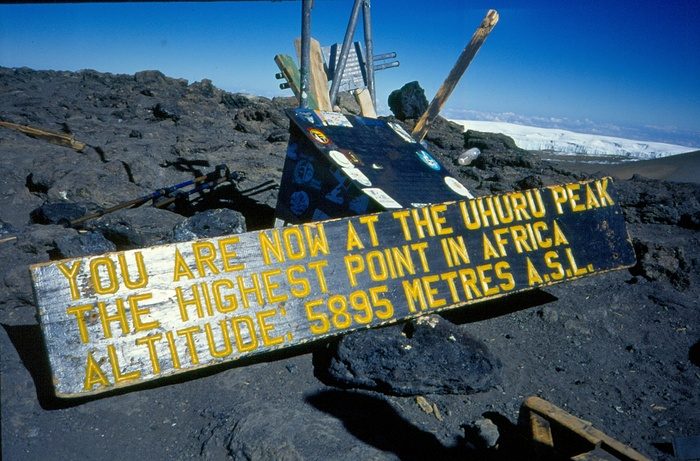
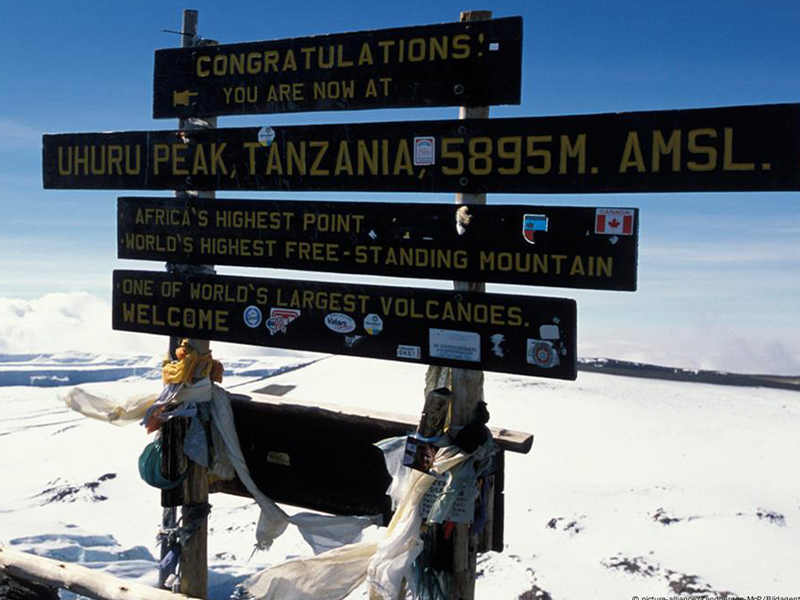
Historic wooden sign at Uhuru Peak on Mount Kilimanjaro displaying the highest point in Africa at 5,895 meters above sea level.
An early sign at Uhuru Peak, renamed in the 1960s after Tanzanian independence. Before this, Europeans knew the summit as Kaiser Wilhelm Spitze during the colonial era.
In 1889, German explorer Hans Meyer,
Read more about Hans Meyer and the first Kilimanjaro ascent in 1889.became the first recorded person to reach the summit of Mount Kilimanjaro. As part of his achievement, he named the peak Kaiser Wilhelm Spitze, or “Emperor William Peak,” in honor of Kaiser Wilhelm II, the ruler of the German Empire.
At the time, Tanzania (then German East Africa) was a colony under German control, and naming major geographical landmarks after European royalty was a common colonial practice.
Uhuru Peak sign at the summit of Mount Kilimanjaro showing elevation and independence-related messages.
Since 1964, the summit of Kilimanjaro has been officially known as Uhuru Peak — a name symbolizing Tanzanian freedom. During colonial times, it was called Kaiser Wilhelm Spitze by Europeans.

A Mountain Under Many Flags

Throughout the early 20th century, Kilimanjaro , like much of East Africa , changed hands between colonial powers:
  • German control (late 1800s to WWI)
  • British control (after World War I, renamed Tanganyika Territory)
  • Independence movement grows in the 1950s
Despite these political changes, the mountain remained a cultural and geographic icon for local communities , especially the Chagga people, who lived on its slopes.
 

Tanzania Independence and the Renaming of the Summit

On December 9, 1961, Tanganyika gained independence from British colonial rule and became a sovereign nation.As part of celebrating this historic milestone, the government officially renamed Kilimanjaro’s summit from Kaiser Wilhelm Spitze to “Uhuru Peak.”
The word “Uhuru” means “freedom” in Swahili ,The summit name reflects both national pride and identity , making it one of the most meaningful mountain summits in the world.
 
Tanzania’s national language.
This change was more than symbolic. It marked:
  • A rejection of colonial naming and legacy.
  • A celebration of African identity and independence.
  • A reminder that Tanzania’s highest point belongs to its people.

Uhuru Peak Today

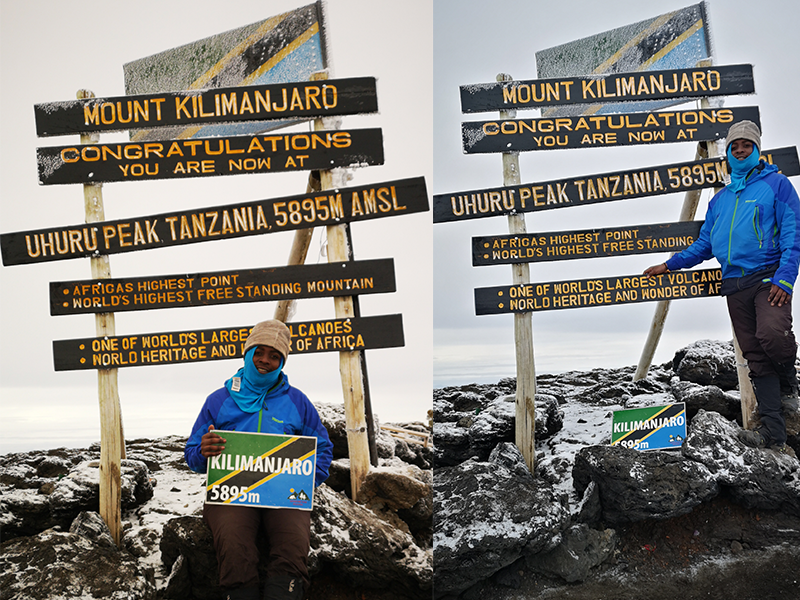
Trekkers posing at the Uhuru Peak summit sign on Mount Kilimanjaro, marking Africa’s highest point at 5,895 meters.
Ones of Kili Quests Member celebrate reaching Uhuru Peak, the highest point in Africa. The sign marks 5,895 meters above sea level — a powerful moment for every Kilimanjaro climber.
Uhuru Peak stands as:
  • The highest point in Africa (5,895 m / 19,341 ft)Before attempting the summit, it’s important to understand how difficult Kilimanjaro really is.
  • A place where independence meets elevation
  • A globally recognized name that reflects Tanzania’s values
Today, climbers from all over the world take photos beneath the summit sign, Most climbers reach Uhuru Peak after passing Stella Point on the crater rim that proudly reads
 
“Congratulations! You are now at Uhuru Peak, Tanzania, 5,895 m. Africa’s Highest Point. World’s Highest Free-Standing Mountain.”

Did You Know?

The renaming was part of a wider movement in post-colonial Africa to reclaim names, borders, and identities.Uhuru Peak was officially named within months of independence, showing how deeply the name was tied to national pride.Other peaks on Kilimanjaro , such as Stella Point and Gilman’s Point , still retain their explorer-era names
 
Portrait of Hans Meyer German geographer linked to Kilimanjaro first ascent
Hans Meyer led the first successful recorded expedition to the summit of Mount Kilimanjaro in 1889, marking a historic moment in mountaineering.
Portrait of Ludwig Purtscheller Austrian mountaineer Kilimanjaro 1889 ascent
Ludwig Purtscheller, an experienced Austrian mountaineer, reached the summit of Kilimanjaro with Hans Meyer and local guide Lauwo in 1889.

Final Thoughts

Mountains carry meaning ,and for Tanzania, Uhuru Peak stands not only as a geographical high point but as a symbol of national freedom.From a colonial name tied to European empire, to a Swahili name that honors independence, the summit of Kilimanjaro tells a powerful story. Every climber who reaches it stands on more than volcanic rock , they stand on the spirit of Uhuru.Every climber who reaches this summit follows a journey shaped by history, culture, and determination.
 
Hans Meyer 1889 map of Mount Kilimanjaro summit area
A look back in time — this 1990s Kilimanjaro map reflects how the mountain was explored, traveled, and understood decades ago.

Frequently Asked Questions About Uhuru Peak and Kilimanjaro’s Name

What was the original name of Uhuru Peak?

Before Tanzania gained independence, the summit of Mount Kilimanjaro was called Kaiser Wilhelm Spitze. The name was given by German explorer Hans Meyer in 1889 to honor Kaiser Wilhelm II of Germany.

Why was Kilimanjaro’s summit renamed Uhuru Peak?

After Tanganyika gained independence in 1961, the summit was renamed Uhuru Peak to symbolize national freedom. The word “Uhuru” means freedom in Swahili, reflecting the country’s independence and cultural identity.

What does the word “Uhuru” mean?

The Swahili word “Uhuru” means freedom or independence. Naming the summit Uhuru Peak was meant to celebrate Tanzania’s liberation from colonial rule.

When was Uhuru Peak officially named?

The summit of Mount Kilimanjaro was renamed Uhuru Peak shortly after Tanganyika gained independence on December 9, 1961. The new name reflected the pride and identity of the newly independent nation.

Is Uhuru Peak the highest point in Africa?

Yes. Uhuru Peak stands at 5,895 meters (19,341 feet) above sea level and is the highest point in Africa and the summit of Mount Kilimanjaro.

How long does it take to reach Uhuru Peak from Stella Point?

From Stella Point, it usually takes about 45 minutes to one hour to reach Uhuru Peak, depending on altitude conditions and the climber’s pace.

Climb to Uhuru Peak with Kili Quests

At Kili Quests, we guide you to more than just a summit , we guide you through a journey of culture, history, and self-discovery.Whether it’s your first trek or your return to the mountain, we’ll help you reach Uhuru Peak with expert guidance, preparation, and respect for the land and its story.
 

Related Articles

What Does Kilimanjaro Mean? Name Origin & History

Climb Kilimanjaro with Local Guides

Experience the mountain behind the name with local guides who understand its routes, history, culture, and summit challenge.

Related Kilimanjaro Stories

OUR CATEGORIES

Why Kilimanjaro Is Called ‘Kilimanjaro’ | Kili Quests

Mount Kilimanjaro is the highest mountain in Africa, but the meaning of its name is still debated. Unlike some famous mountains with clear naming origins, “Kilimanjaro” has several possible explanations connected to Swahili, Chagga language roots, early explorer records, snow, difficulty, and local stories.
 
No single meaning has been proven. Some people interpret Kilimanjaro as a “shining mountain” or “mountain of whiteness,” while others connect it to Chagga phrases describing a difficult or impossible climb. The truth is likely more complicated because the name passed through local languages, traders, missionaries, explorers, maps, and colonial spellings.
 
This article explains the main theories behind the name Kilimanjaro and why the mystery still matters today.
 
To understand the mountain’s physical shape and volcanic history, read our guide to what Mount Kilimanjaro is and how it formed.

Quick Answer: What Does Kilimanjaro Mean?

The exact meaning of “Kilimanjaro” is uncertain. Several theories exist, but no single origin has been proven.
 
One common explanation connects the name to Swahili and Chagga language roots, often interpreted as “mountain of whiteness” or “shining mountain” because of the snow and glaciers on the summit. Another theory links the name to Chagga words suggesting something difficult, impossible, or defeating to climb.
 
Early European explorers and missionaries recorded different spellings and interpretations, which helped standardize the name internationally. So the honest answer is this: Kilimanjaro does not have one confirmed meaning, but its name is tied to language, snow, local stories, early exploration, and the mountain’s powerful presence in East Africa.
Mount Kilimanjaro with local tribal regions such as Chagga and Pare surrounding the base
The origin of the name “Kilimanjaro” remains debated — with influences from Chagga, Swahili, Maasai, and colonial languages

Table of Contents

Why the Meaning of Kilimanjaro Is Uncertain

The meaning of Kilimanjaro is uncertain because the name passed through different languages, communities, interpreters, explorers, maps, and colonial records.
 
Local communities around the mountain did not always use one single name for the whole mountain in the same way outsiders later recorded it. Some names referred to specific peaks, such as Kibo and Mawenzi, while the wider name “Kilimanjaro” became more common through outside records.

European Records vs. Local Language

European missionaries and explorers helped spread the name “Kilimanjaro” internationally during the 19th century, but they did not create the mountain itself or the local meanings around it.

Johannes Rebmann, a German missionary, is widely credited as the first European to report seeing Kilimanjaro’s snow-covered summit in 1848. Later explorers, mapmakers, and colonial writers recorded the name in different spellings and interpretations.

One popular explanation connects “Kilima” with a Swahili word often interpreted as mountain or hill, and “Njaro” with a Chagga-related word linked to shining or whiteness. But this explanation is debated because mlima is the common Swahili word for mountain, while kilima usually means hill or small mountain.

This is why Kilimanjaro’s name is not simple. It likely passed through local speech, Swahili usage, guides, interpreters, and European writing before becoming the internationally recognized name.
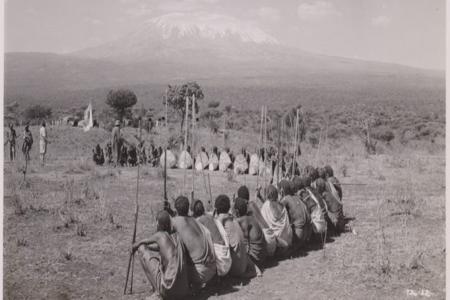
Historical photograph of Mount Kilimanjaro from early exploration or colonial era
Historical explorers and early local communities referred to the mountain by various names before “Kilimanjaro” became widely accepted
Portrait of Johannes Rebmann, the first European to report seeing Mount Kilimanjaro in 1848
In 1848, German missionary Johannes Rebmann was the first European to report Kilimanjaro’s snow-covered summit to the outside world

Local Language Theories Behind Kilimanjaro

Several local language theories try to explain the name Kilimanjaro.
 
One Chagga-related theory suggests that the name may have come from a phrase such as Kilelema Kyaro or a similar form, sometimes interpreted as “that which defeats the caravan” or “that which is difficult to climb.” This theory connects the name to the mountain’s difficulty and the challenge of reaching its high slopes.
 
Another theory links the name to snow, whiteness, or brightness. From far away, Kilimanjaro’s white summit would have been one of its most striking features, especially before the glaciers began shrinking.
 
There are also ideas connected to nearby languages, including Pare interpretations related to coldness or water. These should be treated as possible influences, not proven origins.
The strongest point is this: Kilimanjaro’s name likely developed from a mixture of local language, Swahili usage, outside interpretation, and later map records.
Members of the Chagga tribe near Mount Kilimanjaro in traditional attire
Members of the Pare tribe from the southeastern Kilimanjaro region, dressed in traditional clothing
The Pare people, known for their rituals and herbal knowledge, view Kilimanjaro as a sacred force and conduct spiritual ceremonies in its presence

Did Pare or Maasai Words Influence the Name?

Some local explanations connect the name Kilimanjaro with words from nearby communities, including Pare or Maasai interpretations. These ideas often relate to coldness, water, greatness, or spiritual respect for the mountain.
 
However, these theories are harder to prove. The Pare people live southeast of Kilimanjaro around the Pare Mountains, while Maasai communities have long lived across nearby plains in northern Tanzania and southern Kenya.
 
Kilimanjaro’s name may have passed through several language environments before being written down by outsiders. That makes it possible that nearby languages influenced how people understood the mountain, but no single Pare or Maasai origin has been proven.
 
For more about traditional stories and beliefs around the mountain, read Mount Kilimanjaro Myths: Chagga, Maasai & Pare Beliefs.

Colonial Influence on the Name Kilimanjaro

During the colonial period, German and British writers recorded place names based on what they heard from local guides, traders, missionaries, and interpreters. Because different languages and dialects were spoken around the mountain, names could be simplified, misheard, or reshaped in written records.
 
By the late 19th century, “Kilimanjaro” appeared more regularly on European maps and publications. Over time, this spelling became internationally accepted, even though the exact original meaning remained uncertain.
 
This does not mean the name is fake. It means the modern spelling of Kilimanjaro was shaped by contact between local languages, Swahili-speaking networks, European records, and colonial-era mapmaking.
Historical image of Mount Kilimanjaro with glacier-covered summit during early exploration era
Early photographs of Kilimanjaro show more extensive glaciers and fewer local people

Kilimanjaro: A Name with Many Meanings

Theory Meaning
Swahili: Kilima + Njaro Hill of shining whiteness
Chagga: Kilelema Kyaro That which defeats caravans
Pare dialect Possibly “cold place” or “water source”
European explorers Misheard combination of tribal names
These meanings are historical theories, not confirmed translations. The name Kilimanjaro remains debated because it passed through local languages, Swahili-speaking networks, explorer records, and colonial mapmaking.
Hans Meyer 1889 map of Mount Kilimanjaro summit area
A look back in time — this 1990s Kilimanjaro map reflects how the mountain was explored, traveled, and understood decades ago.

Cultural Meaning Beyond the Name

For communities around the mountain, Kilimanjaro is more than a word on a map. It is connected to farming, water, forests, rain, ancestors, sacred places, and local identity.
 
The Chagga people, especially communities around the southern and eastern slopes, have lived close to the mountain for generations. Nearby Pare and Maasai communities also have their own cultural relationships with the wider Kilimanjaro landscape.
 
These stories do not prove one exact translation of the name, but they show why the mountain has always carried meaning beyond its height.
 
To understand the communities around the mountain, read Chagga Culture Around Mount Kilimanjaro.

Why the Name Kilimanjaro Still Matters Today

The name Kilimanjaro matters because it carries mystery, language, history, and identity. Even though no single meaning is proven, the different theories show how many communities, explorers, and storytellers tried to explain the mountain’s power.
 
For travelers, understanding the name adds depth to the climb. You are not just walking toward a summit; you are entering a landscape shaped by local languages, oral traditions, colonial records, and Tanzania’s modern identity.
 
Today, Kilimanjaro is known around the world as Africa’s highest mountain and one of the most iconic natural landmarks on Earth.
 
At its highest point stands Uhuru Peak, a name connected to Tanzania’s independence and freedom.

Frequently Asked Questions About the Name Kilimanjaro

What does the name Kilimanjaro mean?

The exact meaning of Kilimanjaro is still debated. Common theories connect the name with whiteness, shining snow, difficulty, greatness, caravans, or local spiritual ideas. No single meaning has been proven.

Does Kilimanjaro mean mountain of whiteness?

It may, according to one popular theory. This explanation connects the name with the snow and glaciers on Kilimanjaro’s summit. However, it is only one theory, not a confirmed translation.

Is Kilimanjaro a Swahili word?

Kilimanjaro is often linked to Swahili and Chagga language roots, but its exact origin is debated. The common Swahili word for mountain is mlima, while kilima usually means hill or small mountain, which makes the simple “kilima equals mountain” explanation more complicated.

Did local people originally call the mountain Kilimanjaro?

Not exactly. Some local communities referred to specific parts of the mountain, especially Kibo and Mawenzi, rather than using one single confirmed name for the whole mountain. The name Kilimanjaro became widely known through outside records, maps, and later international use.

How did European explorers influence the name Kilimanjaro?

European missionaries, explorers, and mapmakers helped standardize the spelling “Kilimanjaro” in international records. They recorded the name based on what they heard from local guides, Swahili speakers, traders, and interpreters.

Climb the Mountain Behind the Name

The meaning of Kilimanjaro may never be explained by one simple translation, but that is part of its power. The name carries snow, mystery, language, history, and the stories of people who have lived around the mountain for generations.
 
If you are ready to experience Kilimanjaro for yourself, Kili Quests can help you choose the right route, prepare properly, and climb with experienced local guides.
 
Contact us today to start planning your Kilimanjaro climb.

Related Articles