Reach Uhuru Peak

Stand on the highest point in Africa with expert local guides.

Plan Your Climb

Prepare for your Kilimanjaro adventure:

OUR CATEGORIES

Uhuru Peak: The Story Behind Kilimanjaro’s Summit Name

Uhuru Peak is the highest point on Mount Kilimanjaro and the highest point in Africa, standing at 5,895 meters / 19,341 feet above sea level. For climbers, reaching Uhuru Peak is the final goal of the Kilimanjaro journey.
 
But Uhuru Peak is more than a summit sign. The word “Uhuru” means freedom in Swahili, and the name is closely connected to Tanzania’s independence and national identity.
 
This article explains what Uhuru Peak means, where it is located on Kilimanjaro, why the name matters, and how it became one of the most symbolic places in Tanzania.
 

Quick Answer: What Is Uhuru Peak?

Uhuru Peak is the true summit of Mount Kilimanjaro and the highest point in Africa. It stands at 5,895 meters / 19,341 feet on Kibo, the highest volcanic cone of Kilimanjaro.
 
The name Uhuru means freedom in Swahili. The summit name is strongly associated with Tanzania’s independence and represents national pride, freedom, and achievement.
 

Uhuru Peak Facts

Feature Details
Location Mount Kilimanjaro, Tanzania
Elevation 5,895 m / 19,341 ft
Mountain section Kibo crater rim
Meaning of Uhuru Freedom or independence in Swahili
Importance Highest point on Mount Kilimanjaro and highest point in Africa
Reached by All main Kilimanjaro climbing routes
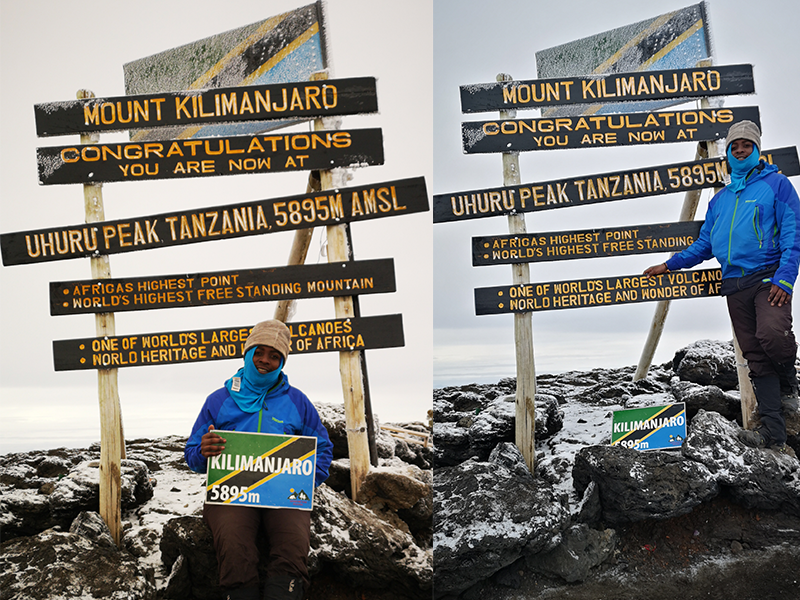
Trekkers posing at the Uhuru Peak summit sign on Mount Kilimanjaro, marking Africa’s highest point at 5,895 meters.
Trekkers celebrate reaching Uhuru Peak, the highest point in Africa. The sign marks 5,895 meters above sea level — a powerful moment for every Kilimanjaro climber.

Table of Contents

What Does “Uhuru” Mean?

Uhuru” is a Swahili word meaning freedom or independence. It is one of the most powerful words in Tanzania’s modern history because it is connected to the country’s independence and national identity.

When Tanganyika gained independence on December 9, 1961, the name Uhuru became a symbol of freedom, unity, and self-determination. Naming Kilimanjaro’s highest summit Uhuru Peak gave the mountain deeper meaning beyond geography.

Today, climbers from around the world reach Uhuru Peak not only as the top of Africa, but also as a place connected to Tanzania’s story of independence.

Uhuru Peak: A Symbol of National Pride

Renaming the summit wasn’t just symbolic. It made Kilimanjaro an emblem of a free and united Tanzania. Here’s why:
  • Kilimanjaro, already a towering natural landmark, became a national monument of independence.
  • The name Uhuru Peak reflects the collective spirit of Tanzanians rising above colonial history.
  • It serves as a message of hope and empowerment to both citizens and international climbers.
  • Climbing to Uhuru Peak is not only a physical achievement ,it’s a journey through history.Many climbers underestimate how demanding the journey can be.

Where Is Uhuru Peak on Mount Kilimanjaro?

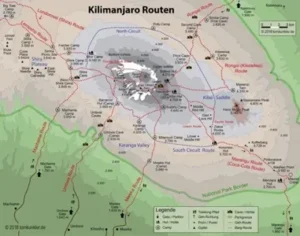
Uhuru Peak is located on the crater rim of Kibo, the highest of Kilimanjaro’s three volcanic cones. The other two cones are Mawenzi and Shira.
 
Most climbers reach Kilimanjaro’s crater rim first at either Stella Point or Gillman’s Point, depending on the route. From there, they continue toward Uhuru Peak, the true highest point of the mountain.
 
All main Kilimanjaro routes eventually aim for Uhuru Peak, including Machame, Lemosho, Marangu, Rongai, Northern Circuit, and Umbwe. Before choosing a trail, compare the options in our Kilimanjaro routes comparison guide.

Uhuru Peak vs Stella Point

 Uhuru Peak and Stella Point are both important places on Mount Kilimanjaro, but they are not the same.
 
Stella Point is a point on Kilimanjaro’s crater rim. Many climbers reach Stella Point first during the summit push, especially on routes such as Machame, Lemosho, Umbwe, and the Northern Circuit.
 
Uhuru Peak is the true summit of Mount Kilimanjaro. It is higher than Stella Point and marks the official highest point in Africa.
 
Reaching Stella Point is a major achievement, but climbers usually continue along the crater rim to reach Uhuru Peak and complete the summit.

Did You Know?

Before it became widely known as Uhuru Peak, Kilimanjaro’s summit was associated with colonial-era naming. The name Uhuru Peak became important because it connected Africa’s highest point with Tanzania’s independence and freedom.

Tanzania’s Independence Day is celebrated on December 9, and the meaning of Uhuru makes the summit especially powerful for many Tanzanians and visitors who understand the history behind the name.

For climbers, reaching Uhuru Peak is not only a personal achievement. It is also a moment connected to Tanzania’s national story.
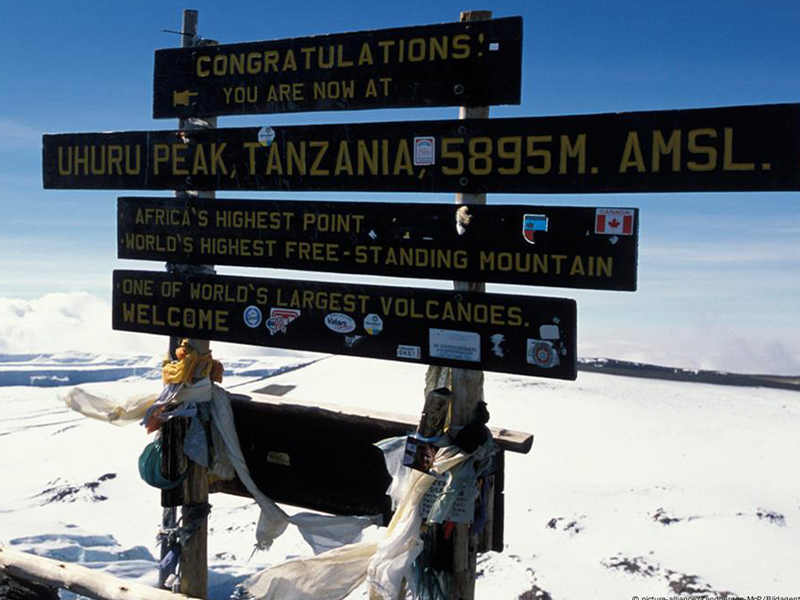
Uhuru Peak sign at the summit of Mount Kilimanjaro showing elevation and independence-related messages.
Since 1964, the summit of Kilimanjaro has been officially known as Uhuru Peak — a name symbolizing Tanzanian freedom. During colonial times, it was called Kaiser Wilhelm Spitze by Europeans, until it was renamed following Tanganyika’s independence in 1961.

More Than a Summit

Uhuru Peak is more than the highest point on Mount Kilimanjaro. It is a place where natural beauty, personal endurance, and Tanzanian history meet.

For climbers, standing at Uhuru Peak means completing one of the world’s most famous high-altitude treks. For Tanzania, the name carries a deeper message of freedom, pride, and independence.

That is why the summit sign is so powerful. It marks Africa’s highest point, but it also carries a name that belongs deeply to Tanzania’s identity.
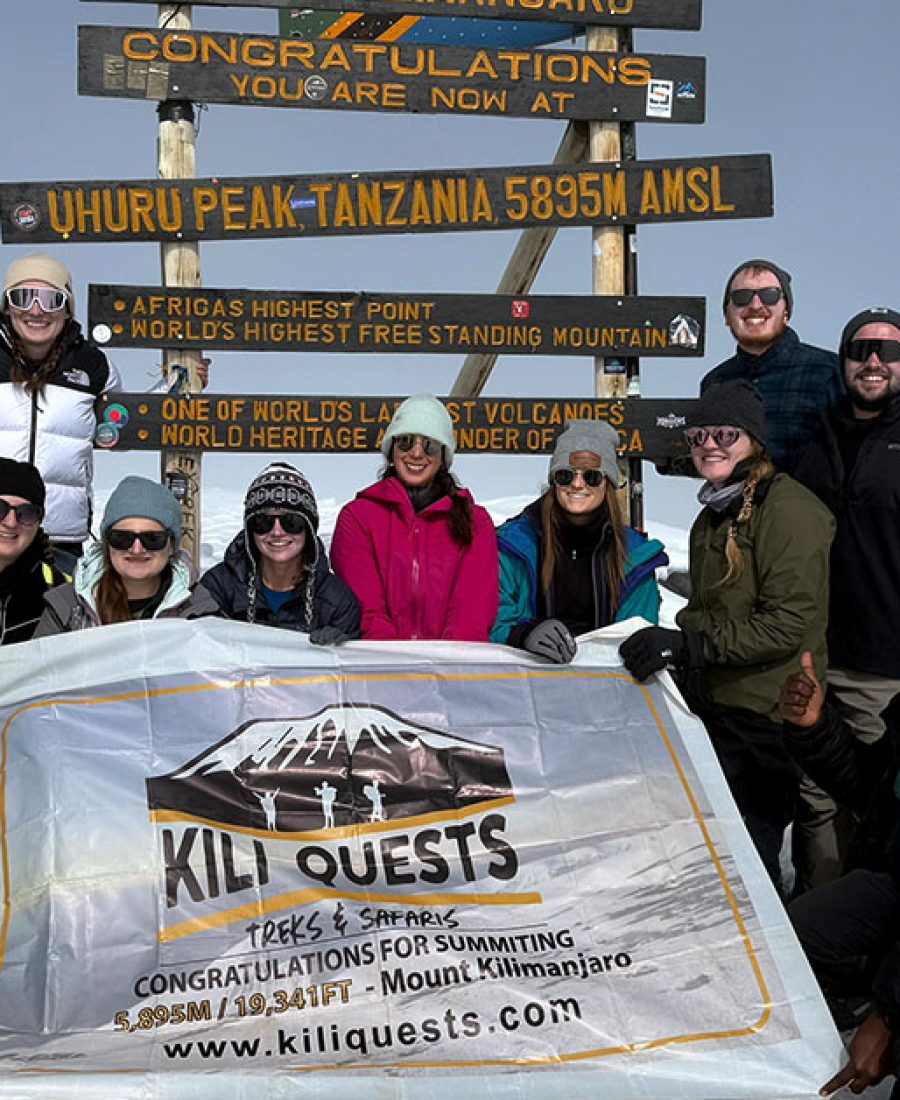
Group of trekkers celebrating together at Uhuru Peak, the summit of Mount Kilimanjaro
Tourists celebrate their successful summit at Uhuru Peak alongside our expert KILI QUESTS guides, proudly raising the flag at Africa’s highest point.

Reaching Uhuru Peak on a Kilimanjaro Climb

Reaching Uhuru Peak requires proper preparation, steady pacing, and good acclimatization. Most climbers reach the summit after several days of trekking, depending on the route and itinerary.
 
The final summit push is usually the hardest part of the climb because of cold temperatures, thin air, and the long walking hours from base camp to the crater rim and then to Uhuru Peak.
 
If you are planning to climb Kilimanjaro, read our guides on how hard it is to climb Kilimanjaro, Kilimanjaro altitude sickness, and best Kilimanjaro routes before choosing your itinerary.

Frequently Asked Questions About Uhuru Peak

What is Uhuru Peak?

Uhuru Peak is the highest point on Mount Kilimanjaro and the highest point in Africa. It stands at 5,895 meters / 19,341 feet above sea level on Kibo, Kilimanjaro’s highest volcanic cone.

What does Uhuru Peak mean?

Uhuru” means freedom or independence in Swahili. The name connects Kilimanjaro’s summit with Tanzania’s independence and national pride.

Is Uhuru Peak the same as Stella Point?

No. Stella Point is a point on Kilimanjaro’s crater rim, while Uhuru Peak is the true summit. Many climbers reach Stella Point first, then continue along the crater rim to Uhuru Peak.

Do all Kilimanjaro routes reach Uhuru Peak?

Yes. All main Kilimanjaro routes aim to reach Uhuru Peak, including Machame, Lemosho, Marangu, Rongai, Umbwe, Shira, and the Northern Circuit. The routes differ in scenery, difficulty, duration, and acclimatization profile.

Is reaching Uhuru Peak difficult?

Yes. Reaching Uhuru Peak is difficult mainly because of altitude, cold conditions, and the long summit-night climb. Kilimanjaro is not a technical climb, but summit day requires endurance, patience, and proper acclimatization.

How high is Uhuru Peak?

Uhuru Peak is 5,895 meters / 19,341 feet above sea level. This makes it the highest point in Africa.

Plan Your Kilimanjaro Climb to Uhuru Peak

Reaching Uhuru Peak is the goal of every Kilimanjaro climb, but the route you choose, the number of days you spend on the mountain, and your acclimatization plan all matter.
 
At Kili Quests, we help climbers choose the right Kilimanjaro route based on fitness, experience, travel dates, and safety. Our local mountain team supports you from the first day of planning to the final steps toward Uhuru Peak.
 
Contact us today to start planning your Kilimanjaro climb with experienced local guides.

Related Articles