Kilimanjaro Summit Tips: How to Reach Uhuru Peak

Reach Uhuru Peak with the Right Strategy

Summit success on Kilimanjaro depends on pacing, preparation, and experienced local support.

Prepare for Summit Night the Right Way

The best summit tips start long before midnight at high camp.

OUR CATEGORIES

Top Kilimanjaro Summit Tips from Local Guides: How to Reach Uhuru Peak
Reaching Uhuru Peak (5,895 meters) , the highest point in Africa , is the ultimate goal for anyone climbing Mount Kilimanjaro. It’s the moment you’ve trained for, planned for, and dreamed about.But here’s the truth many first-time climbers don’t fully understand:
 
 Summit night is the hardest part of the entire Kilimanjaro climb.Before summit night, it also helps to understand how many days it takes to climb Kilimanjaro and how hard it is to climb Kilimanjaro overall.It’s cold, dark, physically exhausting, and mentally demanding. Every year, some climbers turn back just a few hundred meters from the summit , not because they’re unfit, but because they weren’t prepared for what summit night really feels like.At Kili Quests, our experienced local guides have helped hundreds of climbers successfully reach Uhuru Peak. In this guide, we share real, practical Kilimanjaro summit tips that can make the difference between success and disappointment.
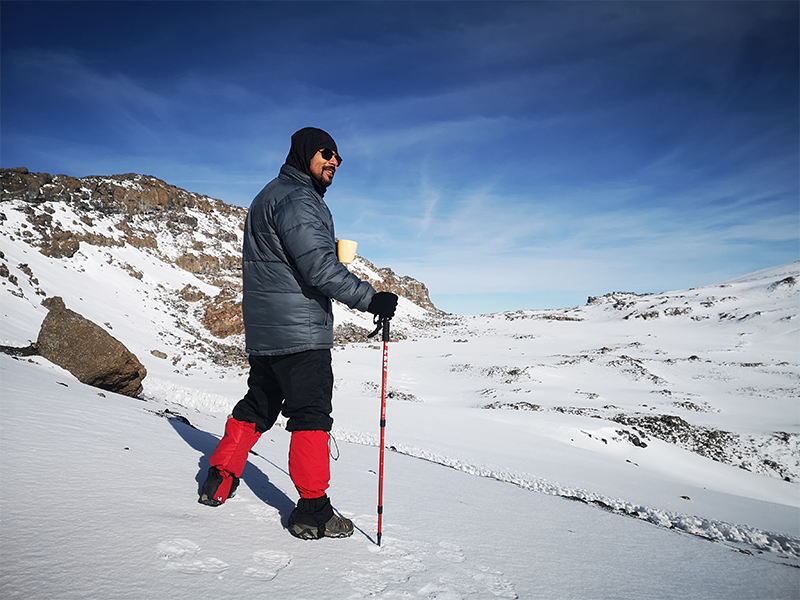
A climber stands on snow-covered terrain near Stella Point on Mount Kilimanjaro, holding a cup and trekking pole while overlooking the crater rim.
Reaching Uhuru Peak is the final reward after Kilimanjaro’s toughest ascent.

Table of Contents

What Makes Kilimanjaro Summit Night So Difficult?

Summit night usually begins around midnight from high camp (Barafu Camp or Kibo Hut). From there, climbers trek uphill for 6–8 hours in darkness before reaching the crater rim, then continue to Uhuru Peak.
The challenge comes from several factors combined:
  • High altitude (extremely low oxygen levels)
  • Freezing temperatures (as low as -20°C with wind chill)
  • Steep, slow ascent on loose volcanic terrain
  • Physical fatigue after multiple days of trekking
  • Mental exhaustion and lack of sleep
If you’re concerned about the risks involved, read our guide on whether climbing Mount Kilimanjaro is dangerous.Understanding these challenges is the first step toward preparing properly.
 
Much of this difficulty comes from altitude, which is why Kilimanjaro acclimatization matters so much before summit night

Go Slow — “Pole Pole” Is the Golden Rule

The most important advice from every Kilimanjaro guide is simple:
“Pole pole” — slowly, slowly.Climbing too fast is the number one reason climbers fail to reach the summit.
Why slow pacing works:
  • Allows your body to acclimatize to altitude
  • Reduces the risk of altitude sickness
  • Conserves energy for summit night
Even if you feel strong early on, resist the urge to go faster. Kilimanjaro is not a race  it’s an endurance challenge.
 
Going slowly is one of the best ways to prevent altitude sickness on Kilimanjaro and improve your overall summit chances.

Control Your Breathing at High Altitude

At nearly 6,000 meters, oxygen is limited. This is why many climbers learn about how to acclimatize on Mount Kilimanjaro before their trek.. You will feel short of breath  this is normal.To manage this, use a steady breathing rhythm:
  • Step → inhale
  • Step → exhale
This technique helps:
  • Maintain a consistent pace
  • Prevent dizziness
  • Improve oxygen efficiency

Dress Properly — Layering Is Critical

Summit night is extremely cold, and staying warm is essential for both comfort and safety.
Recommended clothing system:
  • Thermal base layers (top and bottom)
  • Insulating mid-layer (fleece or down)
  • Heavy down jacket
  • Waterproof outer shell
  • Warm gloves (inner + outer)
  • Thick wool socks
  • Hat or balaclava
For a full checklist of summit layers and equipment, see our Kilimanjaro summit day gear guide.It also helps to know the typical Kilimanjaro night temperatures before packing.

Eat and Hydrate — Even If You Don’t Feel Like It

At high altitude, your appetite often disappears — but your body still needs fuel.
Summit night nutrition tips:
  • Drink small sips of water regularly
  • Carry a thermos with hot tea
  • Eat quick-energy snacks (chocolate, nuts, energy bars)
Dehydration and lack of calories are hidden reasons why many climbers struggle near the summit.
 
Good nutrition before and during summit night matters more than many trekkers expect. Learn what food to expect on Mount Kilimanjaro before your climb.

Prepare Mentally — The Real Challenge Is in Your Mind

Summit night is as much a mental challenge as it is physical.
You may feel:
  • Extremely tired
  • Cold and uncomfortable
  • Slow and discouraged
This is completely normal.
Mental strategies used by successful climbers:
  • Focus on one step at a time
  • Avoid thinking about how far is left
  • Trust your guide’s pace
  • Stay positive and patient
Most people who reach Uhuru Peak are not the strongest  they are the most determined.

Listen to Your Guide — Your Success Depends on It

Your guide is your biggest advantage on Kilimanjaro.
At Kili Quests, guides:
  • Monitor your oxygen levels
  • Check for signs of altitude sickness
  • Adjust your pace
  • Make critical safety decisions
If your guide tells you to slow down, drink more water, or rest , follow their advice.
A strong guide team matters because Kilimanjaro success is not only about fitness , it is also about pacing, health checks, and decision-making on the mountain. Read more about Kilimanjaro safety and risks.

Choose the Right Route for Higher Summit Success

Your route plays a major role in your success rate.
Best routes for acclimatization:
  • Lemosho Route
  • Machame Route
  • Northern Circuit
These routes are longer, allowing your body more time to adjust to altitude.
Shorter routes may seem cheaper, but they significantly reduce your chances of reaching Uhuru Peak.
 Explore routes:

Your Summit Success Starts Days Before

Many climbers think summit night is everything — but success actually begins earlier.
Key preparation factors:
  • Proper acclimatization
  • Enough rest before summit push
  • Consistent hydration
  • Good nutrition
  • Arriving at high camp in good condition makes a huge difference.
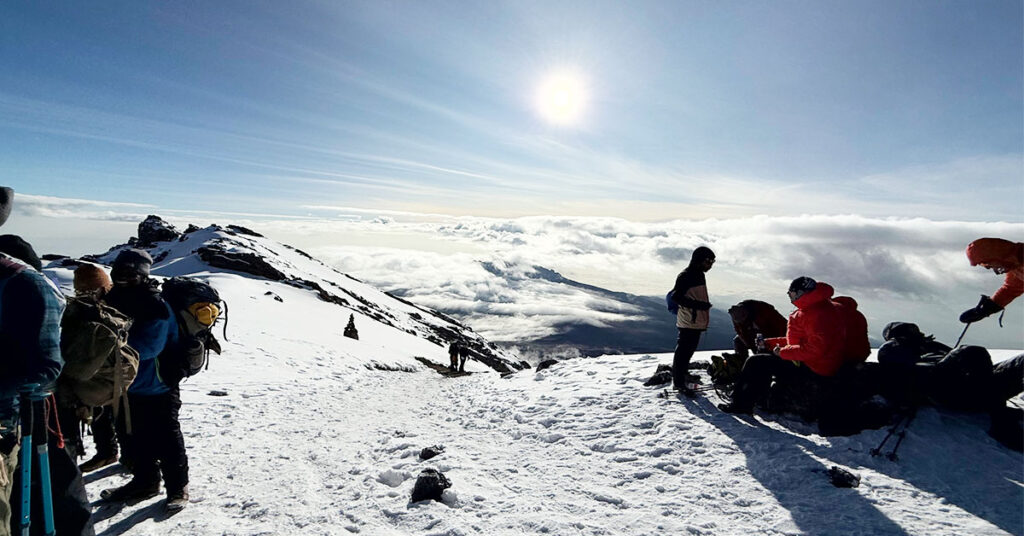
 

Summit success is usually built over the full itinerary, not just on the final push. That is why route length and acclimatization days matter so much in our guide to Kilimanjaro success rates by route.
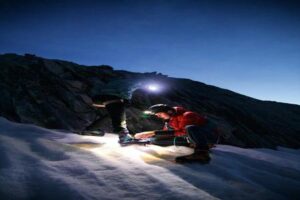
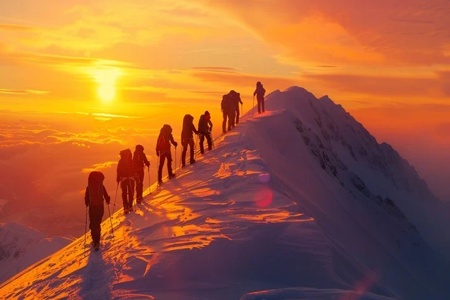
A small group stopping on the upper slope in cold-weather gear before continuing upward.

Use the Right Gear — Small Mistakes Matter

The right gear can make or break your summit attempt.
Essential items:
  • Headlamp with spare batteries
  • Trekking poles
  • Insulated water bottles
  • Hand warmers
A simple issue like a weak headlamp or frozen water bottle can become a serious problem on summit night.
 
Many first-time climbers underestimate how much the right clothing and equipment affect comfort and performance. Review a full Kilimanjaro packing list before your trek.

Believe in Yourself — Confidence Is Key

Thousands of people from all backgrounds reach Uhuru Peak every year — including beginners.
What they share:
  • Determination
  • Patience
  • The right support team
If you trust the process and stay committed, you can reach the summit too.Confidence comes from preparation, which is why many climbers follow a Kilimanjaro training plan before arriving in Tanzania.

What Happens After You Reach Uhuru Peak?

Reaching Uhuru Peak is an emotional and unforgettable moment.
But keep in mind:
  • You’ll stay only 10–20 minutes due to extreme cold
  • Photos are quick
  • The descent begins immediately

Reaching Uhuru Peak Is About Strategy, Not Strength

Climbing Kilimanjaro is not about being the fittest person  it’s about being the most prepared.
With the right pacing, proper acclimatization, strong mindset, and experienced local guides, your chances of success are very high.

Frequently Asked Questions About Kilimanjaro Summit Tips

How difficult is summit night on Mount Kilimanjaro?

Summit night is the most physically and mentally demanding part of climbing Mount Kilimanjaro. By this stage, you have already spent several days trekking at increasing altitude, and your body is dealing with fatigue, lower oxygen levels, and limited rest.The difficulty comes from a combination of factors including the steep uphill climb, freezing temperatures that can drop below -10°C, and trekking for several hours in darkness. In addition, the lack of oxygen at high altitude makes even slow walking feel exhausting.However, it’s important to understand that Kilimanjaro is a non-technical mountain, meaning you don’t need climbing experience or special equipment like ropes. With proper acclimatization, a slow pace, and support from experienced local guides, most climbers can successfully complete summit night and reach Uhuru Peak.

What time does the Kilimanjaro summit climb start and why?

The summit push on Kilimanjaro typically begins between midnight and 1:00 AM from high camp, such as Barafu Camp or Kibo Hut. This early start is carefully planned to maximize both safety and the overall experience.Climbing at night allows trekkers to reach the summit at sunrise, which is one of the most rewarding moments of the entire journey. Watching the sun rise above the clouds from Uhuru Peak is unforgettable and gives climbers a strong mental boost near the end of the ascent.Another reason for the midnight start is that the ground is more stable in colder temperatures, reducing slipping on loose volcanic scree. It also ensures that climbers can descend safely in daylight after reaching the summit, which is important because the descent can be long and tiring.

How long does it take to reach Uhuru Peak and return?

From high camp, it usually takes between 6 to 8 hours to reach Uhuru Peak, depending on your pace and how well you are acclimatized. The first major milestone is Stella Point, which sits on the crater rim and is reached after about 4 to 6 hours of climbing.From Stella Point, it takes an additional 1 to 2 hours to walk along the crater rim to Uhuru Peak. This final stretch is less steep but still challenging due to altitude and fatigue.After reaching the summit, climbers typically spend only 10 to 20 minutes taking photos before starting the descent. The full summit day, including the climb up and descent back to a lower camp, can take anywhere from 10 to 14 hours, making it the longest and most demanding day of the entire trek.

What are the most important tips to successfully reach Uhuru Peak?

Successfully reaching Uhuru Peak depends more on strategy and preparation than physical strength. The most important tip is to climb slowly, often referred to as “pole pole,” which allows your body to adjust to the altitude and reduces the risk of altitude sickness.Staying hydrated is equally important, as dehydration can worsen altitude symptoms and reduce energy levels. Climbers should aim to drink at least 3 liters of water per day, even when they don’t feel thirsty.Proper layering of clothing is essential to handle extreme cold during summit night, and eating small, energy-rich snacks helps maintain strength during the long climb. Finally, listening to your guide is critical, as they are trained to monitor your condition and make decisions that increase your chances of success.

Can beginners climb Kilimanjaro and reach the summit?

Yes, beginners can successfully climb Mount Kilimanjaro and reach Uhuru Peak, and many do every year. One of the reasons Kilimanjaro is so popular is that it does not require technical climbing skills, making it accessible to people with no mountaineering experience.However, beginners should not underestimate the challenge. Proper preparation is key, including physical training such as hiking, cardio workouts, and endurance exercises in the weeks leading up to the climb.Choosing the right route is also very important. Longer routes, such as Lemosho or Machame, give your body more time to acclimatize and significantly increase your chances of reaching the summit. With the right preparation, mindset, and support from experienced guides, even first-time climbers can achieve this incredible goal.

Climb Kilimanjaro Safely with Kili Quests

Climbing Kilimanjaro with Trusted Local Experts .At Kili Quests, our experienced local guides, carefully designed itineraries, and strong focus on safety give you the best possible chance of reaching Uhuru Peak.

Related Articles
Kilimanjaro Success Rate by Route: Which Route Is Best?

Maximize Your Summit Success

Climb with the right strategy and experienced local support.

Plan for a Successful Kilimanjaro Summit

Reaching the summit depends on preparation, route choice, and pacing.

OUR CATEGORIES

Kilimanjaro Success Rate by Route: Which Route Has the Highest Summit Success?

Climbing Mount Kilimanjaro, Africa’s highest mountain at 5,895 meters (19,341 feet), is a life-changing adventure for thousands of trekkers every year. One of the most common questions climbers ask when planning their trip is: What is the success rate of climbing Kilimanjaro?
 
Choosing the right route is one of the biggest factors in success , compare all options in our Kilimanjaro routes comparison guide.
 
While many people attempt to reach the summit of Uhuru Peak, not everyone succeeds. The likelihood of reaching the summit depends on several factors, including the route chosen, the number of days on the mountain, acclimatization time, and overall preparation.In this guide, we explore the Kilimanjaro success rate by route, explain why some routes have higher success rates than others, and share tips to improve your chances of reaching the summit.
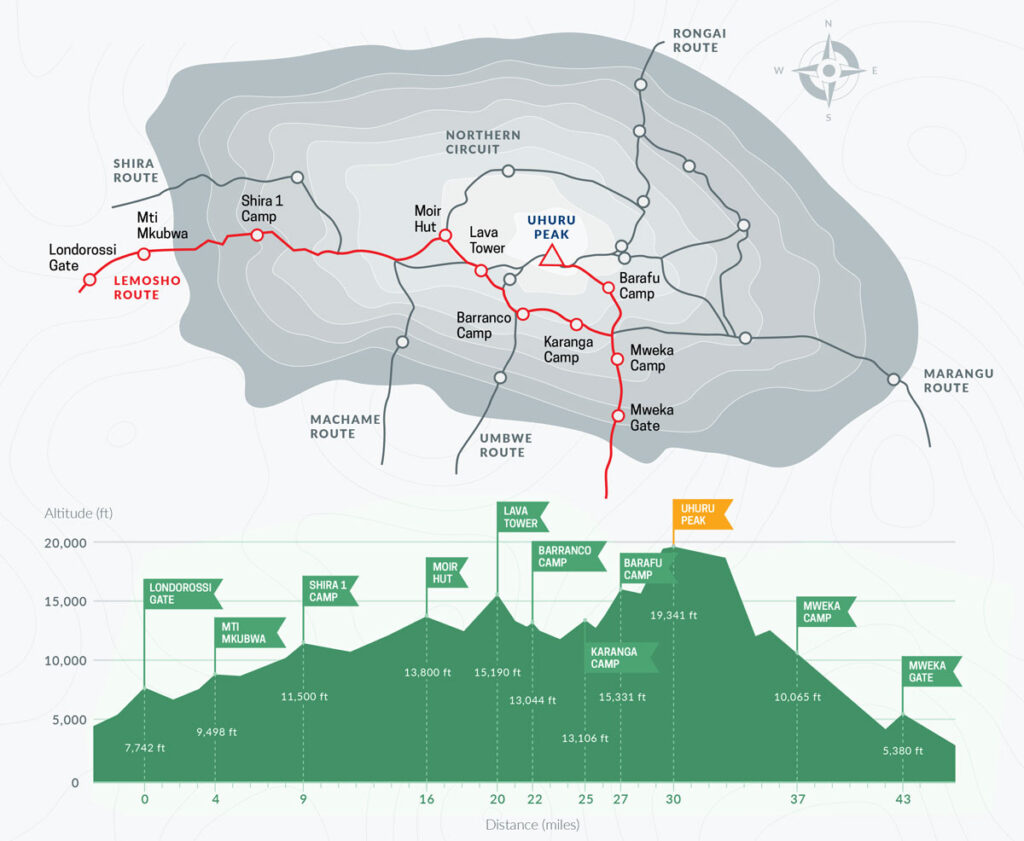
Lemosho Route map on Mount Kilimanjaro with full trail, elevation profile, and camp locations to Uhuru Peak
Trekkers climb Mount Kilimanjaro on a longer route with better acclimatization and higher summit success rates.

Table of Contents

What Is the Average Kilimanjaro Success Rate?

The overall success rate for climbing Mount Kilimanjaro is estimated to be between 65% and 75%.This overall average doesn’t tell the full story , success rates vary widely depending on your itinerary. See the full Kilimanjaro itinerary breakdown to understand how daily structure affects acclimatization.However, this number varies greatly depending on the route and itinerary. Shorter routes that ascend quickly tend to have lower success rates because climbers have less time to acclimatize to the high altitude.Longer routes with gradual ascents usually offer higher summit success rates, giving trekkers more time to adapt to lower oxygen levels as they climb.
 
Rapid altitude gain increases the risk of altitude sickness , learn how to properly acclimatize on Kilimanjaro to improve your chances.

Kilimanjaro Success Rate by Route

Each Kilimanjaro route has a different summit success rate based on its length, acclimatization profile, and difficulty. Below is a comparison of the most popular routes on Mount Kilimanjaro.
 
Marangu Route ……………….50–60%
Machame Route……………….70–80%
Lemosho Route………………..85–90%
Northern Circuit……………….90–95%
Rongai Route……………………70–80%
Umbwe Route…………………..50–60%
 
These percentages may vary slightly depending on the itinerary and the guiding company.

Machame Route Success Rate

Success Rate: 70–80%

The Machame Route, often called the “Whiskey Route,” is one of the most popular Kilimanjaro climbing routes.It offers a good balance of scenery, acclimatization, and challenge, which helps improve summit success rates. The Machame Route typically takes 6 to 7 days, allowing climbers to gradually adjust to the altitude.Because of its acclimatization profile and longer itinerary options, the Machame Route has a significantly higher success rate than shorter routes like Marangu.
 

Lemosho Route Success Rate

Success Rate: 85–90%

The Lemosho Route is widely considered one of the best routes for climbing Kilimanjaro.Starting on the western side of the mountain, this route offers beautiful scenery and a gradual ascent that allows climbers to acclimatize effectively. Most Lemosho climbs take 7 to 8 days, which significantly improves the chances of reaching the summit.Because of its longer duration and excellent acclimatization profile, Lemosho has one of the highest success rates on the mountain.

Marangu Route Success Rate

Success Rate: 50–60%

The Marangu Route, also known as the “Coca-Cola Route,” is one of the oldest and most traditional routes on Kilimanjaro.It is the only route that offers hut accommodation instead of tents, which makes it appealing to some climbers.However, the standard Marangu itinerary typically takes only 5 days, which means climbers gain altitude quickly with limited time for acclimatization. This is one reason why the Marangu Route has a lower success rate compared to longer routes.

Northern Circuit Success Rate

Success Rate: 90–95%

The Northern Circuit Route has the highest success rate of all Kilimanjaro routes.This route takes 8 to 9 days, making it the longest route on the mountain. The extended itinerary allows climbers plenty of time to acclimatize, greatly increasing their chances of reaching Uhuru Peak.In addition to its high success rate, the Northern Circuit offers quieter trails and spectacular views around the northern slopes of Kilimanjaro.

Rongai Route Success Rate

Success Rate: 70–80%

The Rongai Route approaches Kilimanjaro from the northern side near the Kenyan border.
It is one of the quieter routes on the mountain and offers a gradual ascent, which helps with acclimatization. Rongai climbs usually take 6 to 7 days, giving trekkers a reasonable chance of reaching the summit.
Because it is less crowded than other routes, some climbers prefer Rongai for a more peaceful trekking experience.

Umbwe Route Success Rate

Success Rate: Around 50–60%

The Umbwe Route is known as the steepest and most direct route on Mount Kilimanjaro.
Because it ascends quickly with fewer acclimatization days, it has one of the lowest success rates on the mountain. Umbwe is generally recommended only for experienced trekkers who are confident in their ability to handle rapid altitude gain.

Why Some Kilimanjaro Routes Have Higher Success Rates

The biggest factor affecting summit success on Kilimanjaro is acclimatization.
Routes with longer itineraries allow climbers to adjust gradually to the decreasing oxygen levels at higher elevations. This significantly reduces the risk of altitude sickness.
Other factors that influence success include:
  • The number of days spent on the mountain
  • The experience of the guiding team
  • Physical preparation before the climb
  • Weather conditions
  • Proper hydration and pacing
Choosing a longer route and climbing with experienced guides can greatly improve your chances of reaching the summit.
 
Altitude is the biggest challenge on the mountain , understand the real risks in our guide to Kilimanjaro altitude sickness and safety.
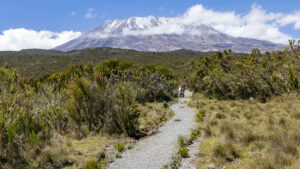
Mount Kilimanjaro rising alone above the African savanna, with snowcapped summit and open sky
Trekkers follow a longer Kilimanjaro route where gradual ascent improves acclimatization and summit success.

Tips to Improve Your Kilimanjaro Summit Success

Climbing Kilimanjaro is challenging, but the following tips can increase your chances of reaching the top.

Choose a Longer Route

Routes lasting 7 to 9 days provide better acclimatization and significantly improve summit success rates.

Train Before Your Climb

Preparing with hiking, cardio exercises, and strength training helps your body handle long trekking days.Physical preparation plays a key role , follow our Kilimanjaro training plan to build endurance before your trek.

Walk Slowly

On Kilimanjaro, guides often remind climbers to walk “pole pole”, meaning slowly. A slower pace helps your body adjust to the altitude.Many climbers underestimate the difficulty , see exactly how hard Kilimanjaro is before your climb.

Stay Hydrated

Drinking plenty of water helps prevent dehydration and reduces the risk of altitude sickness.

Listen to Your Guides

Experienced mountain guides monitor climbers closely and adjust the pace to ensure safety and success.

Frequently Asked Questions

What is the easiest Kilimanjaro route to reach the summit?

 The Northern Circuit Route generally has the highest summit success rate because it allows the most time for acclimatization.

Which Kilimanjaro route has the lowest success rate?

The Umbwe Route typically has the lowest success rate due to its steep ascent and shorter acclimatization time.

Does a longer climb increase success rates?

Yes. Routes lasting 7–9 days significantly improve acclimatization and increase summit success.

How many people reach the summit of Kilimanjaro each year?

Approximately 30,000 to 35,000 climbers attempt Kilimanjaro each year, and most who choose longer routes successfully reach Uhuru Peak.

Can beginners successfully climb Mount Kilimanjaro?

Yes. Many beginners successfully climb Kilimanjaro each year. With proper training, gradual acclimatization, and experienced guides, first-time climbers can safely reach the summit.

Ready to Climb Mount Kilimanjaro?

Choosing the right route is one of the most important decisions when planning a Kilimanjaro climb. Routes with better acclimatization profiles give climbers the best chance of reaching the summit safely.At Kili Quests, our experienced local guides help climbers choose the best route based on their fitness level, schedule, and experience. With carefully planned itineraries and a professional support team, we maximize your chances of standing on Uhuru Peak, the highest point in Africa.

Related Articles

Uhuru Peak Meaning: Kilimanjaro Summit & Independence

Reach Uhuru Peak

Stand on the highest point in Africa with expert local guides.

Plan Your Summit

Prepare the right way before your Kilimanjaro climb:

OUR CATEGORIES

From Kaiser Wilhelm Spitze to Uhuru Peak: Kilimanjaro and Tanzania’s Independence | Kili Quests

Mount Kilimanjaro’s summit is known today as Uhuru Peak ,Learn more about what Uhuru Peak is and why it’s the true summit of Africa,a symbol of freedom and pride for the people of Tanzania. But before independence, this same summit carried a very different name: Kaiser Wilhelm Spitze, a colonial-era label honoring the German emperor.
 
In this article, Kili Quests explores how Kilimanjaro’s highest point was renamed, what “Uhuru” truly means, and how the summit came to represent a new chapter in Tanzania’s history.Reaching this point is the goal of every climber , but it requires preparation and proper acclimatization.
 
Discover the full story behind Uhuru Peak and its historical meaning.
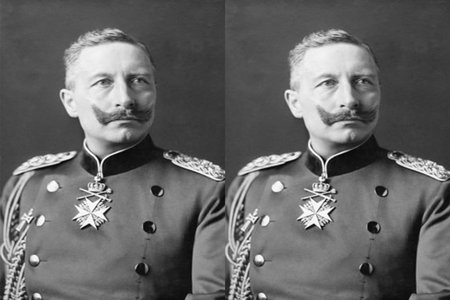
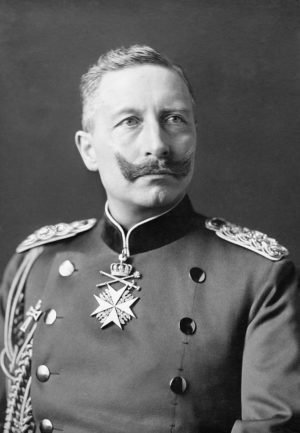
Portrait of Kaiser Wilhelm II, the German emperor after whom Kilimanjaro’s summit was named during colonial rule.
Kaiser Wilhelm II was the namesake of Kilimanjaro’s summit during the German colonial era — formerly called Kaiser Wilhelm Spitze until Tanzania gained independence.

Table of Contents

The Colonial Name: Kaiser Wilhelm Spitze

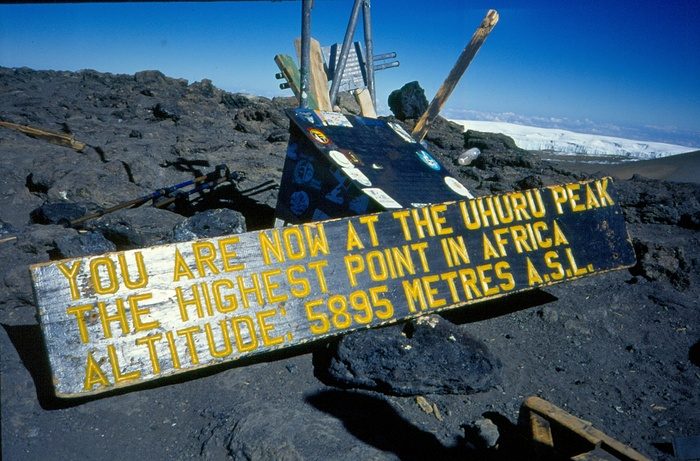
Historic wooden sign at Uhuru Peak on Mount Kilimanjaro displaying the highest point in Africa at 5,895 meters above sea level.
An early sign at Uhuru Peak, renamed in the 1960s after Tanzanian independence. Before this, Europeans knew the summit as Kaiser Wilhelm Spitze during the colonial era.
In 1889, German explorer Hans Meyer,
Read more about Hans Meyer and the first Kilimanjaro ascent in 1889.became the first recorded person to reach the summit of Mount Kilimanjaro. As part of his achievement, he named the peak Kaiser Wilhelm Spitze, or “Emperor William Peak,” in honor of Kaiser Wilhelm II, the ruler of the German Empire.
At the time, Tanzania (then German East Africa) was a colony under German control, and naming major geographical landmarks after European royalty was a common colonial practice.
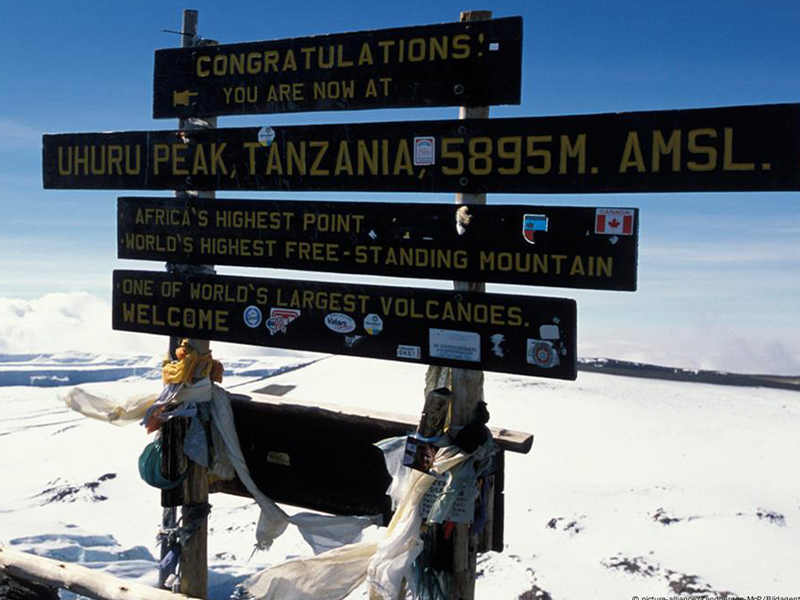
Uhuru Peak sign at the summit of Mount Kilimanjaro showing elevation and independence-related messages.
Since 1964, the summit of Kilimanjaro has been officially known as Uhuru Peak — a name symbolizing Tanzanian freedom. During colonial times, it was called Kaiser Wilhelm Spitze by Europeans.

A Mountain Under Many Flags

Throughout the early 20th century, Kilimanjaro , like much of East Africa , changed hands between colonial powers:
  • German control (late 1800s to WWI)
  • British control (after World War I, renamed Tanganyika Territory)
  • Independence movement grows in the 1950s
Despite these political changes, the mountain remained a cultural and geographic icon for local communities , especially the Chagga people, who lived on its slopes.
 

Tanzania Independence and the Renaming of the Summit

On December 9, 1961, Tanganyika gained independence from British colonial rule and became a sovereign nation.As part of celebrating this historic milestone, the government officially renamed Kilimanjaro’s summit from Kaiser Wilhelm Spitze to “Uhuru Peak.”
The word “Uhuru” means “freedom” in Swahili ,The summit name reflects both national pride and identity , making it one of the most meaningful mountain summits in the world.
 
Tanzania’s national language.
This change was more than symbolic. It marked:
  • A rejection of colonial naming and legacy.
  • A celebration of African identity and independence.
  • A reminder that Tanzania’s highest point belongs to its people.

Uhuru Peak Today

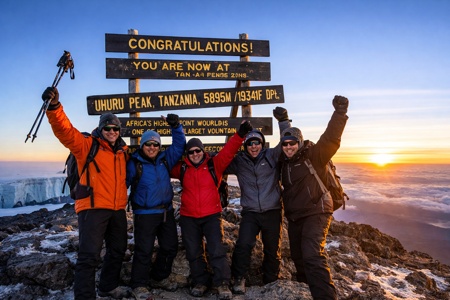
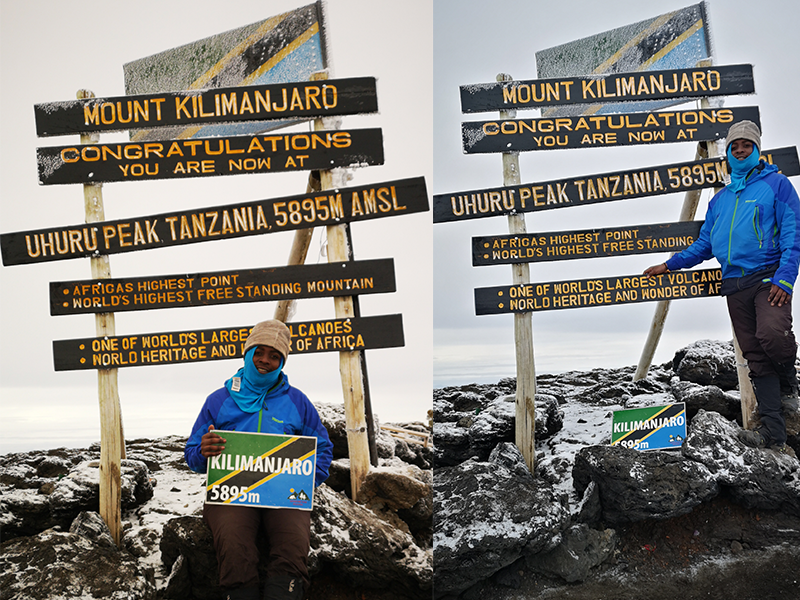
Trekkers posing at the Uhuru Peak summit sign on Mount Kilimanjaro, marking Africa’s highest point at 5,895 meters.
Ones of Kili Quests Member celebrate reaching Uhuru Peak, the highest point in Africa. The sign marks 5,895 meters above sea level — a powerful moment for every Kilimanjaro climber.
Uhuru Peak stands as:
  • The highest point in Africa (5,895 m / 19,341 ft)Before attempting the summit, it’s important to understand how difficult Kilimanjaro really is.
  • A place where independence meets elevation
  • A globally recognized name that reflects Tanzania’s values
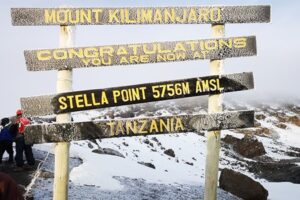
Today, climbers from all over the world take photos beneath the summit sign, Most climbers reach Uhuru Peak after passing Stella Point on the crater rim that proudly reads
 
“Congratulations! You are now at Uhuru Peak, Tanzania, 5,895 m. Africa’s Highest Point. World’s Highest Free-Standing Mountain.”

Did You Know?

The renaming was part of a wider movement in post-colonial Africa to reclaim names, borders, and identities.Uhuru Peak was officially named within months of independence, showing how deeply the name was tied to national pride.Other peaks on Kilimanjaro , such as Stella Point and Gilman’s Point , still retain their explorer-era names
 
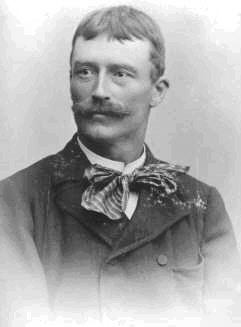
Portrait of Hans Meyer, German geographer and first European to summit Mount Kilimanjaro in 1889 | Kili Quests
Hans Meyer led the first successful recorded expedition to the summit of Mount Kilimanjaro in 1889, marking a historic moment in mountaineering.
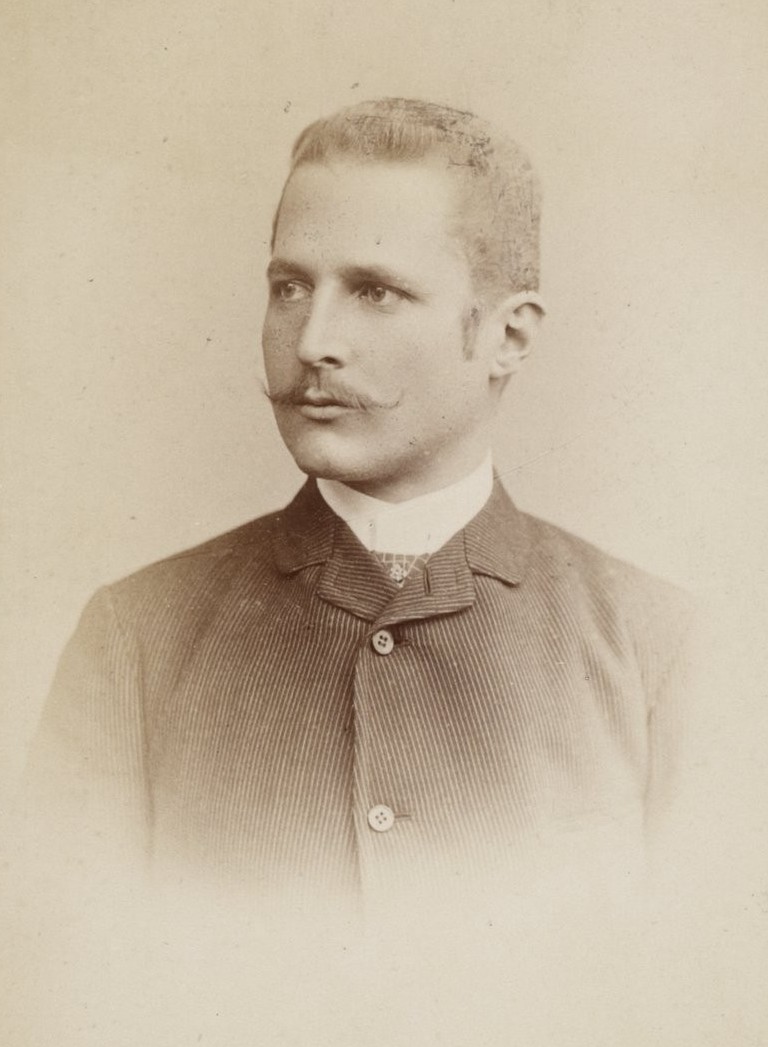
Portrait of Ludwig Purtscheller, Austrian climber who summited Mount Kilimanjaro in 1889 with Hans Meyer | Kili Quests
Ludwig Purtscheller, an experienced Austrian mountaineer, reached the summit of Kilimanjaro with Hans Meyer and local guide Lauwo in 1889.

Final Thoughts

Mountains carry meaning ,and for Tanzania, Uhuru Peak stands not only as a geographical high point but as a symbol of national freedom.From a colonial name tied to European empire, to a Swahili name that honors independence, the summit of Kilimanjaro tells a powerful story. Every climber who reaches it stands on more than volcanic rock , they stand on the spirit of Uhuru.Every climber who reaches this summit follows a journey shaped by history, culture, and determination.
 
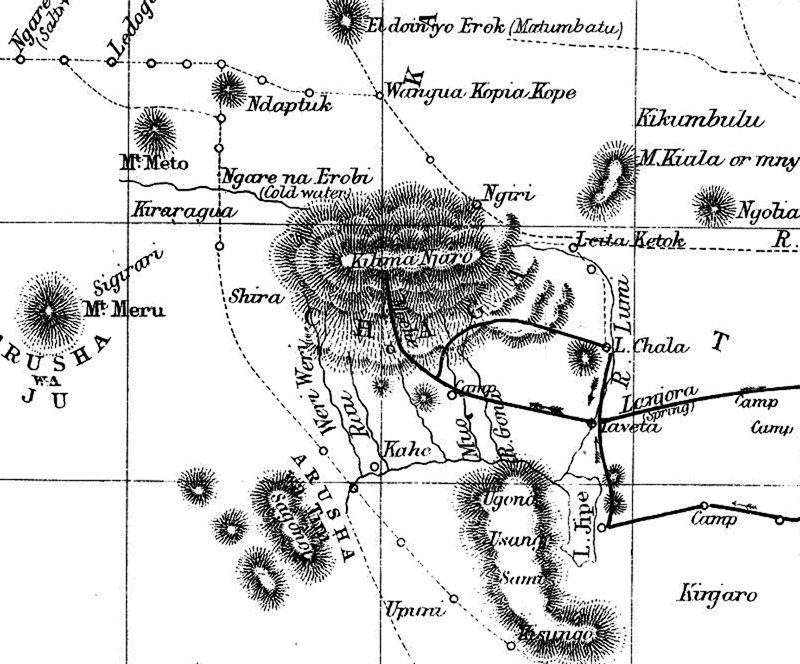
Vintage map of Mount Kilimanjaro showing routes, landmarks, and geography as seen in the 1990s | Kili Quests
A look back in time — this 1990s Kilimanjaro map reflects how the mountain was explored, traveled, and understood decades ago.

Frequently Asked Questions About Uhuru Peak and Kilimanjaro’s Name

What was the original name of Uhuru Peak?

Before Tanzania gained independence, the summit of Mount Kilimanjaro was called Kaiser Wilhelm Spitze. The name was given by German explorer Hans Meyer in 1889 to honor Kaiser Wilhelm II of Germany.

Why was Kilimanjaro’s summit renamed Uhuru Peak?

After Tanganyika gained independence in 1961, the summit was renamed Uhuru Peak to symbolize national freedom. The word “Uhuru” means freedom in Swahili, reflecting the country’s independence and cultural identity.

What does the word “Uhuru” mean?

The Swahili word “Uhuru” means freedom or independence. Naming the summit Uhuru Peak was meant to celebrate Tanzania’s liberation from colonial rule.

When was Uhuru Peak officially named?

The summit of Mount Kilimanjaro was renamed Uhuru Peak shortly after Tanganyika gained independence on December 9, 1961. The new name reflected the pride and identity of the newly independent nation.

Is Uhuru Peak the highest point in Africa?

Yes. Uhuru Peak stands at 5,895 meters (19,341 feet) above sea level and is the highest point in Africa and the summit of Mount Kilimanjaro.

How long does it take to reach Uhuru Peak from Stella Point?

From Stella Point, it usually takes about 45 minutes to one hour to reach Uhuru Peak, depending on altitude conditions and the climber’s pace.

Climb to Uhuru Peak with Kili Quests

At Kili Quests, we guide you to more than just a summit , we guide you through a journey of culture, history, and self-discovery.Whether it’s your first trek or your return to the mountain, we’ll help you reach Uhuru Peak with expert guidance, preparation, and respect for the land and its story.
 

Related Articles