Maximize Your Summit Success
Climb with the right strategy and experienced local support.
- Choose the highest success-rate routes
- Follow a proven acclimatization plan
- Guided by expert Kilimanjaro teams
Plan for a Successful Kilimanjaro Summit
Reaching the summit depends on preparation, route choice, and pacing.
OUR CATEGORIES
Kilimanjaro Success Rate by Route: Which Route Gives the Best Summit Chance?
Most climbers planning Mount Kilimanjaro ask one important question: which route gives the best chance of reaching Uhuru Peak?
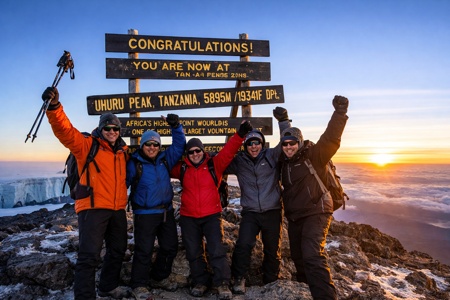
The answer depends mostly on acclimatization time. Kilimanjaro is not a technical climb, but the summit reaches 5,895 meters / 19,341 feet, where altitude becomes the main challenge. Routes with more days on the mountain usually give the body better time to adjust, while shorter routes often make the climb harder because the ascent is faster.
This guide compares Kilimanjaro routes by summit success profile, route length, acclimatization, difficulty, and best fit. The goal is to help you choose a route that matches your fitness, schedule, and altitude concerns instead of choosing only the cheapest or shortest option.
Before deciding, compare all route options in Kilimanjaro Routes Comparison: Which Route Is Best? and read How to Acclimatize on Kilimanjaro to understand why route length matters.
Quick Answer: Which Kilimanjaro Route Has the Best Summit Chance?
The Northern Circuit Route usually gives climbers the strongest summit chance because it is the longest route and allows more time for acclimatization. The Lemosho Route is often the best overall choice because it balances scenery, acclimatization, route experience, and summit preparation time.
The Machame Route can also give a strong summit profile when done over 7 days. Shorter routes such as 5-day Marangu or steep routes such as Umbwe are usually harder because the body has less time to adjust to altitude.
For most climbers, the best route is not the fastest route. It is the route that gives your body enough time to adapt before summit night.
| Route | Recommended Days | Summit Success Profile | Why It Matters |
|---|---|---|---|
| Northern Circuit Route | 8–9+ days | Very strong | Longest route with the most time for altitude adjustment. |
| Lemosho Route | 7–8 days | Very strong | Gradual western approach with strong acclimatization time. |
| Machame Route | 7 days preferred | Strong when properly paced | Good climb-high-sleep-low profile when not rushed. |
| Rongai Route | 6–7 days | Moderate to strong | Quieter northern approach with a more gradual start. |
| Marangu Route | 6 days preferred | Lower when rushed | Shorter itineraries give less time for acclimatization. |
| Umbwe Route | 6+ days | Lower for most climbers | Steep, direct route with faster altitude gain. |
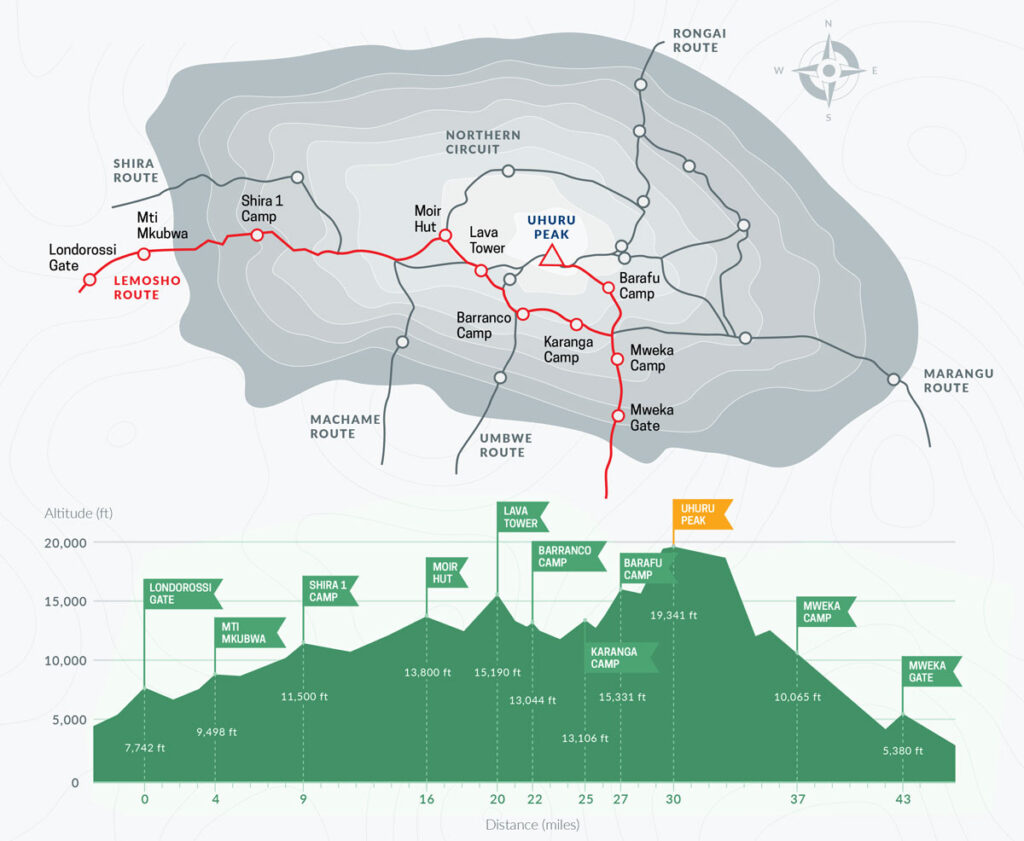
Table of Contents
What Affects Kilimanjaro Summit Success?
Kilimanjaro summit success depends on several factors, but acclimatization is usually the most important. The mountain does not require technical climbing, but the high altitude makes the final days physically and mentally demanding.
The main factors that affect summit success include:
- Route length
- Acclimatization profile
- Walking pace
- Fitness and endurance
- Hydration and nutrition
- Guide experience
- Weather conditions
- How early symptoms are reported
- Mental strength on summit night
Shorter routes often make the climb harder because the body has less time to adjust to altitude. Longer routes usually give climbers better preparation before summit night because they allow more gradual acclimatization.
To understand the altitude side more deeply, read How to Acclimatize on Kilimanjaro and Altitude Sickness on Kilimanjaro.
Kilimanjaro Success Rate by Route
Each Kilimanjaro route has a different summit profile because each route has a different length, altitude gain, terrain style, and acclimatization pattern. The longer and more gradual routes usually give climbers a better chance of reaching Uhuru Peak.
| Route | Days | Success Rate | Difficulty | Best For |
|---|---|---|---|---|
| Northern Circuit | 8–9 | 90–95% | Moderate | Highest success rate |
| Lemosho | 7–8 | 85–90% | Moderate | Best overall balance |
| Machame | 6–7 | 70–80% | Moderate | Popular route |
| Marangu | 5–6 | 50–60% | Moderate | Budget option |
| Umbwe | 5–6 | 50–60% | Hard | Experienced climbers |
Route-by-Route Summit Success Profile
Northern Circuit Route
The Northern Circuit usually gives climbers one of the strongest summit profiles on Kilimanjaro because it is the longest route. The extra days allow more time for altitude adjustment before summit night.
This route is a strong choice for climbers who want better acclimatization, fewer crowds, and a more gradual approach to the summit. It usually costs more because it takes more days, but the extra time can make a major difference.
Lemosho Route
The Lemosho Route is one of the best overall choices for summit preparation. It starts on the western side of Kilimanjaro and gives climbers a more gradual approach than shorter routes.
Lemosho is especially strong for first-time climbers who want scenery, good pacing, and better acclimatization time. The 8-day version is stronger than the 7-day version for climbers who want more time to adjust.
Machame Route
The Machame Route can have a strong summit profile when done over 7 days. It offers good scenery, varied terrain, and a useful climb-high-sleep-low pattern that helps the body adjust.
The 6-day Machame itinerary is more demanding because it gives less time for acclimatization. For most climbers, 7 days is the smarter choice.
Rongai Route
The Rongai Route approaches Kilimanjaro from the northern side and is usually quieter than the southern routes. It can be a good choice for climbers who want fewer crowds and a more gradual early approach.
Its summit profile is strongest when done over enough days. Rongai is also often considered during wetter months because the northern side is usually drier.
Marangu Route
The Marangu Route is the only main Kilimanjaro route with hut accommodation. That makes it attractive to climbers who prefer not to sleep in tents.
However, Marangu is often underestimated. The shorter 5-day itinerary gives limited time for acclimatization, which can reduce summit chances. If choosing Marangu, a 6-day itinerary is usually the smarter option.
Umbwe Route
The Umbwe Route is steep, direct, and physically demanding. It gains altitude quickly, which gives the body less time to adjust.
For most first-time climbers, Umbwe is not the best route for summit success. It is better suited to experienced trekkers who understand altitude risk and want a more aggressive climb.
Why Longer Kilimanjaro Routes Usually Have Better Summit Chances
Longer Kilimanjaro routes usually give better summit chances because they allow more time for acclimatization. Your body needs time to adjust as oxygen levels drop, and that adjustment cannot be rushed.
A route with more days helps climbers:
- Gain altitude more gradually
- Recover better between trekking days
- Sleep at altitude before moving higher
- Arrive at summit night less exhausted
- Recognize and manage symptoms earlier
- Follow a steadier mountain pace
Shorter routes may look attractive because they cost less and take fewer days, but they often come with a harder altitude profile. On Kilimanjaro, saving one or two days can make the climb more difficult.
For most climbers, the safest decision is to choose the route that gives enough time for acclimatization, not just the route that fits the shortest schedule.
Best Kilimanjaro Route by Climber Type
| Climber Type | Best Route | Why It Fits |
|---|---|---|
| Best overall summit chance | Northern Circuit Route | Longest route with the most time for acclimatization. |
| Best balance for most climbers | Lemosho Route | Strong balance of scenery, pacing, acclimatization, and route experience. |
| Best popular route | 7-day Machame Route | Good scenery and climb-high-sleep-low profile when not rushed. |
| Best hut route | 6-day Marangu Route | Only main route with huts, but extra acclimatization time is important. |
| Best quiet route | Rongai Route or Northern Circuit | Fewer crowds and a more peaceful mountain experience. |
| Most demanding option | Umbwe Route | Steep, direct, and not ideal for most first-time climbers. |
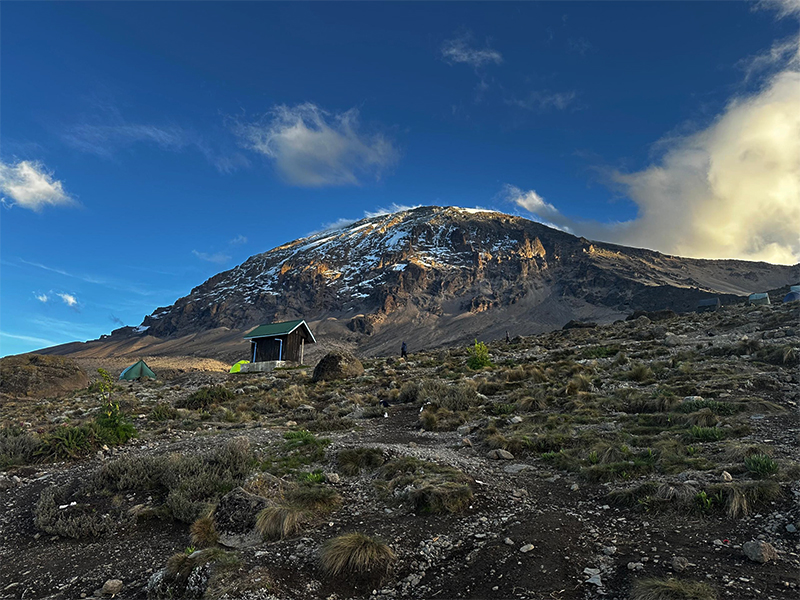
How to Improve Your Kilimanjaro Summit Chances
You cannot guarantee the summit, but you can make smarter decisions that improve your chances. The strongest climbers are not always the fastest. On Kilimanjaro, patience, pacing, and acclimatization matter more than ego.
Choose a Longer Route
A longer route gives your body more time to adjust to altitude. For most climbers, 7 to 9 days is better than a rushed 5 or 6-day climb.
Walk Slowly From Day One
Do not wait until summit night to slow down. A steady “pole pole” pace from the beginning helps your body adapt gradually.
Train Before Your Climb
Training helps your legs, lungs, and mind handle long trekking days. Focus on hiking, uphill walking, stairs, cardio, and leg strength. Read Kilimanjaro Training Plan before your climb.
Hydrate and Eat Properly
At altitude, your body works harder. Drinking water regularly and eating enough food helps maintain energy and supports recovery.
Listen to Your Guides
Experienced guides monitor your pace, symptoms, oxygen levels, appetite, and overall condition. Report symptoms early and follow their advice.
Prepare Mentally for Summit Night
Summit night is long, cold, slow, and demanding. Mental patience is important because the final push often tests discipline more than speed.
For a deeper preparation guide, read How Hard Is Kilimanjaro?
Common Mistakes That Reduce Kilimanjaro Summit Chances
Many climbers reduce their own summit chances before they even arrive by choosing the wrong route or underestimating altitude.
Avoid these mistakes:
- Choosing the shortest route only to save money
- Booking a 5-day itinerary without understanding altitude risk
- Walking too fast in the first few days
- Ignoring headaches, nausea, dizziness, or unusual fatigue
- Skipping meals when appetite drops
- Drinking too little water
- Arriving without enough training
- Choosing Umbwe without enough experience
- Thinking fitness alone protects you from altitude
The mountain should not be treated like a race. The best decision is to choose enough days, walk slowly, report symptoms early, and follow your guide’s pace.
Frequently Asked Questions About Kilimanjaro Success Rates
Which Kilimanjaro route gives the best summit chance?
The Northern Circuit usually gives climbers the strongest summit chance because it is the longest main route and allows the most time for acclimatization. Lemosho is also one of the strongest choices because it offers a good balance of scenery, pacing, and altitude adjustment time.
Is Lemosho or Northern Circuit better for summit success?
Northern Circuit is usually stronger for acclimatization because it takes more days. Lemosho is often the better overall choice for climbers who want excellent scenery, strong acclimatization, and a slightly shorter itinerary than Northern Circuit.
Does a longer Kilimanjaro climb improve summit chances?
Yes, longer climbs usually improve summit chances because the body has more time to adjust to altitude. A 7, 8, or 9-day climb usually gives better acclimatization than a rushed 5 or 6-day itinerary.
Which Kilimanjaro route has the lowest summit chance?
Umbwe is usually one of the hardest routes for summit success because it is steep and gains altitude quickly. Short 5-day Marangu itineraries can also be difficult because they give limited acclimatization time.
Can beginners reach the summit of Kilimanjaro?
Yes, many beginners reach Uhuru Peak with the right route, enough preparation, slow pacing, and experienced guides. For beginners, Lemosho, 7-day Machame, or Northern Circuit are usually stronger choices than short or steep routes.
Does fitness guarantee summit success on Kilimanjaro?
No. Fitness helps, but it does not guarantee success because altitude affects everyone differently. A fit climber can still struggle if they ascend too quickly, ignore symptoms, or choose a rushed route.
Choose the Kilimanjaro Route That Gives You the Best Chance
Choosing the right route is one of the most important decisions you will make before climbing Kilimanjaro. The best route is not always the cheapest, shortest, or most famous. It is the route that gives your body enough time to adjust while matching your fitness, budget, and travel schedule.
At Kili Quests, we help climbers choose realistic itineraries based on route profile, acclimatization time, fitness level, and summit goals. Our local guides focus on steady pacing, daily health checks, strong mountain meals, and safe summit preparation.
If reaching Uhuru Peak is your goal, start with the route that gives you the best chance to climb safely and confidently.
Related Articles
Mount Kilimanjaro Difficulty: How Hard Is the Climb?
March 24, 2026
No Comments
Plan Your Kilimanjaro Climb The right route, timing, and preparation make all the difference.At Kili Quests, we help you plan based on: Best routes for
How to Train for Kilimanjaro: 6-Week Fitness Plan-Kili Quests
April 15, 2025
No Comments
Train Smart for Kilimanjaro Not sure if your fitness level is enough for the climb?At Kili Quests, we help you: Build a realistic training plan
How to Acclimatize on Kilimanjaro: Routes, Pace & Tips
April 12, 2025
No Comments
Plan Your Kilimanjaro Climb Safely Altitude is the biggest challenge on Kilimanjaro ,the right route and preparation can make the difference between turning back and