Stella Point: Why It’s Named That & Kilimanjaro History

Plan Your Kilimanjaro Climb

Reach Stella Point , and go beyond to Uhuru Peak with expert local guides.

Prepare for Your Summit

Your success depends on preparation , explore these essential guides:

OUR CATEGORIES

Why Is It Called Stella Point? The Story Behind the Name | Kili Quests

On your final push to the summit of Mount Kilimanjaro, you’ll pass a familiar wooden sign that reads: “Stella Point – 5,739 m (18,829 ft).” For many trekkers, this is a powerful milestone , the final ridge before reaching Uhuru Peak.
 
Before your summit push, it’s important to understand how difficult Kilimanjaro really is and what makes summit night so challenging.
 
But what exactly is Stella Point, and why does it carry this name?
 
In this article, Kili Quests dives into the rich climbing history of Mount Kilimanjaro, uncovering the story behind Stella Point and its significance to both past and present trekkers. This landmark isn’t just a checkpoint on summit day it represents decades of mountaineering legacy, personal triumphs, and a tribute tied to one of Kilimanjaro’s early expeditions.Whether you’re curious about the naming of Stella Point or interested in the broader history of Kilimanjaro’s early ascents, this guide offers insight into the lesser-known stories of Africa’s highest mountain  including how names like Stella Point became part of its legacy.If you’re not familiar with the summit itself, here’s a complete guide to what Uhuru Peak really is and why it matters.
 
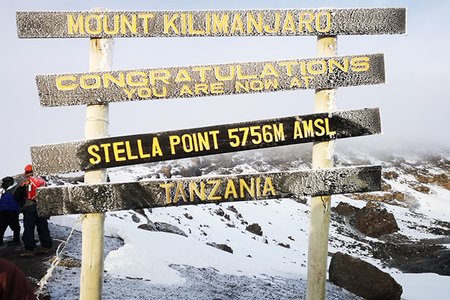
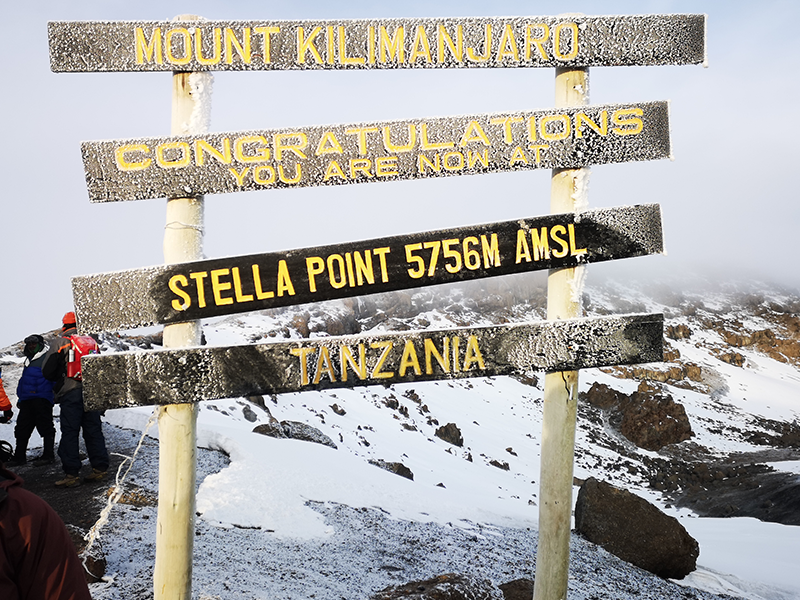
Stella Point signpost on Mount Kilimanjaro’s crater rim, frosted with snow and showing an elevation of 5,756 meters above sea level.
Stella Point, located at 5,756 meters on Mount Kilimanjaro’s crater rim, offers trekkers a dramatic first view into the summit zone. It was named after Estella Latham, one of the first recorded women to reach this altitude in 1925, making it a historic and emotional milestone on the Machame and Lemosho routes.

Table of Contents

Where Is Stella Point?

Stella Point sits on the crater rim of Kibo, one of Kilimanjaro’s three volcanic cones. It’s a major landmark on the Machame, Lemosho, and Umbwe Routes,These routes are among the most popular options , you can compare all Kilimanjaro routes to see which one fits your climb best. located just before the final ascent to Uhuru Peak.When trekkers reach Stella Point, they’re less than an hour from the summit.This final stretch is part of the most demanding stage of the climb , learn more about what summit day on Kilimanjaro is really like.Though not the true top, it’s a significant milestone  and even qualifies as a summit certificate location for some trekkers.

Ever wondered why it’s called Gilman’s Point? Discover the full story behind this historic landmark.

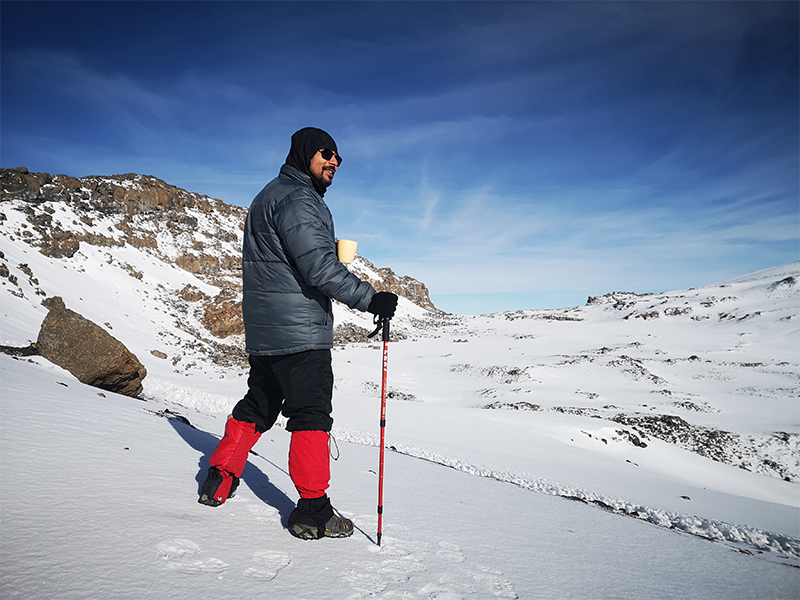
A climber stands on snow-covered terrain near Stella Point on Mount Kilimanjaro, holding a cup and trekking pole while overlooking the crater rim.
A trekker pauses to take in the spectacular view near Stella Point, where Kilimanjaro’s crater rim opens up into a vast, icy alpine landscape.

Who or What Is Stella Point Named After?

Stella Point is named in honor of Estella Latham,Her achievement came decades after the first successful ascent of the mountain , you can read the full story of who first climbed Mount Kilimanjaro.one of the earliest recorded women to reach this altitude on Mount Kilimanjaro in 1925. Unlike earlier assumptions linking the name to Hans Meyer’s family, historical accounts now attribute it to Latham’s notable achievement during a time when few women attempted such climbs. Hans Meyer, the first documented European to reach the summit in 1889, did name several features on the mountain  such as Gilman’s Point  but Stella Point was named later, reflecting a shift toward recognizing climbers beyond colonial figures or sponsors.

Curious who first reached the summit of Kilimanjaro?{Discover the full story of Hans Meyer and the first Kilimanjaro summit in 1889.}

Stella Point summit sign on Kilimanjaro at 5,756 meters, named after Estella Latham who reached this point in 1925.
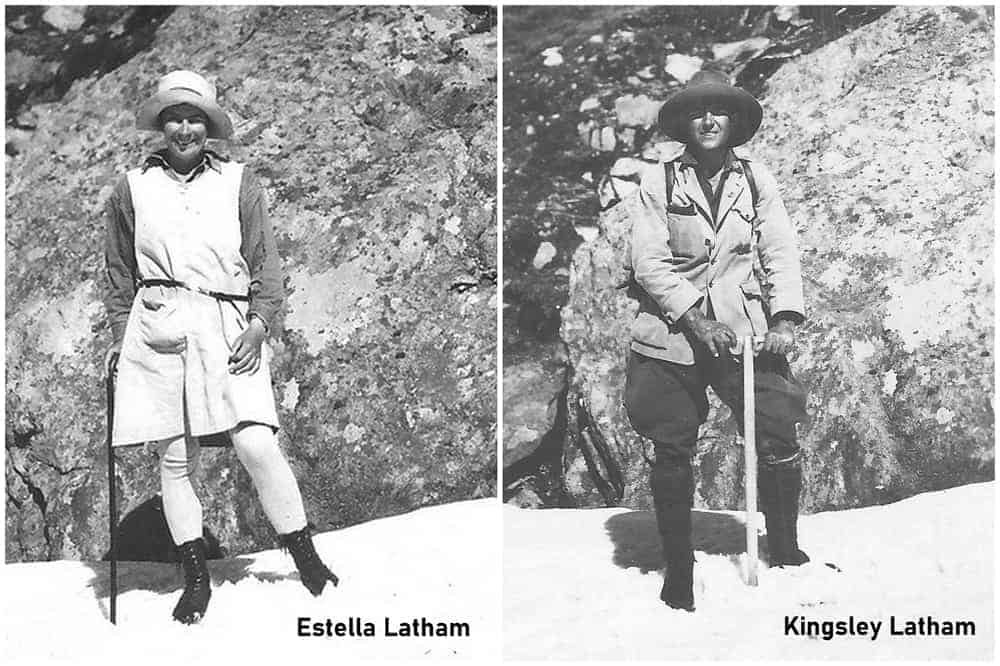
Estella Latham became one of the first recorded women to reach Stella Point on Mount Kilimanjaro in 1925. The point was later named in her honor, marking a milestone in early female mountaineering history

What Happens at Stella Point Today?

Today, Stella Point is the first place where most climbers reach the rim of Kibo’s crater. When you arrive, you’ll see the iconic wooden sign, usually in the early morning cold, with views of the surrounding glaciers and crater floor.While it’s not the final summit, reaching Stella Point is a major achievement, especially due to the steep, exhausting climb just before it , often done at night in freezing conditions.Proper preparation is key , make sure you have the right equipment with this complete Kilimanjaro packing list.
 
Temperatures here can drop far below freezing ,especially at night ,so it’s important to understand Kilimanjaro night temperatures and how to prepare.
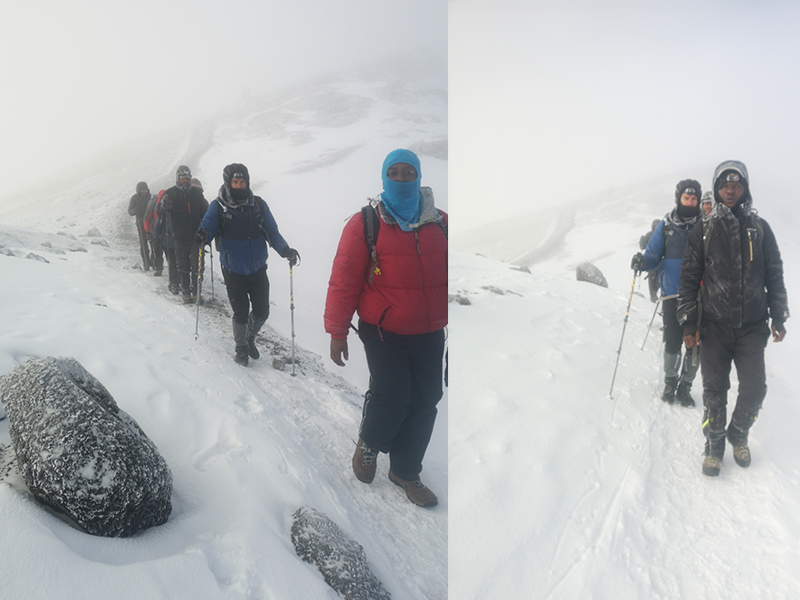
Trekkers and guides hiking through snow near Stella Point on Mount Kilimanjaro during the final summit approach.
Trekkers and KILI QUESTS guides push through snow and fog near Stella Point, one of the final checkpoints before reaching Kilimanjaro’s summit at Uhuru Peak.

Stella Point vs. Uhuru Peak: What's the Difference?

  • Stella Point: 5,739 m (18,829 ft) — crater rim
  • Uhuru Peak: 5,895 m (19,341 ft) — true summit of Africa
  • Distance between the two: ~150 vertical meters, 45–60 min trek
This final push depends heavily on acclimatization , learn how to avoid altitude sickness on Kilimanjaro.
Stella Point earns you a “Kilimanjaro Summit Certificate, but if you want to stand at the true roof of Africa, you’ll need to continue to Uhuru Peak.
 
Not sure if reaching the summit is realistic for you? Here’s a detailed guide on how hard it is to climb Kilimanjaro.

Did You Know?

  • Many climbers stop at Stella Point due to exhaustion or altitude effects, and still receive a partial summit certificate.Altitude is the biggest challenge on the mountain , understanding it can greatly improve your summit success.
  • The sunrise views from Stella Point are breathtaking  some say even more magical than from Uhuru.
  • You’ll likely pass through Stella Point on the way up via  different route including Machame ,Lemosho, Shira ,Umbwe but if you climb via the Marangu Route. and Rongai route you will pass Gilman’s point first then stella point.Each route approaches the summit differently  compare them in detail before choosing your climb.
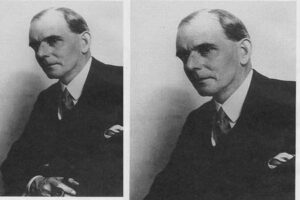
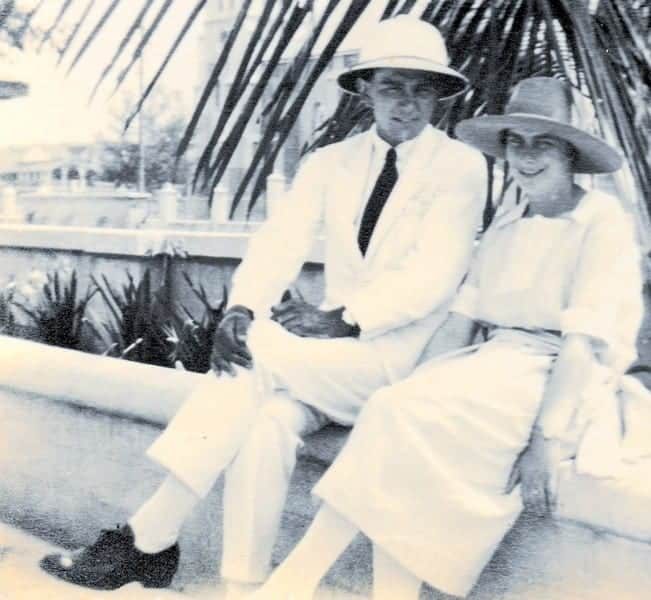
Historical photo of Estella Latham and Kingsley Latham during their 1925 Mount Kilimanjaro expedition.
Estella Latham (left) and Kingsley Latham (right) during their 1925 expedition on Mount Kilimanjaro. Estella became one of the first recorded women to reach 5,756 meters, and Stella Point was later named in her honor.

Frequently Asked Questions About Stella Point

What is Stella Point on Mount Kilimanjaro?

Stella Point is a famous landmark on the crater rim of Kibo, one of the volcanic cones of Mount Kilimanjaro. Located at about 5,739 meters (18,829 ft), it is one of the final checkpoints climbers reach before continuing to Uhuru Peak, the highest point in Africa.
 

Why is it called Stella Point?

Stella Point was named after Estella Latham, one of the earliest recorded women to reach this altitude on Mount Kilimanjaro in 1925. The name honors her achievement and contribution to early mountaineering history on the mountain.
 

Is Stella Point the summit of Kilimanjaro?

No, Stella Point is not the true summit. The highest point of Mount Kilimanjaro is Uhuru Peak, located about 150 vertical meters higher. From Stella Point, most climbers continue for another 45–60 minutes to reach the summit.
 

How long does it take to walk from Stella Point to Uhuru Peak?

The trek from Stella Point to Uhuru Peak usually takes about 45 minutes to 1 hour, depending on altitude conditions and the climber’s pace.
 

Which Kilimanjaro routes pass through Stella Point?

Several popular routes pass through Stella Point on summit day, including the Machame, Lemosho, Umbwe, and Shira routes. Climbers approaching from these routes reach Stella Point before making their final push to Uhuru Peak.
 

What altitude is Stella Point on Kilimanjaro?

Stella Point is located at approximately 5,739 meters (18,829 feet) above sea level on the crater rim of Kibo, making it one of the highest landmarks on Mount Kilimanjaro.

Reaching Stella Point: The Turning Point of Your Summit

Stella Point is more than just a marker near the summit  it’s a landmark rooted in Kilimanjaro’s climbing history. Named in honor of Estella Latham, one of the first recorded women to reach this altitude in 1925, Stella Point represents both personal achievement and historical significance. Whether you pause here to witness the sunrise or continue your final push to Uhuru Peak, arriving at Stella Point is a powerful reminder of how far you’ve come  and how close you are to standing on the roof of Africa.
 
Not many know that the first Kilimanjaro summit wasn’t just a European feat  Lauwo, a young Chagga man, was the local hero behind it

Plan Your Journey with Kili Quests

At Kili Quests, we guide you beyond just reaching the top  we help you connect with the history, meaning, and magic of Mount Kilimanjaro.Whether you’re taking the Lemosho, Machame, or Umbwe Route, our experienced team ensures your journey to Stella Point and beyond is safe, supported, and unforgettable.Each route has its pros and cons see our Kilimanjaro Route Comparison to choose the best fit.
 

Related Articles

First Ascent of Mount Kilimanjaro: Hans Meyer in 1889

Climb Kilimanjaro with Experts

Follow the path of the first explorers ,and reach the summit with a trusted local team.

Plan Your Climb

Prepare the right way before your Kilimanjaro adventure:

OUR CATEGORIES

Who Was Hans Meyer? The First Ascent of Kilimanjaro | Kili Quests

In 1889, a German geographer named Hans Meyer became the first recorded person to reach the summit of Mount Kilimanjaro,Before planning your climb, it’s important to understand how hard it is to climb Kilimanjaro and what to expect at high altitude.standing at 5,895 meters (19,341 feet).This is the same height as Uhuru Peak , the true summit of Africa.His expedition marked the beginning of modern exploration on Africa’s highest mountain , and left behind a legacy still visible in the names of Kilimanjaro’s summit points.
 
In this article, Kili Quests explores who Hans Meyer was, the story of his historic climb, and how his journey shaped the way we understand Kilimanjaro today.
 
Ever wondered why it’s called Gilman’s Point? Discover the story behind this historic summit landmark.
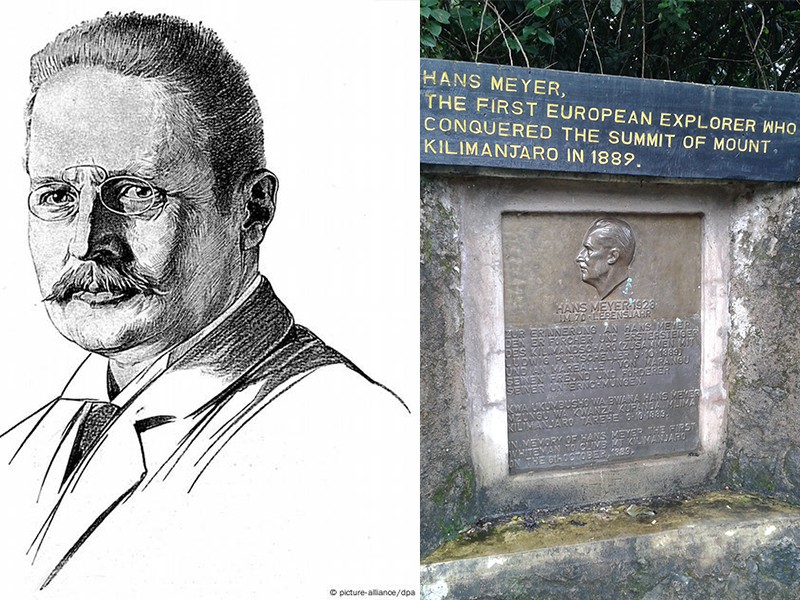
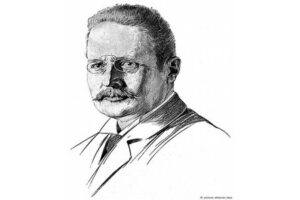
Portrait of Hans Meyer and the memorial plaque at Marangu Gate commemorating his 1889 first ascent of Mount Kilimanjaro.
Hans Meyer was the first European to reach the summit of Kilimanjaro in 1889. This historical plaque at the Marangu Gate Information Center honors his achievement and marks his contribution to the mountain’s climbing history.

Table of Contents

Who Was Hans Meyer?

Hans Meyer was a German geographer, mountaineer, and professor at the University of Leipzig. He had a passion for exploring uncharted mountains and became fascinated by Kilimanjaro ,

Learn more about the mountain itself in this complete guide to what Mount Kilimanjaro is and how it formed.then one of the few unconquered peaks in the world.His ambition led him to organize several expeditions to climb the mountain, each one gaining more ground until he finally succeeded in October 1889.
 
Discover the theories and history behind the name in our guide to the origin of the name Kilimanjaro.
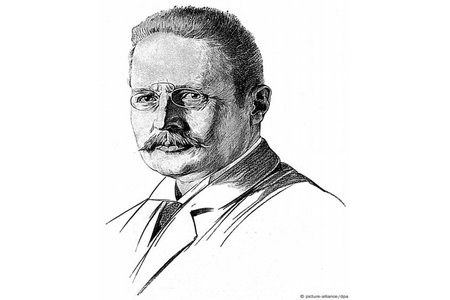
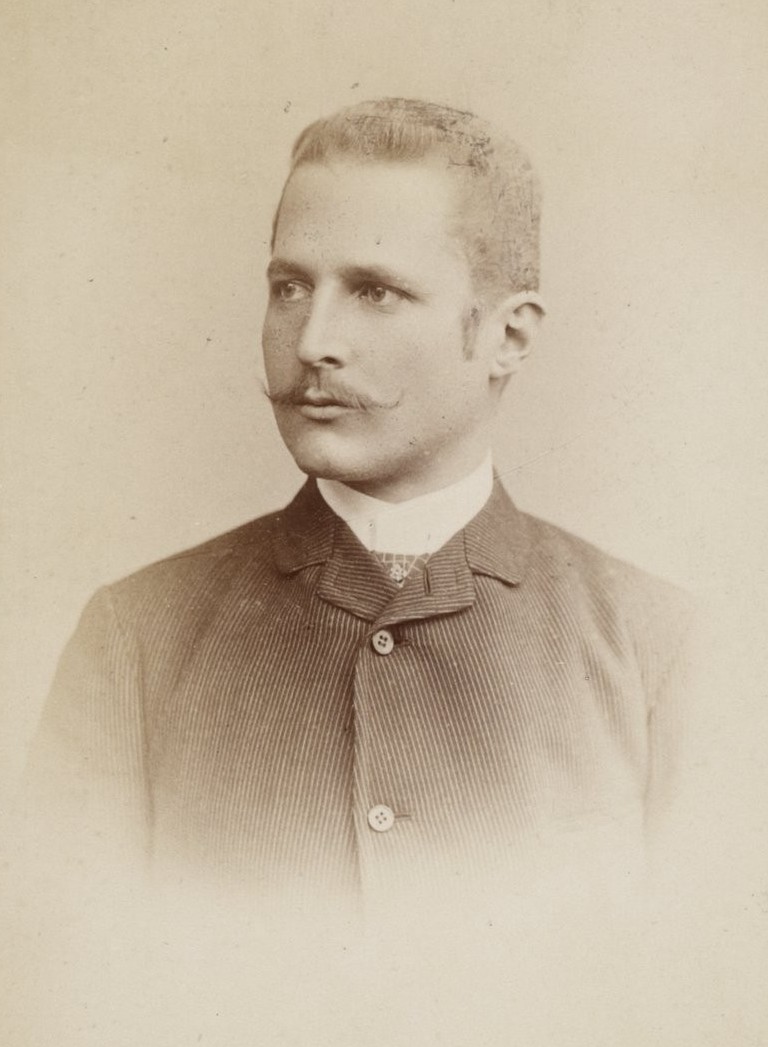
Portrait of Hans Meyer, German geographer and first European to summit Mount Kilimanjaro in 1889 | Kili Quests
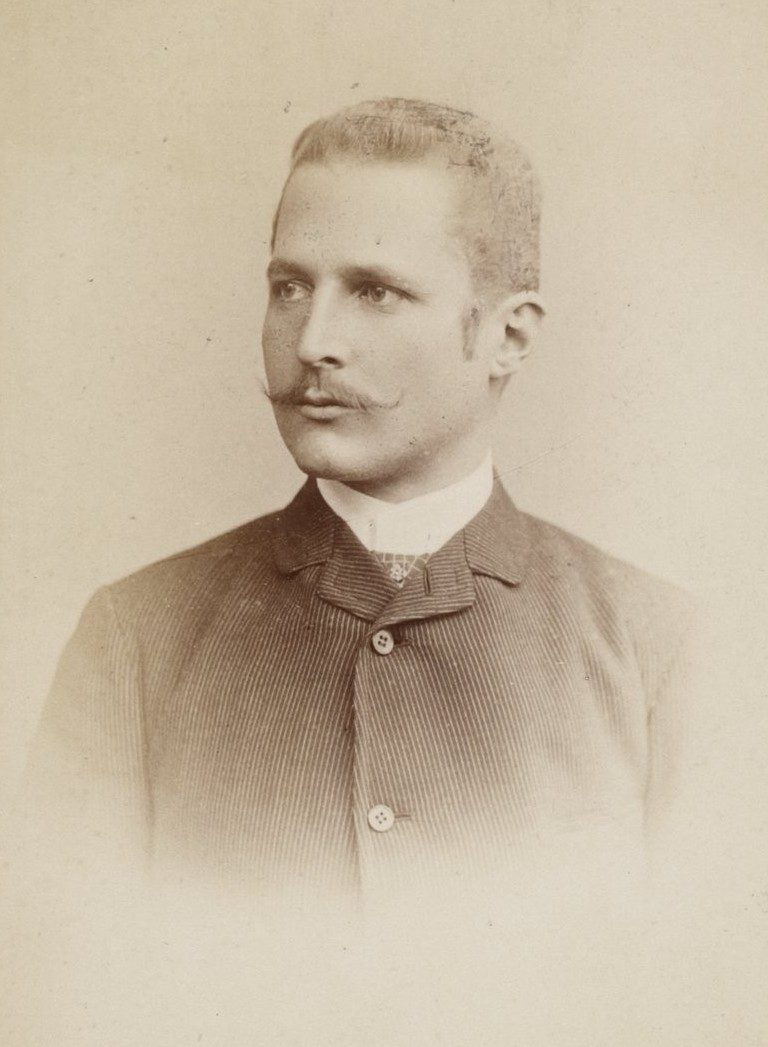
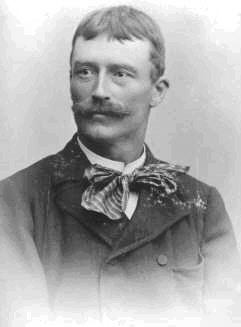
Hans Meyer, a German geographer, became the first documented person to reach Uhuru Peak on Mount Kilimanjaro in 1889, accompanied by Austrian climber Ludwig Purtscheller and a Chagga guide named Lauwo.
Portrait of Ludwig Purtscheller, Austrian climber who summited Mount Kilimanjaro in 1889 with Hans Meyer | Kili Quests
Ludwig Purtscheller, an experienced Austrian mountaineer, reached the summit of Kilimanjaro with Hans Meyer and local guide Lauwo in 1889.

The First Successful Ascent

Meyer’s third expedition, which made it to the summit, included:
  • Ludwig Purtscheller, a skilled Austrian alpinist
  • Lauwo, a Chagga tribesman and local guide from Marangu.Lauwo’s role is now widely recognized , read the full story of the first local guide on Kilimanjaro.
  • Several porters and support crew
  • On October 6, 1889, the team became the first recorded group to reach the summit of Kibo, the tallest of Kilimanjaro’s three volcanic cones.Kilimanjaro is made up of three cones , learn more about Kibo, Mawenzi, and Shira.
  • This historic moment laid the foundation for Kilimanjaro’s future as one of the world’s most iconic trekking destinations.
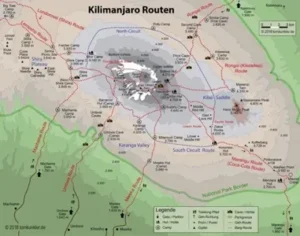
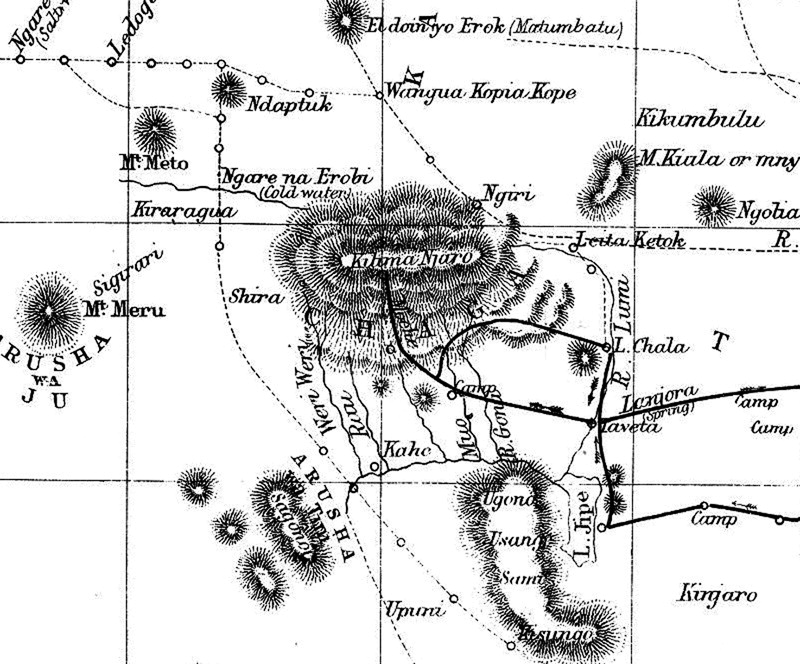
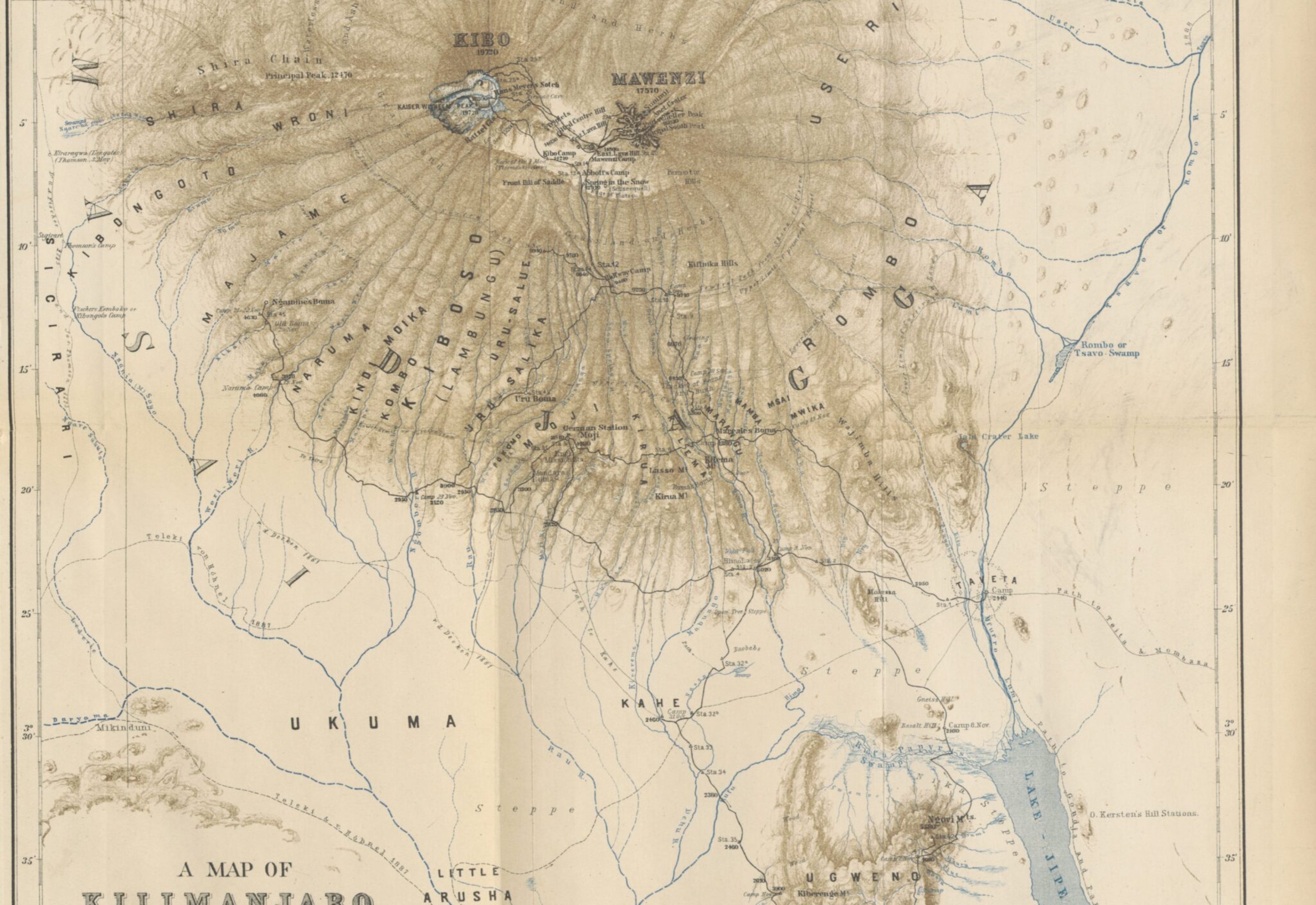
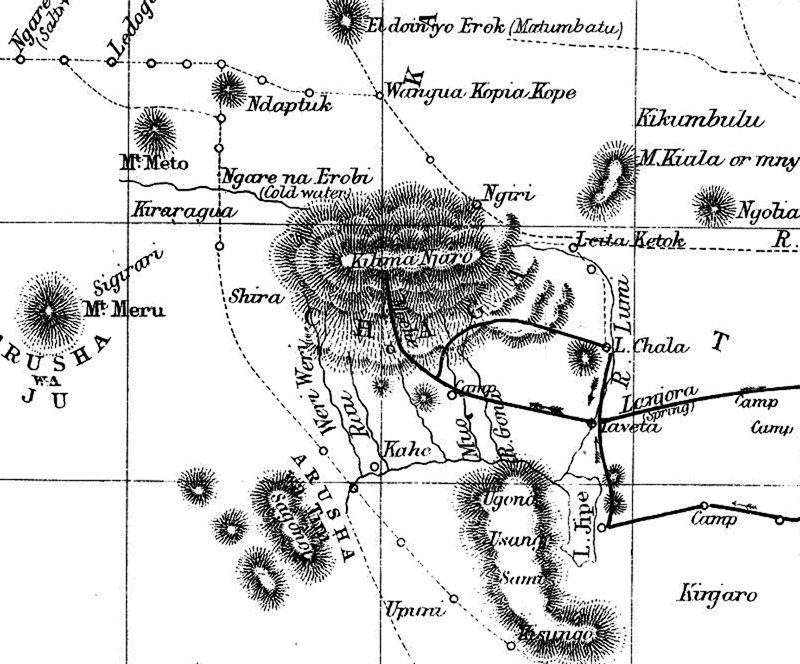
Vintage map of Mount Kilimanjaro showing routes, landmarks, and geography as seen in the 1990s | Kili Quests
A look back in time — this 1990s Kilimanjaro map reflects how the mountain was explored, traveled, and understood decades ago.

What Made the Expedition Historic?

  •  Meyer’s team spent weeks acclimatizing and exploring different routes.Acclimatization remains the key to summit success today  here’s how to acclimatize properly on Kilimanjaro.
  • They were the first to document the mountain’s crater rim
  • The ascent helped map Kilimanjaro’s geography for future climbers.Today, thousands attempt the climb each year , but preparation is essential to succeed.
  • They reached the summit long before modern gear or support systems existed
  • Meyer’s expedition was not just a physical feat , it was a scientific and cultural milestone in East African exploration.
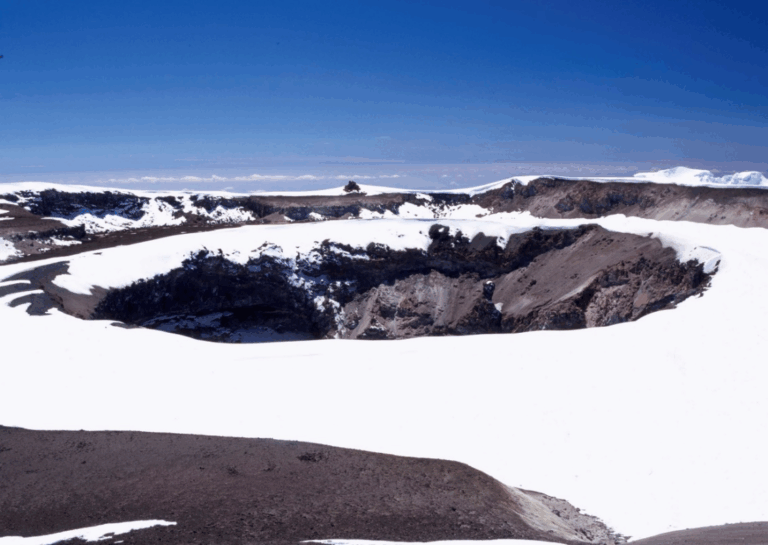
Glacial snow and ice covering the crater rim of Mount Kilimanjaro during dry season ascent | Kili Quests
Kilimanjaro’s crater rim wrapped in snow and ancient ice — a glimpse into the mountain’s glacial past.
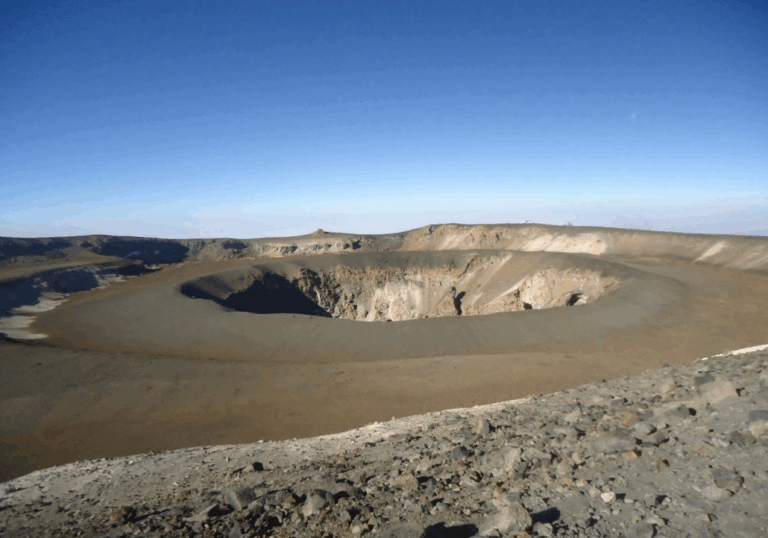
Dry, snowless crater rim of Mount Kilimanjaro showing volcanic rock and summit trail | Kili Quests
The exposed crater rim reveals Kilimanjaro’s raw volcanic structure — dramatic, vast, and wind-carved by time.

Naming the Summit Points

Many of Kilimanjaro’s key landmarks are named after people involved in or inspired by Meyer’s expeditions:
  • Gilman’s Point – named for Clement Gilman, a British cartographer
  • Stella Point – believed to be named after Meyer’s wife
  • Uhuru Peak – renamed in 1961 to honor Tanzania’s independence (originally called “Kaiser Wilhelm Spitze”)
While Meyer originally named the summit after the German emperor, it was later changed to reflect Tanzania’s national identity and independence.
 
Discover the story behind Stella Point and how it became one of Kilimanjaro’s most iconic landmarks.

Meyer’s Legacy on Kilimanjaro

  • He published several books and maps about Kilimanjaro
  • His story is taught in East African geography and climbing history
  • His pioneering climb paved the way for over 35,000 people a year to attempt the summit today.Choosing the right route plays a major role in success , compare all options before you climb.
  • The role of Lauwo, his Chagga guide, is now also celebrated as a symbol of Tanzanian contribution to the mountain’s history
1889 exploration map of Mount Kilimanjaro drawn by Hans Meyer, highlighting the early summit path and crater area | Kili Quests
A legacy etched in ink — Hans Meyer’s 1889 map captured Kilimanjaro’s summit long before modern routes existed.

Frequently Asked Questions About Hans Meyer and the First Kilimanjaro Ascent

Who was Hans Meyer?

 Hans Meyer was a German geographer and explorer who became the first recorded person to reach the summit of Mount Kilimanjaro in 1889. His expedition helped map the mountain and introduced Kilimanjaro to the world of modern mountaineering.
 

When was Mount Kilimanjaro first climbed?

The first successful recorded ascent of Mount Kilimanjaro took place on October 6, 1889, when Hans Meyer and his team reached the summit of Kibo, the highest volcanic cone of the mountain.

Who climbed Mount Kilimanjaro with Hans Meyer?

Hans Meyer was accompanied by Austrian mountaineer Ludwig Purtscheller and a local Chagga guide named Yohani Kinyala Lauwo, along with several porters and support crew.

What was the original name of Uhuru Peak?

Before Tanzania’s independence, the summit of Mount Kilimanjaro was named Kaiser Wilhelm Peak by Hans Meyer. In 1961, it was renamed Uhuru Peak to celebrate Tanzania’s independence.
 

Why is Hans Meyer important in Kilimanjaro history?

Hans Meyer played a major role in documenting the geography and climbing routes of Mount Kilimanjaro. His successful ascent in 1889 helped establish the mountain as one of the world’s most famous trekking destinations.

Who was the local guide in the first Kilimanjaro expedition?

The local guide who assisted Hans Meyer’s expedition was Yohani Kinyala Lauwo, a Chagga man from Marangu. His role in the climb is now widely recognized as an important part of Kilimanjaro’s history.
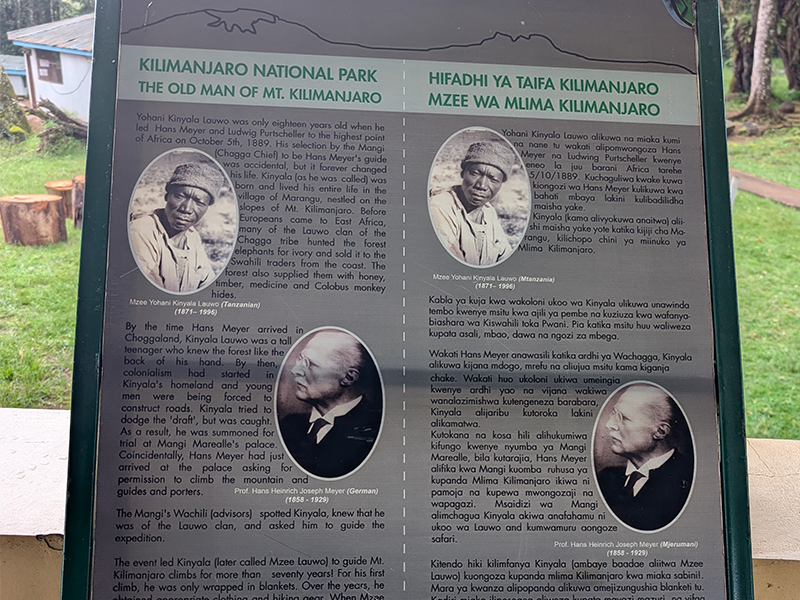
Interpretive sign at Kilimanjaro National Park showing historical profiles of Yohani Kinyala Lauwo, the first local guide of Mount Kilimanjaro, and Hans Meyer, the first recorded European to summit Kilimanjaro in 1889.
Informational sign at Kilimanjaro National Park honoring Yohani Kinyala Lauwo, the first local Kilimanjaro guide, and Hans Meyer, the first European summiteer in 1889. Their partnership marked the beginning of Kilimanjaro’s climbing history.

The Legacy of Kilimanjaro’s First Ascent

Hans Meyer’s first successful climb of Mount Kilimanjaro was more than just a mountaineering victory , it was the beginning of the mountain’s modern legacy. His journey combined science, endurance, and intercultural cooperation, with help from locals like Lauwo, whose name deserves equal recognition.
 
Every climber who follows in Meyer’s footsteps is walking a trail carved by history ,Today’s climbers follow different routes to the summit , each offering a unique experience. one that continues to inspire adventurers from all over the world.

Plan Your Climb with Kili Quests

At Kili Quests, we honor Kilimanjaro’s history while helping trekkers write their own. Whether you choose the Marangu,Umbwe,Shira,Northern circuit, Machame, or Lemosho Route,Rongai route we guide you to the summit with expert care and deep respect for the mountain’s legacy.
 

Related Articles

Kilimanjaro First Ascent: Lauwo and the Chagga Guide

Climb with Local Experts

Follow in Lauwo’s footsteps with experienced Tanzanian guides.

Plan Your Climb

Start preparing for your Kilimanjaro adventure: 

OUR CATEGORIES

Who Was Lauwo? Tanzania’s First Kilimanjaro Guide | Kili Quests

When talking about the first successful ascent of Mount Kilimanjaro,Read the full story of Hans Meyer and the first Kilimanjaro ascent in 1889 to understand how this historic climb unfolded. most people mention the German explorer Hans Meyer. But behind that achievement was a local Chagga man named Lauwo  a name that deserves far more recognition.In this article, Kili Quests shares the story of Yohani Kinyala Lauwo, the first Tanzanian guide to summit Kilimanjaro.Reaching the summit , Uhuru Peak — is still the goal for climbers today.His contribution is a powerful reminder that the mountain’s history is not just written by explorers , but also by the people of the mountain.
 
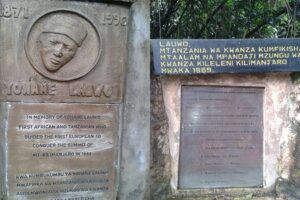
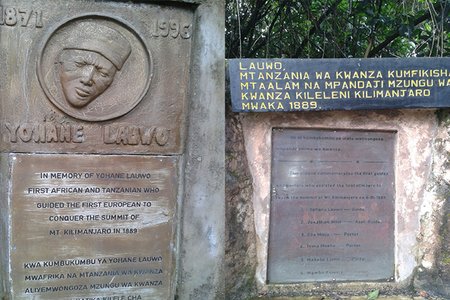
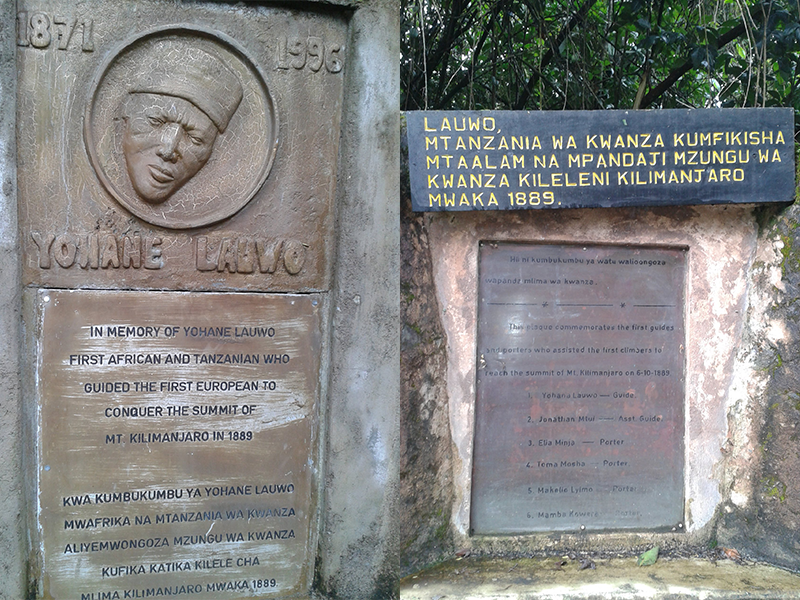
Memorial plaques honoring Yohane Lauwo, the first Tanzanian to guide a European to Kilimanjaro’s summit in 1889.
Yohane Lauwo is remembered as the first African and Tanzanian guide to summit Mount Kilimanjaro, assisting Hans Meyer in the historic 1889 expedition.

Table of Contents

Who Was Lauwo?

Yohani Kinyala Lauwo was a Chagga tribesman from Marangu,Marangu is still one of the main starting points for climbers today , especially via the Marangu Route. a village on the southeastern slopes of Mount Kilimanjaro.At just 18 years old, Lauwo was recruited to join Hans Meyer’s 1889 expedition , and successfully helped guide the team to the summit of Kibo, the highest of Kilimanjaro’s volcanic cones.Kilimanjaro is made up of three volcanic cones , learn more about Kibo, Mawenzi, and Shira.
 
He was not just a porter or helper. Lauwo’s local knowledge, strength, and courage were essential to the team’s success in navigating unknown terrain, severe weather, and dangerous altitude.Altitude remains the biggest challenge on the mountain , here’s how to avoid altitude sickness on Kilimanjaro.
 
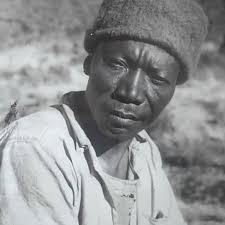
Portrait of Yohani Kinyala Lauwo, the first local Kilimanjaro guide and early Tanzanian mountain pioneer
Yohani Kinyala Lauwo – The legendary Chagga guide who led Hans Meyer to the summit of Kilimanjaro in 1889.
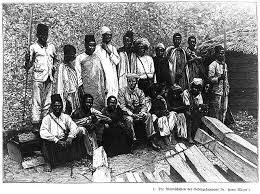
Historic 1889 Kilimanjaro expedition team with Hans Meyer and local guides including Yohani Kinyala Lauwo
1889 Kilimanjaro Expedition Team – Hans Meyer with Chagga porters and guides, including Yohani Lauwo, before the first summit of Uhuru Peak.
Portrait of Ludwig Purtscheller, Austrian climber who summited Mount Kilimanjaro in 1889 with Hans Meyer | Kili Quests
Ludwig Purtscheller, an experienced Austrian mountaineer, reached the summit of Kilimanjaro with Hans Meyer and local guide Lauwo in 1889.
Portrait of Hans Meyer, German geographer and first European to summit Mount Kilimanjaro in 1889 | Kili Quests
Hans Meyer led the first successful recorded expedition to the summit of Mount Kilimanjaro in 1889, marking a historic moment in mountaineering.

What Role Did Lauwo Play?

Lauwo:
  • Helped scout and clear a viable route toward the summit Kilimanjaro.Today, climbers follow established trails , compare all Kilimanjaro routes to choose the best one.
  • Supported both Meyer and Austrian alpinist Ludwig Purtscheller during the climb.
  • Became the first known African to stand on Kilimanjaro’s summit.
His involvement was never just physical , his deep understanding of the mountain’s behavior, weather, and routes made him an invaluable guide.
 
Ever wondered why it’s called Gilman’s Point? Discover the story behind this historic summit landmark.

Why Is Lauwo’s Story Often Overlooked?

For many decades, Lauwo’s role in the historic 1889 ascent was understated or ignored in international records. Hans Meyer and Purtscheller were widely credited as the “first to reach the summit,” while Lauwo remained unnamed.However, Tanzanian historians and local mountaineering communities have worked hard to reclaim his story , and today, Lauwo is increasingly recognized as the first Tanzanian and the first African to summit Mount Kilimanjaro(Uhuru peak).Uhuru Peak is the highest point in Africa , learn more about its history and meaning.

Vintage map of Mount Kilimanjaro showing routes, landmarks, and geography as seen in the 1990s | Kili Quests
A look back in time — this 1990s Kilimanjaro map reflects how the mountain was explored, traveled, and understood decades ago.

Lauwo’s Legacy

 He continued to guide climbs into his later years , even into his 70s
  • According to local records, he lived to be over 120 years old, passing away in the early 1990s
  • His descendants still live in Marangu, and the Lauwo family is a respected name in Tanzanian guiding history
  • Many guides today see him as the original role model for Tanzanian mountain professionals

Final Thoughts

Lauwo was not just a footnote in Hans Meyer’s expedition  he was a hero in his own right. As the first Tanzanian to summit Kilimanjaro, he represents the strength, wisdom, and endurance of local mountain people who have supported climbers for over a century.When you climb Kilimanjaro today,Before your climb, it’s important to understand how difficult Kilimanjaro really is and how to prepare.you’re walking in the footsteps of Lauwo , the guide who led the way long before modern gear or recognition.

Choosing the right route and acclimatization strategy can make the difference between success and failure.

Frequently Asked Questions About Lauwo and Kilimanjaro’s First Guides

 Who was Yohani Kinyala Lauwo?

Yohani Kinyala Lauwo was a Chagga guide from Marangu who helped lead the first successful recorded ascent of Mount Kilimanjaro in 1889. At just 18 years old, he joined Hans Meyer’s expedition and played a key role in navigating the mountain.
 

Was Lauwo the first African to climb Mount Kilimanjaro?

Yes. Many historians recognize Yohani Kinyala Lauwo as the first African to reach the summit of Mount Kilimanjaro during the historic 1889 expedition.

Who climbed Mount Kilimanjaro with Lauwo?

During the 1889 expedition, Lauwo climbed alongside German explorer Hans Meyer and Austrian mountaineer Ludwig Purtscheller, along with several porters and support crew.
 

Why is Lauwo important in Kilimanjaro history?

Lauwo’s local knowledge of the mountain’s terrain, weather, and routes was essential for the success of the first recorded ascent of Mount Kilimanjaro. Today he is recognized as a pioneer of Tanzanian mountain guiding.

Where was Lauwo from?

Yohani Kinyala Lauwo was from Marangu, a village located on the southeastern slopes of Mount Kilimanjaro, which remains one of the main starting points for Kilimanjaro climbs today.

How old was Lauwo during the first Kilimanjaro ascent?

Historical accounts suggest that Lauwo was about 18 years old when he joined the 1889 expedition that successfully reached the summit of Mount Kilimanjaro.
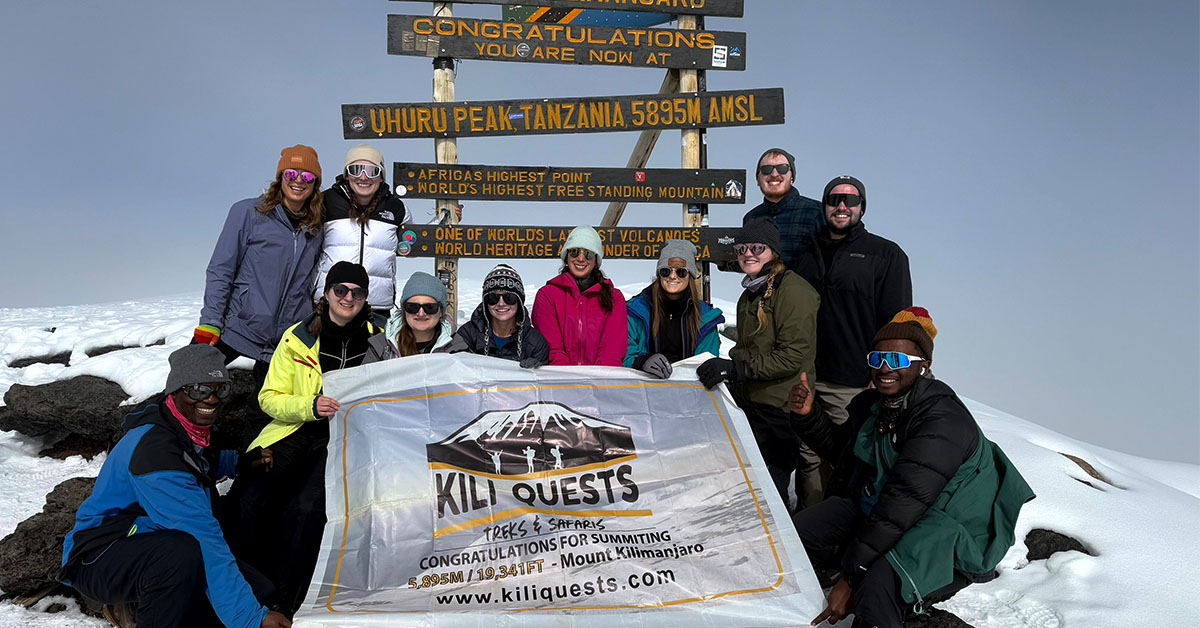
Group of trekkers celebrating together at Uhuru Peak, the summit of Mount Kilimanjaro
Tourists celebrate their successful summit at Uhuru Peak alongside our expert KILI QUESTS guides, proudly raising the flag at Africa’s highest point.

Climb Kilimanjaro with Local Experts

At Kili Quests, our guides continue the legacy of Lauwo , born on the mountain, trained by experience, and driven by passion. Whether you climb the Marangu, Machame, or Lemosho Route, we’ll guide you with the same commitment that Lauwo showed more than a century ago.
 

Related Articles

Uhuru Peak Meaning: Kilimanjaro Summit & Independence

Reach Uhuru Peak

Stand on the highest point in Africa with expert local guides.

Plan Your Summit

Prepare the right way before your Kilimanjaro climb:

OUR CATEGORIES

From Kaiser Wilhelm Spitze to Uhuru Peak: Kilimanjaro and Tanzania’s Independence | Kili Quests

Mount Kilimanjaro’s summit is known today as Uhuru Peak ,Learn more about what Uhuru Peak is and why it’s the true summit of Africa,a symbol of freedom and pride for the people of Tanzania. But before independence, this same summit carried a very different name: Kaiser Wilhelm Spitze, a colonial-era label honoring the German emperor.
 
In this article, Kili Quests explores how Kilimanjaro’s highest point was renamed, what “Uhuru” truly means, and how the summit came to represent a new chapter in Tanzania’s history.Reaching this point is the goal of every climber , but it requires preparation and proper acclimatization.
 
Discover the full story behind Uhuru Peak and its historical meaning.
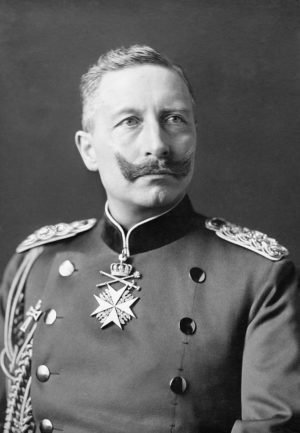
Portrait of Kaiser Wilhelm II, the German emperor after whom Kilimanjaro’s summit was named during colonial rule.
Kaiser Wilhelm II was the namesake of Kilimanjaro’s summit during the German colonial era — formerly called Kaiser Wilhelm Spitze until Tanzania gained independence.

Table of Contents

The Colonial Name: Kaiser Wilhelm Spitze

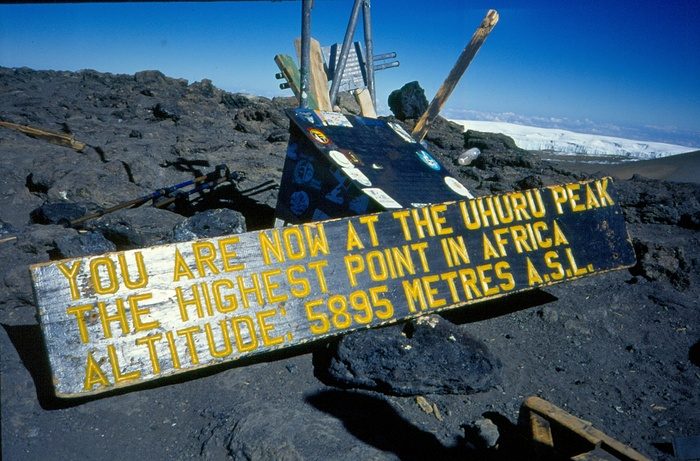
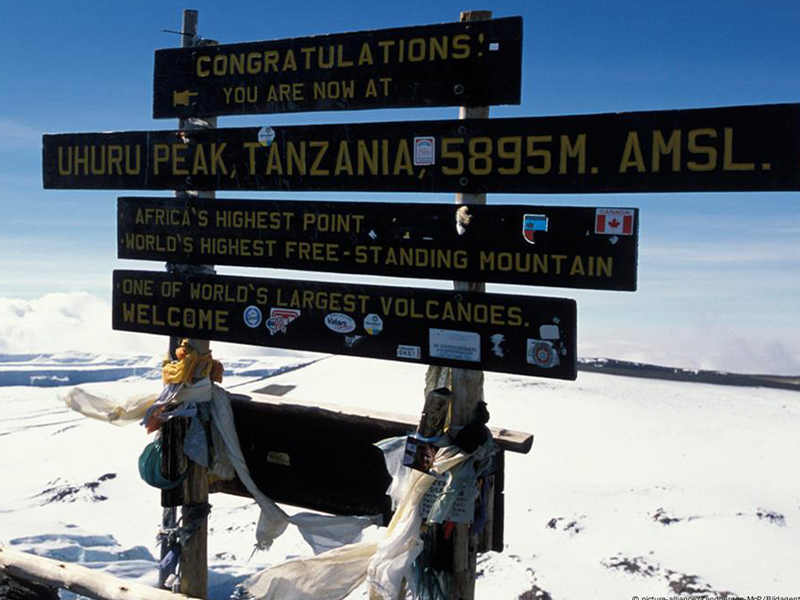
Historic wooden sign at Uhuru Peak on Mount Kilimanjaro displaying the highest point in Africa at 5,895 meters above sea level.
An early sign at Uhuru Peak, renamed in the 1960s after Tanzanian independence. Before this, Europeans knew the summit as Kaiser Wilhelm Spitze during the colonial era.
In 1889, German explorer Hans Meyer,
Read more about Hans Meyer and the first Kilimanjaro ascent in 1889.became the first recorded person to reach the summit of Mount Kilimanjaro. As part of his achievement, he named the peak Kaiser Wilhelm Spitze, or “Emperor William Peak,” in honor of Kaiser Wilhelm II, the ruler of the German Empire.
At the time, Tanzania (then German East Africa) was a colony under German control, and naming major geographical landmarks after European royalty was a common colonial practice.
Uhuru Peak sign at the summit of Mount Kilimanjaro showing elevation and independence-related messages.
Since 1964, the summit of Kilimanjaro has been officially known as Uhuru Peak — a name symbolizing Tanzanian freedom. During colonial times, it was called Kaiser Wilhelm Spitze by Europeans.

A Mountain Under Many Flags

Throughout the early 20th century, Kilimanjaro , like much of East Africa , changed hands between colonial powers:
  • German control (late 1800s to WWI)
  • British control (after World War I, renamed Tanganyika Territory)
  • Independence movement grows in the 1950s
Despite these political changes, the mountain remained a cultural and geographic icon for local communities , especially the Chagga people, who lived on its slopes.
 

Tanzania Independence and the Renaming of the Summit

On December 9, 1961, Tanganyika gained independence from British colonial rule and became a sovereign nation.As part of celebrating this historic milestone, the government officially renamed Kilimanjaro’s summit from Kaiser Wilhelm Spitze to “Uhuru Peak.”
The word “Uhuru” means “freedom” in Swahili ,The summit name reflects both national pride and identity , making it one of the most meaningful mountain summits in the world.
 
Tanzania’s national language.
This change was more than symbolic. It marked:
  • A rejection of colonial naming and legacy.
  • A celebration of African identity and independence.
  • A reminder that Tanzania’s highest point belongs to its people.

Uhuru Peak Today

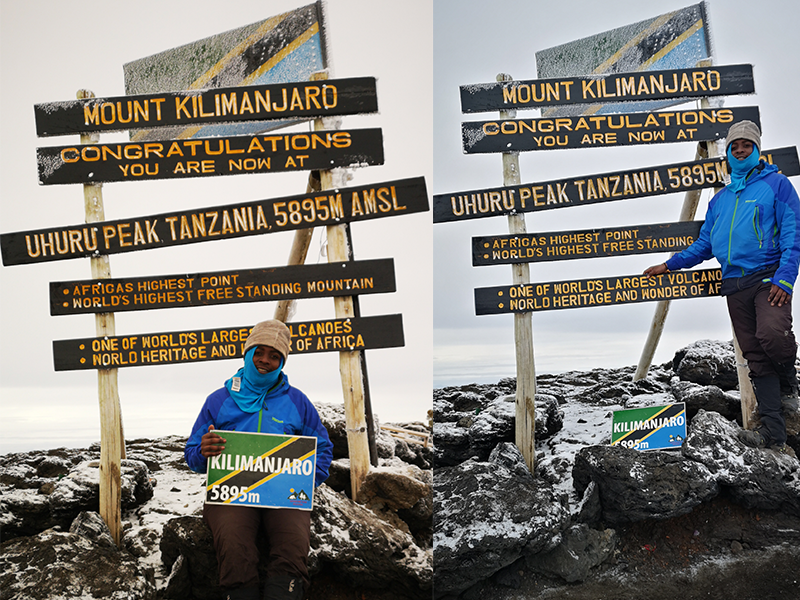
Trekkers posing at the Uhuru Peak summit sign on Mount Kilimanjaro, marking Africa’s highest point at 5,895 meters.
Ones of Kili Quests Member celebrate reaching Uhuru Peak, the highest point in Africa. The sign marks 5,895 meters above sea level — a powerful moment for every Kilimanjaro climber.
Uhuru Peak stands as:
  • The highest point in Africa (5,895 m / 19,341 ft)Before attempting the summit, it’s important to understand how difficult Kilimanjaro really is.
  • A place where independence meets elevation
  • A globally recognized name that reflects Tanzania’s values
Today, climbers from all over the world take photos beneath the summit sign, Most climbers reach Uhuru Peak after passing Stella Point on the crater rim that proudly reads
 
“Congratulations! You are now at Uhuru Peak, Tanzania, 5,895 m. Africa’s Highest Point. World’s Highest Free-Standing Mountain.”

Did You Know?

The renaming was part of a wider movement in post-colonial Africa to reclaim names, borders, and identities.Uhuru Peak was officially named within months of independence, showing how deeply the name was tied to national pride.Other peaks on Kilimanjaro , such as Stella Point and Gilman’s Point , still retain their explorer-era names
 
Portrait of Hans Meyer, German geographer and first European to summit Mount Kilimanjaro in 1889 | Kili Quests
Hans Meyer led the first successful recorded expedition to the summit of Mount Kilimanjaro in 1889, marking a historic moment in mountaineering.
Portrait of Ludwig Purtscheller, Austrian climber who summited Mount Kilimanjaro in 1889 with Hans Meyer | Kili Quests
Ludwig Purtscheller, an experienced Austrian mountaineer, reached the summit of Kilimanjaro with Hans Meyer and local guide Lauwo in 1889.

Final Thoughts

Mountains carry meaning ,and for Tanzania, Uhuru Peak stands not only as a geographical high point but as a symbol of national freedom.From a colonial name tied to European empire, to a Swahili name that honors independence, the summit of Kilimanjaro tells a powerful story. Every climber who reaches it stands on more than volcanic rock , they stand on the spirit of Uhuru.Every climber who reaches this summit follows a journey shaped by history, culture, and determination.
 
Vintage map of Mount Kilimanjaro showing routes, landmarks, and geography as seen in the 1990s | Kili Quests
A look back in time — this 1990s Kilimanjaro map reflects how the mountain was explored, traveled, and understood decades ago.

Frequently Asked Questions About Uhuru Peak and Kilimanjaro’s Name

What was the original name of Uhuru Peak?

Before Tanzania gained independence, the summit of Mount Kilimanjaro was called Kaiser Wilhelm Spitze. The name was given by German explorer Hans Meyer in 1889 to honor Kaiser Wilhelm II of Germany.

Why was Kilimanjaro’s summit renamed Uhuru Peak?

After Tanganyika gained independence in 1961, the summit was renamed Uhuru Peak to symbolize national freedom. The word “Uhuru” means freedom in Swahili, reflecting the country’s independence and cultural identity.

What does the word “Uhuru” mean?

The Swahili word “Uhuru” means freedom or independence. Naming the summit Uhuru Peak was meant to celebrate Tanzania’s liberation from colonial rule.

When was Uhuru Peak officially named?

The summit of Mount Kilimanjaro was renamed Uhuru Peak shortly after Tanganyika gained independence on December 9, 1961. The new name reflected the pride and identity of the newly independent nation.

Is Uhuru Peak the highest point in Africa?

Yes. Uhuru Peak stands at 5,895 meters (19,341 feet) above sea level and is the highest point in Africa and the summit of Mount Kilimanjaro.

How long does it take to reach Uhuru Peak from Stella Point?

From Stella Point, it usually takes about 45 minutes to one hour to reach Uhuru Peak, depending on altitude conditions and the climber’s pace.

Climb to Uhuru Peak with Kili Quests

At Kili Quests, we guide you to more than just a summit , we guide you through a journey of culture, history, and self-discovery.Whether it’s your first trek or your return to the mountain, we’ll help you reach Uhuru Peak with expert guidance, preparation, and respect for the land and its story.
 

Related Articles