How to Stay Clean on Kilimanjaro: Showers, Toilets & Hygiene

Stay Clean & Comfortable on Kilimanjaro

 A well-supported climb makes all the difference — from hygiene to overall comfort on the mountain.

Plan Your Kilimanjaro Climb the Right Way

Hygiene is just one part of the journey , your route, acclimatization, and preparation matter even more.

OUR CATEGORIES

How to Stay Clean on Kilimanjaro: Showers, Toilets & Hygiene

Staying clean on Kilimanjaro is not about luxury. It is about comfort, health, and keeping your body in good condition during several days of trekking. Sweat, dust, cold temperatures, changing clothes, and limited washing facilities can all affect how you feel on the mountain.

Most standard Kilimanjaro climbs do not include full showers, so trekkers rely on simple routines such as wet wipes, warm water bowls, clean clothing, foot care, and careful toilet hygiene. With the right preparation, you can stay fresh and comfortable even without normal bathroom facilities.

This guide explains how hygiene works on Kilimanjaro, what to expect with showers and toilets, what to pack in your hygiene kit, and how to stay clean from day one to summit night.

Quick Answer: How Do You Stay Clean on Kilimanjaro?

Most trekkers stay clean on Kilimanjaro by using wet wipes, warm water bowls, quick-dry towels, clean base layers, fresh socks, and good foot care. Standard Kilimanjaro climbs usually do not include full showers because camps are temporary and water must be carried or collected from mountain streams.
 
Some premium climb packages may include private shower tents at selected camps, but most climbers manage hygiene with simple daily routines. The most important habits are washing your hands, keeping your feet dry, changing out of sweaty clothes, using toilet facilities properly, and packing a small hygiene kit.
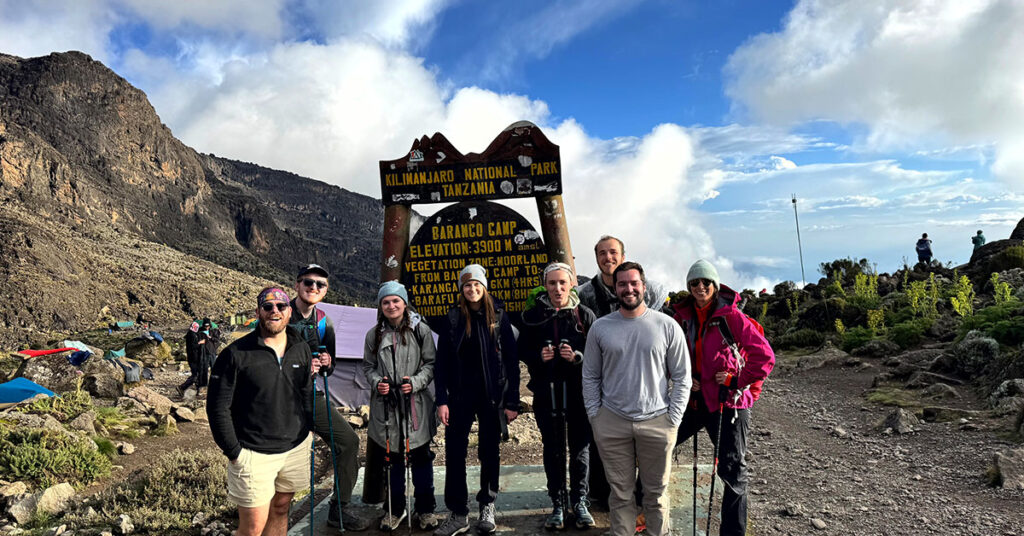
Smiles and strength at Barranco Camp during the Kilimanjaro climb.

Table of Contents

Showers on Kilimanjaro: What You Can Expect

Most standard Kilimanjaro climbs do not include showers, and you should expect to go several days without a full wash. This is part of trekking in a remote mountain environment where camps are temporary and most supplies must be carried by the support crew.

However, your experience depends on the level of service you choose.

Premier Package Showers (Luxury Option)

With Kili Quests’ Premier Package, climbers may have access to private shower tents at selected camps. The support team prepares warm water and sets up a clean, private space where you can rinse off after a long day on the trail.

This option is especially useful on longer climbs, where several days without proper washing can become uncomfortable. It is not essential for every climber, but it can make the mountain experience feel cleaner and more comfortable.

Why Showers Are Limited on Kilimanjaro

There are no permanent shower facilities on the mountain because camps are temporary, water must be sourced from streams, and environmental regulations limit infrastructure development.
Because of this, most trekkers rely on simple and effective daily cleaning routines rather than expecting traditional showers.

How to Stay Clean Without Showers

Going without showers may seem challenging at first, but once you understand the routine, it becomes part of the Kilimanjaro experience.

Daily Cleaning Routine (What Actually Works)

At camp, your guides and porters will provide a bowl of warm water in the morning and evening. This is used for washing your face, hands, neck, and underarms , the areas where sweat and bacteria build up most.
 
These small routines are enough to keep you clean and prevent discomfort over multiple days of trekking.

Handwashing and Sanitizing on Kilimanjaro

Hand hygiene is one of the most important habits on Kilimanjaro. Always clean your hands before eating, after using the toilet, and after handling dusty or wet gear around camp.

Use the warm water provided at camp when available, and keep hand sanitizer in your daypack for the trail. This small habit helps reduce stomach problems and keeps you more comfortable during the climb.

Hygiene Essentials That Make a Big Difference

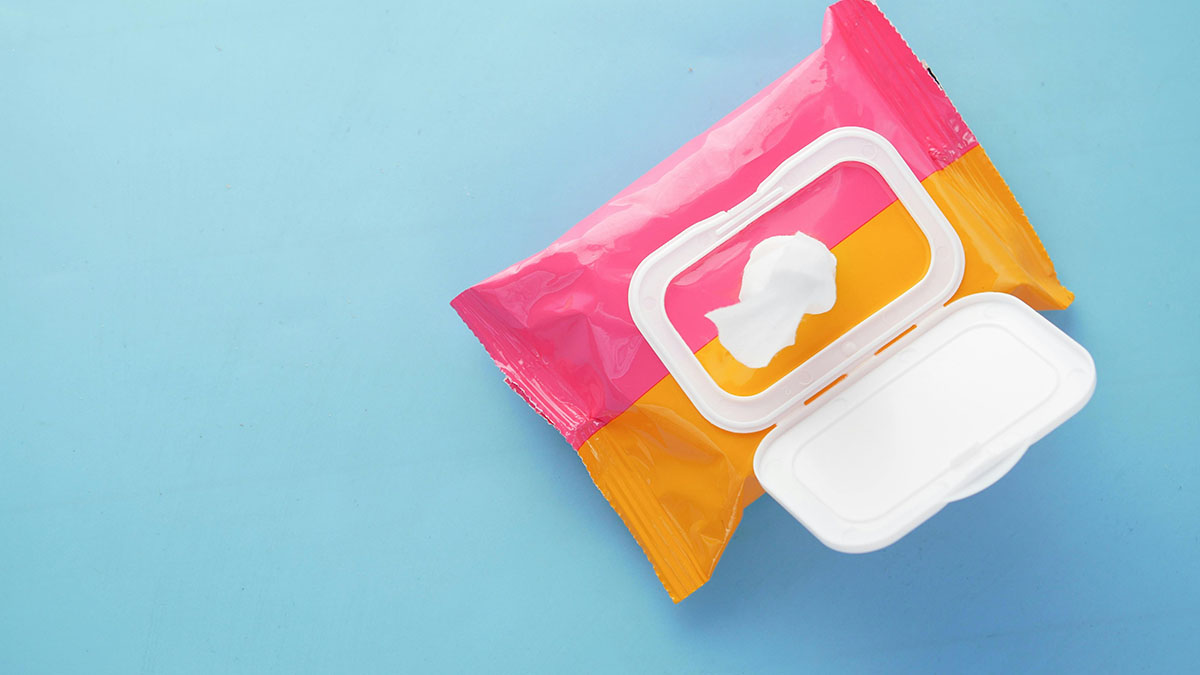
Your hygiene kit plays a critical role in your comfort. Wet wipes are the most important item, allowing you to clean your body after long hiking days. A small quick-dry towel, biodegradable soap, and dry shampoo or body powder also help maintain freshness.
 
Preparing your gear properly before the climb is essential, and using a complete Kilimanjaro packing list ensures you don’t forget key hygiene items that you will rely on every day of the trek.
 

What Hygiene Items Should You Pack for Kilimanjaro?

A small hygiene kit makes a big difference on Kilimanjaro. You do not need to overpack, but you should bring items that help you clean your body, protect your skin, and stay comfortable between camps.
 
Useful hygiene items include:
  1. wet wipes
  2. biodegradable soap
  3. hand sanitizer
  4. toothbrush and toothpaste
  5. quick-dry towel
  6. deodorant
  7. foot powder
  8. lip balm
  9. sunscreen
  10. small nail clippers
  11. extra socks
  12. toilet paper or tissues
  13. sealable bags for used wipes or personal waste
For the full gear list beyond hygiene items, use our Kilimanjaro packing list before preparing your duffel bag.

Water on Kilimanjaro: Hydration and Hygiene

You should aim to drink around 3–4 liters of water per day during the climb. Proper hydration supports your body at altitude and helps reduce problems caused by dehydration, such as headaches, fatigue, and weakness.

Some dehydration symptoms can feel similar to altitude-related discomfort, so it helps to understand altitude sickness on Kilimanjaro before your climb.

Where Water Comes From

Your team collects water from mountain streams and treats it using boiling, filtration, or purification tablets. This ensures the water is safe for drinking and basic cleaning, even at higher altitudes.

How Much Water You Should Drink

You should aim to drink at least 3–4 liters of water per day. Proper hydration helps your body adjust to altitude and reduces the risk of sickness.Many symptoms of dehydration are closely linked to altitude-related issues, which is why understanding altitude sickness on Kilimanjaro is an important part of your preparation before the climb.

Water for Hygiene (Use Wisely)

Water is limited, especially at higher camps, so it must be used carefully. Most climbers combine small amounts of water with wet wipes to stay clean without wasting resources.Managing water properly becomes more important as you go higher, where the environment becomes colder and more physically demanding.
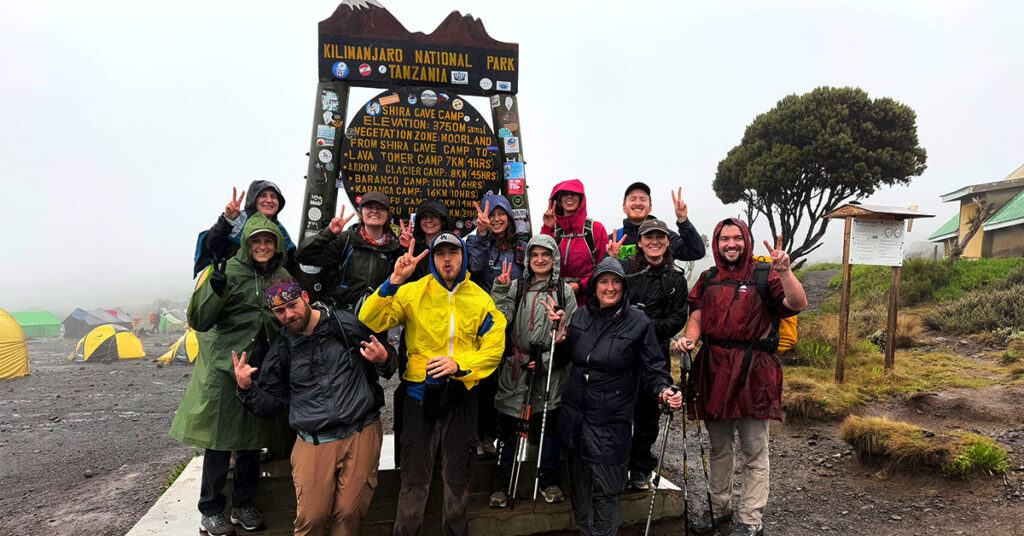
Light rain falls as one of our trekkers arrives at Shira Cave — embracing every part of the mountain’s mood.

Staying Fresh & Comfortable on the Trail

Hygiene on Kilimanjaro is built on small daily habits. What you do every day has a bigger impact than any single action.

Clothing Strategy

After a full day of hiking, your clothes will be damp with sweat. Changing into dry clothing at camp helps regulate your body temperature and prevents skin irritation.Moisture-wicking fabrics are highly recommended, and many climbers keep one clean set of clothes only for evenings and sleeping.

Foot Care on Kilimanjaro

Your feet carry you through every stage of the climb, so foot hygiene matters. Sweat, wet socks, dust, and repeated downhill walking can cause blisters, hot spots, irritation, or infections if you ignore them.
 
Change socks regularly, air your feet at camp, keep your toenails short, and use foot powder if your feet sweat heavily. If you feel a hot spot forming, treat it early before it becomes a painful blister.
 
Foot problems can make the climb feel much harder than it needs to be, especially on long trekking days and during the descent.

Simple Freshness Tips

Using deodorant, lip balm, wet wipes, mints, and a small daypack hygiene pouch can make the trek feel more comfortable. Keep the items you use often within easy reach so you do not need to open your duffel bag every time you arrive at camp.

Small habits like changing into dry clothes, cleaning your face and hands, and organizing your hygiene items each evening help maintain comfort and morale during long trekking days.

Toilets on Kilimanjaro

Toilet conditions are one of the most common concerns for climbers and something many people are not fully prepared for.

Public Toilets

Public toilets are available at most camps, but they are basic and their cleanliness varies depending on how many people are using them.For many climbers, this is one of the biggest adjustments during the trek.

Private Toilet Tents (Recommended)

For a more comfortable experience, many climbers choose a private portable toilet. Kili Quests provides clean, enclosed toilet tents that offer better hygiene and privacy.

Private toilet tents are especially valuable on longer treks, where maintaining cleanliness over several days becomes more difficult. They also reduce stress for climbers who are uncomfortable with basic public camp toilets.
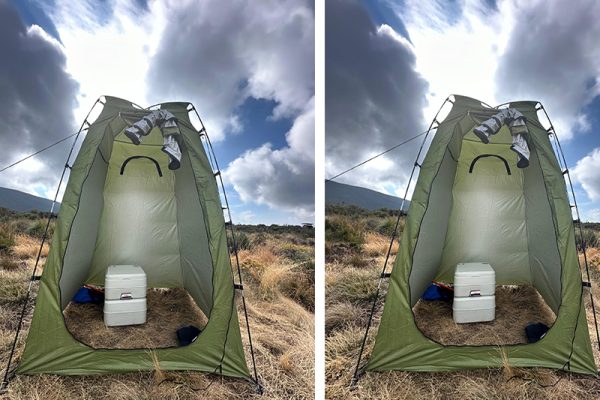
Portable toilet tent setup on Mount Kilimanjaro with private enclosure and toilet box for trekkers
Private Toilet Tent – Clean and discreet portable toilet setup used on Kilimanjaro treks.

Respecting the Environment: Clean Trekking Practices

Mount Kilimanjaro is a protected environment, so hygiene must be handled responsibly. Staying clean should never mean leaving wipes, tissues, soap residue, or personal waste on the mountain.
 
Use biodegradable products where possible, keep used wipes and tissues in sealable bags, and follow your guide’s instructions for waste disposal. Water sources should also be protected, so avoid washing directly in streams or leaving soap near natural water points.
 
Your support crew plays a major role in maintaining camp cleanliness and managing waste properly. Their work is essential to the comfort and safety of the climb, which is one reason our Kilimanjaro tipping guide is useful before your trek.

Frequently Asked Questions About Hygiene on Kilimanjaro

Are there showers on Mount Kilimanjaro?

Showers are generally not available on standard trekking routes on Mount Kilimanjaro. However, some premium trekking packages offer portable shower tents with warm water at selected camps. Most trekkers rely on hygiene wipes, sponge baths, and fresh clothing to stay clean during the climb.

How do trekkers stay clean while climbing Kilimanjaro?

Trekkers usually stay clean by using wet wipes, small wash basins, and quick-dry towels  . Changing into clean clothes each evening and maintaining good foot care are also important ways to stay comfortable during the multi-day trek.

Is the water on Kilimanjaro safe for washing and drinking?

Yes. Trekking crews collect water from mountain streams and purify it using filtration systems, boiling, or purification tablets. This treated water is safe for drinking and basic hygiene while trekking on Kilimanjaro.

Are there toilets on Mount Kilimanjaro?

Some trekking companies, including Kili Quests, also provide private portable toilet tents. These offer a cleaner, more private, and more comfortable option than public camp toilets during the trek.

What hygiene items should you pack for a Kilimanjaro climb?

Important hygiene items include wet wipes, biodegradable soap, a small quick-dry towel, toothbrush and toothpaste, deodorant, foot powder, and extra socks. These essentials help trekkers stay fresh and comfortable during the several days spent on the mountain.

Why is hygiene important when trekking Kilimanjaro?

Good hygiene helps prevent illness, skin irritation, and infections during a long trek at high altitude. Staying clean, washing hands regularly, and keeping gear dry can improve comfort and support overall health throughout the climb.

Plan a Kilimanjaro Climb With Better Comfort and Hygiene

Staying clean on Kilimanjaro is easier when your climb is properly organized. With Kili Quests, you can choose support options such as private toilet tents, warm water washing routines, and Premier Package shower support at selected camps.
 
Contact us today to plan your Kilimanjaro climb and choose the support level that fits your comfort, route, and budget.

Related Articles
Kilimanjaro Gear Rental Guide: What to Rent & Where

Plan Your Kilimanjaro Gear the Right Way

Choosing the right gear is essential for a safer, more comfortable Kilimanjaro climb.

Plan Your Kilimanjaro Climb

Good planning makes your climb easier and safer.

OUR CATEGORIES

Don’t Have Hiking Gear? How to Rent Equipment for Your Kilimanjaro Trek

Climbing Mount Kilimanjaro does not require you to own expensive hiking gear. Many successful trekkers rent most of their equipment , and still reach the summit safely and comfortably.At Kili Quests, we make this process simple. We connect you with trusted rental shops in Moshi and Arusha, help you choose the right gear, and personally inspect everything before your climb begins.
 
If you’re unsure what you actually need, start with our complete Kilimanjaro packing list to understand what to bring and what you can rent locally.
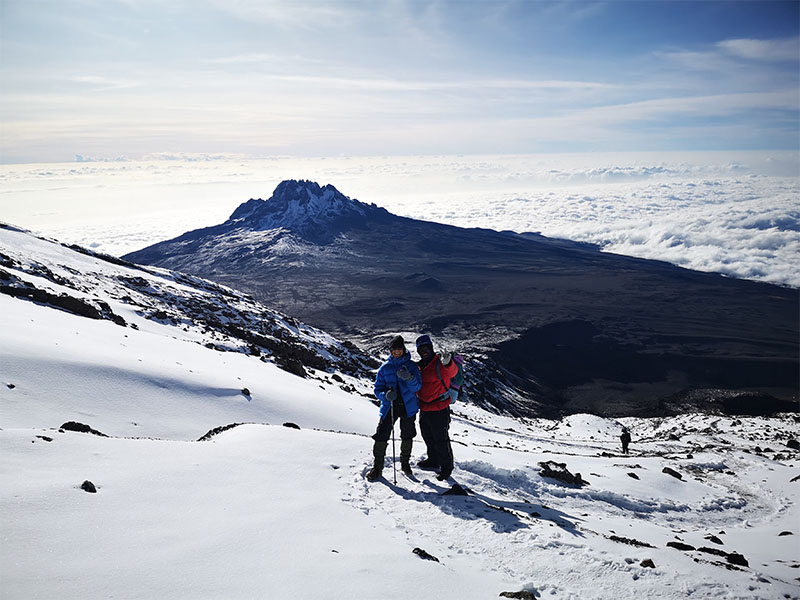
View of Mawenzi Peak rising above the clouds as seen from Stella Point on Mount Kilimanjaro
Nearing Stella Point — a snowy, high-altitude section with sweeping views of Mawenzi and the expansive volcanic landscape below.

Table of Contents

Why Renting Gear Is a Smart Choice

Renting gear is not just convenient ,it’s often the smartest option for most climbers.

H3: Save Money Without Compromising Quality

High-altitude gear like down jackets and sleeping bags can be expensive. Renting allows you to access quality equipment without a large investment.

Travel Light and Avoid Extra Costs

 Flying with bulky gear increases baggage fees and travel stress. Renting locally keeps your luggage simple.

Ideal for First-Time Climbers

If you’re new to trekking, renting gives you the chance to use proper gear without committing to buying everything.
 
Before your climb, make sure you also understand how challenging the trek is by reading how hard it is to climb Mount Kilimanjaro.

 What Gear Can You Rent for Kilimanjaro?

You can rent almost everything you need for a successful climb.

Clothing (Layering System)

  • Insulated down jackets
  • Waterproof jackets and trousers
  • Thermal base layers
  • Gloves, hats, and balaclavas

Sleeping Gear

  • Sleeping bags rated to −15°C or lower
  • Sleeping mats (foam or inflatable)

Accessories

  • Trekking poles
  • Headlamps with spare batteries
  • Duffel bags and backpacks

Footwear

  • Trekking boots suitable for summit conditions
  • Gaiters (available in some shops)
For summit-specific gear, check our Kilimanjaro summit day gear guide to avoid missing critical items.

How Kili Quests Helps You Rent the Right Gear

Renting gear on your own can be confusing. That’s why we guide you step by step.

We Recommend Trusted Rental Stores

We only work with reliable suppliers in Moshi and Arusha , no low-quality gear or hidden costs.

We Help You Choose the Right Equipment

We guide you through what’s essential based on your route, season, and experience level.
 
Choosing the right route matters too , explore Kilimanjaro routes comparison: which route is best.

We Inspect All Gear Before Your Trek

Before you start climbing, our team checks:

  • Jacket insulation
  • Sleeping bag warmth
  • Boot condition and fit

We Save You Time and Stress

We organize everything so you can focus on preparing for the climb.
 
Want to see everything included in your trip? Check what’s included in our Kilimanjaro climb package.

Tips for Renting Kilimanjaro Gear Like a Pro

Book Early

 During peak seasons, high-quality gear gets reserved quickly.

Try Everything Before the Trek

Make sure:
  • Boots fit properly
  • Jackets allow layering
  • Backpacks are comfortable

Inspect Gear Carefully

Avoid:
  • Damaged zippers
  • Worn-out insulation
  • Poor-quality items

Ask for Expert Advice

Our team is always available to help you choose the right gear.

Renting Gear and Altitude Preparation

 
Having the right gear is only part of the equation. Your body also needs to adapt to altitude.Even the best equipment won’t help if you ascend too quickly or ignore symptoms.
 

Why Your Gear Matters for Summit Success

Your equipment directly affects:
  • Comfort
  • Safety
  • Performance at altitude
Cold temperatures, especially at night, can be extreme.
Understand what to expect in our Kilimanjaro night temperature guide.
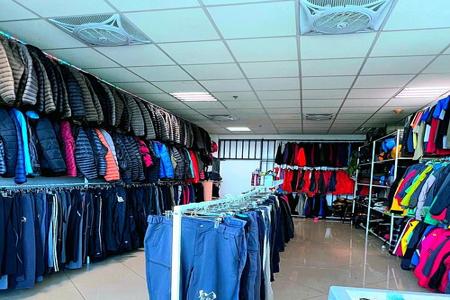
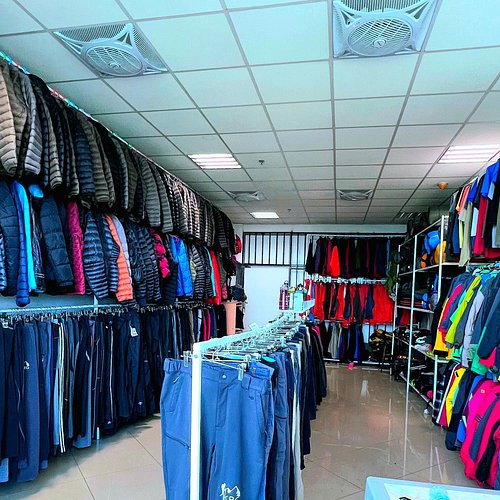
Kilimanjaro trekking gear rental shop with jackets, pants, and hiking clothes neatly displayed on racks
Trekking Gear Rental Shop – Quality clothing and equipment available for your Kilimanjaro adventure.

Frequently Asked Questions About Renting Kilimanjaro Gear

Can I climb Mount Kilimanjaro without owning hiking gear?

Yes. Many trekkers climb Kilimanjaro without owning their own equipment. High-quality gear such as jackets, sleeping bags, trekking poles, and boots can easily be rented from reliable outdoor shops in Moshi and Arusha before your trek begins.

What hiking equipment can I rent for a Kilimanjaro trek?

Trekkers can rent a wide range of gear including insulated jackets, waterproof clothing, thermal layers, sleeping bags, trekking poles, duffel bags, headlamps, and trekking boots. These items are specifically chosen to handle the cold and changing conditions on Kilimanjaro.

Is rented gear warm enough for Kilimanjaro summit night?

Yes. Most reputable rental stores provide high-quality sleeping bags rated to about −15°C and insulated jackets designed for high-altitude conditions. These items help keep trekkers warm during the cold temperatures experienced near the summit.
 

Where can I rent Kilimanjaro trekking gear in Tanzania?

The best places to rent trekking equipment are outdoor gear shops in Moshi and Arusha. These towns are the main gateways for climbers heading to Mount Kilimanjaro and offer well-maintained equipment suitable for mountain conditions.

How much does it cost to rent Kilimanjaro hiking gear?

Rental prices usually start at around $5 per item per trek, depending on the type and quality of the gear. Renting equipment is often more affordable than buying expensive gear for a one-time climb.

When should I arrange my Kilimanjaro gear rental?

It’s best to organize your rental one or two days before the trek begins. This gives you time to check the fit of boots and clothing, inspect the equipment, and make sure you have everything needed for a safe and comfortable climb.

 Your gear is part of your success. A good tour operator ensures everything is ready before you step on the trail. How to Choose a Tour Company – A good operator ensures quality rental gear and proper pre-trek checks.

 You’re One Step Closer to the Summit

Lack of gear should never hold you back from climbing Africa’s tallest mountain.
With Kili Quests, you’ll have easy access to professional rentals, expert pre-checks, and full support — from the ground to the summit.
 
Contact Us to reserve your trek and secure your gear today!

Related Articles

10 Must-Know Facts About Mount Kilimanjaro-Kili Quests

Start Planning Your Kilimanjaro Climb

Turning inspiration into a real climb starts with the right plan and expert guidance.

Plan Your Kilimanjaro Adventure the Right Way

Now that you know the mountain, the next step is understanding how to climb it successfully.

OUR CATEGORIES

10 Must-Know Facts About Mount Kilimanjaro

Mount Kilimanjaro is more than Africa’s highest mountain. It is a free-standing volcanic giant, a UNESCO World Heritage Site, a bucket-list trek, and one of the most recognizable natural landmarks in the world.

But the mountain is not only famous because of its height. Kilimanjaro has three volcanic cones, five ecological zones, shrinking glaciers, local cultural meaning, and trekking routes that attract climbers from around the world.

This article gives you 10 must-know facts about Mount Kilimanjaro before your climb. It is a quick facts guide, not a full planning guide. For the complete mountain overview, read our Mount Kilimanjaro Guide: Facts & Overview.

Quick Answer: What Makes Mount Kilimanjaro Special?

Mount Kilimanjaro is special because it is Africa’s highest mountain, the world’s tallest free-standing mountain, and one of the most famous non-technical treks on earth.
 
It rises to 5,895 meters / 19,341 feet at Uhuru Peak and is made up of three volcanic cones: Kibo, Mawenzi, and Shira. Climbers pass through several changing landscapes, from lower slopes and rainforest to moorland, alpine desert, and the arctic summit zone.
 
Kilimanjaro is also important because of its glaciers, cultural meaning, UNESCO World Heritage status, and the personal challenge of reaching the Roof of Africa.
Kili -3
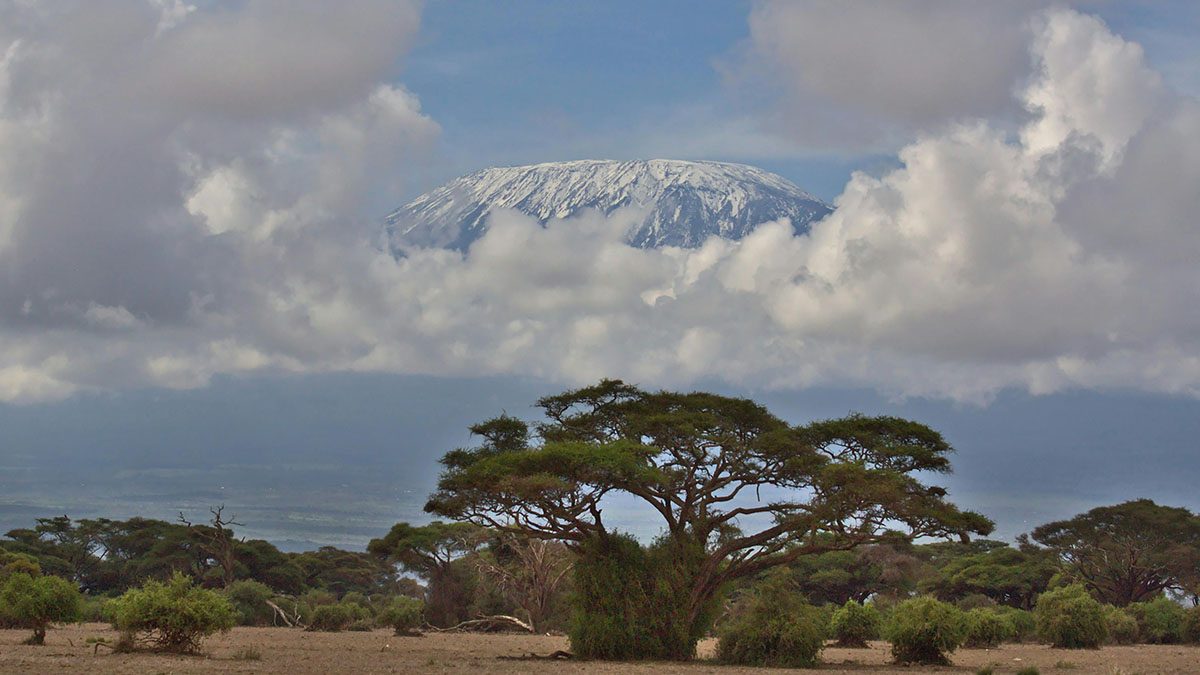
Standing tall at 5,895 meters—Kilimanjaro never fails to inspire

Table of Contents

Kilimanjaro Is the World’s Tallest Free-Standing Mountain

Mount Kilimanjaro is not part of a long mountain range. It rises alone from the plains of northern Tanzania, which makes it one of the most dramatic mountain profiles in the world.
 
At 5,895 meters / 19,341 feet, Kilimanjaro is the highest mountain in Africa and the tallest free-standing mountain on earth. This means its massive height rises independently from the surrounding landscape instead of being connected to a larger mountain chain.
 
That isolated shape is one reason Kilimanjaro looks so powerful from a distance and why it has become one of Africa’s most recognizable natural landmarks.

Kilimanjaro Has Three Volcanic Cones

Mount Kilimanjaro is a dormant volcano made up of three volcanic cones: Kibo, Mawenzi, and Shira.
 
Kibo is the highest cone and contains Uhuru Peak, the summit climbers aim to reach. Mawenzi is rugged and jagged, while Shira is the oldest cone and now forms a broad plateau.
 
This fact is important because Kilimanjaro’s volcanic past shaped the crater, scree slopes, lava formations, and dramatic high-altitude terrain seen during the climb.
 
For the deeper version, read our Kilimanjaro Formation and Volcanic Cones guide.

Kilimanjaro Is a Non-Technical Trek

Kilimanjaro is often called a non-technical climb because most routes do not require ropes, ice axes, or advanced mountaineering skills.But do not confuse non-technical with easy. That thinking is dangerous.
 
Kilimanjaro is still a serious high-altitude trek with long walking days, cold summit conditions, and altitude pressure above 5,000 meters.
 
The challenge is not rock climbing. The challenge is endurance, acclimatization, pacing, preparation, and mental strength.
For first-time climbers, read our Beginner’s Guide to Climbing Kilimanjaro before choosing your route.

Kilimanjaro Has Five Ecological Zones

One of the most unique facts about Mount Kilimanjaro is that climbers pass through several different environments in one trek.
 
As you gain altitude, the mountain changes from cultivated lower slopes to rainforest, heath and moorland, alpine desert, and finally the arctic summit zone. Each zone has different vegetation, terrain, wildlife, and climbing conditions.
 
This is why Kilimanjaro feels like more than one mountain. In a few days, climbers move from green forest trails to giant groundsels, volcanic desert, and icy summit terrain.
 
For the full breakdown, read our Kilimanjaro Ecological Zones guide.

Kilimanjaro’s First Recorded Summit Was in 1889

The first recorded summit of Mount Kilimanjaro was in 1889. The climb is often linked with Hans Meyer, but local knowledge and guide support were also part of Kilimanjaro’s early climbing history.
 
This matters because Kilimanjaro’s story is not only about foreign explorers. Local communities knew the mountain long before it became internationally famous, and local guides have always played an important role in its climbing history.
 
For more background, read our Kilimanjaro First Ascent .

Kilimanjaro Has Deep Local and Cultural Meaning

Mount Kilimanjaro is not just a trekking destination. For communities living around its slopes, especially the Chagga people, the mountain is part of local identity, farming life, stories, and heritage.
 
The lower slopes support villages, coffee farms, banana trees, and local life. This gives Kilimanjaro a cultural meaning that many climbers miss if they only think about the summit.
 
For a deeper look at the mountain’s local history and meaning, read our Kilimanjaro History and Chagga Culture guide.
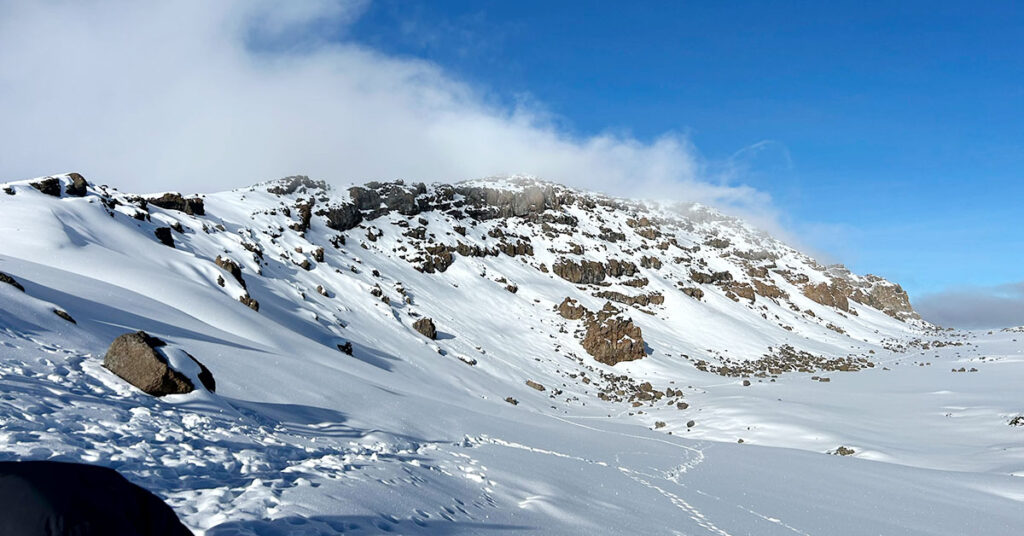
A magical moment at Stella—snow underfoot, views all around

Kilimanjaro Still Has Glaciers Near the Summit

Mount Kilimanjaro is famous for its ice and glaciers near the summit. These glaciers make the upper mountain look dramatic, especially around the crater and summit areas.
 
However, Kilimanjaro’s ice has been shrinking over time. This is one reason the mountain is often discussed in conversations about climate change, high-altitude environments, and Africa’s most iconic landscapes.
 
For climbers, the glaciers are not just a photo point. They are part of what makes the summit zone feel so different from the lower mountain.

The Name “Kilimanjaro” Has Multiple Possible Origins

The meaning of the name “Kilimanjaro” is still debated. Some explanations connect it to Swahili and Chagga language roots, while others suggest older regional influences.
 
This mystery is part of the mountain’s identity. The name has become known around the world, but its exact origin is not explained by one simple answer.
 
For a deeper explanation, read our Why Kilimanjaro Is Called Kilimanjaro guide.

The Best Climbing Months Are Usually the Drier Seasons

Kilimanjaro can be climbed year-round, but the most favorable trekking conditions are usually during the drier months: January to early March and June to October.
 
These periods often bring better trail conditions, clearer views, and a more comfortable trekking experience. April and May are usually less ideal because the long rains can make trails muddy and slippery.
 
For the full month-by-month breakdown, read our Best Time to Climb Kilimanjaro guide.
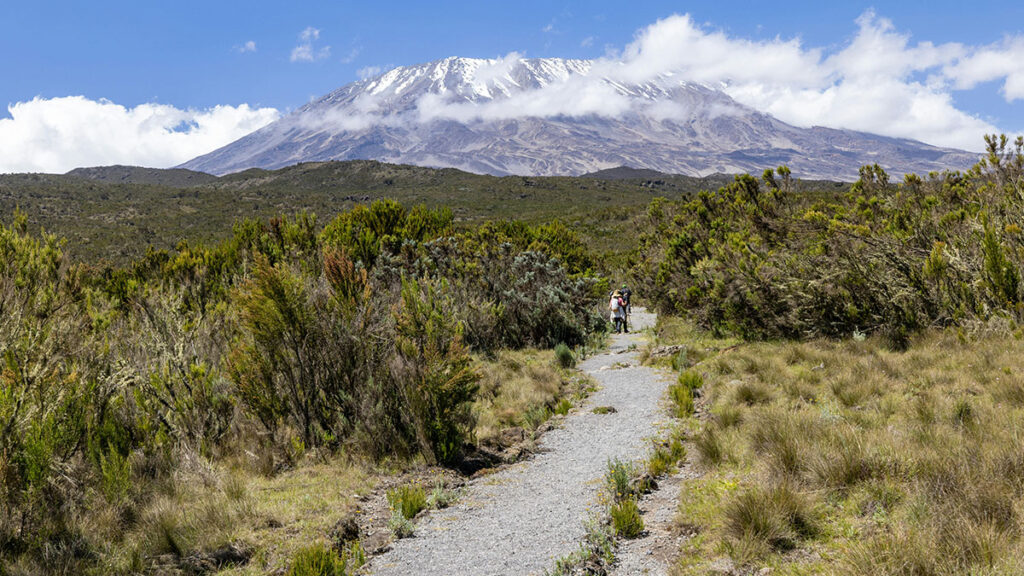
Following the path to Kilimanjaro’s towering peak.

Reaching the Summit Depends on Preparation, Not Luck

Many people attempt Kilimanjaro each year, but reaching the summit depends on more than motivation. The strongest climbers are usually the ones who choose a suitable route, walk slowly, acclimatize properly, pack well, and listen to their guides.
 
Do not treat Kilimanjaro like a casual hike. The mountain is non-technical, but altitude, cold, fatigue, and summit night make it a serious challenge.
 
For better preparation, use our Kilimanjaro Training Guide, Altitude Sickness on Kilimanjaro guide, and Kilimanjaro Packing List before your climb.

 Ready to Start Your Kilimanjaro Journey?

Mount Kilimanjaro is more than just a mountain , it’s an experience that combines nature, challenge, and personal triumph. Whether you’re an experienced hiker or a first-timer, Kili Quests is here to make your trek safe, successful, and unforgettable.
 

Frequently Asked Questions About Mount Kilimanjaro Facts

What is Mount Kilimanjaro best known for?

Mount Kilimanjaro is best known for being the highest mountain in Africa and the tallest free-standing mountain in the world. It rises to 5,895 meters / 19,341 feet and stands alone above the plains of northern Tanzania.
 
It is also famous for its volcanic cones, glaciers, changing ecological zones, and the challenge of reaching Uhuru Peak.

Is Mount Kilimanjaro a volcano?

Yes. Mount Kilimanjaro is a dormant volcano made up of three volcanic cones: Kibo, Mawenzi, and Shira.
 
Kibo is the highest cone and contains Uhuru Peak, the summit of Kilimanjaro. Mawenzi is rugged and jagged, while Shira is the oldest and most eroded cone.
 
For the full explanation, read our Kilimanjaro Formation and Volcanic Cones guide.

Why is Kilimanjaro called the Roof of Africa?

Kilimanjaro is called the Roof of Africa because it is the highest point on the African continent. Reaching Uhuru Peak means standing higher than anywhere else in Africa.
 
The nickname also reflects the mountain’s powerful image: a snow-capped summit rising above Tanzania’s plains.

Do you need technical climbing skills to climb Kilimanjaro?

No. Kilimanjaro is a non-technical trek, which means the main routes do not require ropes, ice axes, or advanced mountaineering skills.
 
But that does not make it easy. Climbers still need fitness, proper gear, slow pacing, acclimatization, and experienced guides because altitude is the real challenge.

What are Kilimanjaro’s five ecological zones?

Kilimanjaro’s five ecological zones are the cultivation zone, montane forest zone, heath and moorland zone, alpine desert zone, and arctic summit zone.
 
These zones make the climb unique because the landscape changes dramatically as you gain altitude, from green forest to volcanic desert and icy summit terrain.
 
For the full breakdown, read our Kilimanjaro Ecological Zones guide.

What is the best time to climb Mount Kilimanjaro?

The best time to climb Mount Kilimanjaro is usually during the drier months: January to early March and June to October.
 
These periods often bring better trail conditions, clearer views, and a more comfortable trekking experience. April and May are usually less ideal because of the long rains.
 
For a month-by-month guide, read our Best Time to Climb Kilimanjaro .

Why do people climb Mount Kilimanjaro?

People climb Kilimanjaro because it is one of the world’s greatest trekking challenges and a chance to stand on the highest point in Africa.
 
For many climbers, the experience is about more than the summit. It is about the changing landscapes, local guide support, mountain culture, personal endurance, and the feeling of reaching Uhuru Peak after several days of effort.

Turn Kilimanjaro Facts Into a Real Climb Plan

Reading facts about Kilimanjaro is a good start, but the mountain does not reward curiosity alone. It rewards preparation, patience, and the right decisions before you ever step on the trail.
 
Once you understand what makes Kilimanjaro unique , its height, volcanic cones, ecological zones, glaciers, culture, and summit challenge , the next step is choosing a climb plan that fits your body, schedule, and goals.
 
At Kili Quests, we help you move from interest to action with honest local guidance. We help you choose the right route, avoid rushed itineraries, prepare for altitude, understand summit night, and arrive in Tanzania with a realistic plan.
 
Whether you are still comparing routes or already thinking about travel dates, our team can help you build a climb that makes sense.
 
Tell us your preferred travel month, fitness level, and route interest. Contact Kili Quests today, and we will help you turn your Kilimanjaro goal into a clear, safe, and realistic trekking plan.

Related Articles