Stay Clean & Comfortable on Kilimanjaro

 A well-supported climb makes all the difference — from hygiene to overall comfort on the mountain.

Plan Your Kilimanjaro Climb the Right Way

Hygiene is just one part of the journey , your route, acclimatization, and preparation matter even more.

OUR CATEGORIES

How to Stay Clean on Kilimanjaro: Showers, Toilets & Hygiene

Staying clean on Kilimanjaro is not about luxury. It is about comfort, health, and keeping your body in good condition during several days of trekking. Sweat, dust, cold temperatures, changing clothes, and limited washing facilities can all affect how you feel on the mountain.

Most standard Kilimanjaro climbs do not include full showers, so trekkers rely on simple routines such as wet wipes, warm water bowls, clean clothing, foot care, and careful toilet hygiene. With the right preparation, you can stay fresh and comfortable even without normal bathroom facilities.

This guide explains how hygiene works on Kilimanjaro, what to expect with showers and toilets, what to pack in your hygiene kit, and how to stay clean from day one to summit night.

Quick Answer: How Do You Stay Clean on Kilimanjaro?

Most trekkers stay clean on Kilimanjaro by using wet wipes, warm water bowls, quick-dry towels, clean base layers, fresh socks, and good foot care. Standard Kilimanjaro climbs usually do not include full showers because camps are temporary and water must be carried or collected from mountain streams.
 
Some premium climb packages may include private shower tents at selected camps, but most climbers manage hygiene with simple daily routines. The most important habits are washing your hands, keeping your feet dry, changing out of sweaty clothes, using toilet facilities properly, and packing a small hygiene kit.
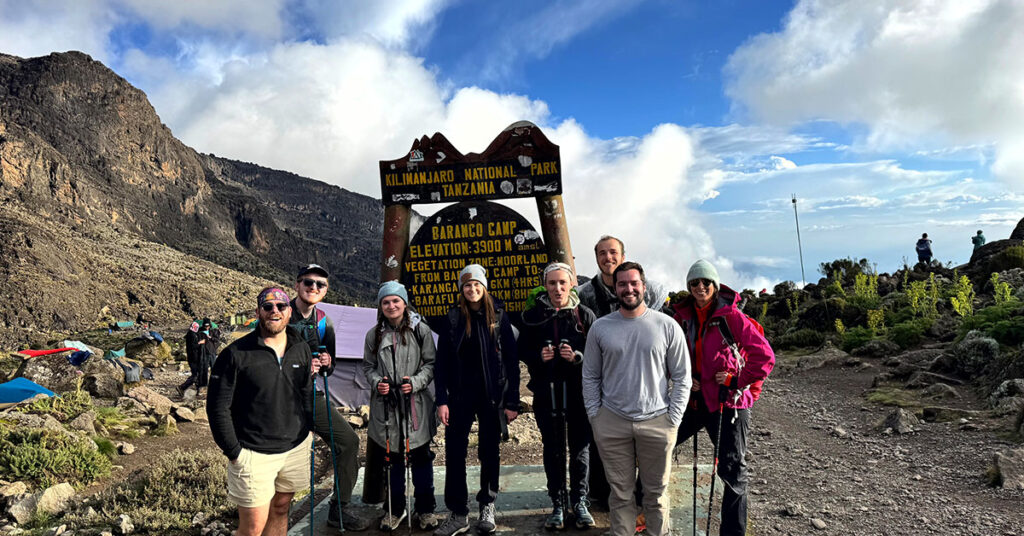
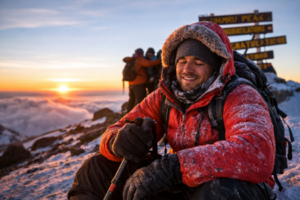
Smiles and strength at Barranco Camp during the Kilimanjaro climb.

Table of Contents

Showers on Kilimanjaro: What You Can Expect

Most standard Kilimanjaro climbs do not include showers, and you should expect to go several days without a full wash. This is part of trekking in a remote mountain environment where camps are temporary and most supplies must be carried by the support crew.

However, your experience depends on the level of service you choose.

Premier Package Showers (Luxury Option)

With Kili Quests’ Premier Package, climbers may have access to private shower tents at selected camps. The support team prepares warm water and sets up a clean, private space where you can rinse off after a long day on the trail.

This option is especially useful on longer climbs, where several days without proper washing can become uncomfortable. It is not essential for every climber, but it can make the mountain experience feel cleaner and more comfortable.

Why Showers Are Limited on Kilimanjaro

There are no permanent shower facilities on the mountain because camps are temporary, water must be sourced from streams, and environmental regulations limit infrastructure development.
Because of this, most trekkers rely on simple and effective daily cleaning routines rather than expecting traditional showers.

How to Stay Clean Without Showers

Going without showers may seem challenging at first, but once you understand the routine, it becomes part of the Kilimanjaro experience.

Daily Cleaning Routine (What Actually Works)

At camp, your guides and porters will provide a bowl of warm water in the morning and evening. This is used for washing your face, hands, neck, and underarms , the areas where sweat and bacteria build up most.
 
These small routines are enough to keep you clean and prevent discomfort over multiple days of trekking.

Handwashing and Sanitizing on Kilimanjaro

Hand hygiene is one of the most important habits on Kilimanjaro. Always clean your hands before eating, after using the toilet, and after handling dusty or wet gear around camp.

Use the warm water provided at camp when available, and keep hand sanitizer in your daypack for the trail. This small habit helps reduce stomach problems and keeps you more comfortable during the climb.

Hygiene Essentials That Make a Big Difference

Your hygiene kit plays a critical role in your comfort. Wet wipes are the most important item, allowing you to clean your body after long hiking days. A small quick-dry towel, biodegradable soap, and dry shampoo or body powder also help maintain freshness.
 
Preparing your gear properly before the climb is essential, and using a complete Kilimanjaro packing list ensures you don’t forget key hygiene items that you will rely on every day of the trek.
 

What Hygiene Items Should You Pack for Kilimanjaro?

A small hygiene kit makes a big difference on Kilimanjaro. You do not need to overpack, but you should bring items that help you clean your body, protect your skin, and stay comfortable between camps.
 
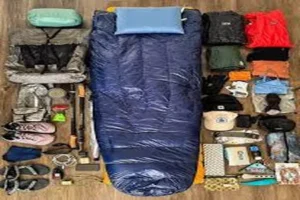
Useful hygiene items include:
  1. wet wipes
  2. biodegradable soap
  3. hand sanitizer
  4. toothbrush and toothpaste
  5. quick-dry towel
  6. deodorant
  7. foot powder
  8. lip balm
  9. sunscreen
  10. small nail clippers
  11. extra socks
  12. toilet paper or tissues
  13. sealable bags for used wipes or personal waste
For the full gear list beyond hygiene items, use our Kilimanjaro packing list before preparing your duffel bag.

Water on Kilimanjaro: Hydration and Hygiene

You should aim to drink around 3–4 liters of water per day during the climb. Proper hydration supports your body at altitude and helps reduce problems caused by dehydration, such as headaches, fatigue, and weakness.

Some dehydration symptoms can feel similar to altitude-related discomfort, so it helps to understand altitude sickness on Kilimanjaro before your climb.

Where Water Comes From

Your team collects water from mountain streams and treats it using boiling, filtration, or purification tablets. This ensures the water is safe for drinking and basic cleaning, even at higher altitudes.

How Much Water You Should Drink

You should aim to drink at least 3–4 liters of water per day. Proper hydration helps your body adjust to altitude and reduces the risk of sickness.Many symptoms of dehydration are closely linked to altitude-related issues, which is why understanding altitude sickness on Kilimanjaro is an important part of your preparation before the climb.

Water for Hygiene (Use Wisely)

Water is limited, especially at higher camps, so it must be used carefully. Most climbers combine small amounts of water with wet wipes to stay clean without wasting resources.Managing water properly becomes more important as you go higher, where the environment becomes colder and more physically demanding.
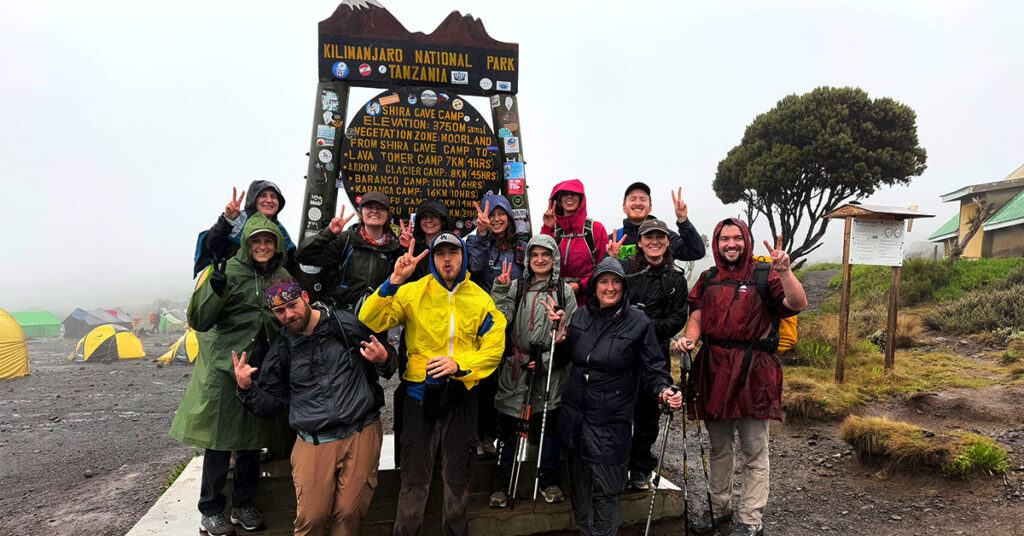
Light rain falls as one of our trekkers arrives at Shira Cave — embracing every part of the mountain’s mood.

Staying Fresh & Comfortable on the Trail

Hygiene on Kilimanjaro is built on small daily habits. What you do every day has a bigger impact than any single action.

Clothing Strategy

After a full day of hiking, your clothes will be damp with sweat. Changing into dry clothing at camp helps regulate your body temperature and prevents skin irritation.Moisture-wicking fabrics are highly recommended, and many climbers keep one clean set of clothes only for evenings and sleeping.

Foot Care on Kilimanjaro

Your feet carry you through every stage of the climb, so foot hygiene matters. Sweat, wet socks, dust, and repeated downhill walking can cause blisters, hot spots, irritation, or infections if you ignore them.
 
Change socks regularly, air your feet at camp, keep your toenails short, and use foot powder if your feet sweat heavily. If you feel a hot spot forming, treat it early before it becomes a painful blister.
 
Foot problems can make the climb feel much harder than it needs to be, especially on long trekking days and during the descent.

Simple Freshness Tips

Using deodorant, lip balm, wet wipes, mints, and a small daypack hygiene pouch can make the trek feel more comfortable. Keep the items you use often within easy reach so you do not need to open your duffel bag every time you arrive at camp.

Small habits like changing into dry clothes, cleaning your face and hands, and organizing your hygiene items each evening help maintain comfort and morale during long trekking days.

Toilets on Kilimanjaro

Toilet conditions are one of the most common concerns for climbers and something many people are not fully prepared for.

Public Toilets

Public toilets are available at most camps, but they are basic and their cleanliness varies depending on how many people are using them.For many climbers, this is one of the biggest adjustments during the trek.

Private Toilet Tents (Recommended)

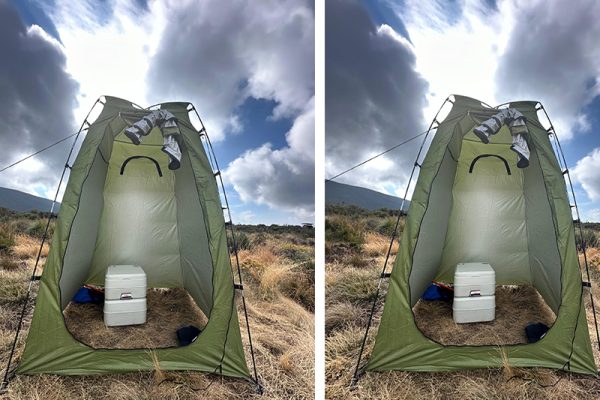
For a more comfortable experience, many climbers choose a private portable toilet. Kili Quests provides clean, enclosed toilet tents that offer better hygiene and privacy.

Private toilet tents are especially valuable on longer treks, where maintaining cleanliness over several days becomes more difficult. They also reduce stress for climbers who are uncomfortable with basic public camp toilets.
Portable toilet tent setup on Mount Kilimanjaro with private enclosure and toilet box for trekkers
Private Toilet Tent – Clean and discreet portable toilet setup used on Kilimanjaro treks.

Respecting the Environment: Clean Trekking Practices

Mount Kilimanjaro is a protected environment, so hygiene must be handled responsibly. Staying clean should never mean leaving wipes, tissues, soap residue, or personal waste on the mountain.
 
Use biodegradable products where possible, keep used wipes and tissues in sealable bags, and follow your guide’s instructions for waste disposal. Water sources should also be protected, so avoid washing directly in streams or leaving soap near natural water points.
 
Your support crew plays a major role in maintaining camp cleanliness and managing waste properly. Their work is essential to the comfort and safety of the climb, which is one reason our Kilimanjaro tipping guide is useful before your trek.

Frequently Asked Questions About Hygiene on Kilimanjaro

Are there showers on Mount Kilimanjaro?

Showers are generally not available on standard trekking routes on Mount Kilimanjaro. However, some premium trekking packages offer portable shower tents with warm water at selected camps. Most trekkers rely on hygiene wipes, sponge baths, and fresh clothing to stay clean during the climb.

How do trekkers stay clean while climbing Kilimanjaro?

Trekkers usually stay clean by using wet wipes, small wash basins, and quick-dry towels  . Changing into clean clothes each evening and maintaining good foot care are also important ways to stay comfortable during the multi-day trek.

Is the water on Kilimanjaro safe for washing and drinking?

Yes. Trekking crews collect water from mountain streams and purify it using filtration systems, boiling, or purification tablets. This treated water is safe for drinking and basic hygiene while trekking on Kilimanjaro.

Are there toilets on Mount Kilimanjaro?

Some trekking companies, including Kili Quests, also provide private portable toilet tents. These offer a cleaner, more private, and more comfortable option than public camp toilets during the trek.

What hygiene items should you pack for a Kilimanjaro climb?

Important hygiene items include wet wipes, biodegradable soap, a small quick-dry towel, toothbrush and toothpaste, deodorant, foot powder, and extra socks. These essentials help trekkers stay fresh and comfortable during the several days spent on the mountain.

Why is hygiene important when trekking Kilimanjaro?

Good hygiene helps prevent illness, skin irritation, and infections during a long trek at high altitude. Staying clean, washing hands regularly, and keeping gear dry can improve comfort and support overall health throughout the climb.

Plan a Kilimanjaro Climb With Better Comfort and Hygiene

Staying clean on Kilimanjaro is easier when your climb is properly organized. With Kili Quests, you can choose support options such as private toilet tents, warm water washing routines, and Premier Package shower support at selected camps.
 
Contact us today to plan your Kilimanjaro climb and choose the support level that fits your comfort, route, and budget.

Related Articles