
See Kilimanjaro for Yourself
Climb one of Africa’s greatest natural wonders with local guides who know the routes, altitude, and mountain conditions.
- Africa’s highest peak
- Choose the right trail
- Guided by local experts
Helpful Kilimanjaro Guides
OUR CATEGORIES
Is Mount Kilimanjaro One of the 7 Wonders?
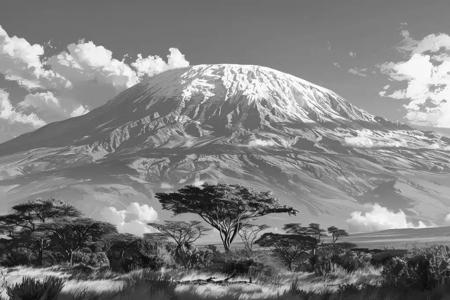
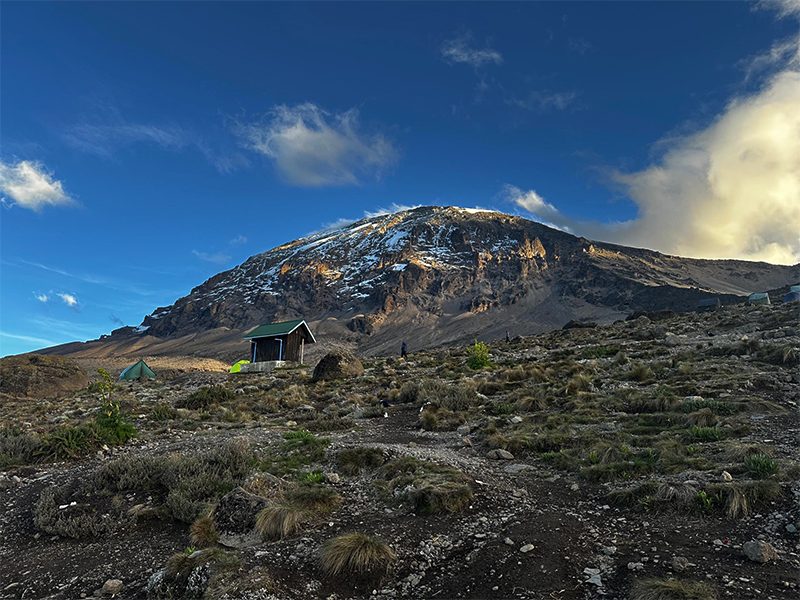
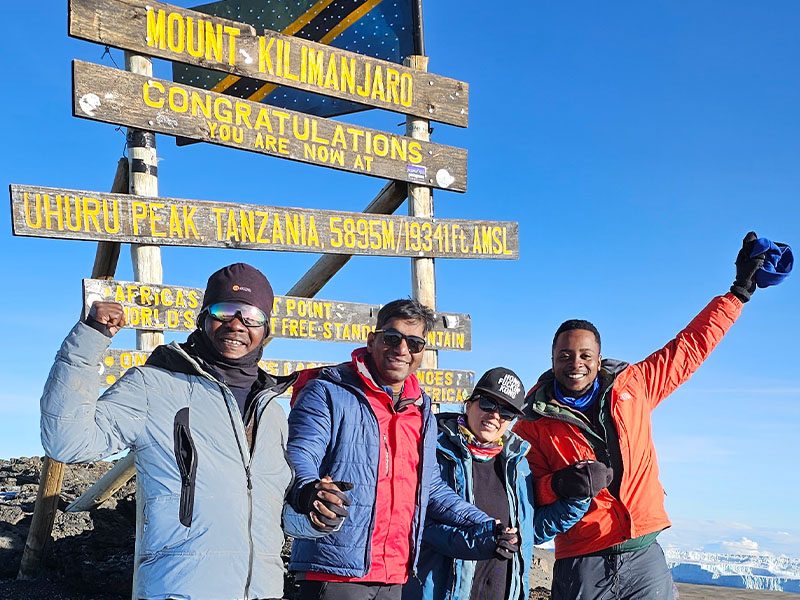
Mount Kilimanjaro is Africa’s highest mountain and one of the most famous natural landmarks in the world. Rising to 5,895 meters / 19,341 feet, it stands alone above the plains of northern Tanzania and attracts climbers, photographers, nature lovers, and adventure travelers from around the world.
At the top stands Uhuru Peak, whose name carries a powerful connection to Tanzania’s independence and freedom.
But many travelers ask one simple question:
Is Mount Kilimanjaro one of the Seven Wonders of the World?
The answer depends on which “wonders” list you mean. Kilimanjaro is not one of the ancient Seven Wonders of the World, and it is not one of the New 7 Wonders of Nature winners. However, it is widely recognized as one of the Seven Natural Wonders of Africa and is protected within Kilimanjaro National Park, a UNESCO World Heritage Site.
Quick Answer: Is Mount Kilimanjaro One of the 7 Wonders?
Mount Kilimanjaro is not one of the ancient Seven Wonders of the World. That list included ancient human-made monuments, not natural landscapes.
Kilimanjaro is also not one of the New 7 Wonders of Nature winners. However, it is widely recognized as one of the Seven Natural Wonders of Africa because of its height, free-standing volcanic formation, snow-capped summit, ecosystems, and dramatic rise above the surrounding plains.
Kilimanjaro National Park is also a UNESCO World Heritage Site, officially recognized for protecting Africa’s highest mountain and one of the world’s most impressive free-standing volcanic landscapes.
Table of Contents
Which “Wonders” List Includes Kilimanjaro?
The phrase “Seven Wonders” can be confusing because there are different lists.
The ancient Seven Wonders of the World focused on human-made monuments from the ancient world. Kilimanjaro is not part of that list because it is a natural mountain.
The New 7 Wonders of Nature was a global campaign that selected seven natural sites. Kilimanjaro was part of the wider campaign, but it was not one of the final winners.
The list where Kilimanjaro fits best is the Seven Natural Wonders of Africa, where it is commonly listed alongside major African landmarks such as the Serengeti Migration, Ngorongoro Crater, the Nile River, the Sahara Desert, the Okavango Delta, and the Red Sea Reef.
So the correct answer is simple: Kilimanjaro is not one of the ancient Seven Wonders of the World, but it is one of Africa’s greatest natural wonders.
| Wonder or Heritage List | Is Kilimanjaro Included? | Correct Explanation |
|---|---|---|
| Ancient Seven Wonders of the World | No | That list included ancient human-made monuments, not natural mountains. |
| New 7 Wonders of Nature | No | Kilimanjaro was part of the wider campaign, but it was not one of the final winners. |
| Seven Natural Wonders of Africa | Yes | Kilimanjaro is widely recognized as one of Africa’s greatest natural landmarks. |
| UNESCO World Heritage Site | Yes | Kilimanjaro National Park is protected for its outstanding natural value and mountain landscape. |
Is Kilimanjaro a UNESCO World Heritage Site?
Yes. Kilimanjaro National Park is a UNESCO World Heritage Site. It was inscribed in 1987 and protects the upper part of Mount Kilimanjaro, including Africa’s highest peak.
UNESCO status is different from being a “Seven Wonder.” A UNESCO World Heritage Site is officially recognized for outstanding universal value and protected through conservation standards. A “wonder” list is usually a recognition or ranking list, depending on the organization that created it.
This means Kilimanjaro is not just famous because travelers admire it. It is globally recognized as a protected natural landscape with exceptional importance.
Tanzania’s Other UNESCO World Heritage Sites
Kilimanjaro is part of Tanzania’s wider UNESCO heritage network, which also includes famous natural and cultural sites such as Serengeti National Park, Ngorongoro Conservation Area, Stone Town of Zanzibar, Kondoa Rock-Art Sites, Kilwa Kisiwani and Songo Mnara, and Nyerere National Park.
This shows why Tanzania is one of Africa’s most important destinations for nature, wildlife, culture, and history. But for this article, the key point is simple: Kilimanjaro is not only famous; it is globally protected.
Why Kilimanjaro Is Still a Natural Wonder
Even though Kilimanjaro is not one of the ancient Seven Wonders of the World, it deserves its reputation as one of Africa’s greatest natural wonders.
Kilimanjaro is special because it is:
- Africa’s highest mountain
- One of the world’s most impressive free-standing volcanic mountains
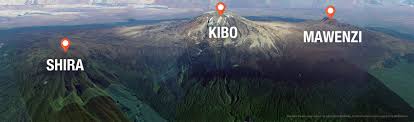
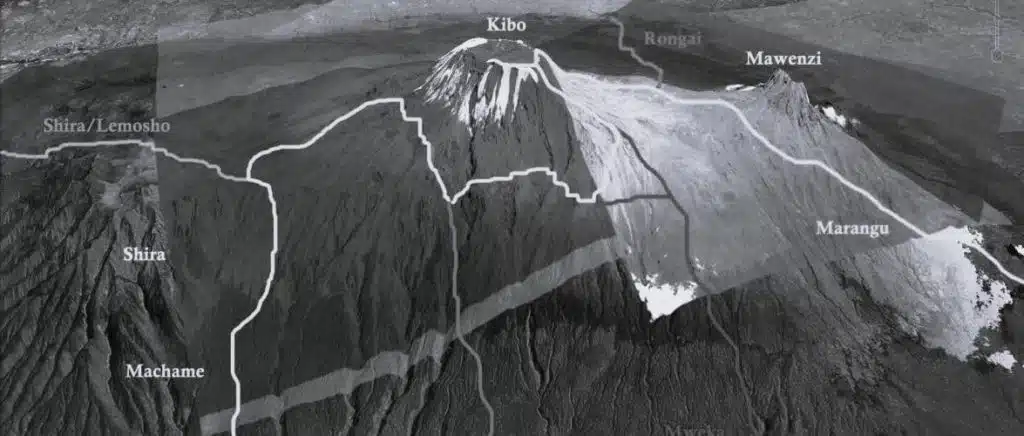
- A volcanic mountain formed by Kibo, Mawenzi, and Shira
- A snow-capped summit near the equator
- A mountain with several ecological zones, from rainforest to alpine desert
- A powerful symbol of Tanzania, freedom, culture, and adventure
Kilimanjaro’s dramatic shape comes from three volcanic cones: Kibo, Mawenzi, and Shira. Learn more in our guide to Kibo, Mawenzi, and Shira.
Its natural beauty is not only about height. Climbers pass through rainforest, heath, moorland, alpine desert, and arctic summit conditions in one journey. Few mountains offer such dramatic environmental change in a single trek.
Kilimanjaro’s meaning is also cultural. To understand the communities living around the mountain, read our guide to Chagga Culture Around Mount Kilimanjaro.
This combination of height, isolation, volcanic history, glaciers, ecosystems, and cultural meaning is why Kilimanjaro stands among Africa’s most iconic natural landmarks.
What UNESCO Status Means for Kilimanjaro
UNESCO recognition helps protect Kilimanjaro’s natural value, but it does not mean the mountain is free from pressure. Like many famous natural sites, Kilimanjaro faces challenges from climate change, glacier loss, tourism pressure, land use, and conservation needs.
Responsible tourism matters because climbers, guides, operators, park authorities, and local communities all play a role in protecting the mountain.
When you climb with a responsible local operator, you support better mountain practices, local employment, conservation awareness, and more respectful tourism.
What UNESCO Status Means for Protection
Being a UNESCO site brings more than just fame. It means:
- Conservation protections to prevent overuse or deforestation
- International funding for park preservation
- Support for local communities through regulated tourism
- Scientific monitoring of glaciers, species, and climate impact
- Cultural safeguarding of local traditions and stories
When you climb with responsible operators like Kili Quests, you directly support sustainable tourism and cultural preservation.
Frequently Asked Questions About Kilimanjaro as a World Wonder
Is Mount Kilimanjaro one of the Seven Wonders of the World?
No. Mount Kilimanjaro is not one of the ancient Seven Wonders of the World. That list focused on ancient human-made monuments, while Kilimanjaro is a natural mountain.
Is Kilimanjaro one of the New 7 Wonders of Nature?
No. Kilimanjaro was part of the wider New 7 Wonders of Nature campaign, but it was not one of the final winners.
Is Mount Kilimanjaro one of the Seven Natural Wonders of Africa?
Yes. Mount Kilimanjaro is widely recognized as one of the Seven Natural Wonders of Africa because it is Africa’s highest mountain, a major volcanic landmark, and one of the continent’s most iconic natural features.
Is Kilimanjaro a UNESCO World Heritage Site?
Yes. Kilimanjaro National Park is a UNESCO World Heritage Site. It was inscribed in 1987 and protects Africa’s highest mountain, volcanic landscapes, forests, wildlife, and important ecosystems.
Why is Kilimanjaro considered a natural wonder?
Kilimanjaro is considered a natural wonder because it rises dramatically above the plains, reaches 5,895 meters, has several ecological zones, includes glaciers near the equator, and is one of the world’s most impressive free-standing volcanic mountains.
Plan Your Kilimanjaro Adventure with Local Experts
Mount Kilimanjaro may not be one of the ancient Seven Wonders of the World, but it is one of Africa’s greatest natural landmarks. Its height, volcanic shape, glaciers, forests, wildlife, and cultural meaning make it one of the most unforgettable places to visit in Tanzania.
If you are ready to experience Kilimanjaro for yourself, Kili Quests can help you choose the right route, prepare properly, and climb with experienced local guides.
Before choosing your climb, compare the main trails in our Kilimanjaro Routes Guide so you understand route length, scenery, difficulty, and acclimatization.
Contact us today to start planning your Kilimanjaro climb.
Related Articles
Machame vs Lemosho: Which Route Is Better?-Kili Quests
March 21, 2026
No Comments
Choose the Right Route for Your Climb Compare routes and get expert advice before your climb. Route comparison support Local expert guidance Full support from

How to Charge Devices on Mount Kilimanjaro (Power & Solar Tips)
December 13, 2024
No Comments
Stay Powered and Prepared on Kilimanjaro The right gear setup makes your climb easier, safer, and more enjoyable. Know exactly what to pack Get expert

Climb Mount Kilimanjaro with Local Trekking Experts
April 15, 2025
No Comments
Plan Your Kilimanjaro Climb Turn your goal into a successful summit experience. Choose the best route Prepare for altitude safely Climb with expert local guides