
Experience Kilimanjaro Beyond the Summit
Experience the culture behind Kilimanjaro with local guides, village visits, coffee tours, waterfalls, caves, and Chagga stories that bring the mountain to life.
- Chagga culture and village life
- Coffee tours, waterfalls, and caves
- Local guides from the Kilimanjaro region
Related Kilimanjaro Culture Guides
OUR CATEGORIES
Chagga Culture: History & Traditions of Kilimanjaro
Mount Kilimanjaro is more than Africa’s highest mountain. It is also the homeland of the Chagga people, one of Tanzania’s best-known ethnic groups.
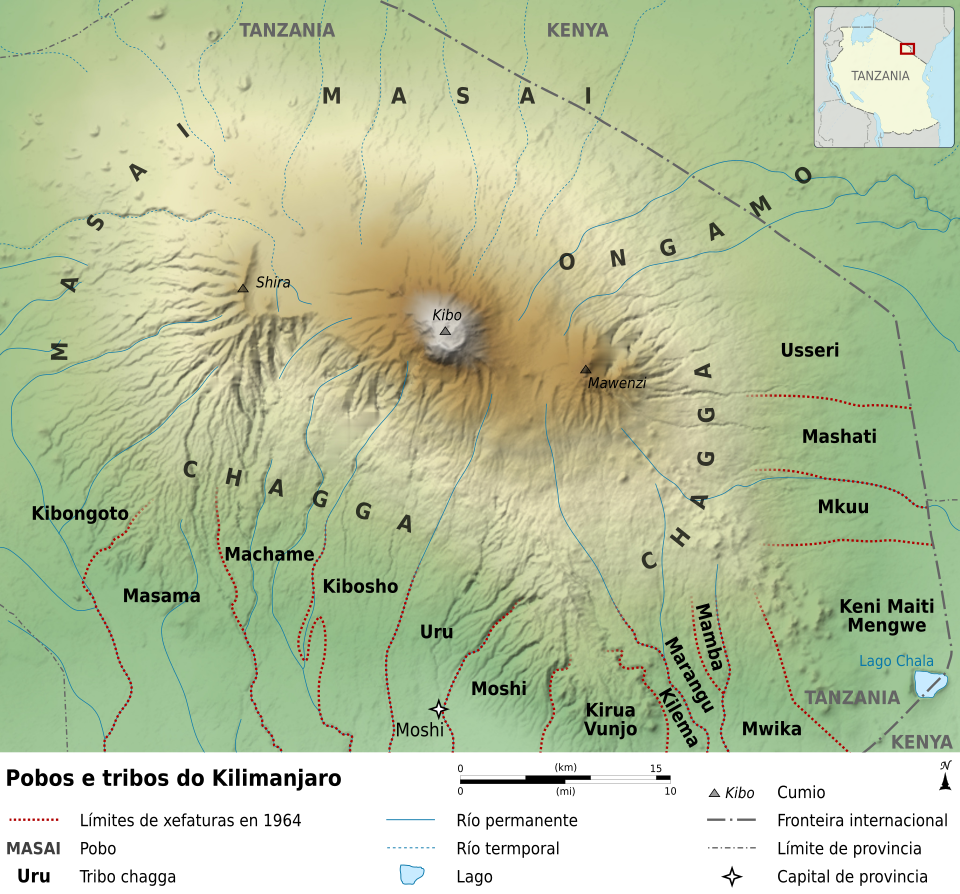
For generations, Chagga communities have lived around Kilimanjaro’s fertile southern and eastern slopes, especially near Moshi, Marangu, Machame, Rombo, Hai, and surrounding villages. Their culture is closely connected to farming, family land, banana and coffee cultivation, local language, traditional ceremonies, caves, food, and mountain life.
If you are climbing Kilimanjaro or visiting the Moshi area, learning about Chagga culture gives you a deeper understanding of the people, history, and local life around the mountain.
For the famous local guide story, read about Yohani Kinyala Lauwo and Kilimanjaro’s first recorded ascent.
Quick Answer: Who Are the Chagga People?
The Chagga people are a Bantu-speaking ethnic group from the Kilimanjaro Region of northern Tanzania. They live mainly around the slopes and foothills of Mount Kilimanjaro, especially near Moshi, Marangu, Machame, Rombo, Hai, and nearby villages.
Chagga culture is known for banana and coffee farming, Kichagga language, traditional food, banana beer, family land, local ceremonies, caves, strong community identity, and a deep connection to Mount Kilimanjaro.
Where Do the Chagga People Live?
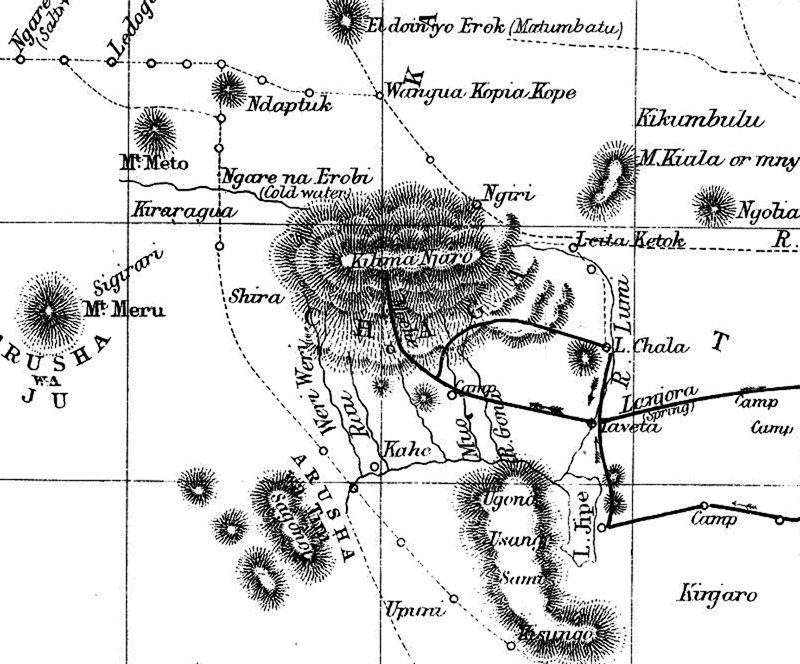
The Chagga people live mainly around the slopes and foothills of Mount Kilimanjaro in northern Tanzania. Important Chagga areas include Moshi, Marangu, Machame, Rombo, Hai, Siha, Old Moshi, and nearby villages.
These communities are closely connected to Kilimanjaro’s fertile volcanic soil, water sources, banana farms, coffee farms, and mountain tourism.
| Chagga Culture Element | What It Means |
|---|---|
| Location | Chagga communities live around Mount Kilimanjaro’s slopes and foothills, especially near Moshi, Marangu, Machame, Rombo, Hai, and Siha. |
| Language | The traditional language is Kichagga, with different dialects depending on the area. Swahili is also widely spoken. |
| Farming | Bananas, coffee, beans, maize, yams, and vegetables are important crops grown on Kilimanjaro’s fertile slopes. |
| Food | Traditional foods include machalari, kiburu, and mbege, the well-known Chagga banana beer. |
| Traditions | Family unity, land respect, ancestral roots, ceremonies, Masale plant symbolism, and local leadership are important cultural elements. |
| Tourism | Visitors can experience Chagga culture through coffee tours, waterfalls, cave visits, local food, banana beer, and village walks. |
Table of Contents
Who Are the Chagga People?
The Chagga people are a Bantu-speaking ethnic group native to the Kilimanjaro Region of northern Tanzania. They are strongly connected to Mount Kilimanjaro’s southern and eastern slopes, where many Chagga families have lived, farmed, and built communities for generations.
Chagga people traditionally speak Kichagga, although the language has different dialects depending on the area, such as Marangu, Machame, Rombo, and other parts of Kilimanjaro. Today, most Chagga people also speak Swahili, and many people involved in tourism speak English.
Chagga identity is closely tied to land, farming, family, education, business, hospitality, and the mountain itself. Their history helps explain why Kilimanjaro is not only a climbing destination, but also a living cultural landscape.
Chagga Language and Identity
The traditional language of the Chagga people is Kichagga, but it is not exactly the same everywhere. Different areas around Kilimanjaro have their own dialects, including Marangu, Machame, Rombo, and other local variations.
Today, Swahili is the main everyday language across Tanzania, and many Chagga people also speak English, especially those working in tourism, education, and business.
Even with modern changes, Kichagga remains important for family identity, local stories, greetings, songs, place names, and cultural memory.
Traditional Life on the Slopes of Kilimanjaro
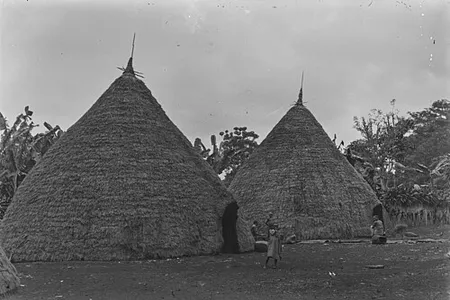
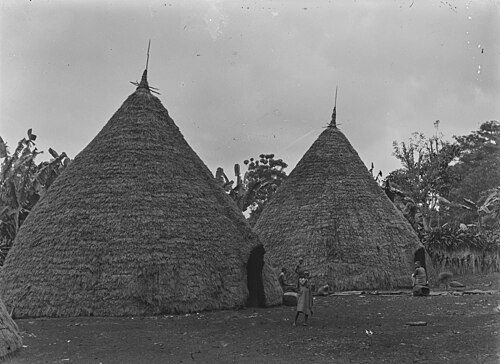
Traditional Chagga life has always been closely connected to the land. Many families lived in homesteads surrounded by banana groves, coffee trees, small gardens, and livestock areas.
The mountain’s volcanic soil and reliable water sources helped support productive farming systems. Families used the land carefully for food, shade, animal keeping, and household needs.
Important parts of traditional Chagga life include:
- Banana farming for food and local drinks
- Coffee farming as an important cash crop
- Livestock keeping, especially cows and goats
- Family land and inheritance
- Local ceremonies and clan relationships
- Respect for elders and ancestral roots
This connection between land, family, and farming remains one of the strongest parts of Chagga identity.
Chagga Farming: Bananas, Coffee, and Mountain Soil
Farming is one of the foundations of Chagga culture. The fertile volcanic slopes of Mount Kilimanjaro support bananas, coffee, maize, beans, yams, vegetables, and other crops.
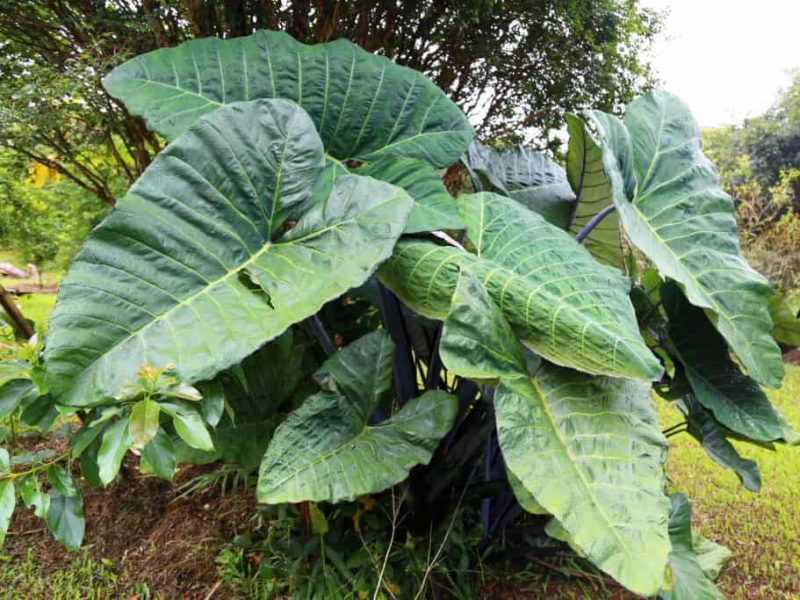
Bananas are especially important. They are used for daily meals, traditional dishes, livestock feed, and local drinks. Around many Chagga homes, banana plants are more than crops; they are part of the household landscape.
Coffee also became a major part of Chagga life, especially during and after the colonial period. It helped many families earn income and became one of the most important crops around Kilimanjaro.
This farming system shows how closely Chagga culture is connected to the mountain environment. Kilimanjaro provides fertile soil, water, and a highland climate that has shaped local life for generations.
Chagga Food and Banana Beer
Food is an important part of Chagga culture. Many traditional dishes are based on bananas, beans, yams, meat, milk, and local vegetables.
Common Chagga foods and drinks include:
- Machalari , a banana and beef stew often served during family meals or special occasions
- Kiburu , a traditional dish made with bananas, yam roots, soda ash, salt, and cooking oil
- Mbege , traditional banana beer made from fermented bananas and millet
Mbege is one of the best-known traditional Chagga drinks. It is often connected to ceremonies, community gatherings, and cultural celebrations.
Visitors who join a Chagga village or cultural tour may have the chance to taste traditional food, learn how banana beer is made, or visit local farms where the ingredients are grown.
Chagga Beliefs, Traditions, and the Masale Plant
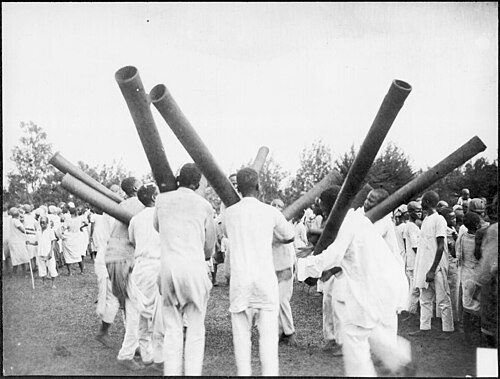
Chagga culture includes deep respect for family, elders, land, ancestors, and community harmony. While many Chagga people today are Christian, traditional beliefs and ceremonies still carry meaning in some families, especially during weddings, funerals, reconciliation, harvest gatherings, and family rituals.
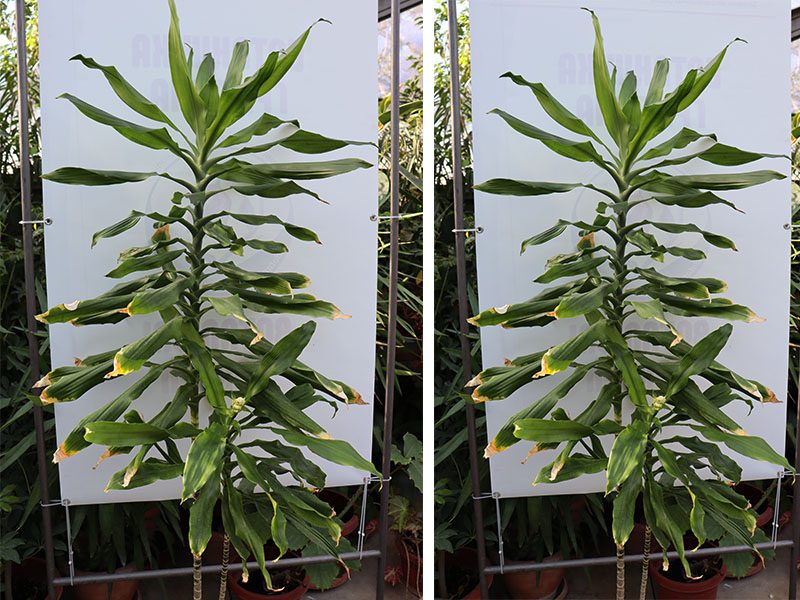
One important plant in Chagga tradition is Masale, known botanically as Dracaena fragrans. This plant has been used as a traditional land boundary marker and is respected as a symbol of peace, protection, and ancestral connection.
In some traditions, Masale is used during rituals together with items such as:
- Mbege, traditional banana beer
- Milk
- Meat
- Animal blood
- Other symbolic offerings
Masale can also be used in reconciliation. A folded Masale leaf may be carried by someone seeking forgiveness, or by an elder speaking on their behalf. This act shows humility, respect, and the desire to restore peace.
These traditions show how Chagga culture values family unity, land respect, spiritual balance, and community harmony.
Chagga Caves and Local History
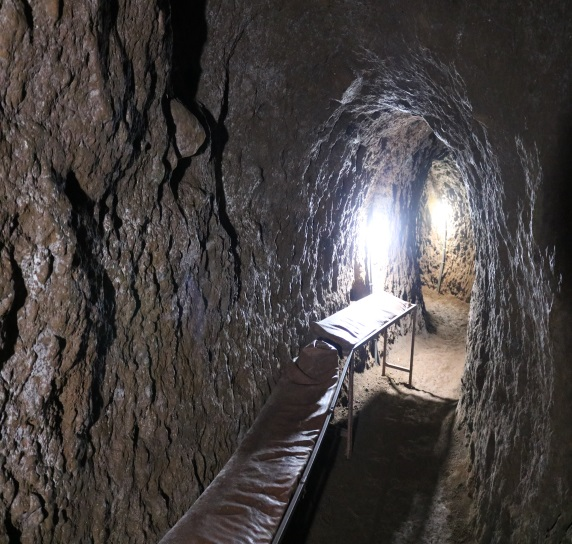
Chagga caves are an important part of local history around Kilimanjaro. In some areas, caves and underground spaces were used for protection during conflict, cattle raids, and periods of insecurity.
These caves could protect families, livestock, and food during dangerous times. Today, they are part of cultural tourism around Kilimanjaro, especially near places such as Marangu and Old Moshi.
Visiting Chagga caves with a local guide helps travelers understand that Kilimanjaro’s history is not only about climbing. It is also about survival, community defense, family history, and life on the mountain’s slopes.
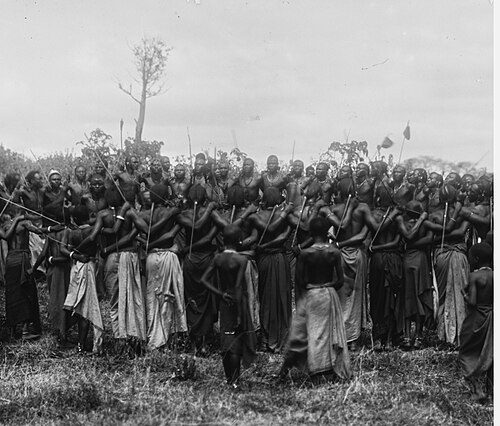
Traditional Chagga ceremonies serve
important social and spiritual purposes:
- Restoring Family Unity – Ceremonies cannot be held if family members are in conflict. Disputes must be resolved first, promoting peace and togetherness.
- Encouraging Mutual Support – Ritual gatherings provide a space for relatives to share problems, offer solutions, and strengthen community bonds.
- Spiritual Diagnosis and Guidance – Through ritual practice, the community seeks to identify ancestral displeasure or spiritual imbalance, and correct it through offerings and realignment.
- Preventing Land Conflicts – By planting Masale as boundary markers, disputes are avoided, and land ownership is respected.
- Promoting Unity Across Clans – These shared rituals reinforce the identity and cohesion of the Chagga people across different families and clan lineages.
At Kili Quests, we proudly carry these traditions forward, sharing authentic stories of Chagga life with those who visit Mount Kilimanjaro. Our heritage is not just something we remember — it’s something we live and honor through every journey we guide.
Chagga Leadership and Local History
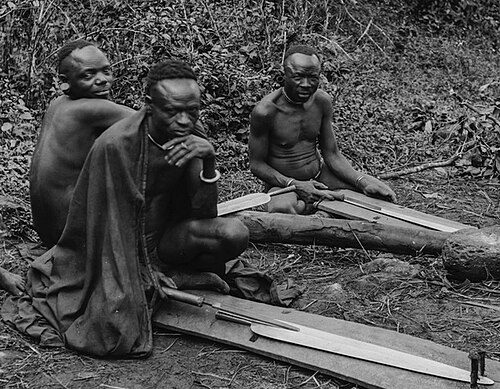
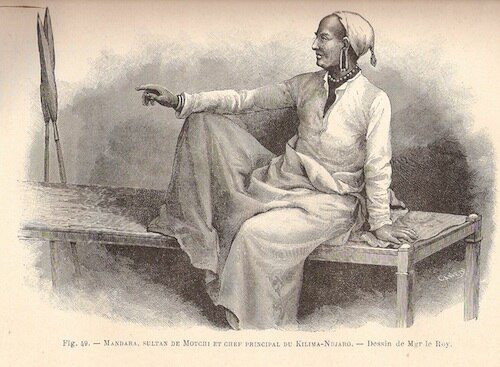
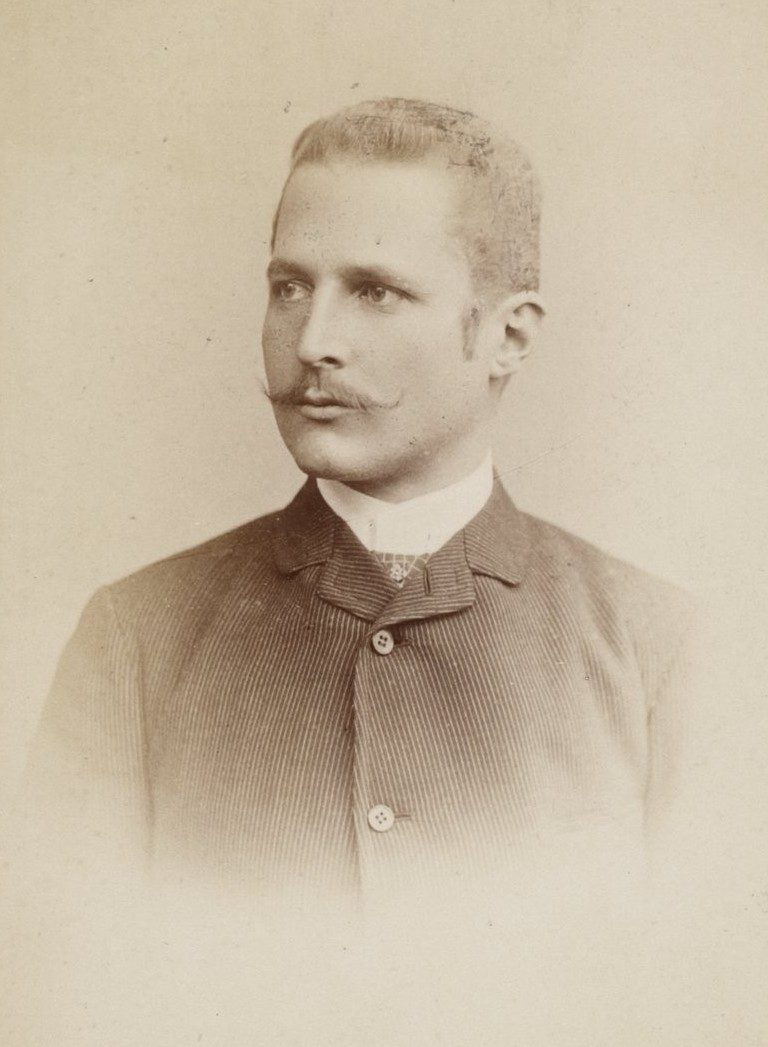
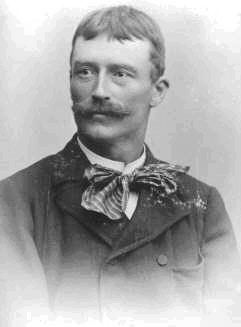
Chagga history includes local leaders known as mangi, who played important roles in community leadership, land, conflict, trade, and relationships with neighboring groups.
Figures such as Mangi Meli and Mangi Mandara are remembered in Kilimanjaro’s local history. Their stories connect Chagga culture with leadership, resistance, diplomacy, and community identity around the mountain.
Chagga Culture and Kilimanjaro Tourism
Chagga culture is closely connected to Kilimanjaro tourism. Many guides, porters, cooks, hotel workers, farmers, drivers, and local business owners around Kilimanjaro come from Chagga communities.
For travelers, cultural tourism offers a deeper experience beyond the summit. Around Moshi, Marangu, Materuni, Old Moshi, and nearby villages, visitors can experience:
- Coffee farm tours
- Waterfall visits
- Chagga cave tours
- Traditional food experiences
- Banana beer demonstrations
- Village walks
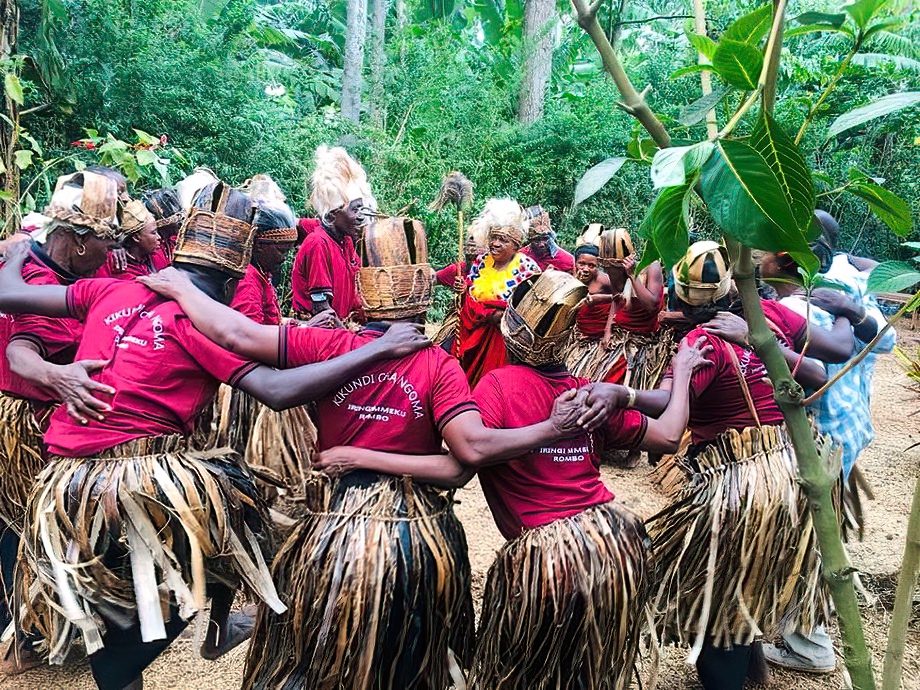
- Local dance and music performances
These experiences help visitors see Kilimanjaro as more than a mountain. It is also a home, a farming landscape, a cultural landmark, and a source of livelihood for local communities.
Cultural Tourism & Village Tours
Many visitors add a Chagga cultural experience to their Kilimanjaro adventure. This can include:
- Visiting traditional Chagga homes or caves once used during tribal wars
- Learning the banana beer brewing process
- Exploring Materuni ,Marangu Village (with waterfalls and coffee tours)
- Enjoying local meals and dance performances
These tours are respectful, immersive, and often led by community members themselves.
Preserving Chagga Culture Today
Chagga culture continues to change as education, tourism, business, religion, and modern life shape the Kilimanjaro Region. Many young Chagga people now live in towns, cities, and other countries, but family land, local language, food, ceremonies, and mountain identity still remain important.
Cultural tourism can help preserve traditions when it is done respectfully. It creates income for local families, supports farmers and guides, encourages young people to value their roots, and gives visitors a better understanding of the communities around Kilimanjaro.
At Kili Quests, we are connected to this heritage through our roots in the Kilimanjaro region. We believe travelers should experience the mountain with respect for both the summit and the people who call it home.
Frequently Asked Questions About Chagga Culture
Who are the Chagga people?
The Chagga people are a Bantu-speaking ethnic group from the Kilimanjaro Region of northern Tanzania. They live mainly around the slopes and foothills of Mount Kilimanjaro, especially near Moshi, Marangu, Machame, Rombo, Hai, and nearby areas.
What is Chagga culture known for?
Chagga culture is known for banana and coffee farming, Kichagga language, traditional food, banana beer, family land, local ceremonies, Chagga caves, and a strong connection to Mount Kilimanjaro.
What language do the Chagga people speak?
The Chagga people traditionally speak Kichagga, although it has different dialects depending on the area. Most Chagga people also speak Swahili, and many people working in tourism also speak English.
What food is traditional for the Chagga people?
Traditional Chagga food includes dishes such as machalari, a banana and beef stew, and kiburu, a dish made with bananas, yam roots, soda ash, salt, and cooking oil. Mbege, a traditional banana beer, is also an important cultural drink.
Can visitors experience Chagga culture near Kilimanjaro?
Yes. Visitors can experience Chagga culture through coffee tours, waterfall visits, village walks, Chagga cave tours, traditional food experiences, banana beer demonstrations, and cultural performances around Moshi, Marangu, Materuni, and nearby villages.
Experience Kilimanjaro Beyond the Summit
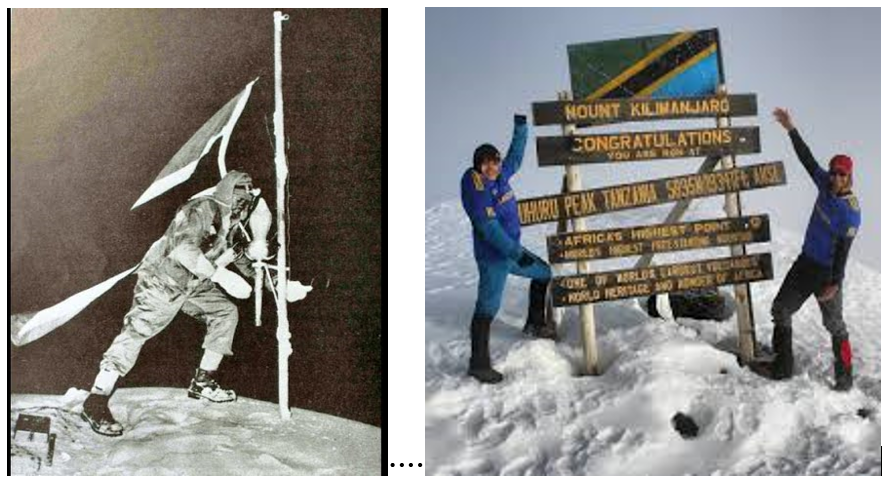
A Kilimanjaro climb is unforgettable, but the culture around the mountain gives the journey deeper meaning. By learning about the Chagga people, you understand the farms, food, traditions, stories, and local communities that make Kilimanjaro more than just a summit.
At Kili Quests, we help travelers experience Kilimanjaro with respect for both the mountain and the people who call it home.
Contact us today to plan your Kilimanjaro climb or cultural experience.
Related Articles
How Fit Do You Need to Be to Climb Kilimanjaro?
April 10, 2026
No Comments
Get Ready for Kilimanjaro The right preparation makes the climb safer, easier, and more achievable. Fitness level guidance Route advice that fits you Expert local
Mount Meru vs Kilimanjaro: Which Trek Should You Choose?
April 15, 2025
No Comments
Plan Your Kilimanjaro or Meru Climb Choosing the right mountain depends on your goals and experience. Compare both treks in detail Plan your route and

How Many Days to Climb Kilimanjaro? Route Guide
April 9, 2026
No Comments
Choose the Right Kilimanjaro Itinerary The number of days you choose can affect your acclimatization, comfort, and summit success. Better route planning More time to