Kilimanjaro Travel Insurance: High-Altitude Emergency Guide

Plan a Safe Kilimanjaro Climb

The right preparation and support can make all the difference when it comes to safety on the mountain.

Prepare for Kilimanjaro the Right Way

Insurance is just one part of staying safe , your route, acclimatization, and preparation matter just as much.

OUR CATEGORIES

The Best Medical Insurance for Kilimanjaro Treks: What You Need to Know for Emergencies | Kili Quests
Climbing Mount Kilimanjaro is one of the most rewarding adventures in the world , but it also comes with real risks, especially at high altitude where medical support is limited and evacuation can take time.Many climbers focus on training and gear, but one of the most important parts of preparation is often overlooked: proper travel insurance with emergency evacuation coverage.

On Kilimanjaro, the biggest danger is not technical climbing , it’s how your body reacts to altitude. Conditions can change quickly, and in serious situations, immediate evacuation may be required.That’s why choosing the right insurance policy is not optional. It’s a critical safety decision that protects both your health and your finances.

In this guide, we explain why evacuation insurance matters, what to look for in a policy, recommended providers, and how to prepare for emergencies before your climb.
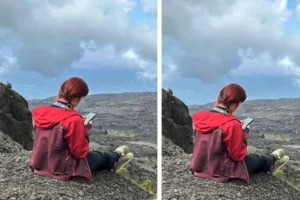
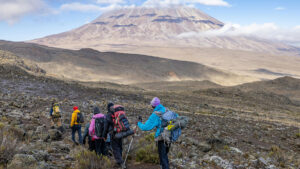
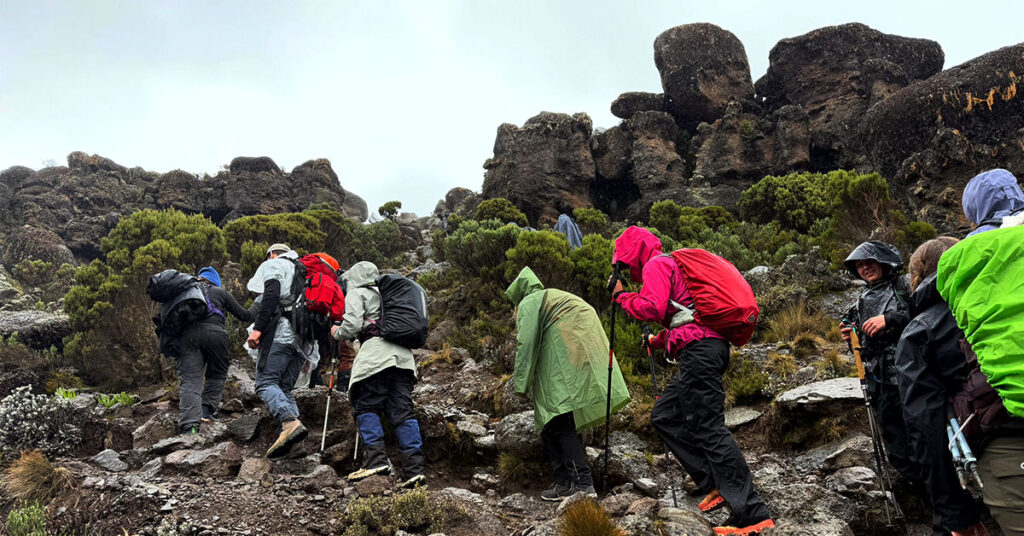
Rocky trails, steady pace — our client pushes upward on Kilimanjaro’s challenging slopes.

Table of Contents

Why Emergency Evacuation Insurance Is Essential

Altitude Sickness Can Affect Anyone

Altitude sickness can begin above 3,000 meters and becomes more serious as you gain elevation. Even strong, experienced climbers can develop symptoms.In severe cases, immediate descent is the only treatment. Evacuation insurance ensures you can:
  • Be transported quickly to a lower altitude
  • Access proper medical care
  • Avoid delays caused by financial or logistical issues
Understanding how altitude affects your body is essential before your climb, which is why every trekker should read about altitude sickness on Kilimanjaro and how to recognize early warning signs.

Remote Terrain and Limited Access

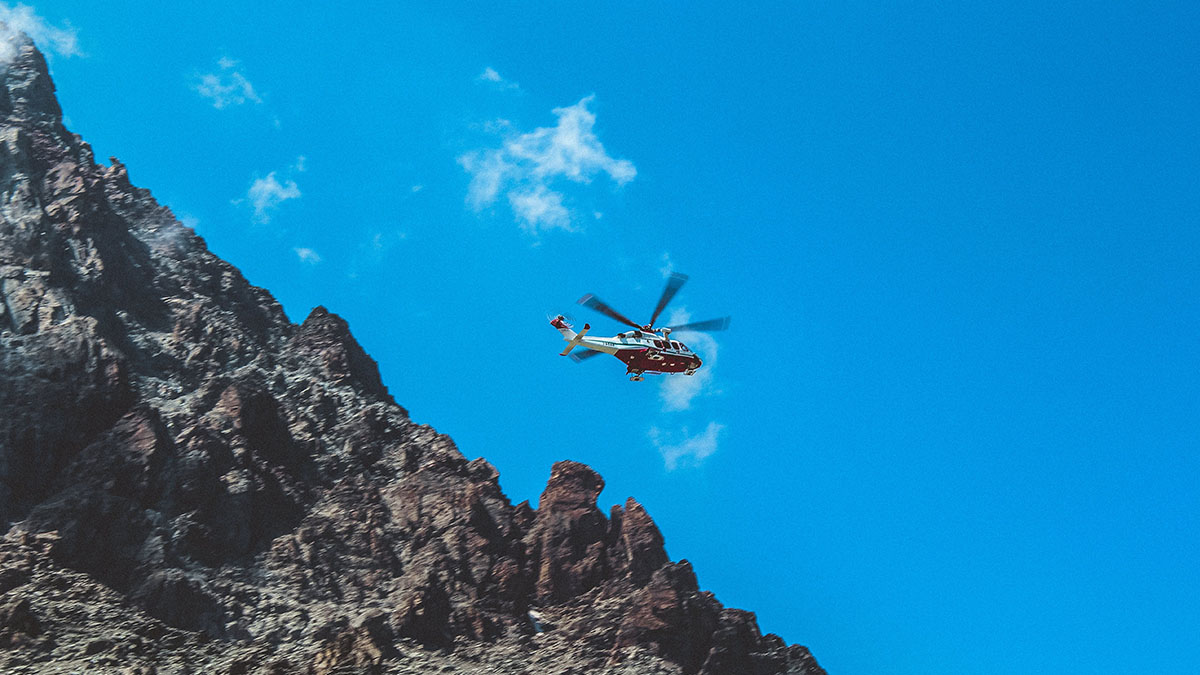
Mount Kilimanjaro is a remote mountain with no road access to most camps. If a serious issue occurs, evacuation may involve:
  • Helicopter rescue
  • Stretcher evacuation
  • Ground transfer to a hospital
These services can cost thousands of dollars without insurance, especially helicopter evacuations coordinated through park rescue systems.

Peace of Mind During Your Climb

With the right insurance, you can focus on your experience instead of worrying about “what if” situations.
You’ll know that:
  • Emergency help is available
  • You are financially protected
  • Decisions can be made quickly based on safety , not cost
This is especially important on longer routes, where exposure to altitude increases over multiple days, which is why choosing the right itinerary by comparing Kilimanjaro routes also plays a key role in reducing risk.

 What to Look for in Kilimanjaro Evacuation Insurance

Not all travel insurance policies are suitable for Kilimanjaro. You need coverage that specifically includes high-altitude trekking and emergency evacuation.
 

Must-Have Coverage

Your policy should include:
  • Helicopter evacuation from Kilimanjaro
  • Ambulance transport to the nearest hospital
  • Emergency descent due to altitude sickness
  • Medical treatment coverage

High-Altitude Coverage Clause

 Many standard insurance policies only cover activities up to 3,000 meters, which is far below Kilimanjaro’s summit at 5,895 meters. Make sure your policy clearly states coverage for trekking up to at least 6,000 meters.

24/7 Emergency Assistance

Choose a provider that offers:
  • A 24/7 global emergency support line
  • Coordination of rescue and treatment
  • Experience working with providers in Tanzania

  Recommended Kilimanjaro Insurance Providers

We’ve received these trusted providers directly from evacuation operators in Tanzania. If your insurance is not listed, we can help confirm whether it is accepted.
Some commonly used providers include:
  1. Allianz Travel
  2. AXA Travel Insurance
  3. AIG Travel Insurance
  4. World Nomads
  5. Global Rescue
  6. Redpoint Travel Protection
  7. On Call International
  8. Europ Assistance
  9. Passport Card
  10. Protrip (Dr. Walter)
  11. Magen Search & Rescue / Clal Insurance
  12. Magnus International Search & Rescue
  13. Blue Insurance
  14. Sports Cover Direct
  15. Lloyd’s of London Insurance
  16. LV Insurance
  17. NIB Travel Insurance
  18. ASC360 Insurance
  19. GeoBlue
  20. Discovery Insurance
  21. Gouda Insurance
  22. Tryg Forsikring
  23. Campbell Irvine
  24. Harel Insurance Company
  25. International Medical Group (Global Rescue Partner)
  26. SOS International
  27. AMREF
  28. Malayan Insurance
  29. JS Travel Insurance
  30. Faye Travel Insurance
  31. Travelex Insurance
  32. Fast Cover
  33. Big Cat Insurance
  34. True Traveller
  35. True Cover

The most important factor is not the brand , it’s whether your policy includes high-altitude coverage and helicopter evacuation.
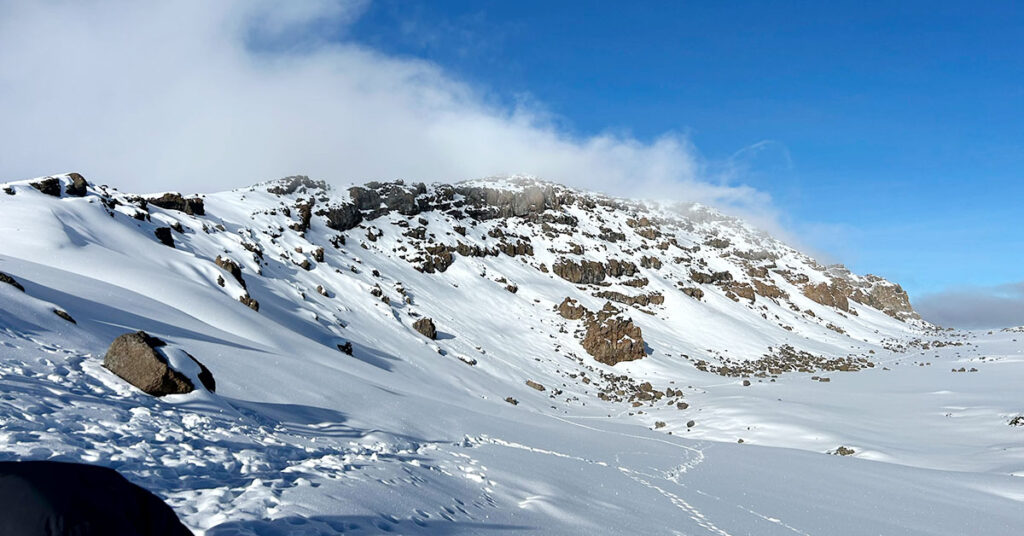
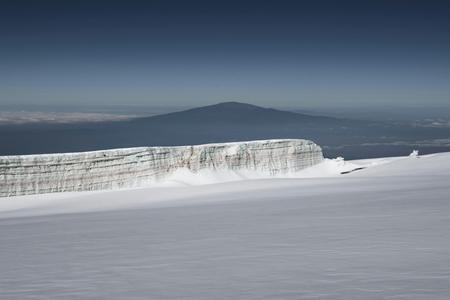
A chilling welcome at Stella Point — icy silence, breathtaking views, and summit dreams alive.

How to Choose the Right Insurance Policy

Book Your Insurance Early

Purchase your policy as soon as you confirm your trip. This ensures full coverage before departure and avoids last-minute issues.

Compare Coverage Carefully

Focus on:
  • Evacuation limits
  • Altitude coverage
  • Exclusions
Always read the fine print or contact the provider if anything is unclear.

Confirm Key Inclusions

Before finalizing your policy, double-check that it includes:
  • Helicopter evacuation
  • Trekking up to 6,000 meters
  • Emergency treatment and transport

Health and Safety Tips for Kilimanjaro Trekkers

Insurance is essential  but prevention is just as important.

Train Before Your Climb

Improving your fitness reduces fatigue and lowers your risk of injury. A structured plan that includes hiking, cardio, and strength training can make a major difference, especially if you’re preparing for how difficult Kilimanjaro really is.

Understand Altitude Symptoms

Common symptoms include:
  • Headache
  • Nausea
  • Dizziness
  • Fatigue
Recognizing these early and informing your guide is critical for your safety.

Follow Proper Acclimatization

Climb slowly, drink plenty of water, and allow your body time to adjust.
Choosing longer routes with better acclimatization profiles is one of the most effective ways to reduce risk, which is why many climbers compare routes carefully before booking.

Be Prepared Before You Arrive

Travel insurance is not something to arrange at the last minute. It should be part of your overall preparation, just like choosing the right gear and organizing your essentials using a complete Kilimanjaro packing list.
 
Being fully prepared allows you to focus on the experience instead of worrying about unexpected situations.

Be Prepared with the Right Insurance

Evacuation insurance is not optional , it’s your lifeline on the mountain. It protects you from massive bills and gives you fast access to rescue services when needed most.
 
At Kili Quests, we advise every client to secure insurance before arrival and ensure it includes helicopter evacuation and high-altitude coverage.

Frequently Asked Questions About Kilimanjaro Travel Insurance

Do you need travel insurance to climb Mount Kilimanjaro?

Yes. While not always legally required, travel insurance with emergency evacuation coverage is strongly recommended for anyone climbing Mount Kilimanjaro. The mountain’s high altitude and remote terrain mean that medical emergencies may require rapid evacuation and specialized care.

Does Kilimanjaro insurance need to cover high-altitude trekking?

Yes. Many standard travel insurance policies only cover activities up to 3,000 meters. Because Kilimanjaro reaches 5,895 meters, your policy should specifically include high-altitude trekking coverage up to at least 6,000 meters.

Does travel insurance for Kilimanjaro include helicopter evacuation?

Many specialized adventure travel insurance policies include helicopter evacuation from the mountain in case of serious illness or injury. Rescue operations are typically coordinated through park authorities and emergency services working within Kilimanjaro National Park.

What medical emergencies are most common on Kilimanjaro?

The most common medical issue climbers face is altitude sickness, which can occur when ascending too quickly. Other potential concerns include dehydration, exhaustion, injuries from slips or falls, and cold-related conditions during summit night.

How much does Kilimanjaro evacuation cost without insurance?

Emergency evacuations from Kilimanjaro can cost several thousand dollars, especially if helicopter rescue is required. Travel insurance helps cover these expenses and ensures climbers receive rapid medical assistance if needed.

When should you buy travel insurance for a Kilimanjaro trek?

Travel insurance should be purchased soon after booking your trip. Buying early ensures coverage for unexpected issues before departure and guarantees that your policy is active throughout the entire trekking period.

 Let Us Help You Prepare for a Safe Adventure

 Contact Kili Quests today to:

  • Get help choosing the right policy
  • Confirm if your insurance is accepted
  • Ask questions about coverage, altitude, or emergencies

Related Articles
Mount Kilimanjaro Weather Guide: Climate & Trekking Tips

Plan Your Climb Around the Right Weather

 The right season and preparation can make your climb safer, easier, and more successful.

Plan Your Kilimanjaro Climb the Right Way

Weather is only one part of your success , your route, acclimatization, and preparation matter just as much.

OUR CATEGORIES

What You Need to Know About Tanzania: Mountain Weather and Climate | Kili Quests

Tanzania’s mountains offer one of the most unique trekking environments in the world , where you can walk through humid rainforest in the morning and reach freezing, arctic conditions just days later.If you’re planning to climb Mount Kilimanjaro or trek Mount Meru, understanding how weather changes with altitude is essential. Conditions on the mountain are not controlled by season alone. Elevation plays an even bigger role, with temperatures dropping rapidly as you climb higher.

Many climbers underestimate how extreme these changes can be. Warm temperatures at the base can quickly turn into freezing winds near the summit, and this shift is one of the reasons many trekkers research how hard Kilimanjaro really is before planning their climb.

Before choosing your dates, it’s important to understand the best time to climb Kilimanjaro, so you can match your trek with the most stable and favorable weather conditions.
Happiness is found between a smile and the next adventure

Tanzania’s Mountain Weather: Seasonal Overview

Tanzania has two main seasons, but mountain weather behaves differently due to altitude and terrain.

Dry Season (June – October)

This is the most popular period for trekking. Trails are generally dry, skies are clearer, and summit conditions are more stable.These months offer the best visibility and more predictable weather, which is why they are considered the best time for climbing , especially for first-time trekkers.

Short Rains (November – December)

Rainfall during this period is lighter and less consistent. Trekking is still possible, and trails are quieter, but lower elevations may be wet and humid.

Long Rains (March – May)

This is the least favorable time for trekking. Heavy rainfall makes trails muddy, slippery, and more physically demanding.Some routes are affected more than others during this season, which is why it’s important to compare Kilimanjaro routes before planning your climb.

Weather by Altitude on Kilimanjaro

Weather on Kilimanjaro changes dramatically as you ascend. Each zone has its own climate, and understanding these differences helps you prepare properly.

Tropical Zone (1,000m – 2,000m)

Temperatures range from 20°C to 30°C, with warm and humid conditions.This zone includes rainforest and farmland, where rain is more common  especially during wet seasons.

Temperate Zone (2,000m – 4,000m)

Temperatures range between 10°C and 20°C during the day, with cooler nights.
This is where most trekking takes place, and conditions are generally comfortable, especially on popular routes like Machame.

Alpine Zone (4,000m – 5,500m)

Conditions become harsher as temperatures drop between -5°C and 10°C. Days can feel hot due to strong sun, while nights become freezing.This is also where altitude begins to affect most climbers, making it important to understand altitude sickness on Kilimanjaro before your trek.

Arctic Zone (Above 5,500m)

This is the summit zone, where temperatures often fall below -10°C.
Strong winds, ice, and low oxygen levels make this the most challenging part of the climb. Proper layering and preparation are essential.Many climbers prepare for this stage by reviewing Kilimanjaro night temperatures, especially for summit night conditions.
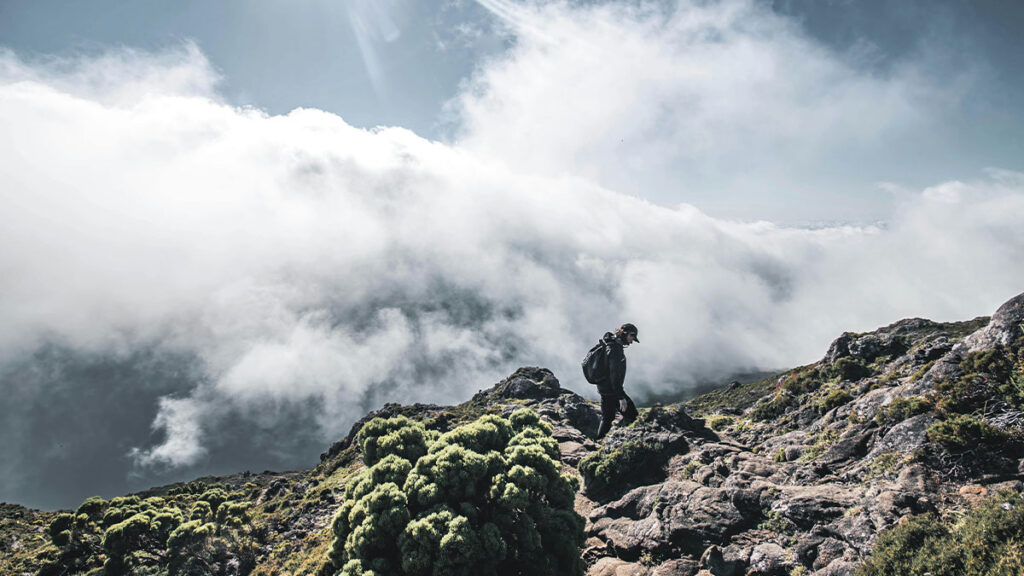
Long strides, cool air, and endless views — moorland magic on the trail.

How Weather Affects Climbing Conditions

Weather plays a major role in how your climb feels and how successful it is.

Trail Conditions

Dry weather creates stable, easy-to-walk trails. Rain makes trails slippery and increases physical effort.

Visibility and Experience

Clear skies offer better views and a more enjoyable trekking experience, while clouds and rain can limit visibility.

Physical Difficulty

Cold, wind, and rain all increase fatigue and make trekking more challenging.
Weather is one of the biggest factors affecting performance, and many climbers underestimate how much it contributes to overall difficulty when thinking about how hard Kilimanjaro really is.

How to Prepare for Mountain Weather in Tanzania

Preparation is essential to handle Kilimanjaro’s changing climate.

Dress in Layers

Layering allows you to adjust to temperature changes throughout the day:
  • Moisture-wicking base layer
  • Insulating mid-layer
  • Waterproof outer layer

Prepare for Summit Cold

Summit night is the coldest part of the trek. You will need:
  • Thermal gloves
  • Insulated socks
  • Down jacket
  • Face protection

Choose the Right Gear

Your gear must handle both rain and freezing temperatures.
 
Using a complete Kilimanjaro packing list helps ensure you are fully prepared for every condition you will face on the mountain.

Protect Against Sun Exposure

At high altitude, UV exposure is stronger. Sunglasses, sunscreen, and a hat are essential.

What Kili Quests Provides for Weather Preparation

 At Kili Quests, we prepare you for all mountain conditions before and during your climb.
  • Wilderness First Responder-trained guides
  • Pre-trek briefings based on real-time weather
  • Flexible itineraries when conditions change
This level of preparation improves safety and increases your chances of reaching the summit successfully.

Frequently Asked Questions

How does weather affect trekking in Tanzania?

Weather in Tanzania can change quickly, especially in mountainous areas. Trekkers may experience warm temperatures at lower elevations and freezing conditions near the summit. Understanding seasonal weather and altitude changes helps climbers prepare properly for their adventure.

How cold does it get on Mount Kilimanjaro?

Temperatures near the summit can drop to −10°C (14°F) or lower, especially during summit night. While lower slopes may feel warm and humid, the upper zones are extremely cold due to high altitude and strong winds.

What is the best season for mountain trekking in Tanzania?

The dry season from June to October is generally considered the best time for trekking because trails are drier and visibility is clearer. Another good period is January to March, when conditions are relatively stable and the skies are often clear.

Why does temperature change so much on Kilimanjaro?

Temperature changes mainly because of altitude differences. As climbers ascend higher on the mountain, the air becomes thinner and colder, causing temperatures to drop significantly between the rainforest base and the arctic summit zone.

What clothing should you bring for mountain weather in Tanzania?

Trekkers should pack layered clothing, including moisture-wicking base layers, warm insulating jackets, and waterproof outer shells. Gloves, thermal socks, and a down jacket are especially important for colder high-altitude conditions.

Can weather change quickly on Mount Kilimanjaro?

Yes. Weather conditions on Kilimanjaro can shift rapidly within a single day. Climbers may experience sunshine, rain, wind, or even snow at higher elevations, which is why proper gear and preparation are essential for a safe trek.

Be Weather-Ready, Be Adventure-Ready

Tanzania’s mountains offer spectacular views, rich ecosystems, and unforgettable summit moments , but only if you’re prepared for the weather.

 Contact us for route advice, weather planning, and expert guidance Come prepared, and summit with confidence

Related Articles