How to Acclimatize on Kilimanjaro: Routes, Pace & Tips

Plan Your Kilimanjaro Climb Safely

Altitude is the biggest challenge on Kilimanjaro ,the right route and preparation can make the difference between turning back and reaching the summit.

Choose Your Route

Your acclimatization depends on your route choice. Explore the best Kilimanjaro routes for your goals.

OUR CATEGORIES

How to Acclimatize on Kilimanjaro: Routes, Pace & Tips

Climbing Mount Kilimanjaro is not only a test of fitness. It is a test of how well your body adapts to altitude. The summit rises to 5,895 meters / 19,341 feet, where oxygen levels are much lower than at sea level, so proper acclimatization is one of the most important parts of a safe and successful climb.

Acclimatization means giving your body enough time to adjust as you climb higher. On Kilimanjaro, this depends on your route, number of days, walking pace, rest, hydration, nutrition, and how honestly you report symptoms to your guide.

This guide explains how to acclimatize on Kilimanjaro using practical mountain strategies such as choosing the right route, walking slowly, following the climb-high-sleep-low principle, drinking enough water, eating properly, and listening to your guide. For symptoms, danger signs, oxygen, and descent decisions, read Altitude Sickness on Kilimanjaro.

Quick Answer: How Do You Acclimatize on Kilimanjaro?

The best way to acclimatize on Kilimanjaro is to choose a route with enough days, walk slowly from the beginning, follow the climb-high-sleep-low principle, drink water regularly, eat enough food, rest properly, and report symptoms early to your guide.
 
For most climbers, 7 to 9 days gives the body better time to adjust than a short 5 or 6-day climb. Longer routes such as Lemosho and Northern Circuit usually provide stronger acclimatization profiles because they allow a more gradual approach to higher altitude.
 
Strong acclimatization does not guarantee the summit, but it gives your body a better chance to adapt before summit night.
Acclimatization Strategy What It Means Why It Helps
Choose enough days Pick a route with more time on the mountain. More days give your body more time to adjust to altitude.
Walk slowly Follow a steady “pole pole” pace from the first day. A slower pace reduces stress on your body as elevation increases.
Climb high, sleep low Ascend higher during the day, then sleep lower when the route allows. This exposes your body to altitude while giving it recovery time overnight.
Hydrate and eat well Drink regularly and eat enough even when appetite drops. Good hydration and nutrition support energy, recovery, and adjustment.
Listen to your guide Report symptoms early and follow safety advice. Guides can adjust pace, monitor your condition, and respond early.
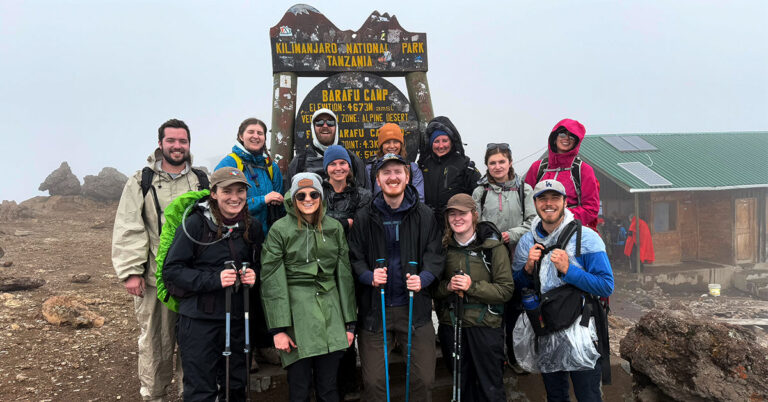
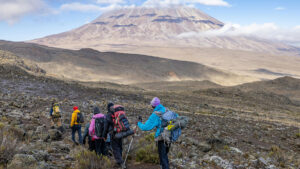
Arrival at Barafu Camp — the final base before the summit push

Understanding Acclimatization: What You Need to Know
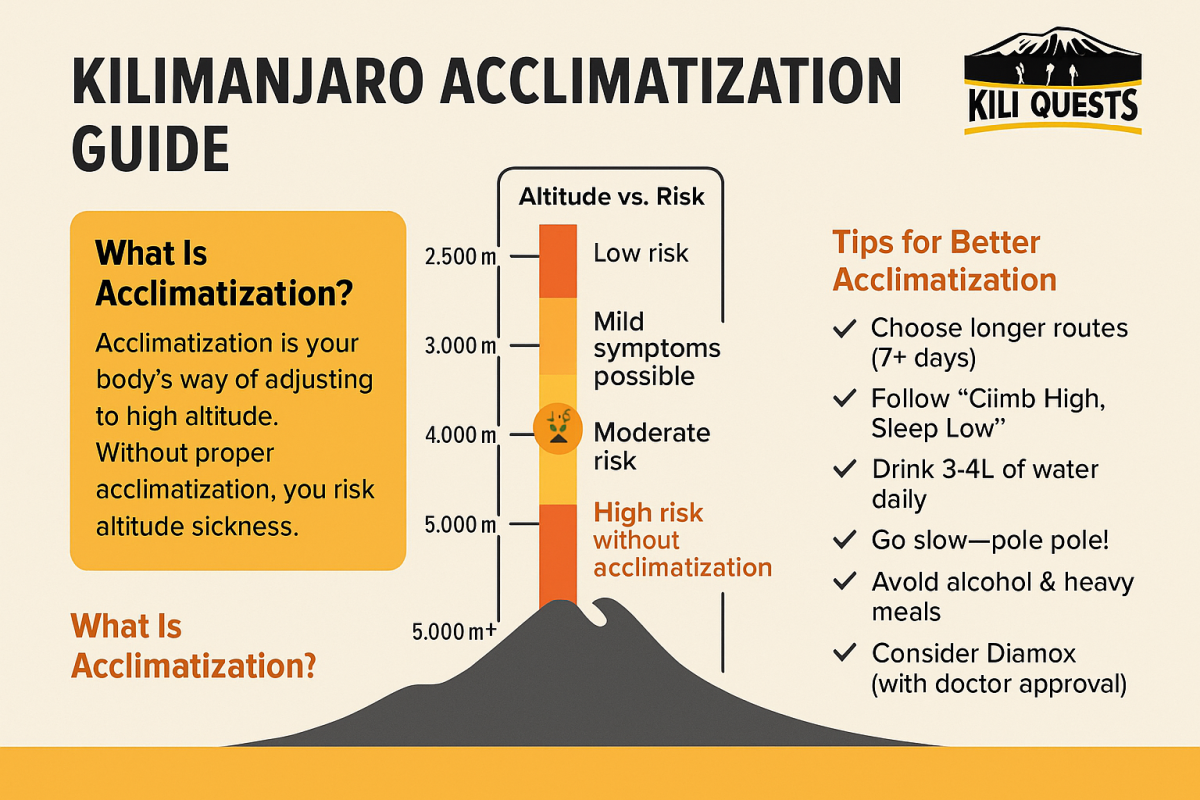
Kilimanjaro acclimatization guide infographic showing altitude risks and tips for avoiding altitude sickness on the climb
Acclimatization on Kilimanjaro – Understanding altitude and adjusting gradually is the key to reaching Uhuru Peak safely.

Table of Contents

What Is Acclimatization on Kilimanjaro?

Acclimatization is the process your body goes through as it adjusts to lower oxygen levels at high altitude. As you climb Kilimanjaro, the air becomes thinner and your body has to work harder to deliver oxygen to your muscles and brain.
 
Good acclimatization does not happen by rushing. It happens gradually through slow walking, steady altitude gain, enough rest, proper hydration, and enough days on the mountain. This is why the route and itinerary you choose matter so much.
 
On Kilimanjaro, poor acclimatization can lead to headaches, nausea, dizziness, fatigue, poor sleep, and more serious altitude problems. For a full explanation of symptoms and safety response, read Altitude Sickness on Kilimanjaro.

What Happens to Your Body at High Altitude

At high altitude, oxygen levels drop and your body must adapt gradually. If it doesn’t, altitude sickness can occur and affect your ability to continue the climb.
To understand symptoms and risks in detail, read Altitude Sickness on Kilimanjaro.

Why Acclimatization Is Critical for Summit Success

Altitude sickness is the main reason climbers fail to reach the summit. It does not depend on fitness, age, or experience  anyone can be affected.Common symptoms include:
  • Persistent headache
  • Nausea or loss of appetite
  • Fatigue and dizziness
  • Difficulty sleeping
In more serious cases, conditions like High Altitude Pulmonary Edema (HAPE) or High Altitude Cerebral Edema (HACE) can occur, which require immediate descent.
 

Best Acclimatization Strategy for Kilimanjaro

The best acclimatization strategy on Kilimanjaro is simple: choose enough days, walk slowly, gain altitude gradually, rest properly, and let your guide control the pace. The mountain rewards patience, not speed.
A strong acclimatization plan usually includes:
  • Gradual altitude gain
  • A 7 to 9-day itinerary when possible
  • Slow and steady walking from day one
  • Climb-high-sleep-low opportunities
  • Enough food and water each day
  • Daily communication with your guide
  • Rest and recovery before summit night
The goal is not to arrive at camp quickly. The goal is to arrive with enough energy and oxygen adaptation for the next day. This matters most before summit night, when your body is tired and the altitude is highest.
 
If you are still choosing a route, compare the options in Kilimanjaro Routes Comparison: Which Route Is Best?

How to Avoid Altitude Sickness on Kilimanjaro

Strategy What It Means Why It Works
Climb High, Sleep Low Ascend higher during the day, sleep lower Helps your body adapt with less stress
Walk Slowly (Pole Pole) Maintain a slow, steady pace Allows gradual oxygen adaptation
Acclimatization Walks Short hikes above camp after arrival Speeds up adaptation
Hydration & Nutrition Drink 3–4L daily and eat properly Supports recovery and reduces stress

Climb High, Sleep Low

One of the most effective techniques used on Kilimanjaro is the “climb high, sleep low” strategy. During the day, you ascend to a higher elevation, then descend slightly to sleep at a lower altitude.This allows your body to adapt without excessive stress and significantly reduces the risk of altitude sickness. Routes that naturally include this profile tend to have much higher success rates.

Walk Slowly and Maintain a Steady Pace

Speed is not your friend on Kilimanjaro. Moving too quickly reduces your body’s ability to adapt.
  • Walk slowly and consistently
  • Focus on breathing rhythm
  • Avoid rushing to camp
Guides often use the phrase “pole pole” (slowly, slowly) ,and following this advice is one of the most important things you can do.If you’re preparing physically, following a structured Kilimanjaro training plan will help your body handle long trekking days more efficiently.
 
Proper physical preparation also plays a role, and following a structured Kilimanjaro training plan can make it easier for your body to adapt during the climb.

Use Acclimatization Walks at Camp

Short acclimatization hikes after reaching camp are extremely effective. These are usually 100–200 meters above camp and done at a relaxed pace.
These walks:
  • Encourage your body to adapt faster
  • Improve oxygen efficiency
  • Prepare you for the next day’s elevation gain
This strategy is commonly used on well-designed routes and plays a major role in improving summit success.

Stay Hydrated and Eat Properly

Hydration is essential at altitude. As you climb, your body loses fluids more quickly through breathing and exertion.
  • Drink 3–4 liters of water per day
  • Eat high-carbohydrate meals for energy
  • Maintain protein intake for recovery
Poor hydration and nutrition can significantly increase your risk of altitude sickness.

Common Acclimatization Mistakes to Avoid

Many climbers make acclimatization harder by rushing the mountain or choosing the wrong itinerary. These mistakes can increase fatigue and make altitude symptoms more likely.
Avoid these common mistakes:
  • Choosing the shortest route only to save money
  • Walking too fast during the first few days
  • Ignoring headaches, nausea, or dizziness
  • Skipping meals because appetite is low
  • Drinking too little water
  • Not reporting symptoms to your guide
  • Arriving undertrained for long trekking days
  • Choosing a route that does not match your altitude experience
The mountain should not be treated like a race. A slower, better-paced climb gives your body more time to adjust and gives you a stronger chance of reaching summit night in better condition.

Best Kilimanjaro Routes for Acclimatization

Not all Kilimanjaro routes give your body the same amount of time to adjust. Shorter routes may cost less and take fewer days, but they often make altitude harder because the body has less time to adapt.
 
Longer routes usually provide better acclimatization because they spread the altitude gain over more days. For most climbers, this makes the climb feel more manageable and gives better preparation before summit night.
 
The strongest acclimatization routes are usually Lemosho and Northern Circuit. Machame can also be a good option when done over 7 days. Shorter routes like 5-day Marangu or steep routes like Umbwe are usually harder from an altitude perspective.

Best Routes for Acclimatization

The following routes provide the best acclimatization profiles:
Route Recommended Duration Acclimatization Profile Best For
Lemosho Route 7–8 days Gradual western approach with strong altitude adjustment time. First-time climbers who want scenery and better acclimatization.
Northern Circuit Route 8–9+ days Longest route with the most time for gradual adjustment. Climbers who want the strongest acclimatization profile and fewer crowds.
Machame Route 7 days preferred Good climb-high-sleep-low profile when not rushed. Fit climbers who want a scenic, popular, and well-paced route.
Rongai Route 6–7 days More gradual than steep routes, but with fewer climb-high-sleep-low features. Climbers who want a quieter northern approach.
Marangu Route 6 days preferred Can be harder if done too quickly because acclimatization time is limited. Climbers who prefer hut accommodation but still want enough days.
Umbwe Route 6+ days Steep and fast altitude gain, making acclimatization more difficult. Experienced trekkers only.
If acclimatization is your main concern, avoid choosing a route only because it is cheaper or shorter. More days on the mountain often give your body a better chance to adjust. For most first-time climbers, Lemosho, Northern Circuit, or a properly paced 7-day Machame itinerary are stronger choices than short, rushed climbs.

Recognizing Altitude Symptoms Early

Even with good acclimatization, climbers can still feel the effects of altitude. Mild symptoms such as headache, tiredness, poor sleep, or reduced appetite can happen as your body adjusts.
 
Tell your guide immediately if symptoms appear. Do not hide discomfort because you want to continue climbing. Early communication helps your guide monitor your condition and make safer decisions.
 
If symptoms become severe, such as confusion, difficulty walking straight, shortness of breath at rest, or worsening weakness, descent may be necessary. For a full safety guide, read Altitude Sickness on Kilimanjaro.
Stella Point in ice — standing where time stands still and the summit is just within reach.

Why Experienced Guides Make a Difference

Climbing Kilimanjaro is not just about physical strength , it’s about making the right decisions at the right time.
Professional guides:

  • Monitor your oxygen levels and symptoms daily
  • Adjust pace and schedule when needed
  • Plan acclimatization walks strategically
  • Make critical decisions about ascent or descent

At Kili Quests, our team is trained to prioritize safety while maximizing your chances of reaching the summit.

Experienced guides play a major role in your success, especially when combined with a well-planned itinerary like those outlined in our Kilimanjaro climbing packages.
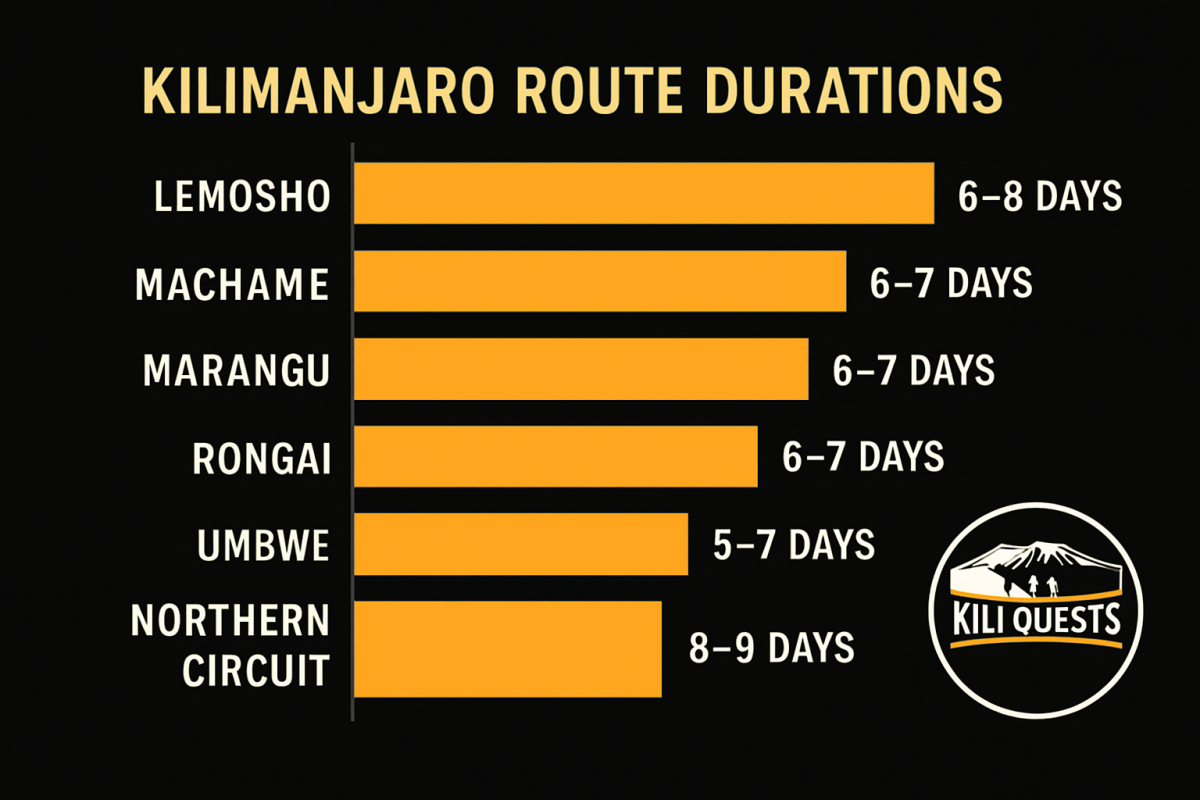
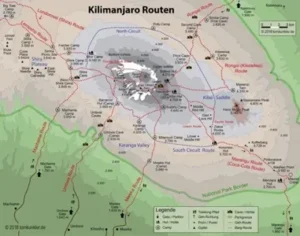
Infographic showing durations of Kilimanjaro routes: Lemosho (6–8 days), Machame (6–7), Marangu (6–7), Rongai (6–7), Umbwe (5–7), and Northern Circuit (8–9 days)
Kilimanjaro Route Durations – Compare how many days each route takes so you can choose the one that fits your schedule and acclimatization needs.

Acclimatization Is the Key to Reaching Uhuru Peak

Reaching the summit of Kilimanjaro is not about speed or strength  it’s about patience, preparation, and proper acclimatization.To give yourself the best chance of success:

  • Choose a longer route with gradual ascent
  • Follow “climb high, sleep low” principles
  • Walk slowly and stay hydrated
  • Listen to your body and your guide

When these factors come together, your chances of standing on Uhuru Peak increase dramatically.

Frequently Asked Questions About Acclimatization on Kilimanjaro

How do you acclimatize properly on Mount Kilimanjaro?

Proper acclimatization on Kilimanjaro involves gaining altitude gradually while allowing your body time to adjust to lower oxygen levels. This is achieved by choosing longer routes, maintaining a slow and steady pace, staying hydrated, and following the “climb high, sleep low” principle. Trekkers who follow these strategies give their bodies enough time to adapt, significantly improving their chances of reaching the summit.

How many days do you need to acclimatize on Kilimanjaro?

Most successful Kilimanjaro climbs take between 6 and 9 days, depending on the route. Longer itineraries such as the Lemosho Route or Northern Circuit Route provide more time for acclimatization and result in higher summit success rates. Shorter climbs may save time but increase the risk of altitude sickness.

What is the best route for acclimatization on Kilimanjaro?

Routes like the Lemosho Route and Northern Circuit Route are considered the best for acclimatization because they offer gradual elevation gain and extra trekking days. These routes allow your body to adjust naturally, reducing the risk of altitude sickness and increasing the likelihood of reaching Uhuru Peak.

How much water should you drink while acclimatizing?

Climbers are generally advised to drink between 3 and 4 liters of water per day while on the mountain. Proper hydration supports circulation, improves oxygen delivery, and helps reduce the effects of altitude. Dehydration can worsen symptoms of altitude sickness, making hydration a critical part of acclimatization.

Can you prevent altitude sickness completely?

Altitude sickness cannot be completely prevented, but it can be significantly reduced with proper acclimatization strategies. Choosing the right route, ascending slowly, staying hydrated, and listening to your guide all play a major role in minimizing risk.

Plan a Kilimanjaro Climb With Better Acclimatization

Acclimatization is one of the most important parts of a successful Kilimanjaro climb. The right route, number of days, pace, guide team, food, hydration, and safety checks all affect how your body handles altitude.
 
At Kili Quests, we help climbers choose realistic itineraries based on fitness, time, route preference, and altitude concerns. Our local guides focus on slow pacing, daily monitoring, proper acclimatization, strong mountain meals, and safe summit preparation.
 
If you are worried about altitude, we can help you choose a route that gives your body better time to adjust.
 
 If you’re planning your climb, explore Best Time to Climb Kilimanjaro and  Kilimanjaro Climbing Cost to prepare properly.
 
Contact Kili Quests today to plan a Kilimanjaro climb with proper acclimatization and experienced local guides.

Related Articles

How to Charge Devices on Mount Kilimanjaro (Power & Solar Tips)

Stay Powered and Prepared on Kilimanjaro

The right gear setup makes your climb easier, safer, and more enjoyable.

Plan Your Kilimanjaro Gear the Right Way

Charging is just one part of preparation , your gear, route, and conditions all matter.

OUR CATEGORIES

How to Charge Your Devices on Mount Kilimanjaro: Power Tips for Trekkers | Kili Quests

 If you’re heading to Mount Kilimanjaro, one of the most common questions is:
How will I charge my phone or camera on the mountain?”
 
Since there’s no standard electricity on Kilimanjaro, staying powered up requires preparation. Whether it’s capturing summit moments, navigating offline maps, or staying in touch, here’s how to keep your devices charged during your trek with Kili Quests.
 
Internet Access , Staying online depends on both your power supply and coverage , learn how to manage both.
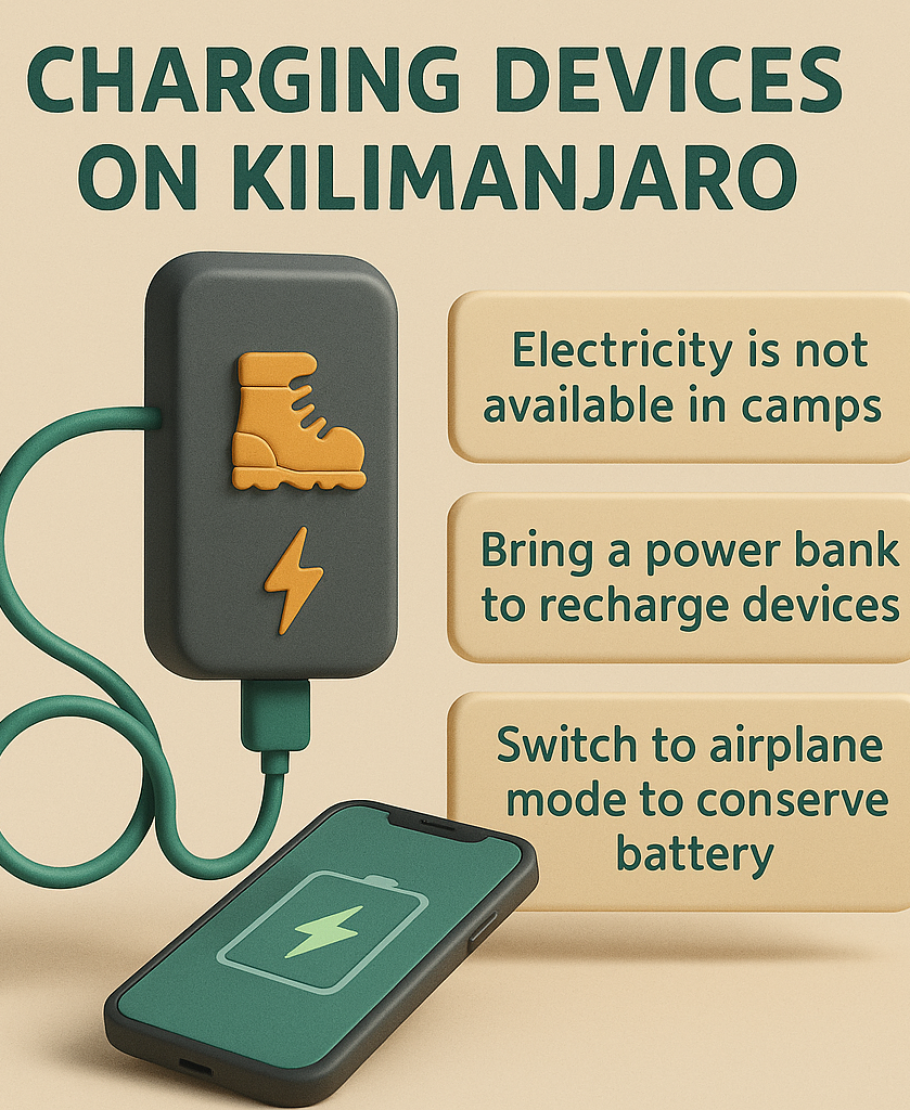
3D-style infographic showing power bank, smartphone, and battery-saving tips for Kilimanjaro.
No charging stations on the mountain — bring a power bank and use airplane mode.

Table of Contents

Is There Electricity on Mount Kilimanjaro?

There is no public electricity or grid on the mountain. Camps are remote and lack outlets , but that doesn’t mean you’ll be without power completely.
Here’s what’s available:

Charging Services at Camps (Limited)

  • Some high camps (e.g., Barafu Camp) may offer charging via solar or generator
  • Usually available for a fee
  • Devices may need to be left for a few hours

Solar-Powered Lights

  • A few camps have solar lightin
  • Charging small items may be possible (not guaranteed)
  • Ask Kili Quests about your specific route for updated info
  •  

Best Ways to Charge Your Devices on the Mountain

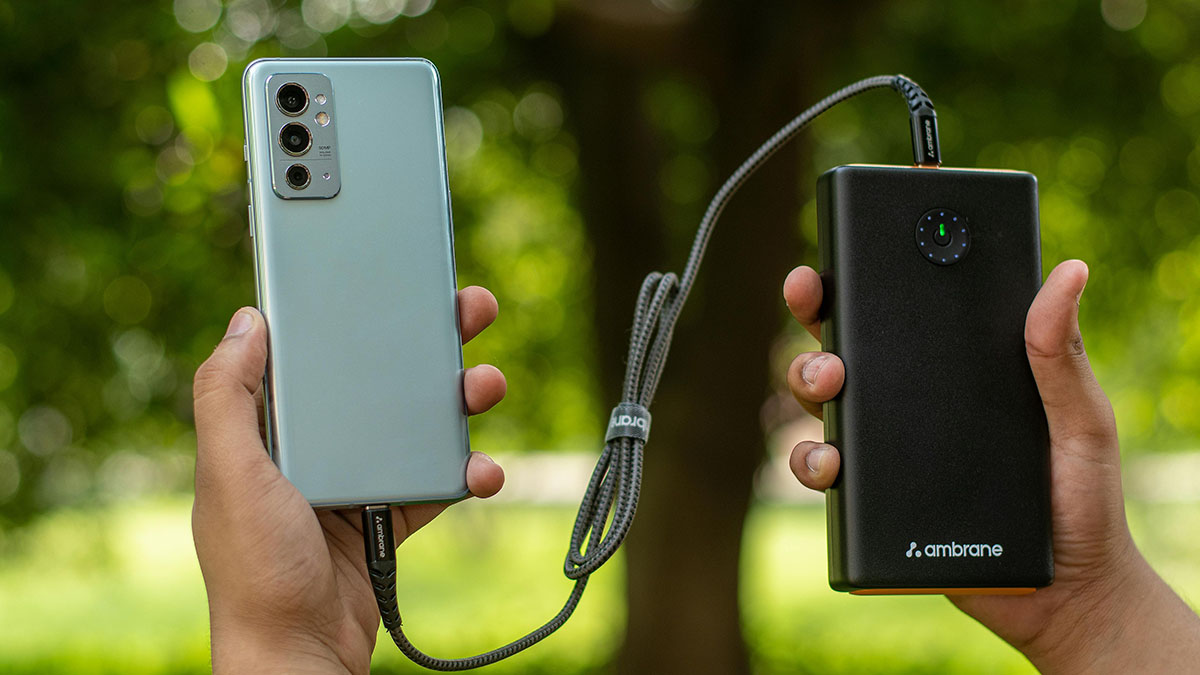
Power Banks (Portable Chargers)

The most reliable option.
  • Recommended Capacity: At least 20,000mAh (more for multi-device use)
  • How Many? Bring 1–2 depending on device usage
  • Tip: Charge fully before departure; store in warm layers to protect battery life

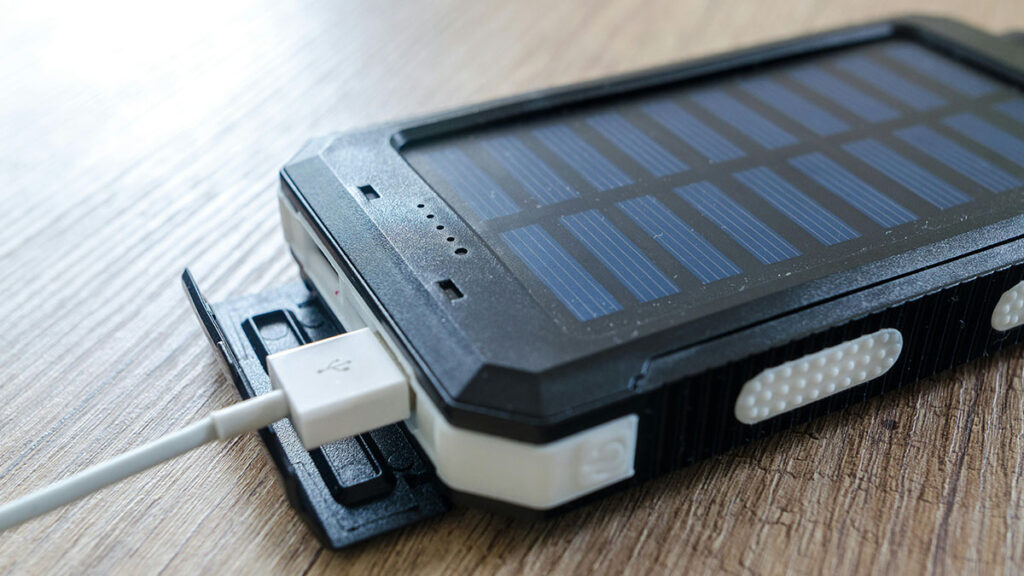
Solar Chargers

Optional backup if you prefer to recharge on the go.
  • Works Best: During clear sunny days while hiking
  • Limitations: Less effective at high altitude or in cloudy weather
  • Tip:Mount panels on your backpack to collect sunlight while walking
 

Charge During Rest Stops (If Available)

Some camps have shared solar systems or small generators.
  • You may be able to charge during meals or long stops
  • Charging speed is slow
  • Availability is not guaranteed on all routes
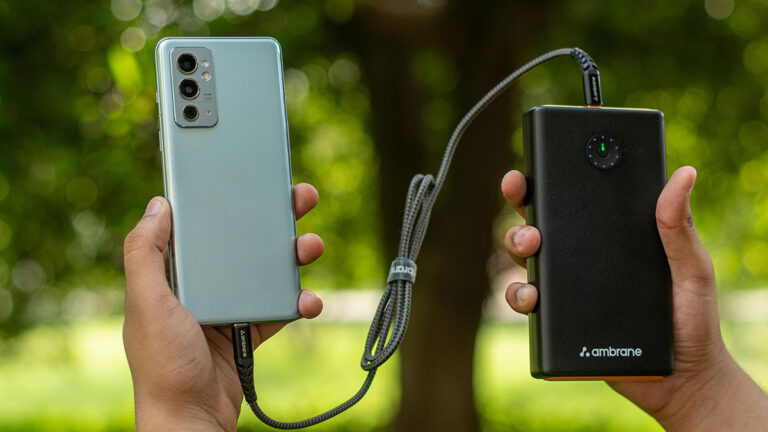
Recharged Solar Power Bank
Power Bank

Smart Battery Management Tips

 Even with backup power, conserving energy is critical. Use these tips to extend your battery life:
  •  Turn off: Wi-Fi, Bluetooth, GPS, and background apps
  •  Lower brightness: Especially during summit night
  •  Use Airplane Mode: Your signal won’t work anyway at high altitudes
  •  Limit usage: Use only when needed to preserve charge
  •  Keep warm: Cold reduces battery performance — store devices inside warm clothing at night
Gear Rentals Guide – Need a power bank or solar charger? See what you can rent locally.

Alternative Power-Free Solutions

Don’t want to worry about charging at all? Here are a few reliable offline solutions:
  • Digital Camera + Extra Batteries: Great for photography without draining phone power
  • Offline Maps: Use apps like Maps.me or download Google Maps offline
  • Pen & Journal: Record your adventure the old-school way
  • Spare Phone: Carry a basic feature phone as a backup communication device
Summit Day Gear Checklist – Know what gear is essential for the coldest and longest day of your trek.

Stay Connected the Smart Way

While Mount Kilimanjaro doesn’t offer traditional charging stations, it is still possible to keep your devices powered up with smart planning. Bring power banks, use solar as backup, and manage battery life wisely.
 
Night Temperatures Guide – Extreme cold affects battery life , be prepared with the right setup.

Frequently Asked Questions

Can you charge your phone on Mount Kilimanjaro?

Charging options on Mount Kilimanjaro are limited because there is no regular electricity on the mountain. Some camps may offer solar or generator charging for a small fee, but the most reliable way to keep devices powered is by bringing a fully charged power bank.

What is the best way to charge devices during a Kilimanjaro trek?

The best solution is to bring high-capacity power banks (around 20,000mAh or more). Many trekkers carry one or two power banks to charge phones, cameras, and headlamps throughout the trek.

Do Kilimanjaro camps have charging stations?

Most camps on Kilimanjaro do not have public charging stations. Occasionally, some high camps may provide limited charging through solar panels or generators, but availability is not guaranteed and charging can take several hours.

Can solar chargers work on Mount Kilimanjaro?

Solar chargers can work on clear sunny days and are sometimes attached to backpacks while hiking. However, they should be used as a backup option because weather conditions and altitude can reduce charging efficiency.

How can cold temperatures affect phone batteries on Kilimanjaro?

Cold temperatures at high altitude can drain batteries quickly. To protect battery life, keep your devices and power banks inside warm clothing or sleeping bags at night.

How can trekkers save battery power during the climb?

Trekkers can extend battery life by using airplane mode, lowering screen brightness, turning off Wi-Fi and Bluetooth, and limiting phone use. Downloading maps, documents, and music before the trek also helps reduce power consumption.

Ready to Climb with Power?

 Book your Kilimanjaro trek with Kili Quests today and get expert advice on gear, packing, and device charging.
 Contact us for personalized route guidance and power tips for your adventure.

Related Articles