

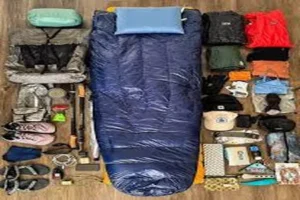
Kilimanjaro Packing List 2026: What to Bring for Your Climb
Pack Smart for Kilimanjaro Packing the wrong gear can make your climb harder than it needs to be especially on summit night.At Kili Quests, we
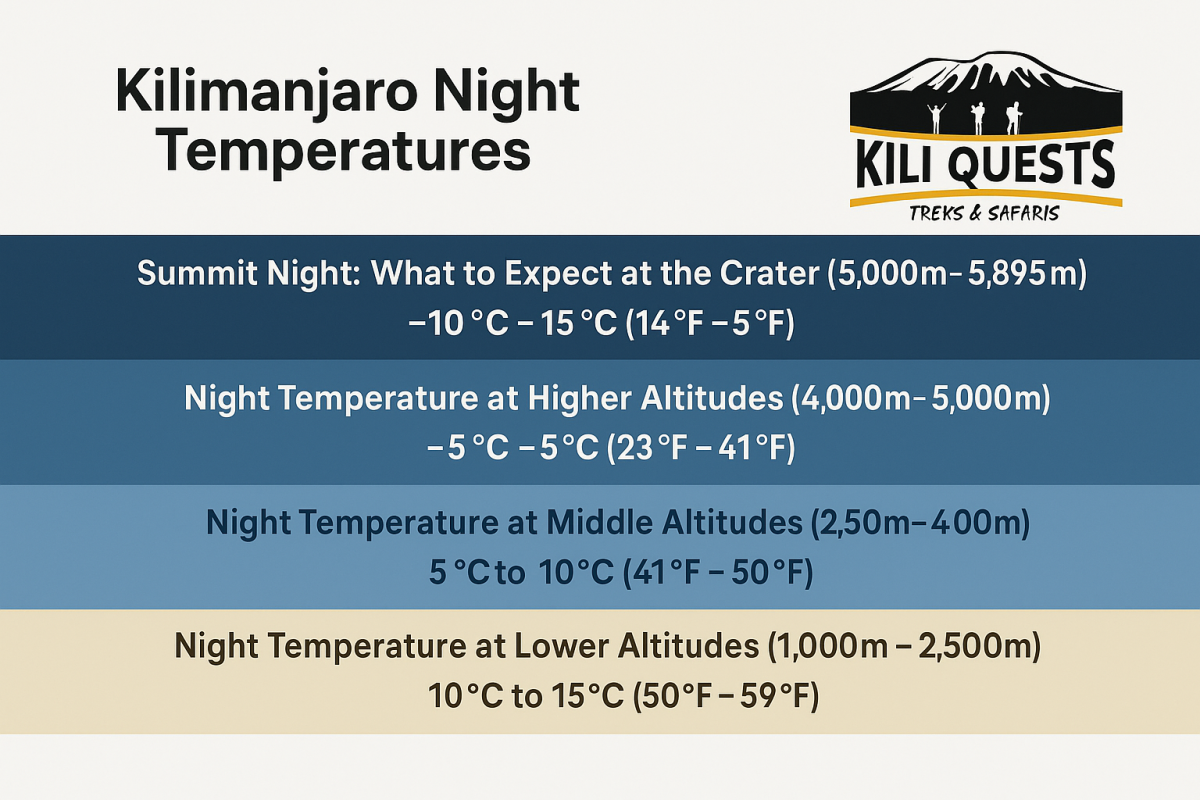
| Camp / Elevation Stage | Typical Night Temperature | What It Feels Like | What to Prepare |
|---|---|---|---|
| Lower Camps / Forest Start 1,000–2,500 m |
Around 10°C to 15°C | Cool but usually manageable. Humidity and rain can make evenings feel damp. | Light fleece, dry base layer, rain protection, and warm socks for camp. |
| Middle Camps 2,500–4,000 m |
Around 5°C to 10°C | Noticeably colder after sunset. Many climbers start wearing thermal layers at camp. | Thermal base layer, fleece, warm hat, gloves, and insulated jacket for evenings. |
| High Camps 4,000–5,000 m |
Around -5°C to 5°C | Cold and exposed. Sleep can become harder because of altitude and freezing conditions. | Down jacket, thermal layers, warm socks, gloves, hat, and cold-rated sleeping bag. |
| Summit Night 5,000–5,895 m |
Around -10°C to -15°C or colder with wind | The coldest and hardest stage. Wind, darkness, fatigue, and altitude make it feel more severe. | Heavy down jacket, thermal layers, windproof shell, warm gloves, face covering, thick socks, and insulated boots. |
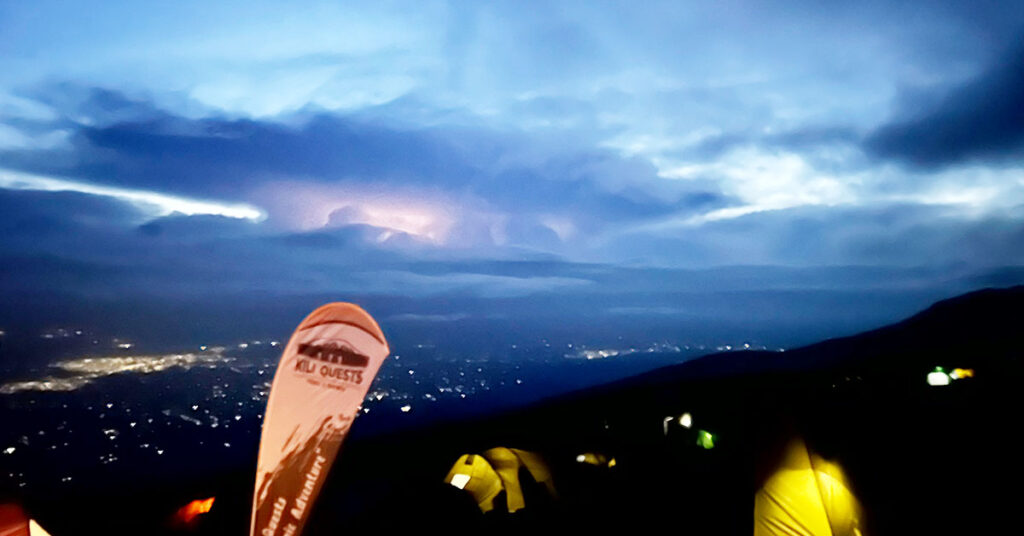
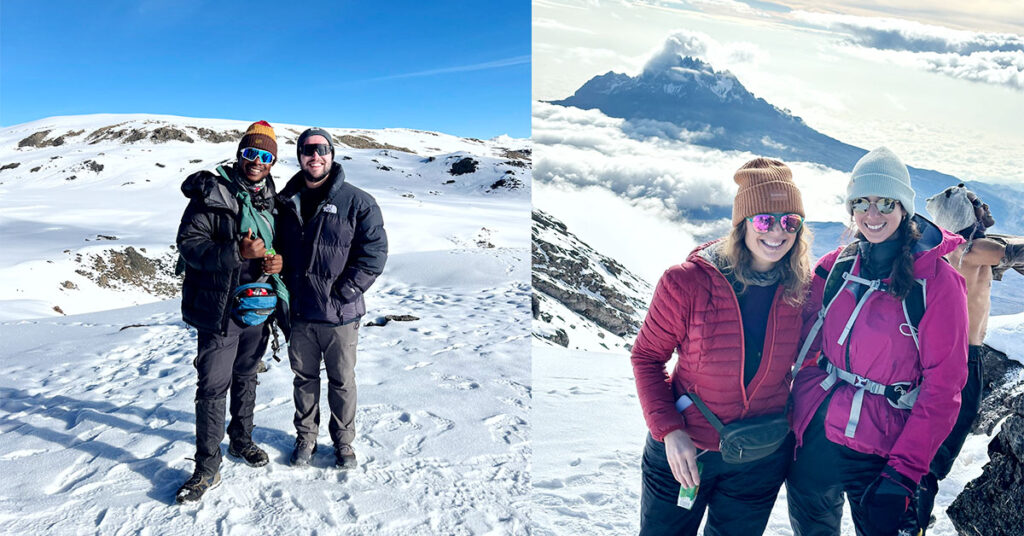
The goal is simple: stay dry, trap warmth early, and protect your energy for the next trekking day.
For the full gear list, use our Kilimanjaro Packing List before your climb.
Contact Kili Quests today and tell us your route, travel month, and climbing experience. We will help you prepare for Kilimanjaro’s cold nights and summit conditions with confidence.
Pack Smart for Kilimanjaro Packing the wrong gear can make your climb harder than it needs to be especially on summit night.At Kili Quests, we
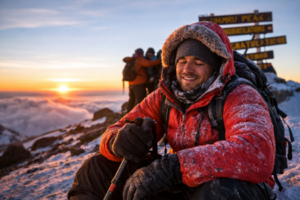
Plan Your Kilimanjaro Climb Climb safely with the right preparation and expert support. Choose the safest route Prepare for altitude properly Climb with experienced local
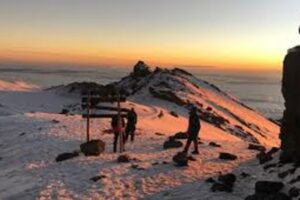
Plan Your Kilimanjaro Climb Climb with the right preparation, support, and safety strategy. Choose the safest route Prepare for altitude properly Climb with expert local