Get Ready for Kilimanjaro
- Fitness level guidance
- Route advice that fits you
- Expert local support
Prepare the Right Way
OUR CATEGORIES
How Fit Do You Need to Be to Climb Kilimanjaro?
Quick Answer: How Fit Do You Need to Be to Climb Kilimanjaro?
Table of Contents
What Type of Fitness Does Kilimanjaro Require?
Walking Endurance
Cardiovascular Fitness
Leg Strength
Mental Strength
Do You Need to Be Extremely Fit to Climb Kilimanjaro?
- Train consistently before the climb
- Walk slowly on the mountain
- Listen to their guides
- Choose a route with enough acclimatization time
- Stay hydrated and eat properly
- Manage their energy instead of rushing
Who Actually Succeeds?
- People with moderate fitness
- People who prepare consistently
- People who pace themselves
- go slowly (pole pole)
- listen to their guides
- manage their energy
Fitness Levels Explained
| Fitness Level | Can You Climb Kilimanjaro? | What It Means |
|---|---|---|
| Low fitness | Possible, but not ideal | You should train before booking or allow more preparation time. Long walks, hills, and basic cardio are important. |
| Moderate fitness | Yes | This is enough for many climbers if combined with good pacing, proper acclimatization, and consistent preparation. |
| Good fitness | Yes, with more comfort | You may handle daily trekking better, but altitude can still affect you. Fitness does not guarantee summit success. |
| Very high fitness | Yes, but still be careful | Athletic climbers still need to walk slowly. Going too fast can increase altitude problems. |
How Much Training Do You Need Before Kilimanjaro?
- Walk regularly
- Add hills or stairs
- Build up to longer hikes
- Strengthen your legs and core
- Practice carrying a light daypack
- Train on consecutive days when possible
How Long Should You Train?
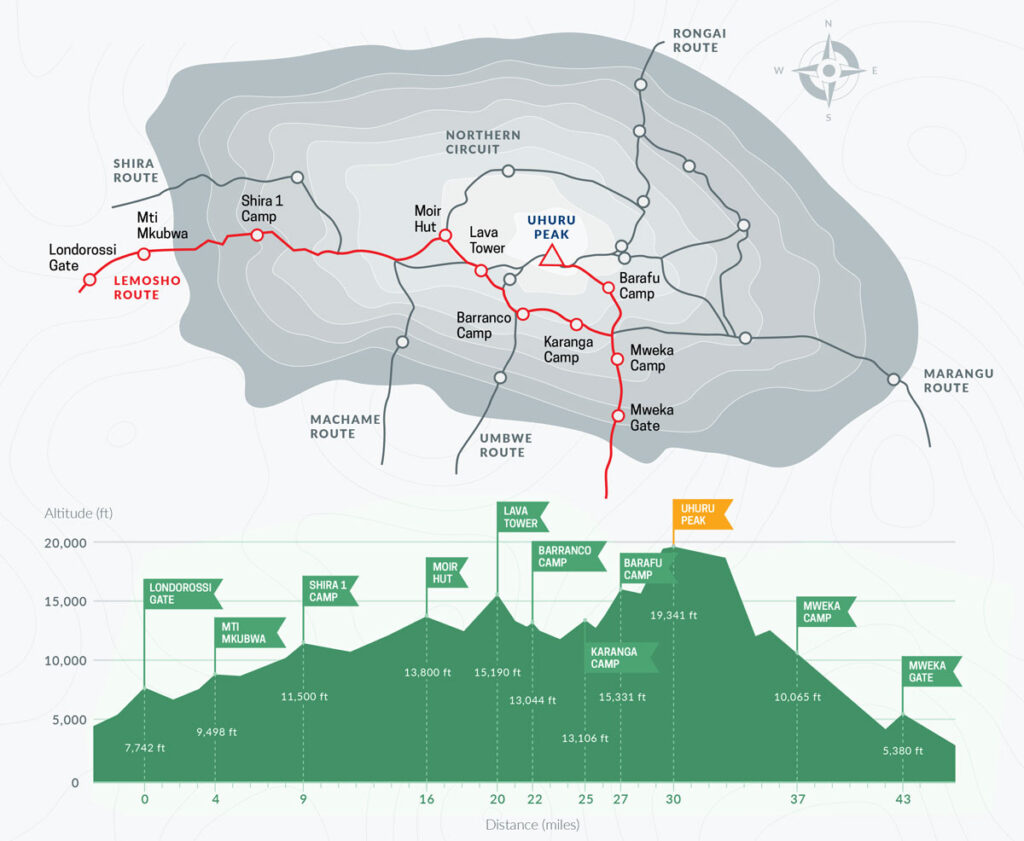
A 4 to 6 week preparation period is enough for most people.If you already have a good fitness base, even less may be needed.The exact amount of training you need depends on your starting fitness level, age, hiking experience, and the route you choose. Someone taking a longer route such as Lemosho or Northern Circuit may cope better with the climb than someone choosing a shorter itinerary with less acclimatization time.
Common Fitness Mistakes Before Climbing Kilimanjaro
Focusing Too Much on Strength
Training Too Hard Too Late
Ignoring Hills and Uneven Ground
Not Practicing With a Daypack
Forgetting Recovery
Fitness vs Altitude: What Matters More?
- Moderate fitness
- Proper acclimatization
- Slow pacing
- Good hydration
- Experienced guide support
Simple Fitness Test Before Climbing Kilimanjaro
- Walk for 5–7 hours at a steady pace
- Handle uphill walking or stairs without extreme exhaustion
- Stay active for several days in a row
- Carry a light daypack comfortably
- Recover overnight and continue the next day
- Manage long walks without serious knee, hip, or back pain
Final Advice: Build Endurance, Not Ego
Related Kilimanjaro Fitness Guides
Common Questions About Kilimanjaro Fitness
Can a beginner climb Kilimanjaro?
Do you need to be an athlete to climb Kilimanjaro?
How long should you train before Kilimanjaro?
Is fitness or altitude more important on Kilimanjaro?
How do I know if I am fit enough for Kilimanjaro?
Climb Kilimanjaro With the Right Preparation
Related Articles
Mount Kilimanjaro Difficulty: How Hard Is the Climb?
Plan Your Kilimanjaro Climb The right route, timing, and preparation make all the difference.At Kili Quests, we help you plan based on: Best routes for
How to Train for Kilimanjaro: 6-Week Fitness Plan-Kili Quests
Train Smart for Kilimanjaro Not sure if your fitness level is enough for the climb?At Kili Quests, we help you: Build a realistic training plan
How to Acclimatize on Kilimanjaro: Routes, Pace & Tips
Plan Your Kilimanjaro Climb Safely Altitude is the biggest challenge on Kilimanjaro ,the right route and preparation can make the difference between turning back and