Do You Need Technical Skills for Kilimanjaro?

Kilimanjaro Is Non-Technical — But Preparation Matters

You do not need ropes or climbing experience, but the right route, pacing, and support make all the difference.

Keep Planning Your Kilimanjaro Climb

Understanding the mountain is the best way to climb it with confidence.

OUR CATEGORIES

Do You Need Technical Climbing Skills for Kilimanjaro? A Beginner’s Complete Guide
Standing at the base of Mount Kilimanjaro, looking up at its snow-capped summit, many people feel a mix of excitement and doubt.
 
“Can I really do this?”
“Do I need climbing experience?”
“Is this only for professionals?”
 
These are completely normal questions , and the truth might surprise you.Unlike many famous mountains around the world, Kilimanjaro does not demand technical climbing skills.Before booking, many beginners also want to know how hard it is to climb Kilimanjaro and how many days it takes to climb Kilimanjaro.You won’t be hanging from ropes or scaling vertical rock faces. Instead, the journey to the summit is a slow, steady walk through some of the most beautiful and diverse landscapes in Africa.
 
But don’t mistake “non-technical” for “easy.”.Kilimanjaro challenges you in a different way , through altitude, endurance, and mental strength. And that’s exactly what makes reaching the summit so rewarding.In this guide, you’ll discover what you really need to climb Kilimanjaro as a beginner , and how to prepare for success.
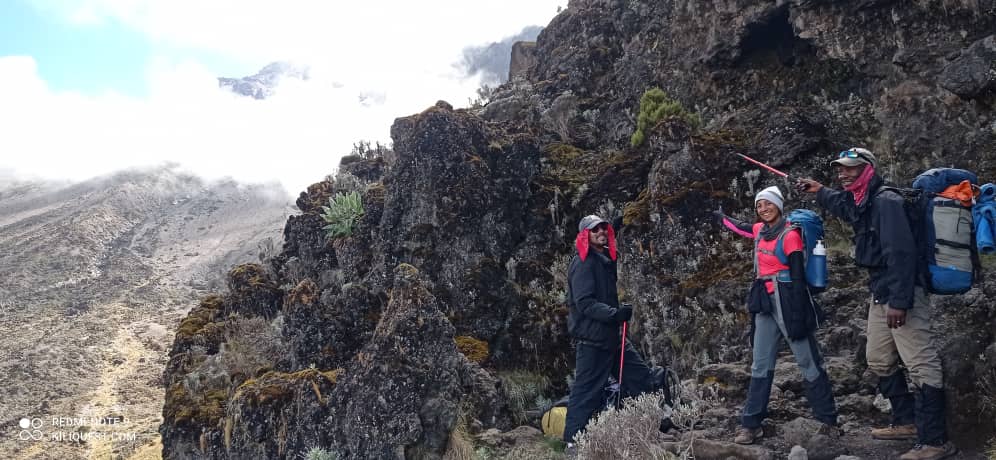
Trekkers climbing the rocky Barranco Wall on Kilimanjaro’s Umbwe Route, with misty skies and steep volcanic terrain in the background | Kili Quests
Kilimanjaro is a non-technical mountain, so climbers reach the summit by trekking rather than using ropes or mountaineering equipment.

Table of Contents

Is Kilimanjaro a Technical Climb?

Kilimanjaro is classified as a non-technical trekking mountain, which means you hike to the summit rather than climb.

What “Non-Technical” Really Means

  • No ropes or harnesses are required
  • No ice axes or climbing gear are needed
  • No prior mountaineering experience is necessary
  • You follow established hiking trails
Even on the steep sections, including summit night, you will be walking — not climbing.
This is what makes Kilimanjaro one of the most accessible high-altitude peaks in the world.

What Makes Kilimanjaro Challenging?

Even without technical difficulty, Kilimanjaro is still a serious challenge.

High Altitude

The biggest obstacle is altitude. As you climb higher, oxygen levels drop, making it harder for your body to function normally.This is why proper Kilimanjaro acclimatization is essential, and why many climbers also research altitude sickness on Kilimanjaro before choosing a route.

Long Trekking Days

Most climbs take between 6 and 9 days, depending on the route and itinerary. You can read our full guide on how many days it takes to climb Mount Kilimanjaro to understand how duration affects acclimatization and summit success.

Summit Night

Summit night is the most demanding part of the journey:
  • You start around midnight
  • You hike for 6–8 hours in the dark
  • Temperatures drop below freezing
It is a true test of both physical and mental strength.

Rapidly Changing Environments

During your climb, you pass through multiple climate zones:
  • Rainforest
  • Moorland
  • Alpine desert
  • Arctic summit
Each zone brings different conditions, requiring you to adapt constantly.These changing conditions are part of what makes the climb so unique, especially as you move through the ecological zones of Mount Kilimanjaro.

Can Beginners Climb Kilimanjaro?

Yes — and this is one of the most inspiring aspects of Kilimanjaro.Most people who reach the summit are not professional climbers. They are travelers, adventurers, and first-timers who prepared well and stayed determined.Choosing the right itinerary matters, which is why many first-time trekkers compare the best Kilimanjaro routes for beginners before deciding.

What You Don’t Need

  • Technical climbing skills
  • Mountaineering experience
  • Previous high-altitude climbs

What You Do Need

  • Consistent preparation
  • A positive mindset
  • The right support team
With these, Kilimanjaro becomes an achievable goal.

What Skills Do You Actually Need?

 Even though technical skills are not required, some basic abilities are important.

Endurance

You’ll need to walk for several hours each day, often on uneven terrain.

Mental Strength

There will be moments when you feel tired, cold, or unsure — especially on summit night. Staying focused is key.

Basic Fitness

You don’t need to be extremely fit, but you should be able to:
  • Walk uphill comfortably
  • Carry a small daypack
  • Stay active for multiple days
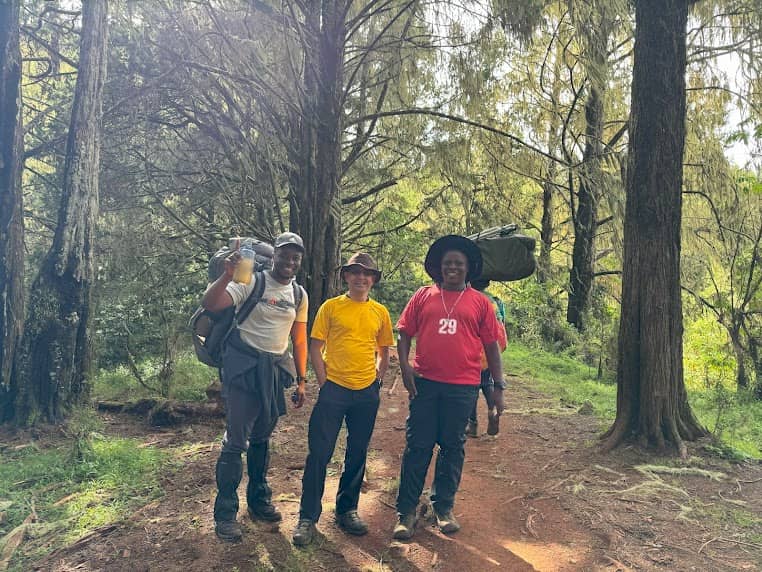
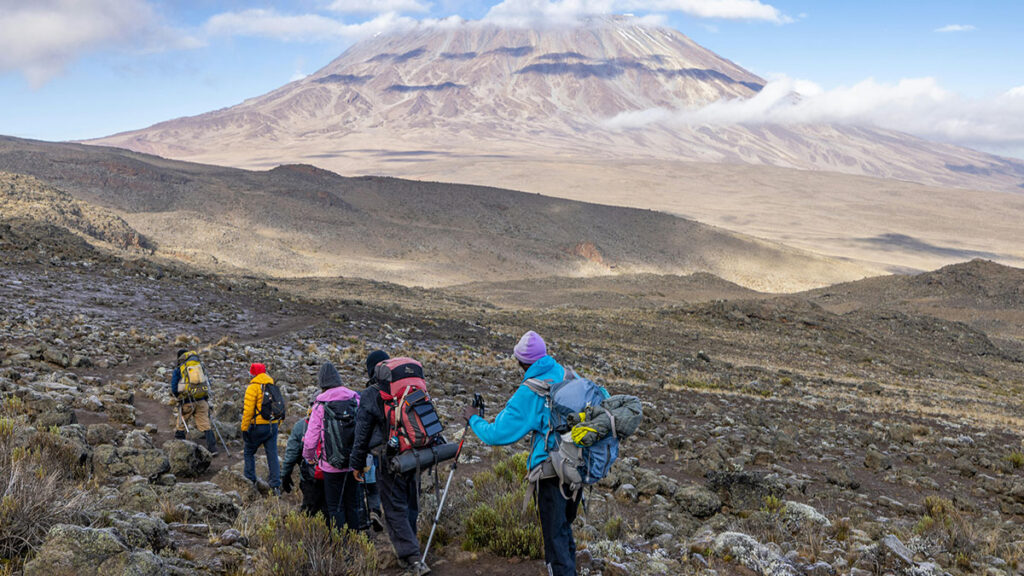
Trekkers and porters hiking through the forest into the moorland zone on the Lemosho Route, Mount Kilimanjaro | Kili Quests
Kilimanjaro is non-technical, but climbers still face changing terrain, altitude, and weather across multiple climate zones.

Recommended Fitness Level

Fitness Level …………………    Beginner 
Can You Climb?……………….   Yes 
Recommendation……………    Train 4–6 weeks before
 
Fitness Level ………………Moderate
Can You Climb?…………  Yes
Recommendation………. Ideal level
 
 
Fitness Level………………Very Fit
Can You Climb?…………  Yes
Recommendation……… Higher success rate

How to Prepare Physically

Focus on:
  • Hiking or long walks
  • Cardio exercises
  • Strength training (legs and core)
A structured Kilimanjaro training plan can help beginners build endurance before the trek.

Do You Need Training Before Climbing?

You don’t need any formal climbing course, but preparation is essential.

Simple Training Plan

A 4–6 week training routine should include:
  • Regular hiking
  • Walking with a backpack
  • Gradually increasing distance and difficulty

This will make your experience much more enjoyable and increase your success rate.

Is Kilimanjaro Safe for Beginners?

Yes — Kilimanjaro is safe when you climb with a professional and experienced team.

What Guides Do for You

  • Monitor your health daily
  • Check oxygen levels
  • Watch for altitude sickness symptoms
  • Make decisions for your safety
Safety depends more on good guidance and acclimatization than on technical ability. If you want a deeper breakdown, read our guide on Kilimanjaro safety and risks.

Best Routes for Beginners

Choosing the right route is one of the most important decisions you’ll make.
 
Route…………………Lemosho 
Difficulty…………….Moderate  
Success Rate……….High  
Best For…………….Beginners
 
Route…………………Machame
Difficulty……………. Moderate  
Success Rate……….High  
Best For…………….Fit beginners
 
Route…………………..Marangu
Difficulty……………. Moderate  
Success Rate………..Medium  
Best For………………Hut accommodation
 
Route…………………Northern Circuit  
Difficulty…………….Moderate  
Success Rate……….Very High 
Best For…………….Best acclimatization

Why Longer Routes Are Better

Longer routes allow your body more time to adjust to altitude, which significantly increases your chances of reaching the summit.That is also why longer itineraries usually perform better in our guide to Kilimanjaro success rates by route.

Beginner Tips for a Successful Climb

  • Walk slowly (pole pole)
  • Stay hydrated
  • Eat regularly
  • Listen to your guide
  • Choose a longer route
  • Bring proper gear
  • Walk slowly (pole pole)
Good preparation also includes reviewing a Kilimanjaro packing list, understanding Kilimanjaro night temperatures, and checking the best time to climb Kilimanjaro before you book.

Do You Need Technical Skills?

No , you do not need technical climbing skills to climb Kilimanjaro.
What you do need is:
  • Preparation
  • Determination
  • Physical endurance
  • The right team supporting you
Kilimanjaro is not about technical ability — it’s about perseverance. And that’s exactly why so many beginners successfully reach the summit every year.

Frequently Asked Questions

Is Kilimanjaro suitable for first-time climbers?

Yes, Kilimanjaro is one of the best mountains in the world for first-time climbers because it does not require any technical climbing skills. Unlike other high mountains, you don’t need ropes, harnesses, or prior mountaineering experience.
However, being a beginner does not mean you should take it lightly. The mountain is still physically demanding due to altitude and long trekking days. Most successful first-time climbers prepare in advance by improving their fitness, choosing a longer route for better acclimatization, and following their guide’s instructions closely.With the right preparation and mindset, a beginner can absolutely reach the summit.

What is the biggest reason people fail to reach the summit?

The number one reason climbers fail on Kilimanjaro is altitude sickness, not lack of fitness or technical skill.As you climb higher, oxygen levels decrease, and your body needs time to adjust. If you ascend too quickly, your body may not acclimatize properly, leading to symptoms like headaches, nausea, dizziness, and fatigue.
Many climbers make the mistake of choosing shorter routes or walking too fast. The key to success is to go slowly (“pole pole”), stay hydrated, and allow your body enough time to adapt to the altitude.Choosing a longer route with more acclimatization days significantly increases your chances of reaching the summit.

How physically fit do you need to be to climb Kilimanjaro?

You don’t need to be extremely fit or an athlete to climb Kilimanjaro, but you should have a moderate level of fitness.You should be comfortable:
  • Walking for 5–8 hours a day
  • Hiking uphill and downhill
  • Staying active for multiple consecutive days

What matters more than peak fitness is endurance and consistency. Many very fit people fail because they underestimate the altitude, while moderately fit people succeed because they pace themselves properly.A simple 4–6 week preparation plan that includes walking, hiking, and basic cardio can make a big difference in your overall experience.

Is climbing Kilimanjaro dangerous for beginners?

Kilimanjaro is generally safe for beginners when climbed with a professional and experienced team. The main risks come from altitude, not technical difficulty.Licensed operators provide trained guides who monitor your health daily, check oxygen levels, and watch for signs of altitude sickness. If any serious symptoms appear, they will make the decision to descend immediately for your safety.
The safest way to climb Kilimanjaro is to:
  • Choose a reputable operator
  • Select a longer route for better acclimatization
  • Follow your guide’s instructions at all times

When these factors are in place, Kilimanjaro is considered a safe and well-managed adventure.

What is the hardest part of climbing Kilimanjaro?

The hardest part of climbing Kilimanjaro is summit night.
This final push to the summit usually begins around midnight. Climbers hike in darkness for 6–8 hours in freezing temperatures, often feeling tired, cold, and affected by altitude.
This is where mental strength becomes critical. Physically, the pace is slow, but the conditions make it challenging. Many climbers say this is the moment where they question whether they can continue.
However, those who stay focused, move slowly, and keep going step by step are rewarded with one of the most unforgettable sunrises in the world at Uhuru Peak.

Climb Kilimanjaro with Kili Quests

 Ready to take on Kilimanjaro?With Kili Quests, you get:
  • Experienced local guides
  • High summit success rates
  • Safe and well-organized climbs
  • Full support from arrival to summit
Contact us today and start planning your Kilimanjaro adventure.

Related Articles

Kilimanjaro Climb Package: Meals, Gear, Guides & More

Choose the Right Kilimanjaro Package

The package you choose affects your comfort, safety, and overall experience on the mountain.
At Kili Quests, we help you plan your climb based on:

Plan Your Kilimanjaro Climb the Right Way

Understanding routes, cost, and difficulty will help you prepare better.At Kili Quests, start with:

OUR CATEGORIES

Kilimanjaro Climbing Package: What’s Included | Kili Quests

Climbing Mount Kilimanjaro is one of the most rewarding adventures in the world  but many climbers don’t fully understand what they are actually paying for.At Kili Quests, our climbing packages are designed to be fully supported, safe, and stress-free, so you can focus on the journey instead of worrying about logistics.
 
In this guide, you’ll get a complete breakdown of what’s included, what’s not included, and what to expect when booking your Kilimanjaro climb.
 
Before choosing a package, it’s important to understand the full cost. You can read our detailed breakdown here:How Much Does It Cost to Climb Mount Kilimanjaro? 
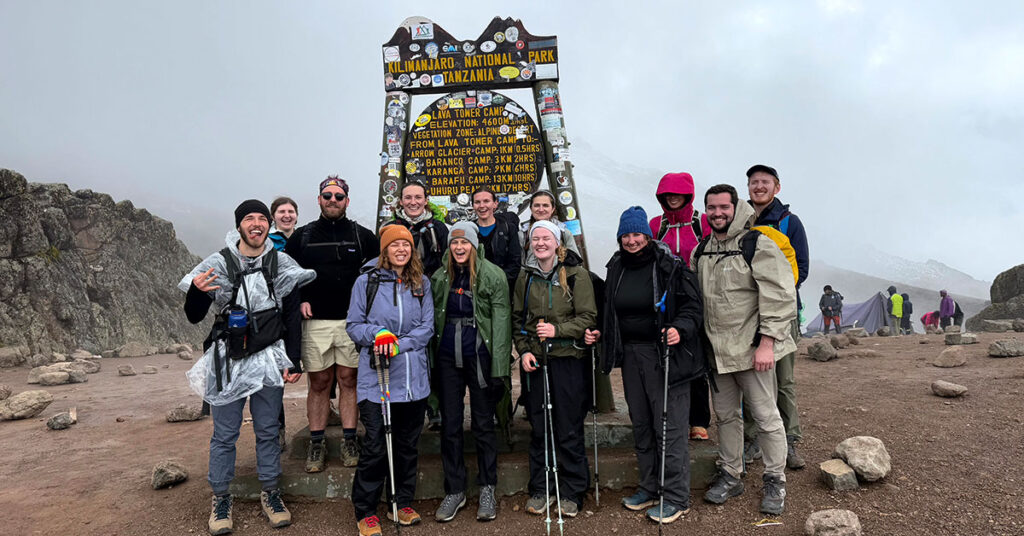
Welcome to Lava Tower, a key acclimatization point on Kilimanjaro

Who This Kilimanjaro Package Is Best For

  • First-time climbers who want full support
  • Travelers who want a stress-free experience
  • Climbers who value safety, logistics, and ethical porter treatment
  • People comparing operators and wanting to understand real value

What’s Included in Our Kilimanjaro Climbing Package

Transportation & Transfers

  • Airport pick-up from Kilimanjaro International Airport (JRO), Moshi, or Arusha
  • Return transfer after your trek
  • Round-trip transport to and from the Kilimanjaro National Park gate
Everything is arranged so your journey runs smoothly from arrival to departure.

Park Fees & Permits

  • Kilimanjaro National Park entry fees
  • Camping fees
  • Rescue fees
  • Environmental and conservation charges
These are mandatory fees set by TANAPA and are fully included in your package.

Professional Guides & Support Team

  • Certified, English-speaking lead guides (WFR trained)
  • Assistant guides (1 per 2 climbers)
  • Experienced porters carrying equipment and supplies
  • Mountain cooks preparing fresh meals daily
  • pulse oximeter
  • emergency oxygen
  • first aid kit
  • daily health checks
Your support team is one of the most important factors for a safe and successful climb.
 If you’re wondering how challenging the climb actually is, read:How Hard is Kilimanjaro? 

Accommodation (Before, During & After)

  • 2 hotel nights (before and after your climb, breakfast included)
  • High-quality mountain tents
  • Sleeping mats
  • Dining tent with tables and chairs
  • Full camp setup and breakdown
You don’t need camping experience — everything is taken care of.

Meals & Drinking Water

  • 3 fresh meals per day on the mountain
  • Hot breakfasts, packed or cooked lunches, and warm dinners
  • Clean, treated drinking water daily
  • Special dietary options available (vegetarian, vegan, gluten-free)
Read about what you’ll eat on the mountain:What Food Is Served on Kilimanjaro?

Camping & Climbing Equipment (Provided)

  • Sleeping mats
  • Dining tent and furniture
  • Cooking equipment and gas stoves
  • Cutlery and dining supplies
  • Solar lighting
  • Private portable toilet (flush system) at every camp
Comfort plays a bigger role than most people expect, especially at high altitude.

Ethical Treatment of Crew

  • Fair wages above TANAPA recommendations
  • Strict porter weight limits
  • Ethical working conditions
Responsible tourism ensures both climbers and crew have a positive experience.
Step by step across the land that knows no boundaries.

Why These Inclusions Matter on Kilimanjaro

  • Park fees are mandatory and affect total cost
  • Experienced guides improve safety and summit success
  • Good meals and hydration help with energy and recovery
  • Proper camp setup improves comfort at altitude
  • Ethical porter treatment matters when choosing an operator

What’s Not Included in the Package

Personal Gear

  • Sleeping bags
  • Hiking boots
  • Trekking poles
  • Thermal clothing
  • Gloves and backpacks
These can be rented locally in Moshi or Arusha.
Not sure what to bring?Kilimanjaro Packing List Guide 

Tips & Gratuities

  • Tips for guides, porters, and cooks are not included
Tipping is a standard part of the Kilimanjaro experience.
See full recommendations here:Kilimanjaro Tipping Guide 

Flights & External Transport

  • International or domestic flights
  • Transfers from other regions (e.g., Nairobi)

Tanzania Visa

  • Visa fees and application

Don’t know where how to apply for visa read our: Tanzania Visa Guide.

Travel Insurance

Not included, but highly recommended.Your insurance should cover:
  • Medical emergencies
  • Altitude sickness
  • Emergency evacuation
  • Trip interruption
Read how to stay safe at altitude:Altitude Sickness on Kilimanjaro Guide 
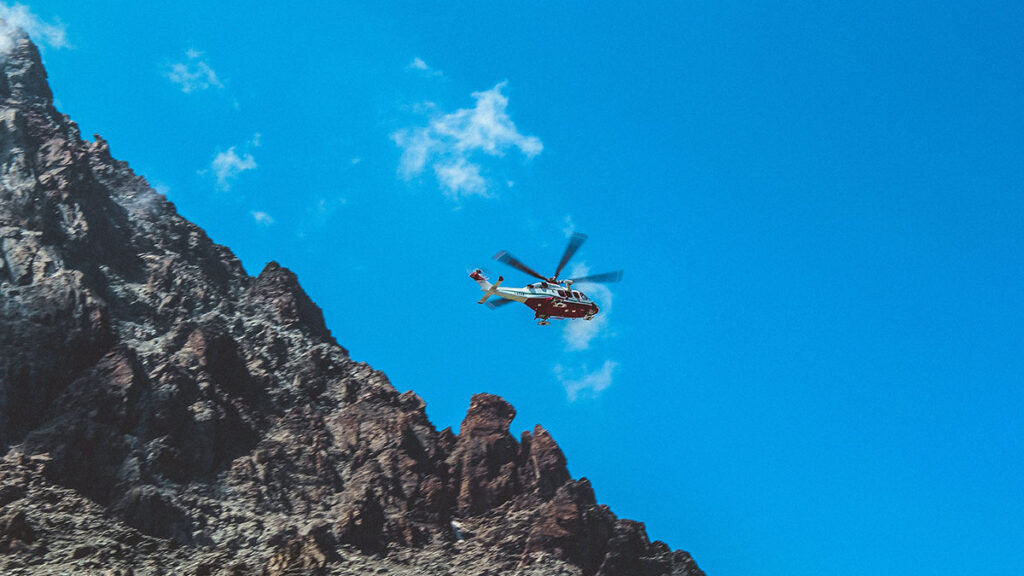
Helicopter flying over Mount Kilimanjaro during an emergency evacuation
Your safety is our top priority—evacuation support available if needed.

Extra Hotel Nights

  • Additional nights outside the included two

Does the Package Change by Route?

  • Longer routes usually cost more because of extra park fees, staff days, and supplies
  • Routes like Lemosho and Northern Circuit often include more acclimatization time
  • Shorter routes may be cheaper but can reduce summit success
Compare routes before booking:Kilimanjaro Routes Guide  

How to Choose the Right Kilimanjaro Package

Not all climbing packages are the same. A cheaper option may seem attractive, but it can affect your safety, comfort, and summit success.
Things to consider:
  • Number of acclimatization days
  • Guide experience
  • Group size
  • Equipment quality
  • Safety protocols
Compare routes before booking:Kilimanjaro Routes Guide 

Why Booking With a Local Kilimanjaro Operator Matters

  • Local, experienced mountain team
  • Strong focus on safety and acclimatization
  • Ethical porter treatment
  • better on-ground support
  • Transparent pricing (no hidden costs)
  • Personalized support before, during, and after your climb
We don’t just guide climbs  we create well-planned, safe, and successful summit experiences.

Frequently Asked Questions

What is included in a Kilimanjaro climbing package?

Most Kilimanjaro climbing packages include airport transfers, park permits, professional guides and porters, accommodation before and after the trek, mountain camping equipment, meals during the climb, and transportation to and from the park gate. These services ensure climbers are fully supported throughout the journey.

Are park fees included in Kilimanjaro climbing packages?

Yes. Most tour operators include all required park fees set by Tanzania National Parks Authority (TANAPA). These fees cover park entry, camping permits, rescue fees, and conservation charges required to climb Mount Kilimanjaro.

Do Kilimanjaro packages include guides and porters?

Yes. A professional support team is included in most packages. This usually consists of certified mountain guides, assistant guides, cooks, and porters who carry gear, prepare meals, and help set up camp during the trek.

Are meals provided during the Kilimanjaro climb?

Yes. Trekkers usually receive three freshly prepared meals per day on the mountain, including breakfast, lunch, and dinner. Drinking water is also provided daily, and many companies can accommodate dietary needs such as vegetarian or vegan meals.

What personal items are not included in a Kilimanjaro climbing package?

Personal trekking gear such as sleeping bags, hiking boots, trekking poles, thermal clothing, gloves, and backpacks are usually not included. However, these items can often be rented locally in Moshi or Arusha before the trek begins.

Do Kilimanjaro packages include flights and travel insurance?

No. International flights, visas, and travel insurance are typically not included in climbing packages. Climbers are responsible for arranging their own flights to Kilimanjaro International Airport (JRO) and purchasing travel insurance that covers trekking at high altitude.

 Ready to Climb?

A Kilimanjaro climbing package is not just transport and tents. It is the full support system behind your safety, comfort, acclimatization, and summit success. Understanding what is included helps you compare operators properly and choose a team that gives you the best chance of a safe and rewarding climb.
Let us handle the logistics so you can focus on the experience.
 
Contact Kili Quests today to start planning your Kilimanjaro adventure.

Related Articles