How Fit Do You Need to Be to Climb Mount Kilimanjaro?

Get Ready for Kilimanjaro

The right preparation makes the climb safer, easier, and more achievable.

Prepare the Right Way

Build a smarter climb plan before you book.
Links:

OUR CATEGORIES

How Fit Do You Need to Be to Climb Mount Kilimanjaro?

For many people dreaming of climbing Mount Kilimanjaro, one question comes up again and again:Am I fit enough to do this?”
 
You don’t need to be an athlete. You don’t need to run marathons. And you don’t need years of hiking experience.But you do need a certain level of fitness , not extreme strength, but consistent endurance.Kilimanjaro is not a technical climb. It’s a long, demanding trek at high altitude.And that means your success depends less on how strong you are, and more on how well your body handles long days of walking and thin air.That is also why route choice and acclimatization strategy matter so much on Kilimanjaro. Before booking, it helps to compare the different Kilimanjaro routes and understand how acclimatization affects summit success.Understanding what “fit enough” really means is the first step toward reaching the summit.Many first-time climbers assume Kilimanjaro is only for highly athletic people, but in reality, most successful trekkers are ordinary travelers who prepare well, choose the right route, and give their bodies time to acclimatize.
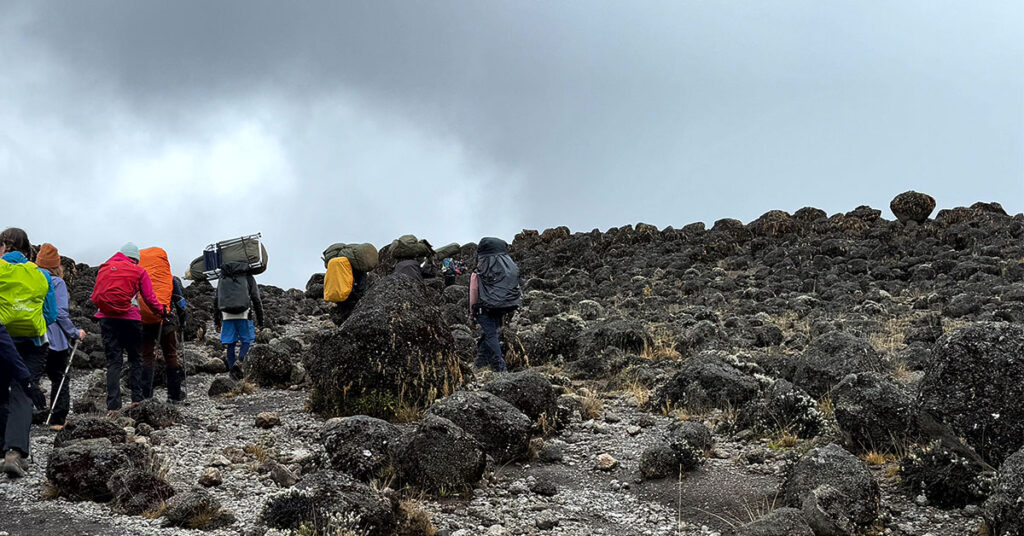
Climbing Kilimanjaro requires steady endurance more than extreme athletic ability.

Table of Contents

What Type of Fitness Does Kilimanjaro Require?

Kilimanjaro tests a very specific kind of fitness.

Endurance (Most Important)

You will be walking for 5–8 hours per day, sometimes longer.
This is not about speed — it’s about:
  • Keeping a steady pace
  • Moving consistently every day
  • Managing fatigue over time
This is one reason longer itineraries often give climbers a better experience, because they reduce the physical stress of rushing the mountain and give more time to adapt. If you are still choosing an itinerary, our guide to the best Kilimanjaro routes explains which routes are better for endurance and acclimatization.

Cardiovascular Fitness

Your heart and lungs play a major role, especially at altitude.
Good cardio helps you:
  • Breathe more efficiently
  • Maintain energy levels
  • Recover faster

Leg Strength

You’ll be walking uphill, downhill, and on uneven terrain.
Strong legs help reduce fatigue and prevent injuries.

Mental Strength

Kilimanjaro is as much mental as it is physical.There will be moments when you feel tired or uncomfortable , especially during summit night. Your mindset will determine whether you continue or stop.This becomes especially important on summit night, when cold temperatures, fatigue, and altitude combine. You can also read our guide to Kilimanjaro summit tips to understand what that final push really feels like.

The Reality — You Don’t Need to Be Extremely Fit

This is one of the biggest misconceptions.You do NOT need:
  • Elite fitness
  • Gym-level strength
  • Advanced hiking experience

Many people assume Kilimanjaro is only possible for experienced hikers or highly trained athletes. In reality, the mountain is far more about consistency, pacing, and altitude management than raw physical power.

Who Actually Succeeds?

Many very fit people fail because they go too fast.Many average-fit people succeed because they:
  •  go slowly (pole pole)
  •  listen to their guides
  •  manage their energy
They also tend to do better when they choose longer routes that allow better acclimatization. That is one reason routes like Lemosho and the Northern Circuit are often recommended for first-time climbers.

Fitness Levels Explained

Fitness Level………………….Beginner 
Can You Climb?…………….. Yes
Reality…………………………… With preparation
 
 
Fitness Level………………..Moderate

Can You Climb? …………………Yes 

Reality……………………………….Ideal
 
 
Fitness Level……………….Very Fit  
Can You Climb?…………..Yes 
Reality……………………More comfortable
 
No matter your starting fitness level, your route, pace, and acclimatization plan still play a major role in whether you reach Uhuru Peak.

How to Train for Kilimanjaro

You don’t need a complicated program. Keep it simple and consistent.

Walking & Hiking

 The best training is walking.Start with:
  • 30–60 minutes walks
  • Gradually increase distance
  • Include hills if possible
If you want a more detailed week-by-week plan, read our full guide on how to train for Kilimanjaro.

Cardio Training

Add activities like:
  • Running
  • Cycling
  • Swimming
2–3 times per week is enough.

Strength Training

Focus on:
  • Legs (squats, lunges)
  • Core (planks)
This helps stability and endurance.

Practice with a Backpack

Train with the same type of daypack you’ll use on the mountain.It also helps to know what you will actually carry each day. Our Kilimanjaro packing list explains which essentials belong in your daypack and which items stay with the support crew.

Train for Consistency

The goal is not intensity — it’s repetition.
 Being active regularly is more important than pushing too hard.

How Long Should You Train?

A 4 to 6 week preparation period is enough for most people.If you already have a good fitness base, even less may be needed.The exact amount of training you need depends on your starting fitness level, age, hiking experience, and the route you choose. Someone taking a longer route such as Lemosho or Northern Circuit may cope better with the climb than someone choosing a shorter itinerary with less acclimatization time.
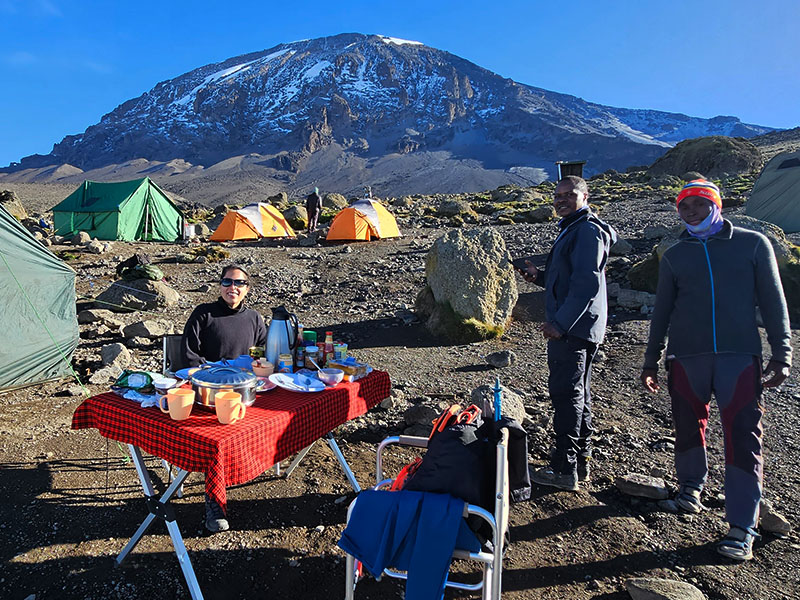
Trekkers enjoying breakfast at Karanga Camp on the Shira Route of Mount Kilimanjaro, with colorful tents and Kibo Peak in the background | Kili Quests
Regular pacing, short breaks, and proper guidance help climbers manage Kilimanjaro’s physical demands.

The Biggest Fitness Mistakes Climbers Make

Many climbers focus on the wrong things when preparing for Kilimanjaro. It’s not about training harder ,it’s about training smarter.This is especially important because Kilimanjaro includes long uphill sections, steep descents, and difficult summit terrain. If you are still deciding whether the challenge is right for you, our guide on how hard Kilimanjaro is breaks down what makes the climb demanding.

Focusing on Strength Instead of Endurance

A common mistake is spending too much time in the gym building strength, while ignoring long-distance walking.Kilimanjaro is not a strength challenge — it’s an endurance challenge.You won’t be lifting heavy weights on the mountain. You’ll be walking for hours, day after day. If your body is not used to sustained movement, fatigue will build quickly.The better approach is to prioritize long walks and hikes over gym sessions.

Training Too Intensely, Too Quickly

Some climbers try to “crash train” a few weeks before the climb by pushing their limits every day.This often leads to:
  • Fatigue
  • Muscle soreness
  • Increased risk of injury
Consistency is far more effective than intensity. Training regularly at a moderate level prepares your body better than short bursts of extreme effort.

Ignoring Real Hiking Conditions

Training on flat ground or only using treadmills does not fully prepare you for Kilimanjaro.The mountain includes:
If possible, include outdoor hikes with elevation gain in your training. This will make a significant difference in how your body performs on the mountain.

Not Training with a Backpack

Many people forget that they will carry a daypack during the climb.Even a light pack adds extra strain over long distances. Training with a backpack helps your body adapt and improves your balance and posture.

Underestimating Recovery

Kilimanjaro is not just about walking — it’s about recovering overnight and doing it again the next day.If your training doesn’t prepare you for consecutive days of activity, the accumulated fatigue can affect your performance during the climb.

Fitness vs Altitude — What Really Determines Success?

One of the biggest misconceptions about Kilimanjaro is that being very fit guarantees success.It doesn’t.The biggest reason is altitude. Kilimanjaro takes trekkers to 5,895 meters, where the reduced oxygen level affects everyone differently, including strong runners, gym-goers, and experienced hikers.

Why Fitness Alone Is Not Enough

You can be extremely fit and still struggle on Kilimanjaro.
At high altitude, the body reacts differently:
  • Oxygen levels decrease
  • Breathing becomes harder
  • Energy levels drop
This is not something you can fully train for at sea level.
 

Altitude Affects Everyone Differently

There is no “perfect fitness level” that protects you from altitude sickness.
Even experienced athletes can experience:
  • Headaches
  • Nausea
  • Fatigue
Meanwhile, less fit climbers sometimes perform better simply because they move slowly and allow their bodies to adjust.These are some of the early signs associated with altitude sickness on Kilimanjaro, which is why physical fitness alone is never enough.
 

The Real Key: Acclimatization

The most important factor for success is not fitness , it’s how well your body adapts to altitude.
This is why:
  • Longer routes have higher success rates
  • Slow pacing (“pole pole”) is critical
  • Rest days matter
If you want to understand this in more detail, read our guide to Kilimanjaro acclimatization and our route success rate comparison.

The Balance Between Fitness and Strategy

The best approach is combining:
  • Moderate fitness
  • Proper acclimatization
  • Smart pacing
When these three work together, your chances of reaching the summit increase significantly.

Signs You Are Ready to Climb Kilimanjaro

You are ready if you can:
  • Walk 5–6 hours comfortably
  • Handle uphill terrain
  • Stay active for multiple days
  • Recover overnight

Final Answer

You don’t need to be extremely fit to climb Kilimanjaro.You need:
  • Endurance over strength
  • Consistency over intensity
  • Patience over speed
Kilimanjaro is not about being the strongest person , it’s about being prepared and pacing yourself correctly.

Common Questions About Kilimanjaro Fitness

Can an unfit person climb Kilimanjaro?

Yes, an unfit person can still climb Kilimanjaro, but preparation is absolutely essential. Kilimanjaro is not a technical mountain, which means you don’t need climbing skills, but it does require endurance and the ability to walk for several hours over multiple days.Someone starting with low fitness can improve significantly with consistent training in the weeks leading up to the climb. The goal is not to become extremely fit in a short time, but to build steady endurance. Regular walking, hiking, and light cardio can make a noticeable difference.It’s also important to understand that success on Kilimanjaro is not determined by fitness alone. Many climbers who are not highly athletic still reach the summit because they pace themselves properly, stay consistent, and follow their guide’s instructions. With the right preparation and mindset, even beginners can successfully complete the climb.

Do I need to go to the gym to prepare for Kilimanjaro?

No, going to the gym is not required to prepare for Kilimanjaro. While gym workouts can be helpful for building strength and cardiovascular fitness, they are not the most important form of preparation.Outdoor activities such as walking, hiking, and climbing hills are far more effective because they closely resemble the actual conditions you will experience on the mountain.Training on uneven terrain, carrying a light backpack, and spending time on your feet for several hours will prepare your body more realistically than most gym routines.If you prefer the gym, you can still use it to support your training by focusing on exercises like stair climbing, treadmill walking on an incline, and leg strengthening workouts. However, combining gym training with outdoor practice will give you the best results.

Is running necessary for Kilimanjaro training?

Running is not necessary for Kilimanjaro training, and many successful climbers do not run at all.While running can improve your cardiovascular fitness, it does not directly prepare your body for the type of movement required on the mountain.Kilimanjaro is about slow, steady walking over long periods rather than speed.The most important preparation is getting your body used to spending several hours on your feet, often on uneven or uphill terrain.Activities like long-distance walking, hiking, and hill training are much more relevant. These help build endurance, strengthen your legs, and prepare your joints for the demands of the climb. If you enjoy running, it can be a useful addition, but it should not replace hiking-based training.

What is more important for Kilimanjaro — fitness or acclimatization?

Acclimatization is more important than fitness when it comes to reaching the summit of Kilimanjaro. While fitness helps you manage the physical effort of walking each day, altitude is the biggest challenge on the mountain.As you climb higher, oxygen levels decrease, and your body needs time to adjust. If you ascend too quickly without proper acclimatization, you may experience altitude sickness, which can prevent you from continuing regardless of how fit you are.This is why choosing a longer route with more days is so important. It allows your body to adapt gradually, improving your chances of success. The ideal combination is moderate fitness combined with proper acclimatization and a slow, steady pace.

How can I improve my chances of reaching the summit?

Improving your chances of reaching Uhuru Peak comes down to a combination of preparation, smart planning, and the right approach on the mountain.Consistent training before your trip helps build the endurance needed for multi-day trekking. Choosing a longer route allows better acclimatization, which is the most important factor for success. Once on the mountain, walking slowly and maintaining a steady pace helps conserve energy and supports your body’s adjustment to altitude.Staying hydrated and eating regularly are also critical, even when you don’t feel hungry. Finally, listening to your guide is essential. Experienced guides understand the mountain conditions and can recognize early signs of altitude sickness, helping you make the right decisions at the right time.When all these elements come together, your chances of reaching the summit increase significantly.

Climb Kilimanjaro with Kili Quests

Climbing Kilimanjaro is achievable , with the right preparation and support.
At Kili Quests, we help you:
  • Prepare before your climb
  • Choose the right route
  • Climb safely with experienced guides
  • Maximize your chances of reaching the summit
 Start your Kilimanjaro journey with a team that understands what it takes to succeed.

Related Articles

Do You Need Technical Skills for Kilimanjaro?

Kilimanjaro Is Non-Technical — But Preparation Matters

You do not need ropes or climbing experience, but the right route, pacing, and support make all the difference.

Keep Planning Your Kilimanjaro Climb

Understanding the mountain is the best way to climb it with confidence.

OUR CATEGORIES

Do You Need Technical Climbing Skills for Kilimanjaro? A Beginner’s Complete Guide

Standing at the base of Mount Kilimanjaro, looking up at its snow-capped summit, many people feel a mix of excitement and doubt.
 
“Can I really do this?”
“Do I need climbing experience?”
“Is this only for professionals?”
 
These are completely normal questions , and the truth might surprise you.Unlike many famous mountains around the world, Kilimanjaro does not demand technical climbing skills.Before booking, many beginners also want to know how hard it is to climb Kilimanjaro and how many days it takes to climb Kilimanjaro.You won’t be hanging from ropes or scaling vertical rock faces. Instead, the journey to the summit is a slow, steady walk through some of the most beautiful and diverse landscapes in Africa.
 
But don’t mistake “non-technical” for “easy.”.Kilimanjaro challenges you in a different way , through altitude, endurance, and mental strength. And that’s exactly what makes reaching the summit so rewarding.In this guide, you’ll discover what you really need to climb Kilimanjaro as a beginner , and how to prepare for success.
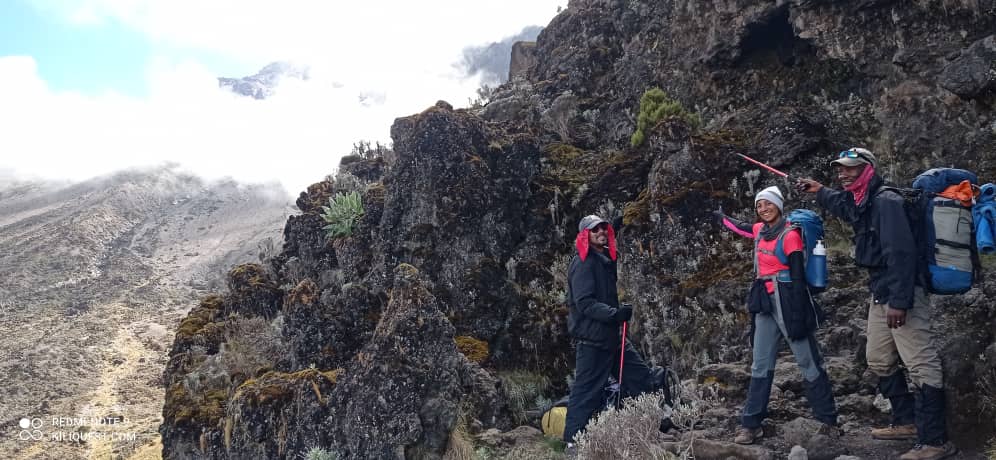
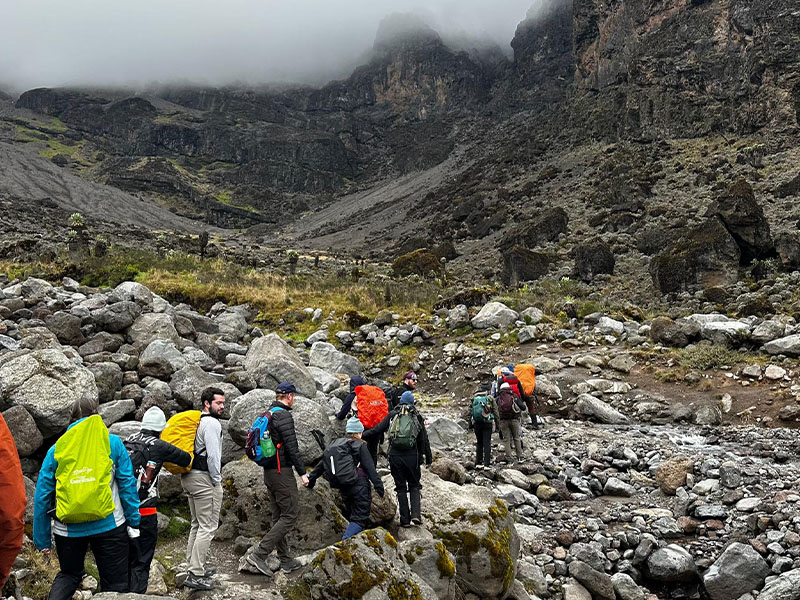
Trekkers climbing the rocky Barranco Wall on Kilimanjaro’s Umbwe Route, with misty skies and steep volcanic terrain in the background | Kili Quests
Kilimanjaro is a non-technical mountain, so climbers reach the summit by trekking rather than using ropes or mountaineering equipment.

Table of Contents

Is Kilimanjaro a Technical Climb?

Kilimanjaro is classified as a non-technical trekking mountain, which means you hike to the summit rather than climb.

What “Non-Technical” Really Means

  • No ropes or harnesses are required
  • No ice axes or climbing gear are needed
  • No prior mountaineering experience is necessary
  • You follow established hiking trails
Even on the steep sections, including summit night, you will be walking — not climbing.
This is what makes Kilimanjaro one of the most accessible high-altitude peaks in the world.

What Makes Kilimanjaro Challenging?

Even without technical difficulty, Kilimanjaro is still a serious challenge.

High Altitude

The biggest obstacle is altitude. As you climb higher, oxygen levels drop, making it harder for your body to function normally.This is why proper Kilimanjaro acclimatization is essential, and why many climbers also research altitude sickness on Kilimanjaro before choosing a route.

Long Trekking Days

Most climbs take between 6 and 9 days, depending on the route and itinerary. You can read our full guide on how many days it takes to climb Mount Kilimanjaro to understand how duration affects acclimatization and summit success.

Summit Night

Summit night is the most demanding part of the journey:
  • You start around midnight
  • You hike for 6–8 hours in the dark
  • Temperatures drop below freezing
It is a true test of both physical and mental strength.

Rapidly Changing Environments

During your climb, you pass through multiple climate zones:
  • Rainforest
  • Moorland
  • Alpine desert
  • Arctic summit
Each zone brings different conditions, requiring you to adapt constantly.These changing conditions are part of what makes the climb so unique, especially as you move through the ecological zones of Mount Kilimanjaro.

Can Beginners Climb Kilimanjaro?

Yes — and this is one of the most inspiring aspects of Kilimanjaro.Most people who reach the summit are not professional climbers. They are travelers, adventurers, and first-timers who prepared well and stayed determined.Choosing the right itinerary matters, which is why many first-time trekkers compare the best Kilimanjaro routes for beginners before deciding.

What You Don’t Need

  • Technical climbing skills
  • Mountaineering experience
  • Previous high-altitude climbs

What You Do Need

  • Consistent preparation
  • A positive mindset
  • The right support team
With these, Kilimanjaro becomes an achievable goal.

What Skills Do You Actually Need?

 Even though technical skills are not required, some basic abilities are important.

Endurance

You’ll need to walk for several hours each day, often on uneven terrain.

Mental Strength

There will be moments when you feel tired, cold, or unsure — especially on summit night. Staying focused is key.

Basic Fitness

You don’t need to be extremely fit, but you should be able to:
  • Walk uphill comfortably
  • Carry a small daypack
  • Stay active for multiple days
Trekkers and porters hiking through the forest into the moorland zone on the Lemosho Route, Mount Kilimanjaro | Kili Quests
Kilimanjaro is non-technical, but climbers still face changing terrain, altitude, and weather across multiple climate zones.

Recommended Fitness Level

Fitness Level …………………    Beginner 
Can You Climb?……………….   Yes 
Recommendation……………    Train 4–6 weeks before
 
Fitness Level ………………Moderate
Can You Climb?…………  Yes
Recommendation………. Ideal level
 
 
Fitness Level………………Very Fit
Can You Climb?…………  Yes
Recommendation……… Higher success rate

How to Prepare Physically

Focus on:
  • Hiking or long walks
  • Cardio exercises
  • Strength training (legs and core)
A structured Kilimanjaro training plan can help beginners build endurance before the trek.

Do You Need Training Before Climbing?

You don’t need any formal climbing course, but preparation is essential.

Simple Training Plan

A 4–6 week training routine should include:
  • Regular hiking
  • Walking with a backpack
  • Gradually increasing distance and difficulty

This will make your experience much more enjoyable and increase your success rate.

Is Kilimanjaro Safe for Beginners?

Yes — Kilimanjaro is safe when you climb with a professional and experienced team.

What Guides Do for You

  • Monitor your health daily
  • Check oxygen levels
  • Watch for altitude sickness symptoms
  • Make decisions for your safety
Safety depends more on good guidance and acclimatization than on technical ability. If you want a deeper breakdown, read our guide on Kilimanjaro safety and risks.

Best Routes for Beginners

Choosing the right route is one of the most important decisions you’ll make.
 
Route…………………Lemosho 
Difficulty…………….Moderate  
Success Rate……….High  
Best For…………….Beginners
 
Route…………………Machame
Difficulty……………. Moderate  
Success Rate……….High  
Best For…………….Fit beginners
 
Route…………………..Marangu
Difficulty……………. Moderate  
Success Rate………..Medium  
Best For………………Hut accommodation
 
Route…………………Northern Circuit  
Difficulty…………….Moderate  
Success Rate……….Very High 
Best For…………….Best acclimatization

Why Longer Routes Are Better

Longer routes allow your body more time to adjust to altitude, which significantly increases your chances of reaching the summit.That is also why longer itineraries usually perform better in our guide to Kilimanjaro success rates by route.

Beginner Tips for a Successful Climb

  • Walk slowly (pole pole)
  • Stay hydrated
  • Eat regularly
  • Listen to your guide
  • Choose a longer route
  • Bring proper gear
  • Walk slowly (pole pole)
Good preparation also includes reviewing a Kilimanjaro packing list, understanding Kilimanjaro night temperatures, and checking the best time to climb Kilimanjaro before you book.

Do You Need Technical Skills?

No , you do not need technical climbing skills to climb Kilimanjaro.
What you do need is:
  • Preparation
  • Determination
  • Physical endurance
  • The right team supporting you
Kilimanjaro is not about technical ability — it’s about perseverance. And that’s exactly why so many beginners successfully reach the summit every year.

Frequently Asked Questions

Is Kilimanjaro suitable for first-time climbers?

Yes, Kilimanjaro is one of the best mountains in the world for first-time climbers because it does not require any technical climbing skills. Unlike other high mountains, you don’t need ropes, harnesses, or prior mountaineering experience.
However, being a beginner does not mean you should take it lightly. The mountain is still physically demanding due to altitude and long trekking days. Most successful first-time climbers prepare in advance by improving their fitness, choosing a longer route for better acclimatization, and following their guide’s instructions closely.With the right preparation and mindset, a beginner can absolutely reach the summit.

What is the biggest reason people fail to reach the summit?

The number one reason climbers fail on Kilimanjaro is altitude sickness, not lack of fitness or technical skill.As you climb higher, oxygen levels decrease, and your body needs time to adjust. If you ascend too quickly, your body may not acclimatize properly, leading to symptoms like headaches, nausea, dizziness, and fatigue.
Many climbers make the mistake of choosing shorter routes or walking too fast. The key to success is to go slowly (“pole pole”), stay hydrated, and allow your body enough time to adapt to the altitude.Choosing a longer route with more acclimatization days significantly increases your chances of reaching the summit.

How physically fit do you need to be to climb Kilimanjaro?

You don’t need to be extremely fit or an athlete to climb Kilimanjaro, but you should have a moderate level of fitness.You should be comfortable:
  • Walking for 5–8 hours a day
  • Hiking uphill and downhill
  • Staying active for multiple consecutive days

What matters more than peak fitness is endurance and consistency. Many very fit people fail because they underestimate the altitude, while moderately fit people succeed because they pace themselves properly.A simple 4–6 week preparation plan that includes walking, hiking, and basic cardio can make a big difference in your overall experience.

Is climbing Kilimanjaro dangerous for beginners?

Kilimanjaro is generally safe for beginners when climbed with a professional and experienced team. The main risks come from altitude, not technical difficulty.Licensed operators provide trained guides who monitor your health daily, check oxygen levels, and watch for signs of altitude sickness. If any serious symptoms appear, they will make the decision to descend immediately for your safety.
The safest way to climb Kilimanjaro is to:
  • Choose a reputable operator
  • Select a longer route for better acclimatization
  • Follow your guide’s instructions at all times

When these factors are in place, Kilimanjaro is considered a safe and well-managed adventure.

What is the hardest part of climbing Kilimanjaro?

The hardest part of climbing Kilimanjaro is summit night.
This final push to the summit usually begins around midnight. Climbers hike in darkness for 6–8 hours in freezing temperatures, often feeling tired, cold, and affected by altitude.
This is where mental strength becomes critical. Physically, the pace is slow, but the conditions make it challenging. Many climbers say this is the moment where they question whether they can continue.
However, those who stay focused, move slowly, and keep going step by step are rewarded with one of the most unforgettable sunrises in the world at Uhuru Peak.

Climb Kilimanjaro with Kili Quests

 Ready to take on Kilimanjaro?With Kili Quests, you get:
  • Experienced local guides
  • High summit success rates
  • Safe and well-organized climbs
  • Full support from arrival to summit
Contact us today and start planning your Kilimanjaro adventure.

Related Articles

Is Climbing Mount Kilimanjaro Dangerous?

Plan Your Kilimanjaro Climb

Climb safely with the right preparation and expert support.

Climb Kilimanjaro the Safe Way

The right preparation and support make all the difference.

OUR CATEGORIES

Is Climbing Mount Kilimanjaro Dangerous?

For many people planning to climb Mount Kilimanjaro, the excitement is quickly followed by a serious question:“Is this dangerous?”.It’s a fair concern.
 
Kilimanjaro stands at 5,895 meters , high enough to affect your body in ways most people have never experienced. You’re walking for days, sleeping at altitude, and pushing yourself toward the highest point in Africa.
But here’s the reality:
 
Kilimanjaro is not a dangerous mountain in the traditional sense , but it is a serious one.There are no technical climbs, no ropes, no vertical rock faces. Yet every year, some climbers struggle , not because of the terrain, but because of how their bodies react to altitude and fatigue.Understanding the real risks , and how to manage them , is what turns Kilimanjaro from something intimidating into something achievable.
 
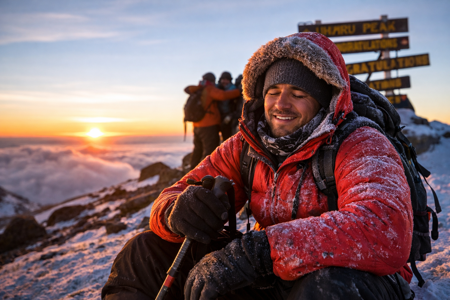
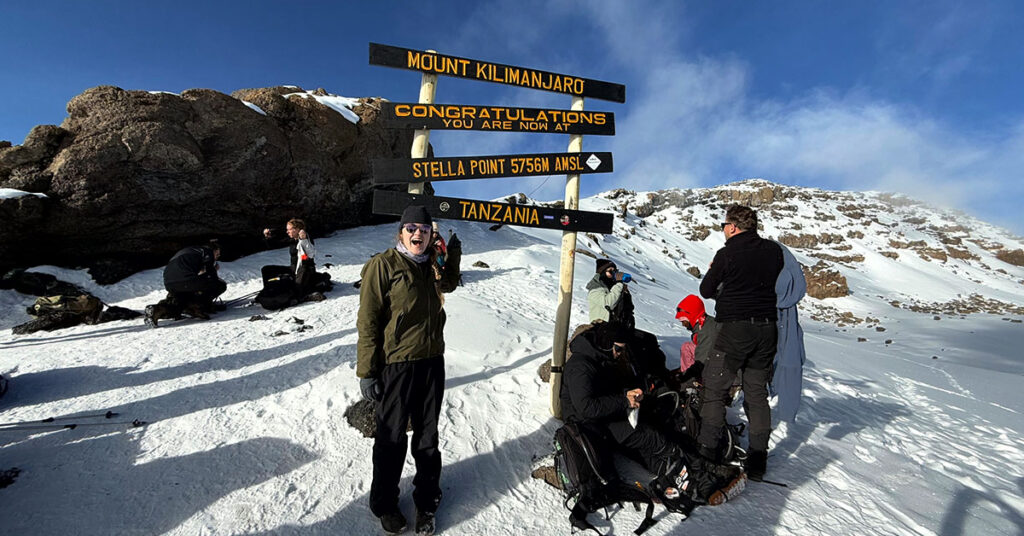
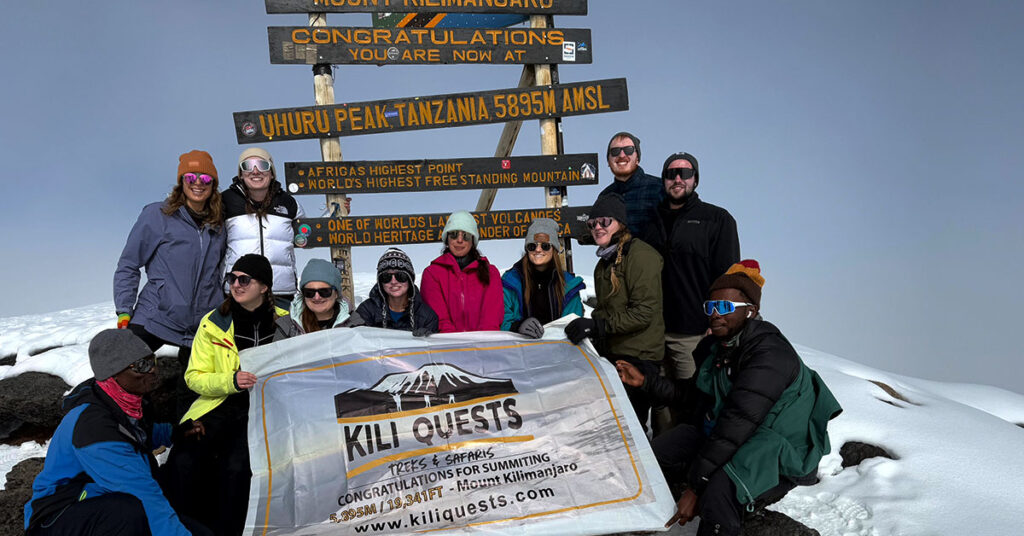
Trekkers and porters standing together at Stella Point sign on Mount Kilimanjaro

Table of Contents

How Dangerous Is Kilimanjaro Compared to Other Mountains?

Compared to technical mountains like Everest or Mont Blanc, Kilimanjaro is significantly safer.
Why?
  • It is a non-technical climb (you walk, not climb)
  • Routes are well established and monitored
  • Climbs are guided and regulated
  • Emergency evacuation systems are available
However, Kilimanjaro is still a high-altitude expedition, not a simple hike.The danger does not come from falling , it comes from how your body responds to altitude.

The Biggest Risk: Altitude Sickness

If there is one thing that makes Kilimanjaro dangerous, it is altitude.

What Happens at High Altitude As you climb higher

As you climb higher:
  • Oxygen levels decrease
  • Your body receives less oxygen per breath
  • Basic activities require more effort
Your body needs time to adjust , this process is called acclimatization.

Common Symptoms of Altitude Sickness

Most climbers experience mild symptoms such as:
  • Headaches
  • Nausea
  • Dizziness
  • Loss of appetite
  • Fatigue
These are normal , but they should not be ignored.

When Altitude Becomes Dangerous

In more serious cases, altitude sickness can develop into severe conditions.
This is why:
  • Guides monitor your condition daily
  • Climbers are advised to go slowly
  • Immediate descent is required if symptoms worsen

The key rule on Kilimanjaro is simple: “climb high, sleep low, and go pole pole.”

Other Risks on Kilimanjaro

Altitude is the main challenge, but it’s not the only one.

Extreme Temperature Changes

Kilimanjaro passes through multiple climate zones.
You can experience:
  • Hot, humid rainforest conditions
  • Cold winds in alpine zones
  • Freezing temperatures near the summit
Without proper gear, this can become dangerous.
 

Physical Exhaustion

Climbing Kilimanjaro means:
  • Walking for 6–9 days
  • Hiking several hours daily
  • Managing fatigue at altitude

Exhaustion reduces your ability to recover and increases risk.

Dehydration

At altitude, your body loses fluids faster, but many climbers don’t feel thirsty.
Dehydration can:

Poor Decision-Making

Fatigue and altitude can affect judgment.This is why experienced guides are essential — they make decisions based on your condition, not your emotions.

Why Most Climbers Stay Safe on Kilimanjaro

Despite these risks, the majority of climbers complete Kilimanjaro safely.This is not luck — it’s because of structure and support.
 

Professional Guide Teams

Guides are trained to:
  • Detect early signs of altitude sickness
  • Monitor oxygen levels
  • Make safety decisions
They are your most important safety factor.
 
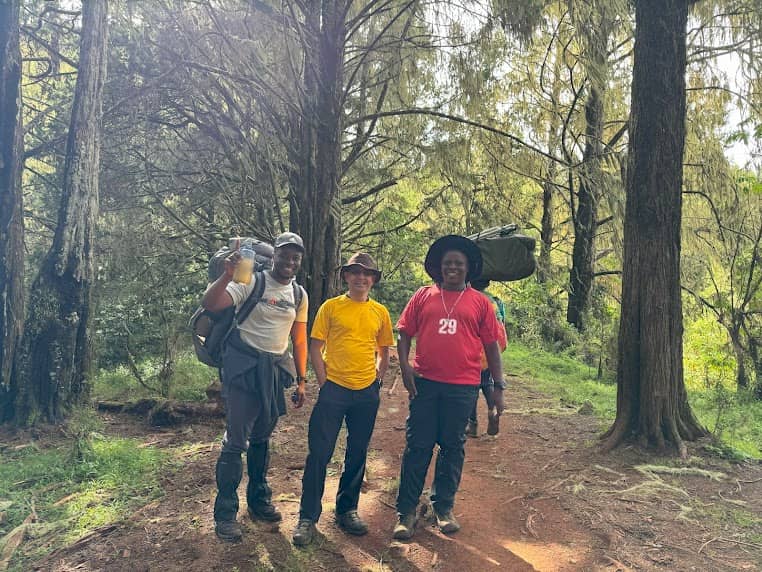
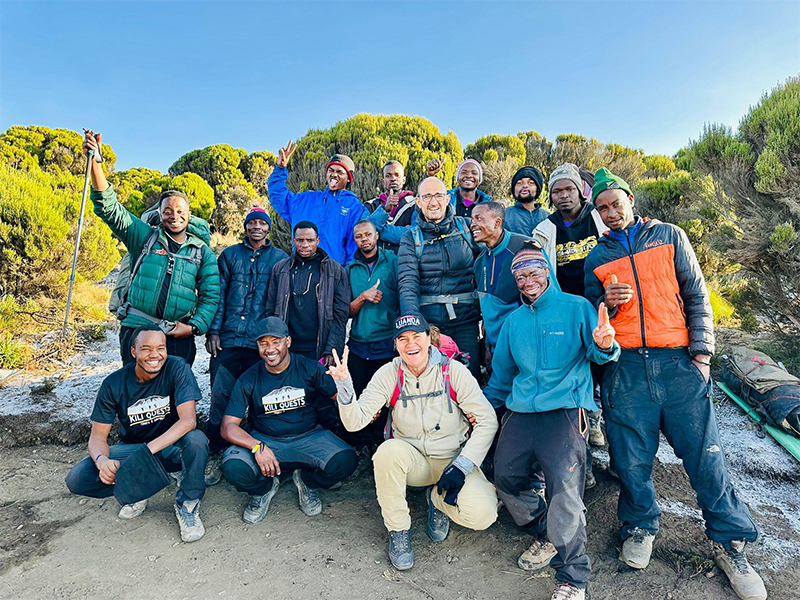
Kilimanjaro trekkers and porters smiling together at the end of a successful hike
Experienced guides monitor climbers daily and ensure safety throughout the Kilimanjaro trek.

Structured Itineraries

Routes are designed to allow:
  • Gradual ascent
  • Proper acclimatization
  • Rest and recovery

Emergency Systems

If necessary:
  • Climbers descend immediately
  • Rescue services are available
  • Evacuation procedures are in place

How to Minimize Risk on Kilimanjaro

Climbing Kilimanjaro safely depends largely on your approach.

Choose the Right Route

Longer routes like Lemosho or Northern Circuit:
  • Allow better acclimatization
  • Increase success rate
  • Reduce risk

Choosing the right route is key , compare all Kilimanjaro routes to find the best fit for your goals.

Go Slowly (Pole Pole)

The most important rule on Kilimanjaro:Slow is safe. Fast is risky.

Stay Hydrated and Eat Well

Even if you don’t feel like it, your body needs:
  • Water
  • Calories
  • Energy

Listen to Your Guide

Ignoring advice is one of the biggest mistakes climbers make.

Prepare Before the Climb

Basic fitness and preparation improve:
  • Endurance
  • Recovery
  • Overall experience

Who Is Most at Risk?

Certain behaviors increase risk significantly:
  • Rushing the climb
  • Choosing short routes
  • Ignoring symptoms
  • Poor preparation
Important:
Even very fit people are at risk if they underestimate altitude.
Tourists trekking on Mount Kilimanjaro at high altitude with guides | Kili Quests
Step by step — staying hydrated, steady, and supported helps you adapt as altitude increases.

Is Kilimanjaro Safe for Beginners?

Yes , Kilimanjaro is one of the most beginner-friendly high mountains in the world.
You don’t need:
  • Technical skills
  • Mountaineering experience
But you do need:
  • Preparation
  • Patience
  • Proper support
Most successful climbers are first-timers.

Common Questions About Kilimanjaro Safety

How many people die on Kilimanjaro each year?

Deaths on Kilimanjaro are rare compared to the number of climbers each year. Most cases are related to altitude sickness or pre-existing medical conditions. With proper acclimatization and guidance, the risk is very low.

Can altitude sickness be completely avoided?

No, altitude sickness cannot be fully avoided, but it can be managed. Climbing slowly, staying hydrated, and choosing longer routes significantly reduce the risk.

Is Kilimanjaro safe for people with no hiking experience?

Yes, but preparation is important. Beginners can climb Kilimanjaro successfully if they train, choose the right route, and follow their guide’s instructions.

What is the safest route on Kilimanjaro?

Longer routes such as Lemosho and Northern Circuit are considered the safest because they allow better acclimatization and reduce the risk of altitude sickness.

Do I need insurance for Kilimanjaro?

Yes, travel insurance that covers high-altitude trekking and emergency evacuation is strongly recommended for safety.

Climb Kilimanjaro Safely with Kili Quests

Climbing Kilimanjaro safely is not about luck — it’s about choosing the right team.At Kili Quests, we focus on:
  • Experienced professional guides
  • Daily health monitoring
  • Safe pacing and acclimatization
  • High summit success rates

If you’re planning to climb Kilimanjaro, do it with a team that puts safety first.

Related Articles

Kilimanjaro Deaths Explained: Statistics, Causes & Real Risk

Plan Your Kilimanjaro Climb

Climb with the right preparation, support, and safety strategy.

Climb Kilimanjaro the Safe Way

The right decisions make your climb safer and more successful.

OUR CATEGORIES

Kilimanjaro Deaths Explained: How Safe Is Africa’s Highest Mountain?

For many people planning to climb Mount Kilimanjaro, the excitement of reaching the highest point in Africa is often mixed with a more serious question: “How dangerous is it, really?”
 
It’s not something everyone asks out loud, but it’s always there in the background.
Kilimanjaro rises to 5,895 meters , a height where the human body is pushed far beyond its comfort zone. You’re not just hiking; you’re moving through thin air, changing climates, and multiple days of physical effort.And yes , people do die on Kilimanjaro.
 
But the reality is often misunderstood.The numbers are low. The causes are specific. And most importantly, the risks are largely preventable when the mountain is approached correctly.This article explains the full picture ,honestly, clearly, and without exaggeration ,so you understand what’s real, what’s avoidable, and what it actually takes to stay safe.
 
Before focusing on death statistics, it’s important to understand how dangerous Kilimanjaro really is and what risks climbers actually face.
Ice
High altitude conditions on Kilimanjaro can be challenging — proper pacing and preparation are essential for safety.

Table of Contents

How Many People Die on Kilimanjaro Each Year?

Kilimanjaro receives a large number of climbers every year.
  • Around 30,000 to 50,000 people attempt the climb annually
  • Approximately 3 to 10 deaths occur each year
When you compare these numbers, the overall risk is very low.To put it into perspective. The vast majority of climbers complete Kilimanjaro safely.However, these numbers don’t mean the mountain is easy , they mean it is well-managed and predictable when approached correctly.
 
Most climbers complete the trek successfully , especially when they follow proper acclimatization and route planning strategies.

Why Do People Die on Kilimanjaro? (Real Causes)

Most people assume deaths are caused by falls or accidents.That’s not the case.The real causes are almost always related to how the body reacts to altitude and stress.

Severe Altitude Sickness (Primary Cause)

This is the leading cause of serious incidents on Kilimanjaro.At high altitude:
  • Oxygen levels drop significantly
  • The body struggles to adapt
  • Vital functions become less efficient
 
If the body does not acclimatized properly, symptoms can escalate.Early signs include:
  • Headaches
  • Nausea
  • Dizziness
  • Fatigue
In severe cases, it can develop into life-threatening conditions. The key point: Altitude sickness is manageable , but only if recognized and respected early.
 
Understanding altitude sickness on Kilimanjaro helps you recognize early warning signs before they become dangerous.

Ignoring Warning Signs

One of the most dangerous behaviors on Kilimanjaro is ignoring symptoms.
Some climbers:
  • Push through discomfort
  • Hide symptoms to continue
  • Refuse to descend
This is where risk increases dramatically.
On Kilimanjaro, success is not reaching the summit — it’s coming down safely.

Poor Route Choice (Too Fast Ascent)

Shorter routes may look attractive because:
  • They are cheaper
  • They take less time
But they come with a major downside:
  • Less time to acclimatize
This significantly increases the risk of altitude-related problems.
 
Your route is one of the biggest safety factors , compare all Kilimanjaro routes to choose a safer itinerary

Lack of Preparation

Climbers who arrive unprepared often struggle with:
  • Fatigue
  • Dehydration
  • Slow recovery
While fitness alone does not prevent altitude sickness, poor preparation makes the climb much harder and increases overall risk.

Pre-Existing Medical Conditions

Conditions such as:
  • Heart problems
  • Lung issues
  • High blood pressure
can become more serious at altitude.This is why medical awareness before the climb is important.
Happy tourist walking along a high-altitude trail on Kilimanjaro with a smile and trekking gear | Kili Quests
Most climbers complete Kilimanjaro safely with proper guidance and structured itineraries.

Why Kilimanjaro Is Still Considered a Safe Mountain

Despite these risks, Kilimanjaro is widely regarded as one of the safest high-altitude climbs in the world.

Non-Technical Terrain

There are:
  • No vertical climbs
  • No ropes required
  • No technical sections
You are walking on established trails, not climbing dangerous terrain.

Mandatory Guides and Regulations

All climbers must:
  • Use licensed operators
  • Be accompanied by trained guides
This creates a structured and controlled environment.
 
These regulations are part of what makes Kilimanjaro safe , understand the official trekking rules on Kilimanjaro before your climb.

Continuous Monitoring

Guides:
  • Check your health daily
  • Monitor oxygen levels
  • Watch for altitude symptoms

This allows problems to be detected early.

Immediate Descent Is Always Possible

Unlike more remote mountains, Kilimanjaro allows:
  • Fast descent when needed
This is one of the biggest safety advantages.
 
Emergency evacuation is also available, but requires proper coverage , choose the best medical insurance for Kilimanjaro before your trek.

The Real Danger: Underestimating the Mountain

Kilimanjaro becomes dangerous when people treat it as “just a hike.”Common mistakes include:
  • Choosing short routes
  • Rushing the climb
  • Ignoring guidance
  • Not preparing
The mountain rewards patience  and punishes shortcuts.
 

How to Reduce Risk on Kilimanjaro Safety is largely in your control.

Choose the Right Route

  • Improve acclimatization
  • Reduce altitude stress
  • Increase success rates

Go Slowly (Pole Pole)

The most important rule on Kilimanjaro:
  • Slow = Safe
Fast climbing is the biggest cause of problems.

Stay Hydrated and Eat Properly

Even when you don’t feel like it, your body needs:
  • Water
  • Energy
  • Nutrition

Follow Your Guide’s Advice

Guides are trained to make safety decisions.Ignoring them increases risk significantly.

Prepare Before the Climb

Preparation improves:
  • Endurance
  • Recovery
  • Overall experience

Is Kilimanjaro Safe for Beginners?

Yes — and this is one of its unique qualities.You do not need:
  • Technical skills
  • Mountaineering experience
But beginners must:
  • Prepare properly
  • Choose the right route
  • Respect altitude
Most climbers who reach the summit are first-timers.

The Truth About Kilimanjaro Deaths

Kilimanjaro deaths are rare, but they are not random.They are usually the result of:
  • Poor decisions
  • Rushed climbs
  • Ignored symptoms
The mountain itself is not unpredictable , the risk comes from how it is approached.
With the right preparation and guidance, reaching Uhuru Peak is a safe and achievable goal.

How Safe Is Kilimanjaro?

Kilimanjaro is a low-risk but high-altitude mountain.
  • The death rate is very low
  • The main risk (altitude) is manageable
  • Most climbers complete the trek safely
 With the right preparation, Kilimanjaro is a safe and achievable adventure , even for beginners.

Common Questions About Kilimanjaro Deaths

What is the death rate on Kilimanjaro?

The death rate is very low compared to the number of climbers each year. With tens of thousands attempting the climb and only a few fatalities annually, Kilimanjaro is considered relatively safe for a high-altitude mountain.

Can altitude sickness be fatal?

Yes, in severe cases. However, most cases are mild and manageable. Serious outcomes are rare when symptoms are recognized early and proper action is taken.
 

Is Kilimanjaro dangerous for beginners?

No, not if approached correctly. Beginners can climb safely by choosing longer routes, going slowly, and following professional guidance.

What is the safest way to climb Kilimanjaro?

The safest approach is to choose a longer route, allow proper acclimatization, stay hydrated, and listen to your guide throughout the climb.

Should I be worried about climbing Kilimanjaro?

You should respect the mountain, not fear it. With the right preparation and mindset, Kilimanjaro is a safe and rewarding experience.

Climb Kilimanjaro Safely with Kili Quests

Climbing Kilimanjaro  safely is about making the right choices from the start.At Kili Quests, we focus on:
  • Experienced professional guides
  • Strong safety protocols
  • Proper acclimatization strategies
  • High summit success rates
If you’re planning your climb, do it with a team that understands how to manage both the risks and the journey.

Related Articles

Machame Route Kilimanjaro: Most Popular Trek Guide

Reach the Summit with Confidence

Success on Kilimanjaro depends on the right route, acclimatization, and team.We plan every Machame climb for a safe summit.

Plan Your Machame Route the Right Way

The right route, acclimatization, and team make the difference.We plan your Machame climb for a safe summit

OUR CATEGORIES

Machame Route on Kilimanjaro: Most Popular Kilimanjaro Path

Why Choose the Machame Route?

The Machame Route is the most popular way to climb Mount Kilimanjaro, known for its scenic diversity, steeper trails, and strong summit success rate. Often called the “Whiskey Route,” it is more physically demanding than easier options like Marangu, but rewards climbers with some of the most varied landscapes on the mountain.
 
Unlike longer routes such as Lemosho, Machame follows a slightly faster ascent profile while still allowing for effective acclimatization. This makes it a great choice for trekkers who want a more active and challenging climb without sacrificing their chances of reaching Uhuru Peak.
 
Each route offers a different balance of difficulty, scenery, and acclimatization , see our Kilimanjaro Routes Comparison: Which Route Is Best? to understand how Machame compares to other options.
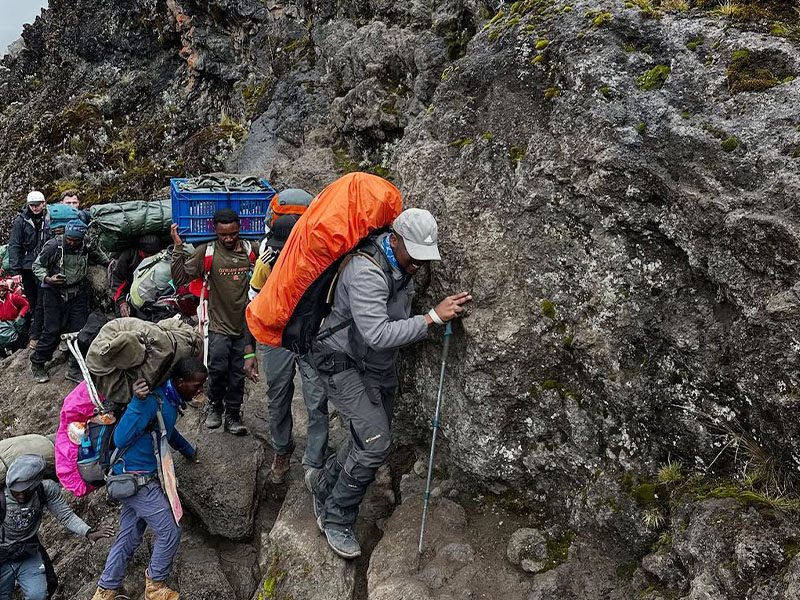
Trekkers and porters carefully ascending the Kissing Rock section on Barranco Wall along the Machame Route, Kilimanjaro | Kili Quests
The Kissing Rock – Barranco Wall – Climbers squeeze through one of the most iconic and narrow points on the Machame Route: the "Kissing Rock" on Barranco Wall.

Table of Contents

What Is the Machame Route on Kilimanjaro?

  Where Does the Machame Route Start?

The Machame Route begins at Machame Gate on the southwestern side of Mount Kilimanjaro. The trail quickly enters dense rainforest before climbing into moorland and alpine desert zones.

How Long Is the Machame Route?

The route is typically completed in 6 or 7 days, covering approximately 62 kilometers (37 miles). The 7-day version is recommended because it provides better acclimatization and improves summit success.

Machame Route Overview

Feature Details
Route Length            –      6 or 7 days
Distance                    –    ~62 km (37 miles)
Start Point                –     Machame Gate (southwest side)
Highest Point          –      Uhuru Peak (5,895 m / 19,341 ft)
Difficulty                  –      Moderate to challenging
Best                           –      For  Hikers wanting adventure & scenery
Success Rate          –       ~95% on the 7-day Itinerary

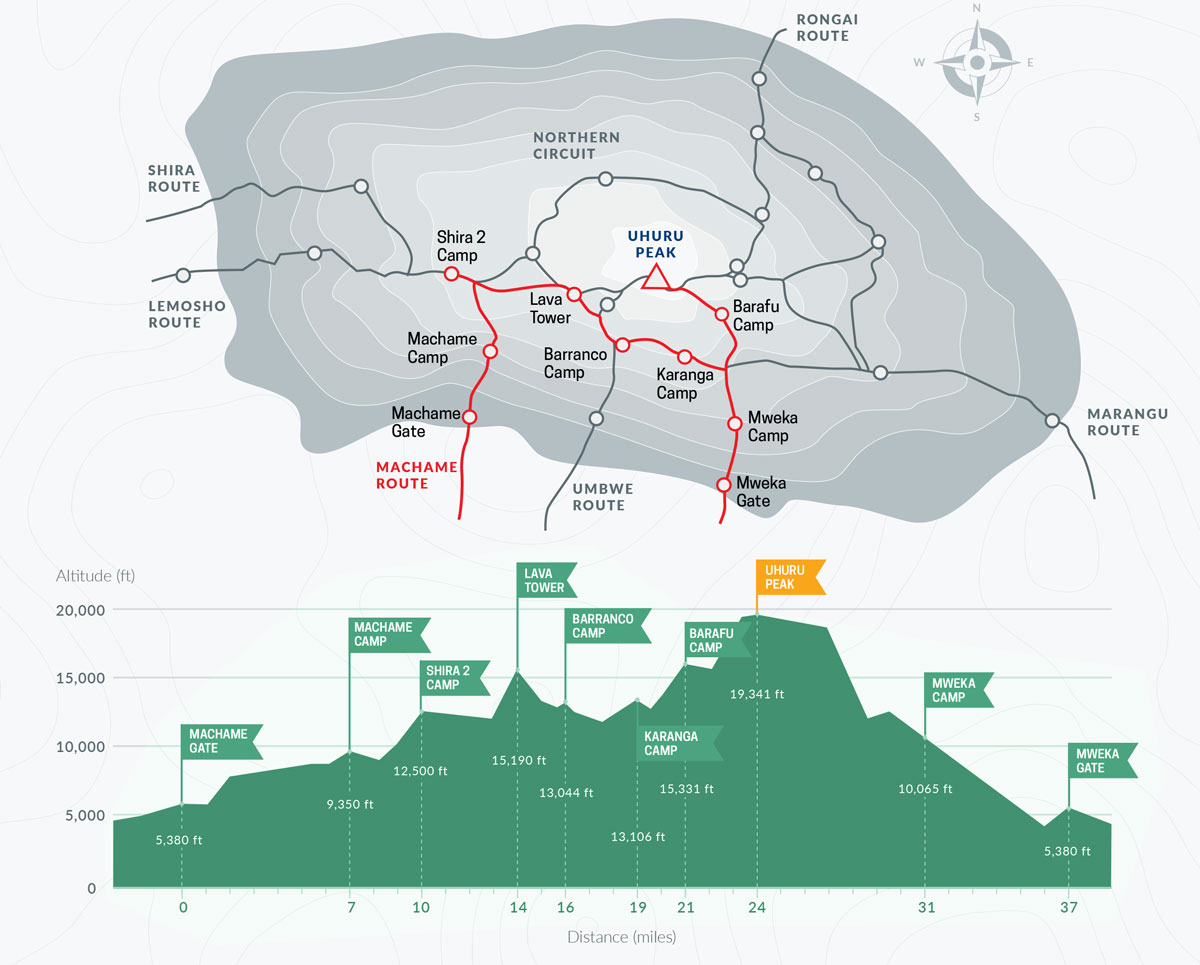
Machame Route Days and Elevation Profile

Machame Route map on Mount Kilimanjaro showing trail path, elevation profile, and major camps to Uhuru Peak
A scenic Kilimanjaro trail via Lava Tower and Barafu Camp, descending through Mweka Gate.

Machame Route Itinerary (7-Day Version)

Day 1 – Machame Gate to Machame Camp

This first day is a steady climb through rainforest, where humidity and muddy trails can make the hike feel more demanding than expected.
  • Altitude: 1,800 m to 2,835 m
  • Time: 5–6 hrs
  • Rainforest zone; trail can be muddy

Day 2: Machame Camp to Shira Cave Camp

  • Altitude: 2,835 m to 3,750 m
  • Time: 5 hrs
  • Enter moorland zone with stunning views

Day 3: Shira Camp to Barranco Camp (via Lava Tower)

This is a key acclimatization day following the “climb high, sleep low” principle, which helps your body adjust to altitude.
 
  • Altitude gain: up to 4,630 m, then sleep at 3,960 m
  • Time: 6–7 hrs
  • Acclimatization day with dramatic scenery

Day 4: Barranco to Karanga Camp

  • Altitude: 3,960 m to 4,035 m
  • Time: 4–5 hrs
  • Scramble the famous Barranco Wall

Day 5: Karanga to Barafu Camp

  • Altitude: 4,035 m to 4,673 m
  • Time: 3–4 hrs
  • Alpine desert zone, prepare for summit

Day 6: Summit Day – Barafu to Uhuru Peak & Mweka Camp

Summit night is the most challenging part of the climb, combining altitude, cold, and long trekking hours in low oxygen conditions.

  • Altitude: 4,673 m to 5,895 m, then descend to 3,100 m
  • Time: 12–14 hrs
  • Summit at sunrise, long descent
 Read Our Article about,How Hard Is Kilimanjaro?

Day 7: Mweka Camp to Mweka Gate

  • Altitude: 3,100 m to 1,640 m
  • Time: 3 hrs
  • Finish your trek with certificate ceremony

Machame Route Difficulty, Acclimatization & Fitness

Is the Machame Route Difficult?

The Machame Route is considered moderately challenging due to its steeper sections and faster elevation gain compared to longer routes like Lemosho.

How Acclimatization Works on Machame

Although shorter than Lemosho, Machame still includes important acclimatization days, especially around Lava Tower, helping improve summit success.
 
Read our article about, Kilimanjaro Success Rate

Who Should Choose This Route?

  • Trekkers in good physical condition
  • Climbers who prefer a more active pace
  • Those looking for a balance of challenge and scenery
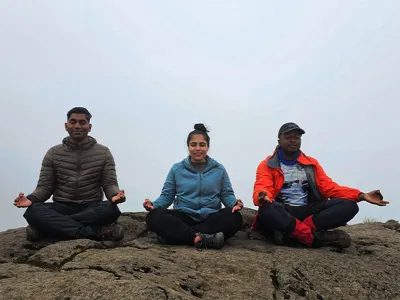
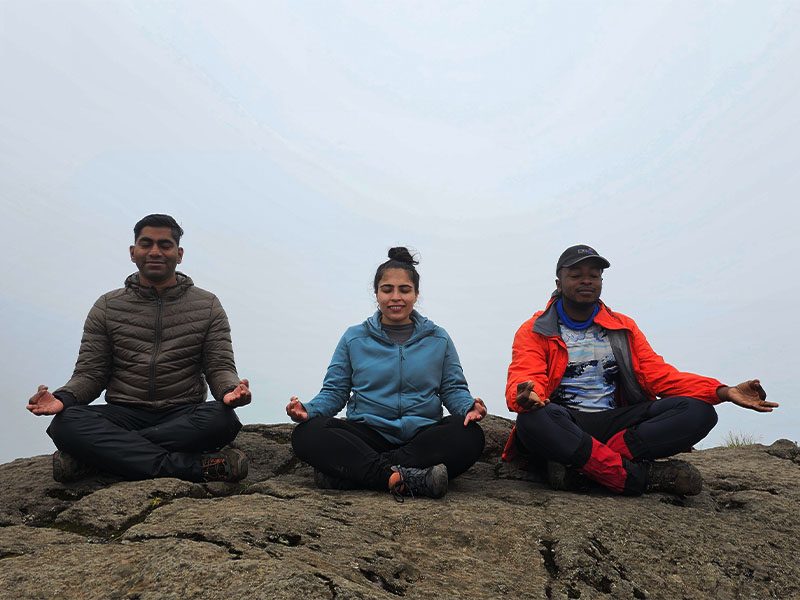
Trekkers meditating on a rock during a peaceful break on the Machame Route, Mount Kilimanjaro | Kili Quests
Mindful Moment on the Machame Trail – Climbers pause for a short meditation break on the way to Shira Camp, embracing Kilimanjaro’s calm Moorland environment.

Best Time to Climb the Machame Route

Dry Seasons (Best Conditions)

The best time to climb is during January–March and June–October, when trails are drier and visibility is clearer.

  •  January–March: Clear skies, mild weather
  • June–October: Dry season, most popular
  • Avoid April–May and November due to rain
Read our article about, Best Time to Climb Kilimanjaro

What Makes Machame Special?

 Iconic Barranco Wall challenge

Excellent views of Kibo and Mount Meru

Shared trail with Lemosho Route  from Shira  Route onwards

Wide ecological diversity — rainforest to arctic zone

Is the Machame Route Right for You?

Choose Machame If You Want:

  • A more active and challenging climb
  • Excellent scenery in fewer days
  • A popular route with strong success rates
 

When Machame May Not Be Ideal

  • If you prefer a slower pace
  • If you want maximum acclimatization (Lemosho better)
Trekkers posing with hiking poles at the Shira Cave Camp sign on Day 2 of the Machame Route, Kilimanjaro | Kili Quests
Shira Cave Camp (3,750m) – Climbers celebrate their arrival at this scenic moorland campsite on Day 2 of the Machame Route, Kilimanjaro.

Frequently Asked Questions About the Machame Route

How difficult is the Machame Route on Mount Kilimanjaro?

The Machame Route is considered moderately challenging. It includes steep sections such as the Barranco Wall and long trekking days, but it does not require technical climbing skills. With proper acclimatization and preparation, many trekkers successfully reach the summit.

Why is the Machame Route called the “Whiskey Route”?

The Machame Route is nicknamed the “Whiskey Route” because it is more physically demanding than the Marangu Route, which is known as the “Coca-Cola Route.”

How many days does it take to climb the Machame Route?

Most climbers complete the Machame Route in 6 or 7 days. The 7-day itinerary is recommended because it provides better acclimatization and increases summit success rates.

What is the success rate of the Machame Route?

The Machame Route has a high summit success rate, often around 90–95% on the 7-day itinerary due to its gradual acclimatization profile.

What makes the Machame Route popular?

The Machame Route is popular because it offers diverse scenery, including rainforest, moorland, alpine desert, and the summit glaciers of Mount Kilimanjaro. It also provides good acclimatization compared to shorter routes.

Which routes connect with the Machame Route?

Several routes join the Machame Route, including the Lemosho Route and Shira Route near the Shira Plateau before continuing toward the summit

Climb Kilimanjaro via Machame with Kili Quests

At Kili Quests, we guide climbers on the Machame Route with a strong focus on pacing, acclimatization, and safety. This route offers the perfect balance between challenge and success when approached correctly.Our 7-day Machame climbs are designed to give you the best chance of reaching Uhuru Peak while enjoying one of Kilimanjaro’s most scenic trails.

 
Kilimanjaro Packing List (Essential Gear Guide)
Contact us to plan your 7-day Machame Route trek.

Related Articles

Kilimanjaro Climb Package: Meals, Gear, Guides & More

Choose the Right Kilimanjaro Package

The package you choose affects your comfort, safety, and overall experience on the mountain.
At Kili Quests, we help you plan your climb based on:

Plan Your Kilimanjaro Climb the Right Way

Understanding routes, cost, and difficulty will help you prepare better.At Kili Quests, start with:

OUR CATEGORIES

Kilimanjaro Climbing Package: What’s Included | Kili Quests

Climbing Mount Kilimanjaro is one of the most rewarding adventures in the world  but many climbers don’t fully understand what they are actually paying for.At Kili Quests, our climbing packages are designed to be fully supported, safe, and stress-free, so you can focus on the journey instead of worrying about logistics.
 
In this guide, you’ll get a complete breakdown of what’s included, what’s not included, and what to expect when booking your Kilimanjaro climb.
 
Before choosing a package, it’s important to understand the full cost. You can read our detailed breakdown here:How Much Does It Cost to Climb Mount Kilimanjaro? 
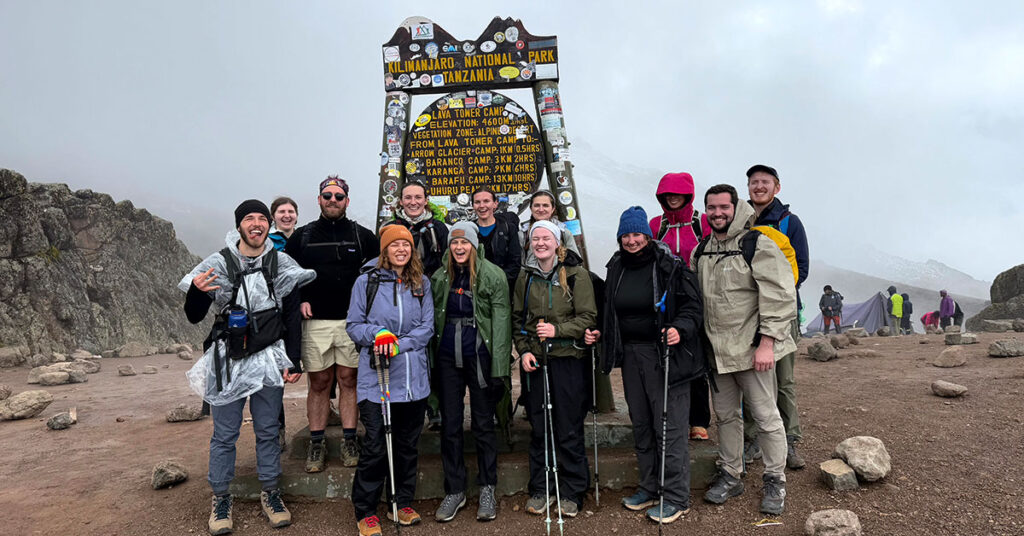
Welcome to Lava Tower, a key acclimatization point on Kilimanjaro

Who This Kilimanjaro Package Is Best For

  • First-time climbers who want full support
  • Travelers who want a stress-free experience
  • Climbers who value safety, logistics, and ethical porter treatment
  • People comparing operators and wanting to understand real value

What’s Included in Our Kilimanjaro Climbing Package

Transportation & Transfers

  • Airport pick-up from Kilimanjaro International Airport (JRO), Moshi, or Arusha
  • Return transfer after your trek
  • Round-trip transport to and from the Kilimanjaro National Park gate
Everything is arranged so your journey runs smoothly from arrival to departure.

Park Fees & Permits

  • Kilimanjaro National Park entry fees
  • Camping fees
  • Rescue fees
  • Environmental and conservation charges
These are mandatory fees set by TANAPA and are fully included in your package.

Professional Guides & Support Team

  • Certified, English-speaking lead guides (WFR trained)
  • Assistant guides (1 per 2 climbers)
  • Experienced porters carrying equipment and supplies
  • Mountain cooks preparing fresh meals daily
  • pulse oximeter
  • emergency oxygen
  • first aid kit
  • daily health checks
Your support team is one of the most important factors for a safe and successful climb.
 If you’re wondering how challenging the climb actually is, read:How Hard is Kilimanjaro? 

Accommodation (Before, During & After)

  • 2 hotel nights (before and after your climb, breakfast included)
  • High-quality mountain tents
  • Sleeping mats
  • Dining tent with tables and chairs
  • Full camp setup and breakdown
You don’t need camping experience — everything is taken care of.

Meals & Drinking Water

  • 3 fresh meals per day on the mountain
  • Hot breakfasts, packed or cooked lunches, and warm dinners
  • Clean, treated drinking water daily
  • Special dietary options available (vegetarian, vegan, gluten-free)
Read about what you’ll eat on the mountain:What Food Is Served on Kilimanjaro?

Camping & Climbing Equipment (Provided)

  • Sleeping mats
  • Dining tent and furniture
  • Cooking equipment and gas stoves
  • Cutlery and dining supplies
  • Solar lighting
  • Private portable toilet (flush system) at every camp
Comfort plays a bigger role than most people expect, especially at high altitude.

Ethical Treatment of Crew

  • Fair wages above TANAPA recommendations
  • Strict porter weight limits
  • Ethical working conditions
Responsible tourism ensures both climbers and crew have a positive experience.
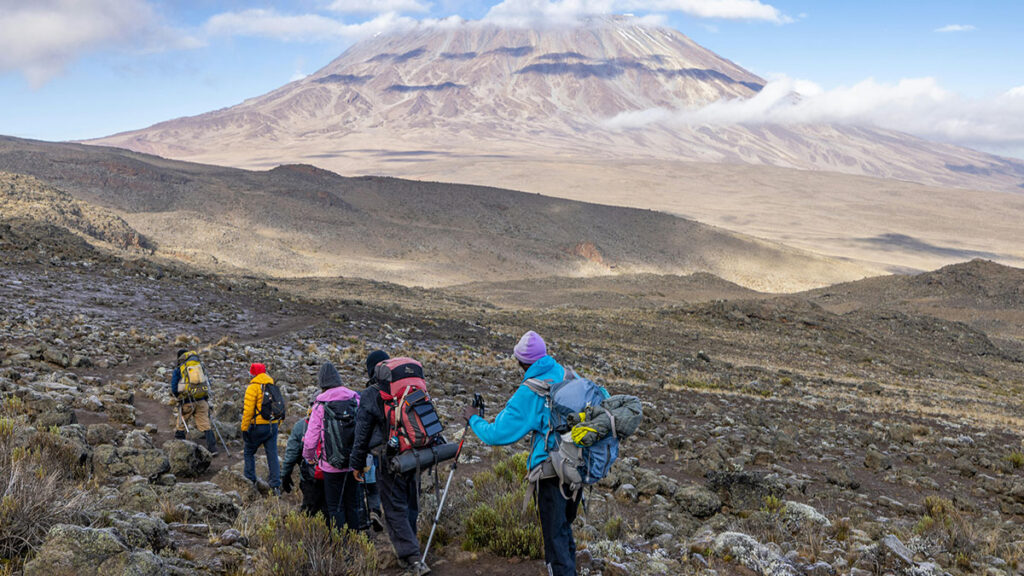
Step by step across the land that knows no boundaries.

Why These Inclusions Matter on Kilimanjaro

  • Park fees are mandatory and affect total cost
  • Experienced guides improve safety and summit success
  • Good meals and hydration help with energy and recovery
  • Proper camp setup improves comfort at altitude
  • Ethical porter treatment matters when choosing an operator

What’s Not Included in the Package

Personal Gear

  • Sleeping bags
  • Hiking boots
  • Trekking poles
  • Thermal clothing
  • Gloves and backpacks
These can be rented locally in Moshi or Arusha.
Not sure what to bring?Kilimanjaro Packing List Guide 

Tips & Gratuities

  • Tips for guides, porters, and cooks are not included
Tipping is a standard part of the Kilimanjaro experience.
See full recommendations here:Kilimanjaro Tipping Guide 

Flights & External Transport

  • International or domestic flights
  • Transfers from other regions (e.g., Nairobi)

Tanzania Visa

  • Visa fees and application

Don’t know where how to apply for visa read our: Tanzania Visa Guide.

Travel Insurance

Not included, but highly recommended.Your insurance should cover:
  • Medical emergencies
  • Altitude sickness
  • Emergency evacuation
  • Trip interruption
Read how to stay safe at altitude:Altitude Sickness on Kilimanjaro Guide 
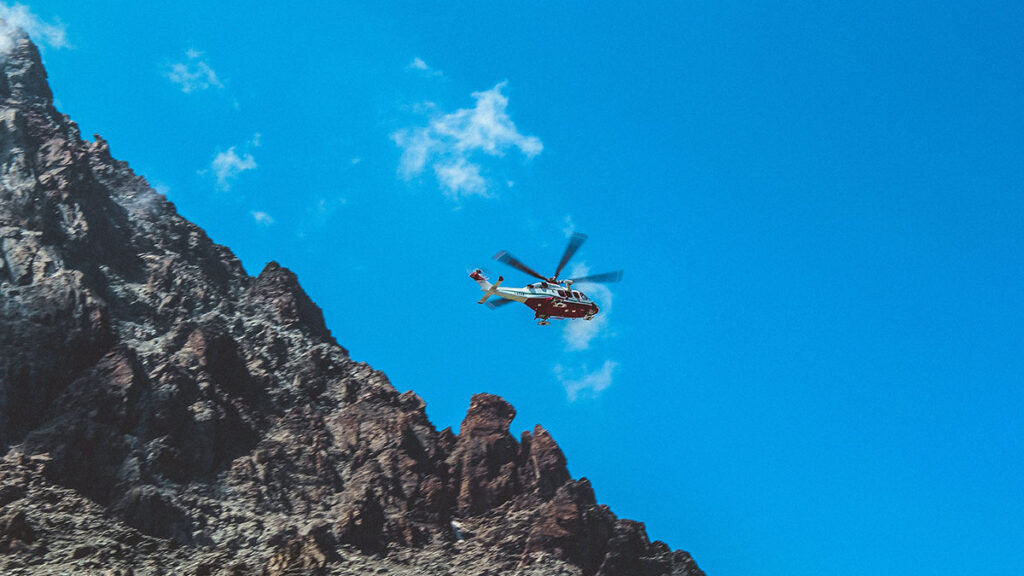
Helicopter flying over Mount Kilimanjaro during an emergency evacuation
Your safety is our top priority—evacuation support available if needed.

Extra Hotel Nights

  • Additional nights outside the included two

Does the Package Change by Route?

  • Longer routes usually cost more because of extra park fees, staff days, and supplies
  • Routes like Lemosho and Northern Circuit often include more acclimatization time
  • Shorter routes may be cheaper but can reduce summit success
Compare routes before booking:Kilimanjaro Routes Guide  

How to Choose the Right Kilimanjaro Package

Not all climbing packages are the same. A cheaper option may seem attractive, but it can affect your safety, comfort, and summit success.
Things to consider:
  • Number of acclimatization days
  • Guide experience
  • Group size
  • Equipment quality
  • Safety protocols
Compare routes before booking:Kilimanjaro Routes Guide 

Why Booking With a Local Kilimanjaro Operator Matters

  • Local, experienced mountain team
  • Strong focus on safety and acclimatization
  • Ethical porter treatment
  • better on-ground support
  • Transparent pricing (no hidden costs)
  • Personalized support before, during, and after your climb
We don’t just guide climbs  we create well-planned, safe, and successful summit experiences.

Frequently Asked Questions

What is included in a Kilimanjaro climbing package?

Most Kilimanjaro climbing packages include airport transfers, park permits, professional guides and porters, accommodation before and after the trek, mountain camping equipment, meals during the climb, and transportation to and from the park gate. These services ensure climbers are fully supported throughout the journey.

Are park fees included in Kilimanjaro climbing packages?

Yes. Most tour operators include all required park fees set by Tanzania National Parks Authority (TANAPA). These fees cover park entry, camping permits, rescue fees, and conservation charges required to climb Mount Kilimanjaro.

Do Kilimanjaro packages include guides and porters?

Yes. A professional support team is included in most packages. This usually consists of certified mountain guides, assistant guides, cooks, and porters who carry gear, prepare meals, and help set up camp during the trek.

Are meals provided during the Kilimanjaro climb?

Yes. Trekkers usually receive three freshly prepared meals per day on the mountain, including breakfast, lunch, and dinner. Drinking water is also provided daily, and many companies can accommodate dietary needs such as vegetarian or vegan meals.

What personal items are not included in a Kilimanjaro climbing package?

Personal trekking gear such as sleeping bags, hiking boots, trekking poles, thermal clothing, gloves, and backpacks are usually not included. However, these items can often be rented locally in Moshi or Arusha before the trek begins.

Do Kilimanjaro packages include flights and travel insurance?

No. International flights, visas, and travel insurance are typically not included in climbing packages. Climbers are responsible for arranging their own flights to Kilimanjaro International Airport (JRO) and purchasing travel insurance that covers trekking at high altitude.

 Ready to Climb?

A Kilimanjaro climbing package is not just transport and tents. It is the full support system behind your safety, comfort, acclimatization, and summit success. Understanding what is included helps you compare operators properly and choose a team that gives you the best chance of a safe and rewarding climb.
Let us handle the logistics so you can focus on the experience.
 
Contact Kili Quests today to start planning your Kilimanjaro adventure.

Related Articles