
Best Time to Climb Kilimanjaro: Month-by-Month Weather Guide
Choose the Best Time to Climb Kilimanjaro The right season can make the difference between reaching the summit or turning back early.At Kili Quests, we
Türkiye’de adını duyuran bahsegel güvenilir yapısıyla fark yaratıyor.
bahsegel girişCanlı krupiyeli oyunların iade oranı (RTP) ortalama %98,3’tür; bu, slot oyunlarından yaklaşık %2 daha yüksektir ve paribahis giriş’te oyuncular bu avantajdan yararlanır.
bahsegel giriş bahsegel bahsegel giriş bettilt bahsegel-official.link bettilt bettilt bettilt bettilt bahsegel giriş bahsegel bahsegel bettilt bahsegel bahsegel bahsegel girişBahis endüstrisinde ortalama RTP oranı %96’dır; bettilt giriş slot oyunlarında bu oranı %98’e kadar çıkarıyor.
bahsegel giriş bahsegel giriş bahsegel girişKumarhane keyfini yaşamak isteyenler için bettilt kategorisi oldukça ilgi çekici.
paribahis paribahis paribahis bettilt bettilt bahsegel-lein.vip casinomhub güncel giriş casinomhub giriş
| Type of Altitude Sickness | Severity | Common Symptoms | What It Means |
|---|---|---|---|
| Acute Mountain Sickness (AMS) | Mild to moderate | Headache, nausea, fatigue, dizziness, loss of appetite, and difficulty sleeping. | The most common form of altitude sickness and an early warning sign that the body needs more time to adjust. |
| High Altitude Pulmonary Edema (HAPE) | Serious | Shortness of breath at rest, persistent cough, chest tightness, and extreme fatigue. | A dangerous condition caused by fluid buildup in the lungs. Immediate descent and medical attention are required. |
| High Altitude Cerebral Edema (HACE) | Medical emergency | Severe headache, confusion, difficulty walking straight, slurred speech, and loss of coordination. | The most severe form of altitude sickness, involving brain swelling due to lack of oxygen. Immediate descent is critical. |
Understanding these factors helps you make better decisions and reduce your risk.
Early communication with your guide is critical, as they can monitor your condition and decide the best course of action.
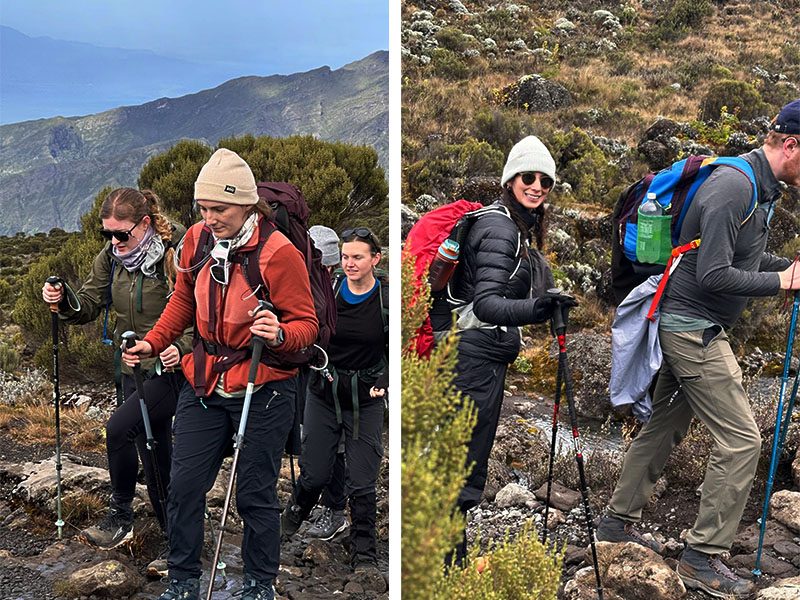
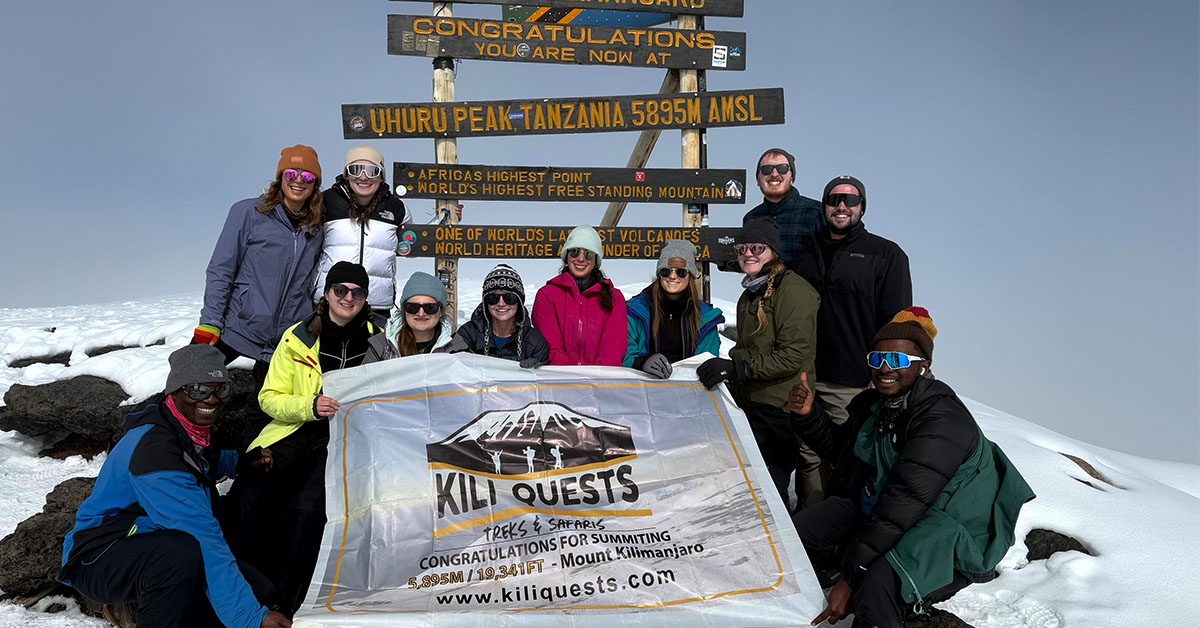
Yes, physical fitness does not protect you from altitude sickness. This is one of the most misunderstood aspects of climbing Kilimanjaro.Altitude sickness is caused by reduced oxygen levels at high elevation, not by a lack of strength or endurance. Even highly trained athletes can develop symptoms if they ascend too quickly or do not acclimatize properly.In some cases, very fit individuals are actually at higher risk because they may walk faster than recommended, pushing their bodies too quickly to higher altitudes. On Kilimanjaro, success is not about speed it is about pacing, patience, and allowing your body time to adjust.
Preventing altitude sickness requires a combination of preparation, smart decision-making, and discipline during the climb.The most effective strategies include choosing a longer route that allows for proper acclimatization, walking slowly at a steady pace, and staying well hydrated throughout the trek. Drinking enough water helps your body function efficiently at altitude and reduces the severity of symptoms.It is also important to eat regularly, even when your appetite decreases, as your body needs energy to adapt. Listening to your guide is equally critical, as experienced guides monitor your condition and can adjust your pace or schedule when needed.Preventing altitude sickness is not about one single action it is about consistently following the right habits throughout the entire climb.
Routes that allow more time for acclimatization are the best options for reducing the risk of altitude sickness.The Lemosho Route and Northern Circuit are widely considered the most effective because they include more days on the mountain and a gradual ascent profile. This gives your body the time it needs to adjust to decreasing oxygen levels.The Machame Route, when done over 7 days, is also a strong option, offering a good balance between duration and acclimatization.Shorter routes, such as the 5-day Marangu itinerary, are generally less effective because they involve a faster ascent and provide less time for the body to adapt.
If altitude sickness symptoms begin to worsen, it is essential to act quickly and take the situation seriously. Ignoring symptoms or continuing to climb can lead to more severe and potentially dangerous conditions.The most important step is to inform your guide immediately. Guides are trained to assess your condition and determine the best course of action. This may include resting, adjusting your pace, or stopping further ascent.If symptoms become severe such as difficulty breathing, confusion, or loss of coordination immediate descent to a lower altitude is necessary. Descent is the only effective treatment for serious altitude sickness and can quickly improve your condition.Taking early action is the key to staying safe on the mountain.
Choose the Best Time to Climb Kilimanjaro The right season can make the difference between reaching the summit or turning back early.At Kili Quests, we
Plan Your Kilimanjaro Climb The right route, timing, and preparation make all the difference.At Kili Quests, we help you plan based on: Best routes for
Train Smart for Kilimanjaro Not sure if your fitness level is enough for the climb?At Kili Quests, we help you: Build a realistic training plan