Is Climbing Mount Kilimanjaro Dangerous?

Plan Your Kilimanjaro Climb

Climb safely with the right preparation and expert support.

Climb Kilimanjaro the Safe Way

The right preparation and support make all the difference.

OUR CATEGORIES

Is Climbing Mount Kilimanjaro Dangerous?

For many people planning to climb Mount Kilimanjaro, the excitement is quickly followed by a serious question:“Is this dangerous?”.It’s a fair concern.
 
Kilimanjaro stands at 5,895 meters , high enough to affect your body in ways most people have never experienced. You’re walking for days, sleeping at altitude, and pushing yourself toward the highest point in Africa.
But here’s the reality:
 
Kilimanjaro is not a dangerous mountain in the traditional sense , but it is a serious one.There are no technical climbs, no ropes, no vertical rock faces. Yet every year, some climbers struggle , not because of the terrain, but because of how their bodies react to altitude and fatigue.Understanding the real risks , and how to manage them , is what turns Kilimanjaro from something intimidating into something achievable.
 
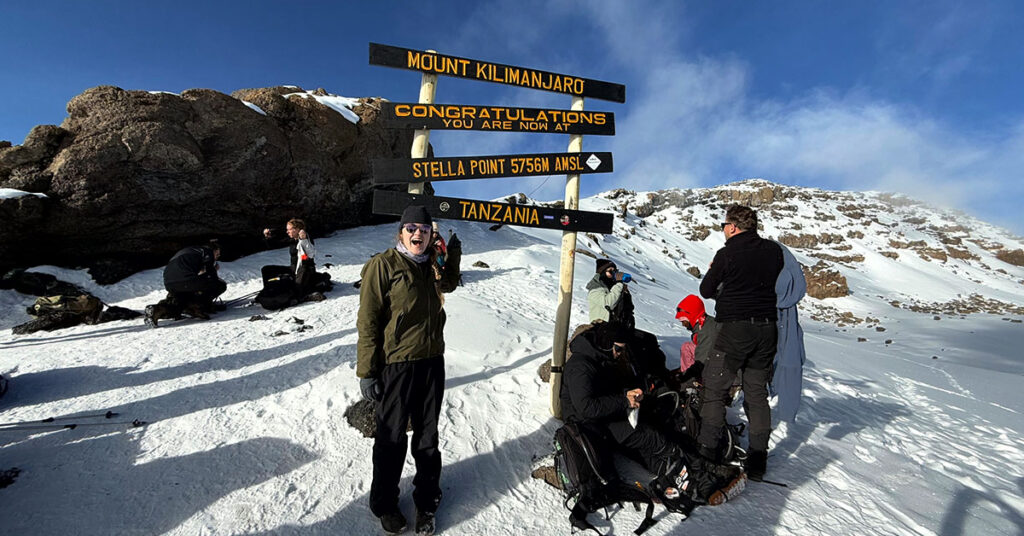
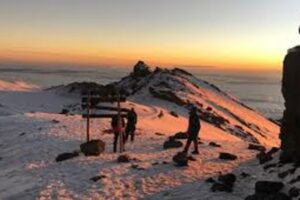
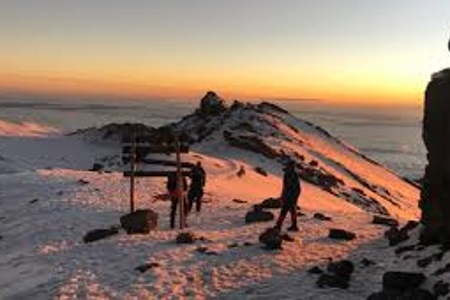
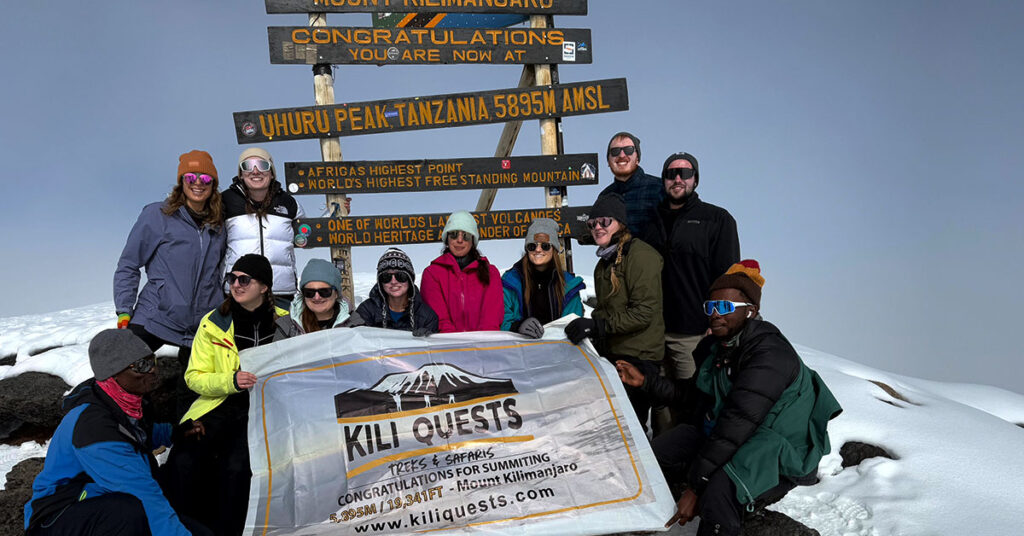
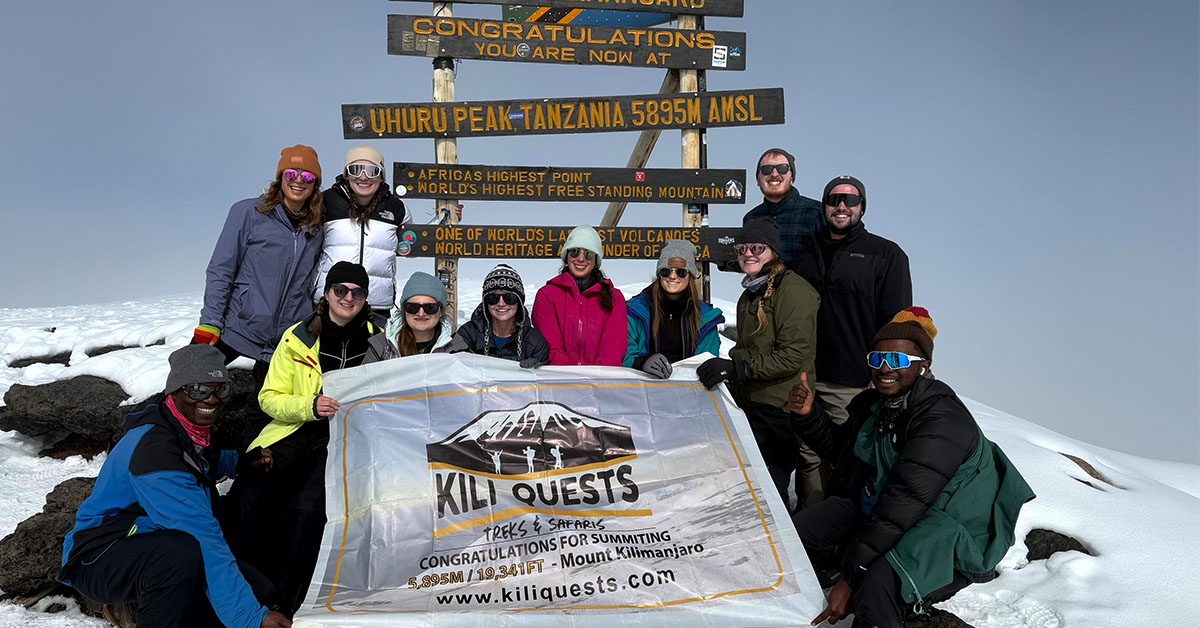
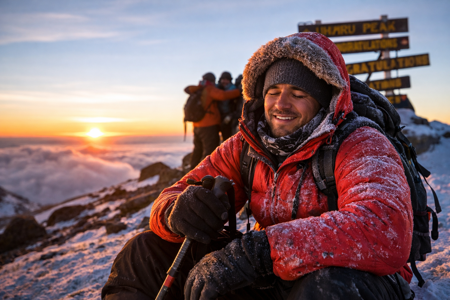
Trekkers and porters standing together at Stella Point sign on Mount Kilimanjaro

Table of Contents

How Dangerous Is Kilimanjaro Compared to Other Mountains?

Compared to technical mountains like Everest or Mont Blanc, Kilimanjaro is significantly safer.
Why?
  • It is a non-technical climb (you walk, not climb)
  • Routes are well established and monitored
  • Climbs are guided and regulated
  • Emergency evacuation systems are available
However, Kilimanjaro is still a high-altitude expedition, not a simple hike.The danger does not come from falling , it comes from how your body responds to altitude.

The Biggest Risk: Altitude Sickness

If there is one thing that makes Kilimanjaro dangerous, it is altitude.

What Happens at High Altitude As you climb higher

As you climb higher:
  • Oxygen levels decrease
  • Your body receives less oxygen per breath
  • Basic activities require more effort
Your body needs time to adjust , this process is called acclimatization.

Common Symptoms of Altitude Sickness

Most climbers experience mild symptoms such as:
  • Headaches
  • Nausea
  • Dizziness
  • Loss of appetite
  • Fatigue
These are normal , but they should not be ignored.

When Altitude Becomes Dangerous

In more serious cases, altitude sickness can develop into severe conditions.
This is why:
  • Guides monitor your condition daily
  • Climbers are advised to go slowly
  • Immediate descent is required if symptoms worsen

The key rule on Kilimanjaro is simple: “climb high, sleep low, and go pole pole.”

Other Risks on Kilimanjaro

Altitude is the main challenge, but it’s not the only one.

Extreme Temperature Changes

Kilimanjaro passes through multiple climate zones.
You can experience:
  • Hot, humid rainforest conditions
  • Cold winds in alpine zones
  • Freezing temperatures near the summit
Without proper gear, this can become dangerous.
 

Physical Exhaustion

Climbing Kilimanjaro means:
  • Walking for 6–9 days
  • Hiking several hours daily
  • Managing fatigue at altitude

Exhaustion reduces your ability to recover and increases risk.

Dehydration

At altitude, your body loses fluids faster, but many climbers don’t feel thirsty.
Dehydration can:

Poor Decision-Making

Fatigue and altitude can affect judgment.This is why experienced guides are essential — they make decisions based on your condition, not your emotions.

Why Most Climbers Stay Safe on Kilimanjaro

Despite these risks, the majority of climbers complete Kilimanjaro safely.This is not luck — it’s because of structure and support.
 

Professional Guide Teams

Guides are trained to:
  • Detect early signs of altitude sickness
  • Monitor oxygen levels
  • Make safety decisions
They are your most important safety factor.
 
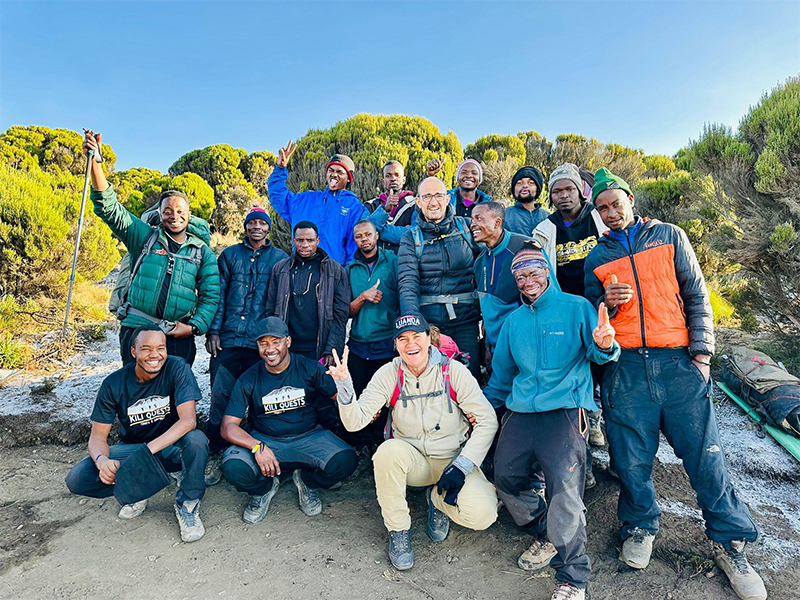
Kilimanjaro trekkers and porters smiling together at the end of a successful hike
Experienced guides monitor climbers daily and ensure safety throughout the Kilimanjaro trek.

Structured Itineraries

Routes are designed to allow:
  • Gradual ascent
  • Proper acclimatization
  • Rest and recovery

Emergency Systems

If necessary:
  • Climbers descend immediately
  • Rescue services are available
  • Evacuation procedures are in place

How to Minimize Risk on Kilimanjaro

Climbing Kilimanjaro safely depends largely on your approach.

Choose the Right Route

Longer routes like Lemosho or Northern Circuit:
  • Allow better acclimatization
  • Increase success rate
  • Reduce risk

Choosing the right route is key , compare all Kilimanjaro routes to find the best fit for your goals.

Go Slowly (Pole Pole)

The most important rule on Kilimanjaro:Slow is safe. Fast is risky.

Stay Hydrated and Eat Well

Even if you don’t feel like it, your body needs:
  • Water
  • Calories
  • Energy

Listen to Your Guide

Ignoring advice is one of the biggest mistakes climbers make.

Prepare Before the Climb

Basic fitness and preparation improve:
  • Endurance
  • Recovery
  • Overall experience

Who Is Most at Risk?

Certain behaviors increase risk significantly:
  • Rushing the climb
  • Choosing short routes
  • Ignoring symptoms
  • Poor preparation
Important:
Even very fit people are at risk if they underestimate altitude.
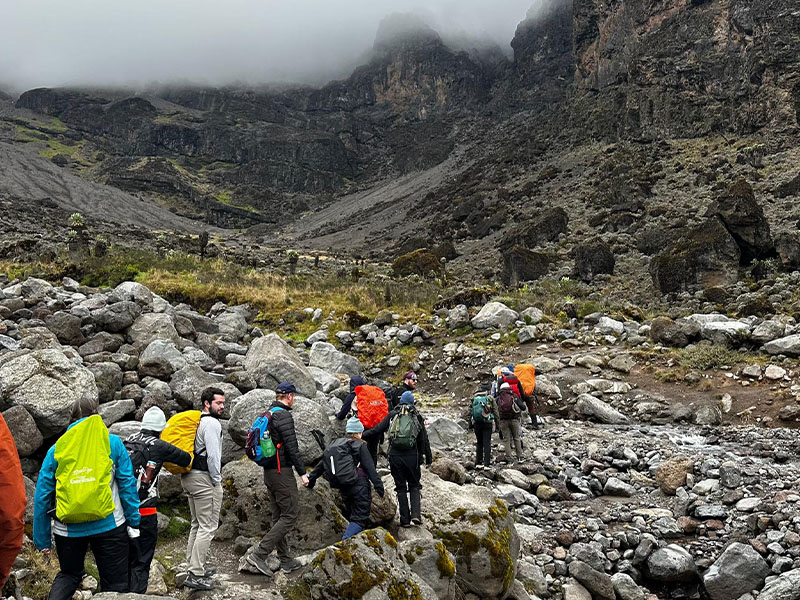
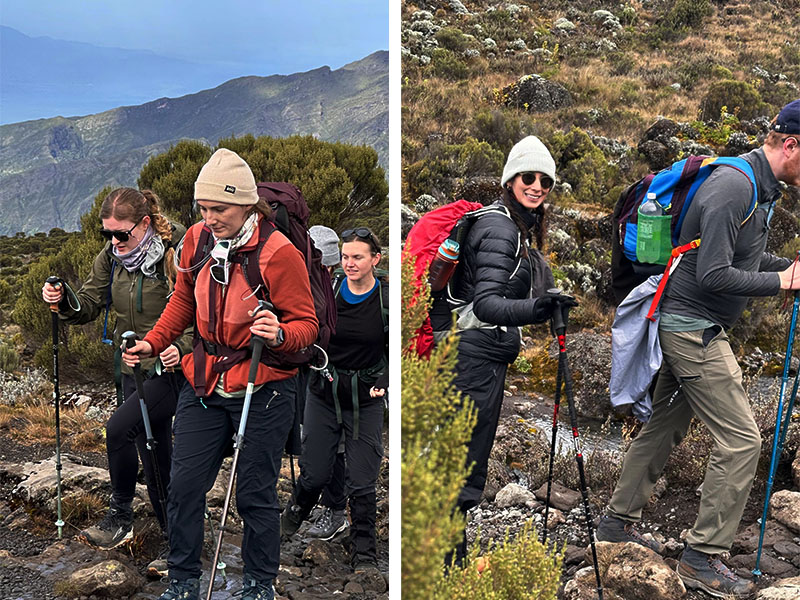
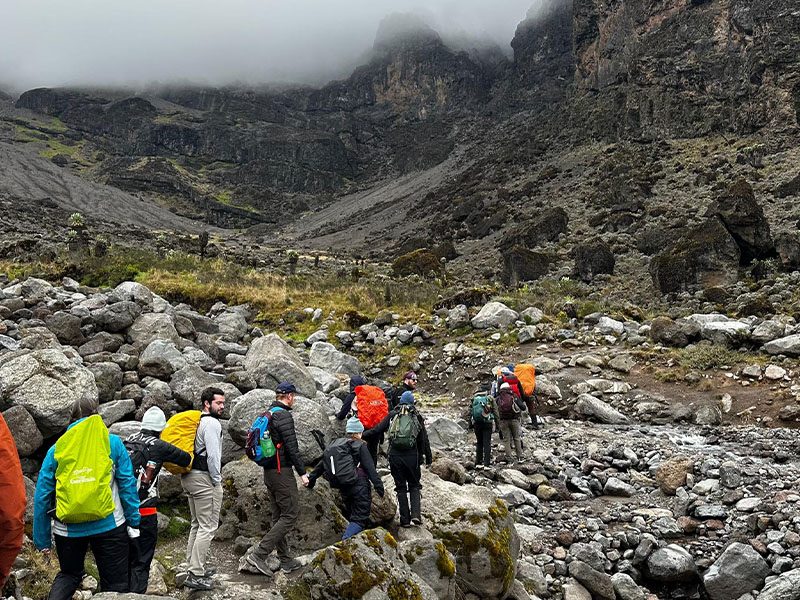
Tourists trekking on Mount Kilimanjaro at high altitude with guides | Kili Quests
Step by step — staying hydrated, steady, and supported helps you adapt as altitude increases.

Is Kilimanjaro Safe for Beginners?

Yes , Kilimanjaro is one of the most beginner-friendly high mountains in the world.
You don’t need:
  • Technical skills
  • Mountaineering experience
But you do need:
  • Preparation
  • Patience
  • Proper support
Most successful climbers are first-timers.

Common Questions About Kilimanjaro Safety

How many people die on Kilimanjaro each year?

Deaths on Kilimanjaro are rare compared to the number of climbers each year. Most cases are related to altitude sickness or pre-existing medical conditions. With proper acclimatization and guidance, the risk is very low.

Can altitude sickness be completely avoided?

No, altitude sickness cannot be fully avoided, but it can be managed. Climbing slowly, staying hydrated, and choosing longer routes significantly reduce the risk.

Is Kilimanjaro safe for people with no hiking experience?

Yes, but preparation is important. Beginners can climb Kilimanjaro successfully if they train, choose the right route, and follow their guide’s instructions.

What is the safest route on Kilimanjaro?

Longer routes such as Lemosho and Northern Circuit are considered the safest because they allow better acclimatization and reduce the risk of altitude sickness.

Do I need insurance for Kilimanjaro?

Yes, travel insurance that covers high-altitude trekking and emergency evacuation is strongly recommended for safety.

Climb Kilimanjaro Safely with Kili Quests

Climbing Kilimanjaro safely is not about luck — it’s about choosing the right team.At Kili Quests, we focus on:
  • Experienced professional guides
  • Daily health monitoring
  • Safe pacing and acclimatization
  • High summit success rates

If you’re planning to climb Kilimanjaro, do it with a team that puts safety first.

Related Articles

Kilimanjaro Deaths Explained: Statistics, Causes & Real Risk

Plan Your Kilimanjaro Climb

Climb with the right preparation, support, and safety strategy.

Climb Kilimanjaro the Safe Way

The right decisions make your climb safer and more successful.

OUR CATEGORIES

Kilimanjaro Deaths Explained: How Safe Is Africa’s Highest Mountain?

For many people planning to climb Mount Kilimanjaro, the excitement of reaching the highest point in Africa is often mixed with a more serious question: “How dangerous is it, really?”
 
It’s not something everyone asks out loud, but it’s always there in the background.
Kilimanjaro rises to 5,895 meters , a height where the human body is pushed far beyond its comfort zone. You’re not just hiking; you’re moving through thin air, changing climates, and multiple days of physical effort.And yes , people do die on Kilimanjaro.
 
But the reality is often misunderstood.The numbers are low. The causes are specific. And most importantly, the risks are largely preventable when the mountain is approached correctly.This article explains the full picture ,honestly, clearly, and without exaggeration ,so you understand what’s real, what’s avoidable, and what it actually takes to stay safe.
 
Before focusing on death statistics, it’s important to understand how dangerous Kilimanjaro really is and what risks climbers actually face.
Ice
High altitude conditions on Kilimanjaro can be challenging — proper pacing and preparation are essential for safety.

Table of Contents

How Many People Die on Kilimanjaro Each Year?

Kilimanjaro receives a large number of climbers every year.
  • Around 30,000 to 50,000 people attempt the climb annually
  • Approximately 3 to 10 deaths occur each year
When you compare these numbers, the overall risk is very low.To put it into perspective. The vast majority of climbers complete Kilimanjaro safely.However, these numbers don’t mean the mountain is easy , they mean it is well-managed and predictable when approached correctly.
 
Most climbers complete the trek successfully , especially when they follow proper acclimatization and route planning strategies.

Why Do People Die on Kilimanjaro? (Real Causes)

Most people assume deaths are caused by falls or accidents.That’s not the case.The real causes are almost always related to how the body reacts to altitude and stress.

Severe Altitude Sickness (Primary Cause)

This is the leading cause of serious incidents on Kilimanjaro.At high altitude:
  • Oxygen levels drop significantly
  • The body struggles to adapt
  • Vital functions become less efficient
 
If the body does not acclimatized properly, symptoms can escalate.Early signs include:
  • Headaches
  • Nausea
  • Dizziness
  • Fatigue
In severe cases, it can develop into life-threatening conditions. The key point: Altitude sickness is manageable , but only if recognized and respected early.
 
Understanding altitude sickness on Kilimanjaro helps you recognize early warning signs before they become dangerous.

Ignoring Warning Signs

One of the most dangerous behaviors on Kilimanjaro is ignoring symptoms.
Some climbers:
  • Push through discomfort
  • Hide symptoms to continue
  • Refuse to descend
This is where risk increases dramatically.
On Kilimanjaro, success is not reaching the summit — it’s coming down safely.

Poor Route Choice (Too Fast Ascent)

Shorter routes may look attractive because:
  • They are cheaper
  • They take less time
But they come with a major downside:
  • Less time to acclimatize
This significantly increases the risk of altitude-related problems.
 
Your route is one of the biggest safety factors , compare all Kilimanjaro routes to choose a safer itinerary

Lack of Preparation

Climbers who arrive unprepared often struggle with:
  • Fatigue
  • Dehydration
  • Slow recovery
While fitness alone does not prevent altitude sickness, poor preparation makes the climb much harder and increases overall risk.

Pre-Existing Medical Conditions

Conditions such as:
  • Heart problems
  • Lung issues
  • High blood pressure
can become more serious at altitude.This is why medical awareness before the climb is important.
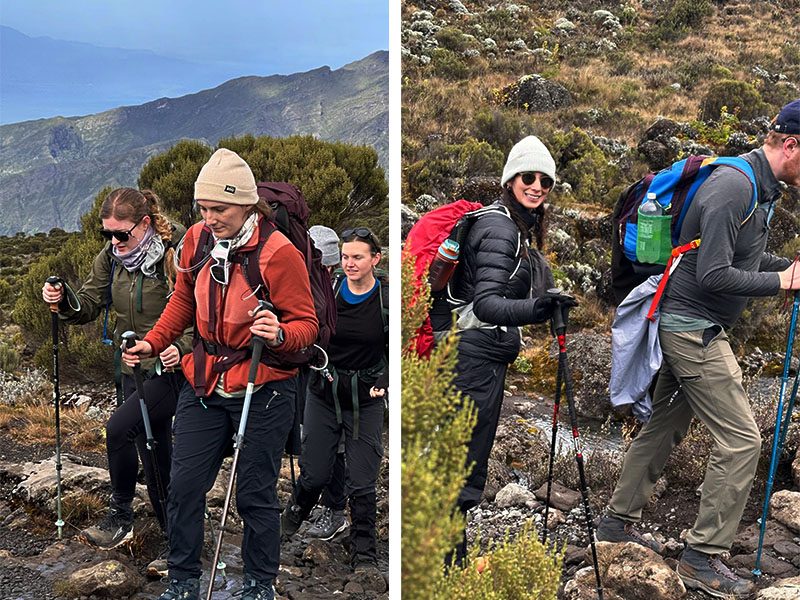
Happy tourist walking along a high-altitude trail on Kilimanjaro with a smile and trekking gear | Kili Quests
Most climbers complete Kilimanjaro safely with proper guidance and structured itineraries.

Why Kilimanjaro Is Still Considered a Safe Mountain

Despite these risks, Kilimanjaro is widely regarded as one of the safest high-altitude climbs in the world.

Non-Technical Terrain

There are:
  • No vertical climbs
  • No ropes required
  • No technical sections
You are walking on established trails, not climbing dangerous terrain.

Mandatory Guides and Regulations

All climbers must:
  • Use licensed operators
  • Be accompanied by trained guides
This creates a structured and controlled environment.
 
These regulations are part of what makes Kilimanjaro safe , understand the official trekking rules on Kilimanjaro before your climb.

Continuous Monitoring

Guides:
  • Check your health daily
  • Monitor oxygen levels
  • Watch for altitude symptoms

This allows problems to be detected early.

Immediate Descent Is Always Possible

Unlike more remote mountains, Kilimanjaro allows:
  • Fast descent when needed
This is one of the biggest safety advantages.
 
Emergency evacuation is also available, but requires proper coverage , choose the best medical insurance for Kilimanjaro before your trek.

The Real Danger: Underestimating the Mountain

Kilimanjaro becomes dangerous when people treat it as “just a hike.”Common mistakes include:
  • Choosing short routes
  • Rushing the climb
  • Ignoring guidance
  • Not preparing
The mountain rewards patience  and punishes shortcuts.
 

How to Reduce Risk on Kilimanjaro Safety is largely in your control.

Choose the Right Route

  • Improve acclimatization
  • Reduce altitude stress
  • Increase success rates

Go Slowly (Pole Pole)

The most important rule on Kilimanjaro:
  • Slow = Safe
Fast climbing is the biggest cause of problems.

Stay Hydrated and Eat Properly

Even when you don’t feel like it, your body needs:
  • Water
  • Energy
  • Nutrition

Follow Your Guide’s Advice

Guides are trained to make safety decisions.Ignoring them increases risk significantly.

Prepare Before the Climb

Preparation improves:
  • Endurance
  • Recovery
  • Overall experience

Is Kilimanjaro Safe for Beginners?

Yes — and this is one of its unique qualities.You do not need:
  • Technical skills
  • Mountaineering experience
But beginners must:
  • Prepare properly
  • Choose the right route
  • Respect altitude
Most climbers who reach the summit are first-timers.

The Truth About Kilimanjaro Deaths

Kilimanjaro deaths are rare, but they are not random.They are usually the result of:
  • Poor decisions
  • Rushed climbs
  • Ignored symptoms
The mountain itself is not unpredictable , the risk comes from how it is approached.
With the right preparation and guidance, reaching Uhuru Peak is a safe and achievable goal.

How Safe Is Kilimanjaro?

Kilimanjaro is a low-risk but high-altitude mountain.
  • The death rate is very low
  • The main risk (altitude) is manageable
  • Most climbers complete the trek safely
 With the right preparation, Kilimanjaro is a safe and achievable adventure , even for beginners.

Common Questions About Kilimanjaro Deaths

What is the death rate on Kilimanjaro?

The death rate is very low compared to the number of climbers each year. With tens of thousands attempting the climb and only a few fatalities annually, Kilimanjaro is considered relatively safe for a high-altitude mountain.

Can altitude sickness be fatal?

Yes, in severe cases. However, most cases are mild and manageable. Serious outcomes are rare when symptoms are recognized early and proper action is taken.
 

Is Kilimanjaro dangerous for beginners?

No, not if approached correctly. Beginners can climb safely by choosing longer routes, going slowly, and following professional guidance.

What is the safest way to climb Kilimanjaro?

The safest approach is to choose a longer route, allow proper acclimatization, stay hydrated, and listen to your guide throughout the climb.

Should I be worried about climbing Kilimanjaro?

You should respect the mountain, not fear it. With the right preparation and mindset, Kilimanjaro is a safe and rewarding experience.

Climb Kilimanjaro Safely with Kili Quests

Climbing Kilimanjaro  safely is about making the right choices from the start.At Kili Quests, we focus on:
  • Experienced professional guides
  • Strong safety protocols
  • Proper acclimatization strategies
  • High summit success rates
If you’re planning your climb, do it with a team that understands how to manage both the risks and the journey.

Related Articles

Altitude Sickness on Kilimanjaro: Symptoms & Causes

Climb Kilimanjaro Safely

Altitude is the biggest challenge on Kilimanjaro — but with the right preparation and expert guidance, you can reach the summit safely and confidently.

Choose Your Route

OUR CATEGORIES

Altitude Sickness on Kilimanjaro: What You Need to Know

Mount Kilimanjaro rises to 5,895 meters (19,341 ft)  a height where oxygen levels drop by nearly 50% compared to sea level. While the climb doesn’t require technical skills, the biggest challenge for most trekkers is altitude sickness.In this guide, we’ll explain what altitude sickness is, how it affects climbers on Kilimanjaro, and how to reduce your risk through smart choices and preparation.
 
Many climbers underestimate how serious altitude can be, which is why understanding how to acclimatize on Kilimanjaro is essential before starting your trek.
Tourists trekking on Mount Kilimanjaro at high altitude with guides | Kili Quests
Step by step — staying hydrated, steady, and supported helps you adapt as altitude increases.

Table of Contents

What Is Altitude Sickness?

Altitude sickness, also known as Acute Mountain Sickness (AMS), is the body’s natural response to reduced oxygen levels at high elevation. As you climb higher on Mount Kilimanjaro, the air becomes thinner, meaning your body receives less oxygen with each breath.This change can affect anyone  regardless of age, fitness level, or previous hiking experience. Even strong, athletic climbers can experience altitude sickness if they ascend too quickly or do not acclimatize properly.Altitude sickness exists in three main forms, each with increasing severity:
 
Proper acclimatization is the key to prevention, and you can learn more in our detailed guide on Kilimanjaro acclimatization strategies.

Acute Mountain Sickness (AMS)

This is the most common and mildest form of altitude sickness. Many climbers experience some level of AMS during their trek.
Typical symptoms include:
  • Headache
  • Nausea or vomiting
  • Fatigue or weakness
  • Dizziness
  • Loss of appetite
  • Difficulty sleeping
While AMS is usually manageable, it should never be ignored. Early symptoms are your body’s warning signs that you need to slow down and allow more time to adjust.
 

High Altitude Pulmonary Edema (HAPE)

HAPE is a serious and potentially life-threatening condition caused by fluid buildup in the lungs. It can develop if altitude sickness is not properly managed.
Symptoms may include:
  • Shortness of breath, even at rest
  • Persistent cough (sometimes with fluid)
  • Tightness in the chest
  • Extreme fatigue
HAPE requires immediate descent and medical attention. It is one of the most dangerous altitude-related conditions on the mountain.

High Altitude Cerebral Edema (HACE)

HACE is the most severe form of altitude sickness and involves swelling of the brain due to lack of oxygen.
Symptoms may include:
  • Severe headache
  • Confusion or disorientation
  • Difficulty walking in a straight line (ataxia)
  • Slurred speech
  • Loss of coordination
HACE is a medical emergency. Immediate descent is critical, and delays can be life-threatening.

Why Does Altitude Sickness Happen on Kilimanjaro?

One of the main reasons altitude sickness is common on Kilimanjaro is the speed of the ascent.Within just a few days, climbers go from below 2,000 meters to nearly 6,000 meters. This rapid gain in elevation does not give the body enough time to adapt naturally to lower oxygen levels.At high altitude, your body must work harder to function. Your breathing rate increases, your heart works harder, and your body begins adjusting its oxygen use. Without enough time to adapt, symptoms of altitude sickness can develop.
Several factors can increase your risk:
  • Climbing too quickly without proper acclimatization
  • Not drinking enough water
  • Skipping rest or acclimatization days
  • Ignoring early warning signs
  • Poor pacing during the climb

Understanding these factors helps you make better decisions and reduce your risk.

Choosing the right itinerary plays a major role, as explained in our Kilimanjaro routes comparison guide, where different routes offer different acclimatization profiles.

Common Symptoms to Watch For

Recognizing symptoms early is one of the most important parts of staying safe on Kilimanjaro.

Early Symptoms of AMS

Early symptoms are usually mild but should be taken seriously. These include:
  • Headache
  • Nausea or vomiting
  • Loss of appetite
  • Dizziness
  • Fatigue or unusual weakness
  • Poor or disturbed sleep
These symptoms often appear as you gain altitude and may improve with rest, hydration, and proper pacing.

Severe Symptoms (HAPE and HACE)

More serious symptoms indicate a dangerous level of altitude sickness and require immediate action.
These may include:
  • Shortness of breath even while resting
  • Persistent cough or chest tightness
  • Difficulty walking in a straight line (ataxia)
  • Confusion or unusual behavior
  • Slurred speech
If these symptoms appear or worsen, the only safe and effective treatment is immediate descent to a lower altitude.

Who Is Most at Risk of Altitude Sickness?

Altitude sickness does not discriminate. It can affect anyone, including experienced hikers and physically fit individuals.However, certain factors can increase your risk:
  • Having no previous experience above 3,000 meters
  • Ascending too quickly without enough acclimatization
  • Poor hydration during the climb
  • Ignoring early symptoms and continuing to ascend
It is important to understand that fitness alone does not protect you from altitude sickness. The key to prevention is proper pacing, acclimatization, and listening to your body.

How to Prevent Altitude Sickness on Kilimanjaro

Preventing altitude sickness on Kilimanjaro is not about luck  it’s about preparation, pacing, and making the right decisions before and during your climb. The mountain is high enough to affect everyone, regardless of fitness level, so understanding how to manage altitude is essential if you want to reach Uhuru Peak safely.

Choose the Right Route for Better Acclimatization

One of the most important decisions you make before your climb is selecting the right route. Longer routes allow your body more time to adjust to altitude, which significantly improves your chances of success.Routes like Lemosho, Northern Circuit, and the 7-day Machame itinerary are designed with acclimatization in mind. They include gradual altitude gain and extra days that give your body time to adapt.Shorter routes may seem attractive because they cost less and take less time, but they often push climbers too quickly to high altitude. This increases the risk of altitude sickness and reduces the likelihood of reaching the summit.
 
Routes like Lemosho and Northern Circuit are known for their strong acclimatization profiles — see our full Lemosho Route guide for a detailed breakdown.

Follow the “Climb High, Sleep Low” Principle

A key strategy used on Kilimanjaro is the “climb high, sleep low” approach. This means you hike to a higher altitude during the day, then descend slightly to sleep at a lower elevation.This process encourages your body to adapt more efficiently to the reduced oxygen levels. Over several days, your body becomes better at using oxygen, which helps reduce symptoms of altitude sickness.Routes that include this natural altitude variation give you a clear advantage compared to routes with a direct ascent.

Walk Slowly — “Pole Pole”

On Kilimanjaro, speed is not your friend. The most successful climbers are not the fastest  they are the most consistent.Guides will constantly remind you to walk “pole pole,” meaning slowly. This steady pace reduces strain on your body, helps regulate your breathing, and allows your body to adapt to altitude more effectively.Many climbers who feel strong at the beginning make the mistake of walking too fast, only to struggle later as the altitude increases. Maintaining a slow and controlled pace from the start is one of the most effective ways to prevent altitude sickness.
 
Physical preparation can also support your performance, and following a structured Kilimanjaro training plan helps you manage long trekking days.

Stay Hydrated Throughout the Climb

Hydration plays a critical role in how your body responds to altitude. As you climb higher, your body loses fluids more quickly, and dehydration can make altitude symptoms worse.Climbers are encouraged to drink around 3 to 4 liters of water per day, even if they do not feel thirsty. Drinking regularly helps maintain blood circulation and supports oxygen delivery throughout the body.A simple way to monitor hydration is to check the color of your urine , lighter color usually indicates better hydration.
 
Proper preparation includes having the right gear, so make sure you check our Kilimanjaro packing list before your climb.
 

Eat Regularly to Maintain Energy

At high altitude, it is common to lose your appetite. However, your body still needs energy to function and adapt.Eating regular meals, even when you don’t feel hungry, is essential. Food provides the energy your body needs to cope with altitude stress and maintain strength during long trekking days.Carbohydrate-rich meals are especially important, as they are easier to digest and provide quick energy at high altitude.

Consider Medication if Necessary

Some climbers choose to use medication such as Diamox (acetazolamide) to help prevent altitude sickness. This medication works by improving breathing and helping the body acclimatize more efficiently.It is not mandatory, and many climbers reach the summit without it. However, it can be helpful, especially for those who are concerned about altitude.Always consult a doctor before your trip to understand whether this option is suitable for you and how to use it properly.
 
Timing also matters, and understanding the best time to climb Kilimanjaro can help you avoid extreme conditions.

What to Do If You Experience Altitude Sickness Symptoms

Even with good preparation, some climbers may experience mild symptoms of altitude sickness. The key is to respond quickly and appropriately.

If Symptoms Are Mild

Mild symptoms may include headaches, slight dizziness, or fatigue. These are common and do not necessarily mean you need to stop your climb.
In this situation, you should:
  • Inform your guide immediately
  • Rest and allow your body to recover
  • Drink more water
  • Take medication if recommended
  • Adjust your pace or shorten the next day’s hike

Early communication with your guide is critical, as they can monitor your condition and decide the best course of action.

If Symptoms Become Severe

If symptoms worsen  such as intense headaches, nausea, confusion, or difficulty breathing  immediate action is required.The only effective treatment for serious altitude sickness is descent.Descending to a lower altitude allows your body to recover and prevents the condition from becoming life-threatening. This is why experienced guides closely monitor climbers and make safety decisions when necessary.
Happy tourist walking along a high-altitude trail on Kilimanjaro with a smile and trekking gear | Kili Quests
High spirits at high altitude — staying positive, prepared, and well-guided makes all the difference.

The Role of Professional Guides in Altitude Safety

Climbing Kilimanjaro with experienced guides is one of the most important safety factors on the mountain.At Kili Quests, your safety is always the top priority. Our guides are trained in high-altitude safety and emergency response, including Wilderness First Responder (WFR) certification.Throughout the climb, guides conduct regular health checks, monitoring your oxygen levels and overall condition.
 
They are trained to recognize early signs of altitude sickness and take action before the situation becomes serious.This may include adjusting your pace, recommending rest, or organizing a descent if necessary. Having a knowledgeable and experienced team around you makes a significant difference in both safety and success.
 
Choosing a professional operator is just as important as preparation, which is why many climbers explore our Kilimanjaro climbing packages for a complete guided experience.

Best Kilimanjaro Routes for Acclimatization

If altitude is your main concern, choosing the right route can make a huge difference.

Lemosho Route (7–8 Days)

The Lemosho Route offers one of the best acclimatization profiles on Kilimanjaro. Its longer duration and gradual ascent give your body time to adjust while also providing diverse and scenic landscapes.

Northern Circuit (8–9 Days)

The Northern Circuit is the longest route on the mountain and provides the highest success rates. With more days at altitude, your body has the best chance to adapt, making it ideal for those focused on safety and summit success.

Machame Route (7 Days)

The Machame Route is a popular choice that combines good acclimatization with a manageable duration. When done over 7 days, it offers a strong balance between challenge and success.

Routes to Avoid for Acclimatization

Shorter routes such as the 5-day Marangu itinerary provide limited time for acclimatization and are generally not recommended for most climbers.
 
If you’re still deciding, our Kilimanjaro routes comparison guide explains which route fits your experience and goals best.
 
Group of trekkers celebrating together at Uhuru Peak, the summit of Mount Kilimanjaro
With the right pace and preparation, reaching the summit is not just possible — it’s unforgettable.

How to Prepare for Altitude Before Your Climb

Preparation does not start on the mountain  it begins before your trip.Spending a few days at moderate altitude before your climb can help your body begin adapting. If possible, staying in areas like Arusha or doing short hikes at higher elevations can be beneficial.Physical training is also important. Activities such as hiking, walking long distances, and cardio exercises help improve endurance and prepare your body for multi-day trekking.
The goal is not to eliminate the challenge, but to arrive prepared and ready to handle it.
 

How to Prepare for a Successful Kilimanjaro Climb

Preventing altitude sickness is about combining the right strategy with the right mindset.Climbing slowly, choosing a well-planned route, staying hydrated, and listening to your guide all play a role in your success. Kilimanjaro is not a race  it is a journey that rewards patience and consistency.With proper preparation and the support of experienced guides, reaching Uhuru Peak becomes not just possible, but achievable.

How to Stay Safe and Summit Successfully on Kilimanjaro

Altitude sickness is a serious challenge, but it is also manageable with the right approach. Understanding how your body responds to altitude, choosing the right route, and following proper pacing can make a significant difference in your experience.Climbers who succeed on Kilimanjaro are not necessarily the strongest  they are the ones who prepare well, stay consistent, and listen to their guides throughout the journey.With the support of an experienced team and a well-planned itinerary, reaching Uhuru Peak becomes a realistic and rewarding goal.

Frequently Asked Questions About Altitude Sickness on Kilimanjaro

How common is altitude sickness on Mount Kilimanjaro?

Altitude sickness is one of the most common challenges climbers face on Mount Kilimanjaro, mainly because of the mountain’s high elevation and relatively fast ascent. The summit stands at 5,895 meters, which is high enough to affect almost everyone to some degree.Many climbers experience mild symptoms such as headaches, fatigue, or slight nausea as they gain altitude. These symptoms are part of the body adjusting to lower oxygen levels and are usually manageable with proper pacing, hydration, and rest.However, more serious forms of altitude sickness are less common and are usually preventable with the right approach. Choosing a longer route, climbing slowly, and listening to your guide significantly reduces the risk. The key is not whether symptoms appear, but how early they are recognized and managed.
 

Can physically fit people still get altitude sickness?

Yes, physical fitness does not protect you from altitude sickness. This is one of the most misunderstood aspects of climbing Kilimanjaro.Altitude sickness is caused by reduced oxygen levels at high elevation, not by a lack of strength or endurance. Even highly trained athletes can develop symptoms if they ascend too quickly or do not acclimatize properly.In some cases, very fit individuals are actually at higher risk because they may walk faster than recommended, pushing their bodies too quickly to higher altitudes. On Kilimanjaro, success is not about speed  it is about pacing, patience, and allowing your body time to adjust.

How can you effectively prevent altitude sickness on Kilimanjaro?

Preventing altitude sickness requires a combination of preparation, smart decision-making, and discipline during the climb.The most effective strategies include choosing a longer route that allows for proper acclimatization, walking slowly at a steady pace, and staying well hydrated throughout the trek. Drinking enough water helps your body function efficiently at altitude and reduces the severity of symptoms.It is also important to eat regularly, even when your appetite decreases, as your body needs energy to adapt. Listening to your guide is equally critical, as experienced guides monitor your condition and can adjust your pace or schedule when needed.Preventing altitude sickness is not about one single action  it is about consistently following the right habits throughout the entire climb.

Which Kilimanjaro routes are best for avoiding altitude sickness?

Routes that allow more time for acclimatization are the best options for reducing the risk of altitude sickness.The Lemosho Route and Northern Circuit are widely considered the most effective because they include more days on the mountain and a gradual ascent profile. This gives your body the time it needs to adjust to decreasing oxygen levels.The Machame Route, when done over 7 days, is also a strong option, offering a good balance between duration and acclimatization.Shorter routes, such as the 5-day Marangu itinerary, are generally less effective because they involve a faster ascent and provide less time for the body to adapt.

What should you do if altitude sickness symptoms get worse?

If altitude sickness symptoms begin to worsen, it is essential to act quickly and take the situation seriously. Ignoring symptoms or continuing to climb can lead to more severe and potentially dangerous conditions.The most important step is to inform your guide immediately. Guides are trained to assess your condition and determine the best course of action. This may include resting, adjusting your pace, or stopping further ascent.If symptoms become severe  such as difficulty breathing, confusion, or loss of coordination  immediate descent to a lower altitude is necessary. Descent is the only effective treatment for serious altitude sickness and can quickly improve your condition.Taking early action is the key to staying safe on the mountain.

Climb Kilimanjaro Safely with Expert Support

Altitude is the biggest challenge on Kilimanjaro  but with the right route, proper acclimatization, and experienced guides, it becomes manageable and safe.At Kili Quests, we design every climb to maximize your safety and summit success. Our team monitors your condition daily, adjusts pace when needed, and ensures you are fully supported from start to summit.If you’re planning your climb, understanding the best route for acclimatization and the right time to climb Kilimanjaro can significantly improve your chances of success.
 
 Get Your Custom Kilimanjaro Plan today and climb with confidence

Related Articles