Understand Your Kilimanjaro Team

A successful climb depends on the people behind it.

Start Your Kilimanjaro Journey

The right plan and the right team make your climb safer and more successful.

OUR CATEGORIES

What Kilimanjaro Porters Do Behind the Scenes

The True Backbone of Every Kilimanjaro Climb

Every successful Kilimanjaro climb depends on more than the person reaching the summit. Behind every trek is a hardworking mountain crew that carries supplies, prepares camps, supports meals, manages logistics, and keeps the expedition moving safely from one camp to the next.
 
Kilimanjaro porters are at the center of that work. While climbers walk with a daypack, porters move ahead with tents, food, duffel bags, cooking gear, and camp equipment across changing terrain and altitude.
 
At Kili Quests, this work is personal. Our roots come from generations on the mountain, and we understand the strength, dignity, and respect that porter work deserves.
 
To understand crew size in more detail, read our guide to how many porters you need for Kilimanjaro.

Quick Answer: What Do Kilimanjaro Porters Do?

Kilimanjaro porters carry supplies, tents, food, cooking equipment, and climbers’ duffel bags between camps. They also help set up and break down camp, support the kitchen team, collect water, and assist guides with daily mountain logistics.
 
Their work allows climbers to focus on walking, pacing, hydration, and acclimatization instead of carrying heavy expedition equipment. Without porters, most Kilimanjaro climbs would be far more difficult to organize safely and comfortably.
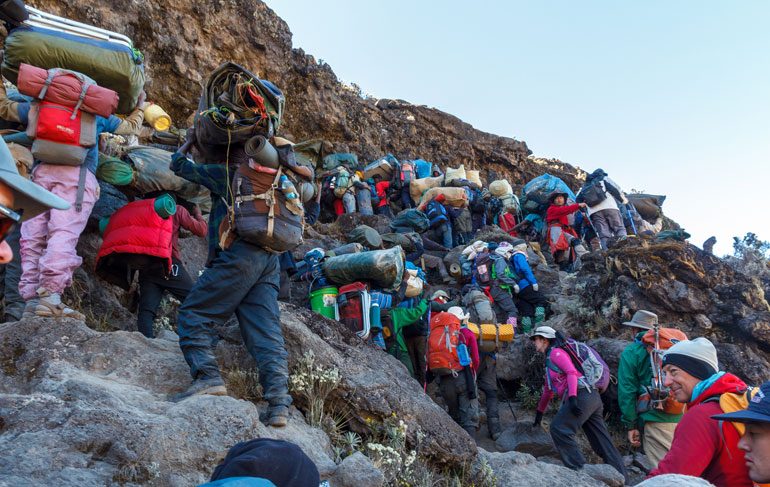
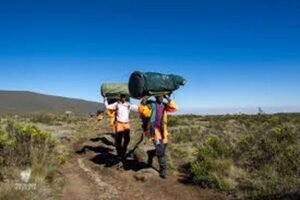
Kilimanjaro porters carrying supplies on the trail with mountain loads
Kilimanjaro porters carry tents, food, and supplies through every climate zone of the mountain.

Table of Contents

Who Are Kilimanjaro Porters?

Kilimanjaro porters are local Tanzanian mountain crew members, often from communities around Moshi, Marangu, Machame, and other areas near Mount Kilimanjaro. Many come from Chagga, Pare, and other local backgrounds with a strong connection to the mountain.
 
Their role is physically demanding and highly important. They carry expedition equipment, move between camps, help prepare the campsite, and support the wider team that makes each climb possible.
 
Porters are trained and experienced in mountain logistics, including:
  1. Carrying equipment, tents, food, and supplies
  2. Setting up and breaking down camp
  3. Supporting the kitchen team with water and supplies
  4. Assisting guides with expedition logistics
  5. Helping create a safe and organized camp experience
At Kili Quests, we hire locally and believe porter work should be treated with fairness, dignity, and respect.
 
For end-of-climb appreciation, see our Kilimanjaro tipping guide.
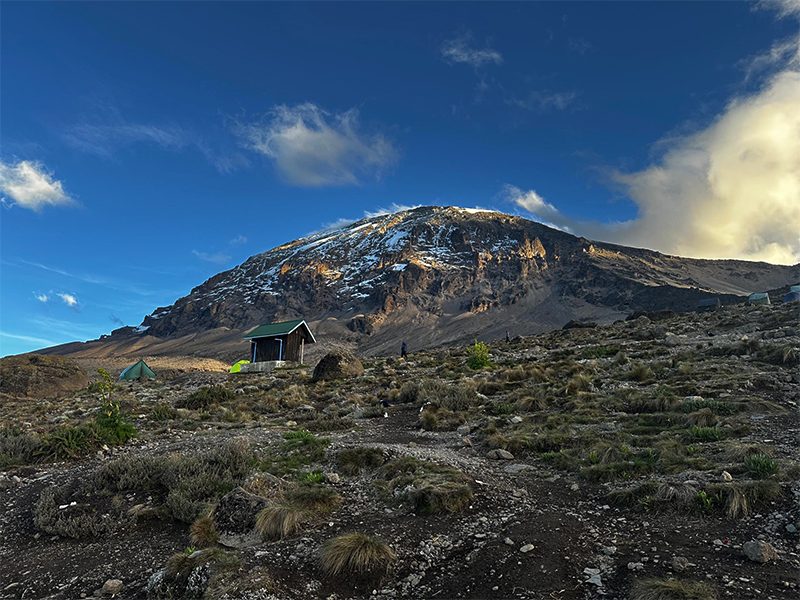
Mount Kilimanjaro rising above the African savanna with snow on the summit
Kilimanjaro porters are essential mountain crew members who carry supplies, set up camp, prepare meals, and support trekkers at every stage of the climb — often while ascending with 20kg loads through every ecological zone on the mountain

What Porters Do Each Day on Kilimanjaro

A Kilimanjaro trek is a moving expedition. Every day, the mountain crew packs up one camp, moves equipment across the trail, and prepares the next camp before trekkers arrive.

Carry Equipment Across the Mountain

Porters carry essential expedition supplies such as:
  1. Client duffel bags
  2. Tents and camp equipment
  3. Food supplies
  4. Cooking equipment
  5. Fuel and stoves
  6. Water and camp materials
  7. Selected safety or support equipment
Porter loads should be managed responsibly and kept within safe limits. For more detail, see our porter weight limit guide.

Set Up and Break Down Camp

Before trekkers arrive at camp, porters are often already working. They help pitch tents, organize the dining area, prepare sleeping spaces, and support the kitchen setup.
 
In the morning, they wake early, pack the camp, and move ahead again so the next campsite is ready on time.

Support Food and Water Systems

Porters also help the cook team keep the expedition running. This may include collecting water, helping organize cooking supplies, supporting meal preparation, and delivering tea or food around camp.
 
This behind-the-scenes work helps climbers stay hydrated, fed, and ready for the next day’s trek.

Provide Support and Motivation

Porters are often the quiet encouragement behind a successful climb. They greet trekkers on the trail, help maintain morale, and support the guides when extra assistance is needed.
 
Many experienced porters later become assistant guides or lead guides, building long careers on Mount Kilimanjaro.
 
To understand the physical challenge climbers face, read how hard Kilimanjaro really is.
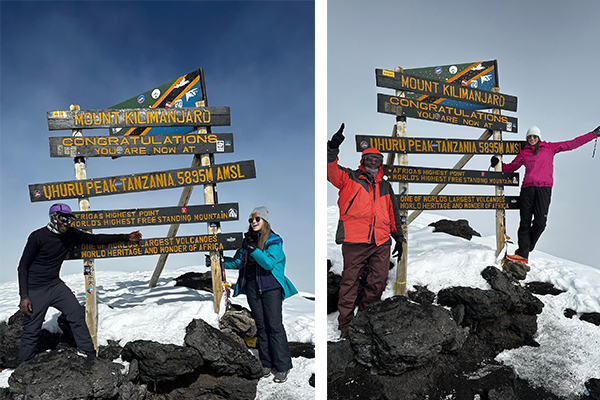
Kilimanjaro porter standing with a climber near Uhuru Peak summit sign
Some experienced porters support climbers near the summit zone when extra help or equipment support is needed.

Our Promise to the Porters

We are a Chagga-owned and independently operated company with deep roots in the Kilimanjaro mountain community. Porter welfare is not just a business policy for us. It is personal.
 
Our approach is based on decades of local experience, family history, and respect for the people who make Kilimanjaro climbs possible.
 
At Kili Quests, we are committed to:
  1. Fair wages paid directly to each porter
  2. Proper rest and organized camp support
  3. Hot meals and suitable shelter during the climb
  4. Responsible load management
  5. No overloading or shortcuts
  6. Respectful treatment from start to finish
“My father worked for more than three decades on this mountain with different companies, and he understood the struggles porters face. I know what it means to be treated right. That is why we run Kili Quests with honor, fairness, and pride.
 
— Allen Minja, Founder of Kili Quests
 
For crew appreciation and end-of-climb guidance, see our Kilimanjaro tipping guide.

What You Can Do as a Trekker

A responsible Kilimanjaro climb is built on mutual respect. Porters work hard every day to support the expedition, and small actions from trekkers can make a big difference.
 
You can show respect by:
  1. Packing within the allowed duffel weight
  2. Learning and using crew members’ names
  3. Greeting porters on the trail and in camp
  4. Keeping your gear organized
  5. Following camp instructions
  6. Showing appreciation beyond tips
  7. Tipping fairly at the end of the climb
  8. Choosing an operator that treats porters properly
When you understand the role of the mountain crew, the climb becomes more meaningful. Kilimanjaro is not only about reaching the summit. It is also about respecting the people who help make the journey possible.
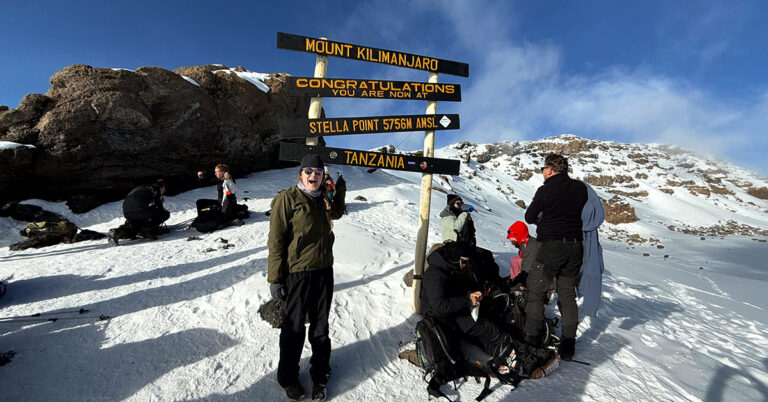
Trekkers and mountain crew standing together at Stella Point on Kilimanjaro
Reaching Stella Point is a major achievement shared by climbers, guides, and the crew behind the journey.

Respect the Team. Respect the Mountain.

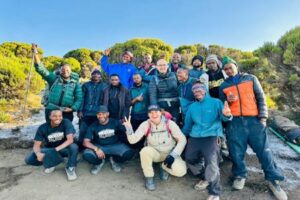
Kilimanjaro is not just a climb. It is a community effort. Every safe and well-organized summit depends on porters, guides, assistant guides, cooks, and support staff working together across difficult terrain and changing weather.
 
Porters are often the first to move, the last to rest, and the reason camp is ready when trekkers arrive. Their work deserves recognition, fair treatment, and respect.
 
At Kili Quests, we do not just guide climbs. We build responsible mountain teams, protect dignity, and support careers on the mountain.

Frequently Asked Questions About Kilimanjaro Porters

What do porters do on Mount Kilimanjaro?

Porters carry trekking gear, tents, food supplies, cooking equipment, and camp materials between camps. They also help set up campsites, support the kitchen team, collect water, and keep the expedition moving smoothly each day.

How much weight do Kilimanjaro porters carry?

Porter loads should be managed responsibly and kept within safe limits. For more detail, see our porter weight limit guide.

Where do Kilimanjaro porters come from?

Most Kilimanjaro porters come from local Tanzanian communities near the mountain, especially around Moshi, Marangu, Machame, and nearby villages. Many have strong family and cultural connections to the mountain.

How many porters are needed for a Kilimanjaro climb?

The number of porters depends on group size, route length, camping setup, food supplies, and luggage. For a full breakdown, read our guide to how many porters you need for Kilimanjaro.

Do Kilimanjaro porters climb to the summit?

Most porters focus on moving supplies between camps and preparing the next campsite. Some experienced porters may help near the summit zone or later train to become assistant guides or guides, but summit support is mainly handled by the guide team.

Should I tip Kilimanjaro porters?

Yes, tipping is expected and is an important way to show appreciation to the mountain crew. For full guidance, read our Kilimanjaro tipping guide.

Why are Kilimanjaro porters important?

Porters make multi-day Kilimanjaro climbs possible. They carry the equipment, support camp life, help with food and water systems, and allow climbers to focus on trekking, hydration, pacing, and acclimatization.

Climb Responsibly With Kili Quests

A Kilimanjaro climb should be safe for trekkers and fair to the mountain crew. When you choose Kili Quests, you climb with a local team that understands the mountain, respects porter welfare, and organizes every trek with care.
 
Our porters, guides, cooks, and assistant guides are part of your success story from the first day on the trail to the final descent.
 
Contact us to plan a responsible Kilimanjaro climb with a team that respects the mountain and the people behind every summit.

Related Articles