Kilimanjaro Routes Comparison: Which Route Is Best?

Plan Your Kilimanjaro Climb

Climbing Kilimanjaro is a once-in-a-lifetime adventure choosing the right route and preparation makes all the difference.

Kilimanjaro Guides

OUR CATEGORIES

Kilimanjaro Routes Comparison: Which Route Is Best?

Choosing the right route is one of the most important decisions you will make when planning to climb Mount Kilimanjaro. Every route leads to Uhuru Peak, but the journey to the summit can feel completely different depending on the trail you choose. Some routes are longer and give your body more time to adjust to altitude. Others are shorter, steeper, and more physically demanding. Some are known for dramatic scenery, while others are chosen for comfort, quiet trails, or the highest chance of summit success.
 
Because of this, there is no single route that is perfect for everyone. The best route depends on your fitness level, trekking experience, available time, comfort preference, and how important summit success is to you. A first-time climber with enough time will usually benefit from a longer route with better acclimatization, while an experienced trekker may be comfortable with a steeper and faster option.This guide compares all seven official Kilimanjaro routes in detail so you can understand how each one works and decide which route is the best fit for your climb.
 
Before choosing, it’s important to understand how to acclimatize on Kilimanjaro, compare the full cost to climb Kilimanjaro, and see how different routes affect your chances of success.
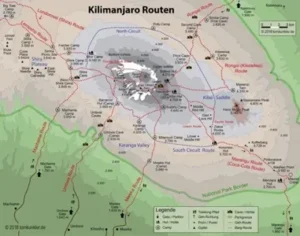
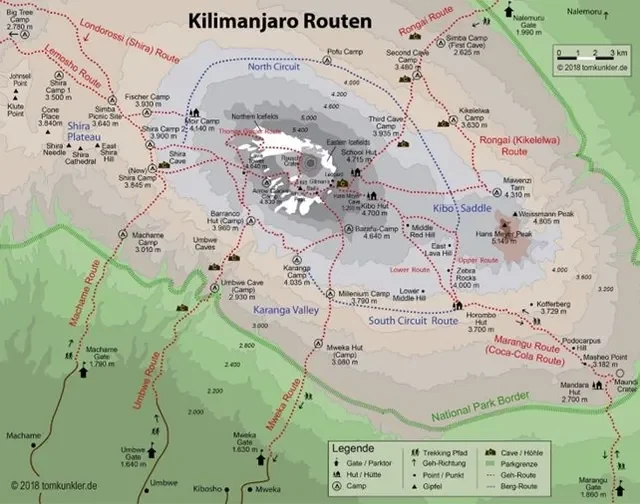
Topographic map showing all major climbing routes on Mount Kilimanjaro, including Machame, Lemosho, Marangu, Rongai, Umbwe, Shira, and Northern Circuit.
This detailed map shows all main Kilimanjaro climbing routes, including Machame, Marangu, Lemosho, Rongai, Umbwe, Shira, and the Northern Circuit, with campsites, elevation points, and park boundaries.

Table of Contents

Why Choosing the Right Kilimanjaro Route Matters

On Kilimanjaro, route choice is not just about scenery or duration. It directly affects how well your body adapts to altitude and how likely you are to reach the summit. The mountain is not technical, but altitude makes it serious. That means the route you choose can either support your success or make the climb much harder than it needs to be.
 
Longer routes usually give climbers a better chance of reaching Uhuru Peak because they allow more time for acclimatization. That extra time can make a major difference, especially for first-time climbers. Shorter routes may look attractive because they cost less and require fewer days, but they often come with a lower summit success rate because the body has less time to adapt.Route choice also shapes the overall experience. Some trails feel busy and social, while others feel remote and peaceful. Some begin in dense rainforest and open gradually into moorland and alpine desert, while others start high and immediately expose you to altitude. That is why comparing routes carefully before booking is one of the smartest things a climber can do.
 
Understanding altitude sickness on Kilimanjaro is key to improving your chances of reaching the summit.

How Many Routes Are There on Kilimanjaro?

There are seven official trekking routes on Mount Kilimanjaro: Lemosho, Machame, Marangu, Rongai, Northern Circuit, Umbwe, and Shira. Each has its own style, pace, scenery, and acclimatization profile.Some routes share sections of trail higher up on the mountain, but their starting points, first days, and overall experience are still different. For example, Lemosho and Shira eventually join parts of the same path, but their starts are not the same. Likewise, Machame and Lemosho share later sections, yet they attract climbers for different reasons.Understanding these differences makes it easier to match the route to the kind of experience you want rather than just choosing the most popular name.
 
Your budget also plays a role, so it’s important to understand the cost to climb Kilimanjaro before making a decision.

Lemosho Route – The Best All-Around Choice

The Lemosho Route is widely considered the best overall route on Kilimanjaro because it combines beautiful scenery, strong acclimatization, and a high summit success rate. It starts on the western side of the mountain and gives climbers a gradual approach, which is one of the main reasons it is so highly recommended.
 
Physical preparation matters, which is why many climbers follow a structured training plan for Kilimanjaro before their trip.

What the Lemosho Route Is Like

The route begins in rainforest and then opens into the wide scenery of the Shira Plateau. From there, climbers continue through moorland, alpine desert, and higher camps before making the final summit push. It is one of the most visually rewarding routes because it offers variety almost from the beginning to the end.Another advantage is that Lemosho starts with fewer crowds than some of the more popular routes. That gives the first few days a quieter and more remote feel, which many trekkers enjoy.

Who the Lemosho Route Is Best For

Lemosho is ideal for first-time climbers who want a strong chance of reaching the summit without choosing an overly aggressive itinerary. It is also excellent for trekkers who care a lot about scenery and want a route that feels more complete and less rushed.
Because it is usually done over 7 to 8 days, it gives the body more time to adjust to altitude. That makes it one of the safest and smartest choices for many climbers.
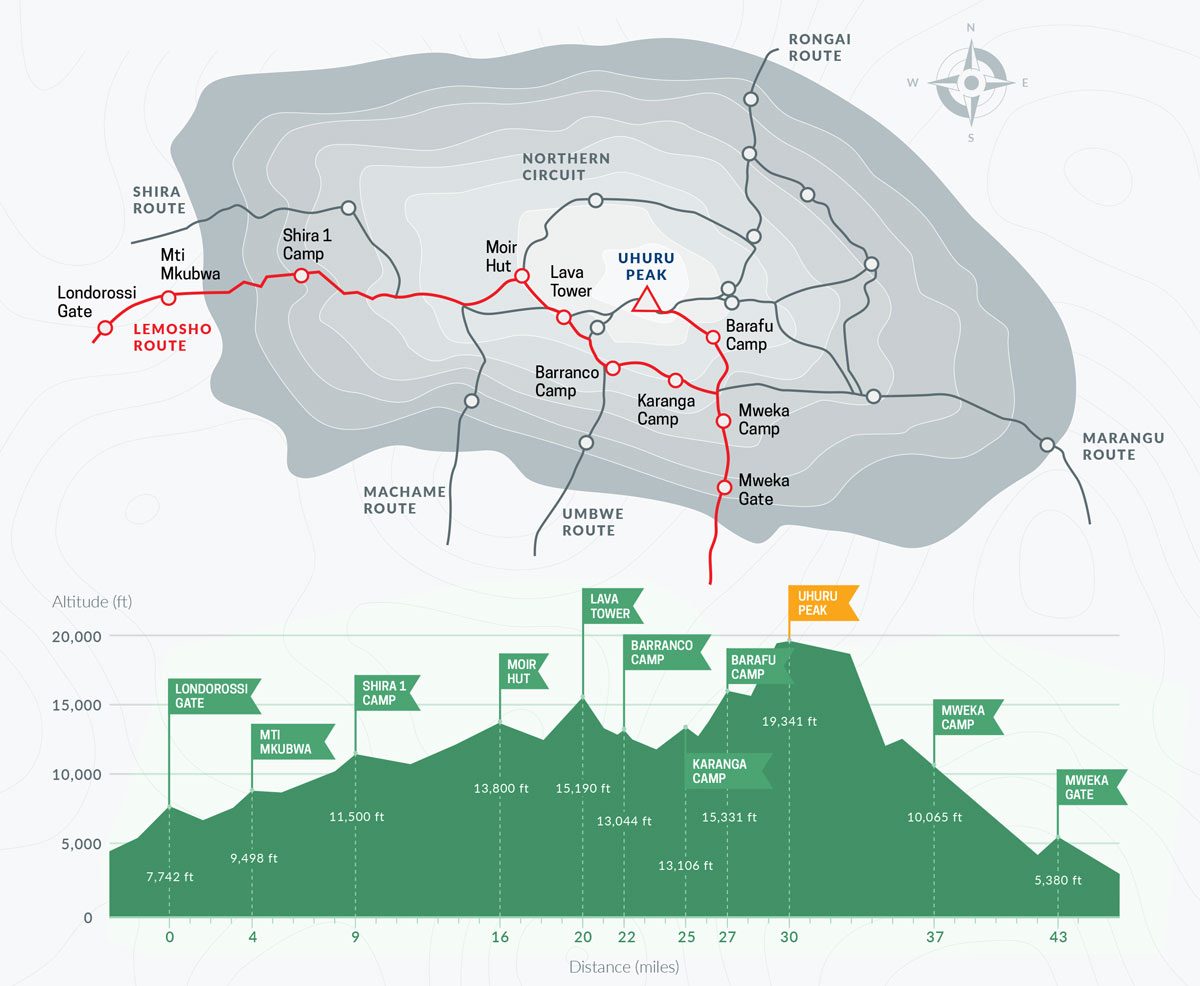
Lemosho Route map on Mount Kilimanjaro with full trail, elevation profile, and camp locations to Uhuru Peak
A scenic and well-acclimatized trail starting from Londorossi Gate and joining the Machame Route via Lava Tower.

Machame Route – The Most Popular Route

The Machame Route is often called the “Whiskey Route” and is the most popular climbing route on Kilimanjaro. It is known for its dramatic scenery, active trekking days, and strong acclimatization profile when done over enough days.

What the Machame Route Is Like

Machame takes climbers through rainforest, moorland, alpine desert, and the high summit zone, offering a varied and classic Kilimanjaro experience. It includes famous landmarks such as Lava Tower and the Barranco Wall, both of which are highlights for many trekkers.Compared with Marangu, Machame provides a better acclimatization profile because the route allows for more gradual altitude gain. The trail itself is a bit steeper and more physically active, but many climbers see that as part of its appeal.

Who the Machame Route Is Best For

Machame is best for climbers who want a balance between challenge, scenery, and summit success. It suits first-time trekkers who are reasonably fit and want a popular, proven route with strong overall value.
The main downside is that it can be busy, especially during peak climbing seasons. Still, for many people, the scenery and route design make it worth it.
Machame Route map on Mount Kilimanjaro showing trail path, elevation profile, and major camps to Uhuru Peak
A scenic Kilimanjaro trail via Lava Tower and Barafu Camp, descending through Mweka Gate.

Marangu Route – The Hut Route

The Marangu Route is the only Kilimanjaro route with hut accommodation. For some climbers, that makes it immediately attractive, especially if they prefer not to sleep in tents for several nights.

What the Marangu Route Is Like

Marangu follows the same path up and down the mountain, which makes it different from most other routes. The huts provide a more sheltered sleeping arrangement, and the trail is often seen as more straightforward in terms of logistics.However, the shorter itinerary is its biggest weakness. Because many Marangu climbs are done in 5 to 6 days, climbers often do not get enough time to acclimatize properly. That is one reason why its summit success rate is usually lower than longer routes.

Who the Marangu Route Is Best For

Marangu is best for climbers who strongly prefer hut accommodation and want a simpler, shorter itinerary. It can work well for some trekkers, but it is not automatically the best route for beginners just because it has huts. In fact, the shorter profile can make it a harder climb from an altitude perspective.
For climbers who care most about summit success, longer routes are generally a better choice.
Marangu Route map on Mount Kilimanjaro showing elevation, trail path, and major camps to Uhuru Peak
Marangu Route Map – The only Kilimanjaro route with huts, following the same trail up and down via Horombo and Kibo Huts.

Rongai Route – The Quiet Northern Trail

The Rongai Route approaches Kilimanjaro from the north, near the Kenyan side of the mountain. This gives it a quieter and often drier character than the southern routes.

What the Rongai Route Is Like

Rongai is known for its peaceful feel. It usually has fewer climbers, which makes it a good option for people who want a less crowded experience. The northern side of Kilimanjaro also tends to be drier, so this route can be especially appealing during wetter months.The scenery is different from the western and southern routes. While some people find it less dramatic at the beginning, the route offers a unique perspective of the mountain and beautiful views near Mawenzi.

Who the Rongai Route Is Best For

Rongai is a good choice for climbers who want a quieter trail, a gradual ascent, and a different side of Kilimanjaro. It is also a smart option for people climbing during the rainy season when drier conditions can make a big difference.It may not have the same reputation for scenery as Lemosho, but it offers peace, space, and a solid acclimatization profile.
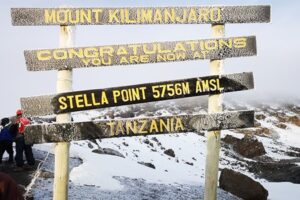
View of Mawenzi Peak from Stella Point on Mount Kilimanjaro, with snow-covered terrain and clouds below — typical scenery on the Rongai Route | Kili Quests
The Rongai Route’s final summit approach offers this dramatic view of Mawenzi Peak from Stella Point. A snowy, unforgettable moment near the crater rim.
Rongai Route map on Mount Kilimanjaro showing ascent path, camps, and elevation profile to Uhuru Peak
A remote trail from the north side of Kilimanjaro, passing Mawenzi Tarn and Kibo Hut before summiting.

Northern Circuit – The Best Route for Acclimatization

The Northern Circuit is the longest route on Kilimanjaro and is often considered the best route for acclimatization. It circles around the mountain’s northern slopes, creating a longer and more gradual approach to the summit.

What the Northern Circuit Is Like

This route offers one of the most complete mountain experiences because it covers more ground and gives trekkers long, scenic days with fewer crowds. It provides broad views from multiple angles and avoids the busier traffic found on some other routes.Its greatest strength is time. Because the route is usually done over 9 or more days, climbers have an excellent chance to adjust to altitude before summit night.

Who the Northern Circuit Is Best For

The Northern Circuit is best for climbers whose main goal is to maximize summit success. It is also ideal for those who want a quieter route and are willing to spend more time on the mountain.For travelers with enough days and budget, it is one of the strongest choices available. The extra time often turns into extra safety, better recovery, and a more enjoyable climb.
Northern Circuit Route map on Mount Kilimanjaro showing full circuit trail, elevation profile, and key camps to Uhuru Peak
The longest Kilimanjaro route, offering excellent acclimatization and 360° views around the mountain.

Umbwe Route – The Steepest and Toughest Option

Umbwe is known as the steepest and most direct route on Kilimanjaro. It is intense, demanding, and not usually recommended for beginners.

What the Umbwe Route Is Like

The route climbs quickly and gives the body less time to adapt to altitude. It is physically demanding from early on and is often chosen by trekkers who want a more aggressive and remote climb.Because it is less popular, Umbwe can feel quiet and wild. That gives it a certain appeal for experienced trekkers who do not mind a tougher route.

Who the Umbwe Route Is Best For

Umbwe is best for experienced climbers who are confident in their fitness and understand the challenge of rapid altitude gain. It is not a route chosen for comfort or ease. It is chosen for intensity.For most first-time Kilimanjaro trekkers, other routes are a safer and smarter choice.
Trekkers and porters carefully ascending the Kissing Rock section on Barranco Wall along the Machame Route, Kilimanjaro | Kili Quests
The Kissing Rock – Barranco Wall – Climbers squeeze through one of the most iconic and narrow points on the Umbwe Route: the "Kissing Rock" on Barranco Wall.
Umbwe Route map on Mount Kilimanjaro showing trail path, elevation chart, and key camps to Uhuru Peak
Kilimanjaro’s steepest and most direct route, ascending via Barranco and Karanga Camps.

Shira Route – A High-Altitude Start

The Shira Route begins at a higher elevation than most other routes, which makes it unique but also more demanding at the beginning.

What the Shira Route Is Like

Because the route starts high on the Shira Plateau, climbers skip much of the rainforest zone and enter a higher-altitude environment very early. That can make the first days harder for people who have not acclimatized already.After the opening section, Shira joins the Lemosho path, so much of the later scenery and route experience becomes similar. The landscapes are dramatic and open, with wide views that many climbers love.

Who the Shira Route Is Best For

Shira is best for trekkers who already have some altitude experience or have acclimatized before starting the climb. It is not usually the first recommendation for people completely new to high-altitude trekking.For the right climber, it offers striking scenery and a less typical start, but it requires more care than routes with a lower beginning.
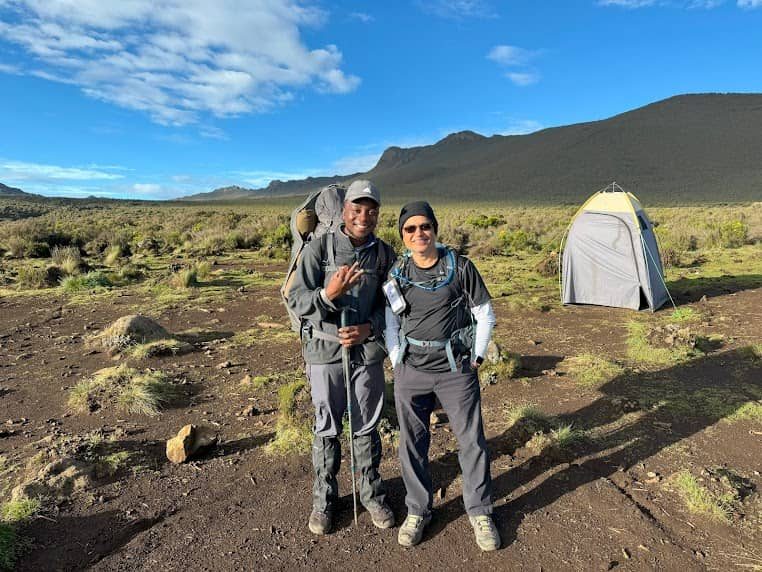
Two trekkers standing at Shira One Camp on the Lemosho Route, Kilimanjaro, with scenic moorland and tent in the background | Kili Quests
Shira One Camp (3,610m) – Trekkers enjoying a clear morning at Shira Plateau, the first high-altitude campsite on the Lemosho Route.
Shira Route map on Mount Kilimanjaro showing trail path from Shira Plateau to Uhuru Peak via Barranco and Barafu Camps
Begins at high altitude on the Shira Plateau and joins the Lemosho-Machame trail to the summit.

Which Kilimanjaro Route Is Best for Beginners?

For most beginners, the best Kilimanjaro routes are Lemosho, Machame, and the Northern Circuit. These routes provide better acclimatization and a stronger balance between challenge and summit success.Lemosho is often the top recommendation because it combines scenery, lower early crowds, and a gradual profile that supports first-time climbers very well. Machame is also beginner-friendly when done over enough days, especially for people who are fit and want a classic Kilimanjaro experience. The Northern Circuit is excellent for beginners who have enough time and want the safest acclimatization profile possible.Routes like Umbwe and Shira are usually less suitable for beginners because of either their steepness or high-altitude start.

Which Kilimanjaro Route Has the Best Scenery?

If scenery is your top priority, Lemosho, Shira, and the Northern Circuit are often considered the most visually rewarding routes on Kilimanjaro. These routes offer wide views, varied landscapes, and a stronger sense of openness across the mountain.Lemosho is especially loved because it combines beautiful western approaches, the Shira Plateau, and a gradual transition through Kilimanjaro’s ecological zones. The Northern Circuit stands out for its panoramic views around the mountain and quiet, remote feel. Shira offers dramatic early scenery because of its high-altitude start.Machame is also scenic, but it is more crowded, which can slightly change the feel of the experience for some climbers.

Which Route Gives the Highest Chance of Reaching the Summit?

The routes with the highest chance of summit success are generally Lemosho and the Northern Circuit. The reason is simple: longer itineraries allow better acclimatization, and better acclimatization leads to stronger summit outcomes.That does not mean shorter routes cannot succeed, but they usually leave less margin for the body to adapt. On Kilimanjaro, altitude is the main obstacle, not technical climbing. That is why route length and ascent profile matter so much.A climber who chooses a longer route and prepares properly will almost always give themselves a better chance than someone who rushes the mountain on a shorter schedule.
 
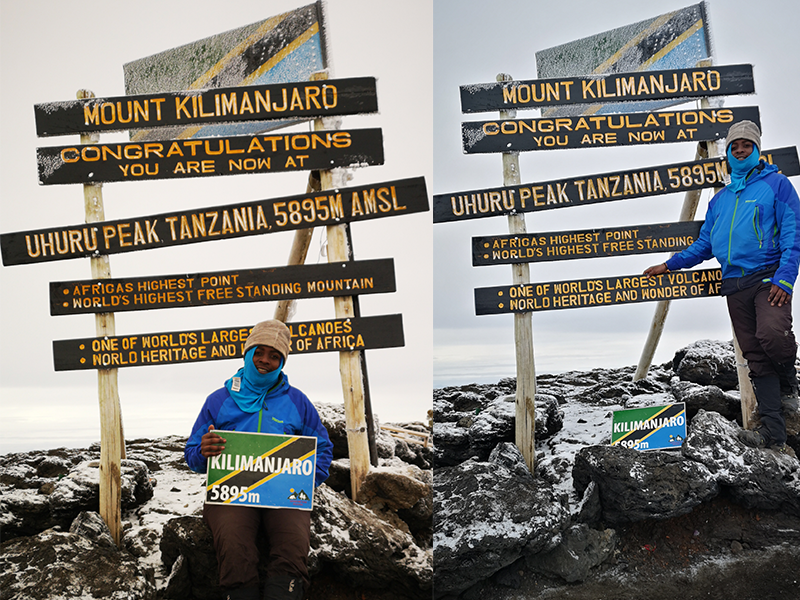
A climber proudly holding a Mount Kilimanjaro summit certificate with their Kili Quests guide after completing the trek to Uhuru Peak | Kili Quests
Every route leads to this moment — celebrating your Kilimanjaro summit with a certificate in hand and memories for a lifetime.

How to Choose the Best Route for Your Goals

The best Kilimanjaro route depends on what matters most to you.If you want the strongest balance of scenery and success, Lemosho is usually the best choice. If you want a classic and popular climb, Machame is a strong option. If you want hut accommodation, Marangu is the clear route for that. If you want fewer crowds, Rongai and the Northern Circuit stand out. If your main goal is the highest chance of success, the Northern Circuit deserves serious consideration. If you are an experienced trekker seeking a more intense route, Umbwe may appeal to you.The smartest approach is to choose a route based on your real priorities, not just the shortest itinerary or the cheapest option. Kilimanjaro is a serious mountain, and a better route choice often leads to a safer, more successful, and more enjoyable climb.
 

Frequently Asked Questions About Kilimanjaro Routes

What is the best route to climb Kilimanjaro?

The best route for most climbers is the Lemosho Route because it offers excellent scenery, good acclimatization, and a high summit success rate. However, the best route still depends on your priorities. If you want maximum acclimatization time, the Northern Circuit may be an even better fit.

Which Kilimanjaro route is easiest?

The Northern Circuit is often considered the easiest in terms of altitude adaptation because it gives the body the most time to acclimatize. It is longer, but that extra time usually makes the climb feel more manageable than shorter and steeper routes.

Which route is best for first-time climbers?

Lemosho and Machame are usually the best choices for first-time climbers. Both offer strong acclimatization and a well-rounded mountain experience. The Northern Circuit is also excellent for beginners who have enough time for a longer trek.

Which route is the shortest?

Marangu and Umbwe are among the shortest routes on Kilimanjaro. While that may seem attractive, shorter routes often come with lower summit success because they do not leave enough time for proper acclimatization.

Which route has huts?

Marangu is the only Kilimanjaro route with hut accommodation. All other main routes involve camping in tents.

Which Kilimanjaro route has the best scenery?

Many climbers say the Lemosho Route, Shira Route, and Northern Circuit Route offer the most scenic landscapes on Mount Kilimanjaro.

Plan Your Climb with Kili Quests

At Kili Quests, we help climbers choose the right Kilimanjaro route based on fitness, time, comfort preferences, and summit goals. That matters because the best route is not always the same for every person. A good decision at the planning stage can improve your entire experience on the mountain.Our team guides climbers on all official Kilimanjaro routes and helps match each trekker with the route that gives them the best chance of success. Whether you are drawn to the scenic Lemosho Route, the classic Machame Route, or the longer Northern Circuit, we make sure your climb is properly planned, safely supported, and built around your goals.Climbing Kilimanjaro should feel challenging, exciting, and unforgettable. With the right route and the right support, it can be exactly that.
Contact us today and let our team guide you to the summit with confidence.

Related Articles

Lemosho Route: Scenic Kilimanjaro Trail

Reach the Summit with Confidence

Your success depends on the right route, acclimatization, and expert guidance.
We plan every climb for a safe summit.

Plan Your Kilimanjaro Climb the Right Way

Kilimanjaro success depends on preparation and acclimatization.Explore these essential guides:

OUR CATEGORIES

Lemosho Route on Kilimanjaro: Scenic Views & High Success Rate

Why Choose the Lemosho Route?

The Lemosho Route is widely considered one of the best ways to climb Mount Kilimanjaro  not because it is the easiest, but because it gives you the highest chance of success while offering some of the most dramatic scenery on the mountain.
 
Starting from the remote western side, the route begins in dense rainforest before opening into the vast Shira Plateau, one of the most unique landscapes on Kilimanjaro. Over several days, the trail allows your body to gradually adjust to altitude, which is the single most important factor for reaching Uhuru Peak.Unlike shorter routes that rush the ascent, Lemosho is designed for acclimatization, making it a strong choice for both first-time climbers and experienced trekkers looking for a safer and more enjoyable climb.
 
Each route has its own advantages depending on your goals, experience, and timeline — see our Kilimanjaro Routes Comparison: Which Route Is Best? to understand how Lemosho compares to other options.
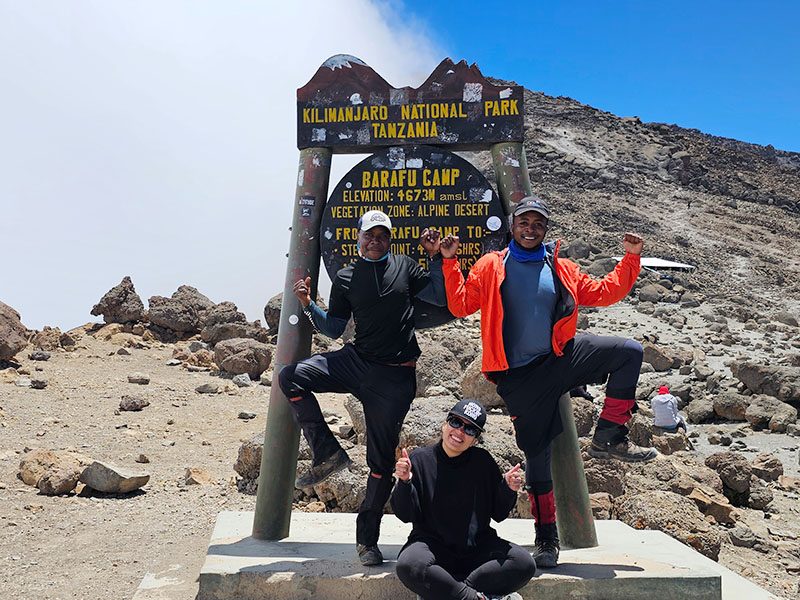
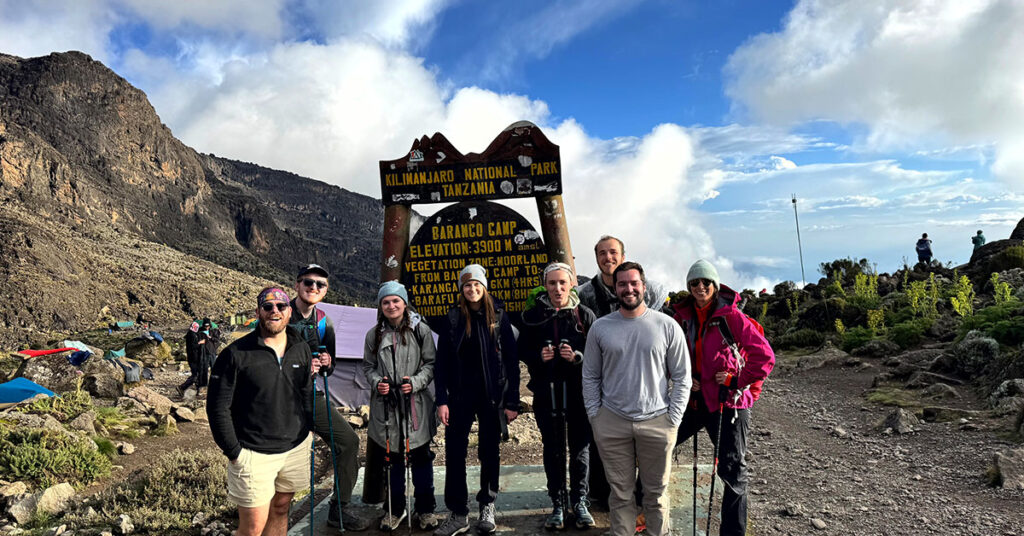
Smiling climbers posing at Barafu Camp (4,673m) on the Umbwe Route, striking fun poses before starting their summit ascent to Uhuru Peak | Kili Quests
A cheerful moment at Barafu Camp, the final staging point on the steep and scenic Lemosho Route before the summit climb begins.

Table of Contents

What Is the Lemosho Route on Kilimanjaro?

Where Does the Lemosho Route Start?

The route begins at Londorossi Gate, located on the western side of Kilimanjaro. The first day involves a drive followed by a short trek through dense rainforest, where wildlife sightings are sometimes possible.

How Long Is the Lemosho Route?

The route typically takes 7 to 8 days to complete, covering approximately 70 kilometers (43 miles). The 8-day version is strongly recommended because it allows better altitude adaptation and significantly increases summit success.

Lemosho Route Overview

Feature Details
Route Length        –       7 to 8 days
Distance                 –     ~70 km (43 miles)
Start Point             –   Londorossi Gate (Western Kilimanjaro)
Highest Point        –      Uhuru Peak (5,895 m / 19,341 ft)
Difficulty                – Moderate to challenging
Best For                  –  Scenic views,high success, fewer crowds
Success Rate        –   98% on the 8-day 

Lemosho Day Map and Elevation Profile

Lemosho Route map on Mount Kilimanjaro with full trail, elevation profile, and camp locations to Uhuru Peak
A scenic and well-acclimatized trail starting from Londorossi Gate and joining the Machame Route via Lava Tower.

Day-by-Day Itinerary (8-Day Version)

Day 1 – Londorossi Gate to Mti Mkubwa Camp

This first day is relatively short, allowing your body to begin adjusting gradually while trekking through lush rainforest.
  • Altitude: 2,100 m to 2,650 m
  • Hike Time: 3–4 hours
  • Forest zone with rich biodiversity

Day 2: Mti Mkubwa to Shira 1 Camp

Altitude: 2,650 m to 3,610 m
Hike Time: 5–6 hours
Enter the Shira Plateau with stunning open views

Day 3: Shira 1 to Shira 2 Camp

  • Altitude: 3,610 m to 3,850 m
  • Hike Time: 4–5 hours
  • Gentle trek with good acclimatization

Day 4: Shira 2 to Barranco Camp (via Lava Tower)

This is a key acclimatization day where you follow the “climb high, sleep low” principle, which is essential for reducing the risk of altitude sickness.
  • Altitude: 3,850 m to 4,640 m (up) → 3,960 m (down)
  • Hike Time: 6–7 hours
  • Acclimatization day with high-altitude exposure

Day 5: Barranco to Karanga Camp

  • Altitude: 3,960 m to 4,035 m
  • Hike Time: 4–5 hours
  • Climb the iconic Barranco Wall 257 meters (843 feet) tall

Day 6: Karanga to Barafu Camp

  • Altitude: 4,035 m to 4,673 m
  • Hike Time: 3–4 hours
  • Prepare for summit push

Day 7: Summit Day – Barafu to Uhuru Peak & down to Mweka Camp

Summit night is the most physically and mentally demanding part of the entire climb, as you trek in cold, thin air for several hours before reaching Uhuru Peak.
  • Altitude: 4,673 m to 5,895 m (summit), descend to 3,100 m
  • Hike Time: 12–14 hours total
  • Sunrise summit, then long descent

Read our article that explained ,How Hard Is Kilimanjaro?

Day 8: Mweka Camp to Mweka Gate

  • Altitude: 3,100 m to 1,640 m
  • Hike Time: 3–4 hours
  • Receive your summit certificate!

Lemosho Route Difficulty and Acclimatization

Is the Lemosho Route Difficult?

The Lemosho Route is considered moderately challenging, mainly due to its length and altitude rather than steep terrain. The longer itinerary spreads the physical effort over more days, making it more manageable than shorter routes.

Why Lemosho Has a High Success Rate

The extended itinerary allows your body more time to adapt to altitude, which is the biggest factor affecting summit success. Compared to shorter routes, climbers on Lemosho have significantly higher success rates.

Who Should Choose This Route?

  • First-time climbers
  • Trekkers with average fitness
  • Anyone prioritizing summit success over speed
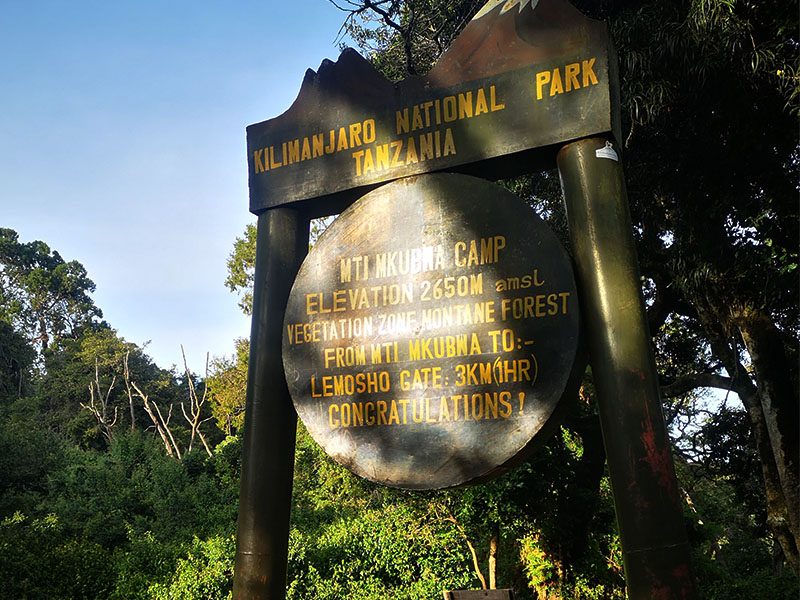
Mti Mkubwa Camp sign on Lemosho Route, Kilimanjaro National Park, showing elevation and distance to Lemosho Gate | Kili Quests
Mti Mkubwa Camp Sign (2,650m) – The first overnight stop on the Lemosho Route, located in the lush montane forest of Kilimanjaro.

Best Time to Climb the Lemosho Route

The best months are January to early March and June to October, when weather conditions are more stable and visibility is clear.
The best climbing windows are:
  • January to early March: Warm, with occasional clouds
  • June to October: Clear skies, cool and dry
Avoid April–May and November due to heavy and short rains

What Makes Lemosho Unique?

Starts on remote western side of the mountain

Crosses the dramatic Shira Plateau

Includes the acclimatization climb to Lava Tower

Barranco Wall is a thrilling highlight

Traverses all ecological zones, from rainforest to arctic summit

Acclimatization is the key to avoiding altitude sickness and successfully reaching the summit. Understanding how your body reacts at high altitude can make the difference between success and turning back early.

Two trekkers standing at Shira One Camp on the Lemosho Route, Kilimanjaro, with scenic moorland and tent in the background | Kili Quests
Shira One Camp (3,610m) – Trekkers enjoying a clear morning at Shira Plateau, the first high-altitude campsite on the Lemosho Route.

Is the Lemosho Route Right for You?

Choose Lemosho If You Want:

  • The best scenery on Kilimanjaro
  • A high summit success rate
  • A quieter start to your trek
  • More time to acclimatize

When Lemosho May Not Be Ideal

  • If you are short on time
  • If you are looking for the cheapest option
Trekkers and porters hiking through the forest into the moorland zone on the Lemosho Route, Mount Kilimanjaro | Kili Quests
Forest to Moorland Transition – Climbers and porters passing through the lush forest as they ascend toward the moorland zone on Day 2 of the Lemosho Route.

Frequently Asked Questions About the Lemosho Route

How difficult is the Lemosho Route on Mount Kilimanjaro?

The Lemosho Route is considered moderately challenging. While the trek covers a longer distance than some routes, the extended itinerary allows better acclimatization, making it suitable for climbers with average fitness levels.

How many days does the Lemosho Route take?

Most climbers complete the Lemosho Route in 7 or 8 days. The 8-day itinerary is recommended because it provides more time for acclimatization and increases the chances of reaching the summit.

What is the success rate of the Lemosho Route?

The Lemosho Route has one of the highest summit success rates on Mount Kilimanjaro, often exceeding 90%, especially on longer 8-day itineraries.

Where does the Lemosho Route start?

The route begins at Londorossi Gate on the western side of Mount Kilimanjaro. From there, trekkers hike through rainforest before reaching the Shira Plateau.

What makes the Lemosho Route special?

The Lemosho Route is known for its scenic landscapes, including rainforest trails, the Shira Plateau, Lava Tower, and the Barranco Wall. It also offers fewer crowds during the early days of the trek.

Is the Lemosho Route good for beginners?

Yes. Many first-time climbers choose the Lemosho Route because the longer itinerary helps with acclimatization, which increases the chances of reaching Uhuru Peak.

Climb Kilimanjaro via the Lemosho Route with Kili Quests

At Kili Quests, we focus on well-paced itineraries, experienced guides, and proper acclimatization to give you the best possible chance of reaching the summit safely.Our 8-day Lemosho climbs are designed to maximize success while allowing you to enjoy the journey across Kilimanjaro’s most scenic landscapes.
 
Contact us today to start planning your Lemosho adventure with our expert local team.

Related Articles

Uhuru Peak Meaning: Kilimanjaro Summit & Independence

Reach Uhuru Peak

Stand on the highest point in Africa with expert local guides.

Plan Your Summit

Prepare the right way before your Kilimanjaro climb:

OUR CATEGORIES

From Kaiser Wilhelm Spitze to Uhuru Peak: Kilimanjaro and Tanzania’s Independence | Kili Quests

Mount Kilimanjaro’s summit is known today as Uhuru Peak ,Learn more about what Uhuru Peak is and why it’s the true summit of Africa,a symbol of freedom and pride for the people of Tanzania. But before independence, this same summit carried a very different name: Kaiser Wilhelm Spitze, a colonial-era label honoring the German emperor.
 
In this article, Kili Quests explores how Kilimanjaro’s highest point was renamed, what “Uhuru” truly means, and how the summit came to represent a new chapter in Tanzania’s history.Reaching this point is the goal of every climber , but it requires preparation and proper acclimatization.
 
Discover the full story behind Uhuru Peak and its historical meaning.
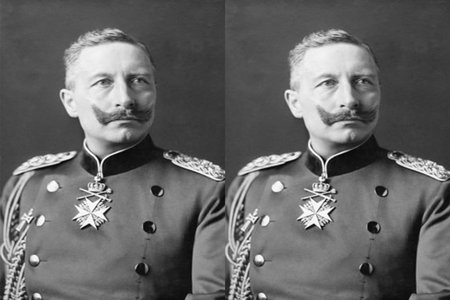
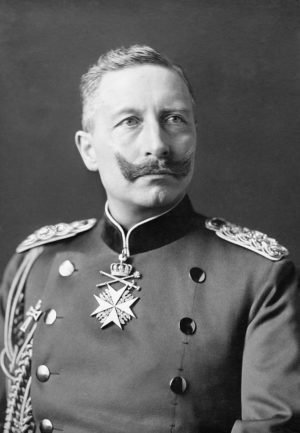
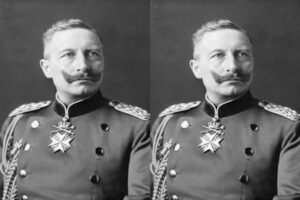
Portrait of Kaiser Wilhelm II, the German emperor after whom Kilimanjaro’s summit was named during colonial rule.
Kaiser Wilhelm II was the namesake of Kilimanjaro’s summit during the German colonial era — formerly called Kaiser Wilhelm Spitze until Tanzania gained independence.

Table of Contents

The Colonial Name: Kaiser Wilhelm Spitze

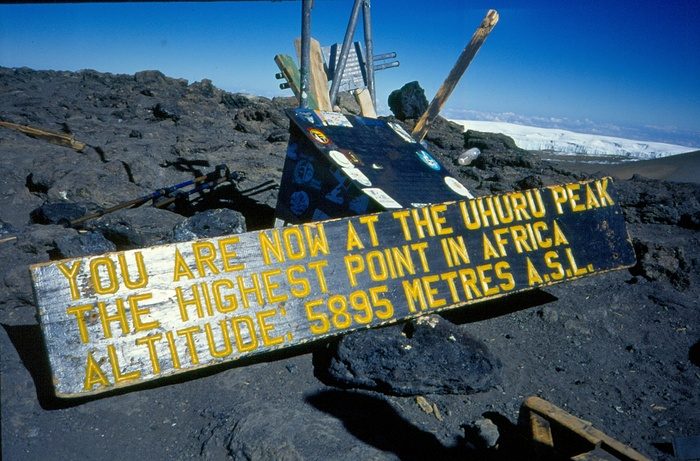
Historic wooden sign at Uhuru Peak on Mount Kilimanjaro displaying the highest point in Africa at 5,895 meters above sea level.
An early sign at Uhuru Peak, renamed in the 1960s after Tanzanian independence. Before this, Europeans knew the summit as Kaiser Wilhelm Spitze during the colonial era.
In 1889, German explorer Hans Meyer,
Read more about Hans Meyer and the first Kilimanjaro ascent in 1889.became the first recorded person to reach the summit of Mount Kilimanjaro. As part of his achievement, he named the peak Kaiser Wilhelm Spitze, or “Emperor William Peak,” in honor of Kaiser Wilhelm II, the ruler of the German Empire.
At the time, Tanzania (then German East Africa) was a colony under German control, and naming major geographical landmarks after European royalty was a common colonial practice.
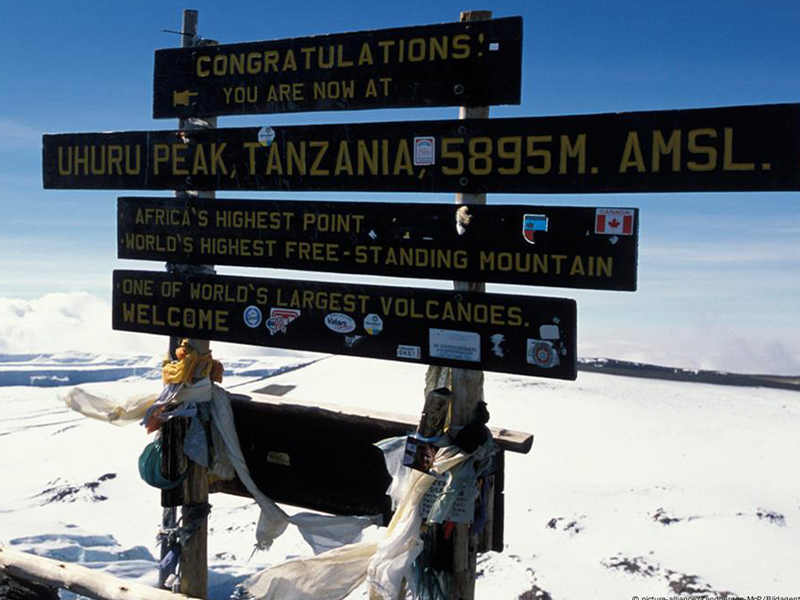
Uhuru Peak sign at the summit of Mount Kilimanjaro showing elevation and independence-related messages.
Since 1964, the summit of Kilimanjaro has been officially known as Uhuru Peak — a name symbolizing Tanzanian freedom. During colonial times, it was called Kaiser Wilhelm Spitze by Europeans.

A Mountain Under Many Flags

Throughout the early 20th century, Kilimanjaro , like much of East Africa , changed hands between colonial powers:
  • German control (late 1800s to WWI)
  • British control (after World War I, renamed Tanganyika Territory)
  • Independence movement grows in the 1950s
Despite these political changes, the mountain remained a cultural and geographic icon for local communities , especially the Chagga people, who lived on its slopes.
 

Tanzania Independence and the Renaming of the Summit

On December 9, 1961, Tanganyika gained independence from British colonial rule and became a sovereign nation.As part of celebrating this historic milestone, the government officially renamed Kilimanjaro’s summit from Kaiser Wilhelm Spitze to “Uhuru Peak.”
The word “Uhuru” means “freedom” in Swahili ,The summit name reflects both national pride and identity , making it one of the most meaningful mountain summits in the world.
 
Tanzania’s national language.
This change was more than symbolic. It marked:
  • A rejection of colonial naming and legacy.
  • A celebration of African identity and independence.
  • A reminder that Tanzania’s highest point belongs to its people.

Uhuru Peak Today

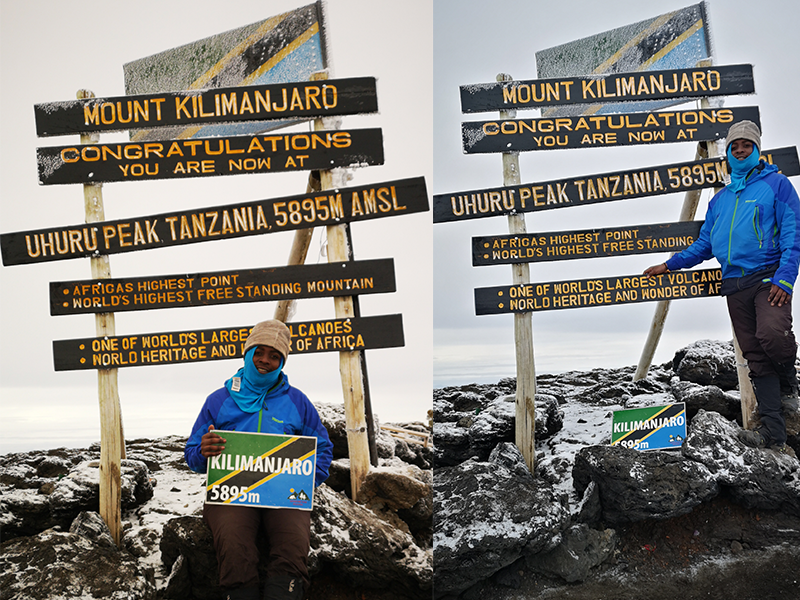
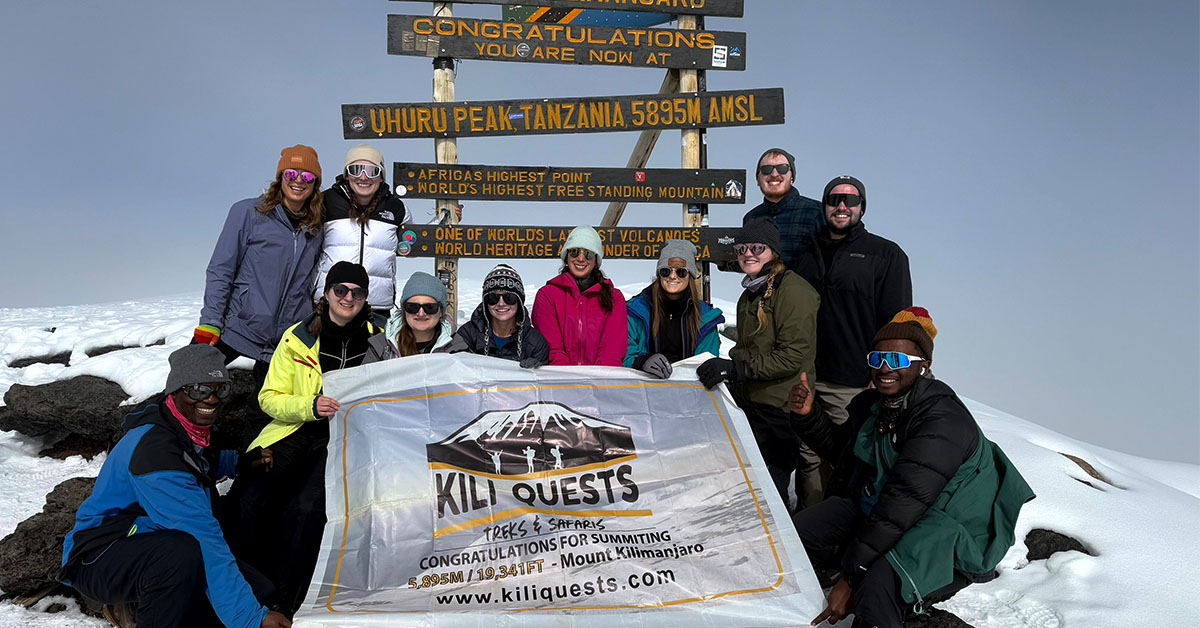
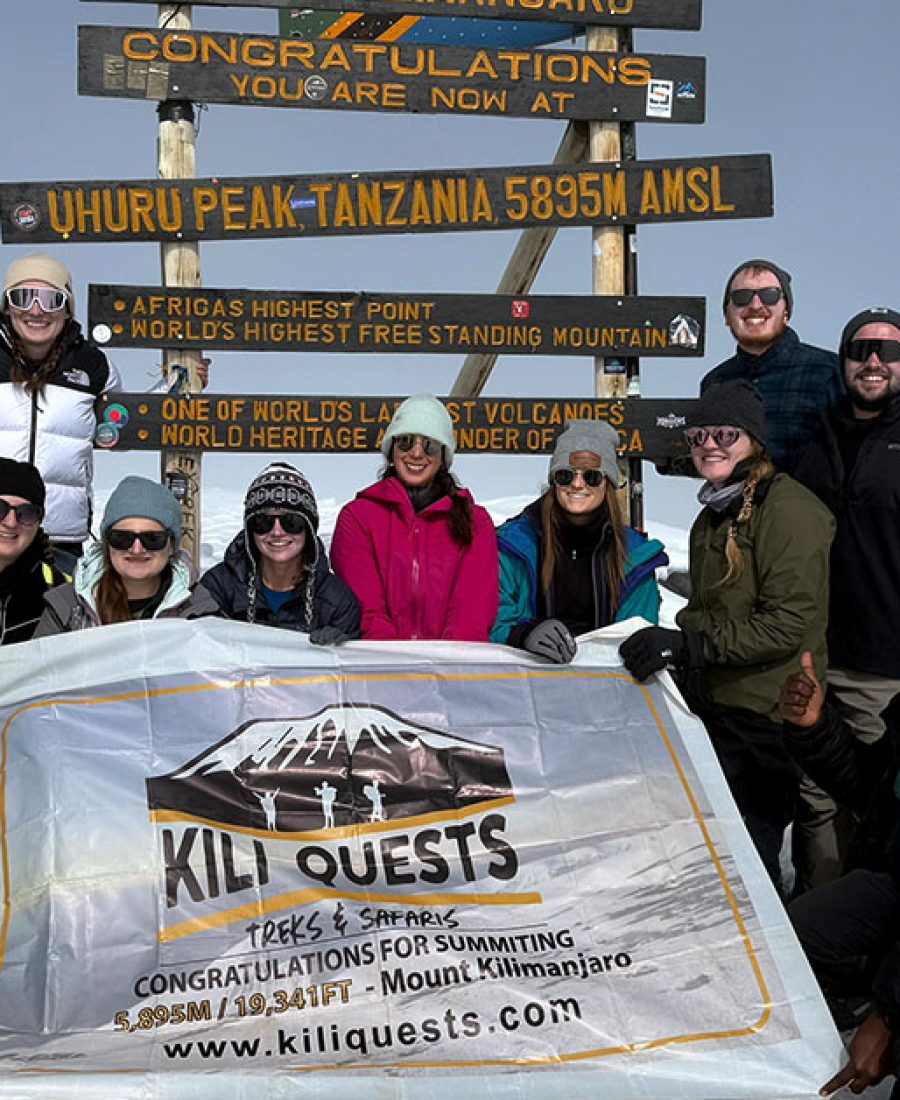
Trekkers posing at the Uhuru Peak summit sign on Mount Kilimanjaro, marking Africa’s highest point at 5,895 meters.
Ones of Kili Quests Member celebrate reaching Uhuru Peak, the highest point in Africa. The sign marks 5,895 meters above sea level — a powerful moment for every Kilimanjaro climber.
Uhuru Peak stands as:
  • The highest point in Africa (5,895 m / 19,341 ft)Before attempting the summit, it’s important to understand how difficult Kilimanjaro really is.
  • A place where independence meets elevation
  • A globally recognized name that reflects Tanzania’s values
Today, climbers from all over the world take photos beneath the summit sign, Most climbers reach Uhuru Peak after passing Stella Point on the crater rim that proudly reads
 
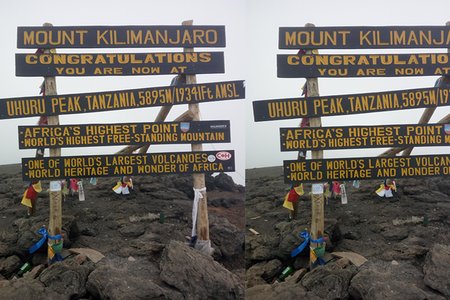
“Congratulations! You are now at Uhuru Peak, Tanzania, 5,895 m. Africa’s Highest Point. World’s Highest Free-Standing Mountain.”

Did You Know?

The renaming was part of a wider movement in post-colonial Africa to reclaim names, borders, and identities.Uhuru Peak was officially named within months of independence, showing how deeply the name was tied to national pride.Other peaks on Kilimanjaro , such as Stella Point and Gilman’s Point , still retain their explorer-era names
 
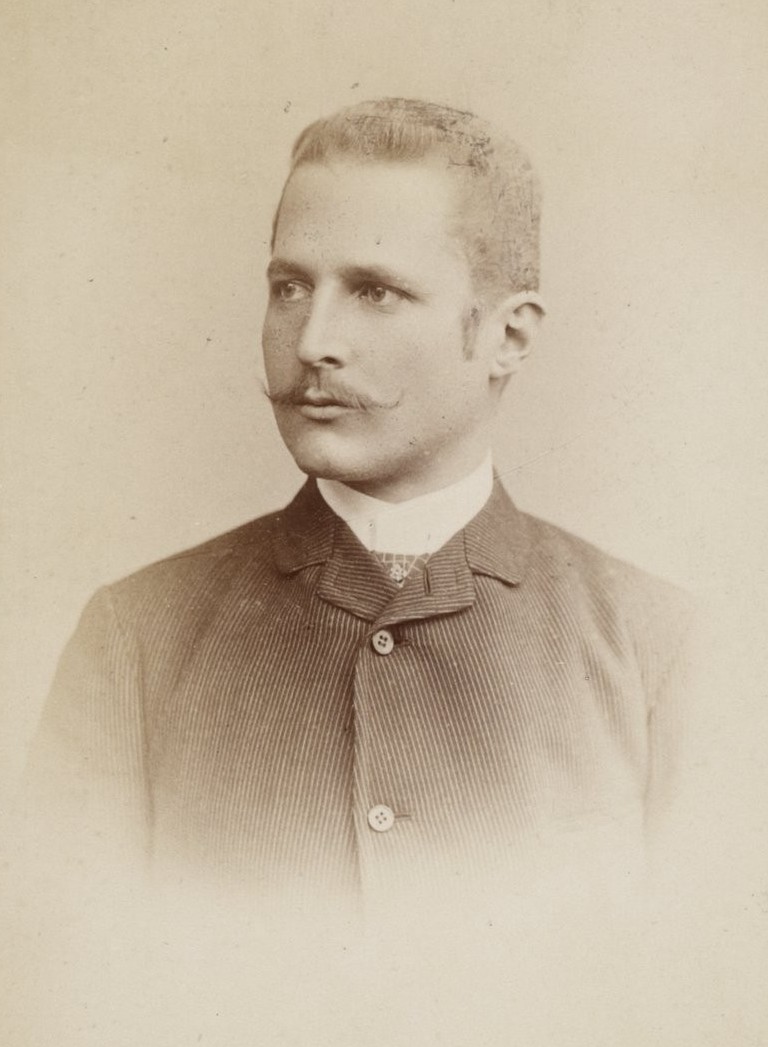
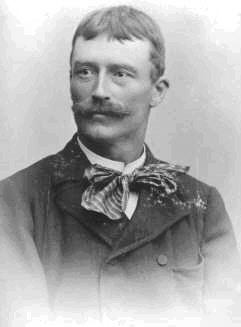
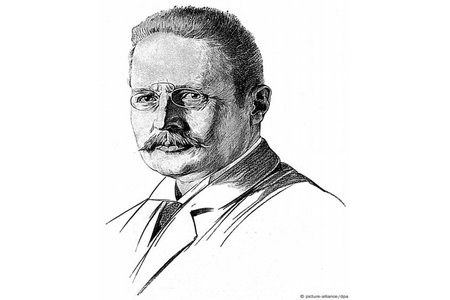
Portrait of Hans Meyer, German geographer and first European to summit Mount Kilimanjaro in 1889 | Kili Quests
Hans Meyer led the first successful recorded expedition to the summit of Mount Kilimanjaro in 1889, marking a historic moment in mountaineering.
Portrait of Ludwig Purtscheller, Austrian climber who summited Mount Kilimanjaro in 1889 with Hans Meyer | Kili Quests
Ludwig Purtscheller, an experienced Austrian mountaineer, reached the summit of Kilimanjaro with Hans Meyer and local guide Lauwo in 1889.

Final Thoughts

Mountains carry meaning ,and for Tanzania, Uhuru Peak stands not only as a geographical high point but as a symbol of national freedom.From a colonial name tied to European empire, to a Swahili name that honors independence, the summit of Kilimanjaro tells a powerful story. Every climber who reaches it stands on more than volcanic rock , they stand on the spirit of Uhuru.Every climber who reaches this summit follows a journey shaped by history, culture, and determination.
 
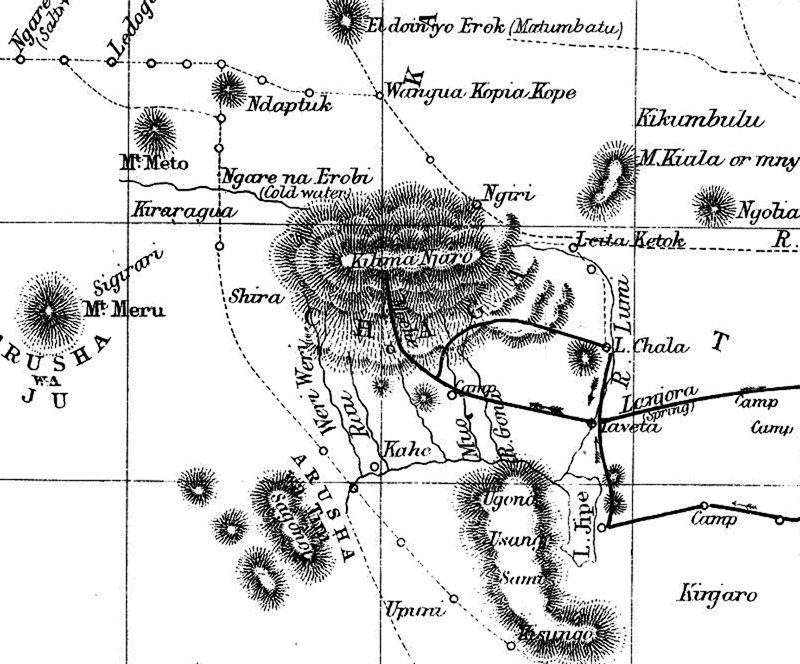
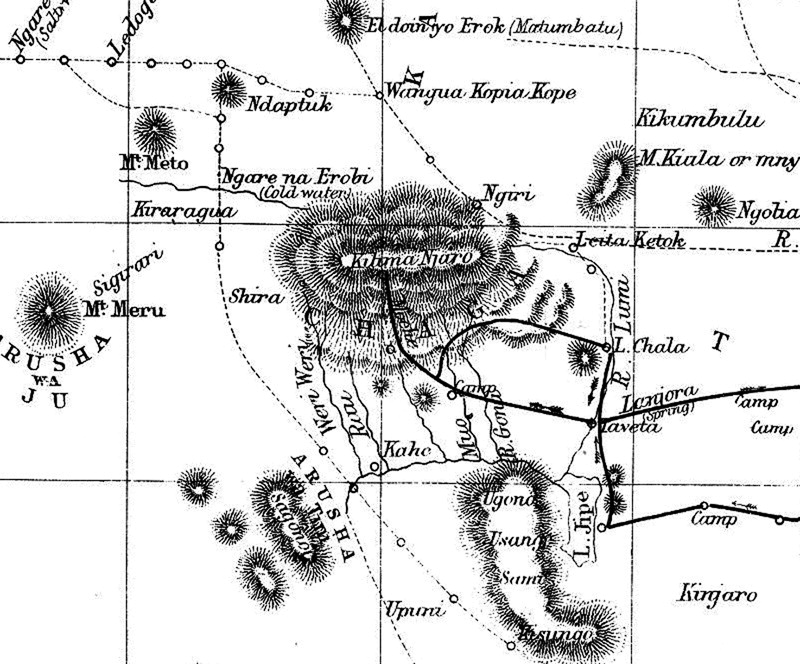
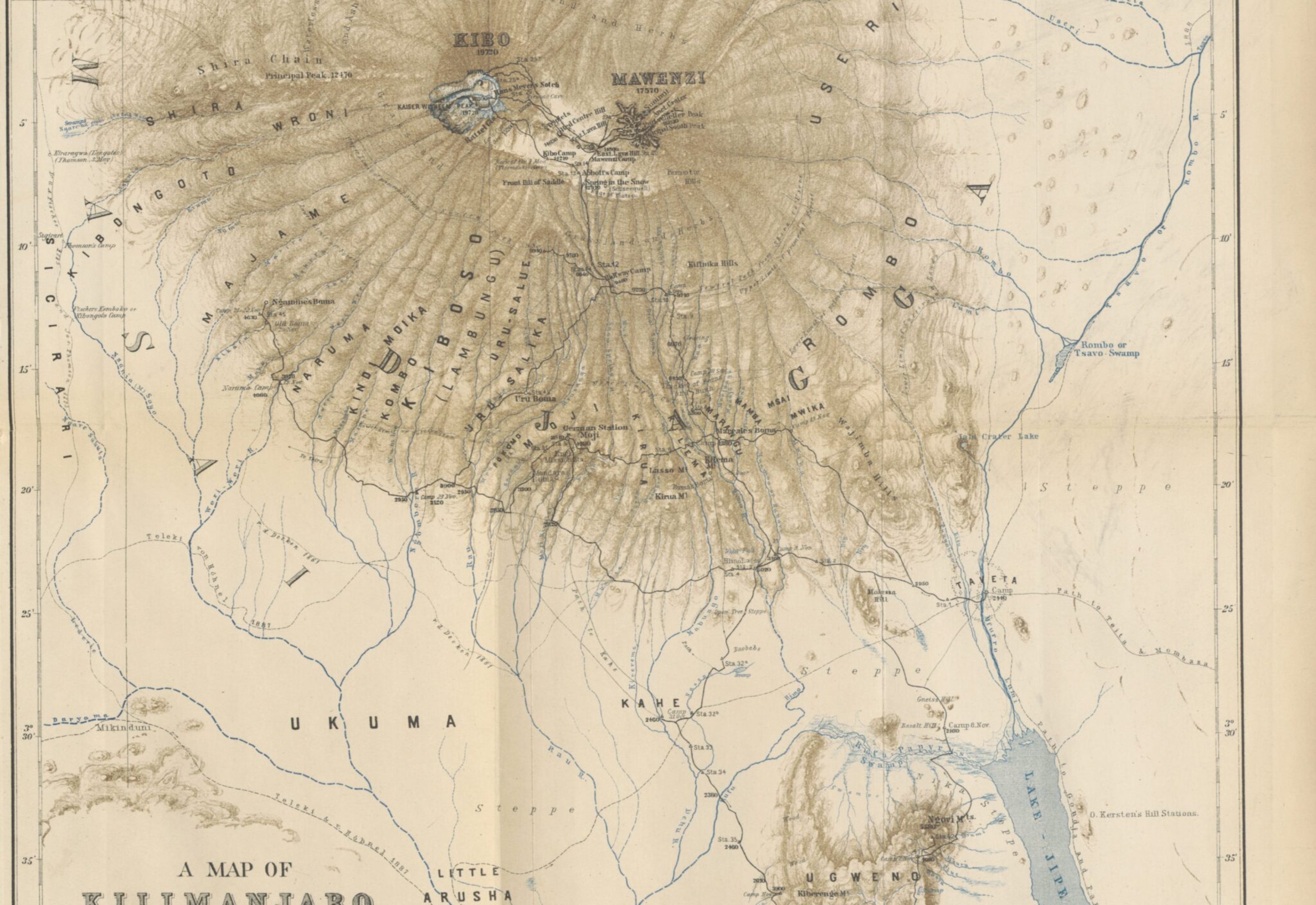
Vintage map of Mount Kilimanjaro showing routes, landmarks, and geography as seen in the 1990s | Kili Quests
A look back in time — this 1990s Kilimanjaro map reflects how the mountain was explored, traveled, and understood decades ago.

Frequently Asked Questions About Uhuru Peak and Kilimanjaro’s Name

What was the original name of Uhuru Peak?

Before Tanzania gained independence, the summit of Mount Kilimanjaro was called Kaiser Wilhelm Spitze. The name was given by German explorer Hans Meyer in 1889 to honor Kaiser Wilhelm II of Germany.

Why was Kilimanjaro’s summit renamed Uhuru Peak?

After Tanganyika gained independence in 1961, the summit was renamed Uhuru Peak to symbolize national freedom. The word “Uhuru” means freedom in Swahili, reflecting the country’s independence and cultural identity.

What does the word “Uhuru” mean?

The Swahili word “Uhuru” means freedom or independence. Naming the summit Uhuru Peak was meant to celebrate Tanzania’s liberation from colonial rule.

When was Uhuru Peak officially named?

The summit of Mount Kilimanjaro was renamed Uhuru Peak shortly after Tanganyika gained independence on December 9, 1961. The new name reflected the pride and identity of the newly independent nation.

Is Uhuru Peak the highest point in Africa?

Yes. Uhuru Peak stands at 5,895 meters (19,341 feet) above sea level and is the highest point in Africa and the summit of Mount Kilimanjaro.

How long does it take to reach Uhuru Peak from Stella Point?

From Stella Point, it usually takes about 45 minutes to one hour to reach Uhuru Peak, depending on altitude conditions and the climber’s pace.

Climb to Uhuru Peak with Kili Quests

At Kili Quests, we guide you to more than just a summit , we guide you through a journey of culture, history, and self-discovery.Whether it’s your first trek or your return to the mountain, we’ll help you reach Uhuru Peak with expert guidance, preparation, and respect for the land and its story.
 

Related Articles

Kilimanjaro First Ascent: Lauwo and the Chagga Guide

Climb with Local Experts

Follow in Lauwo’s footsteps with experienced Tanzanian guides.

Plan Your Climb

Start preparing for your Kilimanjaro adventure: 

OUR CATEGORIES

Who Was Lauwo? Tanzania’s First Kilimanjaro Guide | Kili Quests

When talking about the first successful ascent of Mount Kilimanjaro,Read the full story of Hans Meyer and the first Kilimanjaro ascent in 1889 to understand how this historic climb unfolded. most people mention the German explorer Hans Meyer. But behind that achievement was a local Chagga man named Lauwo  a name that deserves far more recognition.In this article, Kili Quests shares the story of Yohani Kinyala Lauwo, the first Tanzanian guide to summit Kilimanjaro.Reaching the summit , Uhuru Peak — is still the goal for climbers today.His contribution is a powerful reminder that the mountain’s history is not just written by explorers , but also by the people of the mountain.
 
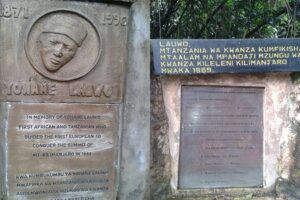
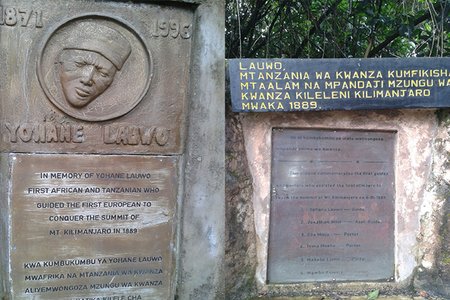
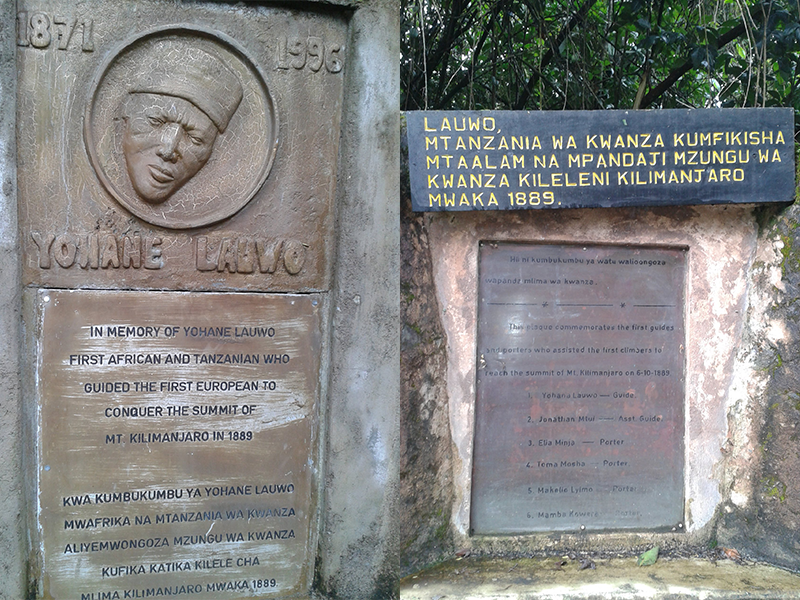
Memorial plaques honoring Yohane Lauwo, the first Tanzanian to guide a European to Kilimanjaro’s summit in 1889.
Yohane Lauwo is remembered as the first African and Tanzanian guide to summit Mount Kilimanjaro, assisting Hans Meyer in the historic 1889 expedition.

Table of Contents

Who Was Lauwo?

Yohani Kinyala Lauwo was a Chagga tribesman from Marangu,Marangu is still one of the main starting points for climbers today , especially via the Marangu Route. a village on the southeastern slopes of Mount Kilimanjaro.At just 18 years old, Lauwo was recruited to join Hans Meyer’s 1889 expedition , and successfully helped guide the team to the summit of Kibo, the highest of Kilimanjaro’s volcanic cones.Kilimanjaro is made up of three volcanic cones , learn more about Kibo, Mawenzi, and Shira.
 
He was not just a porter or helper. Lauwo’s local knowledge, strength, and courage were essential to the team’s success in navigating unknown terrain, severe weather, and dangerous altitude.Altitude remains the biggest challenge on the mountain , here’s how to avoid altitude sickness on Kilimanjaro.
 
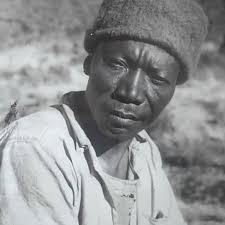
Portrait of Yohani Kinyala Lauwo, the first local Kilimanjaro guide and early Tanzanian mountain pioneer
Yohani Kinyala Lauwo – The legendary Chagga guide who led Hans Meyer to the summit of Kilimanjaro in 1889.
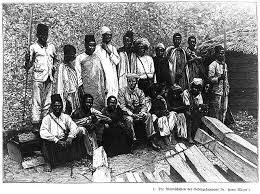
Historic 1889 Kilimanjaro expedition team with Hans Meyer and local guides including Yohani Kinyala Lauwo
1889 Kilimanjaro Expedition Team – Hans Meyer with Chagga porters and guides, including Yohani Lauwo, before the first summit of Uhuru Peak.
Portrait of Ludwig Purtscheller, Austrian climber who summited Mount Kilimanjaro in 1889 with Hans Meyer | Kili Quests
Ludwig Purtscheller, an experienced Austrian mountaineer, reached the summit of Kilimanjaro with Hans Meyer and local guide Lauwo in 1889.
Portrait of Hans Meyer, German geographer and first European to summit Mount Kilimanjaro in 1889 | Kili Quests
Hans Meyer led the first successful recorded expedition to the summit of Mount Kilimanjaro in 1889, marking a historic moment in mountaineering.

What Role Did Lauwo Play?

Lauwo:
  • Helped scout and clear a viable route toward the summit Kilimanjaro.Today, climbers follow established trails , compare all Kilimanjaro routes to choose the best one.
  • Supported both Meyer and Austrian alpinist Ludwig Purtscheller during the climb.
  • Became the first known African to stand on Kilimanjaro’s summit.
His involvement was never just physical , his deep understanding of the mountain’s behavior, weather, and routes made him an invaluable guide.
 
Ever wondered why it’s called Gilman’s Point? Discover the story behind this historic summit landmark.

Why Is Lauwo’s Story Often Overlooked?

For many decades, Lauwo’s role in the historic 1889 ascent was understated or ignored in international records. Hans Meyer and Purtscheller were widely credited as the “first to reach the summit,” while Lauwo remained unnamed.However, Tanzanian historians and local mountaineering communities have worked hard to reclaim his story , and today, Lauwo is increasingly recognized as the first Tanzanian and the first African to summit Mount Kilimanjaro(Uhuru peak).Uhuru Peak is the highest point in Africa , learn more about its history and meaning.

Vintage map of Mount Kilimanjaro showing routes, landmarks, and geography as seen in the 1990s | Kili Quests
A look back in time — this 1990s Kilimanjaro map reflects how the mountain was explored, traveled, and understood decades ago.

Lauwo’s Legacy

 He continued to guide climbs into his later years , even into his 70s
  • According to local records, he lived to be over 120 years old, passing away in the early 1990s
  • His descendants still live in Marangu, and the Lauwo family is a respected name in Tanzanian guiding history
  • Many guides today see him as the original role model for Tanzanian mountain professionals

Final Thoughts

Lauwo was not just a footnote in Hans Meyer’s expedition  he was a hero in his own right. As the first Tanzanian to summit Kilimanjaro, he represents the strength, wisdom, and endurance of local mountain people who have supported climbers for over a century.When you climb Kilimanjaro today,Before your climb, it’s important to understand how difficult Kilimanjaro really is and how to prepare.you’re walking in the footsteps of Lauwo , the guide who led the way long before modern gear or recognition.

Choosing the right route and acclimatization strategy can make the difference between success and failure.

Frequently Asked Questions About Lauwo and Kilimanjaro’s First Guides

 Who was Yohani Kinyala Lauwo?

Yohani Kinyala Lauwo was a Chagga guide from Marangu who helped lead the first successful recorded ascent of Mount Kilimanjaro in 1889. At just 18 years old, he joined Hans Meyer’s expedition and played a key role in navigating the mountain.
 

Was Lauwo the first African to climb Mount Kilimanjaro?

Yes. Many historians recognize Yohani Kinyala Lauwo as the first African to reach the summit of Mount Kilimanjaro during the historic 1889 expedition.

Who climbed Mount Kilimanjaro with Lauwo?

During the 1889 expedition, Lauwo climbed alongside German explorer Hans Meyer and Austrian mountaineer Ludwig Purtscheller, along with several porters and support crew.
 

Why is Lauwo important in Kilimanjaro history?

Lauwo’s local knowledge of the mountain’s terrain, weather, and routes was essential for the success of the first recorded ascent of Mount Kilimanjaro. Today he is recognized as a pioneer of Tanzanian mountain guiding.

Where was Lauwo from?

Yohani Kinyala Lauwo was from Marangu, a village located on the southeastern slopes of Mount Kilimanjaro, which remains one of the main starting points for Kilimanjaro climbs today.

How old was Lauwo during the first Kilimanjaro ascent?

Historical accounts suggest that Lauwo was about 18 years old when he joined the 1889 expedition that successfully reached the summit of Mount Kilimanjaro.
Group of trekkers celebrating together at Uhuru Peak, the summit of Mount Kilimanjaro
Tourists celebrate their successful summit at Uhuru Peak alongside our expert KILI QUESTS guides, proudly raising the flag at Africa’s highest point.

Climb Kilimanjaro with Local Experts

At Kili Quests, our guides continue the legacy of Lauwo , born on the mountain, trained by experience, and driven by passion. Whether you climb the Marangu, Machame, or Lemosho Route, we’ll guide you with the same commitment that Lauwo showed more than a century ago.
 

Related Articles

First Ascent of Mount Kilimanjaro: Hans Meyer in 1889

Climb Kilimanjaro with Experts

Follow the path of the first explorers ,and reach the summit with a trusted local team.

Plan Your Climb

Prepare the right way before your Kilimanjaro adventure:

OUR CATEGORIES

Who Was Hans Meyer? The First Ascent of Kilimanjaro | Kili Quests

In 1889, a German geographer named Hans Meyer became the first recorded person to reach the summit of Mount Kilimanjaro,Before planning your climb, it’s important to understand how hard it is to climb Kilimanjaro and what to expect at high altitude.standing at 5,895 meters (19,341 feet).This is the same height as Uhuru Peak , the true summit of Africa.His expedition marked the beginning of modern exploration on Africa’s highest mountain , and left behind a legacy still visible in the names of Kilimanjaro’s summit points.
 
In this article, Kili Quests explores who Hans Meyer was, the story of his historic climb, and how his journey shaped the way we understand Kilimanjaro today.
 
Ever wondered why it’s called Gilman’s Point? Discover the story behind this historic summit landmark.
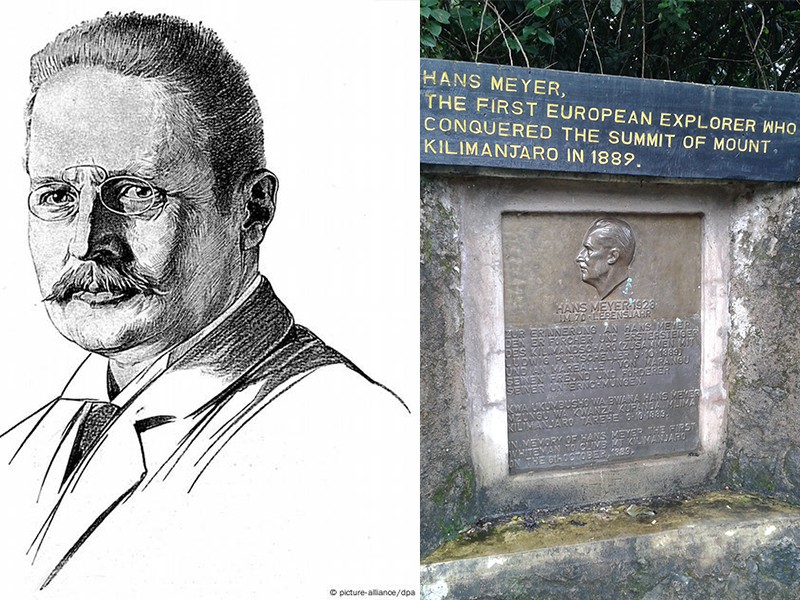
Portrait of Hans Meyer and the memorial plaque at Marangu Gate commemorating his 1889 first ascent of Mount Kilimanjaro.
Hans Meyer was the first European to reach the summit of Kilimanjaro in 1889. This historical plaque at the Marangu Gate Information Center honors his achievement and marks his contribution to the mountain’s climbing history.

Table of Contents

Who Was Hans Meyer?

Hans Meyer was a German geographer, mountaineer, and professor at the University of Leipzig. He had a passion for exploring uncharted mountains and became fascinated by Kilimanjaro ,

Learn more about the mountain itself in this complete guide to what Mount Kilimanjaro is and how it formed.then one of the few unconquered peaks in the world.His ambition led him to organize several expeditions to climb the mountain, each one gaining more ground until he finally succeeded in October 1889.
 
Discover the theories and history behind the name in our guide to the origin of the name Kilimanjaro.
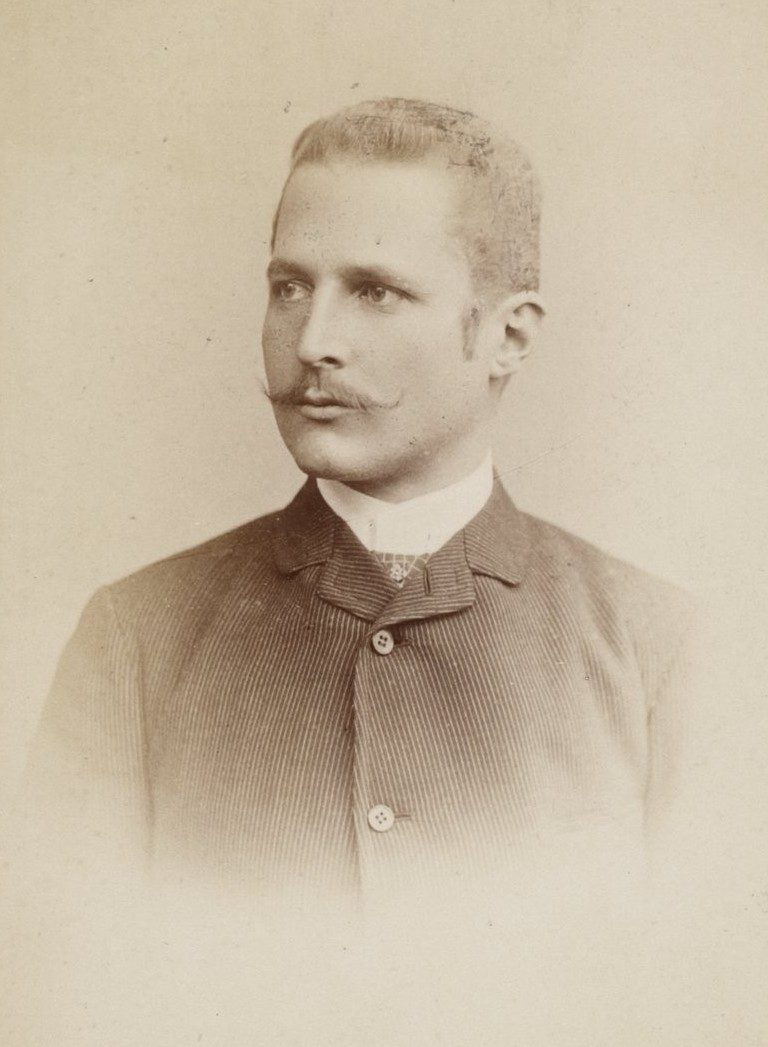
Portrait of Hans Meyer, German geographer and first European to summit Mount Kilimanjaro in 1889 | Kili Quests
Hans Meyer, a German geographer, became the first documented person to reach Uhuru Peak on Mount Kilimanjaro in 1889, accompanied by Austrian climber Ludwig Purtscheller and a Chagga guide named Lauwo.
Portrait of Ludwig Purtscheller, Austrian climber who summited Mount Kilimanjaro in 1889 with Hans Meyer | Kili Quests
Ludwig Purtscheller, an experienced Austrian mountaineer, reached the summit of Kilimanjaro with Hans Meyer and local guide Lauwo in 1889.

The First Successful Ascent

Meyer’s third expedition, which made it to the summit, included:
  • Ludwig Purtscheller, a skilled Austrian alpinist
  • Lauwo, a Chagga tribesman and local guide from Marangu.Lauwo’s role is now widely recognized , read the full story of the first local guide on Kilimanjaro.
  • Several porters and support crew
  • On October 6, 1889, the team became the first recorded group to reach the summit of Kibo, the tallest of Kilimanjaro’s three volcanic cones.Kilimanjaro is made up of three cones , learn more about Kibo, Mawenzi, and Shira.
  • This historic moment laid the foundation for Kilimanjaro’s future as one of the world’s most iconic trekking destinations.
Vintage map of Mount Kilimanjaro showing routes, landmarks, and geography as seen in the 1990s | Kili Quests
A look back in time — this 1990s Kilimanjaro map reflects how the mountain was explored, traveled, and understood decades ago.

What Made the Expedition Historic?

  •  Meyer’s team spent weeks acclimatizing and exploring different routes.Acclimatization remains the key to summit success today  here’s how to acclimatize properly on Kilimanjaro.
  • They were the first to document the mountain’s crater rim
  • The ascent helped map Kilimanjaro’s geography for future climbers.Today, thousands attempt the climb each year , but preparation is essential to succeed.
  • They reached the summit long before modern gear or support systems existed
  • Meyer’s expedition was not just a physical feat , it was a scientific and cultural milestone in East African exploration.
Glacial snow and ice covering the crater rim of Mount Kilimanjaro during dry season ascent | Kili Quests
Kilimanjaro’s crater rim wrapped in snow and ancient ice — a glimpse into the mountain’s glacial past.
Dry, snowless crater rim of Mount Kilimanjaro showing volcanic rock and summit trail | Kili Quests
The exposed crater rim reveals Kilimanjaro’s raw volcanic structure — dramatic, vast, and wind-carved by time.

Naming the Summit Points

Many of Kilimanjaro’s key landmarks are named after people involved in or inspired by Meyer’s expeditions:
  • Gilman’s Point – named for Clement Gilman, a British cartographer
  • Stella Point – believed to be named after Meyer’s wife
  • Uhuru Peak – renamed in 1961 to honor Tanzania’s independence (originally called “Kaiser Wilhelm Spitze”)
While Meyer originally named the summit after the German emperor, it was later changed to reflect Tanzania’s national identity and independence.
 
Discover the story behind Stella Point and how it became one of Kilimanjaro’s most iconic landmarks.

Meyer’s Legacy on Kilimanjaro

  • He published several books and maps about Kilimanjaro
  • His story is taught in East African geography and climbing history
  • His pioneering climb paved the way for over 35,000 people a year to attempt the summit today.Choosing the right route plays a major role in success , compare all options before you climb.
  • The role of Lauwo, his Chagga guide, is now also celebrated as a symbol of Tanzanian contribution to the mountain’s history
1889 exploration map of Mount Kilimanjaro drawn by Hans Meyer, highlighting the early summit path and crater area | Kili Quests
A legacy etched in ink — Hans Meyer’s 1889 map captured Kilimanjaro’s summit long before modern routes existed.

Frequently Asked Questions About Hans Meyer and the First Kilimanjaro Ascent

Who was Hans Meyer?

 Hans Meyer was a German geographer and explorer who became the first recorded person to reach the summit of Mount Kilimanjaro in 1889. His expedition helped map the mountain and introduced Kilimanjaro to the world of modern mountaineering.
 

When was Mount Kilimanjaro first climbed?

The first successful recorded ascent of Mount Kilimanjaro took place on October 6, 1889, when Hans Meyer and his team reached the summit of Kibo, the highest volcanic cone of the mountain.

Who climbed Mount Kilimanjaro with Hans Meyer?

Hans Meyer was accompanied by Austrian mountaineer Ludwig Purtscheller and a local Chagga guide named Yohani Kinyala Lauwo, along with several porters and support crew.

What was the original name of Uhuru Peak?

Before Tanzania’s independence, the summit of Mount Kilimanjaro was named Kaiser Wilhelm Peak by Hans Meyer. In 1961, it was renamed Uhuru Peak to celebrate Tanzania’s independence.
 

Why is Hans Meyer important in Kilimanjaro history?

Hans Meyer played a major role in documenting the geography and climbing routes of Mount Kilimanjaro. His successful ascent in 1889 helped establish the mountain as one of the world’s most famous trekking destinations.

Who was the local guide in the first Kilimanjaro expedition?

The local guide who assisted Hans Meyer’s expedition was Yohani Kinyala Lauwo, a Chagga man from Marangu. His role in the climb is now widely recognized as an important part of Kilimanjaro’s history.
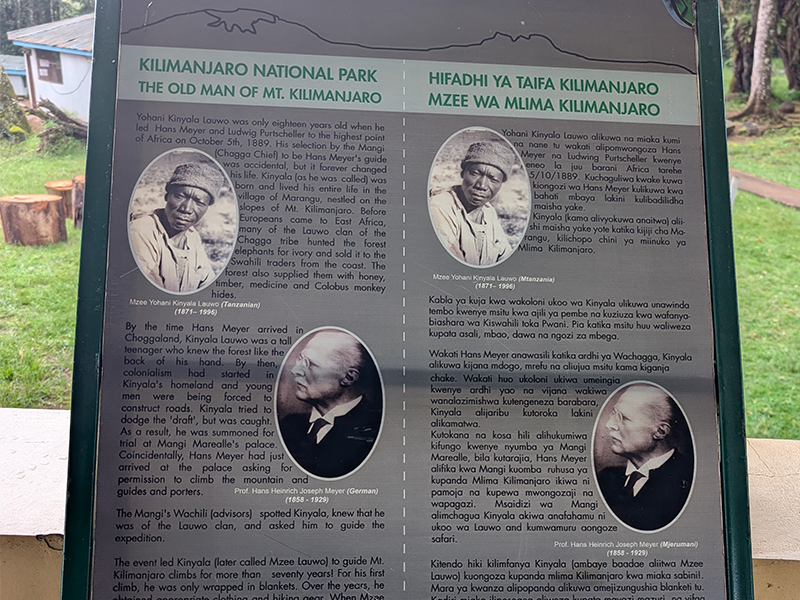
Interpretive sign at Kilimanjaro National Park showing historical profiles of Yohani Kinyala Lauwo, the first local guide of Mount Kilimanjaro, and Hans Meyer, the first recorded European to summit Kilimanjaro in 1889.
Informational sign at Kilimanjaro National Park honoring Yohani Kinyala Lauwo, the first local Kilimanjaro guide, and Hans Meyer, the first European summiteer in 1889. Their partnership marked the beginning of Kilimanjaro’s climbing history.

The Legacy of Kilimanjaro’s First Ascent

Hans Meyer’s first successful climb of Mount Kilimanjaro was more than just a mountaineering victory , it was the beginning of the mountain’s modern legacy. His journey combined science, endurance, and intercultural cooperation, with help from locals like Lauwo, whose name deserves equal recognition.
 
Every climber who follows in Meyer’s footsteps is walking a trail carved by history ,Today’s climbers follow different routes to the summit , each offering a unique experience. one that continues to inspire adventurers from all over the world.

Plan Your Climb with Kili Quests

At Kili Quests, we honor Kilimanjaro’s history while helping trekkers write their own. Whether you choose the Marangu,Umbwe,Shira,Northern circuit, Machame, or Lemosho Route,Rongai route we guide you to the summit with expert care and deep respect for the mountain’s legacy.
 

Related Articles

Why Is It Called Gilman’s Point? Kilimanjaro History

Reach the Summit

Climb to Gilman’s Point and continue to Uhuru Peak with expert local guides.

Plan Your Climb

Prepare for your Kilimanjaro adventure:

OUR CATEGORIES

Why Is It Called Gilman’s Point? The Story Behind the Name | Kili Quests

Climbers taking the Marangu or Rongai Route  to the top of Mount Kilimanjaro.The final goal for climbers is reaching Uhuru Peak ,the highest point in Africa.will first reach a significant milestone before Uhuru Peak: Gilman’s Point, located at 5,681 meters (18,638 feet) on the rim of Kibo crater.But what exactly is Gilman’s Point, and who was Gilman? In this article, Kili Quests reveals the historical origins behind this lesser-known but important summit marker.
 
Learn how the mountain was formed in this guide to Kilimanjaro’s volcanic cones (Kibo, Mawenzi, and Shira).
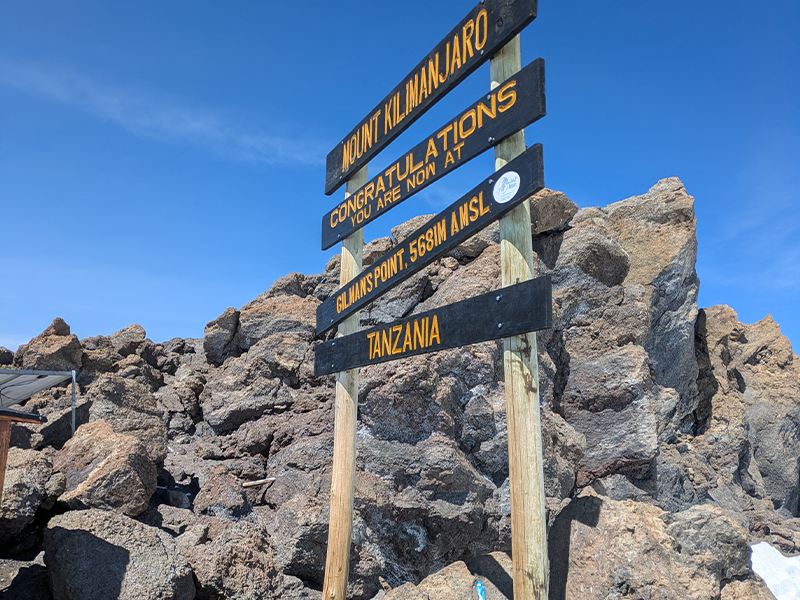
Gilman’s Point summit sign on Mount Kilimanjaro, located at 5,681 meters above sea level, with rocky terrain and clear blue sky.
Gilman’s Point, located at 5,681 meters on the crater rim of Mount Kilimanjaro, marks one of the recognized summit points along the Marangu Route.

Table of Contents

Where Is Gilman’s Point on Kilimanjaro?

Gilman’s Point lies on the eastern rim of Kilimanjaro’s Kibo crater and is the first major summit marker reached by climbers ascending via the Marangu or Rongai Route.These routes approach the summit differently , compare all Kilimanjaro routes to choose the best one.
 
Reaching this point is a huge accomplishment , it marks the beginning of the crater rim and earns climbers an official “Kilimanjaro Summit Certificate.” From here, it takes roughly 1.5–2 hours to continue on foot to Uhuru Peak, the true summit of Africa.This final stretch is part of summit night , the most demanding stage of the climb.
 

Who Was Gilman?

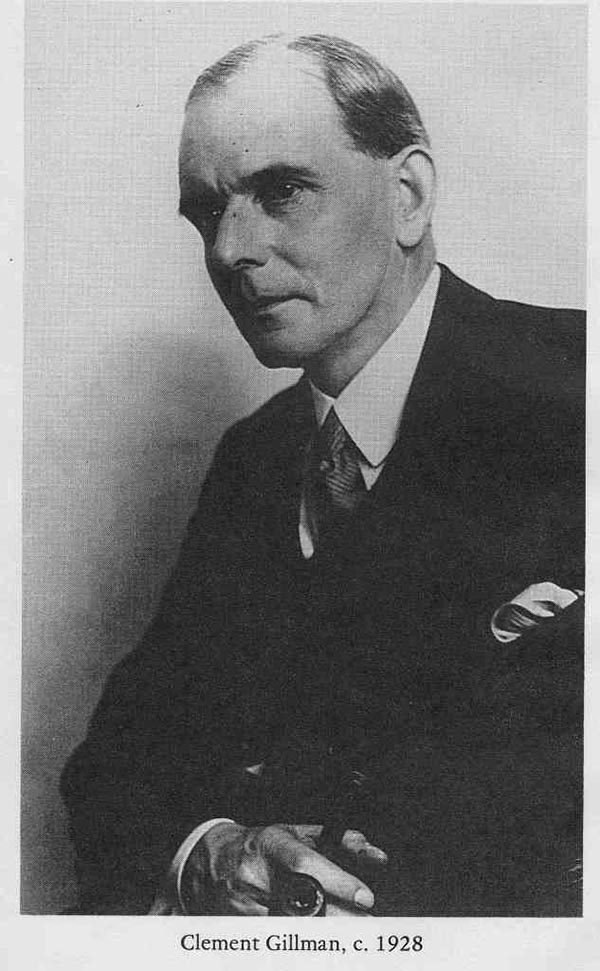
Black and white portrait of Clement Gillman, British surveyor and geographer, circa 1928.
Clement Gillman was a British geographer and colonial surveyor whose name was given to Gilman’s Point on Mount Kilimanjaro’s crater rim.
Gilman’s Point is named after Clement Gillman, a British geographer, civil engineer, and explorer who conducted important mapping and survey work in East Africa during the early 20th century.
  • He helped document Kilimanjaro’s physical geography and elevation
  • His surveys contributed to modern cartography in Tanzania
  • The point was named to honor his contributions to Kilimanjaro’s exploration.
Although he wasn’t the first to climb Kilimanjaro, Clement Gillman’s legacy is closely tied to understanding the mountain’s terrain,geology, and routes.
Kilimanjaro’s geography is shaped by its volcanic structure and high-altitude environment.
Note: The name is sometimes misspelled as “Gillman’s Point,” but the correct version is “Gilman’s Point.”
 

Why Does Gilman’s Point Matter?

For many climbers, Gilman’s Point represents:

Gilman’s Point vs. Uhuru Peak

Feature Gilman’s Point  And  Uhuru Peak
Elevation: 5,681 m / 18,638 ft     vs   5,895 m / 19,341 ft
Location : Eastern crater rim     vs   Western crater rim
Routes Reached:  Marangu, Rongai  vs    All main routes
Certificate Official: “summit” certificate    vs   Full summit certificate
Time to Uhuru :1.5hr     vs      2 hours more
 
Stella Point is another key landmark along the crater rim.
Snow-covered view of Mount Kilimanjaro’s crater rim as seen from Gilman’s Point at sunrise.
After arriving at Gilman’s Point (5,681 m), climbers are rewarded with breathtaking views across the snow-covered crater rim — a dramatic landscape near the summit of Kilimanjaro.

Did You Know?

The final push to Gilman’s Point is often done at nightSummit attempts usually begin around midnight and require proper gear and preparation.and is one of the toughest sections of the Marangu Route.Sunrise from Gilman’s Point offers stunning views over the clouds and down toward Kenya.Gilman’s Point is one of three named summit markers on Kilimanjaro, along with Stella Point and Uhuru Peak.

Frequently Asked Questions About Gilman’s Point

What is Gilman’s Point on Mount Kilimanjaro?

Gilman’s Point is one of the main summit markers on Mount Kilimanjaro, located on the eastern rim of the Kibo crater at about 5,681 meters (18,638 feet). Climbers reaching this point have reached the crater rim and are close to the final summit.

Is Gilman’s Point the summit of Mount Kilimanjaro?

No, Gilman’s Point is not the highest point of Mount Kilimanjaro. The true summit is Uhuru Peak, which is about 214 meters higher. From Gilman’s Point, it usually takes 1.5 to 2 hours to reach the summit.
 

Which Kilimanjaro routes reach Gilman’s Point?

Climbers using the Marangu Route and Rongai Route typically reach Gilman’s Point first on summit night before continuing along the crater rim toward Uhuru Peak.
 

How difficult is the climb to Gilman’s Point?

The final ascent to Gilman’s Point is considered one of the toughest sections of the climb. Trekkers hike through loose volcanic scree in cold temperatures and thin air during the nighttime summit push.
 

Do you get a summit certificate at Gilman’s Point?

Yes. Climbers who reach Gilman’s Point usually receive a Kilimanjaro summit certificate, although the full summit certificate is awarded to those who continue to Uhuru Peak.

What is the difference between Gilman’s Point and Stella Point?

Both Gilman’s Point and Stella Point lie on the crater rim of Kibo. However, Stella Point is located closer to Uhuru Peak and is commonly reached by climbers using routes such as Machame, Lemosho, and Umbwe.

Reaching Gilman’s Point: What It Means for Your Summit

Gilman’s Point may not be the highest point on Kilimanjaro, but it’s packed with historical and emotional significance. Named after a key explorer who helped map the region, it marks a transition point between struggle and summit, where climbers often reflect on how far they’ve come.Whether you stop here or continue to Uhuru Peak, standing at Gilman’s Point is a true achievement, worthy of celebration.
 

Plan Your Journey with Kili Quests

If you’re planning to climb via the Marangu or Rongai Route, you’ll pass through Gilman’s Point  one of Kilimanjaro’s historic landmarks.With Kili Quests, you’ll be guided by experienced professionals who know every twist of the trail and the story behind every name on the mountain.
 

Related Articles

Stella Point: Why It’s Named That & Kilimanjaro History

Plan Your Kilimanjaro Climb

Reach Stella Point , and go beyond to Uhuru Peak with expert local guides.

Prepare for Your Summit

Your success depends on preparation , explore these essential guides:

OUR CATEGORIES

Why Is It Called Stella Point? The Story Behind the Name | Kili Quests

On your final push to the summit of Mount Kilimanjaro, you’ll pass a familiar wooden sign that reads: “Stella Point – 5,739 m (18,829 ft).” For many trekkers, this is a powerful milestone , the final ridge before reaching Uhuru Peak.
 
Before your summit push, it’s important to understand how difficult Kilimanjaro really is and what makes summit night so challenging.
 
But what exactly is Stella Point, and why does it carry this name?
 
In this article, Kili Quests dives into the rich climbing history of Mount Kilimanjaro, uncovering the story behind Stella Point and its significance to both past and present trekkers. This landmark isn’t just a checkpoint on summit day it represents decades of mountaineering legacy, personal triumphs, and a tribute tied to one of Kilimanjaro’s early expeditions.Whether you’re curious about the naming of Stella Point or interested in the broader history of Kilimanjaro’s early ascents, this guide offers insight into the lesser-known stories of Africa’s highest mountain  including how names like Stella Point became part of its legacy.If you’re not familiar with the summit itself, here’s a complete guide to what Uhuru Peak really is and why it matters.
 
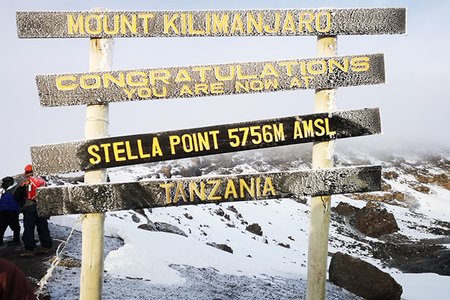
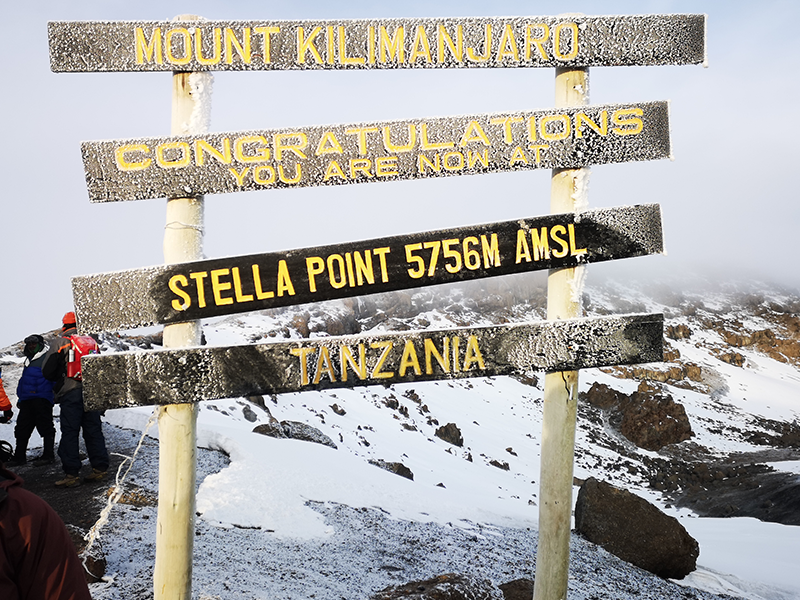
Stella Point signpost on Mount Kilimanjaro’s crater rim, frosted with snow and showing an elevation of 5,756 meters above sea level.
Stella Point, located at 5,756 meters on Mount Kilimanjaro’s crater rim, offers trekkers a dramatic first view into the summit zone. It was named after Estella Latham, one of the first recorded women to reach this altitude in 1925, making it a historic and emotional milestone on the Machame and Lemosho routes.

Table of Contents

Where Is Stella Point?

Stella Point sits on the crater rim of Kibo, one of Kilimanjaro’s three volcanic cones. It’s a major landmark on the Machame, Lemosho, and Umbwe Routes,These routes are among the most popular options , you can compare all Kilimanjaro routes to see which one fits your climb best. located just before the final ascent to Uhuru Peak.When trekkers reach Stella Point, they’re less than an hour from the summit.This final stretch is part of the most demanding stage of the climb , learn more about what summit day on Kilimanjaro is really like.Though not the true top, it’s a significant milestone  and even qualifies as a summit certificate location for some trekkers.

Ever wondered why it’s called Gilman’s Point? Discover the full story behind this historic landmark.

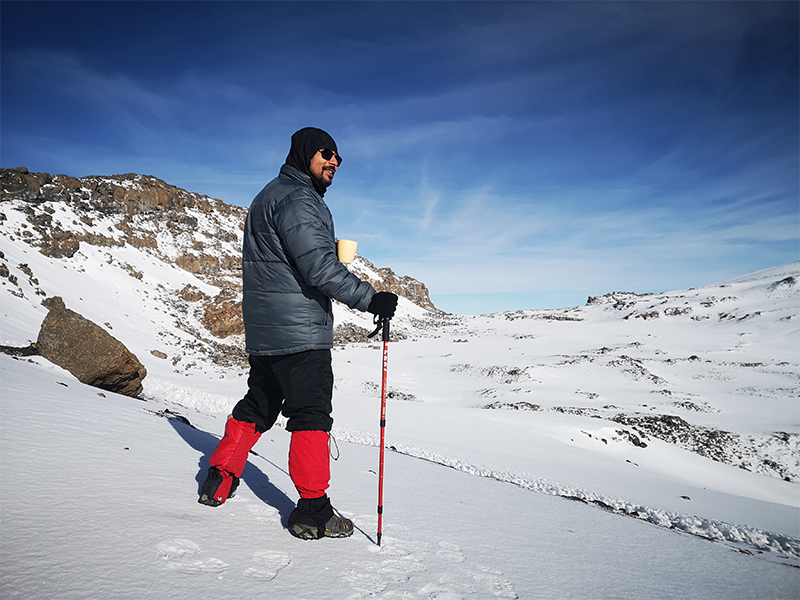
A climber stands on snow-covered terrain near Stella Point on Mount Kilimanjaro, holding a cup and trekking pole while overlooking the crater rim.
A trekker pauses to take in the spectacular view near Stella Point, where Kilimanjaro’s crater rim opens up into a vast, icy alpine landscape.

Who or What Is Stella Point Named After?

Stella Point is named in honor of Estella Latham,Her achievement came decades after the first successful ascent of the mountain , you can read the full story of who first climbed Mount Kilimanjaro.one of the earliest recorded women to reach this altitude on Mount Kilimanjaro in 1925. Unlike earlier assumptions linking the name to Hans Meyer’s family, historical accounts now attribute it to Latham’s notable achievement during a time when few women attempted such climbs. Hans Meyer, the first documented European to reach the summit in 1889, did name several features on the mountain  such as Gilman’s Point  but Stella Point was named later, reflecting a shift toward recognizing climbers beyond colonial figures or sponsors.

Curious who first reached the summit of Kilimanjaro?{Discover the full story of Hans Meyer and the first Kilimanjaro summit in 1889.}

Stella Point summit sign on Kilimanjaro at 5,756 meters, named after Estella Latham who reached this point in 1925.
Estella Latham became one of the first recorded women to reach Stella Point on Mount Kilimanjaro in 1925. The point was later named in her honor, marking a milestone in early female mountaineering history

What Happens at Stella Point Today?

Today, Stella Point is the first place where most climbers reach the rim of Kibo’s crater. When you arrive, you’ll see the iconic wooden sign, usually in the early morning cold, with views of the surrounding glaciers and crater floor.While it’s not the final summit, reaching Stella Point is a major achievement, especially due to the steep, exhausting climb just before it , often done at night in freezing conditions.Proper preparation is key , make sure you have the right equipment with this complete Kilimanjaro packing list.
 
Temperatures here can drop far below freezing ,especially at night ,so it’s important to understand Kilimanjaro night temperatures and how to prepare.
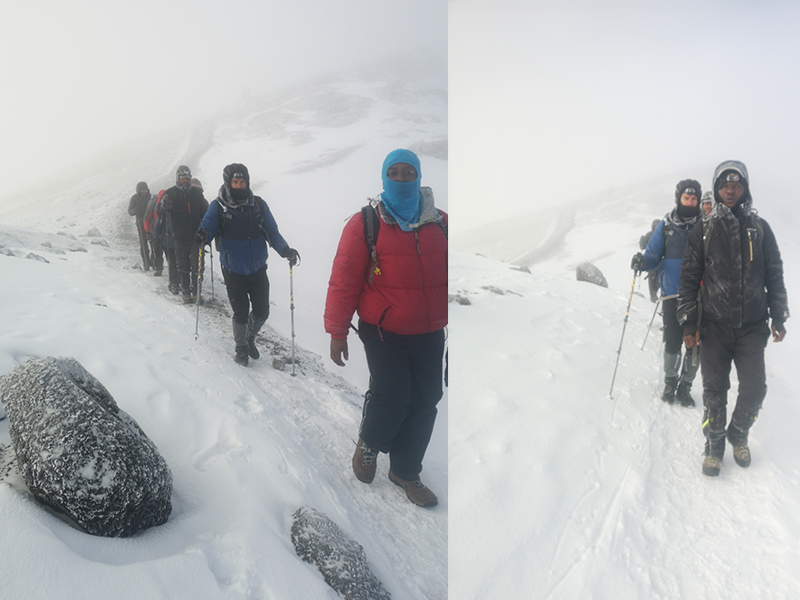
Trekkers and guides hiking through snow near Stella Point on Mount Kilimanjaro during the final summit approach.
Trekkers and KILI QUESTS guides push through snow and fog near Stella Point, one of the final checkpoints before reaching Kilimanjaro’s summit at Uhuru Peak.

Stella Point vs. Uhuru Peak: What's the Difference?

  • Stella Point: 5,739 m (18,829 ft) — crater rim
  • Uhuru Peak: 5,895 m (19,341 ft) — true summit of Africa
  • Distance between the two: ~150 vertical meters, 45–60 min trek
This final push depends heavily on acclimatization , learn how to avoid altitude sickness on Kilimanjaro.
Stella Point earns you a “Kilimanjaro Summit Certificate, but if you want to stand at the true roof of Africa, you’ll need to continue to Uhuru Peak.
 
Not sure if reaching the summit is realistic for you? Here’s a detailed guide on how hard it is to climb Kilimanjaro.

Did You Know?

  • Many climbers stop at Stella Point due to exhaustion or altitude effects, and still receive a partial summit certificate.Altitude is the biggest challenge on the mountain , understanding it can greatly improve your summit success.
  • The sunrise views from Stella Point are breathtaking  some say even more magical than from Uhuru.
  • You’ll likely pass through Stella Point on the way up via  different route including Machame ,Lemosho, Shira ,Umbwe but if you climb via the Marangu Route. and Rongai route you will pass Gilman’s point first then stella point.Each route approaches the summit differently  compare them in detail before choosing your climb.
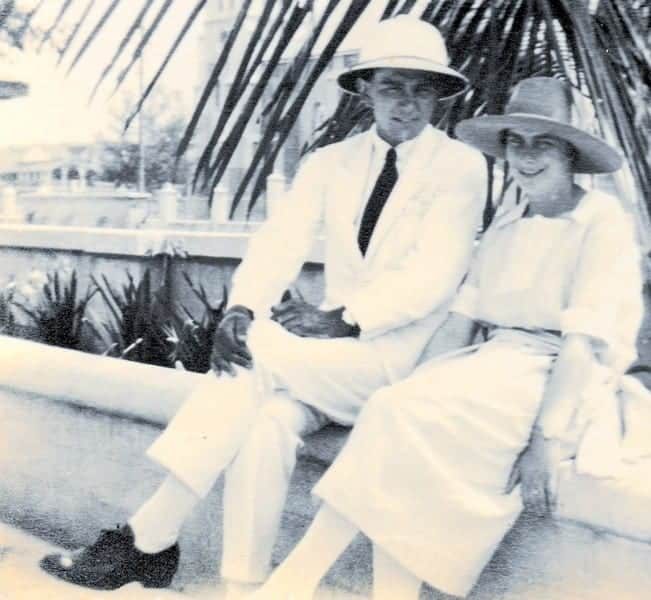
Historical photo of Estella Latham and Kingsley Latham during their 1925 Mount Kilimanjaro expedition.
Estella Latham (left) and Kingsley Latham (right) during their 1925 expedition on Mount Kilimanjaro. Estella became one of the first recorded women to reach 5,756 meters, and Stella Point was later named in her honor.

Frequently Asked Questions About Stella Point

What is Stella Point on Mount Kilimanjaro?

Stella Point is a famous landmark on the crater rim of Kibo, one of the volcanic cones of Mount Kilimanjaro. Located at about 5,739 meters (18,829 ft), it is one of the final checkpoints climbers reach before continuing to Uhuru Peak, the highest point in Africa.
 

Why is it called Stella Point?

Stella Point was named after Estella Latham, one of the earliest recorded women to reach this altitude on Mount Kilimanjaro in 1925. The name honors her achievement and contribution to early mountaineering history on the mountain.
 

Is Stella Point the summit of Kilimanjaro?

No, Stella Point is not the true summit. The highest point of Mount Kilimanjaro is Uhuru Peak, located about 150 vertical meters higher. From Stella Point, most climbers continue for another 45–60 minutes to reach the summit.
 

How long does it take to walk from Stella Point to Uhuru Peak?

The trek from Stella Point to Uhuru Peak usually takes about 45 minutes to 1 hour, depending on altitude conditions and the climber’s pace.
 

Which Kilimanjaro routes pass through Stella Point?

Several popular routes pass through Stella Point on summit day, including the Machame, Lemosho, Umbwe, and Shira routes. Climbers approaching from these routes reach Stella Point before making their final push to Uhuru Peak.
 

What altitude is Stella Point on Kilimanjaro?

Stella Point is located at approximately 5,739 meters (18,829 feet) above sea level on the crater rim of Kibo, making it one of the highest landmarks on Mount Kilimanjaro.

Reaching Stella Point: The Turning Point of Your Summit

Stella Point is more than just a marker near the summit  it’s a landmark rooted in Kilimanjaro’s climbing history. Named in honor of Estella Latham, one of the first recorded women to reach this altitude in 1925, Stella Point represents both personal achievement and historical significance. Whether you pause here to witness the sunrise or continue your final push to Uhuru Peak, arriving at Stella Point is a powerful reminder of how far you’ve come  and how close you are to standing on the roof of Africa.
 
Not many know that the first Kilimanjaro summit wasn’t just a European feat  Lauwo, a young Chagga man, was the local hero behind it

Plan Your Journey with Kili Quests

At Kili Quests, we guide you beyond just reaching the top  we help you connect with the history, meaning, and magic of Mount Kilimanjaro.Whether you’re taking the Lemosho, Machame, or Umbwe Route, our experienced team ensures your journey to Stella Point and beyond is safe, supported, and unforgettable.Each route has its pros and cons see our Kilimanjaro Route Comparison to choose the best fit.
 

Related Articles

Kilimanjaro Ecological Zones: Altitude & Climate Guide

Climb with Experts Who Understand Every Zone

We guide you through every zone with expert pacing and safety.We help you:

Explore More Kilimanjaro Planning Guides

Your route, preparation, and strategy will shape your entire climb. Explore these essential guides:

OUR CATEGORIES

Mount Kilimanjaro’s Ecological Zones Explained

Mount Kilimanjaro is not just the highest mountain in Africa , it is a vertical journey through completely different environments. As you climb from the base to Uhuru Peak (5,895 m), you pass through five distinct ecological zones, each with its own climate, vegetation, and challenges.
This is what makes Kilimanjaro unique. In less than a week, you move from tropical farmland to an arctic summit.Understanding these zones is essential for preparing your gear, managing altitude, and choosing the right route. If you’re still deciding,
 
it helps to first explore the best options in this detailed guide on Kilimanjaro routes comparison: which route is best.

The Five Ecological Zones of Mount Kilimanjaro

Kilimanjaro is divided into five main ecological zones:
  • Cultivation Zone
  • Montane Forest Zone
  • Heather & Moorland Zone
  • Alpine Desert Zone
  • Arctic Summit Zone
Each zone represents a major environmental shift , and you will feel that change physically as you climb.
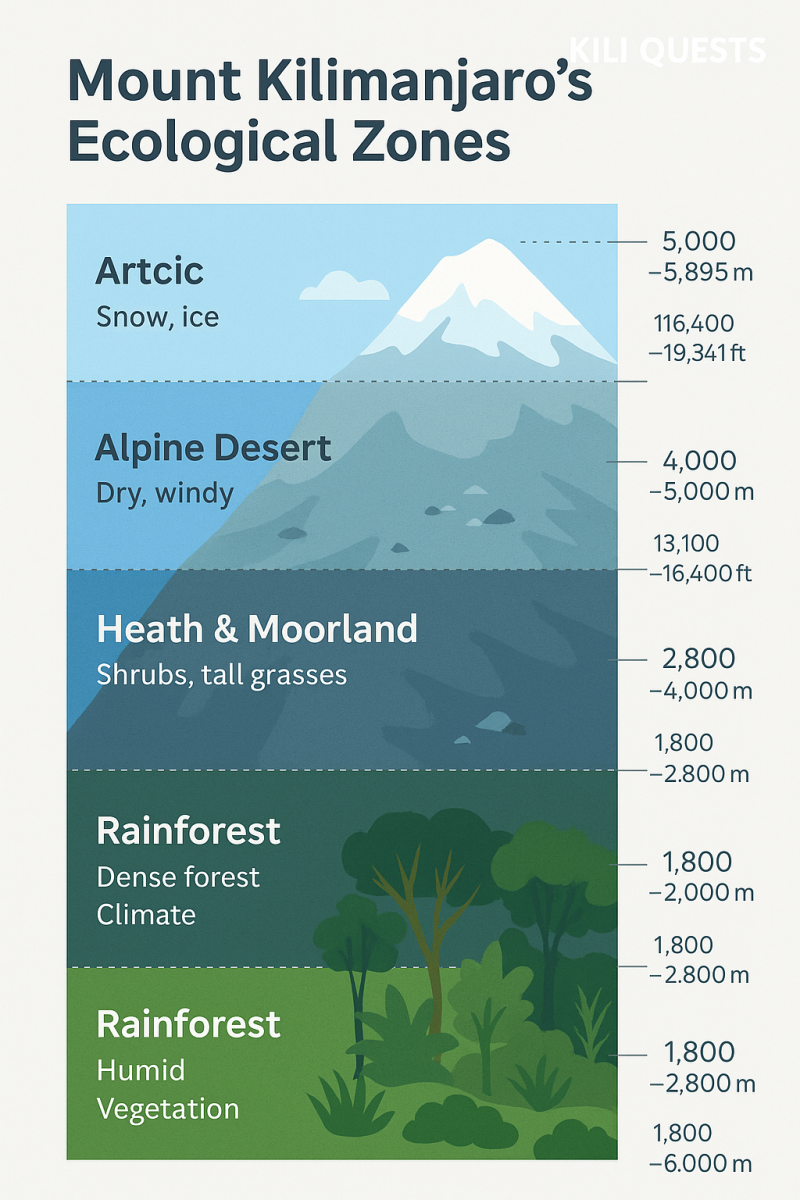
Infographic of Mount Kilimanjaro’s ecological zones showing rainforest, heath, moorland, alpine desert, and arctic summit with altitude labels in meters and feet.
Explore the five ecological zones of Mount Kilimanjaro — from lush rainforest to the icy arctic summit — each with unique climate, vegetation, and wildlife.

Cultivation Zone (800–1,800 m / 2,600–6,000 ft)

Landscape and Human Activity

This is the lowest part of Kilimanjaro, where local life thrives. The fertile volcanic soil supports farming by the Chagga people.
You’ll find coffee plantations, banana farms, and small-scale agriculture across the slopes.

Climate Conditions

  • Warm and humid
  • Regular rainfall
  • Dense green vegetation

Your Experience

Most climbs begin above this zone, but you pass through it on the way to the trailhead in Moshi or nearby villages.

Montane Forest Zone (1,800–2,800 m / 6,000–9,200 ft)

Climate and Atmosphere

This zone is humid and often covered in mist:
  • Frequent rainfall
  • Muddy, slippery trails
  • Thick cloud cover

Vegetation and Biodiversity

This is the most biologically rich zone on Kilimanjaro, filled with towering trees, moss, and dense canopy.

Wildlife

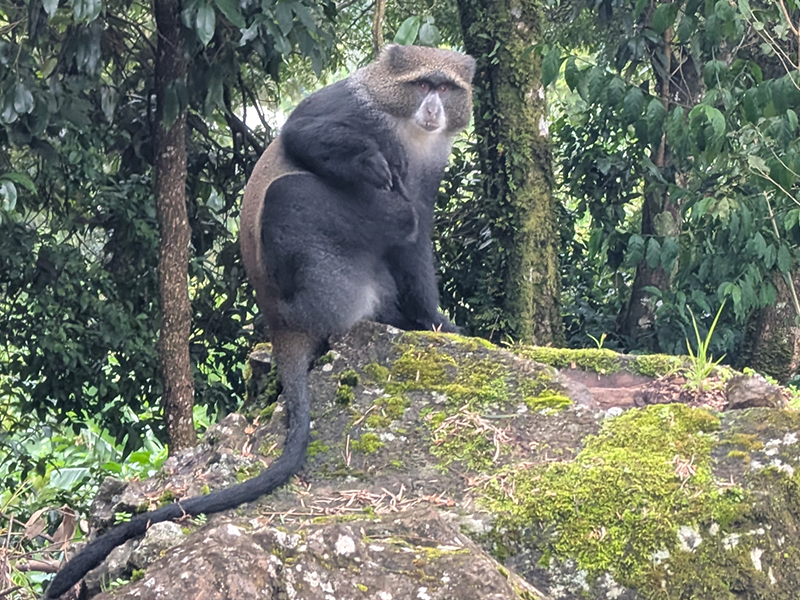
You may encounter blue monkeys, colobus monkeys, and forest birds along the trail.
Blue monkey sitting on a moss-covered rock in the rainforest of Mount Kilimanjaro
A blue monkey (Cercopithecus mitis) rests on a mossy rock in Kilimanjaro’s montane rainforest — a common sight in the lower forest zone of the mountain.

Trekking Conditions

Because of constant moisture, this section requires proper waterproof gear.Before starting your climb, it’s important to prepare properly , this Kilimanjaro packing list guide explains exactly what you need for every zone.

Heather & Moorland Zone (2,800–4,000 m / 9,200–13,100 ft)

Transition Landscape

The dense forest disappears and opens into wide landscapes with rolling hills and volcanic rock formations.

Unique Vegetation

You’ll see giant groundsels and lobelias , plants that only grow in high-altitude environments.

Climate Conditions

  • Cooler temperatures
  • Strong UV exposure
  • Cold nights

Altitude Effects Begin

This is where altitude starts affecting most climbers. You may notice slower breathing, fatigue, or mild headaches.At this stage, understanding proper acclimatization becomes critical.
 
This is explained in detail in our guide on how to acclimatize on Mount Kilimanjaro and avoid altitude sickness.
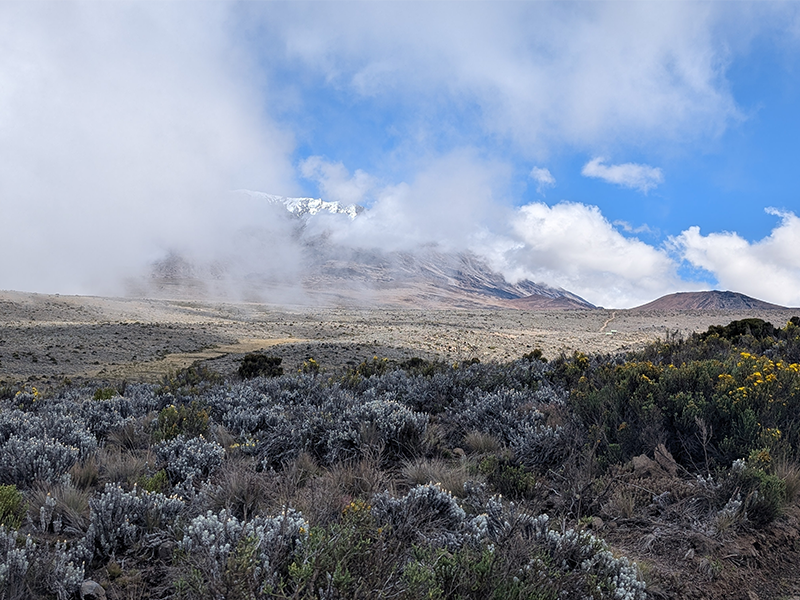
Moorland vegetation on Mount Kilimanjaro with cloud-covered summit and scattered alpine shrubs under a blue sky.
The heath and moorland zone on Mount Kilimanjaro, located between 2,800 and 4,000 meters, is known for its scattered shrubs, giant heathers, and surreal alpine landscape.

Alpine Desert Zone (4,000–5,000 m / 13,100–16,400 ft)

Environmental Conditions

This zone is dry, exposed, and extreme:
  • Strong winds
  • Very low humidity
  • Large temperature differences between day and night

Landscape

You’ll walk across volcanic rock, ash, and gravel in a landscape that feels almost lifeless.

Physical Impact

At this altitude:
  • Oxygen levels drop significantly
  • Your body tires faster
  • Hydration becomes critical
Temperature changes become more noticeable here. To understand what conditions you’ll face overnight, read the Kilimanjaro night temperature guide by altitude.
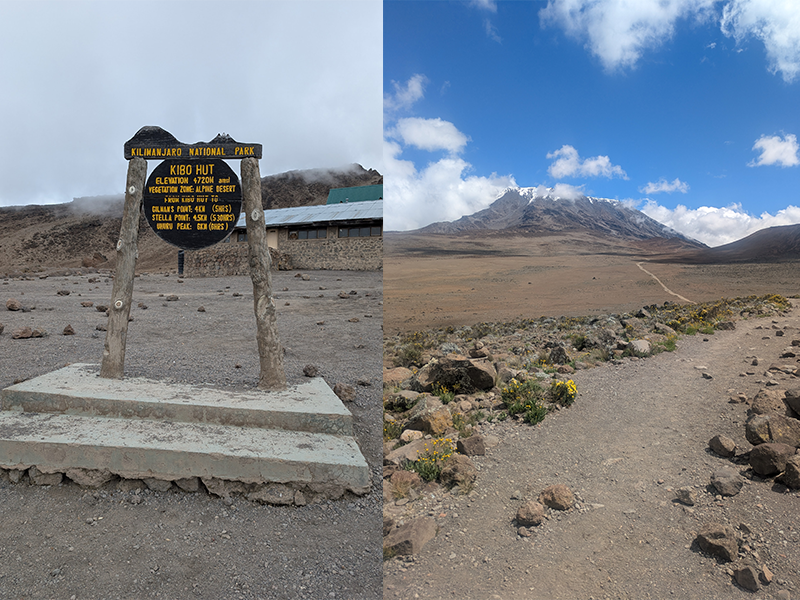
Kibo Hut signpost and view of Mount Kilimanjaro’s alpine desert zone with rocky terrain and sparse vegetation.
Kibo Hut, located at 4,720 meters, marks the start of the alpine desert zone on Mount Kilimanjaro — a dry, wind-swept region just below the summit.

Arctic Zone / Summit (5,000–5,895 m / 16,400–19,341 ft)

Climate Reality

  • Freezing temperatures
  • Strong winds
  • Extremely low oxygen levels

Landscape

This is a polar-like environment with glaciers, snowfields, and loose volcanic scree.

Summit Experience

This is the most physically and mentally demanding part of the climb. Reaching this zone means you are approaching Uhuru Peak.
 
If you’re curious about the meaning and history behind the summit, you can explore it in why it is called Uhuru Peak on Kilimanjaro.
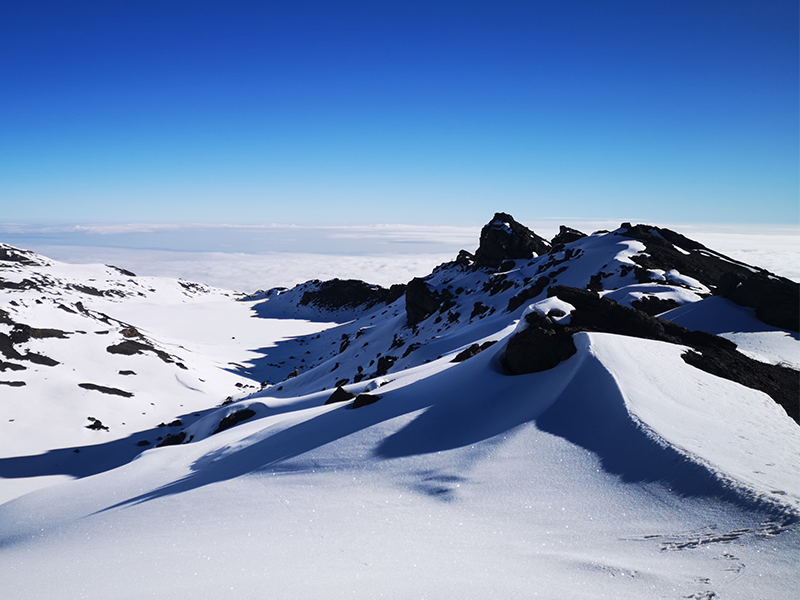
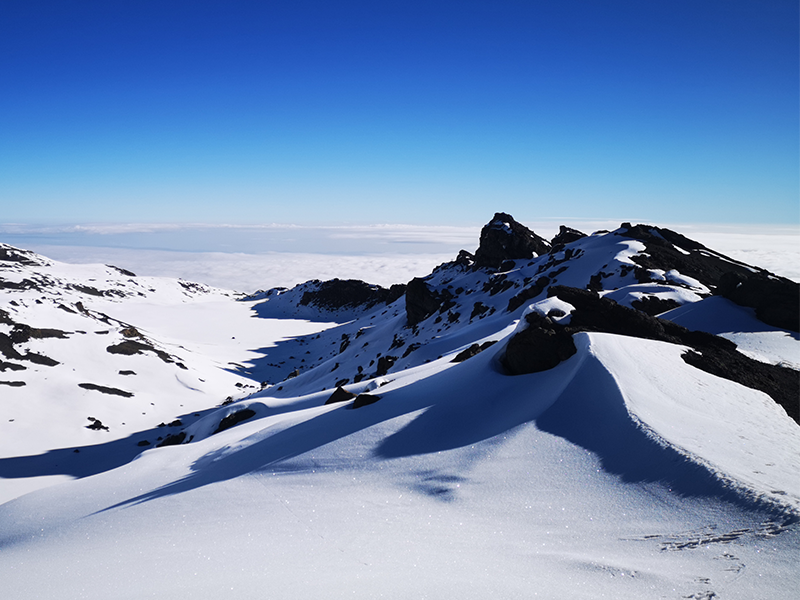
Snow-covered ridges near Stella Point on Mount Kilimanjaro with a clear blue sky above the clouds.
The arctic summit zone of Kilimanjaro near Stella Point is often blanketed in snow, offering breathtaking views above the cloud layer.

Why Understanding the Zones Matters

Gear Preparation

You are not climbing one climate , you are climbing five.
From rain in the forest to freezing temperatures at the summit, preparation is key. Make sure you’re fully equipped using this Kilimanjaro packing list.

Acclimatization Strategy

Each zone increases altitude stress on your body. Moving too fast increases the risk of altitude sickness.
 
To understand the risks and prevention, read altitude sickness on Kilimanjaro: what you need to know.

Mental Preparation

Each zone feels completely different , from vibrant rainforest to silent alpine desert. Knowing this helps you stay mentally strong during the climb.

Understanding Kilimanjaro as a Complete Journey

 Climbing Kilimanjaro is not just about reaching the summit  it’s about experiencing a full environmental transition in just a few days.From farmland to rainforest, from moorland to alpine desert, and finally to an arctic summit, the journey is what makes Kilimanjaro one of the most unique treks in the world.
 
If you’re wondering how challenging this journey really is, read our full guide on how hard it is to climb Mount Kilimanjaro.

Frequently Asked Questions About Mount Kilimanjaro’s Ecological Zones

How many ecological zones are on Mount Kilimanjaro?

 Mount Kilimanjaro has five distinct ecological zones: the cultivation zone, montane forest zone, heath and moorland zone, alpine desert zone, and the arctic summit zone. As climbers ascend the mountain, they pass through these zones, each with unique climate conditions, vegetation, and landscapes.
 

What is the rainforest zone on Mount Kilimanjaro?

The rainforest zone, also called the montane forest zone, lies between about 1,800 and 2,800 meters. It is characterized by dense vegetation, frequent rainfall, and rich biodiversity including monkeys, birds, and lush plant life.
 

At what altitude does the alpine desert zone begin on Kilimanjaro?

The alpine desert zone on Mount Kilimanjaro begins at around 4,000 meters (13,100 feet). This zone is dry and windy, with sparse vegetation and dramatic temperature changes between day and night.
 

What is the coldest ecological zone on Mount Kilimanjaro?

The coldest zone is the arctic summit zone, located above 5,000 meters. Temperatures often drop well below freezing, oxygen levels are low, and the terrain is dominated by glaciers, ice fields, and volcanic rock.
 

Why does Mount Kilimanjaro have different ecological zones?

Mount Kilimanjaro’s ecological zones are created by changes in altitude. As elevation increases, temperature drops and environmental conditions change, creating different ecosystems from tropical farmland to arctic summit conditions.

Climb with Experts Who Know the Zones

At Kili Quests, our guides are trained to navigate every zone , from dense forests to glacial ridges. We help you adjust to each stage of the mountain with expert pacing, acclimatization, and gear advice.Make sure to check our [Essential Kilimanjaro Packing List 2025] to avoid missing anything important.
 
If you’re new to high-altitude trekking, our [Altitude Sickness Tips & Risks] guide can help you stay safe.

Contact us today to start your Kilimanjaro climb 

Related Articles

What Is Uhuru Peak? Kilimanjaro Summit History

Reach Uhuru Peak

Stand on the highest point in Africa with expert local guides.

Plan Your Climb

Prepare for your Kilimanjaro adventure:

OUR CATEGORIES

Uhuru Peak? The Story Behind the Name | Kili Quests

Uhuru Peak is not only the summit of Mount Kilimanjaro,Before planning your climb, it’s important to understand how hard it is to climb Kilimanjaro.but also the highest point in Africa at 5,895 meters (19,341 feet). While it’s a dream destination for trekkers worldwide, the name “Uhuru” carries deep historical and cultural significance for the people of Tanzania.In this article, we uncover the meaning behind the name Uhuru Peak, and how it came to symbolize more than just a mountain summit , it became a tribute to a nation’s freedom.
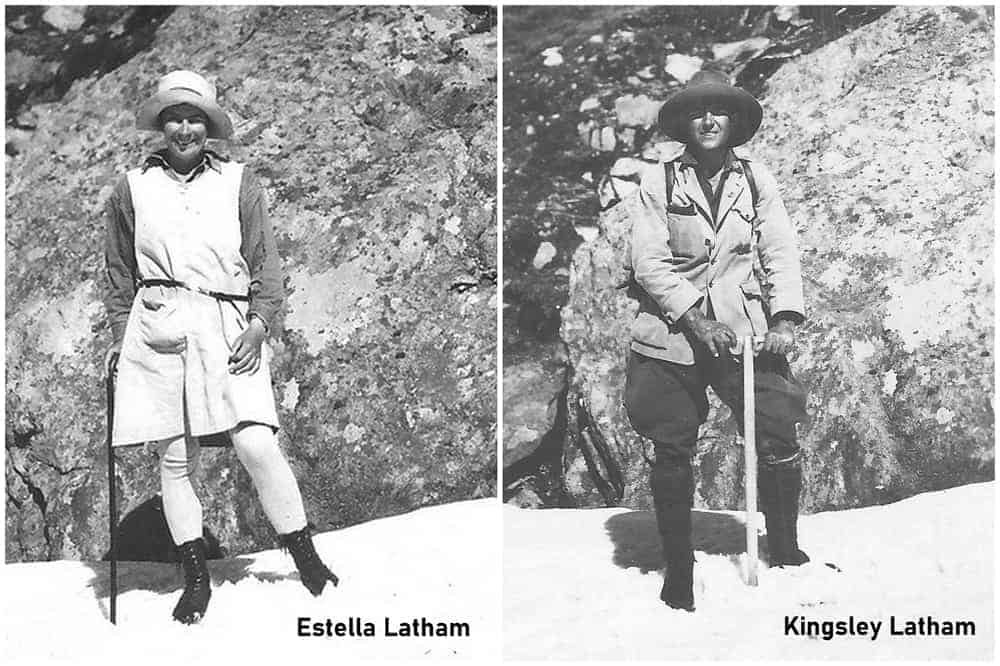
 
Trekkers posing at the Uhuru Peak summit sign on Mount Kilimanjaro, marking Africa’s highest point at 5,895 meters.
Trekkers celebrate reaching Uhuru Peak, the highest point in Africa. The sign marks 5,895 meters above sea level — a powerful moment for every Kilimanjaro climber.

Table of Contents

What Does “Uhuru” Mean?

“Uhuru” is a Swahili word that means freedom or independence. It’s one of the most powerful and unifying words in East Africa, especially in the context of post-colonial history.
When Tanganyika ,now part of modern-day Tanzania , gained independence from British rule on December 9, 1961, it marked a major milestone in the African liberation movement. In honor of that moment, the highest point on Mount Kilimanjaro was renamed Uhuru Peak.Before this, the summit had a different colonial-era name.

Uhuru Peak: A Symbol of National Pride

Renaming the summit wasn’t just symbolic. It made Kilimanjaro an emblem of a free and united Tanzania. Here’s why:
  • Kilimanjaro, already a towering natural landmark, became a national monument of independence.
  • The name Uhuru Peak reflects the collective spirit of Tanzanians rising above colonial history.
  • It serves as a message of hope and empowerment to both citizens and international climbers.
  • Climbing to Uhuru Peak is not only a physical achievement — it’s a journey through history.Many climbers underestimate how demanding the journey can be.

Where Is Uhuru Peak on Mount Kilimanjaro?

Uhuru Peak is located on the crater rim of Kibo,Kilimanjaro is made up of three volcanic cones — Kibo, Mawenzi, and Shira.one of Kilimanjaro’s three volcanic cones. It is the final and highest point that climbers reach after passing important waypoints such as:
All major Kilimanjaro routes including the Lemosho,Machame,Marangu,Umbwe,Shira,Northern circuit and Rongai routes ,Each route offers a different experience , compare all Kilimanjaro routes to choose the best one. ultimately lead to this same iconic summit sign:
“Congratulations! You are now at Uhuru Peak, Tanzania, 5,895 m. Africa’s highest point. World’s highest free-standing mountain.”

Did You Know?

  • Before independence, the summit didn’t have an official name.
  • The name “Uhuru” was chosen to inspire unity among Tanzanians and other African nations seeking liberation.
  • December 9th — Tanzania’s Independence Day — is still celebrated with pride, and for many climbers, reaching Uhuru Peak on that day is especially meaningful.
Uhuru Peak sign at the summit of Mount Kilimanjaro showing elevation and independence-related messages.
Since 1964, the summit of Kilimanjaro has been officially known as Uhuru Peak — a name symbolizing Tanzanian freedom. During colonial times, it was called Kaiser Wilhelm Spitze by Europeans, until it was renamed following Tanganyika’s independence in 1961.

More Than a Summit

Today, Uhuru Peak stands as a place where natural beauty and cultural heritage meet. It’s where trekkers from around the world are welcomed by the legacy of a nation that claimed its freedom and stood tall.When you stand at Uhuru Peak, you’re not just on top of Africa , you’re standing on a summit named for freedom, shaped by history, and fueled by the determination of those who made it possible.
 
Proper preparation, route choice, and acclimatization all play a key role in reaching Uhuru Peak successfully.
Group of trekkers celebrating together at Uhuru Peak, the summit of Mount Kilimanjaro
Tourists celebrate their successful summit at Uhuru Peak alongside our expert KILI QUESTS guides, proudly raising the flag at Africa’s highest point.

Frequently Asked Questions About Uhuru Peak

What is Uhuru Peak?

Uhuru Peak is the highest point on Mount Kilimanjaro, standing at 5,895 meters (19,341 feet) above sea level. It is also the highest point in Africa and one of the world’s most famous trekking summits.

What does the name Uhuru Peak mean?

The word “Uhuru” means freedom or independence in Swahili. The summit was named Uhuru Peak to celebrate Tanzania’s independence and symbolize national pride.

When was Uhuru Peak named?

Uhuru Peak was officially named after Tanganyika gained independence on December 9, 1961. The new name replaced the colonial-era name used during earlier expeditions.

Where is Uhuru Peak located?

Uhuru Peak sits on the crater rim of Kibo, the highest volcanic cone of Mount Kilimanjaro.

Do all Kilimanjaro routes lead to Uhuru Peak?

Yes. All major climbing routes on Mount Kilimanjaro eventually lead to Uhuru Peak, including the Machame Route, Lemosho Route, Marangu Route, and other established routes.

How long does it take to reach Uhuru Peak?

Most climbers reach Uhuru Peak after 5–9 days of trekking, depending on the route and itinerary chosen.

Plan Your Journey with Kili Quests

Is Kilimanjaro one of the world’s wonders? Learn what makes it globally iconic — from UNESCO status to its place among the Seven Natural Wonders.
 

Related Articles

How to Stay Clean on Mount Kilimanjaro: Showers & Hygiene

Stay Clean & Comfortable on Kilimanjaro

 A well-supported climb makes all the difference — from hygiene to overall comfort on the mountain.

Plan Your Kilimanjaro Climb the Right Way

Hygiene is just one part of the journey , your route, acclimatization, and preparation matter even more.

OUR CATEGORIES

Hygiene on Mount Kilimanjaro: Showers, Water, and Staying Fresh While Trekking

Maintaining hygiene on Mount Kilimanjaro is not just about comfort , it directly affects your health, energy levels, and overall success on the mountain. Over several days of trekking through rainforest, alpine desert, and freezing summit conditions, your body is constantly exposed to sweat, dust, and changing temperatures.Many climbers focus only on fitness and forget that daily habits like staying clean, dry, and hydrated can make a huge difference in how their body performs at altitude. In fact, poor hygiene can lead to skin irritation, blisters, and infections that slowly reduce your strength over time.
 
The good news is that with the right approach, you can stay fresh and comfortable throughout your trek , even without daily showers, especially if you plan your climb carefully by comparing the best Kilimanjaro routes and choosing one that allows proper acclimatization and recovery.In this guide, we explain exactly how hygiene works on Kilimanjaro, what to expect, and how to manage it properly from day one to summit night.
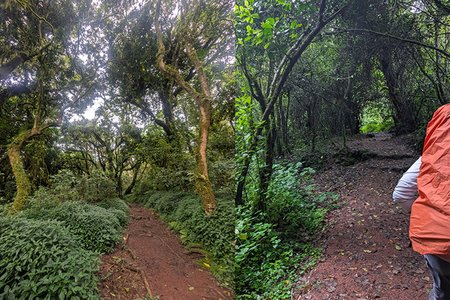
Smiles and strength at Baranco Camp — halfway to Uhuru Peak.

Table of Contents

Showers on Kilimanjaro: What You Can Expect

Most standard Kilimanjaro climbs do not include showers, and you should expect to go several days without a full wash. This is simply part of trekking in a remote environment where everything must be carried by porters and camps are set up temporarily.However, your experience depends on the level of service you choose.

Premier Package Showers (Luxury Option)

With Kili Quests’ Premier Package, climbers have access to private shower tents at selected camps. Your support team prepares warm water and sets up a clean and controlled space where you can rinse off after a long day on the trail.

This becomes especially valuable on longer routes like Lemosho or Northern Circuit, which are known for better acclimatization and higher summit success when you compare Kilimanjaro routes before booking your trek.

Why Showers Are Limited on Kilimanjaro

There are no permanent shower facilities on the mountain because camps are temporary, water must be sourced from streams, and environmental regulations limit infrastructure development.
Because of this, most trekkers rely on simple and effective daily cleaning routines rather than expecting traditional showers.

How to Stay Clean Without Showers

Going without showers may seem challenging at first, but once you understand the routine, it becomes part of the Kilimanjaro experience.

Daily Cleaning Routine (What Actually Works)

At camp, your guides and porters will provide a bowl of warm water in the morning and evening. This is used for washing your face, hands, neck, and underarms , the areas where sweat and bacteria build up most.
 
These small routines are enough to keep you clean and prevent discomfort over multiple days of trekking.

Hygiene Essentials That Make a Big Difference

Your hygiene kit plays a critical role in your comfort. Wet wipes are the most important item, allowing you to clean your body after long hiking days. A small quick-dry towel, biodegradable soap, and dry shampoo or body powder also help maintain freshness.
 
Preparing your gear properly before the climb is essential, and using a complete Kilimanjaro packing list ensures you don’t forget key hygiene items that you will rely on every day of the trek.
 

Water on Kilimanjaro: Hydration and Hygiene

Water is one of the most important resources on Kilimanjaro. It is carefully managed by your guides and plays a major role in both hydration and hygiene.
 

Where Water Comes From

Your team collects water from mountain streams and treats it using boiling, filtration, or purification tablets. This ensures the water is safe for drinking and basic cleaning, even at higher altitudes.

How Much Water You Should Drink

You should aim to drink at least 3–4 liters of water per day. Proper hydration helps your body adjust to altitude and reduces the risk of sickness.Many symptoms of dehydration are closely linked to altitude-related issues, which is why understanding altitude sickness on Kilimanjaro is an important part of your preparation before the climb.

Water for Hygiene (Use Wisely)

Water is limited, especially at higher camps, so it must be used carefully. Most climbers combine small amounts of water with wet wipes to stay clean without wasting resources.Managing water properly becomes more important as you go higher, where the environment becomes colder and more physically demanding.
Light rain falls as one of our trekkers arrives at Shira Cave — embracing every part of the mountain’s mood.

Staying Fresh & Comfortable on the Trail

Hygiene on Kilimanjaro is built on small daily habits. What you do every day has a bigger impact than any single action.

Clothing Strategy

After a full day of hiking, your clothes will be damp with sweat. Changing into dry clothing at camp helps regulate your body temperature and prevents skin irritation.Moisture-wicking fabrics are highly recommended, and many climbers keep one clean set of clothes only for evenings and sleeping.

Foot Care (Very Important)

Your feet carry you to the summit, and poor hygiene can quickly lead to blisters or infections that can stop your climb.Changing socks daily, airing your feet at camp, and using foot powder helps prevent problems. Foot issues are one of the most common reasons climbers struggle, and they are often underestimated when people think about how hard Kilimanjaro really is.

Simple Freshness Tips

Using deodorant, carrying mints or gum, and keeping your hygiene kit easily accessible in your daypack can improve your comfort throughout the trek.These small details help maintain morale, especially during long days and challenging sections of the climb.

Toilets on Kilimanjaro

Toilet conditions are one of the most common concerns for climbers and something many people are not fully prepared for.

Public Toilets

Public toilets are available at most camps, but they are basic and their cleanliness varies depending on how many people are using them.For many climbers, this is one of the biggest adjustments during the trek.

Private Toilet Tents (Recommended)

For a more comfortable experience, many climbers choose a private portable toilet. Kili Quests provides clean, enclosed toilet tents that offer better hygiene and privacy.
This becomes especially valuable on longer treks, where maintaining cleanliness over multiple days becomes more difficult, and highlights why planning your climb properly , including route choice and support level ,is just as important as physical preparation.
Portable toilet tent setup on Mount Kilimanjaro with private enclosure and toilet box for trekkers
Private Toilet Tent – Clean and discreet portable toilet setup used on Kilimanjaro treks.

Respecting the Environment: Clean Trekking Practices

Mount Kilimanjaro is a protected environment, and every climber has a responsibility to keep it clean.Using biodegradable products, disposing of waste properly, and respecting water sources are essential practices on the mountain. Nothing should be left behind, and all waste must be managed responsibly.
 
Your support crew plays a major role in maintaining camp cleanliness and handling waste throughout the trek. Their work is essential to your experience, which is why tipping is an important part of the climb, as explained in the Kilimanjaro tipping guide.

Frequently Asked Questions About Hygiene on Kilimanjaro

Are there showers on Mount Kilimanjaro?

Showers are generally not available on standard trekking routes on Mount Kilimanjaro. However, some premium trekking packages offer portable shower tents with warm water at selected camps. Most trekkers rely on hygiene wipes, sponge baths, and fresh clothing to stay clean during the climb.

How do trekkers stay clean while climbing Kilimanjaro?

Trekkers usually stay clean by using wet wipes, small wash basins, and quick-dry towels  . Changing into clean clothes each evening and maintaining good foot care are also important ways to stay comfortable during the multi-day trek.

Is the water on Kilimanjaro safe for washing and drinking?

Yes. Trekking crews collect water from mountain streams and purify it using filtration systems, boiling, or purification tablets. This treated water is safe for drinking and basic hygiene while trekking on Kilimanjaro.

Are there toilets on Mount Kilimanjaro?

Yes. Public toilets are located at most official campsites within Kilimanjaro National Park. Some trekking companies also provide private portable toilet tents Including us, which offer a cleaner and more comfortable option during the trek.

What hygiene items should you pack for a Kilimanjaro climb?

Important hygiene items include wet wipes, biodegradable soap, a small quick-dry towel, toothbrush and toothpaste, deodorant, foot powder, and extra socks. These essentials help trekkers stay fresh and comfortable during the several days spent on the mountain.

Why is hygiene important when trekking Kilimanjaro?

Good hygiene helps prevent illness, skin irritation, and infections during a long trek at high altitude. Staying clean, washing hands regularly, and keeping gear dry can improve comfort and support overall health throughout the climb.

Ready to Trek Kilimanjaro with Comfort?

If you value comfort and cleanliness, choose Kili Quests’ Premier Package for access to hot showers, private toilets, and expert mountain support.
 
Contact us today to book your trek and upgrade your Kilimanjaro experience

Related Articles