Wildlife on Mount Kilimanjaro: Animals & Plants Guide

Experience Kilimanjaro’s Ecosystems

Every step on the mountain reveals a new environment.

Plan Your Kilimanjaro Climb

The right route and timing help you experience every zone fully.

OUR CATEGORIES

 Flora and Fauna on Mount Kilimanjaro: What You’ll See on the Mountain

A Mountain of Changing Ecosystems

 Mount Kilimanjaro is not just Africa’s highest peak , it is one of the most ecologically diverse mountains in the world. As you climb from the base to the summit, you pass through multiple climate zones, each with its own plant life, wildlife, and environmental conditions.This rapid change happens because of altitude. Temperature drops, rainfall patterns shift, and oxygen levels decrease as you ascend. As a result, Kilimanjaro feels like several different worlds stacked on top of each other.

To understand the mountain better, start with our Mount Kilimanjaro overview.

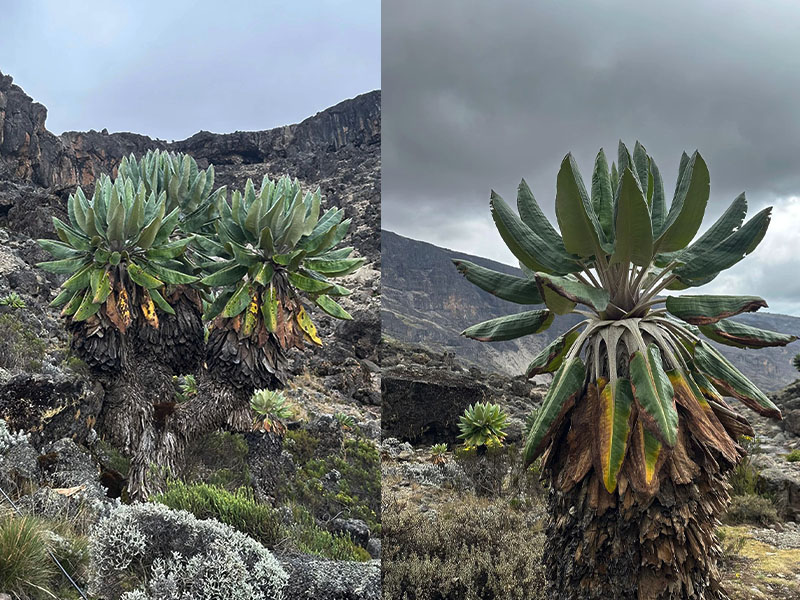
Giant groundsels in the alpine desert zone of Mount Kilimanjaro | Kili Quests
Surreal and beautiful — giant groundsels thrive in Kilimanjaro’s alpine desert.

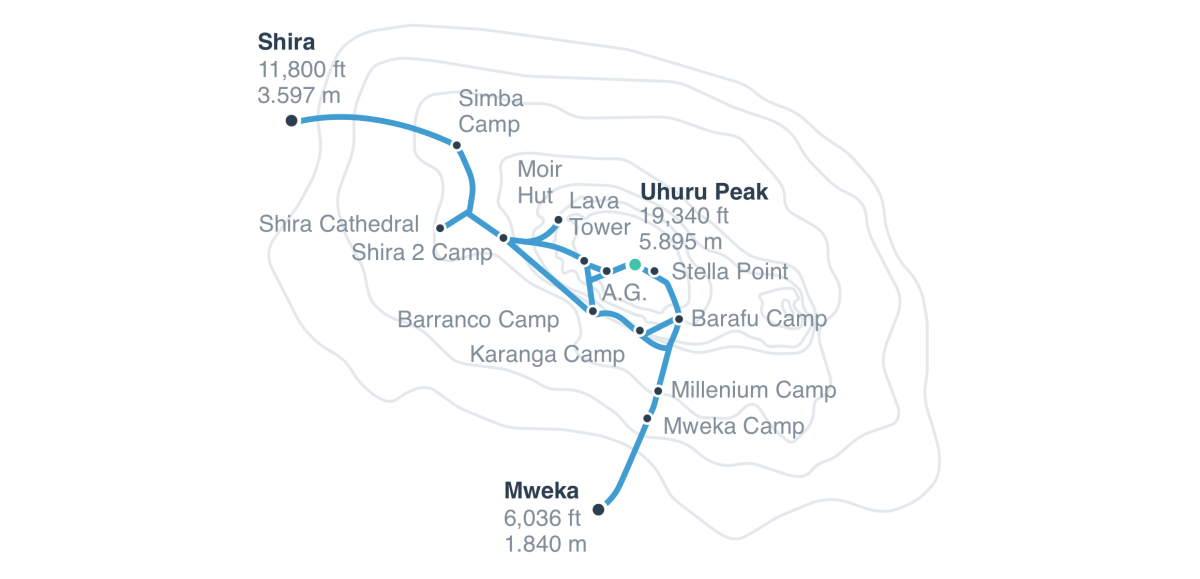
Kilimanjaro Ecological Zones Overview

Kilimanjaro is divided into five main ecological zones, each shaped by elevation, temperature, and moisture levels. These zones are not just labels , they define what you see, feel, and experience during your climb.

Cultivation Zone (800–1,800 m)

At the base of the mountain, life is shaped by human activity. This zone is home to farms, villages, and fertile volcanic soil that supports agriculture.Banana trees, coffee plants, maize, and beans dominate the landscape, reflecting the deep connection between local communities and the mountain. The Chagga people, who have lived here for generations, rely on this land for their livelihoods.Wildlife here is limited compared to higher zones, but you will see birds, insects, and domesticated animals.
This zone matters because it represents the cultural foundation of Kilimanjaro , where your journey begins not just physically, but socially.

Rainforest Zone (1,800–2,800 m)

As you gain altitude, the landscape changes dramatically. The air becomes humid, the temperature drops slightly, and dense forest begins to surround you.The rainforest is the richest ecological zone on Kilimanjaro. Tall trees such as camphor and fig create a thick canopy, while moss, ferns, and epiphytes cover branches and trunks. This layered vegetation traps moisture, creating ideal conditions for life.
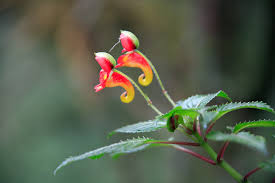
This is where most wildlife is found. You may see black-and-white colobus monkeys moving through the trees, hear birds calling overhead, or spot small antelopes hidden in the undergrowth.Guides often point out unique plants like Impatiens kilimanjari, a flower found only on Kilimanjaro.
 
Wildlife sightings are best during the right season see our best time to climb Kilimanjaro guide.
 
This zone is important not just for biodiversity, but also for acclimatization. The gradual start helps your body adjust before higher altitudes.
Impatien kilimanjarica flower blooming on Mount Kilimanjaro | Kili Quests
Impatiens kilimanjarica -Delicate beauty — this bright flower grows only on Kilimanjaro.
Kilimanjaro White-eye bird perched on a branch in the mountain forest | Kili Quests
A rare gem of the mountain — the Kilimanjaro White-eye is found nowhere else on Earth.

Moorland Zone (2,800–4,000 m)

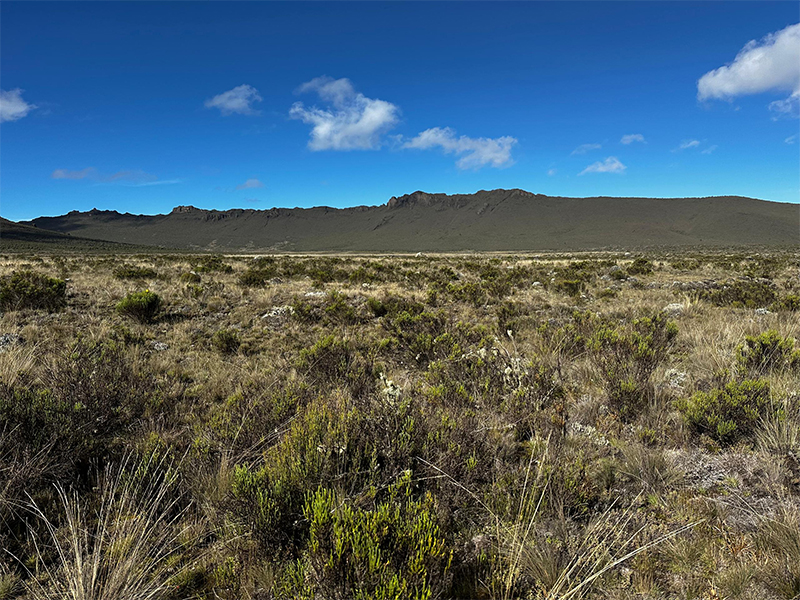
As the forest fades, the landscape opens into a wide, dramatic environment known as the moorland. Trees disappear, replaced by shrubs, grasses, and some of the most unusual plants on the mountain.
Here you will find giant lobelias and groundsels , plants that have adapted to extreme temperature changes. During the day, they store heat, and at night, they protect themselves from freezing conditions.
The environment feels quieter and more exposed, with fewer animals but more striking views. Birds like sunbirds and ravens are still present, and small mammals may be seen occasionally.
 
Nights become colder here , see our Kilimanjaro night temperature guide.
 
This zone is where many climbers begin to truly feel the altitude, making it both physically and visually significant.
Protea kilimandscharica flowering shrub in the heath zone of Mount Kilimanjaro | Kili Quests
Protea kilimandscharica is a hardy flowering shrub found in Kilimanjaro’s high-altitude Moorland zone showcasing nature’s resilience and beauty.
Lobelia deckenii growing in the moorland zone of Mount Kilimanjaro | Kili Quests
Lobelia deckenii is a giant rosette plant adapted to Kilimanjaro’s moorland, storing water to survive freezing temperatures and harsh winds.

Alpine Desert Zone (4,000–5,000 m)

Above the moorland, the environment becomes harsh and minimal. The alpine desert is cold, dry, and windy, with intense sunlight during the day and freezing temperatures at night.
Vegetation is sparse. Only small grasses, lichens, and hardy alpine plants survive here. Wildlife is rare, though you may still see white-necked ravens flying above or near camps.
The lack of life is not a sign of emptiness , it is a reflection of how extreme conditions shape survival.
This zone challenges both the environment and the climber, making preparation essential.
Everlasting flower, blooming near Kilimanjaro’s summit | Kili Quests
Timeless beauty — the Everlasting flower blooms near the summit, undisturbed by frost and wind.
White-necked Raven gliding above the slopes of Mount Kilimanjaro | Kili Quests
A clever companion — White-necked Ravens often soar alongside trekkers in the high zones.

Arctic Summit Zone (5,000–5,895 m)

At the highest point, life almost disappears entirely. The summit zone is defined by glaciers, ice, and thin air.There are no plants, and only rare microorganisms may survive in sheltered areas. Occasionally, a bird may pass through, but this environment is largely lifeless.Reaching this zone feels otherworldly  a complete contrast to the lush rainforest below.This final stage represents the extreme end of Kilimanjaro’s ecological range.

Why Kilimanjaro Has So Many Ecosystems

Kilimanjaro’s diversity is driven by altitude.As you climb, temperature drops by roughly 6°C for every 1,000 meters. Rainfall is highest in the forest zone and decreases as you ascend. These changes create completely different environments within a short distance.This is what makes Kilimanjaro unique , few places in the world allow you to experience so many ecosystems in a single trek.
 
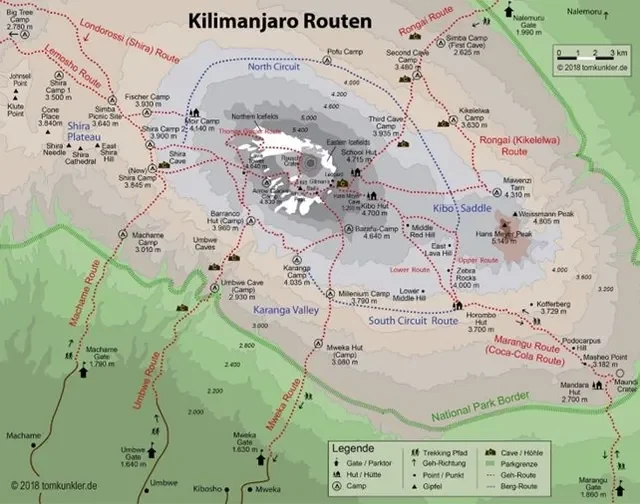
Your route determines how you experience these zones , explore our Kilimanjaro routes guide.

Rare and Endemic Species on Kilimanjaro

Some plants and animals found on Kilimanjaro exist nowhere else:
  • Dendrosenecio kilimanjari (giant groundsel)
  • Lobelia deckenii
  • Impatiens kilimanjari
  • Kilimanjaro white-eye bird
These species have adapted to survive extreme conditions, making them an important part of the mountain’s identity.
Kniphofia thomsonii, the Red Hot Poker flower, growing on Mount Kilimanjaro | Kili Quests
A burst of fire in the mist — Red Hot Poker adds striking color to Kilimanjaro’s slopes.
Camphor wood tree (Ocotea usambarensis) in the lower montane rainforest of Mount Kilimanjaro | Kili Quests
Towering with a quiet scent — camphor wood trees stand tall in Kilimanjaro’s misty rainforest.

Conservation and Climate Concerns

Kilimanjaro’s glaciers are shrinking, and climate change is already affecting vegetation patterns. Some plant species are shifting higher up the mountain, while others struggle to survive.
This makes responsible trekking more important than ever.
How Trekkers Can Help
  • Stay on designated trails
  • Avoid littering
  • Support ethical operators
  • Respect wildlife and plant life
Every visitor plays a role in protecting this ecosystem.
Various wildflowers growing across the natural zones of Mount Kilimanjaro | Kili Quests
From forest to summit, Kilimanjaro’s slopes are home to countless wildflowers — each adding color to the journey.
Wild daisy flower growing in the heath zone of Mount Kilimanjaro | Kili Quests
Simple and radiant — wild daisies bring charm to Kilimanjaro’s open slopes.

Tips for Wildlife and Plant Spotting

  • Be quiet in the rainforest for better sightings
  • Use binoculars in the moorland
  • Ask your guide — local knowledge is key
  • Avoid touching plants or disturbing animals
Your experience improves when you slow down and observe.
Tall Podocarpus tree in the lush montane forest of Mount Kilimanjaro | Kili Quests
Ancient and evergreen — Podocarpus trees guard the quiet paths of Kilimanjaro’s rainforest.
Cyathea tree fern unfolding in the lush rainforest of Mount Kilimanjaro | Kili Quests
Prehistoric elegance — tree ferns like Cyathea thrive in Kilimanjaro’s misty lower forests.

Frequently Asked Questions About Kilimanjaro’s Flora and Fauna

What animals live on Mount Kilimanjaro?

Several animals live on Mount Kilimanjaro, especially in the rainforest and moorland zones. These include Blue Monkey, black-and-white colobus monkeys, bushbucks, duikers, and many bird species such as hornbills and sunbirds.

What plants are unique to Mount Kilimanjaro?

Some plants found on Mount Kilimanjaro are rare or endemic, meaning they grow naturally only in this region. Examples include Dendrosenecio kilimanjari, Lobelia deckenii, and Impatiens kilimanjari.

Which zone on Kilimanjaro has the most wildlife?

The rainforest zone of Mount Kilimanjaro contains the richest biodiversity. This area has dense vegetation, abundant rainfall, and ideal conditions for animals, birds, insects, and plant species.
 

Are there animals near the summit of Kilimanjaro?

Very few animals live near the summit of Mount Kilimanjaro because of extreme cold and low oxygen. However, birds such as the White-necked Raven are sometimes seen flying near the higher camps and summit areas.

Can climbers see wildlife during a Kilimanjaro trek?

Yes. Many climbers see wildlife during the early days of their trek through the rainforest and moorland zones of Mount Kilimanjaro. Monkeys, birds, and unique alpine plants are common sights along several routes.

Why are Kilimanjaro’s plants so unusual?

Plants on Mount Kilimanjaro have adapted to extreme temperature changes. For example, giant lobelias and groundsels store water and protect themselves from freezing temperatures during cold nights.

Experience the Mountain Beyond the Climb

Kilimanjaro is more than a climb ,it is a journey through changing ecosystems.From fertile farmland to icy summit, every step reveals something new about nature and adaptation.
At Kili Quests, we help you experience the mountain fully , not just reach the top.
 
 Contact us to start planning your Kilimanjaro adventure.

Related Articles

Altitude Sickness on Kilimanjaro: Symptoms & Causes

Climb Kilimanjaro Safely

Altitude is the biggest challenge on Kilimanjaro — but with the right preparation and expert guidance, you can reach the summit safely and confidently.

Choose Your Route

OUR CATEGORIES

Altitude Sickness on Kilimanjaro: What You Need to Know

Mount Kilimanjaro rises to 5,895 meters (19,341 ft)  a height where oxygen levels drop by nearly 50% compared to sea level. While the climb doesn’t require technical skills, the biggest challenge for most trekkers is altitude sickness.In this guide, we’ll explain what altitude sickness is, how it affects climbers on Kilimanjaro, and how to reduce your risk through smart choices and preparation.
 
Many climbers underestimate how serious altitude can be, which is why understanding how to acclimatize on Kilimanjaro is essential before starting your trek.
Tourists trekking on Mount Kilimanjaro at high altitude with guides | Kili Quests
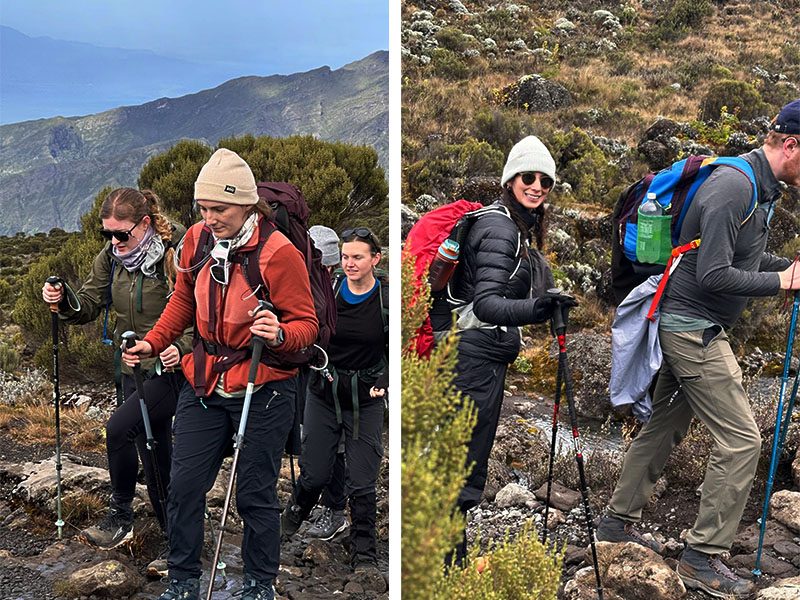
Step by step — staying hydrated, steady, and supported helps you adapt as altitude increases.

Table of Contents

What Is Altitude Sickness?

Altitude sickness, also known as Acute Mountain Sickness (AMS), is the body’s natural response to reduced oxygen levels at high elevation. As you climb higher on Mount Kilimanjaro, the air becomes thinner, meaning your body receives less oxygen with each breath.This change can affect anyone  regardless of age, fitness level, or previous hiking experience. Even strong, athletic climbers can experience altitude sickness if they ascend too quickly or do not acclimatize properly.Altitude sickness exists in three main forms, each with increasing severity:
 
Proper acclimatization is the key to prevention, and you can learn more in our detailed guide on Kilimanjaro acclimatization strategies.

Acute Mountain Sickness (AMS)

This is the most common and mildest form of altitude sickness. Many climbers experience some level of AMS during their trek.
Typical symptoms include:
  • Headache
  • Nausea or vomiting
  • Fatigue or weakness
  • Dizziness
  • Loss of appetite
  • Difficulty sleeping
While AMS is usually manageable, it should never be ignored. Early symptoms are your body’s warning signs that you need to slow down and allow more time to adjust.
 

High Altitude Pulmonary Edema (HAPE)

HAPE is a serious and potentially life-threatening condition caused by fluid buildup in the lungs. It can develop if altitude sickness is not properly managed.
Symptoms may include:
  • Shortness of breath, even at rest
  • Persistent cough (sometimes with fluid)
  • Tightness in the chest
  • Extreme fatigue
HAPE requires immediate descent and medical attention. It is one of the most dangerous altitude-related conditions on the mountain.

High Altitude Cerebral Edema (HACE)

HACE is the most severe form of altitude sickness and involves swelling of the brain due to lack of oxygen.
Symptoms may include:
  • Severe headache
  • Confusion or disorientation
  • Difficulty walking in a straight line (ataxia)
  • Slurred speech
  • Loss of coordination
HACE is a medical emergency. Immediate descent is critical, and delays can be life-threatening.

Why Does Altitude Sickness Happen on Kilimanjaro?

One of the main reasons altitude sickness is common on Kilimanjaro is the speed of the ascent.Within just a few days, climbers go from below 2,000 meters to nearly 6,000 meters. This rapid gain in elevation does not give the body enough time to adapt naturally to lower oxygen levels.At high altitude, your body must work harder to function. Your breathing rate increases, your heart works harder, and your body begins adjusting its oxygen use. Without enough time to adapt, symptoms of altitude sickness can develop.
Several factors can increase your risk:
  • Climbing too quickly without proper acclimatization
  • Not drinking enough water
  • Skipping rest or acclimatization days
  • Ignoring early warning signs
  • Poor pacing during the climb

Understanding these factors helps you make better decisions and reduce your risk.

Choosing the right itinerary plays a major role, as explained in our Kilimanjaro routes comparison guide, where different routes offer different acclimatization profiles.

Common Symptoms to Watch For

Recognizing symptoms early is one of the most important parts of staying safe on Kilimanjaro.

Early Symptoms of AMS

Early symptoms are usually mild but should be taken seriously. These include:
  • Headache
  • Nausea or vomiting
  • Loss of appetite
  • Dizziness
  • Fatigue or unusual weakness
  • Poor or disturbed sleep
These symptoms often appear as you gain altitude and may improve with rest, hydration, and proper pacing.

Severe Symptoms (HAPE and HACE)

More serious symptoms indicate a dangerous level of altitude sickness and require immediate action.
These may include:
  • Shortness of breath even while resting
  • Persistent cough or chest tightness
  • Difficulty walking in a straight line (ataxia)
  • Confusion or unusual behavior
  • Slurred speech
If these symptoms appear or worsen, the only safe and effective treatment is immediate descent to a lower altitude.

Who Is Most at Risk of Altitude Sickness?

Altitude sickness does not discriminate. It can affect anyone, including experienced hikers and physically fit individuals.However, certain factors can increase your risk:
  • Having no previous experience above 3,000 meters
  • Ascending too quickly without enough acclimatization
  • Poor hydration during the climb
  • Ignoring early symptoms and continuing to ascend
It is important to understand that fitness alone does not protect you from altitude sickness. The key to prevention is proper pacing, acclimatization, and listening to your body.

How to Prevent Altitude Sickness on Kilimanjaro

Preventing altitude sickness on Kilimanjaro is not about luck  it’s about preparation, pacing, and making the right decisions before and during your climb. The mountain is high enough to affect everyone, regardless of fitness level, so understanding how to manage altitude is essential if you want to reach Uhuru Peak safely.

Choose the Right Route for Better Acclimatization

One of the most important decisions you make before your climb is selecting the right route. Longer routes allow your body more time to adjust to altitude, which significantly improves your chances of success.Routes like Lemosho, Northern Circuit, and the 7-day Machame itinerary are designed with acclimatization in mind. They include gradual altitude gain and extra days that give your body time to adapt.Shorter routes may seem attractive because they cost less and take less time, but they often push climbers too quickly to high altitude. This increases the risk of altitude sickness and reduces the likelihood of reaching the summit.
 
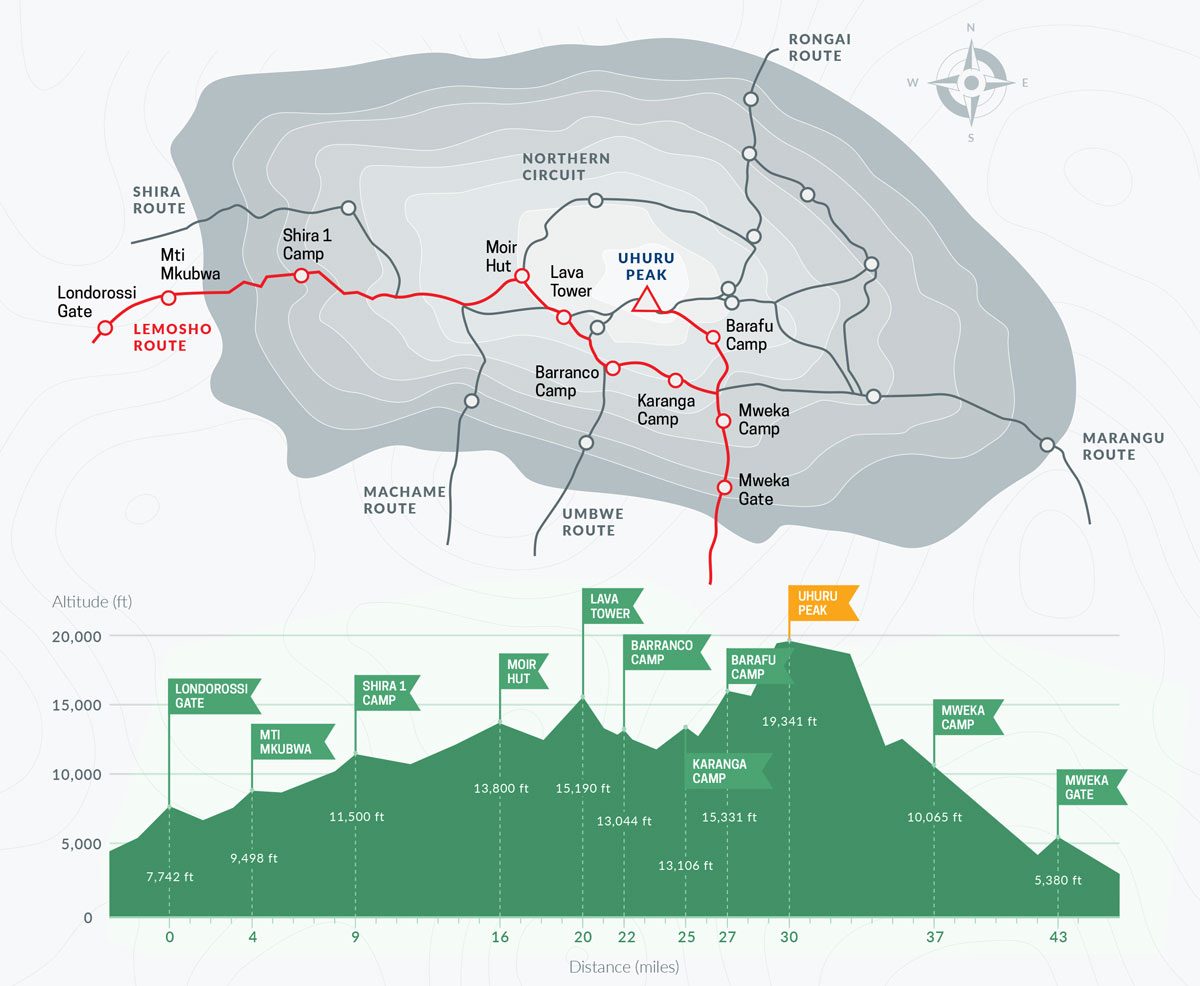
Routes like Lemosho and Northern Circuit are known for their strong acclimatization profiles — see our full Lemosho Route guide for a detailed breakdown.

Follow the “Climb High, Sleep Low” Principle

A key strategy used on Kilimanjaro is the “climb high, sleep low” approach. This means you hike to a higher altitude during the day, then descend slightly to sleep at a lower elevation.This process encourages your body to adapt more efficiently to the reduced oxygen levels. Over several days, your body becomes better at using oxygen, which helps reduce symptoms of altitude sickness.Routes that include this natural altitude variation give you a clear advantage compared to routes with a direct ascent.

Walk Slowly — “Pole Pole”

On Kilimanjaro, speed is not your friend. The most successful climbers are not the fastest  they are the most consistent.Guides will constantly remind you to walk “pole pole,” meaning slowly. This steady pace reduces strain on your body, helps regulate your breathing, and allows your body to adapt to altitude more effectively.Many climbers who feel strong at the beginning make the mistake of walking too fast, only to struggle later as the altitude increases. Maintaining a slow and controlled pace from the start is one of the most effective ways to prevent altitude sickness.
 
Physical preparation can also support your performance, and following a structured Kilimanjaro training plan helps you manage long trekking days.

Stay Hydrated Throughout the Climb

Hydration plays a critical role in how your body responds to altitude. As you climb higher, your body loses fluids more quickly, and dehydration can make altitude symptoms worse.Climbers are encouraged to drink around 3 to 4 liters of water per day, even if they do not feel thirsty. Drinking regularly helps maintain blood circulation and supports oxygen delivery throughout the body.A simple way to monitor hydration is to check the color of your urine , lighter color usually indicates better hydration.
 
Proper preparation includes having the right gear, so make sure you check our Kilimanjaro packing list before your climb.
 

Eat Regularly to Maintain Energy

At high altitude, it is common to lose your appetite. However, your body still needs energy to function and adapt.Eating regular meals, even when you don’t feel hungry, is essential. Food provides the energy your body needs to cope with altitude stress and maintain strength during long trekking days.Carbohydrate-rich meals are especially important, as they are easier to digest and provide quick energy at high altitude.

Consider Medication if Necessary

Some climbers choose to use medication such as Diamox (acetazolamide) to help prevent altitude sickness. This medication works by improving breathing and helping the body acclimatize more efficiently.It is not mandatory, and many climbers reach the summit without it. However, it can be helpful, especially for those who are concerned about altitude.Always consult a doctor before your trip to understand whether this option is suitable for you and how to use it properly.
 
Timing also matters, and understanding the best time to climb Kilimanjaro can help you avoid extreme conditions.

What to Do If You Experience Altitude Sickness Symptoms

Even with good preparation, some climbers may experience mild symptoms of altitude sickness. The key is to respond quickly and appropriately.

If Symptoms Are Mild

Mild symptoms may include headaches, slight dizziness, or fatigue. These are common and do not necessarily mean you need to stop your climb.
In this situation, you should:
  • Inform your guide immediately
  • Rest and allow your body to recover
  • Drink more water
  • Take medication if recommended
  • Adjust your pace or shorten the next day’s hike

Early communication with your guide is critical, as they can monitor your condition and decide the best course of action.

If Symptoms Become Severe
If symptoms worsen  such as intense headaches, nausea, confusion, or difficulty breathing  immediate action is required.The only effective treatment for serious altitude sickness is descent.Descending to a lower altitude allows your body to recover and prevents the condition from becoming life-threatening. This is why experienced guides closely monitor climbers and make safety decisions when necessary.
Happy tourist walking along a high-altitude trail on Kilimanjaro with a smile and trekking gear | Kili Quests
High spirits at high altitude — staying positive, prepared, and well-guided makes all the difference.

The Role of Professional Guides in Altitude Safety
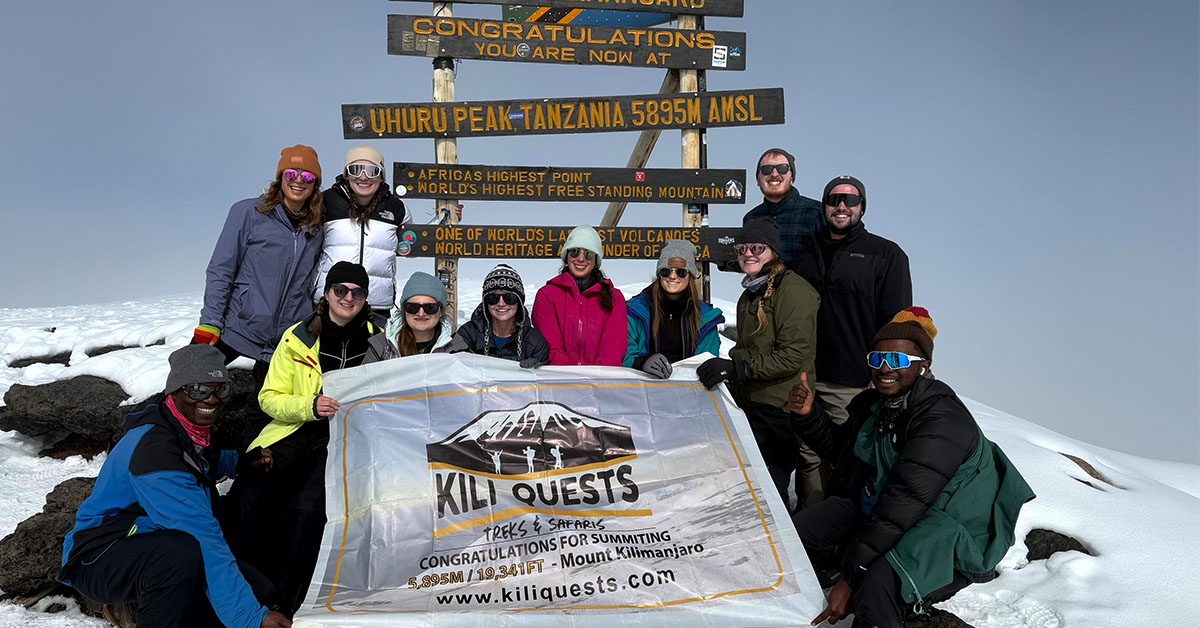
Climbing Kilimanjaro with experienced guides is one of the most important safety factors on the mountain.At Kili Quests, your safety is always the top priority. Our guides are trained in high-altitude safety and emergency response, including Wilderness First Responder (WFR) certification.Throughout the climb, guides conduct regular health checks, monitoring your oxygen levels and overall condition.
 
They are trained to recognize early signs of altitude sickness and take action before the situation becomes serious.This may include adjusting your pace, recommending rest, or organizing a descent if necessary. Having a knowledgeable and experienced team around you makes a significant difference in both safety and success.
 
Choosing a professional operator is just as important as preparation, which is why many climbers explore our Kilimanjaro climbing packages for a complete guided experience.

Best Kilimanjaro Routes for Acclimatization

If altitude is your main concern, choosing the right route can make a huge difference.

Lemosho Route (7–8 Days)

The Lemosho Route offers one of the best acclimatization profiles on Kilimanjaro. Its longer duration and gradual ascent give your body time to adjust while also providing diverse and scenic landscapes.

Northern Circuit (8–9 Days)

The Northern Circuit is the longest route on the mountain and provides the highest success rates. With more days at altitude, your body has the best chance to adapt, making it ideal for those focused on safety and summit success.

Machame Route (7 Days)

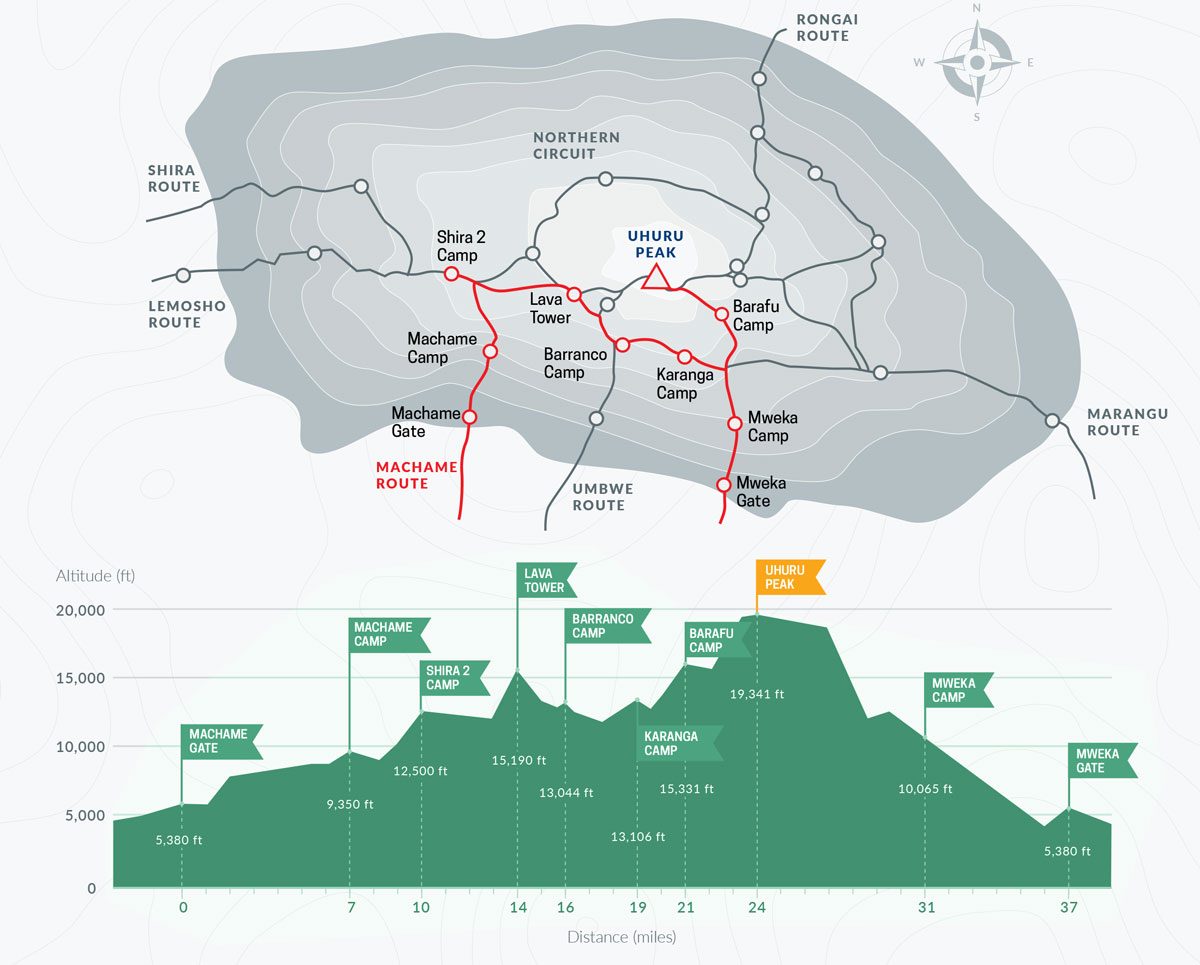
The Machame Route is a popular choice that combines good acclimatization with a manageable duration. When done over 7 days, it offers a strong balance between challenge and success.

Routes to Avoid for Acclimatization

Shorter routes such as the 5-day Marangu itinerary provide limited time for acclimatization and are generally not recommended for most climbers.
 
If you’re still deciding, our Kilimanjaro routes comparison guide explains which route fits your experience and goals best.
 
Group of trekkers celebrating together at Uhuru Peak, the summit of Mount Kilimanjaro
With the right pace and preparation, reaching the summit is not just possible — it’s unforgettable.

How to Prepare for Altitude Before Your Climb

Preparation does not start on the mountain  it begins before your trip.Spending a few days at moderate altitude before your climb can help your body begin adapting. If possible, staying in areas like Arusha or doing short hikes at higher elevations can be beneficial.Physical training is also important. Activities such as hiking, walking long distances, and cardio exercises help improve endurance and prepare your body for multi-day trekking.
The goal is not to eliminate the challenge, but to arrive prepared and ready to handle it.
 

How to Prepare for a Successful Kilimanjaro Climb

Preventing altitude sickness is about combining the right strategy with the right mindset.Climbing slowly, choosing a well-planned route, staying hydrated, and listening to your guide all play a role in your success. Kilimanjaro is not a race  it is a journey that rewards patience and consistency.With proper preparation and the support of experienced guides, reaching Uhuru Peak becomes not just possible, but achievable.

How to Stay Safe and Summit Successfully on Kilimanjaro

Altitude sickness is a serious challenge, but it is also manageable with the right approach. Understanding how your body responds to altitude, choosing the right route, and following proper pacing can make a significant difference in your experience.Climbers who succeed on Kilimanjaro are not necessarily the strongest  they are the ones who prepare well, stay consistent, and listen to their guides throughout the journey.With the support of an experienced team and a well-planned itinerary, reaching Uhuru Peak becomes a realistic and rewarding goal.

Frequently Asked Questions About Altitude Sickness on Kilimanjaro

How common is altitude sickness on Mount Kilimanjaro?

Altitude sickness is one of the most common challenges climbers face on Mount Kilimanjaro, mainly because of the mountain’s high elevation and relatively fast ascent. The summit stands at 5,895 meters, which is high enough to affect almost everyone to some degree.Many climbers experience mild symptoms such as headaches, fatigue, or slight nausea as they gain altitude. These symptoms are part of the body adjusting to lower oxygen levels and are usually manageable with proper pacing, hydration, and rest.However, more serious forms of altitude sickness are less common and are usually preventable with the right approach. Choosing a longer route, climbing slowly, and listening to your guide significantly reduces the risk. The key is not whether symptoms appear, but how early they are recognized and managed.
 

Can physically fit people still get altitude sickness?

Yes, physical fitness does not protect you from altitude sickness. This is one of the most misunderstood aspects of climbing Kilimanjaro.Altitude sickness is caused by reduced oxygen levels at high elevation, not by a lack of strength or endurance. Even highly trained athletes can develop symptoms if they ascend too quickly or do not acclimatize properly.In some cases, very fit individuals are actually at higher risk because they may walk faster than recommended, pushing their bodies too quickly to higher altitudes. On Kilimanjaro, success is not about speed  it is about pacing, patience, and allowing your body time to adjust.

How can you effectively prevent altitude sickness on Kilimanjaro?

Preventing altitude sickness requires a combination of preparation, smart decision-making, and discipline during the climb.The most effective strategies include choosing a longer route that allows for proper acclimatization, walking slowly at a steady pace, and staying well hydrated throughout the trek. Drinking enough water helps your body function efficiently at altitude and reduces the severity of symptoms.It is also important to eat regularly, even when your appetite decreases, as your body needs energy to adapt. Listening to your guide is equally critical, as experienced guides monitor your condition and can adjust your pace or schedule when needed.Preventing altitude sickness is not about one single action  it is about consistently following the right habits throughout the entire climb.

Which Kilimanjaro routes are best for avoiding altitude sickness?

Routes that allow more time for acclimatization are the best options for reducing the risk of altitude sickness.The Lemosho Route and Northern Circuit are widely considered the most effective because they include more days on the mountain and a gradual ascent profile. This gives your body the time it needs to adjust to decreasing oxygen levels.The Machame Route, when done over 7 days, is also a strong option, offering a good balance between duration and acclimatization.Shorter routes, such as the 5-day Marangu itinerary, are generally less effective because they involve a faster ascent and provide less time for the body to adapt.

What should you do if altitude sickness symptoms get worse?

If altitude sickness symptoms begin to worsen, it is essential to act quickly and take the situation seriously. Ignoring symptoms or continuing to climb can lead to more severe and potentially dangerous conditions.The most important step is to inform your guide immediately. Guides are trained to assess your condition and determine the best course of action. This may include resting, adjusting your pace, or stopping further ascent.If symptoms become severe  such as difficulty breathing, confusion, or loss of coordination  immediate descent to a lower altitude is necessary. Descent is the only effective treatment for serious altitude sickness and can quickly improve your condition.Taking early action is the key to staying safe on the mountain.

Climb Kilimanjaro Safely with Expert Support

Altitude is the biggest challenge on Kilimanjaro  but with the right route, proper acclimatization, and experienced guides, it becomes manageable and safe.At Kili Quests, we design every climb to maximize your safety and summit success. Our team monitors your condition daily, adjusts pace when needed, and ensures you are fully supported from start to summit.If you’re planning your climb, understanding the best route for acclimatization and the right time to climb Kilimanjaro can significantly improve your chances of success.
 
 Get Your Custom Kilimanjaro Plan today and climb with confidence

Related Articles

Climbing Kilimanjaro for Beginners: First-Time Trek Guide

Start Your First Kilimanjaro Climb

Not sure if you’re ready to climb Kilimanjaro?
At Kili Quests, we help first-time trekkers:

Preparing for Your First Kilimanjaro Climb

Beginners can climb Kilimanjaro — route, timing, and acclimatization matter. Explore these guides:

OUR CATEGORIES

Beginner’s Guide to Climbing Kilimanjaro: FAQs for First-Time Trekkers

Climbing Mount Kilimanjaro is a bucket-list adventure  but for many first-time trekkers, it also raises a lot of questions.

How hard is it? Do you need experience? Can beginners really reach the summit?

The good news is that Kilimanjaro is one of the most accessible high-altitude mountains in the world  but success depends on preparation, pacing, and the decisions you make before you even start the climb.
 
If you’re just starting, see our Kilimanjaro training guide to prepare properly.
Climbers walking through Kilimanjaro’s rainforest trail with excitement | Kili Quests
Every great journey begins with a single step — Kilimanjaro awaits.

Table of Contents

Is Kilimanjaro Suitable for Beginners?

 Yes! Mount Kilimanjaro is often called a “walkable mountain” because there are no ropes, climbing gear, or technical sections on standard routes. However, it is still a challenging high-altitude trek, so preparation is essential.Many beginners successfully reach the summit every year with proper training, smart pacing, and experienced guides.
 
Confused about how to get a visa for Tanzania? This guide explains the difference between eVisa and visa on arrival , and which option is best for Kilimanjaro trekkers and safari travelers.

How Long Does It Take to Climb Kilimanjaro?

Most routes take 6 to 9 days. The longer the route, the better your chances of acclimatizing well and reaching the top.
Here are average durations:
  • Marangu Route – 5 to 6 days
  • Machame Route – 6 to 7 days
  • Lemosho Route – 7 to 8 days
  • Northern Circuit – 9 days (best acclimatization)
We recommend at least 7 days for better success and safety.The number of days you choose has a direct impact on your success rate. Shorter routes may seem attractive, but they give your body less time to adjust to altitude, which increases the risk of turning back before the summit.This is why most experienced operators recommend longer itineraries, even if they require more time and budget.
 

Which Route Is Best for First-Time Climbers?

The most beginner-friendly routes are:
  • Machame Route (7 days): Great balance of scenery, challenge, and acclimatization.
  • Lemosho Route (7–8 days): Scenic and less crowded with excellent altitude profile.
  • Marangu Route (6 days): The only route with hut accommodation, but lower success rates due to faster ascent.
Choosing the right route is one of the most important decisions you’ll make. It affects not only your experience, but also your chances of reaching the summit.Routes with better acclimatization profiles allow your body to adjust gradually, which significantly improves success rates

Do I Need Any Climbing Experience or Special Gear?

No technical climbing experience is required.
You’ll be walking on mountain trails, often uphill for several hours each day. Trekking poles, good boots, and layered clothing are more important than ropes or crampons.
Recommended gear includes:
  • Waterproof hiking boots
  • Thermal layers and rain gear
  • Trekking poles
  • Sleeping bag 
  • Daypack for essentials

How Fit Do I Need to Be?

You don’t need to be an athlete  but you must be able to hike for 5–7 hours per day for several days in a row, often uphill.
We recommend:
  • 6–8 weeks of training (see our Kilimanjaro training guide)
  • Cardio (walking, running, cycling)
  • Strength training (legs, core, back)
  • Practice hikes with a backpack

Many beginners worry about fitness, but the real challenge is not speed or strength it’s consistency.You need to be able to walk for several hours, recover overnight, and repeat the effort day after day. This is why endurance matters more than intensity.

What About Altitude Sickness?

Altitude sickness (AMS) is the #1 reason climbers turn back — not lack of fitness.
Prevent it by:
  • Choosing longer routes with gradual ascent
  • Hiking slowly (“pole pole” in Swahili)
  • Drinking 3–4 liters of water daily
  • Taking optional altitude medication (Diamox)
Even very fit climbers can struggle with altitude, which is why pacing and acclimatization are more important than physical strength.
 
Read our full guide: Altitude Sickness on Kilimanjaro: Symptoms & Prevention
Kilimanjaro guide assisting climber with health check on trail | Kili Quests
You climb with support — our team is with you every step.

What Does a Typical Day on the Mountain Look Like?

Each day follows a similar rhythm:
  • Wake up with tea and breakfast
  • Trek for 4–7 hours (with snack breaks)
  • Arrive at camp in the afternoon
  • Dinner and rest
  • Briefing for the next day

Summit day is longer  up to 12–15 hours round-trip  starting before midnight.While the routine may seem simple, the experience changes each day as you move through different climate zones from rainforest to alpine desert and finally to the arctic summit zone.

Trekker walking at high altitude toward Kilimanjaro’s summit | Kili Quests
Step by step, you rise — your strength grows with the mountain.

Do I Have to Carry My Own Gear?

 No. Porters carry your main bag (up to 15 kg). You only carry a daypack with:
  • Water
  • Snacks
  • Rain gear
  • Camera and sunscreen
  • Personal items
  • Medication 
Need gear for your Kilimanjaro trek? Our rental guide shows you what equipment is available, how it’s inspected, and how to get properly fitted before the climb

What If I Can’t Make It to the Top?

Your health and safety come first. If you’re unable to continue due to altitude or fatigue:
  • Our guides will assist and arrange a safe descent
  • You can rest at a lower camp or exit route
  • You still get to experience a major part of the trek

Reaching the summit is the goal, but the journey itself is already a major achievement. Many climbers who don’t reach Uhuru Peak still describe the experience as life-changing.

How Do I Book and Prepare?

Choosing the right operator is critical. A good team will not only guide you safely, but also support you physically and mentally throughout the climb.
Start by:
  • Choosing a route and date
  • Booking with a licensed operator like Kili Quests
  • Training and gathering gear
  • Getting a Tanzania visa
  • Booking international flights to Kilimanjaro Airport (JRO)

We help with every step  including gear checks, airport transfers, and pre-trek briefings.

Make sure you understand the official Kilimanjaro trekking rules , from park permits to group size, safety requirements, and porter regulations.
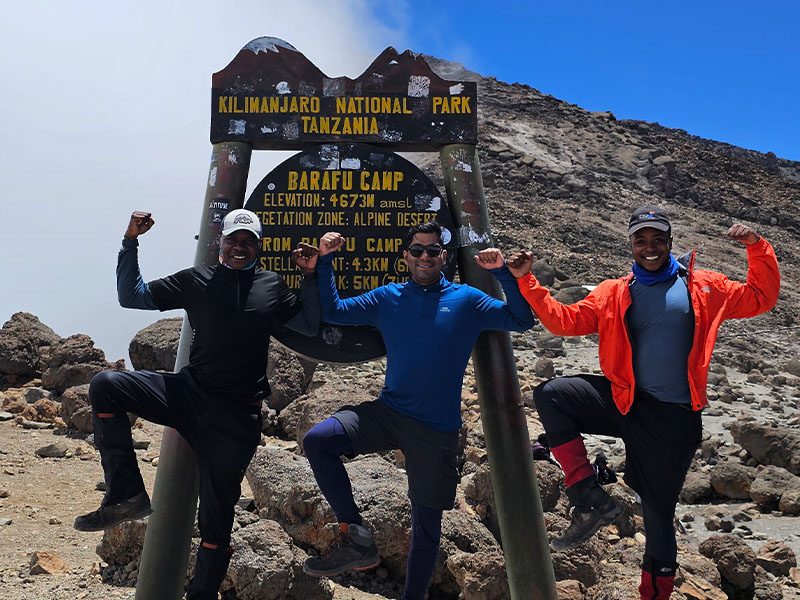
Three happy trekkers posing in front of the Barafu Camp sign on Kilimanjaro’s Northern Circuit Route, flexing muscles before summit day | Kili Quests
A light-hearted moment at Barafu Camp (4,673m) on the Northern Circuit Route — trekkers flex their energy and spirit before the final ascent to Uhuru Peak.

Frequently Asked Questions About Climbing Mount Kilimanjaro for Beginners

Can beginners really climb Mount Kilimanjaro?

Yes — and many do every year.
Kilimanjaro is considered a trekking peak, meaning it does not require technical climbing skills such as ropes or mountaineering experience. However, this does not mean it is easy.Beginners who succeed usually prepare properly by training in advance, choosing a longer route, and following a slow, steady pace on the mountain.With the right preparation and a good support team, first-time climbers can successfully reach Uhuru Peak.

What is the success rate for beginner climbers on Mount Kilimanjaro?

Success rates vary depending on the route and the number of days spent on the mountain.Shorter routes have lower success rates because they do not allow enough time for acclimatization. Longer routes such as Lemosho or the Northern Circuit can have success rates of up to 90% or more.The most important factor is not experience  it is how well your body adapts to altitude.

What is the hardest part of climbing Mount Kilimanjaro?

For most climbers, the hardest part is altitude.As you climb higher, oxygen levels decrease, which can lead to fatigue, headaches, and shortness of breath. This becomes most noticeable during summit night, when you are hiking in cold, dark conditions after several days on the mountain.The challenge is not technical difficulty, but maintaining energy and focus in a low-oxygen environment.

How much does it cost to climb Mount Kilimanjaro?

The cost of climbing Kilimanjaro depends on the route, duration, and level of service provided by the operator.Most guided climbs range between $2,000 and $5,000+ per person. This typically includes park fees, guides, porters, meals, camping equipment, and safety support.Cheaper options do exist, but they may compromise safety, staff conditions, or overall experience  so choosing a reputable operator is important.

What month is best for beginners to climb Mount Kilimanjaro?

The best months for beginners are during the dry seasons, when weather conditions are more stable.January to early March offers warmer temperatures and fewer crowds, while June to October provides clear skies and excellent visibility.These periods make the climb more comfortable and reduce weather-related challenges, especially for first-time trekkers.

Your First Kilimanjaro Climb Starts Here

Thousands of first-time climbers reach Uhuru Peak every year not because it’s easy, but because they prepare the right way.With the right plan, pacing, and support, Kilimanjaro is absolutely achievable  even if this is your first high-altitude trek.
 

Related Articles

Mount Kilimanjaro Do’s and Don’ts for First-Time Climbers

Plan Your Kilimanjaro Climb

Climb safely, legally, and with the right support team.

Plan Your Climb the Right Way

 The right preparation ensures a safe and successful Kilimanjaro experience.

OUR CATEGORIES

Kilimanjaro Trekking Rules Every Tourist Must Know | Kili Quests

Know Before You Climb: Kilimanjaro’s Official Trekking Rules

Planning to climb Mount Kilimanjaro? It’s not just about physical preparation — it’s also important to understand the government rules and regulations that apply to every climber. Tanzania’s Kilimanjaro National Park Authority (KINAPA) enforces strict guidelines to protect trekkers, porters, and the environment.Here’s what every tourist must know before beginning the journey to the Roof of Africa.
 
Before planning your trek, it’s important to understand how difficult Kilimanjaro really is and what to expect physically
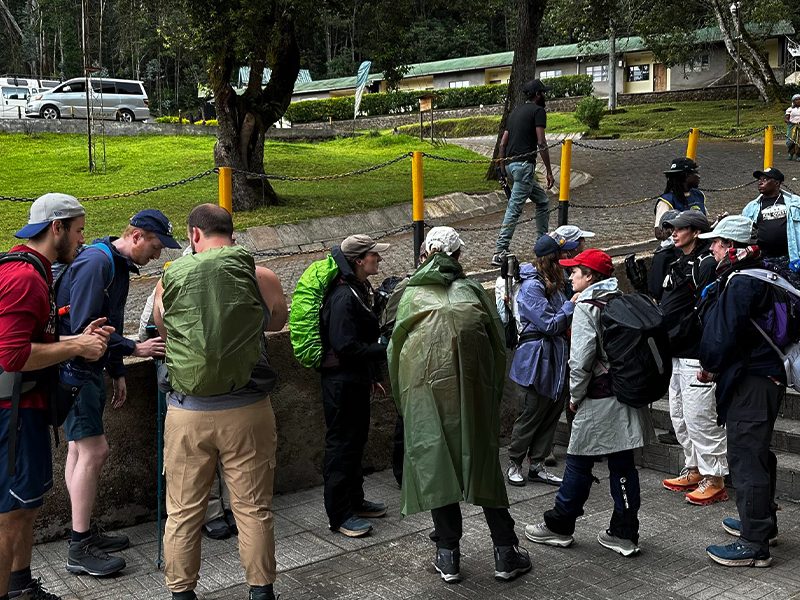
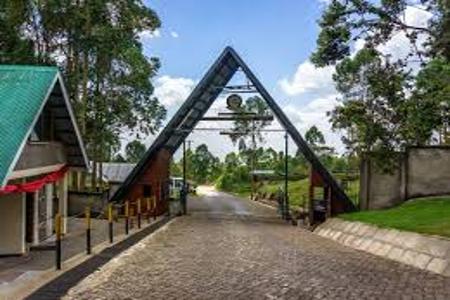
Trekkers registering at Kilimanjaro National Park gate before the climb
All climbers must register with a licensed tour operator before entering Kilimanjaro

Table of Contents

 You Must Climb with a Licensed Tour Operator

Independent trekking is not allowed. All climbers are required by law to book their trek through a registered tour operator licensed by KINAPA.At Kili Quests, we are fully licensed and operate legally under national park guidelines.
 

A Certified Mountain Guide Is Mandatory

You cannot climb Kilimanjaro without a certified Tanzanian mountain guide. KINAPA requires each group to have at least one registered guide per group and often more depending on group size.All of our guides at Kili Quests are WFR-certified (Wilderness First Responder) and highly experienced in managing altitude and emergencies.
 
Kili Quests mountain guide attending Wilderness First Responder (WFR) certification course
Our Kilimanjaro guides are WFR-certified and trained to handle altitude-related emergencies

Camping and Hut Use Are Regulated

Each route has designated campsites or huts, and wild camping is strictly prohibited. For example:Marangu Route uses designated huts only Lemosho, Machame, Northern Circuit, and others use designated campsitesKINAPA rangers check park entry permits at each checkpoint to ensure all trekkers are on legal routes.
 
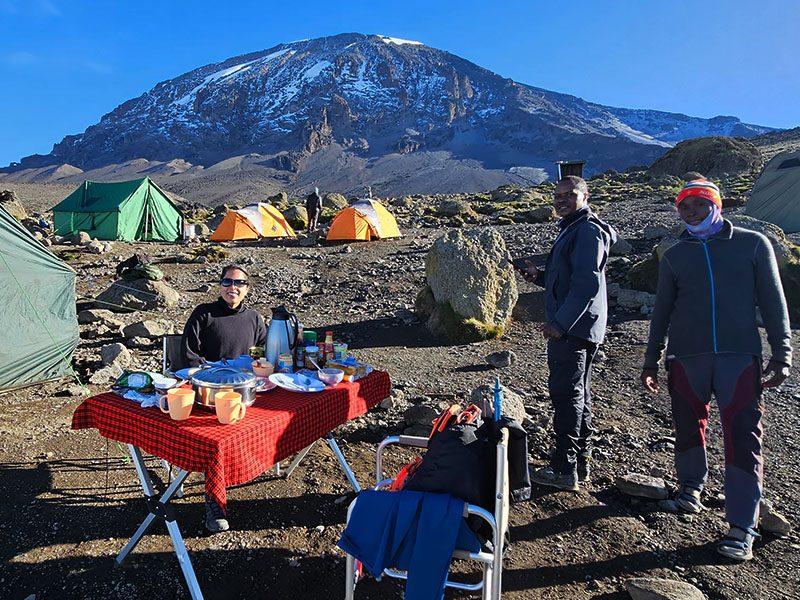
Trekkers enjoying breakfast at Karanga Camp on the Shira Route of Mount Kilimanjaro, with colorful tents and Kibo Peak in the background | Kili Quests
Karanga Camp (3,963m) offers a peaceful stop on the Shira Route, with hot breakfast, scenic campsites, and stunning views of Kibo’s icy slopes.

 Porter Weight Limits and Welfare Are Protected

Kilimanjaro’s porters are vital — and protected. KINAPA and KPAP (Kilimanjaro Porters Assistance Project) enforce the following rules:
  • Porters can carry a maximum of 20 kg of client gear
  • Each trek must include enough porters for fair load distribution
  • Porters must receive proper meals, shelter, and fair wages

You Must Pay All Park Fees in Advance

Park fees are included in your package and must be paid through your tour company to KINAPA before entry. These include:
  • Conservation fee (charged daily)
  • Camping or hut fee
  • Rescue fee
  • Guide and crew park access
  • Value Added Tax (VAT)
  • You’ll receive an official permit card, which is scanned and verified at each gate.

 Leave No Trace – Strict Environmental Rules

Tanzania is serious about protecting Kilimanjaro’s fragile ecosystem. Regulations include:
  • No littering — All waste must be packed out
  • No removing plants, rocks, or wildlife
  • Toilet use is regulated
Tour companies must carry out client and staff trash and follow “leave no trace” principles.
 

 Kilimanjaro Rescue Services Are Monitored

The park operates a dedicated rescue team, and Kilimanjaro SAR (Search and Rescue) provides helicopter evacuation in serious cases. However:
  • Evacuations require valid insurance
  • All emergencies must be reported through your guide
  • Rangers coordinate and monitor all rescue operations
At Kili Quests, we carry pulse oximeters, oxygen, and WFR-trained staff on every trek.
 
 
Rescue on Kilimanjaro is only possible with proper coverage, so it’s essential to have the right policy,learn how to choose the best medical insurance for Kilimanjaro before your trek.
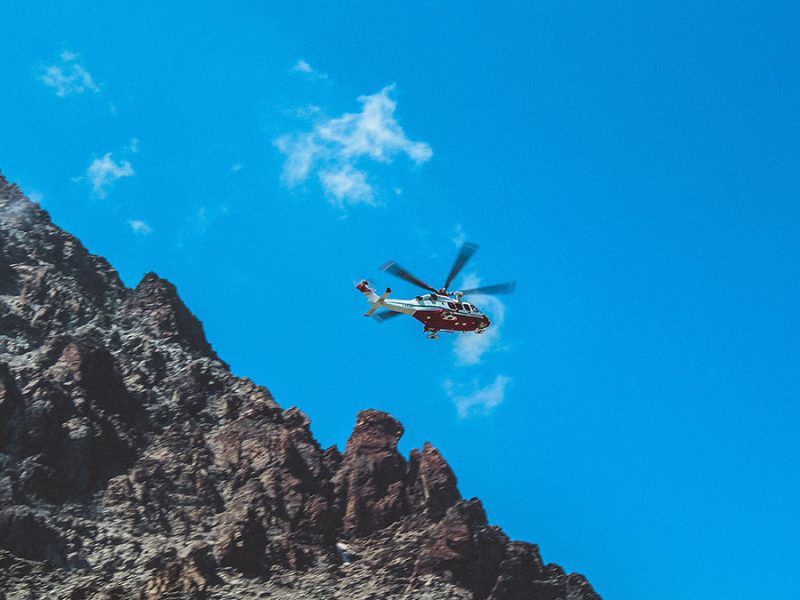
Helicopter flying over Mount Kilimanjaro during an emergency evacuation
Kilimanjaro helicopter rescue for trekkers in emergency situations — valid insurance is required

Offenders Face Fines or Expulsion

Breaking the rules can lead to:
  • Fines
  • Expulsion from the mountain
  • Blacklisting for future permits
  • In serious cases, legal action


What You Need to Know

  •   You must use a licensed tour operator
  •  A certified guide is mandatory
  •  You must stay at official camps/huts
  •  Porters are protected and regulated
  •  Park fees must be paid in advance
  •  Littering and damage to the environment is strictly forbidden
  •  Rescue is available — but must be handled properly
  •  Breaking rules results in fines or expulsion

Frequently Asked Questions About Kilimanjaro Trekking Rules

Do you need a permit to climb Mount Kilimanjaro?

Yes. Every climber must obtain a permit issued by Kilimanjaro National Park Authority before entering Mount Kilimanjaro. These permits are arranged through licensed tour operators and include park entry, conservation fees, rescue coverage, and campsite or hut access. Without an official permit, trekkers cannot legally begin the climb.

Can tourists climb Mount Kilimanjaro without a guide?

No. Independent trekking is not allowed on Mount Kilimanjaro. Tanzanian park regulations require all climbers to be accompanied by a certified local mountain guide from a licensed tour company. This rule helps ensure climber safety, proper route management, and protection of the mountain environment.

Why are climbers required to use a licensed tour operator?

Licensed operators ensure that trekking groups follow national park rules, provide certified guides, and treat porters fairly. Authorities require tour companies to organize permits, pay park fees, and coordinate logistics so that all treks comply with safety and environmental regulations.

Are there rules protecting porters on Kilimanjaro?

Yes. Organizations such as the Kilimanjaro Porters Assistance Project work with park authorities to protect porter welfare. Porters are limited to carrying about 20 kg of gear and must receive proper meals, fair wages, and adequate shelter during the trek.

Is camping anywhere allowed on Mount Kilimanjaro?

No. Trekkers must stay only at designated campsites or huts depending on the route. For example, the Marangu Route uses mountain huts, while routes like Machame Route and Lemosho Route use official campsites. Wild camping outside these areas is strictly prohibited.

What happens if someone breaks Kilimanjaro trekking rules?

Violating park regulations can lead to fines, removal from the mountain, or cancellation of trekking permits. In serious cases, climbers or tour companies may be banned from future expeditions. These rules help protect both trekkers and the fragile ecosystem of Kilimanjaro National Park

Ready to Trek Responsibly?

At Kili Quests, we follow every regulation set by KINAPA and KPAP to ensure safe, legal, and ethical trekking. You’ll be guided by a professional team that respects the mountain, the people, and you.Choosing the right company is part of the rules , here’s how to find a licensed and ethical operat

Related Articles

Mount Kilimanjaro Geology: Three Volcanoes (Kibo, Mawenzi & Shira)

Understand Kilimanjaro Beyond the Climb

There’s more to the mountain than reaching the summit.

Plan Your Kilimanjaro Climb

The right route and preparation help you experience every part of the mountain.

OUR CATEGORIES

Kilimanjaro’s Volcanic Cones: Kibo, Mawenzi & Shira

Africa’s Towering Volcano

Mount Kilimanjaro is not just Africa’s highest mountain , it is a massive dormant volcano formed over millions of years. What many trekkers don’t realize is that Kilimanjaro is made up of three distinct volcanic cones: Kibo, Mawenzi, and Shira.
 
Each cone has its own history, shape, and role in shaping the mountain you see today. As you climb, you are not just hiking , you are walking across layers of volcanic activity, erosion, and geological transformation.
 
 To understand the mountain more broadly, see our Mount Kilimanjaro overview.
 
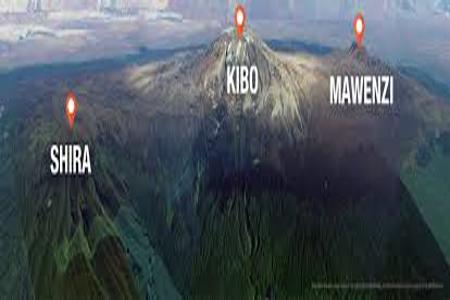
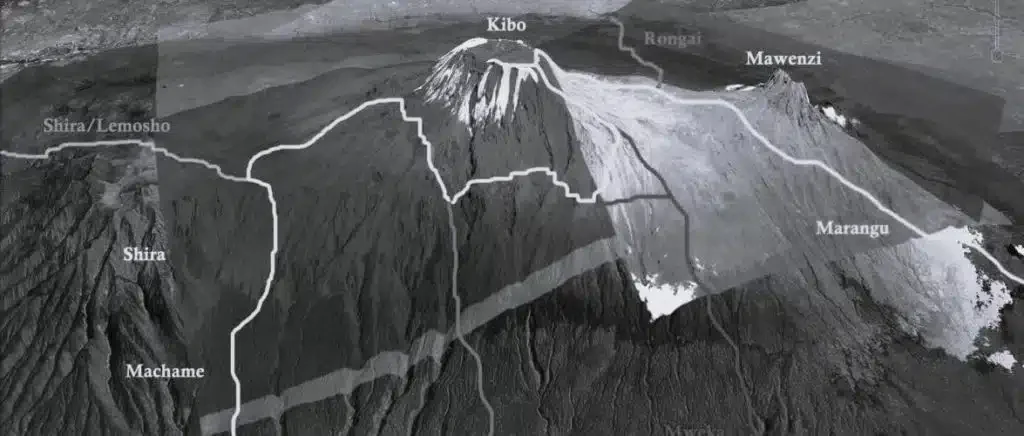
Mount Kilimanjaro’s three volcanic peaks — Kibo, Mawenzi, and Shira seen from above
Kilimanjaro’s structure was shaped by three volcanoes: Kibo, Mawenzi, and the eroded Shira

Table of Contents

The Three Cones of Mount Kilimanjaro

Kilimanjaro is classified as a stratovolcano, meaning it formed from repeated layers of lava, ash, and volcanic rock. This process created three main cones, each representing a different stage in the mountain’s evolution.

 Kibo – The Highest and Youngest Cone

  • Altitude: 5,895 m
  • Status: Dormant
  • Location: Central cone
Kibo is the most famous of the three cones , it forms the summit of Kilimanjaro and is home to Uhuru Peak, the highest point in Africa.Unlike the other cones, Kibo still shows signs of volcanic activity beneath the surface. Inside its crater, you can find fumaroles and geothermal vents, especially around Reusch Crater.This means that while Kibo has not erupted in hundreds of thousands of years, it is not completely extinct.
 
Most trekking routes lead to Kibo , explore them in our Kilimanjaro routes guide.
This cone represents the final and most dramatic stage of Kilimanjaro’s formation.
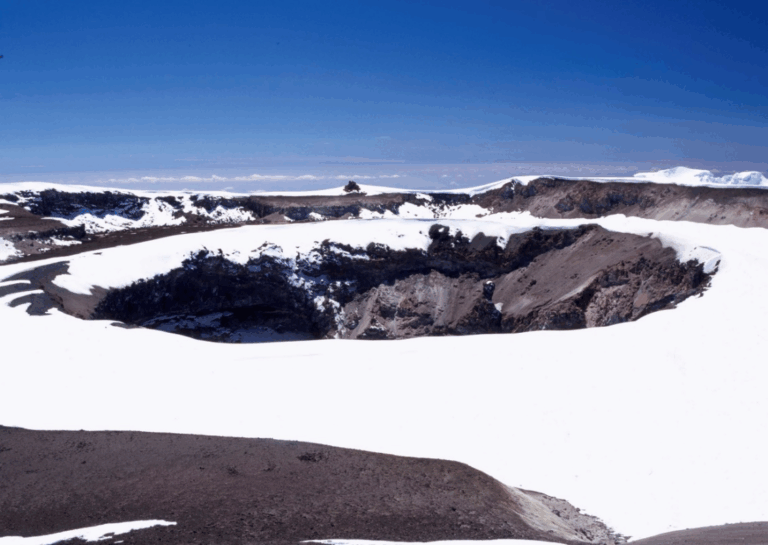
Glacial snow and ice covering the crater rim of Mount Kilimanjaro during dry season ascent | Kili Quests
Kilimanjaro’s crater rim wrapped in snow and ancient ice — a glimpse into the mountain’s glacial past.
Dry, snowless crater rim of Mount Kilimanjaro showing volcanic rock and summit trail | Kili Quests
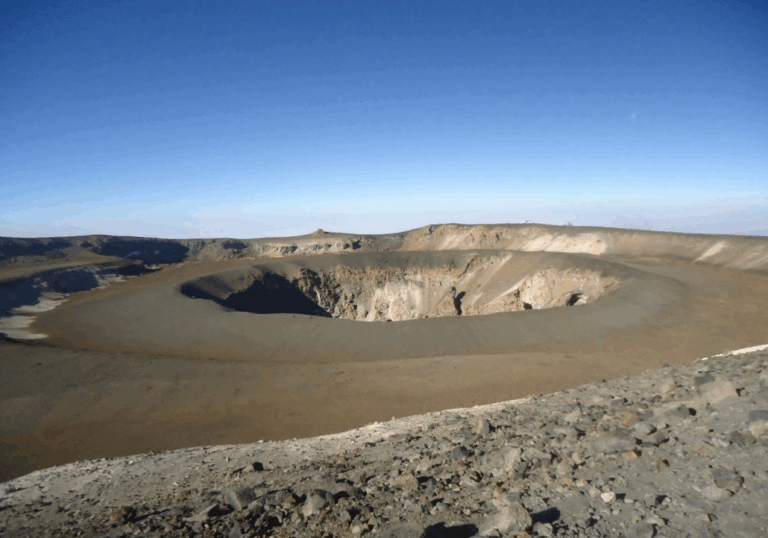
The exposed crater rim reveals Kilimanjaro’s raw volcanic structure — dramatic, vast, and wind-carved by time.

Mawenzi – The Rugged and Technical Cone

  • Altitude: 5,149 m
  • Status: Extinct
  • Location: East of Kibo
Mawenzi is the second-highest cone and is known for its sharp, jagged ridges. Unlike Kibo, it is not accessible to regular trekkers.
Its steep cliffs and exposed terrain make it suitable only for technical climbers with specialized equipment.
 
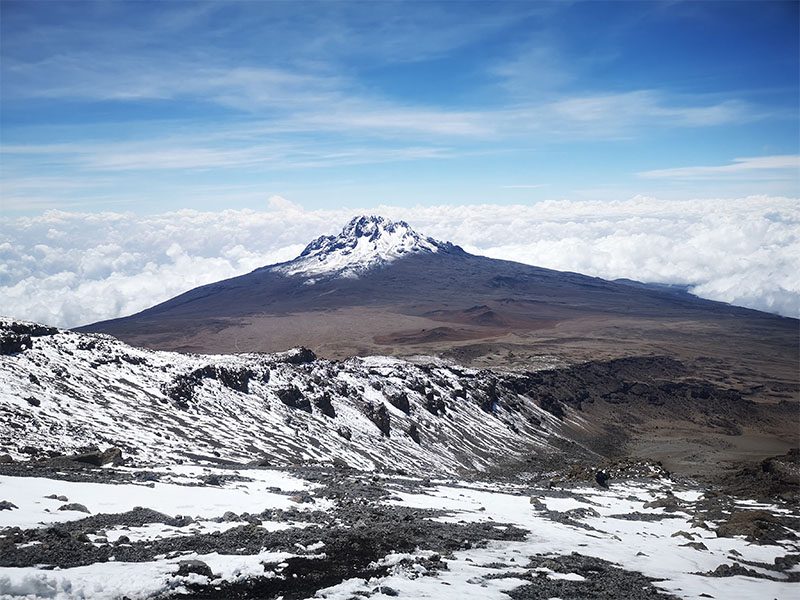
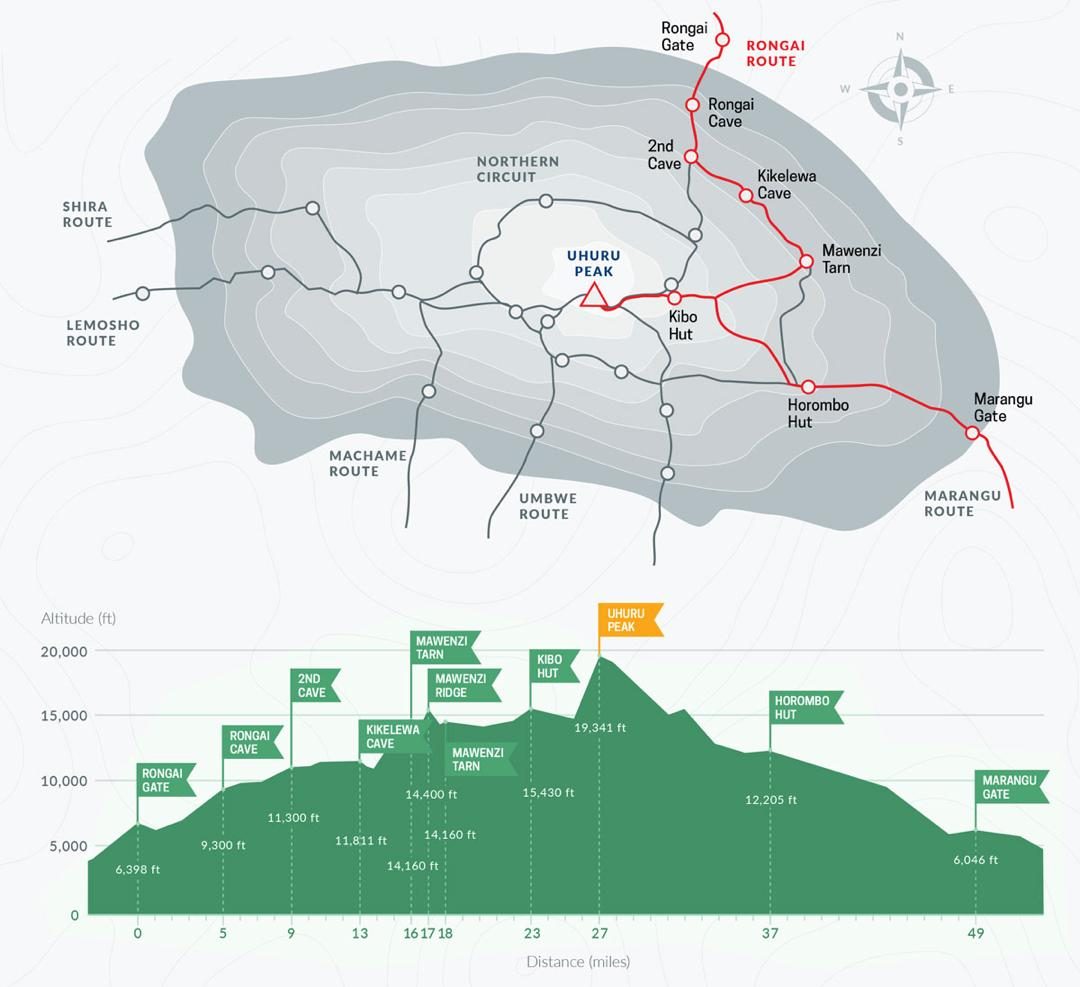
However, trekkers still experience its presence. Camps like Mawenzi Tarn offer incredible views of this rugged peak, especially along the Rongai Route.Mawenzi adds a dramatic and wild character to Kilimanjaro’s landscape, showing what happens when volcanic structures erode unevenly over time.
View of Mawenzi Peak rising above the clouds as seen from Stella Point on Mount Kilimanjaro
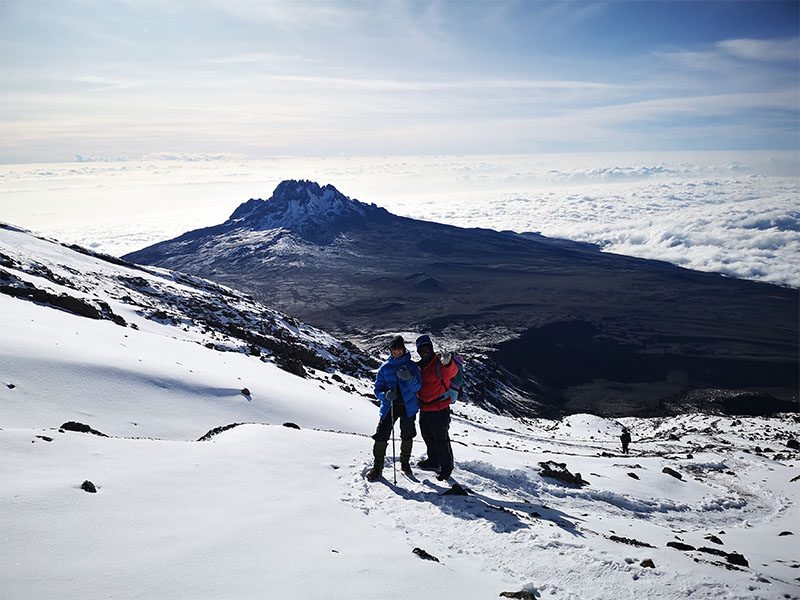
From Stella Point, trekkers are rewarded with a dramatic view of Mawenzi — Kilimanjaro’s second highest volcanic cone

 Shira – The Oldest and Collapsed Cone

  • Original altitude: Over 4,000 m
  • Status: Extinct
  • Location: West of Kibo
Shira is the oldest of the three cones, and over time it collapsed into what is now known as the Shira Plateau.Unlike Kibo and Mawenzi, it no longer appears as a peak. Instead, it forms a wide, open landscape that trekkers cross on routes like Lemosho and Shira.
This plateau is evidence of how powerful volcanic and erosion processes can reshape entire mountains.
 
Many scenic routes pass here , compare them in our Kilimanjaro routes guide.

How Kilimanjaro Formed: A Volcanic Timeline

Kilimanjaro did not form in a single eruption. Instead, it developed over millions of years through a series of volcanic events that built, collapsed, and reshaped the mountain into what we see today.Each cone represents a different phase in this process , and understanding them helps you see the mountain not just as a peak, but as a living geological story.

Shira Formation (About 2.5 Million Years Ago)

Shira was the first volcanic cone to form, rising high above the surrounding plains during an early phase of intense volcanic activity. At the time, it was likely a large and prominent peak, similar in scale to what Kibo is today.However, over time, the internal structure of Shira weakened. The volcanic cone eventually collapsed inward, forming a wide caldera , a large, basin-like depression.Today, this collapsed structure is what we know as the Shira Plateau. When trekkers walk across this open landscape, they are actually walking on the remains of an ancient volcano that once stood thousands of meters higher.
This phase shows how powerful geological forces can completely reshape a mountain over time.

Mawenzi Formation (About 1 Million Years Ago)

After Shira’s collapse, volcanic activity shifted eastward, leading to the formation of Mawenzi. This cone rose quickly and developed a steep, rugged structure due to the nature of its eruptions.Unlike Shira, Mawenzi did not collapse into a plateau , instead, erosion became the dominant force shaping it. Over hundreds of thousands of years, wind, rain, and temperature changes carved its surface into the sharp ridges and jagged peaks seen today.
 
This is why Mawenzi looks so dramatic compared to Kibo. Its rough terrain reflects both its volcanic origins and the long period of erosion that followed.
For climbers, Mawenzi is a reminder of how different volcanic cones can evolve depending on how they form and what happens after their active phase ends.

Kibo Formation (About 500,000 Years Ago)

Kibo is the youngest of the three cones and the most geologically active. It formed between Shira and Mawenzi during a later phase of volcanic activity, building layer upon layer of lava and ash.Unlike Mawenzi, Kibo retained a more symmetrical shape because it experienced less erosion and more consistent volcanic buildup. This is why it forms the classic dome-shaped summit that dominates Kilimanjaro today.
 
Inside Kibo’s crater, there are still signs of heat beneath the surface. Fumaroles release gas, and the ground temperature in some areas remains elevated. These features indicate that while Kibo is dormant, it is not completely inactive.
When climbers reach the summit, they are standing on the rim of this massive volcanic structure , a place shaped by hundreds of thousands of years of geological activity.

How These Phases Shaped the Mountain You Climb Today

The interaction between these three cones is what gives Kilimanjaro its unique structure.Shira provides the wide western plateau, Mawenzi adds dramatic eastern ridges, and Kibo forms the central summit. Together, they create a mountain that is not just tall, but geologically complex.
As you climb, you move across these layers , from ancient collapsed volcanoes to relatively younger formations , making Kilimanjaro not just a trek, but a journey through time.

 Is Kilimanjaro Still Active?

Technically, yes , Kilimanjaro is classified as a dormant volcano, not extinct.
Scientists have identified:
  • Gas emissions within Kibo’s crater
  • Geothermal heat below the surface
  • Minor seismic activity
However, there has been no major eruption for over 360,000 years, and the mountain is considered safe for trekking.
 
Read more about safety in our guide: Is Kilimanjaro dangerous?

What Climbers Can See Today

Climbing Kilimanjaro allows you to see volcanic history up close:
  • Uhuru Peak (Kibo): The summit on the crater rim
  • Reusch Crater: A volcanic feature with ash pits and vents
  • Mawenzi Tarn: A scenic alpine camp beneath jagged peaks
  • Shira Plateau: A wide volcanic plain with open views
Each of these features tells part of the mountain’s geological story.

Why Understanding Kilimanjaro’s Geology Matters

Knowing how Kilimanjaro formed changes how you experience the climb.You begin to see more than just a trail , you see layers of volcanic rock, ancient craters, and landscapes shaped by time.Guides often explain these features during the trek, helping climbers connect with the mountain on a deeper level.
Smiling climber at Uhuru Peak holding a flag or sign after a successful Kilimanjaro ascent | Kili Quests
Standing at Uhuru Peak — the highest point in Africa and the summit of Mount Kilimanjaro, named in honor of Tanzania’s independence

Frequently Asked Questions About Kilimanjaro’s Volcanic Cones

How many volcanic cones does Mount Kilimanjaro have?

Mount Kilimanjaro is made up of three volcanic cones: Kibo, Mawenzi, and Shira. These cones formed during different volcanic phases over millions of years and together created the massive mountain seen today. Each cone has its own geological history and landscape.

Which volcanic cone is the highest on Kilimanjaro?

The highest cone is Kibo, which reaches 5,895 meters (19,341 feet) above sea level. Kibo contains the summit of Kilimanjaro, known as Uhuru Peak, the highest point in Africa and the main goal for climbers attempting the trek.

Is Mount Kilimanjaro an active volcano?

Kilimanjaro is considered a dormant volcano rather than an active one. Although the last major eruption occurred hundreds of thousands of years ago, scientists have detected geothermal activity such as gas emissions and warm ground areas inside Kibo’s crater.

Can climbers reach all three volcanic cones of Kilimanjaro?

Trekkers typically climb only the Kibo cone, where the summit is located. Mawenzi is extremely steep and jagged, making it suitable only for technical climbers, while Shira has collapsed into a plateau that trekkers often cross on routes like Lemosho or Shira.

What is the Shira Plateau on Kilimanjaro?

The Shira Plateau is the eroded remains of the oldest volcanic cone of Kilimanjaro. Over time, the original cone collapsed and formed a wide volcanic plateau that trekkers pass through when climbing via routes on the western side of the mountain.

What makes Kilimanjaro a stratovolcano?

Kilimanjaro is classified as a stratovolcano because it was built from many layers of lava, ash, and volcanic rock formed during repeated eruptions over millions of years. This layered structure helped create the massive mountain that dominates the surrounding plains of northern Tanzania.

Experience the Mountain Beyond the Summit

Kilimanjaro is not just about reaching the top , it’s about understanding the journey beneath your feet.Every step reveals part of a story that began millions of years ago.At Kili Quests, we help you experience that story  not just climb it.

 Contact us to start planning your Kilimanjaro adventure.

Related Articles

Kilimanjaro Porters: The Unsung Heroes of the Climb

Understand Your Kilimanjaro Team

A successful climb depends on the people behind it.

Start Your Kilimanjaro Journey

The right plan and the right team make your climb safer and more successful.

OUR CATEGORIES

What Porters Do Behind the Scenes on Kilimanjaro | Kili Quests

The True Backbone of Every Climb

Every Kilimanjaro success story is not just about reaching the summit , it’s about the team behind it.Porters carry loads, prepare camps, deliver meals, and support trekkers every day across changing terrain and altitude.At Kili Quests, this is personal. Our roots come from generations on the mountain, and we understand the dedication, strength, and respect that define porter work.
 
 Learn how many porters support your climb in our guide to how many porters you need for Kilimanjaro.
Group of Kilimanjaro porters trekking uphill in moorland with loads on their backs
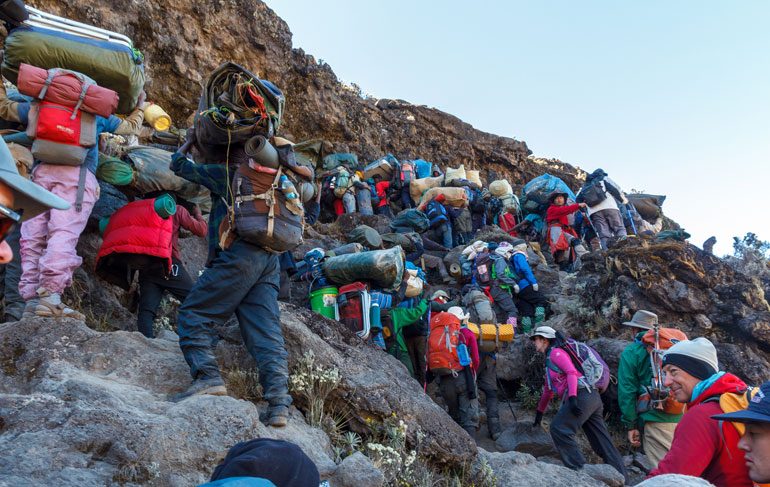
Porters carry tents, food, and supplies through every climate zone of Kilimanjaro

Table of Contents

Who Are Kilimanjaro Porters?

Porters are local Tanzanians, often from communities around Moshi and Kilimanjaro. Many come from Chagga and Pare backgrounds, with deep knowledge of the mountain.
They are trained to:
  • Carry equipment, tents, and supplies
  • Set up and break down camp
  • Assist guides with logistics and safety
  • Support trekkers physically and mentally
At Kili Quests, we hire locally and ensure fair treatment, proper equipment, and safe working conditions.
See how porter welfare is supported in our Kilimanjaro tipping guide.
Mount Kilimanjaro rising alone above the African savanna, with snowcapped summit and open sky
Kilimanjaro porters are essential mountain crew members who carry supplies, set up camp, prepare meals, and support trekkers at every stage of the climb — often while ascending with 20kg loads through every ecological zone on the mountain

What Porters Do Each Day

 A Kilimanjaro trek is a moving expedition , and porters are responsible for making it work smoothly.

Carry Equipment Across the Mountain

Porters carry essential supplies including:
  • Duffel bags (max 18 kg per climber)
  • Tents and sleeping gear
  • Food, water, and cooking equipment
  • Fuel, stoves, and emergency gear
Porter loads are limited to 20 kg. Learn more in our porter weight limit guide.

Set Up and Break Down Camp

Before you arrive at camp, porters have already:
  • Pitched your tent
  • Prepared the dining area
  • Organized sleeping gear
In the morning, they wake early to pack everything and move ahead again.

Support Food and Water Systems

 Porters help:
  • Collect and purify water
  • Assist the cook with meal preparation
  • Deliver tea and meals to trekkers
This ensures you stay hydrated and energized throughout the climb.

Provide Safety and Motivation

Porters are often the quiet support behind your success:
  • Encouraging you during tough moments
  • Assisting if you feel weak or tired
  • Supporting guides during emergencies
Many experienced porters later become guides , building careers on the mountain.
Understand the full challenge in how hard Kilimanjaro really is.
Kilimanjaro porter standing with a trekker at Uhuru Peak summit sign after a successful climb
Some porters summit alongside climbers to provide support, carry critical gear, and celebrate the journey together at Africa’s highest point

Our Promise to the Porters

We are a Chagga-owned and independently operated company, deeply rooted in this mountain’s community. Our porter welfare program is based on decades of personal experience and local leadership  grounded in respect, responsibility, and pride.
Here’s what we proudly offer:
  • Fair wages paid directly to each porter
  • Hot meals, warm tents, and proper rest at every camp
  • No overloading or shortcuts  ever

My father worked over three decades on this mountain with various companies and truly understood the struggles porters face. I know what it means to be treated right. That’s why we run Kili Quests the way we do — with honor, fairness, and pride. ❞ Allen Minja, Founder of Kili Quests

See our full recommendations in the Kilimanjaro tipping guide.

What You Can Do as a Trekker

A great climb is built on mutual respect.
  • Learn their names
  • Show appreciation beyond tips
  • Understand their role in your success
When you climb with respect, the experience becomes more meaningful.
 
Trekkers and porters standing together at Stella Point sign on Mount Kilimanjaro
Reaching Stella Point is a major achievement — often shared with porters who support climbers all the way to the summit zone

Respect the Team. Respect the Mountain.

 Kilimanjaro isn’t just a climb , it’s a community. Every safe summit is thanks to hard-working, resilient, and proud porters who walk beside you, and often ahead of you.
 
At Kili Quests, we don’t just guide climbs , we build careers, protect dignity, and elevate lives.

Frequently Asked Questions About Kilimanjaro Porters

What do porters do on Mount Kilimanjaro?

Porters play a vital role in every Kilimanjaro trek. On Mount Kilimanjaro they carry trekking gear, tents, food supplies, and cooking equipment between camps. They also help set up campsites, assist the kitchen team, collect water, and support climbers throughout the journey to ensure a safe and comfortable expedition.

How much weight do Kilimanjaro porters carry?

According to ethical trekking guidelines and park regulations, porters should carry a maximum of about 20 kilograms (44 pounds) of client gear. Organizations such as the Kilimanjaro Porters Assistance Project promote fair load limits and proper treatment of porters to ensure safe working conditions on the mountain.

Where do Kilimanjaro porters come from?

Most porters come from local communities near the mountain, particularly around Moshi and nearby villages on the slopes of Kilimanjaro. Many belong to local ethnic groups such as the Chagga people or Pare people.

How many porters are needed for a Kilimanjaro climb?

The number of porters depends on the group size and the amount of equipment required for the trek. On average, one climber may require several porters to carry personal gear, camping equipment, food supplies, and safety equipment throughout the expedition.

Do Kilimanjaro porters climb to the summit?

Some experienced porters may accompany climbers to the summit of Kilimanjaro, especially if they are helping carry essential gear such as oxygen or emergency equipment. However, most porters focus on transporting supplies between camps and preparing the next campsite before trekkers arrive.

Why are Kilimanjaro porters so important for a successful climb?

Porters are the backbone of every Kilimanjaro expedition. Their work allows climbers to focus on trekking while the logistics of food, shelter, and equipment are handled efficiently. Without porters, organizing multi-day treks on Kilimanjaro’s remote routes would be extremely difficult.

Climb Responsibly. Climb with Kili Quests.

At Kili Quests, we’re proud to be a local, Chagga-owned company that puts our porters first. Our crews are family ,and when you trek with us, they become part of your success story too.Join a trek that respects the mountain and its people.
 
Contact us  to book your climb

Related Articles

How Many Porters Do You Need for a Kilimanjaro Trek?

Climb Kilimanjaro the Right Way

Your success starts with the right team.
At Kili Quests, we focus on:

Plan Your Kilimanjaro Climb

Choosing the right route, budget, and plan makes a big difference in your success.
Explore these essential guides:

OUR CATEGORIES

How Many Porters Do You Need for a Kilimanjaro Trek? | Kili Quests

Why Porters Matter on Mount Kilimanjaro

Climbing Kilimanjaro isn’t just about you and your guide , it’s about the dedicated team of porters who support your journey every day.From carrying equipment and setting up camp to preparing water and ensuring everything runs smoothly, porters make it possible for trekkers to focus on reaching the summit safely.At Kili Quests, we believe every climber should understand how many porters are needed not just for planning, but to appreciate the people behind every successful climb.
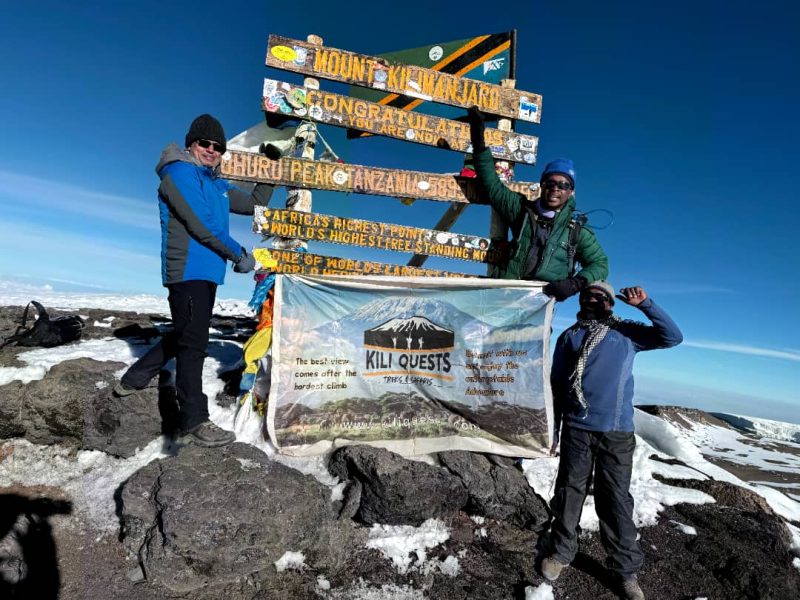
 
Learn more about their daily tasks in our guide to Kilimanjaro porter responsibilities.
Kilimanjaro trekkers and porters smiling together at the end of a successful hike
Each climber on Kilimanjaro requires several porters to carry gear, food, and tents — a full support crew ensures safety and comfort

Table of Contents

Typical Porter-to-Climber Ratio

The number of porters required depends on your group size, route, and trek duration.
On average:
  •  Each climber requires 3 to 5 porters
This ensures:
  • Proper load distribution
  • Safe working conditions
  • A well-supported trekking experience
 See how porter numbers affect tipping in our Kilimanjaro tipping guide.
 

What Porters Carry on Kilimanjaro

Porters carry essential equipment needed for a multi-day expedition:
  • Your duffel bag (max 15 – 18 kg)
  • Tents, mattresses, and camping gear (~5–7 kg)
  • Food, water, and cooking equipment (~5–10 kg)
  • Staff gear (fuel, stove, supplies) (~5–8 kg)
  • Emergency equipment and extras (~3–5 kg)
 Kilimanjaro park rules limit porter loads to 20 kg per porter.

How Many Porters Do You Need for Your Group?

Here’s a typical breakdown based on group size:

For 1 Climber

  • 4 to 5 porters
  • 1 guide
  • 1 cook
Total team: 6–7 crew members

For 2 Climbers

  • 8 to 9 porters
  • 1–2 guides
  • 1 cook
Total team: 10–12 crew members

For 4 Climbers

  • 14 to 17 porters
  • 2 guides
  • 1–2 cooks
Total team: 17–21 crew members

For 6 Climbers

  • 21 to 25 porters
  • 3 guides
  • 2 cooks
 Total team: 26–30 crew members
Kilimanjaro porter walking along the mountain trail with gear balanced on head
Porters walk long distances each day through tough terrain — carrying essential supplies that make your trek possible

Why the Number of Porters Changes

Porter numbers are not fixed , they depend on several key factors:

Route Choice

Longer routes like Lemosho or Northern Circuit require more porters due to additional days and supplies.
 

Trek Duration

More days = more food, fuel, and equipment – more porters needed.

Level of Service

Luxury or comfort climbs require:
  • Larger tents
  • Extra food supplies
  • Additional support staff

The Kili Quests Difference

At Kili Quests, porter welfare is a core part of how we operate.
We ensure:
  • Correct number of porters for every trek
  • Fair wages paid directly to staff
  • Proper meals, tents, and working conditions
  • Responsible load distribution
We don’t just climb mountains , we support the people who make it possible.
 Learn more about safety in our guide: Is Kilimanjaro dangerous?

Tipping & Respect – Part of the Experience

Beyond logistics, porters are the heart of your expedition.
  • Greet them
  • Respect their work
  • Tip fairly at the end of your climb
See full recommendations in our Kilimanjaro tipping guide.
Kilimanjaro trekker handing a thank-you tip to a smiling mountain guide at the end of the climb
Tipping your Kilimanjaro crew is a meaningful way to show appreciation for their hard work throughout the trek

Frequently Asked Questions About Kilimanjaro Porter Numbers

How many porters are needed for a Kilimanjaro trek?

 Most Kilimanjaro expeditions require about 3 to 5 porters per climber. The exact number depends on the group size, route, and trek length. Porters carry camping gear, food supplies, and equipment while also helping set up camps and support the trekking team on Mount Kilimanjaro.

Why are so many porters required on Kilimanjaro?

Kilimanjaro treks last several days and involve moving camps between different ecological zones. Porters transport tents, cooking equipment, food, water, and personal gear while also helping prepare camps before trekkers arrive. This support system allows climbers to focus on hiking and acclimatization.

What is the weight limit for Kilimanjaro porters?

According to park regulations and ethical trekking standards, porters should carry no more than 20 kilograms (44 pounds) of client gear. Organizations such as the Kilimanjaro Porters Assistance Project work with operators to ensure fair load limits and safe working conditions.

Does the number of porters change depending on the route?

Yes. Longer routes like the Lemosho Route or Northern Circuit Route usually require more porters because they involve more camping days and additional food and equipment. Shorter routes may need slightly fewer porters.

Do porters carry climbers’ personal gear?

Yes. Porters typically carry trekkers’ duffel bags, tents, and shared equipment between camps. Climbers usually carry only a small daypack with essentials such as water, snacks, rain gear, and personal items while hiking.

Why is hiring enough porters important for ethical trekking?

Having the correct number of porters ensures loads are distributed fairly and safely among the crew. Responsible tour operators plan porter numbers carefully so that no one is overloaded and every team member receives fair treatment during the expedition.

Climb with a Team That Values People

Choosing the right company means choosing how people are treated on the mountain.
At Kili Quests, we combine:
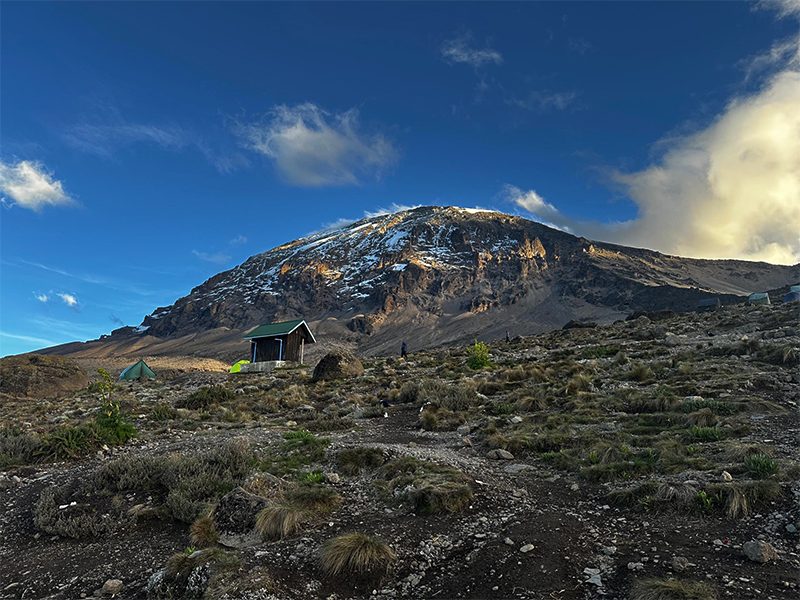
  • Ethical porter support
  • Experienced local guides
  • Safe and well-organized climbs
 
Contact  us to plan your Kilimanjaro adventure or safari Experience.

Related Articles

Kilimanjaro Tipping Guide: How Much to Tip Guides & Porters

Plan Your Kilimanjaro Adventure

A successful climb starts with the right plan.
We help you choose based on:

Plan Your Kilimanjaro Adventure

A successful climb starts with the right preparation.

OUR CATEGORIES

Kilimanjaro & Safari Tipping Guide: How Much to Tip | Kili Quests

Tipping on Kilimanjaro and Safari – Why It Matters

Tipping on Mount Kilimanjaro and during a safari in Tanzania or Kenya is an important part of your travel experience. It reflects appreciation for the people working behind the scenes  often in challenging conditions  to make your journey safe, comfortable, and successful.
 
Many travelers feel unsure about how much to tip, when to tip, or who should receive it. This guide from Kili Quests explains everything clearly so you can plan confidently and avoid confusion during your trip.
If you’re planning your trip, it’s also important to understand how hard Kilimanjaro really is before deciding your route and preparation.
Kilimanjaro trekkers and porters smiling together at the end of a successful hike
Many trekkers tip after the descent — when the bond with their mountain crew has grown

Table of Contents

 Kilimanjaro Tipping Guidelines

Climbing Kilimanjaro is not a solo adventure , it’s a fully supported expedition. Behind every successful summit is a dedicated team working tirelessly each day.

When Should You Tip on Kilimanjaro?

Tipping is usually done on the final day of your trek, during a short debrief at your hotel after descending.All tips are handed to the Chief Guide, who distributes them fairly among the entire crew.

How Much Should You Tip on Kilimanjaro?

At Kili Quests, we recommend budgeting:
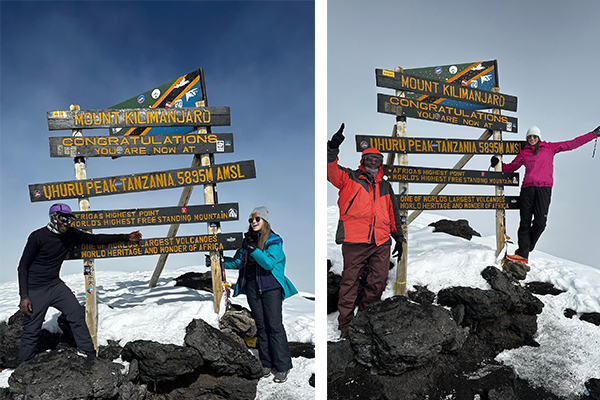
  •  20%–25% of your total climb cost per person
This amount is pooled and shared among your full mountain team.

Why Tipping on Kilimanjaro Is Important

Every day on the mountain, your crew supports you in ways many climbers only fully appreciate after the experience:
  • Porters carry tents, food, and essential equipment
  • Guides monitor your health, pace, and safety
  • Cooks prepare warm meals even at high altitude

Without this team, reaching the summit would be extremely difficult for most trekkers.

Porters play a critical role in your success , from carrying equipment to setting up camp every day.Read more about their work in your article on Kilimanjaro porter responsibilities.

Example Kilimanjaro Tipping Breakdown (Per Day)

To better understand how tips are distributed, here are common daily guidelines:
  • Chief Guide: $40–50 per day
  • Assistant Guide: $30–35 per day
  • Cook: $25–30 per day
  • Porter: $10–15 per day
These amounts are combined and distributed across your entire crew.
Porters are also protected by strict regulations. Read more in your article about Kilimanjaro porter weight limits.
Kilimanjaro porter walking along the mountain trail with gear balanced on head
Porters walk long distances each day through tough terrain — carrying essential supplies that make your trek possible

The Real Effort Behind Your Summit Success

Many climbers don’t realize the level of support involved until they are on the mountain.
Your crew often arrives at camp hours before you:
  • Tents are already set up
  • Warm meals are prepared
  • Drinking water is ready
  • Safety checks are completed
This allows you to focus on your climb while your team handles logistics behind the scenes.


Safari Tipping Guidelines

Your safari experience is shaped by your driver-guide , the person responsible for your safety, wildlife encounters, and overall journey.
 
If you’re planning your safari, explore our complete guide to Tanzania safari destinations and parks.

How Much Should You Tip on Safari?

  $50–$60 per vehicle per day
  • This is not per person
  • It can be shared among travelers

When Should You Tip on Safari?

Tipping is usually done at the end of your safari:
  • Given directly to your driver-guide
  • Presented in cash (USD is preferred)

What Your Safari Guide Really Does

A safari guide is much more than a driver. They are:
  • Wildlife experts who track animals using experience and instinct
  • Skilled drivers navigating rough terrain
  • Storytellers who explain ecosystems and local culture
  • Coordinators managing your entire safari experience

Great guides can turn a simple safari into a truly unforgettable adventure.

Why Safari Costs (and Tips) Differ Between Countries

Many travelers notice that safari costs in Kenya are higher than in Tanzania.
This is mainly due to:
  • Higher park fees in places like Maasai Mara National Reserve
  • Higher transport and operational costs
  • Cross-border logistics and permits
This also explains differences in tipping expectations across regions.
Lion walking between safari vehicles in Tanzania with guide inside the vehicle
Tipping your safari guide recognizes the skill and patience it takes to track wildlife and create unforgettable moments like this

Practical Tipping Tips for Travelers

To avoid confusion at the end of your trip, it’s best to prepare in advance:
  • Bring cash in small denominations (USD recommended)
  • Keep tipping money separate from daily expenses
  • Use envelopes for easier distribution
  • Confirm tipping guidelines before your trip

Planning ahead ensures a smooth and respectful tipping experience.

Tipping Best Practices at Kili Quests

At Kili Quests, we believe tipping should complement  not replace  fair treatment.
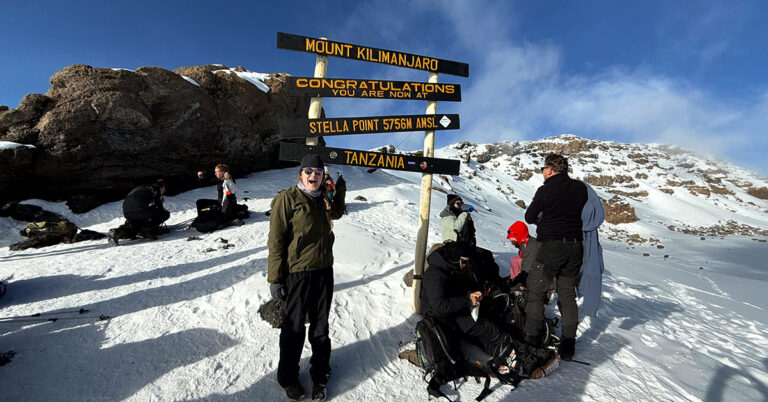
We ensure:
  • Fair wages paid directly to staff
  • Proper gear and equipment for porters
  • Ethical working conditions on the mountain

Tipping is appreciation, but respect and fairness are our foundation.

Proper planning also includes packing the right gear. Check our Kilimanjaro packing list to prepare fully.
: Tourists visiting a Maasai boma in Tanzania, engaging with Maasai elders and families
A visit to a Maasai boma offers insight into traditional lifestyles, rituals, and values passed down for generations

Frequently Asked Questions About Kilimanjaro and Safari Tipping

How much should you tip on a Kilimanjaro trek?

Tipping on a Kilimanjaro climb usually ranges from 20% to 25% of the total trek cost per person. This amount is shared among the mountain crew, including guides, cooks, and porters who support your journey on Mount Kilimanjaro.
 
Understanding costs and tips is part of overall planning , see our Kilimanjaro cost breakdown guide for full details.

Who receives tips during a Kilimanjaro climb?

Tips are distributed among the entire trekking team, including the lead guide, assistant guides, cooks, and porters. These crew members work together to carry gear, prepare meals, set up camps, and support trekkers throughout the climb.

When should you give tips on a Kilimanjaro trek?

Tipping usually takes place on the final day of the trek, often during a short debriefing at the hotel after descending the mountain. The tip is normally handed to the lead guide, who distributes it fairly among the team.

How much should you tip a safari guide in Tanzania?

For safaris in Tanzania, a common recommendation is $50–$60 per vehicle per day for the driver-guide. If several people share the vehicle, the tip can be split among all passengers.

Why is tipping important on Kilimanjaro and safari trips?

Tipping is a way to show appreciation for the hard work, expertise, and dedication of the team supporting your trip. On Kilimanjaro climbs and safaris, staff often work long hours to ensure safety, comfort, and a successful travel experience.

Can tips be given in US dollars on Kilimanjaro or safari?

Yes. US dollars are widely accepted for tipping in Tanzania. Most trekking companies recommend bringing small denominations of clean, newer bills(from 2005 to current) to make tip distribution easier at the end of your trip.

Plan Your Kilimanjaro Trek and Safari with Kili Quests

When you choose Kili Quests, you’re not just choosing a company. You’re choosing to support the local community, uplift our dedicated team, and embark on a journey that respects both the people and the mountain or wildlife.
 Ready to climb with a company that values its people?
 
Contact today to plan your Kilimanjaro adventure or safari Experience.

Related Articles

Mount Kilimanjaro: Africa’s Highest and Most Famous Mountain

Plan Your Kilimanjaro Climb

Turn your goal of climbing Africa’s highest peak into a real experience

Start Planning Your Kilimanjaro Adventure

 The right preparation makes the difference between reaching the summit and turning back.

OUR CATEGORIES

Why Kilimanjaro Is Africa’s Most Iconic Landmark | Kili Quests

Mount Kilimanjaro is one of the most recognized and revered natural features in the world. Towering at 5,895 meters (19,341 ft), it is not just the highest mountain in Africa — it’s a symbol of achievement, resilience, and natural beauty. But what exactly makes Kilimanjaro so iconic?

Whether you’re drawn to it for the adventure, the scenery, or its cultural importance, here’s why Kilimanjaro earns its legendary status among global travelers.

Mount Kilimanjaro rising above the African plains with acacia trees in the foreground
Kilimanjaro’s snowcapped summit and free-standing presence make it one of Africa’s most iconic and photographed landmarks

Table of Contents

It’s the Highest Free-Standing Mountain in the World

Unlike most major peaks that are part of mountain ranges, Kilimanjaro stands alone. Its dramatic rise from the surrounding savanna makes it visible from miles away , a breathtaking spectacle, especially at sunrise or sunset. It’s the tallest free-standing mountain on Earth, making it geologically and visually unique.
 
To understand how this massive mountain formed, explore Kilimanjaro’s volcanic cones and geological history.

Snow at the Equator — A Surprising Natural Wonder

Located just south of the equator, Kilimanjaro’s summit is capped with permanent glaciers and snow , a rare sight in tropical Africa. This surreal contrast between hot plains and icy summit is part of the mountain’s magic and mystery.
 
These extreme differences also affect trekking conditions , learn the best time to climb Kilimanjaro for clearer skies and better summit chances.

It Has Five Distinct Ecological Zones

Climbing Kilimanjaro takes you through five ecological zones, each with unique landscapes, flora, and fauna:
  • Cultivation Zone – farmland and villages
  • Rainforest Zone – home to monkeys and exotic birds
  • Heather and Moorland Zone – surreal plant life and rolling fog
  • Alpine Desert Zone – dry, rocky terrain with wide views
  • Arctic Summit Zone – glaciers, ice, and thin air
You can explore all zones in detail in this guide to Kilimanjaro’s ecological zones.
 
Local Chagga farmer working in the fields with Mount Kilimanjaro in the background
Kilimanjaro is not just a landmark — it’s a source of life, culture, and pride for the communities around it

It’s the Most Accessible of the Seven Summits

Kilimanjaro is part of the Seven Summits , the tallest mountains on each continent , but it’s the most accessible to non-technical climbers. No ropes or climbing gear are needed. With good fitness and altitude preparation, anyone can attempt the climb.
 
Prepare for your summit with this plan:
 

It Attracts Trekkers from All Over the World

Each year, over 35,000 climbers attempt to summit Kilimanjaro. From solo hikers to charity groups and family expeditions, the mountain draws people from every continent. It’s not just a climb , it’s a global pilgrimage of determination, teamwork, and personal triumph.
 
Wide view of the Shira Plateau with its flat landscape and Shira Peak rising in the background
The Shira Plateau offers a rare flat expanse on Kilimanjaro — once the crater floor of an ancient volcano, with Shira Peak visible on the horizon

It’s a Cultural and Spiritual Symbol

To local communities like the Chagga, Maasai, and Pare, Kilimanjaro is sacred. It plays a central role in oral stories, rituals, and traditional beliefs. It is believed to house spirits, ancestors, and divine energy , and locals treat it with profound respect.
 
Discover the deeper cultural meaning through Kilimanjaro myths, spirits, and local tribes
Members of the Pare tribe from the southeastern Kilimanjaro region, dressed in traditional clothing
The Pare people, known for their rituals and herbal knowledge, view Kilimanjaro as a sacred force and conduct spiritual ceremonies in its presence
Chagga people performing a traditional dance during the 1990s in Kilimanjaro region | Kili Quests
Cultural pride in motion — this 1990s Chagga dance reflects deep-rooted heritage passed through generations.

It’s One of the Most Photographed Natural Landmarks

From National Geographic covers to adventure films and global brand campaigns, Kilimanjaro’s silhouette is iconic. With its towering form above the plains and its snowy peak contrasting against blue skies or golden savannas, it’s a dream scene for photographers and travelers alike.
 
Reaching the summit is the ultimate goal , learn what it takes to reach Uhuru Peak successfully.
Kilimanjaro guide and climber standing together at Stella Point, sharing a moment in fresh snow
A powerful moment between guide and climber at Stella Point — a key milestone on the way to the summit of Kilimanjaro
Group of trekkers celebrating together at Uhuru Peak, the summit of Mount Kilimanjaro
Reaching Uhuru Peak is a shared triumph — this final photo marks the ultimate goal of every Kilimanjaro climber

It Borders Rich Wildlife Ecosystems

Kilimanjaro National Park is home to elephants, monkeys, antelope, and countless birds. Nearby destinations like Amboseli (Kenya) and Arusha National Park (Tanzania) allow trekkers to combine summit adventure with safari.
 
Impatien kilimanjarica flower blooming on Mount Kilimanjaro | Kili Quests
Impatien kilimanjarica- endemic flower of KilimanjaroDelicate beauty — this bright flower grows only on Kilimanjaro.
Giant groundsels in the alpine desert zone of Mount Kilimanjaro | Kili Quests
Strange and beautiful giant groundsels are among Kilimanjaro’s most iconic high-altitude plants.

 Why It All Matters

Kilimanjaro is not just a mountain — it’s a symbol of Africa’s beauty, challenge, and spirit. It represents hope, resilience, and nature’s grandeur. Whether you summit it or simply admire it from below, you are engaging with one of the greatest landmarks on Earth.
 
At Kili Quests, we help you connect with this wonder — responsibly, respectfully, and with expert guidance.
Mount Kilimanjaro rising alone above the African savanna, with snowcapped summit and open sky
Kilimanjaro’s unmatched height, freestanding shape, and snowcapped peak make it one of Africa’s most iconic natural landmarks

Frequently Asked Questions About Why Kilimanjaro Is Africa’s Most Iconic Landmark

Why is Mount Kilimanjaro considered Africa’s most iconic landmark?

Mount Kilimanjaro is widely considered Africa’s most iconic landmark because it is the highest mountain on the continent and the tallest free-standing mountain in the world. Its snow-covered summit rising above tropical plains creates one of the most recognizable natural landscapes on Earth.

What makes Mount Kilimanjaro unique compared to other mountains?

Unlike most famous mountains that are part of large ranges, Kilimanjaro stands alone. Its dramatic rise from the surrounding savanna, combined with glaciers near the equator and diverse ecosystems along its slopes, makes it geologically and visually unique.

Why do so many travelers want to climb Mount Kilimanjaro?

Kilimanjaro attracts tens of thousands of climbers each year because it offers a rare opportunity to reach a very high summit without technical climbing skills. Trekkers can walk to the summit while passing through multiple ecological zones, making the journey both accessible and diverse.

Is Mount Kilimanjaro part of the Seven Summits?

Yes. Kilimanjaro is the highest mountain in Africa and represents the African continent in the famous Seven Summits challenge, which includes the tallest peaks on each continent.

Why is Kilimanjaro culturally important to local communities?

For many local communities, including the Chagga people, the Maasai people, and the Pare people, Kilimanjaro holds spiritual and cultural significance. Stories, traditions, and ancestral beliefs connected to the mountain have been passed down for generations.

Why is Mount Kilimanjaro famous around the world?

Kilimanjaro is globally famous for its height, dramatic landscape, and reputation as one of the world’s great trekking destinations. Its distinctive silhouette, glaciers near the equator, and cultural importance have made it one of the most recognizable mountains in the world.

Ready to Experience Kilimanjaro for Yourself?

Whether you’re planning your first trek or returning for a new route, Mount Kilimanjaro is calling , and we’re here to guide you every step of the way.
At Kili Quests, we offer:

  • 98% summit success rate on popular routes like Lemosho and Machame
  • Certified local guides with years of experience
  • Full cultural immersion with a Chagga-owned team
  • Private, customizable itineraries based on your goals and pace
 
 Book a free consultation or ask us your questions:Contact Us

Related Articles

Mount Meru vs Kilimanjaro: Which Trek Should You Choose?

Plan Your Kilimanjaro or Meru Climb

Choosing the right mountain depends on your goals and experience.

Plan Your Kilimanjaro Climb

Good planning makes your climb easier and more successful.

OUR CATEGORIES

Kilimanjaro vs Mount Meru: Which Trek Should You Choose?

If you’re planning a mountain adventure in Tanzania, two peaks stand out: Mount Kilimanjaro and Mount Meru. Both offer incredible trekking experiences , but they are very different in terms of altitude, difficulty, scenery, and overall experience.Kilimanjaro is Africa’s highest mountain and a global bucket-list climb. Mount Meru, on the other hand, is quieter, steeper, and often overlooked , but equally rewarding in its own way.
 
So which one is right for you?
 
This guide breaks down the real differences so you can choose the trek that matches your goals, time, and experience level.
: Mount Meru and Mount Kilimanjaro seen from a distance across the Tanzanian plains
Mount Meru and Kilimanjaro rise above northern Tanzania — offering two very different trekking experiences

Table of Contents

Altitude and Overall Challenge

Mount Kilimanjaro – High Altitude, Longer Exposure

Mount Kilimanjaro rises to 5,895 meters (19,341 ft), making it the highest mountain in Africa. While the climb is non-technical, the altitude is the biggest challenge.
You spend several days above 3,000 meters, which increases the risk of altitude sickness and requires proper acclimatization.
 
Before choosing, it’s important to understand altitude sickness on Kilimanjaro and how to prevent it.

Mount Meru – Steeper but Lower

Mount Meru stands at 4,566 meters (14,980 ft). Although lower, the climb can feel physically demanding because:
  • The trails are steeper
  • The summit ridge is narrow and exposed
  • The ascent is more direct
However, the lower altitude makes it slightly easier from a physiological perspective.
Snow and glaciers at the summit of Mount Kilimanjaro
Kilimanjaro offers high-altitude glacier trekking and the chance to stand on Africa’s highest peak

Scenery and Overall Experience

Kilimanjaro – A Journey Through Five Worlds

Kilimanjaro offers one of the most unique trekking experiences in the world. You pass through five ecological zones:
  • Rainforest
  • Moorland
  • Alpine desert
  • Arctic summit
 You can explore these transitions in detail in Kilimanjaro ecological zones explained.

Mount Meru – Dramatic and Wild

Mount Meru delivers a more rugged and dramatic landscape:
  • A massive volcanic crater
  • Narrow ridgelines near the summit
  • Direct views of Kilimanjaro at sunrise
It feels more adventurous and less commercial.

Wildlife and Natural Environment

Mount Meru – Wildlife-Rich Trek

The trek starts inside Arusha National Park, where you may see:
  • Giraffes
  • Buffalo
  • Colobus monkeys
This is one of the few mountain treks in Africa where wildlife is part of the experience.

Kilimanjaro – Limited Wildlife at Higher Altitude

Wildlife is mostly found in the lower forest zone. As you climb higher, the focus shifts from animals to landscapes.

Trek Duration and Time Commitment

Kilimanjaro – 6 to 9 Days

Most Kilimanjaro routes take between 6 and 9 days. Longer routes improve acclimatization and increase summit success.
 
 Compare options in Kilimanjaro routes comparison: which route is best.

Mount Meru – 3 to 5 Days

Mount Meru is shorter and more compact:
  • Ideal for travelers with limited time
  • Easier to fit into a broader Tanzania itinerary
Kili Quests guide standing at the summit of Mount Meru in early morning darkness before sunrise, with limited visibility
Our guide reached the summit of Mount Meru around 5:30 AM — capturing the quiet, powerful moment before sunrise that few trekkers experience

Cost Comparison

Kilimanjaro – Higher Cost

Climbing Kilimanjaro involves:
  • Higher park fees
  • Larger support teams (guides, porters, cooks)
  • Longer duration

Mount Meru – More Affordable

Mount Meru is generally more budget-friendly because:
  • Shorter trek
  • Fewer crew members
  • Lower total logistics

Crowds and Trail Experience

Kilimanjaro – Popular and Busy

Kilimanjaro is one of the most climbed mountains in the world. During peak season:
  • Trails can be busy
  • Camps can feel crowded

Mount Meru – Quiet and Remote

Meru offers:
  • Fewer climbers
  • Peaceful camps
A more personal connection with nature
Trekkers walking along the crater rim of Mount Meru during the final ascent
Mount Meru features steep ridges, wildlife sightings, and fewer crowds — perfect for a quieter adventure

Trekking Style and Difficulty Feel

Kilimanjaro – Gradual but Long

  • Slower pace (“pole pole”)
  • Longer trekking days
  • Focus on endurance

Mount Meru – Shorter but Steeper

  • Steeper sections
  • Narrow summit ridge
  • More technical feel (but still non-technical climb)
 
 
Our experienced guides also lead treks up Mount Meru — here standing near the summit with the volcano’s striking ash cone below

 Quick Comparison: Kilimanjaro vs Mount Meru

Altitude:
  • Kilimanjaro – 5,895 m
  • Meru – 4,566 m
Duration:
  • Kilimanjaro – 6–9 days
  • Meru – 3–5 days
Difficulty:
  • Kilimanjaro – High altitude challenge
  • Meru – Steeper terrain

Wildlife:

  • Kilimanjaro – Limited
  • Meru – High
Crowds:
  • Kilimanjaro – Busy
  • Meru – Quiet
Cost:
  • Kilimanjaro – Higher
  • Meru – Lower

 Which One Should You Choose?

Choose Kilimanjaro If:

  •  You want to reach the highest point in Africa
  • You are prepared for a longer, high-altitude challenge
  • You want a world-famous trekking experience

Choose Mount Meru If:

  • You prefer fewer crowds and a quieter experience
  • You want a shorter trek
  • You enjoy steeper, more rugged terrain

Best Strategy — Do Both

  • Many climbers choose to climb Mount Meru first, then attempt Kilimanjaro.
  • This approach:
  • Improves acclimatization
  • Builds confidence
  • Increases summit success rate
Kilimanjaro trekker walking across the dry alpine desert zone with summit in view
Kilimanjaro features five ecological zones, including alpine desert near the summit

Frequently Asked Questions About Kilimanjaro vs Mount Meru

Which is harder to climb, Kilimanjaro or Mount Meru?

In general, Mount Kilimanjaro is considered more challenging because of its extreme altitude at 5,895 meters (19,341 ft). While Mount Meru is steeper in certain sections, it is lower in elevation and usually climbed over fewer days, making altitude sickness less common.

Is Mount Meru a good preparation climb for Kilimanjaro?

Yes. Many trekkers climb Mount Meru first to help their bodies acclimatize to high altitude before attempting Kilimanjaro. The Meru trek provides excellent altitude exposure, physical training, and confidence before taking on Africa’s highest peak.

How long does it take to climb Mount Meru compared to Kilimanjaro?

Climbing Mount Meru typically takes 3 to 5 days, while Kilimanjaro treks usually last 6 to 9 days depending on the chosen route. The longer duration on Kilimanjaro helps climbers adjust to higher elevations and improves summit success rates.

Which mountain has more wildlife during the trek?

Mount Meru offers more wildlife sightings because the trek begins inside Arusha National Park. Trekkers may see animals such as giraffes, buffalo, and monkeys along the lower slopes. Wildlife is less common on Kilimanjaro, especially at higher altitudes.

Is Mount Meru cheaper to climb than Kilimanjaro?

Yes. Mount Meru treks are generally more affordable because they are shorter and require fewer support staff. Kilimanjaro expeditions involve higher park fees, longer itineraries, and larger trekking crews.

Should beginners climb Mount Meru or Kilimanjaro first?

Many beginners choose to climb Mount Meru first because it is shorter, quieter, and provides good altitude experience. However, beginners with good fitness and proper preparation can still successfully climb Kilimanjaro with the support of experienced guides.

 Ready to Plan Your Trek?

At Kili Quests, we offer:
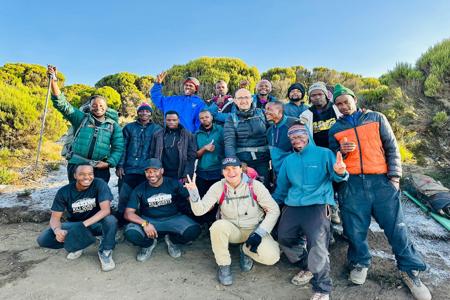
  • Custom itineraries for both Kilimanjaro and Mount Meru
  • Experienced, local guides
  • High summit success rates and full safety support
  • Flexible trip combinations to match your budget and goals
Contact us today

Related Articles