Experience Kilimanjaro Beyond the Trail

Explore the myths, sacred places, local stories, and cultural beliefs that make Kilimanjaro more than just a mountain.

Related Culture & History Guides

OUR CATEGORIES

Mount Kilimanjaro Myths: Chagga, Maasai & Pare Beliefs

Mount Kilimanjaro is not only Africa’s highest mountain. For many communities around northern Tanzania, it has also been a place of mystery, respect, spiritual meaning, and traditional stories.
 
The Chagga, Maasai, and Pare communities each have their own ways of understanding mountains, forests, rain, ancestors, sacred places, and natural signs. Some traditions connect Kilimanjaro with protection, punishment, rainmaking, healing, and respect for the unseen world.
This article explores Kilimanjaro myths, spiritual beliefs, and cultural traditions connected to these communities. These stories should be understood with respect, not as simple tourist entertainment, because they are part of living cultural memory.
 
For the wider cultural background, read our guide to Chagga Culture Around Mount Kilimanjaro.

Quick Answer: What Myths Are Connected to Mount Kilimanjaro?

Mount Kilimanjaro is connected to many traditional stories and spiritual beliefs among communities around the mountain. In Chagga traditions, parts of the mountain are linked with ancestral spirits, rain rituals, sacred plants, and warnings about disrespecting the land. Pare traditions also include natural omens, ancestral guidance, and sacred mountain landscapes. Maasai beliefs place strong spiritual meaning on mountains, sacred trees, livestock offerings, and the presence of Engai, although Oldoinyo Lengai is more central to Maasai cosmology than Kilimanjaro.
 
These beliefs vary by family, location, elder, and community. They are best understood as cultural traditions and oral histories rather than one fixed version of Kilimanjaro mythology.

A Note on Oral Traditions and Local Beliefs

Kilimanjaro myths and spiritual beliefs are mostly passed down through oral tradition. That means stories can vary between families, villages, elders, and communities.
 
Some people still respect these beliefs deeply, while others understand them more as cultural history. Many people around Kilimanjaro today are Christian, Muslim, or follow modern lifestyles, but traditional stories still remain part of local memory.

Table of Contents

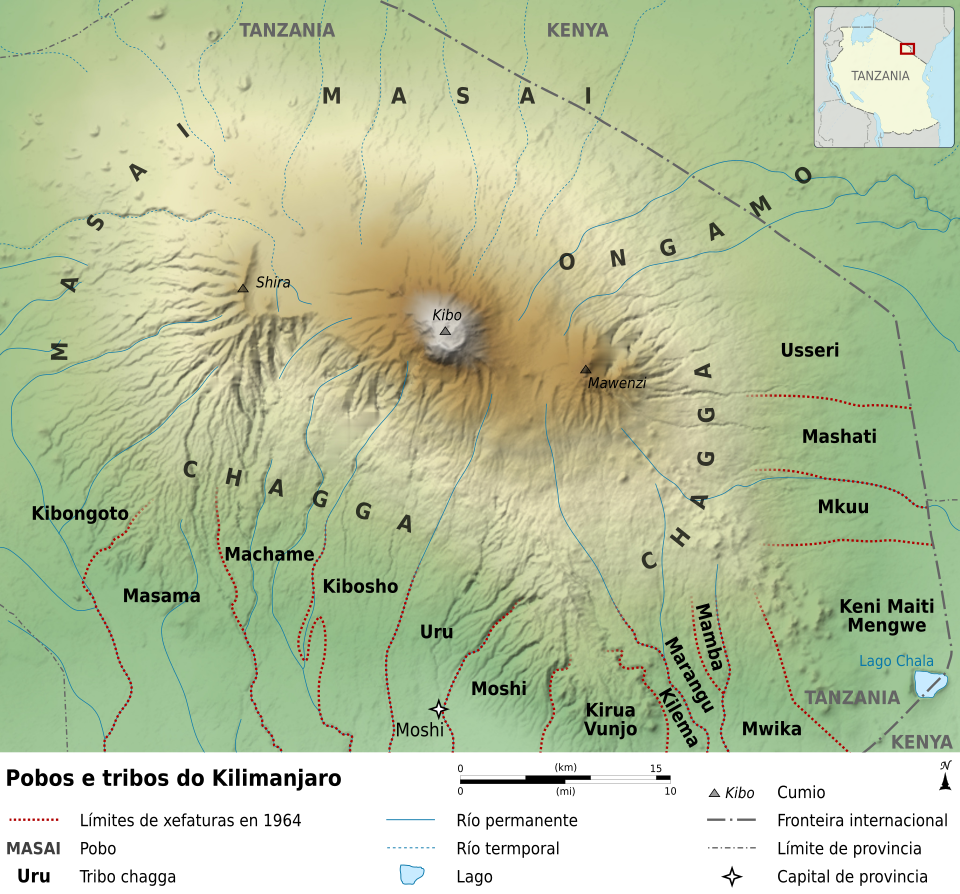
Map of Mount Kilimanjaro highlighting areas inhabited by the Chagga people, including villages on southern and eastern slopes | Kili Quests
The Chagga people have lived on the fertile slopes of Kilimanjaro for generations, forming vibrant communities across the mountain’s southern and eastern sides.

Chagga Myths and Sacred Places on Kilimanjaro

The Chagga people live around the southern and eastern slopes of Mount Kilimanjaro, and many local stories connect the mountain with ancestral presence, rain, warnings, and spiritual respect.
 
In traditional Chagga belief, the mountain was not just a physical place. Forests, hills, caves, plants, and highland areas could carry spiritual meaning. Some elders taught that disrespecting sacred places, ignoring family rituals, or acting with uncontrolled anger could bring misfortune.
 
Stories about people getting lost in familiar forests, sudden lightning, strange accidents, or unusual natural signs were sometimes understood as warnings that the relationship between people, ancestors, and land had been disturbed.
 
These beliefs do not mean every Chagga person understands Kilimanjaro the same way today. Many Chagga people are Christian or live modern urban lives. But the older stories still help explain why the mountain is treated with respect.
 
For a wider cultural background, read Chagga Culture Around Mount Kilimanjaro.
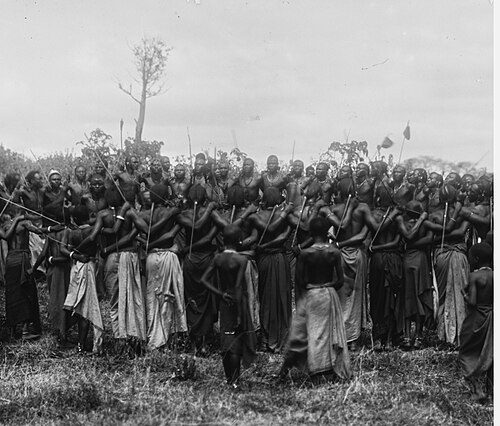
Chagga people performing a traditional dance during the 1990s in Kilimanjaro region | Kili Quests
Cultural pride in motion — this 1990s Chagga dance reflects deep-rooted heritage passed through generations.
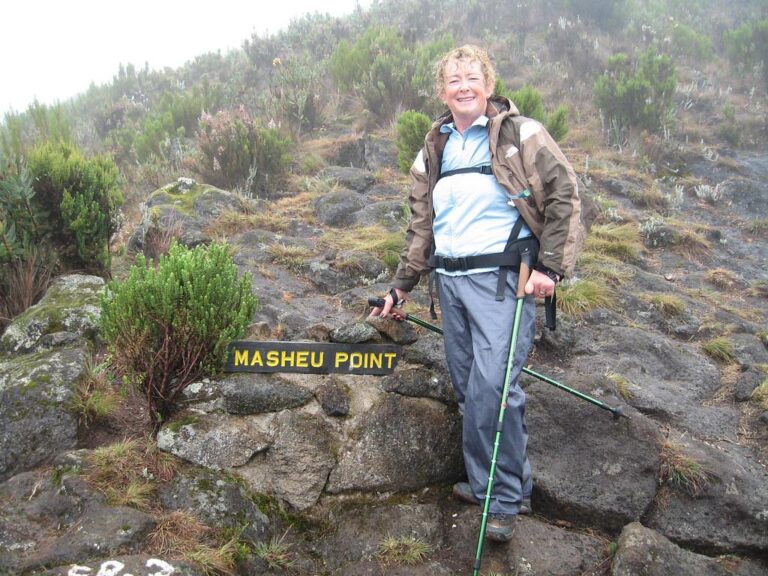
A woman standing quietly at Masheu Point near Whona on Mount Kilimanjaro, a sacred place where Chagga ancestors performed rain rituals
Masheu Point, seen from the moorland zone near Whona, is a sacred site where Chagga elders once offered meat and blood to call for rain — a powerful link to ancestral rituals
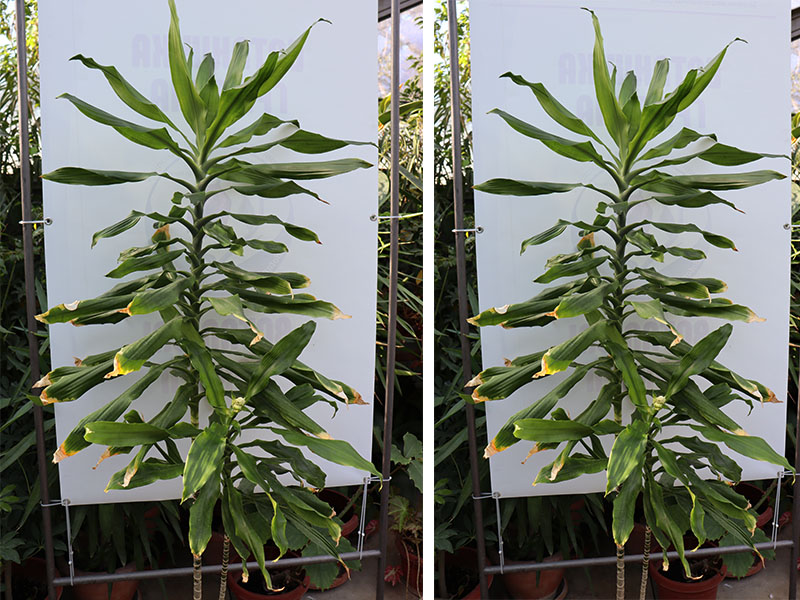
Masale plant (Dracaena fragrans) used in Chagga rituals and traditional land boundary marking in Kilimanjaro region | Kili Quests
Masale, or Dracaena fragrans, plays a sacred role in Chagga traditions — symbolizing peace, boundaries, and ancestral respect.
Historic Chagga house at Mangi Meli’s boma site in Old Moshi, Kilimanjaro region | Kili Quests
Mangi Meli’s boma — a cultural landmark honoring Chagga leadership and tradition.

Masheu Point and Rain Ritual Stories


One sacred place in Chagga oral tradition is Masheu Point on the Marangu side of Kilimanjaro, near the moorland zone. Local stories describe it as a place where elders once went during times of drought to ask for rain and blessings.

According to these traditions, elders carried offerings such as meat or animal blood and performed rituals connected to rain, ancestors, and protection. Some stories say rain would begin before the elders returned home, showing that their prayers had been accepted.

Whether understood spiritually, culturally, or historically, Masheu Point shows how deeply the Chagga relationship with Kilimanjaro was connected to survival. Rain meant crops, food, livestock, and life. That is why sacred places on the mountain carried serious meaning.

Masale Plant and Ancestral Respect

The Masale plant, known botanically as Dracaena fragrans, has special meaning in some Chagga traditions. It is associated with peace, land boundaries, forgiveness, and ancestral respect.

In some rituals, folded Masale leaves may be used when asking for forgiveness or restoring harmony after conflict. The plant may also be connected with land boundaries, where it symbolizes respect for family land and community order.

Masale traditions show that Chagga spiritual life was not only about the mountain itself. It was also about family unity, land respect, reconciliation, and the relationship between the living and the ancestors.

Pare Beliefs, Omens, and Sacred Landscapes

The Pare people live southeast of Mount Kilimanjaro, especially around Same and Mwanga districts and the Pare Mountains. While they are not based directly on Kilimanjaro’s slopes like the Chagga, the mountain and surrounding highlands remain part of the wider spiritual landscape of northeastern Tanzania.
 
Pare traditions include respect for ancestors, sacred places, natural signs, and rituals connected to protection, fertility, rain, healing, and family life. In some local stories, unusual natural events may be interpreted as warnings or signs that spiritual balance has been disturbed.
 
Examples of natural signs in local belief may include unusual behavior of bees, changes in plants, or unexplained misfortunes. In such cases, elders or ritual specialists may be consulted to interpret the event and advise the family.
 
Pare traditions also include important life-stage ceremonies, burial customs, and teachings passed from elders to younger generations. These practices remind people that culture is not only about the past; it guides how communities understand family, responsibility, respect, and the unseen world.
Members of the Pare tribe from the southeastern Kilimanjaro region, dressed in traditional clothing
The Pare people, known for their rituals and herbal knowledge, view Kilimanjaro as a sacred force and conduct spiritual ceremonies in its presence
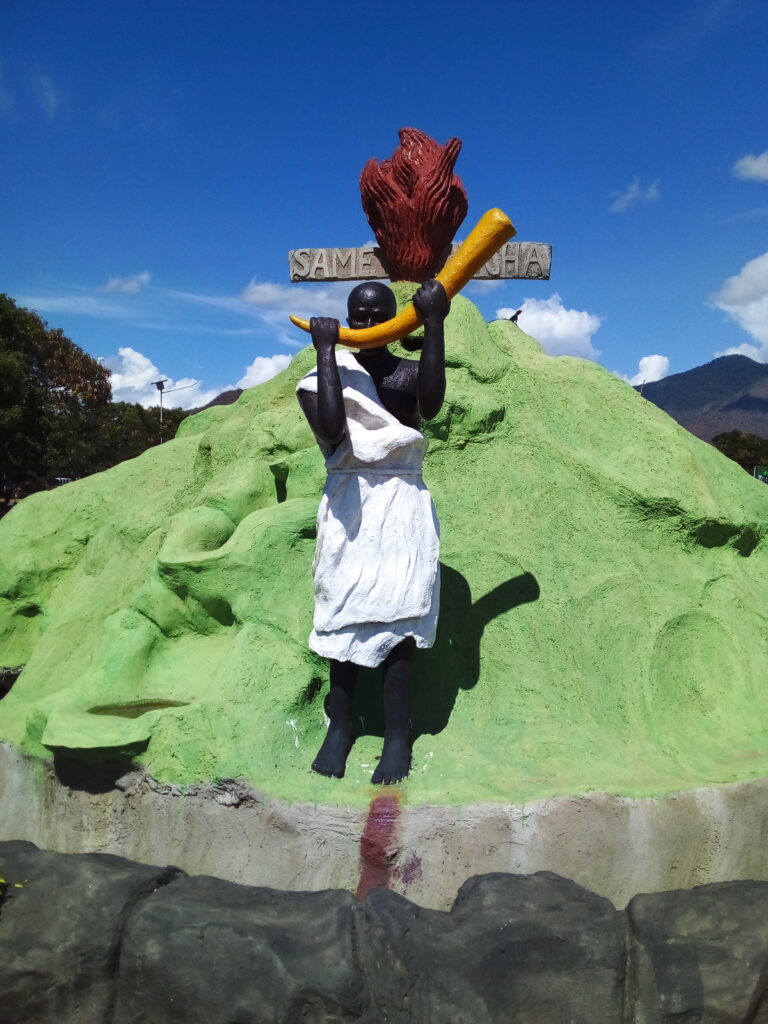
Same -Traditional statue or spiritual marker in the Pare Mountains of Tanzania, symbolizing ancestral presence and tribal rituals
In the Pare region southeast of Kilimanjaro, sacred symbols and natural markers are used in rituals to seek ancestral guidance, protect land, and teach spiritual laws

Maasai Spiritual Traditions and Sacred Mountains

The Maasai are pastoralist communities found across northern Tanzania and southern Kenya. Their spiritual traditions are closely connected to cattle, land, rain, sacred trees, mountains, and Engai, the Maasai name for God.
 
Kilimanjaro is respected by many Maasai communities because of its size, beauty, and presence above the surrounding plains. However, the most sacred mountain in Maasai cosmology is usually Oldoinyo Lengai, an active volcano whose name means “Mountain of God” in the Maa language.
 
In traditional Maasai ceremonies, offerings such as milk, meat, or livestock may be connected with prayer, blessing, rain, healing, or community protection. Sacred trees and natural places can also serve as spiritual sites where elders pray or perform rituals.
 
This is important because it keeps the article accurate. Kilimanjaro matters in the Maasai landscape, but Oldoinyo Lengai holds a deeper central role in Maasai spiritual tradition.
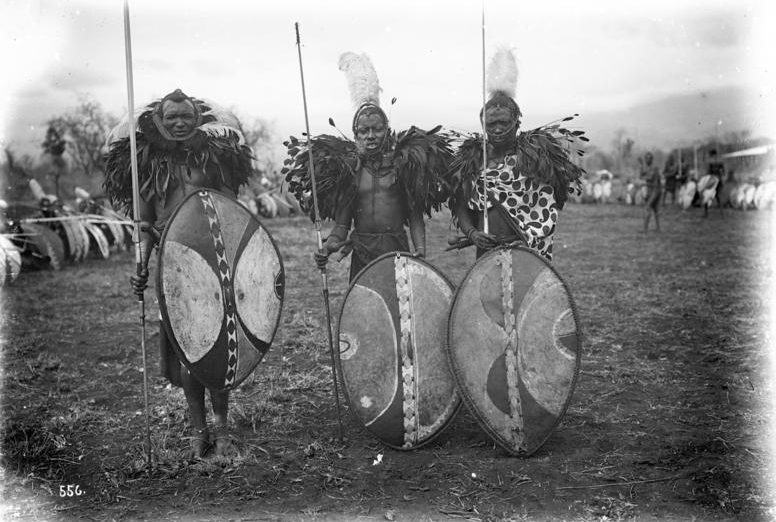
Maasai warrior standing with a traditional shield and spear, dressed in ceremonial attire
The Maasai use traditional shields in rituals and ceremonies that reflect bravery, ancestral respect, and protection of sacred traditions
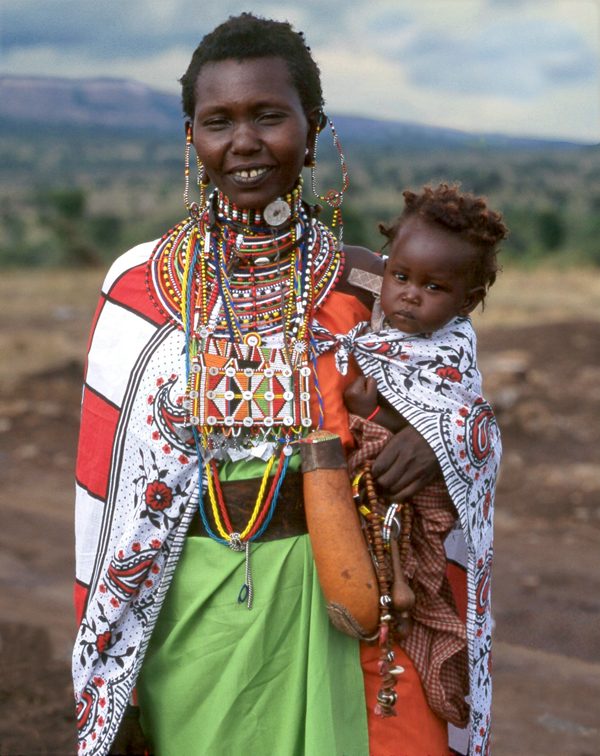
Maasai woman in traditional dress carrying a child on her back, wrapped in colorful fabric
Maasai women play a central role in passing down traditions, stories, and spiritual beliefs to future generations
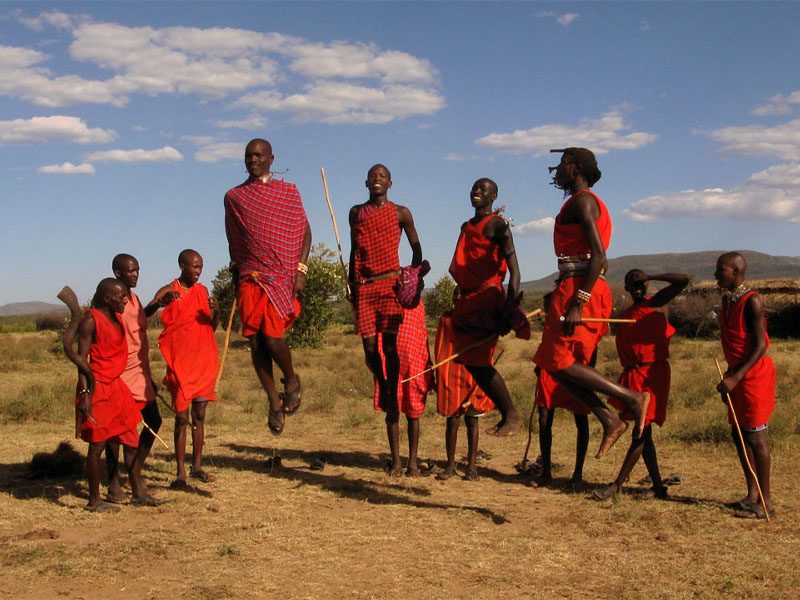
Maasai men performing the traditional Adumu jumping dance in ceremonial attire
The iconic jumping dance, or Adumu, is a vital ritual among Maasai warriors — celebrating strength, unity, and spiritual readiness
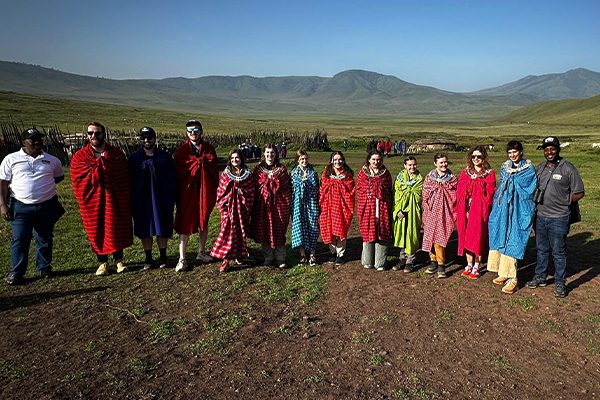
Kili Quests staff visiting a Maasai boma during a cultural experience in northern Tanzania
At Kili Quests, we partner with Maasai communities to offer authentic, respectful cultural experiences that support local traditions and livelihoods

Why These Traditions Still Matter Today

While modern life and tourism have changed how people interact with Kilimanjaro, many of these beliefs remain embedded in local culture. Guides may still offer quiet respect to the peak before summit day. Elders may still tell children stories about spirits that protect or punish, reminding the next generation of their heritage.
 
At Kili Quests, we are proud to be a Chagga-owned business that honors these traditions while welcoming trekkers from around the world. We believe understanding the spiritual and cultural layers of Kilimanjaro deepens the journey — making every climb more meaningful.
 

What These Traditions Teach Visitors

Kilimanjaro myths and spiritual beliefs teach visitors that the mountain is more than a trekking route. It is part of a cultural landscape shaped by local communities, oral history, sacred places, rain, farming, livestock, ancestors, and respect for nature.

If you visit cultural sites around Kilimanjaro, remember:

  • Listen respectfully to local guides and elders
  • Do not treat rituals or sacred places as entertainment
  • Ask before taking photos
  • Avoid mocking beliefs you do not personally follow
  • Support community-led cultural tourism
  • Understand that stories may vary between villages and families
A respectful traveler does not only climb the mountain. They also learn from the people who have lived around it for generations.
Local Chagga farmer working in the fields with Mount Kilimanjaro in the background
Kilimanjaro is not just a landmark — it’s a source of life, culture, and pride for the communities around it

Kilimanjaro: A Mountain with a Soul

Mount Kilimanjaro is more than just a geological wonder. It is a living symbol of stories, spirits, and identity for the Chagga, Maasai, and Pare people. By learning these traditions, trekkers can gain not only altitude — but also a deeper appreciation for the soul of the mountain.See why Kilimanjaro is considered a natural wonder and what makes it globally significant

Frequently Asked Questions About Kilimanjaro Myths and Beliefs

What myths are connected to Mount Kilimanjaro?

Mount Kilimanjaro is connected to many local myths and traditional beliefs, including stories about ancestral spirits, sacred places, rain rituals, natural signs, punishment for disrespect, and the mountain as a place of mystery and protection.

Do local communities believe Kilimanjaro has spirits?

In some traditional beliefs, especially among elders and oral traditions, Kilimanjaro is connected with ancestral spirits and unseen forces. These beliefs vary by community, family, and generation, and not everyone understands them in the same way today.

Why is Kilimanjaro considered sacred by some communities?

Kilimanjaro is considered sacred by some communities because it is linked with rain, farming, ancestors, forests, water, protection, and spiritual power. Sacred places on or near the mountain were sometimes used for rituals, prayers, and offerings.

What is Masheu Point on Kilimanjaro?

Masheu Point is remembered in Chagga oral tradition as a sacred place on the Marangu side of Kilimanjaro. Local stories connect it with rain rituals, offerings, and prayers during times of drought.

How can visitors learn about Kilimanjaro’s cultural beliefs respectfully?

Visitors can learn respectfully by joining community-led cultural tours, listening to local guides, asking before taking photos, avoiding mockery of traditional beliefs, and understanding that oral stories may vary between families and villages.

Experience Kilimanjaro with Cultural Respect

Mount Kilimanjaro is more than a summit. It is a mountain of stories, sacred places, local memory, and cultural meaning for the communities around it.
 
At Kili Quests, we help travelers experience Kilimanjaro with respect for both the mountain and the people who call the region home. Whether you climb to the summit or explore nearby villages, waterfalls, coffee farms, and cultural sites, our local guides help you understand the deeper story behind the landscape.
 
Contact us today to plan a Kilimanjaro climb or cultural experience with local insight.

Related Articles