
Plan Your Kilimanjaro Climb
Turn your goal of climbing Africa’s highest peak into a real experience
- Choose the best route
- Prepare for altitude safely
- Climb with expert local guides
Start Planning Your Kilimanjaro Adventure
The right preparation makes the difference between reaching the summit and turning back.
OUR CATEGORIES
Why Kilimanjaro Is Africa’s Most Iconic Landmark | Kili Quests
Mount Kilimanjaro is one of the most recognized and revered natural features in the world. Towering at 5,895 meters (19,341 ft), it is not just the highest mountain in Africa — it’s a symbol of achievement, resilience, and natural beauty. But what exactly makes Kilimanjaro so iconic?
Whether you’re drawn to it for the adventure, the scenery, or its cultural importance, here’s why Kilimanjaro earns its legendary status among global travelers.
Table of Contents
It’s the Highest Free-Standing Mountain in the World
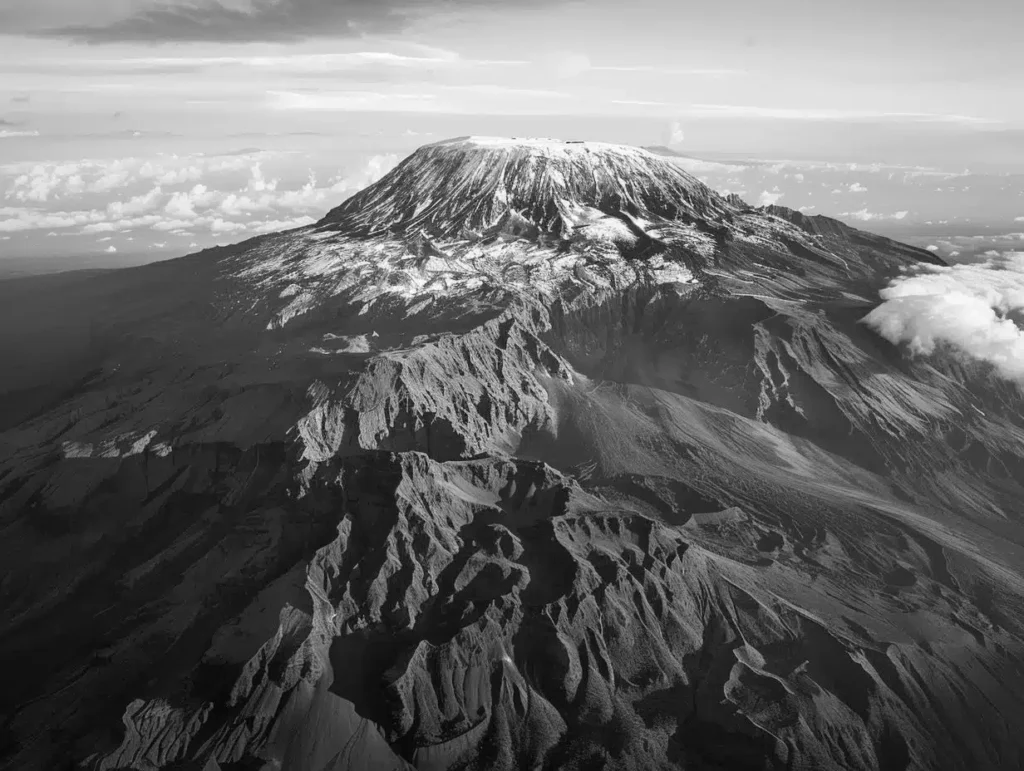
Unlike most major peaks that are part of mountain ranges, Kilimanjaro stands alone. Its dramatic rise from the surrounding savanna makes it visible from miles away , a breathtaking spectacle, especially at sunrise or sunset. It’s the tallest free-standing mountain on Earth, making it geologically and visually unique.
To understand how this massive mountain formed, explore Kilimanjaro’s volcanic cones and geological history.
Snow at the Equator — A Surprising Natural Wonder
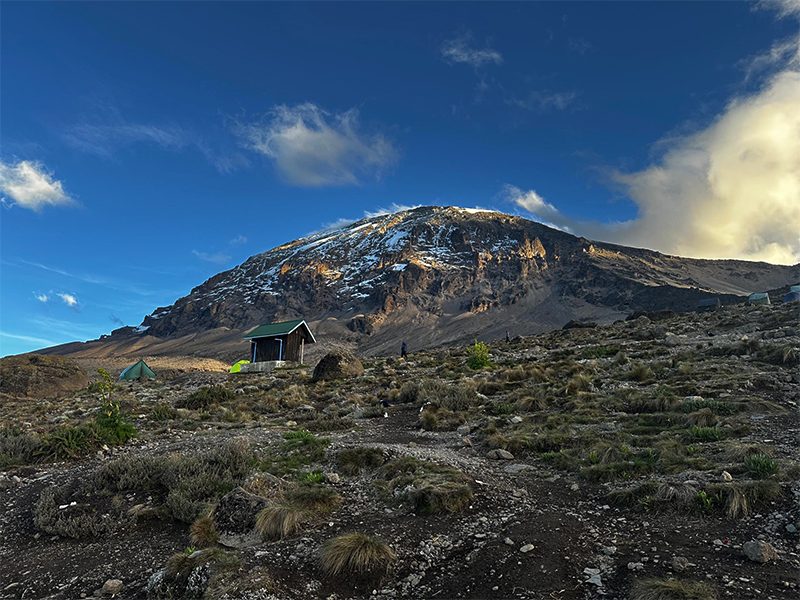
Located just south of the equator, Kilimanjaro’s summit is capped with permanent glaciers and snow , a rare sight in tropical Africa. This surreal contrast between hot plains and icy summit is part of the mountain’s magic and mystery.
These extreme differences also affect trekking conditions , learn the best time to climb Kilimanjaro for clearer skies and better summit chances.
It Has Five Distinct Ecological Zones
Climbing Kilimanjaro takes you through five ecological zones, each with unique landscapes, flora, and fauna:
- Cultivation Zone – farmland and villages
- Rainforest Zone – home to monkeys and exotic birds
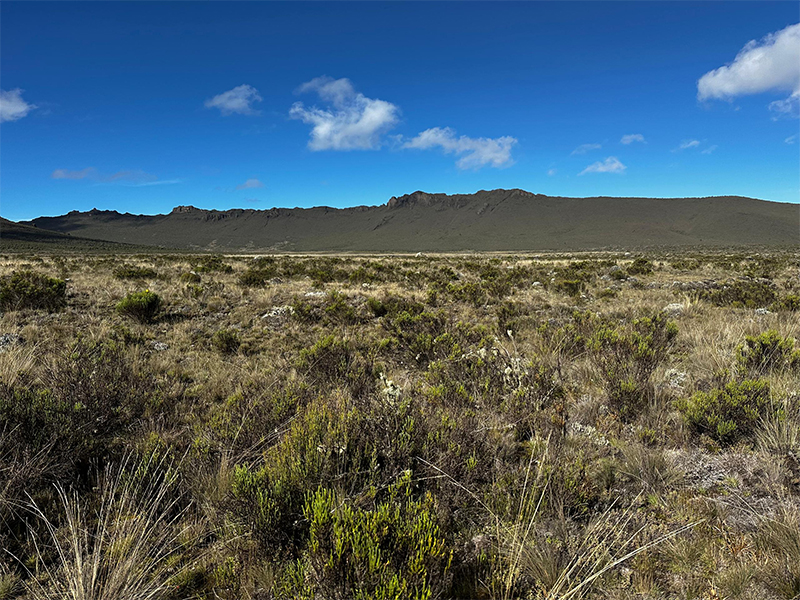
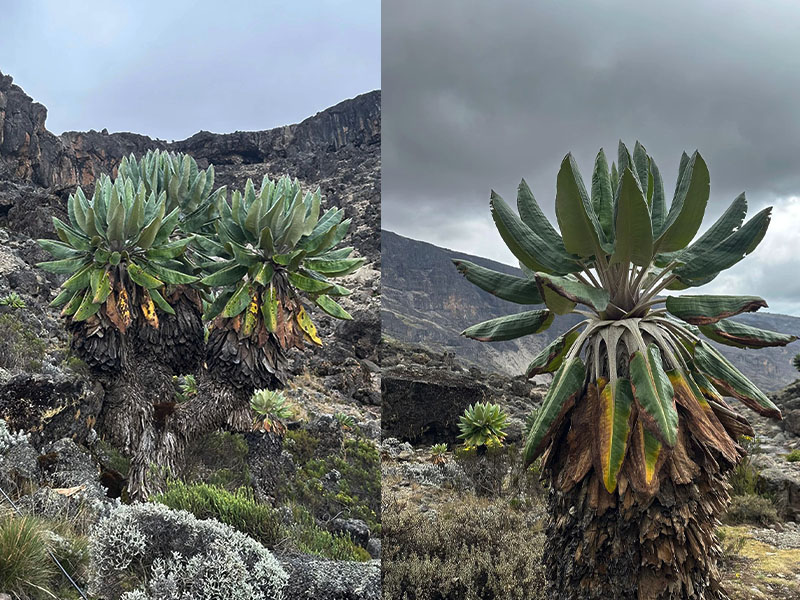
- Heather and Moorland Zone – surreal plant life and rolling fog
- Alpine Desert Zone – dry, rocky terrain with wide views
- Arctic Summit Zone – glaciers, ice, and thin air
You can explore all zones in detail in this guide to Kilimanjaro’s ecological zones.
Each zone plays a role in your success , understanding how to acclimatize on Kilimanjaro is key when moving through these altitude changes.
It’s the Most Accessible of the Seven Summits
Kilimanjaro is part of the Seven Summits , the tallest mountains on each continent , but it’s the most accessible to non-technical climbers. No ropes or climbing gear are needed. With good fitness and altitude preparation, anyone can attempt the climb.
Prepare for your summit with this plan:
Many climbers underestimate the challenge , understand how hard Kilimanjaro really is before planning your climb
It Attracts Trekkers from All Over the World
Each year, over 35,000 climbers attempt to summit Kilimanjaro. From solo hikers to charity groups and family expeditions, the mountain draws people from every continent. It’s not just a climb , it’s a global pilgrimage of determination, teamwork, and personal triumph.
Your success depends heavily on your route , compare all Kilimanjaro routes to choose the best path for your experience and goals.
It’s a Cultural and Spiritual Symbol
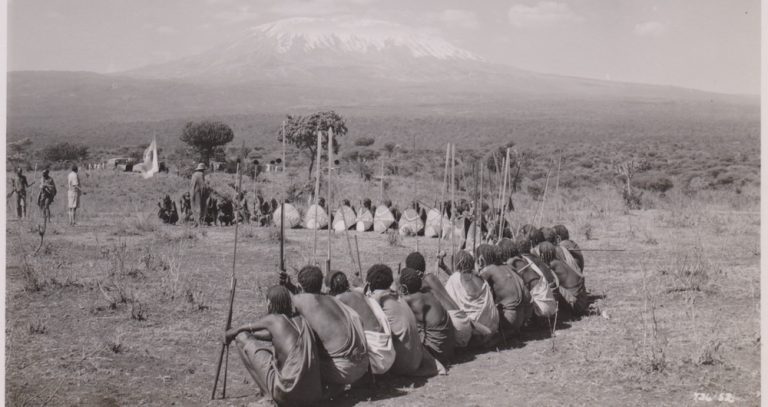
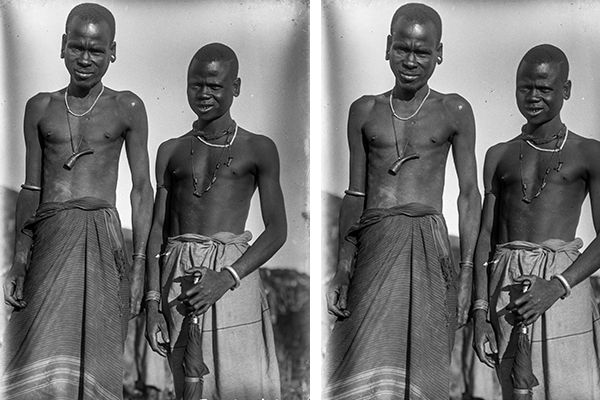
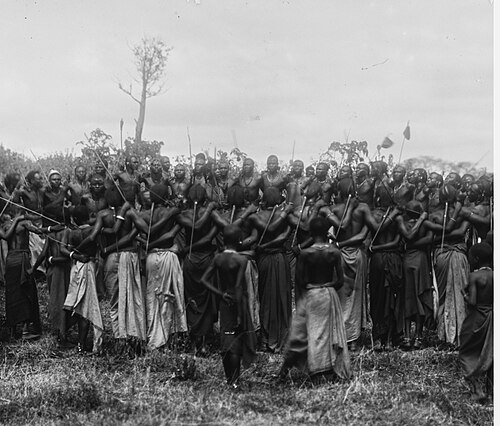
To local communities like the Chagga, Maasai, and Pare, Kilimanjaro is sacred. It plays a central role in oral stories, rituals, and traditional beliefs. It is believed to house spirits, ancestors, and divine energy , and locals treat it with profound respect.
Discover the deeper cultural meaning through Kilimanjaro myths, spirits, and local tribes
It’s One of the Most Photographed Natural Landmarks
From National Geographic covers to adventure films and global brand campaigns, Kilimanjaro’s silhouette is iconic. With its towering form above the plains and its snowy peak contrasting against blue skies or golden savannas, it’s a dream scene for photographers and travelers alike.
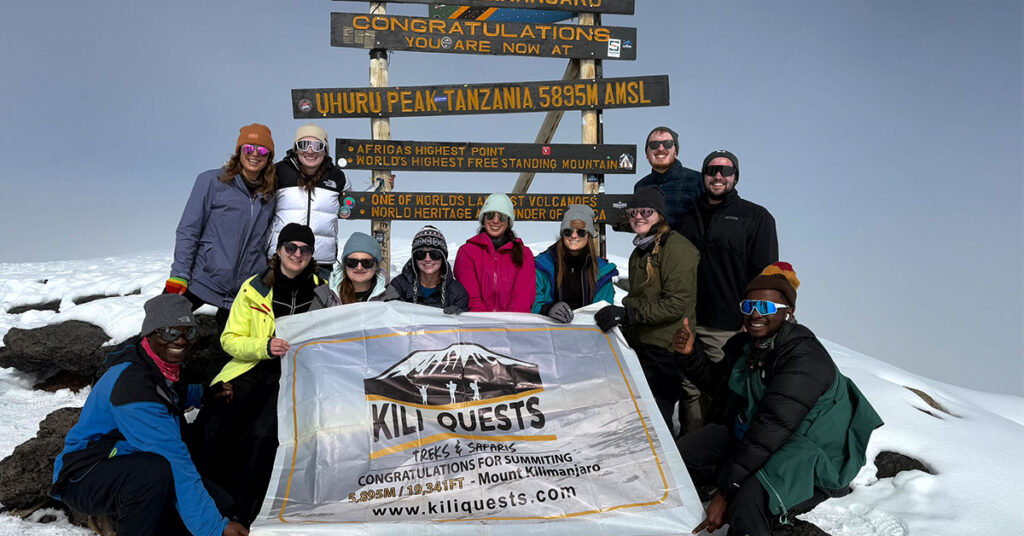
Reaching the summit is the ultimate goal , learn what it takes to reach Uhuru Peak successfully.
It Borders Rich Wildlife Ecosystems
Kilimanjaro National Park is home to elephants, monkeys, antelope, and countless birds. Nearby destinations like Amboseli (Kenya) and Arusha National Park (Tanzania) allow trekkers to combine summit adventure with safari.
Many climbers plan both experiences together , see the full cost of climbing Kilimanjaro to understand how to budget your trip properly.
Why It All Matters
Kilimanjaro is not just a mountain — it’s a symbol of Africa’s beauty, challenge, and spirit. It represents hope, resilience, and nature’s grandeur. Whether you summit it or simply admire it from below, you are engaging with one of the greatest landmarks on Earth.
At Kili Quests, we help you connect with this wonder — responsibly, respectfully, and with expert guidance.
Frequently Asked Questions About Why Kilimanjaro Is Africa’s Most Iconic Landmark
Why is Mount Kilimanjaro considered Africa’s most iconic landmark?
Mount Kilimanjaro is widely considered Africa’s most iconic landmark because it is the highest mountain on the continent and the tallest free-standing mountain in the world. Its snow-covered summit rising above tropical plains creates one of the most recognizable natural landscapes on Earth.
What makes Mount Kilimanjaro unique compared to other mountains?
Unlike most famous mountains that are part of large ranges, Kilimanjaro stands alone. Its dramatic rise from the surrounding savanna, combined with glaciers near the equator and diverse ecosystems along its slopes, makes it geologically and visually unique.
Why do so many travelers want to climb Mount Kilimanjaro?
Kilimanjaro attracts tens of thousands of climbers each year because it offers a rare opportunity to reach a very high summit without technical climbing skills. Trekkers can walk to the summit while passing through multiple ecological zones, making the journey both accessible and diverse.
Is Mount Kilimanjaro part of the Seven Summits?
Yes. Kilimanjaro is the highest mountain in Africa and represents the African continent in the famous Seven Summits challenge, which includes the tallest peaks on each continent.
Why is Kilimanjaro culturally important to local communities?
For many local communities, including the Chagga people, the Maasai people, and the Pare people, Kilimanjaro holds spiritual and cultural significance. Stories, traditions, and ancestral beliefs connected to the mountain have been passed down for generations.
Why is Mount Kilimanjaro famous around the world?
Kilimanjaro is globally famous for its height, dramatic landscape, and reputation as one of the world’s great trekking destinations. Its distinctive silhouette, glaciers near the equator, and cultural importance have made it one of the most recognizable mountains in the world.
Ready to Experience Kilimanjaro for Yourself?
Whether you’re planning your first trek or returning for a new route, Mount Kilimanjaro is calling , and we’re here to guide you every step of the way.
At Kili Quests, we offer:
- 98% summit success rate on popular routes like Lemosho and Machame
- Certified local guides with years of experience
- Full cultural immersion with a Chagga-owned team
- Private, customizable itineraries based on your goals and pace
Book a free consultation or ask us your questions:Contact Us
Related Articles

Best Time to Climb Kilimanjaro in 2026: Seasons & Weather
April 11, 2025
No Comments
Choose the Best Time to Climb Kilimanjaro The right season can make the difference between reaching the summit or turning back early.At Kili Quests, we
How Hard Is Mount Kilimanjaro? Difficulty Explained
March 24, 2026
No Comments
Plan Your Kilimanjaro Climb The right route, timing, and preparation make all the difference.At Kili Quests, we help you plan based on: Best routes for
How to Train for Kilimanjaro: 6-Week Fitness Plan
April 15, 2025
No Comments
Train Smart for Kilimanjaro Not sure if your fitness level is enough for the climb?At Kili Quests, we help you: Build a realistic training plan